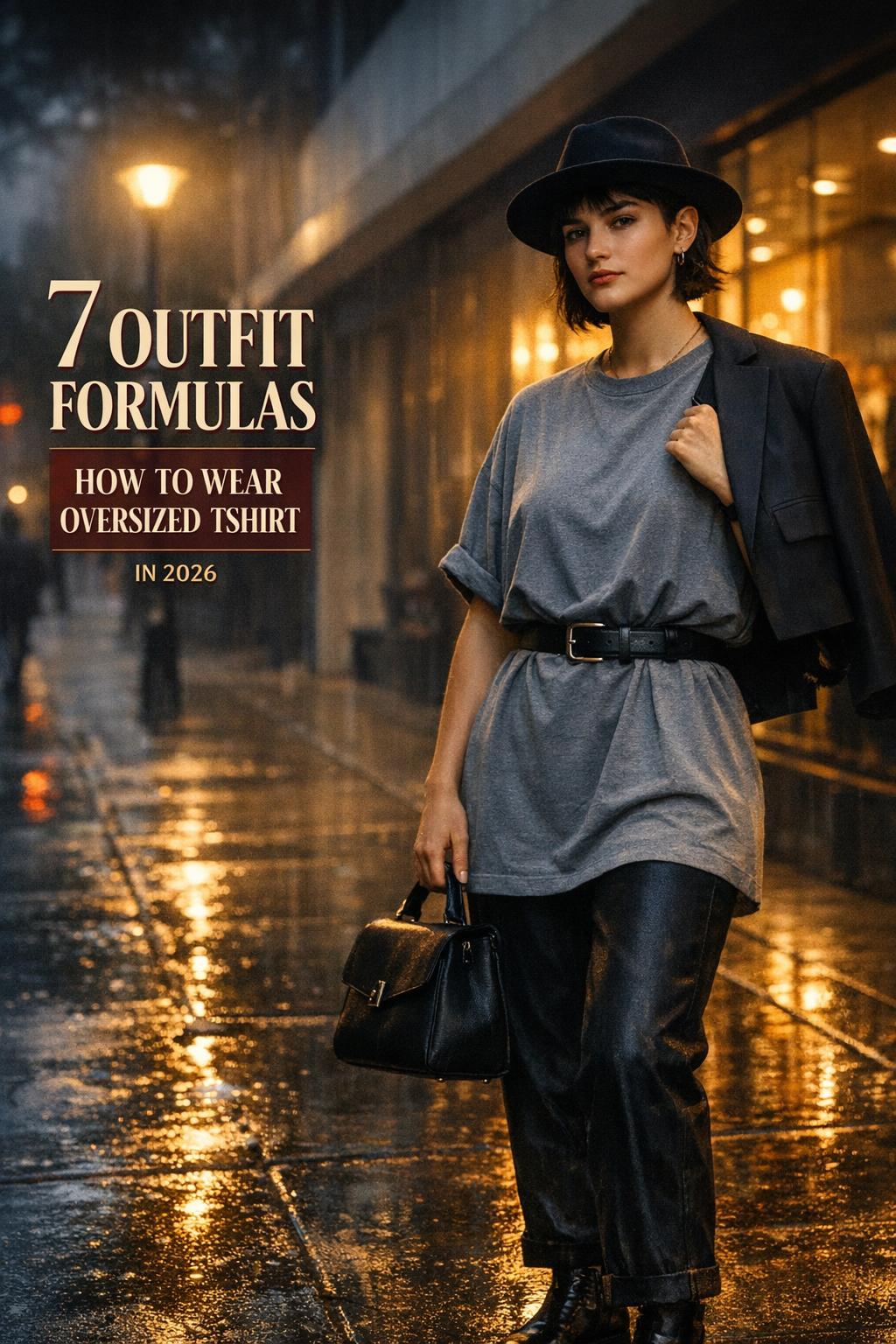
7 Outfit Formulas: how to wear oversized tshirt in 2026
How to Wear an Oversized T-Shirt: The Ultimate Guide for 2026
If you’ve ever pulled on a roomy tee and wondered how to make it look intentional (not sloppy), you’re not alone. “How to wear oversized tshirt” is a common style question because oversized tees sit at the intersection of comfort and trend—easy to wear, but tricky to balance. This guide breaks down the core principles (length, proportion, fabric), then walks through practical techniques like knots, tucks, belts, sleeve rolls, and layering. You’ll also get ready-to-copy outfit templates for casual days, work-appropriate looks, and dressier moments—plus a seasonal playbook and a body-positive approach designed to work across genders and a range of body types.
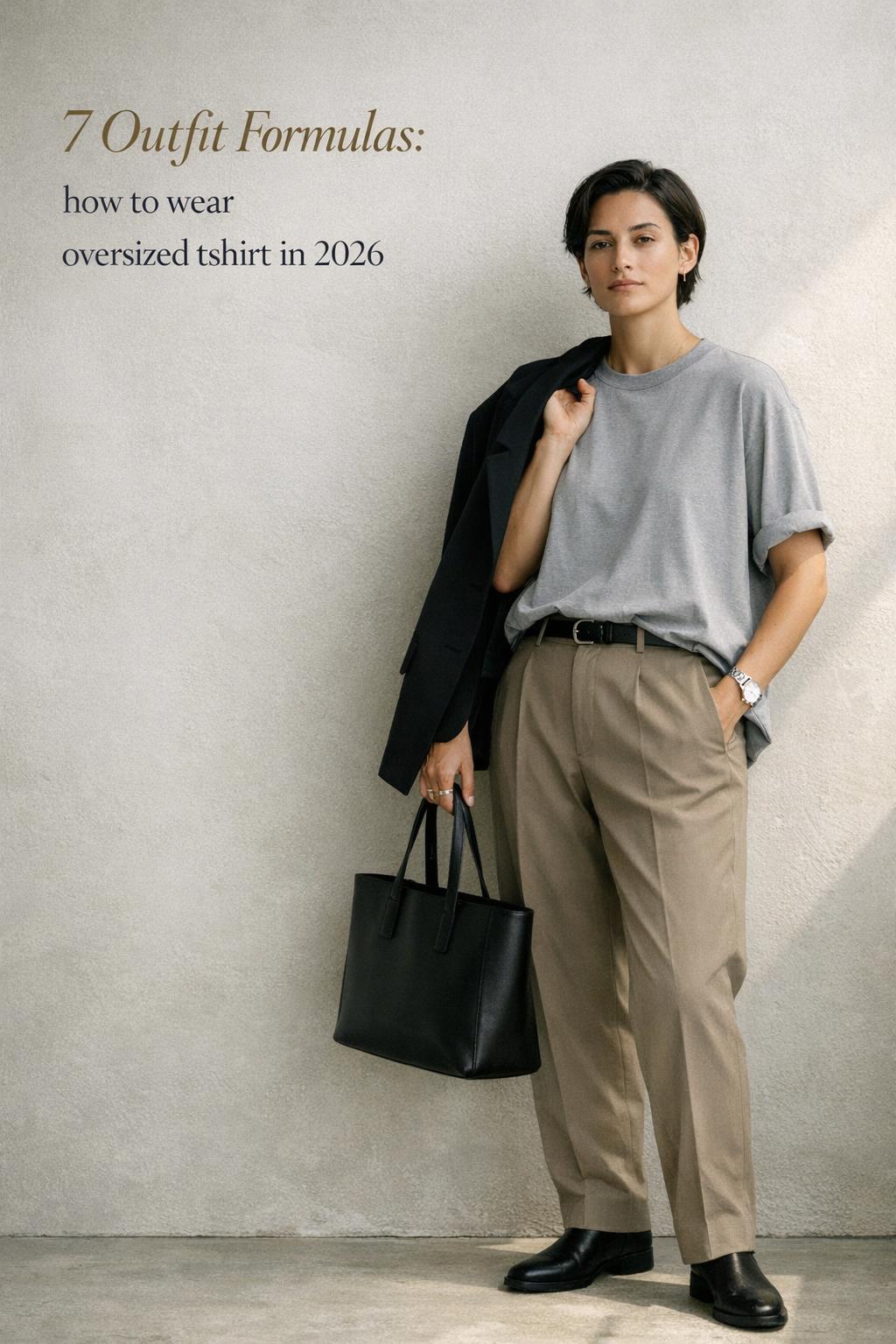
Why Oversized Tees Work: Proportions, Comfort, and Style
Oversized t-shirts are popular because they deliver an effortless silhouette: relaxed through the chest and shoulders, forgiving through the midsection, and comfortable for movement. Style-wise, they can read streetwear, sporty, minimalist, or elevated depending on what you pair them with. The key is learning how to control volume—either by balancing the oversized top with a more fitted bottom, adding structure through layering, or creating shape using a tuck, knot, or belt.
Think of an oversized tee as a base layer with personality. Worn loose, it gives a casual, laid-back vibe. Styled with a French tuck, a front knot, or under a jacket, it becomes an outfit that looks planned. Once you understand a few simple techniques, one oversized shirt can anchor multiple looks without feeling repetitive.
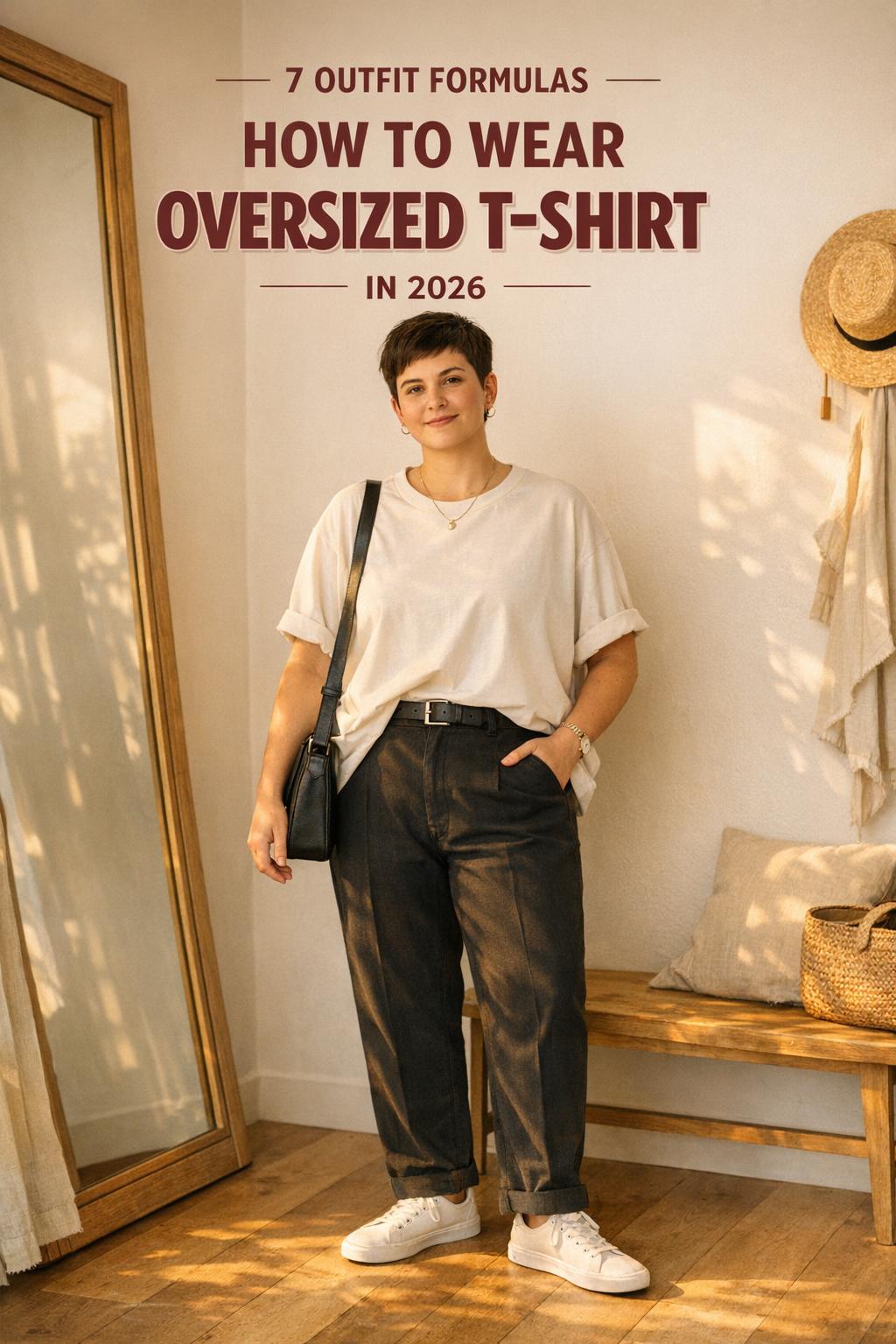
Key Principles for Flattering Fits
Before you try styling tricks, it helps to get the fundamentals right. Oversized doesn’t mean “any size will do.” The difference between fashion-forward and frumpy often comes down to length, proportion, and fabric drape.
Choose the Right Length for Your Body
Length is the first decision that shapes the whole outfit. A longer oversized tee can lean into a t-shirt dress look, while a mid-hip length is ideal for tucking and proportion play. If your tee is very long, you’ll often want to create definition (with a tuck, knot, or belt) so your outfit doesn’t feel like one continuous block of fabric.
A practical way to decide: try the tee on and look at where the hem lands relative to your hips and thighs. If you want legs to look longer, create a visible waistline with a tuck or belt, or pair the tee with high-waisted bottoms so the outfit has a clear break.
Proportions: Balancing Top-Heavy Outfits
The most reliable rule for oversized tee outfits is balance. If the top is big and loose, consider keeping the bottom more streamlined. This is why oversized t-shirts pair so well with leggings, bike shorts, or fitted jeans. You can also balance volume by adding structure—like a jacket, blazer, or a more tailored bottom that offsets the relaxed top.
High-waisted bottoms are especially useful because they create a defined waist area and help oversized tees look intentional. Whether you tuck, knot, or leave the tee slightly bloused over the waistband, high-rise silhouettes make the outfit feel styled rather than simply “thrown on.”
Fabric and Comfort
Fabric affects how an oversized shirt hangs. Soft tees with a nice drape look relaxed without appearing bulky. Stiffer fabrics hold shape, which can look structured but may also add visual volume. If you’re aiming for easy layering, choose a tee that’s comfortable under jackets and doesn’t bunch too aggressively at the shoulders or under the arms.
Comfort matters, too. Oversized tees are often chosen for breathability and ease—so pay attention to how the fabric feels on your skin and how it moves when you sit, bend, or raise your arms. The best oversized t-shirt is the one you can wear all day and still feel put-together.
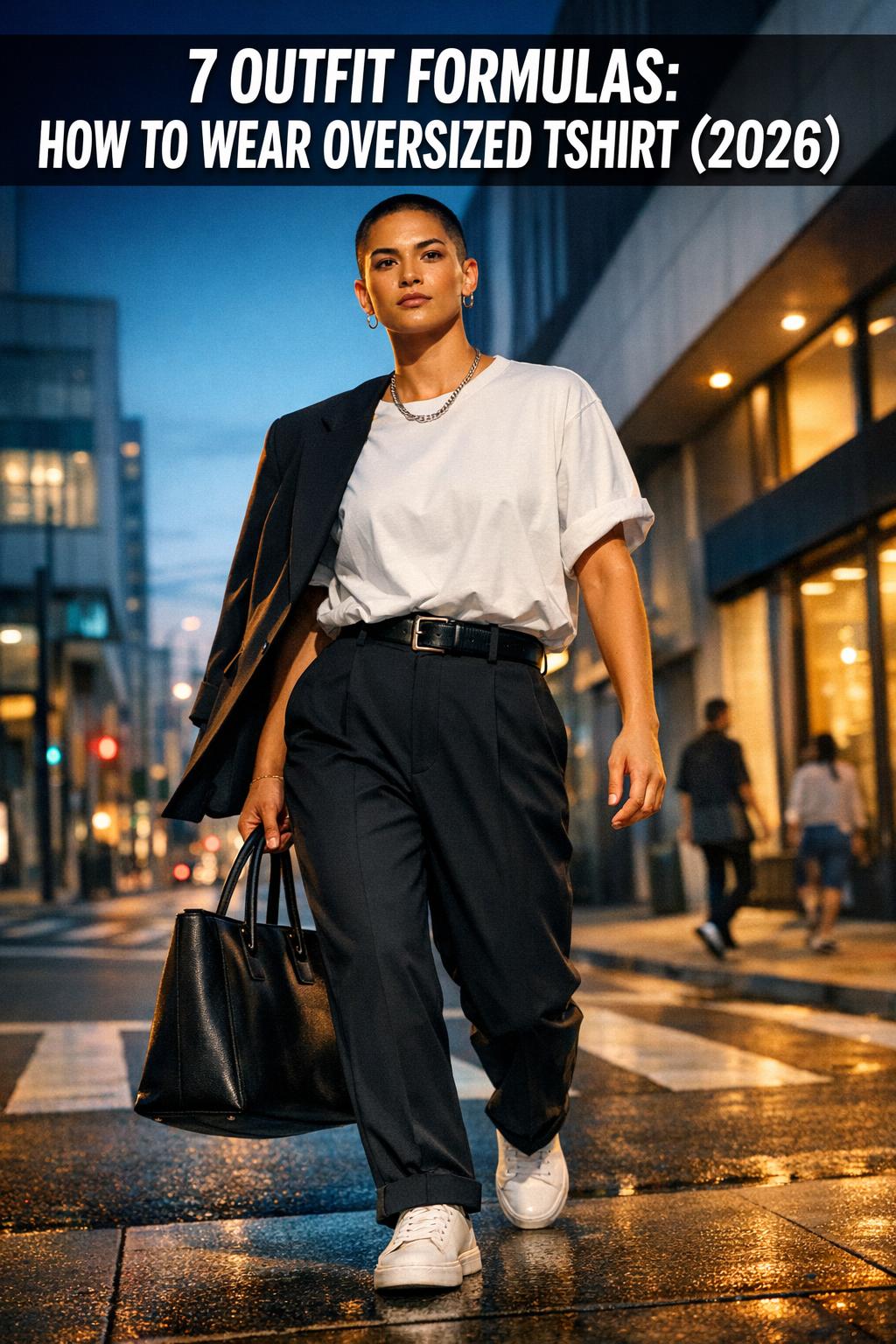
Essential Styling Techniques (Knots, Tucks, Belts, and Sleeve Rolls)
These techniques show up again and again because they solve the same problem: you want the comfort of an oversized tee, but you also want shape, proportion, and polish. Start with one method, practice it once or twice, and you’ll be able to transform an outfit in minutes.
The Classic Front Knot
A front knot is one of the quickest ways to add definition and highlight high-waisted bottoms. It also changes the tee’s silhouette from “long and loose” to “cropped and styled,” without actually cutting the shirt.
- Put on the oversized tee and choose your bottom (high-waisted jeans, shorts, or a skirt work especially well).
- Gather a small section of fabric at the front hem, slightly off-center or centered depending on preference.
- Twist the gathered fabric and tie a simple knot.
- Adjust the knot so it sits comfortably and the tee drapes evenly on both sides.
Tip: If the knot feels bulky, use less fabric or shift the knot slightly to the side. Small adjustments can make the look feel cleaner and more flattering.
The French Tuck and Variations
The French tuck (tucking just the front of the shirt) is a go-to move for oversized tees because it creates a waistline while keeping the relaxed vibe in the back. It’s especially useful when you want an outfit to look “styled” but not overly fitted.
- Classic French tuck: Tuck only the center-front of the tee into your waistband and leave the sides and back loose.
- Side tuck: Tuck one side near the hip for an asymmetrical, street-style feel.
- Deeper front tuck: Tuck a wider section across the front for a cleaner, more polished line—great for casual workwear.
Tip: After tucking, gently pull a little fabric back out so it blouses slightly. That soft “drape” is what keeps the look relaxed rather than rigid.
Belted and T-Shirt Dress Looks
If your oversized tee is long enough, you can wear it as a t-shirt dress. Adding a belt changes the shape instantly by defining the waist, giving the look a more intentional silhouette. This is also a strong option when you want an oversized shirt to feel more “outfit” than “loungewear.”
Belting works in more than one way: you can belt at the natural waist for definition, or slightly higher to create a leg-lengthening effect. For a cleaner finish, smooth the tee around the belt so the fabric falls evenly. If the shirt is very voluminous, a belt helps control the excess fabric so it looks styled instead of bulky.
Tip: If you’re new to belting an oversized tee, start simple: belt it once, then step back and check the overall shape. The goal is a clear waistline and an even hemline, not a perfectly tight cinch.
Layering Tricks (Jackets, Blazers, Hoodies)
Layering is a powerful styling tool because it adds structure and changes the outfit’s “frame.” An oversized tee under a jacket can look sharp and intentional, especially when you contrast relaxed fabric with a more structured outer layer. Layering also makes oversized tees wearable across seasons, not just in warm weather.
Try a jacket or blazer when you want to elevate an oversized tee for casual Friday or a more put-together daytime look. For a sporty vibe, pair it with a hoodie or athletic outer layer and keep the rest of the outfit streamlined. If the tee is very long, a partial tuck under the outer layer can prevent it from overwhelming your proportions.
Roll Those Sleeves
Rolling sleeves is a small change that makes a big difference, especially when the tee’s sleeves are wide or long. It can make your arms look more defined and make the whole outfit feel more “finished,” even if you’re wearing simple basics.
A clean sleeve roll also helps when layering under jackets because it reduces bulk. If your oversized tee has a lot of fabric in the sleeve, start with a small fold and build up gradually rather than trying to do one big cuff.
Outfit Templates: 12 Ready-to-Wear Looks
Use these as plug-and-play formulas. Each one is built around techniques that repeatedly show up in oversized tee styling: balancing proportions, using a tuck or knot, layering for structure, and finishing with the right shoes and accessories.
1) Casual Everyday: Oversized Tee + Jeans
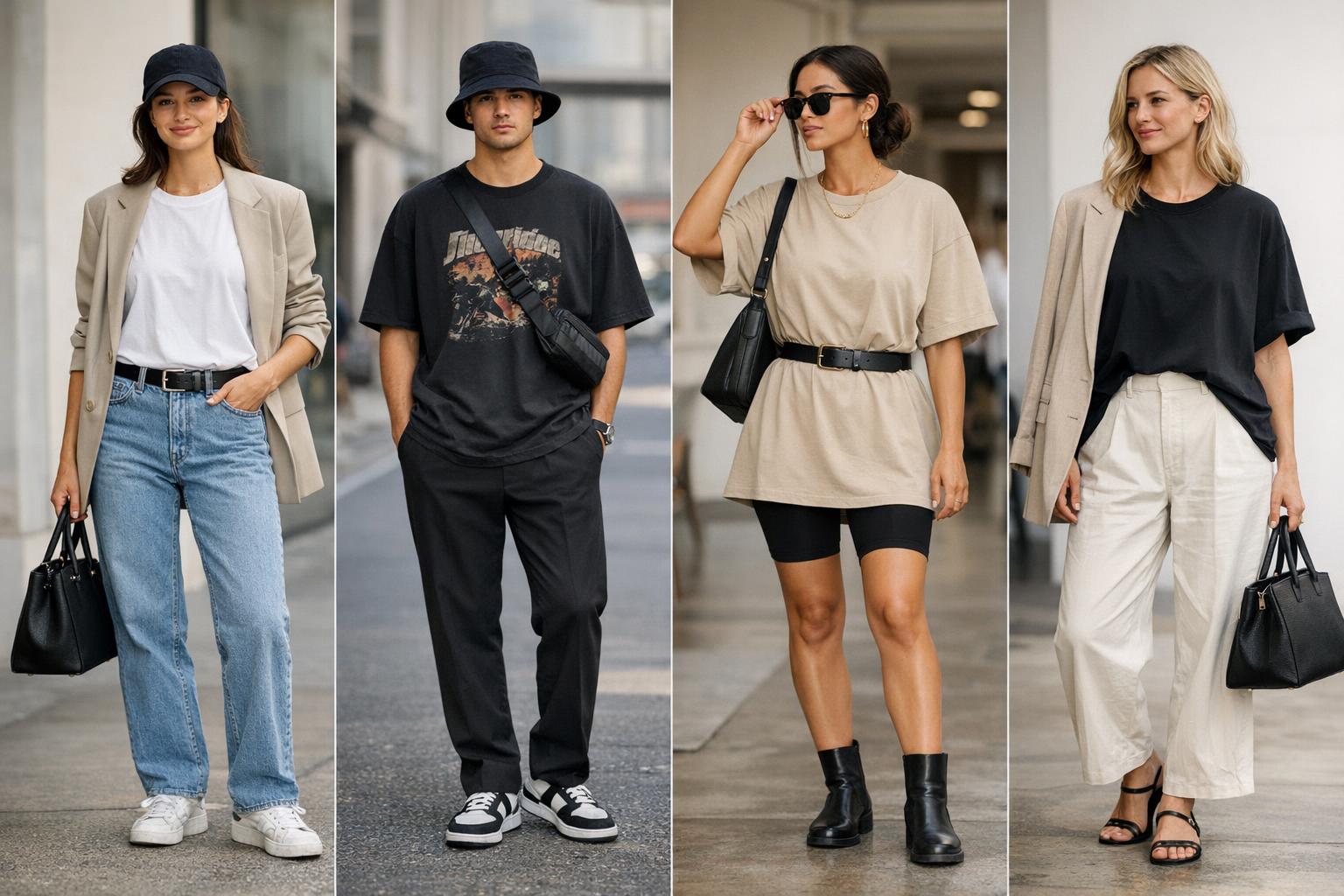
This is the classic “how to wear oversized t-shirt with jeans” solution: keep it easy, but add one styling move so it looks intentional. Pair your oversized tee with jeans, then choose either a French tuck or a slight front tuck to define the waist.
Finish with sneakers for a relaxed feel. If the tee has extra-long sleeves, roll them once or twice to add shape and make the outfit look more deliberate.
2) Street-Style Balanced: Oversized Tee + Fitted Bottoms
When the top is baggy, a fitted bottom creates a strong silhouette contrast. Think leggings or other slim bottoms to keep the look from becoming “all volume.” This template is especially useful if you want the tee to be the centerpiece—maybe it’s a bold graphic or a standout color.
Add a simple bag and clean shoes to keep it looking put-together. A sleeve roll can polish this look fast.
3) Sporty Off-Duty: Oversized Tee + Shorts
For an athletic-casual look, pair an oversized t-shirt with shorts and keep the styling minimal. If you want more shape, use a front knot. If you want a relaxed silhouette, leave it untucked and focus on clean footwear.
This is also a great template when you want comfort first but still want to look like you made a choice, not a compromise.
4) The Clean French Tuck: Oversized Tee + High-Waisted Bottoms
High-waisted bottoms and a French tuck are one of the most consistent formulas for oversized tees because they create instant proportion. Choose high-waisted jeans, trousers, or a skirt, then tuck just the front of the tee.
For a slightly sharper look, smooth the front tuck so it’s not too bulky, then let the back drape naturally.
5) The Knot Update: Oversized Tee + High-Waisted Jeans
If you like the waist-defining effect of a tuck but want more of a “styled” detail, the front knot is your move. Tie it at the hem, then adjust the drape so it doesn’t pull awkwardly across the torso.
This is one of the easiest ways to make a basic tee feel like a complete outfit, especially with minimal accessories and straightforward shoes.
6) Bra-Tuck Trick: Quick Shape Without a Knot
If you want a shorter-looking tee without tying a knot, a bra-tuck style approach creates an instant cropped effect. The idea is to gather excess fabric and secure it so the front looks shorter and more fitted, while the rest still drapes.
This technique is popular because it’s fast and creates shape with less bulk than a knot. It pairs especially well with high-waisted bottoms when you want a clean front line.
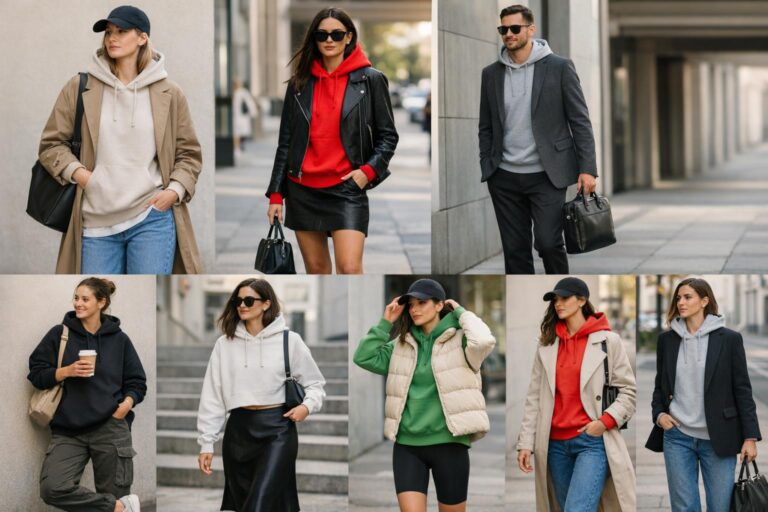
7) Layered Under a Jacket: Oversized Tee + Outerwear
Layer your oversized tee under a jacket when you want to add structure. Keep the bottom streamlined for balance, and consider a partial tuck if the tee is very long. This template works across casual settings and can be dialed up or down depending on the jacket.
Small finishing details—like rolled sleeves—can keep the layered look from feeling bulky.
8) Casual Friday Workwear: Oversized Tee + Blazer + Tailored Bottoms
Yes, an oversized tee can work for casual work settings when you add tailored pieces around it. The formula: oversized t-shirt, blazer for structure, and a more refined bottom such as tailored trousers. Use a French tuck (or a deeper front tuck) to create a waistline and reduce excess fabric under the blazer.
Keep accessories simple and the overall palette cohesive so the tee feels intentional in a workwear context.
9) Open vs. Closed Styling: Wear It Open Like a Layer or Closed as the Main Piece
Oversized shirts and tees can be styled with an “open” approach (using the top layer to create movement) or “closed” (making the tee the centerpiece). If you’re layering, keep the base outfit sleek to avoid stacking too much volume. If you’re wearing the tee as the main piece, use a tuck, knot, or belt to create shape.
This open-versus-closed mindset helps you decide what the tee is doing in the outfit: is it a relaxed statement on its own, or a comfortable base under more structured items?
10) Graphic Tee Focus: Let the Print Lead
A graphic oversized t-shirt can be the easiest “outfit starter” because it already has visual interest. Keep the rest of the look simple: balanced bottoms, minimal layers, and clean shoes. If the graphic is central on the chest, choose a styling technique that doesn’t distort it too much—like a French tuck rather than an aggressive knot.
When you want the graphic to stand out, avoid competing statement accessories. One strong element (the tee) plus supporting basics usually reads the most polished.
11) T-Shirt Dress Moment: Belted Oversized Tee + Statement Accessories
Turn a long oversized tee into a t-shirt dress by adding a belt to define the waist and choosing accessories that complete the look. This template can go from day to evening depending on your shoe choice and outerwear.
Because a tee dress silhouette is simple, finishing touches matter: a structured bag, a hat, or a jacket can make it feel more styled and less like an oversized sleep shirt.
12) Quick-Change Evening Upgrade: Oversized Tee + Structured Layer
For a fast transition from daytime casual to evening-ready, keep the oversized tee and change what’s around it. Add a structured jacket, switch to more refined shoes, and use a tuck or belt to sharpen the silhouette. This is one of the easiest ways to make an oversized t-shirt feel “dressier” without losing comfort.
The main idea is contrast: relaxed tee plus structured pieces creates a balanced look that reads intentional.
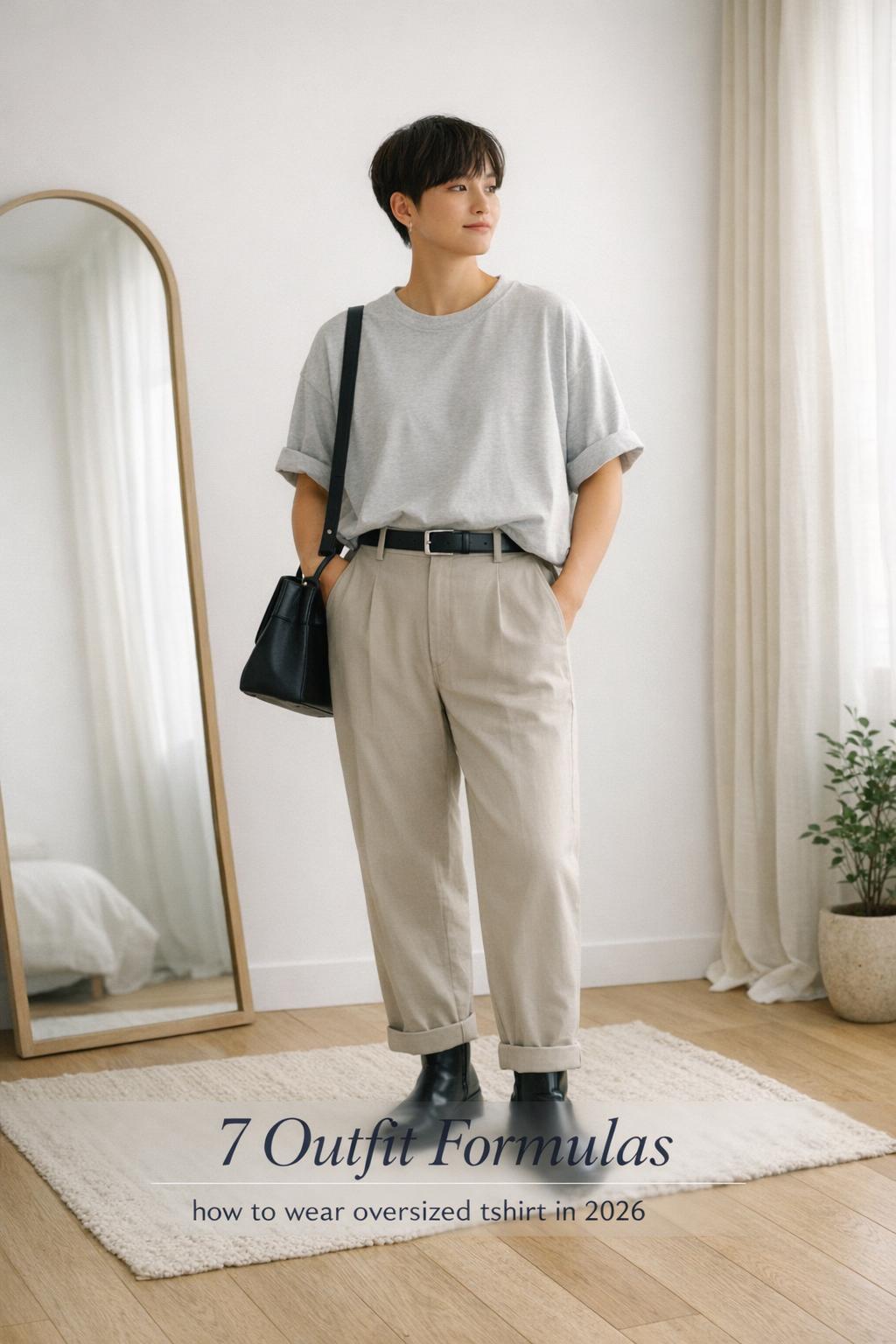
Accessories and Footwear That Finish the Look
Accessories are where oversized tee outfits often go from “fine” to “finished.” Because the top is intentionally relaxed, the details help guide the overall vibe—sporty, street-style, minimal, or elevated.
Shoes by Silhouette (Sneakers, Boots, Sandals)
Sneakers are the easiest match for oversized tees and naturally support the relaxed feel. Boots can add weight and structure, which pairs well when the tee is long or when you’re wearing it as a dress. Sandals keep the look light and breathable for warm weather. When in doubt, pick shoes that match the “role” of the outfit: casual everyday looks like jeans and a tee lean naturally toward sneakers, while belted or layered looks can handle a more structured shoe.
Belts, Hats, and Bags
A belt is both an accessory and a silhouette tool—especially useful for t-shirt dress styling or when you want to create a waistline over a very long tee. Hats can push the look more street-style and help oversized outfits feel intentional. Bags matter because oversized tees already have a relaxed shape; a more structured bag can add contrast and polish.
Tip: If your tee is extremely oversized, choose one “anchor” accessory (belt or structured bag) rather than stacking multiple statement items. The goal is balance, not competition.
Seasonal Styling Guide
Oversized tees aren’t limited to one season. The same shirt can work in hot weather with minimal styling, then transition into cooler months through layering and fabric choices. The best approach is to adjust structure and warmth without losing the relaxed look you like.
Spring: Light Layers and Clean Proportions
In spring, an oversized tee works well with a light jacket and a simple tuck. Because temperatures vary, layering is practical and style-forward. Keep proportions clean by choosing either a streamlined bottom or a defined waistline through tucking.
Summer: Breathable, Minimal, and Balanced
Summer is when oversized tees shine: airy, comfortable, and easy. Pair with shorts or lightweight bottoms and keep styling simple. If you want more shape without adding heat, use a front knot or a French tuck. Rolling sleeves is another warm-weather trick that makes the tee feel less heavy while adding polish.
Fall: Add Structure with Jackets
In fall, the oversized tee becomes an ideal base layer. Add a jacket for structure and warmth, and consider pairing with jeans or more tailored bottoms for a balanced silhouette. A tuck helps keep the outfit from looking bulky under outerwear.
Winter: Layer Smartly Without Extra Bulk
For winter, the key is layering without letting the tee overwhelm the outfit. Choose a layering strategy—tee under outerwear—and keep the bottom streamlined. If the tee is long, a partial tuck can reduce bunching and make layering more comfortable. Rolling sleeves can also help the tee sit better under jackets.
Body-Positivity and Inclusivity in Oversized Tee Styling
Oversized t-shirts can be flattering on many body types because the silhouette is adaptable. The goal isn’t to “fix” your shape—it’s to style the tee so it reflects your comfort level and the look you want. Some people love a fully loose, streetwear fit; others prefer a defined waist. Both are valid, and both can look put-together.
If you want more definition, choose one shaping technique: French tuck, front knot, or belting. If you prefer a relaxed look, focus on proportion by keeping the bottom more streamlined or adding a structured layer like a jacket. High-waisted bottoms are a helpful option for many people because they create a clear waistline and help the oversized tee drape in a flattering way.
Tip: Instead of asking whether an oversized tee is “flattering,” ask what you want to emphasize: legs, waistline, shoulders, or the graphic on the shirt. Then choose the technique (tuck, knot, belt, layering) that supports that focus.
Practical How-To: Quick-Start Checklist (5 Minutes)
If you’re short on time, use this quick routine to make an oversized tee look intentional without overthinking it. The goal is one silhouette choice, one technique, and one finishing detail.
- Step 1: Pick your bottom based on balance (streamlined or high-waisted works best).
- Step 2: Choose one technique: French tuck, front knot, or leave it loose.
- Step 3: Add one structure element if needed (a jacket or blazer when you want polish).
- Step 4: Roll sleeves once if the tee feels too big in the arms.
- Step 5: Finish with shoes that match the vibe (sneakers for casual, more structured shoes for belted or layered looks).
Tip: If you’re unsure what to do, default to: high-waisted bottom + French tuck + clean shoes. It’s one of the most reliable oversized tee formulas for looking put-together fast.
Common Mistakes (and Easy Fixes)
Even great oversized tees can look off when one small detail throws the proportions out of balance. The fixes are usually quick and don’t require new clothes—just a different styling choice.
Mistake: All-Over Volume With No Shape
If your top is very oversized and your bottom is also very relaxed, the outfit may read shapeless. Fix it by adding one point of definition: a French tuck, a belt, or pairing with a more fitted bottom.
Mistake: The Tee Looks Like Sleepwear
This usually happens when the tee is worn completely loose with no styling details. Fix it by rolling sleeves, adding a tuck, or layering with a jacket. A structured bag can also help the outfit feel more intentional.
Mistake: Bunching Under Layers
If the tee bunches under a jacket or blazer, reduce bulk by using a partial tuck or a cleaner French tuck. You can also roll sleeves to keep the arms from looking overly stuffed under outerwear.
FAQ
Is an oversized tee flattering for my body type?
Oversized tees can work on many body types because you can control the silhouette with simple adjustments: balance volume with a more streamlined bottom, create a waistline with a French tuck or belt, or add structure with a jacket. Choose the approach that matches how you like your clothes to fit and what you want to emphasize in the outfit.
How do I wear an oversized t-shirt with jeans without looking sloppy?
Pair the oversized tee with jeans and add one intentional styling move, such as a French tuck or a small front tuck, then finish with clean shoes. Rolling the sleeves once or twice can also make the outfit look more polished while keeping the relaxed vibe.
What is the French tuck, and why does it work with oversized tees?
A French tuck is when you tuck only the front of the shirt into your waistband and leave the rest loose. It works well with oversized tees because it creates a visible waistline and improves proportions while keeping the back relaxed and comfortable.
How do I knot an oversized t-shirt so it looks intentional?
Gather a small amount of fabric at the front hem, twist it, and tie a simple knot, then adjust so the drape looks even on both sides. A smaller knot usually looks cleaner, and it pairs especially well with high-waisted bottoms because it creates shape without needing a full tuck.
Can I wear oversized tees to work?
In casual or casual Friday settings, an oversized tee can work when you add structure and keep the rest of the outfit refined. Try a blazer over the tee with tailored bottoms and use a French tuck (or a deeper front tuck) to define the waist and reduce bulk.
How do I belt an oversized t-shirt without it bunching?
Place the belt where you want the waistline, then smooth the fabric around it so the tee falls evenly instead of gathering in one spot. If the shirt is very voluminous, adjust the drape by redistributing fabric around the belt until the front and back look balanced.
What shoes go best with oversized t-shirt outfits?
Sneakers are the most natural match for everyday oversized tee outfits, especially with jeans or fitted bottoms. Boots can add structure and work well with longer tees or t-shirt dress looks, while sandals keep things light for warm weather; the best choice depends on whether your outfit is casual, layered, or belted.
How can I make a graphic oversized tee look more put-together?
Let the graphic be the focal point and keep the rest simple with balanced bottoms and minimal accessories. A French tuck can define the waist without distorting the graphic too much, and clean shoes or a structured layer can make the overall look feel more intentional.