7 Rules for How to Look Classy in Everyday Life (US)
How to Look Classy: A Complete Guide to Timeless, Refined Style
If you’ve been searching for how to look classy, you’re likely after something specific: an overall impression that feels polished, timeless, and put-together without being flashy. The good news is that a “classy look” isn’t reserved for a certain budget, age, or body type. It’s a repeatable system built on a few pillars—fit, fabric, color discipline, intentional accessories, and grooming details like posture and neatness.
This guide breaks down those pillars into practical steps you can apply to everyday outfits, workwear, weekend looks, and dressier moments. You’ll learn how to build a capsule wardrobe that reads sophisticated, how to use color and texture without visual chaos, how to choose flattering necklines and modest cuts, and how to finish with subtle accessories, fragrance, and presence.
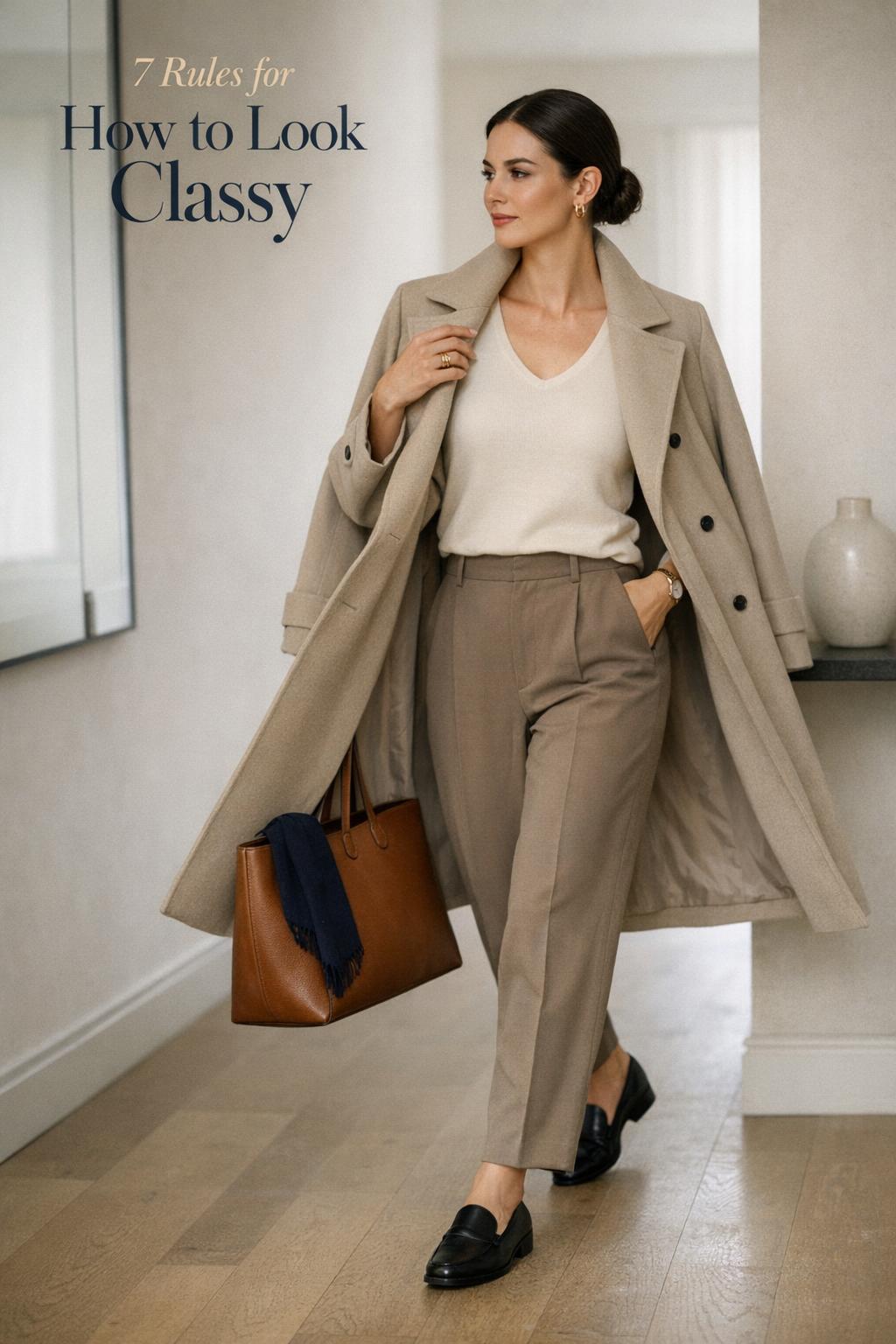
Define the Classy Look: What It Is and Isn’t
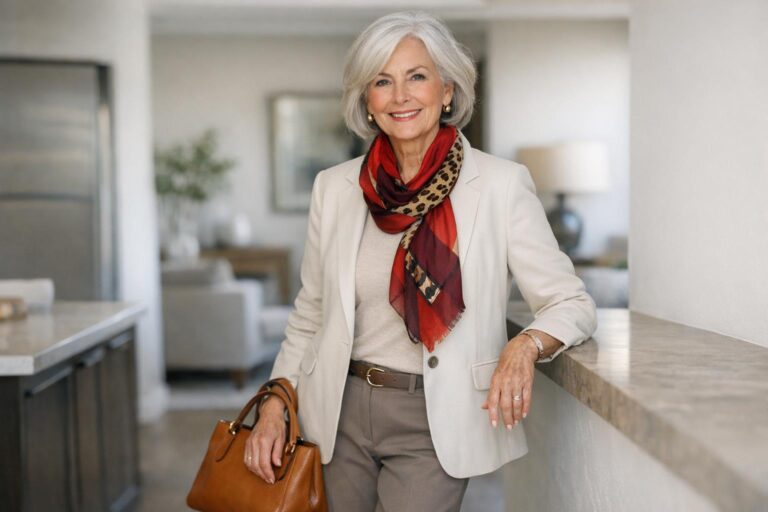
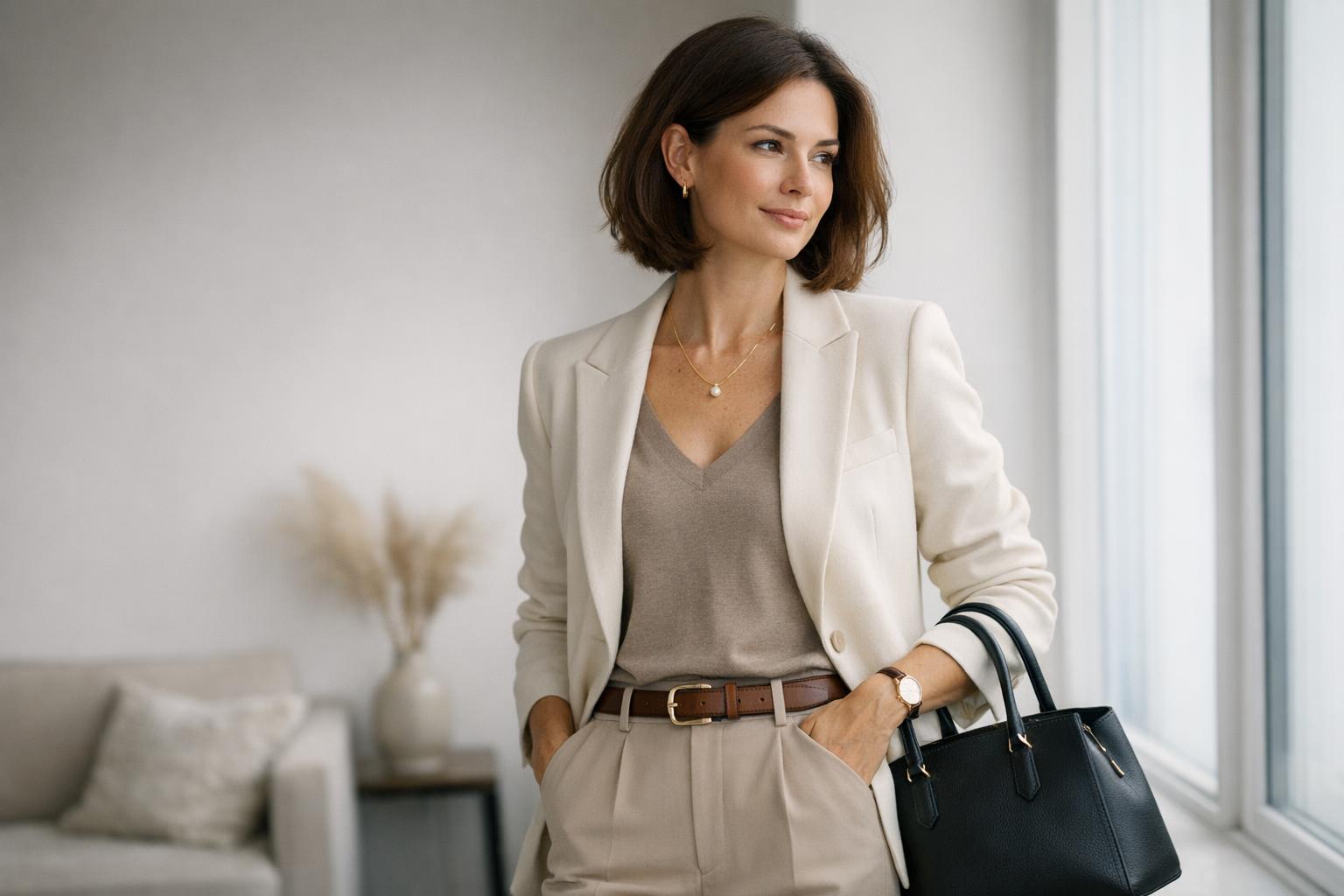
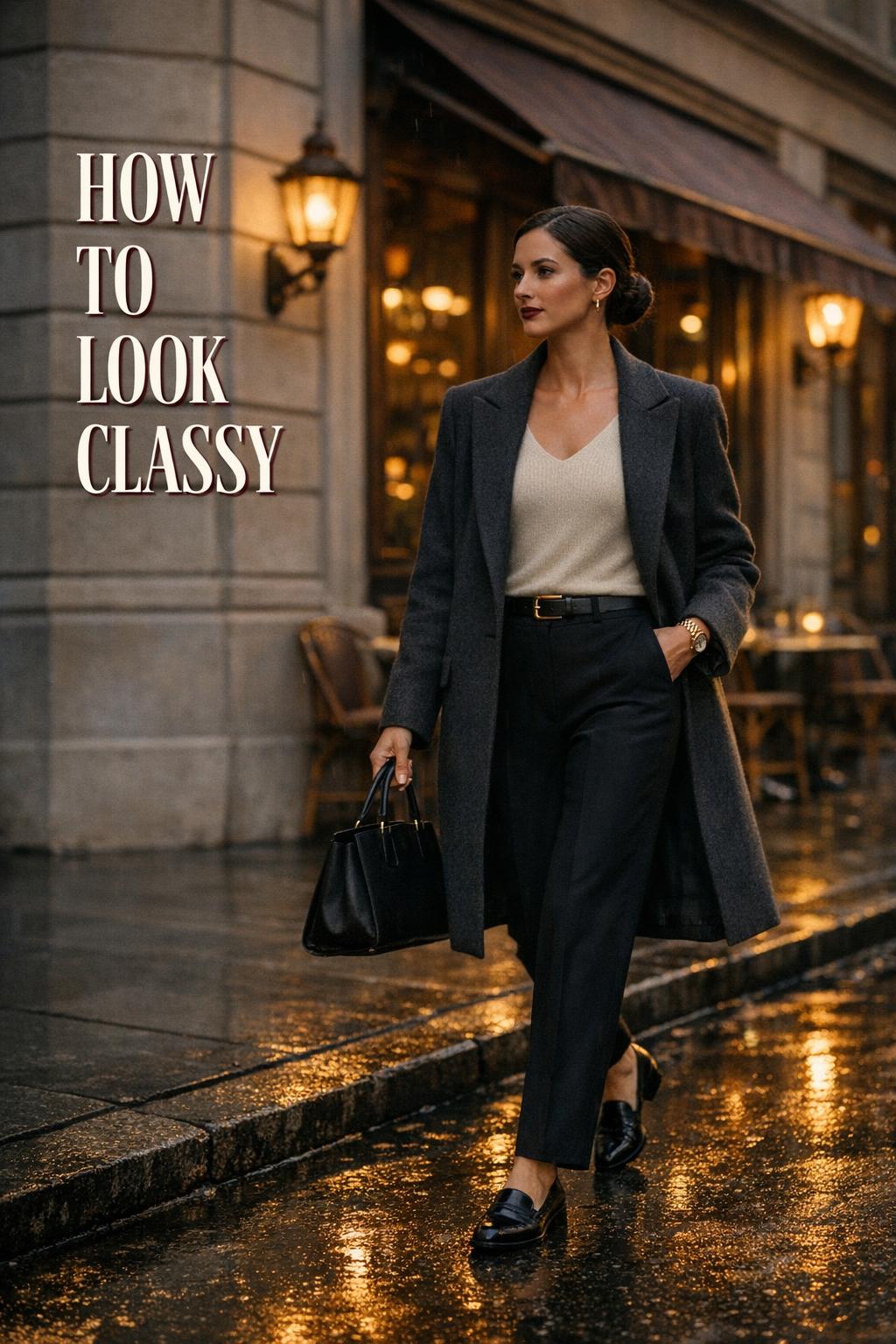
Classy style is best understood as “timeless plus intentional.” It favors classic cuts, quality fabrics, flattering proportions, and a cohesive color palette. The goal isn’t to look trendless or boring; it’s to look elevated and confident because your outfit has structure and restraint.
Just as important: classy doesn’t mean “more.” It’s not about piling on statement pieces, chasing loud trends, or relying on flashy designs to carry the look. A refined appearance usually comes from fewer, better choices—clothes that fit, fabrics that drape well, and details that feel deliberate.
Quick reality check: classy is a head-to-toe concept
Most people focus on the outfit and forget the supporting elements. But “classy” is a full picture: neat grooming, clean fabrics, balanced accessories, and even posture. When those pieces align, simple outfits look expensive and effortless; when they don’t, even beautiful items can read messy.
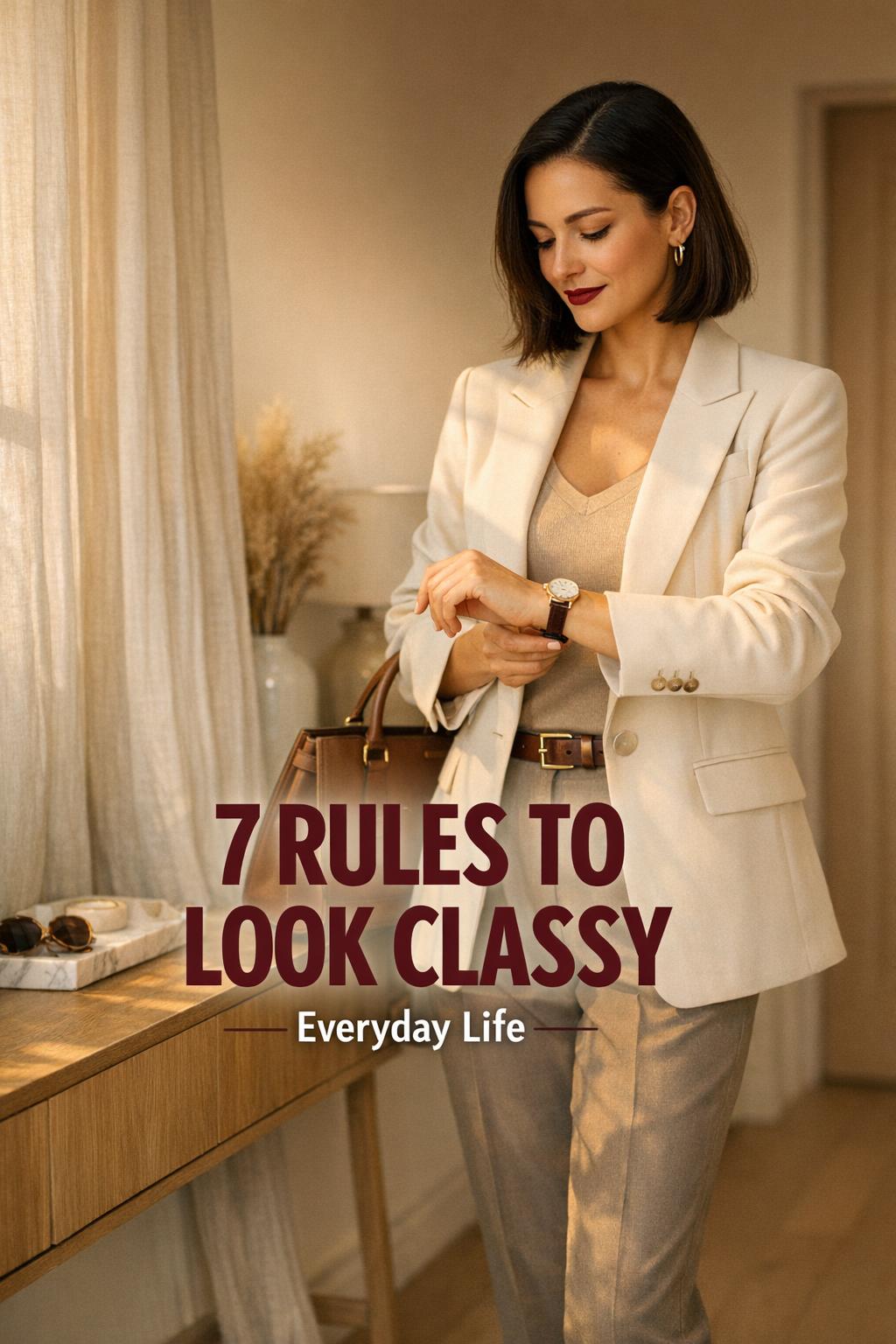
Build a Capsule Wardrobe That Reads Classy
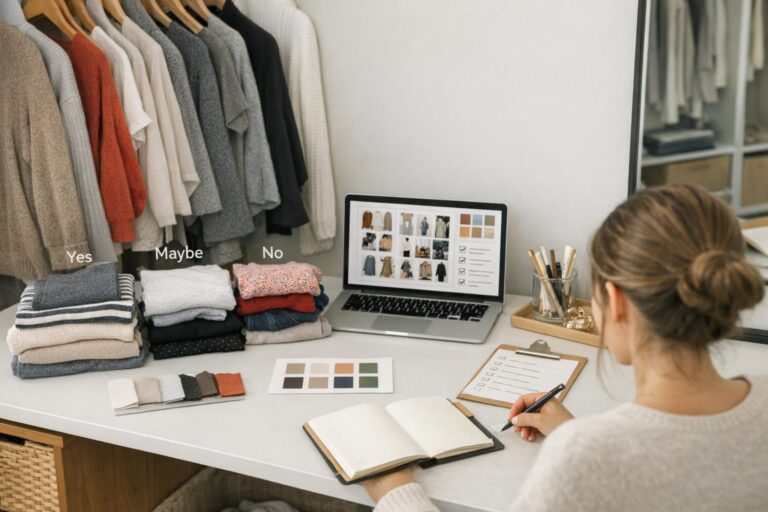
A capsule wardrobe is one of the simplest ways to look classy and elegant every day because it reduces random purchases and increases outfit cohesion. Instead of having many clothes that fight each other, you build a smaller set of versatile pieces that mix easily, stay within a controlled palette, and rely on quality fabrics and classic silhouettes.
The most effective capsules lean neutral or muted, add a few consistent accent colors, and prioritize pieces that add structure—especially outerwear and well-made shoes. This approach works whether your style is minimal, feminine, modern, or traditional, because the foundation is the same: timeless shapes, durable materials, and intentional coordination.
Core neutrals and a palette you can repeat
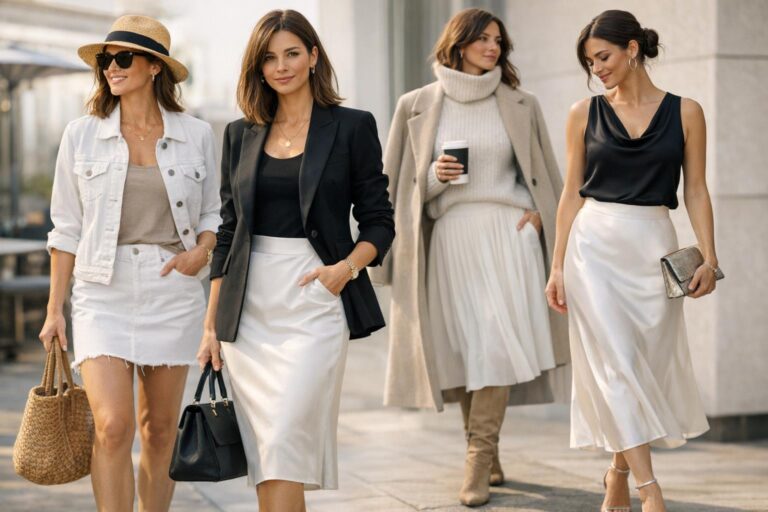
A neutral or muted color palette is one of the fastest paths to a sophisticated outfit because it creates harmony. It also makes it easier to get dressed: fewer colors means fewer clashes, and your pieces naturally look like they belong together.
To keep outfits polished, limit the number of colors you wear at once and repeat the same family of tones across your wardrobe. This doesn’t mean you can’t wear color—it means your colors should be chosen and consistent rather than random.
- Start with a base of neutrals you can wear often
- Add one or two accent tones you love and can repeat across seasons
- Aim for outfits that look cohesive rather than busy
Key fabrics: choose quality over flashy designs
Fabric quality shows. Even a simple outfit looks refined when the material drapes well, feels substantial, and holds its shape. On the other hand, overly shiny, loud, or obviously synthetic-looking fabrics can undermine a classy look, even in an otherwise good outfit.
When you’re building a capsule, prioritize fabrics known for looking polished and wearing well—then keep silhouettes clean. The combination of “good fabric + simple design” is a recurring theme in classy dressing because it reads intentional rather than attention-seeking.
Footwear that elevates without trying too hard
Shoes can make an outfit look instantly more sophisticated. The key is choosing styles that look streamlined and “finished,” rather than overly trendy or heavily embellished. Sophisticated shoes tend to complement the outfit quietly, not compete with it.
Even casual outfits look more polished when shoes look cared for and coordinated with the outfit’s overall tone. If you’re trying to dress classy on a budget, maintaining your shoes—keeping them clean and presentable—can matter as much as the brand.
Outerwear as the structure piece
Outerwear is one of the most powerful “classy” signals because it adds structure, sharpens the silhouette, and frames the outfit. Investing in quality outerwear that complements most of your wardrobe can elevate even the simplest base layers.
Look for outerwear that feels intentional with the rest of your palette and that hangs cleanly. When your coat or jacket looks well-chosen, the entire outfit reads more refined before anyone notices the details underneath.
Capsule tip: build around repeatable outfit formulas
One practical way to make your capsule work is to create a few go-to formulas you can repeat. For example: structured outerwear plus a simple base, or a modest, flattering cut paired with understated jewelry. Once your formulas are set, getting dressed becomes faster—and more consistently polished.
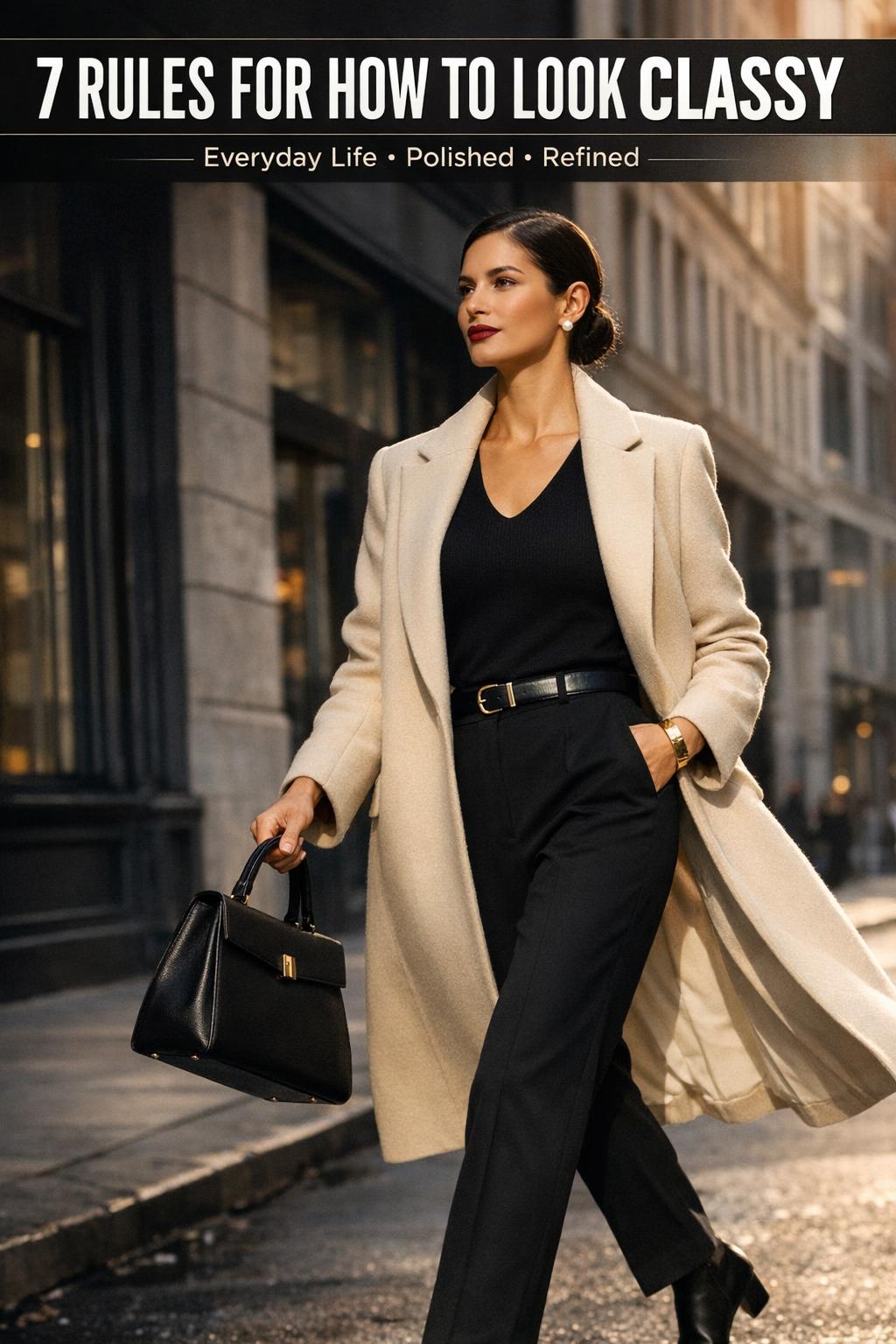
Fit, Proportion, and Silhouette Essentials
If there’s one factor that reliably separates “nice clothes” from a classy look, it’s fit. Well-fitting clothes look deliberate, comfortable, and expensive; poor fit looks distracting, even when the piece itself is high quality.
Classy dressing also tends to emphasize flattering silhouettes and modest cuts. That doesn’t mean hiding your body; it means choosing shapes that feel balanced and refined, showing off your best features without relying on extremes.
Lengths and lines that look polished
Clean lines are a hallmark of timeless style. When hems, sleeves, and overall lengths look considered, outfits look more intentional. When lengths are inconsistent or awkward, the outfit can feel accidental.
Instead of chasing a single “perfect” length, focus on what looks balanced on you. The goal is a silhouette that feels stable and cohesive from head to toe.
Tailoring tips that deliver the biggest payoff
Tailoring is one of the most direct ways to upgrade your wardrobe, especially if you’re working with budget pieces or secondhand finds. Small adjustments can make an item look custom and dramatically more refined.
- Prioritize fit at the shoulders and waist for a cleaner silhouette
- Adjust hems so pants and skirts look intentional with your typical shoes
- Fix small issues (gaping, dragging, bunching) that make outfits look untidy
Use the rule of thirds for better proportions
Proportion rules help you create outfits that feel visually balanced. One practical guideline is the rule of thirds, which encourages more flattering outfit “breaks” than splitting your body into even halves. It’s a simple way to make everyday outfits look styled rather than thrown on.
When you apply proportion intentionally—through where your top ends, how your outerwear frames your look, or how your skirt or pants sit—your outfit looks more refined even if the individual pieces are simple.
Neckline matters more than most people think
Necklines affect how “classy” an outfit reads because they shape the visual focus around the face and chest. A thoughtful neckline can look elegant and flattering; an overly revealing or awkward cut can distract from an otherwise polished outfit.
When in doubt, choose necklines that feel balanced and comfortable for your setting. If you’re aiming for timeless style, the most reliable choice is a neckline that flatters you without needing constant adjusting.
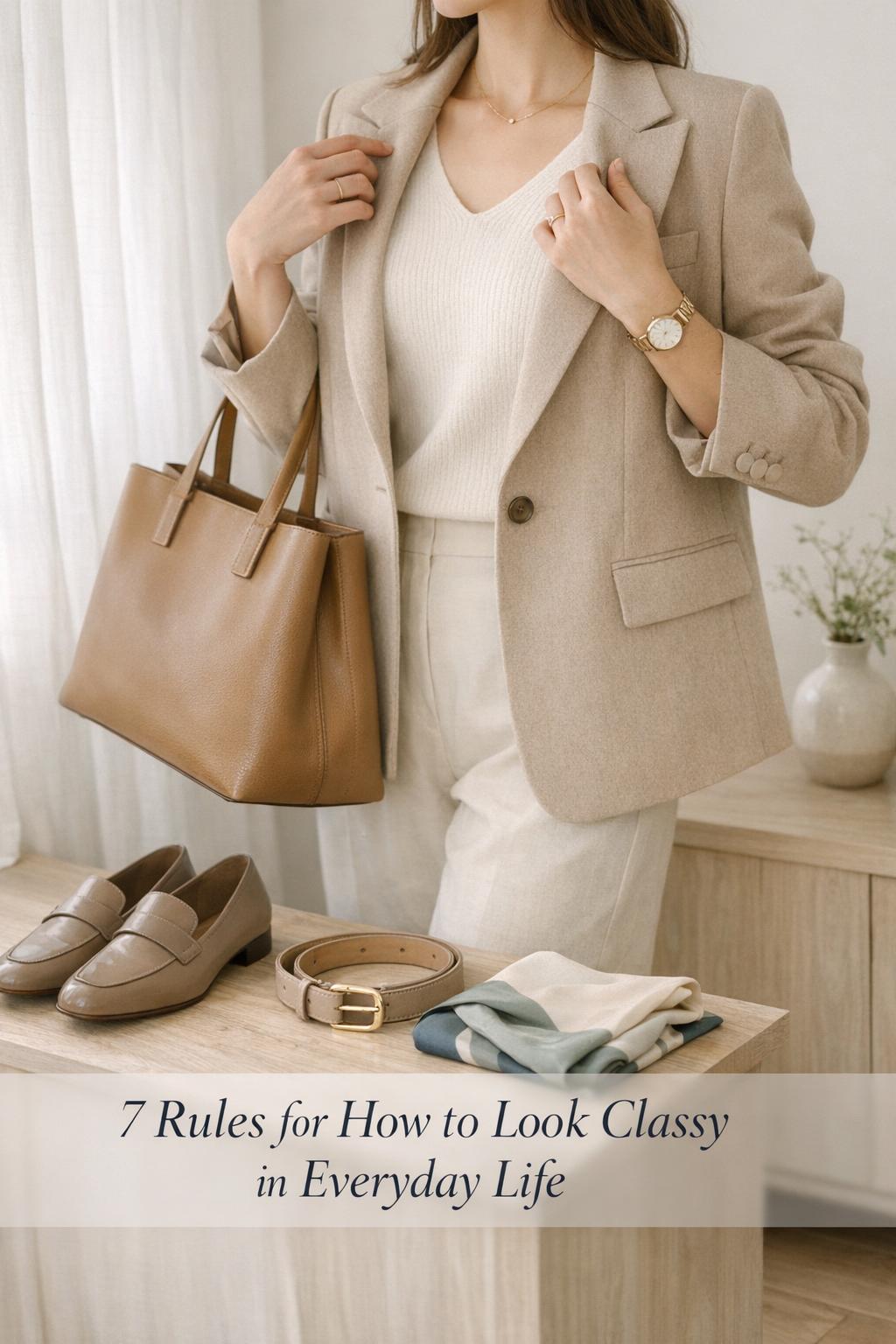
Color, Texture, and Material Strategy
Color and texture do a lot of heavy lifting in classy outfits. A disciplined color approach creates calm and cohesion; texture adds depth and interest without needing loud prints or flashy embellishments.
The strongest “polished look” wardrobes usually have a consistent palette and carefully chosen materials. Instead of relying on big design moments, they rely on subtle contrast—matte with soft sheen, smooth with structured, crisp with cozy.
Color balance: keep it intentional and not too busy
A simple guideline for a refined appearance is to limit the number of colors in an outfit. This helps you avoid visual noise and makes your pieces look more expensive together. It also makes accessories easier, because you’re not asking jewelry, shoes, and bags to compete with many different hues.
If you love color, treat it as an accent rather than the entire outfit. A single accent tone—repeated with purpose—can still look sophisticated when the base is neutral or muted.
Mix and match textures for quiet depth
Texture is how you add interest while staying understated. Even when your outfit is made of classic cuts and neutral colors, texture keeps it from looking flat. A well-chosen mix of textures can read “elevated” without looking like you tried too hard.
- Pair smooth pieces with more tactile ones for contrast
- Use outerwear and accessories to introduce subtle texture changes
- Keep the overall palette cohesive so texture doesn’t turn into clutter
Avoiding flashy fabrics and loud details
Flashy designs can overwhelm your look and often date quickly. If your goal is to look classy all the time, lean into quality fabrics and modest, flattering cuts instead of attention-grabbing shine or overly busy elements.
This is also a practical strategy for shopping: when you prioritize fabric and fit over showy design, you end up with pieces that mix more easily and stay in rotation longer.
Accessories and Fragrance: Subtle Accents That Finish the Look
Accessories are where many outfits either become polished or become chaotic. Classy accessorizing is strategic: you add a few finishing touches that support the outfit rather than dominate it.
Fragrance fits into this same category. A subtle scent can feel elegant and memorable; an overpowering one can distract. The overarching goal is the same as with clothing—restraint, intention, and balance.
Jewelry principles: keep it intentional
Understated jewelry is one of the easiest ways to look refined without overthinking. Instead of stacking many bold items, choose a small set that works with your wardrobe palette and your daily outfits.
- Pick one focal point (earrings, necklace, or bracelet) and keep the rest quiet
- Match your jewelry mood to your outfit mood (minimal with minimal, elegant with elegant)
- Choose pieces you can wear repeatedly so your look stays consistent
Bags and belts: choose clean lines
Structured accessories tend to read more polished than slouchy or overly embellished ones. A bag with clean lines and a belt that looks intentional can pull an outfit together quickly, especially when your clothing is simple.
When you’re building an everyday “classy outfits” rotation, aim for accessories that coordinate with most of your shoes and outerwear. The fewer mismatches you create, the more seamless your style feels.
Fragrance tip: subtle is part of sophistication
Classy fragrance is rarely loud. If you wear scent, keep it subtle and consistent with the environment you’re in. The goal is a clean, finished impression—like a final detail—rather than a statement that arrives before you do.
Grooming and Posture: The Non-Clothing Elements of a Classy Look
Grooming is a major part of how to look classy because it affects the overall impression more than any single item of clothing. You can wear a great outfit, but if grooming details look neglected, the look won’t read polished.
Posture is equally important. A refined style isn’t only what you wear; it’s how you carry yourself. Good posture communicates confidence and composure, and it instantly makes outfits look better on your body.
Skincare basics for a polished appearance
A “polished look” often starts with looking well cared for. You don’t need a complicated routine to support a classy aesthetic, but consistency matters. Aim for neatness and a healthy-looking, clean appearance that matches the simplicity of your wardrobe.
Nail care and hands: small detail, big impact
Hands are noticeable in daily life, from meetings to errands. Neat nails and tidy hands reinforce a refined appearance. This doesn’t require elaborate styles; it requires maintenance and a clean, intentional look.
Posture and presence: effortless elegance without “extra effort”
Posture is one of the most overlooked ways to look classy without putting in much effort. Standing tall, keeping shoulders relaxed, and moving with calm control can make simple outfits look elevated. Presence—how you show up—often does as much as fabric and fit.
Tips: Do a quick 60-second check before you leave: stand tall, relax your shoulders, lift your chest slightly, and let your arms hang naturally. This small reset can change how your entire outfit looks.
How to Look Classy on a Budget
Looking classy is not the same as spending a lot. Many “expensive-looking” outfits are simply well-fitted, well-coordinated, and built on quality basics. If you want to dress classy on a budget, the strategy is to buy fewer pieces with more versatility, focus on fabrics and structure, and use tailoring to improve fit.
Budget-friendly style becomes much easier when you commit to a consistent palette and avoid impulse items with flashy designs that don’t integrate into your wardrobe.
High-impact buys for a budget capsule
Start with the pieces that create the strongest first impression: outerwear, shoes, and a few core staples you can wear repeatedly. When those are strong, the rest of your outfit can be simpler and still look refined.
- One versatile outerwear piece that adds structure and works with most outfits
- One pair of sophisticated shoes that can be worn often
- Simple tops and bottoms in a neutral palette that mix easily
- A small set of understated accessories you don’t need to swap constantly
How to identify quality while shopping
When you can’t rely on price as a shortcut, rely on what you can see and feel: fabric that looks substantial rather than flimsy, construction that holds shape, and designs that stay classic rather than overly trendy. Quality fabrics over flashy designs is the recurring rule because it keeps your wardrobe looking elevated over time.
Tips: If you’re deciding between two pieces, choose the one that works with more outfits in your closet and looks better from a distance. Classy style is often about the overall silhouette and finish, not the novelty of a detail.
Common Mistakes That Undermine a Classy Appearance
Many people miss the mark not because they lack style, but because they overcorrect—too many accessories, too many colors, or too much “trying.” Classy style is a balance: the outfit should look composed, not crowded.
Wearing too many colors at once
Color can be beautiful, but too many shades in one outfit can look busy. A more disciplined palette—often neutral or muted—helps your outfit read sophisticated. If you want color, use it as an accent and repeat it thoughtfully.
Over-accessorizing
Accessories are meant to punctuate an outfit, not overpower it. Too many bold elements can shift your look from refined to chaotic. When in doubt, keep it simple and choose one standout detail.
Ignoring fit and relying on the item alone
Even expensive clothing can look off if it doesn’t fit. The quickest path to an elevated look is to make sure your basics fit well and your proportions feel intentional. Tailoring and smart proportions usually make a bigger difference than adding more pieces.
Choosing flashy fabrics instead of clean, quality materials
Overly shiny, loud, or heavily embellished materials can cheapen the overall impression. A classic cut in a quality fabric typically looks more elegant than a dramatic design in a distracting material.
Forgetting grooming and posture
Classy is never just clothing. If hair, nails, or overall neatness look neglected, the look won’t land. Posture matters too; it’s one of the simplest ways to look more polished without changing your wardrobe.
Quick Start: A Classy Checklist You Can Use Today
If you want a practical way to apply this immediately, focus on one outfit at a time: simplify your palette, refine the fit, and finish with intention. The goal is to build a repeatable approach you can use for work, weekends, and events.
- Choose a neutral or muted base outfit you feel confident in
- Add one structured layer (especially outerwear) to create clean lines
- Check neckline and overall cut for a modest, flattering balance
- Limit the outfit to a cohesive color story (avoid too many colors at once)
- Use texture to add depth without adding visual noise
- Pick a small set of understated accessories
- Do a final grooming and posture check before you leave
Tips: If you’re overwhelmed, start by improving just one pillar this week—fit, fabric, color palette, accessories, or grooming. Classy style compounds quickly: a few small upgrades make everything else look better.
FAQ
How can I look classy with a casual wardrobe?
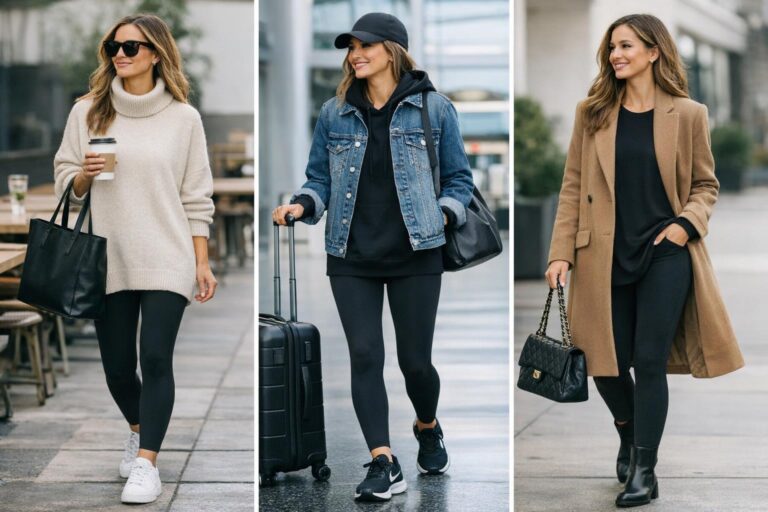
Keep casual outfits polished by controlling your color palette (neutrals and muted tones help), prioritizing fit, and adding one structured element like quality outerwear or sophisticated shoes; finish with understated accessories and a quick grooming and posture check.
What colors read as classy?
Classy outfits often rely on neutral or muted color palettes because they look cohesive and timeless; you can still wear color, but it tends to look most refined when used as a deliberate accent rather than many competing shades.
Do I need expensive clothes to look classy?
No—looking classy is more about fit, clean silhouettes, quality-looking fabrics, intentional accessories, and grooming than price; focusing on versatile pieces, maintaining shoes and clothing, and using tailoring where needed can elevate budget items dramatically.
How do I choose accessories so I don’t look overdone?
Choose accessories that support the outfit rather than dominate it by keeping the look simple, limiting bold pieces to one focal point, and selecting items with clean lines that coordinate with your wardrobe’s overall palette.
How can I look classy and elegant every day without putting in much effort?
Use repeatable outfit formulas built from a small capsule wardrobe in a consistent palette, rely on structured outerwear and well-chosen shoes, and treat posture and neat grooming as non-negotiable finishing steps.
What’s the fastest way to make an outfit look more sophisticated?
Start with fit and structure: wear well-fitting clothes, add quality outerwear for clean lines, keep colors cohesive, and finish with understated accessories; these changes typically create a more polished look immediately.
How can I dress classy on a budget?
Build a small capsule centered on neutrals, prioritize high-impact pieces like outerwear and shoes, choose quality fabrics over flashy designs, and use tailoring to improve fit so your clothing looks intentional and refined.
How do modest, flattering cuts help me look classy?
Modest, flattering cuts tend to create balanced silhouettes that look timeless and composed, which supports a refined appearance; the goal is not to hide your shape, but to choose proportions and necklines that feel elegant and intentional.