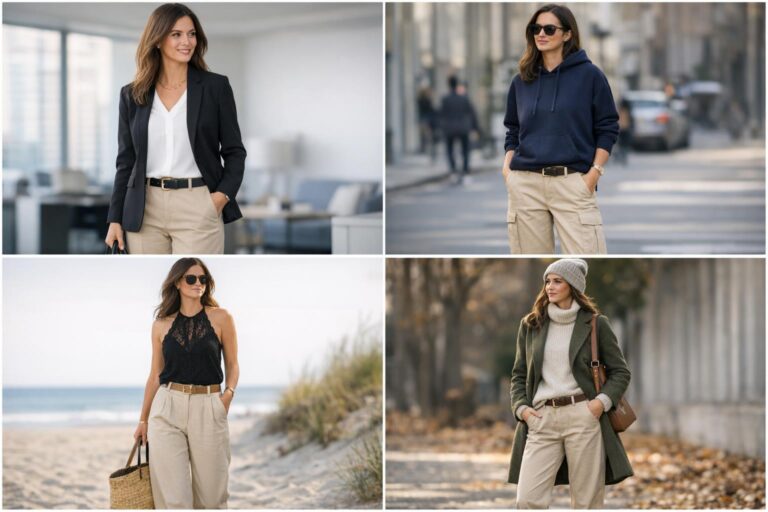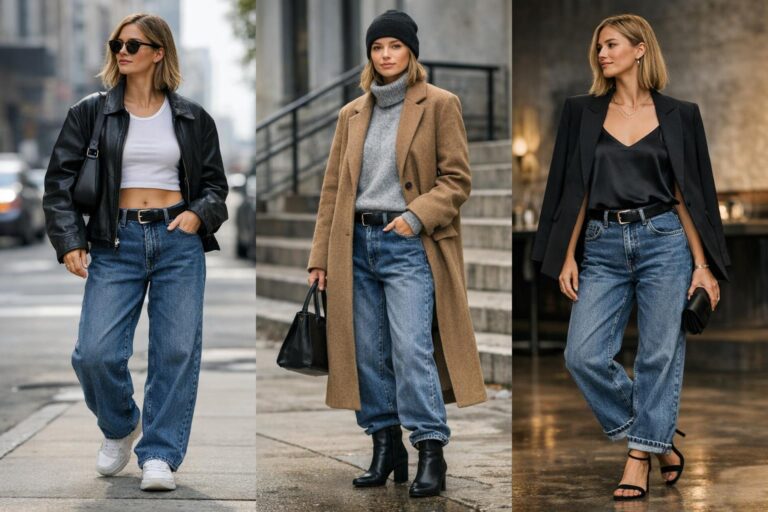
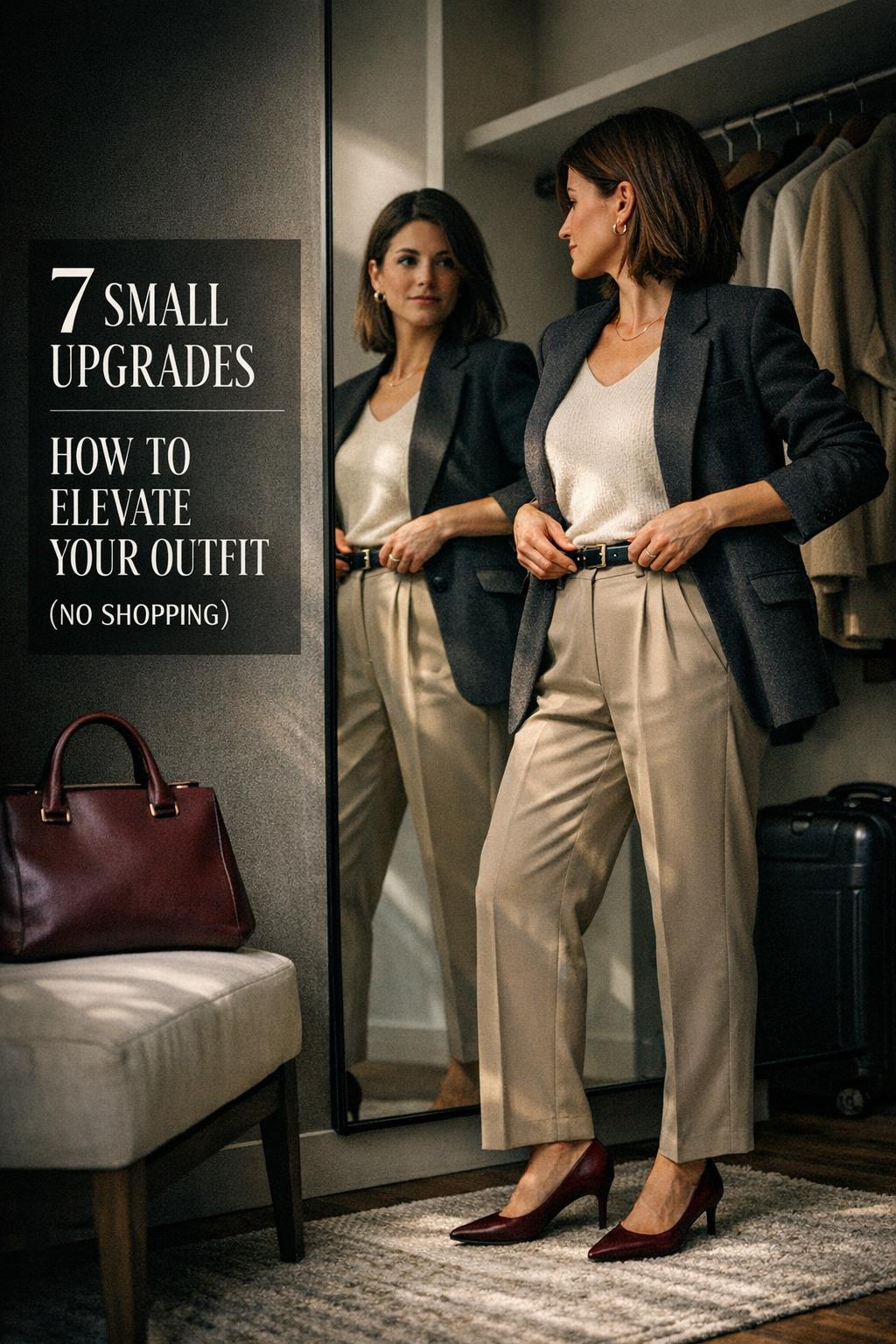
7 Small Upgrades: how to elevate your outfit (No Shopping)
How to Elevate Your Outfit: A Practical Guide to Looking Polished Every Day
If you’ve been wondering how to elevate your outfit without buying an entirely new wardrobe, the good news is that “elevated” usually comes from small, intentional upgrades. The most consistent differences between a basic look and a polished one are fit, fabric and texture, smart layering, and finishing touches like shoes, jewelry, and other accessories. This guide breaks those elements into clear, repeatable moves you can use daily—whether you’re dressing for casual life, work, travel, or a night out.
Instead of chasing complicated styling rules, you’ll build a simple system: start with a solid base, refine the fit, add structure or depth, then finish with details that look intentional. Along the way, you’ll see how subtle choices—like avoiding overly casual footwear, choosing comfortable shoes that still look refined, or keeping undergarments invisible—can make an outfit read instantly more put-together.
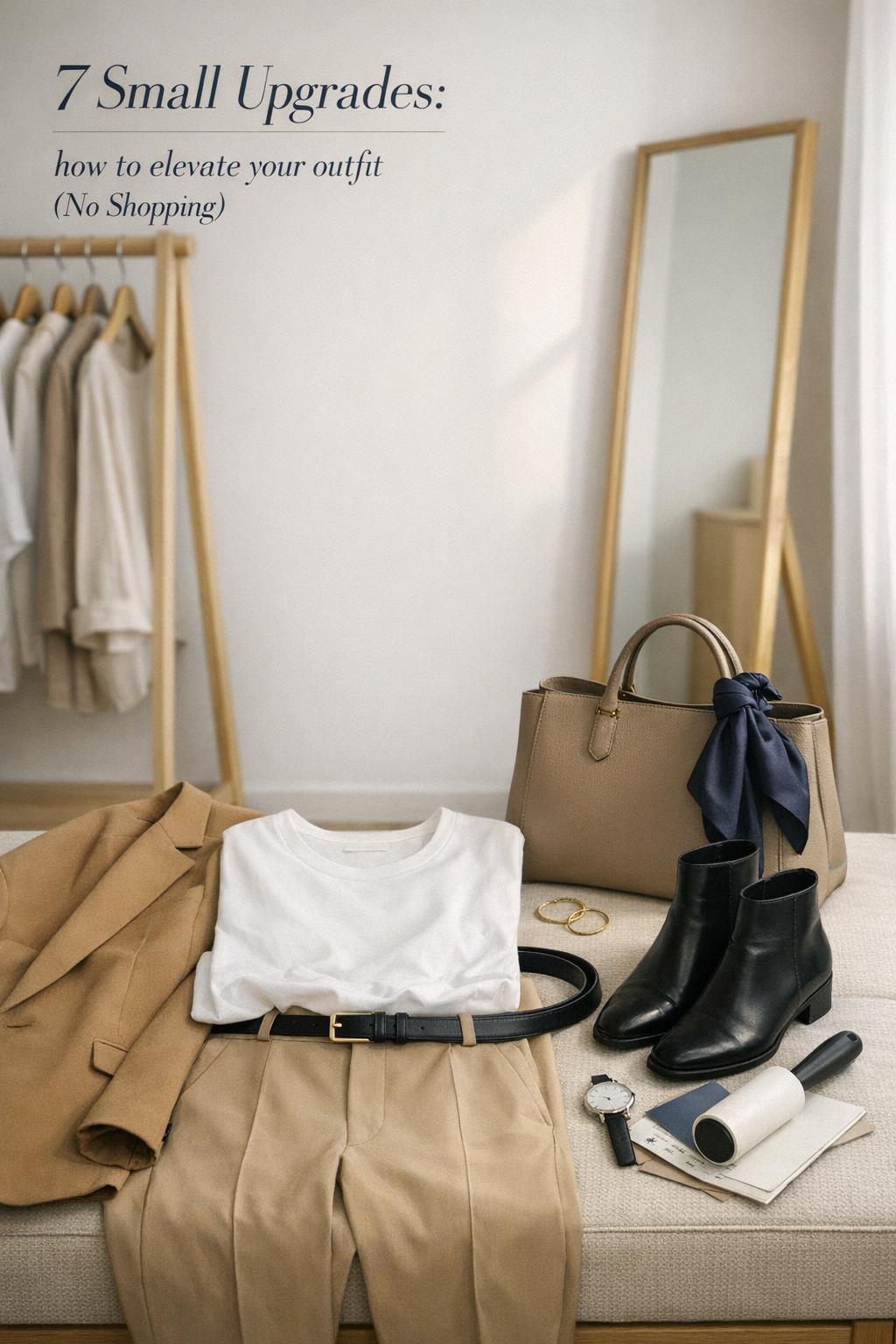
Why Elevation Matters: The Psychology of Polished Style
“Elevating” an outfit isn’t about dressing flashy or expensive; it’s about looking considered. A polished style can change how you’re perceived—more confident, more credible, more intentional—because the outfit signals attention to detail. When proportions are balanced, fabrics look substantial, and accessories feel purposeful, the overall impression becomes calmer and more assured.
It also changes how you feel inside the clothes. When shoes don’t hurt, when layers don’t bunch, and when everything sits where it should, you move differently. Elevation is practical: it reduces fidgeting, second-guessing, and the “something feels off” feeling that can undermine confidence.
Tip: Define “elevated” for your real life
Before you change anything, decide what elevated means in your context: a cleaner silhouette, more structure, more sophistication, or simply fewer distracting elements. Your definition becomes the filter that prevents over-styling and helps you repeat outfits with confidence.
Start with Fit: Tailoring and Proportions that Elevate
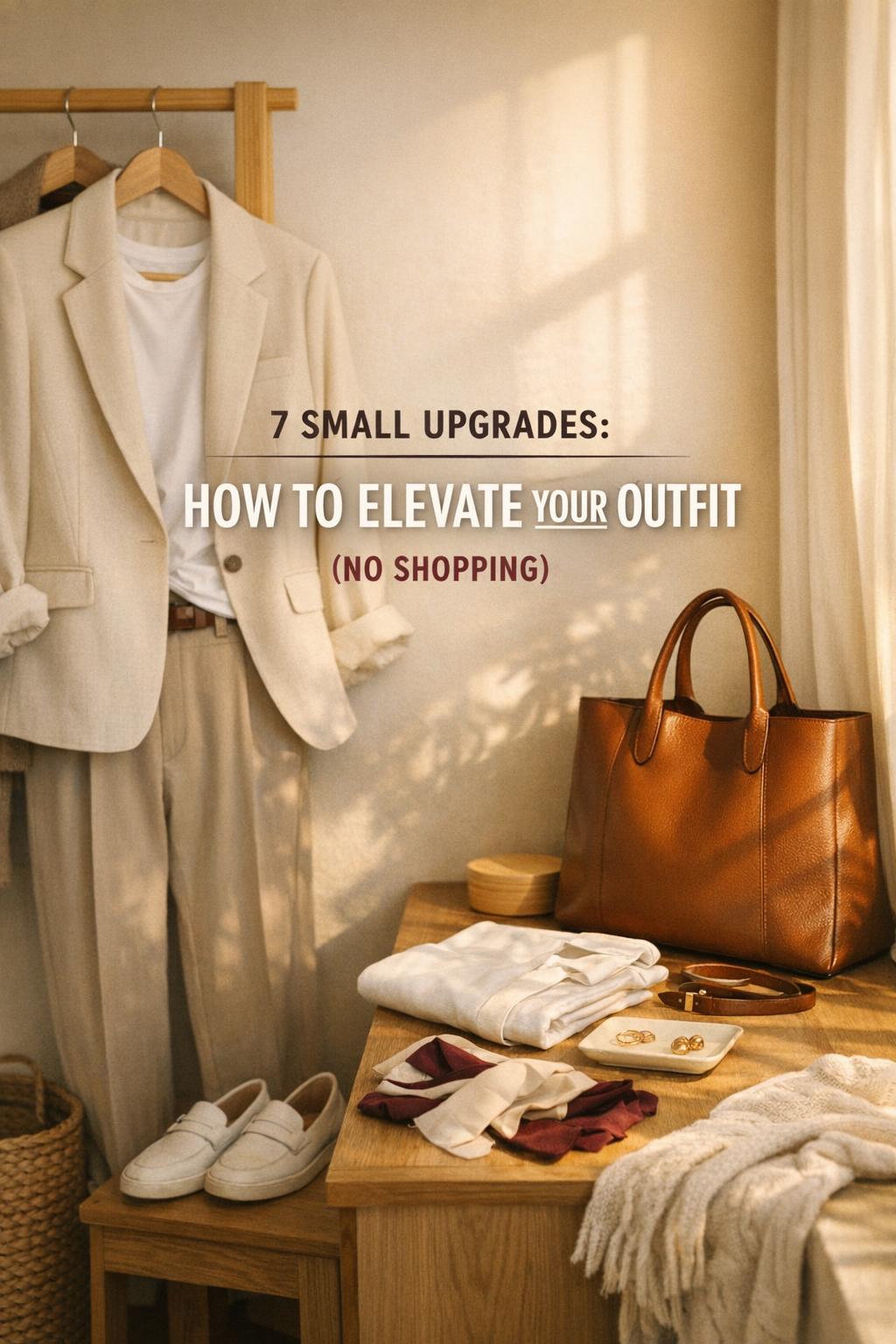
Fit is the foundation of a polished look. Even simple pieces can look elevated when they sit correctly on the body—shoulders aligned, hems intentional, waist placement flattering, and pant length clean. When fit is off, everything else (nice shoes, good accessories, thoughtful color choices) has to work harder to compensate.
The importance of tailoring and quick fixes you can do today
Tailoring is one of the most reliable ways to elevate clothing because it changes the silhouette instantly. You don’t need a closet full of new items; you need the items you already own to look like they belong on you. If you’re wearing elevated casual attire, the same principle applies: clean lines and intentional proportions make casual pieces look refined.
- Check shoulder seams first: if shoulders fit well, the rest is easier to refine.
- Look at pant length and hem: an intentional hem reads polished; a dragging or pooling hem reads accidental.
- Consider waist placement: a small adjustment in where pants sit (or where you place a belt) can transform proportions.
- Watch sleeve length: sleeves that feel too long can make even nice layers look sloppy.
Quick proportion upgrades: tuck, tie, and cinch
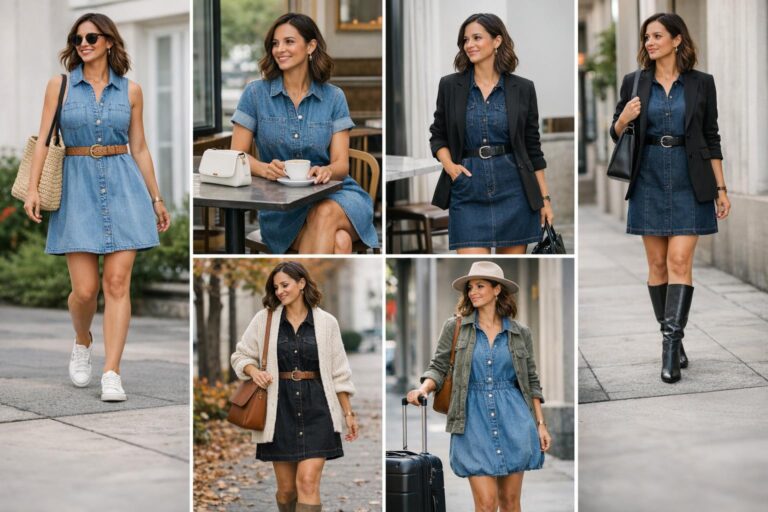
Some of the fastest upgrades don’t require a tailor at all. Techniques like tucking, tying, or cinching can create shape and intention in seconds. These adjustments also work across dress codes: a casual tee becomes more “styled” with a clean tuck, and a simple dress looks more refined with a belt that defines the waist in a deliberate way.
Tips: When you tuck, keep the front clean and avoid bulky bunching. When you cinch, aim for balance—if you define the waist strongly, keep the rest of the look streamlined so it doesn’t feel overly busy.
Fabrics and Textures: Elevate with Material Quality
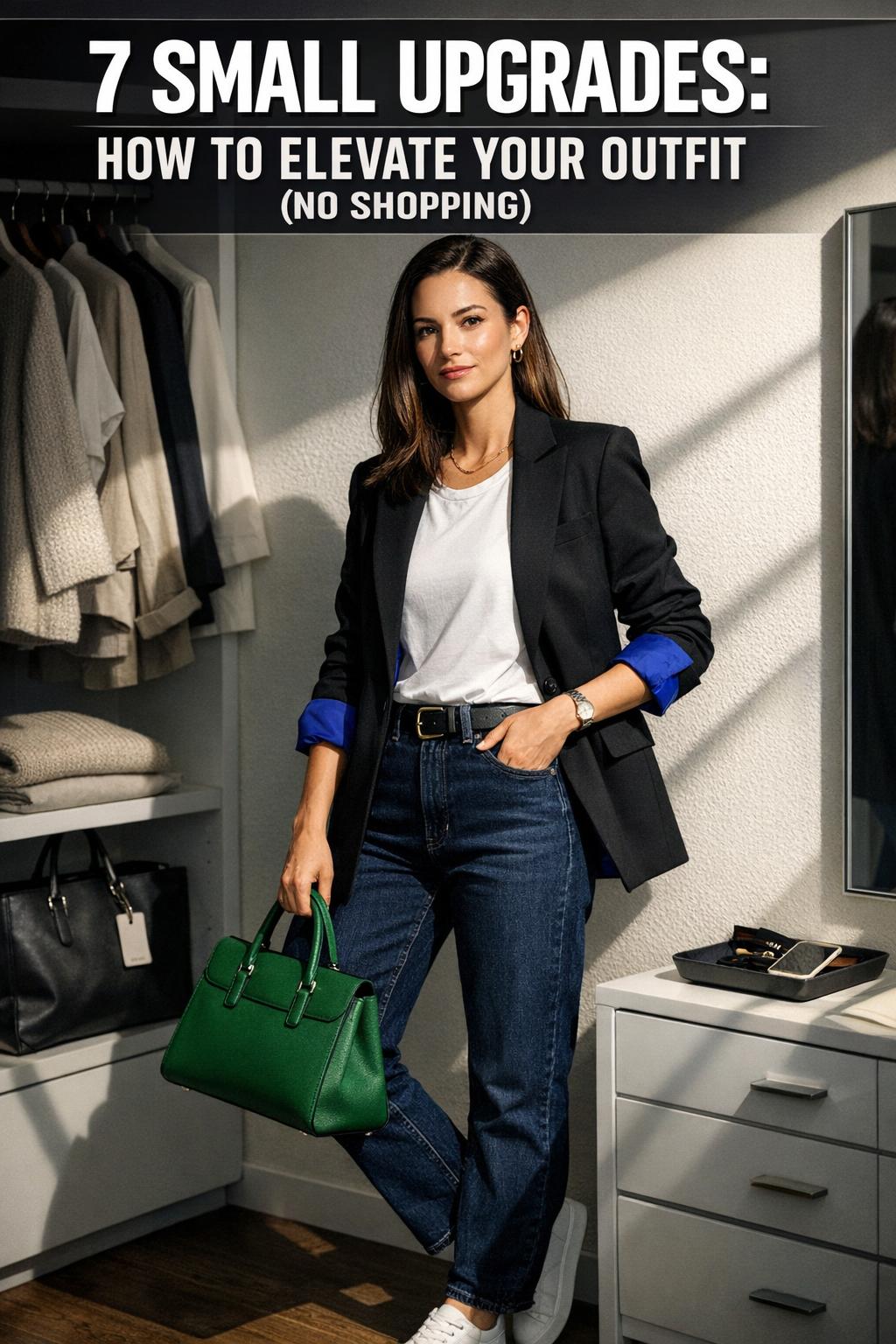
Fabric and texture can make a simple outfit look sophisticated even when the shapes are minimal. Many elevated looks rely on materials that appear substantial, smooth, or intentionally textured. The goal isn’t to replace your entire wardrobe with luxury fabrics; it’s to choose pieces that don’t look flimsy and to combine textures in a way that creates depth.
Luxury-leaning textures vs. budget textures
Certain textures naturally read as more elevated—think structured weaves, refined knits, or materials that hold shape. In contrast, thin or overly casual materials can read less polished, especially when combined with other relaxed elements. A smart approach is to pair a more elevated texture with simpler basics so the outfit looks upgraded without feeling costume-like.
Tips: If you’re keeping the silhouette simple, let the fabric do more of the work. If you’re wearing multiple layers, keep at least one layer structured so the overall look doesn’t collapse into “too casual.”
How to mix textures for depth (without looking busy)
Texture mixing is a core strategy for elevated casual attire because it adds dimension while staying comfortable. Contrast is the key: combine a smooth piece with something more tactile, or a structured piece with a softer layer. When textures work together, the outfit looks intentional even if the color palette is neutral.
- Pair a structured outer layer with a softer base layer to keep the look comfortable but refined.
- Use one standout texture per outfit and keep the rest simple to avoid visual clutter.
- If the outfit is all one texture, add contrast through accessories (shoes, belt, or bag) to create depth.
Color and Contrast: Using Color to Elevate
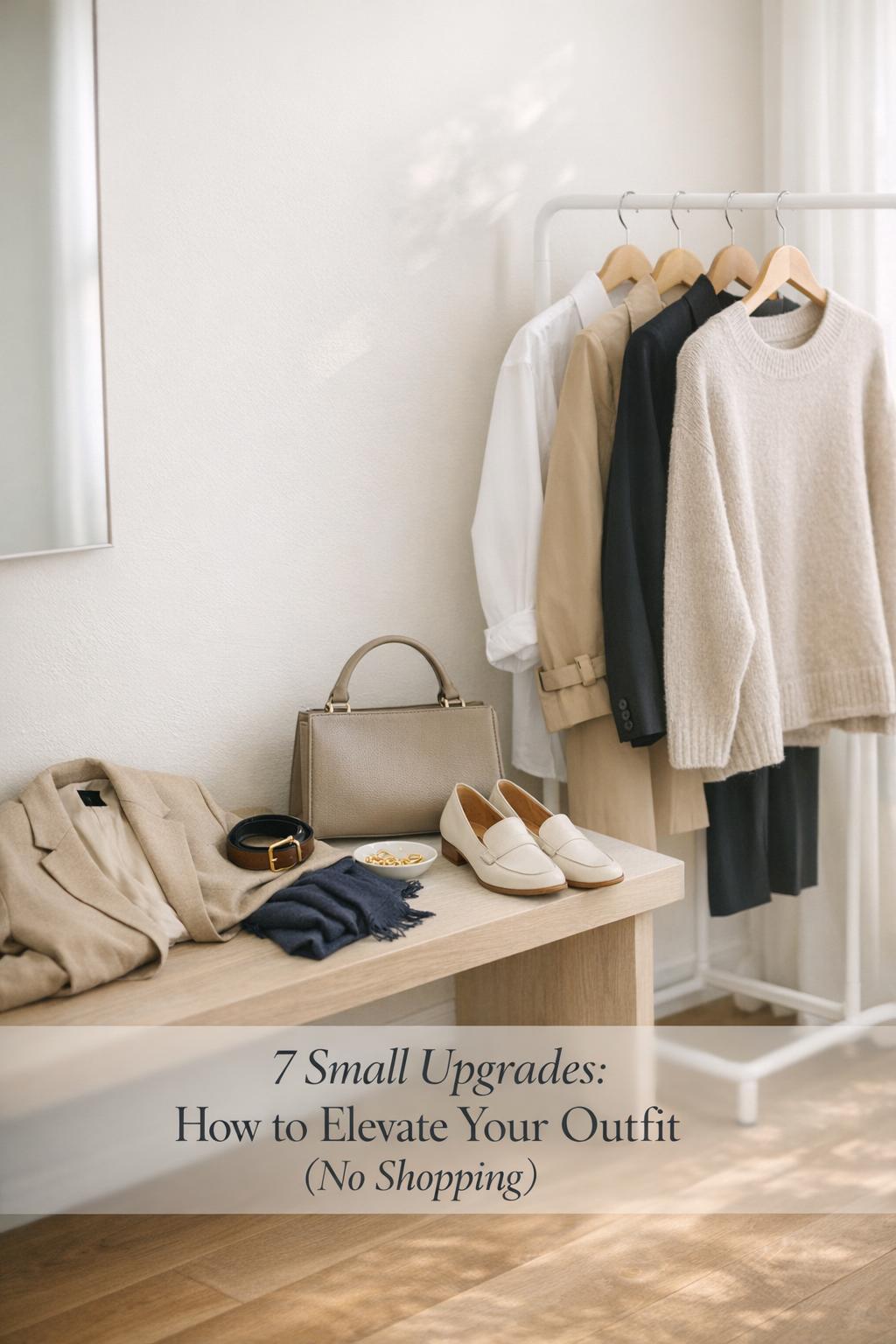
Color doesn’t have to be complicated to look sophisticated. Many elevated outfits start with a calm base and add interest through controlled contrast. This is one reason timeless silhouettes and minimalism work so well: the outfit reads cohesive, and the eye knows where to focus.
Neutral foundations and one bold accent
A neutral foundation makes it easier to repeat outfits while still looking polished. Then you can add a single bold accent—through a statement shoe, a standout bag, or a focused piece of jewelry—to create a focal point. The result feels intentional rather than random.
- Start with a neutral base that feels consistent with your style.
- Add one accent that clearly reads as the “hero” (shoe, bag, outerwear, or jewelry).
- Keep the rest understated so the accent looks deliberate, not chaotic.
Lighting and skin-tone considerations
Colors can change depending on lighting, and the same shade can look different next to your skin. When you’re trying to elevate your appearance, pay attention to whether a color makes you look brighter and more awake—or washed out. Even if you love a trend color, using it as an accent rather than a head-to-toe choice can keep the look polished and wearable.
Tips: If you’re unsure about a color, try it away from your face first (shoes, belt, or bag). If it works there, you can move it upward later with a top or outer layer.
Structure and Layering: Build Depth Without Clutter
Layering is one of the fastest ways to elevate any outfit because it adds dimension and makes a look feel “built,” not thrown together. The difference between elevated layering and messy layering is structure: you want layers that hold a clean silhouette and create intentional lines.
Master the art of layering (with purpose)
Layer like you mean it: each piece should have a job. One layer provides structure, one provides comfort, and one provides interest. You don’t need many layers to look elevated; you need the right combination so the outfit looks designed.
- Start with a clean base layer that fits well and doesn’t bunch.
- Add one structured layer to sharpen the silhouette.
- Keep the overall proportions balanced so you don’t create unnecessary bulk.
When to skip or embrace extra layers (seasonal and climate-friendly)
Layering should match your environment. In warmer conditions, too many layers can look forced and feel uncomfortable, which undermines the polished effect. In cooler weather, strategic layering can make an outfit look richer and more intentional. The guiding idea is “depth without clutter”: add structure where it helps, remove layers when they create bulk or discomfort.
Tips: If you’re in a climate where you frequently move between indoors and outdoors, prioritize layers that look good both on and off. Your outfit should still feel complete if the outer layer comes off.
Accessories: The Finishing Touches that Speak Confidence
Accessories are often the final step that takes a look from basic to elevated. The key is not “more,” but “right.” Thoughtful shoes, a clean bag, a balanced belt, and well-chosen jewelry can create the impression of sophistication even with simple, repeatable outfits.
Shoes that anchor an outfit
Footwear can set the entire tone. Comfortable shoes can still look refined, and that combination matters because discomfort shows in posture and movement. On the other hand, overly casual options can quickly pull an outfit down—especially flip flops, which tend to read as too informal in most everyday styling contexts when you’re aiming for polished.
- Choose shoes that look intentional and feel comfortable enough to walk confidently.
- Avoid overly casual footwear when you want a refined finish, especially flip flops.
- If your outfit is simple, let footwear be the statement.
Bags, belts, and jewelry: balance and restraint
Jewelry and accessories work best when they support the outfit’s focal point. If you’re wearing statement footwear, keep jewelry more minimal. If your outfit is monochrome and clean, a bolder piece of jewelry can provide the interest. Bags and belts help signal intention—especially when they echo the outfit’s tones or create a planned contrast.
Tips: If you’re unsure whether you’ve over-accessorized, remove one item and reassess. Elevated styling often looks simpler than you think because every piece has room to be noticed.
Undergarments and invisible details: the “polished” difference
Small details matter more than people realize. Visible bra straps or other undergarment lines can distract from an otherwise refined outfit. Keeping these elements discreet helps clothing look clean and intentional, which is a major part of elevating your overall appearance.
Tips: Before you leave, do a quick 10-second check in the mirror for visible straps, bunching at the waist, or anything that looks accidental. This micro-step is one of the easiest ways to look more put-together.
The Power of Minimalism: Less Really Can Be More
Minimalism is a reliable style strategy because it highlights intention. Many timeless, elevated outfits use simple shapes and a restrained palette, then rely on fit, texture, and one focal point to create impact. This approach also makes it easier to repeat outfits without feeling like you’re wearing the same thing every day.
Intentional contrast and a single focal point
An elevated outfit often has one clear “hero”: a structured layer, killer shoes, a statement accessory, or a refined fabric. When everything is competing for attention, the look can feel over-styled. When one element leads and everything else supports, the outfit reads confident and sophisticated.
- Pick one hero piece.
- Keep the rest of the outfit clean and aligned with that piece’s vibe.
- Use accessories to reinforce the focal point, not compete with it.
How to spot over-styling quickly
Over-styling usually shows up as too many strong elements at once: multiple statement items, too many layers without structure, or accessories that don’t relate to the outfit. A quick self-check is to ask whether each item contributes to the same message. If not, edit.
Tips: If you feel like you have to explain your outfit, it’s often a sign you can simplify. Elevated style typically looks easy, even when it’s thoughtfully constructed.
Wardrobe Planning: From “What Do I Wear?” to Elevated Outfits on Repeat
Elevated style gets easier when you plan for it. Instead of relying on one-off outfit inspiration, build a small set of pieces that mix well, fit properly, and create the right level of polish for your day-to-day life. This is where a capsule approach becomes powerful: fewer items, stronger combinations, less decision fatigue.
Build a small capsule with “elevate” in mind
A capsule doesn’t have to be rigid; it just needs to be intentional. Start with elevated basics that fit well and feel cohesive, then add a few pieces that provide structure and a few that provide interest. When most items coordinate, you can get dressed quickly and still look put-together.
- Choose basics you can wear often, focusing on clean fit and easy coordination.
- Add at least one structured layer you can throw on to instantly upgrade a basic outfit.
- Include one or two statement accessories (like standout shoes or jewelry) to create focal points.
Budget-conscious strategies: invest where it shows
You don’t need to spend heavily across the board to look polished. A practical strategy is to invest in the categories that visually anchor an outfit—then keep other pieces simpler. This mirrors how many elevated outfits are built: a refined shoe, a structured layer, and a few clean basics with good fit.
Tips: When your budget is limited, prioritize alterations and the pieces that appear in every outfit. A well-fitting basic worn frequently can look more elevated than a trendy piece that doesn’t sit right.
Real-World Examples: Before-and-After Outfit Upgrades
Examples make the “elevated” concept concrete. The point isn’t that one version is “wrong,” but that small adjustments can change the overall message—more intentional, more structured, more sophisticated—without sacrificing comfort.
Case study 1: Casual to polished in 10 minutes
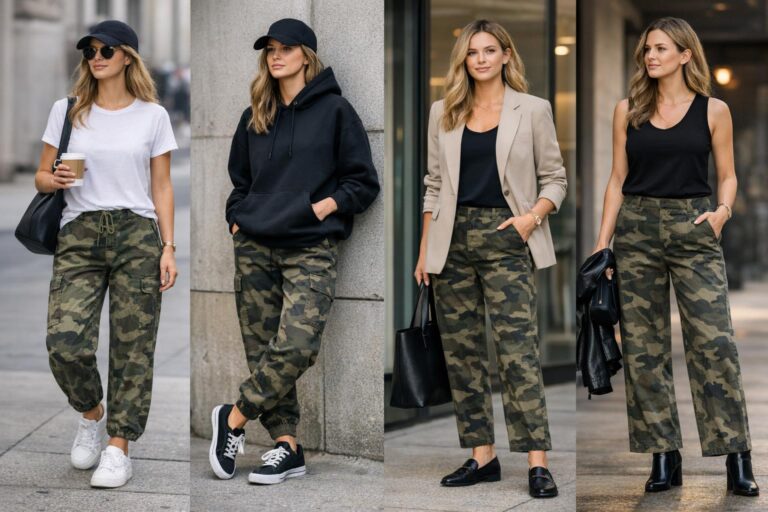
Start with a simple casual base outfit. To elevate it quickly, focus on structure, footwear, and one finishing detail. Add one structured layer to create a clean line, swap overly casual footwear for comfortable shoes that look refined, and then choose one accessory (like jewelry) that matches the mood of the outfit.
- Step 1: Adjust proportions with a tuck, tie, or cinch to create intention.
- Step 2: Add one structured layer to sharpen the silhouette.
- Step 3: Upgrade footwear to anchor the look (avoid options that read too casual).
- Step 4: Add one accessory—jewelry or a bag—for a finished feel.
- Step 5: Do a quick detail check (straps, bunching, balance).
Case study 2: Workwear transformation without a full suit
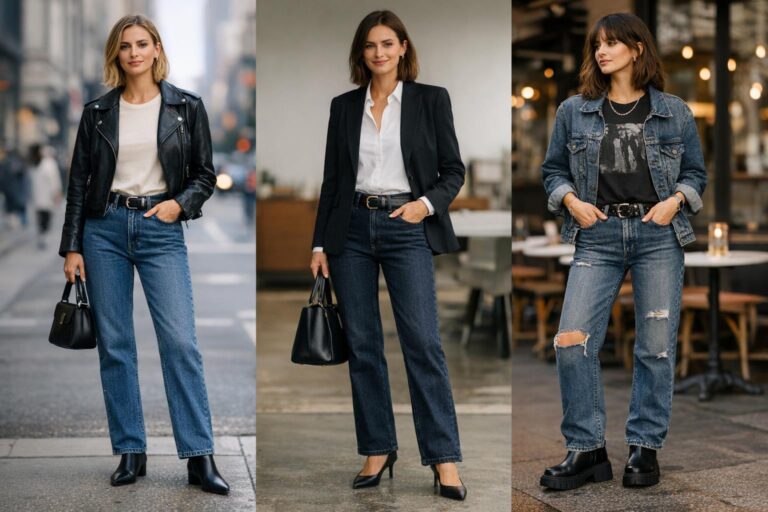
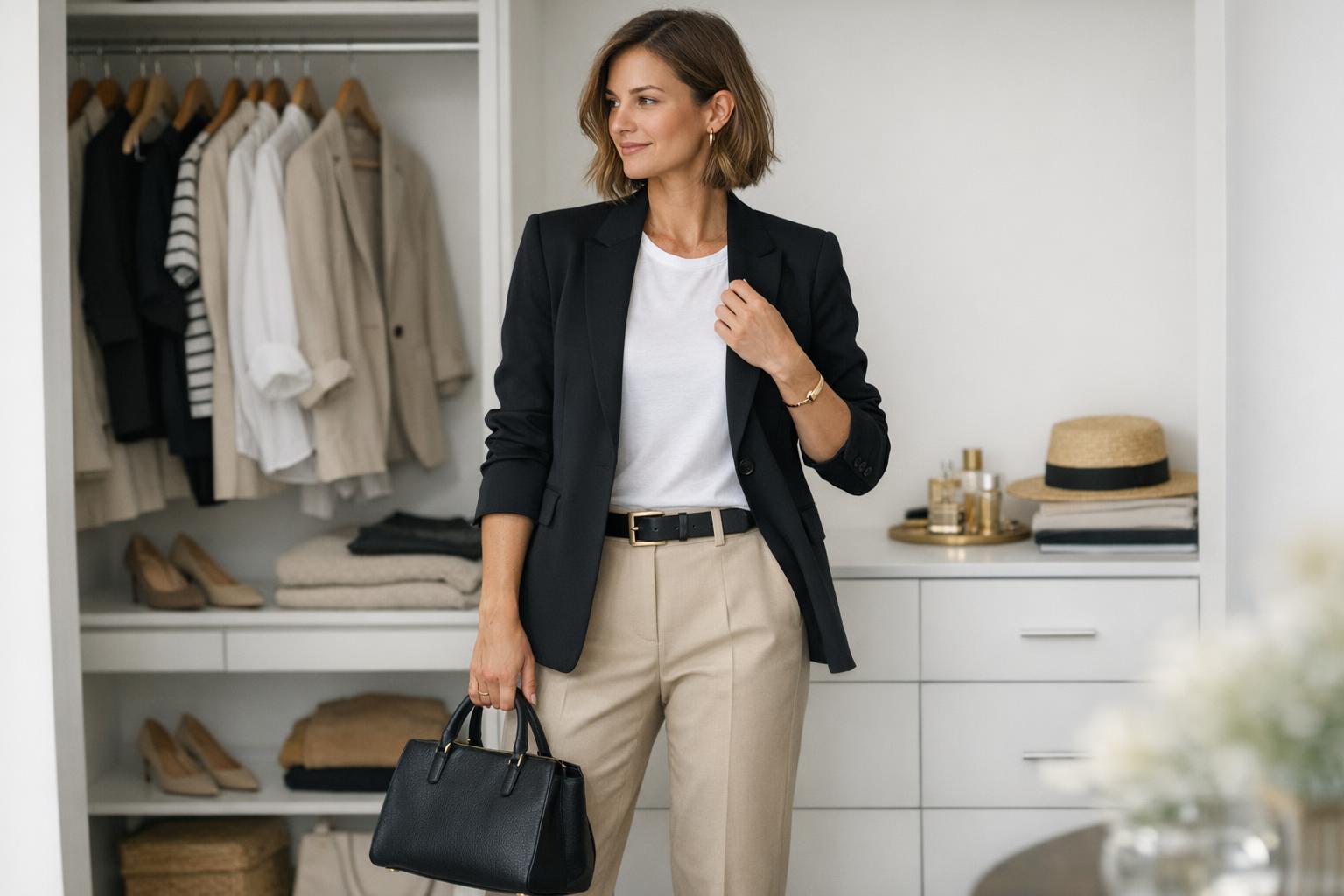
For workwear, elevation often comes from tailoring, controlled color, and minimal accessories. Start with pieces that fit well through the shoulders and waist, keep colors cohesive, and use accessories to signal professionalism. Structured outerwear or a polished layer can also add authority without feeling overly formal.
Tips: If you’re unsure where to start for work, begin with fit and shoes. Those two elements alone can shift an outfit from “okay” to “credible” quickly.
Tools and Quick Checklists for Everyday Elevation
When you’re busy, you need shortcuts. Use these quick checklists to make daily elevation feel automatic. The goal is to build a habit of looking for the highest-impact adjustments: fit, structure, footwear, and one clear focal point.
The 60-second “polish check” (before you leave)
- Fit: Does anything bunch, gape, or drag?
- Proportions: Would a tuck, cinch, or sleeve adjustment improve the silhouette?
- Footwear: Are your shoes refined and comfortable enough to move confidently?
- Details: Are straps and undergarments hidden and clean-looking?
- Balance: Do you have one focal point, or are too many items competing?
A simple formula for elevated outfits
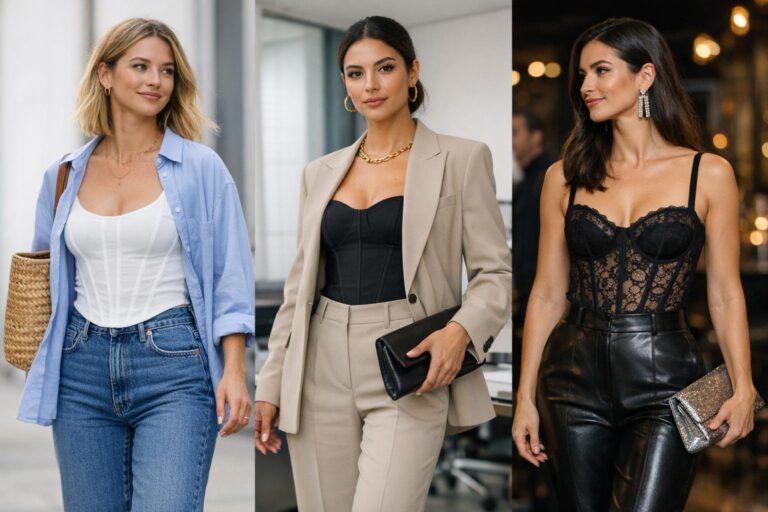
When in doubt, use a repeatable formula: a well-fitting base, one structured layer or intentional texture, and one finishing accessory. This works for elevated casual attire, for minimalist outfits, and for situations where you need to look polished fast.
Tips: If you’re stuck, change only one thing. Swap shoes, add a structured layer, or refine the tuck. One smart move often elevates the whole outfit more than five smaller changes.
Final Thoughts: Elevation as a Habit, Not a Trend
Elevated style is less about having “the right stuff” and more about consistent intention. When you prioritize fit, choose fabrics and textures that look substantial, layer with purpose, and finish with balanced accessories, you’ll create outfits that feel timeless and confident. Over time, these small decisions become automatic—and looking polished becomes part of how you dress, not a special occasion effort.
FAQ
How to elevate your outfit quickly when you only have a few minutes?
Start with the highest-impact swaps: refine proportions with a quick tuck or cinch, add one structured layer, and choose shoes that look polished and feel comfortable; finish with one simple accessory like jewelry to make the look intentional.
What’s the easiest way to elevate basic outfits without buying new clothes?
Focus on fit and proportions first—small tailoring tweaks or even simple adjustments like tucking and cuffing can change the silhouette—then add depth with intentional layering and finish with a balanced accessory.
How do shoes affect whether an outfit looks elevated?
Shoes anchor the formality and overall impression of an outfit; refined, comfortable footwear can make simple clothes look intentional, while overly casual choices—especially flip flops—can make the same outfit read less polished.
How can I elevate my outfit with accessories without overdoing it?
Pick one focal accessory (statement shoes, jewelry, or a bag) and keep everything else understated, then do a quick edit by removing one item if the look feels busy or like multiple pieces are competing.
What does “structured layering” mean, and why does it elevate outfits?
Structured layering means adding a layer that holds a clean shape and creates intentional lines, which adds depth and polish; it elevates outfits because it makes the look feel designed rather than thrown on.
How do I use textures to create elevated casual attire?
Use contrast by pairing one standout texture with simpler pieces so the outfit gains depth without clutter, and keep the silhouette clean so the textures look intentional rather than messy.
How can I make my work outfit look more polished without dressing too formal?
Prioritize proper fit through the shoulders and waist, keep colors cohesive, add one structured piece, and choose accessories and shoes that feel refined so the overall look reads professional without needing a full suit.
How do I keep my outfit looking polished throughout the day?
Build comfort into the outfit so you don’t fidget—especially with shoes and layers—then do a quick check for bunching, visible straps, and balance before leaving so the details stay clean and intentional.
How can I elevate outfits for travel while staying comfortable?
Choose a well-fitting base, add a layer that looks good both on and off for changing temperatures, keep accessories minimal but intentional, and wear comfortable shoes that still look refined for a polished, practical travel outfit.