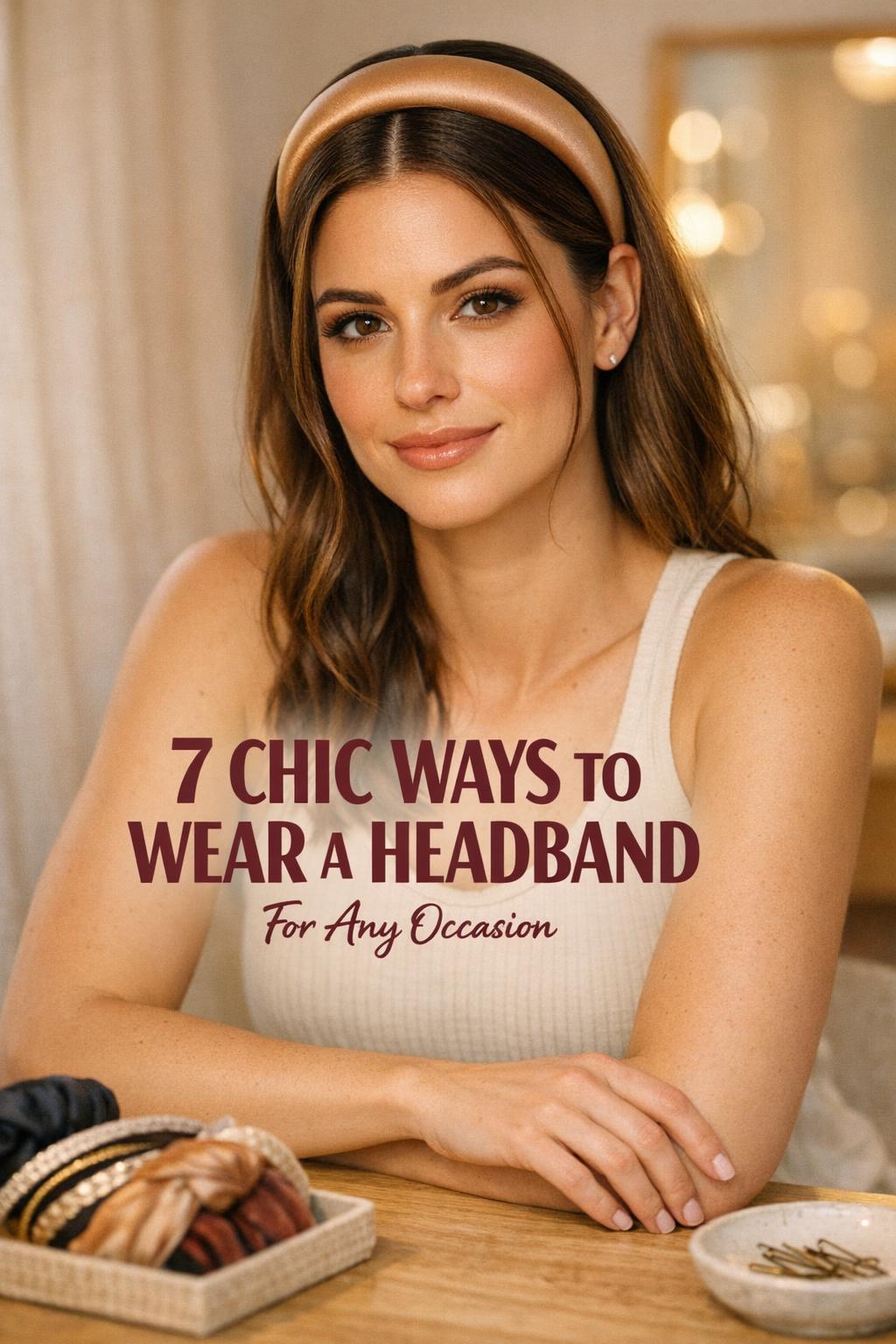
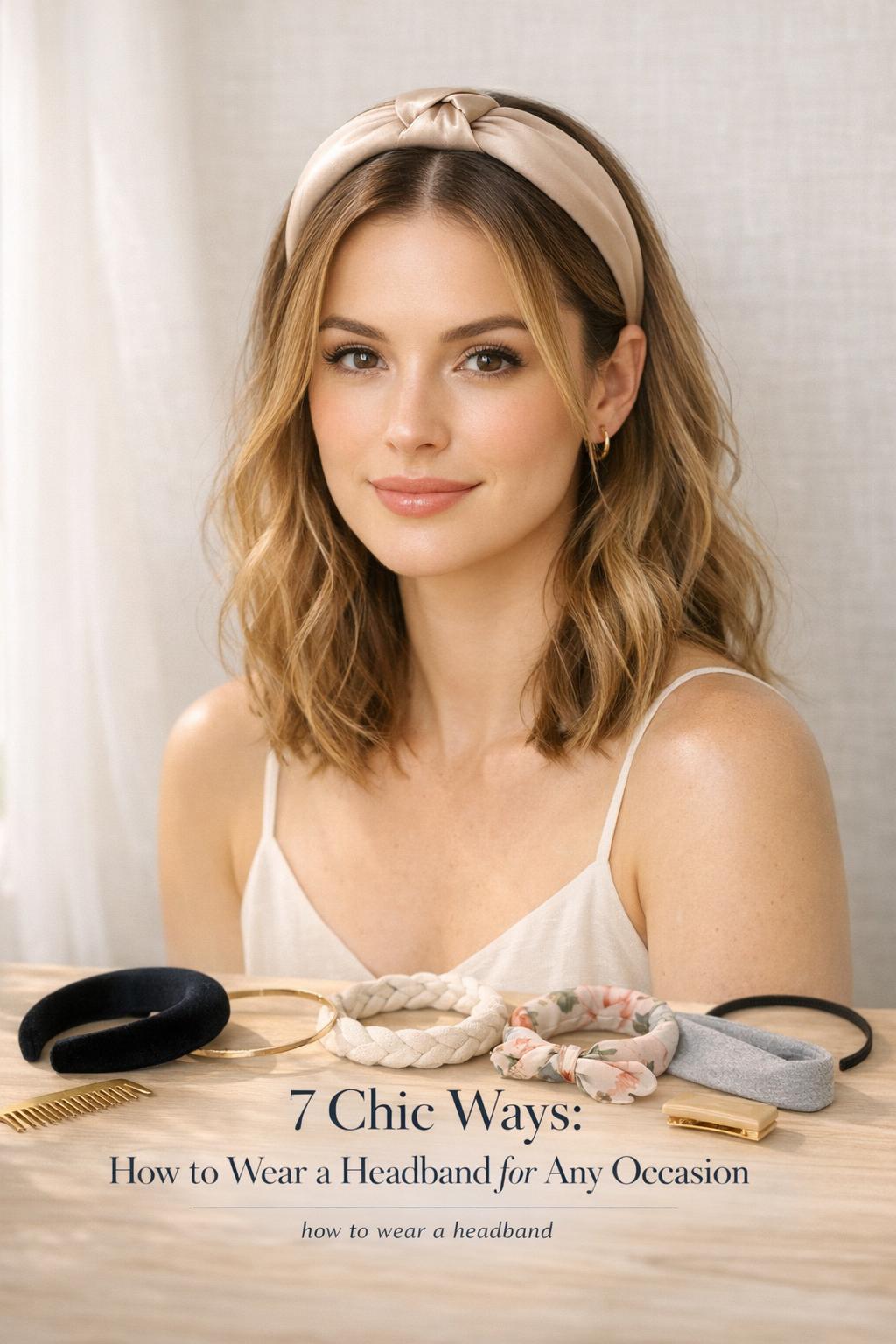
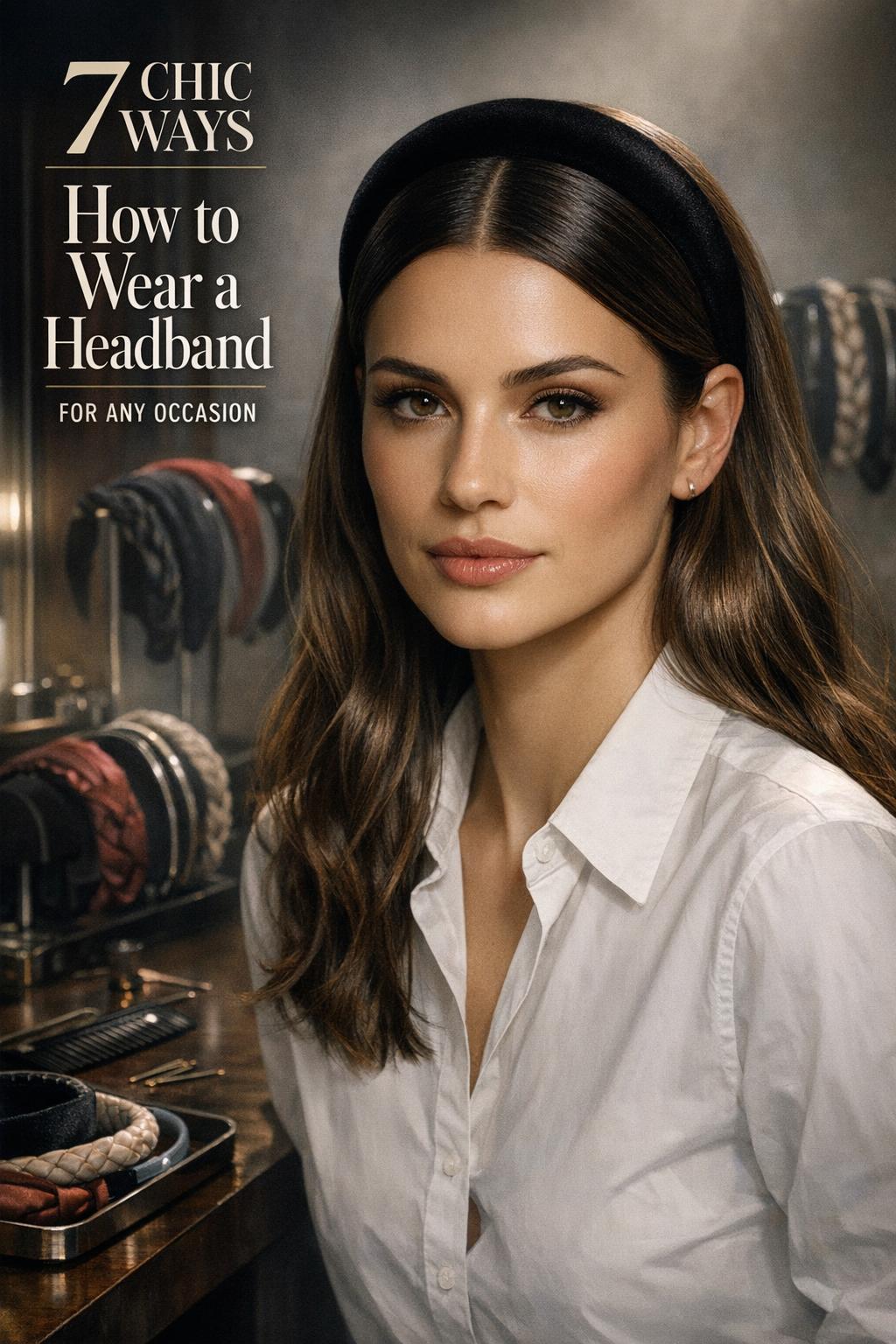
7 Chic Ways: How to Wear a Headband for Any Occasion
How to Wear a Headband: The Complete Guide for Every Style, Hair Type, and Occasion
Learning how to wear a headband well is less about following one rule and more about matching placement, width, and material to your hair length, texture, and the look you want. A headband can keep hair off your face, elevate a simple style, and shift your vibe from casual to polished in seconds—whether you’re wearing your hair down and loose, styling a low bun, or adding interest to a ponytail.
This guide brings together the most wearable headband hairstyles—simple everyday options, statement looks, retro-inspired ideas, and more technical approaches like wrap headband styling—plus practical tips for fit, comfort, and keeping the band from slipping.
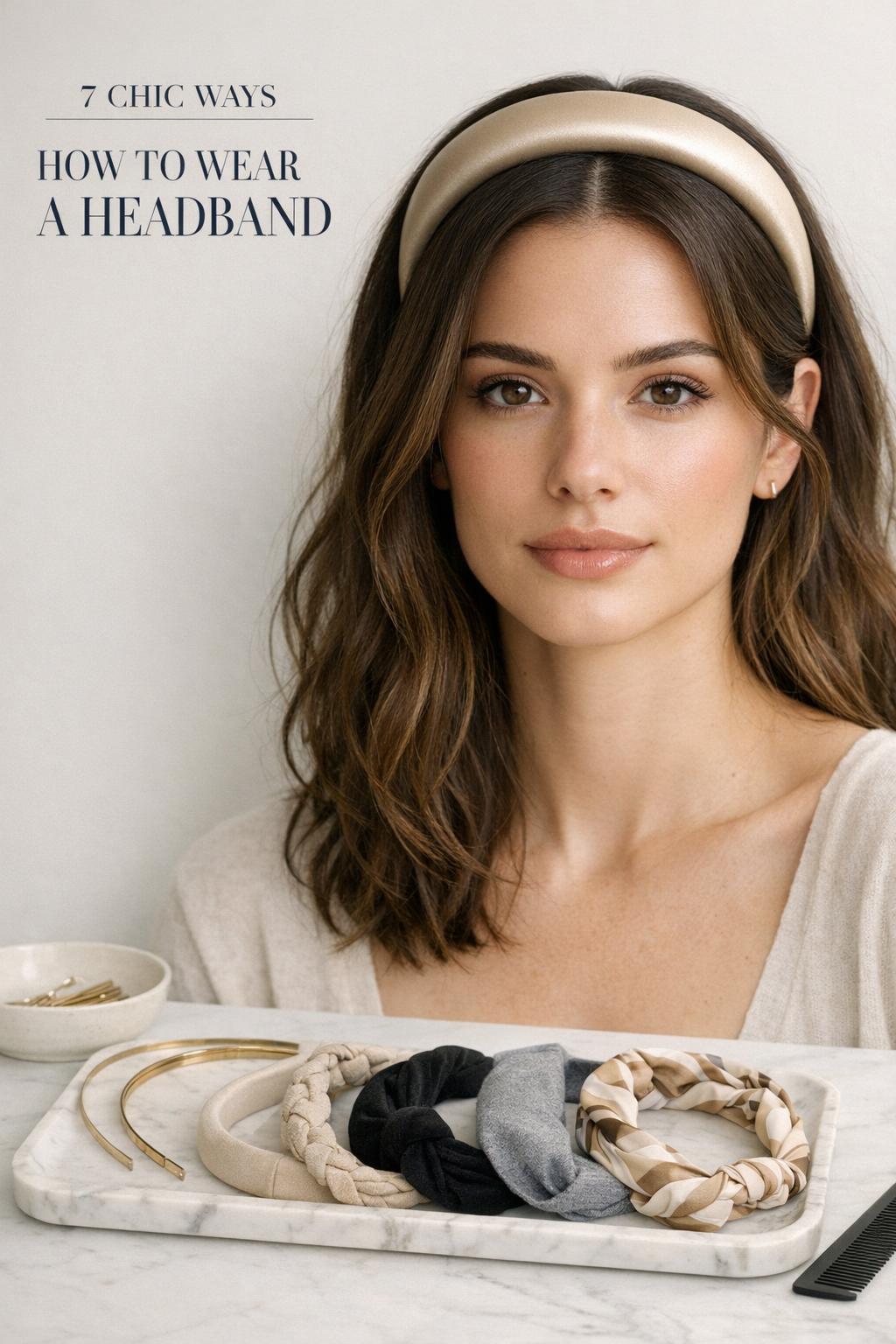
Why a Headband? What It Does for Your Look
A headband is one of the fastest ways to make a hairstyle look intentional. It can frame your face, add structure to loose waves or curls, and create a clean finish around your hairline. It’s also a practical tool: it can help manage flyaways, keep strands out of your eyes, and pull an outfit together when you don’t want to overstyle your hair.
Small changes make a big difference: shifting a band back by an inch can open up your face, while placing it closer to the hairline can create a more retro, statement feel. Similarly, headband width matters—wide padded or stretchy styles read bold and fashion-forward, while a dainty or skinny metallic headband feels subtle and polished.
Found the dress? Keep the rest in one place.
Zarellea brings guest details, vendors, timelines, and every next step together — so your wedding plan feels as good as your look.
Tip: If you’re unsure where to start, choose one variable to control—either keep the headband simple with a more styled hairstyle, or keep the hair simple and make the headband the focal point.
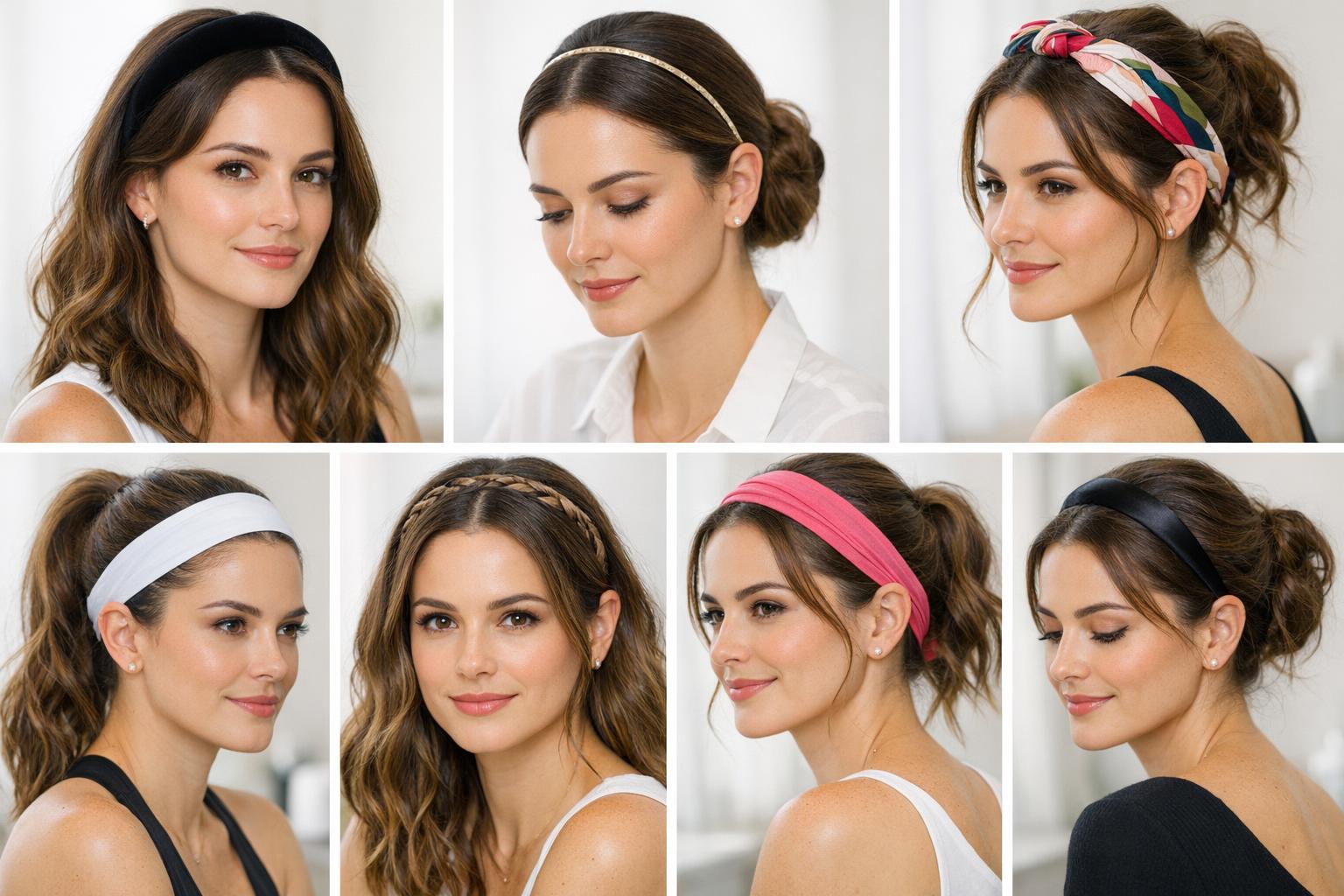
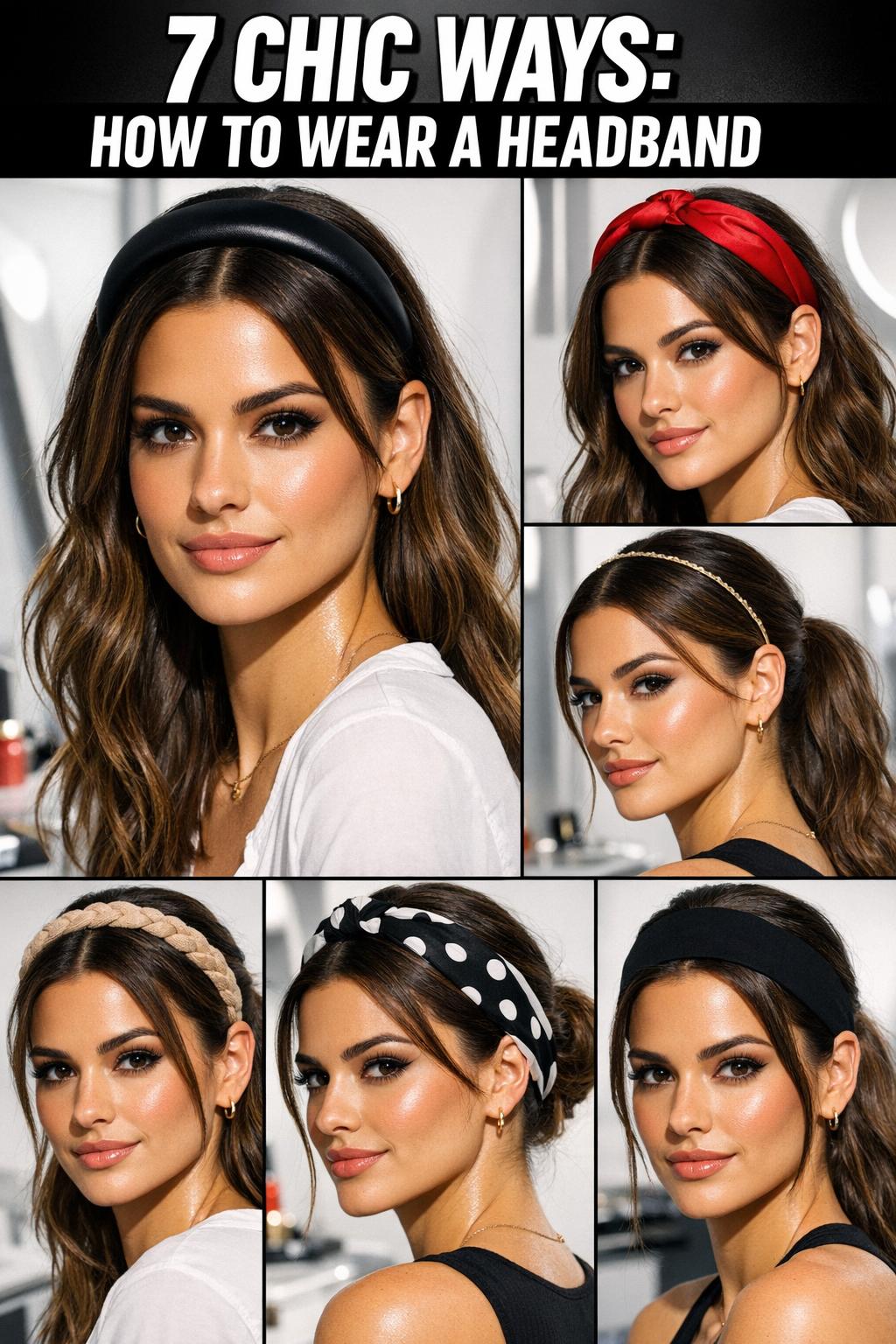
Headband Styles at a Glance
Before you decide exactly how to wear your headband, it helps to know what effect different styles create. Some are designed to blend in, some are designed to stand out, and some are built mainly for comfort and grip.
- Wide headband (including padded styles): Statement-making and great for elevating simple hair.
- Knotted headband: Adds instant structure and a dressed-up finish without much effort.
- Satin or velvet headband: Polished, slightly glam, and often used to dress up basic looks.
- Dainty/skinny headband (including metallic): Minimal, classic, and easy to pair with many outfits.
- Wrap headband or scarf-tie style: Flexible and expressive; can look casual, boho, or bold depending on how it’s tied.
- Stretchy or sporty headband: Practical for active wear and keeping hair controlled.
- Braided or fabric headband: Adds texture and a softer, more relaxed feel.
Tip: When you want a “done” look quickly, pick a headband with visible texture (knotted, braided, padded, velvet). When you want your hairstyle to be the main focus (curls, waves, updos), pick a simpler band.
By Hair Length: The Right Placement for Every Length
One reason headbands can be tricky is that the same band won’t sit the same way on different hair lengths. Placement is the difference between “effortless” and “constantly adjusting.” Use the ideas below as a starting point and fine-tune based on your comfort and the shape of your haircut.
Very Short to Short Hair
Short hair can absolutely work with headbands—often beautifully—because the accessory becomes a focal point. The key is not letting the band overwhelm your cut. A dainty or skinny headband can look clean and modern, while a wider band can create a bolder, fashion look if the rest of the styling stays simple.
Try sliding the headband back slightly so it doesn’t sit too close to your hairline, then use your fingers to loosen a few pieces around the front for a softer frame. If you prefer a stronger statement, place it closer to the hairline for a more retro feel.
Tips for short hair headband placement: If the band feels like it’s “popping” off, you may be placing it too far back. Move it forward slightly, then smooth the sides and let the top stay a bit airy or textured.
Medium Length Hair
Medium hair is the easiest length for experimenting because you can wear it down, half-back, or pulled into a low ponytail or bun. A headband over a middle part is a standout option on this length: it creates symmetry and looks polished without needing a full updo.
If you want an everyday look, start with hair down and add a headband that matches the vibe—dainty for subtle, knotted or satin for dressier. For a more styled approach, pair the band with a half-up/half-down look to keep the crown neat while leaving movement through the ends.
Tip: Medium hair can slip under a band if it’s very smooth. Adding a little texture with your hands before putting on the headband can make the style feel more secure and less “flat.”
Long Hair
Long hair gives you the most styling range: you can go full glam with loose waves, keep it casual with straight hair down, or build more structure with a ponytail, bun, or updo. Headbands look especially strong with curls or loose waves because the contrast between a controlled hairline and textured lengths feels intentional.
Long hair also works well with “double up” styling—stacking two headbands or pairing a slim band with a slightly wider one for a layered look. For a more formal direction, a headband can elevate an updo and make the hairstyle feel finished even if you keep the rest minimal.
Tip: If your long hair tends to weigh down the look, pull a small amount of hair forward at the temples after placing the headband. It softens the style and helps balance the accessory.
Parting and Placement: Simple Tweaks That Change the Whole Look
Two headband styles can use the same accessory and still look completely different depending on where you part your hair and where the band sits. These are the easiest adjustments to make when you want variety without buying a new headband.
- Keep it simple (no dramatic part changes): Place the headband about an inch or two behind the hairline and let your natural hair pattern do the work.
- Secure over a middle part: Create a center part, then place the headband so it frames the part cleanly and keeps the sides controlled.
- Go retro: Place a wider or stretchy band closer to the hairline for a more vintage-inspired vibe.
- Make it bold: Choose a statement band (padded, velvet, satin, or knotted) and keep hair otherwise simple.
Tip: If you’re wearing a headband over a middle part, take an extra moment to align it evenly. Symmetry is what makes this look read as polished instead of accidental.
Face Shape and Headband Fit: How Narrow or Wide Should It Be?
There isn’t a single “correct” headband width for a face shape, but balance is the goal. In general, narrow headbands feel lighter and more minimal, while wide headbands create a stronger frame and become a focal point. If you put on a headband and it feels like it dominates your features, try a slimmer band or move it farther back. If it disappears, try a wider band or bring it closer to the front.
A good fit should feel secure without pinching. If the headband presses too tightly at the temples, it’s more likely to cause discomfort over time. If it’s too loose, it can slip—especially on smooth hair. The most flattering headband is often the one you can wear comfortably without constantly adjusting.
Quick decision guide: If you want a subtle, office-friendly finish, start with a dainty or skinny headband. If you want instant impact or a fashion-forward look, try a padded, knotted, or wide headband and keep your hairstyle simple.
Material Matters: Pros and Cons by Use Case
Material affects three things that matter in real life: comfort, grip, and how formal the headband looks. The “best” material depends on whether you’re aiming for daily wear, a party look, or a headband that stays put while you’re moving.
Satin and Velvet Headbands
Satin and velvet headbands usually read as dressier, making them a popular choice for parties, dinner, and elevated everyday outfits. They can also look great with a low ponytail or bun when you want a simple hairstyle to feel intentional. Comfort can vary depending on structure; choose a fit that sits securely without squeezing.
Tip: Pair satin or velvet with smoother hairstyles for a sleek look, or use them to contrast with loose waves for a soft glam feel.
Fabric and Braided Headbands
Fabric headbands (including braided styles) tend to feel relaxed and wearable. They pair easily with loose waves, casual ponytails, and braids, and they’re often a go-to when you want something comfortable that doesn’t look overly formal. Because fabric adds texture, it can also visually “grip” the style and help it feel less slippery.
Tip: If your outfit is already bold, a textured fabric headband can add interest without looking too shiny or dressy.
Metal or Thin Headbands (Dainty Styles)
Thin or metallic headbands create a minimal, classic finish. They’re a strong choice when you want your hairstyle—curls, waves, a blowout, or a neat bun—to be the focus. Because these bands can be less forgiving, make sure the fit isn’t too tight, especially if you plan to wear it for hours.
Tip: When a thin headband feels too “bare,” style it with a half-up/half-down look to add structure without adding bulk.
Wrap Headbands and Scarf-Tie Styles
Wrap headbands are flexible by design, which makes them useful for customizing the look. You can wear them wider for a bolder statement or narrower for a lighter touch. Wrap styling can also look especially polished when the fabric is smoothed neatly and the placement is intentional, rather than pushed on quickly.
Tip: If you’re new to wrap headband styling, start with a simple tie and a clean placement, then experiment with volume, width, and where the knot sits as you get more comfortable.
Stretchy and Sporty Headbands
Stretchy headbands are built for function: they’re designed to stay in place and keep hair off your face. They can also lean into a retro-inspired look, especially when worn wider and closer to the hairline. For active contexts, comfort and staying power matter most—aim for a secure fit that doesn’t cause pressure.
Tip: If you want a sporty headband to look more styled, pair it with a clean ponytail, a low bun, or controlled waves instead of leaving the rest of the hair completely unstyled.
Step-by-Step: How to Wear a Headband With Hair Down
Wearing a headband with hair down is the most classic approach—and one of the easiest to personalize. You can go sleek and minimal, soft and romantic with loose waves, or bold with a statement headband.
- Start with hair down (straight, wavy, or curly).
- Decide on your part: natural, middle part, or slightly off-center.
- Place the headband about 1–2 inches behind your hairline for a modern, wearable look, or closer to the hairline for a more retro effect.
- Adjust the hair around your face: tuck behind ears for clean lines, or pull a few pieces forward for softness.
Tips: If the style feels too “perfect,” loosen it slightly by lifting hair at the crown with your fingertips after the headband is on. If it feels too casual, switch to satin, velvet, or a knotted headband to instantly elevate it.
Step-by-Step: Headband With a Middle Part
A headband over a middle part looks clean, symmetrical, and intentional. It’s a great option when you want a polished result without doing a full updo, and it works across lengths—from short cuts to long hair.
- Create a neat center part from your hairline back.
- Choose a headband that matches the vibe: dainty for subtle, padded or knotted for statement.
- Place it so the headband frames the part evenly on both sides.
- Smooth the sides for a sleek look, or keep the lengths textured with loose waves or curls.
Tip: If the center-part style looks “flat,” pair it with curls or loose waves through the ends to add movement and keep the look balanced.
Step-by-Step: Pair a Headband With a Half-Up/Half-Down Look
Pairing a headband with a half-back hairstyle gives you the best of both worlds: hair stays controlled at the front and crown, while the lengths still move. This is especially helpful if your hair tends to fall forward when worn down.
- Section off the top half of your hair (around the temples and crown) and secure it back.
- Place the headband just behind the hairline or slightly farther back if you want a softer frame.
- Refine the look: smooth the crown for a clean finish, or keep it a little relaxed for everyday.
Tip: This style is a strong match for dainty headbands because the half-up shape already adds structure. If you want more impact, swap to a padded or satin headband and keep the half-up section sleek.
Step-by-Step: Headband With a Ponytail
A headband with a ponytail is a reliable, quick hairstyle that can look sporty, casual, or surprisingly polished depending on the headband material and how low or high the ponytail sits. It’s also a great option when you want to keep your hair off your face while still looking styled.
- Decide on ponytail placement: higher for energetic and casual, lower for a more refined look.
- Secure the ponytail first, then place your headband (or place the headband first if you want the front to stay extra smooth).
- Adjust the front pieces: tuck hair behind the ears for a sleek finish or pull a few strands forward for softness.
Tips: For work or dinner, pair a low ponytail with a satin, velvet, or knotted headband. For an easy daytime look, a fabric or braided headband with a ponytail keeps the vibe relaxed.
Step-by-Step: Dress Up a Low Ponytail or Low Bun
If you want an instant “put-together” hairstyle with minimal effort, a headband paired with a low ponytail or low bun is one of the most effective combinations. The low placement reads polished, while the headband adds structure at the hairline.
- Create a low ponytail or twist hair into a low bun at the nape.
- Choose a headband that elevates: padded, satin, velvet, or a clean wrap style.
- Place the headband so it looks intentional (often 1–2 inches behind the hairline).
- Finish by smoothing the sides for a sleek look or leaving a few face-framing pieces for a softer effect.
Tip: When the hairstyle is simple, your headband becomes the focal point. If you’re wearing a statement headband, keep the bun neat and the overall look streamlined.
Step-by-Step: Elevate an Updo With a Headband
Headbands can elevate an updo by adding definition and a finished edge. This is especially useful when you want a party-ready or formal look without relying on complicated styling. A polished headband can give the impression of a more intricate hairstyle.
Start with your chosen updo—sleek or slightly undone—then place the headband so it sits comfortably and frames the face. Satin and velvet can read dressier, while a dainty band can keep the look understated. A wrap headband can be especially effective when tied neatly and aligned carefully.
Tip: If your updo already has volume or texture, a simpler headband often looks more balanced. If your updo is sleek, a knotted or padded headband can add dimension.
How to Wear a Headband With Curls or Loose Waves
Headbands and loose waves are a natural pairing because the contrast looks effortless: the headband keeps the front controlled while the waves add movement. This approach also works beautifully with curls, where the headband provides structure at the hairline and allows the texture to shine.
To keep the look balanced, decide whether you want the headband to blend in or stand out. A dainty headband lets curls be the focus. A padded, velvet, or satin headband makes the accessory a focal point and can turn a casual wave into a more glam look.
Tip: If the curls feel crowded near your face once the headband is on, gently separate and reposition a few pieces around the temples so the style frames rather than hides your features.
How to Wear a Headband With Braids
Braids and headbands work well together because both add visible detail. A fabric or braided headband can enhance a relaxed braided look, while a satin or knotted headband can make braids feel more styled and intentional.
If you’re wearing a braid (or braided sections) and want a clean finish, place the headband so it secures the hairline and complements the braid’s texture. If the braid already has a lot of visual interest, a simpler band often looks best.
Tip: Choose one focal point: either a bold headband with simpler braids, or a subtle headband with more detailed braiding.
Retro and Statement Looks: Wide, Stretchy, and 60s-Inspired
If you love a vintage vibe, a wide, stretchy headband is a direct route to a retro-inspired look. Worn closer to the hairline, it feels classic and bold. This style also pairs well with volume and texture—think loose waves, curls, or a bit of lift at the crown—so the headband doesn’t feel like it’s flattening everything.
Statement headbands don’t have to be complicated to style. In fact, the easiest way to pull one off is to keep your hair simple: straight down, a low bun, or a clean ponytail. Let the headband carry the look.
Tip: When you go wide and bold, pay extra attention to placement. A slightly crooked wide headband is more noticeable than a slightly crooked skinny one.
Double Up: Wearing Two Headbands at Once
Wearing two headbands at once is a styling trick that can look playful and fashion-forward. It works best when the headbands feel coordinated—either by color, finish, or overall vibe—so the look feels intentional rather than random.
You can stack two skinny headbands for a subtle layered effect, or combine a dainty headband with a slightly wider one to create dimension. This approach can be especially effective with long hair worn down or in loose waves, where the layering reads clearly.
Tip: To avoid visual clutter, keep the rest of your hair simple when doubling up—either sleek and straight or softly waved without too many additional accessories.
Headband Styling by Occasion
The easiest way to choose how to wear a headband is to start with where you’re going. The same headband can feel casual, professional, or evening-ready depending on the hairstyle you pair it with.
Everyday Casual
For everyday wear, start with comfort and simplicity: hair down with a fabric headband, a quick ponytail with a soft band, or a relaxed half-up style with a dainty headband. The goal is an easy look that feels like you, not something you have to babysit all day.
Tip: If you want casual but not messy, choose one “clean” element—either a neat middle part, a smooth ponytail, or a headband placed evenly and aligned.
Work/Office-Ready
Office-friendly headband hairstyles tend to be controlled and polished: a low ponytail, low bun, sleek hair down, or a tidy half-up. Dainty headbands and simple satin or velvet styles are common choices because they look refined without being overly bold.
Tip: If you’re wearing a statement headband to work, keep the rest of the hairstyle minimal (like a low bun) so the overall look stays balanced.
Party/Formal
For parties and more formal moments, lean into a headband that looks elevated—padded, knotted, satin, or velvet—and pair it with loose waves, curls, or an updo. A headband can function like jewelry for your hair: it adds a finished element without requiring a complicated style.
Tip: If you’re going for a bolder, editorial feel, keep the hairline clean and the placement precise so the headband looks deliberate.
Sport/Active Wear
For active wear, prioritize a stretchy, secure headband and pair it with a ponytail or bun to keep everything controlled. If you want it to look more styled, choose a clean ponytail and align the band evenly rather than pushing it on quickly.
Tip: Comfort matters more than trend during workouts. If a headband feels like it’s squeezing now, it will feel worse after you’ve been moving for a while.
Troubleshooting and Quick Fixes
Even the cutest headband can be annoying if it slips, pinches, or messes up your hair. Use these practical fixes to make your headband hairstyles feel secure and comfortable.
Headbands Slipping
Slipping is usually a mismatch between the headband and your hair’s texture (especially very smooth hair) or a placement issue. Try moving the band slightly forward or back to find the “anchor point” where it naturally stays. Textured materials like fabric and braided styles can also help the headband feel more stable than very smooth finishes.
Tip: If your hair is extremely smooth, pairing a headband with a half-up/half-down style can add structure and reduce shifting throughout the day.
Headache or Discomfort
Discomfort usually comes from pressure at the temples or a headband that’s too tight for long wear. Switch to a more comfortable fit or a softer, stretchy option, and adjust placement so it sits securely without squeezing. If you plan to wear a headband for hours, comfort should be treated as a requirement, not a bonus.
Tip: When trying on a new headband, wear it around the house for a short period first. If it starts to pinch quickly, it’s unlikely to feel better later.
Protecting Hair and Keeping the Look Fresh
Headbands can leave dents or flatten volume, especially with sleek styles. If you want your hair to keep movement, choose placement that doesn’t press too tightly and consider pairing the headband with curls or loose waves, which hide minor flattening. If you’re wearing the headband primarily to control hair, a low bun or ponytail can keep the look neat even after hours of wear.
Tip: If you’re switching from daytime to evening, keep the hairstyle the same and swap to a more elevated headband (like satin, velvet, padded, or knotted) for a quick upgrade.
Final Tips and Quick Reference
Headbands are at their best when they feel intentional: the right material for the occasion, the right width for the vibe, and a placement that stays comfortable. If you remember one thing, make it this: decide whether your headband is the accent (dainty, minimal) or the centerpiece (padded, knotted, wide, retro), then keep the rest of the look balanced.
- For the simplest win: hair down + headband placed 1–2 inches behind the hairline.
- For polished: headband over a middle part + sleek sides.
- For easy structure: half-up/half-down + dainty or satin headband.
- For instant elevation: low bun or low ponytail + padded, velvet, or knotted headband.
- For retro: wide, stretchy headband placed closer to the hairline.
FAQ
How do I wear a headband with hair down without it looking childish?
Choose a more polished headband style (like satin, velvet, knotted, padded, or a dainty metallic option) and place it neatly about 1–2 inches behind the hairline; pairing it with loose waves or a clean middle part can also make the look feel more grown-up and intentional.
How do I wear a headband with a ponytail?
Secure your ponytail first (high for casual, low for polished), then place the headband so it sits comfortably and evenly; finish by smoothing the sides for a sleek look or pulling a few face-framing pieces forward for softness.
What’s the best way to wear a headband with a low bun?
Create a low bun at the nape, then add a headband that elevates the look—like satin, velvet, padded, or knotted—and keep placement clean and aligned so the hairline looks finished even if the bun is simple.
How do I wear a headband over a middle part?
Make a neat center part, then place the headband so it frames the part evenly on both sides; this look reads most polished when the band is straight and the sides are either smoothed down or intentionally styled with waves or curls.
Can I wear a headband with short hair?
Yes—short hair often looks great with headbands; start with a dainty or skinny headband for a minimal look, or go bolder with a wider band, then fine-tune placement slightly back from the hairline so the accessory doesn’t overwhelm the cut.
How do I keep a headband from slipping?
Adjust placement forward or back to find where it naturally anchors, and consider using a more textured style (like fabric or braided) or pairing the headband with a half-up/half-down hairstyle for extra structure that helps it stay in place.
Do headbands cause headaches?
They can if the fit is too tight or pressure builds at the temples, so choose a comfortable headband that feels secure without squeezing and reposition it slightly if you notice discomfort during longer wear.
How do I wear a headband during workouts or active days?
Use a stretchy, sporty headband designed to stay put and pair it with a ponytail or bun to keep hair controlled; focus on comfort and even placement so you’re not constantly adjusting while you move.
What headband style works best for dressing up a look quickly?
A satin, velvet, padded, or knotted headband can elevate a simple hairstyle fast, especially when paired with a low ponytail, low bun, loose waves, or an updo for a more formal finish.