How to Look Expensive: 12-Week Quiet Luxury Upgrade Plan
How to Look Expensive in 2026: A Quiet-Luxury Framework on Any Budget
If you’re searching for how to look expensive, you’re probably not asking how to spend more—you’re asking how to look more polished, intentional, and elevated with the clothes, accessories, and grooming choices you already have (plus a few smart upgrades). The most consistent “expensive” signals in style are surprisingly repeatable: excellent fit, quality-looking fabric and texture, deep and cohesive color, clean finishing details, and grooming that matches the outfit’s level of refinement.
This guide is built around a quiet-luxury approach: minimal logos, strong proportions, subtle accessories, and careful maintenance. You’ll find step-by-step tactics, practical “tips” callouts, a budget-first shopping strategy, and an optional 12-week plan to help you implement everything without feeling overwhelmed.
1) Define “Expensive” in Your Context (So You Don’t Copy the Wrong Look)
“Expensive” is not one single aesthetic. For some people it means classic and minimal; for others it means sleek, editorial, or softly tailored. The common thread is refinement: pieces look deliberate, they fit well, and nothing looks overly flashy or careless. Before you start shopping or purging, define what “expensive” should mean in your real life—your climate, your day-to-day activities, and the environments where you want to look your best.
Start with lifestyle, climate, and your daily uniform
A quiet-luxury wardrobe looks different depending on whether you need layers most of the year, dress for an office, or spend your week in casual settings. The goal is to choose an elevated “default” that you can repeat. That repeatability is part of what reads expensive: consistency, not constant novelty.
Found the dress? Keep the rest in one place.
Zarellea brings guest details, vendors, timelines, and every next step together — so your wedding plan feels as good as your look.
- Pick 2–3 settings where you want the expensive look most (work, weekends, events).
- Choose 2–3 words for your target style (polished, minimal, classic; refined, tailored, tonal).
- Decide your comfort priorities (stretch, breathable fabrics, layering-friendly pieces).
Tip: Aim for “quiet” first, then upgrade the details
If you’re unsure where to start, start by removing visual noise: obvious logos, overly shiny embellishments, and fussy extras that don’t add structure or cohesion. A simpler base makes it easier for fit, fabric, and finishing touches to do the heavy lifting.
2) Master Fit: Tailoring That Transforms
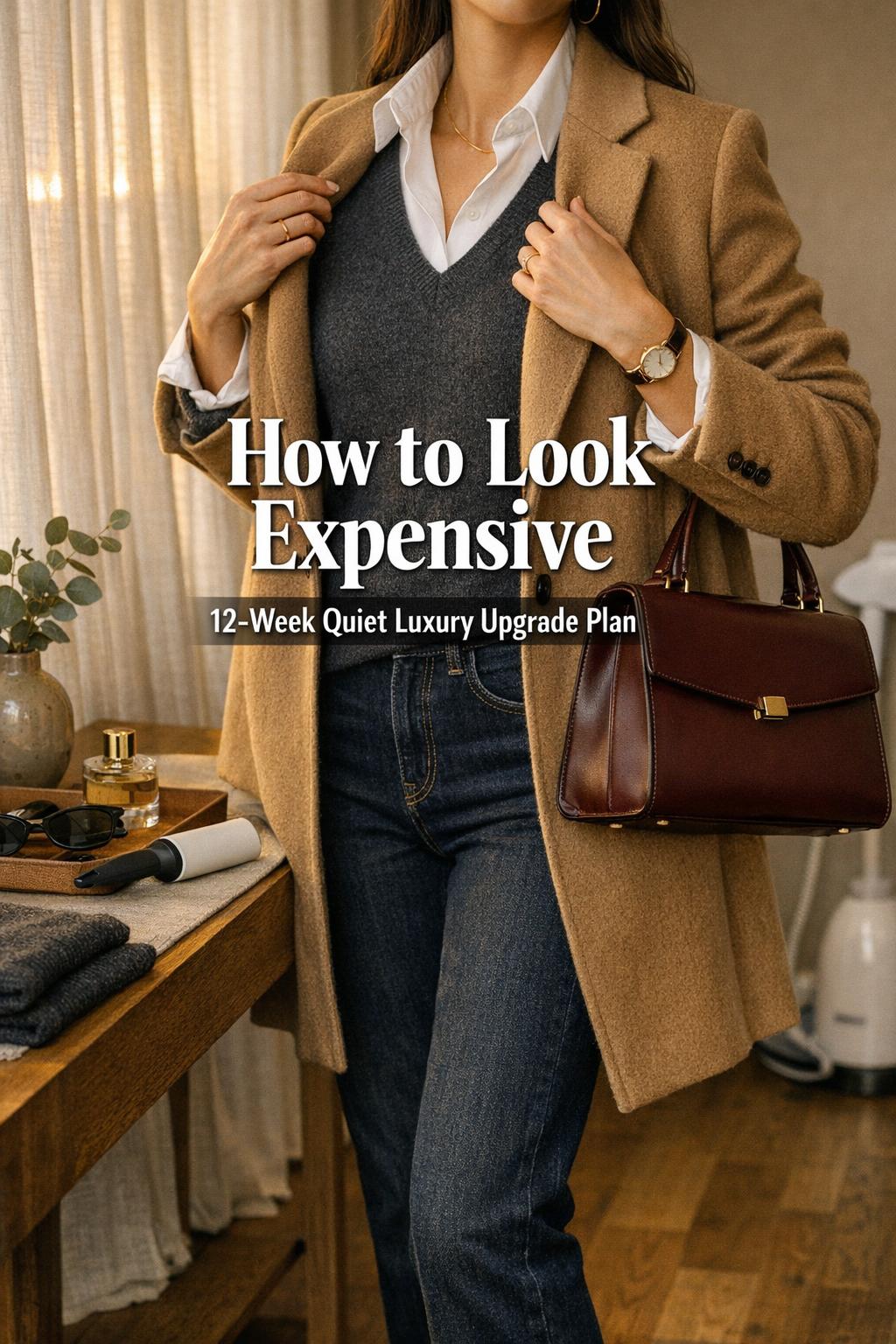
Fit is the fastest way to make clothing look premium. Even an affordable piece can read high-end when the shoulder line sits correctly, the sleeves hit the right point, and hems are clean. Conversely, an expensive item can look underwhelming if it pulls, bunches, or collapses in the wrong places.
Why fit beats price every time
When clothing appears made for your body, it communicates intention and care. That perception is at the heart of looking expensive on a budget. Quiet luxury relies on the confidence of clean lines and balanced proportions—both of which start with fit.
Key tailoring fixes that create an instant upgrade
You don’t need a full custom wardrobe. Focus on tailoring that changes the overall silhouette and eliminates “cheap” signals like dragging hems or sloppy sleeve length. These are the alterations that tend to give the biggest visual return.
- Hem lengths (pants and skirts that break cleanly rather than pooling)
- Sleeve length (especially on blazers, coats, and button-downs)
- Shoulder alignment (the shoulder seam should sit where your shoulder ends)
- Waist shaping (subtle definition can make a piece look more intentional)
Tip: Use a “mirror test” for pulling and collapse
Stand naturally and check three things: fabric pulling across the chest/hips, extra bulk at the waist, and collapsing at the shoulders. If a piece consistently fights your body shape, consider tailoring or replacing it with a better cut. The expensive look is less about trendiness and more about ease.
3) Fabric and Texture: The Subtle Signals of Quality
When people say an outfit looks expensive, they’re often reacting to fabric behavior: drape, structure, and how the texture catches the light. Quiet-luxury style tends to favor materials and finishes that look rich up close and polished from a distance. This is why texture often matters more than loud patterns or heavy embellishment.
Fabrics to favor for a luxe impression
Prioritize fabrics that hold their shape or drape cleanly, and that look substantial rather than flimsy. Even if you’re shopping at budget-friendly stores, you can train your eye to seek out fabrics that look composed, not thin or overly shiny.
- Cotton broadcloth (crisp shirts that keep a clean line)
- Wool flannel (soft structure and depth)
- Silk blends (a refined sheen without looking loud)
Textures that read luxe on camera and in person
Texture is one of the strongest quiet-luxury cues because it adds depth without relying on logos. A textured knit, a structured weave, or a smooth, well-finished fabric surface can make simple outfits look considered.
Tips: If you’re building expensive-looking outfits for day-to-day life, choose one “texture anchor” per outfit—like a refined knit, a structured coat, or a polished bag—and keep the rest of the look clean. This avoids the busy, overdone effect that can make an outfit look cheaper.
Maintenance is part of fabric quality
Pristine presentation is a repeat theme in expensive-looking style advice for a reason. Wrinkles, pilling, and dull-looking fabric can undermine even a great outfit formula. Steaming, careful washing, and storing pieces properly help keep the “new” look longer, which supports the overall expensive impression.
4) Color Strategy: Depth, Not Flash
Color is a fast signal of sophistication—especially when it’s cohesive and intentional. Quiet luxury often leans on deep neutrals, tonal dressing, and rich color pairings that look composed rather than loud. The goal is not to avoid color; it’s to choose color with depth and combine it with restraint.
Monochrome and tonal palettes
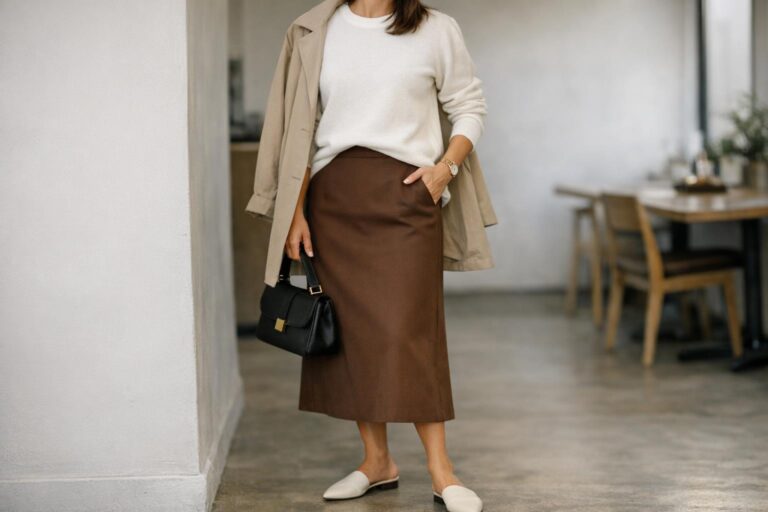
Monochrome and tonal outfits look expensive because they simplify the visual field and highlight fit and texture. Even when the individual pieces are affordable, the overall effect reads curated.
- Choose one color family and vary the shades (tonal, not matchy-matchy).
- Add depth through texture (knit with denim, smooth fabric with structured outerwear).
- Keep accessories understated so the palette looks intentional.
Color pairings that look expensive
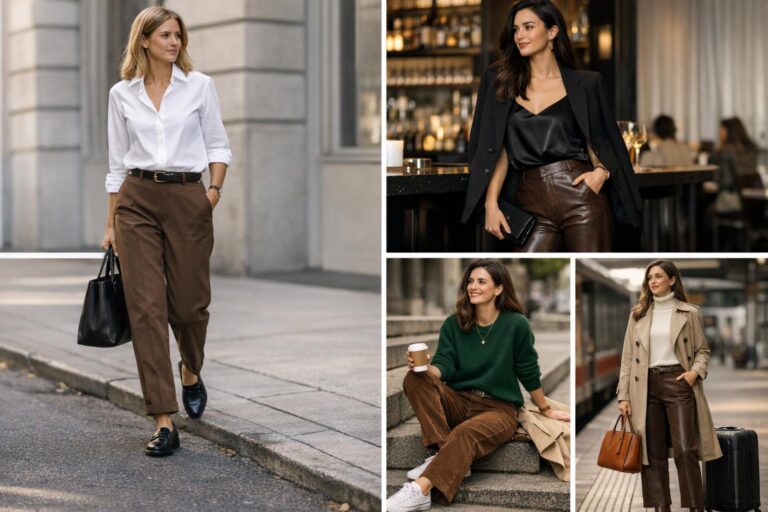
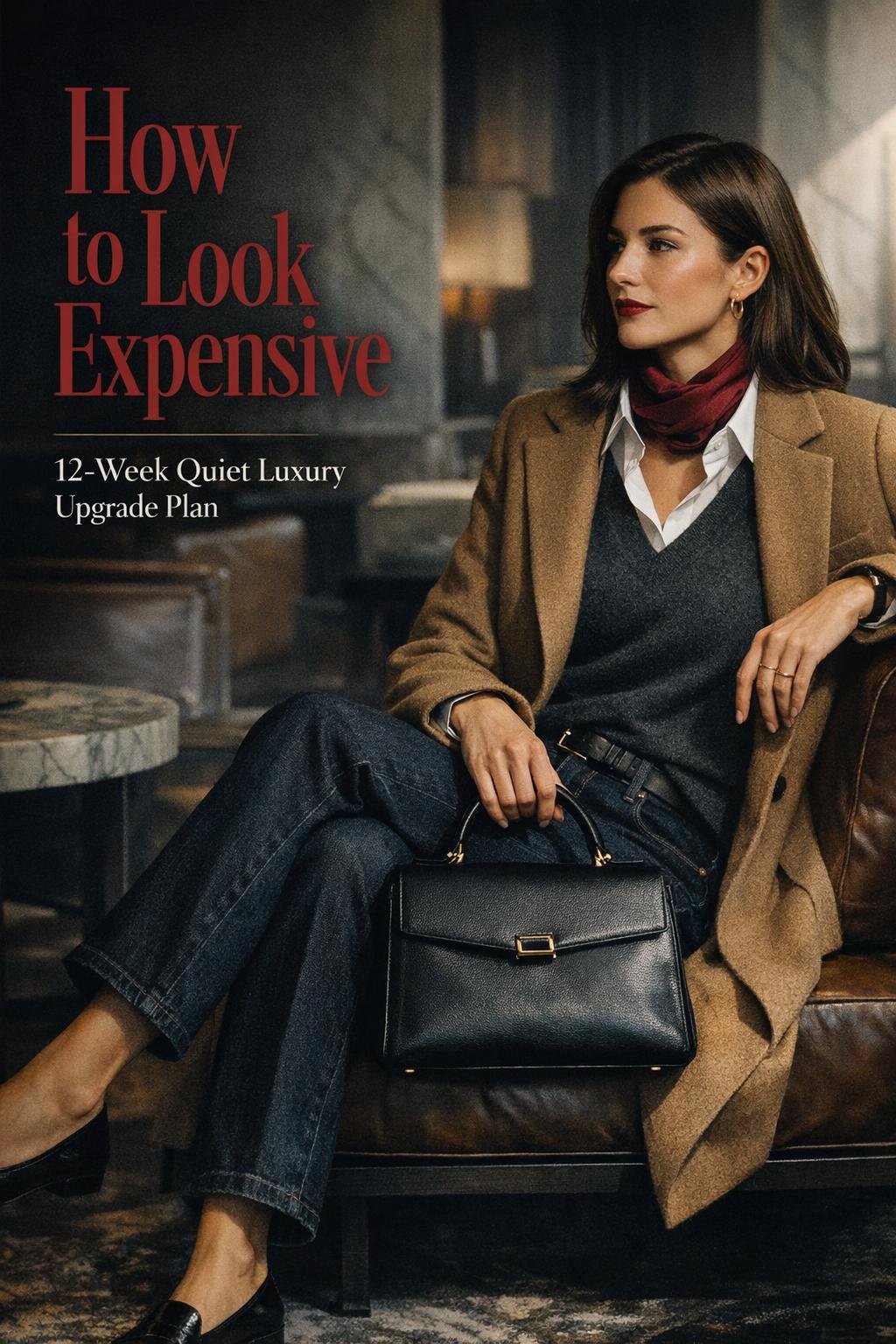
Rich, grounded combinations tend to read more premium than high-contrast, overly bright mixes. For example, a burgundy sweater paired with dark-wash jeans is a widely recognized formula for expensive-looking winter outfits because it uses color depth and clean styling rather than flashy details.
Tips: If you’re unsure about color, start with deep neutrals and build from there. Charcoal, ebony, and onyx tones create an immediate “luxe” base, especially when the fabrics look substantial and the fit is precise.
5) The Power of Proportions: Silhouette Rules for a Polished Look
Proportion is the quiet backbone of expensive style. When outfits feel “off,” it’s often because the silhouette is unbalanced—too much volume everywhere, or tight in the wrong places, or layering that creates bulk. A polished silhouette looks deliberate: it frames your body with clean lines and thoughtful shape, regardless of size or height.
Balanced shapes for different body types
The goal is not to force everyone into one silhouette, but to create harmony. Balanced outfits tend to look more expensive because they look styled rather than thrown together.
- If one piece is more relaxed, keep the other more structured.
- Let one area lead (waist definition, shoulder structure, or long vertical lines) and keep the rest simpler.
- Aim for clean edges: neat hems, sleeves that hit well, and layers that don’t bunch.
How to layer with intention
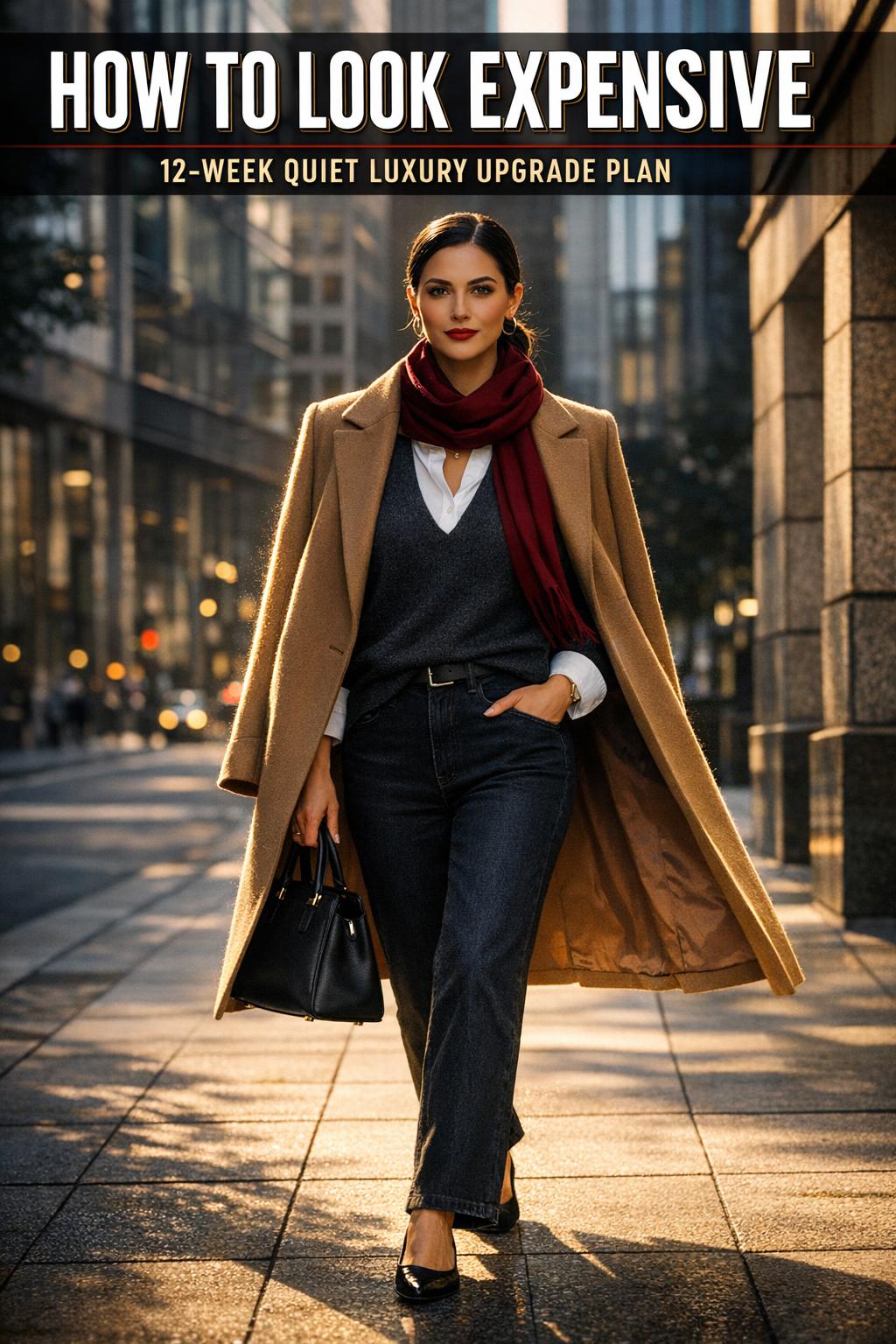
Layering can elevate an outfit or make it look bulky. Quiet-luxury layering tends to be streamlined: fewer pieces, better fit, and consistent color. Coats and jackets are especially powerful because they frame the entire look—structure and drape matter.
Tips: When layering, keep at least one layer sleek. If your outer layer is oversized, choose a more fitted base layer so the outfit still has shape. If your base is relaxed, add a structured top layer to restore polish.
6) Accessories That Elevate Without Flash
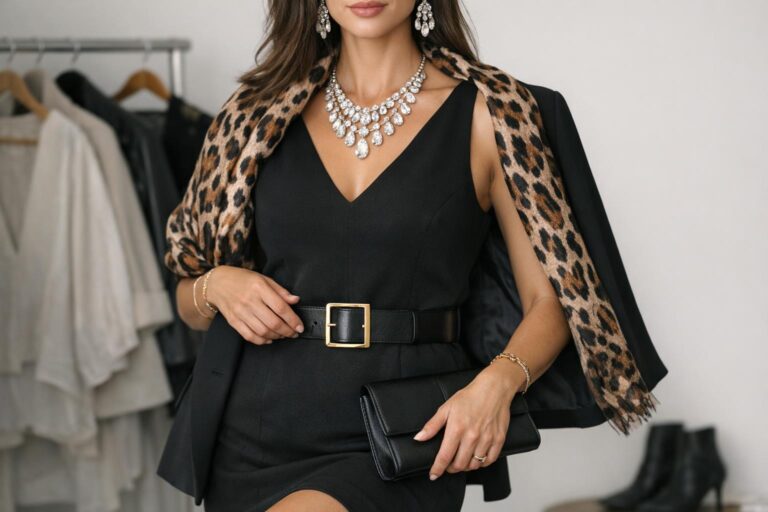
Accessories are where you can create an “expensive” impression quickly—if you choose them with restraint. Quiet luxury isn’t about obvious branding; it’s about pieces that look intentional, well-finished, and cohesive with your outfit. Think subtle hardware, clean lines, and accessories that support the silhouette and palette instead of fighting them.
Bags, shoes, belts, and jewelry that read luxe
You don’t need a huge accessory collection. A small set of well-chosen items can make outfits look consistently elevated, especially when shoes and bags are coordinated in tone and formality.
- Polished shoes (clean, well-maintained, and appropriate to the outfit’s level)
- A structured handbag with refined details
- Understated jewelry that doesn’t overwhelm the look
- A belt that adds structure and a finished endpoint to the outfit
Finishing touches: hardware, stitching, and purposeful details
Small finishing details influence how “premium” an item appears. Metallic detailing on a handbag, clean stitching, and subtle hardware can elevate the perception of quality. The key is intentionality: choose one or two refined details rather than stacking many attention-grabbing elements.
Tips: If your outfit is simple (as quiet luxury tends to be), pick one accessory to carry the “luxe” signal—like a strong bag or polished sunglasses—and keep everything else minimal and aligned.
7) Grooming and Presence: The Human Element
Even perfect clothes can’t carry the expensive look alone. Grooming and presence are part of the signal: hair that looks intentional, skin that looks cared for, nails that look clean, and a general sense of refinement. This doesn’t require heavy makeup or elaborate routines; in quiet luxury, restraint often looks more elevated than excess.
Hair, skin, nails, fragrance, posture
Grooming works best when it harmonizes with your wardrobe. If your clothing is minimal and polished, messy or neglected details create contrast that can make the whole look feel less expensive. A simple, consistent routine tends to outperform occasional “big” efforts.
- Hair: clean, shaped, and controlled (even simple styles look elevated when tidy)
- Skin: cared-for and fresh-looking (aim for refinement rather than heavy coverage)
- Nails: clean and neat
- Fragrance: subtle and appropriate
- Posture: upright, relaxed, and confident
Daily routines that project confidence
Confidence reads as expensive because it makes simple outfits look intentional. Presence is the final layer: walking with ease, standing tall, and appearing composed. The quiet-luxury approach pairs best with calm, clean grooming and minimal fuss.
Tips: If you want the quickest visible upgrade, align grooming to your outfit’s “polish level.” When you dress in refined basics, match it with neat hair and clean finishing touches. That cohesion is one of the strongest cues of an expensive look.
8) Budget-First Shopping: Build a Luxe-Looking Wardrobe Affordably
Looking expensive on a budget is less about finding “cheap designer dupes” and more about buying strategically. The most effective approach is to mix investment-level items with budget staples (high-low dressing) while prioritizing the areas people notice most: fit, fabric appearance, and finishing details like shoes and bags.
The 80/20 rule: invest where it matters most
A simple framework is to spend more on the pieces that anchor your outfits and get the most wear, while keeping trend items and basics budget-friendly. This creates a wardrobe that looks consistent and elevated without requiring premium prices across the board.
- Invest in: outerwear that frames the outfit, shoes that stay polished, and a refined bag
- Save on: simple tops, seasonal trend pieces, and items you won’t wear often
- Upgrade through tailoring: alter affordable pieces so they look custom
Shopping strategies by budget tier
Your budget changes the pace and order of upgrades, not the fundamentals. Whether you’re under $100 or building with $500+ investments, you’re still aiming for the same “expensive” cues: great fit, cohesive color, strong fabric presence, subtle accessories, and pristine maintenance.
Tips: When deciding between two similar items, choose the one with better drape, cleaner structure, and fewer distracting details. Quiet luxury relies on pieces that look elevated up close—clean stitching, refined texture, and hardware that feels intentional rather than flashy.
Build a small “rich-looking” capsule of key pieces
Many “look rich” guides converge on a small set of wardrobe essentials that create a polished base. The point isn’t to copy a rigid list; it’s to own a few reliable items that work together across outfits, seasons, and settings.
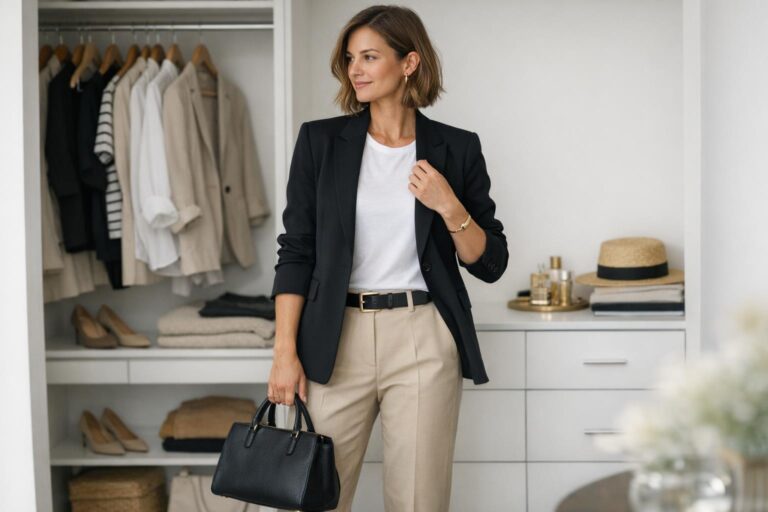
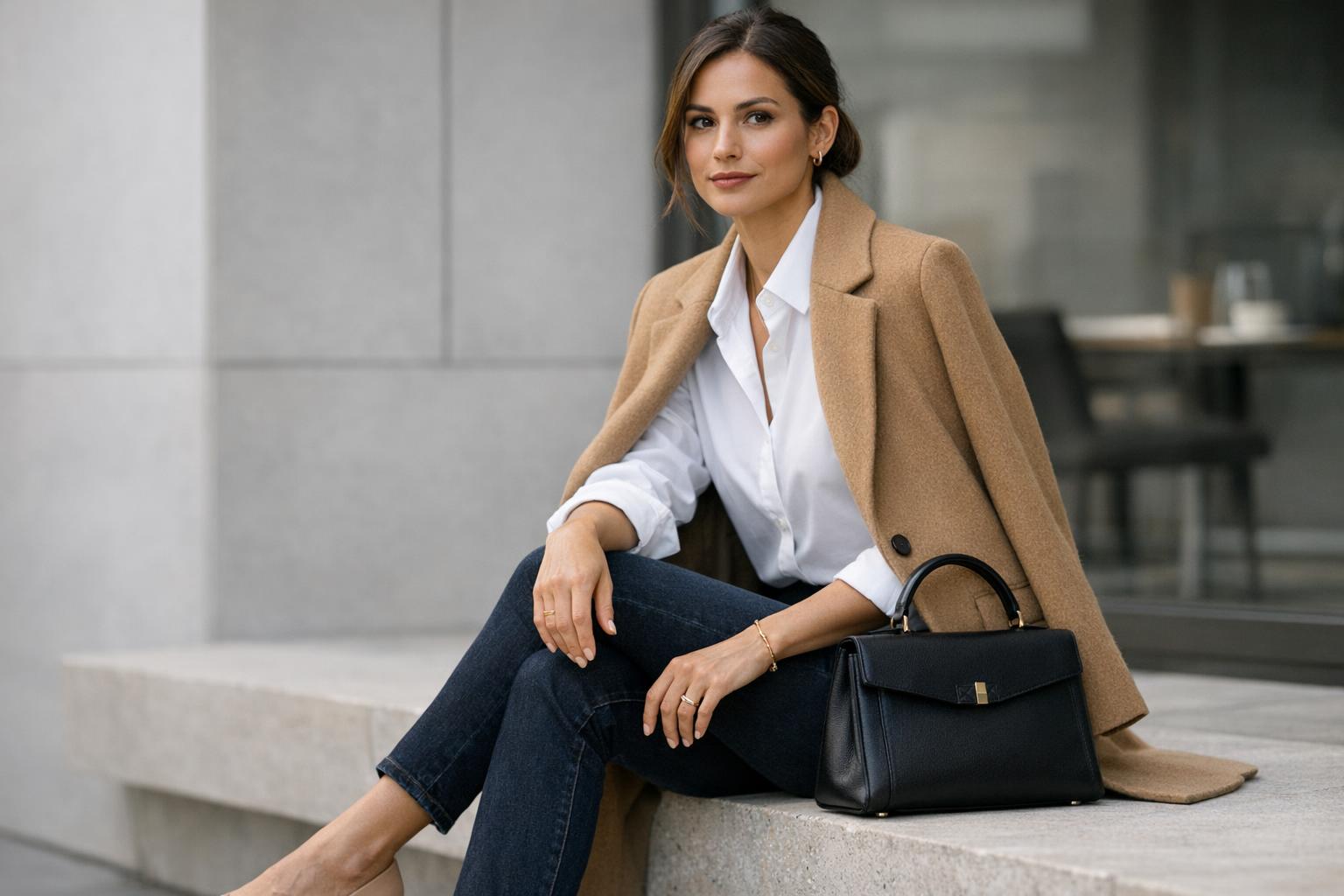
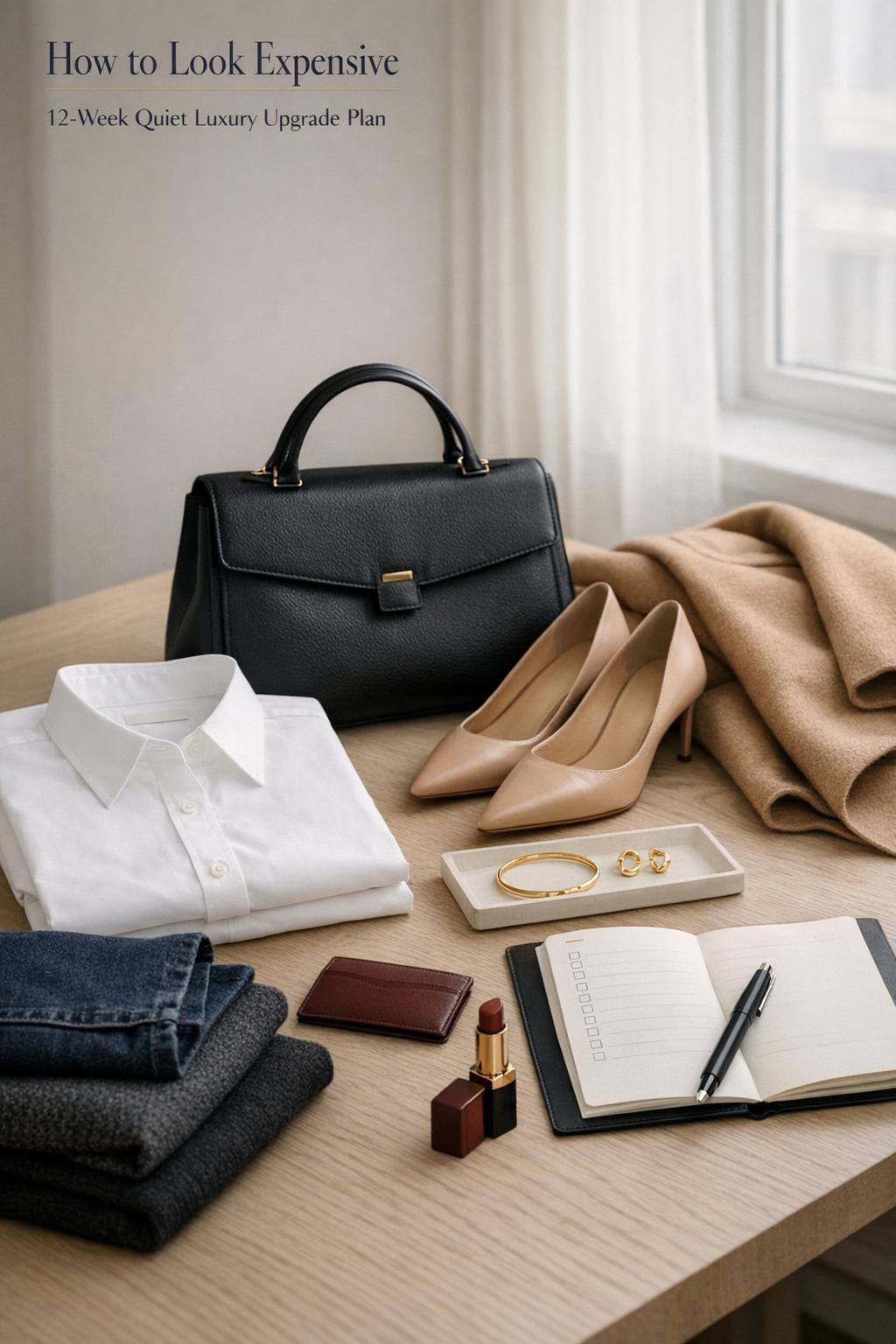
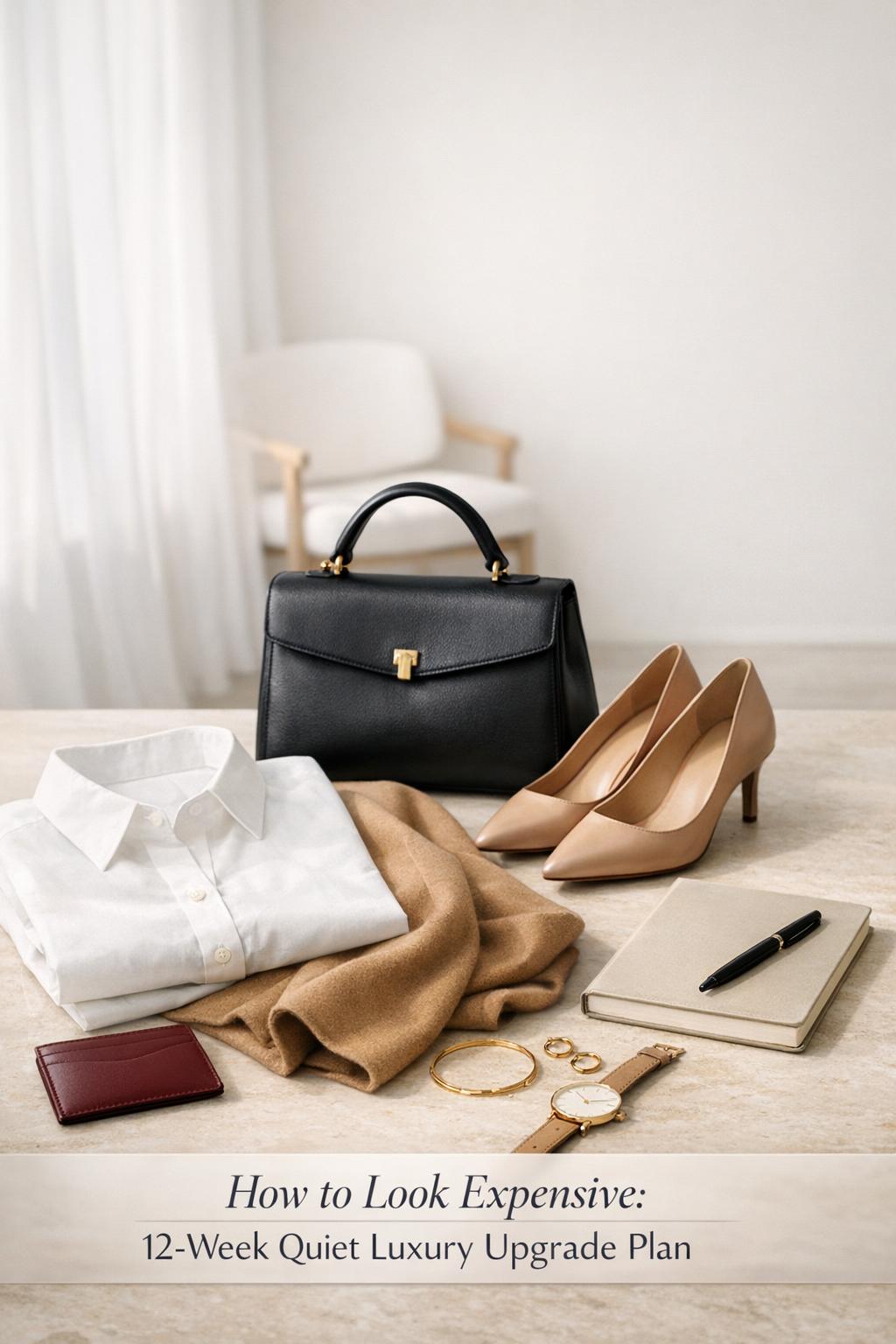
- A crisp white shirt (clean line, easy to dress up)
- A camel coat (a classic, refined outer layer)
- Nude heels (a simple, elongating and polished option)
- Dark-wash jeans (structured and versatile for elevated casual looks)
- A refined sweater in a deep color (burgundy is a standout for a rich look)
9) The 12-Week Luxe Makeover Plan (A Roadmap You Can Actually Finish)
If you want a structured way to apply everything above, use this 12-week plan. It’s designed to help you build the expensive look step-by-step: first you fix fit and foundation, then you refine fabric and color strategy, then you upgrade accessories and grooming. The goal is steady progress, not a complete overnight reinvention.
Weeks 1–2: Audit and define your “expensive look” rules
Start by simplifying. Pull the items you wear most and evaluate them for fit, fabric appearance, and condition. Anything that looks worn down, overly flashy, or consistently awkward in fit becomes a repair, tailor, or replace candidate.
Weeks 3–4: Fix fit first (tailoring and silhouette)
Choose your highest-impact pieces—pants you wear weekly, a blazer or coat, and a favorite shirt—and address hems, sleeve lengths, and overall shape. This phase delivers some of the fastest “before/after” improvement because the entire outfit reads more custom.
Weeks 5–6: Upgrade fabric and texture cues (without changing your style)
Add one or two texture-forward pieces that align with quiet luxury: a refined knit, a crisp cotton shirt, or a fabric with better drape. Focus on how items look in real life and on camera—depth, structure, and clean surface finish matter.
Weeks 7–8: Build a cohesive color system
Pick a small palette you can repeat: deep neutrals plus one or two rich accent colors. Practice tonal outfits and simple color pairings that look elevated. This is where outfits start looking curated with minimal effort.
Weeks 9–10: Add accessories that do the “luxe signaling”
Choose accessories that elevate without shouting: a structured bag, polished shoes, understated jewelry, and possibly sunglasses as a finishing touch. Prioritize maintenance—shoes and bags should look clean and intentional, because they’re among the first things people notice.
Weeks 11–12: Align grooming and presence with your wardrobe
Refine the routine that makes your look consistent: hair, skin, nails, and posture. Quiet luxury looks best when everything feels cohesive—your outfit, your grooming, and your overall composure. By week 12, your wardrobe doesn’t just contain “nice pieces”; it operates like a system.
Tip: Quick wins for an immediate lift
If you want results today, focus on the three highest-visibility upgrades: a tonal outfit in deep neutrals, polished shoes, and tidy grooming. Then make one detail feel intentional—structured bag, subtle jewelry, or refined sunglasses—so the look reads finished.
10) Common Mistakes That Make Outfits Look Cheaper (And What to Do Instead)
Many people trying to look expensive accidentally do the opposite by overcomplicating the outfit. Quiet luxury is often quieter than you expect: fewer statements, more cohesion. If your outfits feel like they’re not landing, check these common pitfalls and adjust.
- Too many loud elements at once (swap in one intentional focal point)
- Ignoring tailoring and relying on “nice” brands alone (fix hems and sleeves)
- Mixing too many colors without a plan (use tonal dressing and deep neutrals)
- Choosing accessories that look flashy instead of refined (go understated, purposeful)
- Skipping maintenance (wrinkles, worn shoes, and tired fabric erase polish)
Tips: When in doubt, simplify: clean silhouette, cohesive color, refined texture, and one elevated accessory. That combination tends to read expensive across different personal styles.
11) Quick-Start Checklist: Your 1-Page Plan to Look More Expensive This Week
If you want the expensive look without overthinking it, follow this short checklist for the next seven days. It focuses on the core cues that show up repeatedly in quiet-luxury styling: fit, fabric appearance, cohesive color, subtle accessories, and grooming.
- Create two tonal outfits using deep neutrals (charcoal, ebony, onyx tones)
- Choose one rich pairing for the week (try burgundy + dark-wash denim)
- Steam or press your most-worn items so the fabric looks crisp
- Check shoes: clean them and make sure they match the outfit’s formality
- Carry one structured bag (or the most structured option you already own)
- Add one understated jewelry piece or refined sunglasses as a finishing touch
- Do a simple grooming reset: neat hair, clean nails, and a subtle fragrance
The point of the checklist is consistency. The expensive look isn’t a single outfit—it’s the repeatable impression that your style is intentional, well-maintained, and aligned with you.
FAQ
Do you need designer items to look expensive?
No—most expensive-looking cues come from fit, fabric and texture that look substantial, cohesive color, polished accessories, and strong grooming. Quiet luxury specifically relies on understated details rather than obvious logos, so you can create the effect with budget-friendly pieces and smart tailoring.
What is “quiet luxury,” and how does it relate to looking rich?
Quiet luxury is an elevated style approach that avoids loud branding and instead emphasizes tailoring, refined fabrics, tonal color palettes, and subtle accessories. It tends to look “rich” because it communicates restraint, consistency, and attention to finishing details.
What’s the fastest way to look expensive on a budget?
Start with fit and maintenance: wear a clean tonal outfit, ensure hems and sleeves look right, and make shoes look polished. Add one intentional accessory—like a structured bag or refined sunglasses—and match grooming to the outfit’s level of polish for an immediate upgrade.
How do I make a simple outfit look more expensive?
Use texture and finishing details: choose a fabric with depth (like a refined knit), keep colors cohesive, and add one understated accessory with clean lines and subtle hardware. Make sure the outfit is wrinkle-free and that grooming is neat, because simple outfits rely heavily on polish.
What colors make outfits look expensive?
Deep neutrals and rich, grounded tones tend to look more luxe than flashy brights, especially in tonal outfits. Charcoal, ebony, and onyx-like shades create a refined base, and combinations like a burgundy sweater with dark-wash jeans are widely used for expensive-looking seasonal outfits.
How important is tailoring for an expensive look?
It’s one of the most important factors because it changes the overall silhouette and makes clothes look custom. Small fixes like hems, sleeve length, and shoulder alignment can transform affordable items into pieces that look significantly more elevated.
What accessories make the biggest difference in looking expensive?
Polished shoes and a structured handbag often have the biggest impact because they’re high-visibility and signal finishing quality. Understated jewelry, a belt that adds structure, and refined sunglasses can also elevate an outfit when used sparingly and cohesively.
Can high-low dressing still look luxurious?
Yes—mixing investment pieces with budget staples is a common way to achieve an elevated look. The key is to keep the outfit cohesive in color and proportion, prioritize fit, and let one or two refined items (like outerwear, shoes, or a bag) anchor the overall impression.