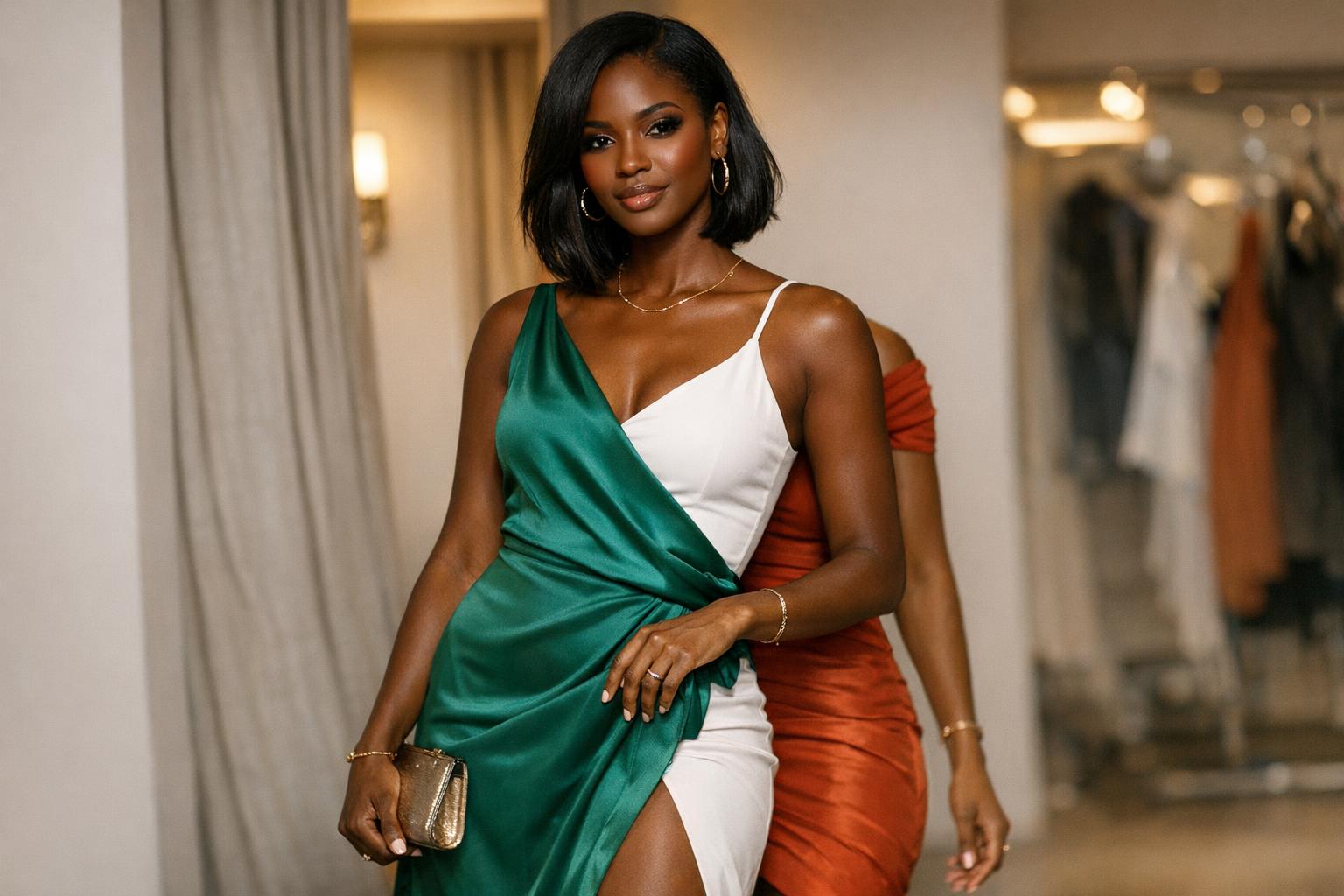
Photo-Ready dark skin dress color style for Any Lighting
Dark skin dress color style: why the “right” shade is the one that behaves well in real life
The moment that usually triggers the dark skin dress color style question isn’t a theoretical one—it’s practical. You’re standing in a fitting room (or staring at a shopping cart on your phone) with a dress that looked perfect online, but under indoor lighting it suddenly feels flat, overly bright, or strangely dull. The issue often isn’t your skin at all. It’s the way color, fabric, and lighting interact on the body, plus how the dress is styled from head to toe. The goal isn’t to “fix” dark skin; it’s to choose dress colors and styling decisions that look intentional, photograph well, and feel like you in the context you’re dressing for.
Because the only available guidance here is limited, this article stays focused on the core topic: how to think through dress color and styling choices for dark skin in a way that’s usable for everyday life, special events, and the common situations where lighting and photos matter.
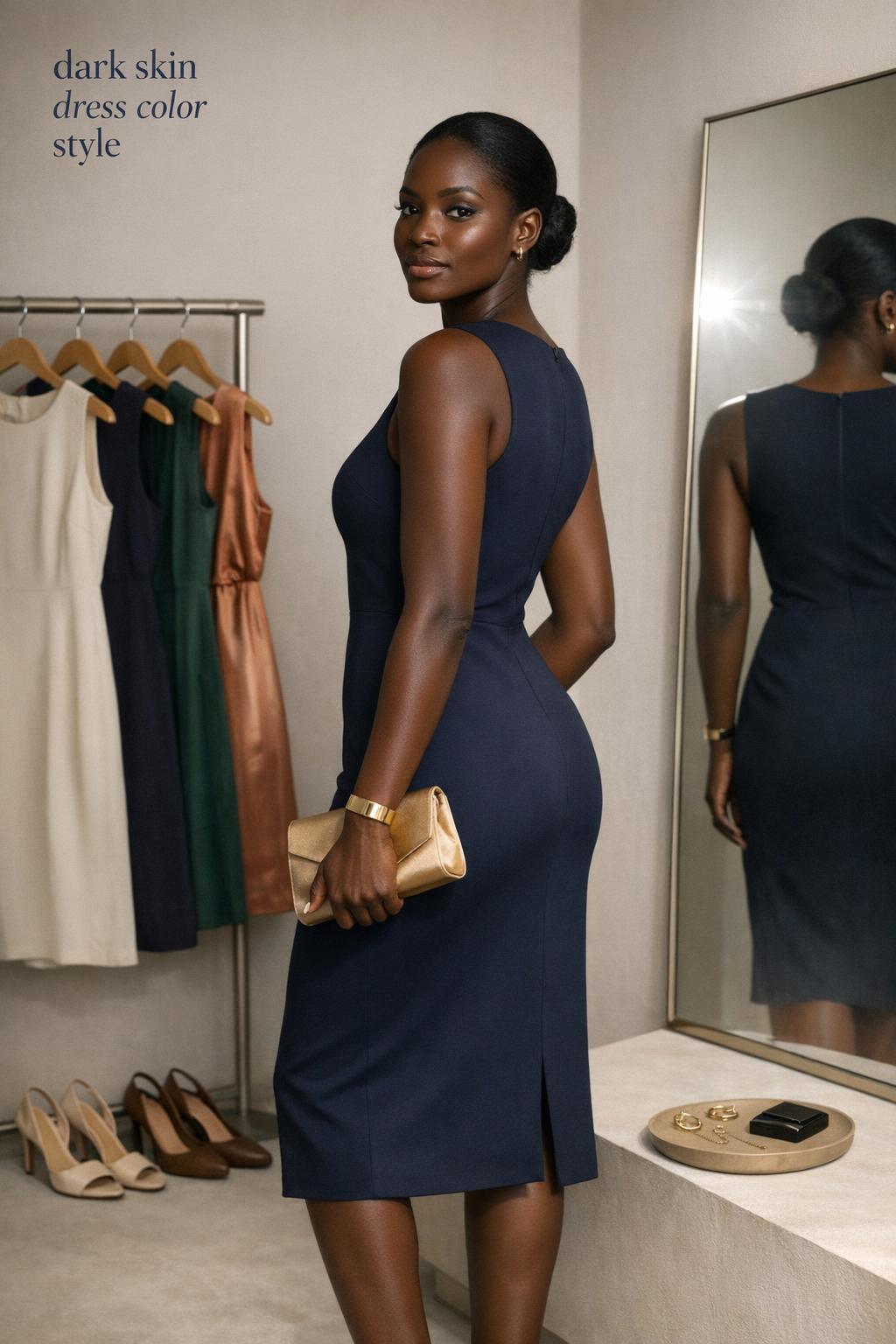
Start with what you can control: lighting, fabric, and fit
If you’ve ever loved a color in daylight and hated it at dinner, you’ve already seen the hidden variable in dress shopping: light temperature and intensity can change how a shade reads next to your skin. Dark skin can look especially luminous in natural light, and that glow can either be amplified or muted depending on the dress color and the fabric finish.
Fabric matters as much as color. A matte fabric can make a bright color look more grounded and wearable, while a shiny satin can intensify the same color so it dominates the look. Fit is the third leg of the stool—if the dress pulls across the bust or hips, even a beautiful shade can look “off” because the fabric is stressed, wrinkled, and catching light unpredictably.

Found the dress? Keep the rest in one place.
Zarellea brings guest details, vendors, timelines, and every next step together — so your wedding plan feels as good as your look.
Tip: test a dress color like you’ll actually wear it
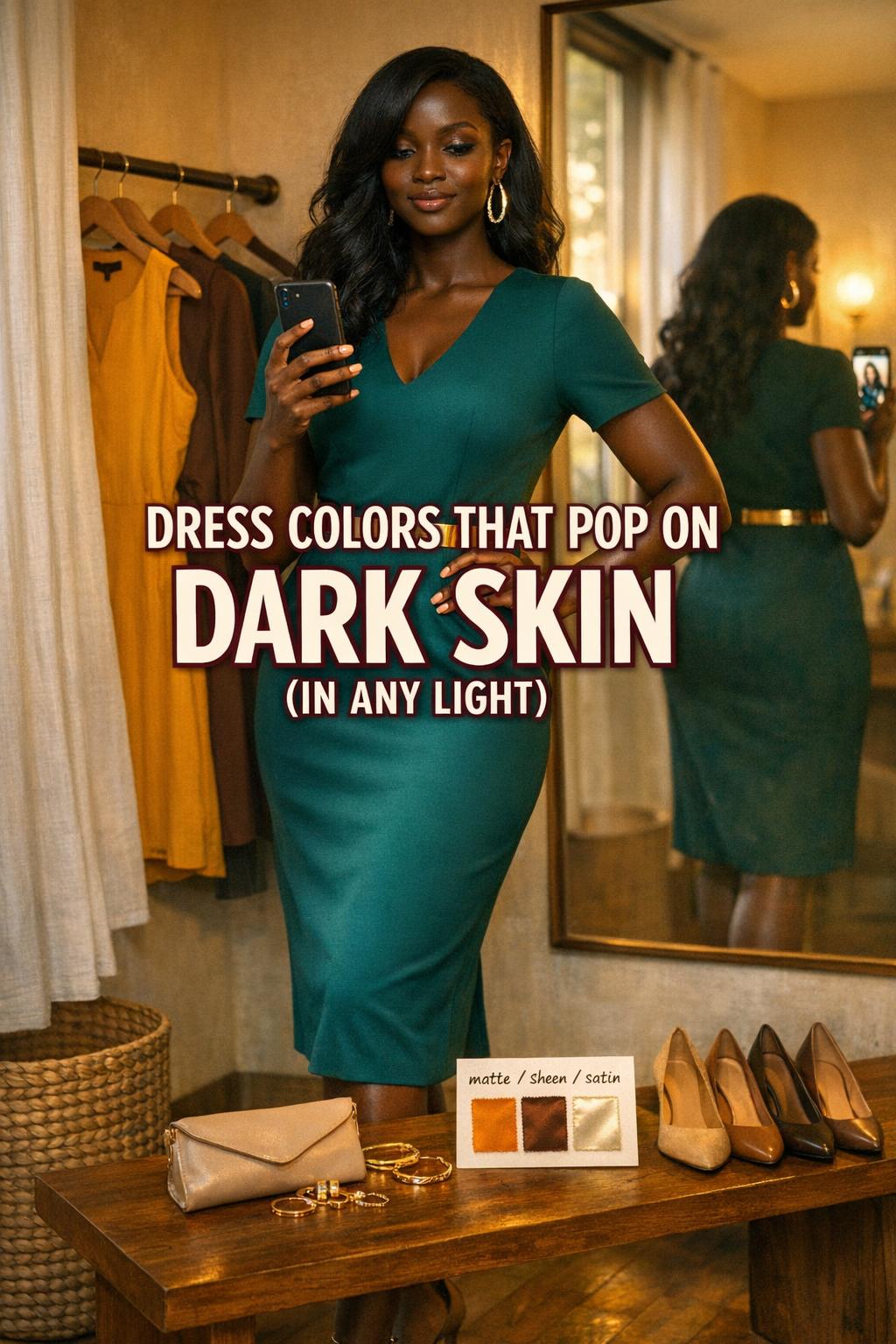
Try the dress with the undergarments and shoes you plan to wear, and check it in at least two lighting conditions (a bright window and an indoor mirror). If you’re buying online, do a quick “mirror and camera” check at home—your eyes and your phone often pick up different things, and both matter if the dress will be photographed.
How to choose a dress color on dark skin without overthinking it
Dress color on dark skin tends to look striking across a wide range of shades, but “striking” can mean different things depending on what you want: softness, drama, minimalism, romance, or a clean modern feel. Rather than chasing a single best palette, it helps to decide what effect you want and choose colors that support that effect.
A simple way to approach the dark skin dress color style decision is to pick one anchor: either the dress is the statement, or your styling is the statement. When the dress is the statement, keep accessories quieter and let the color do the talking. When your styling is the statement, choose a dress color that plays a supporting role so the overall look feels cohesive instead of competitive.
- If you want the dress to lead: choose a color that creates clear contrast or a rich tonal effect, then keep shoes and jewelry streamlined.
- If you want styling to lead: choose a simpler dress color and focus on hair, makeup, texture, and a defined accessory story.
- If you want a “polished but easy” look: prioritize a fabric that holds shape and a color that looks stable under different lights.
Contrast vs. tonal dressing: two different (equally strong) ways to style dark skin
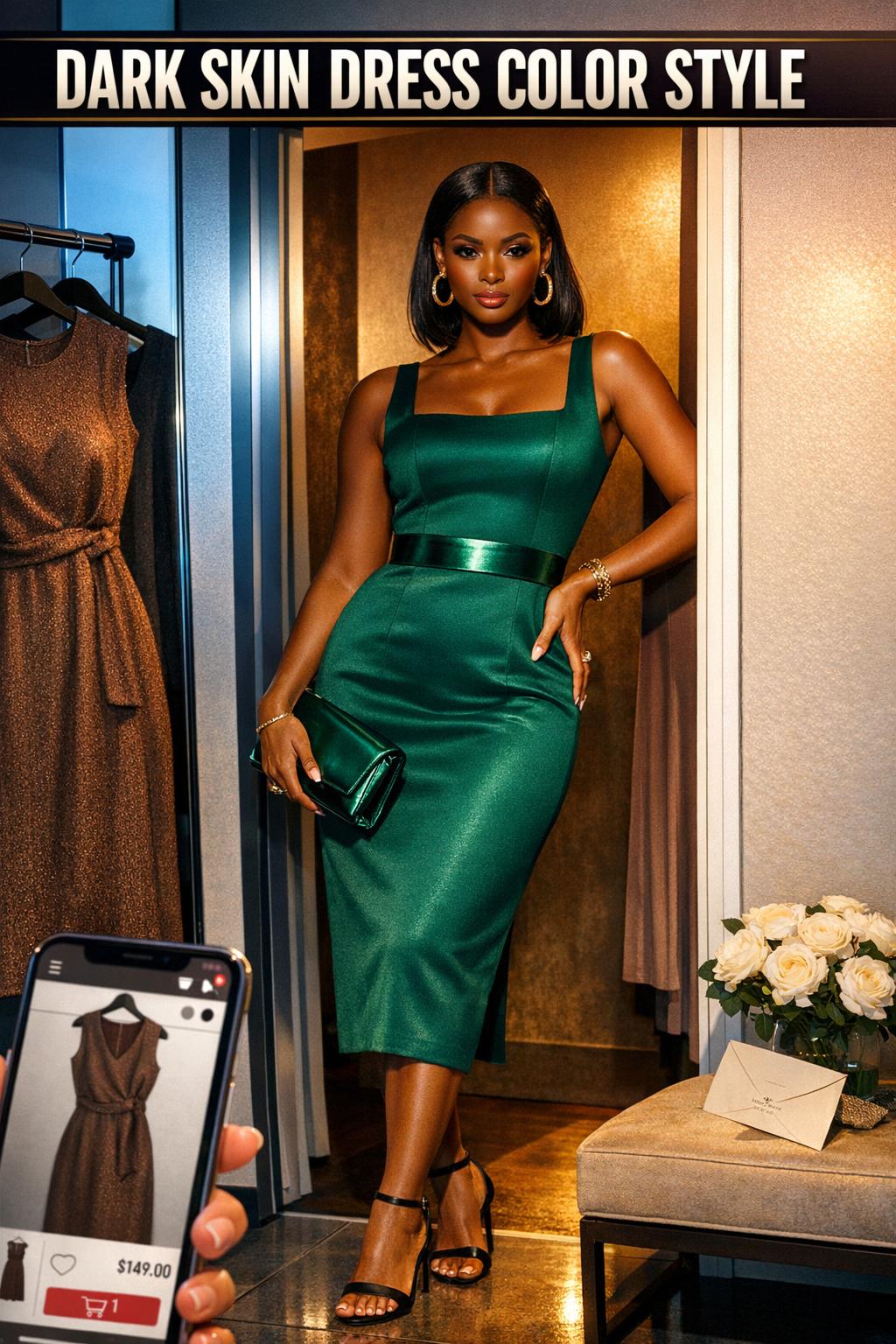
Two approaches show up again and again when people talk about what “flatters” dark skin: contrast and tonal dressing. Contrast dressing means selecting dress colors that pop clearly against your skin. Tonal dressing means leaning into deep, harmonious shades that create a sleek, elongated look.
Neither is universally better. Contrast tends to read bold, editorial, and high-impact—especially in photos. Tonal dressing often reads expensive, understated, and modern, particularly when the fabric is high quality and the fit is clean. The right choice depends on the occasion and your personal style.
Tip: decide based on the event’s visual “noise”
In a busy setting (patterned décor, crowded room, lots of competing colors), a tonal look can keep you looking composed. In a minimal setting (simple venue, clean backdrops), contrast dressing can create a striking focal point without feeling loud.
Occasion-first color decisions that make getting dressed easier
Color is emotional and contextual. The same dress shade can feel playful at brunch and too loud at a formal dinner. Instead of building a rigid rulebook, it’s more practical to make occasion-first choices that account for time of day, venue lighting, and how long you’ll be wearing the dress.
For daytime plans: keep the color clean and the fabric breathable
Daylight reveals everything: fabric texture, seams, and undertones. For daytime, colors often look best when they feel clear and intentional rather than overly complex. If it’s warm out, comfort becomes part of style—sweating in an unforgiving fabric can change how a color reads and how confident you feel wearing it.
For evening: lean into depth and controlled shine
Evening lighting can mute some shades and intensify others. A controlled shine (think subtle sheen rather than high gloss) can look elegant on dark skin, especially when the dress is cut well. If you’re going to a dinner or event that involves sitting, walking, and photos, choose a color and fabric combination that doesn’t crease dramatically—wrinkling can make a dress look cheaper and can visually “break” the color.
For weddings and formal events: think about the photo album
Formal events are rarely just about how you look in a mirror—they’re about how you look in other people’s lighting and in group photos. If you know you’ll be photographed under flash or in dim rooms, choose dress colors that stay true instead of shifting dramatically. This is also where styling discipline pays off: one strong color story, one accessory direction, one makeup mood.
Styling isn’t an afterthought: accessories, makeup, and hair shape how color reads
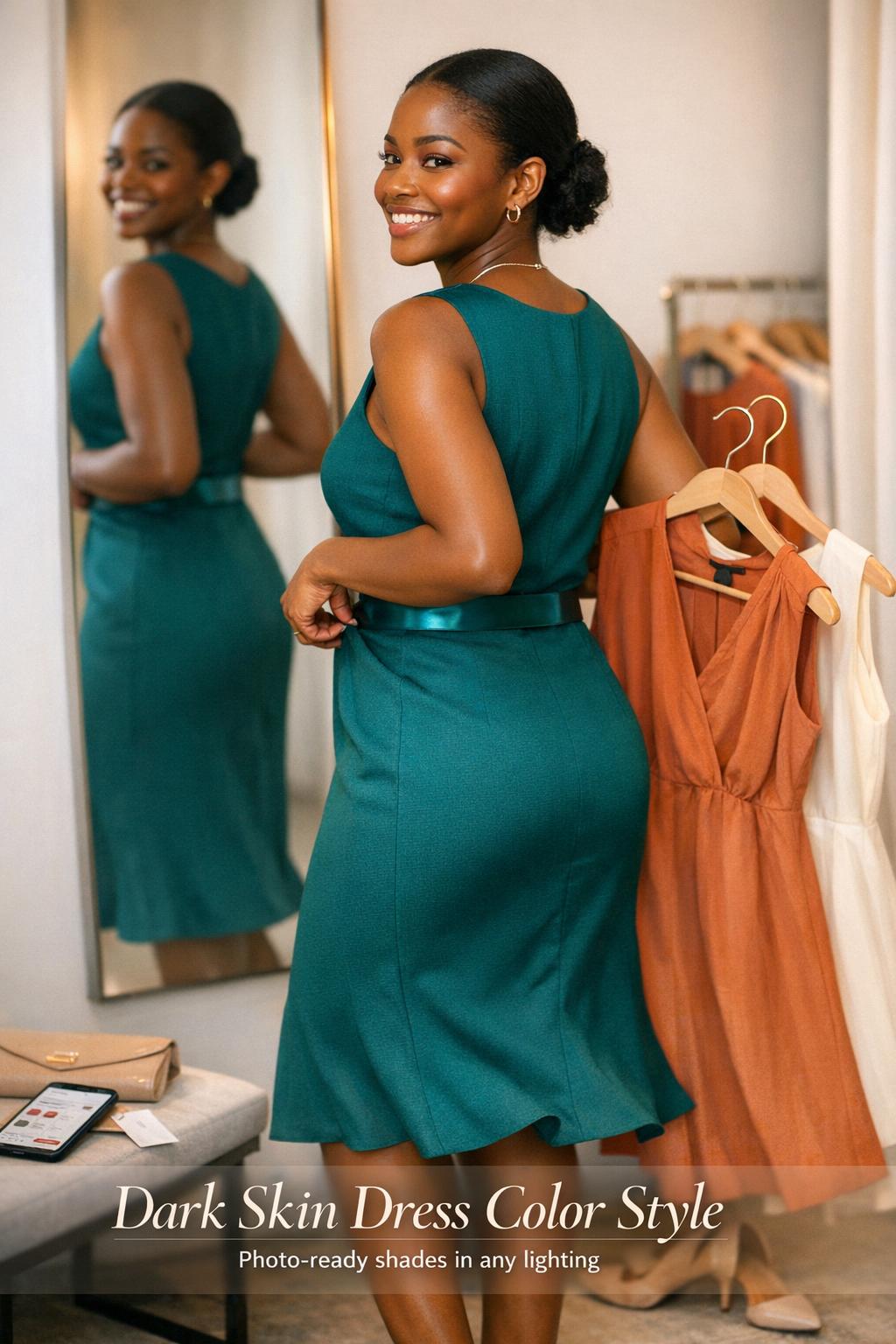
A dress color never appears alone. Jewelry metal, shoe color, handbag tone, and makeup choices all push the final look in a direction. On dark skin, this can be a huge advantage: you can use accessories to sharpen contrast, soften brightness, or elevate a simple color into something that reads intentional and styled.
For example, if a dress color feels slightly too bright, grounding it with calmer accessories can make it feel sophisticated instead of loud. If a dress color feels too close to your skin tone and risks looking flat in photos, adding a defined highlight through jewelry or a structured bag can restore dimension.
Tip: pick one “shine point”
When a dress has sheen, keep jewelry more restrained; when a dress is matte, you can add shine through earrings, a necklace, or a glossy shoe. Too many competing shine points can make the look feel chaotic, especially under flash photography.
Texture and fabric finish: the quiet factor that changes everything
If you’ve ever tried the same color in two different dresses and felt like they were completely different shades, you weren’t imagining it. Texture changes how color reflects. A ribbed knit breaks light across the body and can make a color look deeper. A smooth crepe looks more uniform and can make a shade look “truer.” Satin bounces light and can exaggerate brightness.
This matters for dark skin dress color style because you can use texture to control intensity. If you love a vibrant color but worry it will overwhelm, pick it in a matte or textured fabric. If you love a deep color but want it to look more festive, choose a fabric with a soft sheen or subtle detail that catches light when you move.
- Matte finishes: often read modern, clean, and stable across lighting changes.
- Subtle sheen: can add elegance and dimension without turning the dress into a spotlight.
- High shine: dramatic and photo-forward, but less forgiving with fit and wrinkles.
- Textured fabrics: add depth and can help a solid color feel more expensive.
Color families and the effect they create on dark skin
Instead of treating color as a rigid do-or-don’t list, it’s more useful to think in color families and the mood they create. Different families can communicate different aesthetics—romantic, minimalist, bold, artistic—without requiring you to change your personal style.
Brights: high energy, strong contrast, camera-friendly
Bright colors can look especially crisp against dark skin, giving the outfit immediate structure even when the dress silhouette is simple. The trade-off is that bright shades can dominate, so the rest of the styling needs to be calm and deliberate. If you want a bold dress color, keep the cut clean and the accessories edited.
Deep shades: sleek, luxurious, and often more forgiving
Deep shades create an elegant, elongated impression and can feel more “formal” even in casual silhouettes. The risk is that very deep colors can photograph as one dark block if the fabric is flat and the lighting is dim. That’s where texture, neckline shape, or a defined accessory can help create separation and dimension.
Soft and muted colors: romantic, understated, but lighting-sensitive
Muted colors can look beautiful and editorial on dark skin, especially for daytime or romantic occasions. The limitation is that some muted shades can shift under warm indoor lighting and may read dusty or dull if the fabric lacks structure. If you love soft colors, prioritize a dress with intentional tailoring, a clean neckline, or a fabric that holds its shape.
How to avoid the most common “something is off” moments
Most dress color disappointments aren’t because the color is “wrong for dark skin.” They happen because of mismatch: the color is fighting the fabric finish, the lighting, the accessory story, or the occasion. When you know what typically causes that mismatch, you can troubleshoot quickly without spiraling into endless returns.
When the dress looks amazing in person but dull in photos
This often happens when a dress color is very deep and the fabric is matte, combined with low lighting. The solution isn’t necessarily to change the color—it can be as simple as adding dimension through texture (a different fabric), a neckline that frames the skin, or a controlled shine point in your accessories.
When the dress feels too loud
If a bright shade overwhelms, check whether the fabric is shiny, the silhouette is busy, and the accessories are competing. Pull back one element. A vibrant dress in a clean silhouette with minimal accessories often looks intentional and high-end, while the same color paired with too many statement pieces can feel costume-like.
When the dress looks “washed out” under indoor lighting
Indoor lighting can flatten softer shades. If you’re committed to a muted color, create definition with styling choices that add contrast—structured shoes, a bag with a clear shape, or jewelry that frames the face. Also consider whether the dress needs a more structured fabric to keep the color looking clean.
Real-life styling scenarios: making color decisions faster
It’s easy to discuss dress color in the abstract. It’s more useful to picture the moment you’ll actually be wearing it: walking from car to venue, standing in a line, sitting at a table, posing for photos, or dancing. The right color choice supports all of that—comfort, confidence, and consistency across lighting shifts.
A long event day with mixed lighting
If you’ll go from daylight to indoor evening lighting, choose a color that stays stable and a fabric that doesn’t show every crease. This is where medium-to-deep shades or clean brights in matte finishes can feel dependable. Build a simple accessory story so you don’t need to keep adjusting or worrying about whether something is too much.
A minimalist wardrobe moment (one dress, many wears)
If you want one dress to work across multiple occasions, aim for a color that can lean casual or formal depending on styling. The easiest “repeat wear” dresses are the ones that don’t require a full production to look good—meaning the color, fabric, and fit are already doing most of the work. Then you can change the mood with shoes, jewelry, and makeup rather than needing a new dress every time.
A statement look without discomfort
If you love dramatic color but hate fussing, keep the silhouette simple and focus on comfort: a dress you can sit in, walk in, and wear for hours without adjusting. The more comfortable you are, the better the color reads—because posture, ease of movement, and confidence are part of the final look.
Tips for shopping online: reduce surprises with a simple checklist
Online shopping can make color feel like a gamble. Screens vary, product photos are lit differently, and fabric finish is hard to judge. But you can still make smarter choices by checking a few details before buying and doing a realistic try-on once it arrives.
- Look for multiple photos of the same dress in different lighting (if available) and note whether the color shifts.
- Pay attention to fabric description because finish influences how intense a color will look.
- When the dress arrives, assess it in daylight and indoor lighting before deciding.
- Try it with the shoes and undergarments you’ll actually wear to see the full effect.
Tip: trust the “how do I feel in it” test
If you keep tugging at the dress or second-guessing the color every time you pass a mirror, that’s useful information. A good dark skin dress color style choice should feel like it settles into you, not like you’re constantly trying to make it work.
Putting it all together: a practical way to build a complete look
The most reliable way to style a dress color on dark skin is to treat the outfit as a system: dress color + fabric finish + silhouette + accessories + beauty + lighting. When those pieces agree, the result looks elevated regardless of whether the color is bright, deep, or soft.
Start by choosing the dress color for the mood and the occasion. Then decide whether you want contrast or a tonal story. Next, select a fabric finish that supports that choice—matte to control intensity, subtle sheen for elegance, texture for depth. Finally, lock in one main accessory direction so the outfit reads as intentional rather than assembled.
If you’re ever torn between two colors, the tie-breaker can be surprisingly simple: pick the one that still looks good when you step back three feet and glance quickly. That’s how people will see you across a room, and it’s often the most honest test of whether the overall styling works.
FAQ
What does “dark skin dress color style” actually mean in practice?
In practice, it means choosing dress colors and styling decisions (fabric finish, accessories, and beauty choices) that create the effect you want on dark skin under the lighting conditions you’ll actually be in, including how the look appears in photos.
Do certain dress colors always look better on dark skin?
No single color is automatically best; results depend on the interaction between the shade, fabric finish, fit, and lighting, plus how the dress is styled with accessories and makeup.
Why does the same color look different in two dresses?
Fabric finish and texture can change how light reflects off the surface, which can make the color read deeper, brighter, or flatter even if the dye shade is similar.
How do I choose between a high-contrast look and a tonal look?
Choose high contrast when you want bold impact and a clear focal point, and choose tonal dressing when you want a sleek, understated effect; the venue and how visually “busy” the event is can help you decide.
What should I do if a dress color looks great in the mirror but dull in photos?
Add dimension through a neckline that frames the skin, a textured fabric, or a controlled shine point in accessories, because low light and matte fabrics can make deep colors photograph as flat.
How can I keep a bright dress color from feeling too loud?
Balance the brightness by choosing a clean silhouette and editing accessories so the dress remains the statement rather than competing with multiple bold elements.
What’s the easiest way to test whether a dress color will work for an event?
Try the dress with your intended shoes and undergarments and check it in both natural light and indoor light, then do a quick phone photo test to see how it reads on camera.
How do I choose a dress color that works for both day and night?
Pick a color that stays stable across lighting changes and pair it with a fabric that doesn’t crease easily, then adjust the look with accessories and beauty choices as the event shifts from day to evening.