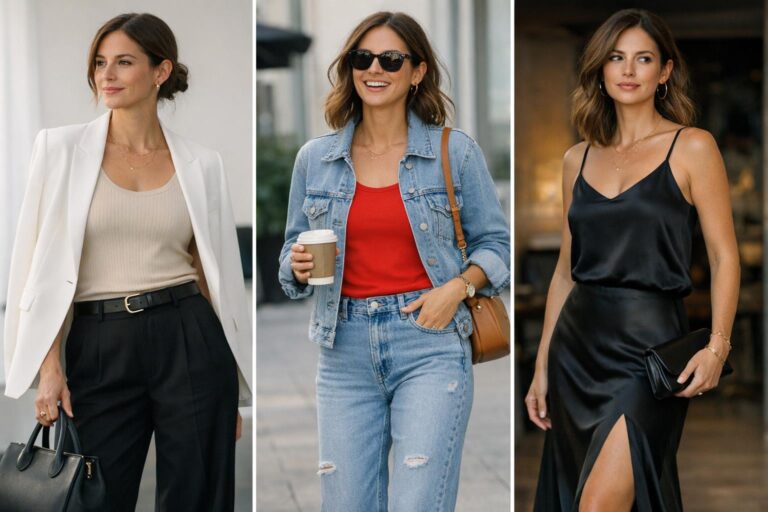

7 Chic Outfit Formulas: how to style oversized shirt in 2026
How to Style Oversized Shirt: A Modern, Wearable Guide
An oversized shirt is one of the most versatile pieces you can own: it can read polished or relaxed, minimal or fashion-forward, depending on how you balance proportion, define shape, and layer thoughtfully. If you’ve ever put one on and wondered how to style oversized shirt outfits without feeling swallowed by fabric, the good news is that the “rules” are simple—and they’re repeatable. The most consistent theme across great oversized shirt looks is intentionality: a deliberate tuck, a belt, a strong bottom silhouette, or a purposeful layer that turns volume into a statement.
This guide walks you through the core styling moves—tucking, belting, knotting, draping, and layering—plus how to make oversized shirts work for the office, across seasons, and in a range of fits and body types. You’ll also get quick outfit formulas you can use on repeat.
Understanding Proportions: How to Define Your Shape
Oversized doesn’t have to mean shapeless. The key is choosing where you want definition: at the waist, at the shoulders (through structured layers), or through contrast with your bottoms. Many of the best oversized shirt outfits rely on a single anchoring detail—like a belt or front tuck—that signals the look is styled on purpose, not just “thrown on.”
Start by looking at the silhouette as a whole. If your top is loose-fit and long, you’ll usually want one of these balancing choices: define the waist (belt or tuck), show your legs (mini skirt or shorts), or pair with a bottom that’s intentionally wide (wide-leg pants) so the volume feels cohesive rather than accidental.
The proportion “anchors” that make oversized look polished
- Waist definition: belt, corset-style layer, or a deliberate tuck
- Length control: shirt dress styling, partial unbuttoning, or tying the hem
- Structure: a blazer or jacket to sharpen the outline
- Contrast: pairing with high-waisted jeans, tailored trousers, or a mini skirt
Tip: When you’re unsure, start with one anchor only. For example, choose a front tuck or a belt, not both, and keep the rest simple. Once the base looks balanced, you can add accessories or an extra layer.
Core Styling Angles: Quick-Start Formulas You Can Repeat
If you want outfit ideas that consistently work, build around proven formulas. These approaches show up repeatedly because they solve the same challenge: an oversized shirt has volume, so your job is to guide the eye with shape, line, and intentional styling choices.
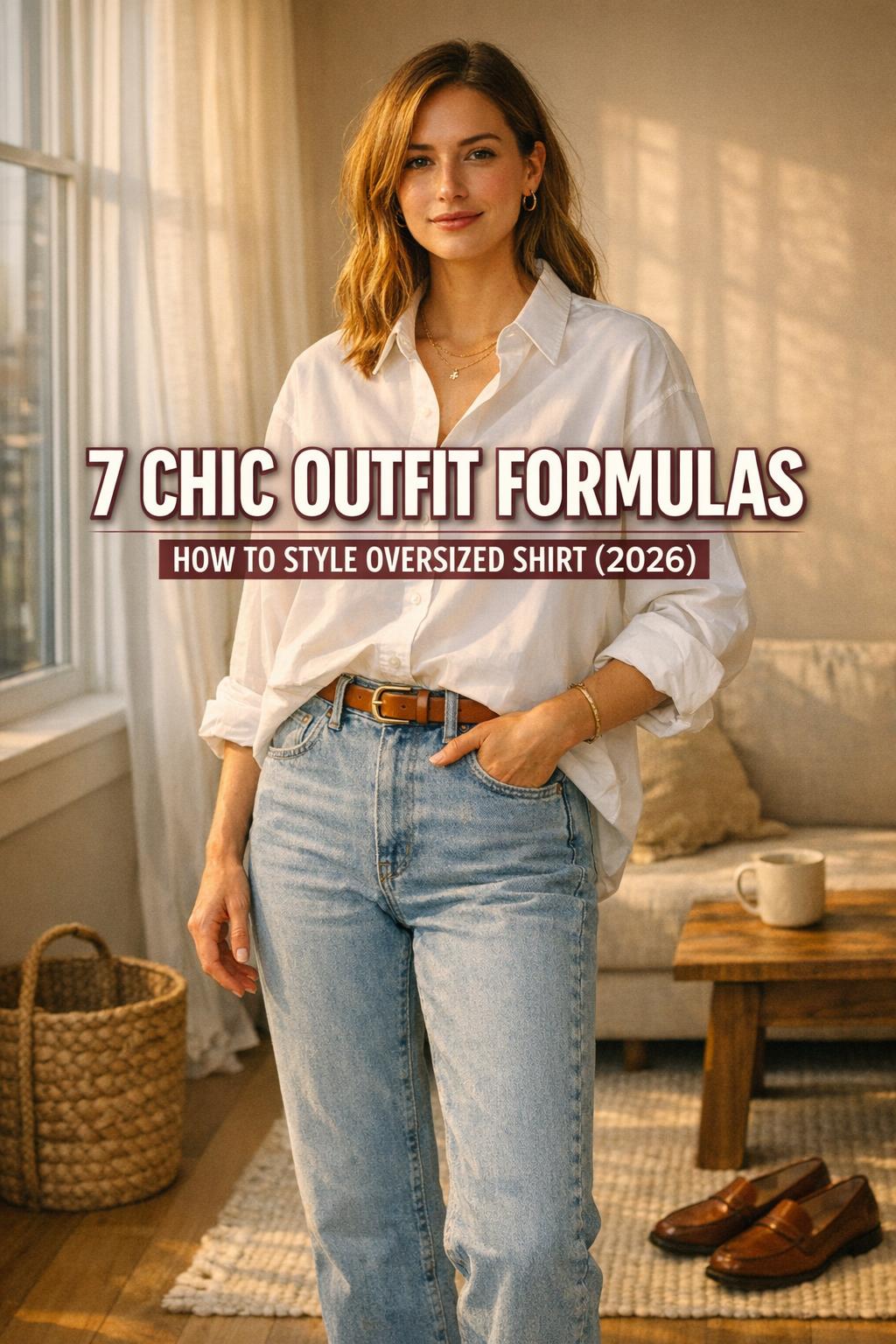
With high-waisted jeans and a belt
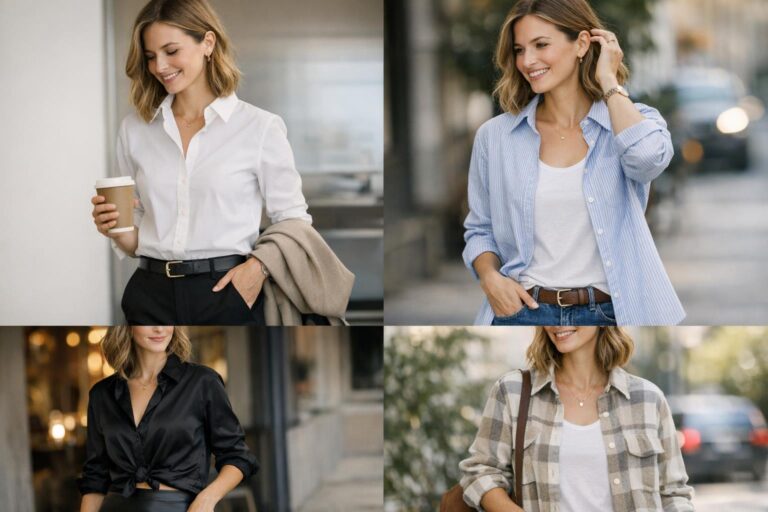
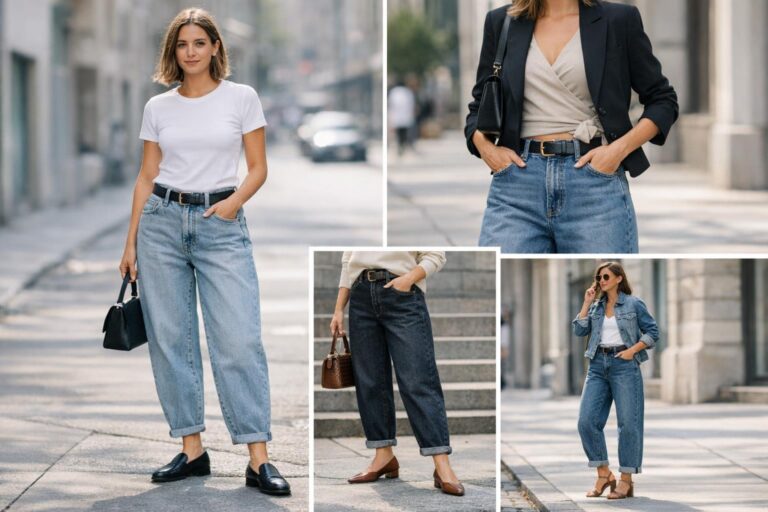
Pairing an oversized button-down with high-waisted jeans is a classic because it naturally creates a waistline. Add a belt for extra definition and to make the look feel finished. This is one of the easiest ways to move from casual to polished without changing the shirt.
To keep proportions clean, pay attention to where the shirt ends. If it’s very long, try a front tuck to show the waistband and belt, leaving the back loose for that effortless, modern shape. If it’s only slightly oversized, you can tuck more fully while still keeping a relaxed drape through the torso.
Tip: If your belt is the focal point, keep the rest of the accessories simple so the waist definition reads as the styling “statement.”
The front tuck and half-tuck (the fastest upgrade)
The front tuck (including the half-tuck) is one of the most reliable tricks for styling a baggy shirt. It anchors the shirt to your body without losing the relaxed feel. The result is intentional volume: the back stays loose and comfortable, while the front shows your waistline and creates a clean vertical line down your legs.
Keep it deliberate: tuck a small section at the center front or slightly off-center, then smooth the fabric so it drapes rather than bunches. This technique is especially useful when you want the shirt to look modern and “styled,” but not overly tailored.
Belted shirt dress (turn the shirt into an outfit)
Wearing an oversized shirt as a shirt dress is a go-to option when you want a single-piece outfit that still feels sharp. The belt is what transforms it: cinch at the waist to create shape and keep the proportions intentional. This look can shift from daytime casual to evening-ready depending on how you accessorize and what shoes you choose.
For a cleaner silhouette, keep the belt placement at your natural waist rather than low on the hips, and adjust the shirt so the fabric blouses slightly above the belt instead of pulling tight.
Knotting and tying tricks for instant shape
Knotting is a simple way to add structure to a loose fit shirt without committing to a full tuck. Tie the hem at the waist for an easy casual chic oversized shirt vibe, or try a side knot to create asymmetry and show more of your waistband. This approach works well when you want the shirt to feel lighter and more playful.
Keep the knot neat and intentional: if it looks accidental, the whole outfit can read messy. Aim for a tidy tie, then adjust the drape so it falls smoothly around it.
Off-shoulder and slouchy draping (soft, fashion-forward)
For a more styled, editorial feel, try a slouchy drape that exposes one shoulder. This works particularly well with oversized button-down shirt styling because the collar and placket keep the look structured even when you loosen it. You can leave the shirt partially unbuttoned to create a relaxed neckline, then balance the softness with more streamlined bottoms or a defined waist.
Tip: If you’re going for a draped neckline, keep the rest of the outfit grounded—either with a tuck, a belt, or a clean, high-waisted bottom—so the look still feels intentional.
Dare to unbutton (open-front layering)
Wearing the oversized shirt open adds a second styling identity: it becomes a light outer layer. This is an easy way to bring texture and movement to an outfit, and it’s especially useful during seasonal transitions. Keep the shirt open and let it frame your look; the vertical lines can also make the outfit feel longer and leaner.
To avoid a sloppy effect, make sure at least one element is crisp: a clean base, a defined waistline, or a structured accessory. The goal is for the open shirt to look like a styling choice, not like you forgot to finish getting dressed.
Go wide: oversized shirt with wide-leg pants
Yes, you can pair volume with volume. The trick is to keep the outfit cohesive and balanced. An oversized shirt with wide-leg pants can look modern and confident when you create a clear waistline (with a tuck or belt) or when you keep the shirt’s length controlled so it doesn’t compete with the pants.
One practical approach is to front tuck the shirt into high-waisted wide-leg pants. This keeps the relaxed silhouette but still shows where your torso ends and your legs begin, which helps the outfit feel deliberate.
Layering Mastery: Jackets, Vests, and Knitwear
Layering is where oversized shirts really shine. Because the shirt already has volume, the best layers are the ones that either add structure (to sharpen the outline) or add contrast (to make the oversized fit look purposeful). Think of layering as a way to “frame” the shirt rather than bury it.
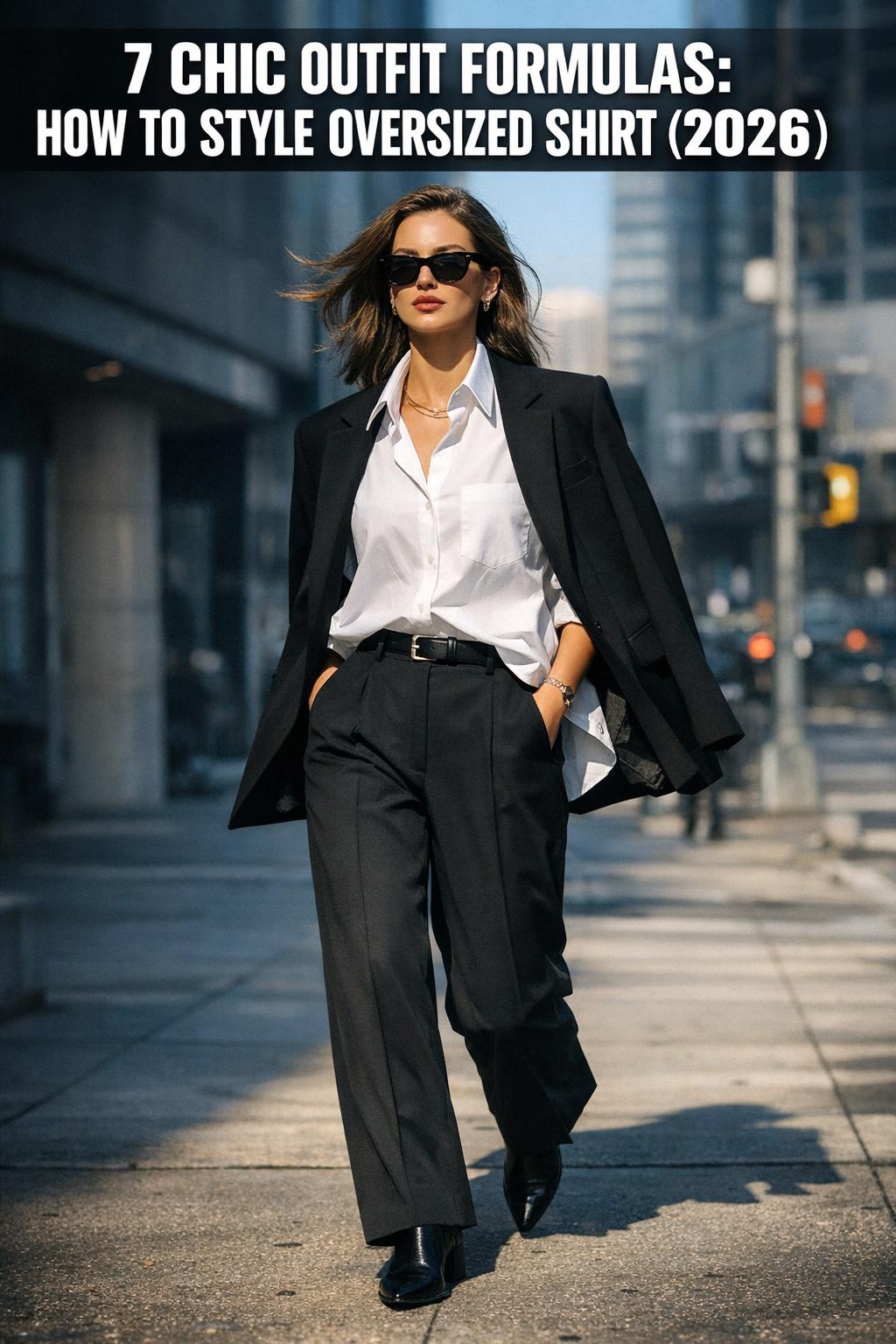
Layer with a jacket or blazer for structure
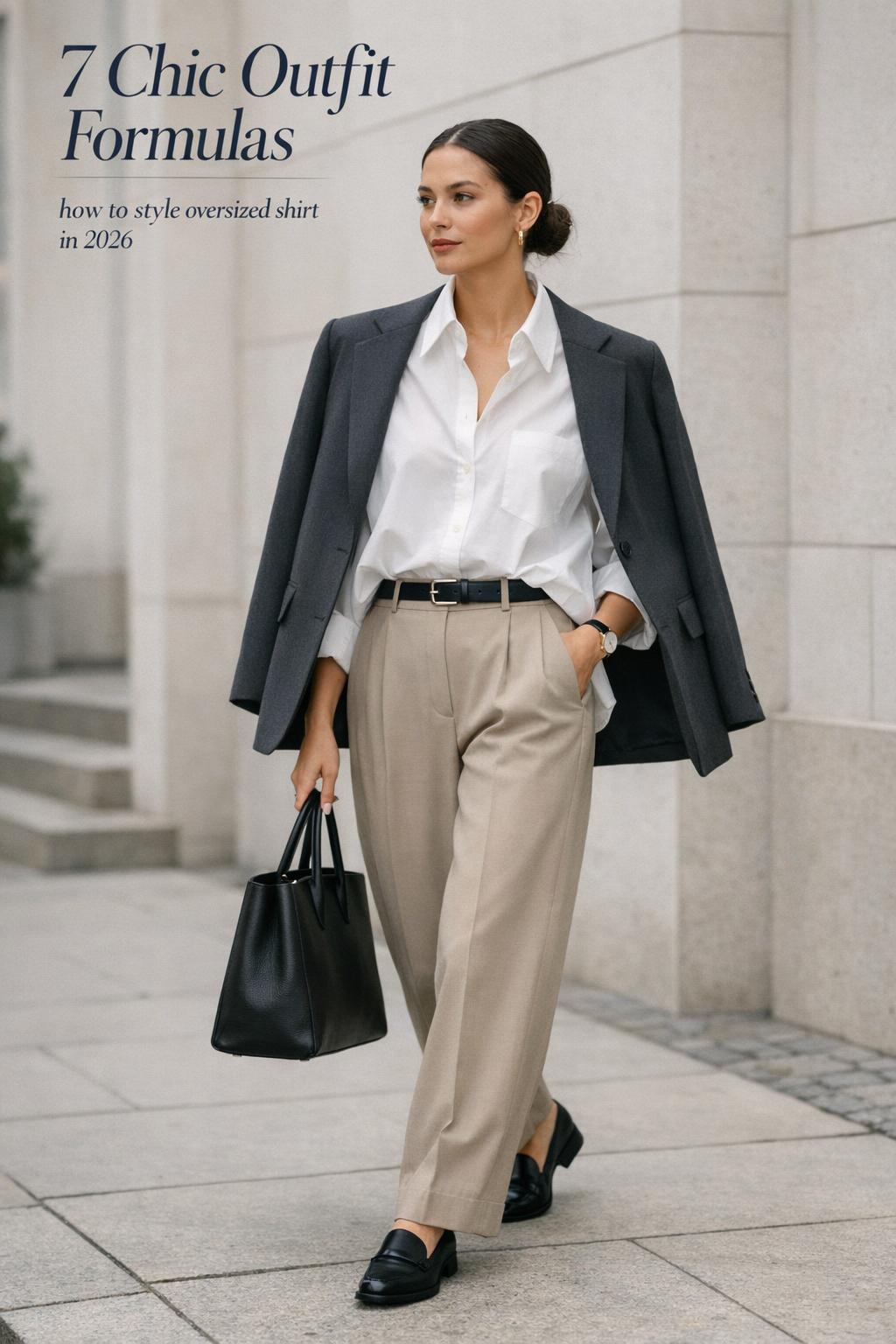
Adding a jacket or blazer is one of the fastest ways to make an oversized shirt feel office-ready and polished. A structured outer layer gives the silhouette edges and helps the outfit read more tailored. This is especially helpful if your shirt fabric is very soft or drapey and you want it to look more refined.
To keep the outfit clean, use a tuck or belt underneath the blazer, or keep the shirt slightly more controlled at the front. If everything is loose at once, the look can lose definition.
Layer with a vest for a sharp, styled silhouette
A vest over an oversized shirt creates contrast and instantly makes the outfit feel intentional. The vest acts like a “frame” that reduces visual bulk through the torso while still letting the sleeves and hem keep their relaxed shape. This is a strong option when you want the oversized shirt to feel fashion-forward without relying on a belt.
To keep proportions balanced, let the shirt sleeves show and consider a tuck or a clean hemline so the outfit doesn’t become overly layered and heavy.
Layer under a sweater or jumper (clean and classic)
An oversized shirt layered under knitwear works best when you control the bulk. The collar and cuffs peeking out can look crisp and styled, but too much fabric under the sweater can feel bunchy. Choose a tuck or a smooth underlayer approach so the knit sits neatly on top.
This layered look is especially effective when you want a polished, “put-together” feel with minimal effort: the shirt adds structure, the knit adds texture, and the overall outfit reads intentional.
Shacket energy: when the oversized shirt becomes outerwear
Some oversized shirts naturally sit in the shirt-jacket zone, often styled like a shacket. The key move here is to treat it like a layer: wear it open, build a simple base underneath, and let the oversized shirt provide the outfit’s relaxed shape. This approach fits casual days and transitional weather when you want the comfort of an oversized silhouette with the function of an extra layer.
Tip: When styling a shirt as a shacket, make sure the base layer looks finished on its own. If you took the oversized layer off, the outfit should still work.
Workwear and Professional Styling: Oversized Without Looking Sloppy
Oversized shirts can absolutely work for professional settings, but the office version depends on clear structure. The most reliable strategies are: pair with tailored bottoms, use a polished tuck, add a belt thoughtfully, and choose structured layering pieces like a blazer. The goal is a professional silhouette that still feels modern.
Structured layering for the office
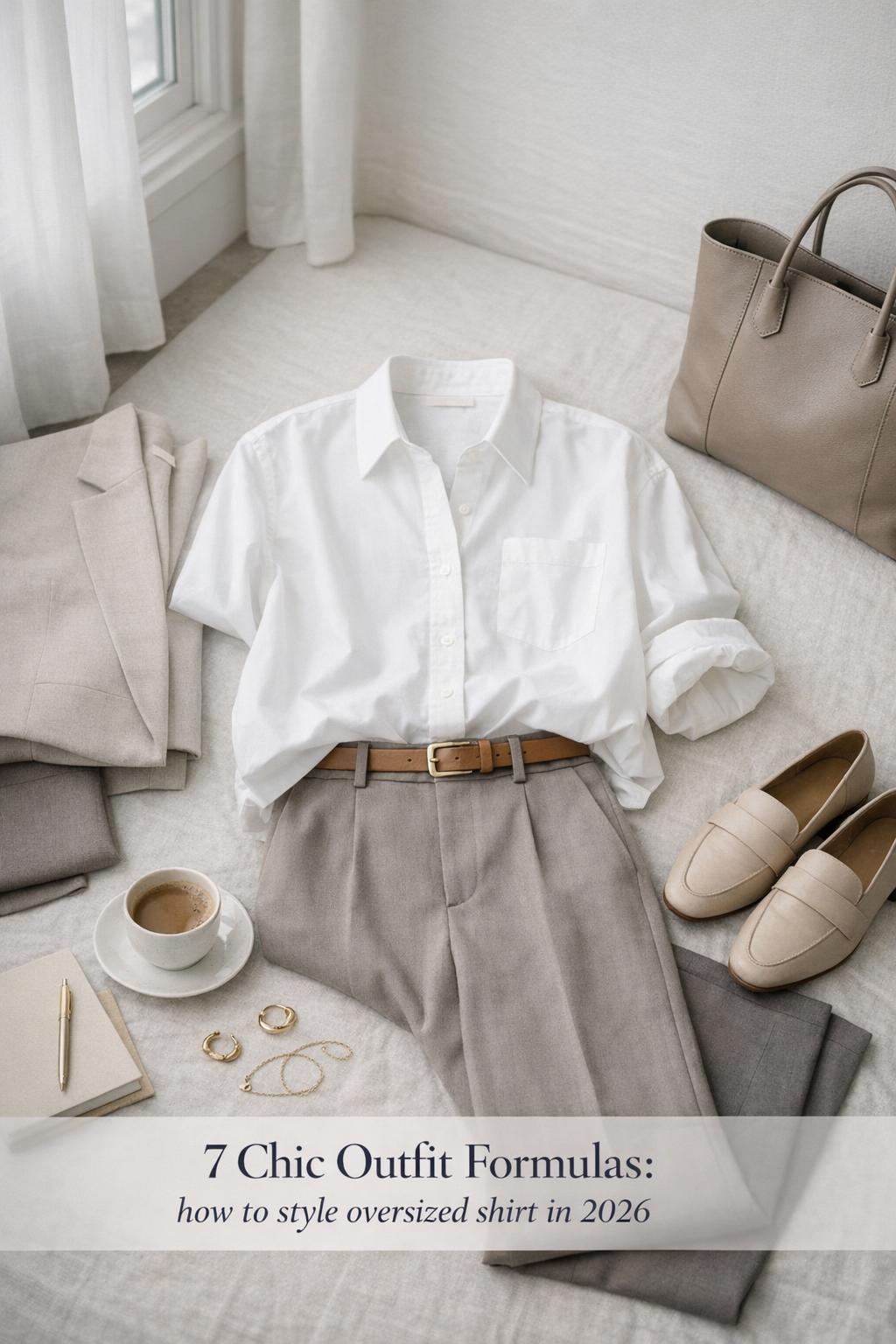
Start with the oversized shirt as your base, then add one structured layer to “clean up” the outline—often a blazer or tailored jacket. Pair with tailored trousers or a pencil skirt to counterbalance the shirt’s volume. This combination keeps the look refined while still letting the oversized fit feel current.
If your shirt is very oversized, keep the rest of the outfit streamlined: you’re using the shirt as the hero piece, so your tailored items act as the foundation that makes it workplace-appropriate.
The front tuck for a polished, intentional finish
In more traditional office environments, a deliberate front tuck is often the simplest way to signal polish. It creates a waistline, shows the waistband (and belt if you wear one), and removes the “tent” effect that can happen with a loose fit shirt left fully untucked.
Keep the tuck neat rather than messy. A clean, controlled tuck reads professional; an overly casual bunch can work on weekends but may not feel as appropriate at work.
Business-friendly outfit combinations that still feel modern
- Oversized button-down + tailored trousers + structured blazer
- Oversized shirt (front tucked) + high-waisted pants + belt
- Oversized shirt + pencil skirt + light jacket layer
- Oversized shirt worn open + clean base + tailored bottom
Tip: If you’re worried about looking too relaxed, make one element crisp: a defined waist, a tailored bottom, or a structured layer. Professional styling is less about shrinking the shirt and more about balancing it.
Seasonal Guides: Year-Round Oversized Shirt Outfits
Oversized shirts are year-round essentials because they layer easily and adapt to different fabrics. The seasonal shift is less about changing the styling “rules” and more about adjusting texture, layering weight, and how open or closed you wear the shirt.
Summer cool: breathable fabrics and relaxed styling
In warm weather, keep the look lightweight and intentional. An oversized shirt can be worn with a mini skirt, belted as a shirt dress, or styled with a simple tuck into high-waisted bottoms. Lighter fabrics and breathable options are especially comfortable in summer and keep the oversized silhouette from feeling heavy.
Open-front styling (wearing the shirt unbuttoned) is also an easy summer move, as long as the base underneath looks finished and the overall silhouette still feels balanced.
Fall transitions: add texture with vests and light jackets
In transitional weather, lean on layering: a vest over an oversized shirt, or a jacket on top, can add texture and structure while keeping the outfit flexible. This is where contrast becomes your best tool—mix a relaxed shirt with a more tailored layer, or keep the bottom sleek if the top is extra roomy.
As temperatures fluctuate, the oversized shirt’s versatility helps you adjust: button it up for a more polished look, or wear it open for an easy layered effect.
Winter layers: knitwear and outerwear integrations
In colder months, oversized shirts work well under knitwear or alongside heavier outerwear. The key is bulk management: keep the shirt smooth where it tucks, and let details like the collar and cuffs add polish. If you’re layering multiple pieces, keep at least one part of the outfit structured so the silhouette doesn’t become shapeless.
Tip: In winter, a polished oversized shirt outfit often comes down to clean lines. Choose one main volume (the shirt), then keep everything else controlled: a tailored bottom, a structured layer, or a deliberate tuck.
Color, Fabric, and Fit: How to Choose an Oversized Shirt That Looks Intentional
Oversized styling works best when the shirt itself supports the look. Fabric quality, drape, and tailoring details can be the difference between “effortless” and “sloppy.” If you want the oversized silhouette to look elevated, focus on how the shirt hangs on the body and how it holds its shape through a tuck, belt, or layering.
Best fabrics for drape and longevity
Fabric impacts the entire silhouette. A shirt with good drape will fall smoothly and look intentional when left loose, while a stiffer fabric can create a more structured, crisp outline. Both can work—what matters is matching the fabric to the styling approach you’re using. If you plan to belt the shirt or wear it as a shirt dress, choose a fabric that cinches cleanly without bunching too much.
Pay attention to finishing and tailoring details, too. Clean seams and a well-made collar help an oversized button-down read polished, especially in professional outfits and layered looks.
Color coordination and monochrome looks
Color is a simple way to make oversized outfits feel elevated. Monochrome looks—where the shirt and the rest of the outfit stay within a cohesive color family—can make volume look sleek and intentional. If you prefer contrast, keep it controlled: pair a bold shirt with clean, simple bottoms, or anchor the outfit with a belt that creates a clear waistline.
Tip: If your outfit feels “too much,” simplify the palette first. A cohesive color story often makes an oversized silhouette feel more refined without changing the overall fit.
How to know the fit is oversized (not just too big)
A well-chosen oversized shirt should still look like it belongs on your frame. It can be roomy through the body and sleeves, but it shouldn’t look unintentionally stretched, distorted, or overwhelming. The best oversized fits tend to have some sign of design or tailoring—like a clean collar, a purposeful shoulder line, or a fabric that drapes well—so the shirt reads as a style choice.
If you constantly feel the need to “fix” it—pulling at the shoulders, re-tucking every minute, or fighting bunching under layers—it may be more than oversized. In that case, choose a slightly more controlled oversized fit and rely on styling (tucks, belts, layering) to create the look.
Inclusive Styling: Making Oversized Shirts Work for Different Body Types and Sizes
Oversized shirt styling is not one-size-fits-all. The most flattering approach depends on what you want to emphasize—waist, legs, length, or structure. The good news is that the same core tools work across body types: defining the waist (belt or tuck), controlling length (shirt dress styling or knotting), and adding structure (blazers and tailored bottoms).
Petite-friendly oversized shirt styling
Petite frames can absolutely wear oversized shirts, but proportion is everything. Favor waist definition (front tuck or belt) and consider pairing with high-waisted bottoms to visually lengthen the legs. If you love volume-on-volume looks (like wide-leg pants), keep the tuck deliberate so the waistline is visible and the outfit doesn’t become all fabric.
Plus-size and curve-friendly approaches
Oversized shirts can look especially chic on curves when the outfit has one clear point of definition. A belt can create shape when wearing the shirt as a shirt dress, and a front tuck can highlight the waistline without clinging. Tailored bottoms also help keep the overall silhouette polished, especially for workwear.
Tall frames and longer lengths
Longer proportions can make oversized shirts feel natural and effortless, especially when leaning into “long and lean” lines. Consider leaving the shirt slightly longer with a controlled tuck or wearing it open to create long vertical lines. If you belt it, adjust so the shirt blouses slightly above the belt to keep the look relaxed, not tight.
Tip: No matter your body type, don’t try to “fix” the oversized shirt by over-styling it. One defining move—tuck, belt, or structured layer—usually creates the most modern result.
Men’s Styling Angle: Oversized Shirts in Everyday and Business-Casual Looks
Oversized silhouettes are part of a broader conversation in menswear, too, and an oversized shirt can be styled to look clean rather than careless. The same principles apply: define the silhouette through proportion, balance volume with structure, and keep the outfit intentional.
For everyday wear, an oversized shirt can be styled as a relaxed layer—buttoned or worn open—especially when paired with simple basics and streamlined pieces that keep the outfit grounded. For business-casual environments, a more polished approach works best: a deliberate tuck (full or partial), a clean belt, and tailored trousers can make an oversized button-down feel modern while still appropriate.
Quick men’s formulas that keep oversized intentional
- Oversized button-down + tailored trousers + clean tuck for business-casual
- Oversized shirt worn open + simple base + structured outer layer
- Oversized shirt + denim with a controlled front tuck for balance
Tip: If the shirt is very oversized, keep the rest of the outfit clean and simple. The oversized piece should look like the choice, not the result of sizing up randomly.
Outfit Formula Gallery: Mix-and-Match Ideas
When you need quick inspiration, formulas help you get dressed fast while still looking styled. Use these as templates, then adjust based on your climate, workplace, and comfort level with volume.
- Classic polished: oversized shirt + high-waisted jeans + belt
- Relaxed weekend: oversized shirt + half-tuck + casual bottoms (keep the palette simple)
- Shirt dress moment: oversized shirt as a dress + waist belt for shape
- Leg-forward balance: oversized shirt + mini skirt (add a jacket if needed)
- Modern volume: oversized shirt + wide-leg pants + front tuck
- Layered and sharp: oversized shirt + tailored trousers + blazer
- Texture play: oversized shirt + vest layer + controlled hem or tuck
- Easy outer layer: oversized shirt worn open + clean base + tailored bottom
Tip: If you build outfits from formulas, you’ll quickly learn what your “default” anchor is. Some people always feel best with a front tuck; others prefer a belt. Pick your anchor and rotate the rest.
Practical Tips: How to Avoid the “Sloppy” Oversized Look
An oversized shirt should look relaxed, not careless. Most styling issues come from lack of structure, too many competing volumes, or fabric that doesn’t cooperate with the styling move you’re trying to do.
Tips that fix most oversized shirt problems
- Add one point of intention: belt it, tuck it, knot it, or layer it with a structured piece
- Watch bulk under layers: if it bunches under knits or blazers, use a cleaner tuck and smooth the fabric
- Balance top and bottom: if the shirt is very loose, choose tailored bottoms or define the waist
- Use accessories strategically: a belt can be both functional and the finishing detail
- Control length: shirt dress styling, knotting, or a partial tuck can keep the silhouette from looking heavy
When in doubt, return to the simplest version: oversized shirt + high-waisted bottoms + a deliberate tuck. If that feels good, you can experiment with layering, wider-leg silhouettes, or more fashion-forward draping.
FAQ
How do I know when an oversized shirt is too oversized?
If the shirt overwhelms your frame to the point that tucks, belts, or layers won’t stay neat—or you constantly feel like you’re adjusting the shoulders, sleeves, or hem—it’s likely beyond an intentional oversized fit. A good oversized shirt should drape cleanly and still look purposeful when you define the waist or layer it.
Can I wear an oversized shirt to work in a traditional office?
Yes, oversized shirts can look professional when styled with structure: use a deliberate front tuck or a belt, pair with tailored trousers or a pencil skirt, and consider adding a structured blazer or jacket. The goal is a clear, polished silhouette that balances the shirt’s volume.
What’s the best way to tuck an oversized shirt into pants?
The most reliable method is a front tuck or half-tuck: tuck a small, deliberate section at the front (center or slightly off-center), then smooth the fabric so it drapes instead of bunching. This anchors the shirt while keeping the back relaxed, which is usually the most flattering balance for a loose fit shirt.
What belt works best with an oversized shirt outfit?
The best belt is the one that creates clear waist definition without distorting the fabric. If you’re wearing the shirt as a shirt dress, use the belt to cinch at the natural waist and let the fabric blouse slightly above it; if you’re pairing with high-waisted jeans or pants, the belt should visually “finish” the waistband and make the look feel intentional.
How do I style an oversized shirt with jeans?
Start with high-waisted jeans to establish a waistline, then choose either a front tuck or a belt to define shape. Keep the rest simple and balanced, and use layering (like a jacket) when you want the outfit to look more polished.
Can oversized shirts work with wide-leg pants, especially for petite frames?
They can, but the outfit needs a clear anchor so it doesn’t become too much volume at once. For petites, a deliberate front tuck into high-waisted wide-leg pants is usually the easiest way to keep the waist visible and the silhouette intentional.
How can I style an oversized shirt as a shirt dress without it looking shapeless?
Add waist definition with a belt and adjust the fabric so it drapes smoothly, slightly blousing above the belt rather than pulling tight. This creates a clear shape while keeping the relaxed feel that makes oversized styling look modern.
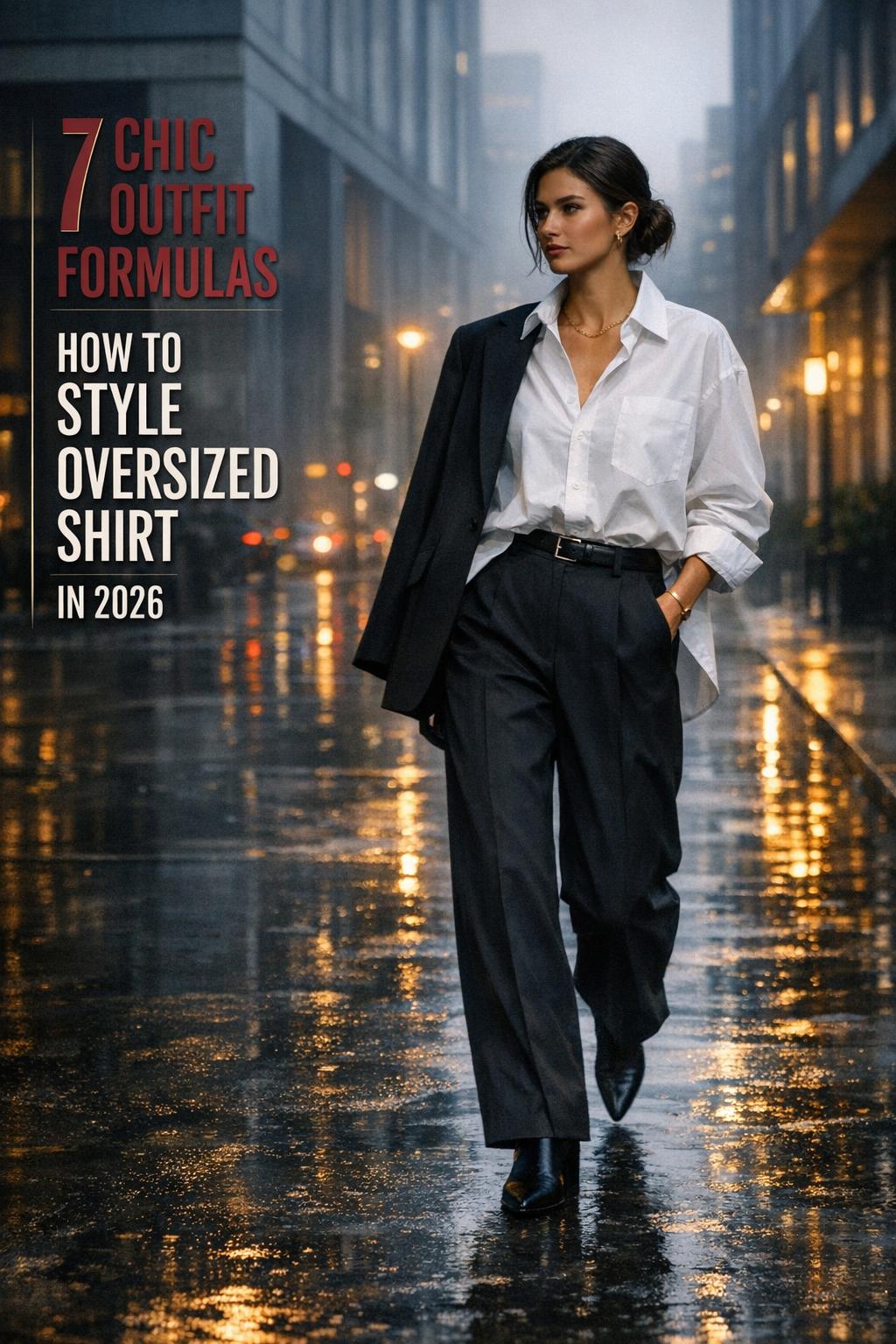
What’s the easiest way to layer an oversized shirt with a blazer?
Use one clean anchor underneath the blazer—either a neat front tuck or a belt with high-waisted bottoms—so the shirt doesn’t look bulky. The blazer adds structure, and the controlled styling underneath keeps the overall silhouette polished and office-ready.