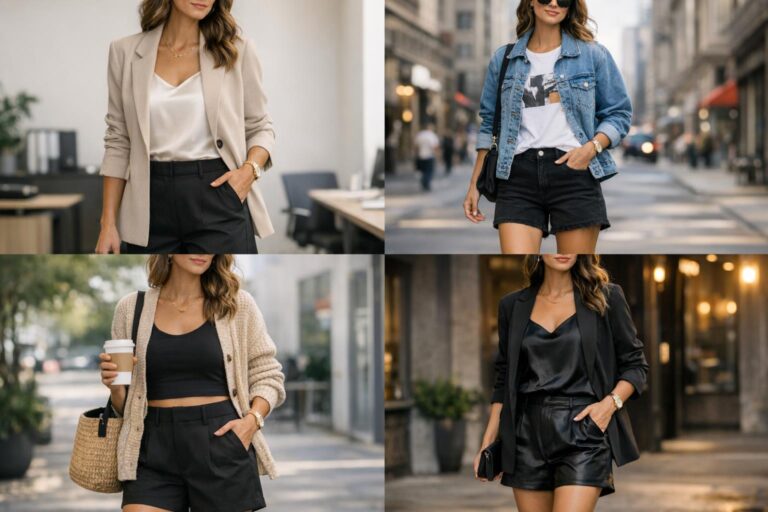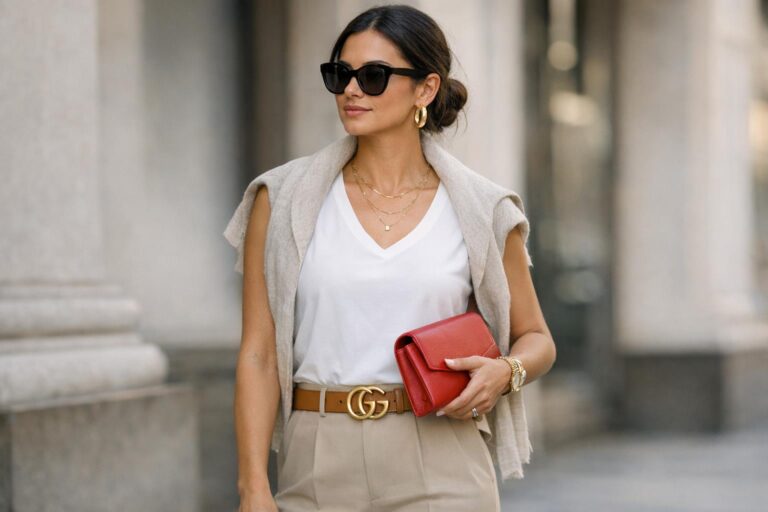
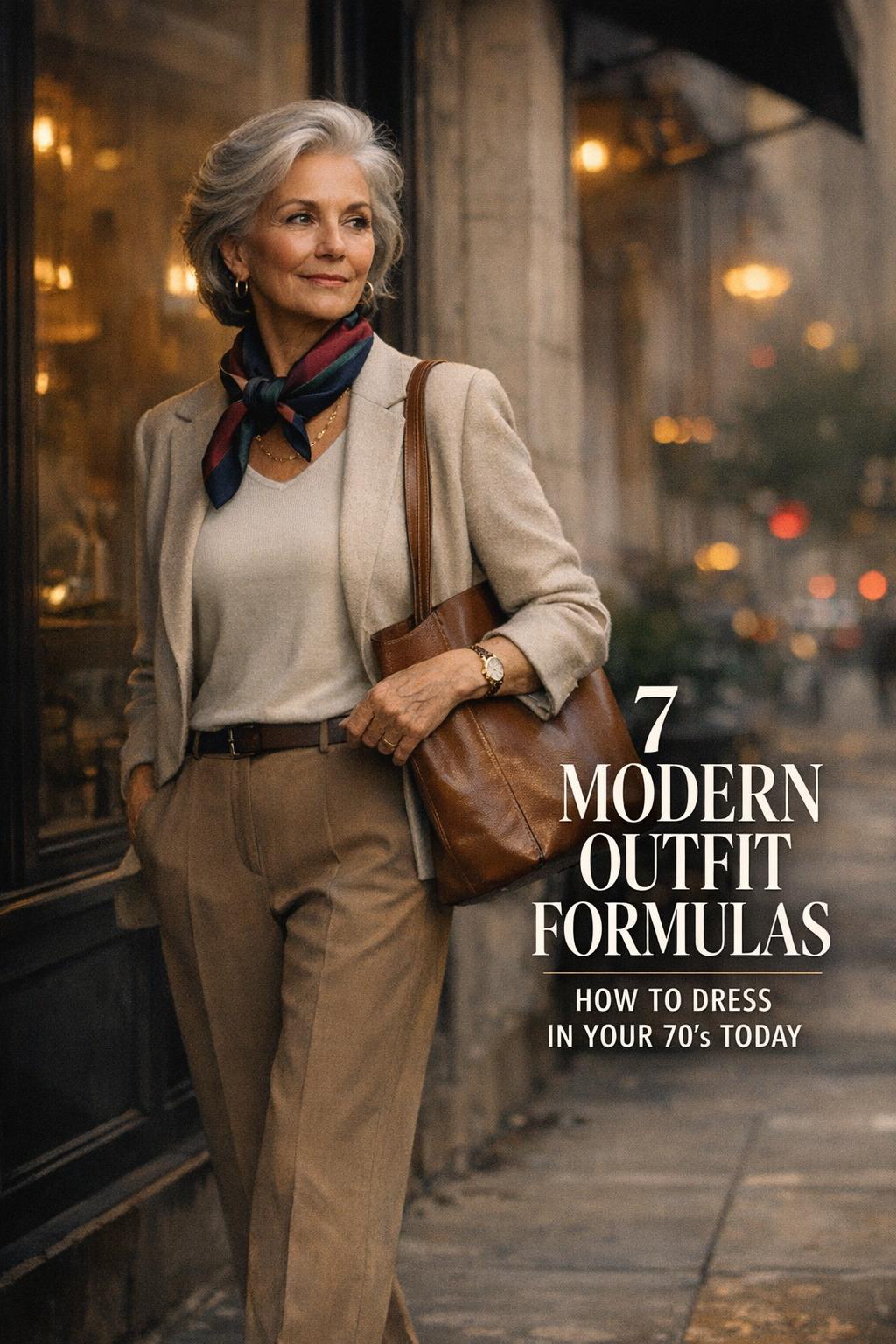
7 Modern Outfit Formulas: how to dress in your 70’s Today
How to Dress in Your 70’s: A Practical, Ageless Style Guide
Learning how to dress in your 70’s is less about chasing trends and more about building outfits that feel modern, flattering, comfortable, and true to you. The most helpful approach is “fit over flash”: prioritize great fit, quality-feeling fabrics, smart proportions, and a color palette that brings life to your face. From there, use layering, texture, accessories, and a flexible capsule wardrobe to create variety without stress.
This guide brings the core ideas together—fit, fabric, proportion, color and texture, silhouettes, layering formulas, capsule wardrobe essentials, footwear, and practical shopping strategies—so you can dress confidently for daily life, special occasions, and every season.
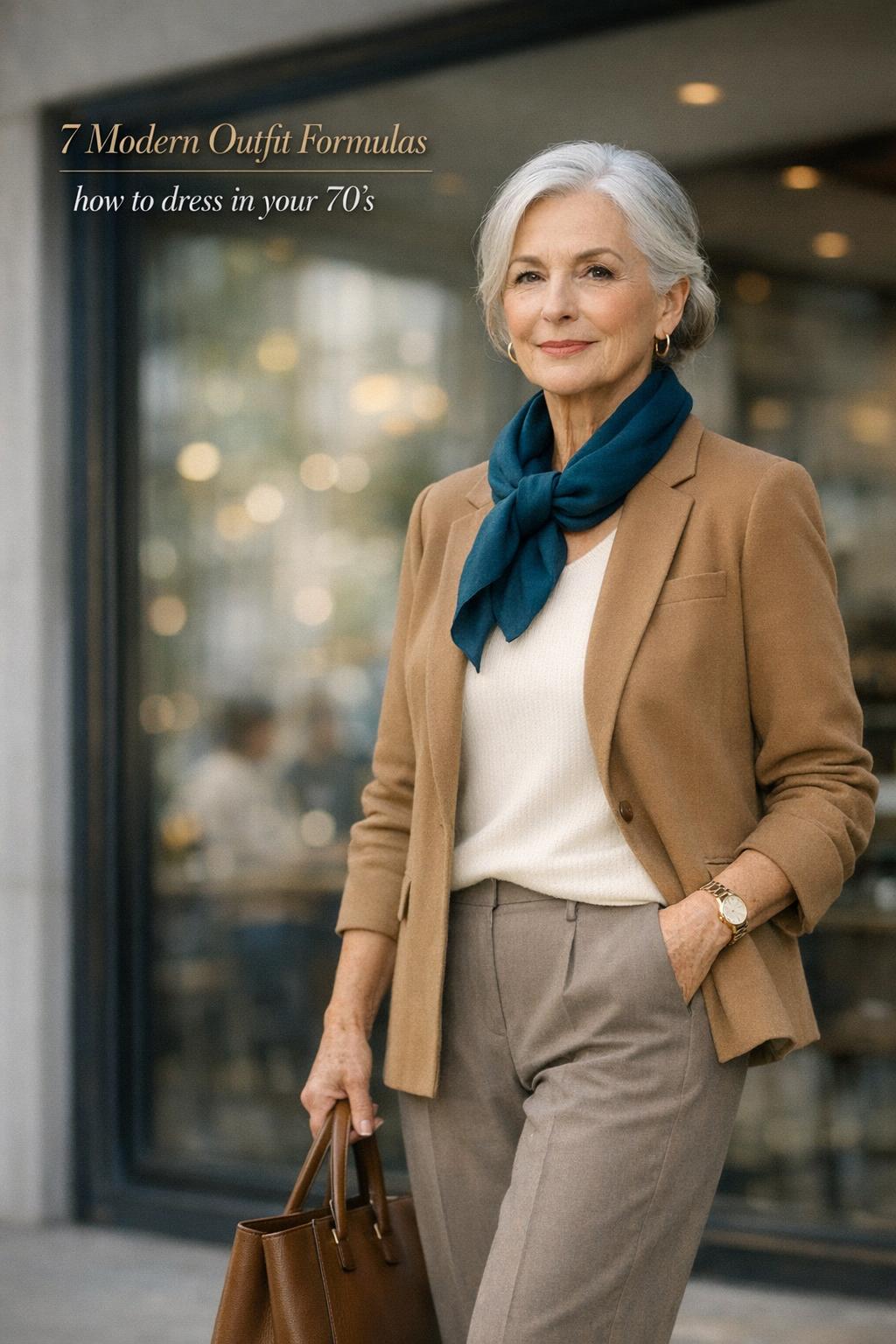
Start With the Foundation: Fit, Fabric, and Proportion
The foundation of great style in your 70s is the same as it’s always been: clothes should fit your body as it is today, not as it used to be or “should” be. Many style frustrations come from pieces that are either too baggy (which can look shapeless) or too tight (which can feel uncomfortable and draw attention in ways you don’t want). Aim for a clean line that skims the body, allows movement, and looks intentional.
Fit Over Flash: The Rule That Makes Everything Look Better
When you choose fit over flash, even simple outfits look polished. That could mean selecting trousers that sit smoothly at the waist, tops that don’t cling, or jackets with structure through the shoulders. If an item almost works but doesn’t quite, minor tailoring or alterations can transform it from “fine” to flattering and confidence-boosting.
Comfort and Movement Are Part of Fit
Fit isn’t only visual; it’s physical. Clothes should support your daily life—walking, driving, sitting, traveling, and changing temperatures. Breathable fabrics and easy movement matter, especially when you rely on layering to adapt across seasons. The goal is comfortable, wearable pieces that still hold shape.
Use Simple Proportion Rules to Look Balanced
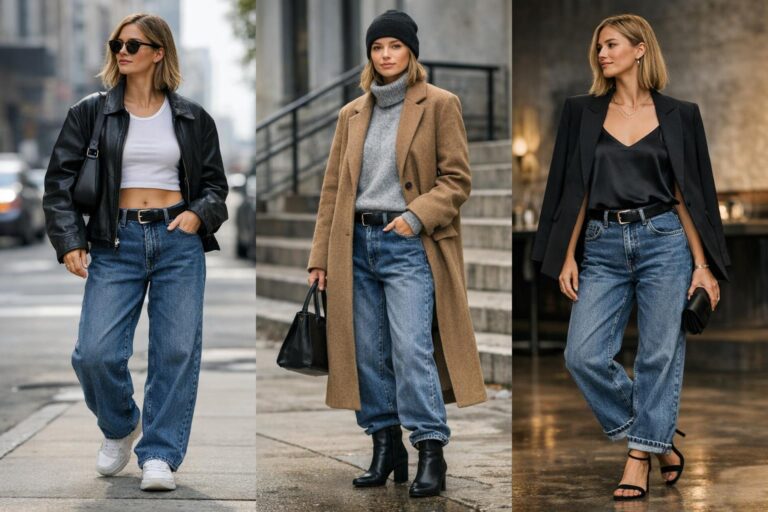
Proportion is an easy way to look put-together without buying anything new. A common guide is the 1/3–2/3 concept: if your top is longer and more relaxed, pair it with a slimmer or more structured bottom; if your bottoms are wider or more flowing, choose a neater top or add a structured layer. This is less about strict rules and more about creating balance so your outfit looks deliberate.
Tips: A Quick Fit Check Before You Leave the House
- Look for a clean shoulder line in tops and jackets; the shoulder seam should sit close to where your shoulder ends.
- Check that waistbands sit comfortably without digging in or sliding down.
- Avoid extremes: nothing overly baggy, nothing overly tight; aim for “skimming” and “structured where it counts.”
- If you’re tugging, adjusting, or fidgeting, the fit is off and will distract you all day.
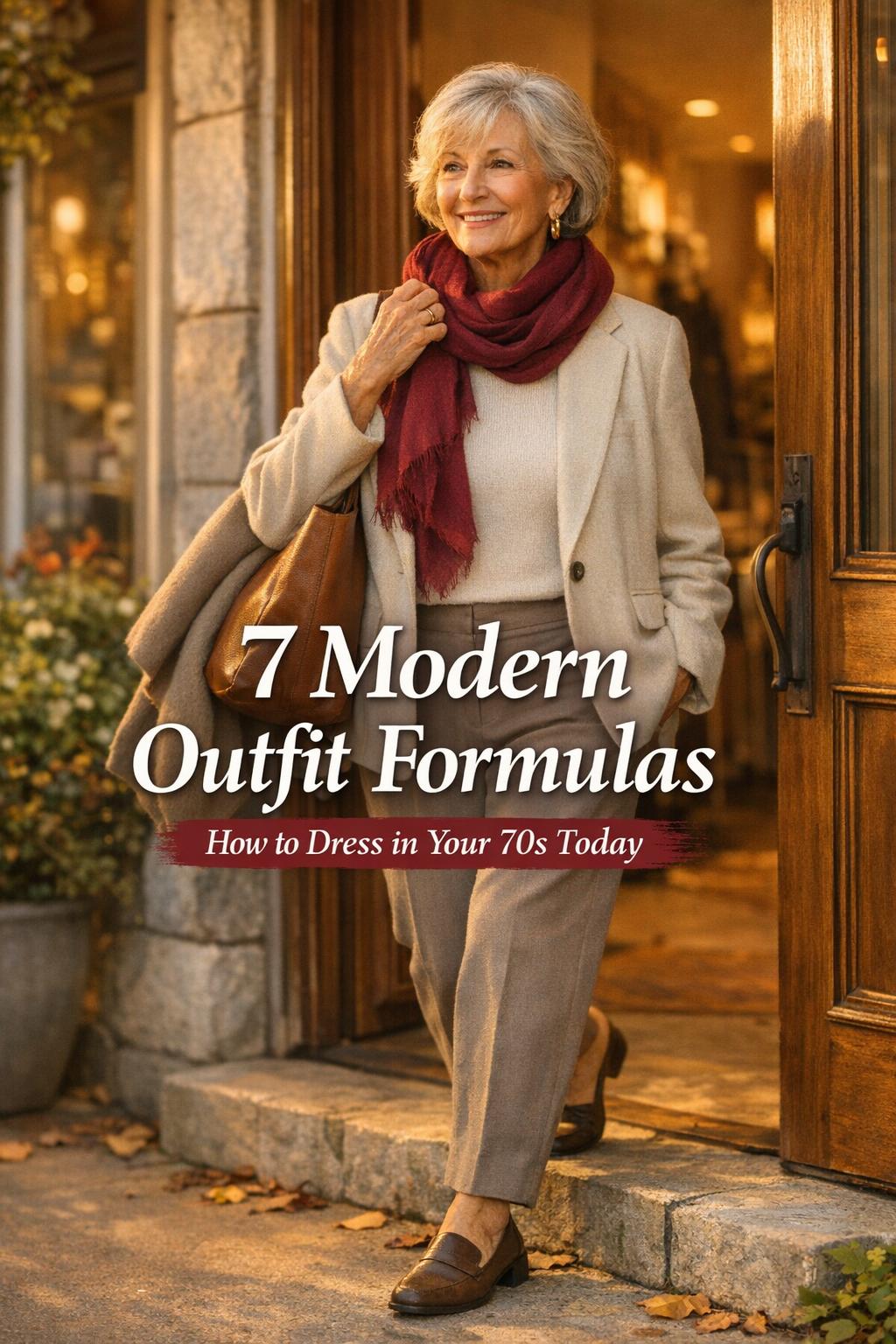
Color and Texture: Building a Warm, Youthful Look
Color and texture do a lot of heavy lifting in mature wardrobes. Many style guides for this age group emphasize warmth in color choices and thoughtful texture mixing. The result is a look that feels rich, dimensional, and current—especially when your outfit is built on classic shapes.
Choose Colors That Brighten You
A practical way to think about color is: does it lift your face? Warmer tones and jewel tones often create that effect, especially when used near your face in tops, scarves, or layers. Neutrals are still valuable, but pairing neutrals with purposeful color can keep outfits from feeling flat.
Texture Mixing Makes Simple Outfits Look Intentional
Texture is one of the easiest ways to add style without relying on loud patterns or trendy cuts. Mixing textures—like a smooth top with a more tactile cardigan or a structured jacket over a knit—adds depth. Texture also supports the “fit over flash” approach: it elevates the outfit while keeping it wearable and comfortable.
Tips: Easy Color-and-Texture Formulas
- Start with versatile neutrals as your base, then add one warm or jewel-toned piece near your face.
- Pair one smooth fabric with one textured fabric to create contrast without clutter.
- If you love prints, keep the rest of the outfit simple and well-fitted so the print feels polished.
- When in doubt, choose a cohesive palette and let texture provide the interest.
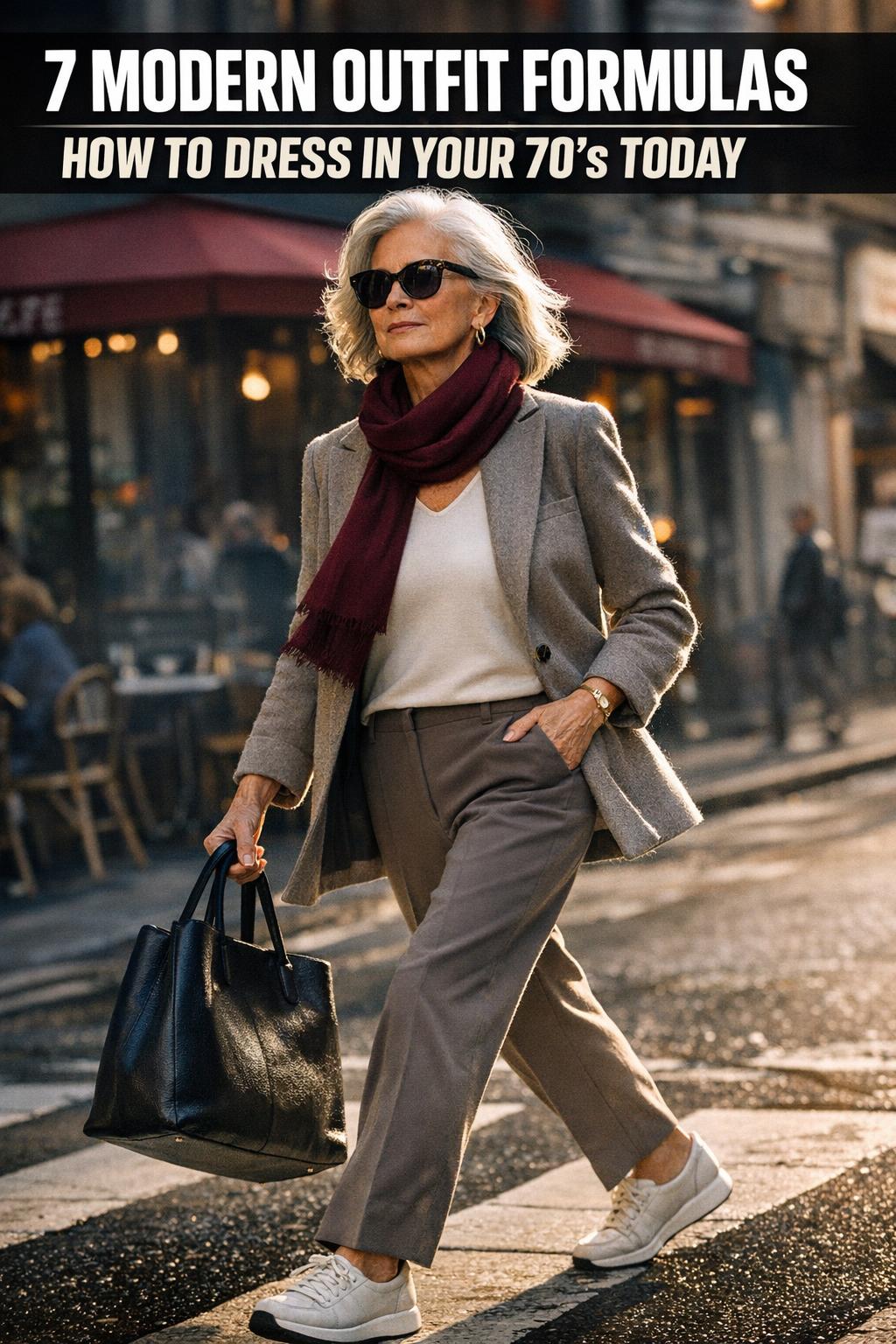
Layering Like a Pro: Versatility Across Seasons and Occasions
Layering is a repeat theme in style advice for people in their 70s because it solves multiple problems at once: comfort, temperature changes, versatility, and visual structure. With the right layers, you can wear the same foundation pieces in different ways and look appropriate for casual days, errands, dinners, or events.
Think in Outfit Formulas (Not One-Off Outfits)
Outfit formulas—sometimes called base looks—make getting dressed faster. Choose a consistent base (like a great pant and a simple top) and rotate layers and accessories to change the mood. This approach aligns naturally with capsule wardrobe planning and creates a reliable style “signature” without feeling repetitive.
Climate-Aware Layering: Practical, Not Complicated
Layering is especially helpful when you dress for different climates or unpredictable indoor temperatures. The most wearable strategy is to build light layers you can add or remove: a base top, a second layer for warmth or polish, and an optional outer layer. That simple structure works in humid summers (light layers and breathable fabrics) and in colder winters (more layers, more coverage, and warmer textures).
Tips: A Simple Three-Layer Framework
- Base: a comfortable, well-fitting top that looks good on its own.
- Middle: a cardigan, blazer-like layer, or structured piece that adds shape.
- Finish: a scarf or signature accessory for color, plus an optional outer layer when needed.
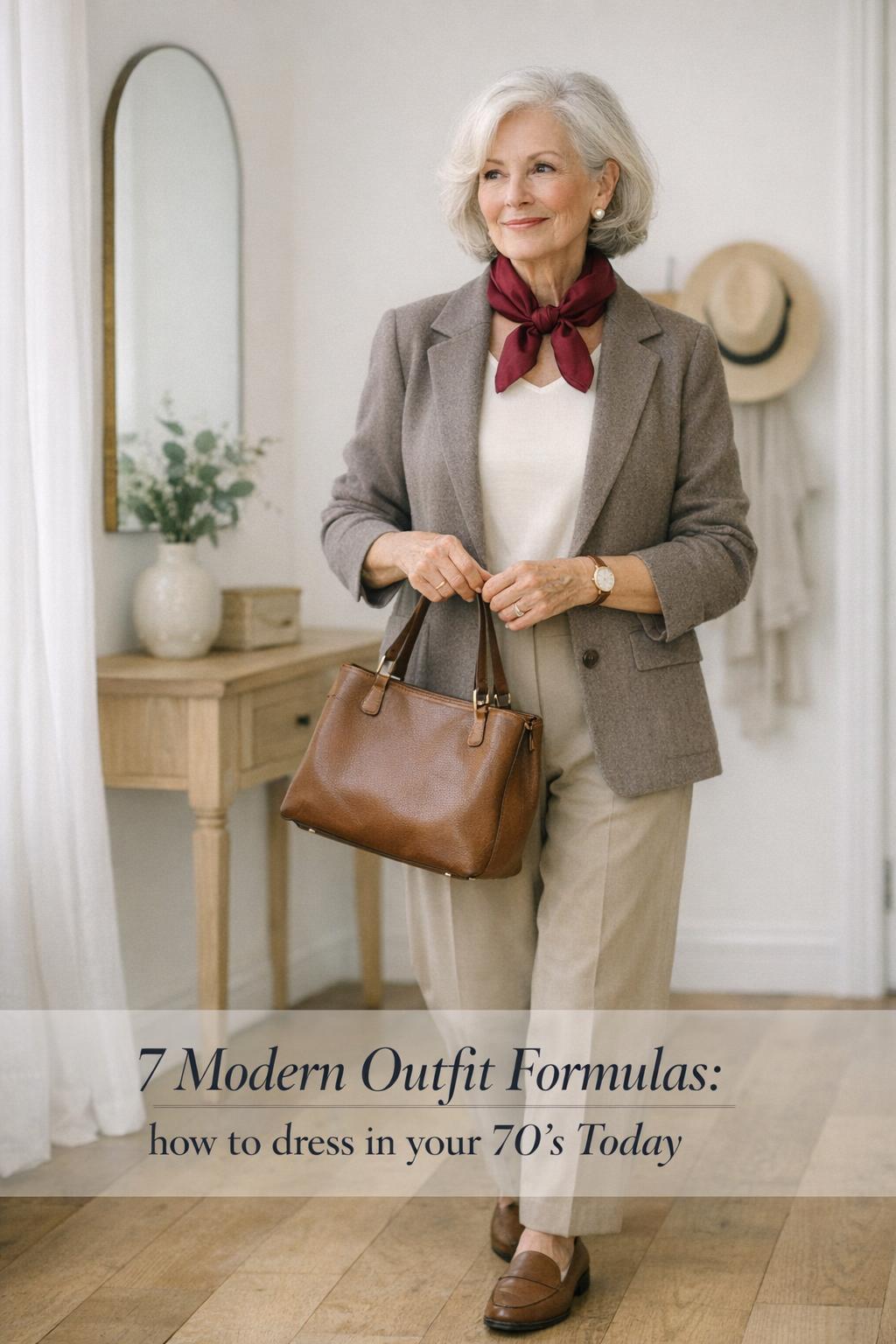
Capsule Wardrobe for Your 70s: Essentials, Variations, and Ease
A capsule wardrobe is one of the most practical tools for dressing well in your 70s because it reduces decision fatigue and ensures your pieces actually work together. Instead of owning many items you rarely wear, you build a smaller collection of essentials that mix and match easily. This idea appears frequently in style guidance for women over 70, but the approach works broadly: select core pieces, keep the color story cohesive, and create multiple outfits from the same foundation.
Start With Versatile Neutrals, Then Add Personality
Many senior fashion tips emphasize versatile neutrals because they make outfit-building easier. Neutrals also create a clean base for color accents, texture, and accessories. Once your base is strong, add personality through warmer shades, jewel tones, prints you love, and signature pieces that feel like you.
Core Capsule Pieces to Build Around
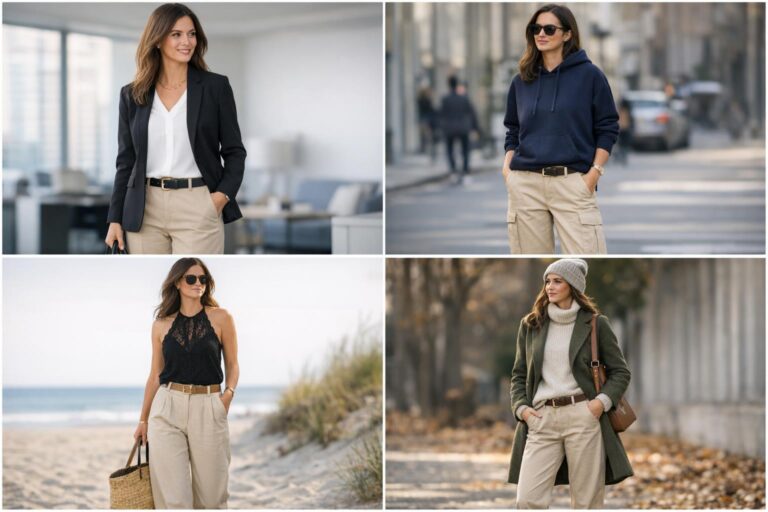
- Neutral trousers or pants you can wear often
- A comfortable, polished top layer (cardigan or structured layer)
- A crisp, simple shirt or button-down style you enjoy wearing
- A versatile dress option that can be layered up or down
- Comfort-first shoes that still look intentional
- Accessories that add color and a “signature” touch
Make It Seasonal Without Starting Over
The easiest way to make a capsule seasonal is to keep the core silhouettes consistent and adjust fabric weight, layering, and accessories. In warmer months, you lean on breathable fabrics and lighter layers. In colder months, you keep the same outfit structure but add warmth through layering strategies and richer textures. This keeps your wardrobe coherent year-round while still responding to comfort needs.
Tips: Capsule Wardrobe Planning That Actually Works
Pick two or three base neutrals you like wearing, then ensure most pieces coordinate with them. Build around repeatable outfit formulas (for example, pants + top + layer), and aim for pieces you can wear in at least a few combinations. If something only works with one item, it’s less likely to earn a spot in a truly useful capsule.
Footwear and Accessories: Comfort Without Compromise
Footwear and accessories can make or break comfort—and they strongly influence whether an outfit looks current. Many style guides emphasize comfort-first dressing, but the best results come from pairing comfort with intentional choices: supportive footwear and accessible accessories that elevate your look without causing pain, instability, or fuss.
Senior-Friendly Footwear Priorities
A dedicated approach to shoes matters because footwear impacts how you feel and move all day. Look for supportive options that feel stable, and avoid shoes that are worn-out or no longer hold their shape. Comfort doesn’t need to look frumpy; the goal is a shoe that supports you and still works with your outfit formulas.
Tips: A Practical Shoe Checklist
- Choose shoes that feel supportive and secure for walking and standing.
- Prioritize stability and everyday comfort so you don’t “save” good shoes for rare occasions.
- Replace worn-out sneakers and shoes that make outfits look dated or sloppy.
- Look for easy-to-use closures if dexterity is a concern.
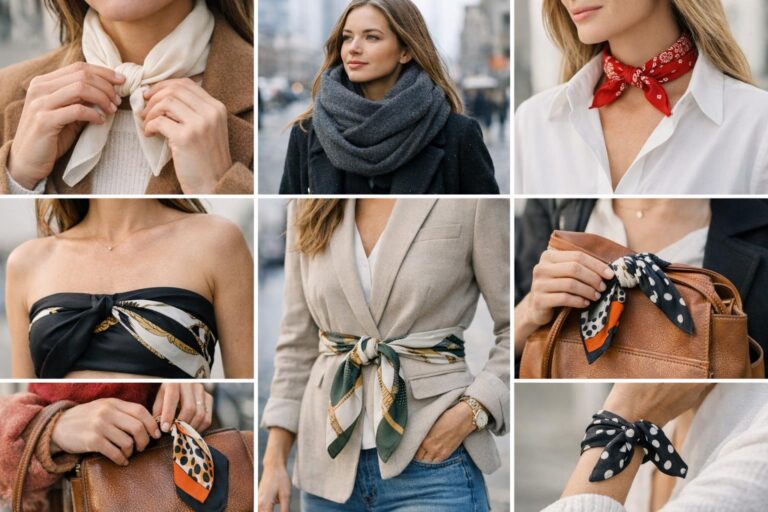
Accessories as Your Signature Style
Accessories are where personal style shines, especially when your wardrobe is built on classic, versatile pieces. A scarf, a statement accessory, or a consistent finishing touch can become your signature. This approach complements “fit over flash” because it adds interest without requiring complicated outfits.
Silhouettes by Body Type: Flattering Options for All Shapes
Flattering silhouettes are a recurring focus in guidance for women over 70, and the principle is simple: choose shapes that create balance and highlight what you want to highlight. The best silhouette is the one that makes you feel comfortable, confident, and like yourself. Instead of forcing one “ideal” cut, build outfits using proportion guidance and adjust the shape to suit your body.
Apple Shape: Create Long Lines and Comfortable Structure
If you carry more through the midsection, aim for outfits that skim rather than cling and that create structure through layering. A comfortable top plus a structured layer can provide definition without tightness. Keep the overall look balanced by avoiding extremes in volume.
Pear Shape: Balance With Proportion and Intentional Layers
If you carry more through the hips and thighs, balance the silhouette by bringing visual interest upward—through color near the face, textured layers, or a well-structured top layer. Aim for bottoms that fit smoothly and avoid pieces that pull or sag; comfort and clean lines matter more than chasing a specific cut.
Rectangle Shape: Add Shape Through Layering and Texture
If your shoulders, waist, and hips feel more straight up-and-down, layering and texture can add dimension. Use a structured layer to create shape and consider outfit formulas that naturally build contrast: a tailored top layer over a softer base, or a more flowing bottom paired with a neater top.
Inverted Triangle: Balance With Lower-Half Ease and Clean Tops
If your shoulders are broader than your hips, focus on balance: keep tops clean and well-fitted through the shoulder line and consider bottoms that add a bit more visual weight without looking sloppy. The 1/3–2/3 proportion concept can help you create a stable, grounded look.
Tips: The Most Reliable Silhouette Strategy
Choose one area for volume and keep the rest more streamlined. If your pants are wider or more relaxed, keep your top neater or add a structured layer. If your top is longer or more flowing, choose a cleaner bottom. This single guideline prevents outfits from looking either too boxy or too tight.
What to Avoid When You Want a More Modern, Polished Look
Some items can unintentionally add years to your look, not because of age rules, but because they read as worn-out, shapeless, or overly “at-home.” A practical way to think about this is to avoid pieces that look accidental rather than chosen. If a garment has lost its shape, doesn’t fit well, or looks overly boxy, it can drag down even an otherwise nice outfit.
- Boxy, shapeless cardigans that hide your shape rather than complement it
- Stretched-out elastic waist pants that look tired instead of intentional
- Long, overly house-dress styles that read more “loungewear” than “daywear”
- Old, worn-out sneakers that make outfits look dated and sloppy
You don’t need to give up comfort to avoid these pitfalls. The replacement strategy is simple: keep the comfort, upgrade the fit and structure, and choose pieces that look purposeful.
Mobility- and Accessibility-Friendly Style: Make Dressing Easier
Comfort and practicality are central themes in senior fashion tips, and that includes dressing with mobility or dexterity needs in mind. The goal is to make getting dressed simpler while keeping your look polished. Prioritize pieces that are easy to put on and take off, feel good throughout the day, and work seamlessly with your layering system.
Accessibility-friendly style can also reduce wardrobe frustration. When your clothes cooperate—comfortable waistbands that stay put, layers that don’t bunch, shoes that feel stable—you’ll naturally wear your best pieces more often and feel more confident in everyday life.
Tips: Small Choices That Make a Big Difference
- Choose comfortable closures and easy-on layers when possible.
- Build outfits around pieces you can comfortably wear for a full day.
- Keep a “grab-and-go” outfit formula ready for appointments or errands.
- When something is difficult to wear, it won’t become a favorite—replace it with an easier alternative.
Seasonal Shopping and Budget-Friendly Strategies
Shopping is easier and more cost-effective when you plan around your capsule wardrobe and outfit formulas. Instead of buying random items, focus on pieces that expand what you can already wear. This approach is especially helpful when you’re dressing for changing seasons and different U.S. climates, where layering and fabric weight matter.
Build a Shopping List That Supports Mix-and-Match Outfits
Before you shop, identify what would create the most new outfits from what you already own. Often, that’s a versatile layer, a refreshed shoe, or one color-boosting piece. When you shop this way, your closet becomes easier to use, and your outfits feel more cohesive.
Budget-Friendly Doesn’t Mean Bland
A practical budget approach is to invest in fit and versatility rather than novelty. You can build a stylish wardrobe at many price points if you choose pieces that coordinate, wear well, and support your daily comfort. When something is almost right, alterations can be a smarter use of money than replacing the item repeatedly.
Tips: A Smart Shopping Filter
Use three questions before buying: Does it match my capsule colors? Can I wear it in multiple outfit formulas? Does it meet my comfort and fit standards (not too baggy, not too tight)? If the answer is yes to all three, it’s likely to earn its place in your wardrobe.
Real-Life Outfit Formulas: 10 Ready-to-Wear Looks
Outfit formulas help you get dressed quickly and consistently. Each formula below is built around the same principles: flattering silhouettes, balanced proportion, versatile neutrals, color and texture, and practical layering. Treat these as templates—you can swap colors, fabrics, and accessories to match your style and climate.
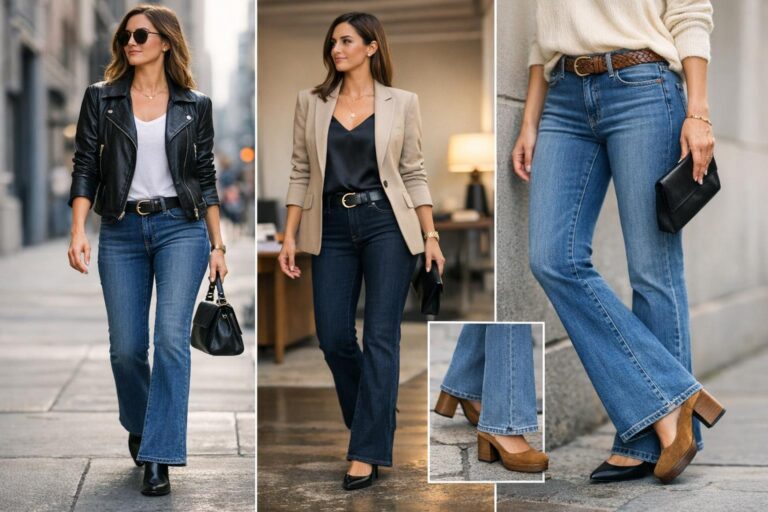
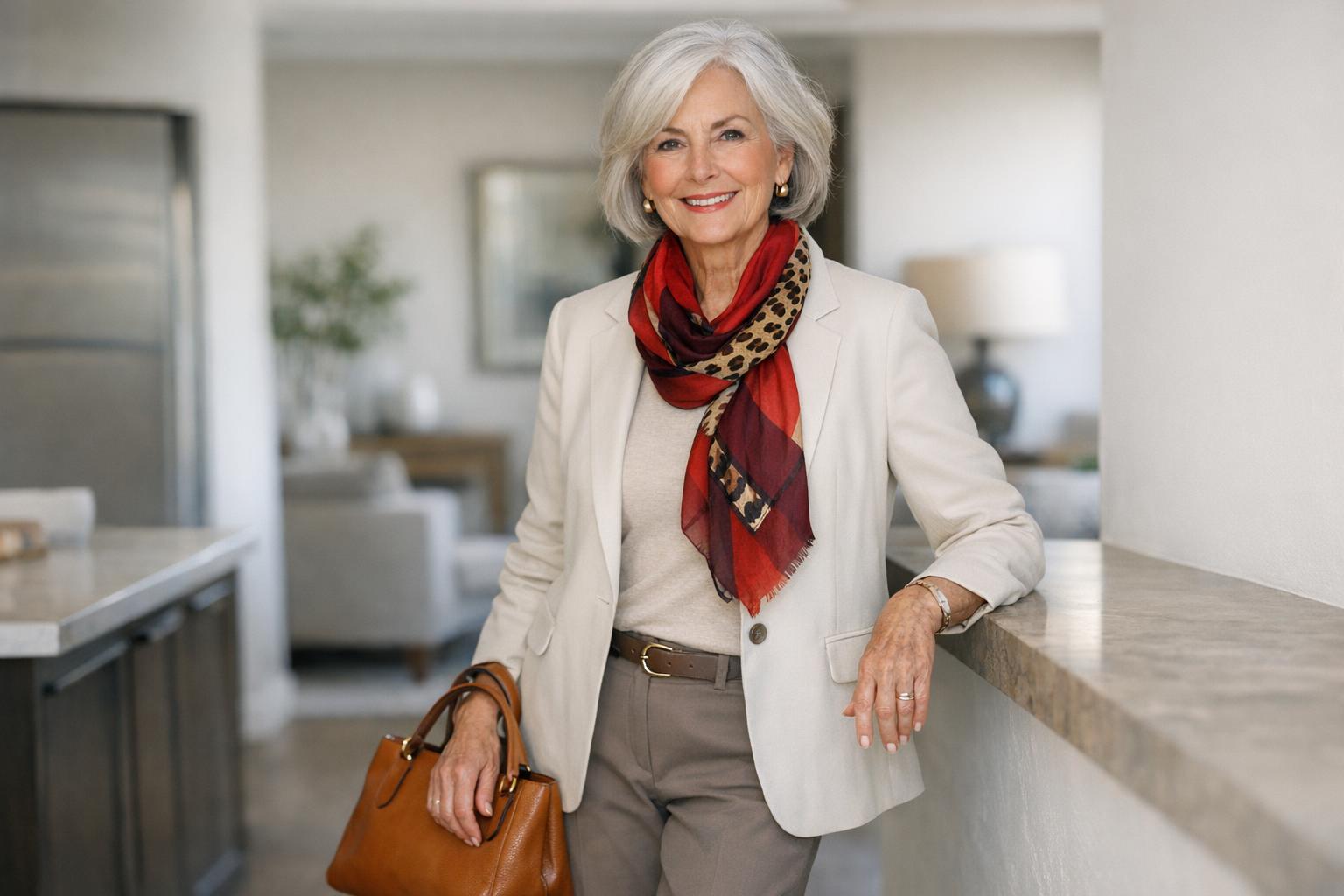
- Neutral trousers + comfortable top + structured cardigan or blazer-like layer + supportive shoes
- Simple dress + cardigan + scarf for color warmth + comfortable footwear
- Neutral base (top and bottom) + jewel-toned layer near the face + signature accessory
- Wide-leg or relaxed pants + neat-fitting top + structured outer layer for balance
- Slimmer, clean-lined pants + longer top + intentional accessory for a 1/3–2/3 proportion
- Base top + second layer for warmth + light outer layer for changing temperatures
- Print top or scarf + neutral outfit base + minimal additional accessories
- Textured cardigan + smooth base pieces + supportive shoes to keep the look polished
- Classic shirt or button-down + neutral pants + statement accessory as a signature piece
- Casual foundation + upgraded shoes (not worn-out) + structured layer to avoid a sloppy look
If you want to make these feel even more personal, choose one consistent “signature” element—like a scarf style you love, a favorite color family, or a go-to layer—and repeat it across outfits. That consistency reads as style, not repetition.
Care, Fit Maintenance, and Alterations: Keep Clothes Working for You
In your 70s, a strong wardrobe is one you can maintain. Clothes shift over time: fabrics relax, shoes wear down, and fit can change. Keeping your wardrobe looking polished doesn’t require constant shopping—it requires paying attention to fit maintenance and making small updates that preserve your overall look.
Alterations are especially valuable when you find a piece you love but the proportions are slightly off. Adjusting length, refining shape, or improving how a layer sits can help you maintain the “fit over flash” standard without needing a closet overhaul.
Tips: A Simple Wardrobe Maintenance Routine
- Retire items that have stretched out and no longer hold their shape.
- Replace worn-out shoes that make outfits look dated or feel unstable.
- Re-check fit each season and update layers as needed.
- Use alterations to refine favorites rather than settling for “almost right.”
Inspiration Without Pressure: Make It Your Own
The best style advice for dressing in your 70s is the advice you’ll actually use. Some people prefer classic, elegant outfits; others like bold color and prints; many want a simple uniform they can rely on. The unifying theme is intentionality: cohesive colors, flattering silhouettes, comfortable fabrics, and thoughtful finishing touches.
If you’re refreshing your style, start small. Update one layer, add one new color near your face, refine one outfit formula, or replace one item that’s aging your look. Over time, these small shifts create a wardrobe that feels modern, comfortable, and completely yours.
FAQ
What are the most important rules for how to dress in your 70’s?
Prioritize fit over flash, choose flattering silhouettes that skim rather than cling, build outfits with balanced proportions, use versatile neutrals as a base, and add warmth through color, texture, layering, and a signature accessory.
What colors are most flattering for older skin?
Many people find that warmer tones and jewel tones are especially flattering, particularly when worn near the face in tops, scarves, or layers; pairing these with a neutral base keeps the look cohesive and bright.
How do I look stylish without dressing “too young” or “too old”?
Focus on clean fit, modern proportions, and intentional styling rather than age-based rules; classic pieces can look current when they fit well and are updated with texture, a warm color accent, and a polished shoe and accessory.
What should I avoid wearing if I don’t want to look dated?
Avoid items that look worn-out or shapeless, such as boxy cardigans with no structure, stretched-out elastic waist pants, overly house-dress styles, and old sneakers that make the whole outfit feel tired.
How can I build a capsule wardrobe for my 70s?
Start with a small set of coordinating neutrals, add a few warm or jewel-toned accents, and choose core pieces you can wear in multiple outfit formulas; the goal is mix-and-match ease so your outfits feel effortless and consistent.
What are easy outfit formulas I can rely on every week?
Use a repeatable base—such as neutral pants plus a comfortable top—then rotate a structured layer, a scarf or signature accessory, and supportive shoes; this creates variety while keeping dressing simple.
How do I layer outfits without adding bulk?
Stick to a simple framework: a base piece that fits well, a second layer that adds structure, and one finishing piece for color; keeping only one area relaxed at a time helps layers look intentional instead of bulky.
What should I look for in comfortable yet stylish shoes?
Choose shoes that feel supportive and secure for walking and standing, look intentional with your outfits, and are in good condition; replacing worn-out shoes is one of the fastest ways to make outfits look more polished.
How do I dress for different seasons and climates in the U.S.?
Rely on layering strategies and adjust the weight of your layers by season: lighter, breathable layers for warm or humid weather and additional layers with richer textures for colder weather, while keeping the same core outfit structure.