7 Polished Rules on How to Accessorize an Outfit (US Style)
How to Accessorize an Outfit: A Practical Guide to Leveling Up Your Look
Learning how to accessorize an outfit is less about owning endless pieces and more about making intentional choices that add polish, personality, and balance. Accessories can transform the same base look—think a simple dress, jeans and a tee, or a neutral work outfit—into something that feels styled and complete. The most reliable approach is to start with one standout accessory, then support it with a few quieter finishing touches that work together in tone, color, and proportion.
This guide breaks accessorizing down into repeatable frameworks: choosing a focal piece, building a capsule accessory wardrobe across the core categories (jewelry, belts, bags, scarves, hats, sunglasses, hair accessories, shoes), coordinating metals and materials, and adjusting your choices for everyday, office, evening, and travel. You’ll also find quick mini tutorials and a checklist-style audit so you can get more outfits from what you already own.
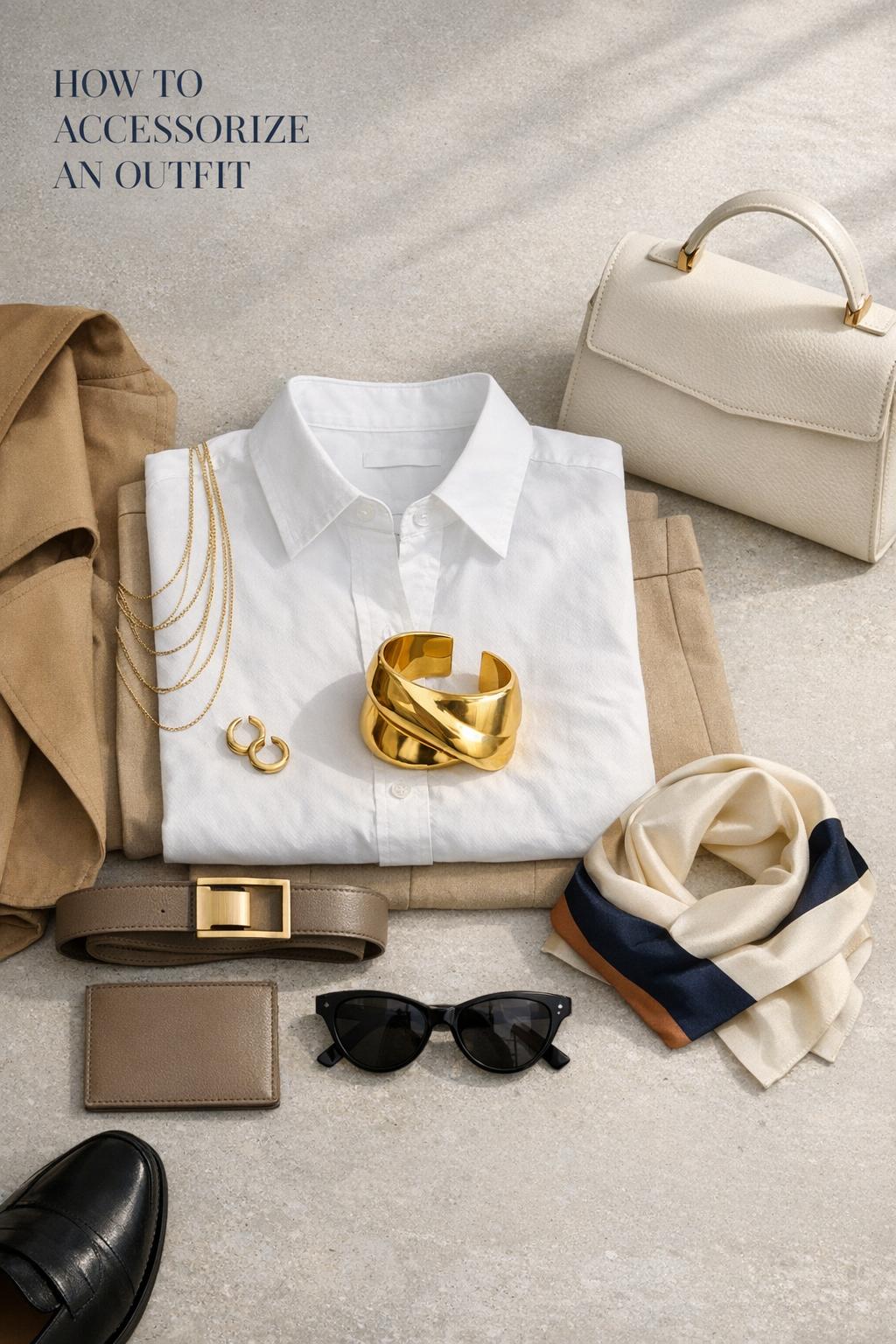
Start With One Standout Piece
If you ever feel like an outfit is “missing something,” the simplest fix is to make one accessory the star and keep everything else supportive. This is the easiest way to look intentional without feeling over-accessorized, and it works across styles—from minimalist to bold.
Choose Your Statement Piece
Your statement piece can be jewelry (like bold earrings), a handbag, a belt with a standout buckle, or a scarf worn as a shawl. The key is to pick one item that immediately draws attention and suits the vibe of your base outfit. For a simple outfit, a statement element creates instant elevation; for a more detailed outfit, choose a statement piece that complements rather than competes.
Found the dress? Keep the rest in one place.
Zarellea brings guest details, vendors, timelines, and every next step together — so your wedding plan feels as good as your look.
- For a neutral outfit: choose a colorful clutch, a bold cuff bracelet, or sunglasses with strong shape.
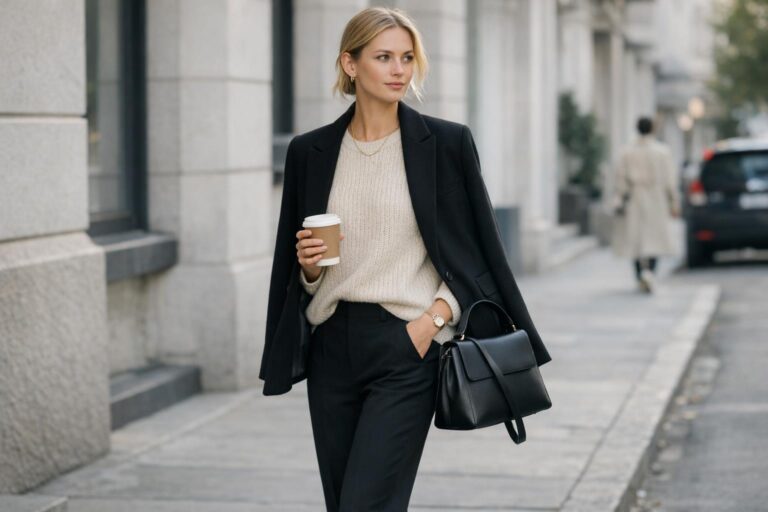
- For a classic look: add an interesting twist with a scarf, a silhouette-defining belt, or a structured handbag.
- For a streamlined outfit: make statement earrings the focal point and keep the neckline clean.
- For a dress that feels “unfinished”: try a belt to define the waist or a wrap/shawl approach with a scarf.
How to Balance the Rest of the Look
Once you choose the focal accessory, the rest of your pieces should echo it quietly. Balance can mean staying within the same metal family, keeping shapes consistent, or repeating one color in a smaller way elsewhere (like shoes or a hair accessory). If your standout item is bold, let the supporting accessories be simple; if your statement is more subtle, you can add one or two additional refined pieces for a layered finish.
Tips: If you’re unsure what to remove, take off one accessory and reassess. The best looks usually have a clear focal point and enough breathing room for that piece to be noticed.
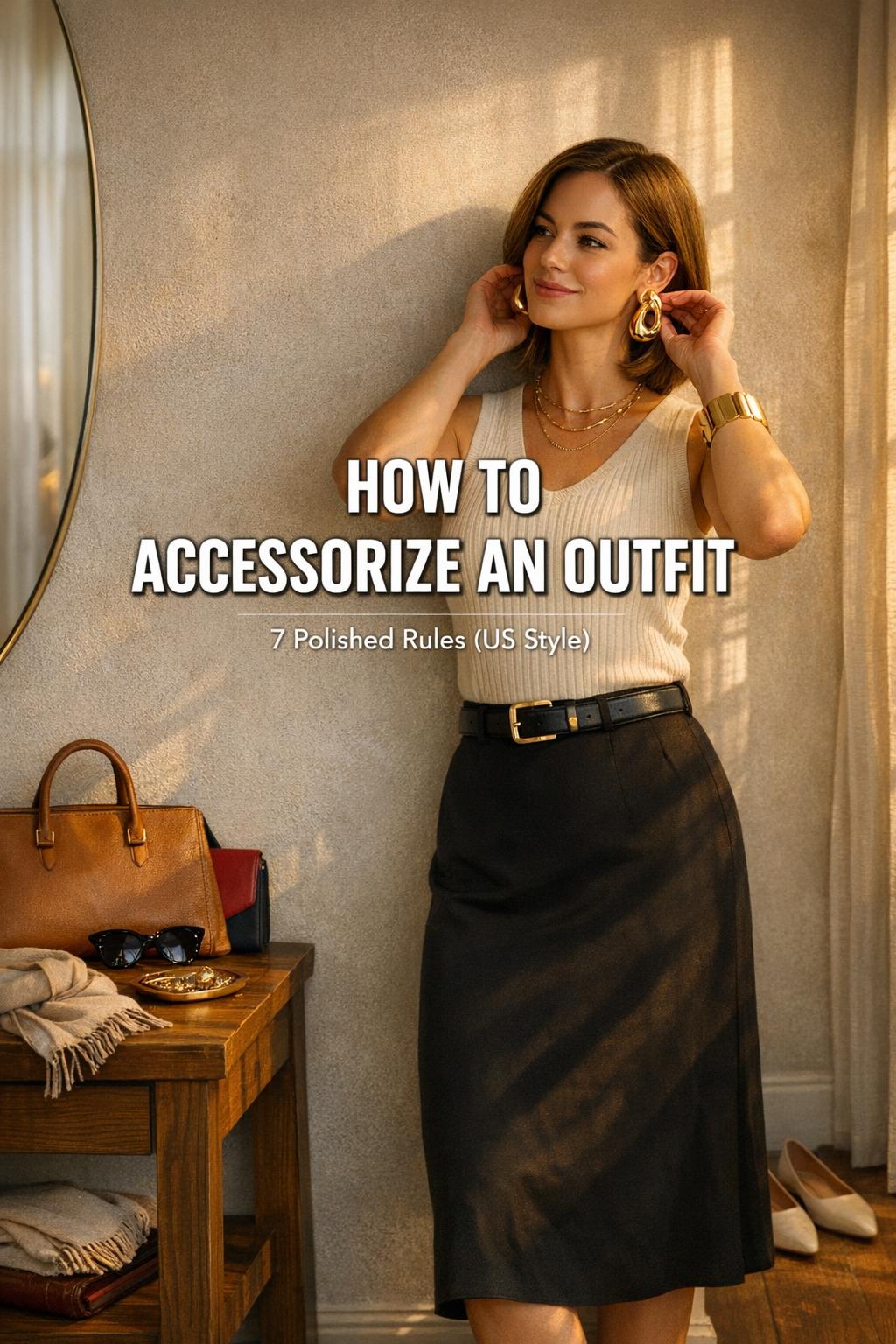
Build a Capsule Accessory Wardrobe (Core Categories)
A strong accessory collection doesn’t have to be huge. What matters is versatility: pieces that mix easily with most of your outfits, cover multiple occasions, and offer both subtle and statement options. Think in categories so you can “finish” any outfit on demand.
Jewelry: Necklaces, Earrings, Rings, Bracelets
Jewelry is often the quickest path to a finished look. You can go minimal with delicate pieces or create impact with bolder items like cuff bracelets or statement earrings. When building your go-to set, aim for variety in scale: a few delicate chains for layering, at least one more noticeable necklace option, and earrings that range from everyday to standout.
Layering is especially useful because it lets you customize the same outfit repeatedly. Delicate chains layered together can read polished for daytime, while a stronger single piece can become the focal point for evening. Rings and bracelets are great supporting players: they add detail without overwhelming the outfit’s main lines.
Tips: If your outfit already has a strong neckline detail, consider emphasizing earrings and bracelets instead of adding a necklace. If your top is simple and open at the neck, necklace layering can add dimension fast.
Belts and Waist Definition
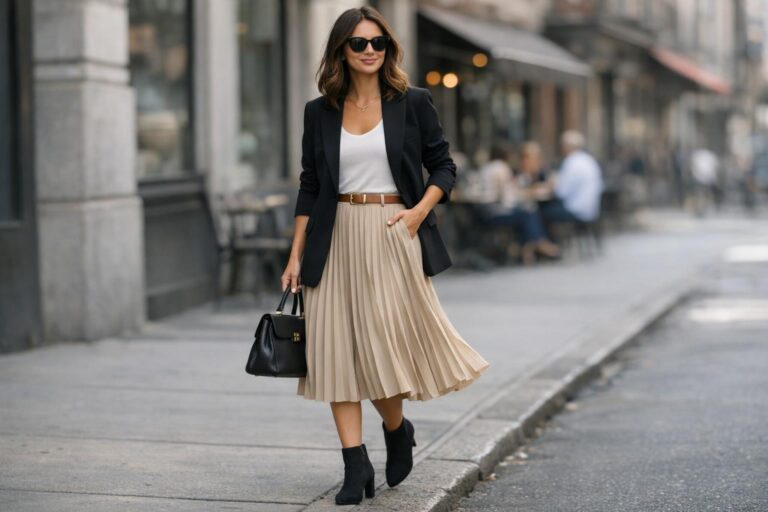
Belts do more than hold up pants—they shape your outfit. A belt can cinch the waist on dresses, sharpen the silhouette on longer tops, and add contrast to a simple outfit. Belt styling is also one of the fastest ways to make an outfit look “styled” rather than just “dressed.”
- Use a belt to cinch your waist when your outfit feels boxy or lacks definition.
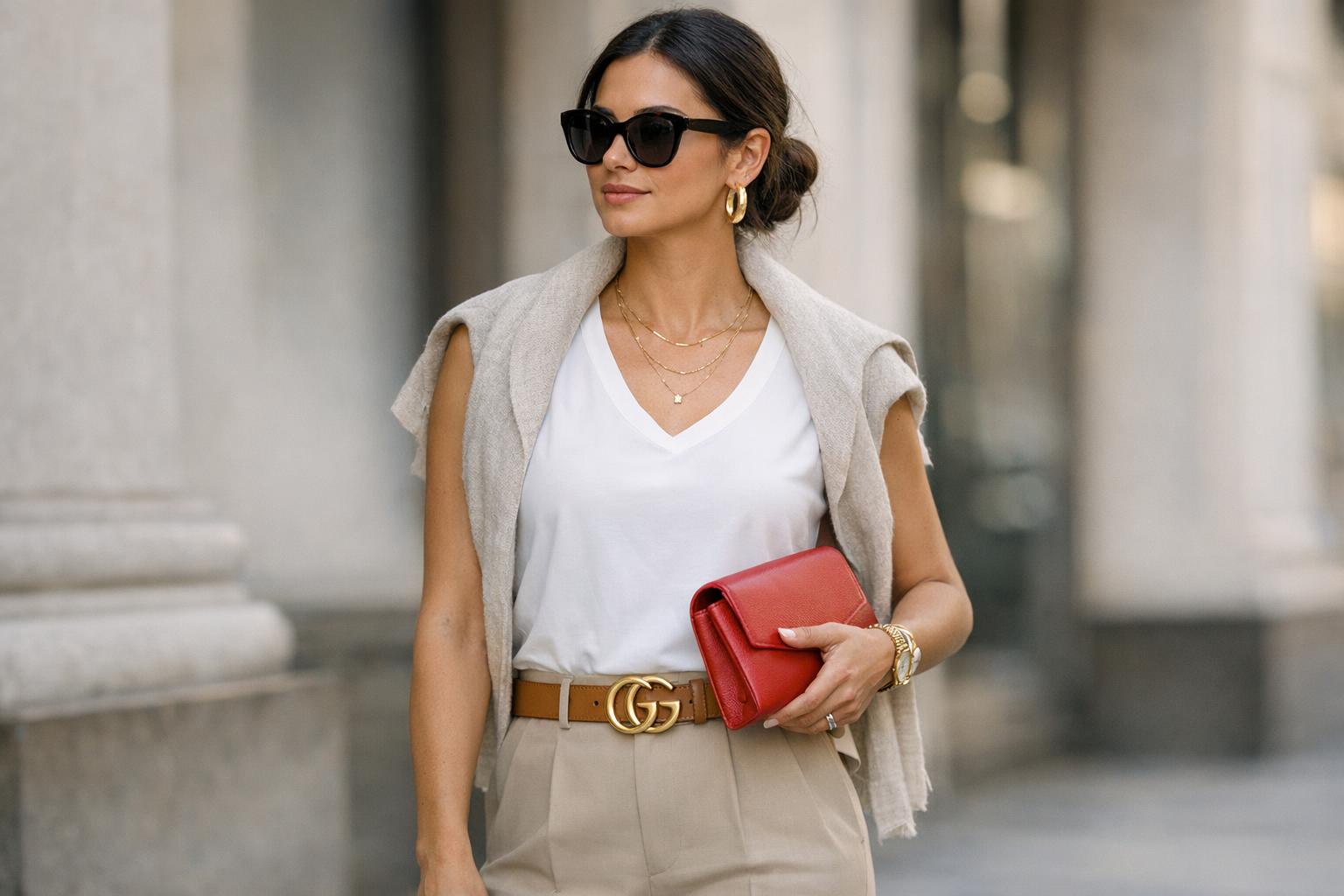
- Try a statement belt buckle when you want impact without adding more jewelry.
- Choose slimmer belts for subtle definition and bolder belts when you want the waist to be a focal point.
- Match the belt’s vibe to the outfit’s tone—polished pieces for refined looks, more relaxed styles for casual outfits.
Tips: If you’re wearing multiple accessories, let the belt either be the star (bold buckle, strong contrast) or a quiet supporting piece (simple, tonal). Trying to make the belt and jewelry both compete for attention is where outfits can start to feel busy.
Bags and Clutches
Handbags are both practical and style-defining. A structured bag can instantly elevate casual basics, while a colorful clutch can complement a date-night look. Scale and formality matter: choose a bag that suits the level of polish you want and the proportions of your outfit. Bags are also a great place to introduce color if your clothing is neutral.
When you’re unsure what bag to carry, consider what you want the outfit to communicate. A sleek, classic bag reads refined; a bolder color or interesting finish can be your one standout accessory. If your outfit already has strong prints or multiple focal points, a simpler bag keeps the look balanced.
Scarves, Wraps, and Shawls
Scarves can add warmth, color, texture, and a polished finishing touch. You can wear a statement scarf as a shawl, especially when you want an outfit to look more intentional without changing the clothing. Scarves also offer easy day-to-night versatility: a look that feels plain during the day can feel styled for evening with a scarf that adds movement and interest.
If your outfit is minimal, a scarf can become your focal point. If you’re already wearing standout jewelry, use the scarf as a subtle layer—more about texture and softness than bold contrast.
Hats, Hair Accessories, and Subtle Details
Hats and hair accessories are often overlooked, but they can be powerful finishing touches. They’re especially useful when you want to elevate an outfit without adding more jewelry, or when you want to draw attention upward (helpful for creating a balanced head-to-toe look). Hair accessories also work well for subtle accessorizing: small changes can make a look feel “done” without feeling overstyled.
Tips: If you’re aiming for a subtle approach, invest in minimalist pieces you can wear repeatedly. A small hair accessory, a simple ring stack, or understated earrings can make everyday outfits feel polished while staying low-key.
Sunglasses and Shoes as Finishing Touches
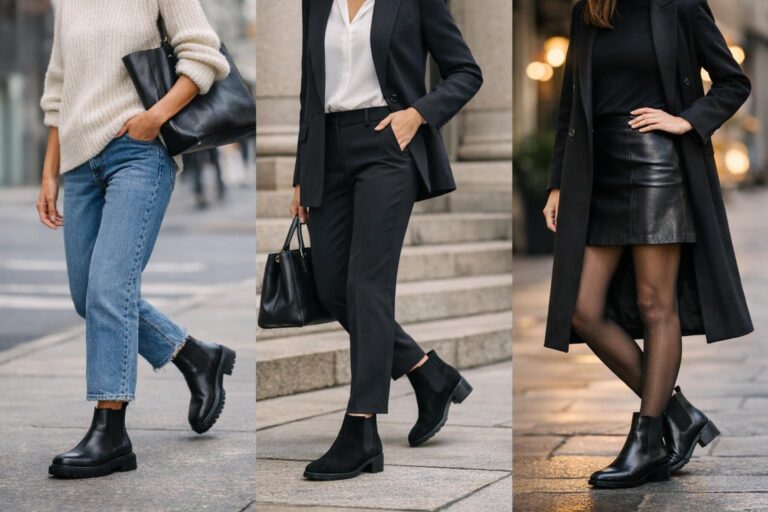
Sunglasses can act like jewelry for your face. They add structure, attitude, and a finishing element that can pull together casual outfits instantly. Shoes also function as accessories—especially when you use them to repeat a color, add a sleek finish, or introduce a more playful element. Treat sunglasses and shoes as part of the accessory plan, not an afterthought, and your outfits will look more cohesive.
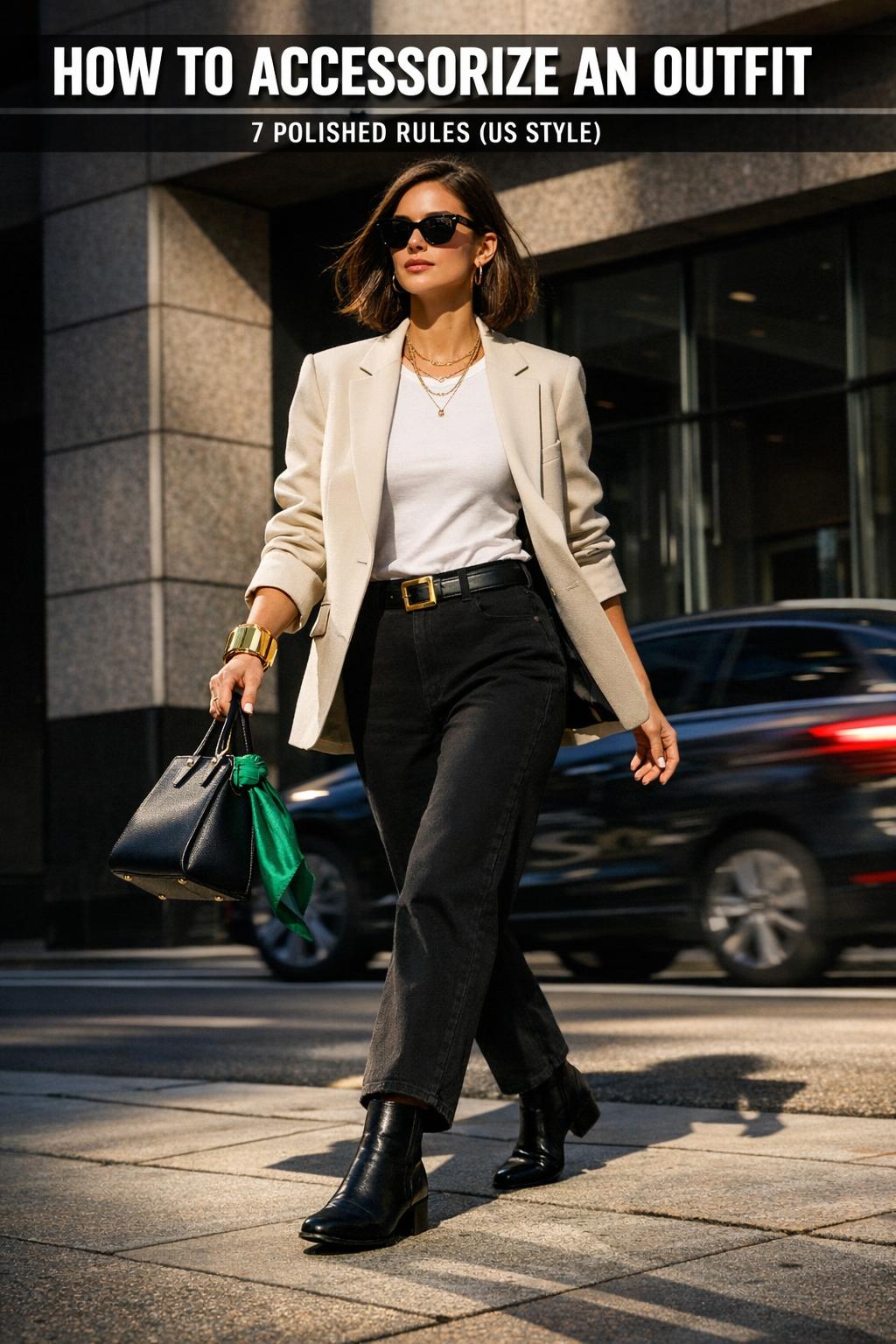
Color, Tone, and Material Coordination
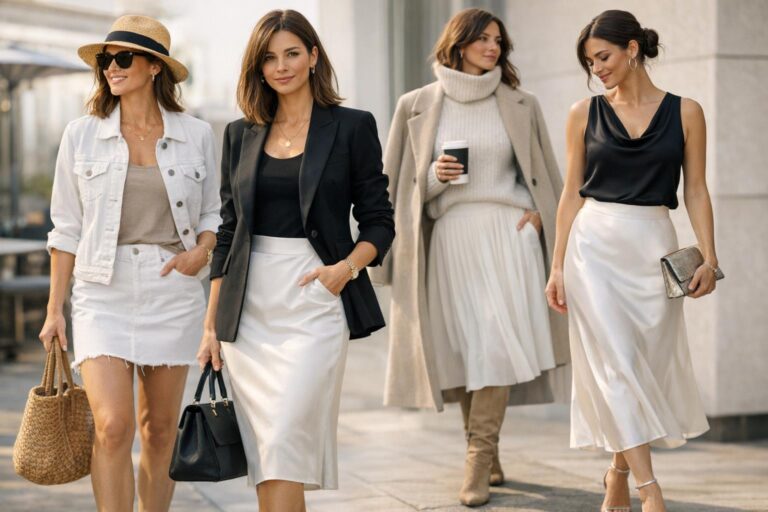
Coordinating accessories doesn’t mean everything has to match perfectly. It means the overall “tone” of the outfit makes sense: polished with polished, relaxed with relaxed, bold with controlled contrast. When you align color, metal, and texture, even a simple outfit looks styled.
Match Accessories With Your Outfit’s Tone
Before choosing accessories, identify your outfit’s tone. Is it classic, minimal, relaxed, or statement-forward? Accessories should enhance that intention. A refined look benefits from cleaner lines and more understated shine, while a playful outfit can handle bolder accents. The most common accessorizing mistake is mixing signals—like adding too many loud pieces to an outfit that already has a lot happening, or wearing accessories that feel too casual for an outfit meant to look elevated.
Tips: When in doubt, choose one “mood word” for the outfit—classic, bold, subtle, polished—and let that word guide every accessory choice.
Matching Metals and Textures (Gold, Silver, and Finishes)
Metal choice is a simple way to make accessories feel coordinated. Many people default to either gold or silver depending on preference and what they wear most often. Consistency can look especially clean when you’re layering jewelry: matching metals helps multiple pieces read as one cohesive set rather than separate items competing for attention. Texture matters too—mixing smooth and textured finishes can add depth, while keeping textures similar can look more refined.
If you want to mix metals, do it intentionally. The easiest way is to repeat both metals somewhere in the look (for example, a mixed-metal jewelry stack or a bag detail that echoes another accessory), so it feels like a choice rather than a mismatch.
Using Color as an Accent (Without Overdoing It)
Color coordination is often easiest when you treat accessories as accents. For neutral outfits, adding one strong color through a bag, scarf, or shoes can be enough to elevate the entire look. If your outfit already includes color or pattern, choose accessories that support it—either by staying more minimal or repeating a smaller element from the outfit rather than adding a brand-new dominant color.
- If your clothing is neutral: pick one colorful accessory to lead (bag, scarf, shoes) and keep the rest understated.
- If your clothing has a strong print: keep accessories simpler and let one item (like earrings or a belt) add structure.
- If you want a cohesive look: repeat one color across two small accessories (for example, bag and sunglasses) while keeping jewelry minimal.
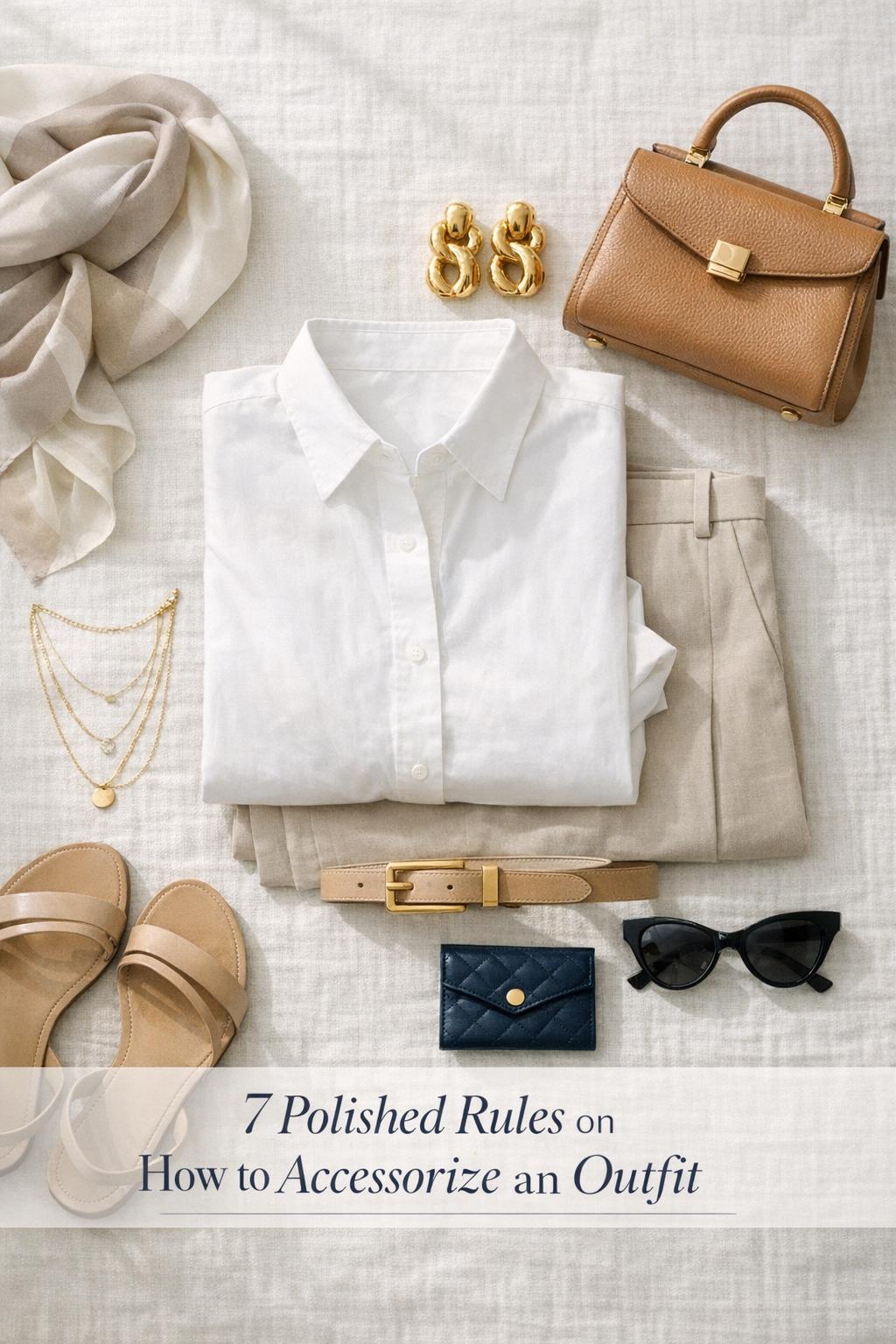
Occasion-Based Accessorizing
Accessories are also about context. The same outfit can be adjusted for everyday errands, the office, an evening event, or travel simply by switching a few pieces. Think of occasion-based accessorizing as choosing the right finishing touches for the setting.
Everyday Classic: Easy, Polished, Repeatable
For everyday looks, the goal is to feel put-together without effort. This is where minimalist investments shine: jewelry you can wear daily, sunglasses that elevate basics, and a bag that works with most outfits. A scarf can add an elegant twist when you want to look more styled but still comfortable.
Tips: Create a “default set” you can reach for on busy mornings—one pair of go-to earrings, one simple necklace option (or a short layering set), and one everyday bag. Consistency makes dressing faster and your style more recognizable.
Office-Ready vs. After-Hour
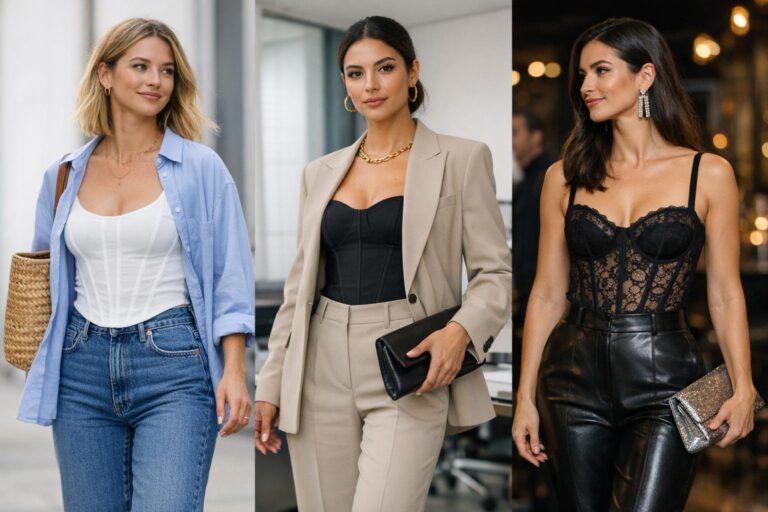
For work, aim for balance and restraint: accessories should look intentional and cohesive. A belt can add structure and definition, jewelry layering can look polished when kept delicate, and a classic bag can elevate the entire outfit. For after-hours, you can shift the focus by swapping one element—like trading a day bag for a colorful clutch, or switching to statement earrings while keeping everything else minimal.
The best day-to-night approach is to keep the base outfit clean and let one change do the work. That’s why statement pieces are so useful: one bold addition can transform your look without a full outfit change.
Evening and Event Looks: Let One Piece Lead
Evening accessorizing works best when you commit to a focal point. Choose a single standout accessory—statement earrings, a bold cuff bracelet, a statement scarf worn as a wrap, or a clutch that pops—then keep the rest refined. This creates a deliberate, elevated finish and avoids the “too much at once” feeling.
Travel Light, Look Polished
Travel is where a versatile accessory capsule pays off. You can pack fewer clothes and still create multiple outfit variations by rotating accessories. A belt can redefine silhouettes, layered delicate jewelry can polish basics, sunglasses add instant style, and a scarf can act as both warmth and a styling tool.
- Choose accessories that work with most outfits: a versatile bag, simple jewelry, and sunglasses.
- Pack one statement item (like a scarf or standout earrings) to elevate simple outfits.
- Use a belt to change the shape of dresses and longer tops for variety.
Budget-Smart and Sustainable Choices
You don’t need to overspend to accessorize well. The most cost-effective approach is building around versatile, repeatable pieces and adding a few statement items that can transform simple outfits. This keeps your collection practical while still giving you room to experiment with trends and bold accents.
Quality Over Quantity (A Practical Buying Mindset)
Start by identifying what you reach for most—maybe delicate jewelry for daily wear, belts for shaping outfits, or a bag that works across many settings. Prioritize pieces that coordinate easily with your wardrobe’s tone and colors. When your core items are versatile, even a small collection can make many outfits look complete.
Tips: Before buying something new, try styling three outfits with it in your head (or in your closet). If you can’t easily see it working multiple ways, it may not earn a spot in your accessory capsule.
Ethical and Longer-Wear Thinking
A more sustainable approach to accessories is choosing pieces you can wear repeatedly and caring for them so they last. Minimalist investments and versatile items naturally support this because they don’t rely on one specific trend or outfit. Even when you love statement pieces, choosing ones that work with simple outfits helps you get more wears and more value over time.
Practical How-To Guides (Mini Tutorials)
Sometimes the hardest part of accessorizing is execution: how to layer necklaces without tangling the look, where a belt should sit, or how to use a scarf without feeling bulky. These quick tutorials are designed to be repeatable—use them as templates whenever you get dressed.
5-Minute Necklace Layering Tutorial
Necklace layering is one of the most reliable ways to elevate a simple outfit. Start with a delicate base and build up gradually, keeping the overall effect balanced and cohesive.
- Start with one delicate chain that sits closest to the neck.
- Add a second chain at a different length so each layer is visible.
- If you want a third piece, keep it delicate and ensure it lands clearly below the other layers.
- Keep earrings simple when the necklace stack is the focal point.
- If your outfit already has strong details, stop at one necklace and shift attention to earrings or bracelets instead.
Tips: If your layered look feels busy, remove one layer and rely on one focal necklace. The goal is visible separation and a clean, intentional finish.
Belt + Dress Combo Tutorial
Belting a dress is a fast way to change silhouette and make an outfit feel styled. This works especially well when a dress feels too straight or when you want to define the waist for a more polished outline.
- Put on the dress and assess where you want definition (usually at the waist).
- Choose a belt that matches the outfit’s tone: subtle for everyday, bolder for impact.
- If the belt is the statement, keep jewelry minimal and let the buckle stand out.
- If you’re wearing statement earrings, choose a simpler belt so the look stays balanced.
Quick Scarf Styling Variations (Including Shawl Style)
Scarves are versatile because they can be styled for warmth, color, or a refined finishing touch. One of the easiest approaches is using a statement scarf as a shawl or wrap when you want impact with minimal effort.
- Wear it as a shawl: drape the scarf over your shoulders to create an elegant layer.
- Use it as a focal point: pair with a simple outfit and keep jewelry understated.
- Use it as a subtle layer: choose a scarf that complements your outfit’s tone and keep the effect soft, not overpowering.
Tips: If you’re wearing a scarf as the focal piece, consider skipping a necklace and emphasizing earrings or bracelets instead to keep the neckline from feeling crowded.
Real-Life Outfit Breakdowns: How to Elevate Simple Looks
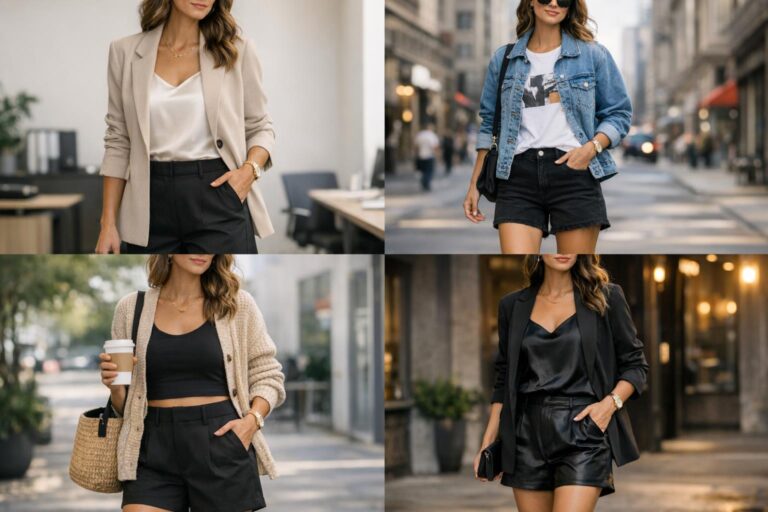
When you’re learning how to accessorize your outfit, it helps to see how small changes create big results. Use these outfit “formulas” as plug-and-play ideas. Start with a simple base, choose a focal accessory, then add one or two supportive pieces to complete the look.
Neutral Base Outfit: Make Accessories Do the Talking
With a neutral outfit, accessories can become the personality. Choose one standout element—like a bold bag, a statement belt buckle, or a scarf with strong presence—then keep the rest restrained. Add sunglasses as a finishing touch and choose jewelry that supports your focal point rather than competing with it.
Simple Outfit Upgrade: Belt + Jewelry Balance
For simple outfits, defining the waist is an immediate upgrade. Start by cinching your waist with a belt, then decide whether the belt is the star or the structure. If the belt is bold, keep jewelry minimal. If the belt is subtle, add delicate jewelry layering to create detail and depth.
Classic Look With a Twist: Subtle Accessories That Still Feel Special
To keep a classic outfit from feeling predictable, introduce one “interesting twist” without changing the overall tone. A scarf, a refined bag, or sunglasses can do this beautifully. Then reinforce the classic vibe with minimalist jewelry that looks intentional and repeatable.
Day-to-Night Shift: One Swap That Changes Everything
A practical day-to-night strategy is to keep the clothing the same and switch one key accessory. For example, trade an everyday bag for a colorful clutch, or switch from minimal earrings to statement earrings. Keep the rest of the accessories consistent so the outfit still feels cohesive.
Quick Tips for Accessorizing Like a Pro
Great accessorizing is usually the result of a few consistent habits. These tips help you make decisions faster and avoid common pitfalls like over-accessorizing or choosing pieces that don’t match the outfit’s tone.
- Pick a focal point: decide what the outfit is “about” (statement earrings, bold belt, standout bag, or scarf).
- Use balance rules: pair bold with minimal, and let the standout piece have space.
- Think in categories: jewelry, belts, bags, scarves, hats, sunglasses, hair accessories, shoes.
- Match the outfit’s tone: polished with polished, casual with casual, subtle with subtle.
- When stuck, simplify: removing one accessory often makes the outfit look more intentional.
Audit Your Accessory Collection (Checklist)
If your closet feels full but outfits still feel unfinished, you may be missing a few versatile finishing pieces—or you may have too many items that don’t coordinate. Use this audit to build a practical, mix-and-match accessory capsule.
- Jewelry basics: at least one everyday pair of earrings, one statement earring option, and 2–3 necklaces suitable for layering.
- Bracelets and rings: a few subtle pieces plus one bolder option (like a cuff bracelet) for impact.
- Belts: one subtle belt and one statement belt or standout buckle option for simple outfit upgrades.
- Bags: an everyday bag plus one smaller option (like a clutch) for evenings or events.
- Scarves/wraps: one scarf that can act as a shawl/wrap and one that works as a subtle finishing touch.
- Finishing touches: sunglasses that suit your style and shoes that can either blend in or act as an accent.
Tips: After auditing, create a small “front-of-closet” accessory lineup for your current season and lifestyle. If the pieces are easy to grab, you’ll use them more—and your outfits will look consistently finished.
Conclusion: Crafting Your Signature Accessory Style
Accessorizing is a skill you build through repetition: start with a simple base outfit, choose one standout piece, and then use balance to keep everything cohesive. Over time, you’ll learn which categories you rely on most—maybe jewelry layering and belts, or scarves and handbags—and you’ll naturally develop a signature approach. The goal isn’t to follow rigid rules; it’s to make choices that look intentional, match your outfit’s tone, and help you feel confident in what you’re wearing.
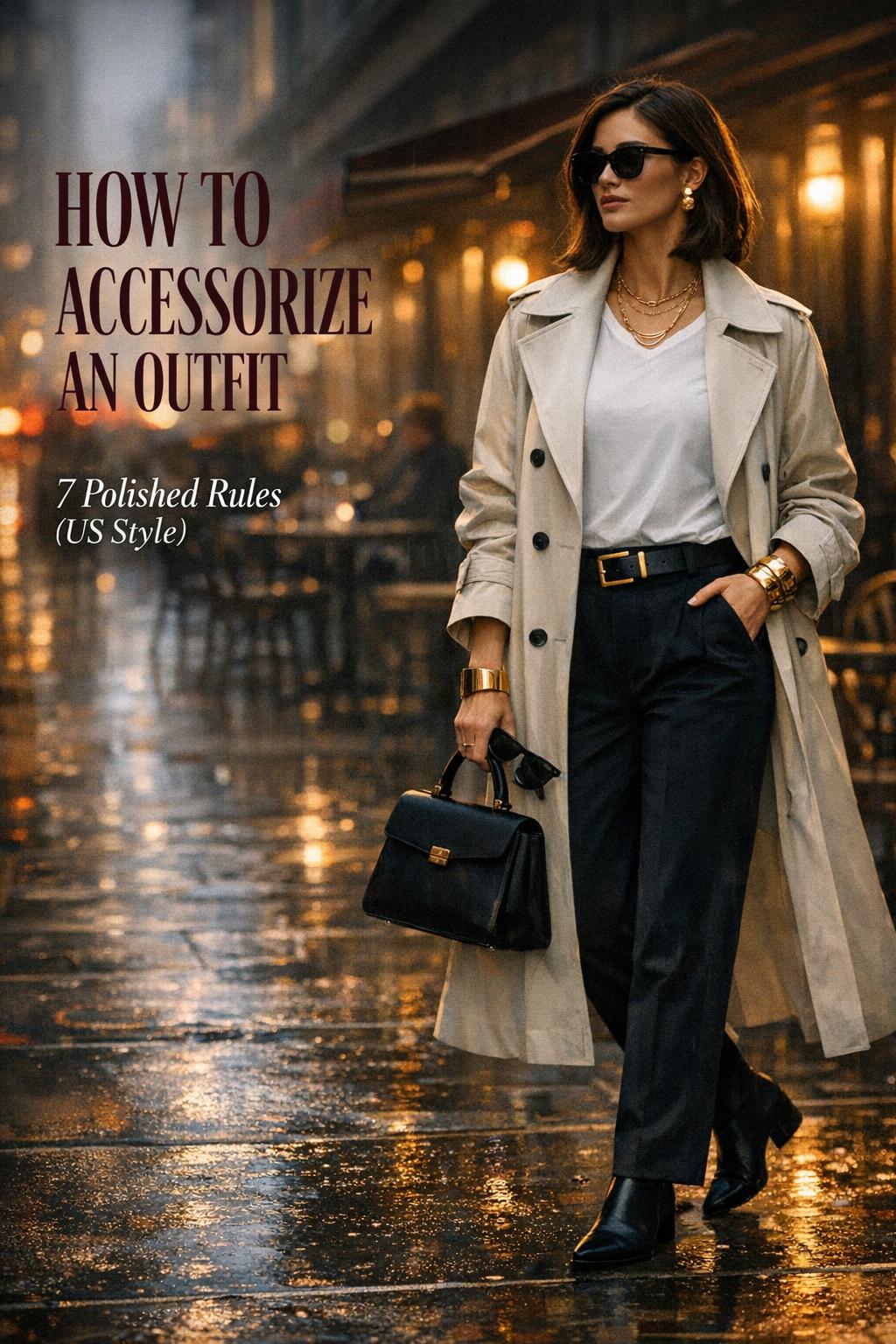
FAQ
How many accessories is too many?
It’s usually too many when there’s no clear focal point and your accessories compete for attention; choose one standout accessory and keep the rest minimal so the look feels intentional and balanced.
Can I mix statement pieces with minimalist pieces?
Yes, and it’s one of the best styling strategies: let one statement piece lead (like bold earrings or a standout belt buckle) and support it with minimalist items so the outfit feels polished rather than busy.
How do I accessorize a simple outfit without overdoing it?
Start with one high-impact change—cinch your waist with a belt, add statement earrings, or carry a colorful clutch—then limit the rest to subtle finishing touches like delicate jewelry or sunglasses.
How do I layer necklaces so it looks clean?
Use different necklace lengths so each layer is visible, keep the chains delicate for a refined look, and simplify other jewelry when the necklace stack is the focal point.
Should I match my jewelry metal to my outfit?
Focus on coordination rather than strict matching: choosing a consistent metal (often gold or silver) helps layered jewelry look cohesive, and if you mix metals, repeat both intentionally so it feels deliberate.
What are the best accessories to elevate a neutral outfit?
Neutral outfits are ideal for a standout accessory such as a bold bag, a statement scarf worn as a shawl, a belt with impact, or strong sunglasses, with the rest of the accessories kept understated for balance.
How do I accessorize for the office versus after-hours?
For the office, keep accessories polished and balanced with subtle jewelry layering, a structured bag, and a belt for definition; for after-hours, swap one key piece—like adding statement earrings or switching to a colorful clutch—while keeping everything else cohesive.
What’s the easiest way to make an outfit look more polished quickly?
Pick one finishing touch that changes the overall impression—sunglasses, a structured handbag, a waist-defining belt, or a scarf used as a wrap—and keep the remaining accessories simple so the outfit looks intentional.