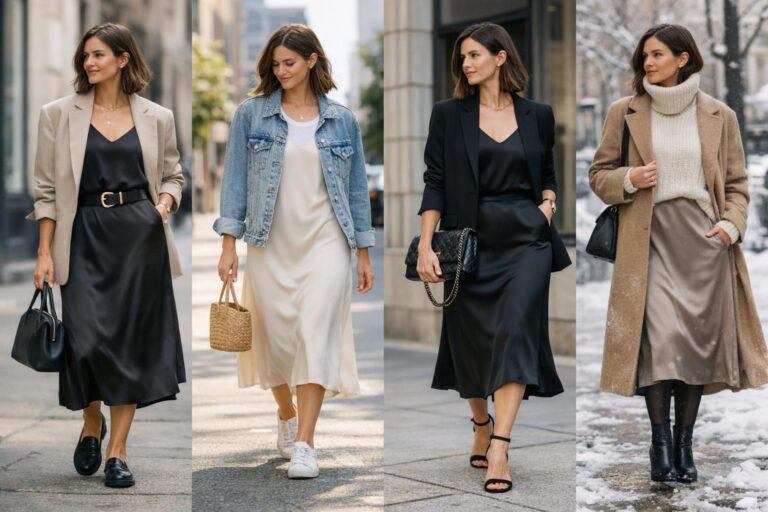
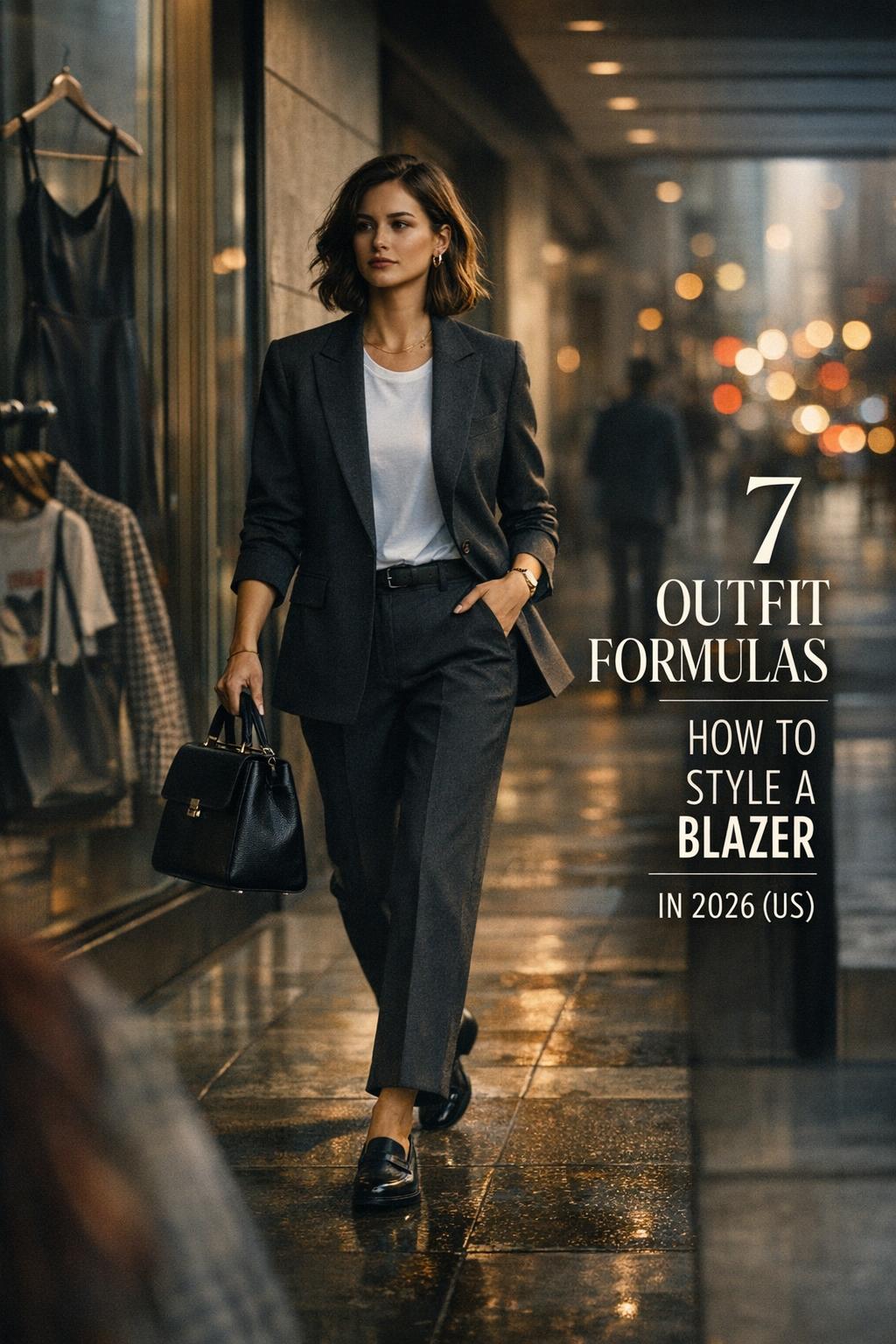
7 Outfit Formulas: How to Style a Blazer in 2026 (US)
How to Style a Blazer: A Complete Guide to Chic, Polished Outfits in 2026
If you’ve ever wondered how to style a blazer so it looks modern (not stiff) and effortless (not overdone), you’re in the right place. A blazer is one of the most versatile pieces in a wardrobe: it can sharpen casual jeans, anchor office-ready outfits, elevate dresses for dinner, and pull together weekend looks with sneakers. The key is knowing how to choose the right fit, fabric, and color—and then using repeatable outfit formulas that work for your lifestyle.
This guide breaks blazer styling down into clear building blocks and practical outfit archetypes you can copy. You’ll find ideas for work, weekends, evenings, and travel; tips on proportion and accessorizing; and a capsule approach that makes mixing and matching easy.
Understanding Blazer Anatomy and Fit
Great blazer outfits start with the blazer itself. Many outfit ideas look “off” not because the styling is wrong, but because the blazer’s shoulders, length, or sleeves aren’t working with the rest of the silhouette. Before you focus on shoes and accessories, make sure the base piece is doing its job: creating structure, balance, and polish.
Key blazer parts to notice
When you’re evaluating a blazer (or figuring out why one feels hard to style), pay attention to a few high-impact areas: lapels, shoulders, overall length, and sleeves. These details influence whether the look reads tailored and intentional, oversized and relaxed, or simply ill-fitting. Even when you’re styling a blazer casually with a tee and jeans, these elements set the tone of the entire outfit.
- Shoulders: The shoulder line sets the structure of the outfit and affects how polished the blazer feels.
- Lapels/collar: Classic lapels feel traditional, while collarless options and other newer shapes can feel more trend-forward.
- Length: Cropped blazers emphasize the waist; longer and oversized blazers create an elongated line and a relaxed vibe.
- Sleeves: Sleeve length affects proportion quickly; too long can look sloppy, too tight can restrict layering.
How to judge fit for your body type and style goals
A helpful way to think about fit is to start with your intention. If your goal is office-ready tailoring, you’ll usually want a clean shoulder and a controlled shape. If your goal is street-style layering with a graphic tee, you may prefer an oversized blazer. If you want weekend-chic with shorts, a slightly relaxed blazer often balances bare legs without looking too formal. In other words: “good fit” isn’t one look—it’s the look that matches your styling plan.
Tips: If you try on a blazer and it only looks good when you stand perfectly still, it’s not serving you. The blazer should allow you to move comfortably, layer a top you actually wear, and still create a shape you like from multiple angles.
Fabric, Weight, and Seasonality
Fabric and weight change how a blazer drapes, how formal it feels, and how easy it is to wear across seasons. A blazer that feels perfect in one month can feel impractical in another, so it helps to build a small range: lighter options for warm weather and heavier or more structured options for cooler months.
Choosing fabrics: wool, linen, cotton, blends, and performance
Different blazer fabrics create different styling outcomes. Wool and wool blends often read polished and professional, making them a strong choice for office outfits and structured monochrome sets. Linen and cotton are popular for lighter, summer-friendly looks and tend to feel more relaxed. Blends and performance fabrics can be useful when you want a blazer to handle busy days and frequent wear while keeping a smooth appearance.
Tips: When deciding between two blazers in the same color, choose the one whose fabric aligns with your most common use case. A “work blazer” and a “weekend blazer” can be the same shade but feel completely different based on drape and weight.
Layering rules by season
Blazers are natural layering pieces, but the layering strategy changes with the weather. In cooler seasons, blazers can sit comfortably over knits and other layers; in warmer seasons, they often work best over lightweight tops and dresses. The goal is to keep the blazer as the structured outer layer without making the outfit feel bulky or restrictive.
- Cooler months: Lean into structure and layering; the blazer can anchor more substantial outfits and feel intentionally tailored.
- Warm months: Keep the under-layers lighter; use the blazer to add polish to simple outfits like a dress or a tee-and-trouser combination.
Color Theory and Wardrobe Colors
Color is one of the fastest ways to change the energy of a blazer outfit. Neutrals create a classic foundation you can repeat often; color accents and bolder tones can turn a simple outfit formula into a statement. If you want maximum versatility, choose a few core neutrals first, then add one or two accent options that reflect your personal style.
Classic neutrals that work hard: black, navy, gray, camel
Neutral blazers are the backbone of many outfit ideas because they connect easily to denim, office trousers, dresses, and skirts. A contemporary black blazer can look sharp with sleek pants, while navy and gray can feel equally professional with a slightly softer impression. Camel tones often create a warm, elevated look and can blend easily into a capsule approach where pieces mix and match across two weeks.
Color accents and contrast palettes
If you love the idea of a standout blazer, you don’t have to change your entire wardrobe. A “power” color blazer can be paired with simple basics—like a neutral top and clean trousers—to keep the outfit balanced. Contrast can also be created through light/dark pairings or by using texture and pattern as the focal point while keeping the rest of the outfit streamlined.
Tips: When trying a brighter blazer, keep the silhouette straightforward. Let the color do the talking, and use accessories to support the look rather than compete with it.
12 Signature Blazer Outfit Archetypes (With Repeatable Formulas)
Outfit inspiration is helpful, but having a formula is what makes styling easy on a busy morning. The archetypes below are designed to be mixed and matched across work, weekend, evening, and travel. Each one is flexible: you can swap footwear, change the top, or shift the vibe from casual to polished without starting over.
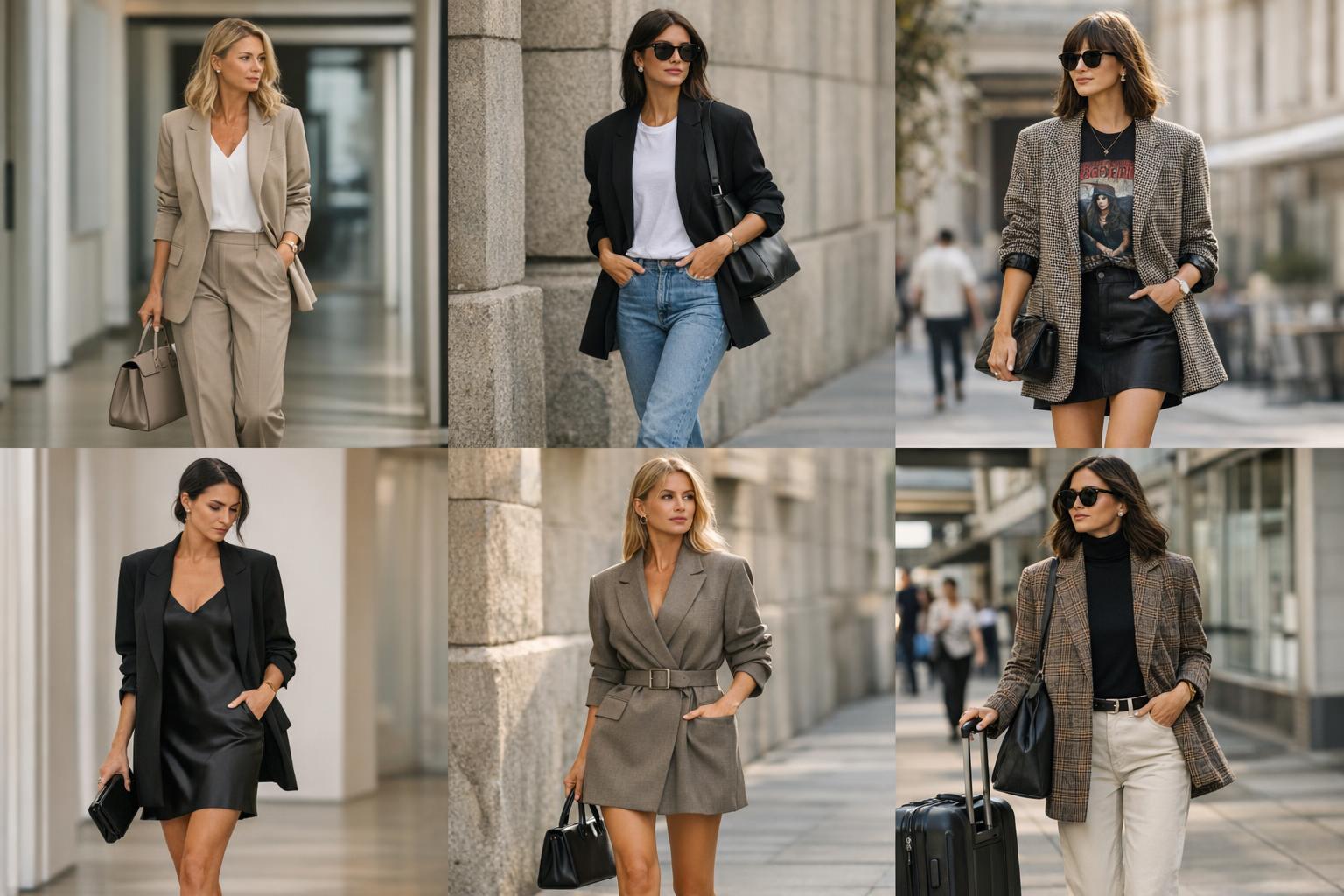
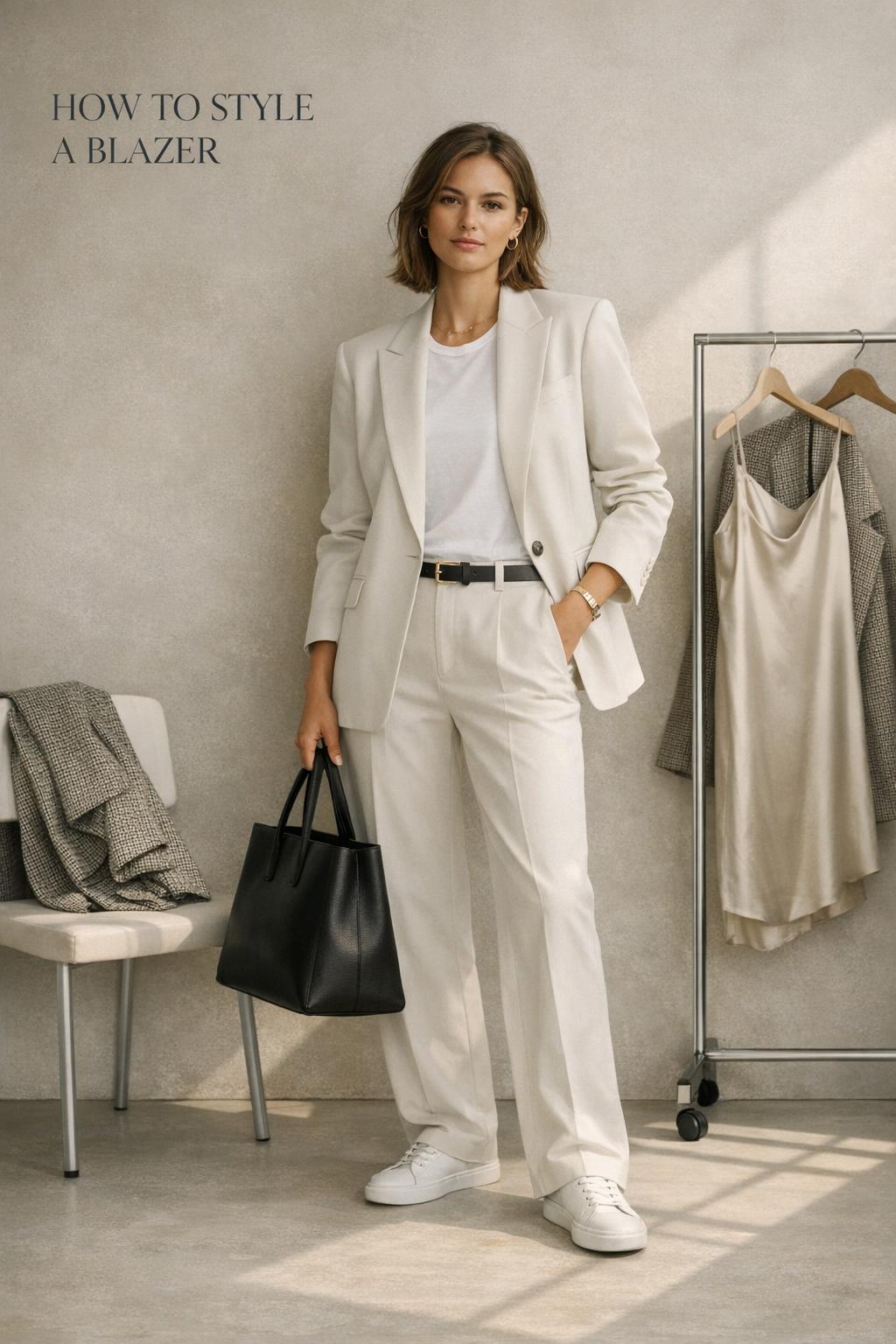
1) Office-Ready Monochrome: blazer + matching trousers + neutral top
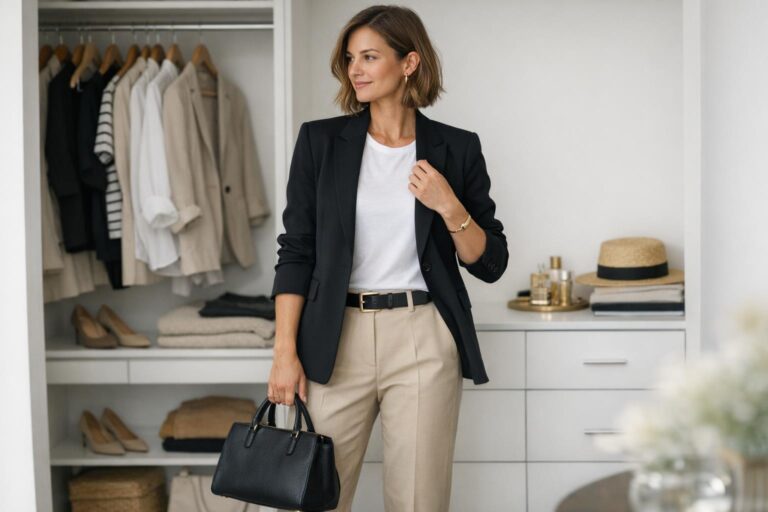
A matching blazer-and-trouser combination is one of the cleanest ways to look put-together quickly. Keep the top simple and neutral to maintain the sleek effect. This is a reliable answer to how to style a blazer for work because the outfit reads intentional from every angle, even with minimal accessories.
Tips: If you want the look to feel less corporate, soften it with a relaxed top or slightly less structured footwear while keeping the color story consistent.
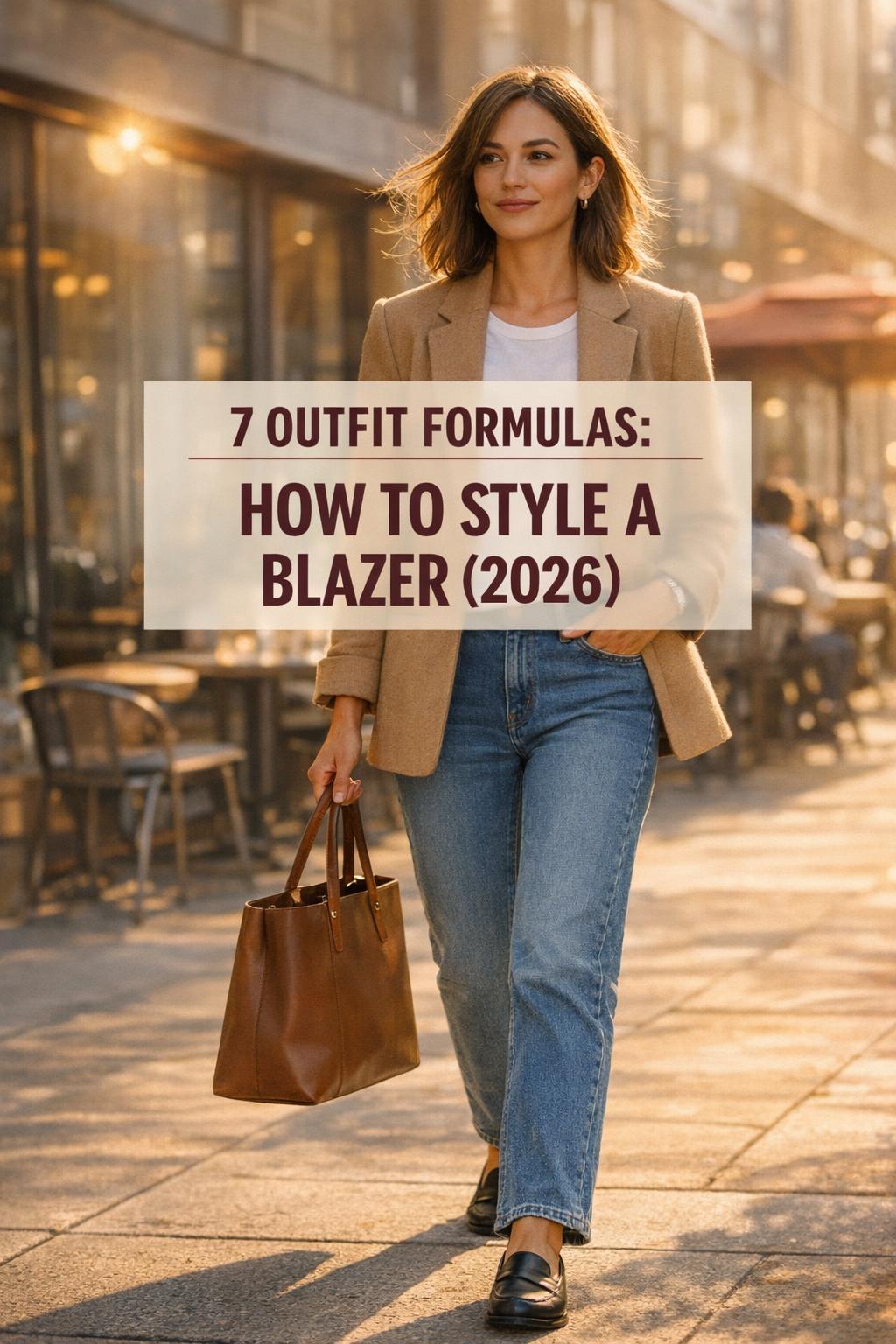
2) Casual Weekend Jeans: blazer + tee + jeans
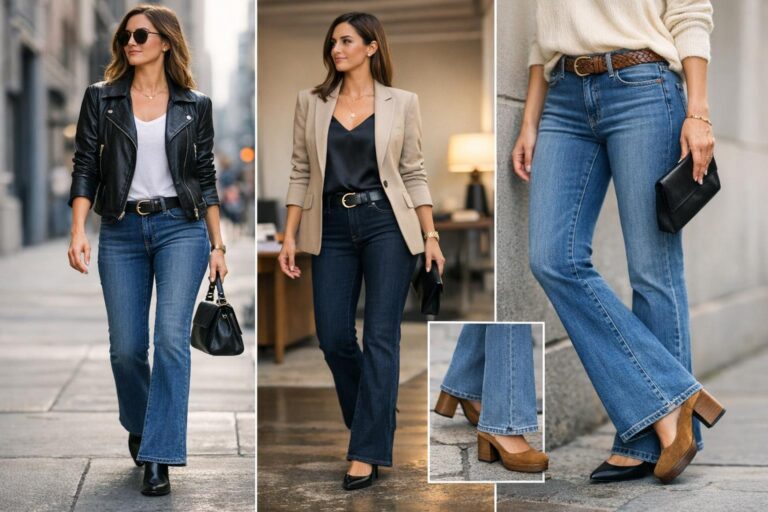
This is the classic “polish meets ease” uniform and one of the most searched variations: how to style a blazer with jeans. The blazer instantly elevates denim, while a simple tee keeps the outfit grounded and wearable. You can push it more classic with a contemporary black blazer or make it more relaxed with an oversized blazer silhouette.
- More polished: Clean denim, simple top, and structured blazer.
- More casual: Oversized blazer with a graphic tee and relaxed jeans.
- Footwear switch: Sneakers for daytime; heels for a sharper finish.
3) Blazer Over a Dress: slip dress + blazer
A blazer over a dress is one of the easiest ways to make a dress feel more versatile. A slip dress paired with a blazer can move between daytime and evening with simple changes in shoes and accessories. This is also a practical formula when you want coverage or structure on top while keeping the base outfit minimal.
Tips: Think in silhouettes: if the dress is sleek and streamlined, you can choose a blazer that’s more structured for contrast, or slightly relaxed for a modern, effortless look.
4) Blazer Dress Styling: belted and streamlined
Blazer dress styling often centers on creating a defined shape. A belted blazer look is a fast way to emphasize the waist and turn tailoring into a statement. This approach works well for evening plans, dinners, or occasions where you want a confident, fashion-forward silhouette without needing a complicated outfit.
Tips: Keep the rest of the styling clean. When the blazer is acting as the main piece, avoid over-layering and let accessories support the look.
5) Skirt Pairing: blazer with a pencil skirt or A-line skirt
A blazer with a skirt can read classic, modern, or creative depending on the proportions. A more fitted skirt often feels office-appropriate; an A-line shape can feel softer and more weekend-friendly. The blazer brings structure, while the skirt changes the mood of the outfit.
6) Jumpsuit Overlay: blazer over a jumpsuit
Layering a blazer over a jumpsuit creates an instantly styled look because you’re building on a single-piece base. This formula is especially useful when you want a streamlined outfit that still feels elevated. Keep the color coordination simple for a long, clean line—or add contrast with a neutral blazer over a darker or brighter jumpsuit.
7) Weekend-Chic with Shorts: blazer + tailored shorts
Shorts and a blazer can look sharp and intentional when the shorts are tailored and the overall outfit feels balanced. This is a warm-weather staple that blends polish with comfort and is often seen in “fresh, classy, casual” outfit roundups. Keep the top simple, and let the blazer act as the structured layer that ties everything together.
Tips: If you’re unsure about proportions, choose a blazer length that doesn’t overwhelm the shorts. The goal is to avoid a top-heavy silhouette unless you’re intentionally going for an oversized look.
8) Evening Edges: silky top + blazer + sleek pants
For evenings, the blazer becomes a framing piece. Pair it with a sleeker top and streamlined pants to create contrast between structured tailoring and a softer, dressier texture. This is an easy way to get the “dressed up” effect without switching into a full formal outfit.
9) Weekend Travel: blazer with comfortable layers
A blazer can be a strong travel layer because it elevates simple basics and helps you look pulled together on the go. The most practical travel styling keeps the blazer as the outfit’s “finish,” worn over comfortable, simple pieces. Choose a blazer that can handle a long day and still look presentable.
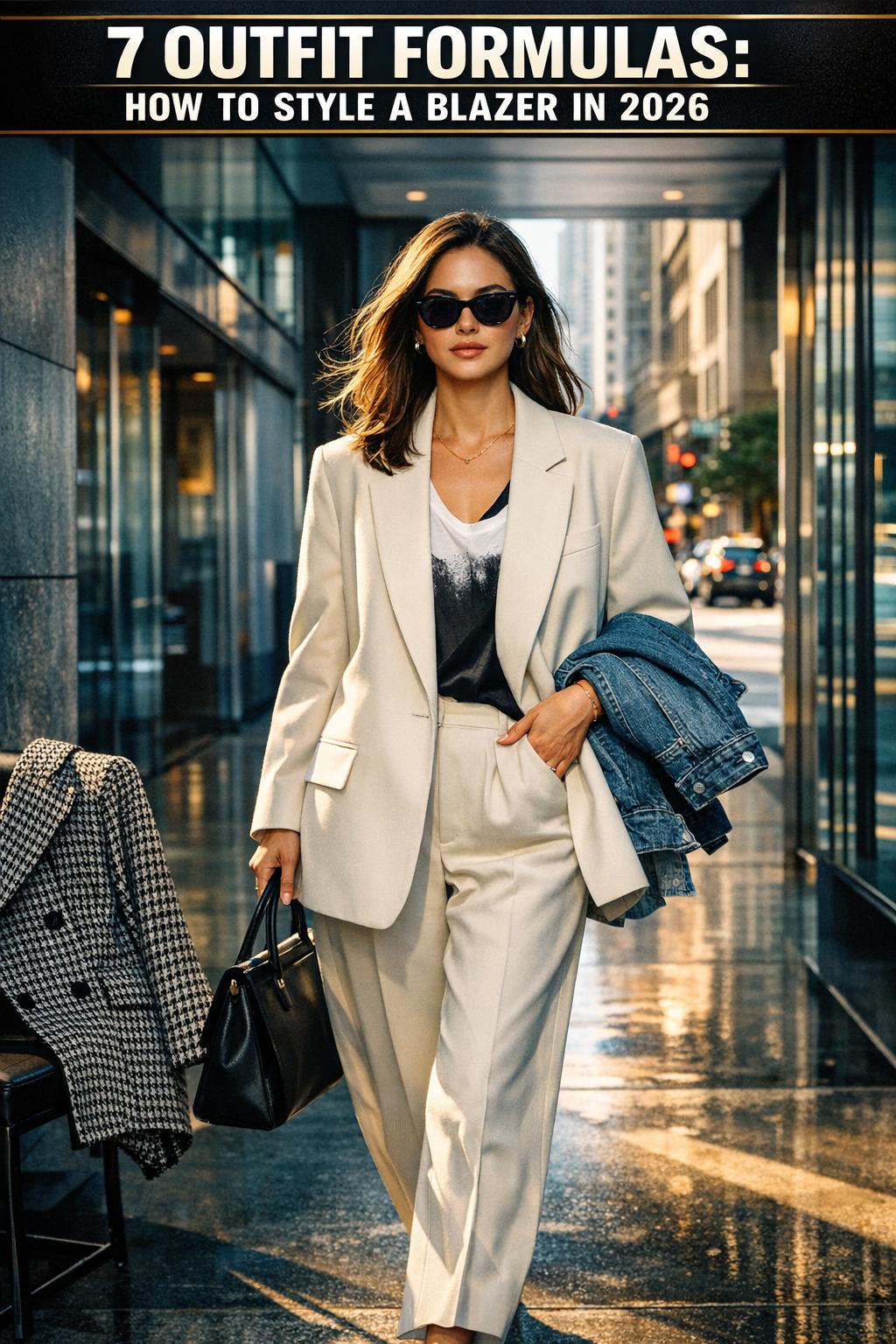
10) Street-Style Layering: oversized blazer + graphic tee
Oversized blazer styling works especially well with casual pieces like a graphic tee. The contrast—tailoring on top, casual on the inside—creates a modern, styled effect without looking like you tried too hard. This is a go-to if you like your blazer outfits to feel youthful and relaxed.
- Keep it intentional: Choose one focal point (oversized blazer, bold tee, or statement shoe) and let the others be supporting pieces.
- Balance the vibe: If the blazer is very oversized, keep the rest of the outfit cleaner in shape or tone.
11) Belted Tailoring: defined waist silhouette
Belted blazers show up across casual and dressy styling because they create instant shape. You can wear a belt over a blazer with trousers, over a dress, or as a stand-alone focal point. This approach is ideal when you want tailoring that feels more styled and less conventional than leaving the blazer open.
Tips: When you belt a blazer, keep the layers underneath smoother to reduce bulk and maintain a clean line.
12) Pattern Play: plaid or houndstooth blazer styling
Patterned blazers—like plaid or houndstooth—deliver impact with minimal effort. The key is to keep the rest of your outfit simpler so the pattern reads crisp rather than chaotic. Use solid colors for the top and bottom to let the blazer function as the statement piece.
Styling Formulas by Occasion
Once you understand a few archetypes, it becomes easy to choose the right blazer outfit for the right setting. This section translates the ideas into practical choices so you can dress quickly for workdays, weekends, evenings, and trips while still feeling like yourself.
Work and office outfits
For work, the goal is usually polish, structure, and consistency. A blazer can be the anchor of business casual outfits or full tailored sets. Focus on clean lines, cohesive colors, and footwear that fits the environment. If you’re building a professional wardrobe, prioritize versatile color choices and office-appropriate fits so the blazer pairs easily with multiple tops and bottoms.
- Monochrome blazer + matching trousers + neutral top for an instantly sharp look
- Blazer + sleek pants for a reliable business casual base
- Blazer + skirt pairing when you want a more classic professional silhouette
Casual and weekend outfits
Weekend styling is where blazers really prove their versatility. You can keep it simple with a tee-and-jeans formula, use an oversized blazer for street-style layering, or pair a blazer with shorts for warm-weather polish. Casual blazer outfits look best when there’s an intentional contrast—structured outer layer, relaxed inner pieces.
Tips: If your casual blazer outfits feel “too office,” swap one element: choose sneakers instead of heels, a graphic tee instead of a blouse, or a slightly relaxed blazer instead of a sharply tailored one.
Evening and special events
For evening looks, a blazer can replace a dressy jacket and make your outfit feel more modern. Try a blazer over a slip dress, a belted blazer dress silhouette, or a blazer paired with a sleek top and streamlined pants. Evening blazer looks often rely on cleaner lines and more deliberate accessorizing—less layering, more impact.
Travel and seasonal wardrobe planning
Travel-friendly blazer outfits are built on repeatable basics. Choose a blazer that works with jeans, trousers, and at least one dress so you can create multiple outfits without overpacking. Think about the season: lighter fabrics make warm-weather travel easier, while structured fabrics support fall and winter layering. A blazer that transitions across settings can keep you looking polished from day to night.
Accessorizing and Footwear: The Details That Change the Whole Look
Accessories and shoes are often the difference between “I threw on a blazer” and “this outfit is styled.” Because blazers already add structure, your choices should either reinforce that polish or intentionally relax it. A single swap—heels to sneakers, structured bag to casual bag—can shift the outfit’s message without changing the core formula.
Shoes by silhouette: heels, loafers, sneakers
Footwear should align with the blazer silhouette and the occasion. Heels can sharpen the line of a blazer outfit, especially with skinny jeans or sleek pants. Sneakers work particularly well with oversized blazer outfits and tee-and-jeans combinations when you want a modern weekend feel. Between those extremes, classic flats and loafers can keep the outfit polished without feeling overly formal.
- Heels: Best when you want a more elevated finish, especially for evening or a sharper business casual look.
- Sneakers: Great for casual blazer outfits and weekend layering; they keep the look relaxed.
- Flats/loafers: A balanced option for work and everyday wear when you want polish without extra formality.
Bags and jewelry coordination
Because blazers already create a strong frame around your outfit, keep accessories coordinated with your chosen vibe. Minimal, sleek accessories reinforce a tailored look. Slightly bolder accessories can make a simple outfit feel more intentional, especially when the rest of the pieces are neutral. The most important rule is scale: accessories should feel proportional to the blazer silhouette—especially if the blazer is oversized or belted.
Tips: If you’re wearing a patterned blazer, simplify accessories. If your blazer is neutral and your outfit is minimal, you can use accessories to add focus.
The Capsule Wardrobe Approach: Build a Blazer Rotation
A capsule approach makes blazer styling easier because every piece is chosen to work with the others. Instead of needing dozens of items, you build a smaller set of blazers and core basics that create multiple outfits for work, weekends, and evenings. This is especially useful if you want a reliable two-week rotation that doesn’t feel repetitive.
A practical 6–12 piece blazer capsule
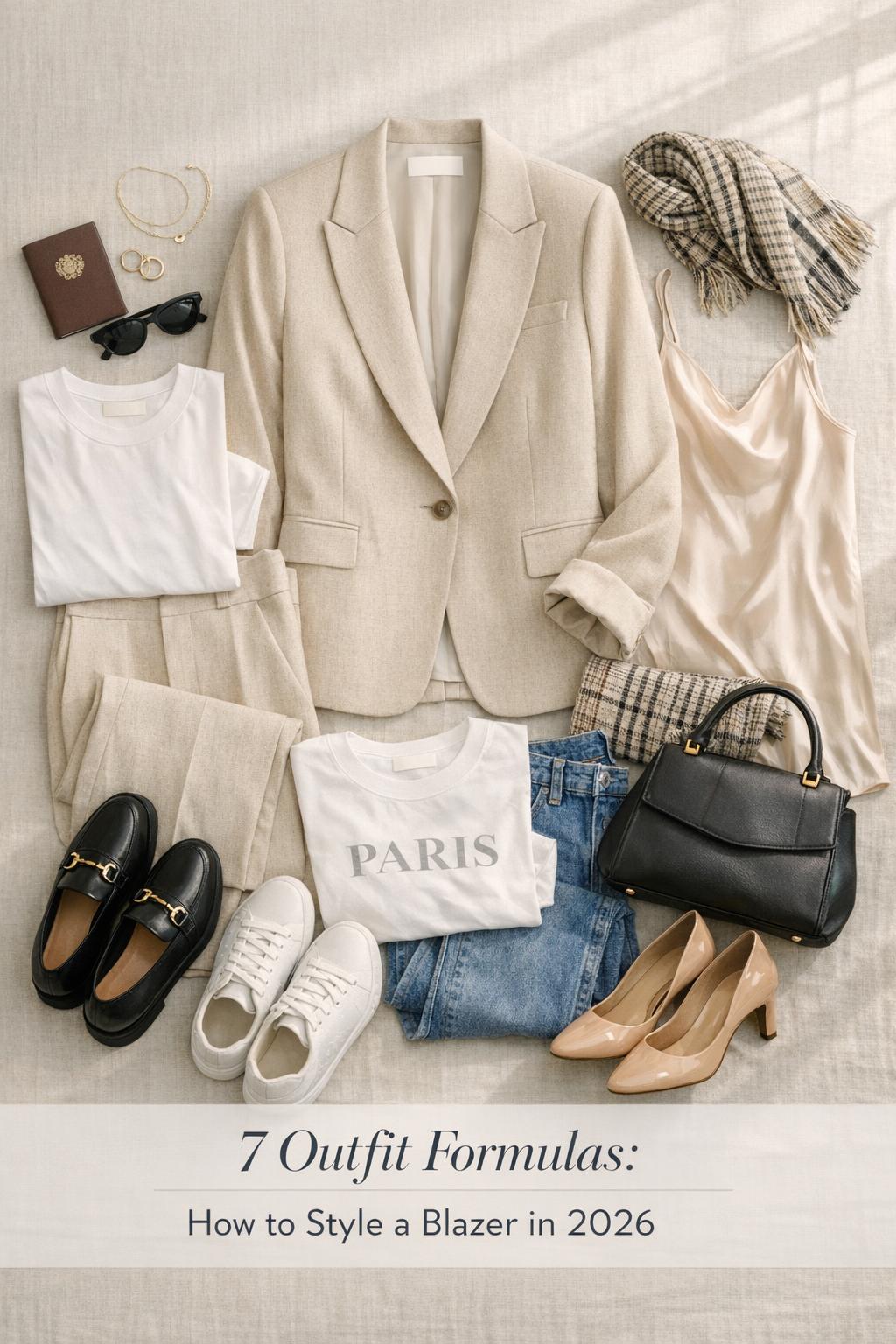
You can scale this up or down depending on your lifestyle, but the idea is consistent: pick a few versatile blazers, then choose bottoms and tops that support the outfit archetypes you actually wear. Include at least one neutral blazer that works for the office and one option that leans more casual or trend-forward (such as an oversized silhouette, a cropped blazer, or a patterned piece).
- 2–3 blazers (at least one neutral; optionally one patterned or trend-forward style like collarless or belted)
- 2 bottoms for work (trousers or sleek pants, including an option that can pair with a blazer as a set)
- 1–2 denim options for casual looks
- 1 skirt or shorts for variety (depending on season and preference)
- 2–3 tops (neutral, simple silhouettes that layer easily)
- 1 dress or jumpsuit for quick elevated outfits
- 2 pairs of shoes (one polished, one casual)
How to mix and match for two weeks without getting bored
To create a two-week rotation, start with three core blazer formulas (work set, jeans set, dress/jumpsuit set). Then vary one element each time: swap the top, change the shoes, or add a belt for definition. A small change can make an outfit feel new while keeping the structure reliable.
Tips: If you want your capsule to feel elevated, keep your color palette cohesive. If you want it to feel playful, keep the base neutral and let one blazer (color accent or pattern) carry the personality.
Fit and Care Tips That Keep Your Blazer Looking Sharp
Because blazers are structured garments, small fit issues can be noticeable—and good care matters. Keeping your blazer in strong condition makes every outfit look better, whether you’re wearing it to the office or throwing it on over a casual weekend look.
Alteration vs. return: making the smart call
If a blazer is close to perfect but not quite, small adjustments can make it feel custom. At the same time, if the overall proportion is wrong for your style goals—like a length you dislike or shoulders that don’t sit well—no amount of minor tweaking will turn it into your go-to piece. Be honest about whether you love the base shape before committing to changes.
Care by fabric and wear frequency
Fabric choice affects care needs. Lighter blazers meant for warm weather may be worn more often and benefit from thoughtful rotation so they keep their shape. More structured, professional blazers can also hold up better when you avoid over-wearing them back-to-back. Rotating your blazers is one of the simplest ways to keep them looking crisp and reliable across a season.
Common Blazer Styling Mistakes to Avoid
Most blazer styling mistakes come down to proportion, overcomplication, or mixing too many “statements” at once. A blazer already brings structure and presence, so it helps to keep the rest of the outfit aligned and intentional.
- Too-tight sleeves: Restrictive sleeves can ruin comfort and make layering look awkward.
- Mismatched proportions: Pairing a very oversized blazer with overly bulky layers can overwhelm the silhouette unless you’re intentionally aiming for that effect.
- Pattern overload: A patterned blazer is easiest to style when the rest of the outfit is simpler.
- Unclear vibe: If the outfit feels stuck between formal and casual, change one key element (shoe, top, or bag) to clarify the direction.
Trend Notes: Blazer Shapes to Watch in 2026
While the blazer is an evergreen staple, small shape updates can make your outfits feel current. Trend-forward options can still be wearable if you integrate them into classic formulas like jeans-and-tee, monochrome tailoring, or a blazer-over-dress combination.
Among the notable directions are updated silhouettes such as collarless blazers, funnel-neck shapes, and belted variations. These styles can be worn with simple wardrobe basics to keep the look modern without feeling costume-like.
Tips: If you’re trying a newer blazer silhouette, keep your first few outfits simple and familiar. Once you know how it sits on your body and layers with your staples, then experiment with bolder combinations.
Final Outfit Planner: A Quick Checklist for Your Next Blazer Look
When you’re short on time, use this checklist to build a blazer outfit that looks intentional. Start with the occasion, pick one outfit archetype, then fine-tune with proportion and accessories.
- Step 1: Choose the occasion (work, weekend, evening, travel).
- Step 2: Pick one base formula (set, jeans, dress, skirt, shorts, jumpsuit).
- Step 3: Decide the vibe (polished, relaxed, trend-forward).
- Step 4: Balance proportions (cropped vs. high-waisted; oversized vs. streamlined bottoms).
- Step 5: Choose shoes to match the message (heels for sharpness, sneakers for ease, flats/loafers for balance).
- Step 6: Add one finishing detail (belted blazer, simple jewelry, or a structured bag).
FAQ
How do I style a blazer with jeans without looking too dressed up?
Use the classic blazer + tee + jeans formula and keep at least one element clearly casual, such as sneakers or a graphic tee; this creates intentional contrast so the blazer elevates the outfit without making it feel formal.
How do I style a blazer for work or business casual?
Start with a clean, office-appropriate fit and build a simple formula like monochrome (blazer + matching trousers + neutral top) or a blazer with sleek pants, then keep accessories and footwear polished to match your workplace.
How can I wear a blazer over a dress and keep it flattering?
Pair a streamlined dress such as a slip dress with a blazer that provides structure, then adjust the silhouette with a belt if you want more waist definition and keep the rest of the styling clean so the layers look intentional.
What are easy ways to style a belted blazer?
Use a belt to define the waist over a blazer worn with trousers, over a dress, or in a blazer-dress look, and keep under-layers smooth to avoid bulk so the belted shape looks sharp and deliberate.
How do I wear a blazer in summer?
Choose a lighter blazer fabric and keep the layers underneath minimal, such as a lightweight top, a simple dress, or tailored shorts, so the blazer adds polish without making the outfit feel heavy.
What shoes look best with blazer outfits?
Heels make blazer outfits feel more elevated, sneakers make them more casual and modern (especially with oversized blazers), and flats or loafers strike a balanced, polished middle ground for everyday wear.
How do I style an oversized blazer so it looks intentional?
Pair an oversized blazer with simpler pieces like a tee and jeans and keep the look focused by choosing one main statement at a time, then use footwear (often sneakers for casual or heels for sharper) to set the vibe.
What color blazer goes with black pants?
Neutral blazers are the easiest pairing with black pants, and a cohesive, simple palette tends to look the most polished; if you want more impact, treat the blazer as the focal point and keep the rest of the outfit clean and streamlined.
How do I style a patterned blazer like plaid or houndstooth?
Let the patterned blazer be the statement by keeping your top and bottom in solid, simple colors and choosing minimal accessories so the outfit feels balanced rather than overloaded.