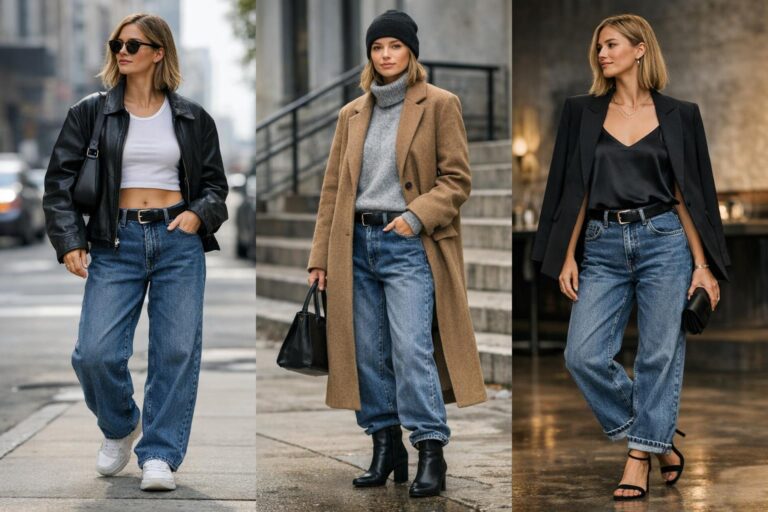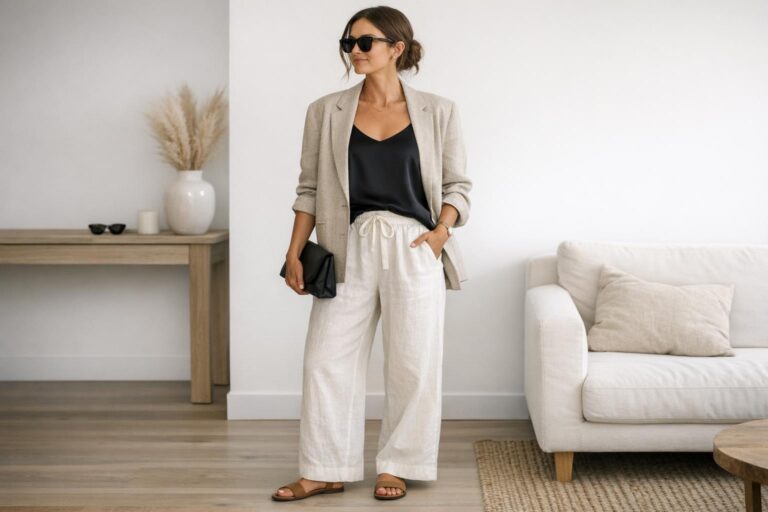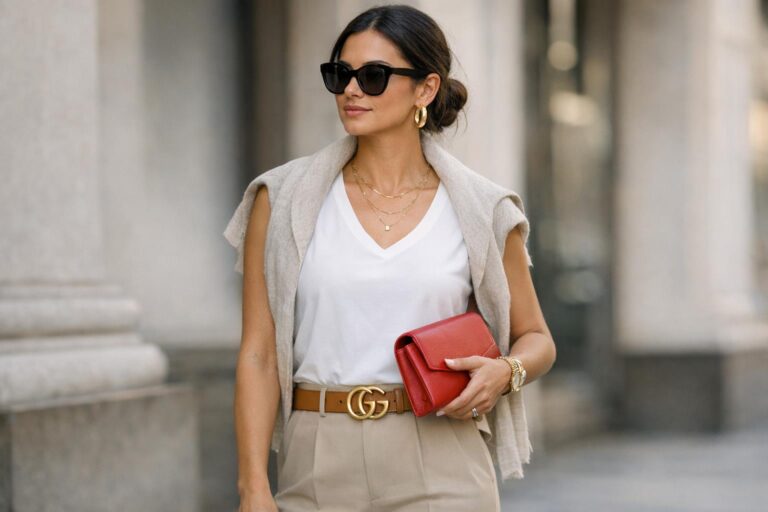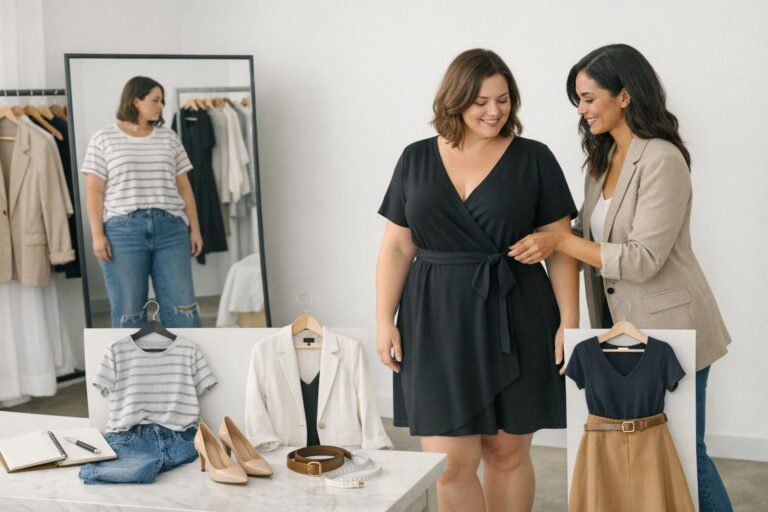
7-Step Closet System: How to Find My Style (US Guide)
How to Find My Style: A Practical, Modern Guide to Discovering Your Personal Wardrobe Identity
If you’ve been asking “how to find my style,” you’re not alone. Personal style can feel oddly slippery: one day you’re saving outfits to a mood board, the next you’re staring at a closet full of clothes with “nothing to wear.” The good news is that finding your personal style doesn’t require a total reinvention or a rigid system. It’s a process of noticing patterns, defining what you want to communicate, and building a wardrobe that supports your real life.
This guide gives you a structured, step-by-step way to discover your style and turn it into daily outfits you actually wear. You’ll start with a real wardrobe audit (not a fantasy version of yourself), define your style personality using a simple three-word method, build a unified color palette, and shape everything into a practical capsule wardrobe. Along the way, you’ll use inspiration strategically—think fashion icons and Pinterest-style mood boards—without getting trapped by trends or prescriptive rules.
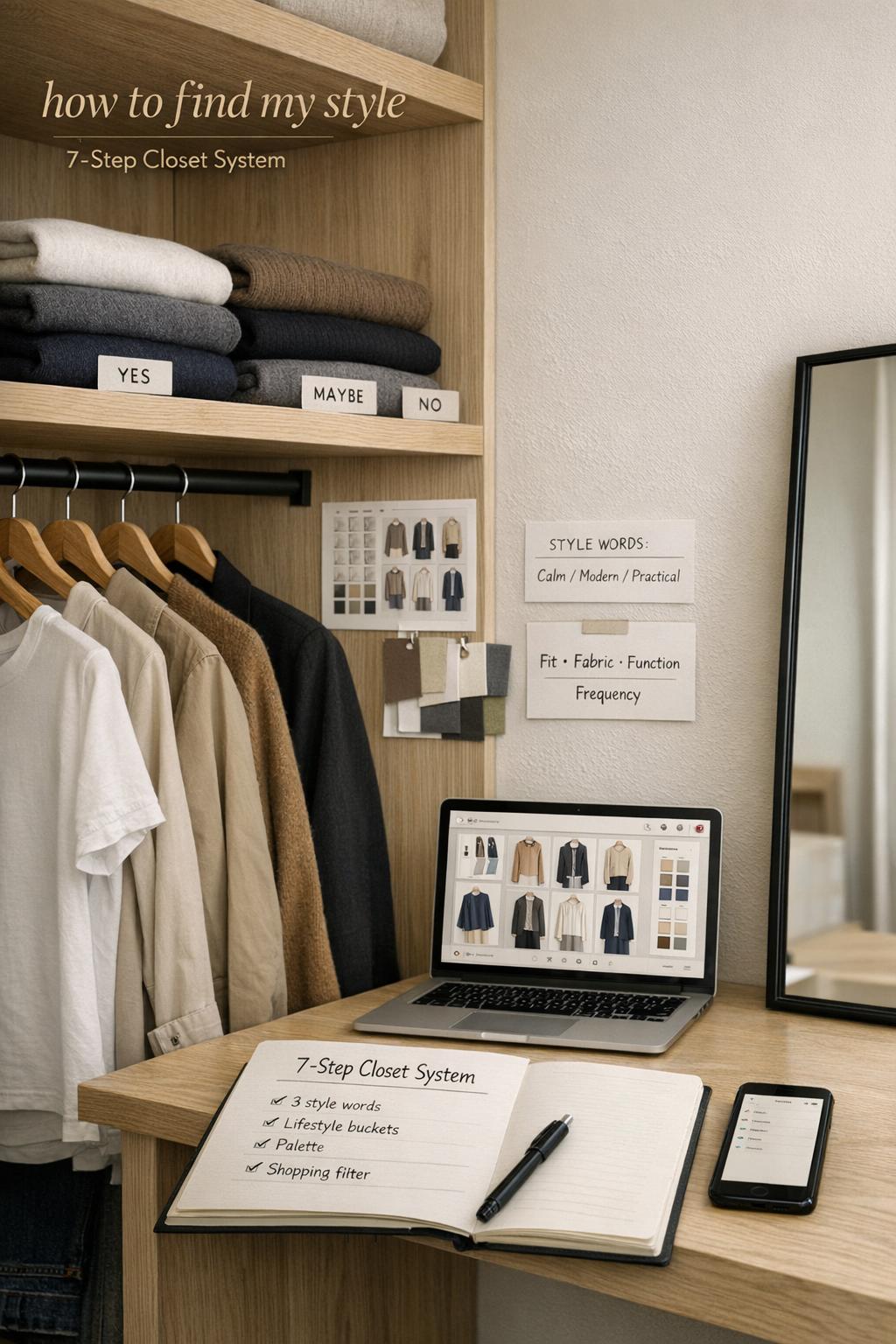
Consider this your roadmap: clear steps, practical tools, and decision filters you can use every time you shop, get dressed, or refresh your closet.
Step 1 — Do a Real Wardrobe Audit
To find your personal style, you need evidence—what you actually reach for, what you avoid, and why. A wardrobe audit is the fastest way to identify your current patterns and stop repeating the same buying mistakes. Instead of focusing on what you “should” wear, focus on what you do wear, because your lived preferences are the foundation of your style identity.
Build your “Yes/Maybe/No” lists
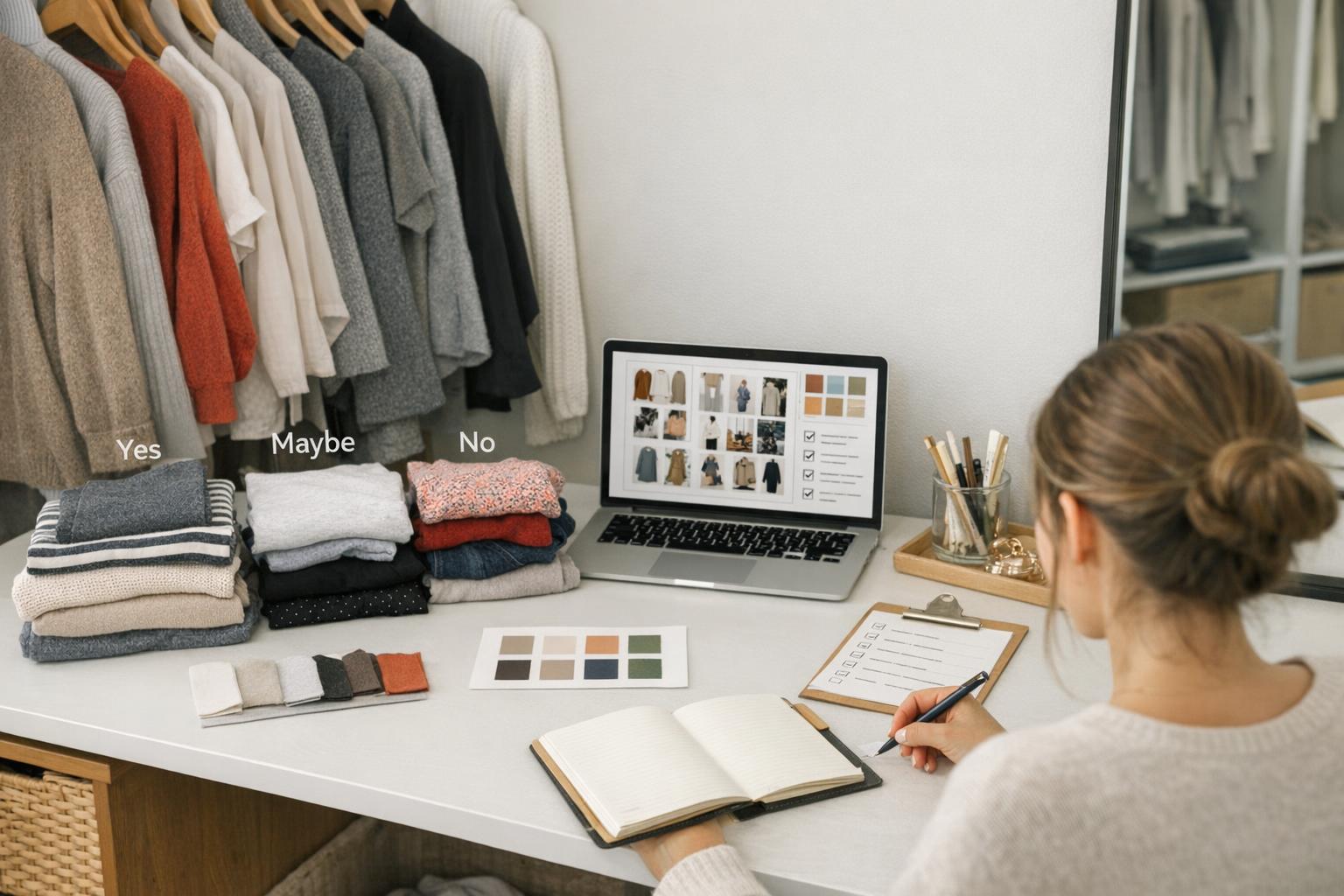
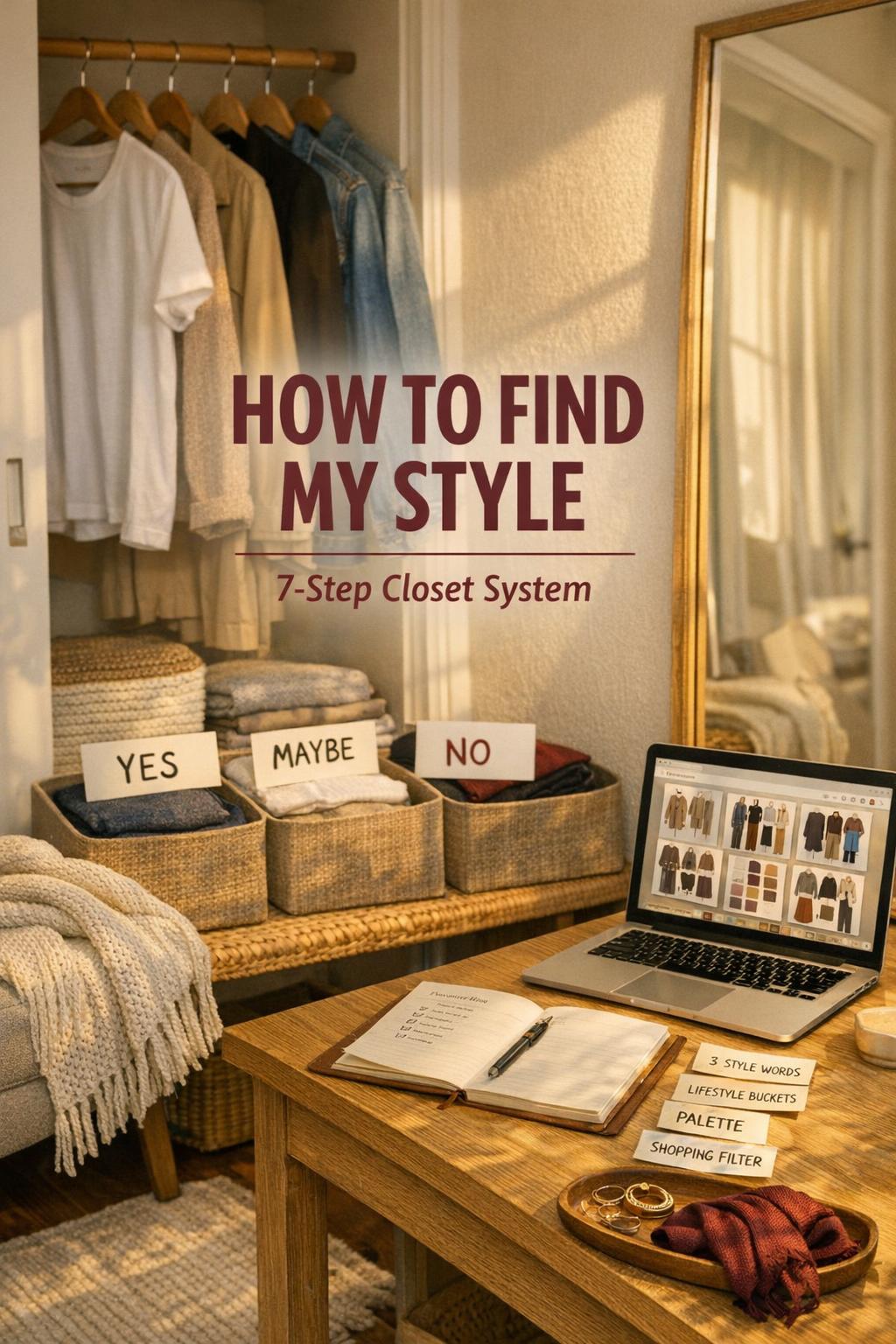
Set aside time to go through your closet and sort items into three categories: “Yes” (you wear it and feel good), “Maybe” (you’re unsure or it needs work), and “No” (it doesn’t fit your life or you avoid it). The goal isn’t perfection; it’s clarity. Pay attention to patterns across the “Yes” pile—silhouettes, colors, fabrics, and the level of polish or comfort you consistently choose.
- Yes: Items you wear often and would replace if they disappeared.
- Maybe: Items you like in theory but don’t wear much (fit issues, styling confusion, wrong occasion).
- No: Items you consistently skip (uncomfortable, not “you,” poor fit, doesn’t match your wardrobe).
As you sort, ask yourself one direct question: “What am I wearing right now, and why?” This quick self-check helps you identify what you naturally choose for comfort, confidence, and function.
Tools you can use: checklists and wear-frequency tracking
Many people get stuck because they remember outfits emotionally rather than practically. A simple checklist can keep you focused: identify what you wear weekly, what sits unused, and what categories are overstuffed. If you want a modern, data-driven approach, track wear frequency for a short period. Even a basic note of “wore” versus “didn’t wear” across a couple weeks can reveal your real style habits and expose “aspirational” purchases.
Tip: If the “Maybe” pile is huge, don’t force decisions. Mark a small set of “Maybes” to test-wear soon. Your goal is to gather feedback from real outfits, not to create a perfectly curated closet in one afternoon.
Step 2 — Define Your Style Personality (Three-Word Method)
Once you can see what you actually wear, you need language for it. Defining your style in three words creates a simple decision filter you can use when you get dressed and when you shop. It’s also flexible: it supports evolution over time without forcing you into a single aesthetic label.
How to pick adjectives that reflect lifestyle and mood
Choose three words that describe how you want your outfits to feel and function. Start with your “Yes” pile and your daily routines. If your life requires a lot of movement, you might prioritize comfort or ease. If you want to look more polished, you might choose refined or structured. The best words are ones you can actually test against clothing in your closet.
- Pick one word for your silhouette/structure (e.g., relaxed, sharp, tailored).
- Pick one word for your energy (e.g., bold, understated, playful).
- Pick one word for your lifestyle function (e.g., practical, versatile, elevated).
Don’t overthink the “perfect” words. You’re creating a working vocabulary. If your words don’t help you decide what to wear or what to buy, swap them out after a couple weeks.
Translating adjectives into shopping filters
Your three words only become useful when they translate into concrete choices. For each word, define what it means in terms of fit, fabric, and details. For example, “refined” could mean smoother fabrics, cleaner lines, and fewer fussy extras. “Relaxed” could mean looser silhouettes and softer materials. “Bold” might mean accent colors or a signature detail rather than an entirely trend-driven wardrobe.
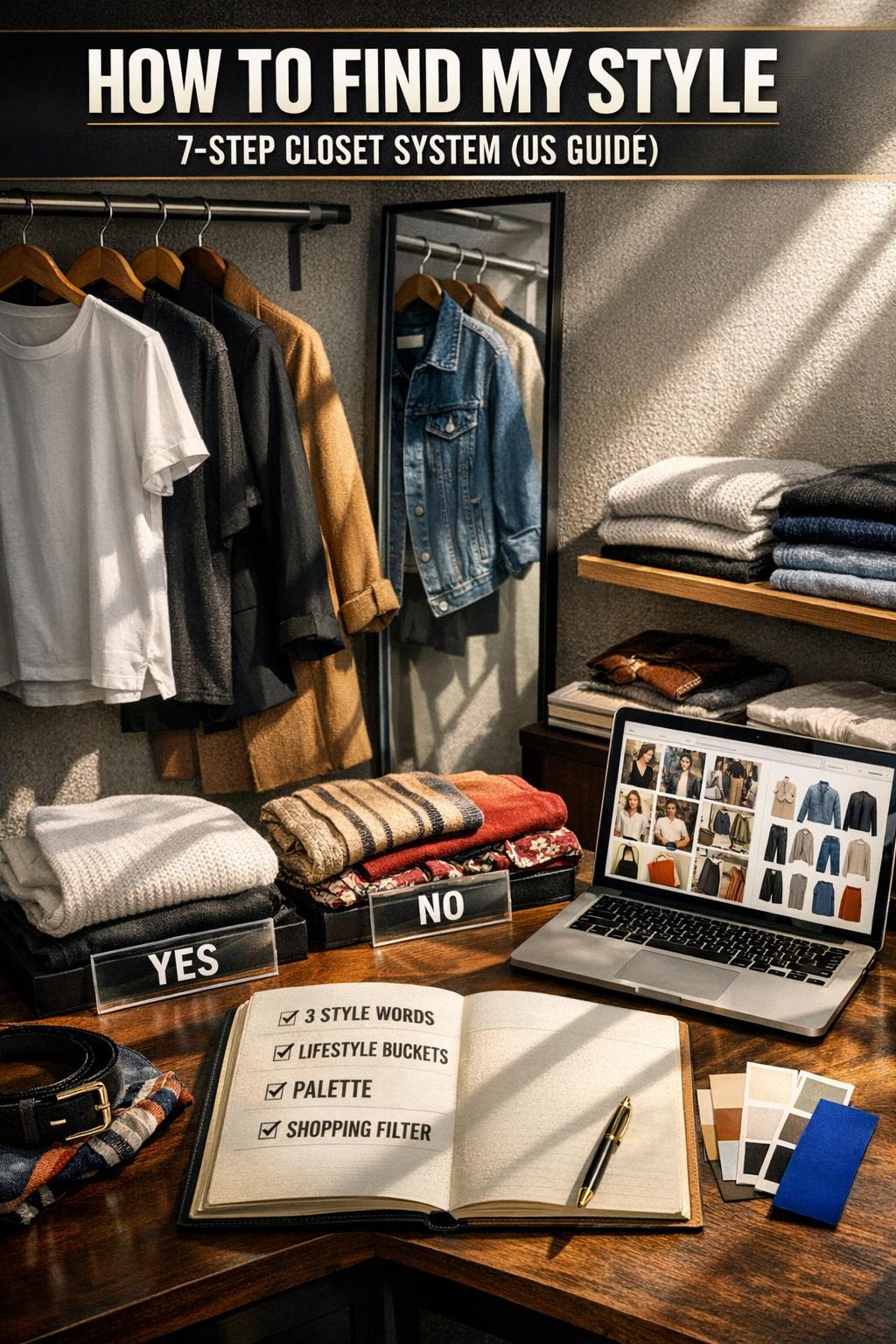
Tip: Write a one-sentence “style promise” using your three words, such as: “I dress in a way that feels relaxed, refined, and versatile.” If a potential purchase doesn’t support that sentence, it’s easier to skip it.
Step 3 — Map Your Lifestyle to Your Wardrobe
Personal style isn’t just an aesthetic; it’s a practical system that supports your days. Many closets fail because they’re built for a different life: clothes for rare events, past routines, or an imagined version of “someday.” Mapping your lifestyle helps you build a functional style that still feels like you.
Create lifestyle buckets and outfit templates
Start by identifying the main categories your clothing needs to cover. Think in terms of how you spend time and what you need your clothes to do. Then create simple outfit templates—repeatable combinations you can rely on when you’re busy.
- Work or primary daily setting: The outfits you need most frequently.
- Off-duty casual: Errands, weekends, relaxed social time.
- Social or going-out: Outfits that feel like “you,” but more intentional.
- Formal or occasion: Items for events that happen occasionally but matter.
Once you have buckets, compare them to your closet. If one bucket is underrepresented, you’ll feel like you have “nothing to wear” even if your closet is full. If one bucket is overrepresented (for example, occasion pieces you rarely use), it can crowd out the items you need day-to-day.
Example templates for work, casual, and formal
Outfit templates are not uniforms—they’re starting points. A template might be as simple as “a base neutral outfit + one accent color” or “a comfortable foundation + one structured layer.” By building templates, you reduce decision fatigue and make your style feel consistent without being repetitive.
Tip: If you’re trying to shift your style (more polished, more creative, more minimal), change one variable at a time within a template—like upgrading the layer, adjusting the silhouette, or adding a signature accessory—rather than replacing your entire wardrobe.
Step 4 — Build a Unified Color Palette
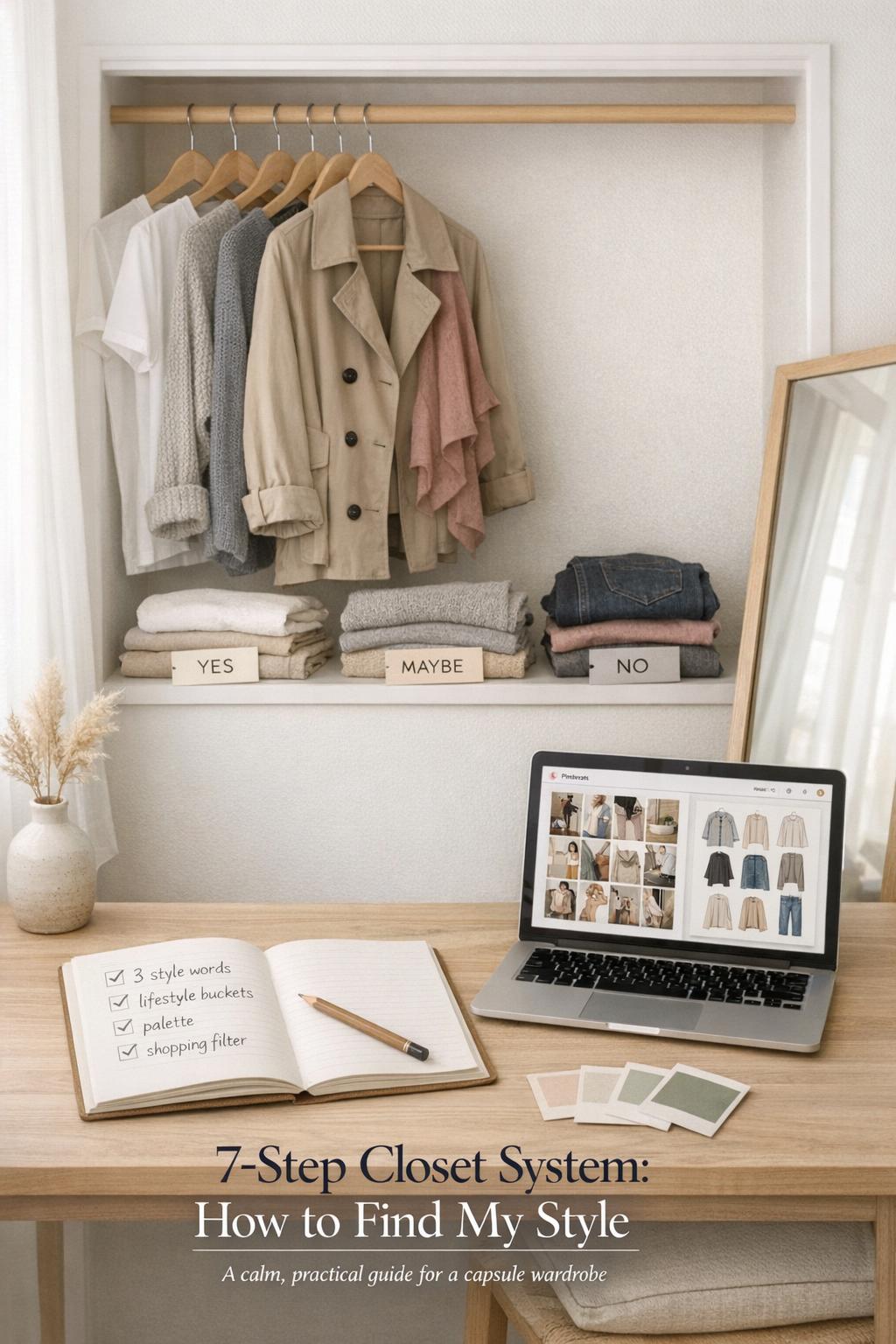
A unified color palette makes getting dressed easier and makes your wardrobe feel more “like you.” It also supports smarter shopping because you’ll be less tempted by items that don’t mix with what you already own. The goal isn’t to limit yourself; it’s to make your options work together.
Color-season quick-start (keep it simple)
You don’t need heavy taxonomy to benefit from color guidance. A quick-start approach is to notice which colors you reach for most, which ones you avoid, and which make you feel confident. Use your “Yes” pile as your best clue. If certain colors repeat, they may already be your most wearable palette.
Then select a foundation of neutrals you can build around, plus a few accent colors that add personality. This approach keeps your closet cohesive while leaving room for experimentation.
Practical palette tests: near-neutrals, pops, and mixing
Start with neutrals as the backbone and treat accent colors as your “style signature.” Near-neutrals (colors that behave like neutrals in your wardrobe) can also help you avoid a closet that feels too flat while still staying mix-and-match friendly.
- Choose 2–3 base neutrals you’ll wear often.
- Add 2–3 accents you love and can repeat across outfits.
- Limit “random” colors unless they pair well with your base.
- Use your mood board and “Yes” items to confirm what truly feels like you.
Tip: If you love many colors, keep the palette flexible by repeating accents across multiple items rather than buying one-off statement pieces that only work with a single outfit.
Step 5 — Curate a Capsule Wardrobe (Must-Haves by Budget Mindset)
A capsule wardrobe is a curated set of pieces that mix and match easily, cover your lifestyle buckets, and reflect your style personality. It’s not about owning as little as possible; it’s about owning what you actually wear. This is one of the most practical answers to “how to find my style” because it turns abstract preferences into a working wardrobe.
Start with a “core capsule,” then expand
Begin by identifying your core pieces—the items that anchor most outfits. You likely already have some in your “Yes” pile. A strong capsule typically includes a mix of tops, bottoms, layers, and occasion options that align with your daily routine. Build around your neutral base and use accent colors for personality.
Approach your capsule with a cost-per-wear mindset: prioritize items you’ll wear often and style in multiple ways. If you’re deciding between two pieces, choose the one that works with more of your current wardrobe and fits more lifestyle buckets.
Capsule guidance without rigid rules
Some guides emphasize specific “must-have” lists, but your best capsule depends on your life and your three style words. Rather than forcing yourself into a universal checklist, use these principles: balance your categories, repeat your colors, and make sure your silhouettes and comfort level match how you actually live.
- Build around pieces you can wear weekly, not items you “wish” you wore.
- Prioritize versatility: items should work across multiple outfits.
- Include a few signature items that express your style personality.
- Leave space for seasonal rotation so your wardrobe stays functional year-round.
How to rotate seasonal items
Seasonal rotation keeps your closet usable and helps you see what you truly have. When you switch seasons, revisit your “Yes/Maybe/No” framework. What you loved last season may not feel right now, and that’s normal—personal style evolves with routines, preferences, and priorities.
Tip: When you rotate, choose one small goal for the season—like refining your palette, improving fit, or adding one signature detail—so your wardrobe evolves intentionally rather than through random shopping.
Step 6 — Signature Details: Fit, Fabrics, and the Small Things That Make It “You”
Two people can wear the same basic outfit and look completely different because of fit, fabric, and details. Signature details are often the missing piece when someone has plenty of clothes but still feels like they haven’t found their style. This step turns your wardrobe into a recognizable personal expression.
A quick fit check that improves everything
Fit is one of the fastest ways to make an outfit feel intentional. During your wardrobe audit, notice which items you love wearing and how they fit compared to the items you avoid. If something consistently feels “off,” it may not be your style—it may simply not fit well enough for you to feel confident.
Tip: If you love an item but never wear it, identify the barrier: tightness, length, stiffness, or awkward proportions. Solving one recurring fit issue can unlock multiple outfits and reduce the urge to buy replacements.
Fabrics as a style signal
Fabric changes the message of an outfit. Even within the same color palette, different fabrics can look more relaxed, more refined, more playful, or more structured. When you review your “Yes” items, note what you gravitate toward: softer textures, crisp materials, or fabrics that hold shape. This becomes a practical shopping filter.
Details that create a signature
Details are where your personal style becomes recognizable. This doesn’t mean you need loud statement pieces. A signature can be subtle: consistent color accents, a repeated silhouette, or a preference for certain finishes. The key is repetition—using a small set of details often enough that they feel like “you,” not like a costume.
Tips section: If you’re unsure what your signature details are, look at your favorite outfits (or your favorite saved images) and identify what repeats. Choose one detail to emphasize for the next month so it becomes part of your style identity rather than a one-time experiment.
Step 7 — Discover Inspiration the Smart Way (Mood Boards and Style Icons)
Inspiration is helpful, but it can also create confusion—especially in a world of endless outfit content and algorithm-driven feeds. The goal is to use inspiration to clarify your preferences, not to copy someone else or chase every trend. Mood boards and style icons work best when you treat them as data about what you’re drawn to.
How to build a digital mood board
Create a mood board (Pinterest is a common option) and save images that genuinely excite you. Don’t edit yourself at first. After you’ve saved enough, review the board and look for patterns: recurring colors, consistent silhouettes, repeated styling choices, and the overall vibe. This pattern recognition helps you define your aesthetic in practical terms.
- Save outfits you’d realistically wear, not only editorial looks.
- Include a mix of casual, work, and social outfits to reflect real life.
- After saving, identify your top repeating elements (color, shape, level of polish).
- Translate patterns into your three-word style definition and shopping filters.
How to use fashion icons without losing yourself
Many people find direction by turning to style icons. This can be useful if you treat icons as inspiration rather than instruction. Instead of asking, “How do I dress exactly like them?” ask, “What part of this is adaptable to my lifestyle, my comfort level, and my existing wardrobe?” That mindset protects your authenticity and keeps your style personal.
Tip: Choose one icon and one outfit from your mood board, then recreate the concept using what you already own. Focus on the silhouette and color story first. If it works, you’ve learned something about your style. If it doesn’t, you’ve learned something even more valuable.
Step 8 — Shop with Confidence (A Smart Shopping Framework)
Once you’ve done the audit, defined your three words, mapped your lifestyle, and built a palette, shopping gets easier. Instead of buying based on impulse, you’ll buy based on fit within your system. This is where many personal style journeys become sustainable—because you’re no longer relying on constant trial-and-error.
A “buy or skip” checklist
Use a simple checklist before purchasing. The more consistently you apply it, the more your wardrobe becomes cohesive and functional.
- Does it match my three style words?
- Does it fit my color palette (neutral base or intentional accent)?
- Can I style it at least a few ways with what I already own?
- Does it fit at least one key lifestyle bucket I need to support?
- Is the fit and comfort level something I’ll actually choose on a regular day?
If you answer “no” to more than one of these, it’s usually a skip. If you answer “yes” but you’re still uncertain, treat it as a “Maybe” and test the idea with a similar outfit using your current wardrobe.
Test items before committing
One reason style feels hard is because you don’t know how something will behave in your real life. Whenever possible, choose return-friendly options or try items in person so you can test fit, comfort, and styling potential. The point isn’t to buy more—it’s to buy fewer items that truly earn a place in your closet.
Tips section: If you tend to buy “almost right” pieces, slow down at the moment of decision. Compare the item to your best “Yes” pieces. If it’s not as wearable as your favorites, it won’t magically become your go-to once it’s home.
Step 9 — Build a Personal Style Roadmap (A 30-Day Plan)
Finding your fashion identity becomes much easier when you turn it into a short, structured project. A 30-day roadmap creates momentum without demanding a huge budget or a total closet overhaul. Each week has a clear focus, and each step builds on the last.
Week 1: Audit and awareness
Spend the first week building your “Yes/Maybe/No” piles, identifying what you wear most, and noticing patterns. Take note of the most common reasons you avoid items—fit, comfort, lack of outfit pairings, or mismatch with your lifestyle. This week is about truth, not taste.
Week 2: Define your three words and outfit templates
Choose your three style words and define what they mean in practice (silhouette, fabric, and details). Then create outfit templates for your main lifestyle buckets. Use what you own first. If you can’t build outfits, that’s not a personal failure—it’s a sign of a wardrobe gap you can address intentionally.
Week 3: Color palette and inspiration board
Build a unified palette with base neutrals and accents. Create or refine a mood board and identify the repeating elements. This is where your style becomes visually consistent and easier to execute. If your board is chaotic, you may have multiple style directions—something you can address by choosing a “primary” and “secondary” vibe rather than forcing yourself into one box.
Week 4: Smart shopping and capsule upgrades
Use your shopping checklist to address the biggest wardrobe gaps first—especially items that support your most common lifestyle bucket. Focus on high-wear pieces that improve cost-per-wear and outfit variety. At the end of the week, reassess: which new combinations felt most like “you,” and which still felt forced?
Tip: Track your outfit satisfaction during the month (even a simple “felt great / felt fine / didn’t feel like me”). This creates a feedback loop that strengthens your style confidence faster than random shopping.
Step 10 — Maintain and Evolve Your Style
Personal style is not a one-time discovery; it’s a living system. Your preferences, lifestyle, and identity can shift, and your wardrobe should be able to evolve with you. The most confident dressers aren’t the ones who never change—they’re the ones who know how to update intentionally.
Style maintenance rituals
Build a few recurring habits that keep your closet aligned with your life. A seasonal refresh is often enough: rotate items, re-check your “Yes/Maybe/No” categories, and update your outfit templates as needed. If you love structure, do a deeper audit quarterly. If you prefer a lighter touch, focus on removing what you’re not wearing and reinforcing what you are.
- Revisit your three words and adjust if they no longer fit.
- Check your palette for cohesion and remove one-off colors that don’t integrate.
- Identify one recurring gap (work outfits, casual layers, occasion looks) and address it intentionally.
- Keep your inspiration board current so it reflects who you are now.
How to handle “style drift” without starting over
Style drift happens when your closet slowly fills with items that don’t align—often because of trend influence, emotional shopping, or a changing lifestyle. The solution isn’t to throw everything out. Return to the framework: audit what you wear, refine your three words, and shop strategically to reconnect your wardrobe to your real daily needs.
Tip: If you feel pulled in multiple directions, treat your style as a “wardrobe ecosystem.” You can have more than one style lane as long as each lane has clear outfit templates and a cohesive palette that keeps your closet functional.
FAQ
Is personal style fixed or can it change?
Personal style can absolutely change, and it often evolves with your lifestyle, confidence, and interests. A practical way to stay grounded is to keep a simple framework (wardrobe audit, three style words, and a color palette) so your style can shift without your closet becoming chaotic.
How long does it take to find my style?
You can make meaningful progress in a month by auditing your wardrobe, defining your style words, and building outfit templates, but style is typically refined over time through repeated wear and smarter shopping. The fastest improvements come from focusing on what you actually wear and building from there.
Can I have multiple personal styles?
Yes, many people have more than one style direction, especially if their lifestyle includes different settings like work, casual, and social events. The key is to keep each style lane practical by using a cohesive color palette and clear outfit templates so everything still mixes and matches.
What if I like outfits online but hate them on me?
This is common when inspiration is treated as a literal blueprint instead of a set of adaptable ideas. Use mood boards to identify patterns (silhouette, color, level of polish) and recreate the concept with your own wardrobe, focusing on fit and comfort so the look feels authentic to you.
How do I build a capsule wardrobe without feeling bored?
A capsule wardrobe doesn’t have to be minimal or repetitive; it just needs to be cohesive and wearable. Add personality through accent colors, signature details, and a few standout pieces that still work with your core neutrals and outfit templates.
How do I know if I’m spending wisely on clothes?
Use a cost-per-wear mindset and prioritize items you’ll wear often across multiple outfits and lifestyle buckets. If a piece only works for one very specific look or doesn’t match your three style words and palette, it’s more likely to become closet clutter.
What should I do with clothes I don’t wear but feel guilty about?
Start by acknowledging that unworn clothes are valuable data about what doesn’t work for your life, fit preferences, or style direction. Move them into a clear “No” or “Maybe” category and use what you learned to avoid repeating the same purchase pattern.
Do I need a quiz to find my personal style?
A quiz can be a helpful starting point for self-assessment, but it works best when combined with real-world steps like a wardrobe audit, a three-word style definition, and outfit testing. Your day-to-day wear habits are ultimately the most reliable guide for defining your style.