Sophisticated Style for Polished City Days and Evenings
There is a reason sophisticated style keeps returning to the center of fashion and design conversations. It offers polish without stiffness, luxury without display, and a kind of visual confidence built on restraint. In clothing, that means refined silhouettes, quality fabrics, and a neutral color palette that reads intentional rather than plain. In interiors, it becomes layered textures, calm luxury, dark woods, metallic accents, and pieces chosen for mood as much as function.
The aesthetic lives easily in professional settings, city wardrobes, quietly elegant evenings, and homes designed to feel collected rather than crowded. You can see its fashion expression in the understated elegance associated with public figures like Kendall Jenner, Sofia Richie, and Hailey Bieber, and in the designer language of Khaite during New York Fashion Week. You can see its interior counterpart in London through Suzy Hoodless’s townhouse approach, where texture, heritage pieces, and a moody palette create a calm but elevated atmosphere.
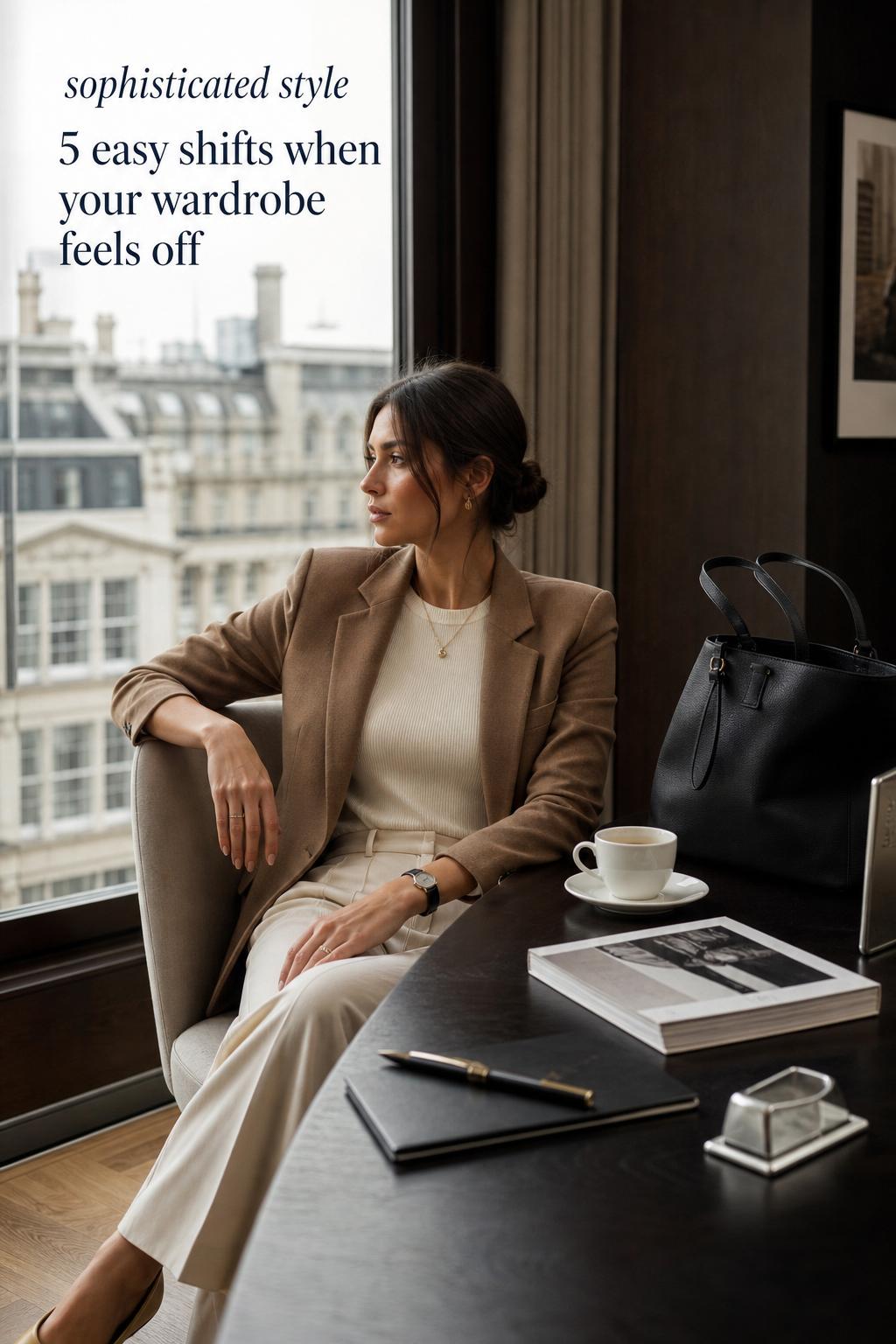
What makes sophisticated style so appealing is not only how it looks, but how clearly it thinks. Every line, fabric, accessory, and finish serves a purpose. The effect is timeless, polished, and adaptable, whether the goal is a grown-up wardrobe, a more refined work look, or a home that feels considered from the entryway to the dining table.
What sophisticated style really looks like
Sophisticated style is best understood as a system of choices rather than a single outfit formula. Its core principles are restraint, quality, intentionality, and longevity. Instead of depending on overt statements, it relies on silhouette balance, tonal layering, craftsmanship, and a clear sense of editing. That is why concepts like quiet luxury, refined dressing, polished looks, tasteful decor, and signature wardrobe planning all sit naturally within the same visual language.
Found the dress? Keep the rest in one place.
Zarellea brings guest details, vendors, timelines, and every next step together — so your wedding plan feels as good as your look.
In practical terms, the style often begins with strong foundations: tailored pieces, high-quality basics, minimal jewelry, leather goods, and colors such as camel, charcoal, ivory, black, and other neutrals. In a room, the same logic appears through layered textures, modern home decor, rich materials, brushed metals, mirrors, wall art, rugs, and carefully chosen accents. The common thread is not expense alone. It is coherence.
This is also why sophisticated style translates so well across fashion and interiors. A structured blazer and a leather tote perform the same visual job as a dark wood table and a refined mirror: they anchor the composition, sharpen the mood, and communicate permanence.
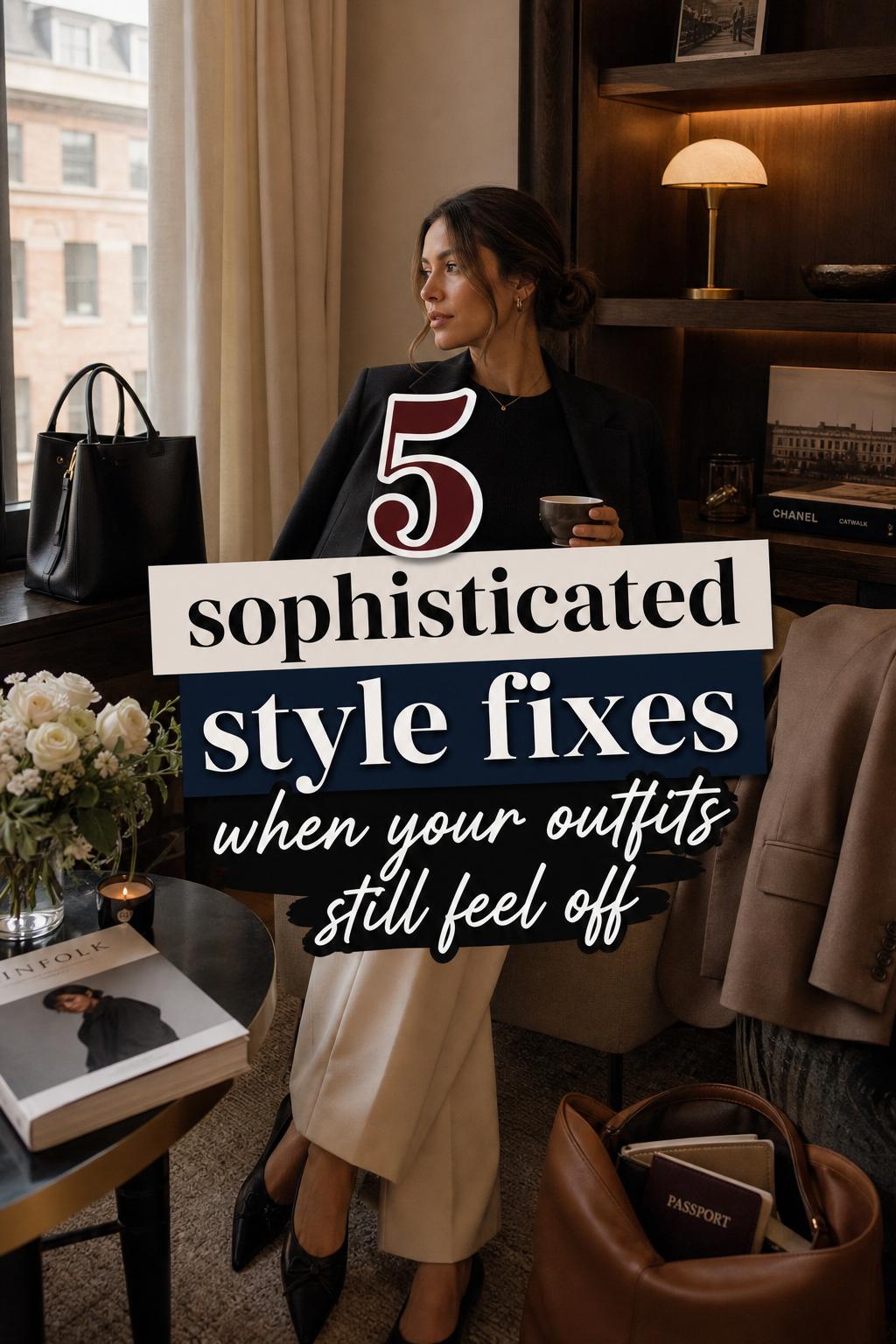
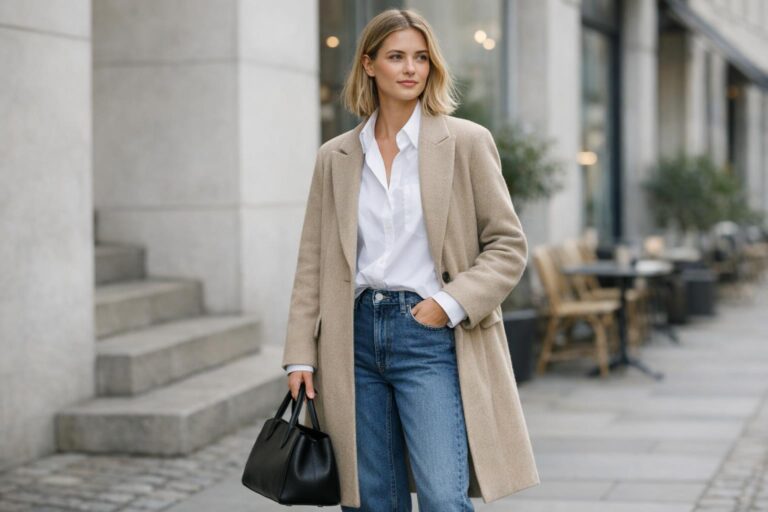
Look: quiet city tailoring
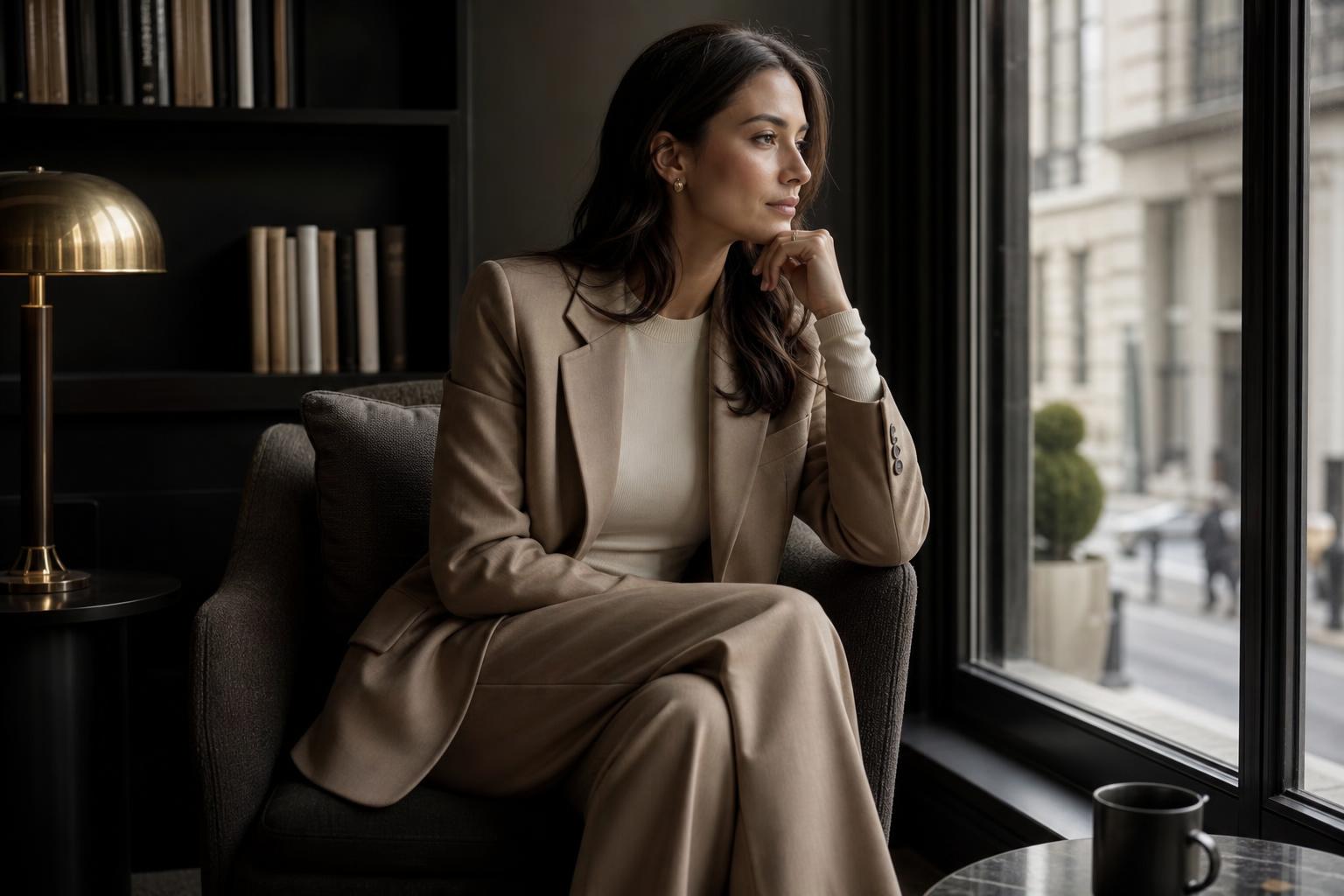
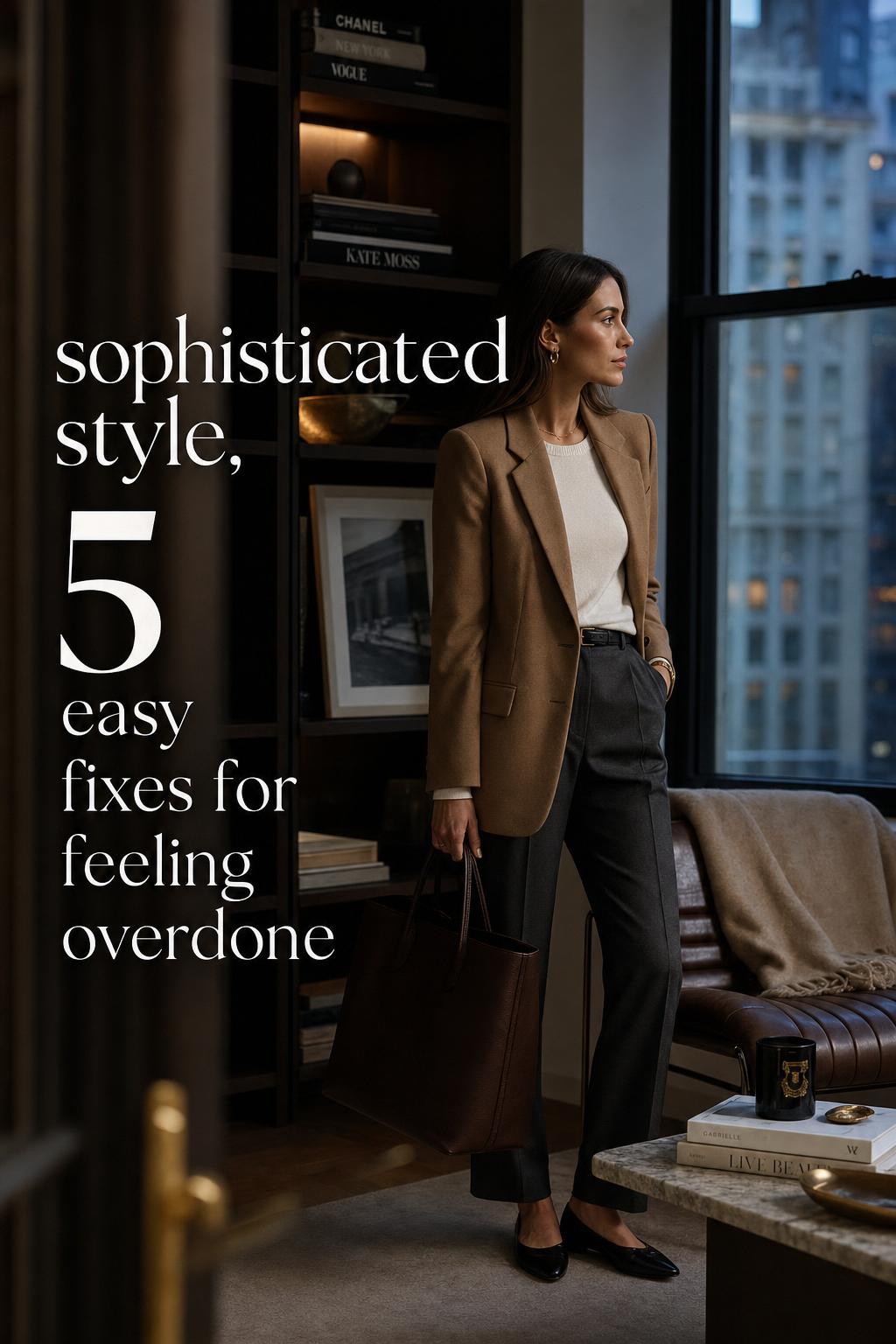
This interpretation of sophisticated style is crisp, urban, and controlled. The silhouette is built around structure, with enough ease to avoid looking severe. Think of the kind of outfit that moves naturally from a work meeting to an evening reservation in New York, where polish matters but over-styling feels dated. The visual identity is close to quiet luxury: calm, edited, and clearly expensive in effect even when the details stay discreet.
The key pieces are a structured blazer, tailored trousers, and a fine-gauge knit or silk blouse in ivory, camel, charcoal, or black. A leather tote adds substance without visual noise, while simple jewelry keeps the line clean. Shoes should reinforce the architecture of the outfit, so classic heels or sleek flats work better than anything overly embellished. Fabric choice matters here more than trend. Wool suiting, silk, and smooth leather all signal control and quality.
- Key garments: structured blazer, tailored trousers, fine knit or silk top
- Footwear: refined heels or polished flats
- Accessories: leather tote, minimal jewelry
This look works because the structured outer layer creates a visual anchor, while the restrained palette keeps attention on cut and finish. It aligns closely with the professional and polished direction seen in White House Black Market guidance, where structure and leather goods are central to the message of sophistication.
Style breakdown
The success of this outfit depends on proportion play. If the blazer is strong through the shoulder, the trousers should fall cleanly rather than cling. If the top is fluid, the tailoring should hold the silhouette together. Sophisticated dressing rarely means every piece is sharp at once; it means each element supports a clear visual hierarchy.
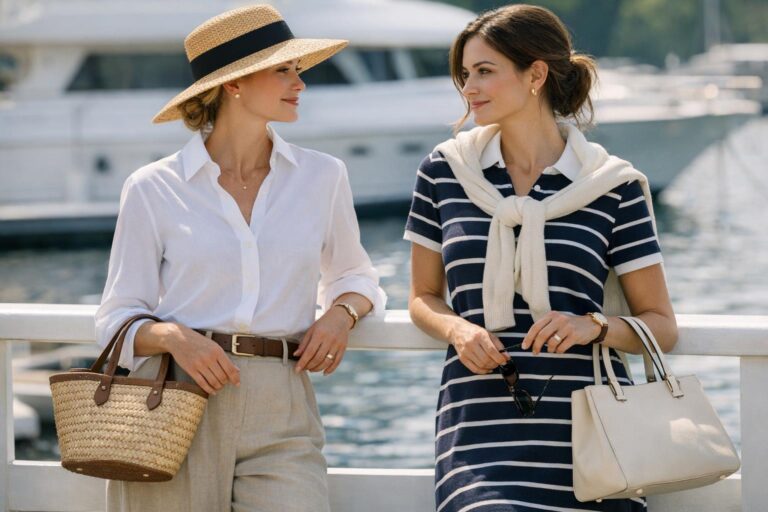
Look: soft neutral weekend polish
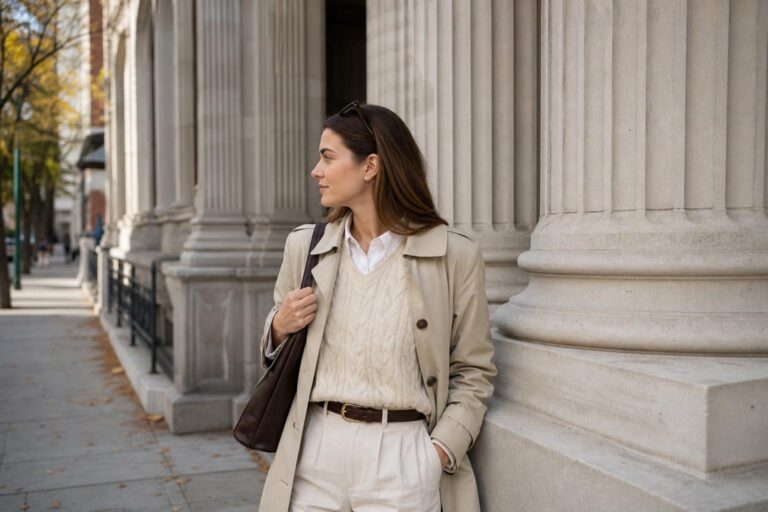
Not every sophisticated outfit needs office structure. This version leans softer, using relaxed shapes and elevated basics to create a grown-up weekend mood. The attitude is less formal than city tailoring, but still refined. It feels especially relevant for readers drawn to the Teen Vogue idea of style that grows up with you: less over-styled, more assured, and built on pieces that hold their value in the wardrobe over time.
A cashmere sweater or merino knit in ivory, stone, or camel pairs naturally with straight-leg trousers, a simple skirt, or other understated separates. The color palette should stay tonal, allowing the texture contrast to do the work. A soft leather bag, discreet jewelry, and a clean shoe shape complete the look. Here, the sophistication comes from subtle luxury fashion outfits for everyday wear rather than event dressing.
This look fits the aesthetic because it proves that understated elegance is not tied to stiffness. The softness of the knit offsets the discipline of the neutral palette, creating visual ease without losing polish. It is a useful reminder that elevated basics often carry more style intelligence than trend-heavy pieces.
How to recreate the look
- Choose one tonal family such as ivory and camel or charcoal and stone.
- Keep the knit smooth and the silhouette uncluttered.
- Limit accessories so the fabric quality stays visible.
- Use one leather element, such as a tote or shoulder bag, to sharpen the finish.
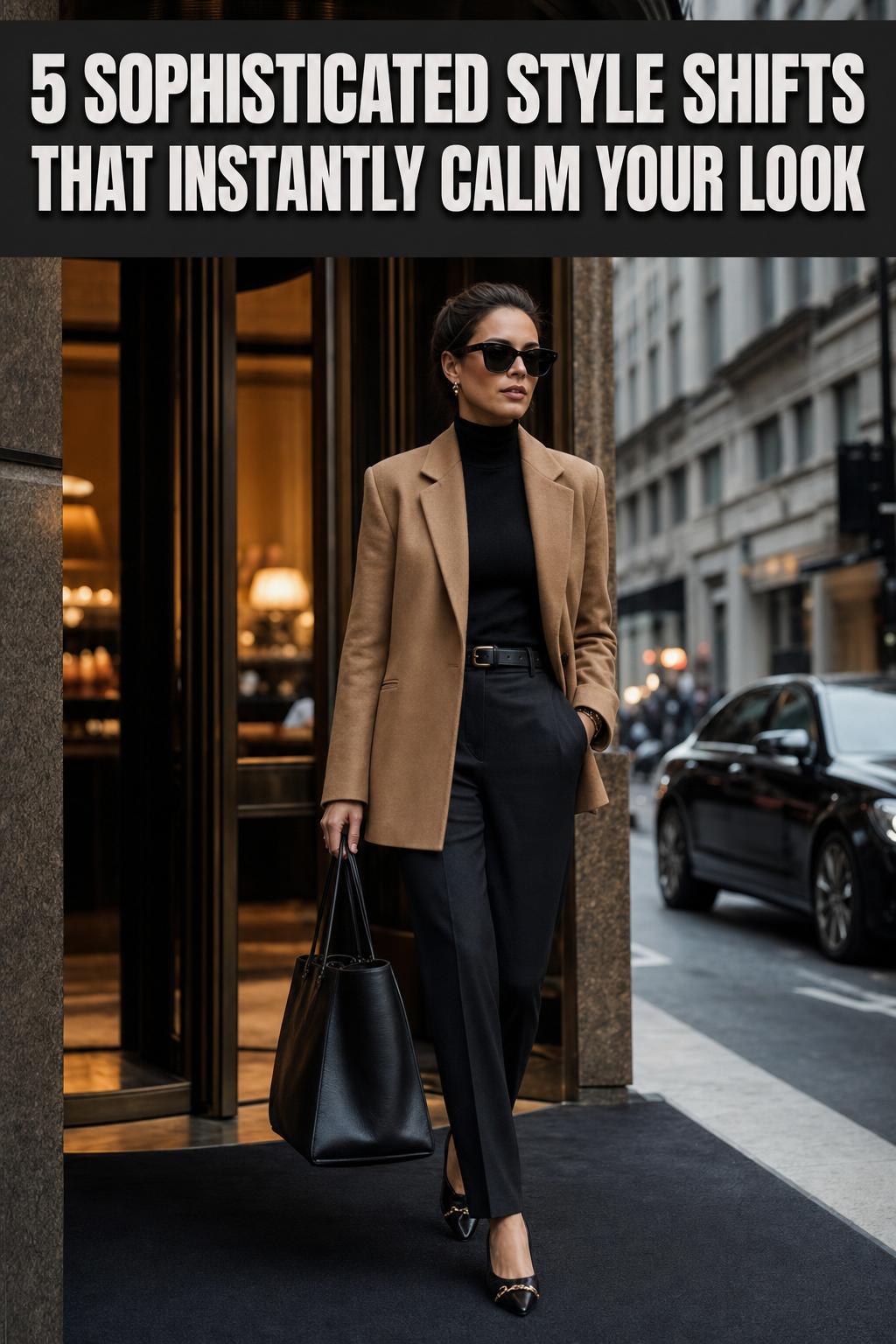
Look: signature neutrals with a fashion-week edge
Sophisticated style does not have to reject modernity. This interpretation borrows from the refined cool associated with Khaite and the runway atmosphere of New York Fashion Week, where elegance is often sharpened by a slight sense of rebellion. The result is cleaner than classic minimalism but more directional than standard workwear.
The base remains neutral: a sleek dress, modern outerwear, or sharp separates in black, charcoal, deep brown, or ivory. Texture becomes more important here. Smooth leather, denser knitwear, and subtle contrast between matte and polished surfaces help the outfit feel current. Accessories should still be restrained, but they can carry a little more attitude through shape or proportion rather than decoration.
This look works because it preserves the central logic of sophisticated style while allowing a stronger fashion point of view. The silhouette remains composed, but the styling introduces tension between elegance and edge. That balance keeps the aesthetic from drifting into predictability.
Why this outfit works
When a neutral wardrobe is built only from safe classics, it can become visually flat. A runway-informed shape or stronger outerwear line restores energy without disrupting the polished mood. The lesson is useful for anyone building a signature wardrobe: sophistication is not the absence of personality, but personality expressed through discipline.
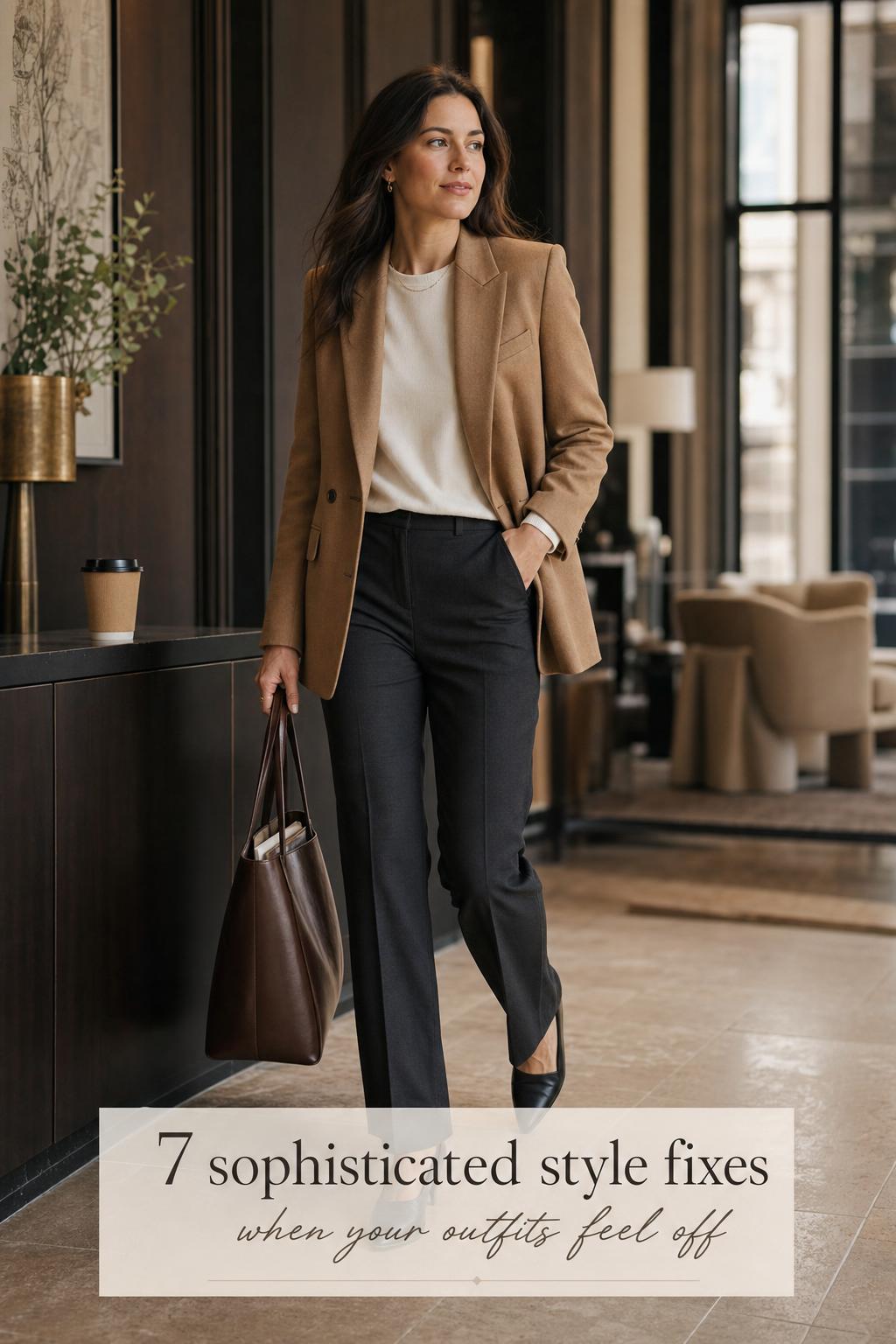
Building the wardrobe foundation
A sophisticated wardrobe is easier to maintain when it functions like a capsule wardrobe. The goal is not extreme minimalism. The goal is a set of pieces that repeat well, layer smoothly, and adapt across work, everyday wear, and dressier moments. This practical structure is one of the biggest gaps in many style conversations, yet it is also one of the most effective ways to make the aesthetic feel real rather than aspirational.
The strongest foundation usually includes tailored pieces, elevated knitwear, timeless accessories, and a stable neutral color system. Structured blazers, a camel coat, a cashmere sweater, dresses with clean lines, and leather handbags all appear repeatedly across the broader conversation around sophisticated fashion. These are not random staples. Each one contributes either structure, softness, or visual continuity.
- Structured blazer for shape and polish
- Camel coat for tonal layering and permanence
- Cashmere or merino sweater for softness and texture
- Tailored trousers or similarly refined separates for silhouette control
- Leather tote or handbag for a durable, elevated finish
- Minimal jewelry to complete the look without clutter
For sophisticated wardrobe staples for work, the emphasis should stay on repeatability. Pieces must function under real conditions: long days, shifting temperatures, meetings, transit, and the need to remain polished without constant adjustment. Tailoring that looks elegant but restricts movement will stay in the closet. Sophisticated style depends as much on usability as appearance.
Core neutrals that never lose relevance
Neutral color families are central because they simplify outfit composition and support longevity. Camel adds warmth, charcoal adds authority, ivory softens the palette, and black gives definition. These tones also pair well with luxury minimalism and elevated basics, making them highly effective for readers who want maximum versatility without visual excess.
A neutral system also reduces styling friction. When tops, tailoring, coats, and accessories share a tonal relationship, getting dressed becomes faster and the wardrobe reads more cohesive. This is one of the clearest practical advantages of sophisticated style: it looks complex, but it is often built through smart simplification.
Fabrics and finishes that signal quality
Material choice is often what separates a polished look from one that only imitates it. Cashmere, merino wool, silk, and wool suiting create depth through drape and surface. In interiors, bouclé, mohair, brushed brass, lacquered finishes, dark woods, and rich textiles perform the same role. The finish of a fabric or object influences how light moves across it, which in turn changes how expensive, calm, or refined the whole composition feels.
There is also a practical dimension. Better materials usually age more gracefully, making them appropriate for a style centered on longevity. That does not mean every sophisticated purchase must be a major investment. It means the wardrobe and home should prioritize pieces where craftsmanship and durability are visible enough to justify repetition.
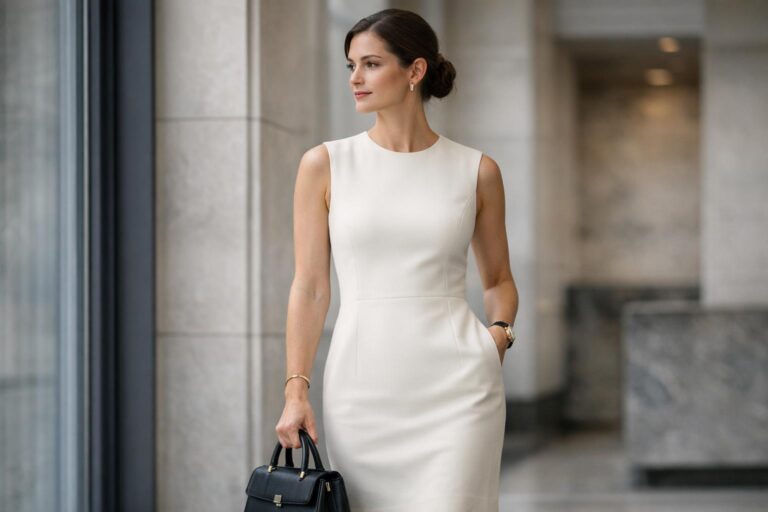
Look: evening restraint in understated elegance
This version of sophisticated style is shaped for dinners, gallery settings, refined social events, or any occasion that benefits from a quieter kind of glamour. The mood is controlled and luminous rather than dramatic. It shares territory with the Vogue framing of quiet luxury and the styling language often associated with figures like Sofia Richie and Hailey Bieber, where visual confidence comes from precision rather than ornament.
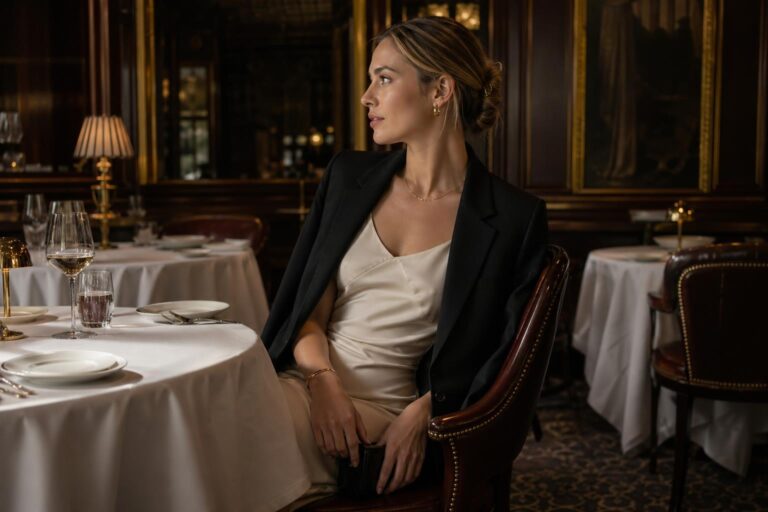
A sleek dress in black, ivory, or another deep neutral creates the main line. The silhouette should feel resolved at first glance: clean neckline, smooth drape, and enough structure to hold shape. Accessories stay deliberate. Minimal jewelry, a strong bag shape, and elegant shoes are enough. The point is not to add impact through quantity, but to let one clear silhouette carry the outfit.
This look fits the aesthetic because every component reinforces one mood. There is no competing statement piece, no busy color story, and no need for over-accessorizing. Understated glamour works best when each choice leaves visual room for the others.
Tip: where many evening looks go wrong
The most common mistake is confusing sophistication with heaviness. Too many visible details, too much jewelry, or too many trend references can break the line of the outfit. If the dress already delivers shape and polish, accessories should support it rather than compete with it.
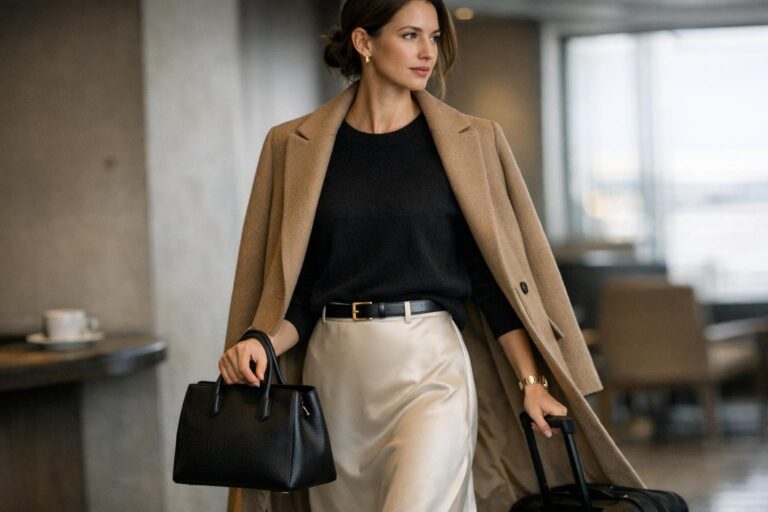
Look: polished travel and day-to-night layers
One of the most useful tests of sophisticated style is whether it can survive movement. A look that appears perfect in a static image but becomes uncomfortable, wrinkled, or visually chaotic after a few hours is not especially refined in practice. This interpretation focuses on day-to-night adaptability, ideal for busy schedules, city movement, and long wear.
Start with a neutral base layer, then add a blazer, coat, or lightweight knit depending on the setting. A leather tote earns its place here because it combines function with polish. The palette should stay within a calm range so that adding or removing layers does not disrupt the outfit composition. A simple dress under a structured layer also works well, especially when the goal is flexibility without sacrificing elegance.
This look succeeds because sophisticated style depends on control under real conditions. Tonal layering keeps the outfit coherent as temperatures change, and structured outerwear ensures the silhouette remains intentional even after a full day of wear.
Accessorizing with intent
Accessories often decide whether a look reads sophisticated, merely fashionable, or overly styled. In this aesthetic, jewelry, bags, and shoes are not decorative extras. They are finishing instruments. Their role is to refine silhouette balance, add surface contrast, and signal quality in a measured way.
Leather goods are especially powerful because they combine structure and texture. A leather tote gives polish to soft knitwear, while a streamlined handbag sharpens a dress or tailored outfit. Minimal jewelry works for similar reasons. It catches light, defines the neckline or wrist, and adds completion without interrupting the line. Heels can elevate the look, but only when they support the garment’s proportion. In some compositions, polished flats are the more sophisticated choice because they maintain the restraint the outfit needs.
- Use one strong bag shape as the visual anchor.
- Keep jewelry simple when the silhouette is already precise.
- Let shoes echo the outfit’s line rather than fight it.
- Avoid stacking too many refined details in one look.
The best accessory strategy is selective emphasis. One or two well-chosen pieces often create a more polished effect than a full accessory story. This is true in fashion and equally true in home design, where one mirror, one metallic finish, or one antique piece can define a room more effectively than layers of unrelated accents.
Look: sophisticated home style translated into clothing
Some of the clearest lessons in sophisticated style come from interiors rather than wardrobes. A room by Suzy Hoodless in London, for example, is not sophisticated because it is full of luxury signals. It is sophisticated because the palette, materials, and heritage references are controlled and layered. The same logic can shape a fashion look.
Translate that room-based thinking into clothing by combining moody color with rich texture. Charcoal, deep brown, ivory, and black create a composed palette. Then use tactile contrast: smooth leather against knitwear, soft wool against a sharper coat, or clean tailoring against a subtly textured fabric. The effect should feel layered, not busy, much like a room built with wall art, rugs, mirrors, dark woods, and carefully placed decor accents.
This interpretation works because it treats dressing as composition. Instead of asking whether an item is trendy, it asks whether the item adds depth, calm, and continuity. That is exactly how sophisticated home decor achieves its effect, whether on editorial platforms like Livingetc or through curated retail environments such as Lumens, Z Gallerie, Surlatable, and Well Appointed House.
Key pieces for this aesthetic
- One textured knit in a deep neutral
- One structured outer layer
- One leather accessory with clean lines
- One soft tonal base piece such as a dress or tailored trouser
Sophisticated interiors and the same visual language
Sophisticated home decor follows the same principles as a refined wardrobe: intentionality, restraint, and a commitment to materials that age well. The room should feel curated rather than crowded. Modern home decor often reaches this effect through refined design, artisanal craft, and a balanced mix of surfaces. Wall art, rugs, mirrors, furniture, textiles, and decor accents become successful when they support one overall mood instead of competing for attention.
Layered textures are especially important because they prevent neutral spaces from looking flat. A calm room might use dark woods, rich fabrics, metallic finishes, and one or two antique or heritage-inspired pieces to create dimensionality. This is where sophisticated style differs from plain minimalism. It values editing, but it also values depth.
Palette and materials for a calm polished room
A neutral color palette remains the most reliable foundation, but it becomes more compelling when supported by subtle contrast. Ivory against charcoal, warm camel against deep wood, or a moody base with restrained metallic accents creates harmony without monotony. Jewel tones can appear as accents, but they work best when used sparingly so the room retains its controlled atmosphere.
Materials should feel deliberate. Bouclé and mohair bring tactile softness. Brushed brass and lacquered finishes add light and precision. Rugs and textiles soften architecture, while mirrors expand visual rhythm. Whether the room leans more modern like a Lumens curation or more luxury editorial like Well Appointed House, the principle remains the same: each finish should strengthen the total mood.
Look: refined entertaining with home-and-wardrobe harmony
There is a specific version of sophisticated style that appears when clothing and environment mirror one another. Think elegant dining, a polished home setting, tableware with restraint, and a wardrobe that feels aligned with the room rather than disconnected from it. This interpretation is especially relevant to the entertaining-focused tone associated with Surlatable and to luxury home narratives built around refined living.
The clothing should stay sleek and composed: a tailored dress or refined separates in neutral shades, paired with minimal jewelry and a bag or shoe with a clean finish. The environment should echo that language through timeless pieces, luxe accents, calm color, and an edited arrangement of decor. Nothing needs to match literally. The connection should be tonal and atmospheric.
This look works because sophisticated style becomes more convincing when personal presentation and surroundings share the same design logic. It is the visual equivalent of a well-edited conversation: measured, coherent, and memorable without being loud.
Global perspectives that deepen the aesthetic
Many mainstream interpretations of sophisticated style are shaped by U.S. and U.K. references, especially New York and London. Those locations matter because they anchor fashion weeks, designer viewpoints, and editorial examples. New York brings the language of modern tailoring and polished cool. London contributes layered interiors, heritage references, and a more textured sense of refinement.
At the same time, the broader conversation around global sophistication points toward minimalism trends from Japan, Scandi influence, and Italian tailoring ethos. These references deepen the idea of sophistication by showing that restraint can take different forms: sharper tailoring, lighter minimalism, or warmer material richness. Even when the exact expressions vary, the shared principles remain clear: deliberate choices, craftsmanship, and a coherent visual identity.
This wider lens matters because sophisticated style can become too narrow if it is understood only through one city, one brand, or one dress code. A stronger approach borrows the discipline of tailoring, the calm of minimal interiors, and the longevity associated with heritage-minded design.
A practical sophistication checklist
The easiest way to assess whether a wardrobe or room feels sophisticated is to examine its consistency. The question is not whether each item is beautiful on its own. The question is whether the pieces work together to create one clear impression.
- Does the palette stay within a controlled range of neutrals or muted tones?
- Are the key pieces structured enough to give shape?
- Do the fabrics and finishes look durable and intentional?
- Is there enough texture contrast to prevent flatness?
- Are accessories or decor accents edited rather than excessive?
- Can the look or room function well in real daily use?
- Does the overall composition feel timeless rather than tied to one brief trend cycle?
If several answers are no, the issue is usually not a lack of style but a lack of cohesion. Sophisticated style is rarely built by adding more. It is usually built by removing what does not support the central mood.
Tip: sophistication and sustainability
One of the strongest modern interpretations of sophistication is durability. A wardrobe built on repairable, repeatable pieces and a home built around long-term materials both express confidence and restraint. Ethical sourcing and provenance are not separate from the aesthetic. They reinforce its emphasis on longevity and thoughtful selection.
Where sophisticated style may not work as well
Like any aesthetic, this one has limitations. A very restrained palette can feel too serious if it is not balanced with texture or proportion. Excessive structure can become rigid in casual environments. In interiors, an over-edited room can lose warmth. The answer is not to abandon the aesthetic, but to adjust the balance. Softer knitwear, more tactile materials, or one mood-lifting accent can keep sophistication from becoming cold.
This is especially important for readers trying to adopt the style quickly. Copying celebrity styling or designer imagery too literally often produces a costume effect. Sophisticated style works best when it responds to context: climate, schedule, setting, and personal habits. A wardrobe for frequent commuting needs movement and practicality. A home for entertaining needs elegance with usability. Sophistication should feel lived in, not staged.
FAQ
What is sophisticated style?
Sophisticated style is a refined visual approach built on restraint, quality, intentionality, and longevity. In fashion, it often includes tailored pieces, elevated basics, neutral palettes, leather goods, and minimal jewelry. In interiors, it appears through layered textures, calm palettes, rich materials, and carefully edited decor.
How do I achieve a sophisticated style without looking boring?
The key is texture and silhouette balance. A neutral outfit or room becomes compelling when smooth and tactile surfaces interact, such as leather with knitwear or dark woods with soft textiles. Strong structure, clean lines, and one clear focal point keep the look polished without making it feel flat.
Which wardrobe pieces matter most for a sophisticated look?
The most useful starting points are a structured blazer, a camel coat, refined trousers or similarly tailored separates, a cashmere or merino sweater, a sleek dress, a leather tote, and simple jewelry. These pieces repeat well, layer easily, and create the kind of visual consistency that sophisticated dressing depends on.
What colors work best for sophisticated fashion and interiors?
Neutrals are the strongest foundation, especially camel, charcoal, ivory, black, and other muted tones. These shades support tonal layering and make it easier to mix pieces across seasons and occasions. In interiors, jewel tones can appear as accents, but the overall palette usually stays calm and controlled.
Is quiet luxury the same as sophisticated style?
Quiet luxury is one expression of sophisticated style, especially in fashion. It emphasizes understated elegance, high-quality materials, and visual restraint. Sophisticated style is slightly broader because it also includes interior design, signature wardrobes, layered textures, and the overall idea of refined living.
How should I accessorize a sophisticated outfit?
Use accessories to refine the outfit rather than dominate it. A leather tote or structured handbag, minimal jewelry, and polished shoes usually create enough finish. The best results come from selective emphasis, where one or two strong accessories support the silhouette and color palette without overwhelming them.
What makes a home look sophisticated?
A sophisticated home usually combines restraint with depth. Neutral or moody palettes, layered textures, dark woods, metallic accents, mirrors, rugs, textiles, and well-chosen decor pieces all help create a calm but elevated atmosphere. The strongest rooms feel curated, not crowded, and every finish contributes to one clear mood.
Can sophisticated style work for everyday wear?
Yes, and it often works best in everyday settings because it is based on repeatable pieces and practical styling logic. Elevated basics, neutral layering, and comfortable but refined silhouettes make the aesthetic especially useful for workdays, city routines, travel, and day-to-night dressing.
How do I make my style look more grown-up and polished?
Focus on fit, fabric, and editing. Replace over-styled combinations with clearer silhouettes, choose quality materials where they matter most, and reduce unnecessary accessories. A more mature, polished look usually comes from stronger structure and better coordination rather than from buying a large number of new pieces.