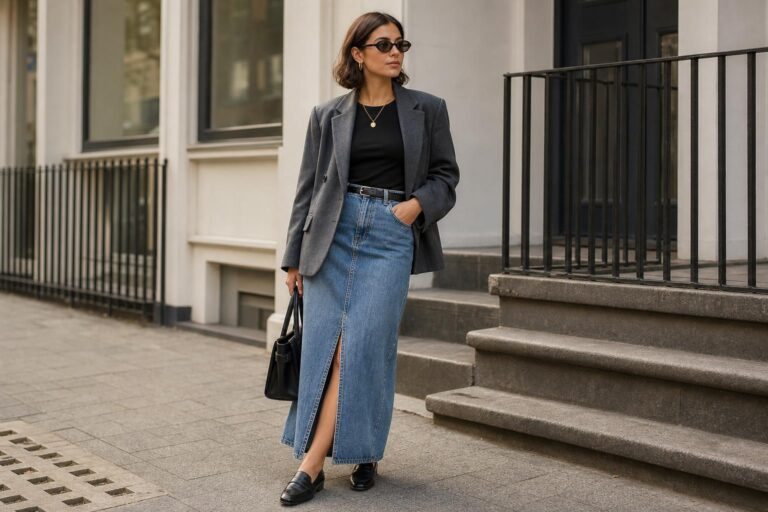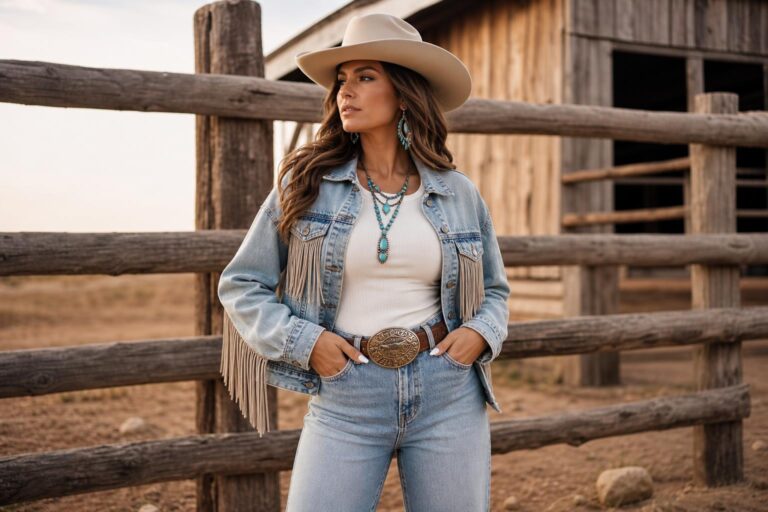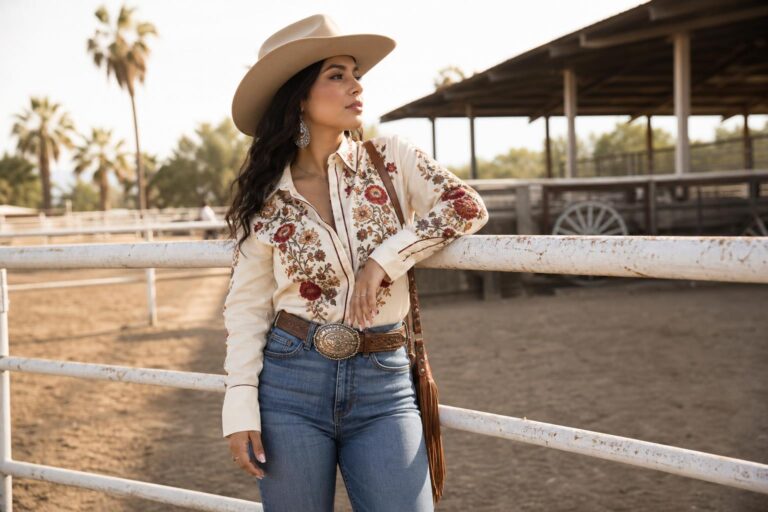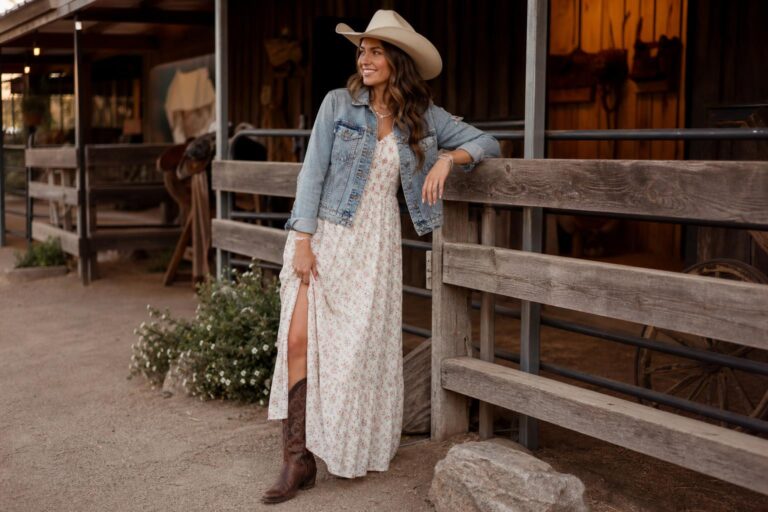
Casual Cowgirl Outfits That Feel Modern, Not Costume
There is a reason casual cowgirl outfits keep returning to the center of American style conversations. They carry a familiar visual language—denim, boots, a belt with presence, a shirt that feels grounded rather than precious—but the real appeal is subtler than costume. The look works because it sits between utility and personality. It suggests movement, outdoor ease, and a kind of confidence that does not rely on overstyling.
What makes the category interesting now is how often it gets flattened into clichés. A casual cowgirl outfit is not simply a western hat added to jeans. It is a balance of line, texture, proportion, and attitude. Some versions lean rugged and practical. Others feel softer, cleaner, and more city-adapted. The visual difference often comes down to restraint: how many western cues are used, how fitted the silhouette is, and whether the outfit feels built for all-day wear rather than a themed moment.
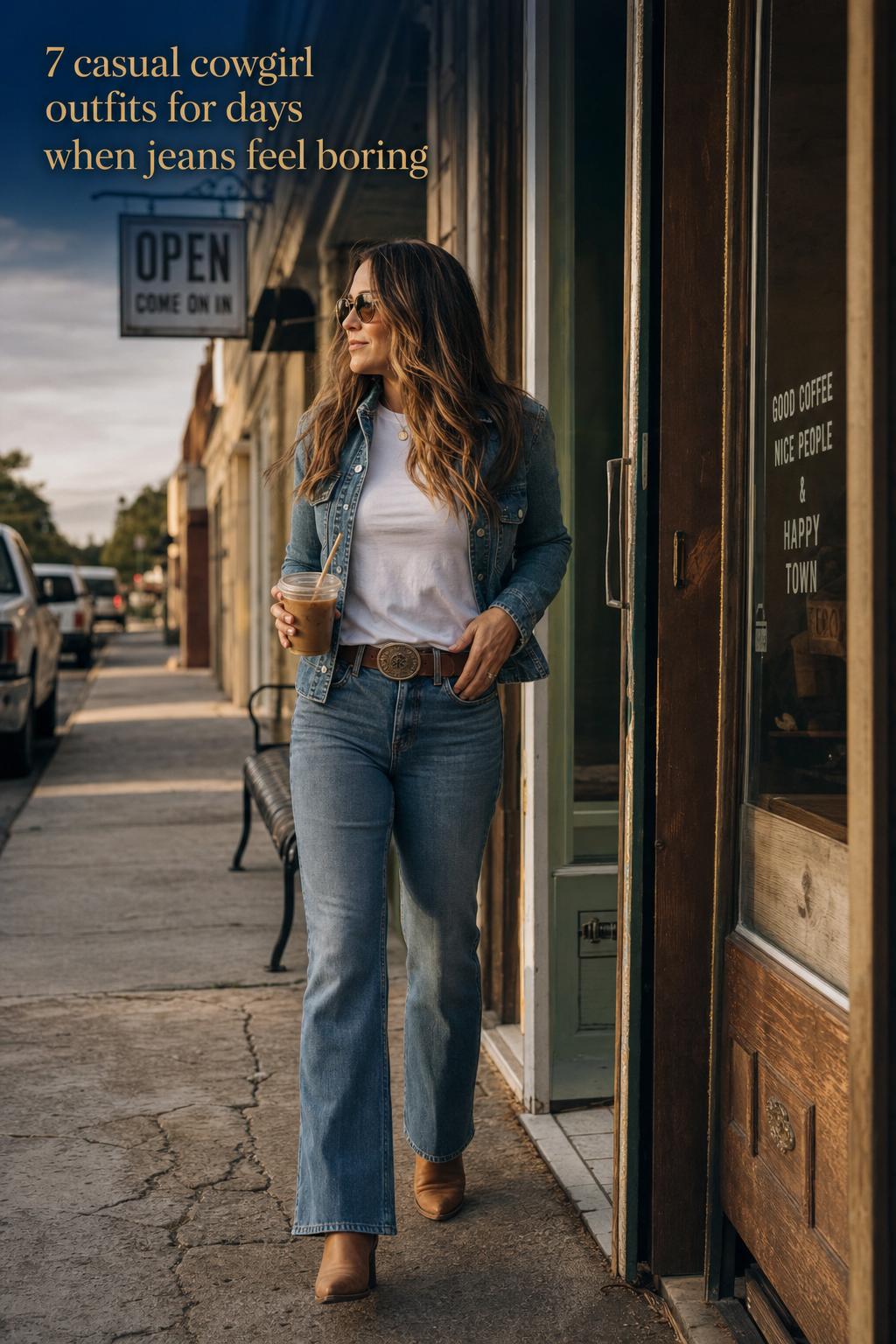
That distinction matters because most people looking for casual cowgirl outfits are not trying to dress for a stage set. They want something wearable for everyday life, a weekend plan, a country concert, a casual dinner, a travel day, or a small-town event where western references feel natural. The strongest outfits understand that cowgirl style is less about exaggeration and more about smart composition.
The visual code of a casual cowgirl outfit
At its core, the casual cowgirl aesthetic depends on a few recognizable anchors: denim, boots, a structured or semi-structured top layer, and accessories that create identity without overwhelming the look. What separates a strong outfit from a random mix of western items is visual hierarchy. One piece should lead, one should support, and the rest should keep the outfit grounded.
Found the dress? Keep the rest in one place.
Zarellea brings guest details, vendors, timelines, and every next step together — so your wedding plan feels as good as your look.
Denim usually acts as the foundation because it already carries the right cultural and textural signal. Boots bring the western point of view. A button-down, tee, tank, denim jacket, or lightweight layer determines whether the final effect reads ranch-inspired, festival-friendly, polished casual, or modern minimal. This is why the same boots can feel entirely different with straight-leg jeans and a crisp shirt than they do with cutoffs and a graphic top.
The emotional mood is equally important. Casual cowgirl style tends to communicate self-possession, approachability, and practicality. Even when it is feminine, it rarely feels overly delicate. The outfit logic is built around pieces that can handle movement, dust, weather shifts, and repetition. That functional backbone is what keeps the style convincing.
The key visual difference between authentic and overdone
The easiest way to recognize an intentional outfit is to look at how many obvious western symbols are competing at once. Cowboy boots, a hat, fringe, heavy hardware, embroidered denim, and a statement belt can all work individually. Worn together, they often push the look into costume territory. Casual cowgirl dressing usually looks strongest when it limits the western emphasis to one or two focal elements and lets the rest of the outfit stay clean.
Why denim leads the conversation
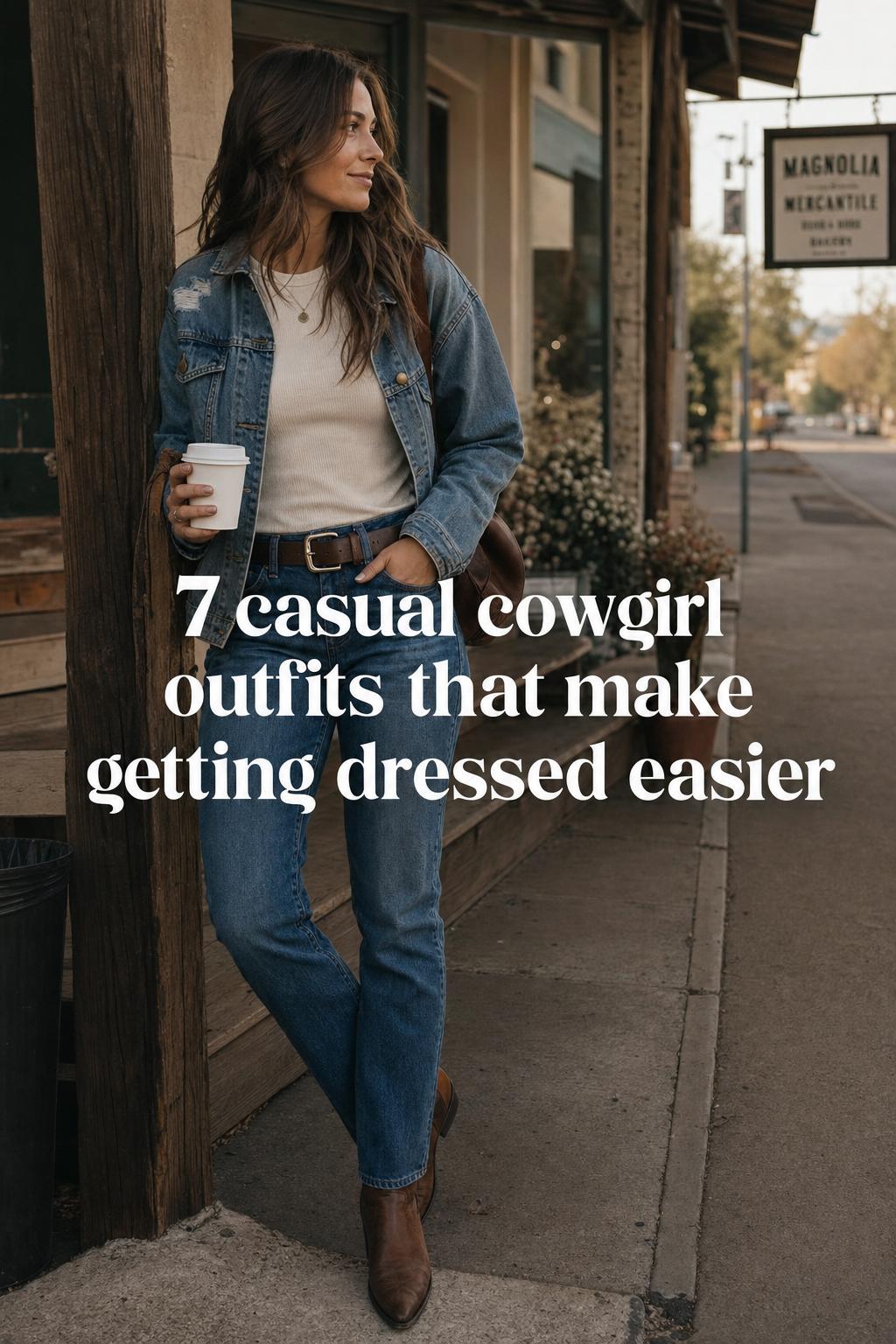
Denim is not just a default fabric here; it is the visual anchor that makes the rest of the outfit credible. In casual cowgirl outfits, denim provides structure, history, and ease all at once. The cut matters as much as the wash. Straight-leg and bootcut silhouettes naturally support boots and create a steady vertical line. Relaxed denim feels more lived-in and practical, while a slimmer cut shifts the look toward a more styled, urban interpretation.
Wash also changes the mood. Mid-wash denim tends to feel the most versatile because it reads classic without becoming too stark. Light wash can make the outfit feel easier and more daytime-friendly. Dark denim sharpens the silhouette and usually appears more polished, especially when paired with a fitted knit, a clean belt, or a more refined boot shape.
The reason denim works so consistently in this aesthetic is that it absorbs stronger western details without losing balance. A bold belt buckle, suede boot, or snap-front shirt can all sit against denim without making the outfit feel visually unstable. That makes jeans one of the safest starting points for anyone building the look gradually.
Most versatile denim choices
- Straight-leg jeans for balanced proportions and everyday wear
- Bootcut jeans when you want the boots integrated into the silhouette
- Denim shorts for warm-weather casual dressing with a relaxed western edge
- A denim jacket for tonal layering and transitional weather
The role of boots: identity, proportion, and practicality
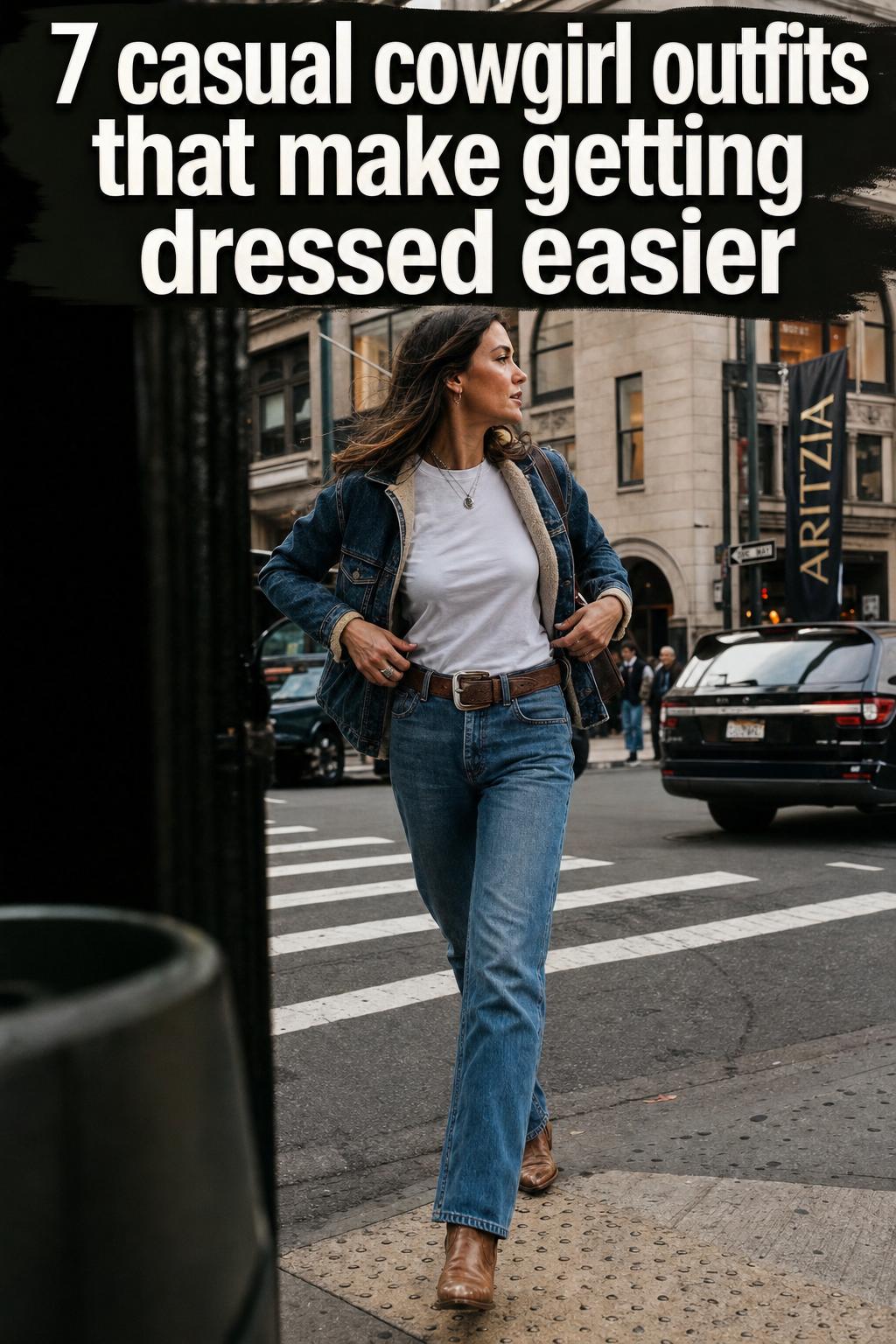
Boots are often treated as the signature piece in casual cowgirl outfits, but their function goes beyond aesthetics. They shape the proportions of the entire look. A taller shaft creates a stronger western impression and gives dresses or shorts a more directional finish. An ankle boot softens the reference and makes the outfit easier to wear in suburban or city settings. The toe shape also matters: a sharper profile feels more polished, while a rounder shape reads more relaxed and practical.
What makes cowboy boots especially effective in casual styling is their ability to introduce character without requiring complicated layering. A plain white tee and denim instantly feel more intentional with the right boot. That is strong outfit composition: one statement element changing the energy of otherwise familiar basics.
There is also a comfort and context question. A pair of boots that looks striking for a photo may not work for a full day of walking, standing, or warm weather. Casual style only feels convincing when the footwear can support real-life movement. The best boot choice is not always the boldest one; often it is the pair that visually supports the outfit while remaining wearable for hours.
Tips for choosing boots that actually work with your wardrobe
Choose a boot color that can connect with more than one base. Brown usually blends more naturally with blue denim and earth tones, while black creates a sharper contrast and can make the outfit feel more modern. If you are building your first western-leaning wardrobe, a clean mid-height boot is usually more flexible than an ornate statement pair.
How tops change the mood of casual cowgirl outfits
The top half of the outfit decides whether the western influence feels understated, romantic, rugged, or contemporary. This is where styling psychology becomes visible. A classic button-down suggests control and heritage. A fitted tank feels warm-weather casual and youthful. A graphic tee brings looseness and attitude. A soft blouse introduces femininity, but if it becomes too delicate, the look can lose the grounded character that makes cowgirl dressing distinct.
Shirts with structure work particularly well because they mirror the discipline of denim and boots. Cotton, chambray, and other crisp fabrics hold shape and create visual clarity. More fluid fabrics can also work, but they need balance elsewhere—usually through a heavier belt, sturdier denim, or a more substantial boot. Without that counterweight, the outfit can drift away from the cowgirl mood and into generic bohemian territory.
Even a basic tee has a role here. A slightly boxy or fitted tee can reduce the costume effect of overtly western accessories. That is often the smartest move for everyday styling: keep one part of the outfit familiar and uncomplicated so the western pieces feel integrated rather than theatrical.
Accessories are where the styling becomes believable
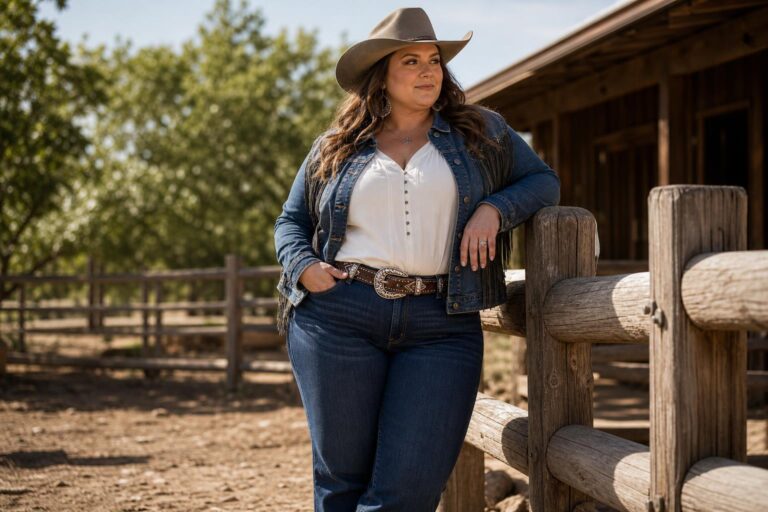
Accessories determine whether an outfit feels thoughtful or assembled too literally. In casual cowgirl outfits, belts often do more work than hats. A belt creates a visual break at the waist, adds hardware, and reinforces the denim relationship without demanding attention from across the room. It is a strong way to define the look while keeping it casual.
Hats are more situational. In the right setting, they make complete visual sense. In the wrong one, they can dominate the outfit and make everything else feel secondary. The same is true for fringe bags, oversized buckles, and heavy jewelry. These pieces are effective when they sharpen the identity of an otherwise simple outfit. They are less effective when every accessory tries to announce the same message.
Jewelry should usually support the texture story rather than compete with it. If the boots or belt already carry a lot of detail, cleaner earrings or a restrained necklace keep the composition balanced. Casual western dressing is often strongest when metal accents echo each other quietly instead of turning into a collection of statements.
Why this combination works
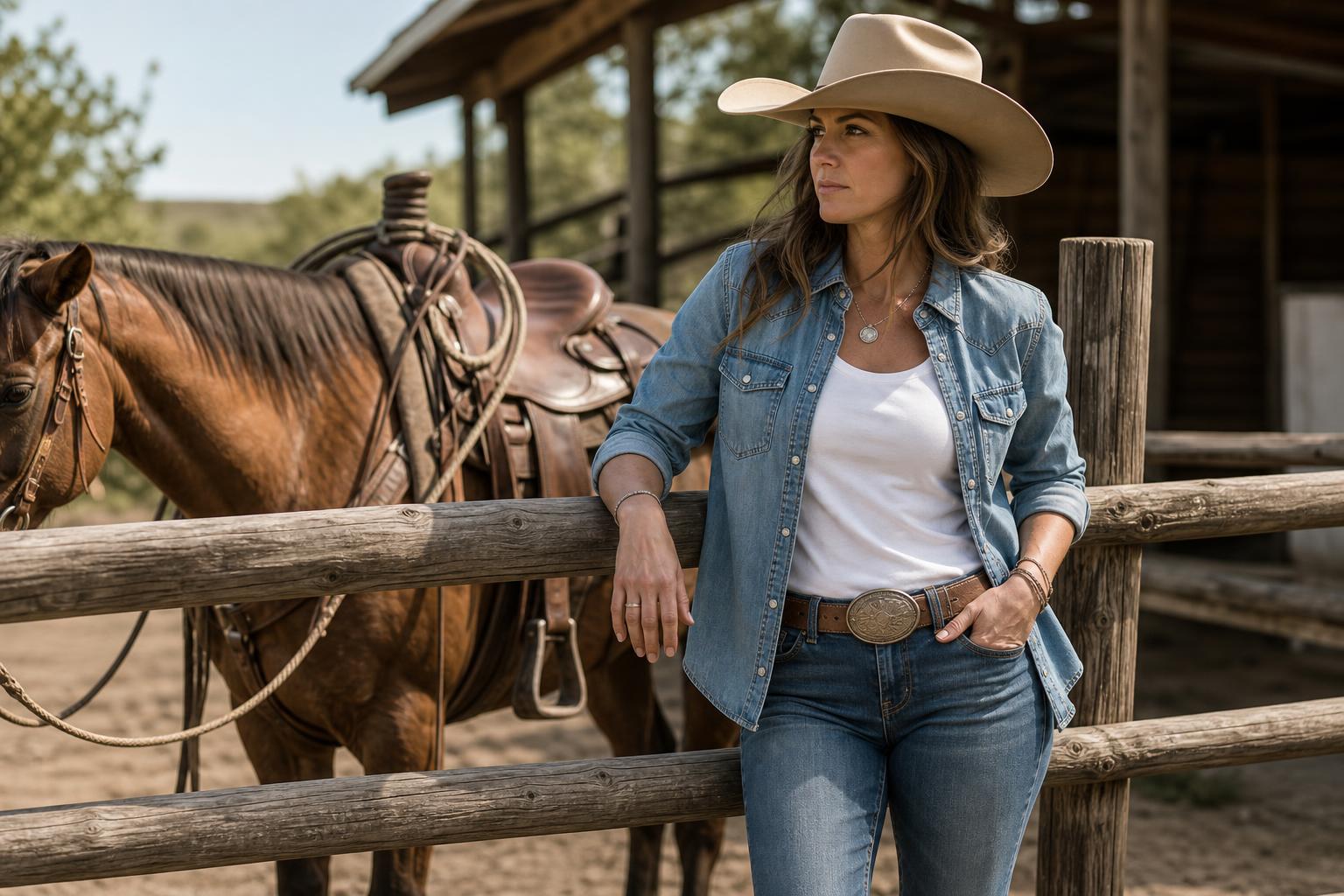
A plain white tank, straight jeans, brown cowboy boots, and a defined belt work because each piece handles a separate function. The tank keeps the outfit modern and clean. The jeans provide structure. The boots supply identity. The belt creates finish. Nothing is redundant, so the result feels confident rather than crowded.
Everyday basics through a western lens
The most wearable version of this aesthetic usually starts with ordinary basics and adjusts them through proportion and one western focal point. That is why casual cowgirl outfits can fit into mainstream wardrobes without feeling disconnected from the rest of your closet. The pieces are often familiar; the difference lies in how they are combined.
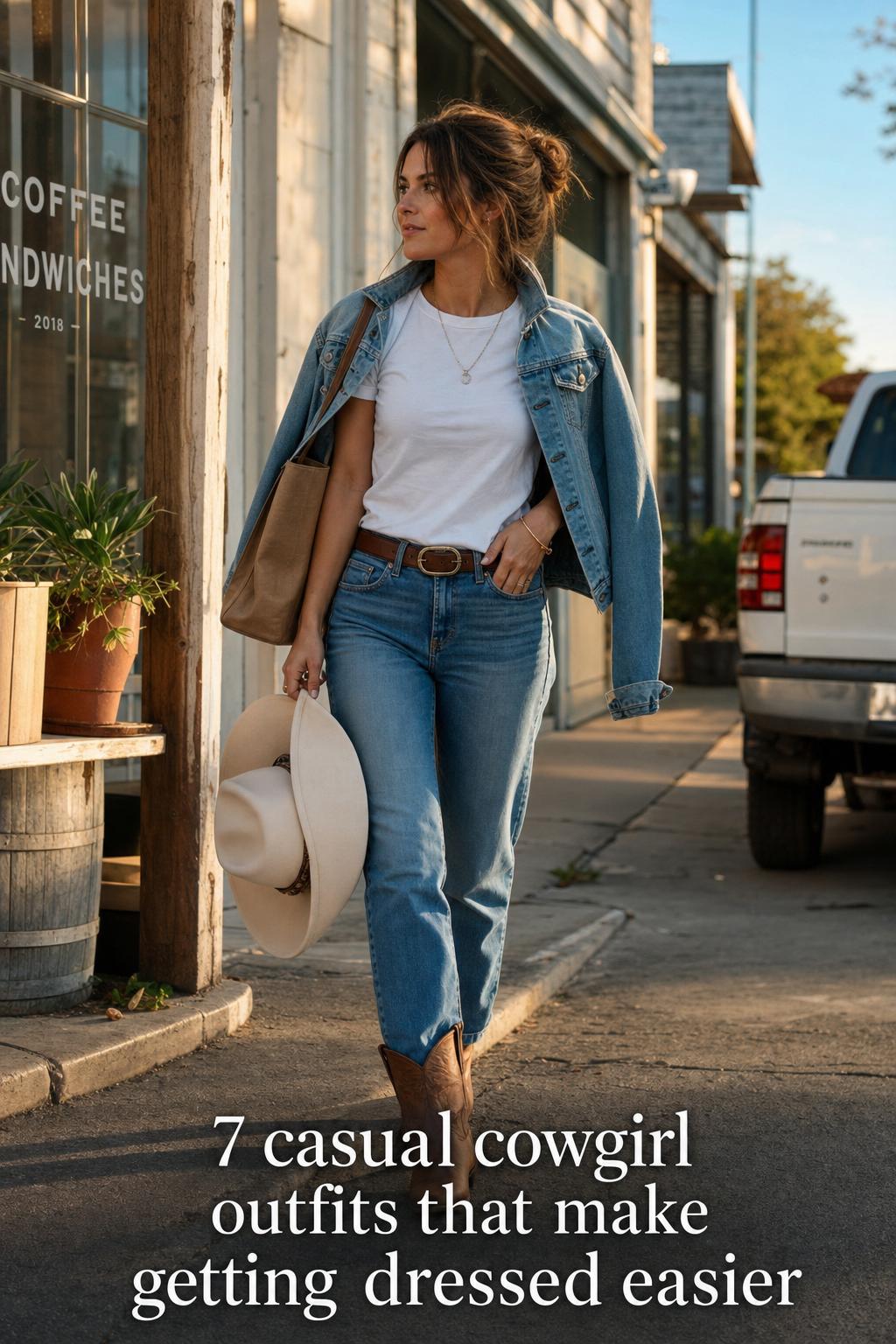
Take the classic jeans-and-tee formula. With sneakers, it reads generic casual. With cowboy boots and a belt, it gains direction. Add a denim jacket and the outfit becomes more tonal and rooted. Swap the tee for a button-down tied at the waist and the mood becomes more defined and slightly more feminine. The foundation barely changes, but the styling message does.
This is useful from a wardrobe perspective because it means you do not need an entirely separate set of clothes. A good casual cowgirl wardrobe is often built by reworking staples you already own and identifying which additions create the strongest shift in mood.
Easy building blocks that do the most work
- Blue jeans with a leg shape that works over or around boots
- A white or neutral tee for visual simplicity
- A button-down shirt in denim, chambray, or crisp cotton
- One pair of cowboy boots in a versatile neutral tone
- A belt that adds structure without overpowering the outfit
Warm-weather casual cowgirl dressing without looking heavy
Summer is where many western-inspired outfits become visually confused. The instinct is often to keep adding recognizable elements, but warm-weather dressing requires more restraint. The goal is to preserve the identity of the look while reducing weight, bulk, and unnecessary layering.
Denim shorts, a tank, and boots create a direct warm-weather interpretation, but proportion matters. If the shorts are very short and the boots are tall, the outfit can quickly shift from casual to performance-oriented. A slightly looser short, a fitted ribbed tank, and a moderate-height boot usually feel more balanced. The silhouette becomes easier, and the western reference remains clear.
Dresses can also work well, especially when the shape has enough simplicity to hold its own against the boots. A dress with too many ruffles or overly delicate details can clash with the directness of western footwear. Cleaner lines tend to produce a better visual conversation. The boots add weight, the dress adds movement, and the contrast feels intentional.
Tips for hot-weather balance
- Keep the top simple when the boots are the focal point
- Use lighter denim washes to create a more daytime, breathable mood
- Limit heavy accessories so the outfit does not feel seasonally mismatched
- Choose silhouettes that allow movement rather than clinging too tightly
Layering for transitional weather
Casual cowgirl outfits often look especially strong in transitional seasons because layering adds depth without requiring visual excess. A denim jacket over a tank, a button-down over a tee, or a fitted knit under a more rugged outer layer can all reinforce the practical side of the aesthetic. Texture contrast becomes more visible, and that is where western-inspired dressing feels particularly rich.
Layering also reveals the difference between authentic styling and imitation. Effective western casual layering is usually functional first. It looks like the pieces belong together because they solve a weather or comfort need, not because they were stacked for visual effect alone. That utility logic is part of what makes the aesthetic durable.
A denim-on-denim combination can work well here, especially if the washes are close enough to feel deliberate or different enough to create clear separation. Mid-tone denim with brown boots and a white base layer remains one of the most reliable combinations because it feels rooted, uncomplicated, and adaptable.
Casual dinner, concert, weekend errands: the same aesthetic interpreted differently
One of the strengths of casual cowgirl outfits is that they can adjust to different real-life settings without losing identity. The logic stays consistent, but the emphasis shifts. For errands, the outfit needs ease and durability. For a casual dinner, it should gain a little polish. For a concert, it can carry more personality and stronger accessories.
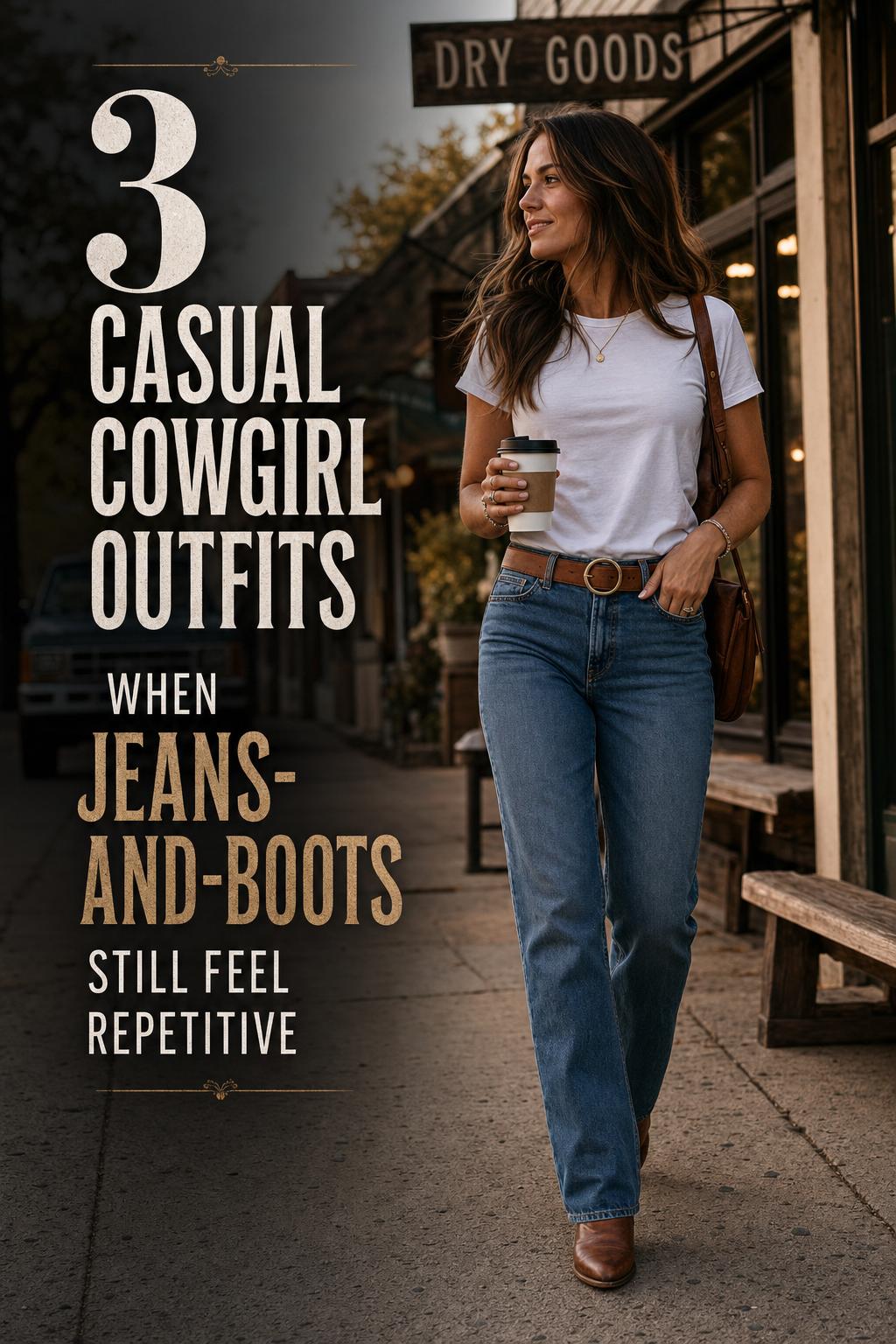
For daytime errands, straight jeans, a tee, boots, and a belt are often enough. The outfit feels capable and low-maintenance. For a casual dinner, swap the tee for a more fitted top or crisp button-down and sharpen the silhouette with darker denim or cleaner boots. For a concert, introduce one extra point of interest—a more distinct belt, a denim jacket, or a hat if the setting supports it. The western mood remains, but the social energy changes.
This is the kind of flexibility that makes the aesthetic practical rather than niche. You are not rebuilding from scratch for each occasion. You are adjusting the level of statement, structure, and finish.
When the outfit needs to feel more polished
Polish in this category usually comes from cleaner lines, fewer competing accents, and stronger fit discipline. Darker denim, a tucked shirt, a belt with presence, and boots in good condition can make a simple look feel composed without losing its casual identity. Over-accessorizing usually has the opposite effect.
The soft version versus the rugged version
Not every casual cowgirl outfit communicates the same kind of femininity. Some outfits lean soft, with a fitted tank, easy denim, and boots used as contrast. Others are more rugged, built around straight or relaxed jeans, a workwear-inspired shirt, and sturdier accessories. Neither is more correct. They simply prioritize different forms of visual strength.
The softer version tends to rely on shape and body line. The rugged version relies more on fabric weight and structure. This distinction is useful when deciding which variation suits your lifestyle. If your wardrobe already includes clean basics and fitted tops, the softer route may feel more natural. If you prefer practical layers and less body-conscious dressing, the rugged version often integrates more easily.
What connects both is the same underlying logic: western identity works best when supported by sturdy materials, believable proportions, and at least one element of restraint.
Style psychology: why this aesthetic resonates
Casual cowgirl dressing carries a specific emotional charge. It suggests capability, independence, and comfort with the outdoors, even when worn in suburban or urban environments. That psychological appeal matters. Many people are drawn to the look not because they want a historically exact western wardrobe, but because they respond to the clarity of the image. It feels direct. It feels self-contained. It is expressive without looking fragile.
There is also a strong relationship between this style and American fashion memory. Denim, boots, belts, and utility shirts are familiar cultural objects. That familiarity makes the look easier to wear than more abstract trends. Even when the outfit is trend-aware, it still feels legible. That is part of its enduring strength.
What makes an outfit look intentional rather than trendy
Intentional styling depends on editing. In casual cowgirl outfits, that usually means controlling how many western cues appear at once and making sure each one has a reason to be there. The boots should connect to the denim. The belt should finish the waistline, not just fill a trend requirement. The shirt should support the silhouette rather than compete with the accessories.
Color harmony matters too. Earth tones, blue denim, white, black, and neutral leather tend to keep the outfit cohesive because they allow texture and shape to lead. When too many bold details are introduced at once, the eye has no resting point. The result can feel more like a theme than a wardrobe.
Fit is the final test. Even a simple outfit can look elevated if the jeans break correctly over the boots, the top sits cleanly at the waist, and the layers do not bunch or distort. Casual dressing does not mean careless dressing. In western-influenced style, precision often hides inside apparent ease.
Styling mistakes to avoid
- Using too many obvious western details in one outfit
- Choosing boots that fight the hem shape of the jeans
- Adding delicate pieces that disconnect from the rugged base
- Forcing a hat into settings where it overwhelms the outfit
- Ignoring comfort and mobility for the sake of a stronger visual statement
How body proportion changes the feel of the look
Silhouette balance is especially important in casual cowgirl outfits because boots visually add weight to the lower half. That means the line of the jeans, shorts, or dress has to create a stable relationship with the footwear. Straight and bootcut jeans naturally distribute that weight. Very skinny silhouettes can work, but they often create a more stylized and less relaxed impression. With dresses or skirts, length becomes crucial. Too short can make the boots feel overpowering; too long can hide the shape entirely.
Waist definition also changes the message. A tucked or semi-tucked top creates structure and highlights the belt, which often helps the outfit feel finished. A looser untucked shirt can read more rugged and easy, but it needs enough shape in the denim or enough clarity in the boot to avoid looking shapeless. The best proportions depend less on body type categories and more on whether the outfit has a clear visual line.
Mixing modern pieces with western codes
The most current interpretations of casual cowgirl outfits often work because they combine western anchors with otherwise modern basics. This approach reduces stiffness and broadens wearability. A clean tank, a minimal tee, or a simple denim jacket can make cowboy boots feel less costume-coded and more integrated into everyday style.
This blending strategy is also practical for readers who do not want to commit to a full western wardrobe. You can keep your existing denim, neutral tops, and familiar layers, then introduce one or two cowboy-informed pieces. The result often feels stronger than a fully themed outfit because it has more contrast and more realism.
Easy ways to blend both worlds
- Pair cowboy boots with a plain tee and straight jeans
- Use a western belt with otherwise minimal basics
- Choose one denim statement layer and keep the rest clean
- Let boots be the main signal instead of adding multiple themed accessories
Which pieces are easiest to recreate affordably
From a wardrobe-building perspective, the most accessible version of this aesthetic starts with staples that already have broad use. Jeans, basic tees, button-down shirts, and denim jackets offer high versatility beyond this specific style category. Boots are usually the most defining purchase, but they are also the item that can shift many existing outfits into a western-leaning direction.
A belt is another efficient addition because it changes the finish of jeans-and-top combinations immediately. If budget is a concern, start there before collecting more specific accessories. This is one of the reasons casual cowgirl style remains approachable: it does not require a complete visual reset. It rewards editing and smart anchoring more than excess buying.
A destination-driven note: why this style lands differently depending on setting
Context changes the credibility of western dressing. In rural spaces, outdoor events, country music settings, road-trip stops, state-fair environments, and small-town weekends, stronger western elements often feel entirely natural. In more urban spaces, the same items may need sharper restraint to avoid feeling disconnected from the environment. That does not mean the aesthetic only belongs in one place. It means styling should respond to setting.
This is where casual cowgirl outfits show their range. In place-based settings, the look can handle more direct references. In everyday city life, it often looks strongest when translated through denim, boots, and one disciplined accessory rather than a full symbolic package. Good style always understands context, and western-inspired dressing is no exception.
FAQ
What defines a casual cowgirl outfit?
A casual cowgirl outfit usually combines practical basics such as denim, cowboy boots, a tee or button-down, and a belt, with enough western influence to create identity without looking theatrical. The key is balance, not excess.
How do I wear cowboy boots casually?
The easiest approach is to pair cowboy boots with straight-leg or bootcut jeans and a simple top like a white tee, tank, or crisp shirt. Keeping the rest of the outfit clean allows the boots to add character without overwhelming the look.
Can casual cowgirl outfits work in summer?
Yes, but warm-weather versions need lighter visual weight. Denim shorts, simple tanks, easy dresses, and moderate accessories work better than heavy layering. The goal is to preserve the western mood while keeping the outfit breathable and proportionally balanced.
What jeans work best for casual cowgirl outfits?
Straight-leg and bootcut jeans are often the most reliable because they create a stable line with cowboy boots. They support the visual weight of the footwear and usually look more natural than overly tight or overly cropped silhouettes.
How do I keep a cowgirl outfit from looking like a costume?
Limit the number of obvious western details in one look. Choose one or two focal elements, such as boots and a belt, then keep the rest of the outfit grounded with simple denim and clean basics.
Are hats necessary for a casual cowgirl look?
No, hats are optional and often more setting-specific than belts or boots. Many of the strongest casual cowgirl outfits skip the hat entirely and rely on denim, footwear, and silhouette to communicate the western reference.
Can I wear a dress as part of a casual cowgirl outfit?
Yes, especially if the dress has relatively clean lines and enough simplicity to balance the boots. The contrast works best when the dress provides movement and the boots provide structure, rather than both pieces competing for attention.
What accessories matter most in casual cowgirl outfits?
A belt usually offers the most impact because it adds structure, hardware, and a finished waistline without overwhelming the outfit. Boots are the main identity piece, while hats and statement accessories should be used more selectively.
Can I mix modern basics with western pieces?
Yes, and that is often the most wearable approach. Modern basics such as plain tees, tanks, and clean denim help cowboy boots and western belts feel integrated into everyday dressing rather than separated as occasion-only pieces.
What makes casual cowgirl style feel timeless?
Its strength comes from durable basics, practical silhouettes, and familiar American style references. When the outfit is built around fit, texture, and restraint instead of novelty, it feels lasting rather than trend-dependent.