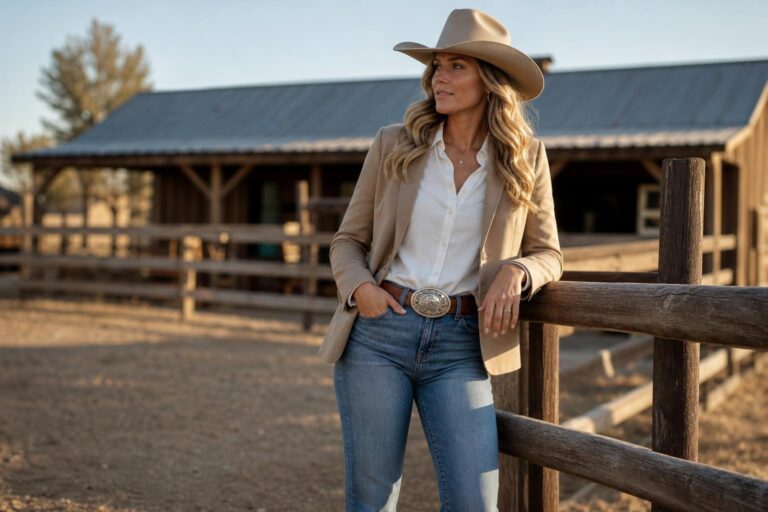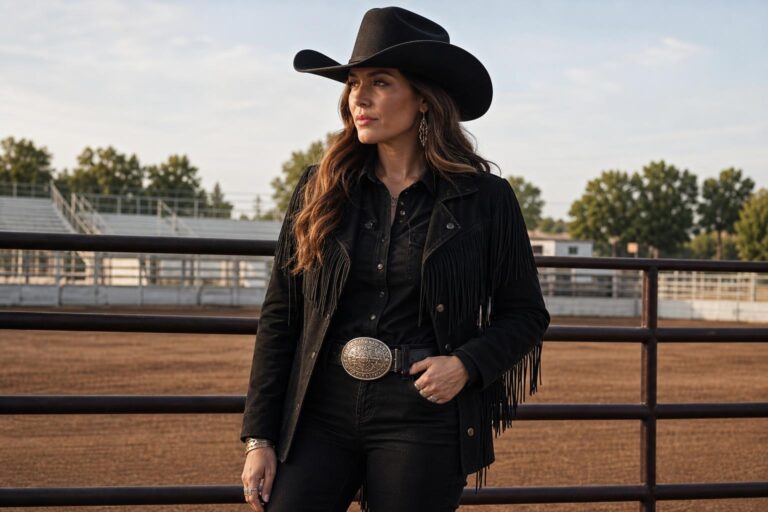
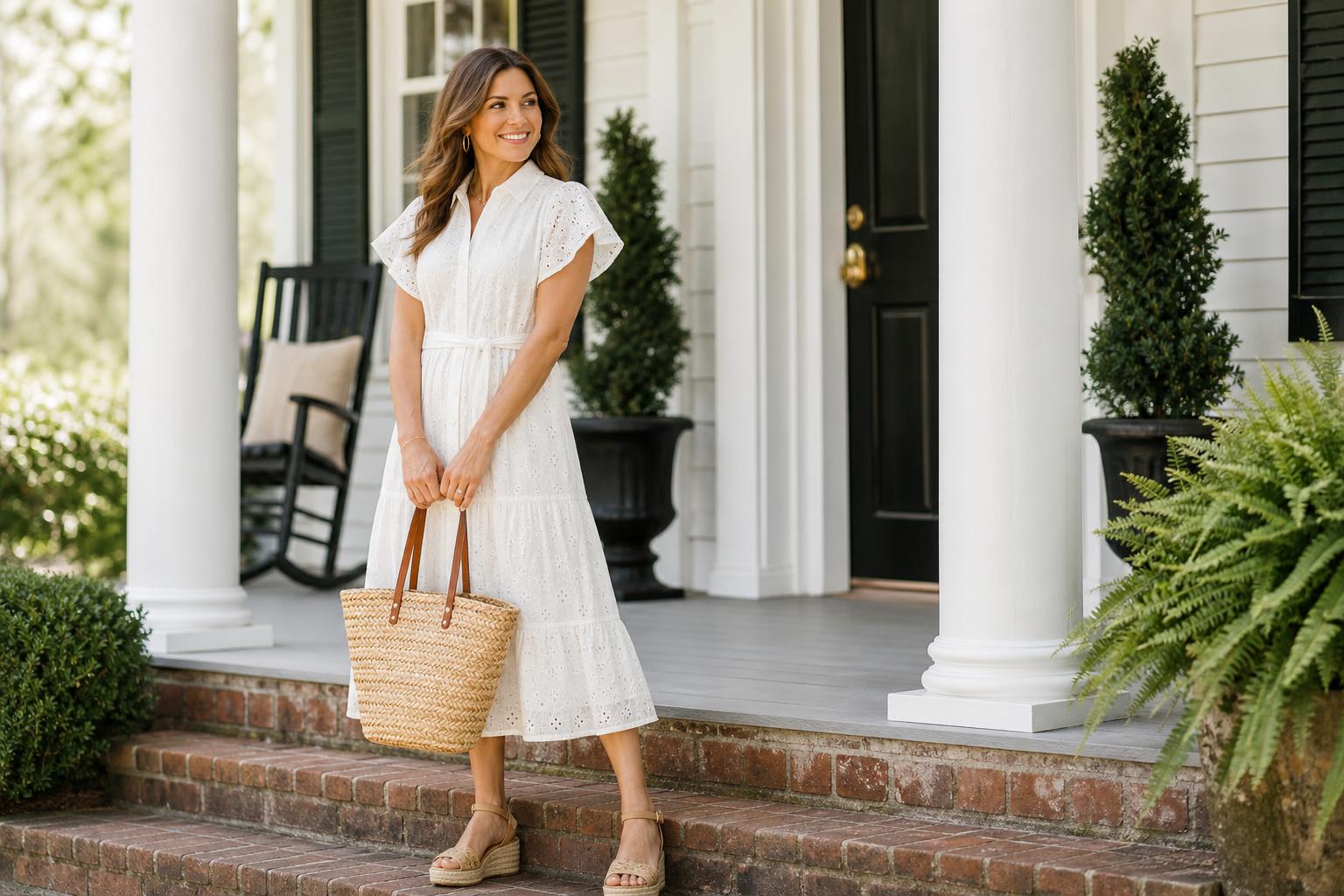
Modern Southern Style Outfits for Warm-Weather Days
The quiet confidence behind southern style outfits
There is a particular ease to southern style outfits that makes them instantly recognizable even when the pieces themselves are simple. The mood is polished without stiffness, feminine without feeling overly precious, and practical enough to move through long days that start with errands and end at dinner, a game day gathering, or an outdoor event. It is a style language built on balance: softness and structure, tradition and modernity, refinement and comfort.
What makes the aesthetic resonate is not excess. It is the way a look feels finished. A crisp dress, well-shaped denim, a lightweight layer, thoughtful accessories, and footwear that can handle real life all play a role. In warm climates and transitional weather alike, the appeal comes from clothes that look intentional while still allowing movement, breathability, and versatility.
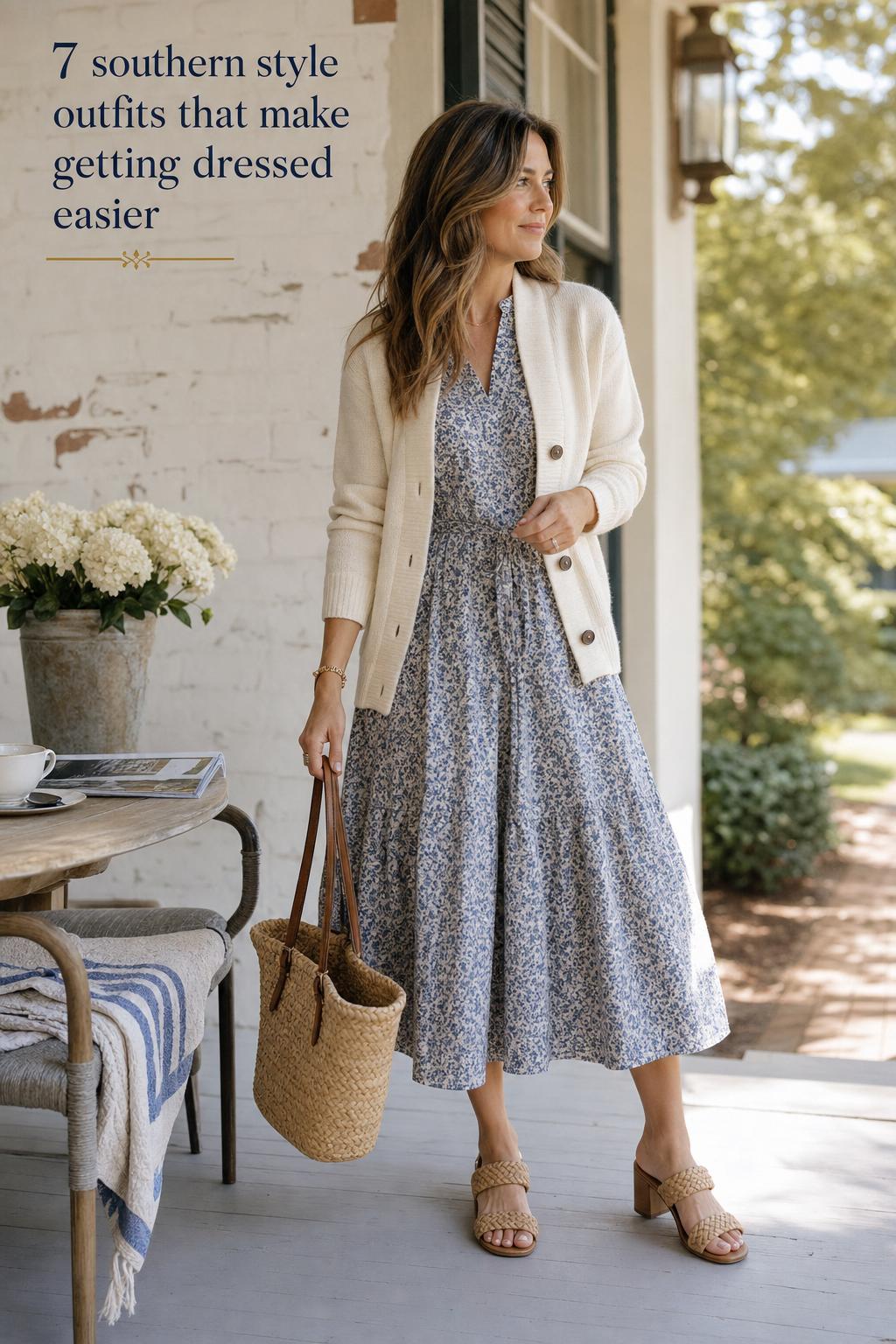
In everyday wear, southern style outfits often live in that highly wearable middle ground between casual and elevated. They make sense for brunch, church, tailgates, weekend trips, family celebrations, casual offices, and warm-weather social calendars. The aspiration is clear, but the formula is grounded: flattering silhouettes, approachable color palettes, and pieces that work hard across multiple settings.
The strongest version of this style is not costume-like. It is edited. Instead of chasing volume for its own sake, it focuses on shape, texture, and proportion. That is why the aesthetic remains relevant: it offers charm, polish, and personality while still fitting the realities of how people actually get dressed.
Found the dress? Keep the rest in one place.
Zarellea brings guest details, vendors, timelines, and every next step together — so your wedding plan feels as good as your look.
What defines the aesthetic in practical terms
At its core, this style relies on three elements: a clean silhouette, a touch of romance, and a sense of occasion even in casual dressing. The silhouette might come from a fit-and-flare dress, high-rise jeans with a defined waist, or a tailored blouse that holds its shape. The romantic element often appears through soft color, subtle print, ruffle detail, eyelet texture, or a more graceful sleeve. The sense of occasion comes from finishing touches that prevent the outfit from feeling thrown together.
That combination matters because it gives the clothing range. A dress can read daytime rather than formal when the fabric is lighter and the shoes are grounded. Denim can feel polished rather than basic when paired with a structured top and intentional accessories. Southern style works best when each item supports the overall composition instead of competing for attention.
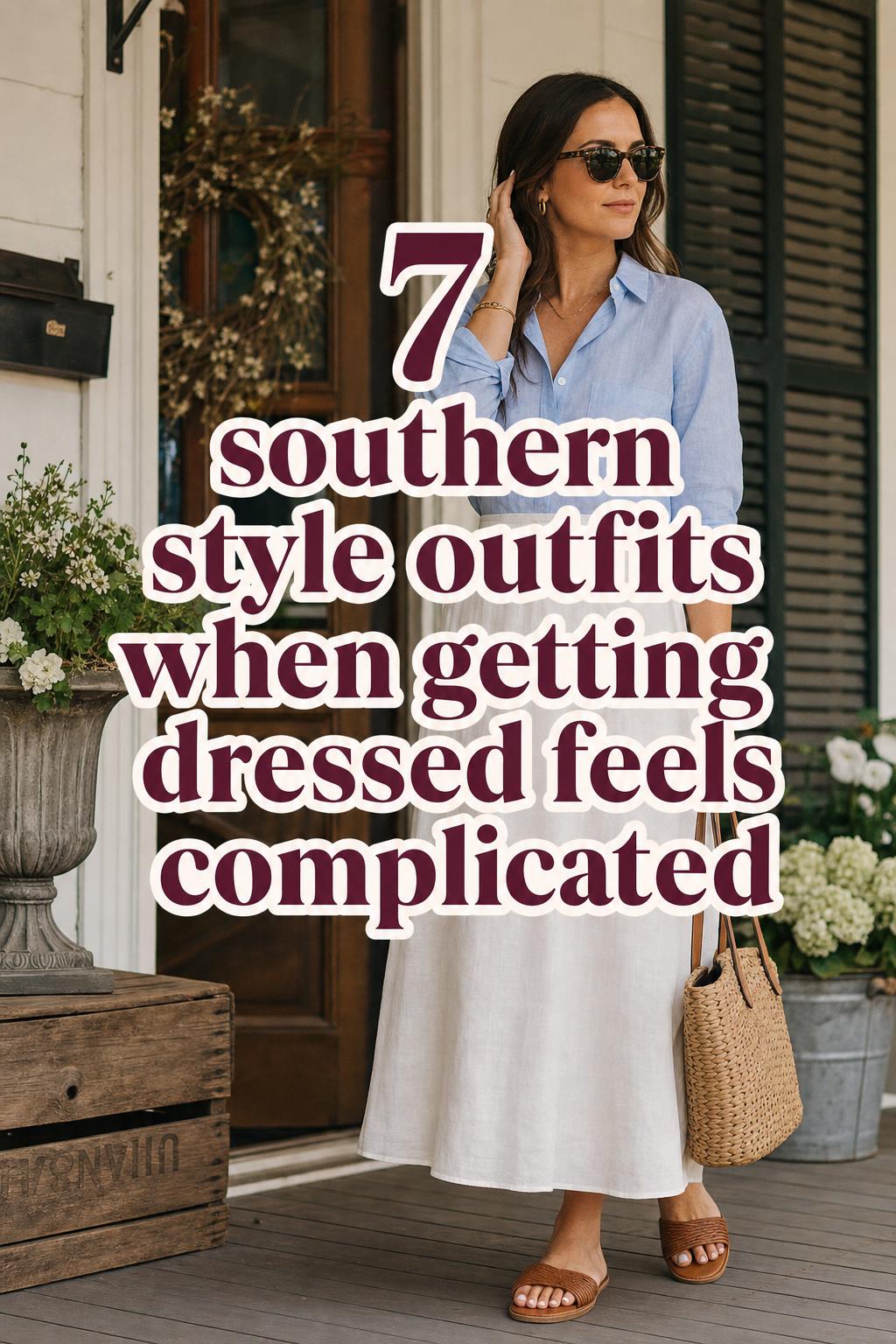
Key visual principles
- Defined waists or shapes that create proportion
- Lightweight layers that add polish without bulk
- Texture contrast such as crisp cotton with woven accessories
- Footwear that feels feminine, classic, or grounded rather than overly sporty
- Color palettes that stay cohesive instead of fragmented
If a look feels off, it is usually not because the pieces are wrong individually. More often, the outfit lacks a visual anchor. That anchor could be a structured blouse, a belt, a dress with shape, or a pair of boots or sandals that give the look direction.
Easy dresses with polished structure
One of the most reliable interpretations of southern dressing starts with the dress. Not just any dress, but one with movement and shape. A midi or above-the-knee silhouette in cotton, linen, or another breathable fabric creates the foundation. Add subtle volume through sleeves or a gently flared skirt, and the outfit immediately feels refined without becoming formal.
This works because the dress handles most of the visual composition on its own. When the shape is already strong, the styling can stay restrained. A woven bag, simple jewelry, and sandals or low heels are often enough. The result feels finished but not overworked, which is exactly the balance this aesthetic depends on.
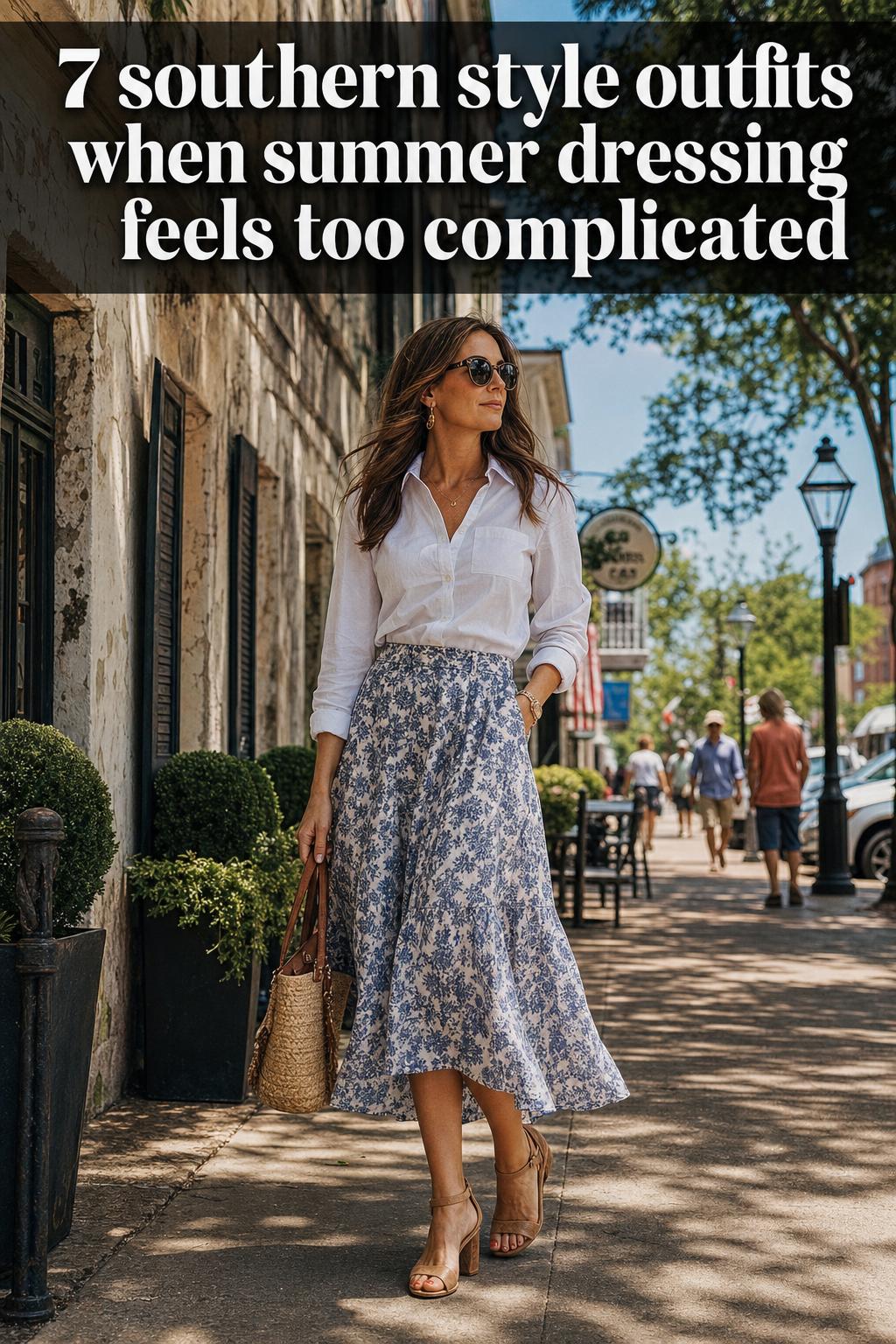
Why this combination works
A well-cut dress simplifies proportion. It creates vertical flow, defines the body softly, and reduces the need for complicated layering in warmer weather. That makes it one of the smartest starting points for anyone building southern style outfits from pieces already in the closet. If the dress has a print, keep accessories quieter. If the dress is solid, textured accessories can add dimension without disrupting the clean line.
Tips for making dresses feel more modern
- Choose cleaner accessories instead of overly ornate ones
- Let one detail lead, such as a sleeve, neckline, or fabric texture
- Keep the shoe shape sleek to avoid making the outfit feel heavy
- Add a lightweight layer only if it improves proportion, not just for coverage
The common mistake here is over-accessorizing. Once a dress already has print, color, and shape, too many decorative extras can make the outfit feel crowded. Southern dressing is often associated with prettiness, but the most elevated version is selective rather than excessive.
Denim and a statement blouse for everyday polish
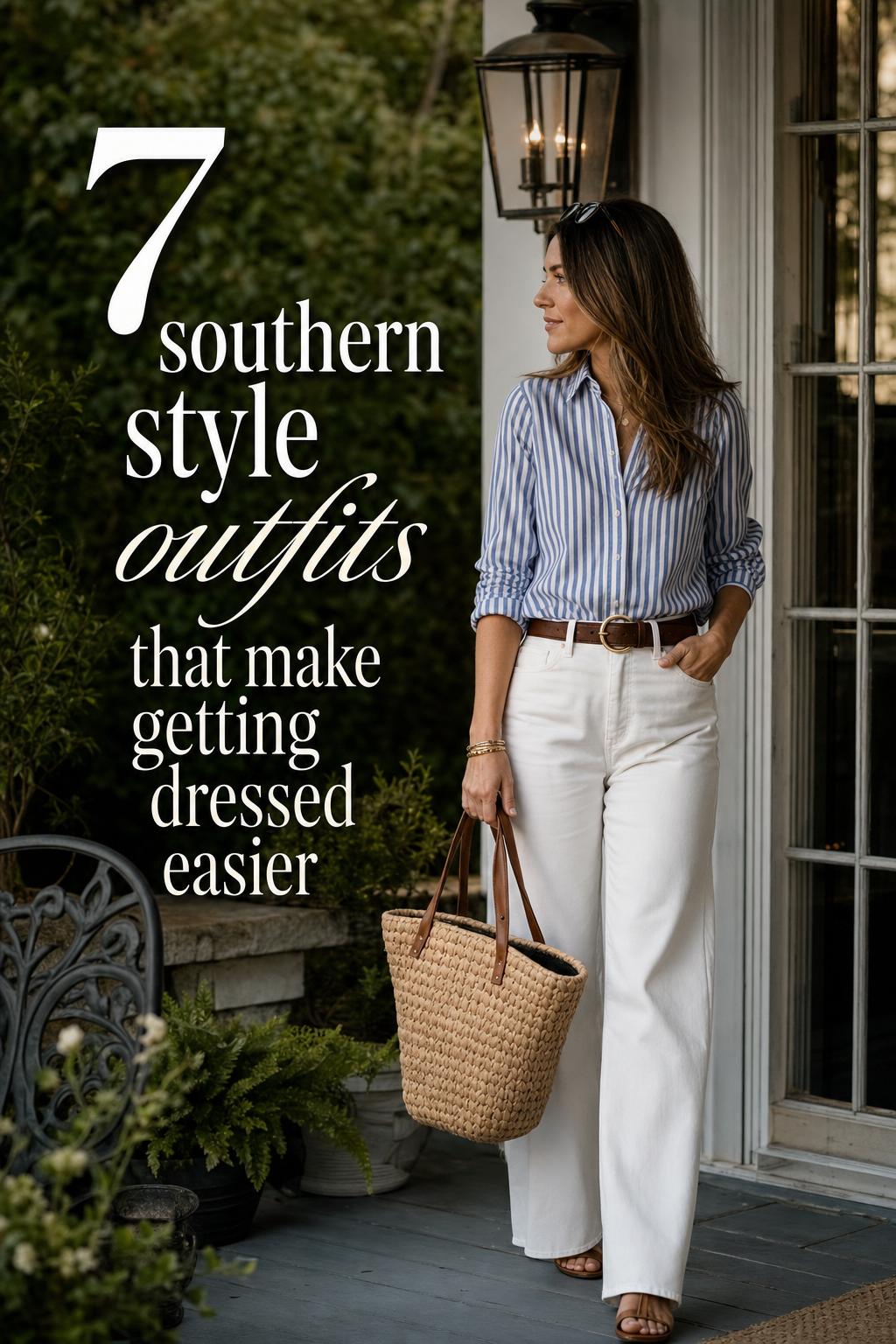
For everyday dressing, few combinations are as dependable as denim paired with a blouse that carries more personality than a basic tee. This is where the aesthetic becomes especially wearable. The denim keeps the outfit grounded. The blouse provides the softness, structure, or detail that shifts the look into southern territory.
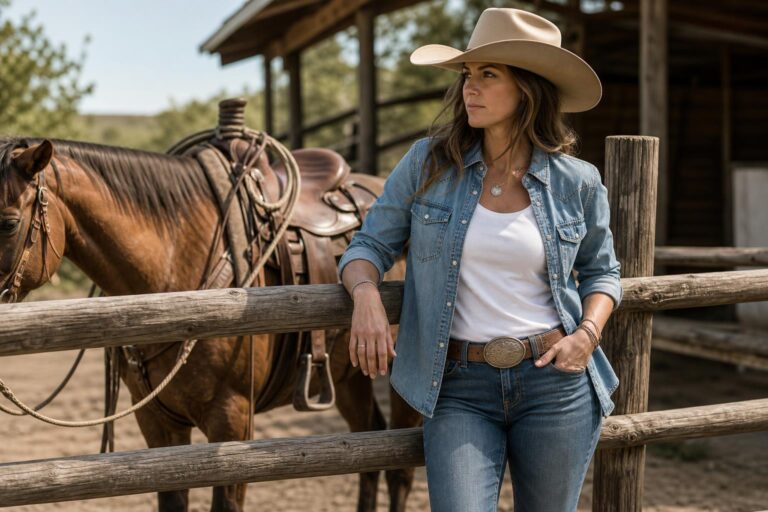
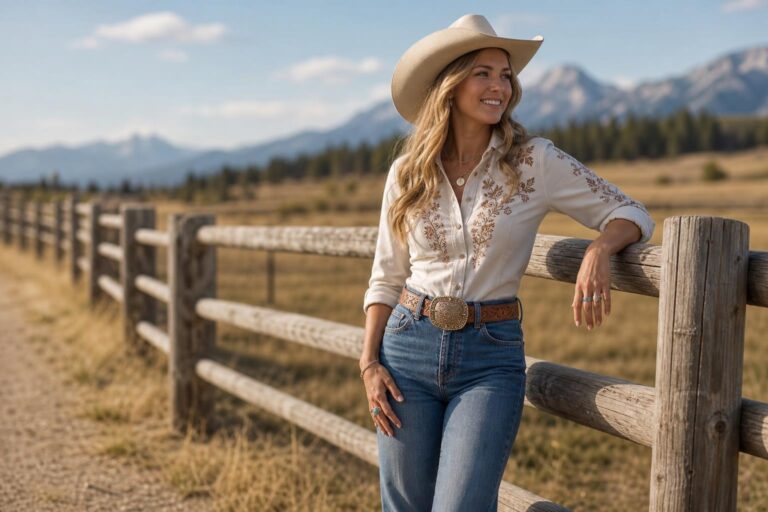
High-rise straight-leg or slim-cut jeans tend to work best because they create a clean line through the waist and hip. The blouse can then introduce shape through sleeve volume, a tie neck, subtle ruffle, embroidery, or crisp fabric. The contrast is important. Relaxed denim with an equally shapeless top often loses the refinement that makes the style feel distinct.
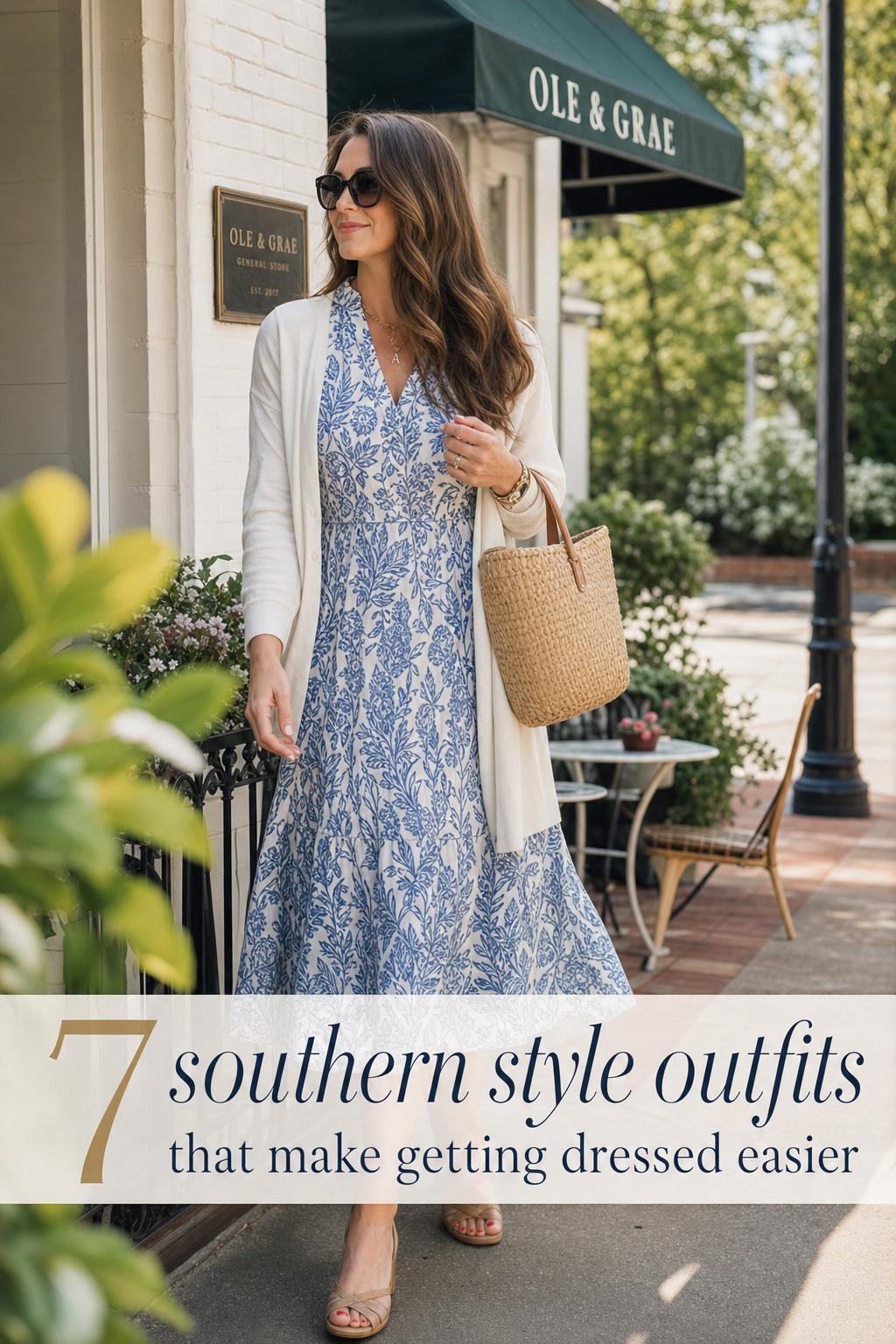
Style breakdown
- Dark or medium-wash denim as the visual base
- A blouse with structure, drape, or feminine detail
- Belt optional, but useful for defining the waist
- Sandals, ankle boots, or low block heels depending on season
- A classic tote or shoulder bag to sharpen the finish
This outfit category adapts especially well to real schedules. It works for lunch meetings, casual Fridays, shopping days, family events, and travel where comfort matters but athleticwear feels too casual. If you are trying to make the look more flattering, focus first on where the blouse hits and whether the waist is visible. That single adjustment can change the entire outfit composition.
Budget-friendly alternative
If buying new pieces is not the goal, start by upgrading the top rather than the jeans. A more intentional blouse does more to shift the outfit into a southern style frame than replacing perfectly functional denim. Pressed fabric, a better neckline, and improved sleeve shape often create more visual impact than trend-led denim cuts.
Tailored shorts with feminine balance
Warm-weather dressing is central to this aesthetic, and tailored shorts offer one of the clearest examples of how practicality and polish can coexist. The difference lies in cut. Shorts that sit cleanly at the waist and have enough structure through the leg read intentional. Pair them with a blouse, lightweight knit, or crisp button-front top, and the outfit feels composed rather than overly casual.
The visual logic is straightforward: shorts expose more leg, so the top should bring enough structure or softness to balance that openness. If the shorts are slimmer, a slightly easier top creates contrast. If the shorts are fuller or pleated, a more fitted or tucked top keeps the silhouette from spreading outward.
How to wear this in everyday life
This interpretation works well for daytime social plans, vacation wear, outdoor lunches, and hot-weather weekends. Flat sandals keep it practical. A low wedge or block heel makes it event-ready. The most versatile version stays within a restrained palette so accessories can shift the mood without forcing a full outfit change.
A useful styling note: when shorts are involved, fabric quality matters more. Thin or overly clingy fabrics tend to undermine the polished effect. Even a simple outfit appears more elevated when the shorts hold shape and the top has crispness or drape rather than stretching tightly across the body.
Light layers for church, brunch, and casual occasions
Some of the most common dress scenarios for this style sit in a middle zone: not fully formal, not fully casual. Church, brunch, baby showers, family lunches, and daytime celebrations all ask for clothing that feels respectful, put-together, and comfortable across several hours. This is where light layering becomes especially useful.
A sleeveless or short-sleeve dress under a cardigan, lightweight blazer, or soft jacket gives flexibility without sacrificing elegance. The same applies to a blouse and skirt or tailored pants. Layering adds polish, but in southern styling it should remain breathable and mobile. Heavy structure can quickly feel disconnected from the climate and the ease that defines the look.
Key piece breakdown
- A dress with a modest neckline and easy movement
- A thin layer that sharpens the silhouette without adding weight
- Footwear that can handle standing and walking comfortably
- Jewelry that reads intentional but not distracting
The reason this category matters is versatility. A good layering piece extends the use of dresses and tops you already own. It also creates a more complete visual frame in air-conditioned interiors, transitional weather, or settings where a little more coverage feels appropriate.
Skirts that bring softness without losing structure
Skirts are often overlooked in practical wardrobe planning, yet they sit naturally within southern style outfits because they offer movement and femininity while allowing flexible styling. The key is choosing a skirt with enough shape to hold the outfit together. A-line, midi, or softly tailored silhouettes tend to perform best because they create clean proportion and pair easily with both fitted and relaxed tops.
A skirt becomes especially effective when the rest of the outfit remains controlled. If the skirt has print or texture, the top should act as a stabilizing element. If the skirt is simple, it can support a more expressive blouse. This visual exchange keeps the outfit balanced and prevents the softness of the aesthetic from turning vague.
Most versatile item
A midi skirt in a neutral or muted tone often gives the widest range. It can be styled with a tucked blouse for a more polished daytime look or with a lightweight knit for a softer weekend version. Because the hemline already carries elegance, the rest of the outfit can stay understated.
For body-shape considerations, the placement of the waistband matters more than the skirt trend itself. A clear waistline creates definition and improves silhouette balance. If a skirt feels overwhelming, shortening visual volume at the top with a tuck or a more fitted neckline usually resolves the issue.
Game day dressing with a polished regional sensibility
One highly specific reason this aesthetic remains so relevant is that it adapts well to game day without defaulting to generic sportswear. In many Southern settings, game day style is social style. That means the outfit needs spirit, but it also needs shape, comfort, and enough polish to carry through photos, walking, heat, and post-game plans.
The most effective formula starts with one clear nod to the event, often through color, then builds around it with pieces that still follow southern dressing logic. A dress in team-adjacent color, denim with a more refined top, or a skirt-and-boot combination can all work. The styling should feel intentional rather than costume-like.
Practical styling priorities for game day
- Choose shoes that can handle long periods on your feet
- Keep fabrics breathable if the day includes outdoor heat
- Use color strategically rather than loading the entire outfit with it
- Select a bag size that works for real movement and venue restrictions
This is a strong example of why the aesthetic works culturally and visually. It allows personality and tradition to show up through dress, but still values proportion, finish, and real-life practicality. The outfit looks social, not sloppy. That distinction is central.
Boots, sandals, and the footwear logic that shapes the outfit
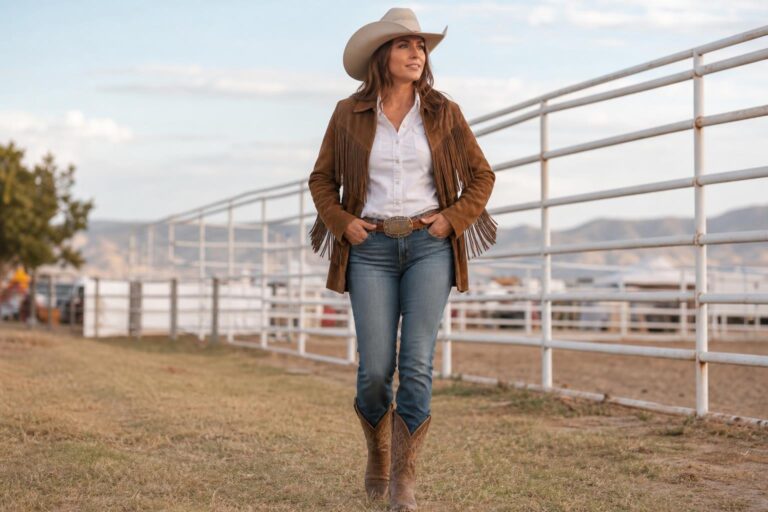
Footwear quietly determines whether southern style outfits read polished, youthful, classic, or too casual. Because many of the clothing formulas are relatively simple, the shoe often becomes the final directional choice. Sandals create openness and keep the outfit climate-appropriate. Boots add contrast and personality. Low heels and wedges bring a dressier finish without sacrificing function.
The important point is not owning every option. It is understanding the visual effect each one creates. Delicate sandals with a fuller dress emphasize lightness. Boots with a dress or skirt add structure and prevent the outfit from feeling overly sweet. A block heel supports longer wear and gives cleaner posture than an ultra-flat shoe in settings that require more polish.
Styling mistakes to avoid
The most common mismatch happens when footwear feels either too heavy for the fabric or too casual for the silhouette. A breezy dress paired with an overly aggressive boot can interrupt the line of the outfit. At the other extreme, an unstructured flat sandal can make a carefully composed look feel unfinished. The best shoe supports the mood of the clothing while still making sense for the setting.
If you are building gradually, start with one versatile sandal and one boot or low heel that can move across dresses, denim, and skirts. In practical wardrobe terms, footwear versatility matters as much as the clothing itself.
Color, print, and tonal layering
The color story in this style tends to work best when it feels coordinated rather than highly experimental. That does not mean dull. It means the palette should support the silhouette instead of distracting from it. Soft neutrals, clear whites, denim blues, and gentle color accents often create the kind of visual harmony that makes the outfit feel elevated.
Print has a place, but it benefits from editing. Florals, stripes, and subtle motifs can all fit comfortably within the aesthetic when the rest of the styling stays grounded. If the garment carries movement and print simultaneously, the accessories should act as a stabilizing force. Tonal layering is especially effective because it creates depth without the visual busyness that can make warm-weather dressing feel overdone.
Easy ways to keep the palette cohesive
- Repeat one color family across clothing and accessories
- Let denim function as a neutral anchor
- Pair prints with solid shoes and bags
- Use texture to add interest when the palette is simple
For readers trying to make outfits flatter more consistently, tonal continuity is one of the most useful tools available. When the palette flows, the eye reads the whole silhouette more smoothly. That can make a practical outfit feel more expensive and more intentional without requiring dramatic pieces.
Accessories that finish rather than overwhelm
Accessories are essential here, but their role is often misunderstood. They are not meant to rescue a weak outfit with volume. They are meant to refine a strong one. In southern style outfits, bags, jewelry, belts, and hair accessories often serve as finishing instruments that reinforce the aesthetic rather than dominate it.
A belt clarifies the waist. Earrings can echo the softness of a blouse or dress. A woven or structured bag can shift the outfit more casual or more polished. The key is to decide what the outfit needs before adding detail. If the clothing already has ruffle, print, and movement, accessories should likely be cleaner. If the outfit is simpler, accessories can safely add interest.
Style insight
The most effective accessorizing often comes from restraint. One or two considered elements usually create a stronger finish than trying to fill every space. This matters especially in a style category associated with femininity, where it is easy to mistake more detail for better dressing. Strong composition nearly always comes from control.
How to adapt the style by season and setting
Although this aesthetic is strongly associated with warm weather, its best formulas can adapt across seasons when fabric and layering shift intelligently. In hotter months, breathability and movement lead. In transitional periods, light jackets, boots, and denser fabrics add enough structure without losing the overall ease. The goal is continuity of mood rather than rigid adherence to one uniform.
Setting matters just as much as season. An outfit for a casual office should hold a cleaner line than one for a tailgate. A brunch look can lean softer and lighter than a church or family-event outfit. The visual DNA remains consistent, but the degree of polish changes according to context.
Seasonal adaptation tip
- In hot weather, prioritize cotton, linen, and looser silhouettes with definition at the waist
- In early fall, swap sandals for boots and add a light layer before replacing the entire outfit formula
- For indoor-outdoor days, carry structure through one layer rather than stacking heavy pieces
- For events, elevate with shoe choice and accessories before moving into more formal clothing
This approach prevents waste and keeps the wardrobe coherent. Instead of treating each season or occasion as a separate identity, it allows the same core pieces to be restyled through smarter composition.
Building a wearable southern wardrobe without overbuying
The easiest way to recreate this style in real life is not to chase endless outfit inspiration. It is to identify the pieces that repeatedly support the aesthetic. A small, well-chosen wardrobe can produce a surprising number of southern style outfits when the silhouette logic is sound.
Foundational pieces worth prioritizing
- One or two dresses with flattering shape and breathable fabric
- A pair of jeans with a clean, reliable fit
- At least one blouse with strong sleeve or neckline detail
- Tailored shorts for hot-weather polish
- A skirt that adds movement without excessive volume
- One lightweight layer that sharpens everyday outfits
- Versatile sandals and a second shoe option such as boots or low heels
From there, focus on interchangeability. A blouse should work with denim, shorts, and a skirt. A dress should style with at least two footwear options. A layering piece should improve multiple outfits rather than serve a single look. This is how the style stays practical instead of becoming an occasional aesthetic experiment.
Tips for smarter outfit building
Invest first in fit, not novelty. The strongest wardrobe upgrade usually comes from pieces that shape the body well and support many combinations. Prioritize breathable fabrics, clean waist definition, and footwear that can carry you through long wear. If an item only works with one exact styling formula, it is less useful than it appears.
Common styling mistakes that weaken the aesthetic
Because this style is associated with charm and femininity, many outfits miss the mark by leaning too heavily into decoration without enough structure. The result can feel visually crowded or less current than intended. Southern dressing is strongest when softness is balanced by clarity.
Where outfits often go wrong
- Too many decorative details in one outfit
- No visible waist or silhouette definition
- Footwear that conflicts with the mood or fabric weight
- Layering that feels too heavy for the climate
- Print mixed with accessories that compete rather than support
Another frequent issue is dressing too literally for the occasion. A game day look can still be polished. A brunch outfit does not need to become overly formal to feel special. A casual outfit can still carry a blouse, belt, or shaped dress. The nuance lies in keeping one foot in practicality and the other in refinement.
Why the aesthetic stays relevant
The continued appeal of southern style outfits comes from their ability to make everyday dressing feel composed. They acknowledge weather, movement, and social context while still prioritizing beauty. That is a rare balance. Many trends either push too far into fantasy or collapse into utility. This aesthetic holds both.
More importantly, it is adaptable. The same visual principles can support someone who prefers dresses, someone who lives in denim, or someone who needs a wardrobe that shifts between casual gatherings and polished daytime events. Once the foundations are understood—shape, texture, restraint, and finishing details—the style becomes easy to personalize.
The best version is the one that feels natural on the wearer. A southern wardrobe does not need to be loud to be memorable. It only needs to feel intentional, flattering, and complete.
FAQ
What pieces are essential for creating southern style outfits?
The most useful starting pieces are a flattering dress, well-fitting denim, a statement blouse, tailored shorts, a versatile skirt, a lightweight layer, and footwear that can move between casual and polished settings. These items create the strongest mix-and-match foundation.
How do I make southern style outfits look modern instead of overly traditional?
Keep the silhouette clean, limit decorative details, and use accessories with restraint. Let one element lead the outfit, whether that is a sleeve shape, a print, or a structured shoe, rather than layering multiple statement details at once.
Can southern style outfits work for hot weather?
Yes, and that is one of the style’s strengths. Breathable dresses, tailored shorts, lightweight blouses, and open footwear all fit naturally within the aesthetic. The key is using fabrics and cuts that allow airflow while still maintaining shape.
What shoes work best with southern style outfits?
Sandals, low block heels, wedges, and boots are often the most useful choices because they balance femininity with practicality. The best option depends on the outfit’s fabric, hemline, and setting, but the shoe should always support the mood rather than fight it.
How can I wear southern style outfits casually?
Start with denim, tailored shorts, or a simple dress, then add one elevated element such as a polished blouse, a belt, or a refined sandal. Casual southern dressing works best when the outfit feels easy but still visually intentional.
Are dresses necessary for this style?
No. Dresses are a strong part of the aesthetic, but they are not required. Denim with a statement blouse, skirts with fitted tops, and tailored shorts with crisp layers can all deliver the same southern balance of softness and structure.
How do I make the style flattering for my body type?
Focus on proportion before trend details. A visible waist, the right hemline, and balanced volume between top and bottom matter more than any single item. If one area of the outfit is fuller, keep the other side more controlled to maintain silhouette balance.
What is the biggest mistake people make with southern style outfits?
The most common mistake is adding too many sweet or decorative elements without enough structure. Strong southern style looks polished because they balance femininity with clean lines, useful fabrics, and thoughtful finishing details.