Comfy Casual Outfits That Feel Polished
Real life is where comfy casual outfits either prove their value or fall apart. A look has to survive a full day of movement, shifting temperatures, work calls, errands, travel, and the constant tension between wanting comfort and wanting polish. The strongest versions of this style do not rely on trend noise. They rely on balance: soft fabrics against structured layers, relaxed silhouettes anchored by clean footwear, and simple outfit formulas that can adapt from morning to afternoon without feeling underdressed.
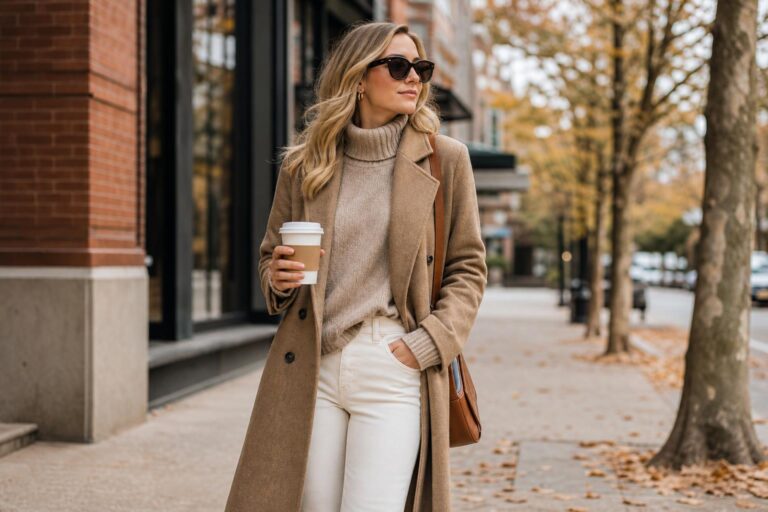
Across spring, summer, travel days, and everyday wear, the most effective comfy casual outfits repeat a few clear ideas: denim and tees as foundations, knitwear and cardigans for easy layering, sneakers or loafers for practical comfort, and accessories like tote bags, sunglasses, and belts to sharpen the final composition. This is also where casual chic becomes useful rather than abstract. The goal is not to look overly styled. The goal is to make comfortable pieces feel intentional.
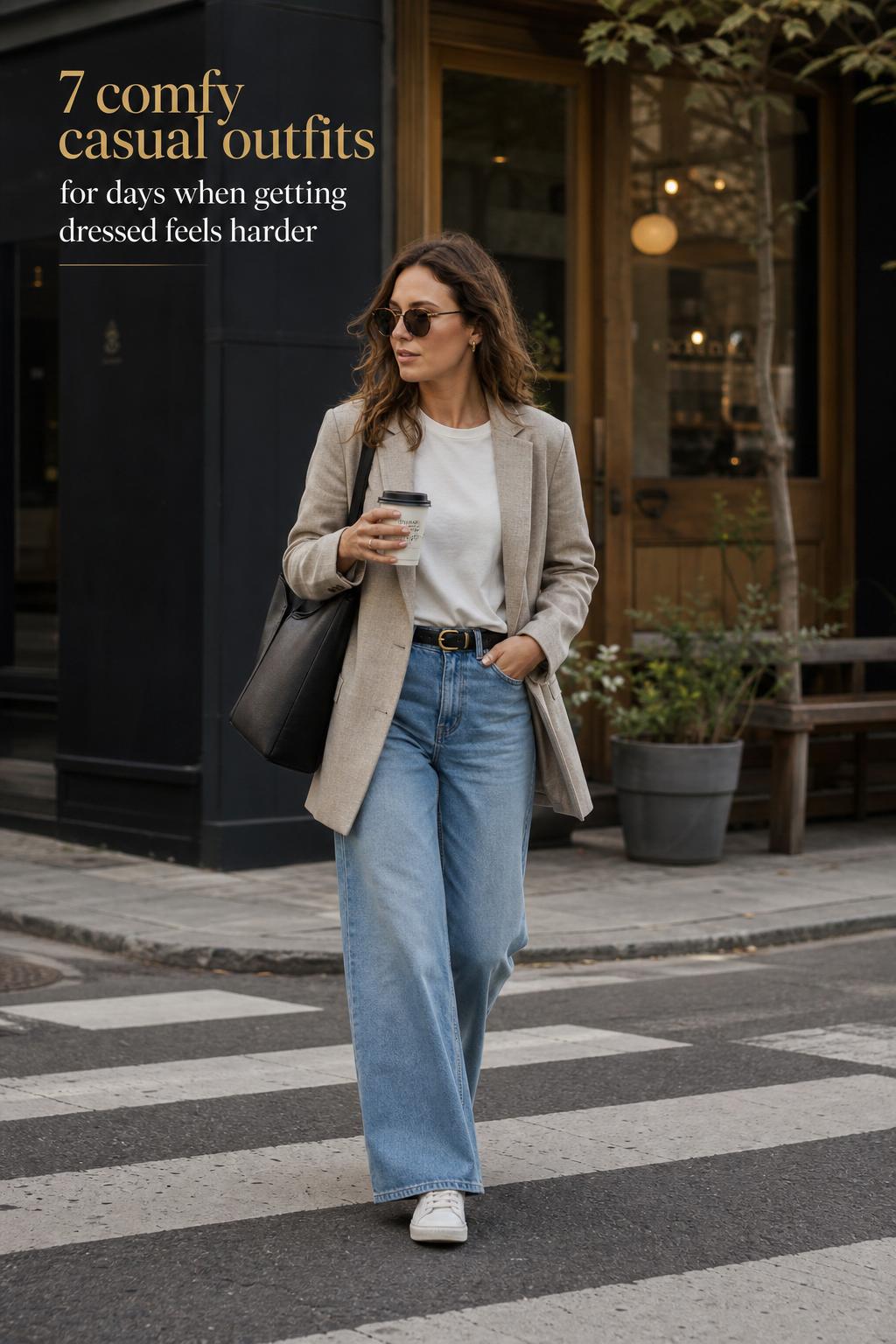
What comfy casual means now
Comfy casual is best understood as a polished everyday wardrobe system rather than a single look. It sits between weekend wear and put-together dressing. The visual language is relaxed, but the outfit composition is deliberate. A jersey tee, cardigan, blazer, wide-leg pant, maxi dress, jumpsuit, loafers, or sneakers all belong here, as long as the proportions and textures work together.
This is why the style appears so often in spring outfit ideas, travel dressing, and casual workwear. It adapts easily. A cardigan softens denim. A blazer adds structure to a knit base. Sunglasses and a tote bag create a visual anchor that makes a simple outfit read more finished. Even in image-driven fashion coverage featuring names like Hannah Desai, Lucy Williams, and Camille Charrière, the core appeal remains practical: wearable formulas with just enough refinement.
Found the dress? Keep the rest in one place.
Zarellea brings guest details, vendors, timelines, and every next step together — so your wedding plan feels as good as your look.
The easiest mistake is assuming comfort alone is enough. It is not. Without some structure, tonal consistency, or proportion control, a comfortable outfit can quickly look incomplete. The strongest comfy casual looks have one grounded element, one relaxed element, and one finishing element.
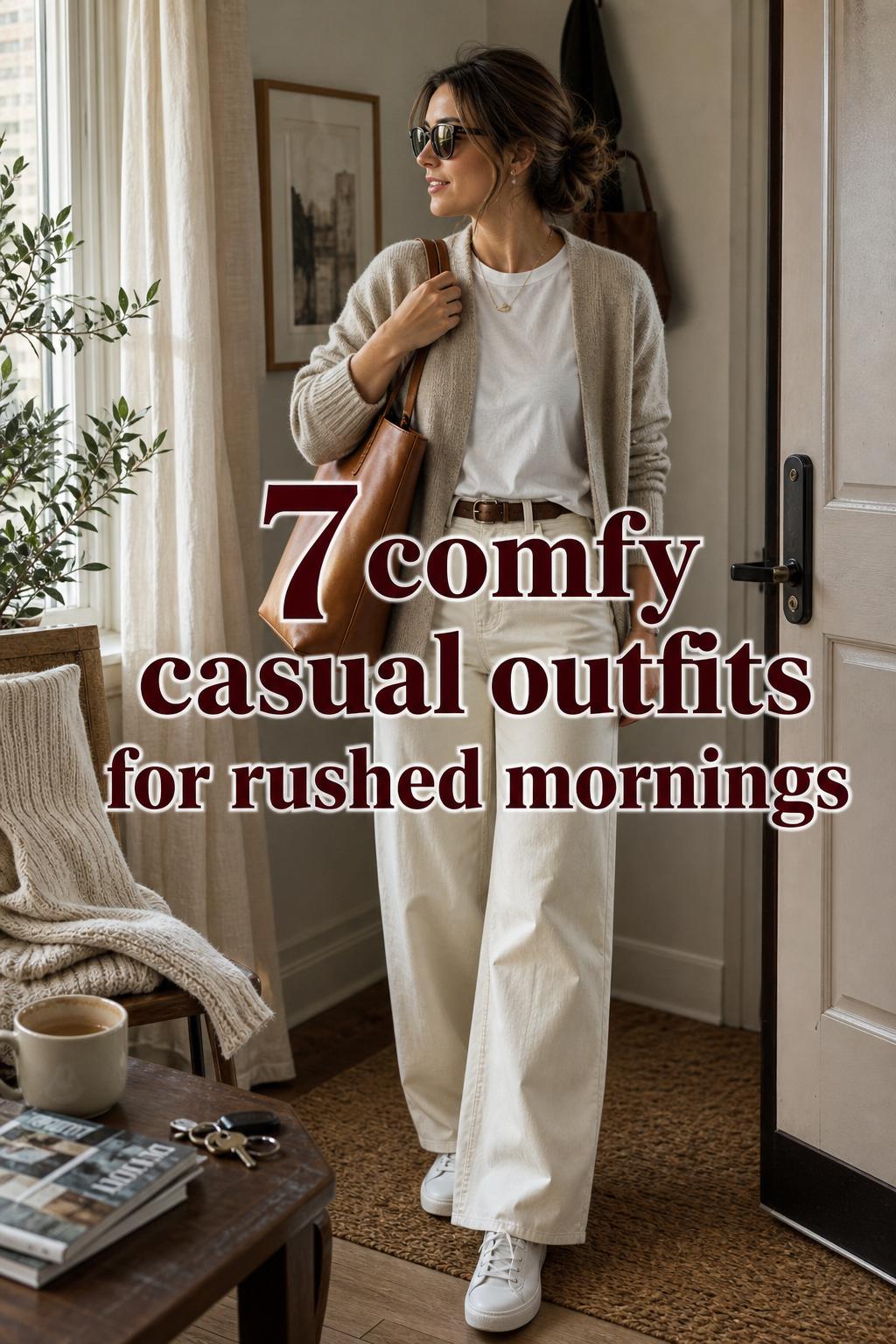
The wardrobe pieces worth buying first
If your goal is to build a repeatable wardrobe instead of collecting random outfit ideas, start with the pieces that appear across the widest range of situations. These are the items that move easily between everyday polish, travel style, and casual work dressing.
- Jeans or other denim foundations
- Jersey tees in easy neutral shades
- A cardigan for soft layering
- A blazer for instant structure
- Sneakers for all-day comfort
- Loafers when you want a more polished line
- A lightweight jacket for spring transitions
- A maxi dress for one-step outfit building
- Wide-leg pants for movement and visual ease
- A tote bag and sunglasses for finishing detail
These pieces matter because they create overlap. A tee works under a cardigan, blazer, or jacket. Sneakers work with denim, a knit set, a jumpsuit, or a dress. A cardigan can soften a dress or make jeans look more intentional. The more overlap you create, the easier it becomes to dress quickly without sacrificing cohesion.
Why fabrics matter more than people think
Fabric is often the difference between an outfit that feels easy and one that feels sloppy. Cotton and jersey are useful because they move well and layer cleanly. Ponte knit gives more structure, which helps when you want comfort but need a sharper outline. Linen and lightweight fabrics are especially important in summer or humid climates because they reduce visual heaviness and physical discomfort. Stretch, drape, and care all matter. A silhouette may look excellent on paper, but if the fabric clings, wrinkles too aggressively, or lacks movement, the outfit will not function well through a real day.
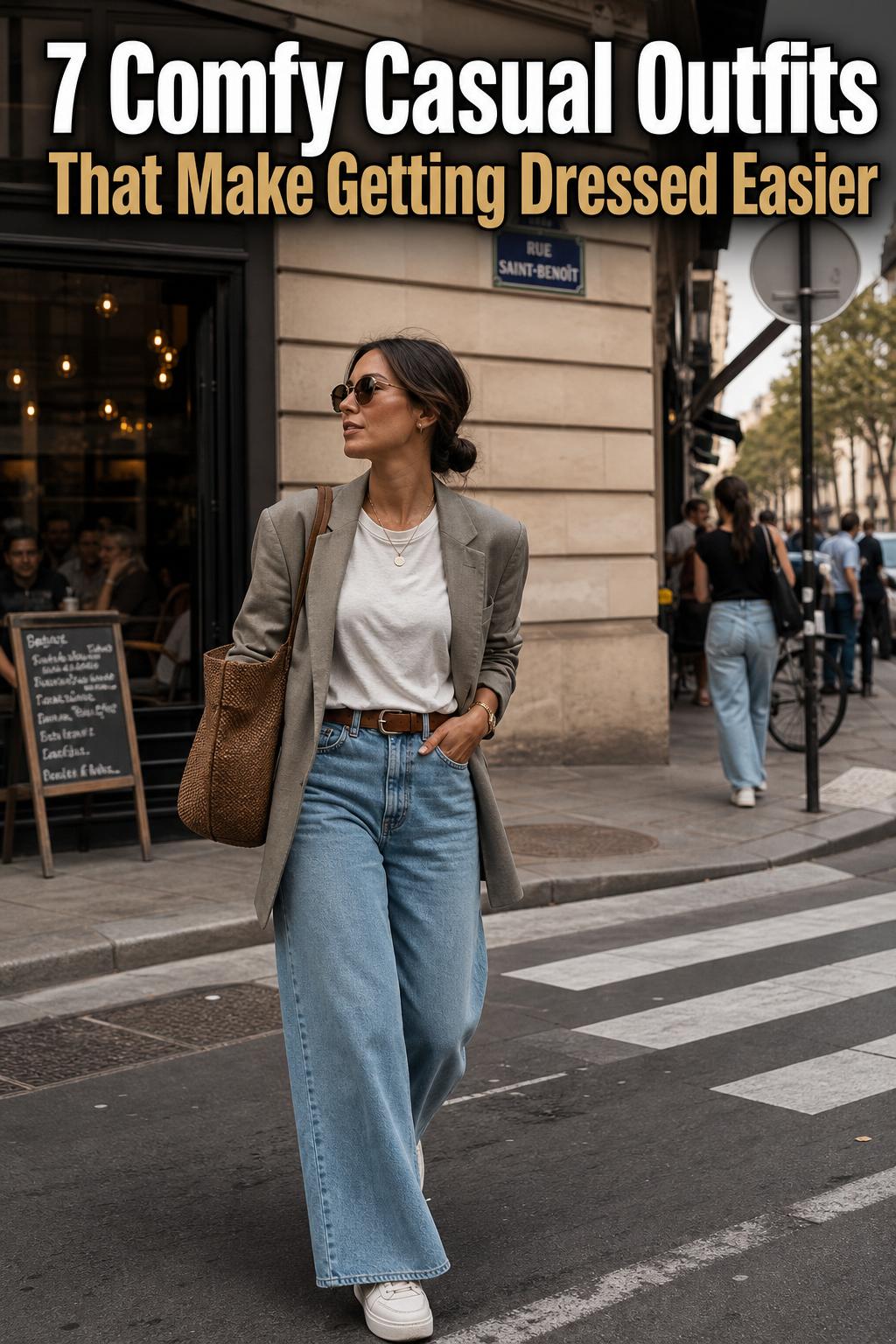
How outfit formulas make dressing easier
The most reusable comfy casual outfits are formulas, not exact copies. A formula gives you a silhouette map. You can swap color, fabric, or price point without losing the overall effect. That is what makes the style practical for U.S. lifestyles across different climates, workplaces, and travel needs.
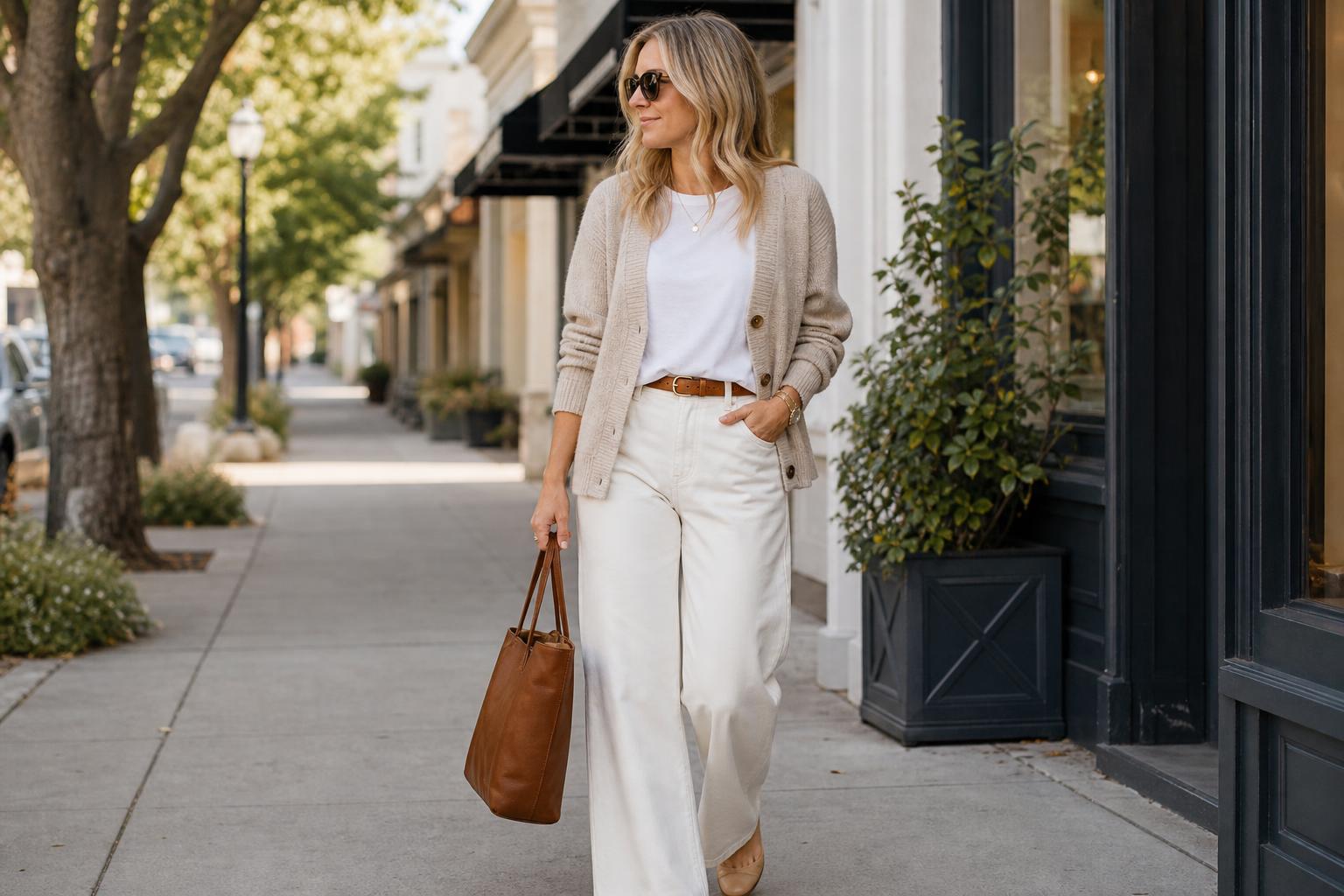
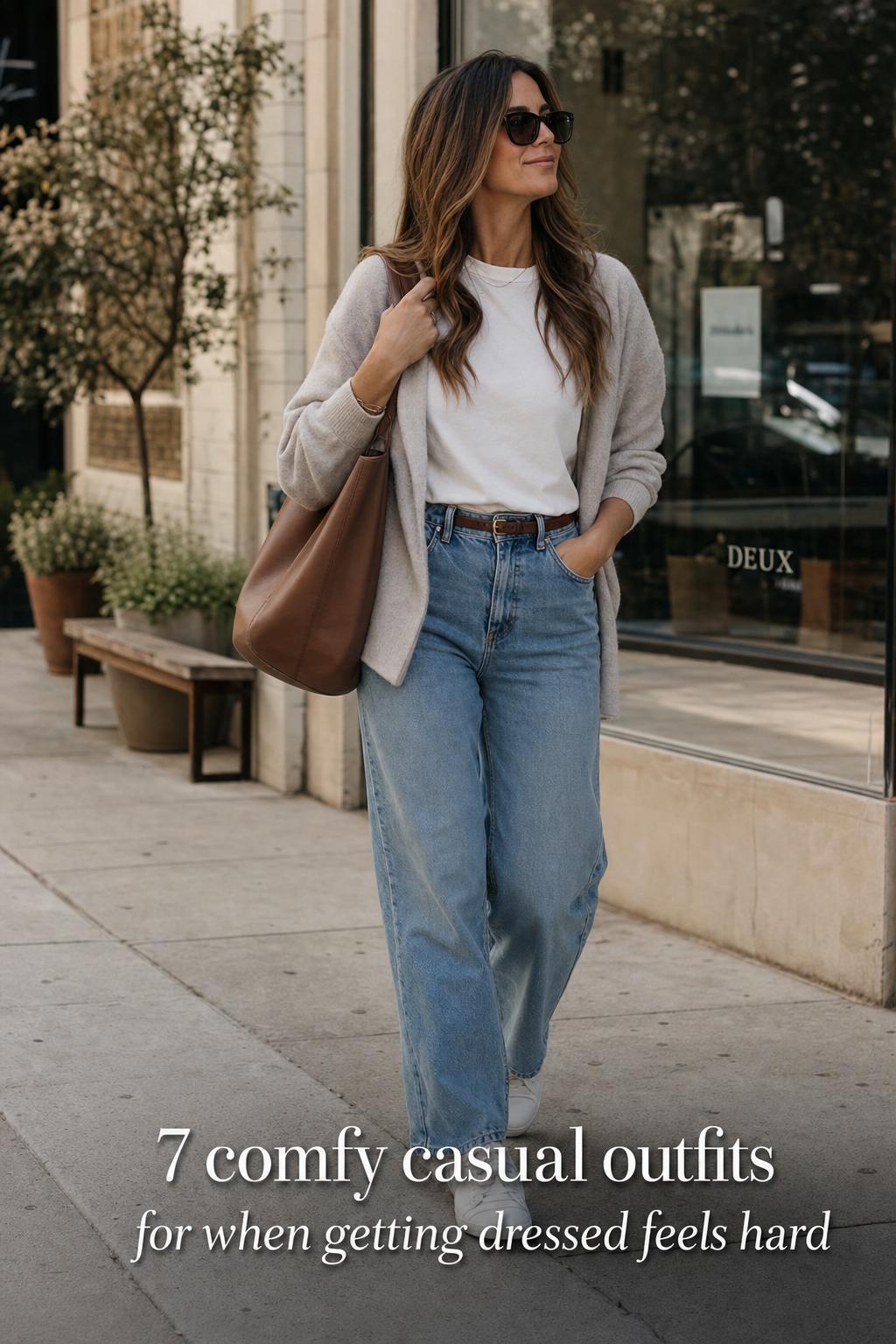
Tee, denim, cardigan, sneakers
This is one of the clearest everyday formulas because it balances softness and structure without trying too hard. Denim provides shape, the tee keeps the base clean, the cardigan adds texture and warmth, and sneakers maintain mobility. It works particularly well for errands, school runs, coffee meetings, and low-pressure office settings.
For petite proportions, keep the cardigan from overwhelming the frame by choosing a cleaner line and making sure the denim does the anchoring. For curvy proportions, this formula works best when the cardigan drapes instead of gripping. For tall frames, the look can handle more volume in the cardigan or a wider denim silhouette without losing balance.
The affordable route is straightforward here: prioritize the tee and denim fit first, then add a cardigan that layers over both. If you can invest in only one piece, make it the denim or sneakers, since both will carry dozens of combinations.
Maxi dress, lightweight jacket, sandals
This formula solves the problem of wanting ease without looking underdressed. A maxi dress creates vertical continuity, while a lightweight jacket adds shape and makes the outfit more adaptable for mornings-to-afternoons. Sandals keep the look breathable. In color-driven summer styling, shades like powder blue, sage, and neutrals keep the composition soft and easy to repeat.
This works especially well for warmer months, casual lunches, vacation days, and situations where you need freedom of movement. If you are recreating it on a budget, the dress is the key purchase. A simple outer layer can be repeated over many dresses, but a poorly chosen dress can make the entire formula feel fussy or impractical.
A tote bag and sunglasses finish this combination effectively because they sharpen the otherwise fluid silhouette. If the dress is very loose, use the jacket as the visual anchor. If the dress is already structured, keep the jacket minimal so the outfit stays relaxed.
Knit set with sneakers
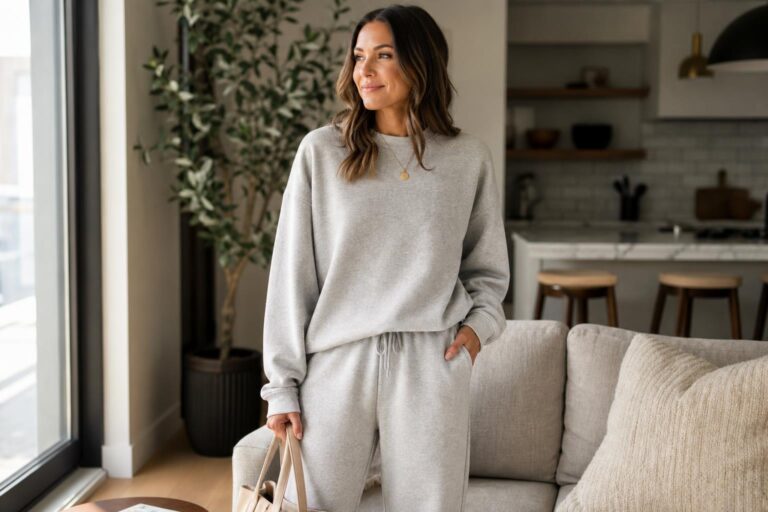
This formula speaks directly to cozy casual looks, but it works best when the knit texture has enough definition to feel intentional. The appeal is obvious: minimal decision-making, tonal cohesion, and comfort. Sneakers prevent the outfit from looking overly precious and keep it rooted in everyday function.
It is especially practical for travel days, transitional weather, and long stretches of sitting or walking. This is where fashion media often leans into polished travel outfits, sometimes using influencer references like Hannah Desai or Lucy Williams to show how an easy knit base can still read elevated with the right accessories.
If you are curvy, look for knitwear with movement rather than stiffness. If you are petite, be cautious with oversized silhouettes from head to toe; keep at least one element cleaner to preserve shape. A minimal tote and sunglasses will do more for this outfit than over-accessorizing.
Wide-leg pant, slouchy sweater, loafers
This is one of the smartest formulas for people who want comfy casual outfits that can edge into workwear. Wide-leg pants create flow, but loafers bring enough structure to stop the silhouette from becoming too soft. The slouchy sweater adds comfort, while the cleaner shoe line keeps the outfit in polished casual territory.
This formula is particularly useful in offices with a casual dress code, on days when denim feels too informal, or when cooler temperatures call for more coverage. For petites, proportion play matters: the pant should lengthen rather than swallow the frame. For taller builds, wider volume is easier to carry. For curvier shapes, the fluidity of the pants can be very effective when balanced by a sweater that skims rather than clings.
Loafers are the strategic buy here. They expand the use of your wardrobe far beyond one outfit and immediately shift casual pieces toward everyday polish.
Jumpsuit, belt, flats or sandals
A jumpsuit is one of the strongest non-denim options for comfy casual dressing because it creates an instant outfit with very little effort. A belt changes the visual architecture by defining the waist and preventing the silhouette from becoming too uniform. This logic appears clearly in non-jeans outfit styling, including combinations like an orange jumpsuit with a pink longline blazer and rose gold trainers.
This formula is practical for brunch, daytime events, creative offices, and travel when you want one piece to do most of the work. Flats keep the outfit more refined; sandals make it more seasonal. If you already own a blazer, adding it over the jumpsuit expands the look further and increases wear across spring.
Situational dressing: where comfy casual outfits actually work
Many readers do not need more inspiration. They need clarity on whether an outfit will function in real life. The answer depends on context, especially when the same wardrobe must cover travel, work, and everyday plans.
For travel days
Travel outfits need mobility, layering, and footwear you can stay in for hours. This is where cardigans, light jackets, scarves, loafers, and sneakers perform best. A knit set with sneakers or denim with a tee and cardigan works because both formulas can adapt to airport temperature swings and still look presentable on arrival. A tote bag is especially useful here because it supports the practical side of the outfit without disrupting the relaxed aesthetic.
The common mistake is choosing an outfit that looks polished in a mirror but lacks flexibility. A stiff layer, difficult shoe, or overly delicate dress will limit the usefulness of the look. Travel style should read polished yet casual, not precious.
For casual work settings
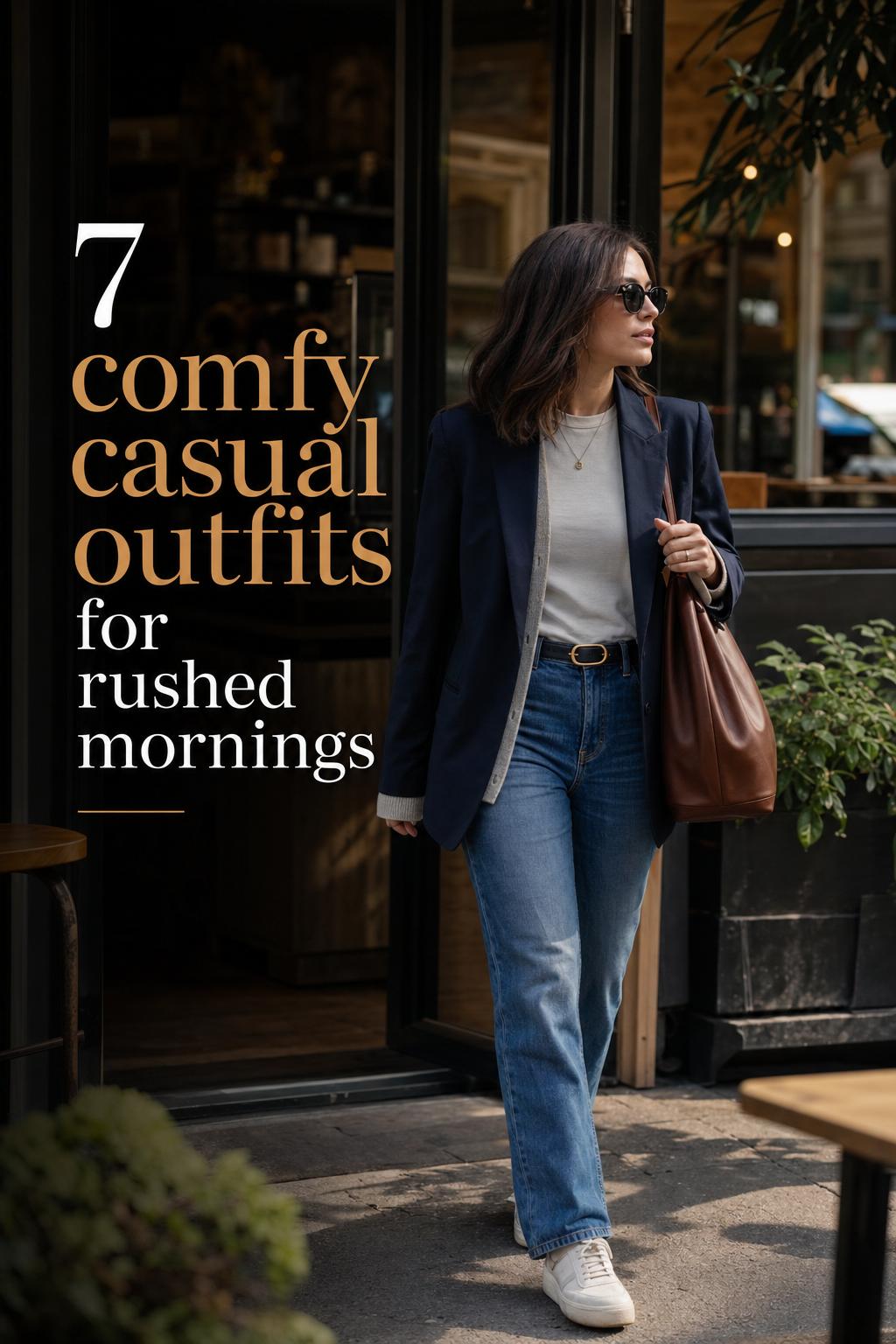
Comfortable workwear needs clearer structure than weekend wear. Wide-leg pants with loafers, a cardigan over a clean top, or denim with a blazer can all work, especially in casual offices. The smart-casual line becomes stronger when you use one structured piece to anchor softer fabrics. This is also where petite-focused workwear advice becomes useful: proportion is not a minor detail, because excess volume can make a look feel less professional.
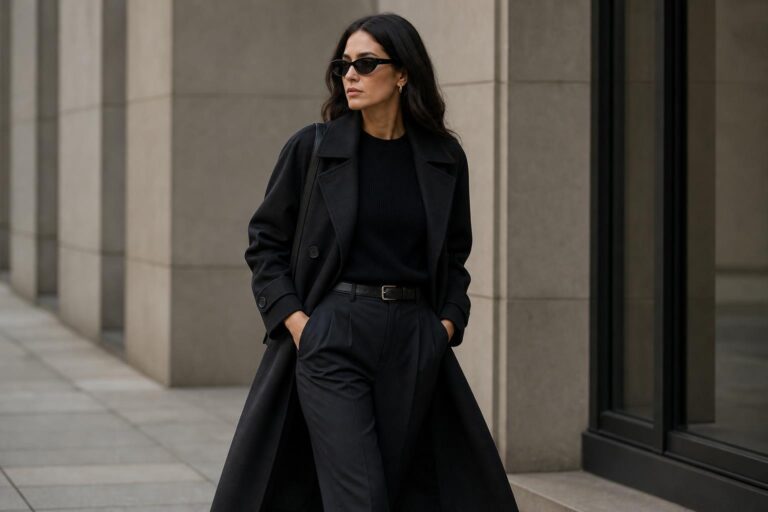
If you want the outfit to feel more expensive, shift the emphasis away from trend-heavy elements and toward clean lines, tonal layering, and restrained accessories. A belt, tote bag, or sunglasses can do more than adding multiple decorative details.
For weekends and everyday errands
This is the easiest zone for comfy casual outfits, but it is also where outfits can become too loose or disconnected. Denim, sneakers, a striped shirt, white shirt, cardigan, or tote all work well here because they create familiar structure without feeling formal. A striped shirt with jeans has more visual rhythm than a plain top, while a white shirt adds crispness if you want a cleaner finish.
For quick styling, use one texture contrast. For example, combine a soft knit with structured denim, or a fluid dress with a slightly more defined jacket. This small shift keeps casual dressing from reading flat.
Climate, season, and regional practicality
Seasonal styling matters because comfort is climate-specific. A formula that works in Los Angeles may need adjustment in NYC, and a look that succeeds in dry conditions may fail in humidity. Comfy casual dressing works best when fabric behavior is part of the decision, not an afterthought.
Spring transitions
Spring outfits need layering logic. Mornings-to-afternoons dressing is where cardigans, lightweight jackets, denim, dresses, and sneakers prove their range. A dress with a cardigan and sneakers is especially effective because it gives temperature control without becoming bulky. This is also one of the easiest formulas to adapt across budgets.
Summer ease
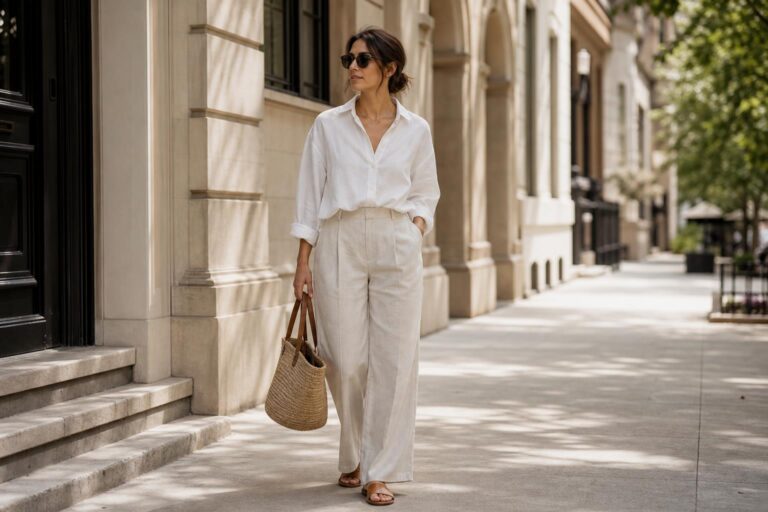
In summer, lightweight fabrics, sleeveless dresses, sandals, tote bags, and sunglasses become more useful than heavy layering. Loose fits matter in humid conditions because they create airflow and reduce visual cling. Colors like sage, powder blue, and neutrals often work well here because they reinforce the season’s lighter mood without requiring complicated styling.
A summer outfit should still have shape. If everything is oversized and fluid, the composition can lose definition. Use sandals, a tote, or sunglasses as structure points, or add a light outer layer for balance.
Cooler days and layered comfort
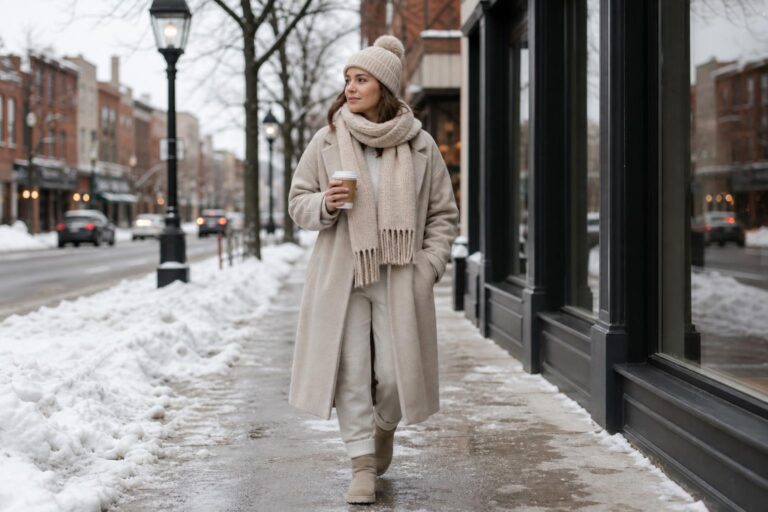
When temperatures drop, cardigans, knitwear, loafers, ankle boots, and slouchy sweaters become more effective than dresses worn alone. Layering should build flexibility, not bulk. A blazer over a tee, or a cardigan over denim, is often more practical than stacking too many soft pieces together. The goal is movement and warmth, not heaviness.
Body-inclusive styling decisions that change the outcome
Many outfit guides stop at inspiration, but body-type adaptation is what makes a look usable. Comfy casual does not require one ideal shape. It requires understanding how volume, drape, and visual anchors interact with your proportions.
- Petite: use one clean vertical line, avoid piling oversized pieces together, and let footwear or a defined waist sharpen the shape.
- Tall: wider silhouettes and longer layers often feel balanced more easily, especially with wide-leg pants, maxi dresses, and long cardigans.
- Curvy: prioritize fabrics with drape, use belts strategically when needed, and let one fitted or defined element guide the eye.
This is also where capsule thinking helps. Instead of buying separate wardrobes for every styling concern, focus on pieces that can be adjusted through layering, belt placement, shoe choice, and fabric weight. That is far more efficient than chasing isolated outfit images.
A note on size inclusivity and ease
Adaptable fits matter because comfort is not universal. A cardigan that drapes well, a ponte knit piece with movement, or a jumpsuit that does not restrict motion will perform better across more body types than rigid, overly specific silhouettes. Ease should support confidence, not hide the body or erase shape completely.
Budget strategy: what to save on and what to invest in
A smart comfy casual wardrobe does not require buying everything at once. It requires understanding which pieces create the most repeat value. In most cases, the best investment items are the ones that carry multiple outfits: shoes, outer layers, and dependable foundations.
Best pieces to buy affordably
Tops like jersey tees, simple knit layers, and some seasonal accessories are often good budget purchases because they can be refreshed more often and are easier to swap by color or silhouette. If you are building from scratch, affordable options from accessible brands like Zara and H&M can help establish the base of the wardrobe without committing to a high spend.
Best pieces to consider as investments
Sneakers, loafers, blazers, and outerwear tend to justify more thought because they shape the outfit repeatedly. A strong blazer changes denim, dresses, and jumpsuits. Good loafers make wide-leg pants and knitwear feel more intentional. Reliable footwear also affects whether an outfit is truly wearable for a full day.
If you enjoy mixing high and low fashion, this is where the strategy makes sense. Premium labels such as Valentino or Dior can sit alongside accessible basics if the composition is balanced, but the styling principle matters more than the label. Structure should support comfort, not overpower it.
Decision rule for first purchases
Buy in this order if you want maximum versatility: one denim or pant foundation, one tee, one cardigan or blazer, one comfortable shoe, then one dress or jumpsuit. This sequence creates the highest number of practical combinations with the fewest items.
Accessories that make simple outfits look more finished
In casual dressing, accessories are not decoration alone. They control polish. A tote bag gives purpose to relaxed outfits. Sunglasses add crispness and visual intent. A belt can reshape a jumpsuit, define a cardigan, or break up a wide silhouette. Minimal jewelry works when you want refinement without clutter.
The key is restraint. If the outfit already has texture contrast through denim, knitwear, or layering, accessories should clarify rather than compete. One of the fastest ways to make comfy casual outfits look more expensive is to keep the accessory language coherent. Clean shapes do more than excessive detail.
Common styling mistakes that weaken comfy casual outfits
Even strong wardrobe pieces can produce weak results if the composition is off. Most problems come from too much softness, poor layering logic, or buying for inspiration rather than repeat use.
- Using oversized pieces in every part of the outfit so the silhouette loses shape
- Ignoring fabric behavior, especially cling, stiffness, or lack of drape
- Choosing shoes that do not match the outfit’s purpose, especially for travel or long days
- Adding too many accessories to simple combinations
- Buying statement pieces before building reliable foundations
- Forgetting climate realities and relying on looks that only work in photos
A useful correction is to identify the visual anchor in every outfit before you leave the house. It might be the blazer, loafers, tote, or belt. Once that anchor is clear, the rest of the outfit can stay more relaxed without feeling unfinished.
A 7-day rotation that keeps the wardrobe working
The real test of comfy casual style is whether it can repeat without becoming boring. A seven-day rotation built around interchangeable pieces reduces decision fatigue and shows which items actually earn their place.
- Day 1: tee, denim, cardigan, sneakers
- Day 2: wide-leg pant, knit, loafers
- Day 3: maxi dress, lightweight jacket, sandals
- Day 4: striped shirt, jeans, tote bag
- Day 5: jumpsuit, belt, flats
- Day 6: knit set, sneakers, sunglasses
- Day 7: white shirt, cardigan, denim or trousers
This kind of rotation makes shopping decisions clearer. If a new item cannot work with at least three existing pieces, it is less likely to be useful than it appears in isolation. That is the logic behind a strong capsule wardrobe: versatility is measured in combinations, not in trend appeal alone.
How fashion references can sharpen your styling eye
Fashion people and brands can be useful reference points when you treat them as styling studies rather than copy-and-paste instructions. Hannah Desai, Lucy Williams, and Camille Charrière often appear in casual-chic imagery because their outfits show the balance this category needs: relaxed foundations, clean outerwear, practical shoes, and a controlled finish. The lesson is not to duplicate a specific look exactly. It is to notice the proportion play and editing.
The same applies to brand mixing. Showpo leans into accessible casual outfit building, while Zara and H&M often supply affordable basics that support trend-led styling. Premium names like Valentino and Dior function more as examples of finish and fashion framing within broader styling contexts. In real life, the wardrobe works best when those references are translated into repeatable pieces rather than isolated purchases.
Final styling perspective
The best comfy casual outfits are not the most elaborate. They are the ones that survive real schedules while still looking considered. A cardigan over denim, a dress with a jacket, a jumpsuit with a belt, or wide-leg pants with loafers may seem simple, but simplicity is exactly what makes these formulas useful. They can shift from travel to work to weekend wear with small changes in footwear, layering, and accessories.
If you want your wardrobe to feel more polished immediately, start by improving the structure of the outfits you already wear. Add a blazer to denim, replace an unhelpful shoe with sneakers or loafers that support the silhouette, use a tote or sunglasses to sharpen the finish, and pay closer attention to drape and movement. That is where everyday polish begins: not in complexity, but in better decisions.
FAQ
What are the easiest comfy casual outfits to recreate from pieces I probably already own?
The easiest formulas are tee with denim and a cardigan, a striped or white shirt with jeans, and a maxi dress with a lightweight jacket and sneakers or sandals. These combinations work because they rely on common wardrobe staples and use one layer or accessory to make the outfit feel deliberate.
Which pieces should I buy first if I want a more versatile wardrobe?
Start with one strong base bottom such as denim or wide-leg pants, then add a jersey tee, a cardigan or blazer, and comfortable shoes like sneakers or loafers. After that, add a dress or jumpsuit. This order creates the highest number of outfit combinations with the fewest purchases.
Can comfy casual outfits work for the office?
Yes, especially in casual or smart-casual workplaces. The most reliable choices are wide-leg pants with loafers, denim with a blazer, or a cardigan layered over a clean top. The key is using at least one structured element so the outfit feels polished rather than purely relaxed.
How do I make comfy casual outfits look more expensive?
Focus on clean silhouettes, tonal layering, and controlled accessories rather than adding more detail. A blazer, loafers, a tote bag, sunglasses, or a belt can sharpen a simple outfit quickly. Fabric drape and fit also matter more than chasing visible trend pieces.
What if I am petite, tall, or curvy?
Petite frames benefit from cleaner lines and avoiding too much oversized volume at once. Tall frames usually handle longer layers and wider silhouettes well. Curvy shapes often look best in fabrics with movement and outfits that include one defining element, such as a belt, structured shoe, or clean outer layer.
Which fabrics are best for comfy casual outfits?
Cotton, jersey, ponte knit, linen, and other lightweight fabrics are especially useful because they support comfort while still allowing shape and movement. The right fabric depends on season and purpose, but drape, stretch, and ease of wear should always guide the choice.
How can I dress comfortably for travel without looking sloppy?
Choose flexible layers like a cardigan or lightweight jacket, wear sneakers or loafers you can stay in for hours, and build the outfit around a clean base such as denim and a tee or a knit set. A tote bag and sunglasses help the outfit look finished without reducing comfort.
Are dresses and jumpsuits practical for comfy casual dressing?
Yes, especially when you want quick outfit building. A maxi dress works well with a lightweight jacket and sandals, while a jumpsuit becomes more versatile with a belt, flats, or a blazer. Both options reduce styling effort while still offering a polished silhouette.
What should I avoid when building comfy casual outfits on a budget?
Avoid buying statement items before you have reliable foundations. Start with basics that can be mixed repeatedly, and be careful with pieces that look appealing in photos but do not fit your climate, daily routine, or existing wardrobe. Budget dressing works best when every purchase can support multiple outfits.