Comfy Spring Outfits for Polished Days on the Go
There is a particular appeal to comfy spring outfits that has less to do with trend cycles and more to do with timing. Spring sits in that in-between space where heavy winter layers feel visually dense, yet fully stripped-back dressing still feels premature. The most successful outfits in this season understand that tension. They rely on softness, movement, and breathable structure, creating a wardrobe that looks considered without feeling rigid.
The mood is relaxed but not careless. A good spring outfit often carries an easy silhouette, lighter fabric weight, and a palette that feels clearer after months of dark outerwear. That is why these combinations resonate so strongly in real life: they work for coffee runs, hybrid workdays, airport mornings, school pickup, casual dinners, and weekends when the weather shifts three times before lunch.
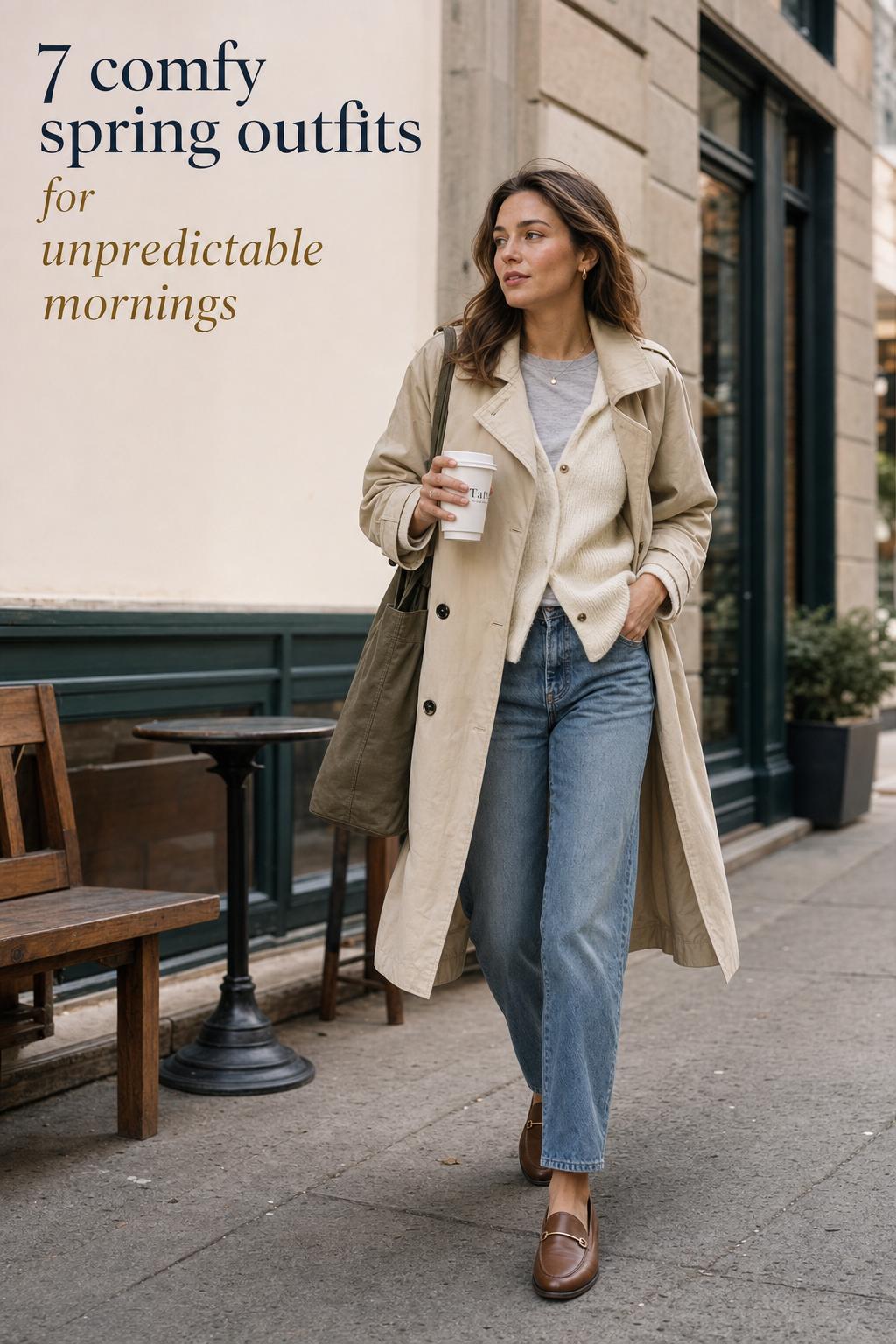
What makes the aesthetic aspirational is its simplicity. What makes it wearable is the logic behind it. The right knit, a balanced layer, an unfussy trouser, or a dependable sneaker can turn an ordinary outfit into something polished enough for daily life and comfortable enough to keep on all day. That balance is the real foundation of spring dressing.
The anatomy of a comfortable spring outfit
Comfort in spring dressing is not only about soft fabric. It comes from proportion, layering control, and the ability to adapt to temperature changes without making the outfit feel bulky. The strongest formulas usually combine three things: a breathable base, a flexible mid-layer, and one visual anchor that gives the outfit shape.
Found the dress? Keep the rest in one place.
Zarellea brings guest details, vendors, timelines, and every next step together — so your wedding plan feels as good as your look.
A breathable base might be a fitted tee, a ribbed tank, or a lightweight button-down. The mid-layer could be a cardigan, fine knit, overshirt, or relaxed blazer. The visual anchor is the piece that keeps the outfit from looking accidental: straight-leg trousers, structured denim, a trench, or a shoe with enough presence to define the silhouette.
When readers search for comfy spring outfits, they are usually not looking for theatrical styling. They want combinations that feel easy to recreate, work with pieces already in the closet, and still look modern. That means the details matter. Hem length, fabric drape, sleeve volume, and shoe weight all influence whether an outfit reads polished, heavy, or unfinished.
Key principles that make the outfit composition work
- Use one relaxed element and one refined element so the outfit feels balanced rather than sloppy.
- Keep fabric weights transitional. Heavy fleece and ultra-thin summer linen often create seasonal mismatch.
- Let one piece define the shape, such as wide-leg pants, a cropped jacket, or a long outer layer.
- Build around movement. Spring outfits look better when the fabrics skim the body rather than cling to it.
- Choose footwear that supports long wear, because discomfort in the shoe usually ruins the outfit first.
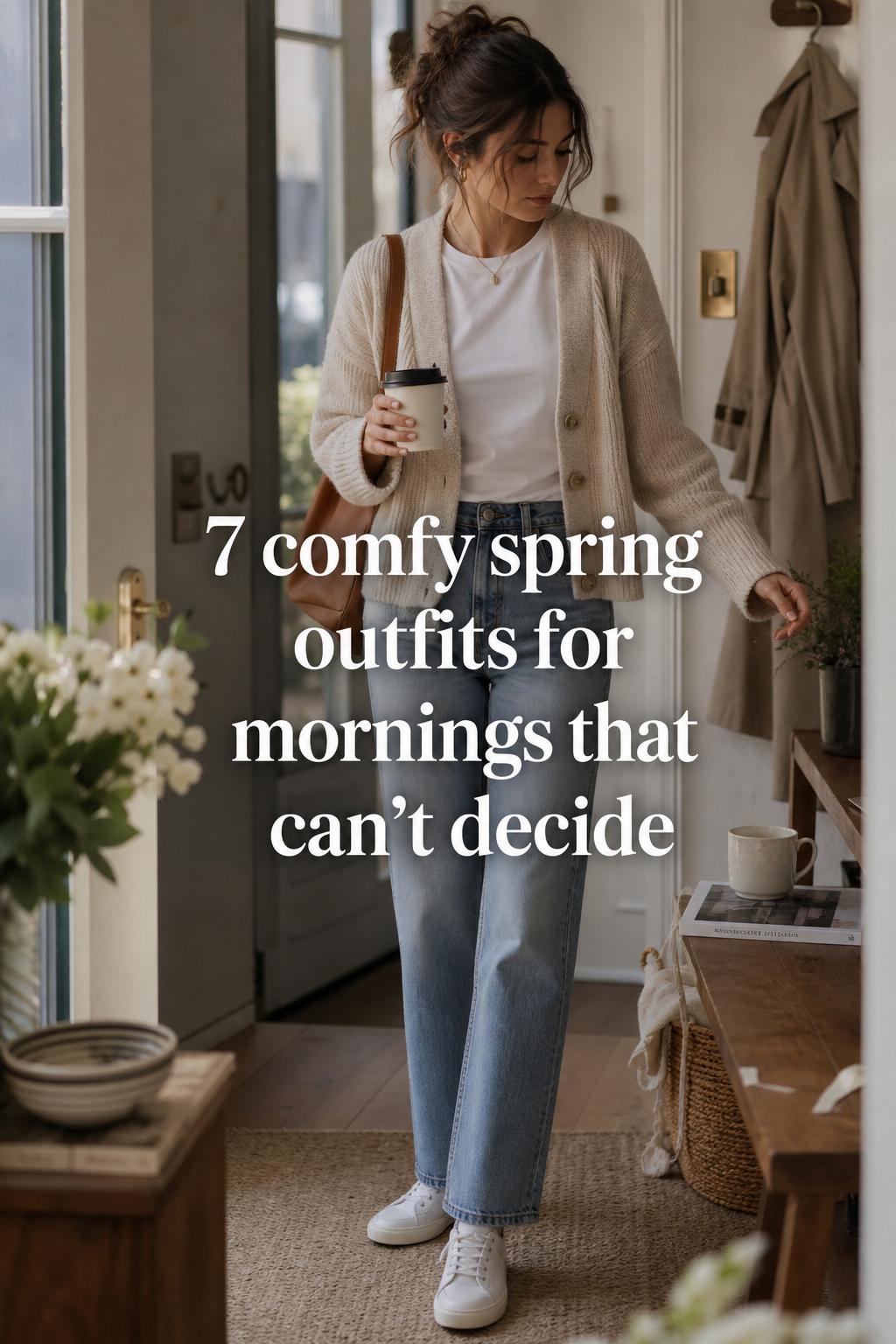
Relaxed layers with a soft minimal edge
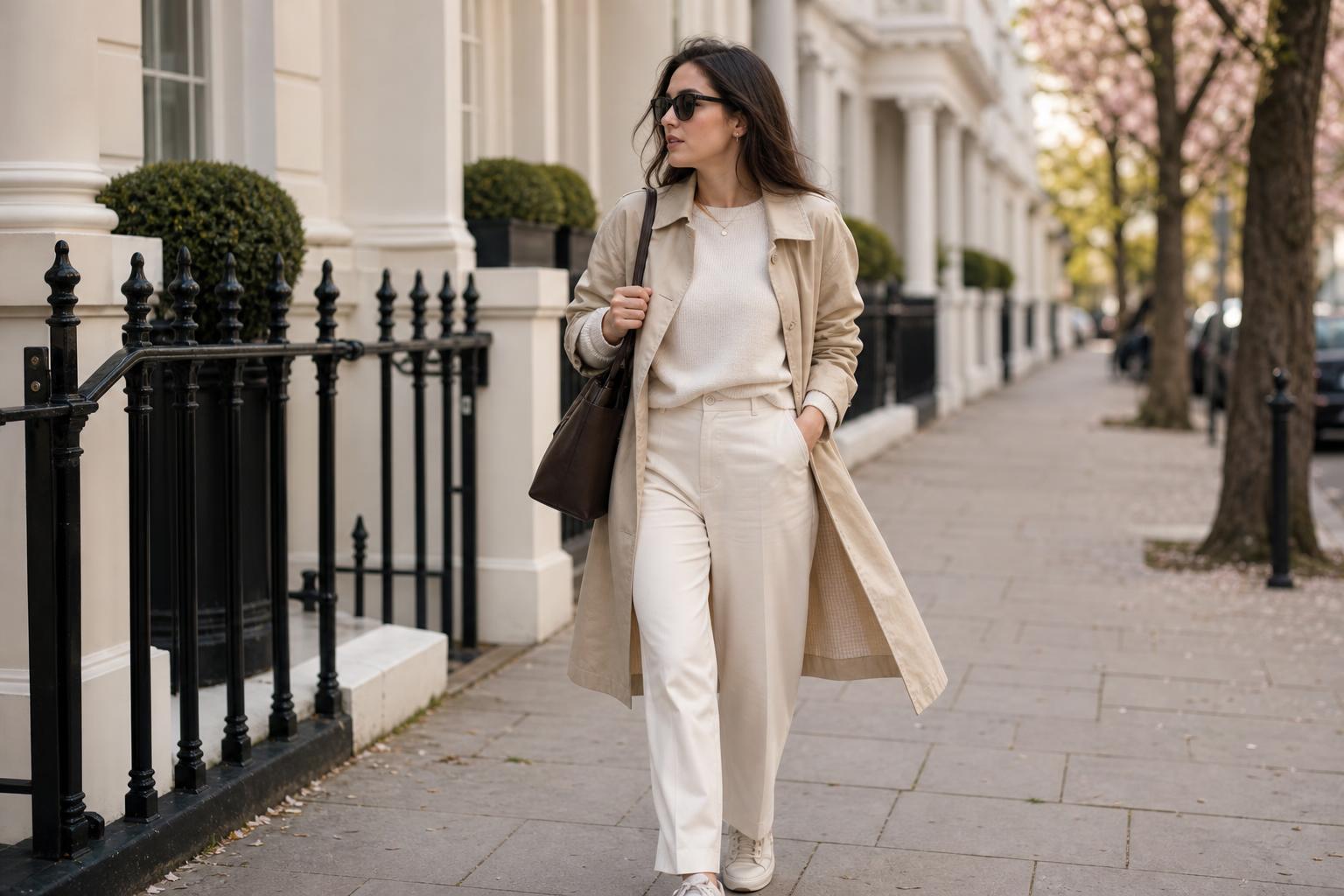
This is one of the most reliable directions for spring because it delivers ease without losing polish. The visual language is quiet: cream, stone, soft gray, muted olive, pale blue, washed black. Instead of relying on prints or statement details, the outfit gains depth from tonal layering and subtle texture contrast.
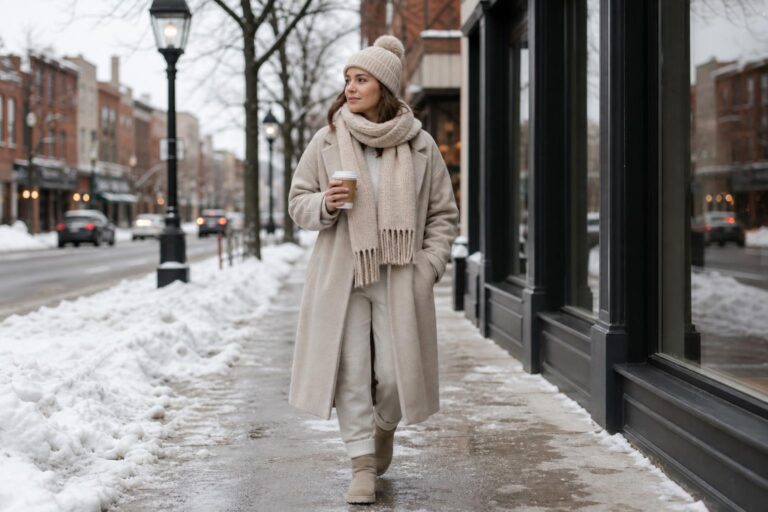
A lightweight knit over a fitted tank with straight trousers creates a clean line through the body while preserving comfort. If the knit is slightly oversized, the base layer should be more compact to avoid volume stacking. Add a longline coat or relaxed trench only when the outer layer adds length rather than width. That keeps the silhouette modern and elongated.
Footwear matters here. Minimal sneakers, sleek loafers, or flat ankle boots work because they support the quiet structure of the outfit. A shoe that is too athletic can break the refined mood, while a shoe that is too delicate can make the proportions feel disconnected.
Style insight
This combination succeeds because minimal outfits rely heavily on finish. If every piece is soft and oversized, the look can drift into sleepwear territory. One crisp element, such as pressed trousers, a defined shoulder, or a leather belt, gives the composition authority.
Easy ways to recreate the look
- Start with neutral pants you already own.
- Add a close-fitting tee or tank to create a clean base.
- Layer one slouchy knit rather than multiple bulky pieces.
- Finish with a structured shoe and a simple tote.
Elevated denim that still feels effortless
Denim is one of the clearest answers to the spring comfort question, but not all denim outfits feel equally wearable. The difference usually comes down to cut and contrast. Spring denim works best when paired with lighter, softer counterparts that reduce visual heaviness.
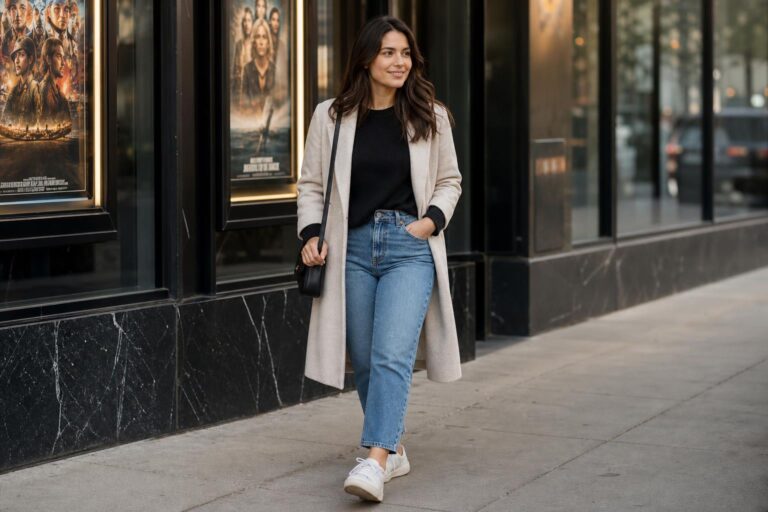
Consider straight-leg or relaxed jeans with a fine-gauge sweater draped over the shoulders, a crisp white tee, and a lightweight jacket. The denim provides familiarity and durability; the knit softens the composition and signals the season. If the jeans are wider through the leg, choose a shorter jacket or a tucked top to preserve waist definition. If the denim is slimmer, a roomier shirt or oversized blazer can create more balance.
This is also where cuffing, hems, and rise become practical tools. A slight crop at the ankle lightens the outfit and gives loafers or sneakers more visual space. A high or mid-rise shape makes the outfit easier to style with knits and layers because it creates a clearer vertical line.
Why this combination works
Denim can feel seasonless, but in spring it needs lift. That lift usually comes from color clarity, exposed ankle, soft knit texture, or a cleaner shoe profile. The goal is to make the outfit feel breathable and transitional rather than winter carried forward.
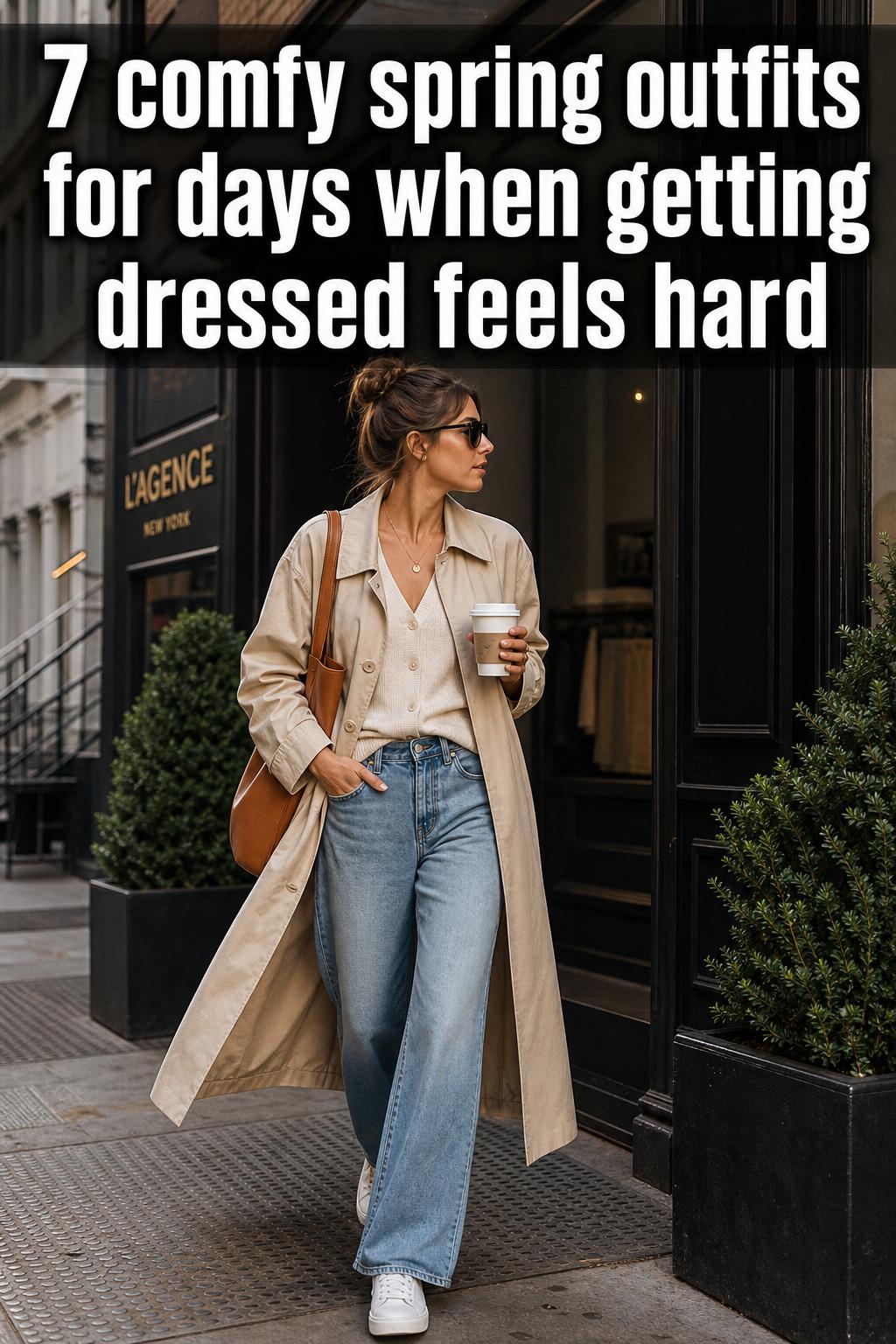
Tailored pieces with an oversized silhouette
One of the most useful spring formulas combines the comfort of loose proportions with the structure of tailoring. This is the outfit direction that often looks the most fashion-aware while remaining practical for everyday wear. The trick is not simply wearing oversized pieces, but controlling where the volume sits.
A relaxed blazer over a tee with fluid trousers creates a strong line, especially when the color palette stays restrained. The blazer introduces shape through the shoulders, while the trousers keep the outfit easy through movement. If both pieces are intentionally loose, the top underneath should stay neat and close to the body. That inner layer prevents the silhouette from expanding in every direction.
For real-life wearability, this combination suits office days, city errands, lunches, and travel. It feels polished without the restriction of a fully formal outfit. Low-profile sneakers can make it more casual, while loafers or simple heeled boots shift it toward workwear.
Styling mistakes to avoid
- Do not combine an oversized blazer with overly long pants and bulky shoes unless you intentionally want a dramatic silhouette.
- Avoid stiff fabrics in every layer, since too much structure reduces comfort and makes the outfit feel severe.
- Skip heavily distressed basics under tailoring if the goal is an elevated spring finish.
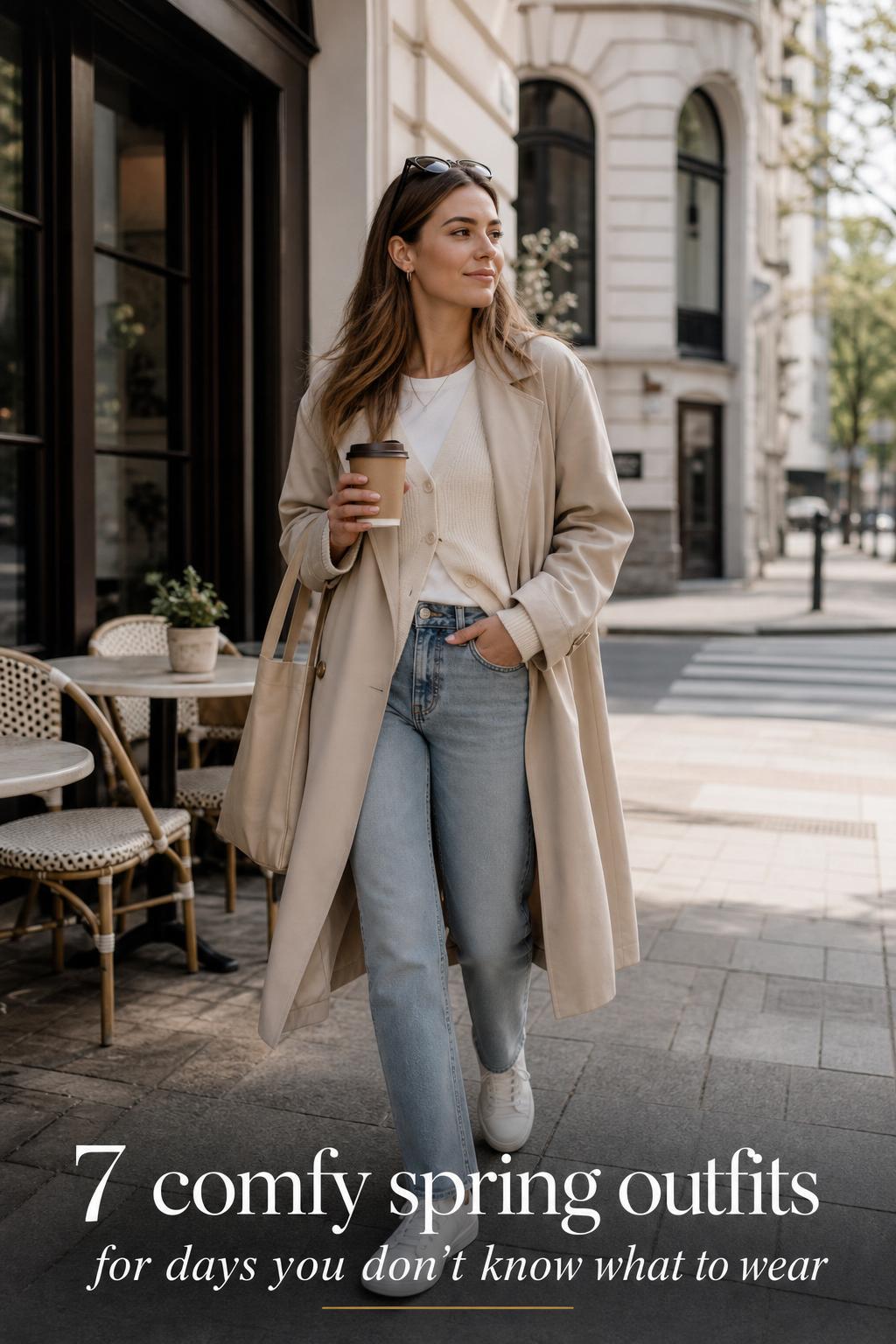
Soft knit dressing for unpredictable weather
Spring weather rarely stays stable, which is why knit-based outfits are so effective. The best versions are not heavy cable knits or dense winter sweaters, but lightweight layers with fluid drape. They add warmth without trapping the outfit in a cold-season mood.
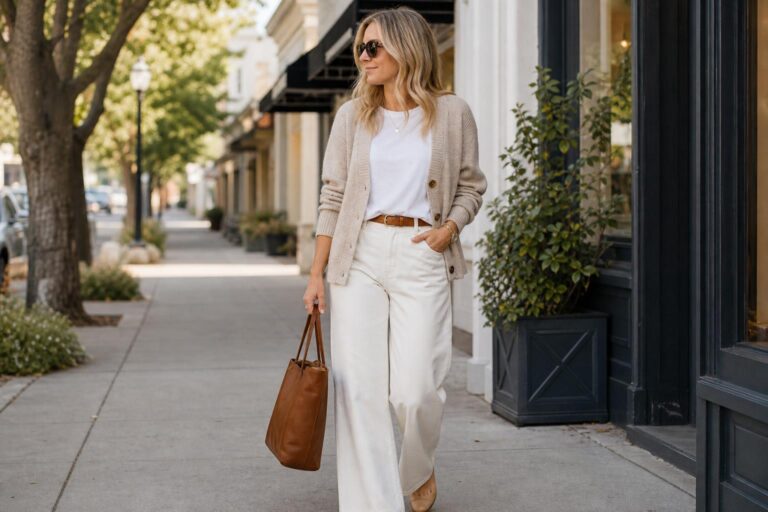
A cardigan with a tank and relaxed pants creates a compact, functional formula. It works because each layer can be adjusted independently. If the afternoon warms up, the cardigan can be worn open, draped over the shoulders, or tied at the waist without disrupting the outfit. That kind of flexibility is central to dressing comfortably in spring.
Texture contrast elevates this category quickly. A ribbed knit against smooth cotton, washed denim, or fluid trousers creates enough visual variation to keep neutral outfits from looking flat. This matters especially if your wardrobe leans monochrome. Without texture, tonal dressing can lose dimension.
Most versatile item
A lightweight cardigan is one of the most adaptable spring pieces because it functions as a top, layer, and styling tool at once. It can soften tailored pants, make denim feel more intentional, and replace a jacket indoors when temperatures shift.
Sporty polish for running around all day
Some of the best comfy spring outfits are built for movement first, then refined through editing. This is the category for long walking days, commuting, casual travel, and schedules that require a lot from an outfit. The balance here is between athletic ease and non-gym styling.
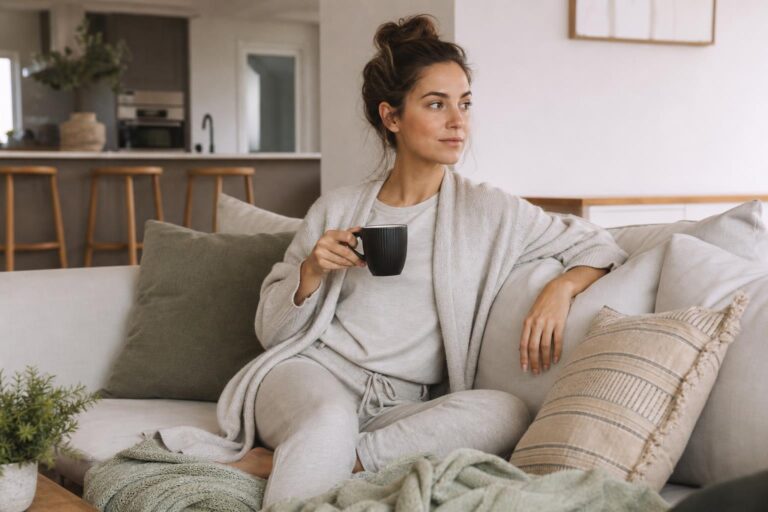
Start with a clean base such as leggings, relaxed joggers, or streamlined knit pants, then add one elevated layer: a trench, structured sweatshirt, cropped jacket, or oversized button-down. The outfit needs something with shape, otherwise the sporty foundation can feel unfinished. Footwear naturally leans sneaker-led, but the right sneaker should support the palette rather than overpower it.
A monochrome or near-monochrome approach often helps this style look more sophisticated. Matching soft gray, black, or beige tones instantly tightens the outfit composition and reduces the visual noise that can happen when sporty pieces are combined too casually.
How to wear this in everyday life
This direction works especially well for airport dressing, school runs, grocery mornings, and city walking because it prioritizes comfort at ground level. The editorial upgrade comes from one structured layer, one intentional bag, and a controlled color story.
Feminine contrast with structured basics
Not every comfortable spring outfit needs to lean minimalist or sporty. A softer, more feminine interpretation can be just as practical when the structure is handled carefully. The core idea is contrast: a fluid skirt, soft dress, or romantic blouse grounded by basics that keep the outfit from becoming overly delicate.
A midi skirt with a crewneck knit and flat shoes creates exactly that effect. The skirt introduces movement and seasonal lightness, while the knit makes the outfit feel lived-in rather than precious. If the skirt has volume, the top should be cleaner through the torso. If the top is slouchy, a straighter skirt can maintain visual balance.
Another strong option is a simple dress under a utility jacket or cropped cardigan. This works particularly well in spring because dresses simplify dressing while the outer layer adds weather control and definition. The result feels approachable rather than overstyled.
Key piece breakdown
- Midi skirts add movement without sacrificing coverage or comfort.
- Crewneck knits make feminine pieces feel grounded and wearable.
- Flat shoes preserve the easy tone and support longer wear.
- A cropped outer layer helps define the waist when the lower half has volume.
Weekend dressing with a vintage-leaning ease
There is a specific kind of spring outfit that feels casual, personal, and slightly nostalgic without turning into costume. It usually combines denim, soft cotton, broken-in layers, and a shape that feels collected over time rather than freshly assembled. This interpretation works well for weekends because it allows more personality while remaining practical.
Think relaxed jeans, a striped knit or simple tee, a worn-in jacket, and comfortable flats or sneakers. The charm comes from restraint. Too many overtly retro details can make the outfit feel themed. One or two vintage-coded elements are enough, especially when the rest of the styling is clean.
This is also where accessories can carry more character. A canvas tote, slim belt, classic sunglasses, or textured shoulder bag can shift the mood without affecting comfort. The outfit still needs modern proportion, though. Slightly roomier denim and cleaner lines keep it from looking dated.
Budget-friendly alternative
This aesthetic is one of the easiest to recreate without buying a full new wardrobe because its appeal depends more on mix and proportion than on novelty. Existing jeans, basic tees, cardigans, and lightweight jackets often work once the fit and styling are adjusted.
What to prioritize if you want more outfits without buying more clothes
The fastest way to expand spring outfit options is not by adding more trend pieces. It is by identifying the items that carry the most styling weight across categories. In practical terms, that means choosing pieces that can move between denim, tailoring, skirts, and casual layers.
Start with these wardrobe anchors
- A lightweight knit in a neutral tone
- Straight or relaxed denim with a clean hem
- Comfortable sneakers that work beyond workout wear
- One flexible jacket or trench
- Trousers with enough ease for all-day wear
- A fitted tank or tee for layering
These pieces create range because they can be recombined across multiple silhouettes. A cardigan that works with jeans, skirts, and trousers is more valuable than a highly specific statement top. A trench that layers over both knitwear and dresses offers more practical return than a jacket with limited proportion flexibility.
Readers often underestimate the importance of fabric hand-feel here. If a piece wrinkles badly, clings uncomfortably, or feels too heavy by midday, it will not become a true repeat item no matter how good it looks on the hanger. Comfort is what gives spring outfits longevity in real life.
Color palettes that make comfy outfits feel intentional
Color often determines whether an outfit reads polished or improvised. Spring does not require bright dressing, but it does respond well to lightness, clarity, and tonal cohesion. The most wearable palettes tend to fall into three categories: soft neutrals, washed classics, and muted contrasts.
Soft neutrals include cream, oat, beige, taupe, pale gray, and stone. These create calm, layered outfits with a refined minimal effect. Washed classics include blue denim, white, navy, heather gray, and soft black. They feel familiar and easy to style. Muted contrasts might involve olive with cream, pale blue with tan, or gray with faded black. These combinations add interest without becoming visually loud.
The easiest mistake is overcomplicating the palette while trying to make a simple outfit more exciting. In comfortable spring dressing, color usually works best when the silhouette already has enough movement and the textures already provide variation. Too many competing shades can make the outfit feel scattered.
Tips for balancing color with comfort
- Keep the base neutral if the outer layer has more color presence.
- Use denim as a visual reset when soft tones feel too muted.
- Match the mood of the shoe to the palette; clean sneakers support lighter spring combinations better than overly heavy footwear.
- If you wear black often, lighten the outfit with texture or exposed ankle rather than forcing bright color.
How fit changes the entire mood of spring dressing
Two outfits can use nearly identical pieces and still look entirely different because of fit. In spring, fit affects not only aesthetics but also comfort management. Pieces that are too tight reduce airflow and restrict layering. Pieces that are too oversized can feel cumbersome once temperatures rise during the day.
The most useful approach is selective ease. Let one part of the outfit breathe, then control another part with structure. Wide trousers work best with a cleaner top. An oversized shirt often benefits from a more compact bottom or a partial tuck. A roomy knit over a fluid skirt needs enough line at the waist, cuff, or neckline to avoid looking swallowed by fabric.
Body type considerations matter here, but not in a rigid rule-based way. The more practical question is where you prefer visual definition. Some readers feel best when the waist is visible. Others prefer long, uninterrupted lines through the hip and leg. A comfortable spring wardrobe should support that preference rather than forcing one silhouette ideal.
A context-specific note: dressing for days that start cold and end warm
This is one of the most common spring style problems and one of the main reasons seemingly good outfits fail in practice. A morning that begins with a chill and shifts into mild afternoon weather demands layers that can be removed without collapsing the entire outfit.
The smartest answer is to build around a complete base outfit. That means the tee-and-trouser combination, tank-and-denim pairing, or dress-and-flat formula should still look intentional once the sweater, jacket, or trench comes off. Outerwear should enhance the outfit, not rescue it.
Lightweight knits, button-down shirts, cropped jackets, and trench coats work well because they can be carried, tied, or draped with minimal bulk. Heavy outerwear does not transition as gracefully and often leaves the remaining outfit feeling visually too slight by comparison.
Practical tip
If you know the day involves indoor and outdoor movement, prioritize breathable inner layers and shoes you can comfortably walk in for hours. Spring comfort breaks down fastest when either the base layer traps heat or the footwear cannot keep up with the day.
How to make simple outfits feel more elevated
The difference between basic and refined often comes from editing rather than addition. Comfortable spring dressing does not need excessive layering or obvious statement pieces. It needs clarity. Each garment should have a purpose in the outfit composition.
Start by checking visual balance. If the outfit is very soft, add structure. If it is very tailored, soften it with knit texture or relaxed footwear. Then consider finish: hem length, sleeve push, visible base layer, and bag shape. These details create tension and polish without compromising comfort.
Accessories should support the outfit rather than compete with it. In many spring combinations, understated pieces work hardest because they preserve the ease of the clothing. A simple belt, clean sunglasses, low-profile jewelry, or a refined tote can provide enough definition to pull everything together.
Small adjustments with a big effect
- Roll or push sleeves to create shape and expose the wrist.
- Tuck only the front of a knit or shirt to define the waist without stiffness.
- Choose a bag with some structure if the outfit is mostly soft.
- Repeat one tone across shoes, belt, or outerwear to make the palette feel deliberate.
Comfy spring outfits are strongest when they feel personal
The most compelling spring style is rarely the most complicated. It is the version that understands your routine, your tolerance for changing weather, and the silhouettes you return to naturally. Comfort is not the opposite of style. In spring, it is often the reason an outfit looks convincing in the first place.
That is why this category remains so appealing year after year. It offers room for softness, structure, practicality, and mood all at once. Whether your instinct leans toward tailoring, denim, knitwear, or feminine contrast, the strongest outfits are the ones that move easily through the day and still look composed by evening.
Build from the pieces that already make sense in your life, refine the proportions, and let comfort guide the styling logic. The result is a spring wardrobe that feels modern, wearable, and fully your own.
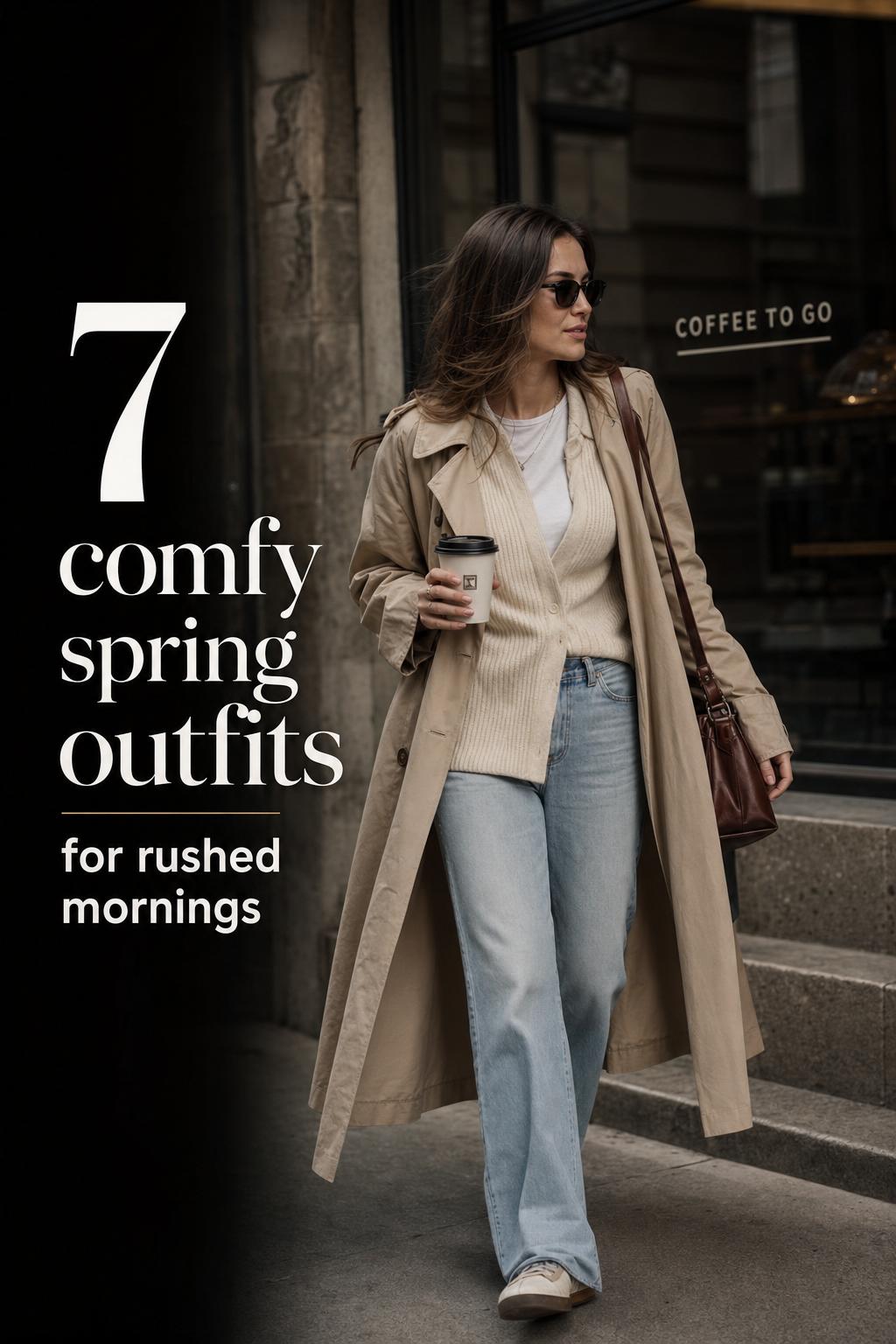
FAQ
What are the best basics for comfy spring outfits?
The most useful basics are lightweight knits, straight or relaxed denim, easy trousers, fitted tanks or tees, comfortable sneakers, and one flexible outer layer such as a trench or light jacket. These pieces layer well, adapt to changing temperatures, and create multiple outfit combinations without much effort.
How do I make a comfortable spring outfit look more polished?
Add one structured element to balance the softness of casual pieces. A blazer, trench, pressed trouser, clean loafer, or refined tote can instantly sharpen the outfit composition. Keeping the color palette controlled also helps even simple combinations look more intentional.
Can I wear sneakers with most spring outfits?
Yes, as long as the sneaker supports the rest of the outfit. Clean, low-profile sneakers usually work best with spring layers, denim, skirts, and relaxed tailoring because they maintain comfort without overwhelming the silhouette.
How should I dress for spring weather that changes throughout the day?
Build the outfit around a complete base layer that still looks finished when outerwear comes off. Then add light, removable layers such as a cardigan, button-down, blazer, or trench. This approach keeps the outfit functional from cold mornings through warmer afternoons.
What colors work best for comfy spring outfits?
Soft neutrals, washed denim tones, pale gray, cream, beige, navy, and muted olive are especially effective because they feel light enough for the season while remaining easy to mix. These shades also support tonal layering, which gives comfortable outfits a more elevated look.
Are dresses a good option for comfortable spring dressing?
Yes, especially when paired with practical layers such as cropped cardigans, utility jackets, or lightweight knits. Dresses simplify outfit building and can feel very comfortable, but the surrounding layers and shoes determine whether the result feels grounded enough for everyday wear.
How can I wear oversized pieces without looking overwhelmed?
Use selective volume rather than making every piece loose. If the blazer or trousers are oversized, keep the inner layer more fitted. If the shirt is roomy, define the waist with a tuck or choose a cleaner bottom. This keeps the silhouette balanced and easier to wear.
What shoes are most practical for comfy spring outfits?
Minimal sneakers, loafers, flat ankle boots, and simple flats are among the most practical choices. The right shoe depends on the outfit mood, but comfort should come first because spring dressing often involves walking, layering, and long days across different settings.
How do I shop my closet for spring instead of buying all new pieces?
Start by pulling out core pieces that already work across multiple outfits, such as denim, neutral knits, tees, trousers, and light jackets. Then focus on new combinations, cleaner proportions, and better layering rather than replacing everything. In many cases, styling changes create more impact than new purchases.