Dress to Impress Concert Outfit for a Polished Night Out
Concert style lives in a particular tension: it has to read instantly under lights, in photos, and in motion, yet it also has to survive lines, security checks, long sets, and crowded aisles. That is why the best dress to impress concert outfit ideas do more than chase sparkle. They build a clear visual identity around texture, proportion, and practicality.
The appeal is easy to understand. Concert fashion lets everyday wardrobes become a little more theatrical. Sequins, metallics, mesh, leather, rhinestones, and statement accessories all feel more natural in this setting because music events invite personality. A concert is one of the few places where a glitter clutch, a sharp co-ord, or a dramatic jacket can feel expressive instead of excessive.
What makes this category especially wearable is its flexibility. A stadium show, an indoor arena date, an outdoor festival, and a smaller venue all call for different styling logic. The most successful looks are not the loudest ones; they are the ones that align your vibe, your artist inspiration, and your venue realities into one outfit composition that feels intentional from head to toe.
This guide approaches concert fashion as a styling system rather than a random list of clothes. The goal is to help you build outfits that look stage-ready, feel personal, and still make sense once the music starts.
Found the dress? Keep the rest in one place.
Zarellea brings guest details, vendors, timelines, and every next step together — so your wedding plan feels as good as your look.
Start with the concert persona, not the clothes
A strong concert outfit usually begins with a mood category. This matters because dress to impress styling works best when each piece supports one central idea. If the vibe is unclear, even expensive items can look disconnected. If the vibe is focused, simple wardrobe basics can suddenly look deliberate and elevated.
Across concert fashion, a few recurring personas dominate: glam rock, glitzy pop diva, and a softer stage-ready casual approach. These categories appear again and again because they create immediate visual shorthand. They also make decision-making easier when you are balancing aesthetic ambition with real-world wearability.
Glam rock with a sharp, high-contrast finish
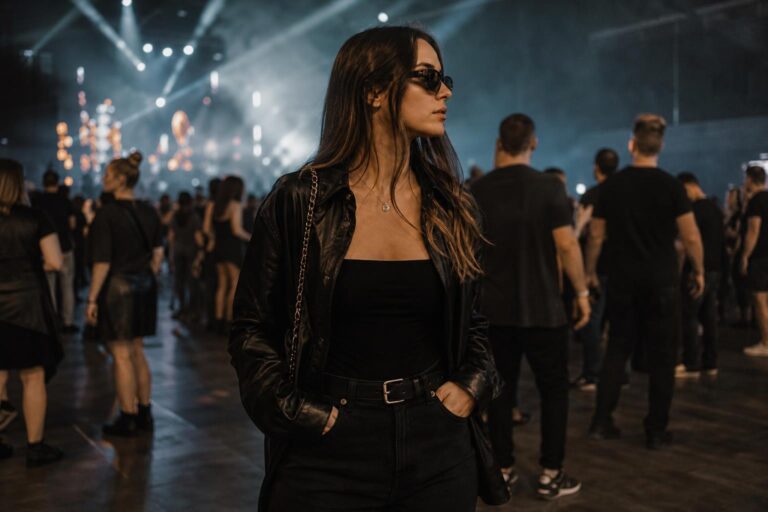
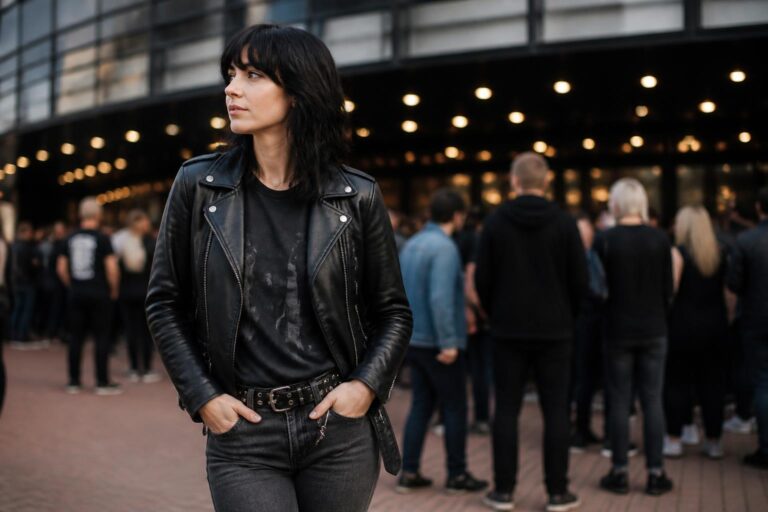
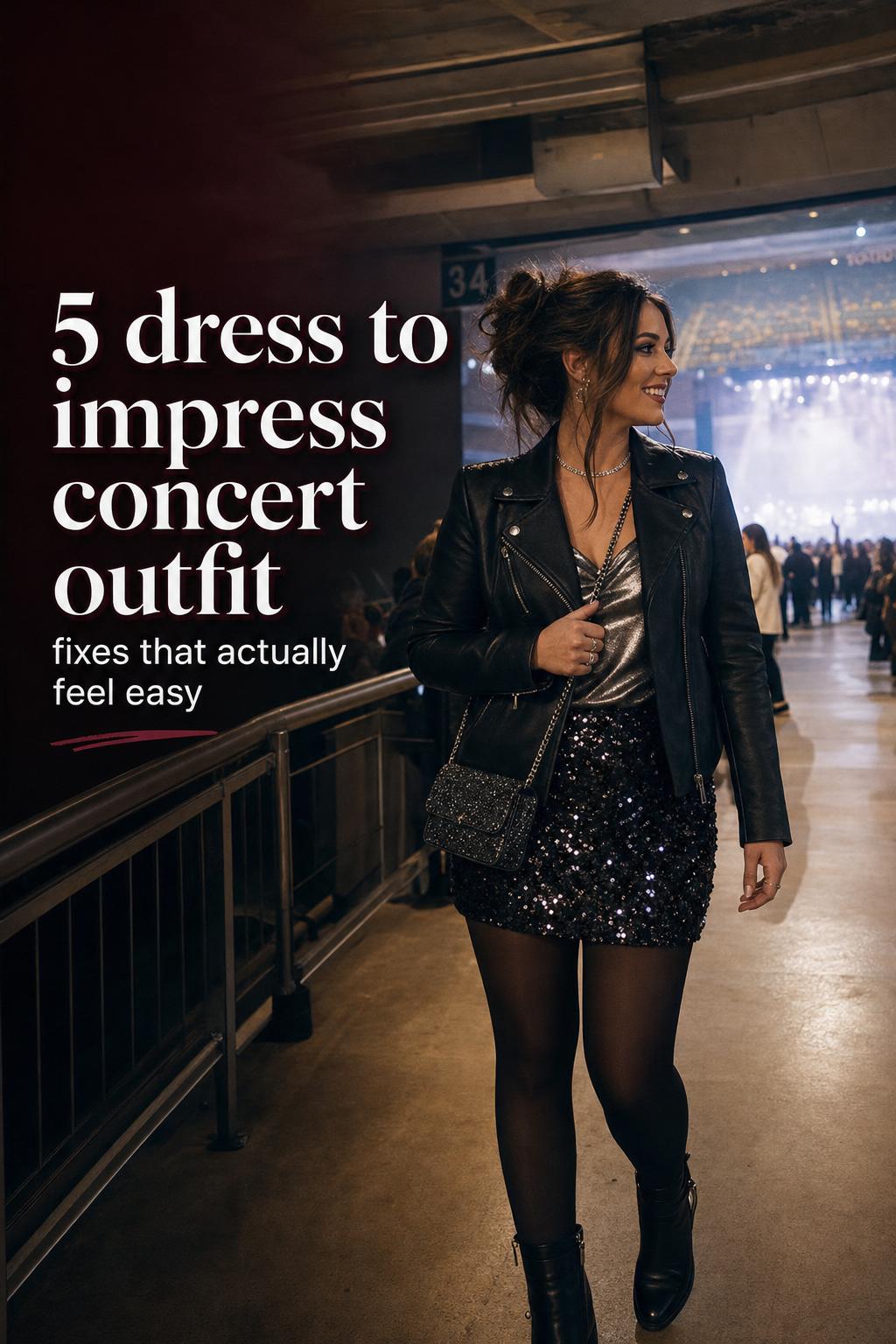
This is the most texture-driven version of concert dressing. Leather, metallics, sequins, and hardware create visual tension, while a darker palette keeps the outfit anchored. The mood is confident and slightly aggressive in the best way: it reads bold under venue lighting and gives a clear fashion point of view without depending on complicated layering.
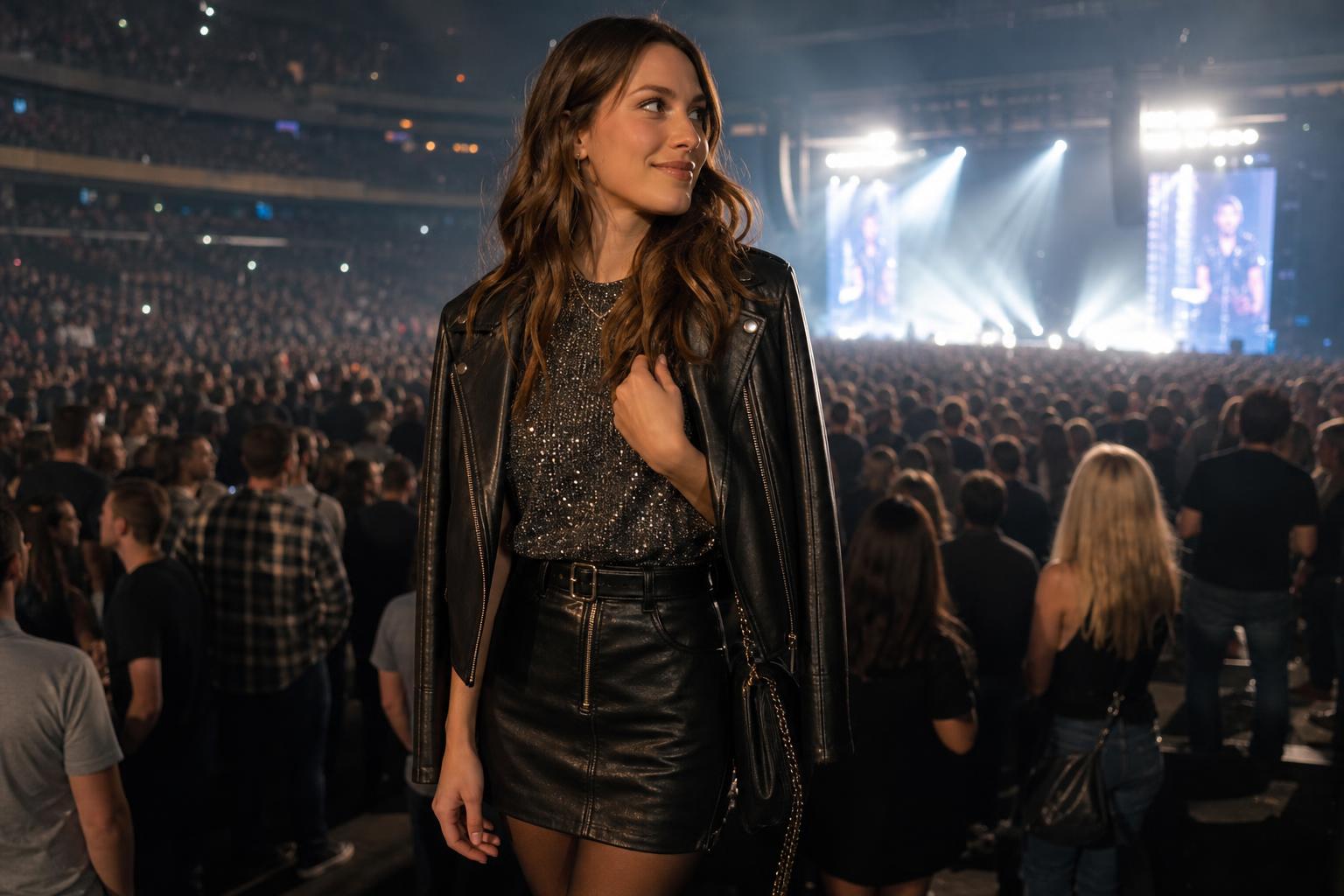
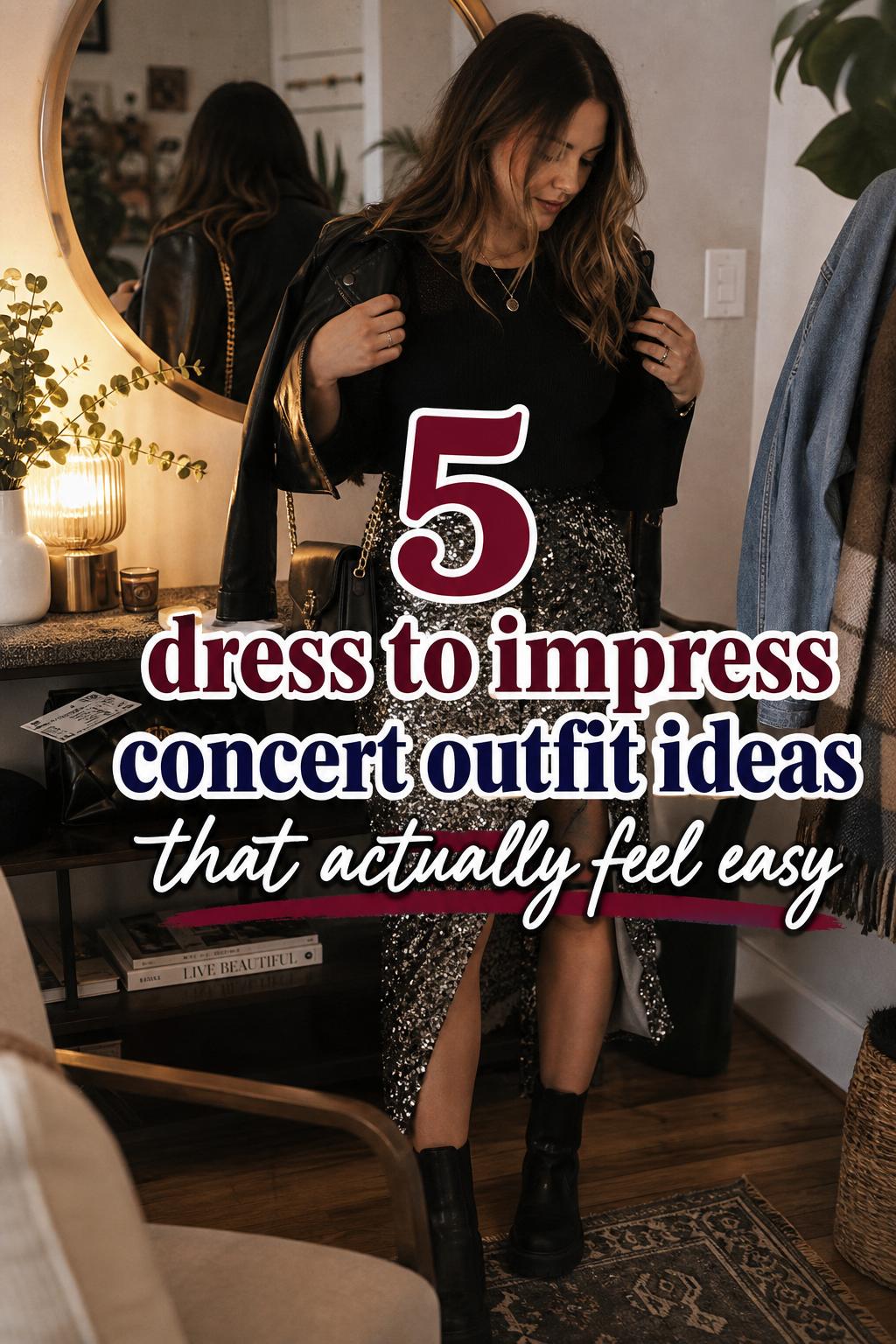
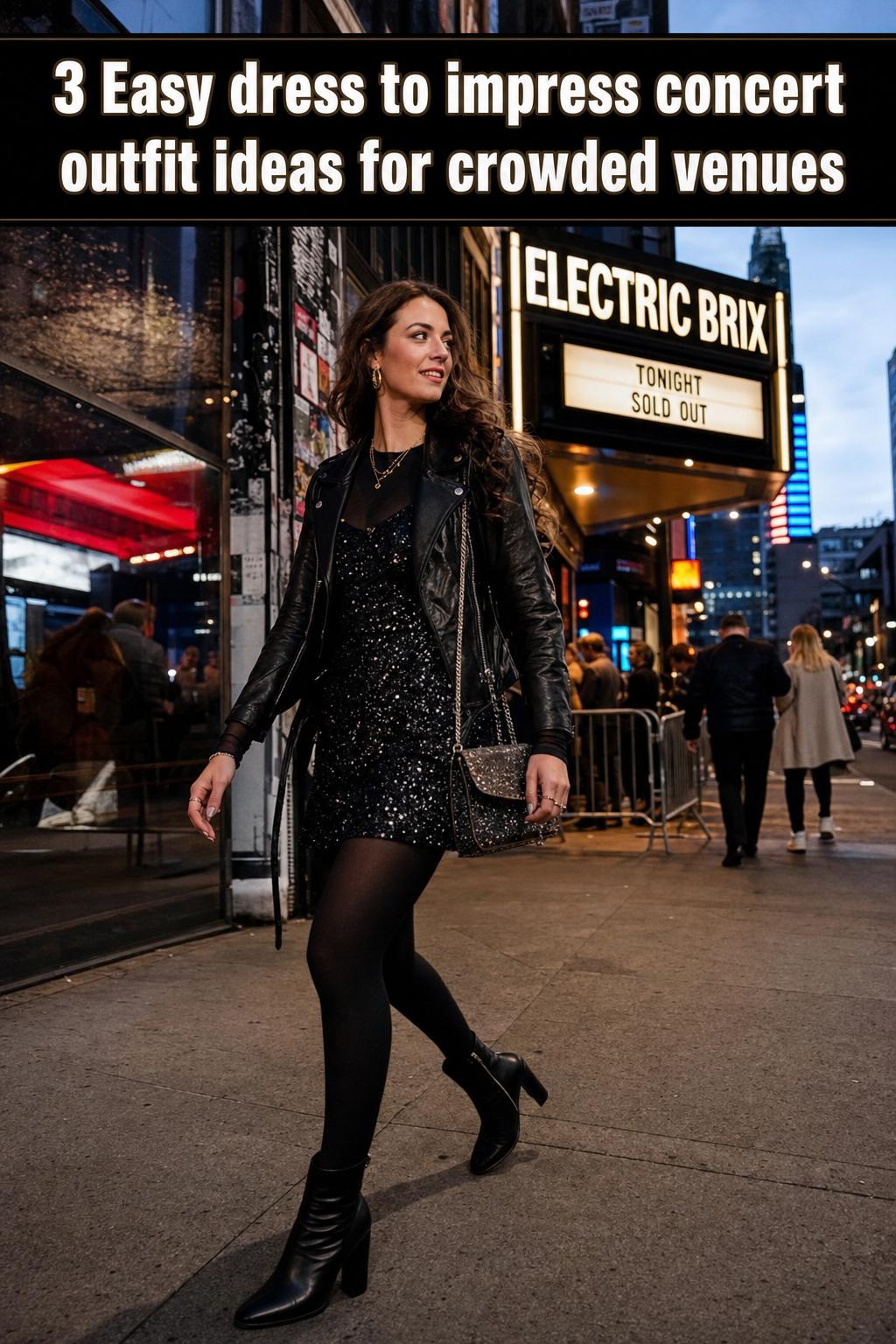
The easiest framework is a leather jacket over a fitted base, then one statement element that catches light. That could be a sequined mini, metallic top, or mesh detail. Studded boots or a sturdier shoe finish the look with enough edge to support the materials. The reason this works is silhouette balance. A structured outer layer controls the shine and prevents the outfit from looking costume-like.
For readers rebuilding this aesthetic from existing pieces, the first item worth prioritizing is the jacket. A leather jacket gives repeated value because it can ground sequins, soften rhinestone-heavy styling, and make dresses feel more concert-appropriate. It is also one of the simplest ways to shift a party piece into a glam-rock concert look.
Glitzy pop diva with stage-light sparkle
If glam rock is about contrast, pop-diva dressing is about reflection. Sequins, rhinestones, glitter fabrics, and polished accessories are the visual anchors here. The goal is not just shine for its own sake. It is controlled luminosity: pieces that respond dramatically to flash photography, moving lights, and distance.
Mini dresses, structured party dresses, and coordinated sets tend to work especially well because they create one clean line before the embellishment takes over. A cluttered silhouette competes with the sparkle. A cleaner shape lets rhinestones and metallic finishes remain the focus. This is why a fitted dress with one strong accessory often feels more luxurious than a heavily layered combination.
Style insight: when the fabric already delivers visual energy, accessories should support rather than compete. A glitter clutch, streamlined jewelry, or one defined belt often creates a stronger finish than stacking every possible statement piece together.
Soft spotlight dressing for a more relaxed kind of impact
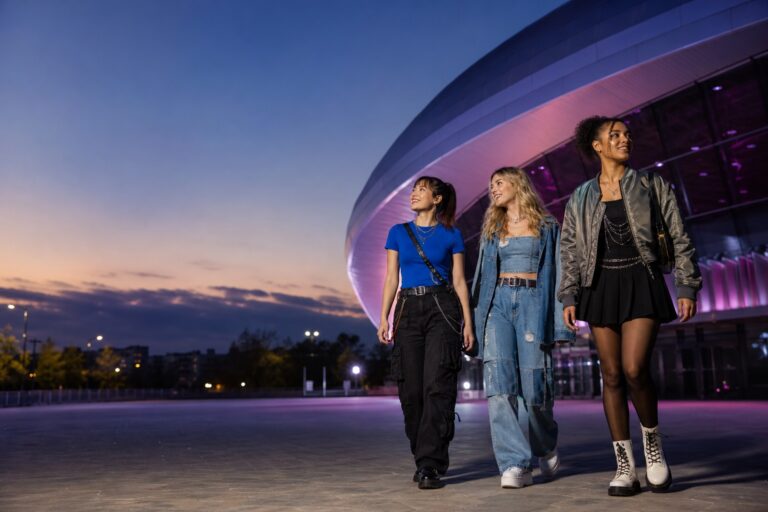
Not every concert outfit needs full drama. A softer concert formula uses denim, a sleek bodysuit or base top, and one elevated element such as jewelry, metallic footwear, or a standout bag. This direction feels especially current because it translates easily from a Pinterest idea board to a real venue seat.
The strength of this approach is that it relies on proportion play rather than maximum embellishment. Straight or fitted denim creates a stable base. A bodysuit or refined top keeps the silhouette clean. From there, accessories do the work. The result still reads intentional, but with less effort and more rewear value after the concert ends.
Artist-inspired dressing that still feels wearable
Artist references are one of the clearest ways to shape a concert outfit, but the most successful interpretations do not copy a stage costume literally. They translate the aesthetic language into pieces that work in the audience. That distinction matters. Concert fashion should feel connected to the performance without becoming impractical in the venue.
Lady Gaga-inspired glam without going into costume territory
Lady Gaga remains one of the strongest style anchors in concert fashion because her visual world is built on metallics, mesh, structure, and fearless shape. That gives fans a very clear starting point. A Gaga-inspired concert look often succeeds when it combines one futuristic element with one familiar one: metallic pants with a black fitted top, a structured dress with a sleek jacket, or mesh layered into a sharply defined silhouette.
The styling logic here is architectural. Structured lines keep avant-garde details grounded. Mesh adds dimension without visual heaviness. Metallic finishes bring stage energy. If every element is equally dramatic, the outfit can feel overwhelming. If one or two pieces carry the concept, the look remains wearable while still honoring the artist influence.
For a more restrained adaptation, keep the palette tight. Silver, black, and one reflective texture instantly nod to Gaga’s glam language. This is particularly useful for indoor arenas, where lighting already amplifies shine and detail.
K-pop sparkle with cleaner color placement
K-pop-inspired concert styling brings a different kind of energy: brighter color, more deliberate coordination, and a polished sense of finish. Coordinated sets, rhinestones, and color blocking all fit naturally into this category. Compared with rock styling, the effect is more precise and graphic.
What makes this aesthetic work is control. Bright color can easily become visually noisy if every item competes. A matching set or clearly linked top-and-bottom combination solves that problem by establishing cohesion first. Rhinestones and sparkling accessories then act as accents instead of distractions. This is a useful route for anyone who wants a dress to impress effect with a cleaner, more composed finish.
Classic rock references with believable attitude
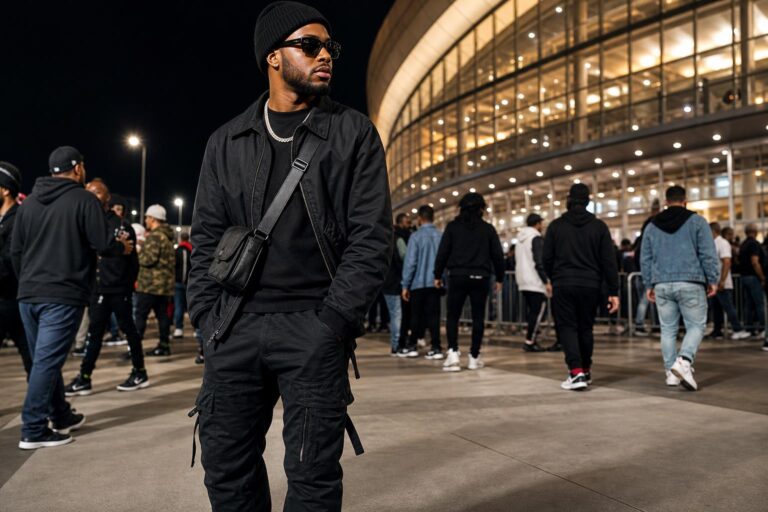
Band tees, leather, and studded boots remain one of the most durable formulas in concert attire because they already carry cultural association. They signal music fandom without overexplaining themselves. The challenge is making them feel intentional instead of thrown together at the last minute.
The answer is structure. If the band tee is oversized, keep the bottom more streamlined. If the boots are heavy, avoid overloading the rest of the look with too many competing details. A leather layer can sharpen the silhouette, while one metallic or sequined accent keeps the outfit from reading too casual. This is where outfit composition matters most: the attitude should feel effortless, but the proportions still need control.
Textures that do the work under concert lighting
Concert looks often rise or fall based on fabric choice. Lighting transforms texture. A garment that feels ordinary in daylight can become a focal point under spotlights, while a great silhouette in the wrong material can disappear completely. Sequins, metallics, mesh, and velvet each bring a different kind of movement and visual depth.
Sequins and rhinestones as focal textures
Sequins and rhinestones deliver instant event energy, but they work best when given space. A sequined dress or rhinestone top should usually be the visual anchor of the outfit. Once that piece is established, the rest of the styling can become quieter. This creates a hierarchy, which is one of the easiest ways to make dress-to-impress styling feel expensive rather than chaotic.
A practical note matters here: comfort over time. Embellished pieces can feel heavier or less flexible than they look in photos. If you expect a long night, choose silhouettes that allow movement through the shoulder, waist, or hemline. A beautiful piece that restricts you after the first hour rarely feels worth it in a live-music setting.
Metallics for a sharper, more directional finish
Metallic fabrics create a cooler, more editorial kind of impact than glitter. They often feel cleaner and more futuristic, which is why they connect so naturally to Lady Gaga-inspired glam. Silver or other reflective tones can function almost like neutral statements in concert fashion because they pair easily with black, mesh, or tailored structure.
The smartest way to wear metallics is through one defined area of the outfit. Metallic pants, a metallic top, or a compact metallic dress usually has more visual authority than scattering reflective details across multiple pieces. This keeps the line modern and avoids dilution.
Mesh and velvet for depth rather than obvious shine
Not every statement fabric needs sparkle. Mesh introduces transparency and layering potential, especially in artist-inspired or edgy looks. Velvet, by contrast, offers richness through surface depth. It does not flash the way sequins do, but it catches light in a softer, more dimensional way.
These textures are useful when you want a concert outfit to feel elevated without relying entirely on embellishment. Mesh sleeves, velvet dresses, or velvet-trimmed separates can carry presence while remaining more understated than all-over glitter. They also blend well with a broader range of accessories, making them easier to re-style for future events.
Build-your-look formulas that simplify the process
One reason concert styling feels difficult is that people often shop by individual item rather than outfit logic. A stronger method is to build from a formula. This helps maintain proportion, keeps spending focused, and makes it easier to adapt the same wardrobe pieces across different shows.
- Base piece + statement top + focused accessories
- Structured dress + outer layer + practical footwear
- Denim foundation + elevated bodysuit + metallic accent
- Co-ord set + jewelry cluster + compact bag
- Band tee + leather layer + standout boot
Each formula works because it identifies a visual anchor first and then supports it. The base piece controls the silhouette. The statement element creates event energy. Accessories complete the narrative without introducing confusion. This is more effective than building a concert look by impulse-purchasing several dramatic items that do not relate to each other.
Base plus statement top for flexible venue dressing
This formula is ideal when you want movement and comfort without sacrificing impact. Denim or a streamlined bottom creates stability, while the top carries the concert mood through sequins, mesh, glitter, or metallic detailing. Because the lower half is visually quieter, you can adjust the intensity up or down with accessories depending on the venue.
Most versatile item: a fitted bodysuit or polished base top. It layers cleanly, works with jackets, and prevents bulk around the waist. It is also one of the easiest pieces to transition between soft spotlight styling and edgier glam looks depending on what you add around it.
Structured dress with one strong finishing layer
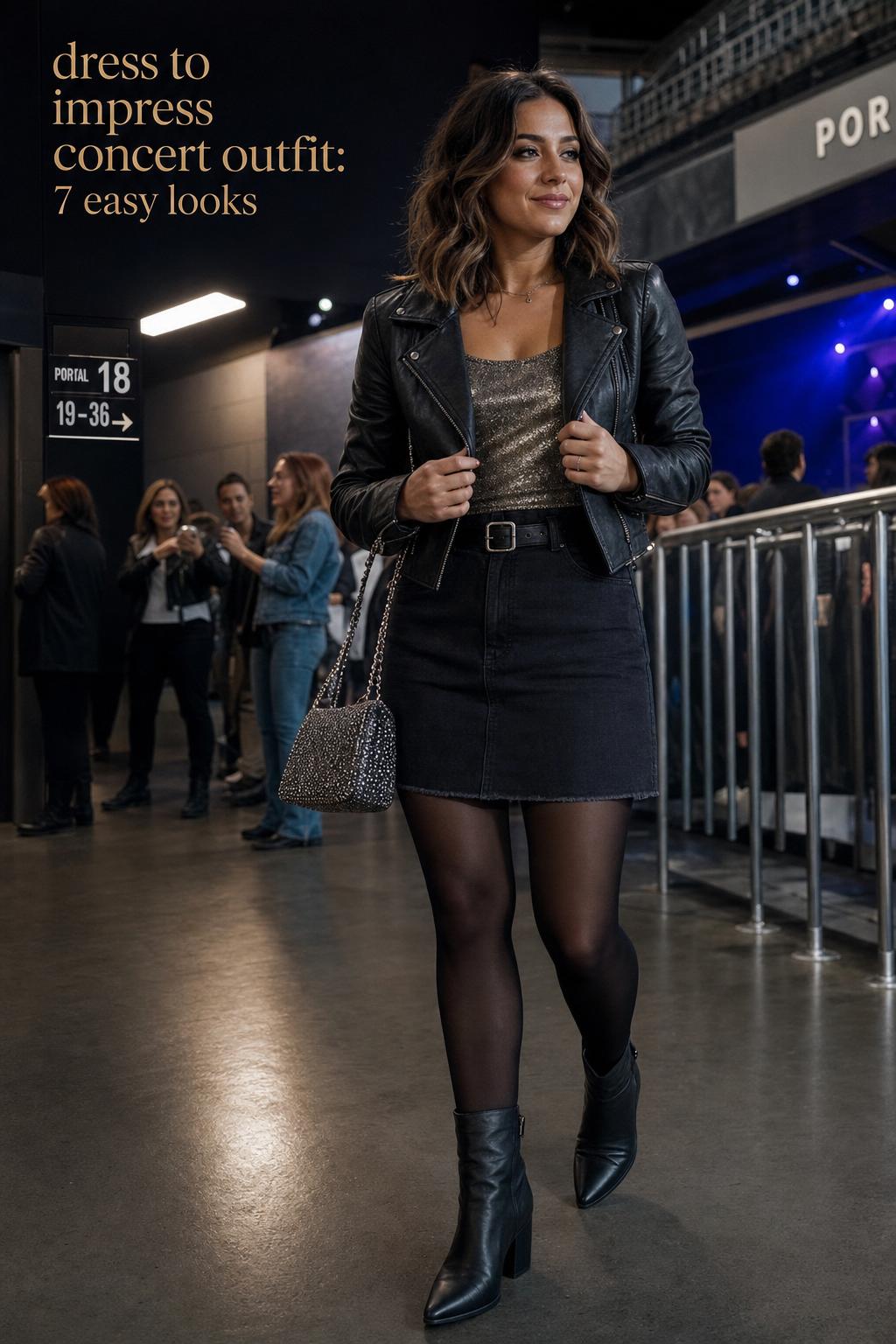
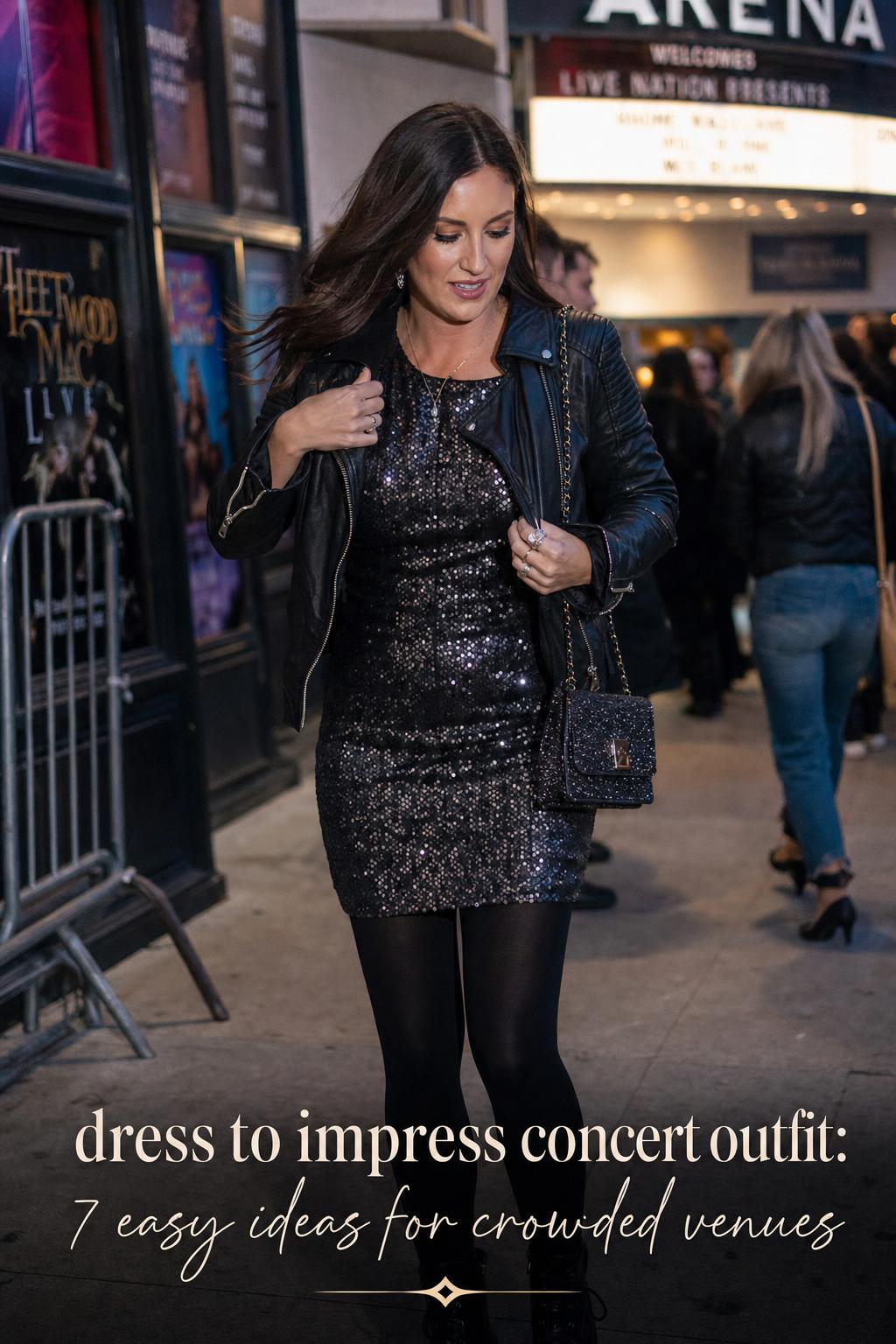
A structured mini or midi party dress gives immediate polish, especially for pop concerts and arena shows. The key is to add one layer that introduces personality while making the outfit more functional. A leather jacket changes the energy entirely, pushing a polished dress toward a more stage-ready direction. A sleek jacket can also help with indoor venue temperature shifts.
The mistake to avoid is overcomplicating the line. Once the dress and layer are doing their job, accessories should be edited carefully. Shoes and a bag are often enough.
Color theory for stage lights, phone photos, and crowd environments
Color behaves differently at concerts than it does in everyday settings. Stage lighting can flatten some tones and intensify others. This is why jewel tones, metallics, and clear high-contrast combinations often photograph better and read more distinctly from a distance than muted, low-contrast mixes.
In practical terms, this means your palette should either commit to shine or commit to contrast. Jewel tones create richness. Metallics create reflection. Black can work as a strong grounding color, especially in glam-rock or Gaga-inspired styling, because it gives bright accents somewhere to land. A scattered palette with no anchor can easily lose definition in venue lighting.
Why jewel tones and metallics keep showing up
They offer visibility without requiring complicated styling. Jewel tones carry depth and intensity, while metallics react directly to light. Both create that stage-ready quality people want when they search for concert fashion or edgy glam concert outfits. They also layer well with common concert textures such as leather, mesh, and sequins.
If your wardrobe is mostly neutral, do not assume you need a fully new outfit. One metallic bag, one sequined top, or one strong color accent can be enough to shift a neutral base into concert territory.
Accessories that elevate the outfit without making it harder to wear
Concert accessories should perform two jobs at once: visual enhancement and logistical ease. That is why the best choices are not always the biggest or most decorative ones. A statement accessory earns its place when it improves the outfit composition and still makes sense once you are moving through security or sitting in a crowded row.
Jewelry, belts, and bags as finishing tools
Jewelry works best when it mirrors the energy of the clothing. Rhinestones and glitter fabrics pair naturally with cleaner, light-catching jewelry. Edgier outfits can absorb more metal presence through belts, hardware, or stronger jewelry shapes. The goal is to repeat the visual language of the outfit, not introduce an unrelated one.
A compact clutch or small bag remains one of the strongest finishing pieces because it adds polish without disrupting the line. Glitter clutches and metallic bags appear repeatedly in concert styling for that reason. They support the theme and keep the silhouette streamlined.
Tips: if one accessory is oversized or highly embellished, keep the others quieter. This is especially important with sequined dresses or rhinestone-heavy tops, where too many sparkling additions can blur the focal point rather than enhance it.
Footwear for long sets, crowd movement, and style consistency
Footwear is where fashion intent and real-world experience meet most directly. The shoe has to hold the outfit together visually, but it also has to support standing, walking, and occasional crowd pressure. The strongest concert shoes are not necessarily flat or plain. They are simply stable enough to function for the length and conditions of the event.
- Block heels offer more security than narrow heels while still keeping a dressed-up finish.
- Boots suit glam-rock and classic rock formulas because they add structure and grip.
- Comfortable flats can work with softer concert looks when the rest of the outfit has enough polish.
- Heels with grip are a smarter choice than purely decorative pairs for crowded venues.
This is one of the biggest style trade-offs in concert attire. A dramatic shoe may complete the image, but if the venue requires extensive walking or long periods on your feet, stability matters more. The best solution is usually a shoe that still supports the aesthetic category of the outfit: boot for edgy, block heel for glam, refined flat for polished casual.
Where to buy the mood: shopping references that shape concert style
Many readers looking for concert outfits are not only searching for inspiration; they are trying to connect inspiration with real shopping options. That is why editorial shopping hubs and fashion retailers remain part of the concert-style conversation. In the U.S. market, shoppable outfit pages make the transition from idea to outfit much faster, especially when you are looking for a specific category such as dresses, jackets, tops, or accessories.
ASOS is particularly relevant in this space because it combines editorial concert-outfit framing with broad product access. Brands such as DesignB London, River Island, and Topshop also fit naturally into the conversation because they represent the kind of party-ready, trend-aware pieces often associated with concert dressing. These names matter less as status symbols and more as shorthand for the categories shoppers are actually trying to find: statement tops, co-ords, jackets, jewelry, and bags with personality.
The practical takeaway is simple: shop by function first. Search for the anchor piece your outfit is missing rather than scrolling every possible category. If your look already has a dress, focus on shoes or accessories. If your wardrobe basics are solid, look for one texture-led top or jacket. This keeps spending strategic and prevents overbuying for a single event.
Venue realities that should influence every outfit decision
The venue is not a minor detail. It determines how your outfit behaves, how much layering you need, how practical your bag must be, and how realistic certain shoes will feel after several hours. A strong concert outfit respects the setting instead of fighting it.
Indoor arenas, stadiums, and outdoor festival conditions
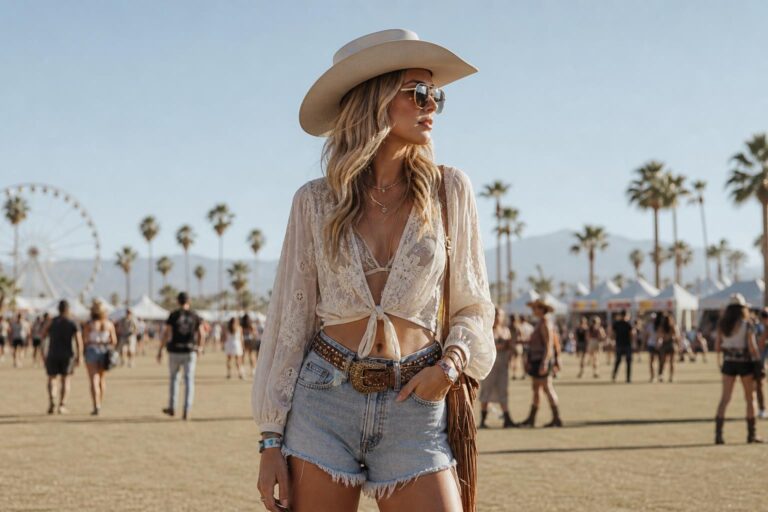
Indoor arenas often favor shine, cleaner silhouettes, and stronger artist-inspired styling because lighting is a central part of the experience. Stadium shows may call for similar visual energy, but with more practical attention to movement, entry lines, and longer walking distances. Outdoor festivals shift the balance further toward comfort, layering, and adaptable shoes.
This is where many outfit ideas become more useful when slightly edited. A sequined mini may feel ideal in an arena. The same concept may need a more practical shoe and a better outer layer in a stadium environment. A metallic top and denim combination can often outperform a full glam dress outdoors because it handles movement and weather changes more gracefully.
Security, bag policy, and the comfort factor
Bag policy is one of the most overlooked style constraints in concert dressing. A bag may complete the outfit visually, but if it slows down entry or proves awkward to carry through the night, it stops being an asset. A compact, easy-to-manage bag usually works best from both a practical and compositional standpoint.
Comfort is not separate from style at a concert; it shapes how confidently the outfit reads. If your shoes hurt, your hem needs constant adjustment, or your jacket becomes a burden, the look loses impact in real time. The most polished concert outfits are the ones that let you move naturally.
Genre-based styling angles that deserve more attention
One of the most useful ways to refine your concert outfit is to think in genre terms. General concert fashion advice can be helpful, but genre gives sharper guidance because it influences texture, silhouette, and styling attitude. Pop, rock, EDM, and K-pop all push the outfit in different directions even when they share some overlapping elements such as metallics or statement accessories.
Rock styling leans harder into leather, boots, darker tones, and band references. Pop invites more sparkle, clearer polish, and stronger dress-focused options. EDM can absorb bolder reflective textures and festival crossover elements, especially in outdoor settings. K-pop tends to favor coordinated color, a cleaner finish, and a more graphic sense of composition. Understanding that distinction keeps your outfit from feeling vague.
How to use this in real life: start with your artist or genre, then ask what visual signals define that world. Is it metallic futurism, glam sparkle, dark edge, or bright coordination? Once you answer that, the outfit becomes easier to build.
Location mood and the U.S. concert style lens
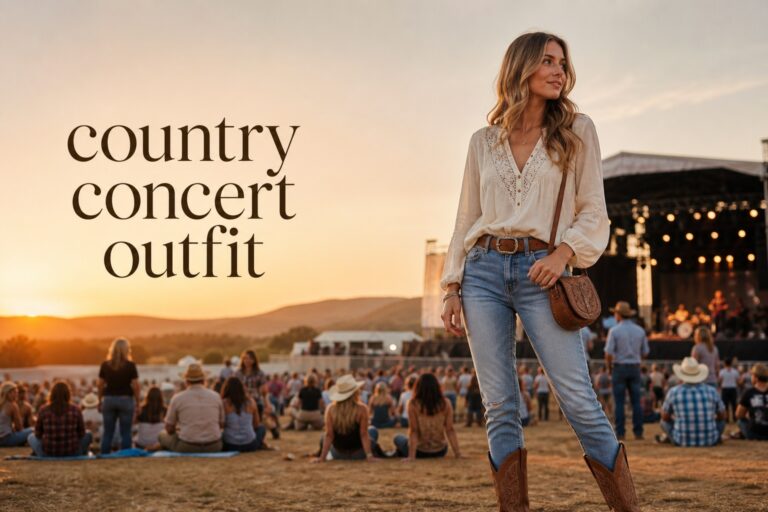
Concert dressing in major U.S. style hubs often reflects broader local fashion habits. LA tends to support a more overtly fashion-forward concert look, with trend-led textures and statement pieces feeling especially at home. NYC can lean sharper and more directional, often through cleaner lines, darker palettes, and stronger proportion play. Nashville naturally connects to performance dressing through boots, embellishment, and a high-composure event mindset.
You do not need to live in those cities to use the reference. Their value is conceptual. They offer styling lenses: LA for visual boldness, NYC for structure, Nashville for performance-ready personality. If your own style feels undefined, borrowing one of these location moods can create stronger coherence.
Eco-conscious concert dressing without losing the mood
Sustainable and ethical fashion options are still underused in concert style conversations, even though the category lends itself well to smarter choices. Many concert outfits revolve around statement pieces that are worn occasionally, which makes selective shopping and circular styling especially valuable. The most practical sustainable approach is not necessarily a full wardrobe reset. It is choosing one high-impact piece that can be styled in multiple ways.
A sequined top worn with denim, then later layered under a jacket, offers more wardrobe mileage than a full one-event outfit with no styling flexibility. The same is true for a leather jacket, metallic bag, or versatile co-ord with separable parts. Concert fashion is at its best when the visual payoff is high but the styling lifespan is longer than one night.
Common styling mistakes that flatten a concert look
Most underwhelming concert outfits do not fail because the pieces are wrong individually. They fail because the styling lacks hierarchy, context, or practicality. Understanding these mistakes can be more helpful than scrolling endless inspiration images.
- Too many statement pieces fighting for attention at once
- No clear focal texture or visual anchor
- Shoes that suit the photo but not the venue
- Ignoring bag policy and carrying something awkward
- Choosing embellishment over movement and comfort
- Using a casual base without enough concert-specific finish
Why this matters: concert style depends on controlled impact. A single great texture, one strong silhouette, or one artist-inspired reference usually lands better than an outfit trying to reference every trend at once. Editing is often what separates a memorable look from a crowded one.
Quick styling tips before you finalize the outfit
Before you leave, test the outfit as a full system rather than as a mirror image. Walk in the shoes. Sit down in the hemline. Put on the jacket. Carry the bag. Concert clothing succeeds when it survives movement without losing shape or confidence.
- If the top is highly embellished, simplify the bottom.
- If the dress is minimal, let accessories and texture provide the energy.
- If you are unsure about the palette, use black as the grounding element.
- If the venue involves long walking, prioritize grip and stability in footwear.
- If you want artist inspiration, borrow the mood and materials rather than copying a costume.
- If you are shopping last-minute, buy the missing anchor piece, not an entirely new wardrobe.
The best concert looks feel edited, not overworked. They leave room for personality while still respecting proportion, venue realities, and the fact that you will be wearing the outfit for hours, not just photographing it for minutes.
Why the best concert outfits always feel personal
What makes concert fashion so compelling is that it invites a version of dressing most people do not use every day. It is bolder, more reflective, more willing to play with texture and attitude. Yet the strongest outfits never lose sight of the wearer. They adapt glam, edge, sparkle, structure, or artist influence into something believable for your own style language.
A memorable concert look does not need the loudest sequins or the highest heels. It needs clarity. Once the mood, silhouette, and practical details align, even a simple combination can feel stage-worthy. That is the real appeal of dressing to impress for a concert: not excess, but intention with energy.
FAQ
Do I need to dress up for a concert?
Not always, but most concert settings reward a little more intention than everyday dressing. You do not need full sparkle unless that suits the artist or venue, but adding one strong element such as a metallic top, structured dress, statement accessory, or polished jacket helps the outfit feel event-appropriate.
What is the easiest dress to impress concert outfit formula?
The most reliable formula is a clean base plus one statement piece plus edited accessories. For example, denim with a sequined or mesh top, or a structured dress with a leather jacket and stable shoes. This works because it creates a focal point without making the outfit difficult to wear.
What should I wear to a Lady Gaga concert?
A Gaga-inspired outfit usually works best with metallics, mesh, structured shapes, and a strong sense of visual control. Instead of copying a performance costume, translate the mood through one futuristic element balanced by a wearable base, such as a metallic piece with black tailoring or a structured dress with sharp accessories.
How can I make a concert outfit look glamorous but still comfortable?
Use texture and accessories to create glamour, then protect comfort through silhouette and footwear. A sequined top with denim, a glitter clutch, or a metallic bag can deliver impact without requiring a restrictive outfit. Stable shoes, easy movement, and a manageable bag are what keep the look polished all night.
Are heels a bad idea for concerts?
Heels are not automatically wrong, but the venue matters. Block heels or heels with grip are usually a smarter option than delicate pairs, especially for stadiums, long walks, or crowded conditions. If the event involves a lot of standing or movement, boots or refined flats may be the better choice.
What colors work best for concert outfits?
Jewel tones, metallics, and clear high-contrast combinations tend to read best under stage lighting and in phone photos. Black is especially useful as a grounding color because it supports sequins, leather, mesh, and reflective accessories without competing with them.
How do I dress for different music genres?
Use genre as your style filter. Rock usually leans toward leather, band tees, darker tones, and boots. Pop supports sparkle, dresses, and polished statement accessories. K-pop often favors coordinated sets, bright color, and rhinestone detail. EDM can handle more reflective and festival-adjacent styling, especially outdoors.
What bag should I bring to a concert?
A compact bag or clutch is usually the strongest choice because it keeps the outfit streamlined and is easier to manage through security and seating. Glitter or metallic finishes can still add personality, but size and ease of carrying matter just as much as appearance.
Can I create a concert outfit without buying everything new?
Yes, and that is often the smartest approach. Start with pieces you already own, such as denim, a fitted top, or a simple dress, then add one concert-specific element like sequins, metallics, a leather jacket, or stronger accessories. That single upgrade is often enough to shift the outfit into concert fashion territory.