
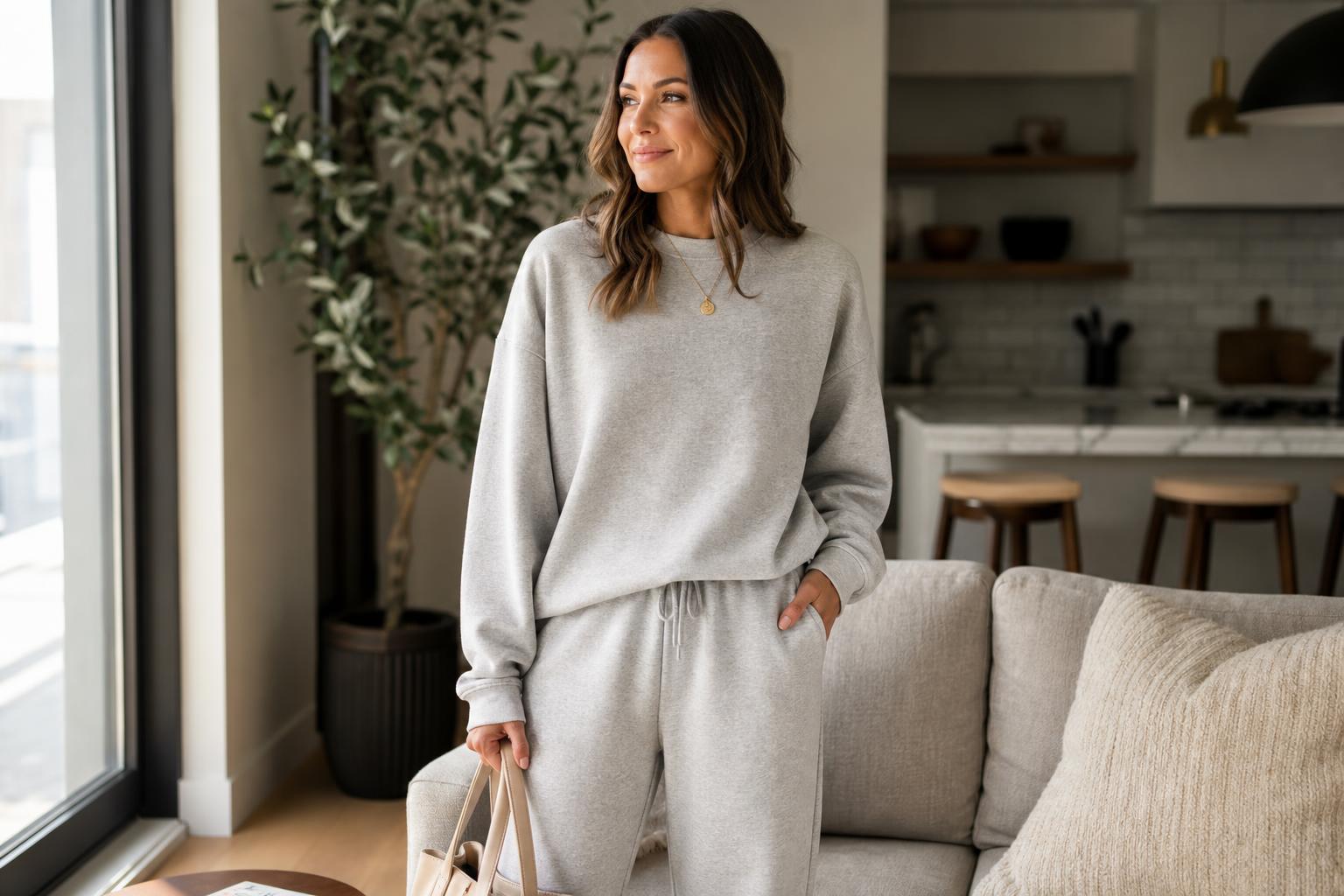
What to Wear: Cute Comfy Outfits That Feel Polished
Some outfits are memorable because they are dramatic. Others stay in rotation because they solve real life. Cute comfy outfits belong to the second category, but that does not make them visually simple. Their appeal comes from balance: softness without looking undone, ease without losing shape, and personality without sacrificing movement.
That balance is exactly why people keep returning to this style space. The line between “comfortable” and “styled” is narrower than it looks. A sweatshirt can read relaxed or careless. Leggings can feel intentional or overly casual. An oversized layer can create proportion play or swallow the body entirely. What changes the result is styling logic.
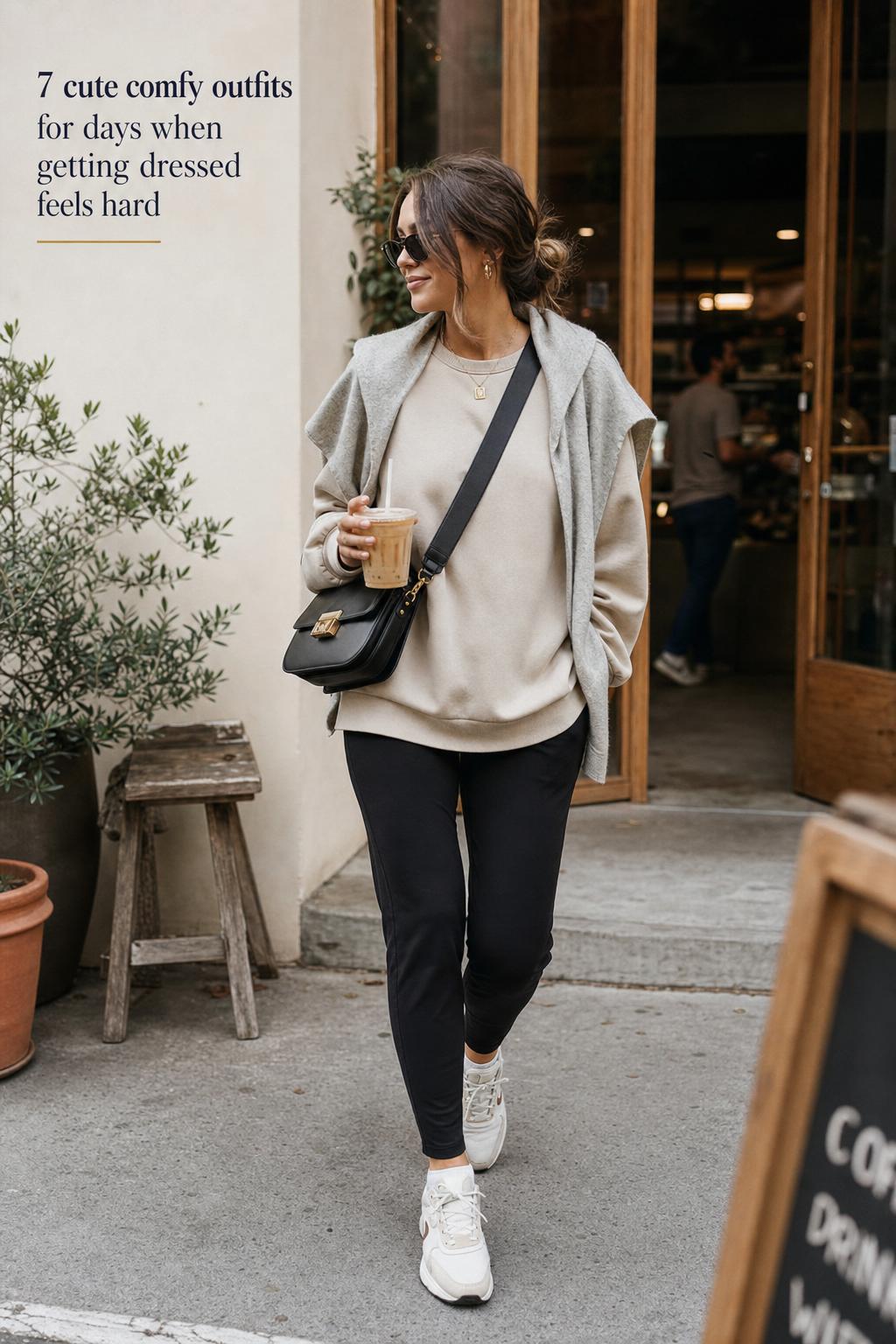
Right now, the conversation around dressing is less about strict occasionwear and more about visual identity in everyday settings. Cute comfy outfits matter because they reflect how people actually live: moving between home, errands, coffee runs, travel days, casual offices, and low-key social plans. The most successful versions are not random basics thrown together. They are edited combinations built around silhouette balance, texture contrast, and an easy mood that still looks considered.
Why cute and comfy are not opposites
The reason this category works so well is that “cute” and “comfy” communicate different kinds of value. Cute is visual. It suggests charm, softness, polish, or a playful finish. Comfy is sensory. It points to fabric feel, freedom of movement, and wearability over long hours. When an outfit combines both, it satisfies appearance and function at the same time.
Found the dress? Keep the rest in one place.
Zarellea brings guest details, vendors, timelines, and every next step together — so your wedding plan feels as good as your look.
In practical styling terms, that usually means one part of the outfit carries structure while another carries ease. A relaxed knit works better when the hem, shoe, or bag creates a visual anchor. A loose silhouette feels more intentional when the palette is controlled. Softness looks elevated when there is some form of restraint in proportion, color, or layering.
This is why the best cute comfy outfits rarely depend on statement dressing alone. They rely on composition. Even a very simple combination can feel expressive if the shapes are right and the finish is clean.
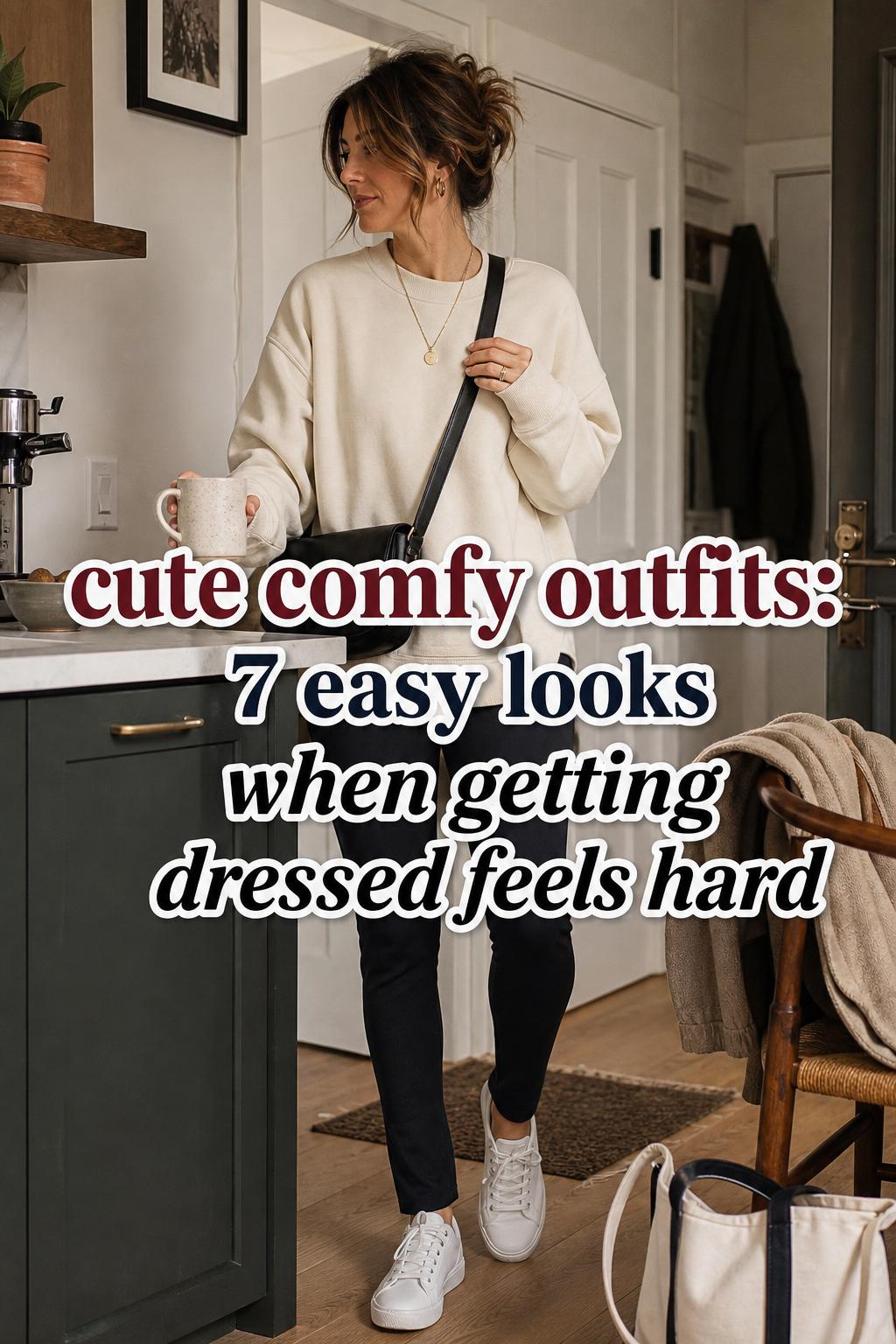
The visual identity of a strong cute comfy outfit
A wearable outfit in this category usually communicates three things immediately: approachability, ease, and intention. It does not look stiff, but it does not look unfinished either. That middle ground is where this style becomes most useful.
Silhouette comes first
Silhouette is what makes comfort look stylish rather than accidental. If every piece is oversized, the outfit can lose definition. If every piece is fitted, the look may feel functional but not especially modern. The strongest combinations create contrast. A roomy top with a neater bottom. A soft set with a more grounded shoe. A casual base with a cleaner outer layer.
Fabric determines the mood
Comfort is usually communicated through fabric before anything else. Knits, jersey, fleece, soft cotton, and draped materials visually suggest ease. But texture also shapes the degree of polish. A brushed sweatshirt reads more relaxed than a smooth knit. Ribbing adds structure. A heavier fabric can make a casual item feel more substantial and less flimsy.
Color creates emotional tone
Color is often the difference between an outfit that feels sweet, sporty, minimal, or elevated. Soft neutrals create a calm, understated impression. Brighter tones or playful combinations shift the look toward a more expressive kind of cute. Monochrome outfits often look more refined because they reduce visual noise, while contrast can make an outfit feel more youthful and energetic.
The quiet structure behind casual comfort
One of the most overlooked features of cute comfy outfits is how much invisible structure they actually need. Comfort on its own is easy. Looking good in comfort takes editing. A strong casual outfit usually has one visual line that keeps everything coherent: a defined waist, a clean hem, a repeated tone, or a shoe that grounds the softness of the clothing above it.
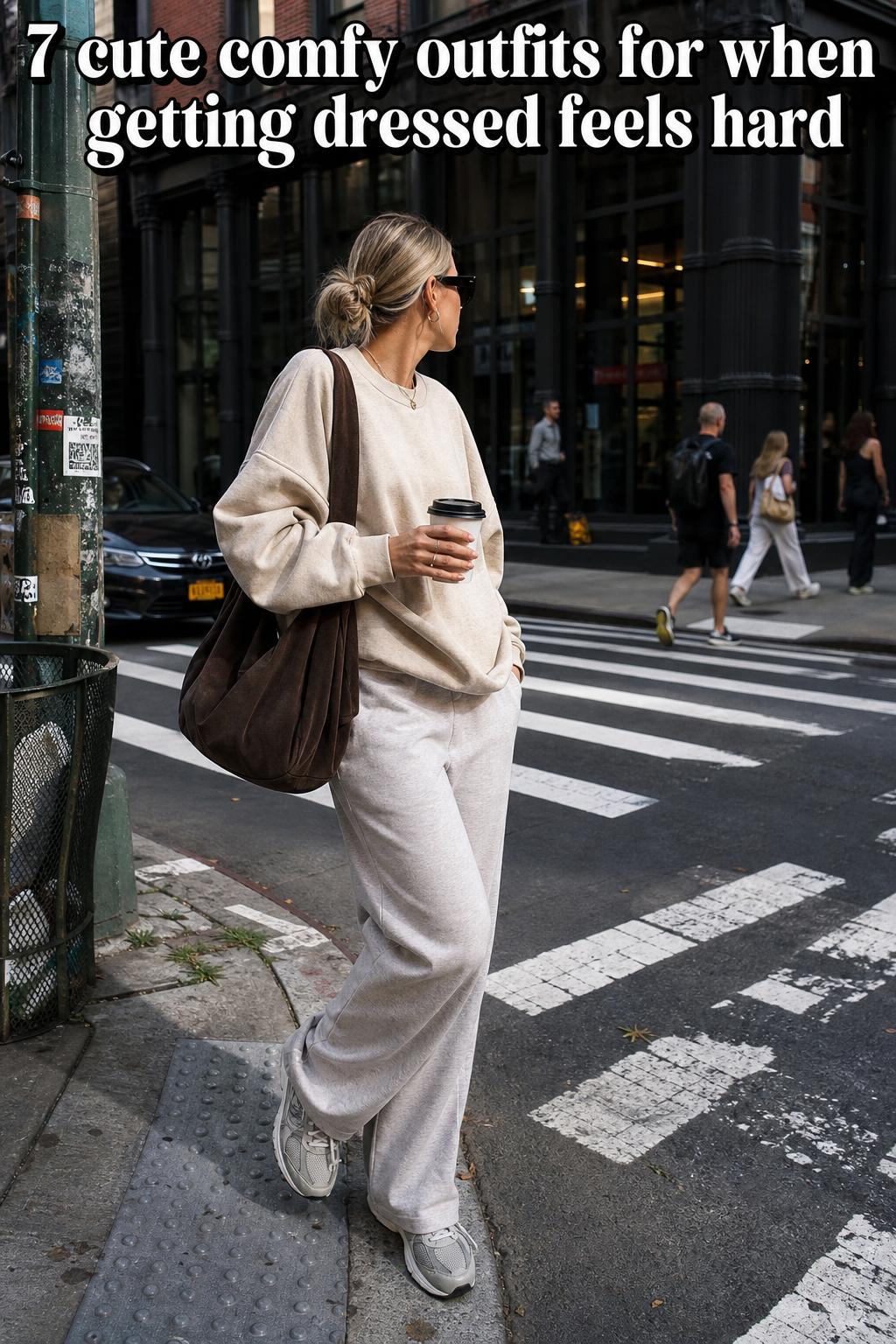
That is why simple pieces can outperform trend-heavy combinations. A coordinated lounge set can look elevated if the fit is precise and the color is even. A sweatshirt and relaxed bottoms can look intentional if the sleeves, shoe profile, and bag shape support the same mood. Without those details, the outfit can drift into sleepwear territory.
The principle is straightforward: when the clothes feel physically soft, the styling should provide visual discipline.
Everyday basics, interpreted with more intention
Most people build cute comfy outfits from familiar categories rather than from highly specific fashion pieces. That is part of their strength. The challenge is not access. It is interpretation. Basics only look elevated when the relationship between them feels deliberate.
The sweatshirt as a visual anchor
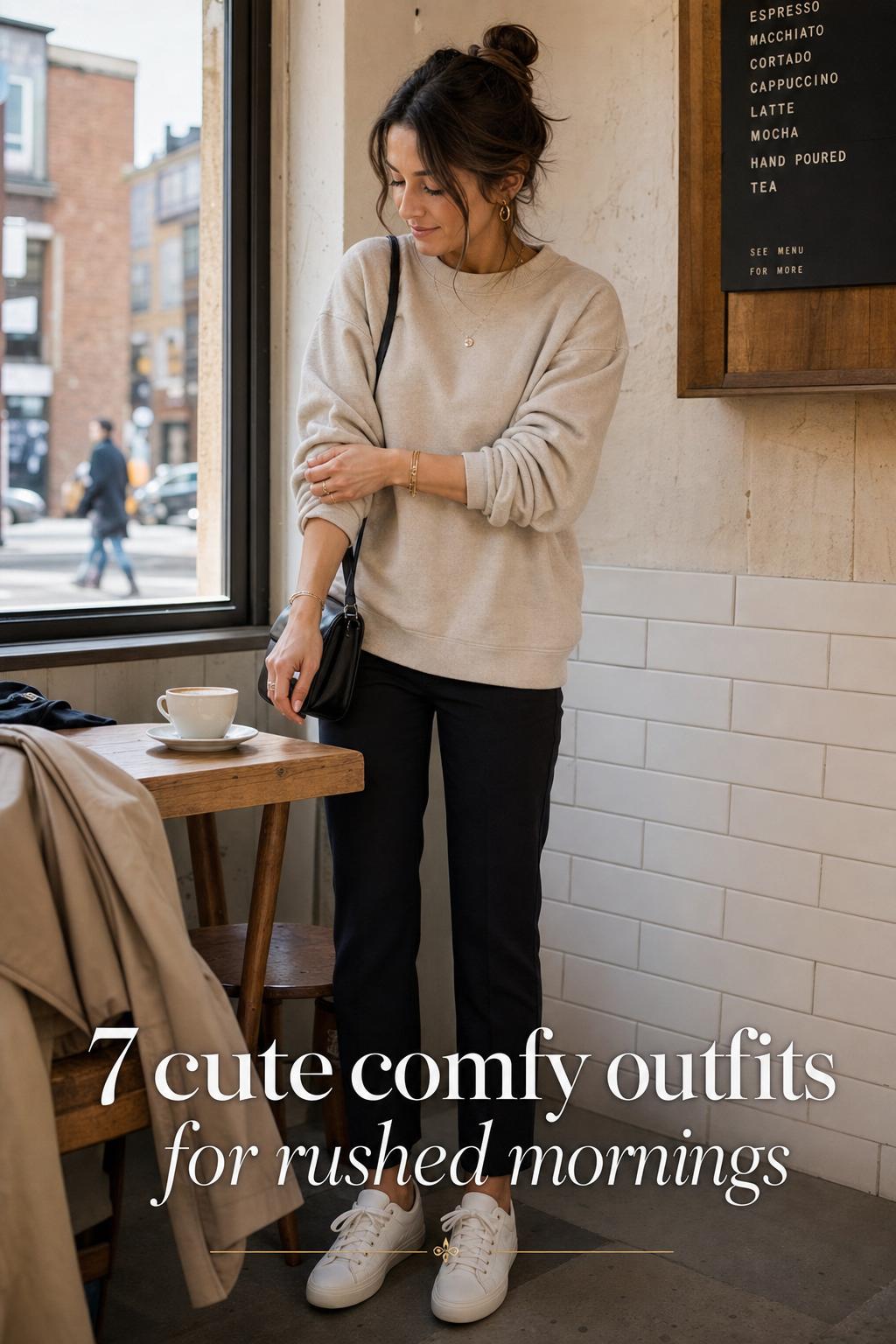
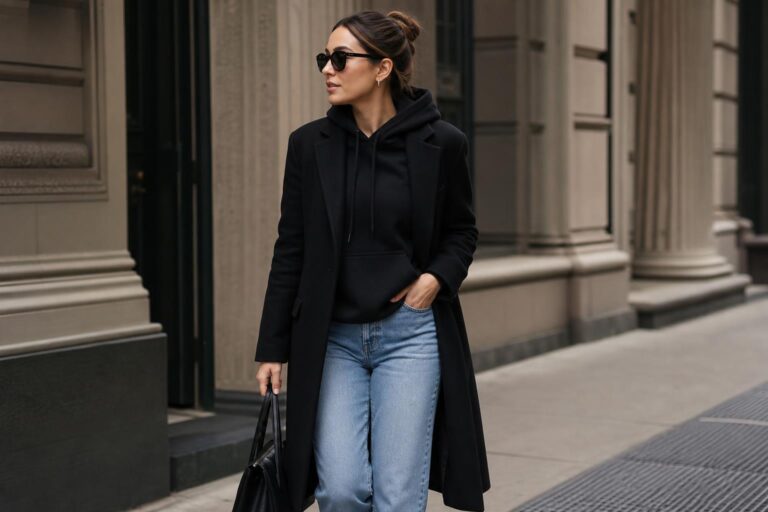
A sweatshirt often sets the tone of the entire outfit. If it is oversized, it creates softness and ease. If it is more cropped or closer to the body, it adds shape and lightness. The styling choice around it matters. Pairing a roomy sweatshirt with streamlined bottoms keeps the silhouette controlled. Wearing it with equally slouchy pieces creates a more lounge-driven mood that needs stronger finishing elements to avoid looking flat.
Leggings and fitted bottoms
Fitted bottoms work well in cute comfy outfits because they simplify the lower half and allow volume on top. The result is often more balanced than wearing slim pieces throughout. Leggings, for example, tend to function best when the rest of the outfit adds dimension through length, layering, or texture. A simple fitted base needs a companion piece that contributes depth.
Relaxed pants and soft tailoring
Relaxed bottoms introduce a different kind of comfort. They are less sporty and often more adaptable. The key is making sure they still create line and movement rather than bulk. A cleaner waistband, a consistent drape, and a top that does not compete with the volume all help. When done well, this direction feels easy and polished at once.
How cute comfy outfits shift across real life
The best way to understand this style category is to look at how it behaves in actual situations. A strong outfit does not exist in isolation. It responds to movement, climate, time of day, and how long you need to stay comfortable.
Coffee run dressing
For a short outing, the visual goal is quick polish. This is where cute comfy outfits often lean on one easy focal point. A soft top, easy bottoms, and casual shoes become more complete when the color story is consistent. Even a very simple outfit can look intentional if the tones relate to each other rather than compete. The overall impression should be clean, not busy.
Travel-day comfort
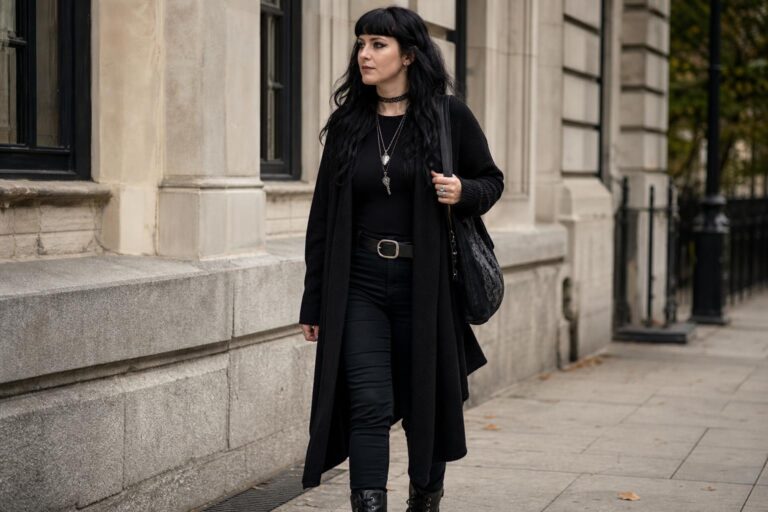
Travel changes outfit priorities. Clothing has to hold shape while sitting for hours, adapt to shifting temperatures, and still feel presentable in public spaces. In this setting, cute matters less as decoration and more as visual freshness. Tonal dressing works especially well here because it looks cohesive without requiring fussy pieces. Layers become functional, but they also control the outfit composition.
Casual work or study environments
When an outfit needs to feel relaxed but not overly informal, comfort should be filtered through cleaner lines. This is where proportion play becomes crucial. A softer top can work if the bottom half feels more stable. Likewise, easy pants can still read polished if the top is compact and the palette restrained. The look should suggest ease, not lethargy.
Long, social days
On days that include several stops, comfort needs to last. The most practical cute comfy outfits for these situations avoid anything overly tight, stiff, or precious. But they also avoid pieces that wrinkle visibly, shift out of place, or require constant adjusting. Real wearability is part of style intelligence. The best outfits hold their shape through movement.
The key visual difference: relaxed versus careless
This is where many outfits either succeed or lose impact. Relaxed dressing still has intent. Careless dressing usually lacks visual hierarchy. In other words, the eye does not know where to land.
- A relaxed outfit has at least one element that creates clarity, such as a clean silhouette, tonal consistency, or a grounded shoe.
- A careless outfit often mixes unrelated proportions, limp fabrics, or pieces that all compete for the same level of looseness.
- A relaxed outfit feels easy to wear.
- A careless outfit can look like it happened by default.
If an outfit feels too sleepy, the fix is usually not adding something louder. It is adding something sharper. That might be a better-shaped outer layer, a cleaner sneaker profile, or a more deliberate tuck or hemline. The adjustment should restore shape, not overwhelm the comfort.
Layering behavior that makes comfort look elevated
Layering is one of the most effective ways to give cute comfy outfits depth. It introduces dimension, temperature control, and visual rhythm. More importantly, it prevents very soft outfits from looking one-note.
Why layering changes perception
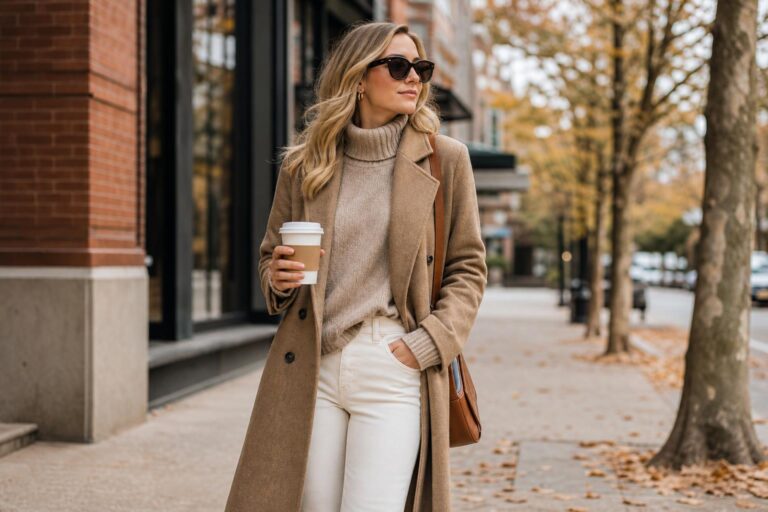
An outfit with only one soft layer can sometimes feel incomplete, even if the individual pieces are good. Adding a second layer creates structure around the softness. This could be a lighter top under a knit, an open layer over a fitted base, or a coordinated outer piece that keeps the silhouette aligned. The effect is subtle but powerful. Layering suggests intention because it shows composition rather than convenience.
Where proportion matters most
Layering works best when each piece contributes a different length, weight, or line. If every layer is the same volume, the outfit becomes visually dense. If the top half carries too much bulk without support from the bottom half, the look can feel heavy. A successful layered outfit often alternates between softness and control.
Tips for layered comfort
- Keep the base layer smooth so the outer layer can provide the texture.
- Use tonal layering when you want the outfit to look calmer and more refined.
- Add one firmer piece if the entire look feels too soft.
- Check movement in the mirror. Good layering should drape, not bunch.
How accessories change the entire mood
Accessories are often the difference between a practical outfit and a complete one. In cute comfy dressing, they matter less as decoration and more as mood-setting tools. They can pull a casual base toward sporty, soft, polished, or playful territory without changing the core comfort level.
A compact bag creates more definition than an overly slouchy one. A clean sneaker shape reads more intentional than a worn-down profile. Small jewelry can sharpen a very casual look without making it feel overworked. The role of the accessory is to introduce finish.
This is especially useful when the clothing itself is simple. If the garments are understated, the accessory choice becomes the visual punctuation. It does not need to dominate. It just needs to clarify the outfit’s direction.
Style psychology: why some cute comfy outfits feel polished
Polish in casual dressing is often a psychological response to order. The viewer may not consciously identify what is working, but they register consistency. A repeated color family, a controlled hemline, or balanced volume signals thoughtfulness. That thoughtfulness reads as polish, even when the pieces themselves are extremely simple.
By contrast, an outfit can be expensive, soft, and comfortable and still feel unconvincing if there is no visual relationship between the parts. Cute comfy outfits succeed when they suggest ease that has been chosen, not just defaulted to. That subtle distinction is what makes them resonate so strongly in everyday fashion.
Wearable outfit interpretation without the formula
Rather than thinking in rigid categories, it helps to see cute comfy dressing as a set of styling decisions. The same staple can move in several directions depending on proportion, texture, and finish.
The soft set approach
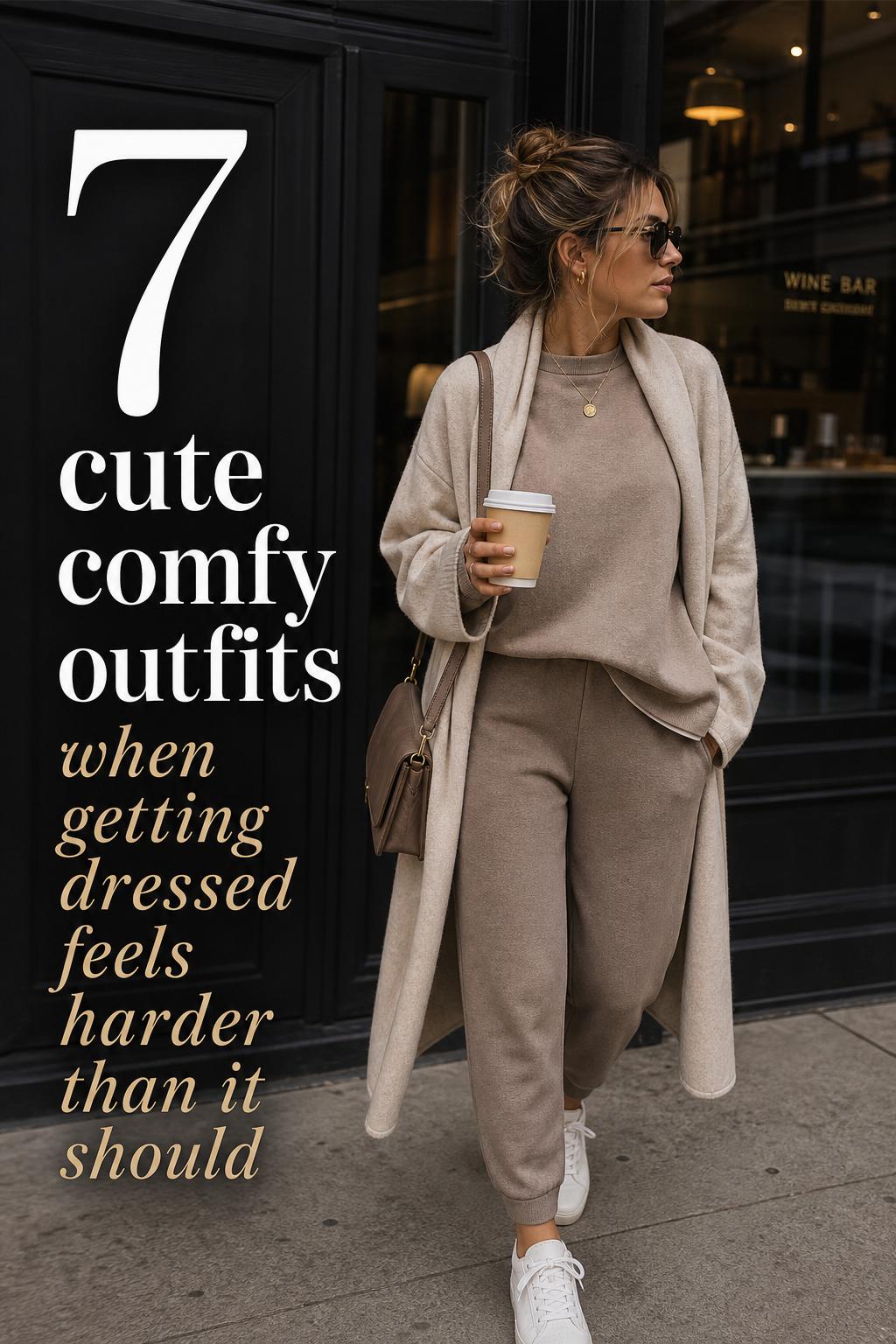
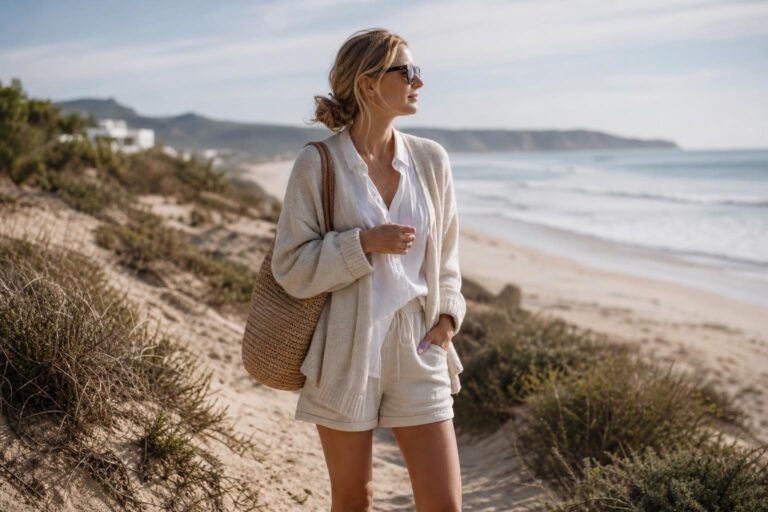
A coordinated soft set creates immediate cohesion because the color and fabric already match. The risk is visual flatness. What makes it work is contrast around the edges. A cleaner shoe, a bag with shape, or a slightly more defined hair and jewelry choice can keep the outfit from blending into itself. This look functions well for travel, errands, or relaxed social settings because it maintains comfort over long hours.
The oversized top with a neater base
This combination remains one of the most reliable because it resolves volume quickly. The top brings comfort and softness. The base introduces control. Visually, the outfit feels balanced because the eye can understand the silhouette immediately. It is also adaptable. Depending on color and footwear, it can read sporty, minimal, or slightly elevated.
The relaxed bottom with a compact top
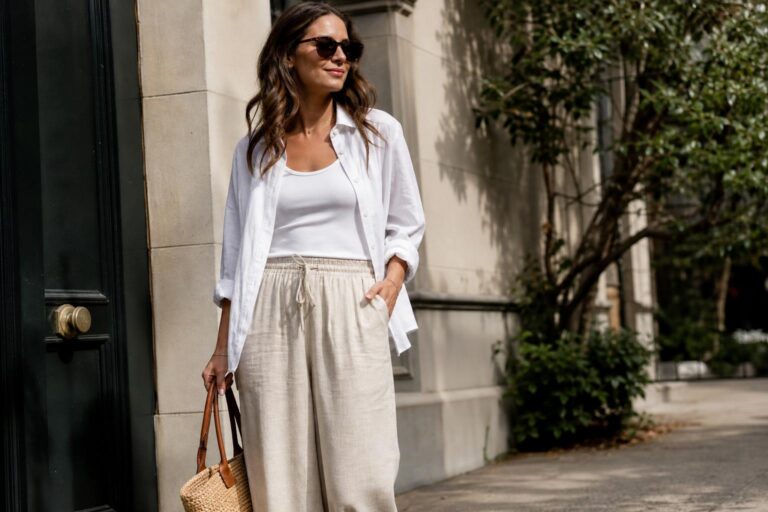
This version often feels more directional. Relaxed bottoms create movement and a more fashion-aware line, while a neater top prevents the shape from becoming too broad. The result is comfortable but less lounge-coded. It tends to suit days when you want ease with slightly more visual structure.
Most versatile pieces in a cute comfy wardrobe
Versatility matters because this style category lives in repetition. These are not one-time outfits. They are pieces that need to work across routines, weather shifts, and energy levels while still looking intentional.
- A well-cut sweatshirt that is soft but not overly shapeless
- Fitted or streamlined bottoms that balance volume elsewhere
- Relaxed pants with a clean drape
- A lightweight layer that adds structure without stiffness
- Casual shoes with a clear, well-maintained shape
- A compact everyday bag that sharpens the composition
The common trait across these pieces is not trend relevance. It is styling flexibility. Each one can support softness while still contributing line, balance, or finish.
Which cute comfy direction fits your lifestyle?
Not every version of this aesthetic works equally well for every routine. That is why personal lifestyle matters more than copying a single image. A person who walks frequently, commutes, or spends long days out may need more grounded shoes, easier layers, and fabrics that hold up through movement. Someone dressing mainly for home-to-neighborhood transitions may prioritize softness and quick styling over stronger structure.
There is also a personality factor. Some people feel best in cleaner palettes and quieter lines. Others need a more playful touch for an outfit to feel like their own. Cute comfy outfits can hold both instincts. What matters is consistency. When the visual language matches the wearer’s rhythm, the outfit looks natural rather than costume-like.
Easy ways to blend softness and style more naturally
The goal is not to overstyle comfort. It is to support it with enough clarity that the outfit feels complete. Small changes usually do more than dramatic ones.
- Choose one dominant silhouette and let everything else support it.
- Keep the palette focused if the shape is very relaxed.
- Use texture contrast to create depth without adding clutter.
- Let accessories refine the mood instead of trying to rescue the outfit.
- Edit one element if the look feels too busy or too sleepy.
This approach keeps the outfit wearable in real life. It also prevents the common mistake of turning a comfortable look into something visually overworked.
Styling mistakes to avoid
The biggest errors in cute comfy dressing usually come from imbalance rather than from any single item. Good outfits rarely require more clothes. They require better relationships between the clothes.
Too much volume everywhere
If every piece is oversized, the result can lose shape and energy. Volume needs relief. A more defined hem, a neater shoe, or a compact accessory can restore proportion.
Ignoring fabric behavior
Very soft fabrics can collapse visually if there is nothing to support them. This is why some outfits look better in theory than in motion. The way a fabric drapes, bunches, or stretches changes the entire impression.
Adding too many “cute” details
Cute works best when it feels integrated, not overloaded. If the outfit already has a soft silhouette and an easy mood, it usually needs restraint rather than additional embellishment. Too many sweet details can weaken the clarity of the look.
Forgetting the shoe line
Shoes finish the proportion. They are not an afterthought. The wrong shoe can make a balanced outfit feel bottom-heavy or too casual. The right one grounds the softness above it and helps the outfit read as complete.
A note on affordability and recreating the look well
Cute comfy outfits are generally more accessible to recreate than highly trend-driven looks because they rely on familiar wardrobe categories. That said, affordability does not automatically produce polish. The difference usually comes from fit, color cohesion, and fabric quality relative to the outfit’s purpose.
If the budget is limited, prioritize pieces that shape the silhouette clearly. A good sweatshirt, a reliable pair of streamlined bottoms, and one strong layer will usually do more than buying many novelty pieces. The outfit needs coherence first. Extra details can come later.
What makes an outfit feel intentional rather than trendy
Intentional outfits have staying power because they are built around visual logic, not just current appeal. They make sense from every angle: proportion, function, comfort, and context. Trendy outfits can still be fun, but if they ignore movement or balance, they often lose relevance quickly.
In the world of cute comfy outfits, intention often shows up through editing. There is a clear reason each piece is there. Nothing feels added just to prove the look is fashionable. That restraint is what often makes casual dressing look more modern and more personal.
The lasting appeal of cute comfy outfits
What keeps this style category relevant is not novelty. It is utility with visual charm. These outfits support real routines while still offering room for identity. They can read soft, minimal, playful, sporty, or refined depending on how the pieces are arranged, but the underlying appeal remains the same: comfort that still looks like a choice.
Once you start noticing the visual patterns, the distinction becomes instinctive. The best cute comfy outfits are never just about soft clothes. They are about proportion that flatters, layers that add shape, color that sets mood, and finishing details that turn ease into style. That is why they work so consistently, and why they continue to feel relevant long after louder trends move on.
FAQ
What makes an outfit both cute and comfy?
An outfit feels both cute and comfy when softness is balanced with visual structure. Comfortable fabrics and easy silhouettes handle the wearability, while proportion, color consistency, and a polished finishing detail make the look feel styled rather than accidental.
How do I make comfy clothes look more put together?
Focus on silhouette balance first. If one piece is oversized, keep another cleaner or more defined. Then refine the outfit with a controlled palette, a shoe that grounds the look, and an accessory that adds finish without making the outfit feel fussy.
Are oversized pieces good for cute comfy outfits?
Yes, but they work best when they are offset by something more streamlined. Oversized pieces create softness and ease, but they need proportion control so the outfit keeps shape and does not feel visually heavy.
What colors work best for cute comfy outfits?
The most effective colors depend on the mood you want. Soft neutrals usually create a calmer, more refined impression, while brighter or more playful tones make the outfit feel more expressive. In either case, the strongest results come from a palette that feels connected rather than random.
Can leggings still look stylish in a comfy outfit?
They can, especially when the rest of the outfit adds dimension. Leggings tend to look strongest with an upper half that provides shape through layering, length, or texture, so the outfit feels intentional instead of overly basic.
How do I avoid looking sloppy in comfortable clothes?
Avoid wearing all-soft, all-loose pieces without contrast. Sloppiness usually comes from lack of visual hierarchy, not from comfort itself. Add one element that sharpens the outfit, such as a cleaner layer, a more defined hemline, or a better-shaped shoe.
What is the easiest cute comfy outfit formula?
One of the easiest formulas is a relaxed top paired with a neater base. That combination creates immediate silhouette balance, feels comfortable for long wear, and can shift toward sporty, minimal, or polished depending on the accessories and color story.
Are matching sets a good option for cute comfy outfits?
Yes, because they create instant cohesion through shared fabric and color. The key is preventing the look from feeling too flat by adding contrast through accessories, shoe shape, or a layer that introduces more structure.
How can I make cute comfy outfits feel more personal?
Use the base formula that suits your lifestyle, then adjust the mood through color, accessory choices, and proportion preferences. Some people lean toward quieter, minimal combinations, while others prefer a softer or more playful finish. Personal style shows up in those styling decisions.

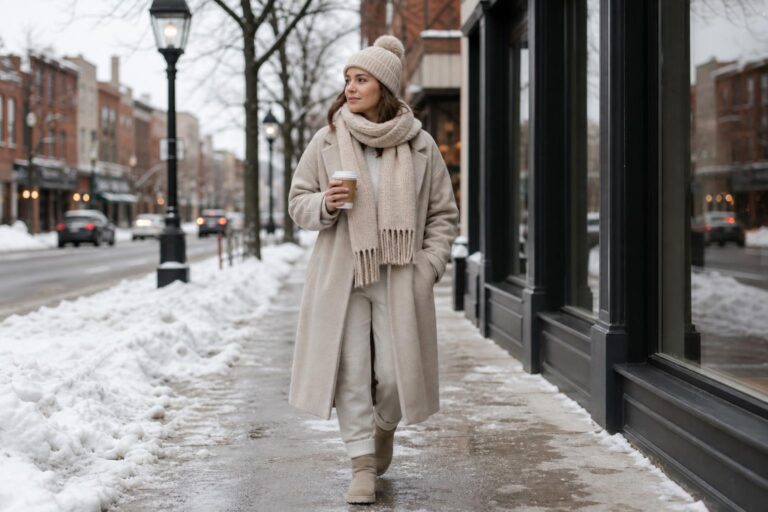
I like the distinction between relaxed and careless dressing, especially for low-key social plans where comfort still matters.