Cute Curvy Outfits: Five Easy Ways to Get Dressed
Cute curvy outfits are easier to build when you choose a direction before you choose a garment. The goal is not to follow a rule about your body. It is to decide whether today calls for relaxed, playful, polished, or dressy, then make that idea practical for your plans. A comfortable pair of jeans can be the beginning of a great look, as can a dress, skirt, or matching knit set. The common thread is intention: one clear focal point, clothes that let you move, and a finishing detail that feels personal.
Use this comparison guide when you want inspiration without another rigid list of dos and do nots. Each pairing gives you two useful options and explains when one may feel better than the other. Fit, fabric, weather, movement, and mood deserve as much attention as a trend. When you learn which combinations make you feel at ease, you can repeat them in new colors and textures. That is a more reliable route to personal style than buying an entirely new outfit every time an occasion appears.
Choose the outfit mood before the individual pieces
Start with a simple question: what do you want this outfit to do? A polished outfit may use a crisp shirt, straight trousers, and loafers. A playful one might pair a printed skirt with a colorful cardigan. A relaxed look can be dark jeans, a substantial tee, and clean sneakers. A dressier combination may rely on a slip skirt, soft knit, and ankle boots. Naming the mood gives every item a job. It also stops you from piling together several nice pieces that have no shared idea.
Comfort is part of the look, not a separate compromise. Check a shoulder seam, a waistband, the rise, and the ease across the hips. Sit down, take a few long steps, raise your arms, and notice what changes. If you have to pull at a hem or adjust a strap every few minutes, the outfit may photograph well but it will not serve a real day. The pieces you wear repeatedly are the ones that make space for your attention to stay on work, friends, travel, or fun.
Found the dress? Keep the rest in one place.
Zarellea brings guest details, vendors, timelines, and every next step together — so your wedding plan feels as good as your look.
Think in contrast rather than correction. A close-fitting knit can look intentional with a fuller skirt because the proportions make a clear picture. A relaxed shirt can work with straight jeans because the cleaner bottom grounds the volume. You can also choose a head-to-toe easy silhouette if that is the mood you love. Add contrast only when you want it: through texture, shoe shape, a layer, a bag, or a visible neckline. There is no need to define every part of an outfit for it to be stylish.
Five cute curvy outfits compared for real life
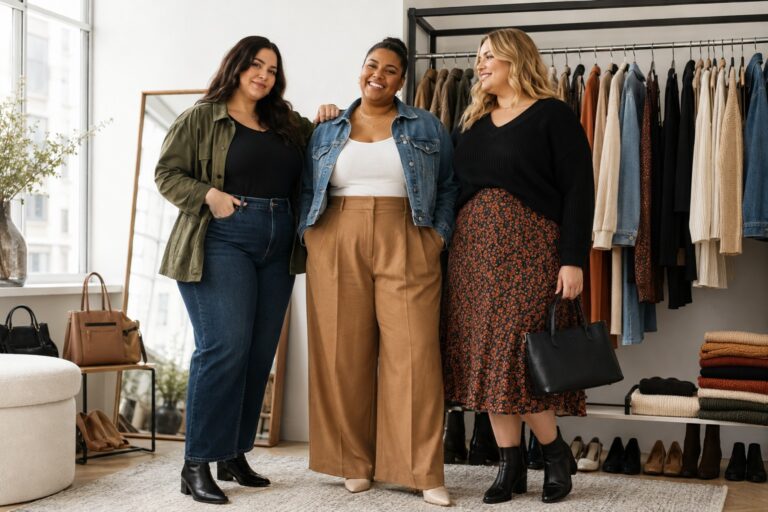
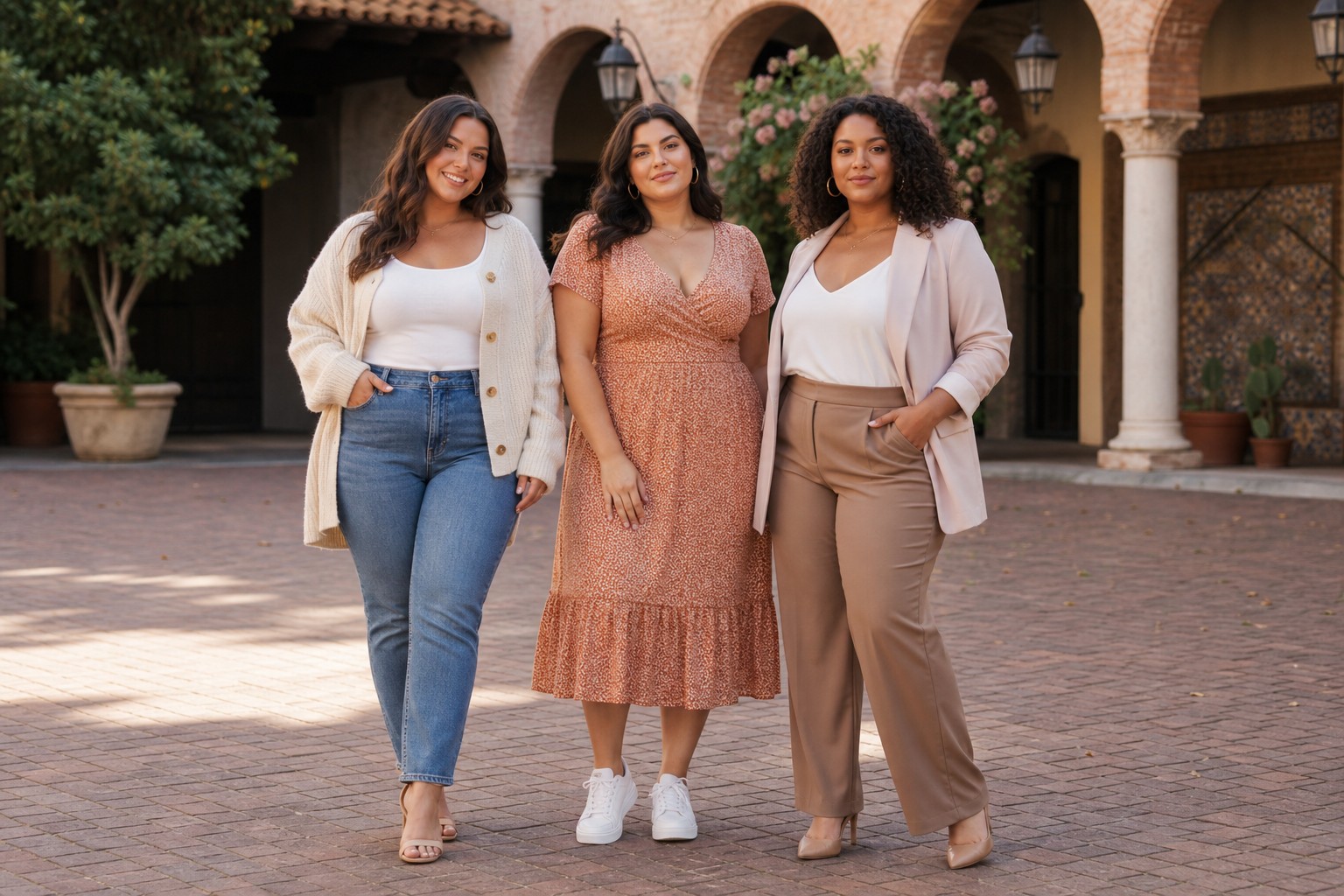
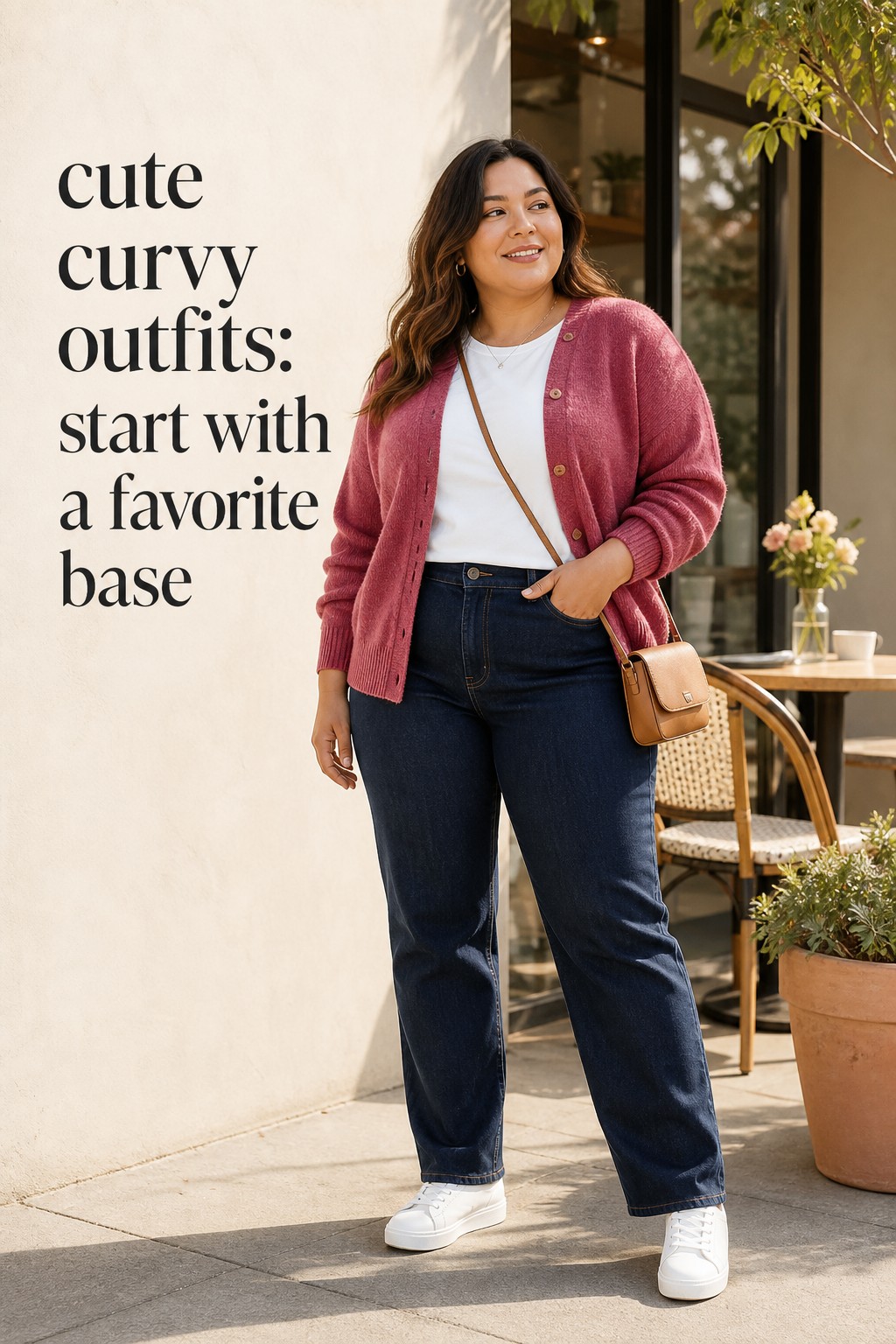
Jeans and a knit versus trousers and a tee. Dark straight-leg jeans, a soft knit, and a walkable shoe make a reliable weekend base. Add a short cardigan, half tuck, interesting earring, or bright bag to change the mood. If denim feels too casual or restrictive, switch to fluid trousers and a substantial cotton tee. The jeans version brings texture and a little more edge. The trouser version brings movement and is often cooler for a long day. Both can look put together with sneakers, sandals, loafers, or a compact crossbody bag.
Choose the jeans formula when you want a jacket, colorful shoe, or jewelry to take the lead. Choose trousers when you expect to sit, walk, or deal with warmer weather. Neither option depends on a size label. A waistband that stays comfortable after lunch is more valuable than a number on the tag. When the foundation feels good, the rest of the outfit can be simple. This is why a favorite pair of jeans or trousers earns its place: it gives you a quick answer on busy mornings.
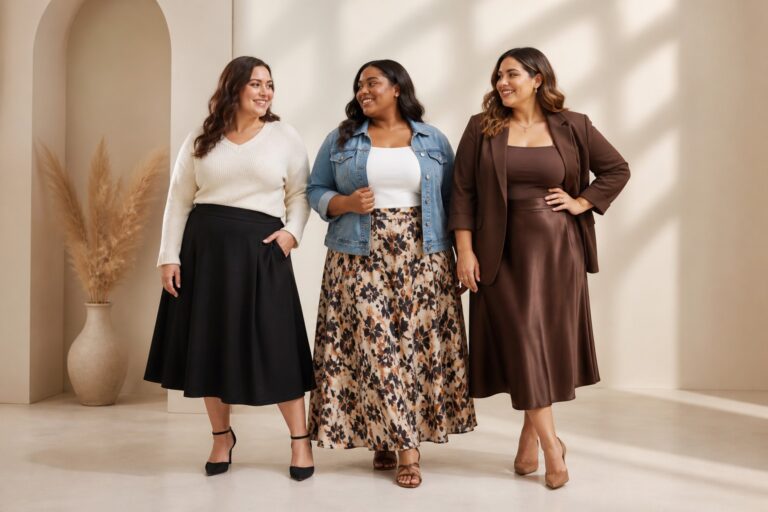
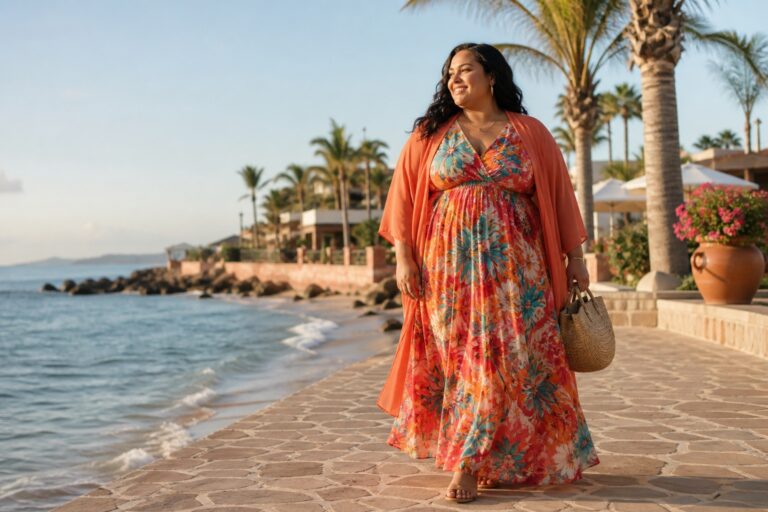
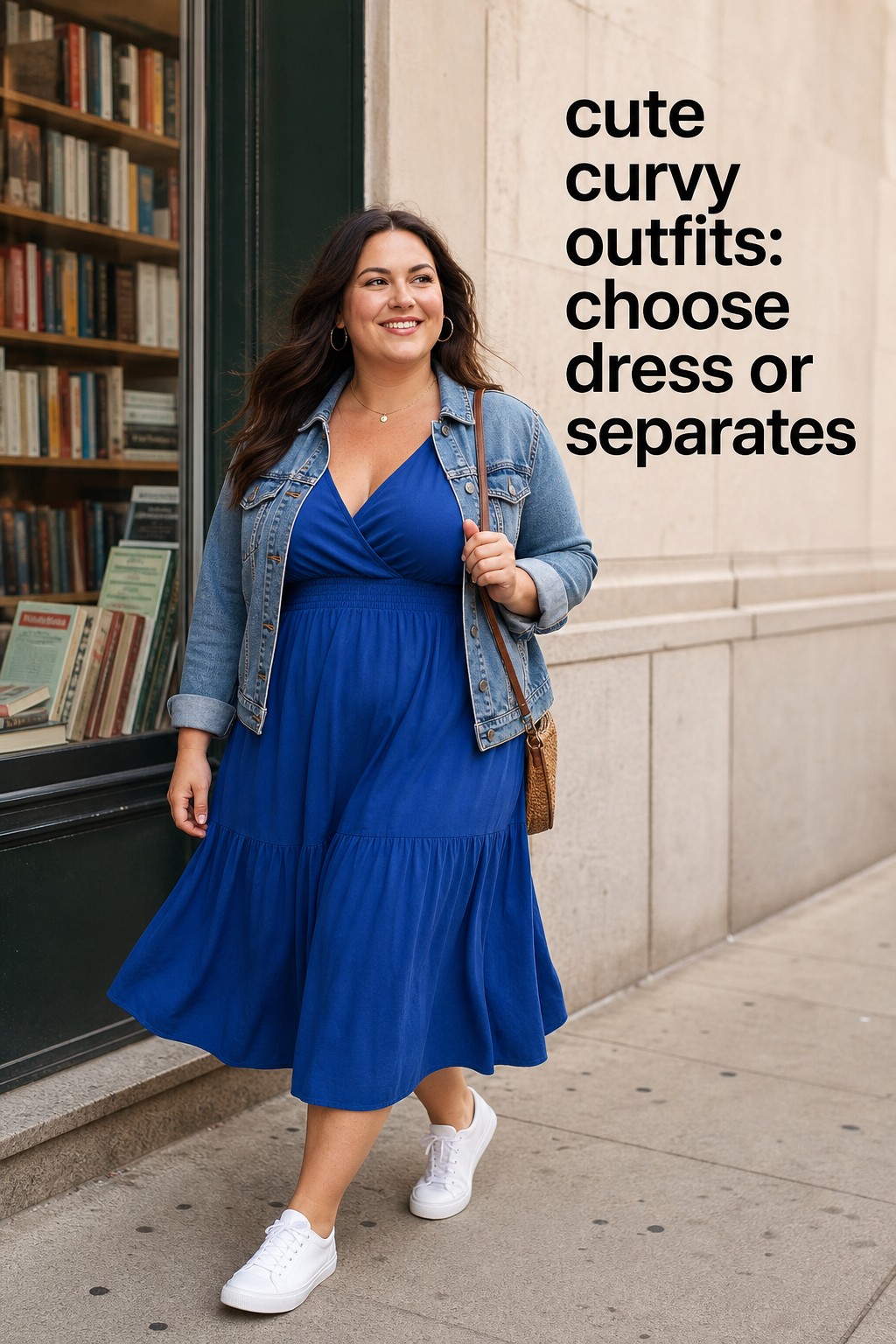
A midi dress versus a skirt and top. A midi dress is the low-decision choice. It gives you color, texture, and movement in one garment, then lets shoes and a layer set the occasion. Sneakers and a denim jacket make it daytime-ready; boots and a small bag can take it to dinner. A skirt and top combination offers more control. A ribbed tee with a satin, denim, or A-line midi skirt can be changed with a tuck, an open cardigan, a cropped jacket, or a different shoe.
Pick the dress when you want to leave the house quickly and let one piece set the tone. Pick separates when you want each item to work in several outfits. Try the hem with shoes you already own before buying a new combination. Notice whether the fabric twists when you walk or clings when you sit. A dress or skirt does not need to be worn in one prescribed way. Let the day decide whether you want a loose layer, a belt, a sneaker, or a more polished boot.
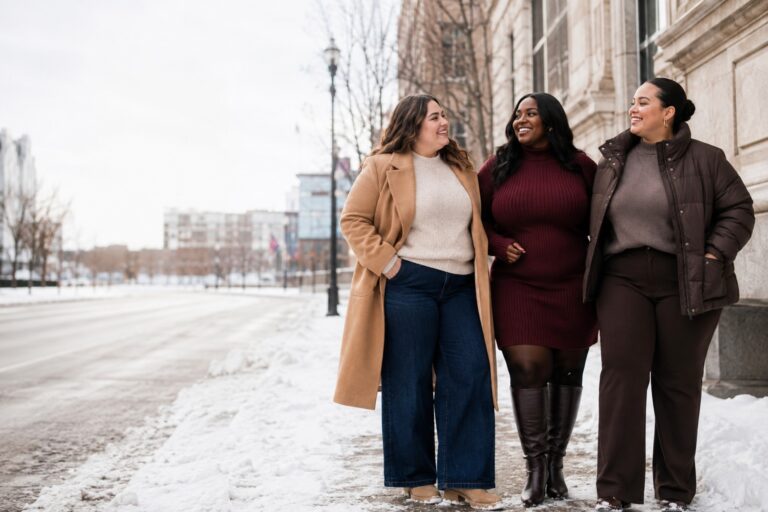
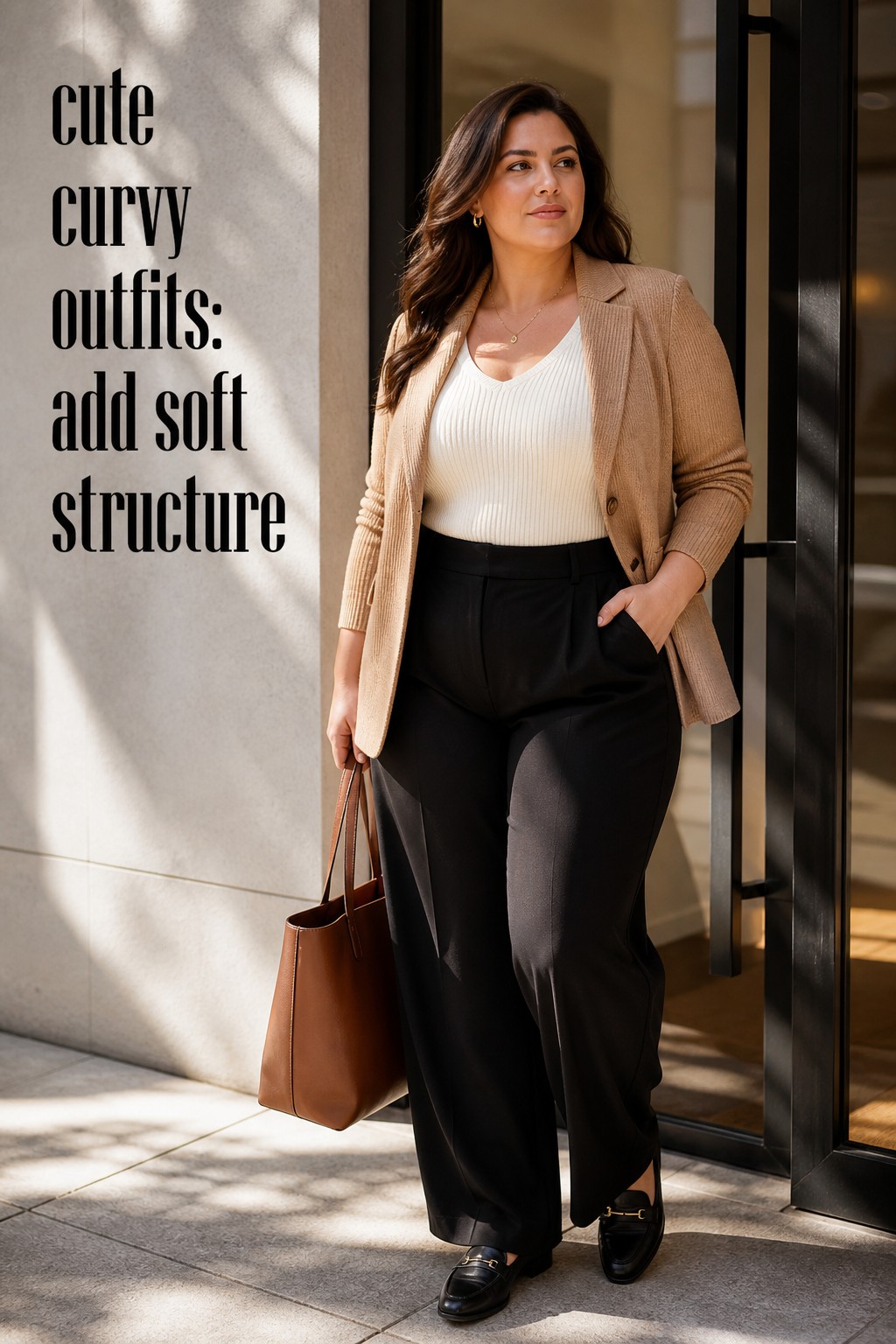
Soft structure versus an easy column. Soft structure uses one piece with direction, such as a knit blazer, cropped utility jacket, button-down, or vest. Pair it with straight denim, a simple dress, or a wide-leg pant. The layer is not meant to disguise your body. It helps an outfit feel sharper for a meeting, travel day, lunch, or casual dinner. Keep the remaining pieces uncomplicated so the jacket or shirt has room to create the mood.
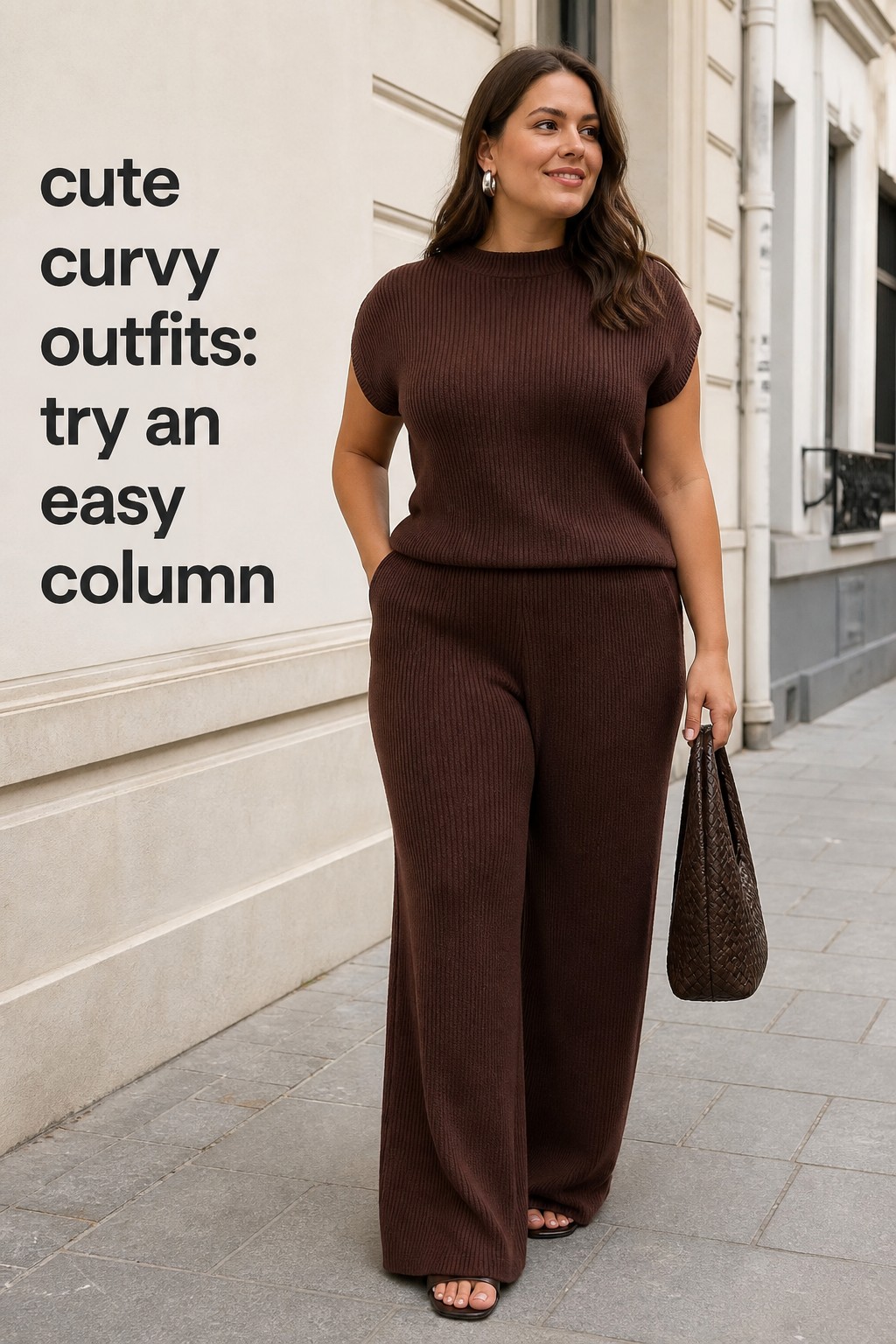
An easy column uses close colors or a continuous line: a matching knit set, black top with black trousers, a long skirt with a similar-toned top, or a dress under an open shirt. This route feels calm and modern without needing to be plain. Add a different texture, such as suede shoes with cotton or silver jewelry with denim. Choose soft structure when you want a clearer outline. Choose an easy column when you want simplicity and freedom of movement. Both are complete styling choices.
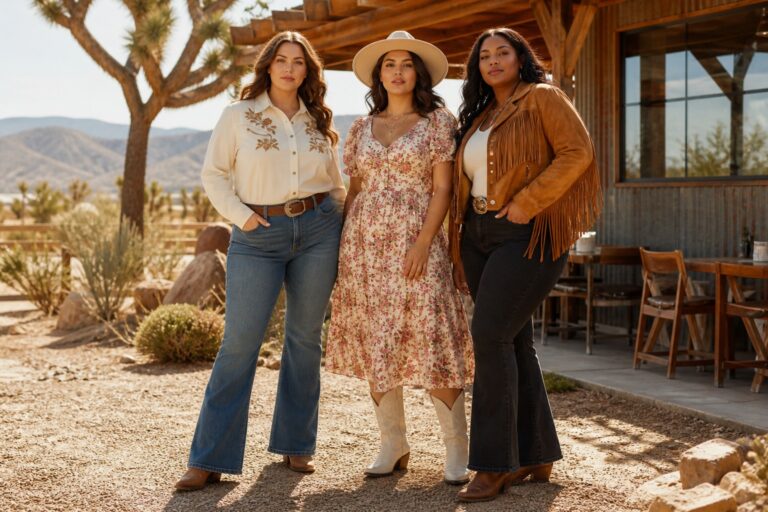
One statement garment versus one statement accessory. A printed dress, bright trouser, embroidered jacket, or colorful cardigan makes an outfit easy because it supplies the focal point. Support it with dependable neutrals so the look does not compete with itself. This option is ideal when you want visual energy but not a lot of small decisions. Choose a shoe and bag that work for the day, then let the color, print, or texture have its moment.
A statement accessory begins with a quieter base: jeans and a tee, a black dress, a neutral knit set, or a white shirt and trousers. Add a patterned scarf, bright shoe, textured bag, bold earring, or colorful belt. This choice is flexible because you can repeat the base without repeating the entire look. Pick a statement garment when you are excited by print or color. Pick an accessory when you want a small closet to make more combinations. Neither choice needs to be saved for a special occasion.
Sneakers versus loafers or boots. Shoes often decide whether an outfit reads as casual, polished, or evening-ready. Clean sneakers relax dresses, skirts, and tailored pants. A lower-profile pair works with almost everything; a chunkier shoe can balance a longer dress or wider pant. Loafers and ankle boots add weight. A loafer can turn a tee and denim into a lunch outfit, while a boot can make a simple dress feel ready for dinner. Choose for your schedule and the weather, not for a narrow idea of what a body should wear.
Make proportion work for your taste
Proportion is the relationship between your pieces. You can create a long line with similar colors, a focal point with a cropped layer, or movement with a fuller skirt. Every one of those is optional. If you enjoy an oversized shirt with relaxed jeans, wear it. You might keep the effect deliberate by showing a wrist, adding a structured bag, choosing a substantial shoe, or wearing a fitted tank underneath. The point is not to correct anything. It is to choose how much volume, contrast, and texture feels like you.
Fabric changes the entire experience. Stiff denim, ponte, ribbed knit, poplin, jersey, and satin can look similar in a product image but behave very differently on a real day. A garment may need more room at the hips, a smoother lining, an adjustable waist, or a hem change to become a favorite. Give fit the time it deserves. Look at the piece from the side, not only the front. A small adjustment is often more useful than abandoning a style category because one version did not work.
For layers, decide between contrast and continuity. A cropped jacket over a dress creates a clear break and can feel energetic. A long open shirt in a similar color makes a continuous line and can feel relaxed. A blazer is not automatically more polished than a cardigan. The fabric, fit, shoes, and bag decide how it reads. Keep a layer when it provides warmth, function, texture, or a mood you enjoy. If it does none of those things, let the outfit be simpler.
Build a repeatable outfit system
A useful wardrobe benefits from a few known-good bases. Choose two bottoms you can wear all day, one dress or skirt you like, two tops that work with both, and one layer for changing temperatures. Add shoes for your most common routine and one finishing piece that makes you happy. This is not a capsule prescription. It is a testing ground where you learn which combinations fit your life. The same items can look different with a new color, bag, shoe, or jewelry.
Make a quick note after wearing an outfit. Did the waistband stay comfortable? Did the bag hold what you needed? Did the hem work on stairs? Did you wear the jacket or carry it all day? These observations are more useful than generic style rules. They help you shop with purpose and make repeat outfits feel smart rather than boring. Repeating a successful formula with a different color or accessory is often how personal style becomes visible.
If a look is close but not right, change one thing at a time. Swap the shoe before replacing the entire outfit. Try a shorter layer, a different bag position, a more textured top, or a different tuck. If it still feels wrong, the issue may be comfort rather than styling. Choose the easier option without guilt. Cute curvy outfits work best when they support your plans, let you move, and leave you feeling like yourself rather than like you are performing a version of style for someone else.
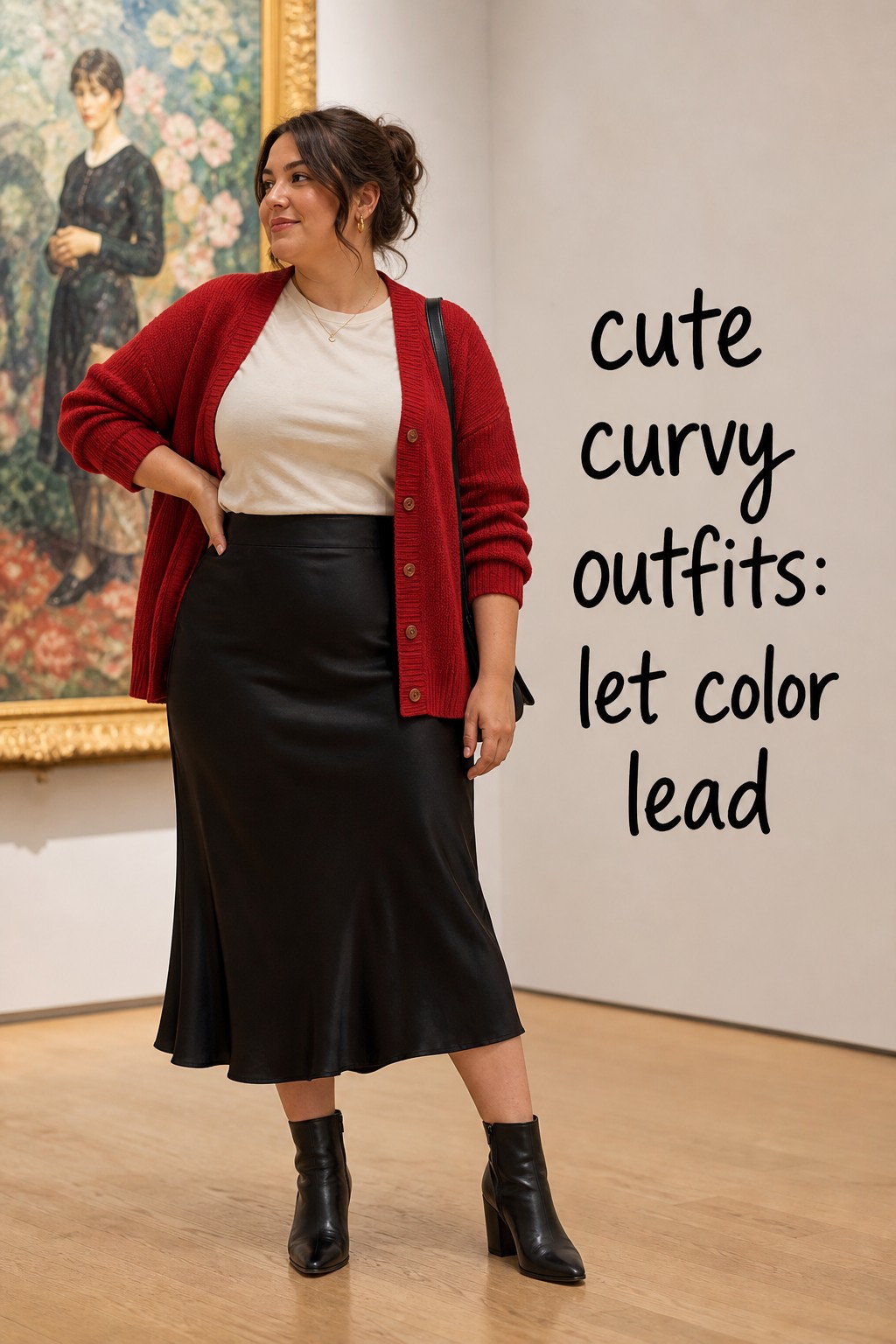
Color can be a useful shortcut when you are short on time. Start with a neutral base you enjoy, then choose one color that feels lively: cherry red, cobalt, butter yellow, deep green, lilac, or a warm rust. Repeat that color in a small way through earrings, a shoe, a bag, or a nail shade if you want the outfit to feel connected. You do not need a complex color theory to get dressed well. Often, a simple neutral outfit plus one color looks more intentional than several unrelated accent colors.
Also give yourself permission to make an outfit less complicated. If a bold jacket, printed skirt, statement boot, and dramatic bag all feel exciting separately, choose one or two for the same look and save the rest for another day. Editing is not about becoming boring. It creates room for the piece you genuinely want people to notice. This is especially helpful when you are testing new trends. Pair one new shape or color with familiar items, then decide from experience whether you want to build on it.
Finally, treat outfit photos as information rather than a test. Take a quick mirror photo before leaving if it helps you remember a successful combination. You may notice that one trouser length works beautifully with a particular boot, or that a certain cardigan makes your favorite dress easier to wear in cool weather. Save those observations in an album. Over time, you create your own reference library, based on your clothes, your schedule, and your taste, which is far more useful than trying to copy every inspirational image exactly.
FAQ
What makes an outfit look cute and put together?
A clear focal point and practical fit usually do more than adding lots of pieces. Begin with a comfortable base, then choose one detail such as a bright cardigan, polished shoe, print, or interesting bag.
Can curvy women wear oversized clothes?
Yes. Oversized pieces can look relaxed and stylish when they feel intentional to you. Balance them only if you want to, with a cleaner bottom, visible neckline, structured bag, or substantial shoe.
How can I make jeans and a T-shirt feel more stylish?
Focus on fit, then add one deliberate detail. A jacket, loafer, colorful sneaker, earring, belt, or textured bag can make the same simple base feel different.
What is a comfortable but polished outfit?
Try fluid trousers with a substantial tee, a knit dress with boots, or straight jeans with a soft blazer. Polish comes from a clear outfit idea, not discomfort.
Do I need to define my waist in every outfit?
No. Waist definition is one styling choice. You may enjoy a belt or cropped layer on some days and an easy column or relaxed shirt on others.
How can I shop for pieces I will actually wear?
Name two outfits you can make with pieces you already own. Check fit while sitting and moving, consider your weather, and choose items that work with your usual shoes and bag.