Big Belly Outfits That Feel Polished and Comfortable
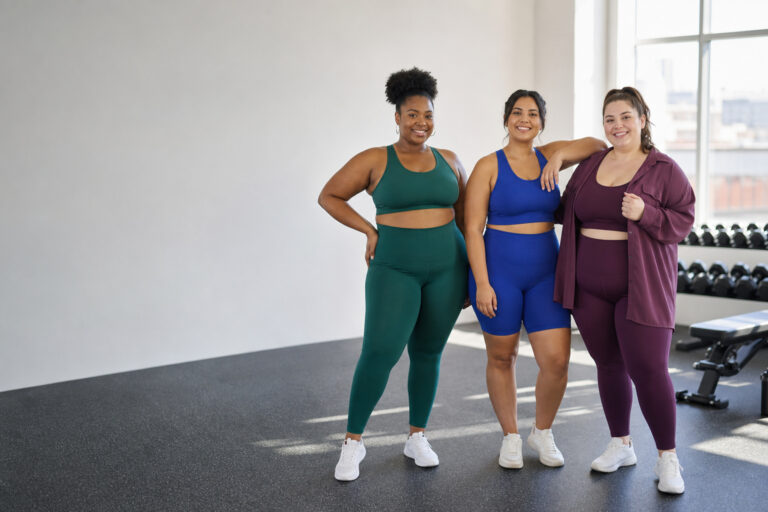
Getting dressed with a fuller midsection can feel frustrating when clothes pinch in one place, cling in another, or create a shape that feels nothing like you intended. The problem is rarely your body. More often, the outfit has an awkward stopping point, the fabric does not move well, or several loose pieces are competing for space. The best big belly outfits solve those small construction problems while leaving room for your personality.
This guide focuses on practical styling rather than rules about hiding. You will find complete outfit formulas for casual days, work, dates, weekends, and events, plus a simple way to troubleshoot fit. Think of each suggestion as an option to test. Your height, proportions, comfort needs, climate, and personal style matter more than any universal body-type label.
Why getting dressed feels harder when the middle is the fit problem
When an outfit feels off, it is tempting to buy a larger size or reach for the loosest garment available. Sometimes that helps, but a larger size does not automatically create a better line. A shirt can be roomy at the shoulders and still pull across the stomach. A dress can be loose everywhere and make you feel surrounded by fabric. The useful question is not how to make your body look smaller. It is where the outfit needs more ease, more structure, or a clearer line.
Cling, bulk, and awkward stopping points
Thin jersey often clings to every curve, especially when it is stretched over a waistband. Very stiff fabric can do the opposite and stand away from the body, adding bulk instead of ease. Look for fabric with drape and recovery: ponte, medium-weight knit, fluid poplin, crepe, denim with comfortable stretch, and soft twill are useful starting points. They follow your shape without becoming a second skin or a tent.
Found the dress? Keep the rest in one place.
Zarellea brings guest details, vendors, timelines, and every next step together — so your wedding plan feels as good as your look.
Pay attention to horizontal breaks. A cropped jacket that ends at the widest part of the belly can make that point feel emphasized. A top that ends just below the belly can ride up when you sit. A long cardigan that stops at mid-thigh may create a much smoother outer line. The best length is the one that lets you move without constant pulling, not necessarily the one that covers the most.
Comfort is part of the visual result
Clothes that you keep adjusting rarely look effortless. If a waistband rolls, a neckline shifts, or a blazer cannot close comfortably, you will naturally hunch, tug, or avoid moving. That tension changes the way an outfit reads. A comfortable garment lets your posture and expression do more of the styling work, which is why comfort should be treated as a design requirement rather than a bonus.
Try clothes while sitting, reaching, walking, and taking a full breath. Check whether the waistband digs in when seated and whether the fabric recovers after you stand. If you prefer a soft waist, choose a wide elastic band, side zip, or flat-front pull-on style rather than a narrow elastic that gathers. If you like jeans, prioritize the rise and back coverage before judging the wash or trend.
Use proportion instead of trying to erase shape
Proportion gives an outfit direction. A fluid top can work with a straight or tapered bottom. Wide-leg trousers can work with a closer-fitting knit or a shorter structured jacket. A loose dress can feel intentional when the neckline, sleeve, and shoe provide definition. What usually feels difficult is volume with no anchor, such as an oversized top, oversized cardigan, and wide pant all ending at unrelated points.
Choose one area to define: the shoulder, neckline, wrist, ankle, or an empire seam below the bust. That small decision helps the outfit look composed without requiring a tight waist. A visible shoe, a rolled sleeve, a statement earring, or a clean open layer can give the eye somewhere to travel.
Build big belly outfits from four fit foundations
Before shopping for new outfit ideas, inspect the pieces you already own. Most styling problems can be traced to four foundations: the top, the bottom, the layer, and the shoe. When those categories work together, even simple big belly outfits can look polished. You do not need all four to be structured. You only need the outfit to have a clear support system.
Choose tops that skim, drape, or create a deliberate focal point
A top does not need to be oversized to feel comfortable. Try a relaxed button-down, a V-neck knit, a wrap-style blouse, a peplum with a controlled flare, or a shell that falls away from the body. The most useful tops have enough room at the stomach without becoming enormous at the shoulder. If the front is roomy but the armhole is tight, you will still feel restricted.
Necklines and sleeves can bring attention upward naturally. A V-neck, open collar, square neck, or softly draped scoop creates a vertical or diagonal path. Three-quarter sleeves, bracelets, and a rolled cuff expose the wrist and add lightness. If you love a print, try one with movement, a medium scale, or a directional pattern rather than assuming only solid black will work.
Find bottoms that stay put without creating a hard line
The right bottom is the one that stays in place while you walk and sit. High-rise jeans can be excellent if the rise reaches a comfortable point and the waistband has enough give. Mid-rise trousers can be better for a shorter waist or a sensitive stomach. Neither rise is automatically flattering. The test is whether the waistband supports the outfit without digging, rolling, or cutting into the body.
Straight-leg, bootcut, wide-leg, and gently tapered silhouettes can all work. Choose based on balance and your preferred shoe. A straight leg creates a clean column, a bootcut gives weight near the hem, and a wide leg can look elegant when the fabric falls from the hip rather than ballooning out. For skirts, try A-line, bias, or softly pleated shapes with a waistband that lies flat.
Use layers as outer architecture
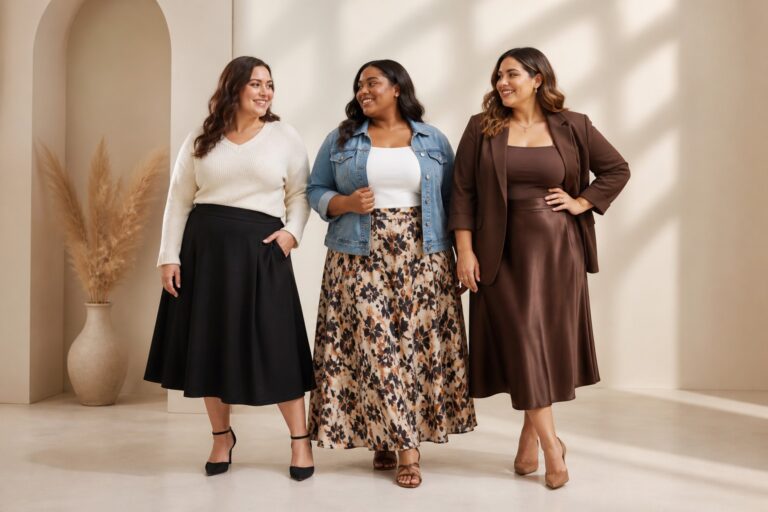
An open layer can create two long lines down the front of the body, which is useful when you want an outfit to feel visually organized. Try a blazer, duster cardigan, denim jacket worn open, shirt jacket, or lightweight trench. The layer should skim rather than cling, and its hem should land at a place that feels intentional. Mid-hip, lower hip, and mid-thigh can all work depending on the outfit underneath.
Structure does not have to mean stiffness. A knit blazer, soft utility jacket, or cardigan with a defined shoulder can provide the same sense of order as tailoring. If you want the option to close the layer, make sure it closes without pulling. If you prefer to wear it open, the garment can be slightly more relaxed, but the shoulder and sleeve still need to fit.
Finish with a shoe that continues the outfit
Shoes change the proportion of the whole look. A pointed flat, almond-toe loafer, sleek sneaker, ankle boot, or low block heel can add a clean finish without discomfort. Match the shoe to the bottom when you want a longer visual line, or use contrast when you want the shoe to become a deliberate focal point. The goal is not to wear heels. The goal is to avoid a shoe that feels disconnected from the hem and weight of the outfit.
If you wear wide trousers, check that the hem nearly reaches the floor in the shoes you plan to wear. If you wear cropped pants, let the ankle show and choose a shoe that feels light enough for the shorter length. With dresses, a visible ankle or a clean boot can keep a longer silhouette from feeling heavy.
Try these complete outfit formulas for real days
Outfit formulas are helpful because they turn general advice into a starting point. Adjust the color, neckline, sleeve, and shoe to your wardrobe. Each formula has a balance of ease and definition, but you can make it more fitted or more relaxed based on what feels right. These are not uniforms. They are reliable combinations to test when you are tired of starting from zero.
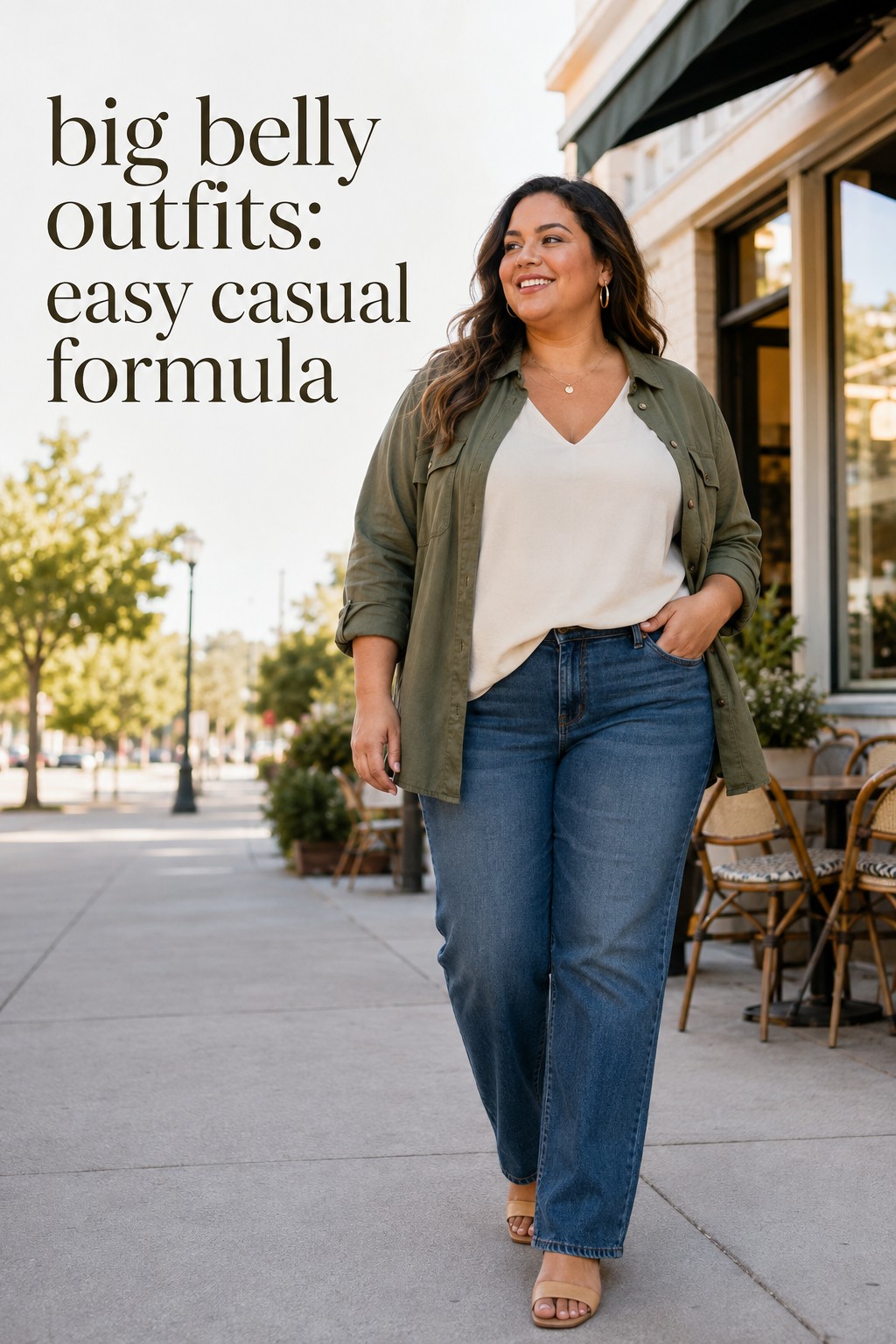
Casual day: fluid top, straight jeans, and an open shirt jacket
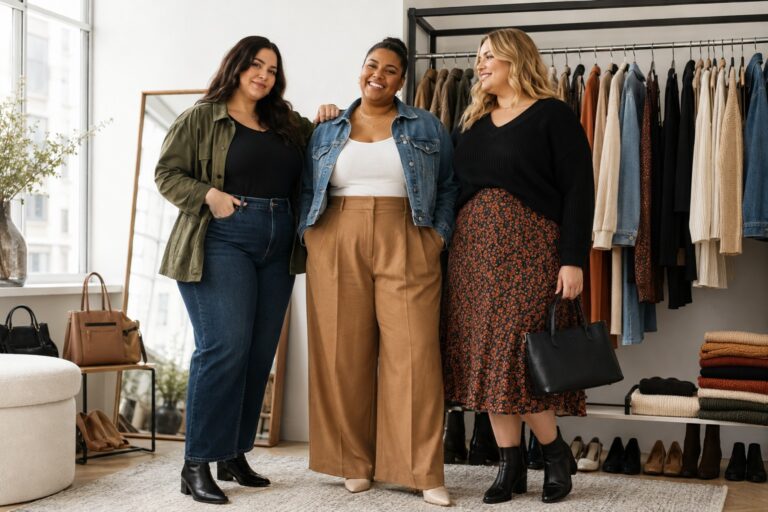
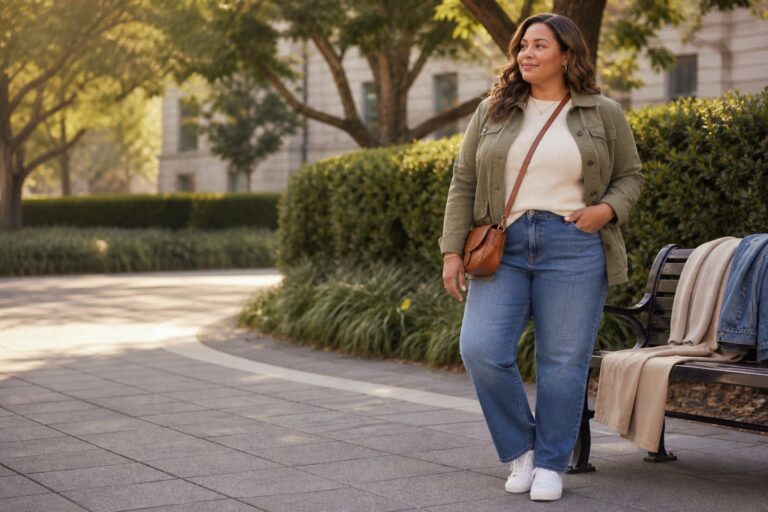
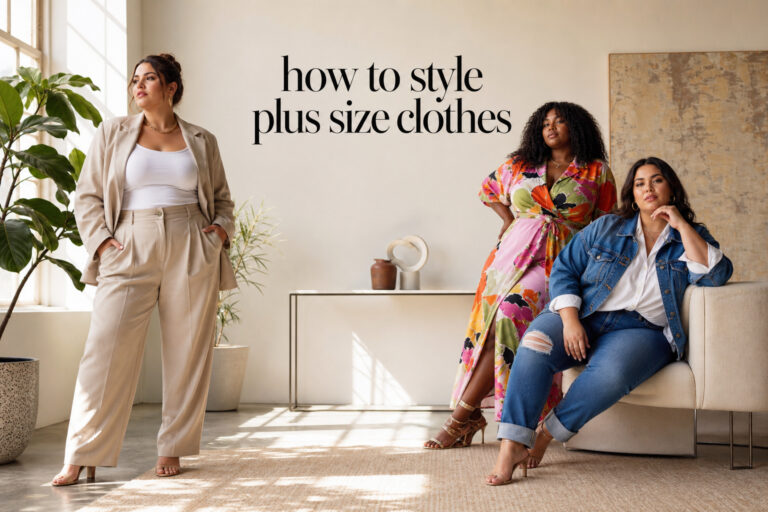
Start with a soft V-neck tee, draped knit, or relaxed blouse. Add straight-leg jeans with a comfortable rise and finish with an open shirt jacket or denim layer. The top gives ease through the middle, the jeans create a stable base, and the open layer adds length. Choose a clean sneaker, loafer, or ankle boot depending on the weather.
If the top feels too loose, show the wrist or add a simple necklace to create definition. If the jeans feel restrictive, switch to a stretch twill trouser or pull-on ponte pant. The same formula works for errands, coffee, travel days, and casual lunches because the level of polish comes from the layer and shoe.
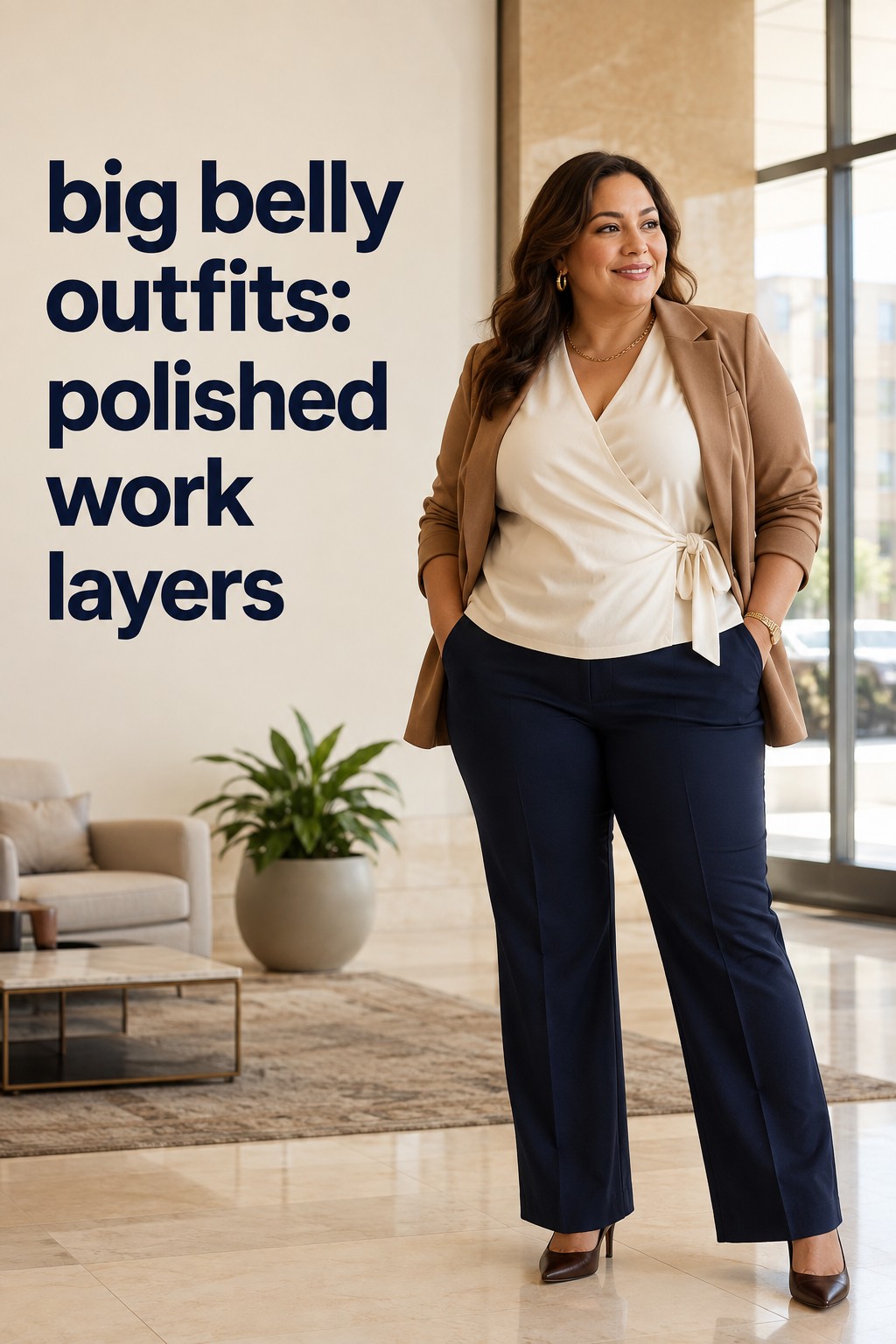
Workday: fluid blouse, tailored trousers, and a long blazer
Choose a blouse that skims the torso and has enough room to move. Pair it with flat-front trousers in a straight or wide-leg cut, then add an open blazer that creates a strong shoulder and two vertical front edges. Keep the color palette tonal if you want a streamlined look, or use a quiet print on the blouse for interest. A loafer, low heel, or refined flat completes the formula.
For a shorter waist, try a blazer that ends around the lower hip rather than the longest possible layer. For a longer torso, a longer jacket can create a more balanced second line. If tucking feels uncomfortable, leave the blouse untucked and let the blazer provide the structure. A small front tuck is optional, not a requirement.
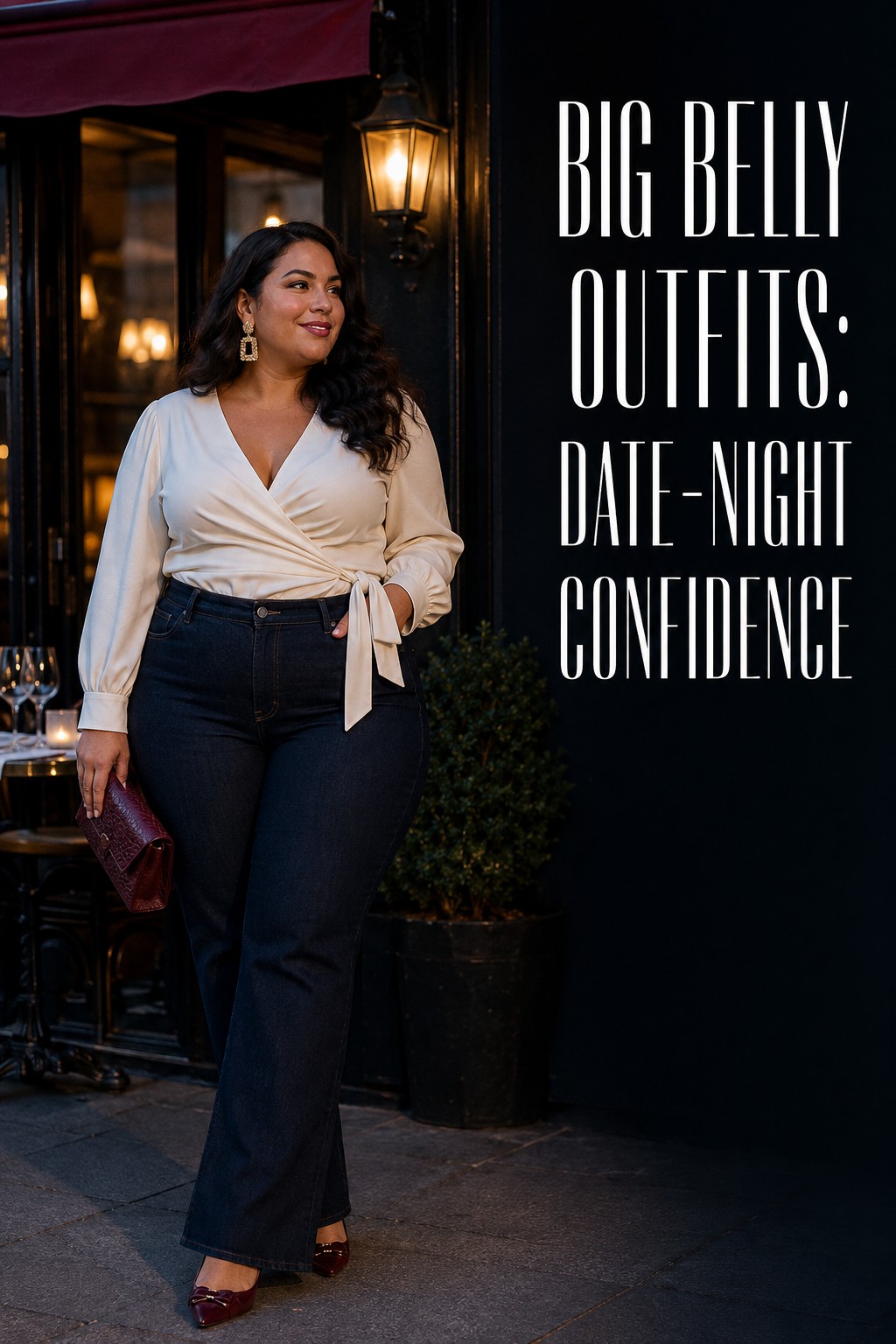
Date night: wrap-style top, dark bootcut jeans, and a sharp shoe
A wrap or faux-wrap top can create a diagonal line without requiring a tight waist. Pair it with dark bootcut or straight-leg jeans and a pointed flat, low heel, or polished boot. Add earrings or a bag in a finish you enjoy. The formula feels special because of the neckline, shoe, and accessories, not because the clothing has to cling.
If you prefer more coverage, add a longline vest or an open blazer. If the wrap top shifts, wear a smooth camisole underneath or choose a sewn faux-wrap version. For a softer look, replace the denim with a satin or crepe trouser and keep the rest of the outfit simple.
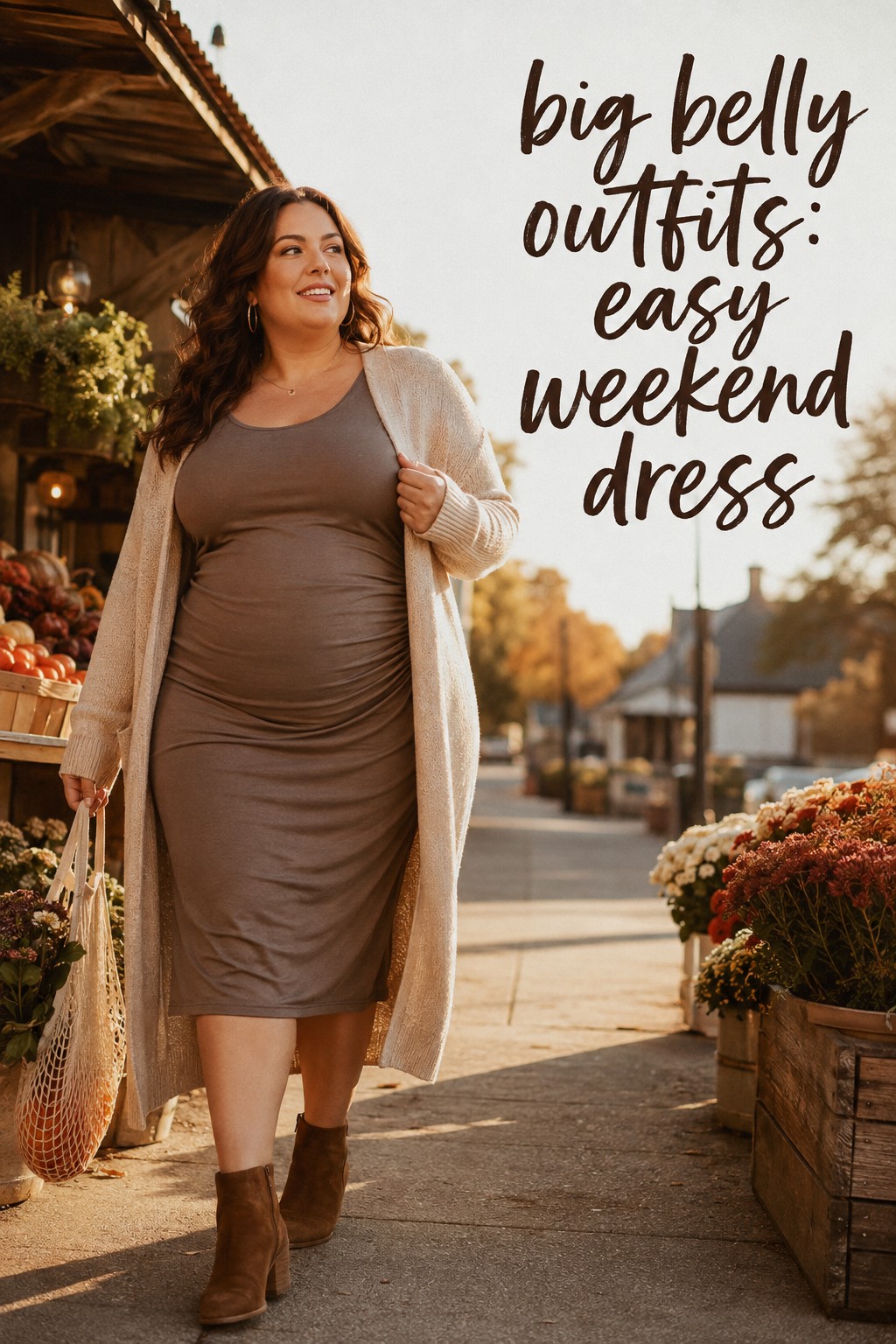
Weekend: column dress, long cardigan, and comfortable boots
A column dress that skims rather than squeezes can be one of the easiest big belly outfits to wear. Look for a medium-weight knit, a gentle side ruching detail, or a dress with enough ease to move. Add a long cardigan or open duster and comfortable boots. The cardigan gives you a second layer when you want it, while the dress keeps the outfit from becoming a collection of unrelated pieces.
If you dislike cling, choose an A-line or shirt dress with a flexible waist treatment. An empire seam can work when it sits comfortably under the bust and the skirt does not become overly full. A belt is optional. You can define the outfit with a scarf, pendant, bag, or shoe instead.
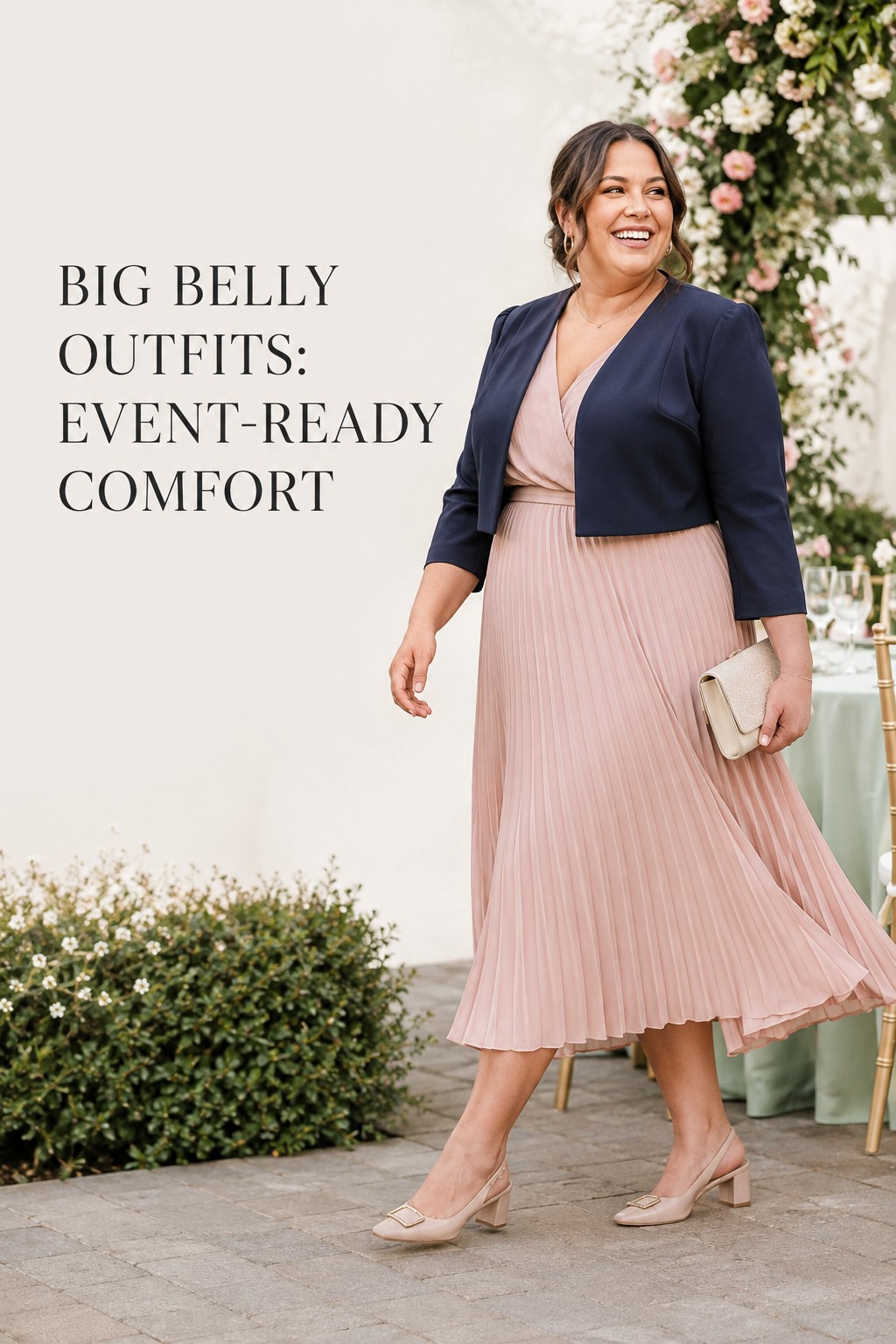
Event dressing: a draped midi dress and one strong accessory
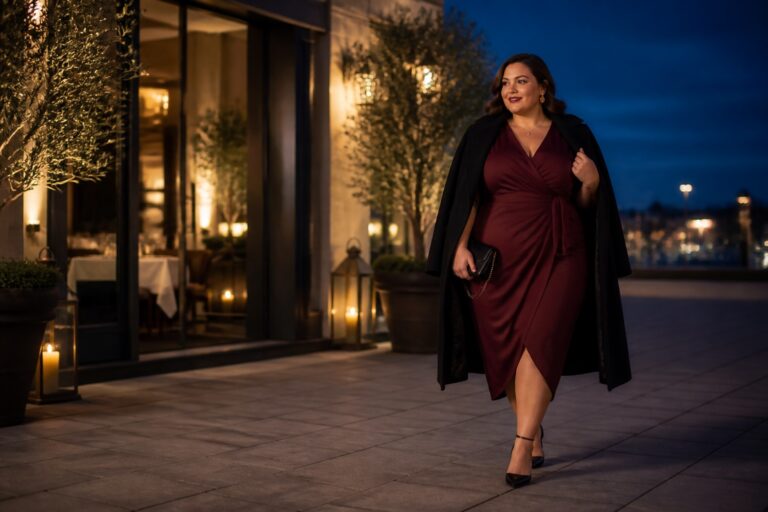
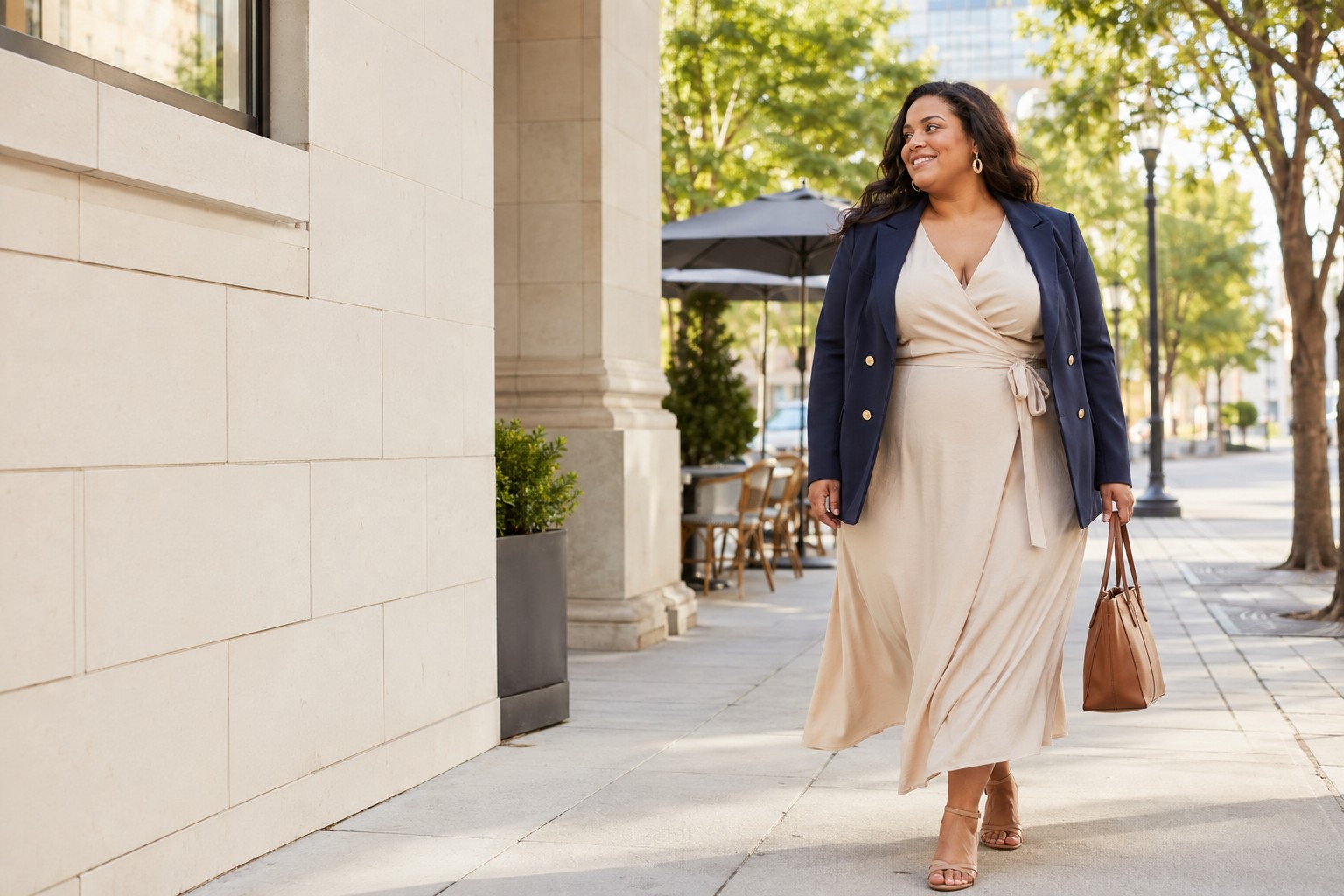
For a dinner, wedding guest look, or celebration, try a wrap dress, draped midi, or softly pleated dress with movement through the midsection. A V-neck or open neckline can create an elegant focal point, while a sleeve or structured shoulder adds balance. Finish with one strong accessory, such as a bright shoe, a sculptural earring, or a small evening bag.
Do not choose a dress only for how it looks standing still. Sit down, lift your arms, and check the placement of the waist seam. If the dress is lined, make sure the lining does not pull differently from the outer fabric. A garment that moves with you will look more polished throughout the event than a tighter option that needs constant adjusting.
Fix the most common outfit problems before buying more
Most wardrobe frustration has a pattern. You may own plenty of clothes but avoid them because the waistband rolls, the top clings, or the silhouette feels too loose. Identify the specific failure and change one variable at a time. That makes shopping more efficient and helps you learn what your body and lifestyle actually need.
When everything feels too loose
Add one defined element instead of tightening every garment. A closer-fitting sleeve, structured shoulder, visible neckline, straighter trouser, or clean shoe can give the outfit shape. You can also open a cardigan, roll a cuff, or add a pendant so the eye has direction. The answer is often contrast, not a smaller size.
When tops cling at the stomach
Check the fabric first. A thin, high-stretch knit may need a smoother base layer or a different material. Next, check the waistband underneath. A bulky button, stiff seam, or narrow band can force the top to cling. Try a flat-front bottom, a longer top with side vents, or an open layer that creates space without adding heat.
When a waistband digs or rolls
Do not keep a garment that is uncomfortable in the name of looking polished. Try a wider waistband, a side-zip style, a different rise, or a fabric with more recovery. If the garment fits everywhere except the waist, tailoring may help. If you are shopping online, compare the garment measurements with a piece you already wear comfortably rather than relying on the label.
When a long layer makes you feel hidden
Keep the layer open and show the neckline, sleeve, or shoe underneath. Choose a lighter fabric, a defined shoulder, or a color that contrasts with the base outfit. A long layer should create architecture, not a wall. If you prefer less coverage, switch to a jacket that ends at the lower hip and let the rest of the outfit carry the line.
When you want a smoother line without shapewear
You have many options. A fluid fabric, a flat-front bottom, a column of related colors, a diagonal wrap detail, or an open jacket can all reduce visual interruption. A slip or smoothing short may feel comfortable for some people, but it is never required. The best solution is the one that lets you breathe, move, and enjoy the clothes.
Before buying another piece, make a short personal checklist. Note which waistbands stay comfortable, which top lengths work when seated, which fabrics skim rather than cling, and which shoes support your day. Use those observations as your shopping filters. Over time, you will build a wardrobe that responds to your life instead of asking your body to adapt to every trend.
FAQ
What are the best tops for big belly outfits?
Look for tops that skim or drape through the middle, such as relaxed button-downs, wrap-style blouses, V-neck knits, fluid shells, and controlled peplum shapes. Choose enough room at the stomach without sizing up so much that the shoulders and armholes lose their fit.
Are high-waisted jeans good for a big belly?
They can be, when the rise reaches a comfortable point and the waistband stays secure without digging or rolling. Try them while sitting and walking. If a high rise feels restrictive, a well-fitting mid-rise or stretch trouser may create a better outfit for your body and routine.
Which dress styles work well for a fuller stomach?
Wrap dresses, faux-wrap dresses, softly draped midis, A-line dresses, and column dresses with enough ease can all work well. Focus on fabric, waist-seam placement, and comfort when seated. The best dress is the one that moves with you and gives the rest of the outfit a clear line.
How can I wear wide-leg pants with a big belly?
Choose a waistband that lies flat, then balance the volume with a closer-fitting knit, a semi-tucked blouse, or a shorter structured jacket. You can also wear an open longline layer if the base outfit remains visually clean. Make sure the hem works with the shoe you plan to wear.
Should I wear loose clothing to hide my belly?
Loose clothing can feel comfortable, but several oversized pieces together may add bulk or leave the outfit without direction. Try one relaxed piece with one defined element, such as a fluid top with straight trousers or a loose dress with a structured jacket. Dress for ease and expression rather than a rule about hiding.
What layers are useful in big belly outfits?
Open blazers, shirt jackets, soft utility jackets, long cardigans, lightweight trenches, and knit jackets are versatile choices. Look for a layer that skims, has comfortable armholes, and ends at an intentional point. An open layer can create long front lines without requiring a fitted waist.
Can big belly outfits include fitted clothes?
Absolutely. A fitted garment can be comfortable when the fabric has enough stretch and the fit does not create pulling or pressure. You might choose a fitted sleeve, neckline, or trouser leg while keeping the middle more relaxed. The goal is a balanced outfit that feels like you, not a mandatory silhouette.