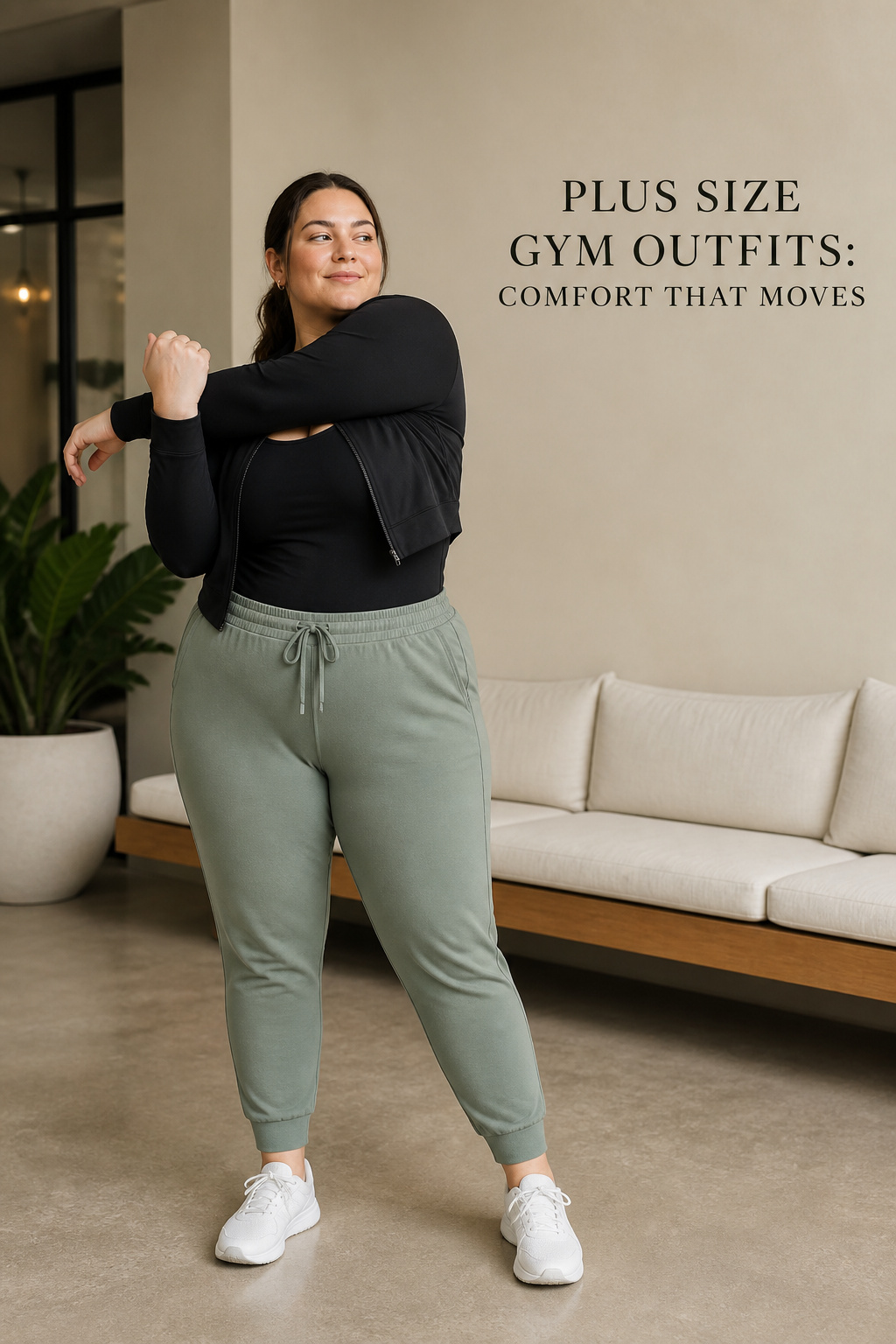
Plus Size Gym Outfits: 18 Looks That Move With You
The best plus size gym outfits are the ones you stop thinking about once your workout starts. They do not roll down during squats, pinch at the waist, leave you adjusting a sports bra between sets or make you choose between coverage and coolness. They support the activity in front of you while still feeling like your style.
There is no single correct gym uniform. A high-impact class may call for a secure bra, sweat-wicking fabric and shorts that stay put. A strength session may feel better in a supportive tank, high-rise leggings and a light layer. A walk or mobility day may be the perfect time for a relaxed tee and bike shorts. Use the comparisons below to choose the formula that fits your movement, comfort preferences and budget.
The three outfit approaches: streamlined, layered and matching set
Before you buy individual pieces, decide how much structure you want from an outfit. Streamlined looks keep the silhouette close to the body. Layered looks add coverage or temperature control. Matching sets make styling quick and create a polished visual line. All three can work beautifully in plus sizes, but each solves a different gym problem.
1. The streamlined leggings and tank formula
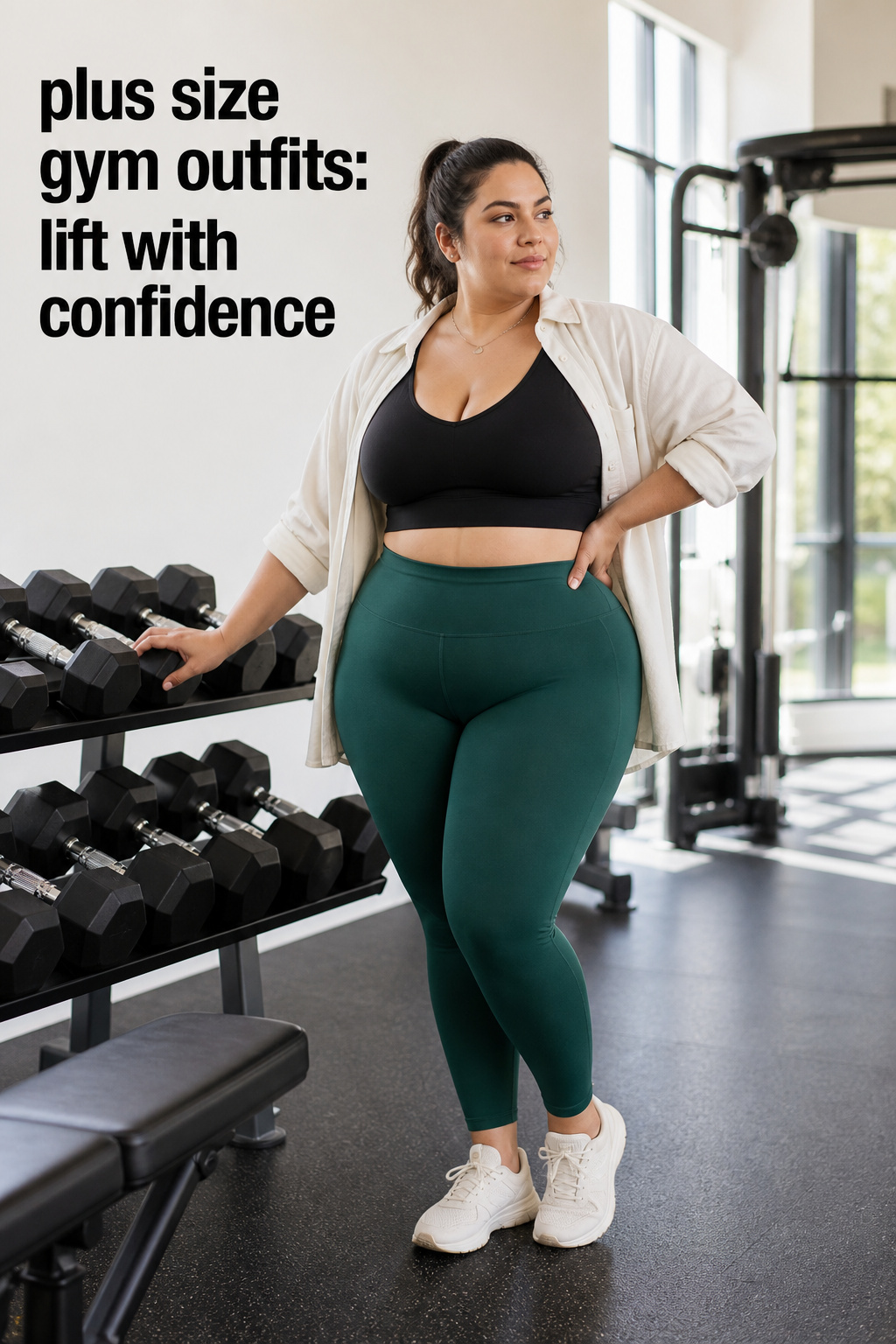
Pair high-rise leggings with a longline sports bra or a fitted performance tank. This is the easiest starting point when you want your clothes to stay close while you lift, cycle or move through a class. Look for a wide waistband that lies flat without digging, a gusset that allows a full range of motion and fabric that passes a squat test without becoming transparent.
Found the dress? Keep the rest in one place.
Zarellea brings guest details, vendors, timelines, and every next step together — so your wedding plan feels as good as your look.
The tank does not need to be tight everywhere. A shaped armhole and a little ease through the midsection can prevent cling while keeping the hem from catching on equipment. If you prefer more bust coverage, choose a high neckline and let the leggings provide the clean base. Finish with training shoes, crew socks and a small crossbody or gym bag for the commute.
2. The layered tee and bike short formula
Bike shorts under a breathable tee create a flexible outfit for walking, warm-ups, machines and lower-impact classes. The close-fitting bottom reduces thigh friction, while the looser top gives you the coverage many people want when they are moving around a public gym. Choose a tee that ends around the high hip or lower, depending on whether you want it to skim or cover.
For the most comfortable version, check that the shorts have a stable leg opening. If they ride upward, try a slightly longer inseam or a smooth, wider hem. A lightweight zip jacket can go over the tee before and after training. This formula is also easy to remix: replace the tee with a mesh layer, a sleeveless top or a cropped sweatshirt when the temperature changes.
3. The matching set with a practical layer
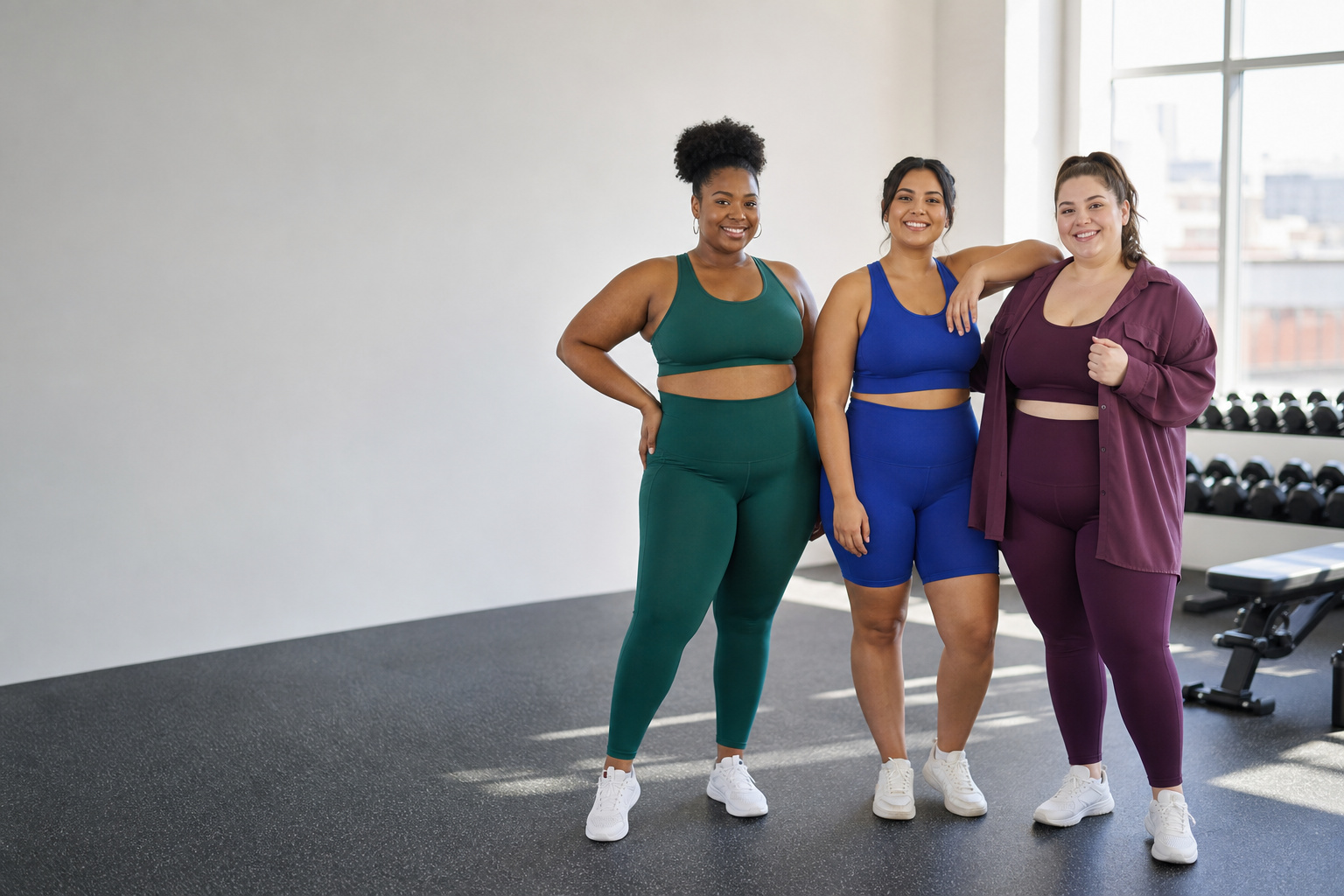
A matching bra and legging or short set gives you a finished look without requiring much thought. It works especially well on days when getting dressed is part of the motivation. To keep the outfit useful rather than decorative, inspect the performance details: removable cups that stay flat, straps you can adjust, opaque fabric, a pocket and seams that do not sit directly on a friction point.
Add one contrast layer so the set can adapt to the workout. A long open shirt gives arm coverage and movement. A cropped windbreaker helps for outdoor walks. A soft sweatshirt works for the trip to the gym, but remove it before the main part of a sweaty session. A set should make dressing easier, not force you to wear every piece at once.
Compare pieces by workout: lifting, cardio, classes and low-impact days
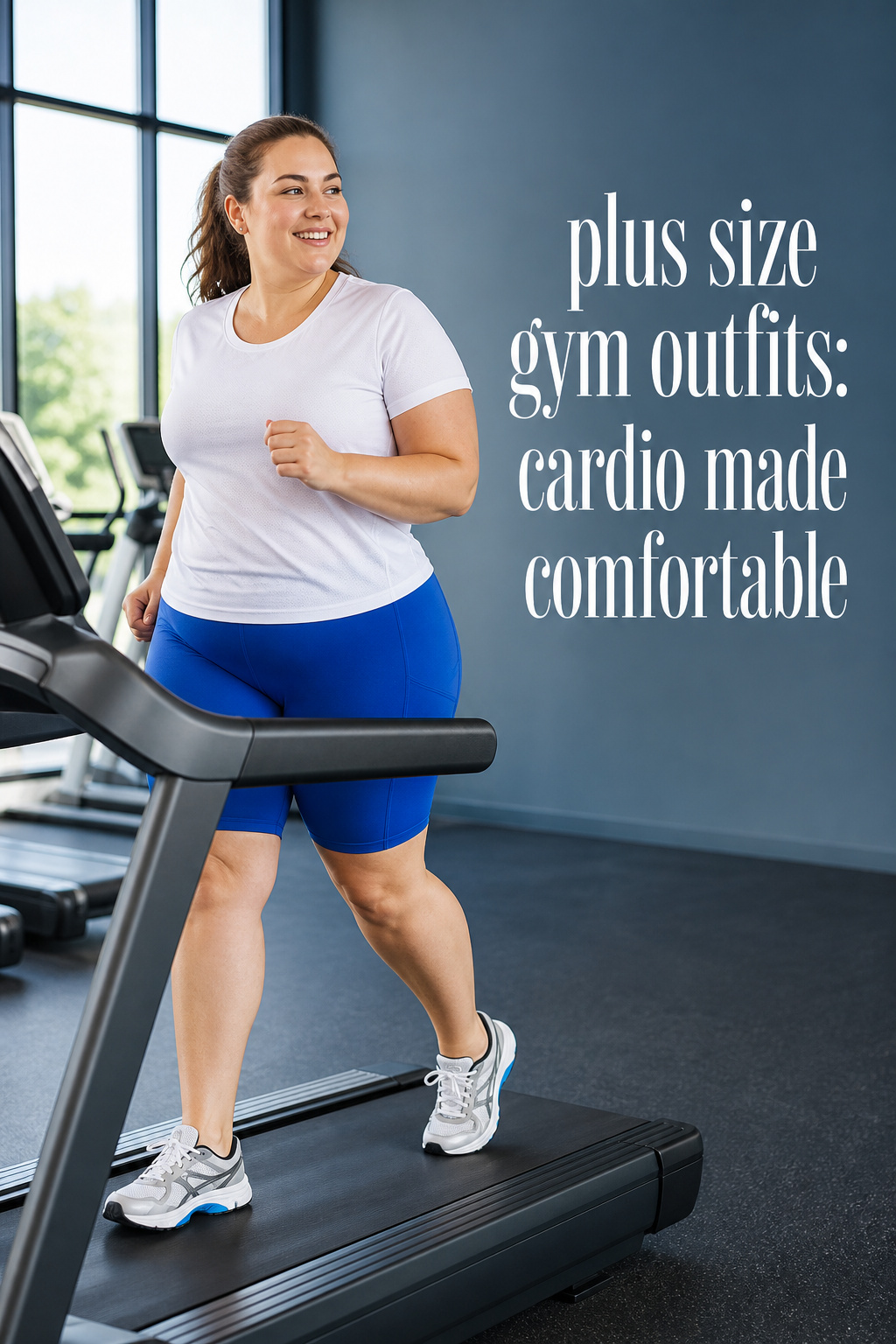
The most useful outfit comparison is not fitted versus loose. It is whether the clothes match the movement. A good look for a squat-focused session may be too warm for a treadmill interval. A light running short may feel perfect for cardio but offer less coverage on a leg press. Start with the workout and then choose the silhouette.
4. Strength training: secure, flexible and easy to check
For lifting, choose leggings or shorts with a waistband that stays anchored when you brace your core. High-rise styles are popular because they reduce the need to pull the garment upward between movements, but the right rise is the one that feels stable without pressing into your ribs. A medium- or high-support bra can be paired with a tank, tee or open layer according to your preference.
Test the outfit with the movements you actually do. Bend into a deep squat, hinge forward, reach overhead and sit on a bench. The fabric should follow you rather than create a tight horizontal line at the waist. Keep a phone or locker key in a secure pocket, but make sure the pocket does not sit where it will press against a bar or bench.
5. Cardio: light layers and stay-put bottoms
Treadmill, elliptical and dance-cardio sessions usually feel better in lighter fabrics. A sweat-wicking tank with leggings, bike shorts or supportive running shorts gives heat somewhere to go. If you dislike a close fit at the arms, choose a sleeveless top with a wider opening, then add a light layer for the walk into the gym.
Pay attention to the lower half during repeated movement. A leg opening that slowly creeps upward can become more distracting than a waistband that feels slightly firm at the start. For shorts, look for an inner layer, a wide hem or a length that lets you move without constant readjustment. For leggings, prioritize breathable panels or a fabric weight that does not trap heat.
6. Group classes: coverage and confidence in every direction
Yoga, Pilates, strength circuits and dance classes can involve bending, twisting, kneeling and reaching. A longline bra or fitted tank under a relaxed tee gives you options when the class changes pace. If you prefer a one-piece feeling, a matching set with a long open shirt can offer coverage without creating loose fabric that catches during transitions.
Check the neckline and armholes before class. You should be able to reach overhead without the top shifting enough to make you self-conscious. For floor work, a smooth waistband and soft seams matter more than a dramatic compression level. Bring a layer you can remove easily, since studios can feel cool at the beginning and warm after several rounds.
7. Walking and low-impact days: comfort without looking unfinished
Low-impact workouts are a good place to wear a relaxed tee, soft leggings, bike shorts or lightweight joggers. If compression is not important to you, choose fabric with gentle stretch and a waistband that feels comfortable while sitting. A coordinated color story, such as black with a soft blue layer or olive with cream, keeps a relaxed outfit intentional.
Comfort does not mean wearing an oversized top with oversized bottoms by default. Try one relaxed piece with one more defined piece. A roomy tee looks balanced with bike shorts. A slim tank works with joggers. A cropped jacket can add shape over a full-length legging. This gives you coverage while keeping the outfit easy to move in.
Build reliable plus size gym outfits from supportive basics
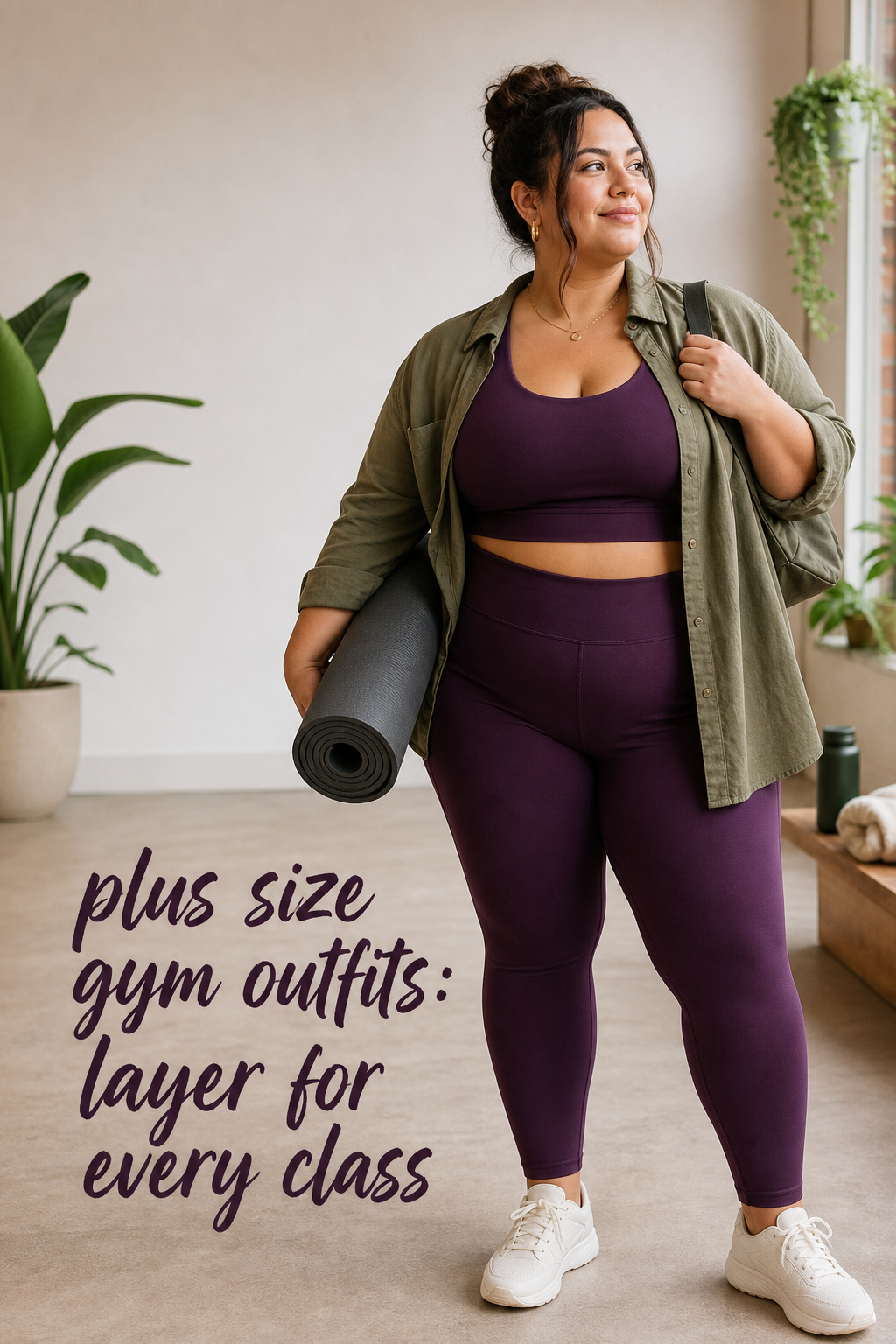
A useful activewear wardrobe is a small system, not a pile of nearly identical leggings. Start with a few pieces that solve different needs, then repeat them in new combinations. This approach helps you shop with more intention and makes laundry day less frustrating.
8. Start with two bottoms that behave differently
Choose one full-length bottom for coverage and cooler days, then add either a bike short, performance short or lightweight jogger. The first should pass the squat and bend test. The second should solve a different problem, such as ventilation, thigh comfort or a relaxed silhouette. Two well-chosen bottoms are more useful than five pairs that all feel the same.
Color is part of the system. Black, navy, charcoal and deep olive are easy to mix, but a rich berry, cobalt or rust bottom can be just as versatile if the rest of your wardrobe is neutral. If lighter colors appeal to you, inspect the fabric under movement and bright light before committing. Confidence comes from knowing the garment will behave, not from avoiding every color.
9. Choose support by movement, not by label alone
Sports bra labels such as low, medium and high impact are helpful starting points, but fit is what makes support work. The band should feel secure without cutting painfully into your back. The cups should contain the bust without spilling at the sides or top. Straps should stay in place when you raise your arms, and the neckline should feel comfortable when you lean forward.
For a strength or walking day, a supportive tank with a built-in bra may be enough for some people. For running, jumping or fast cardio, a dedicated higher-support bra is usually easier to trust. Try the bra with the top you plan to wear, because a wide armhole or low neckline can change how covered the full outfit feels.
10. Use layers to manage coverage and temperature
Layers are not only for modesty. They help you move from a cool commute into a warm workout and can make the same base outfit work for several settings. A longline tee, lightweight button-up, cropped sweatshirt, zip jacket or open hoodie can each create a different proportion over leggings or shorts.
Keep the workout layer light enough that you can tie it around your waist or put it in your bag. Avoid bulky hood strings and oversized sleeves if you will use cable machines or free weights. For a gym-to-errands outfit, add a clean sneaker, a structured tote and a fresh top rather than relying on a heavy layer to do all the work.
11. Treat shoes and socks as part of the outfit
Gym clothes look better and feel safer when the shoes match the activity. Training shoes with a stable base can feel more secure for lifting, while running shoes are designed for forward movement and cushioning. For classes, choose the shoe recommended by the studio or activity. A fashion sneaker may be fine for errands, but it should not replace workout-specific support.
Socks can prevent a surprisingly large amount of irritation. A crew sock may reduce rubbing with a high-top trainer, while a low-cut pair works with a lightweight running shoe. Coordinate the sock color with the outfit if you want a polished finish, or use a bright pair as the small contrast detail in an otherwise neutral look.
Fit checks, shopping priorities and mistakes to avoid
Shopping for plus size activewear can be tiring when size charts vary and product photos do not show how fabric behaves in motion. A few repeatable checks make the process more objective. You are not trying to find a garment that hides your body. You are checking whether it supports the way you want to move.
12. Do a five-movement fit check at home
Try a squat, a hinge, a step-up, an overhead reach and a seated position. Watch the waistband, inner thighs, bust coverage and hem. If you would spend the entire workout monitoring one area, the garment is not earning space in your gym wardrobe. Walk around for several minutes too, because a piece can feel fine during a quick try-on and become irritating after repeated movement.
Take a photo from the side if you want a neutral view of the fit. Check whether the waistband is level, the shoulder seams sit correctly and the top hem lands where you intended. Keep the tags on until you have tested the item carefully and reviewed the return policy. Different brands use different measurements, so your usual size is a clue, not a guarantee.
13. Prioritize fabric behavior over trend details
Side cutouts, tiny straps and dramatic color blocking can be fun, but they should come after the basics. First look for stretch recovery, opacity, breathability, seam placement and a waistband that stays put. A pair of leggings with a reliable pocket and a soft gusset may serve you more often than a trend-forward pair that needs constant adjustment.
Read reviews for details that product descriptions often skip. Search for comments about rolling, pilling, thigh wear, sweat marks, compression and whether the item runs small or large. Look for reviewers with similar fit concerns rather than assuming one person’s experience represents every body. When possible, buy one piece first and test it before building a full outfit around the brand.
14. Avoid the most common outfit mistakes
One common mistake is choosing a smaller size for extra support. This can create rolling, digging and restricted breathing instead of stability. Another is wearing a loose cotton top for high-sweat cardio and discovering that it becomes heavy. A third is buying a set because it looks coordinated while ignoring whether the bra and bottoms solve your actual movement needs.
It is also easy to overbuy before you know what works. Start with one outfit for your most frequent workout, one alternative for hotter or lower-impact days and one layer. After two or three sessions, note what you adjusted, what stayed comfortable and what you reached for again. Your real habits are a better shopping guide than a long list of theoretical outfit ideas.
15. Create a simple four-outfit rotation
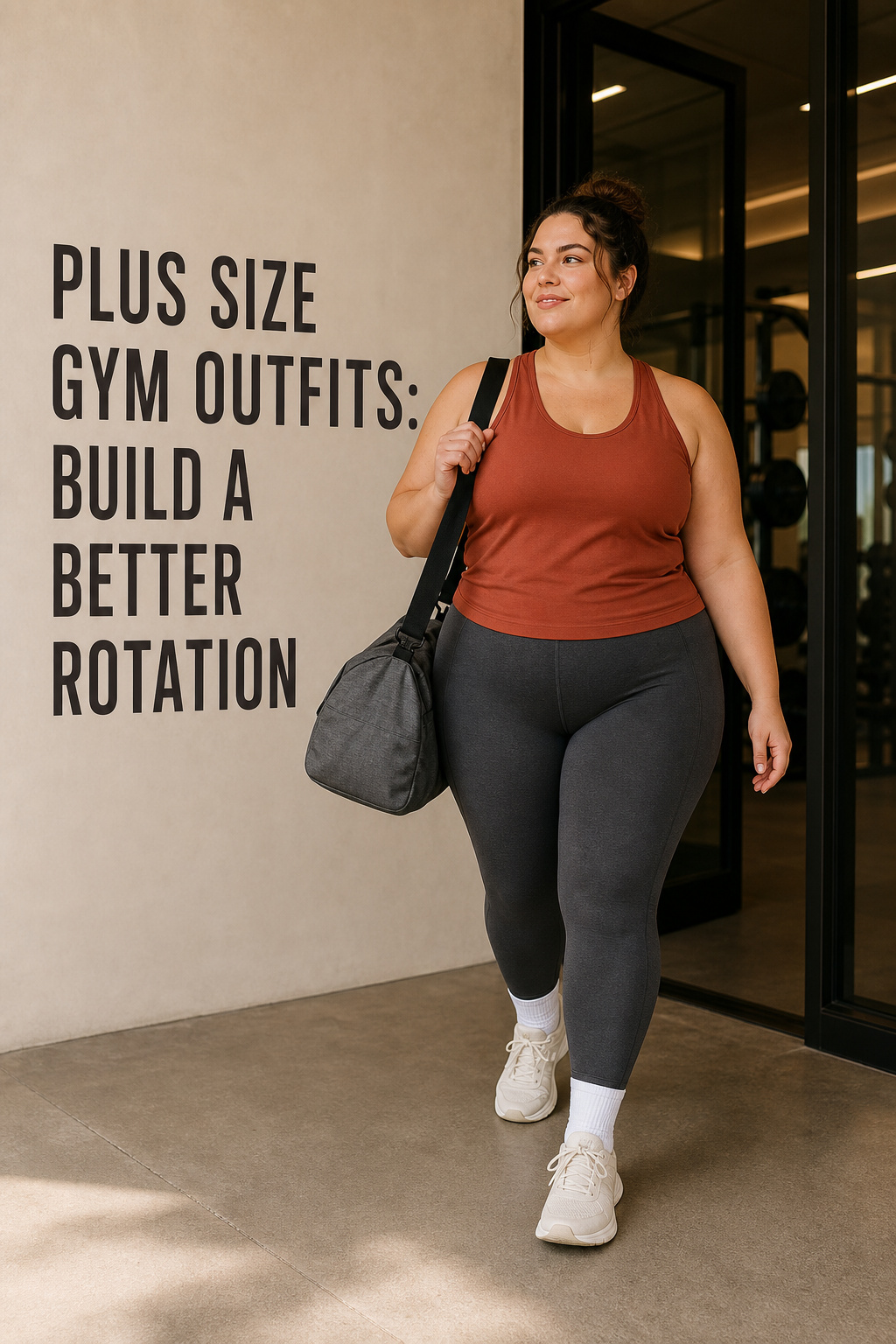
For a compact rotation, begin with a dark legging, a bike short or short, two supportive tops, one relaxed tee, a light layer and activity-appropriate shoes. Outfit one can be the legging with a bright tank. Outfit two can use the same bottom with the tee. Outfit three can pair the short with the supportive tank. Outfit four can add the layer over either base for the commute or a cool studio.
Repeat colors instead of forcing every item to match. A neutral bottom can ground a colorful top, while a matching set can be separated with a contrasting tee. This gives you visual variety without turning each gym day into a new shopping project. The goal is a wardrobe that removes friction, supports movement and still feels personal.
FAQ
What should I wear to the gym if I am plus size?
Wear a supportive top, bottoms that stay in place and shoes suited to your workout. That could be leggings and a tank, bike shorts with a tee or a matching set with a light layer. Choose the level of coverage and compression that lets you focus on moving rather than adjusting your clothes.
Are high-waisted leggings best for plus size bodies?
High-waisted leggings can feel secure, but they are not automatically best for everyone. Look for a waistband that stays level, does not roll and allows comfortable breathing when you bend or sit. A mid-rise style may work better if a high rise presses into your ribs.
How can I stop gym shorts from riding up?
Try a longer inseam, a smooth wider hem, a supportive inner layer or a different fabric blend. Shorts that are too tight at the thigh often travel upward, while shorts that are too loose may shift as you move. Test them with walking, squats and step-ups before keeping them.
What type of sports bra is best for a plus size workout?
The best sports bra is the one that provides enough support for your activity and fits securely without pain. Look for a stable band, contained cups, adjustable straps and comfortable coverage. Use higher support for running, jumping and fast cardio, and choose lighter support for walking or strength training if that feels right for you.
Can I wear an oversized shirt to the gym?
Yes. An oversized shirt works well over bike shorts, fitted leggings or a supportive base layer. Choose a length and sleeve shape that will not catch on equipment, and consider a lighter performance fabric for sweaty workouts. Pairing one relaxed piece with one closer-fitting piece usually keeps the outfit balanced.
How many gym outfits do I need to start?
Start with two bottoms, two or three tops, one layer and activity-appropriate shoes. That can create four or more combinations before you add another color or trend. Buy more only after you know which fabrics, rises, support levels and silhouettes you actually reach for.
How do I make plus size gym outfits look more stylish?
Use a clear color story, repeat one accent color and add one intentional layer or accessory. Matching sets are an easy shortcut, but you can also create polish with coordinated socks, a clean sneaker, a cropped jacket or a tonal outfit in navy, olive, berry or charcoal. Style should support your comfort rather than compete with it.