Going Out Winter Outfits: Build a Five-Look Capsule
The invitation is in your calendar, but the familiar question has arrived first: what can you wear that feels like an evening outfit and still works under a winter coat? You could buy a separate top for every plan, or you could make a compact rotation from pieces already in your closet. A few reliable anchors can give you several going out winter outfits without making every night feel like a repeat.
Think in roles instead of fixed uniforms. One piece gives the look its foundation, one adds a little evening character, and another makes the combination feel complete for your plans. Switch just one role and the same base can move from casual drinks to dinner or a later night. The goal is a useful system, not a strict capsule with a shopping list.
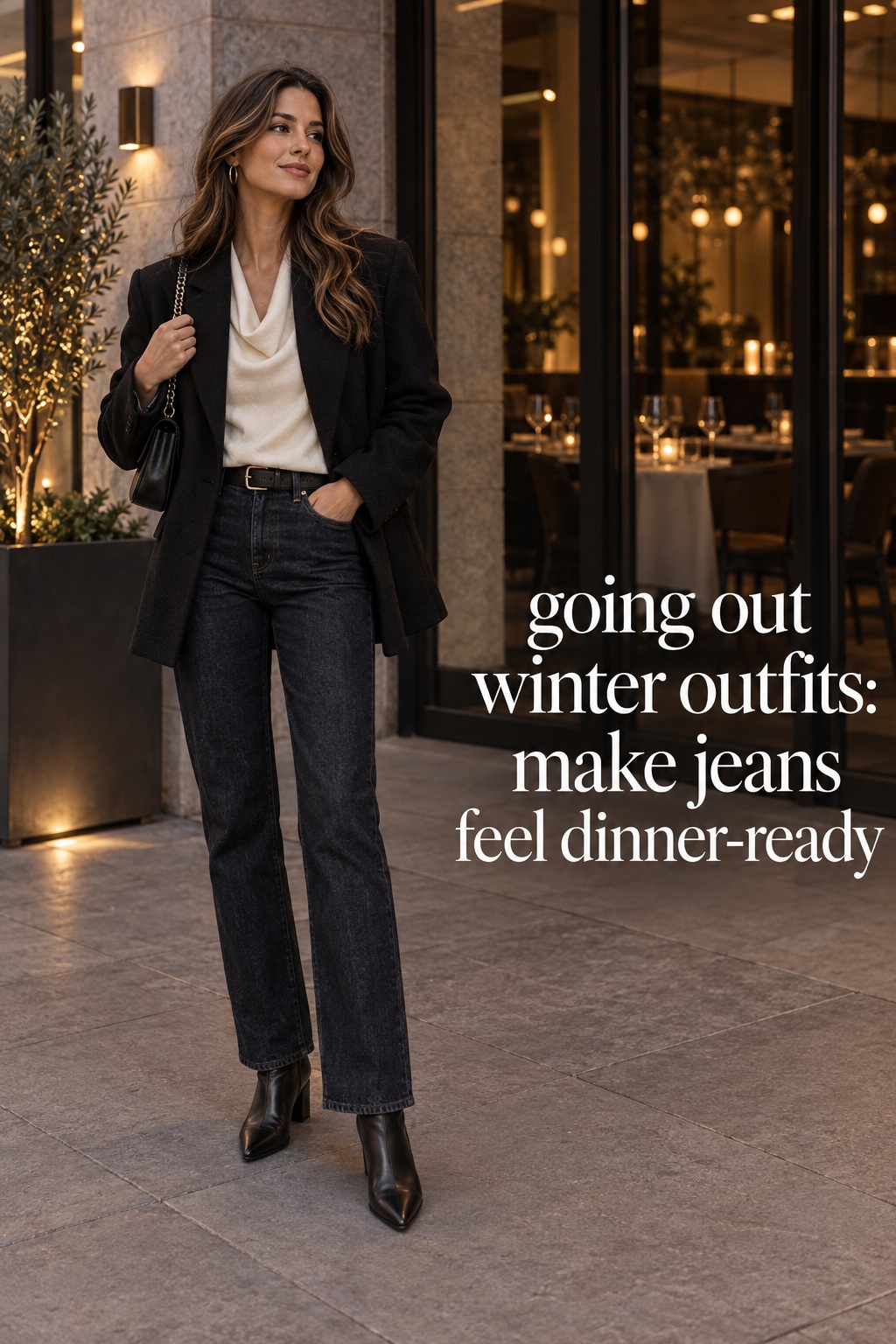
The going-out capsule starts with a repeatable base
A night-out outfit often becomes easier when you stop treating it as a special category of clothing. Start with an anchor you would wear on an ordinary day: a pair of jeans that fits comfortably, a skirt you can sit in, a pair of trousers with room to move, or a dress that does not need constant adjusting. That familiar foundation lowers the pressure to make the outfit look completely different from you.
Next, add one detail that changes the mood. It might be a neckline, a more fluid fabric, a defined shoulder, a belt, an interesting texture, or jewelry you rarely wear to work or errands. You do not need several dramatic pieces. One deliberate shift is easier to repeat and usually gives the outfit a clear focal point.
Found the dress? Keep the rest in one place.
Zarellea brings guest details, vendors, timelines, and every next step together — so your wedding plan feels as good as your look.
For example, dark jeans and a fine sweater are a familiar base. Replace the everyday knit with a draped blouse, add a jacket with a cleaner shape, and the combination begins to read as an evening look. Keep the jeans if they make you feel at ease. The change is in the role of the top layer and the finishing choices, not in starting over.
This system is most helpful when your calendar includes different kinds of outings. Some nights call for a relaxed outfit, while others invite a little more polish. Rather than assigning a separate uniform to each venue, keep a few pieces that combine well and adjust the visual emphasis. A sharper top, a more considered shoe, or a smaller bag can make the same base feel more intentional.
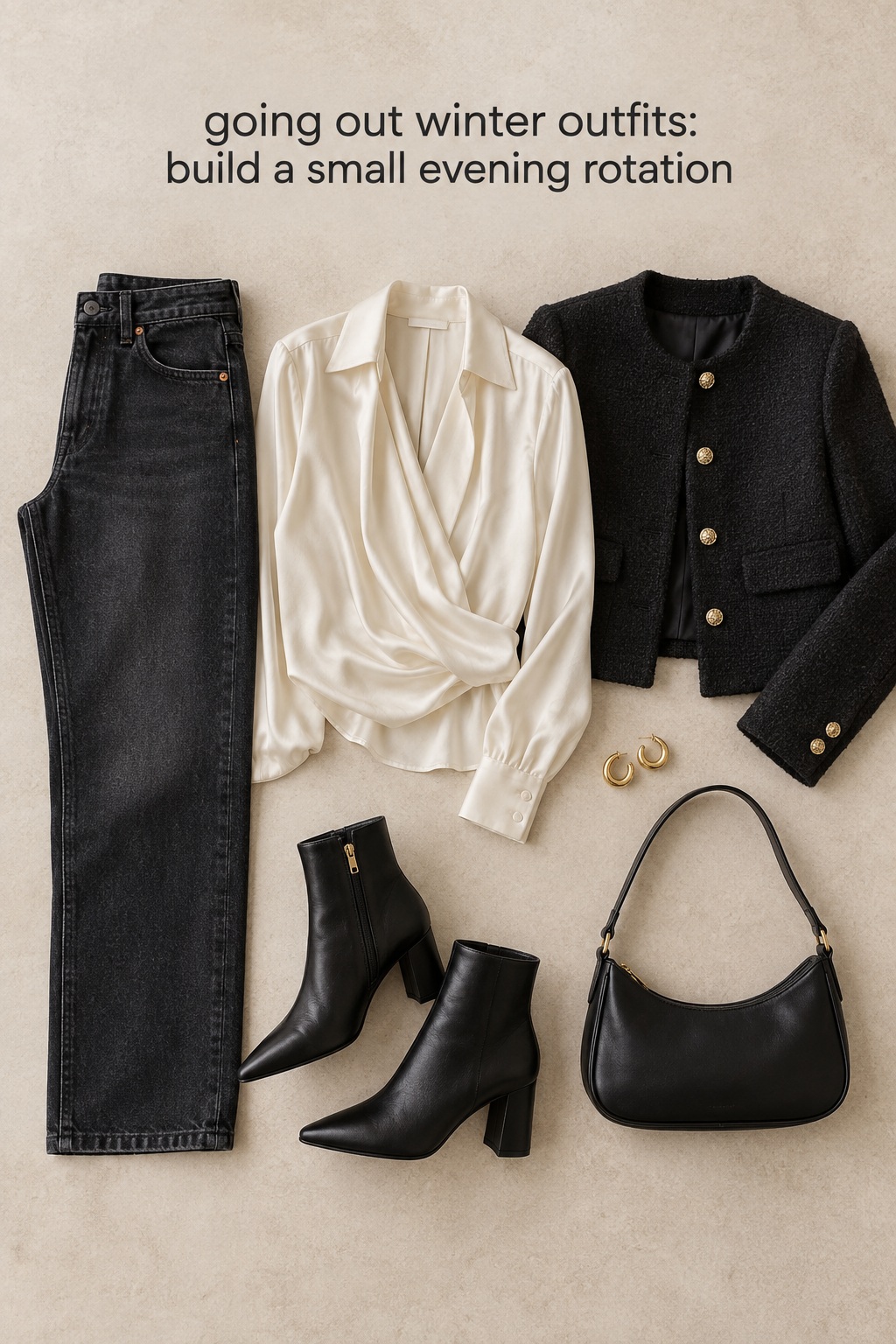
Give each piece one job in the rotation
When you look through your closet, notice what each piece does in an outfit. A base piece gives you a comfortable starting point. A focal piece adds the mood. A layer completes the silhouette and travels with you. Shoes set the overall level of ease. An accessory can connect the pieces or bring attention to one area. When the roles are clear, choosing becomes a matter of combining, not guessing.
Choose a base that you can forget about
Your base should let you participate in the night without tugging, pulling, or checking the mirror every few minutes. That could be straight-leg denim, tailored pants with a comfortable waistband, a knit skirt, or a simple dress. The best choice depends on what you already reach for and what feels right when sitting, walking, and standing.
It can help to pick two or three bases that serve different preferences. One may be a trouser you like with several tops, another a skirt that works with both a fitted and a relaxed layer, and a third a dress that already feels complete. They do not have to be new or particularly dressy. A familiar piece becomes evening-ready through the way you pair and finish it.
Let one focal piece set the mood
A focal piece gives the outfit its point of view. It might be a top with an open collar, a softly draped sleeve, an interesting surface, or a color you enjoy wearing. It could also be the bottom: a skirt with movement, trousers with a strong line, or a texture that stands apart from the rest of the outfit. Choose one place for the eye to land.
If the focal piece is visually strong, let the surrounding items support it. A textured top can sit comfortably with clean trousers and a simple shoe. If the base is already expressive, a quieter top and neat outer layer can keep the outfit from feeling overworked. This is not a rule about how many details are allowed. It is a way to decide which piece you want to notice first.
Use the layer as part of the look
The layer you wear outside may be the first thing people see, so give it a role in the outfit. A structured coat can sharpen a relaxed base. A shorter jacket can make a longer skirt or trouser feel more defined. A blazer can create a clean line over a simple top. Pick a shape that works with the pieces underneath and still feels easy to carry once you arrive.
Try the full combination with your outer layer before you leave. Check whether the sleeves bunch, the hem catches, or the proportions feel crowded. If the base looks good only after the coat comes off, consider a different layer or simplify one item beneath it. A night-out rotation should work as a complete outfit on the way there and inside.
Let shoes and accessories finish rather than compete
Shoes influence the mood of an outfit, but they also affect how you move through the evening. Choose a pair that suits the plan and feels comfortable enough for the amount of walking or standing you expect. A sleek boot, a polished flat, or a heel you already know can all be the right choice. The most dramatic option is not automatically the most useful.
Accessories can do one small job: define the neckline, give a simple outfit a focal point, or make the whole look feel more finished. A compact bag, a favorite pair of earrings, or a belt can be enough. When in doubt, leave out the extra item and see if you miss it. A clear outfit often feels more confident than one that has been accessorized by default.
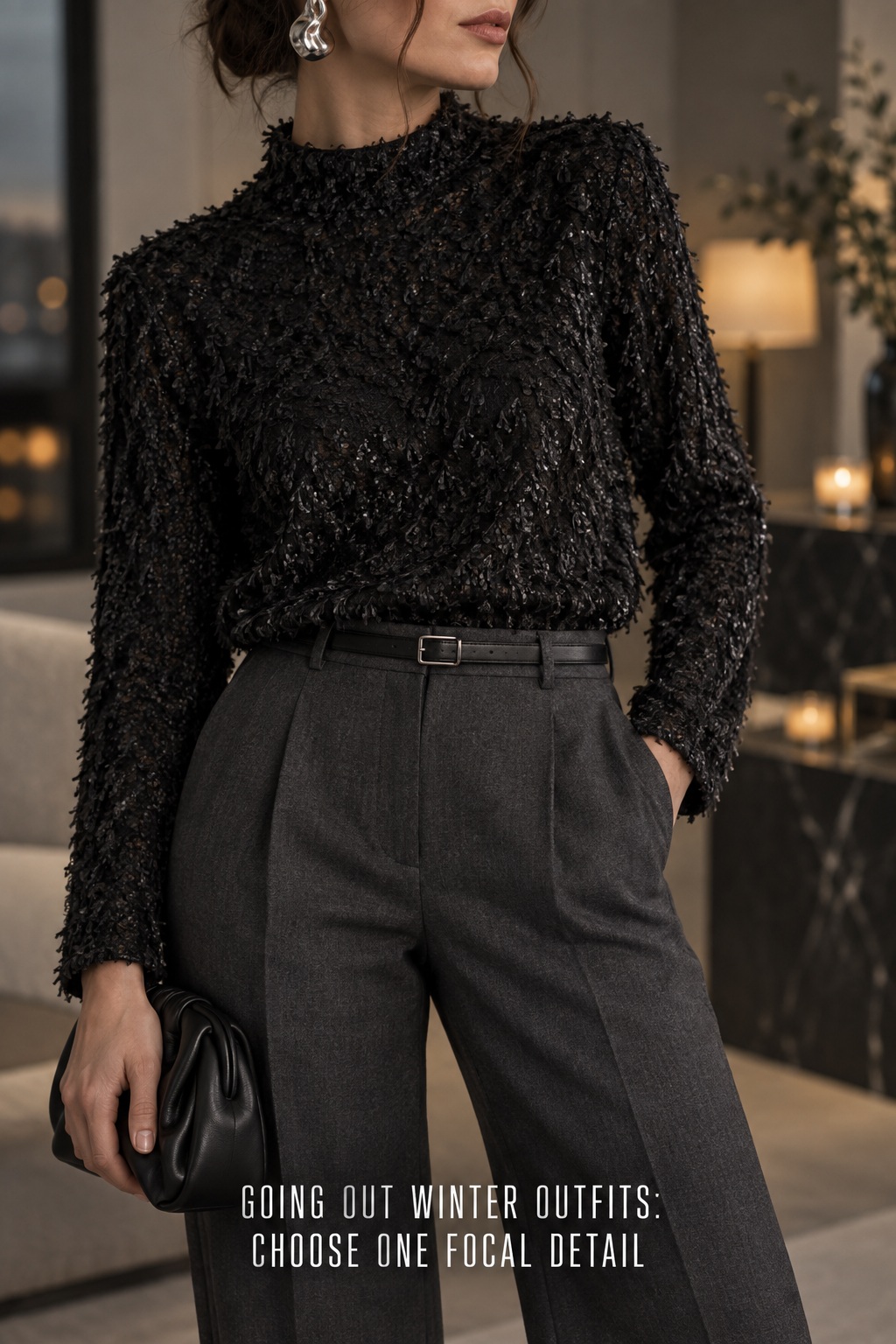
Build five winter going-out outfits from the same small rotation
These combinations are examples of how the roles can work together. They are not assignments for particular venues. Use the outfit that matches your taste, then change a top, layer, or shoe if you want to shift the mood. Each look begins with a different anchor so the rotation does not depend on one favorite item.
1. Straight-leg jeans with a draped top and a sharp jacket
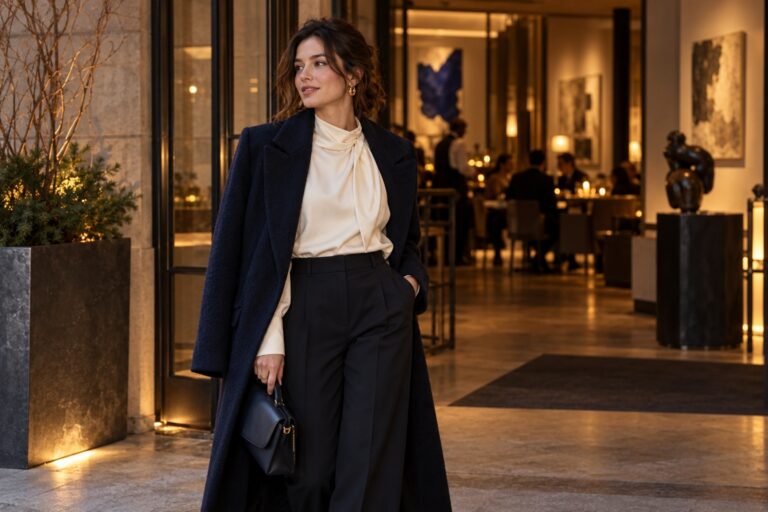
Start with straight-leg jeans that feel good when you sit. Add a draped blouse or a smooth top with a neckline you like, then bring in a jacket with a clean shoulder. The contrast between familiar denim and a more considered top gives the combination an evening direction without making it formal. A boot or refined flat can complete it, depending on how much walking is in your plan.
For a quieter version, choose a dark top and let the jacket provide definition. For more visual interest, use a top with texture and keep the jacket and accessories simple. If the jacket is the statement, make the rest of the outfit calm. This is a useful starting point when you want to get dressed quickly because each piece can also work with other bases in the rotation.
2. A knit skirt with a close-fitting top and long outer layer
Pair a knit skirt with a close-fitting long-sleeve top, then add a coat or jacket that continues the line of the outfit. The simple shapes let the texture carry the look. If you like a little definition at the waist, tuck the top in or use a narrow belt. Choose hosiery and shoes that make the combination feel comfortable for your plans, rather than adding details because a skirt seems to require them.
To change the mood, trade the fitted top for a soft button-front shirt or a shorter sweater. Keep the long layer if you want a composed silhouette, or use a shorter jacket to make the outfit feel more casual. This formula works best when the skirt is easy to move in and the waist feels comfortable throughout the evening. A quick sit-and-walk check can help you decide.
3. Tailored trousers with a textured top
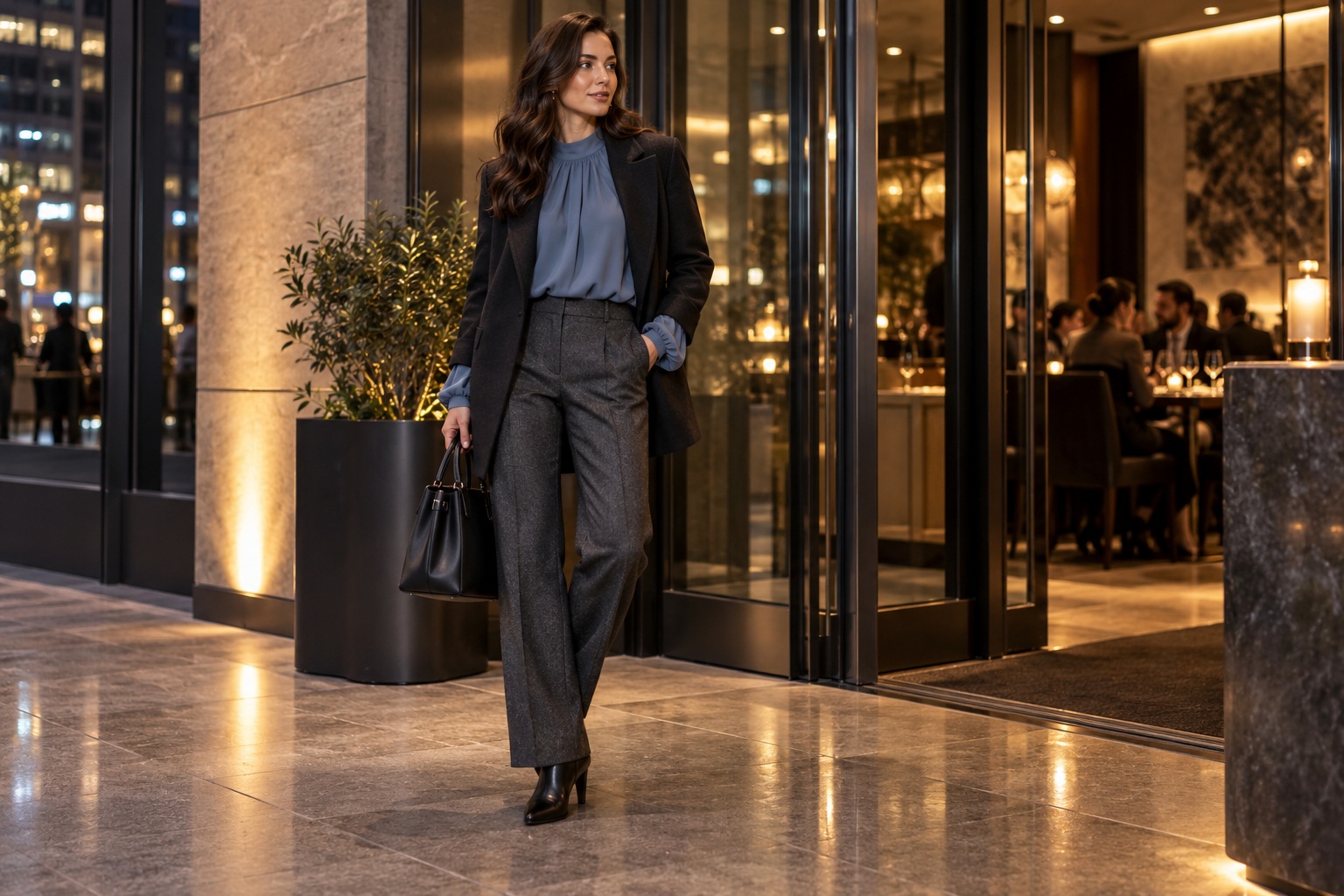
Let tailored trousers provide the clean base, then add a top with a surface or shape you enjoy. A fine rib, a soft sheen, a subtle pattern, or a sculptural sleeve can make the outfit feel considered without needing an elaborate accessory. Keep the front of the top tidy if you want the trouser line to stay visible, or wear it loose if that feels more natural with the cut.
A simple shoe keeps the texture in focus. A belt can finish the waist if it is visible, but it is optional. For a little more definition, add a jacket that echoes the trousers’ shape. For a more relaxed version, leave off the jacket and choose a compact bag. Because the base is clean, small edits change the look without requiring new pieces.
4. A simple dress with a contrasting top layer
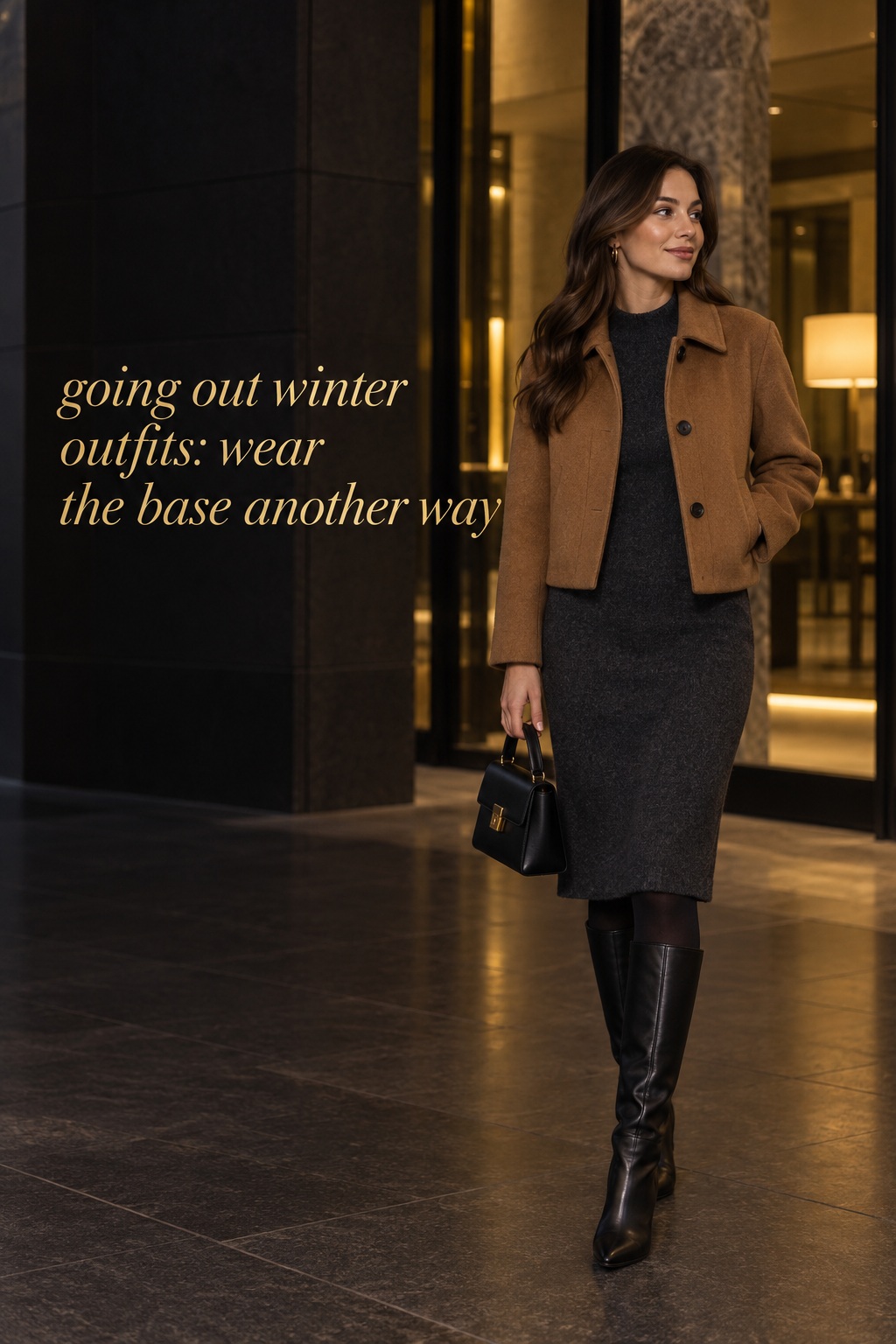
A simple dress can act as a one-piece base for the rotation. Choose a silhouette you can wear comfortably, then use the layer to decide how polished the outfit feels. A defined jacket adds structure; a soft cardigan makes the dress feel more relaxed; a longer coat creates one uninterrupted line. If the dress is very plain, an earring or bag can supply a single accent.
You can also change the proportion without changing the dress. Wear a shorter layer that meets near the waist for a more defined shape, or let a longer coat skim over it. If the neckline already has detail, keep jewelry simple. If the dress is plain through the upper body, a necklace or earring may be the only finishing piece you need. Let the layer and the dress share the attention.
5. Relaxed trousers with a precise top and a favorite accessory
A relaxed trouser can make an evening outfit feel easy while still giving you a clear shape. Pair it with a more precise top: a neat knit, a shirt with a deliberate collar, or a clean sleeveless layer worn over a long-sleeve base. Add one accessory you enjoy wearing, such as an earring or a structured bag. The balance between ease and definition keeps the outfit from feeling like daytime loungewear.
If you want to make this combination more relaxed, use a softer top and a casual shoe. If you want a sharper version, choose a cleaner neckline and a jacket with some structure. The trousers remain the base, while the other roles change the register. This is a good example of why a small rotation can feel varied: the same anchor does not have to produce the same outfit twice.
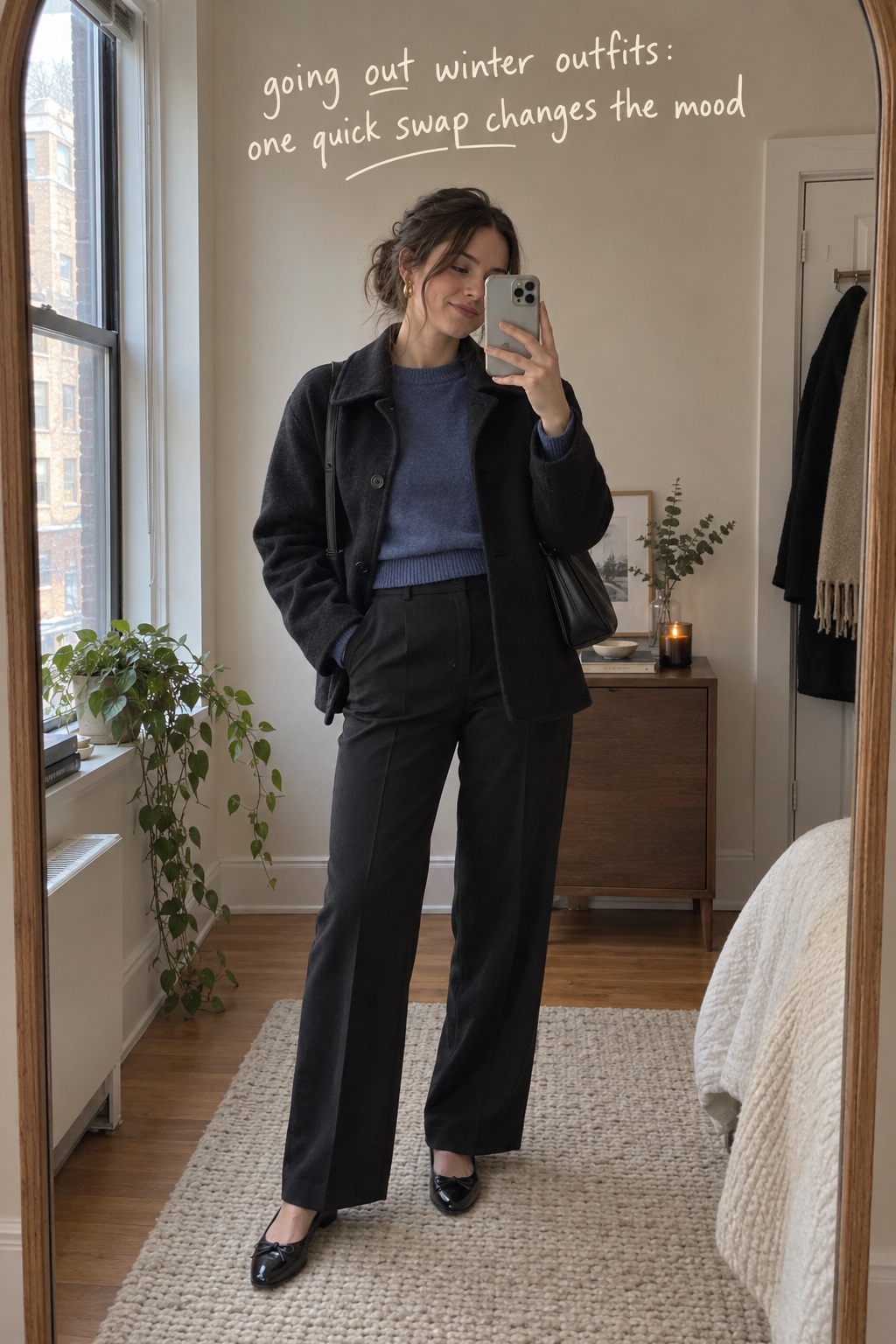
Reset a daytime outfit for an evening plan
Some nights begin after a full day, so changing everything may not be realistic. Instead, look at the outfit you already have and identify the role that makes it feel most daytime. Is it the soft layer, the practical shoe, the relaxed bag, or the top that disappears under a work jacket? Changing just one part can give the look a different focus.
One option is to keep the base and change the focal piece. A familiar pair of trousers can stay in place while you swap a basic top for one with a more deliberate neckline or texture. Another option is to keep the top and bottom but change the outer layer. A sharper jacket can make the same combination feel more intentional, while removing a bulky layer indoors can reveal the shape beneath.
You can also use accessories as the smallest possible reset. Replace a large daytime tote with a compact bag, add earrings, or use a belt to clarify the waist. You do not need to carry several backup items. Choose the single piece most likely to change the impression of the outfit, and make sure it works with the shoes and coat you are keeping.
Before you settle on the swap, picture the whole transition. If you will leave work wearing a coat, the coat should work with the revised outfit as well as with what you wore during the day. If you change shoes, consider whether the hem still lands where you like it. These small checks make a planned transition feel simple rather than improvised.
The idea is not that every day outfit can become an evening look with one accessory. Some plans call for a full change, and some pieces simply do not suit the mood you want. The rotation gives you options. Keep one alternate top or layer ready if that helps, but do not turn getting dressed into a complicated packing exercise. A few useful choices are enough.
Keep the rotation useful, not overly strict
A capsule is a tool for making combinations easier, not a rule about how many clothes you are allowed to own. Begin with pieces that already work for you, then notice which ones combine naturally. If a top only works with one skirt and makes you uncomfortable, it may not need a place in the rotation. If a jacket works with jeans, trousers, and a dress, it can help connect several looks.
Lay out two possible outfits at once and compare the roles. Do they rely on the same focal piece? Could one layer work with both? Does each combination feel distinct enough for your own calendar? You do not have to create a full wardrobe chart. A short note on your phone or a few outfit photos can make the next decision easier, especially when you are getting ready in a hurry.
It is also useful to keep a personal comfort check in the process. Try the outfit with the bag you will carry, walk around in the shoes, and sit down in the base. If you expect to be outside for some of the evening, choose the layers that suit your actual plans and conditions. Styling suggestions cannot decide your comfort needs for you, so adjust the layers to what feels right.
When you add something to the rotation, ask what role it will play and what it already works with. A new focal top can make familiar trousers feel different. A layer that coordinates with several bases may be more useful than a striking item that only works once. This is not a shopping priority list; it is a way to understand the clothes you choose to keep in the mix.
Over time, your preferred rotation may be mostly trousers, mostly dresses, or a balance of both. The shape of the system should follow your taste. Keep the combinations that make getting dressed feel clear, change the pieces that do not, and allow the same base to take on a new mood through a different focal item or layer. That is the practical promise of going out winter outfits built from a small capsule.
FAQ
What should I wear for a casual night out in winter?
Start with a base you already feel comfortable in, such as straight-leg jeans or relaxed trousers. Add one more deliberate top or jacket and shoes that suit your plans. A compact bag or a favorite accessory can finish the look without making it feel formal.
How can I make winter going-out outfits from clothes I already own?
Choose a few bases that work with multiple tops, layers, and shoes. Then create combinations by changing one role at a time. A familiar bottom can feel different with a new focal top, outer layer, or accessory, so you do not need a completely separate outfit for every plan.
How do I make a daytime outfit feel more evening-ready?
Keep the parts that still suit your plans and change the role that feels most casual. You might switch the top layer, choose a more deliberate shoe, add an accessory, or replace a basic top. Try the revised outfit with your coat so the full combination works.
What shoes can I wear for a night out when I do not want heels?
A polished flat, loafer, or boot can work with an evening outfit. Choose a pair that feels comfortable for the amount of walking or standing you expect, then check that the hem and shoe shape work together. You do not need a heel to make an outfit feel considered.
How can I stay comfortable in a winter night-out outfit?
Plan the layers around your own comfort and the conditions for the evening. Try the coat over the full outfit, check how the sleeves and hems sit, and choose shoes you can move in. Add or remove a layer based on where you will spend time.
How many outfits do I need in a going-out capsule?
There is no required number. Start with two or three bases and a few tops or layers that combine with them. If those pieces create enough choices for your plans, the rotation is doing its job. Add more only when you notice a real gap in the combinations you enjoy wearing.