Cute Outfits for Winter: Make Whimsy Feel Personal
Cute outfits for winter do not have to rely on pastel colors, a novelty print, or a full head-to-toe theme. Often the feeling comes from one small cue: an unusual button, a soft-edged accessory, a tiny motif, or a detail placed where you do not expect it. The key is deciding how much attention that cue should receive.
This season’s runway coverage offers a useful way to think about it. Recent Fall/Winter 2026 reporting has described romance and whimsy alongside tougher, more contemporary styling. That mix gives you room to make a look feel playful without turning it into a costume. You can borrow the atmosphere through one detail, then let your own clothes determine the rest.
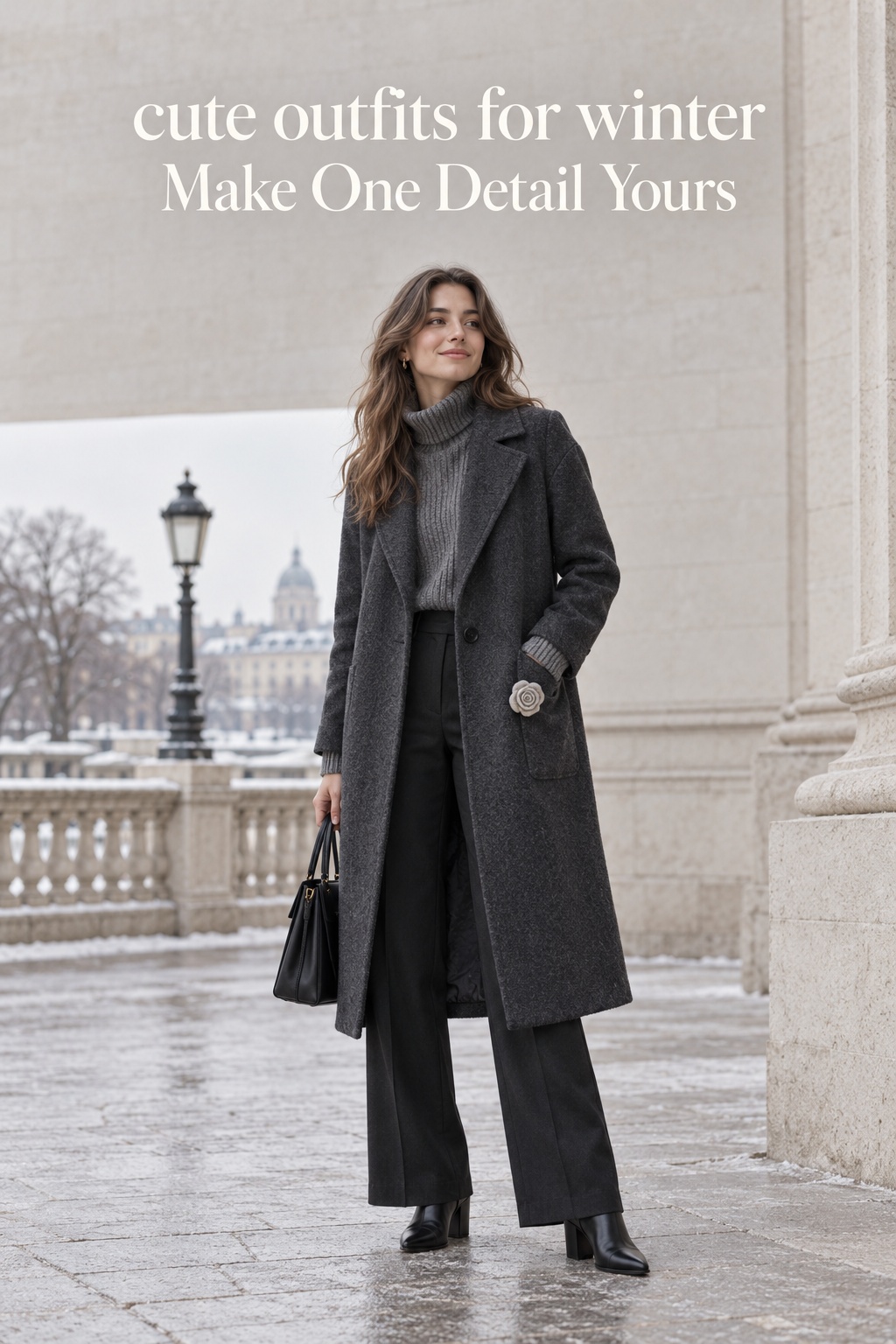
Instead of starting with a list of outfits, this guide looks at the visual language behind cute winter dressing. You will learn how the scale and placement of a decorative detail change its effect, how to make a familiar piece feel more imaginative, and how to edit the result until it feels like your style.
Why cute winter styling is getting more imaginative
“Cute” is a broad word, which is why it can be hard to translate into clothes. One person may mean delicate or romantic; another may mean playful, quirky, or simply more expressive than a row of neutral basics. There is no single silhouette or color that owns the feeling. Thinking in visual cues gives you more options and helps you avoid buying an entire look just to get the mood you want.
Found the dress? Keep the rest in one place.
Zarellea brings guest details, vendors, timelines, and every next step together — so your wedding plan feels as good as your look.
A cue can be a shape, a surface, a motif, or an object. A softly rounded collar has a different character from a sharp lapel. A tiny embroidered flower feels quieter than a large graphic print. A charm on a bag may bring a hint of humor, while a decorative brooch can make a familiar coat feel more individual. You can decide which of these meanings fits your own version of cute.
Romance does not have to mean dressing like a character
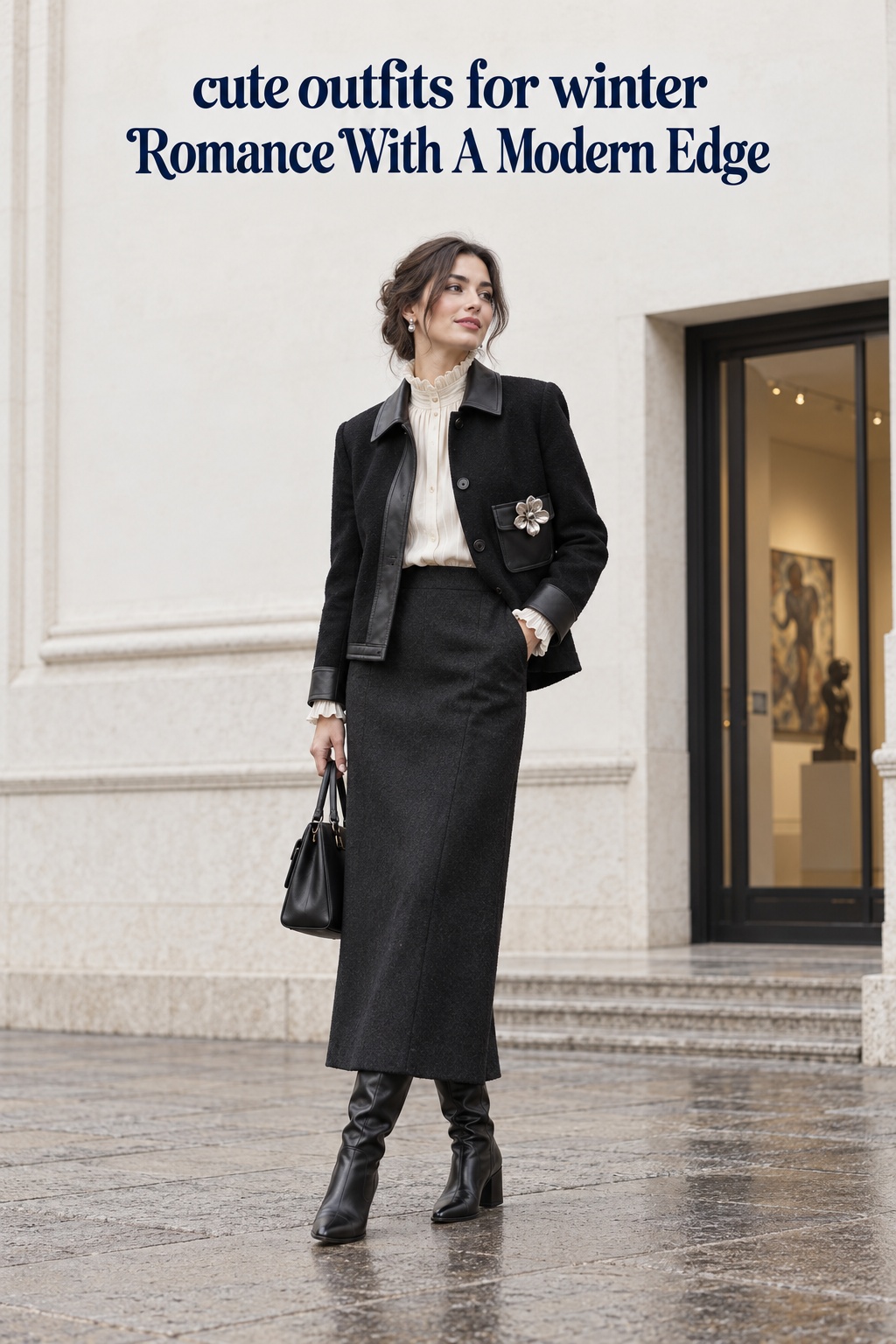
In its report on the H&M Fall/Winter 2026 collection, Who What Wear describes romantic historical references paired with tougher fabrics and deliberate styling. That is one current runway interpretation, not a rule for every winter wardrobe. It does show how a romantic detail can feel current when it appears in a setting that is familiar to you.
You might borrow a small bow on a bag rather than choosing an entire bow-covered outfit. A narrow ruffle at a cuff can add softness to a clean sleeve without changing the shape of a jacket. A tiny floral pin can sit against a dark scarf instead of becoming part of a full floral print. These choices let the detail provide a little story while the clothes remain recognizably yours.
Whimsy can work in the same way. It may come from a charm, an unexpected color on a button, a playful clasp, or an embroidered symbol that means something to you. A personal object often reads differently from a novelty item chosen only because it is trending. The detail does not need to be expensive or rare. Its role is to give the outfit a small point of character.
Think about the feeling before the shopping category
Before searching for “cute” pieces, choose a word that describes the mood you want: soft, storybook, playful, polished, or quirky. This narrows the field. If you want a soft feeling, look at rounded shapes or fine details. If you want something more playful, a charm or an unexpected motif may say more than a delicate trim. If you prefer polish, a single decorative fastening can have a stronger effect than several accessories.
This small vocabulary shift also makes inspiration images easier to read. Rather than trying to copy the whole person or outfit, notice the detail that creates the mood. Is it a curved shape, a tiny motif, a glossy surface, or an object worn in an unusual position? Naming that feature gives you a precise idea to try with clothes already in your closet.
Choose the scale of the detail before choosing the detail
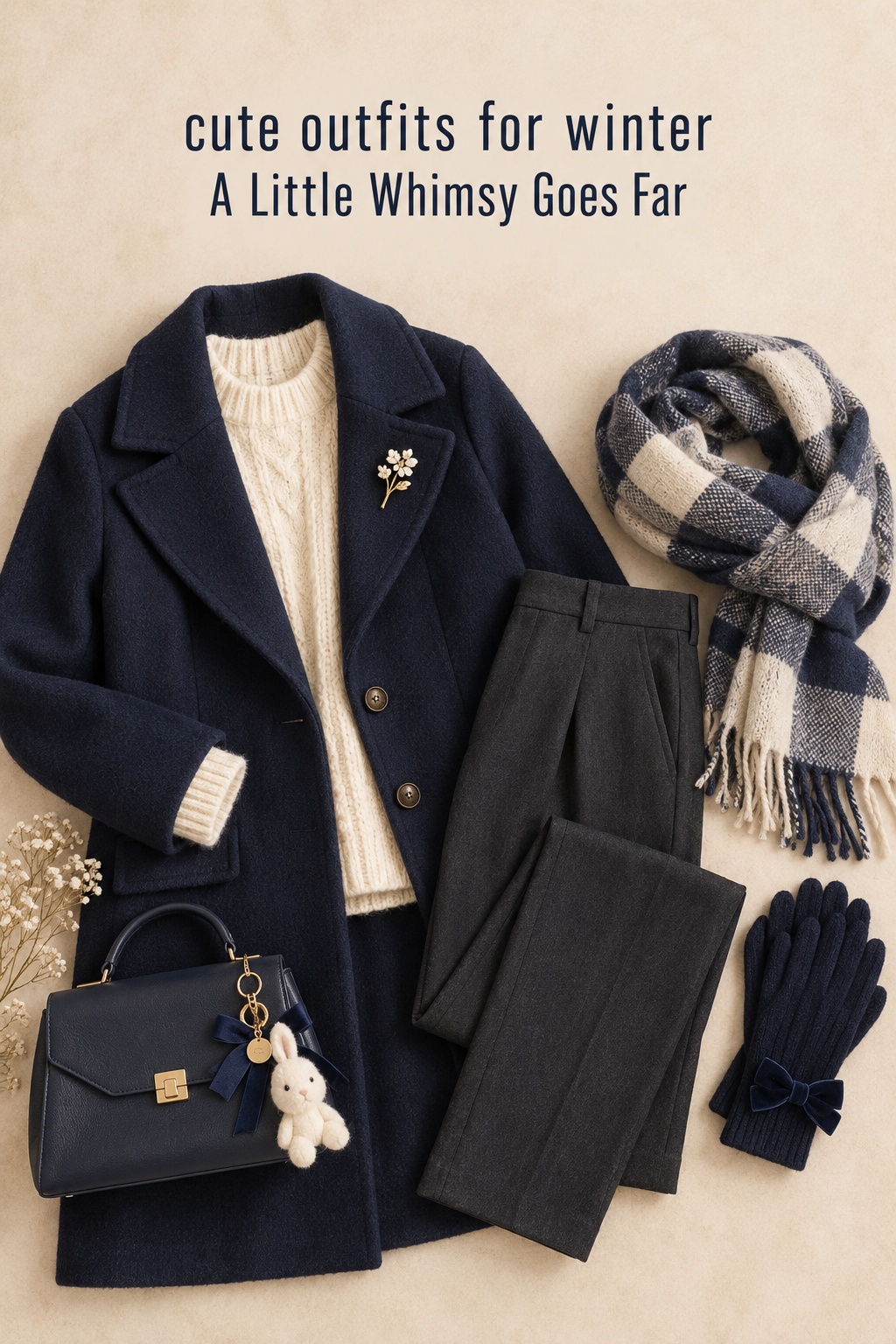
The same decorative idea can look subtle, noticeable, or theatrical depending on its size and how much space it takes up. Think about scale before deciding between a small pin, a pronounced collar, or a large motif. The aim is not to make the detail as small as possible. It is to choose the level of attention that fits the mood you want and the way you normally dress.
A quiet cue keeps the outfit familiar
A small cue works well when you want the outfit to feel almost unchanged at first glance, with a little personality revealed up close. Think of a decorative button at the neck, a fine embroidered mark near a pocket, or a miniature charm attached to a bag strap. The surrounding clothes can stay simple because the cue is not trying to become the entire story.
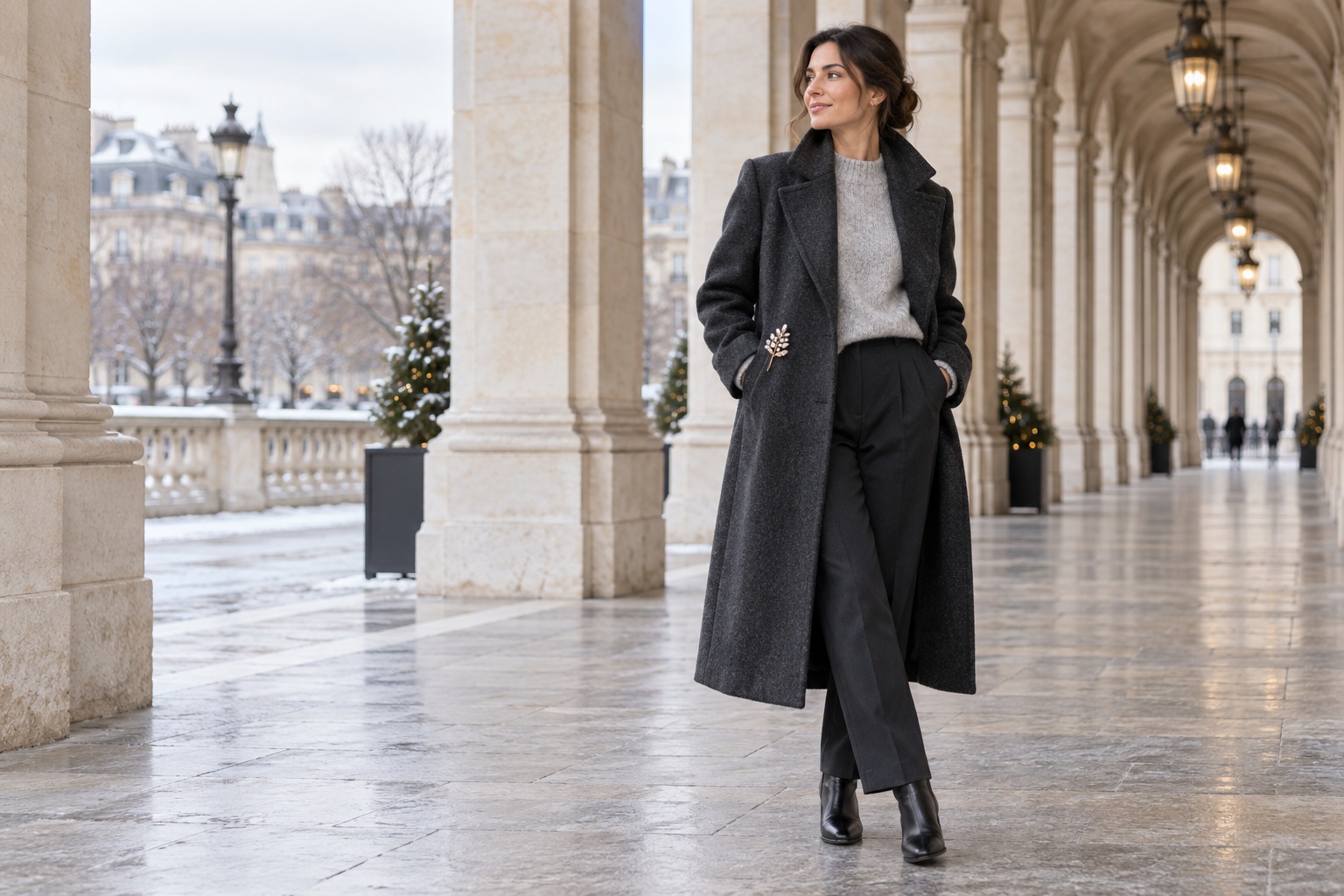
Placement affects even a very small detail. A pin at the center of a lapel looks classic. Move a similar pin toward a cuff or near a pocket edge and it may feel more spontaneous. A charm placed on the handle of a structured bag creates a small interruption in an otherwise neat shape. These are restrained choices, so they suit someone who likes the idea of whimsy but wants to keep the overall effect understated.
If you cannot decide whether a detail is too quiet, take a photo of the outfit from a normal viewing distance. A close mirror view exaggerates small features. In a full-length photo, you can see whether the accent registers at all, and whether its location feels intentional. You can move the item before changing the rest of the outfit.
A visible cue can become the outfit’s signature
A medium-scale detail is easy to notice but still leaves room for the clothes themselves. Examples include a visible line of unusual buttons, an embroidered patch on a sleeve, a rounded collar, or a small group of decorative pins on a coat. This level works when you want the outfit to feel expressive without asking every other piece to compete for attention.
Decide where the eye should land. A detail close to the face can frame a neckline. A motif near the hem creates a different kind of surprise, especially when the garment is in motion. A visible fastening can make the front of a coat feel considered even when the coat is closed. The best location depends on the piece and what you enjoy noticing when you get dressed.
Try to avoid placing several medium-scale details in different areas at once. A rounded collar, bright buttons, large embroidery, and a decorative bag can each be charming on its own. Together they may blur the intended mood. Select the one that says the most, then look at the rest of the outfit in a photo before deciding whether it needs another cue.
A focal detail asks for more visual space
Sometimes you want the playful feature to lead. A large rosette, a sculptural clasp, an ornate motif, or a striking decorative collar can hold that role. Give it enough space to be read clearly. The rest of the outfit can echo its form or mood quietly, but does not need to repeat the same decoration in several places.
Consider the outline around a focal detail. A pronounced collar may already frame the upper body, so a busy necklace could obscure it. A large charm on a bag can stand apart more easily when the bag’s shape is simple. A conspicuous patch may read most clearly on a smooth area of fabric. These are visual observations rather than rules about what suits a particular person. The point is to let the feature you chose remain understandable.
Scale can also change your relationship with a piece. If a prominent detail feels too bold after you put it on, try moving it or choosing a smaller version. If it disappears, bring it closer to the center of the outfit or use it on a cleaner surface. You can adjust the signal without changing your personal style to match a trend image.
Use placement to change the tone of a familiar piece
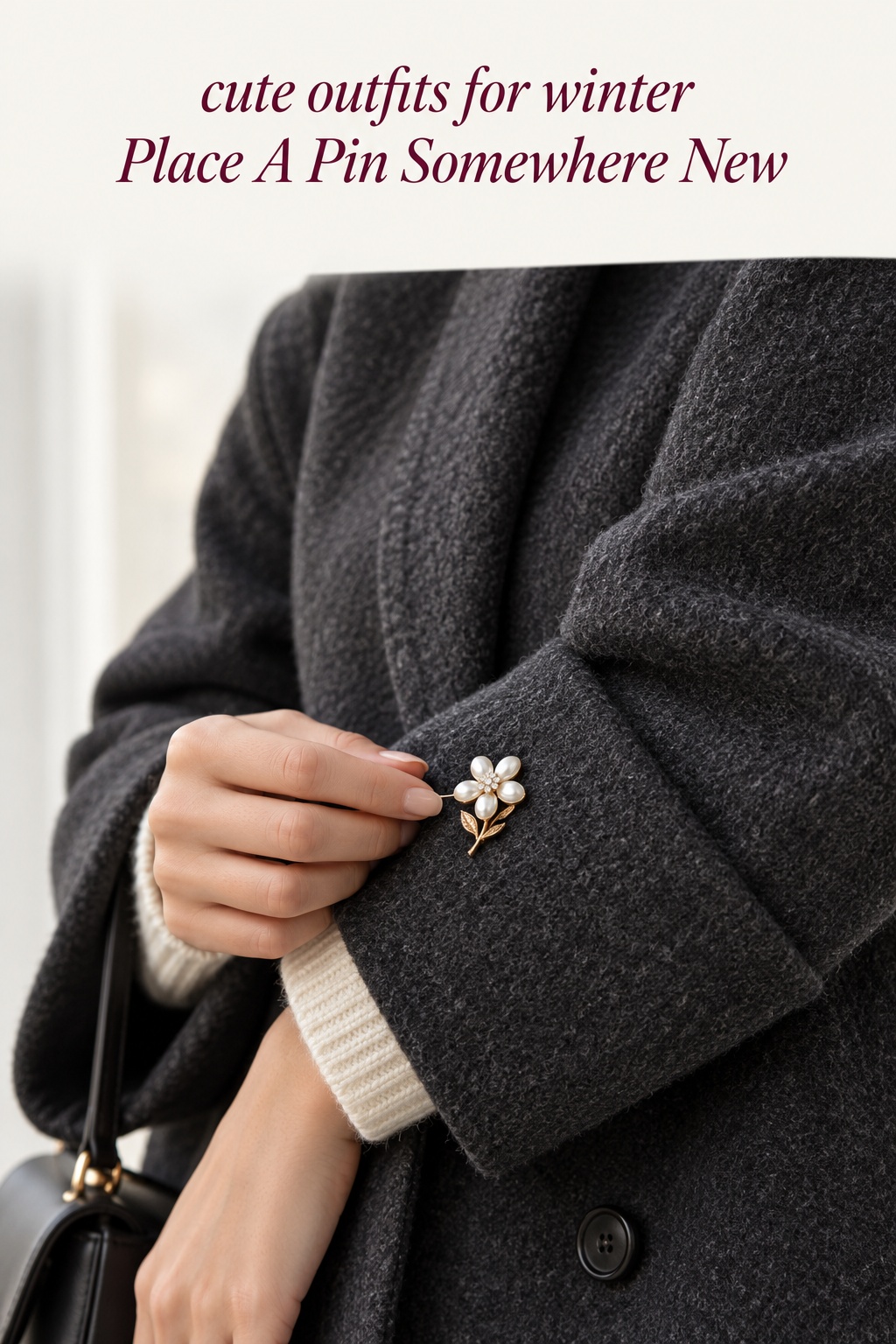
Placement can make a familiar accessory feel conventional or unexpected. Marie Claire’s Fall/Winter 2026 accessories report discusses using brooches in less familiar positions, including on a shoe lace or near a skirt hem. The useful idea is not that everyone needs a brooch. It is that moving one decorative object away from its expected spot can make the styling feel personal.
Try looking at an accessory as an object that can travel. A small charm might attach to a bag handle, zipper pull, or key ring rather than being worn as jewelry. A pin could sit at a cuff, on the edge of a scarf, or near a pocket. A ribbon could tie a bag handle, but it could also mark the end of a belt or serve as a small accent around a ponytail. Check that the item stays secure and does not interfere with how you use the garment.
Unexpected placement helps keep cute outfits for winter from feeling overly coordinated. The same bow repeated at the collar, bag, shoe, and hair can create a strong theme. If you want a lighter touch, use the bow once and let the rest of the outfit stay in its usual visual language. The single appearance feels like an intentional signature rather than a costume prompt.
Let a decorative motif appear once, then echo it quietly
Repetition can connect an outfit, but exact matching is not the only way to create coherence. If a small flower appears on a pin, a related curved shape elsewhere may be enough. If a charm has a polished metal finish, a simple fastening in a similar finish can make it feel considered. The reference can be visual rather than identical.
One visible motif is usually easier to interpret than several unrelated ones. A little star, flower, heart, ribbon, or animal shape may already bring a strong mood. If you want a second detail, consider whether it shares a shape, texture, or story with the first. If it does not, decide whether the contrast feels purposeful. A mix of motifs can look lively, but it benefits from one clear point of view.
Do not assume every detail needs an echo. A distinctive pin can stand alone against a plain scarf, and a novelty clasp can be the only playful object on a bag. Repeating its exact color in several places may make the outfit look more formal or more themed than you intend. Leave a little space around the detail and check whether its meaning still comes through.
Use personal meaning as a styling filter
A personal charm, inherited pin, or small hand-finished detail can make an outfit feel more like yours because it connects to a story you already know. You do not have to explain that story to anyone. The object can simply make you smile when you notice it. This is one way to get a whimsical feeling without choosing an accessory only because it appears in a trend report.
Ask whether the object has a place in your ordinary routine. Can you fasten it securely? Does it catch on the fabric or bag? Can you remove it easily when you need to? These questions make the choice practical without turning dressing into a performance test. If the accessory is delicate or sentimental, it may be better placed somewhere protected than on an exposed edge.
Personal meaning can also come from choosing a detail that references something you love: a small book-shaped charm, a botanical motif, a playful animal, or a favorite color combination. Keep the reference legible to you, even if other people read it simply as a decorative object. Style does not need a shared code to feel intentional.
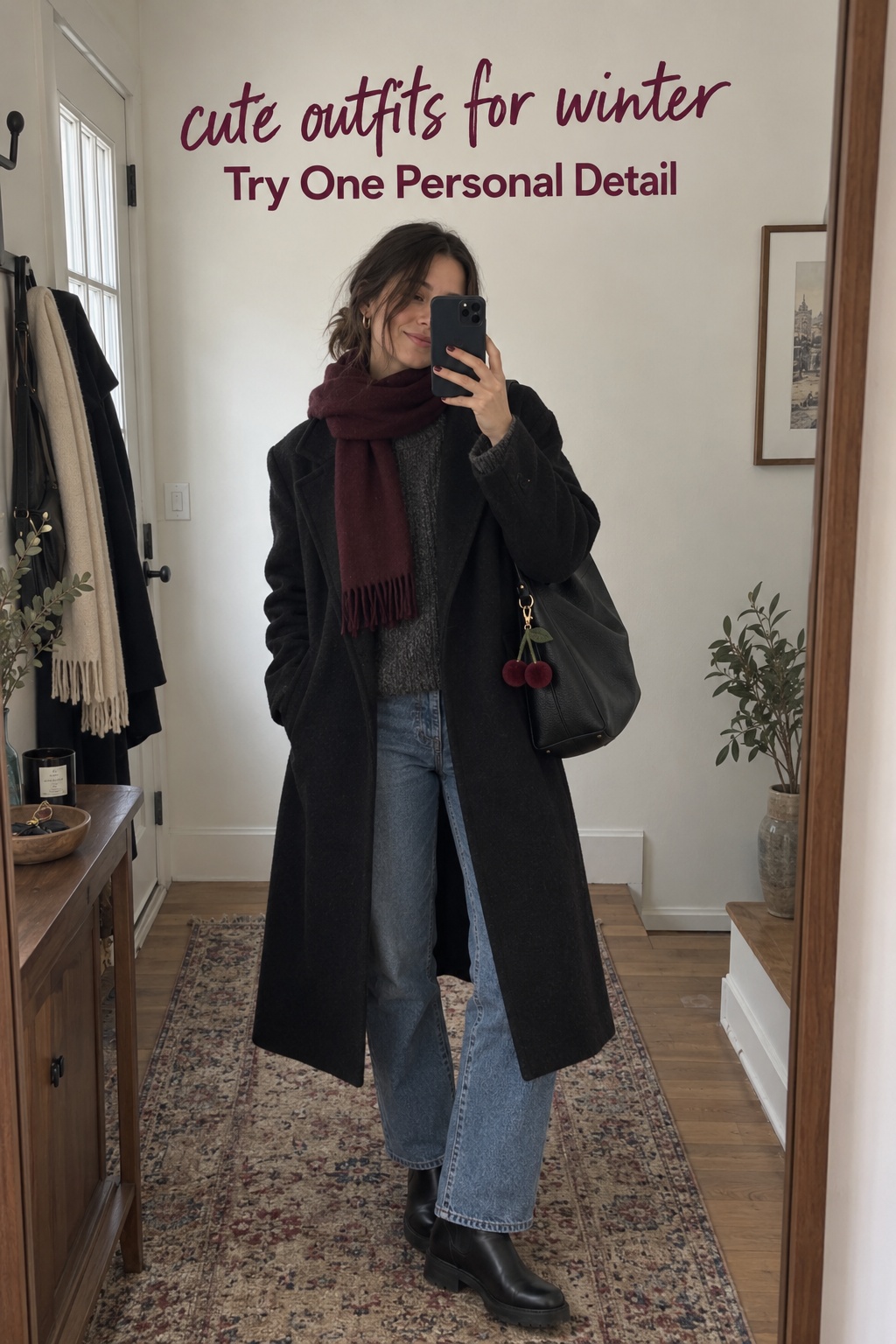
Keep the whimsy personal and readable
Before finishing the outfit, identify the one cue you want someone to notice first. It might be the shape of a collar, an embroidered motif, or a charm in an unusual place. Then check whether another item is telling a different story. If several details compete, remove one or move it. A small edit often makes the intended mood easier to recognize.
Consider the detail at three distances. Up close, can you see its craftsmanship or small shape? From a few steps away, can you tell where the visual focus is? In a full-length mirror, does the outfit still feel balanced to your eye? A detail can be lovely in isolation and get lost once you see the whole look. Moving it or changing its scale may solve the problem without buying anything else.
It can help to photograph two versions: one with the detail and one without it. Compare the images at the same size. Does the accent add the warmth, humor, romance, or imagination you wanted? Does it pull attention away from a different piece you enjoy more? This is not about judging whether a look is objectively cute. It is a way to decide if the decorative feature is doing the job you chose for it.
Keep some of your favorite winter clothes exactly as they are. A clear coat, an everyday knit, or a familiar pair of trousers does not need a decorative makeover to be stylish. A single detail can add a new mood for one day, then come off the next time you want a quieter look. That flexibility can be more useful than committing to a head-to-toe aesthetic that only feels right in one kind of photograph.
When choosing a new detail, imagine it with at least two pieces you already own. The point is not to build a capsule or create a formula. You are checking whether the object can take part in different versions of your style. A small accessory that works with a coat, a scarf, and a bag gives you more room to experiment than one that only makes sense with a special outfit.
There is no required age, personality, or level of femininity attached to cute style. You can lean into softness, keep the reference ironic, or let one whimsical item sit beside a wardrobe that is otherwise minimal. The tone comes from the details you select and the way you use them. Your version can be romantic, dryly playful, polished, or deliberately odd.
FAQ
How can I make a winter outfit feel cute without changing my whole style?
Add one small feature that fits your usual clothes, such as a decorative pin, an unusual button, or a charm attached to a bag. Let your regular coat and base outfit stay the same while you decide whether that detail feels like you.
Can a romantic detail work with a simple winter coat?
Yes. A small brooch, a ribbon on a bag handle, or a delicate motif near the cuff can add a romantic note to a familiar coat. Start with one placement so the detail stays clear.
Where can I place a brooch besides a coat lapel?
You can test a secure pin near a cuff, pocket edge, scarf end, bag strap, or skirt hem. Check that it does not snag the fabric or interfere with how you move and use the item.
How do I keep cute accessories from looking too coordinated?
Choose one accessory to carry the motif, then let the remaining pieces use their usual colors and shapes. A subtle echo in finish or form can connect the look without repeating the exact decoration everywhere.
What is the easiest way to try a whimsical winter detail?
Use an accessory that can be moved or removed, such as a small charm, pin, or ribbon. Try it in two places and compare how the outfit reads before settling on a position.
Do cute winter outfits have to use pastel colors?
No. A playful motif, curved shape, soft trim, or unusual accessory can create a cute feeling in dark, bright, or neutral colors. Choose the palette you already enjoy wearing and use detail to set the mood.