
How To Find Your Style In a Way That Feels Authentic
A full closet can still produce the same morning question: what actually feels like me? That tension sits at the center of why so many readers search for ways to find your style. In current fashion coverage, two approaches appear again and again: style built through authenticity and wardrobe experimentation, and style discovered through personality quizzes, archetypes, or digital tools. They are often discussed together because both promise clarity, but they do it in very different ways.
This comparison breaks down those two dominant paths to finding your style. One is intuitive and wardrobe-based, shaped by honest closet review, confidence, and lived context such as location or lifestyle. The other is framework-driven, using style personality categories, archetypes, and tools like quizzes or visual apps such as Doppl from Google Labs. Understanding where they overlap and where they differ makes figuring out my style less abstract and much more practical.
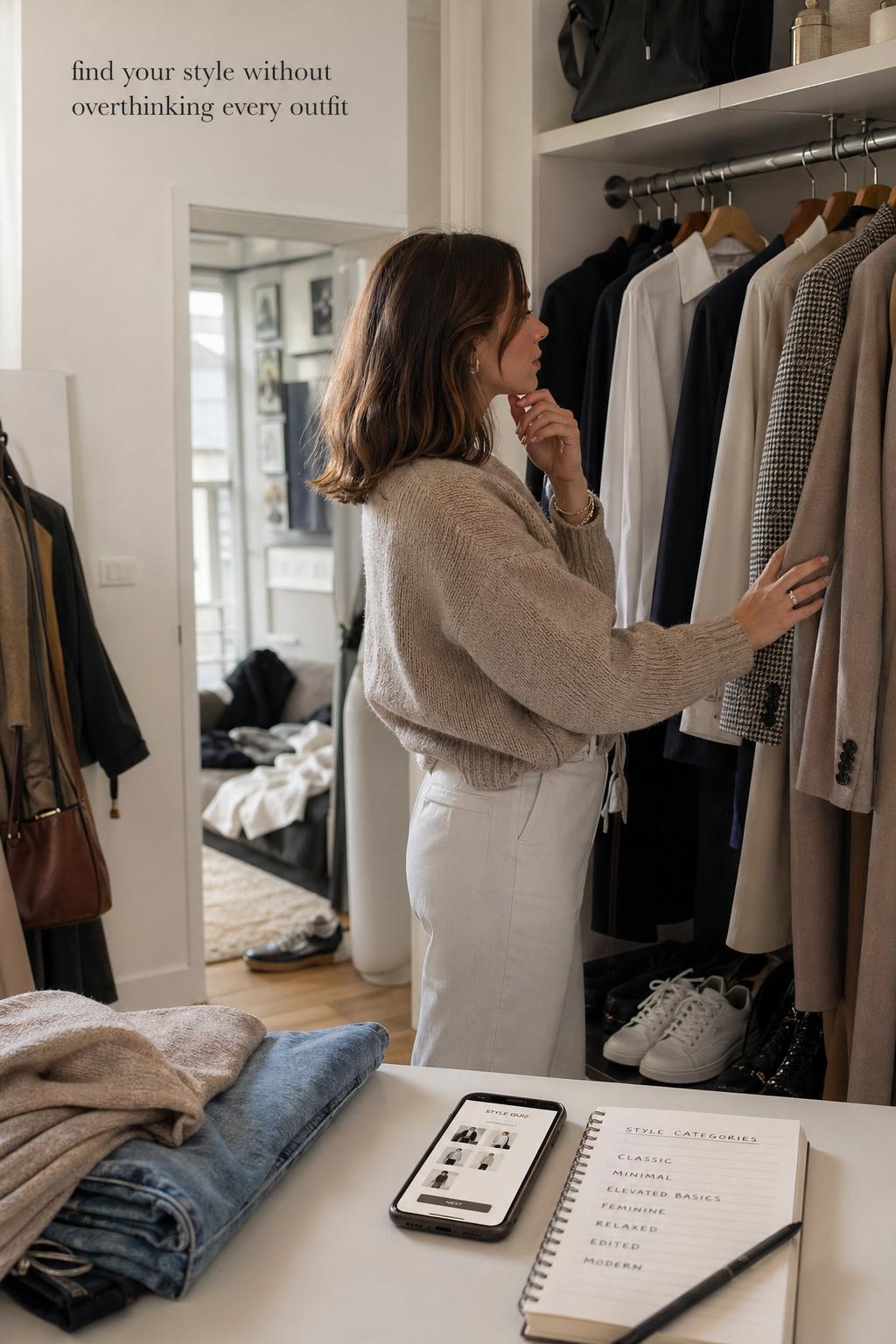
Below, the focus stays on clear style logic: silhouettes, palettes, wardrobe structure, everyday fashion outfits, and the situations where each method works best. The goal is not to force a single answer, but to show how personal style, fashion psychology, and modern styling tools can work together.
The two main approaches behind finding your style
Most current advice on how to find personal style falls into two broad aesthetics of decision-making rather than two fixed visual trends. The first can be called the authentic wardrobe method. This approach appears in fashion editorials and expert commentary that treat personal style as self-expression built over time through experimentation, honesty, and confidence. The second can be called the archetype and quiz method. This one appears in style personality quizzes, fashion archetype guides, and fashion tech tools that turn style into categories readers can recognize quickly.
Found the dress? Keep the rest in one place.
Zarellea brings guest details, vendors, timelines, and every next step together — so your wedding plan feels as good as your look.
These are not enemies. They are different lenses. The authentic wardrobe method asks, “What do I repeatedly wear, and why?” The archetype and quiz method asks, “Which style language best describes my preferences?” Many people use both, even if they begin with one.
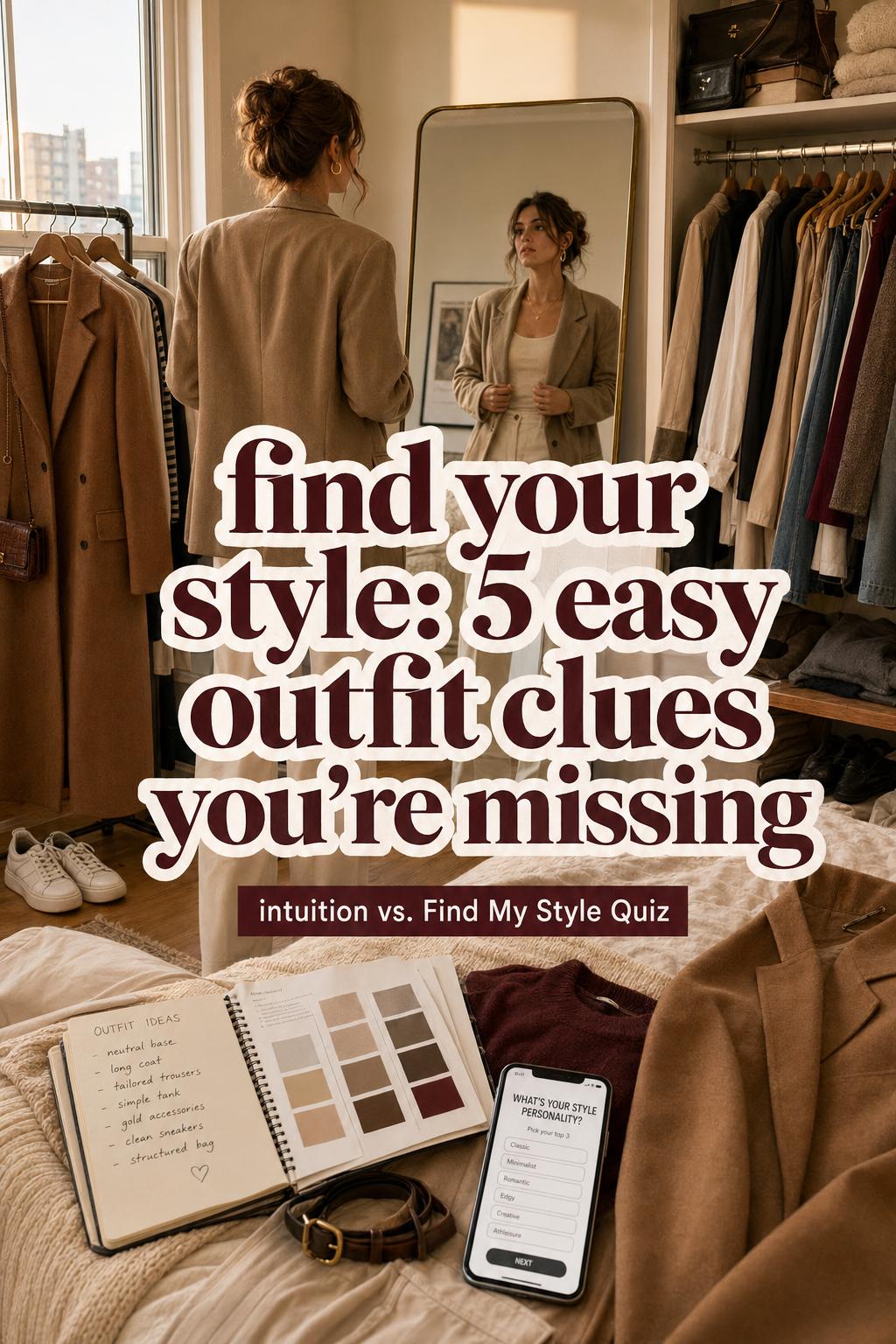
Style overview: the authentic wardrobe method
This approach treats style as a reflection of identity, experience, and environment. It is closely tied to the idea of dressing for who you are, a phrase echoed in current fashion and wellness conversations. Rather than assigning a label immediately, it starts with wardrobe observation, body confidence, and the reality of daily life.
Defining characteristics
The authentic wardrobe method values self-expression over rigid rules. It encourages experimentation, but not random accumulation. The logic is editorial rather than algorithmic: look at your closet, notice what feels natural, and refine from there. Fashion insiders often frame this as a process of editing, not reinventing.
Typical silhouettes
Silhouettes are flexible here because the method is not tied to one aesthetic family. A reader might discover that soft dresses dominate their wardrobe, or that coats and tailored shapes create their strongest visual anchor. The point is not to follow one silhouette category but to identify the forms that repeatedly support comfort, confidence, and expression.
Color palette
Color is often intuitive in this model. Some wardrobes naturally organize around neutrals, others around expressive accents. What matters is consistency. Once recurring favorites become visible, a more stable palette begins to emerge, which makes wardrobe-building easier and outfit composition more coherent.
Fabrics, textures, and mood
This approach tends to focus less on named materials and more on how pieces behave in real life. Texture contrast matters because it shapes the mood of an outfit: a structured outer layer can sharpen a softer base, while fluid garments often create a more relaxed expression. Overall, the mood is personal, observational, and confidence-led.
Style overview: the archetype and quiz method
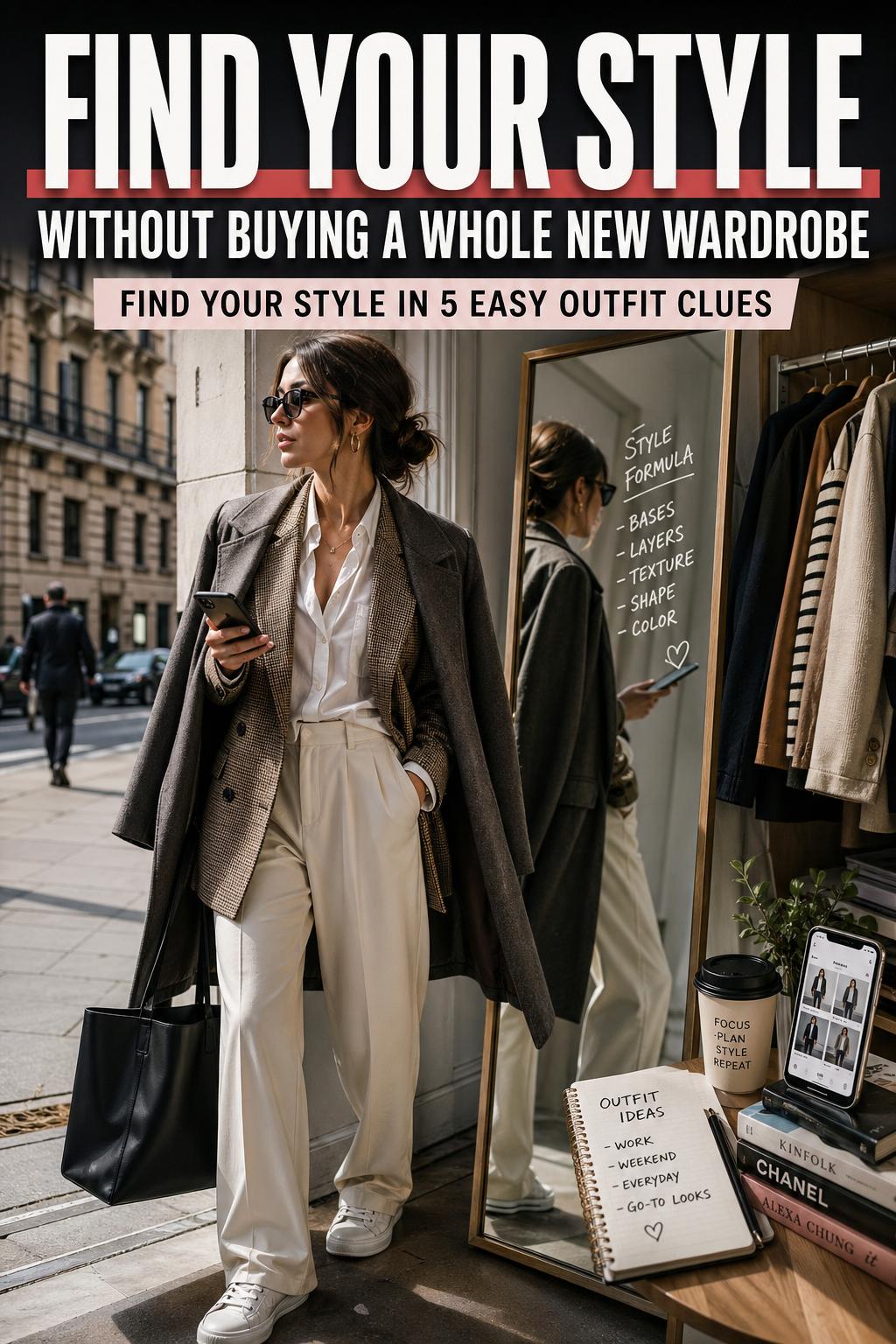
The second approach translates personal style into recognizable categories. Instead of beginning with a closet audit, it often starts with a find my style quiz, a style personality test, or a guide that maps wardrobe preferences to archetypes. This method is popular because it gives fast language to feelings readers already have but struggle to define.
Defining characteristics
The archetype and quiz method centers on classification. It asks what kind of visual identity feels most aligned: minimalist, boho chic, classic, streetwear, modern romantic, tailored power, eclectic, or sporty luxe. Even when the exact labels vary, the logic is the same. Style becomes easier to manage when it is grouped into a clear archetype.
Typical silhouettes
Silhouettes are more defined here. A classic or tailored power archetype leans structured. A boho chic or modern romantic direction tends to read softer and more fluid. Streetwear and sporty luxe rely more on relaxed balance. The benefit is clarity. The limitation is that real wardrobes often cross categories.
Color palette
Color becomes a tool of recognition. Archetype guides often connect palette to personality, which helps readers create a stronger visual rhythm. A more minimal identity may favor restraint, while eclectic styling supports more contrast. This method also opens the door to color harmony and seasonal palette thinking, which many general style articles only touch lightly.
Fabrics, textures, and mood
The mood is more defined than in the authentic wardrobe approach. Each archetype has a clearer visual shorthand, making it easier to build lookbooks, shopping lists, and outfit formulas. That is why quizzes on platforms such as HowStuffWorks, ProProfs, and The Colour Rebel appeal to readers who want direct interpretation rather than open-ended reflection.
Why these approaches are often confused
Both methods aim for the same destination: personal style that feels authentic. They also use some of the same language, including wardrobe, self-expression, confidence, and fashion personality. That overlap makes them sound interchangeable, especially in search results where “find your style,” “style personality,” and “how to find your personal style” are closely linked.
The difference is in process. Editorial fashion guidance, such as that associated with Vogue, tends to frame style as an evolving result of real-life dressing, insider perspective, and experimentation. Quiz-driven platforms frame it as something that can be decoded through structured prompts and personality alignment. The Guardian’s wellness framing pushes the first model further by emphasizing authenticity and body confidence over rigid rules. Quiz pages from HowStuffWorks and ProProfs push the second by simplifying the discovery stage.
In practice, readers often move between them. A person may take a style quiz for language, then return to their closet to test whether the result actually fits daily life. That hybrid process is often more reliable than either method used alone.
Key differences in silhouette, palette, and wardrobe logic
Silhouette and structure
The authentic wardrobe method starts with what already works on the body and in daily movement. It is responsive. If coats, dresses, or specific proportions appear repeatedly in your wardrobe, those become clues. The archetype method starts with a visual category and then recommends silhouettes that fit it. It is directive. One approach reads the wardrobe; the other organizes it.
Color palette and visual consistency
With authenticity-led style, color consistency often appears gradually. You notice recurring tones after repeated wear. With archetypes, color often arrives earlier because palette is part of the category language. This makes the archetype route faster for readers who want immediate outfit cohesion, but the authentic route may feel more accurate if your preferences are still shifting.
Level of formality
The authentic method adjusts more easily across contexts because it begins with real routines. It can absorb changes in work, travel, or social life without losing identity. The archetype method can be more visually distinct, which is useful for building a signature look, but it sometimes requires more editing to function across casual and polished occasions.
Styling philosophy
The first philosophy is experiential: try, observe, refine. The second is interpretive: identify, categorize, apply. One trusts wardrobe behavior. The other trusts style language. Both can be useful, but they solve different problems. If you feel visually scattered, archetypes help. If you feel mislabeled by fashion categories, wardrobe observation tends to work better.
Typical wardrobe pieces
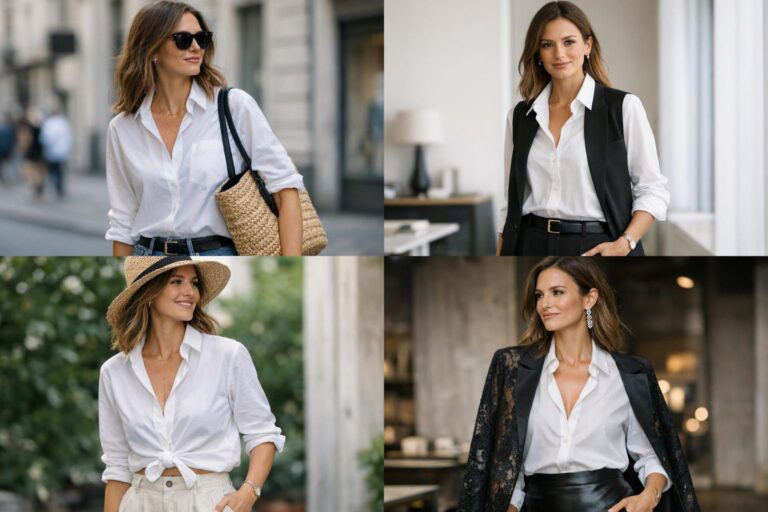
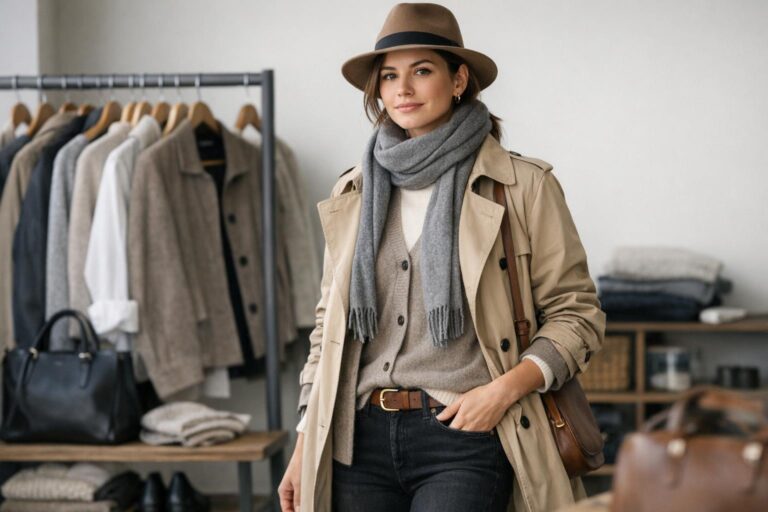
In the authentic wardrobe model, pieces become important because of frequency and emotional ease. In the archetype model, pieces become important because they support the category. This is a crucial difference. A blazer, trench, maxi dress, or sneakers can belong to either system, but the reason for choosing it changes. One is chosen because it consistently works. The other is chosen because it signals a style identity.
Visual style breakdown in everyday fashion outfits
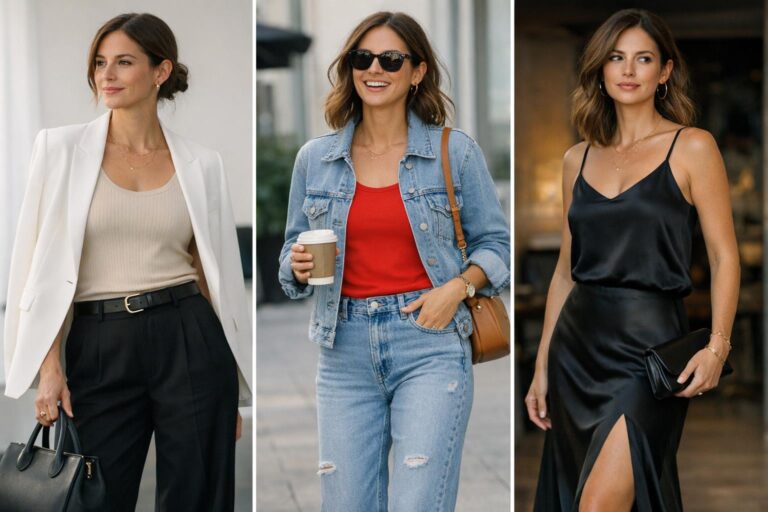
The easiest way to see the difference is through everyday fashion outfits. In real life, most wardrobes are tested not at events like the CFDA Awards, but in ordinary routines: commuting, casual meetings, travel days, and weekends. This is where outfit composition reveals whether a style method is sustainable.
Layering approach
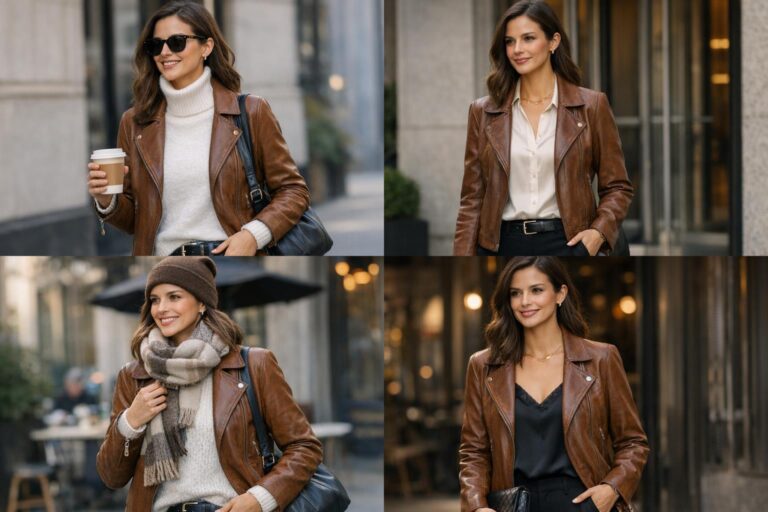
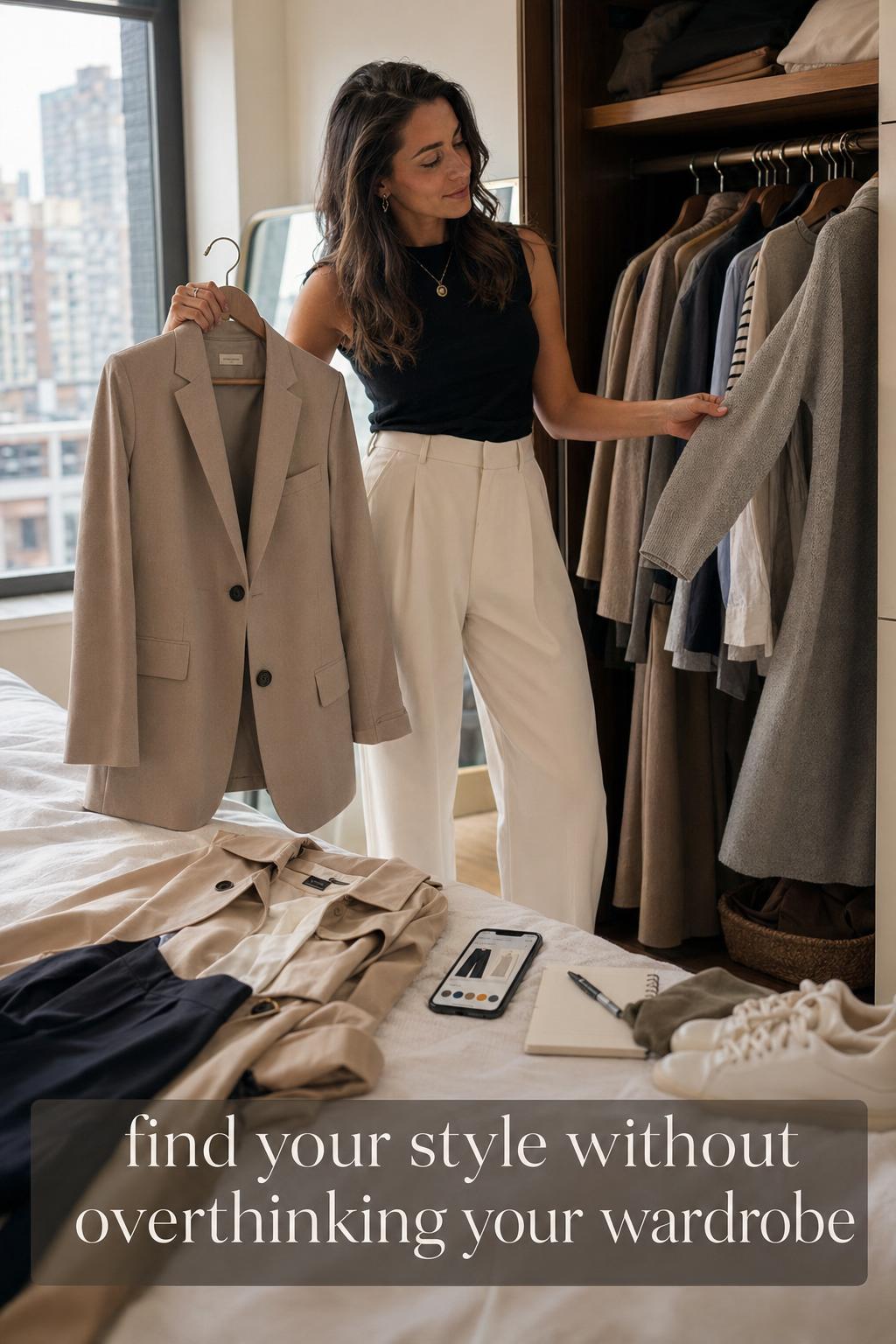
Authenticity-led styling layers according to comfort, climate, and personal rhythm. The result often feels natural rather than highly coded. Archetype styling layers to reinforce an identity. The combinations are usually more intentional in visual message, with each extra piece supporting the archetype’s mood.
Garment proportions
Wardrobe-based dressing typically reveals proportion through trial and repetition. If a certain length, drape, or balance repeatedly feels right, it stays. Archetype dressing often begins with a defined proportion formula. That can be helpful for readers who need structure, though it may feel less organic at first.
Accessories and footwear
In the authentic method, accessories support the outfit without necessarily carrying the full identity. In the archetype method, they can become critical markers. Footwear works the same way. In everyday use, the authentic route tends to prioritize wearability first, while the archetype route prioritizes clarity of aesthetic first.
Overall outfit balance
The first style philosophy often produces outfits that feel coherent because they match the wearer’s actual habits. The second often produces outfits that look immediately legible, which can be useful for building confidence quickly. One excels in realism. The other excels in definition.
The role of location, culture, and fashion environment
Style rarely develops in isolation. Current fashion commentary repeatedly links personal style to place, movement, and cultural atmosphere. New York appears as a major example of this relationship. A move to New York, or even regular exposure to its style culture, can sharpen a person’s awareness of silhouette, wardrobe editing, and confidence. The city functions as a style hub where clothing is both practical and expressive.
The United Kingdom context in The Guardian’s wellness coverage introduces another angle: style as authenticity rather than performance. That shift matters because fashion advice changes depending on whether the surrounding culture rewards polish, experimentation, nostalgia, or utility. Even references such as What Not to Wear show how strongly cultural memory shapes how people think about dressing rules.
This is why finding your style should include lifestyle geography. An aesthetic that looks right in an abstract mood board may not function in your actual climate, commute, or social setting. The strongest wardrobes usually reflect both internal taste and external context.
Comparing style discovery tools: closet reflection versus quizzes and apps
A practical comparison also has to include tools. Style discovery today is not limited to magazine advice. Readers can move between quizzes, visual apps, and wardrobe edits depending on what kind of clarity they need.
- Closet reflection is strongest for readers who already own enough clothing to spot patterns.
- A find my style quiz is strongest for readers who need vocabulary and a starting point.
- Archetype guides are useful when wardrobe choices feel random and inconsistent.
- Visual tools like Doppl help readers test outfits on themselves rather than imagining them abstractly.
Doppl from Google Labs represents a newer style exploration model. Instead of describing your identity in words, it helps visualize outfits on you. That changes the decision-making process. A quiz can tell you that you lean classic or eclectic, but visualization can reveal whether the proportions or overall outfit balance actually work on your body and in your daily wardrobe.
There is also a limitation to every tool. Quizzes can oversimplify. Closet reflection can feel vague. Visual apps depend on how accurately they reflect your preferences and how honestly you interpret the results. The best use of technology is not as a replacement for judgment, but as a support for experimentation.
Comparing named style archetypes inside the quiz-driven model
Within the archetype method, the most useful breakdown is not just whether archetypes exist, but how they differ from one another. Even broad categories offer strong style contrast when viewed through silhouette balance, palette, and wardrobe planning.
Minimalist versus boho chic
Minimalist dressing depends on restraint, clean wardrobe logic, and visual calm. Boho chic is softer, freer, and more expressive in mood. In daily outfits, the difference often appears through structure and movement. Minimalist style reads edited. Boho chic reads layered and fluid. Readers confuse them when both use relaxed silhouettes, but the outfit composition is different: one removes excess, the other uses softness and variation as part of the statement.
Classic versus tailored power
These two are closely related because both value polish and control. The difference is intensity. Classic style aims for timeless balance. Tailored power adds sharper authority. A classic wardrobe supports many settings with quiet consistency. Tailored power makes stronger use of structure as a visual anchor and often feels more deliberate in professional or formal environments.
Streetwear versus sporty luxe
Both archetypes share ease and movement, which is why they are often blended. Streetwear is more driven by attitude and visual impact. Sporty luxe is more polished in finish. In everyday fashion outfits, the distinction comes down to refinement. Streetwear keeps the energy of casual dressing forward. Sporty luxe smooths it into a cleaner composition that can transition more easily across settings.
Modern romantic versus eclectic
Modern romantic styling is united by softness and a more cohesive emotional tone. Eclectic style is broader and thrives on contrast. Readers often assume both simply mean expressive dressing, but they operate differently. Modern romantic relies on harmony. Eclectic styling accepts surprise as part of the outfit logic.
How to find personal style when body confidence is part of the equation
One of the more useful distinctions in current coverage is the move away from rigid dressing rules and toward body confidence. That matters because style advice can fail when it treats body type as a restriction instead of a consideration. Personal style becomes sustainable when clothing supports movement, proportion, and self-recognition rather than chasing an external template.
The authentic wardrobe method often handles this better at the beginning because it starts with lived experience. You learn which silhouettes, lengths, and shapes feel aligned before naming an aesthetic. The archetype method becomes more helpful after that, when you want to translate those preferences into a consistent visual language.
This is also where inclusive style thinking matters. A wardrobe should be built around identity and function, not around nostalgia for old fashion rules. The most useful style advice recognizes that confidence, silhouette, and clothing behavior interact differently on different bodies and in different routines.
Outfit comparisons: how the same scenario shifts by style approach
Casual day outfit interpretation
With the authentic wardrobe method, a casual day outfit starts by asking what pieces consistently feel natural. If sneakers, a reliable outer layer, and one preferred shape of dress or trouser dominate your week, the outfit grows from those anchors. The result is usually balanced because it comes from tested habits.
With the archetype method, the same casual outfit starts with identity. A minimalist version removes distraction and keeps the line clean. A boho chic version introduces softness and movement. A sporty luxe version keeps ease but sharpens the finish. The difference is not only what is worn, but why each element appears.
Work wardrobe interpretation
In the authentic model, workwear evolves from what already supports confidence and functionality. If coats or tailored layers create assurance, they become core pieces. If softer silhouettes perform better in long workdays, the wardrobe adjusts around them. The emphasis is practical authority.
In the archetype model, workwear quickly becomes more defined. Classic dressing supports consistency. Tailored power increases structure and presence. This is often the faster route for readers rebuilding a work wardrobe because the category offers immediate guidance on polish, repetition, and visual hierarchy.
Event dressing interpretation
For an event, the authentic method asks how far you can elevate your existing style language without losing yourself. That is why editorial anecdotes about fashion insiders and moments such as the CFDA Awards matter conceptually. Event dressing works best when it feels like an extension of the wearer, not a costume.
The archetype method handles events through amplification. A modern romantic identity becomes softer and more deliberate. Tailored power becomes sharper. Eclectic becomes more statement-driven. This route can produce stronger visual distinction, but it only works if the wearer still feels at ease inside the category.
When each style discovery approach works best
- For everyday wear: the authentic wardrobe method usually works better because it begins with routine, comfort, and repeated outfit success.
- For rebuilding after a style rut: the archetype and quiz method often gives faster clarity because it offers a framework and vocabulary.
- For work environments: classic and tailored archetypes can be useful, but they work best when filtered through real wardrobe habits.
- For travel and lifestyle transitions: wardrobe reflection is usually more reliable because place, climate, and daily movement change what is practical.
- For readers who feel visually scattered: a style personality quiz, style guide, or Doppl-style visualization can provide a useful starting point.
The strongest long-term result often comes from sequencing the methods rather than choosing one permanently. Start with a closet review to identify recurring silhouettes and pieces. Then use a quiz or archetype framework to describe what you are already doing well. That avoids the common mistake of adopting a category that looks appealing in theory but fails in your actual wardrobe.
A sharper method for figuring out my style
If the goal is not only inspiration but real improvement, the most effective process is a comparison-based edit. Instead of asking which aesthetic is your identity forever, compare your actual wardrobe against the two discovery models and see where they agree. This creates a more credible style identity than copying a mood without testing it.
- Observe your current closet and identify repeated pieces, colors, and silhouettes.
- Notice which outfits feel most natural in motion, not just in photos.
- Take a style personality or find my style quiz to get descriptive language.
- Compare the quiz result with what your wardrobe already proves.
- Use a visualization tool like Doppl if you need help testing outfit composition.
- Refine toward one or two archetypes rather than trying to represent all of them.
This method works because it respects both fashion psychology and visual evidence. It recognizes that style is partly internal and partly observable. Clothing either supports your routine and confidence, or it does not. The category should explain the wardrobe, not fight it.
Tips that make style comparison more useful
Tip: compare moods, not just pieces
A dress, coat, or sneakers can appear in multiple aesthetics. The stronger clue is the outfit mood created by proportion, structure, and layering. This prevents mislabeling your wardrobe based on one item type.
Tip: let location influence the final edit
New York style energy, a UK wellness perspective, or a more casual U.S. routine will shape how an aesthetic functions. A category that looks compelling in media may need adjustment in your real environment.
Tip: use quizzes for language, not final authority
HowStuffWorks, ProProfs, and The Colour Rebel-style frameworks can be genuinely helpful, especially when style feels vague. Their best use is interpretive. They should clarify taste, not replace your own wardrobe evidence.
Tip: test style through repeated outfits
One successful outfit proves very little. Repeated success across workdays, weekends, and different social settings is what turns an aesthetic into a personal style.
Common mistakes in finding your style
Style confusion often comes from applying the wrong tool to the wrong problem. A reader who already has strong wardrobe patterns may not need another quiz. A reader with no style vocabulary may struggle if told only to “trust your instincts.” The method has to match the stage of discovery.
- Choosing an archetype because it sounds impressive rather than because it fits daily life.
- Ignoring body confidence and forcing silhouettes that never feel natural.
- Treating one great event look as proof of a full personal style.
- Building a wardrobe around aspiration alone instead of routine.
- Confusing visual variety with lack of identity when a wardrobe may simply be context-responsive.
Another common mistake is assuming personal style must stay fixed. Current style advice consistently suggests the opposite. Style evolves with place, confidence, and experience. The goal is not permanent purity. It is a wardrobe that remains coherent as life changes.
What stylists, editors, and fashion platforms are really pointing toward
Across magazine advice, wellness-style guidance, trade fashion commentary, quizzes, and tech tools, the same pattern appears: style becomes clearer when self-expression, wardrobe observation, and structured interpretation are combined. Vogue leans on insider perspective and experimentation. The Guardian emphasizes authenticity and body confidence. Fibre2Fashion adds wardrobe psychology. Quiz platforms translate taste into categories. Google Labs, through Doppl, introduces visualization as a modern support system. Even a culture-adjacent listing like Find Your Style on Google Play, with Karen McAloon, reflects the wider idea that personal taste can be shaped, recognized, and articulated.
That broader pattern matters because it reframes style discovery as a layered process, not a single revelation. Readers do not need to choose between intuition and structure. They need to know which one to lead with, and when to switch.
The clearest conclusion from this style breakdown
The core distinction is simple. The authentic wardrobe method finds style through lived repetition, confidence, and experimentation. The archetype and quiz method finds style through labels, categories, and visual frameworks. One is strongest for realism. The other is strongest for clarity.
To identify which one you need, look at your current problem. If your closet already contains patterns, start there. If your taste feels hard to name, begin with archetypes, a style personality guide, or a find my style quiz. If you want to pressure-test ideas before buying or editing, visualization tools like Doppl add another useful layer.
The most modern answer to finding your style is not choosing one camp. It is combining wardrobe evidence, style language, and selective experimentation until the same outfits look right, feel right, and keep working in real life.
FAQ
How long does it usually take to find your style?
It usually takes longer than one quiz result or one shopping trip because personal style becomes clear through repetition. A few weeks of honest wardrobe observation can reveal patterns quickly, but a stable style identity often develops through ongoing experimentation, editing, and real-life wear across different situations.
Are style quizzes actually useful?
Yes, but mainly as a starting tool. A style quiz can provide language for your preferences and help narrow broad aesthetics into a few recognizable archetypes. Its limitation is that it may simplify a wardrobe that is more nuanced in real life, so the best results come from comparing quiz outcomes with what you already wear most confidently.
What is the difference between personal style and a style archetype?
Personal style is the full expression of how you actually dress, including your routines, confidence, and changing context. A style archetype is a framework that describes recurring aesthetic traits such as classic, minimalist, boho chic, or tailored power. Archetypes can clarify personal style, but they do not replace it.
How do I know if an aesthetic really suits me or just looks good online?
The strongest test is repeated wear. If an outfit formula works only in photos or only once, it may be aspirational rather than functional. If the same silhouette, palette, and balance continue to feel comfortable and visually coherent in your daily life, the style is more likely to suit you.
Can I combine two different style approaches?
Yes, and that is often the most effective approach. Many readers use wardrobe reflection to identify what already works, then use archetypes or a find my style quiz to describe and refine those patterns. This creates a style identity that feels both authentic and easier to maintain.
How does body confidence affect finding your style?
Body confidence changes how clothing is experienced, which directly affects style decisions. A useful style method should help you recognize the silhouettes, proportions, and outfit structures that support comfort and self-recognition rather than forcing rigid rules that disconnect you from your wardrobe.
Can technology help with finding your style?
Yes, especially when technology is used for testing rather than replacing judgment. Visual tools like Doppl from Google Labs can help you see how looks appear on you, while quizzes can help label preferences. These tools are most useful when combined with real wardrobe habits and outfit evaluation.
Should I build a wardrobe around one fixed aesthetic?
Not necessarily. A clear identity helps, but a wardrobe also needs to respond to work, weekends, travel, climate, and evolving confidence. Many strong wardrobes center on one or two dominant style directions while allowing some variation for different settings.
What is the best first step if I feel completely lost?
Start by reviewing your closet before buying anything new. Identify the pieces you wear repeatedly, the outfits that feel easiest, and the colors or shapes that show up most often. Then use a style personality guide, archetype article, or quiz to name those patterns and refine them into a clearer wardrobe direction.