Quiet Luxury, Real Life: expensive style Without the Logos
Expensive style is a set of signals, not a price tag
The moment you step into a morning meeting, a winter dinner reservation, or even a quick airport coffee run, people read your outfit in seconds. “Expensive style” isn’t simply about wearing Hermès or carrying a Birkin bag; it’s the overall impression created by fabric, fit, finish, and restraint. The most convincing expensive-looking outfits often have no obvious logo at all—just well-chosen materials, clean lines, and a few deliberate details that suggest intention.
That’s why the same person can look polished in a basic tee and denim, while someone else can wear a pricey item and still look thrown together. The difference usually comes down to the quiet signals: tailoring that respects the shoulder line and sleeve length, knitwear that holds its shape, hardware that looks substantial, and a color palette that reads calm rather than chaotic. In other words, expensive style is a language—and once you know what it’s “saying,” you can speak it without overspending.
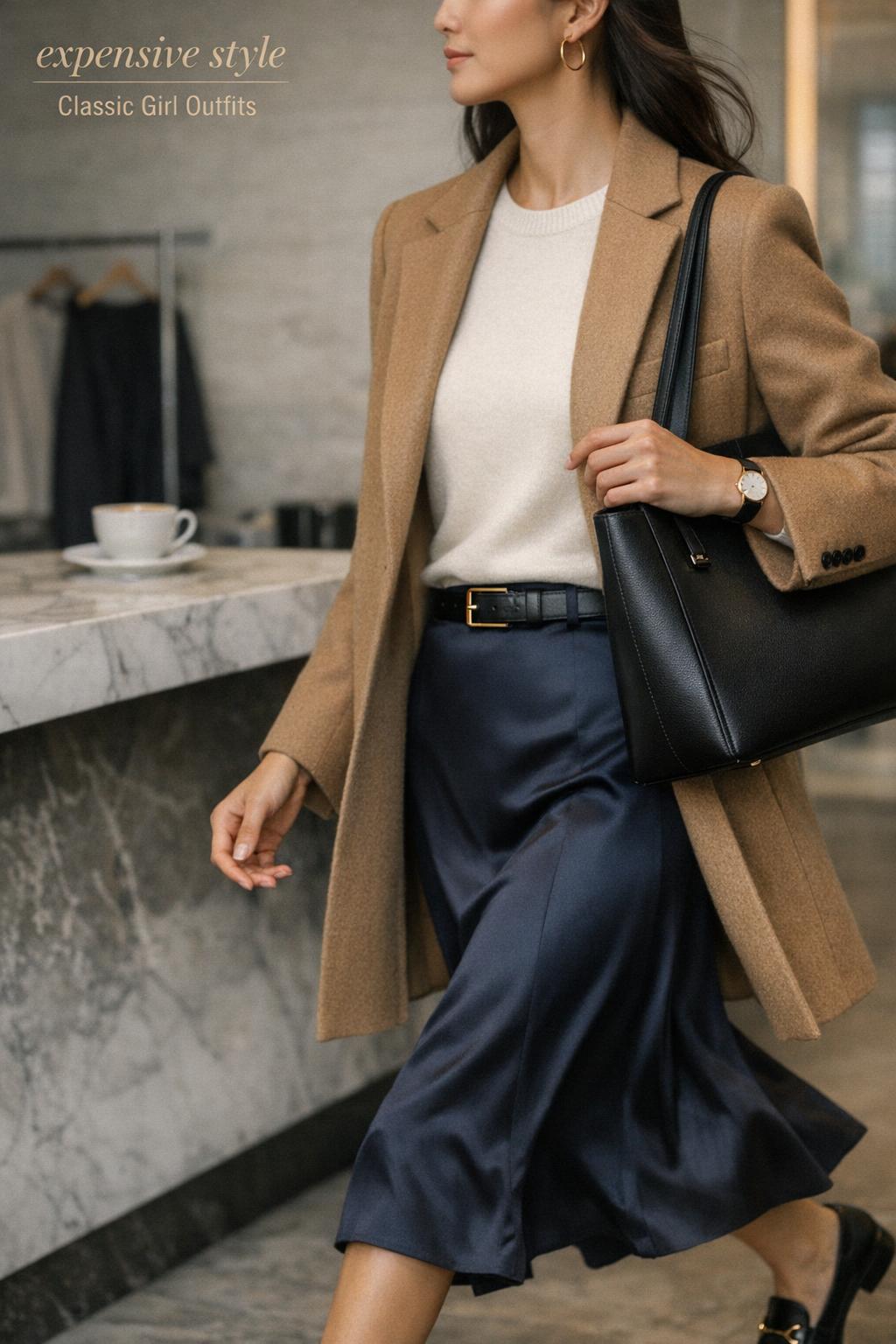
This guide breaks down the most reliable luxury signals (including quiet luxury and high-low dressing), shows how to build a capsule wardrobe that looks premium, and offers practical, real-world scenarios—like dressing for winter, navigating day-to-night, and choosing “signature pieces” that anchor your outfits. You’ll also see how classic girl outfits and the “old money” aesthetic (including old money fashion women outfit ideas and old money outfits pants) fit into expensive style without becoming costume-y.
What “expensive style” actually means (and what it doesn’t)
At its core, expensive style is about luxury signals—visual and tactile cues that suggest quality, longevity, and considered taste. It’s closely aligned with quiet luxury, where understatement does more work than branding. The goal isn’t to hide that you love fashion; it’s to communicate refinement through cut, fabric behavior (how it drapes, reflects light, and holds shape), and finishing details rather than obvious labels.
Found the dress? Keep the rest in one place.
Zarellea brings guest details, vendors, timelines, and every next step together — so your wedding plan feels as good as your look.
What expensive style is not: a shopping list of designer names, or a belief that only a Gucci or Prada purchase can create polish. Designer brands like Celine (including Hedi Slimane’s Celine), Miu Miu, Balenciaga, The Row, and Hermès matter here as reference points—because they’ve trained many people’s eyes to recognize certain silhouettes, proportions, and quality benchmarks. But you can borrow the logic of those benchmarks while shopping far more accessibly.
It’s also worth separating “expensive-looking” from “expensive.” The culture around luxury pricing, rising fashion costs, and price signals can blur this line. Sometimes the market price climbs while the visual payoff stays subtle; other times, a perfectly tailored coat and a simple leather belt create a stronger premium impression than a loud statement piece.
The three pillars: fabric, fit, and finish
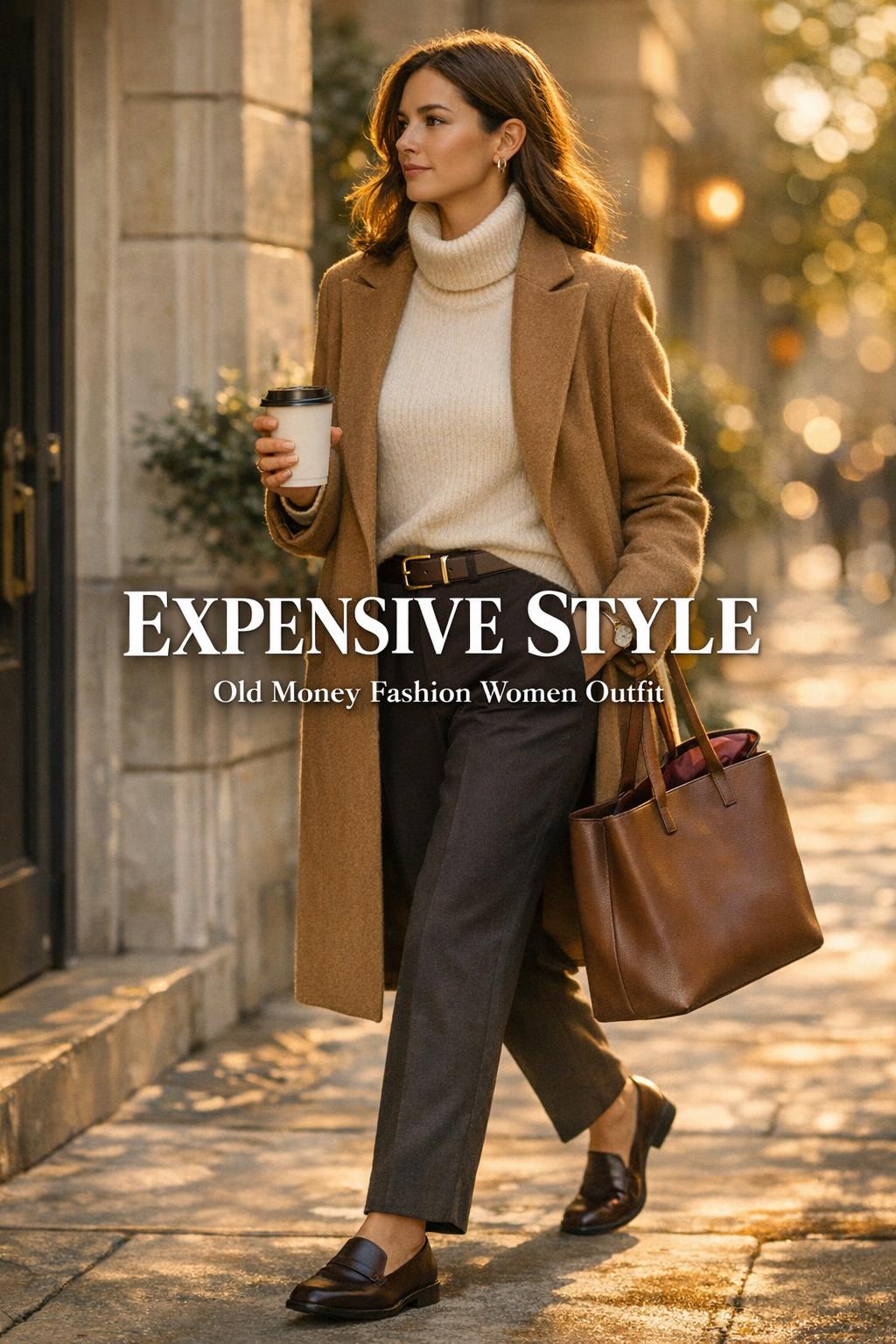
If you want a dependable system for expensive style, come back to three pillars: fabric, fit, and finish. Most styling advice becomes clearer once you filter it through these categories. They’re also the easiest areas to “upgrade” without buying a full designer wardrobe.
Fabric: the luxury signal you can’t fake for long
Fabrics do a lot of visual work before anyone notices a brand. Cashmere, silk, satin, and wool flannel often read as premium because of their drape, density, and how they catch light. A satin skirt that skims rather than clings can look elevated even with a simple knit, and a cashmere sweater tends to communicate softness and weight that many people associate with luxury.
One practical reality: “premium-looking” doesn’t always mean delicate. For day-to-day life—commutes, long dinners, travel days—choose fabrics that maintain their shape and don’t telegraph wear quickly. The expensive impression fades fast when knitwear pills heavily, satin wrinkles into sharp creases, or denim sags by midday. The aim is not perfection; it’s consistency over a full day of movement.
Fit: tailoring is the shortcut to quiet luxury
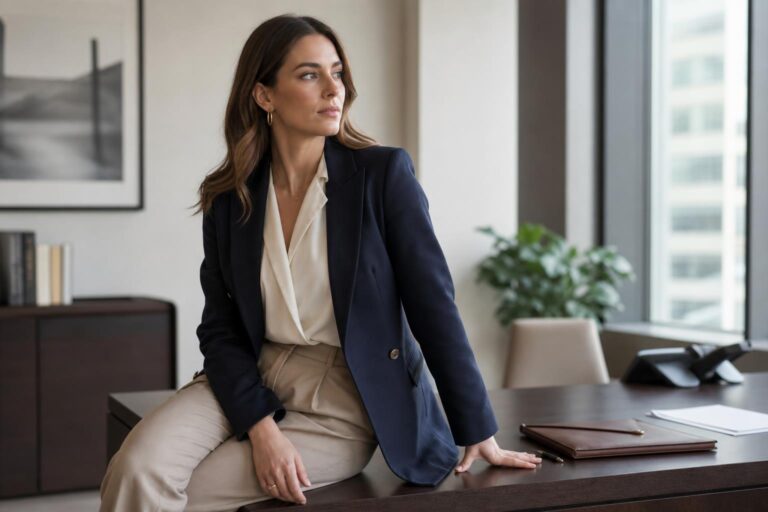
Tailoring is one of the clearest through-lines across “how to look expensive” advice. Fit communicates intention: the shoulder line sits where it should, sleeve length looks precise, and the garment doesn’t fight your body when you walk or sit. Even without a designer label, a well-fitted coat or trouser can read more luxurious than an expensive piece that pulls, gapes, or collapses in the wrong places.
In practice, start with the garments people see most: outerwear, trousers, and anything worn close to the face (like knitwear). Small changes—hemming denim to the right break, adjusting waist fit, or refining sleeve length—can transform affordable staples into expensive-looking foundations.
Finish: the details that make an outfit feel “done”
Finish is where expensive style becomes unmistakable: neat stitching, aligned seams, clean edges, and hardware that feels substantial rather than flimsy. This is why a simple leather belt can elevate an entire look—especially if the buckle and hardware look refined and the leather has a smooth, sturdy hand feel.
Finish also includes how your outfit resolves at the edges: the cuff of denim, the hem of a dress, the collar of a coat, and the polish of footwear. These are the areas people subconsciously scan, even if they can’t explain why an outfit looks elevated.
Quiet luxury and “old money” style: where classic girl outfits fit in
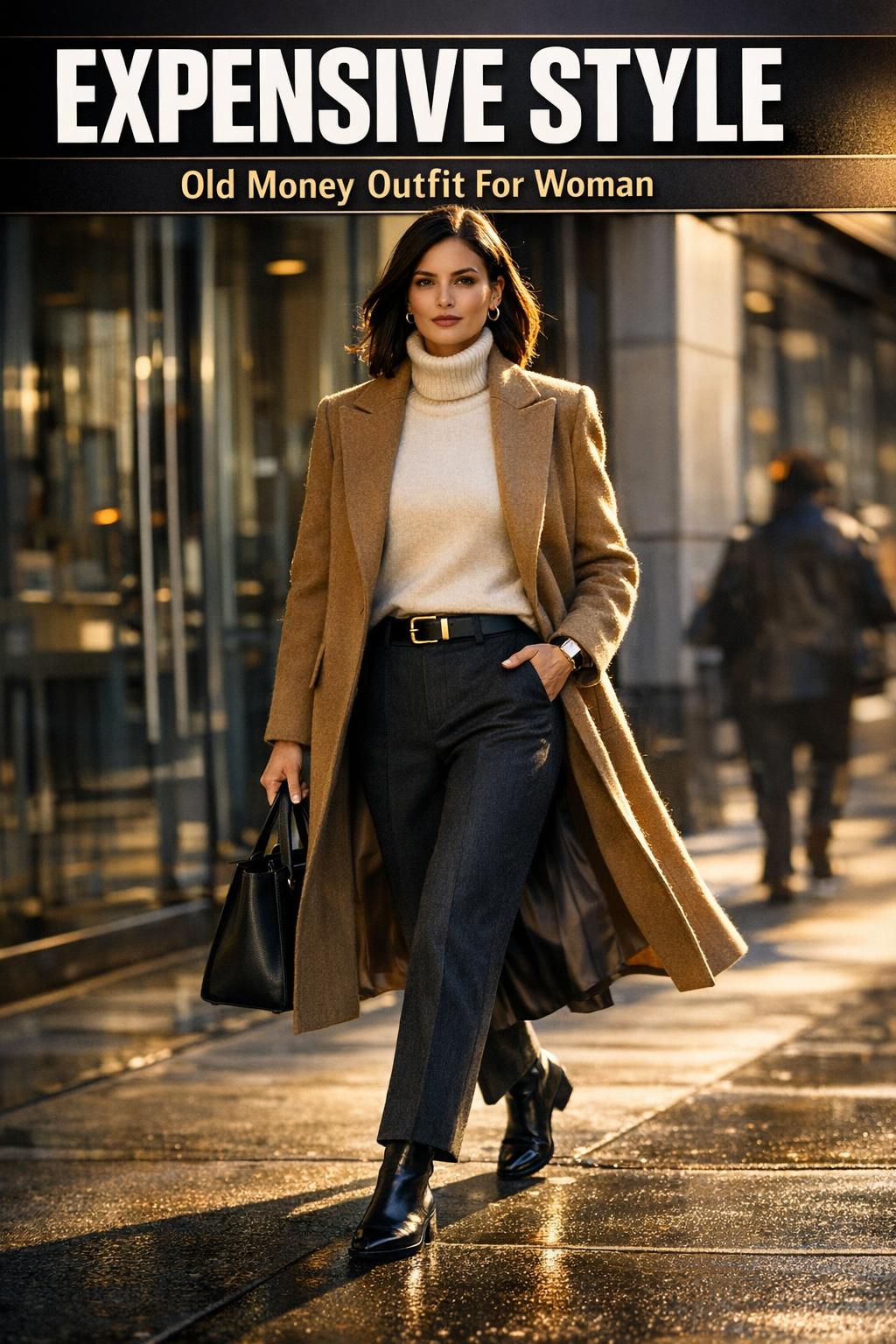
Quiet luxury often overlaps with what people call “old money” styling. For many, an old money fashion women outfit means clean silhouettes, restrained accessories, and quality fabrics—less about trend-chasing, more about timeless pieces. The best version of this aesthetic isn’t a rigid uniform; it’s a preference for calm, confident choices.
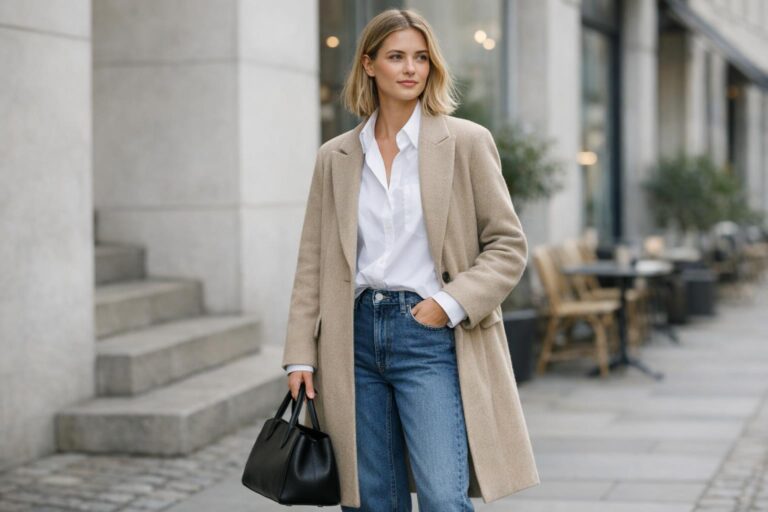
Classic girl outfits can sit comfortably inside this approach: a crisp basic tee, denim that fits properly, a structured coat, minimal jewelry, and a polished shoe. The “old money outfit for woman” idea works when you keep the focus on fit and finish rather than trying to recreate a caricature. If your palette is neutral or deep, your fabric choice matters even more—cashmere and wool flannel bring depth; satin adds light; well-chosen denim keeps it grounded.
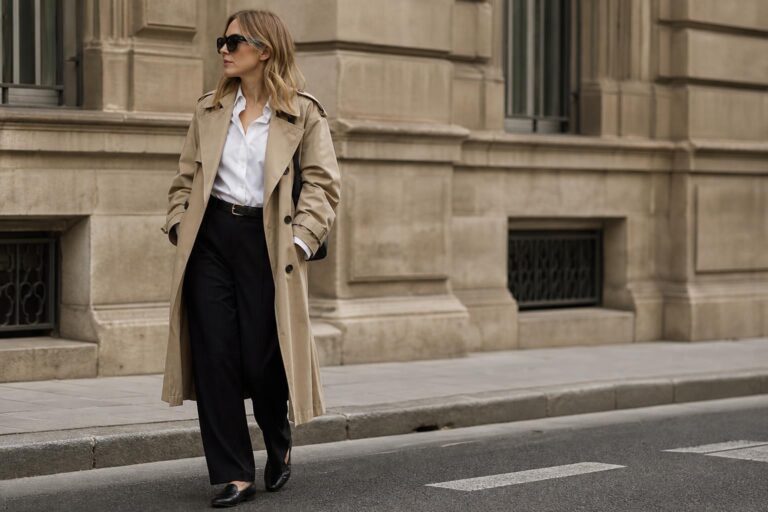
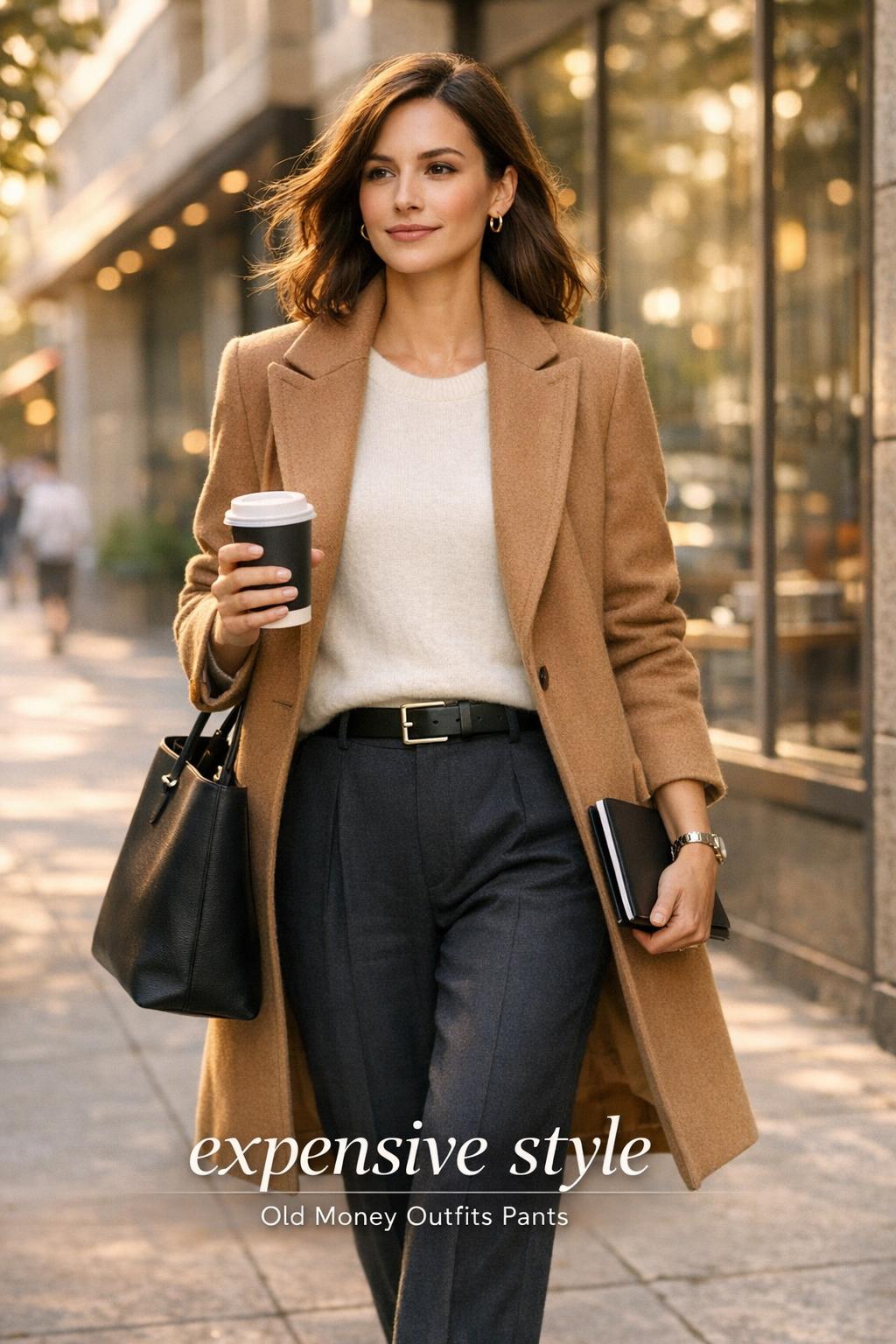
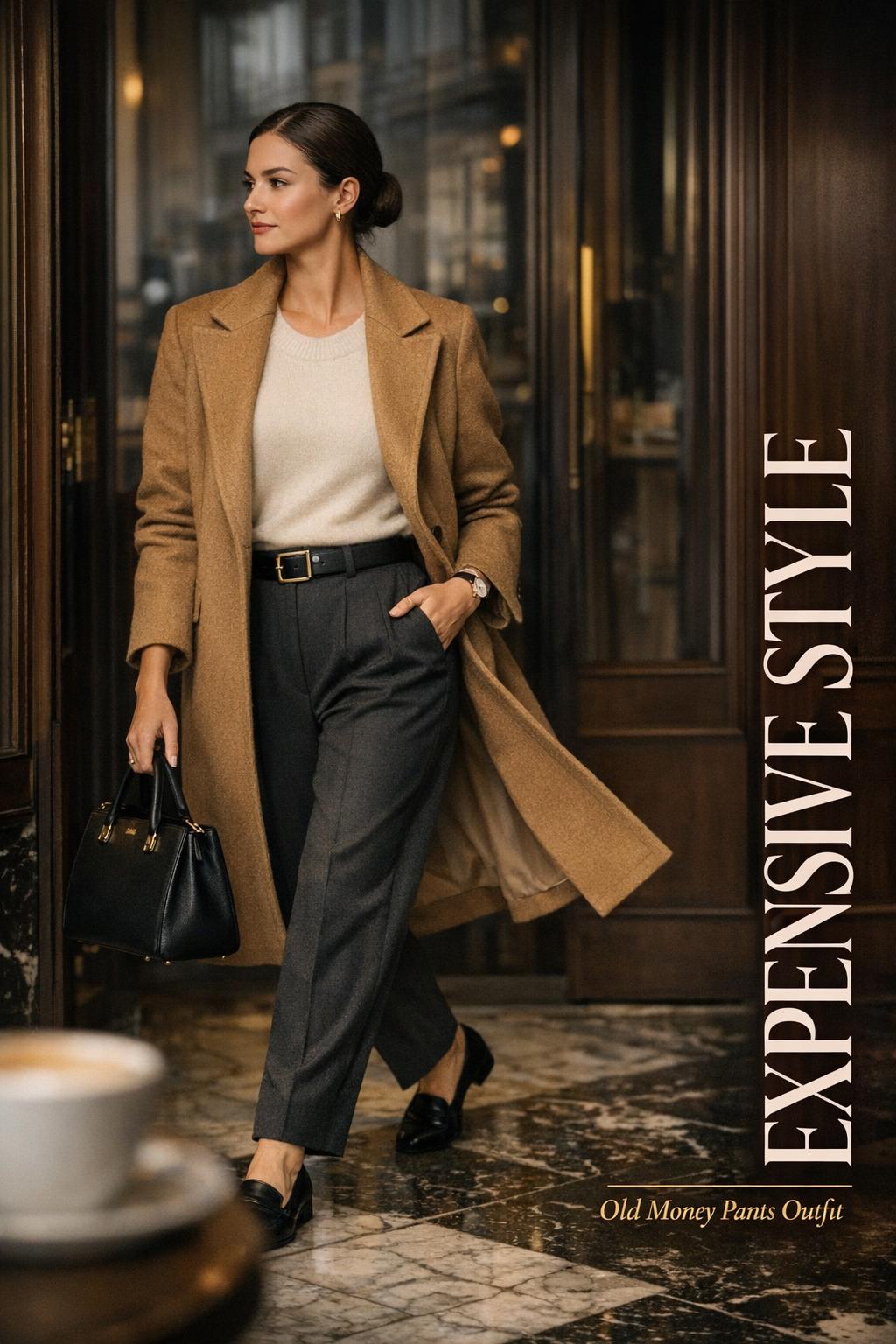
For anyone who loves old money outfits pants, the pants are rarely the headline. The expensive signal comes from the overall line of the leg, the hem length, and how the waistband sits under knitwear or a coat. An old money pants outfit reads premium when it’s clean, structured, and balanced—especially when paired with refined finishing touches like a leather belt and minimal jewelry.
The high-low formula: the most practical path to expensive-looking outfits
High-low dressing is the everyday tactic that makes expensive style achievable. Instead of buying an entire look at a premium price, you anchor your outfit with one or two elevated pieces and build the rest from affordable staples. This is why fashion editors frequently pair designer reference items—think Bottega Veneta as a “premium bag” benchmark, or a Nour Hammour-style coat idea—with accessible basics like a simple tee, denim, or an affordable sweater.
The key is to be strategic about what you buy “high” and what you buy “low.” Pieces closest to the face and pieces that carry structure tend to broadcast quality most clearly. Your basics can come from anywhere (Levi’s denim is a common reference point in high-low dressing), as long as the fit is precise and the fabric doesn’t look thin or overly distressed.
- Go high (or prioritize quality) on: outerwear, footwear, a polished bag, knitwear that holds shape, a leather belt, minimal jewelry with clean hardware
- Go low (smartly) on: basic tees, simple layers, some denim styles, seasonal trend accents
- Keep the “low” pieces looking intentional: avoid obvious wear, overly shiny synthetics, or fits that collapse into wrinkles and bunching
High-low dressing also supports quiet luxury: you can nod to The Row’s restraint or Celine’s clean lines without mimicking a runway look. The outfit reads expensive because it’s coherent and refined, not because it’s covered in recognizable logos.
Signature pieces that do the heavy lifting (even without logos)
Signature pieces are the repeat players in a wardrobe that reliably elevate everything around them. They’re especially important if you want expensive style but prefer a smaller closet—an expensive-looking capsule wardrobe rather than constant newness. In practice, signature pieces act like punctuation: they make simple outfits feel complete.
The structured coat: your winter credibility shortcut
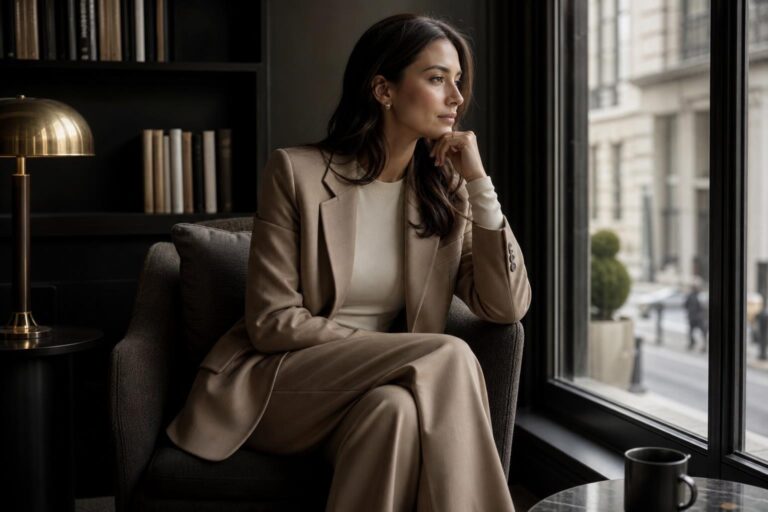
Winter is where expensive style either shines or falls apart. Bulky layers can look sloppy fast, so structure matters. A coat with a clean shoulder line and enough weight to hang properly immediately upgrades basics underneath. This is why winter dressing advice often centers on a strong coat: it’s the first thing people see, and it creates the silhouette for everything else.
The premium-feel knit: cashmere as a quiet signal
A cashmere sweater (or a knit that convincingly mimics that soft, dense drape) does more than keep you warm. It softens the look, adds dimension, and helps simple outfits—like denim plus a tee—feel intentional. If you’re building an expensive-looking capsule wardrobe, knitwear earns its spot because it shows up in real life: offices, dinners, weekends, travel days.
Leather belt + refined hardware: the small detail with big payoff
The leather belt is one of the simplest ways to move an outfit from “fine” to “polished.” It’s not about a loud buckle; it’s about the finish. A belt that lies flat, with hardware that looks substantial, makes denim, trousers, and even a satin skirt feel styled. This matters for old money outfits pants in particular—because the belt and waistband area is where people notice fit and finish immediately.
Minimal jewelry as an investment-style cue
Minimal jewelry reads expensive when it looks intentional and consistent. The appeal of iconic investment pieces (like the Cartier Love bracelet, often cited in “investment wardrobe” conversations) is partly that they’re simple enough to wear daily, yet recognizable as refined. You don’t need that specific item to borrow the concept: choose jewelry that feels clean, not fussy; substantial, not flimsy; and aligned with the rest of your hardware (gold-toned with gold-toned, silver-toned with silver-toned).
The bag: from aspiration to “lookalike” strategy
Bags sit at the center of luxury price signaling. Pieces associated with Hermès—especially a Birkin bag—are treated as investment objects in fashion culture, while other brands become seasonal symbols. But you can still create an expensive-looking result with a quieter approach: choose a bag with clean lines, sturdy structure, and minimal branding.
If you prefer the look-for-less route, designer-inspired lookalikes can be a pragmatic choice. The conversation around the Miu Miu Beau bag and a Marks & Spencer (M&S) lookalike shows how people chase a specific silhouette and vibe, not just a label. The caution is simple: a “dupe” only works if the finish looks neat—especially at the handle attachments, zipper area, and hardware.
Brand-agnostic decision-making: how to shop like you’re not chasing logos
It’s easy to get stuck thinking expensive style means buying the most famous item in the room. In reality, the most expensive-looking wardrobes usually follow brand-agnostic rules: consistent silhouette, dependable fit, and fabric choices that look good in real lighting (not just in a product photo). Brands like Prada, Celine, Miu Miu, The Row, and Hermès can serve as aesthetic precedents—examples of restraint, proportion, and finish—without becoming mandatory purchases.
One helpful approach is to treat every purchase as part of a capsule wardrobe even if you don’t want a strict capsule. Ask: does this item integrate with my denim, my knitwear, my shoes, and my coat? If it only works with one specific look, it may be a trend accent rather than a wardrobe builder. Expensive style thrives on repeatability—outfits you can wear often without looking like you’re repeating yourself because the combinations feel fresh.
Tips: a quick “luxury signal” checklist in the fitting room
When you’re deciding between two similar items, use a small checklist rather than guessing. Look at the shoulder and sleeve length first, then the fabric’s behavior as you move, then the finishing details at seams and closures. If you’re buying online, look for photos that show structure and drape rather than only front-facing poses.
- Does it hold a clean line at the shoulder and waist, or does it collapse?
- Does the fabric look dense enough to drape smoothly (not cling or shine oddly)?
- Do the seams align and stitching look neat at stress points?
- Does the hardware look refined and substantial?
- Can you wear it with your core staples (denim, knitwear, coats, simple shoes) at least three ways?
Color, texture, and light: why some outfits photograph “rich”
Even with perfect pieces, the expensive impression can rise or fall based on color, texture, and how fabric interacts with light. Satin reflects; wool flannel absorbs; cashmere softens edges. When you understand that, you can build outfits that look premium in daylight, office lighting, and evening settings.
Quiet luxury often leans into neutrals because they highlight fit and fabric rather than distracting with contrast. But expensive style can also live in deeper tones—colors that look saturated and intentional. The trick is cohesion: if your palette is calm, then texture becomes the interest; if your palette is bold, keep silhouettes and hardware simpler so the outfit doesn’t feel busy.
Tips: use one “hero texture” at a time
A common styling mistake is stacking too many attention-grabbing textures at once—especially when you’re trying to look polished on a budget. Instead, let one texture lead and keep the rest quiet. For example: satin skirt with a clean knit, or wool coat with simple denim. This is the same restraint that makes classic girl outfits and an old money outfit for woman feel effortless rather than overworked.
How to build an expensive-looking capsule wardrobe (without making it boring)
An expensive-looking capsule wardrobe isn’t about limiting your style; it’s about choosing pieces that multiply your options. Top wardrobes that read premium tend to rely on repeatable categories—outerwear, knitwear, denim, footwear, and a few accessories—selected for fabric and fit rather than novelty. This is also where high-low dressing becomes easiest: when your foundations are strong, you can rotate in trend accents without losing the expensive signal.
Start with the items you wear weekly. For many people in the U.S., that’s denim, knitwear, and layers that handle temperature swings. Choose denim that sits well at the waist and falls cleanly (Levi’s often appears as a practical denim reference), knitwear that looks substantial, and a coat that creates a clear silhouette.
Capsule logic for old money outfits pants
If your personal uniform leans toward trousers, treat them as your “core staple” the way others treat denim. Old money outfits pants work best when the pants create a stable base: clean front, good drape, and an appropriate hem. From there, your knitwear, belt, and outerwear become the luxury signals. This is one reason the old money pants outfit is so effective for expensive style—it’s structurally simple, so quality details are easy to see.
Real-life outfit scenarios: expensive style in motion
Expensive style has to survive movement: sitting at a desk, hailing a rideshare, walking through winter wind, staying comfortable at a long dinner. Below are a few scenario-based approaches that reflect how people actually get dressed, using the same principles you’d apply to quiet luxury and high-low dressing.
Winter high-low dressing: coat first, then the basics
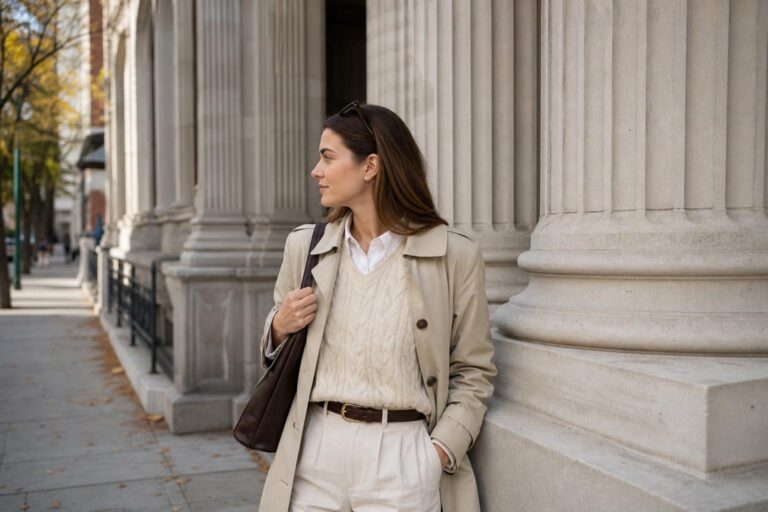
Start with a structured coat as the anchor, then keep the base simple: a well-fitting knit and clean denim or trousers. Add a leather belt if it helps define shape, and choose a bag with structure. This is where you can nod to premium references—think the kind of confidence associated with The Row’s minimalism—without needing a fully designer outfit. The coat creates the silhouette; the knit and denim provide function; the accessories supply finish.
Day-to-night: swap texture, not your entire outfit
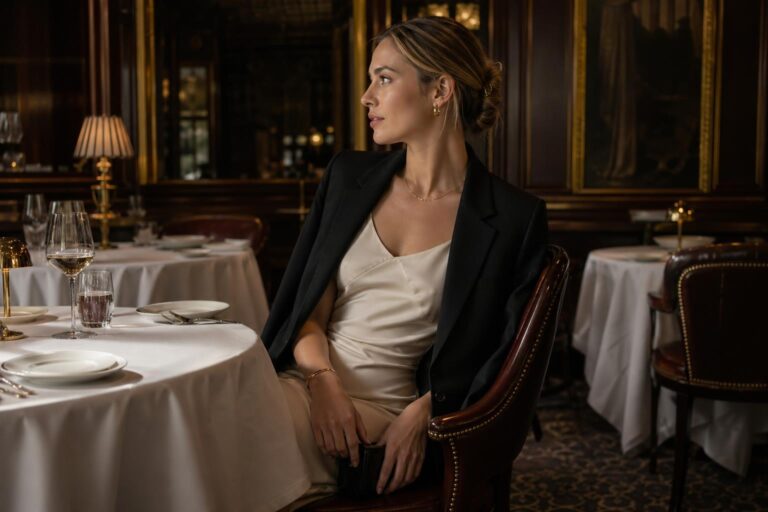
For a day-to-night plan, keep the base consistent and change one texture to shift the mood. A satin piece can do that quickly: it catches evening light and reads more “occasion.” Pair it with minimal jewelry and refined hardware, and the look becomes elevated without extra effort. This is an approach that stays logo-free and aligns naturally with quiet luxury.
Classic girl outfits for travel days: polish without discomfort
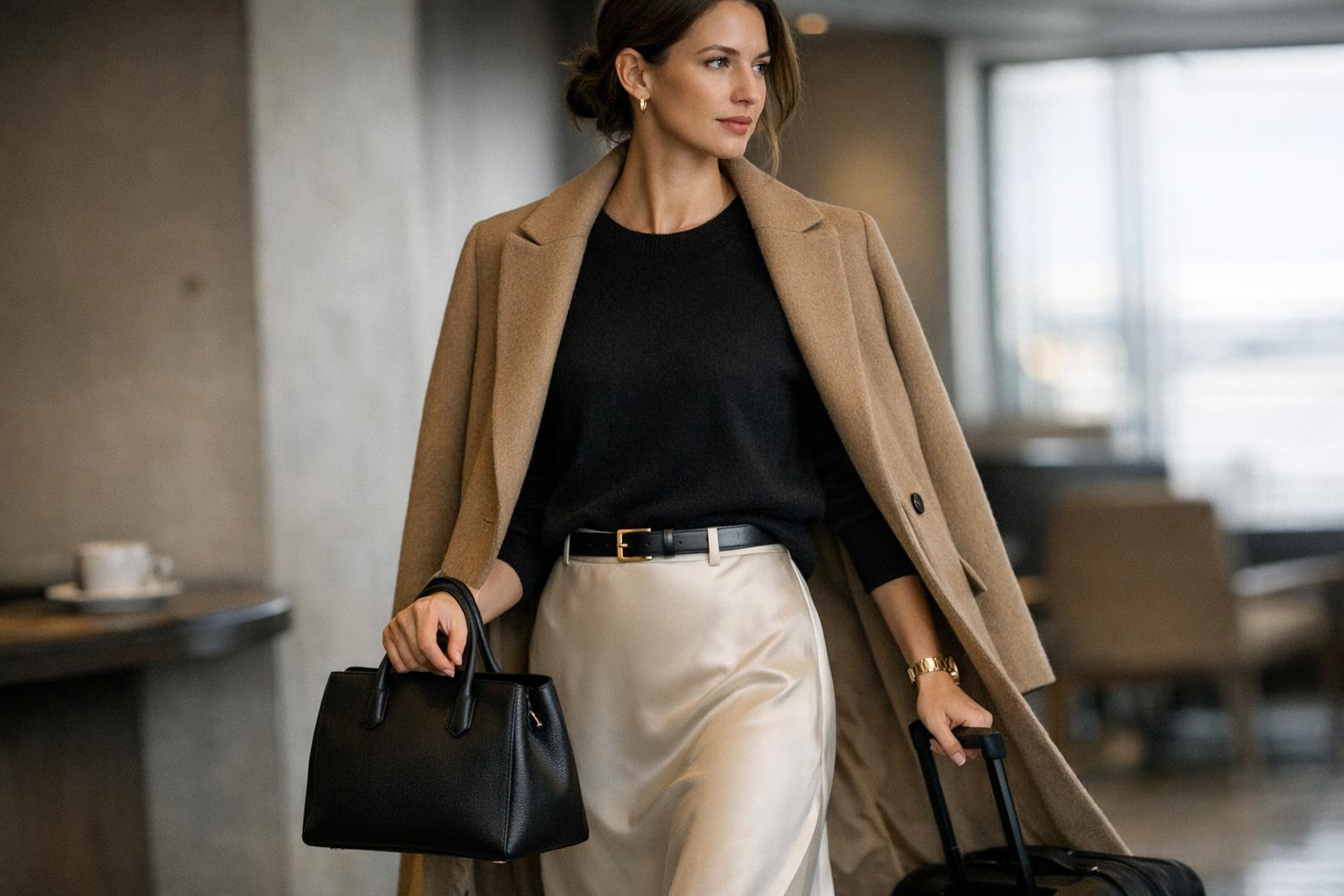
Travel days are where expensive style is most tested: you’re moving, sitting, and often dealing with temperature shifts. Classic girl outfits work here because they’re simple and repeatable. Choose denim or trousers that don’t pinch when seated, a knit that doesn’t wrinkle aggressively, and a coat that holds its shape. Add minimal jewelry and a structured bag (designer-inspired if you prefer) to keep the outfit looking intentional even after hours on the move.
The shopping guide mindset: spending where it shows
If you’re trying to look expensive on a budget, the most effective strategy is to spend where it shows and simplify where it doesn’t. That doesn’t always mean buying the most expensive thing you can afford; it means prioritizing the categories that broadcast fabric, fit, and finish. Outerwear, knitwear, footwear, and bags tend to carry the strongest price signals. Basics can remain affordable if they’re clean and well-fitting.
This is also the safest way to navigate shifting luxury pricing. As prices rise across fashion, it’s easy to feel pressured into thinking a high price automatically equals a better wardrobe. The truth is more nuanced: a premium price can reflect brand positioning and demand as much as it reflects the visible details that create expensive style. A balanced approach—one or two investment-leaning signature pieces paired with smart staples—keeps your wardrobe grounded.
Tips: how to evaluate “lookalikes” and designer-inspired pieces
Designer-inspired bags and accessories can absolutely work, but the bar is higher for finish. If the stitching is uneven, the structure collapses, or hardware looks thin, the piece can undermine the expensive impression you’re building. Use the same scrutiny you’d use for a premium item: focus on the handle attachments, closures, and whether the bag holds its shape when set down.
Common mistakes that quietly cheapen an otherwise great outfit
The frustrating part of expensive style is that small missteps can undo a lot of effort. Often it isn’t the main garment that causes the problem; it’s the supporting details. If you’ve ever felt like you followed all the “quiet luxury” rules and still didn’t look polished, one of these issues may be the culprit.
- Ignoring tailoring while upgrading everything else: a premium-feel fabric won’t look expensive if sleeve length and shoulder fit are off.
- Over-relying on logos: heavy branding can read trend-driven rather than refined, especially if the rest of the outfit lacks structure.
- Mixing hardware tones randomly: a belt buckle, jewelry, and bag hardware that clash can make the outfit feel accidental.
- Choosing flimsy accessories: thin-looking hardware or collapsing bags can lower the perceived quality quickly.
- Too many statement elements at once: busy texture and contrast can dilute the luxury signal; restraint often reads more expensive.
If you love bold fashion, this doesn’t mean you must dress minimally. It means the “loud” element should be supported by clean fit and refined finishing—otherwise the look can drift from elevated to chaotic.
A note on “ridiculously expensive” fashion and what it teaches you
There’s a separate, fascinating corner of fashion culture where price becomes the point—designer items that are hilariously expensive, the kind that spark conversation precisely because the cost feels unreal. Brands like Balenciaga, or specific objects like a Jil Sander paper bag or a Miu Miu Beau bag, often show up in discussions about price inflation and luxury signaling. Whether you find that world inspiring, absurd, or both, it reveals something useful: price is a signal, but it isn’t the only signal.
For everyday expensive style, you don’t need to participate in the most extreme version of luxury pricing to look polished. What you can take from it is awareness: people often react to design cues (a silhouette, a proportion, a specific finish) before they ever learn what something cost. That’s empowering—because it means your choices around fabric, tailoring, and finishing details can do a lot of the work.
Bringing it all together: a practical “expensive style” routine
When you’re getting dressed quickly—early mornings, last-minute plans—it helps to have a routine that’s consistent. Expensive style becomes easier when your default decisions are already aligned with fabric, fit, and finish. Think of it as building a personal system: a few core silhouettes you trust, a palette that works together, and signature pieces that elevate basics.
A simple routine might look like this: start with your base (denim or trousers), add a premium-feel knit or a clean basic tee, then anchor with a structured coat or outer layer. Finish with a leather belt if it improves proportion, minimal jewelry that matches your hardware, and a structured bag. This framework works for quiet luxury, for classic girl outfits, and for an old money outfit for woman because it prioritizes coherence over novelty.
Most importantly, let your wardrobe reflect your real life. If you sit at a desk all day, prioritize comfortable waistbands and fabrics that don’t wrinkle aggressively. If you walk a lot, prioritize footwear and outerwear. Expensive style isn’t a static photo; it’s how your clothes perform across the day while still looking intentional.
FAQ
What is expensive style, in simple terms?
Expensive style is the impression of luxury created through signals like quality fabrics (cashmere, silk, satin, wool flannel), precise fit (tailoring, sleeve length, clean shoulder line), and refined finishing (neat stitching, aligned seams, substantial hardware), rather than relying on obvious logos or high price alone.
How can I look expensive on a budget without buying designer brands?
Use high-low dressing: put your budget into one or two categories that broadcast quality most clearly (structured outerwear, a polished bag, premium-feel knitwear, refined footwear) and keep the rest as clean, well-fitting staples like a basic tee and denim, ensuring the “low” items still look intentional and well-finished.
What are the most reliable “quiet luxury” signals?
The most reliable quiet luxury signals are restraint and consistency: minimal branding, fabrics with good drape and weight, tailoring that looks precise, cohesive hardware (belt buckle, jewelry, bag details), and a calm palette that lets fit and fabric stand out.
Do I need investment pieces like a Birkin bag or a Cartier Love bracelet to achieve expensive style?
No—those are cultural reference points for luxury investment, but expensive style can be achieved with brand-agnostic choices; you can borrow the idea of a “signature piece” by choosing a structured, minimal bag and simple jewelry with refined hardware and a consistent finish.
How do I make denim look more expensive?
Prioritize fit and finishing: choose denim that sits cleanly at the waist, falls in a smooth line through the leg, and has a hem length that looks deliberate; pair it with a premium-feel knit or a clean tee, and add a structured coat or leather belt to strengthen the overall silhouette.
What’s the difference between expensive-looking and actually expensive fashion?
Expensive-looking refers to the visual and tactile cues that suggest quality and refinement, while actually expensive refers to price; luxury pricing can be influenced by brand positioning and market dynamics, so a higher price doesn’t always guarantee a stronger “expensive style” effect than excellent fit, fabric, and finish.
How do old money outfits pants fit into expensive style?
Old money outfits pants work well for expensive style because trousers create a clean, structured base; when the drape, hem, and waistband fit are precise, the outfit can stay minimal and still read premium, especially with a refined leather belt, quiet knitwear, and minimal jewelry.
Are designer-inspired lookalikes a good idea for an expensive look?
They can be, as long as the finish holds up—structure, stitching, and hardware matter more than the label; the appeal of a silhouette like the Miu Miu Beau bag shows that shape and proportion drive the look, but a poorly made lookalike can undermine the expensive impression.