The Everyday Scandi Style Outfit: Clean Lines, Calm Neutrals
Introduction
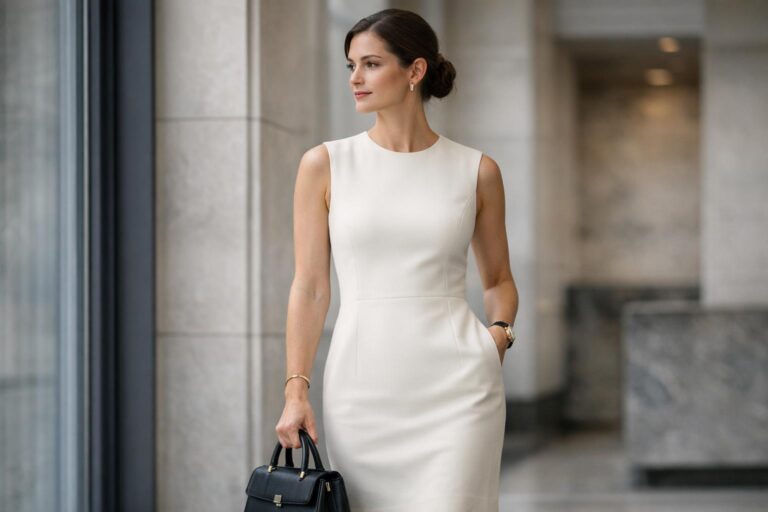
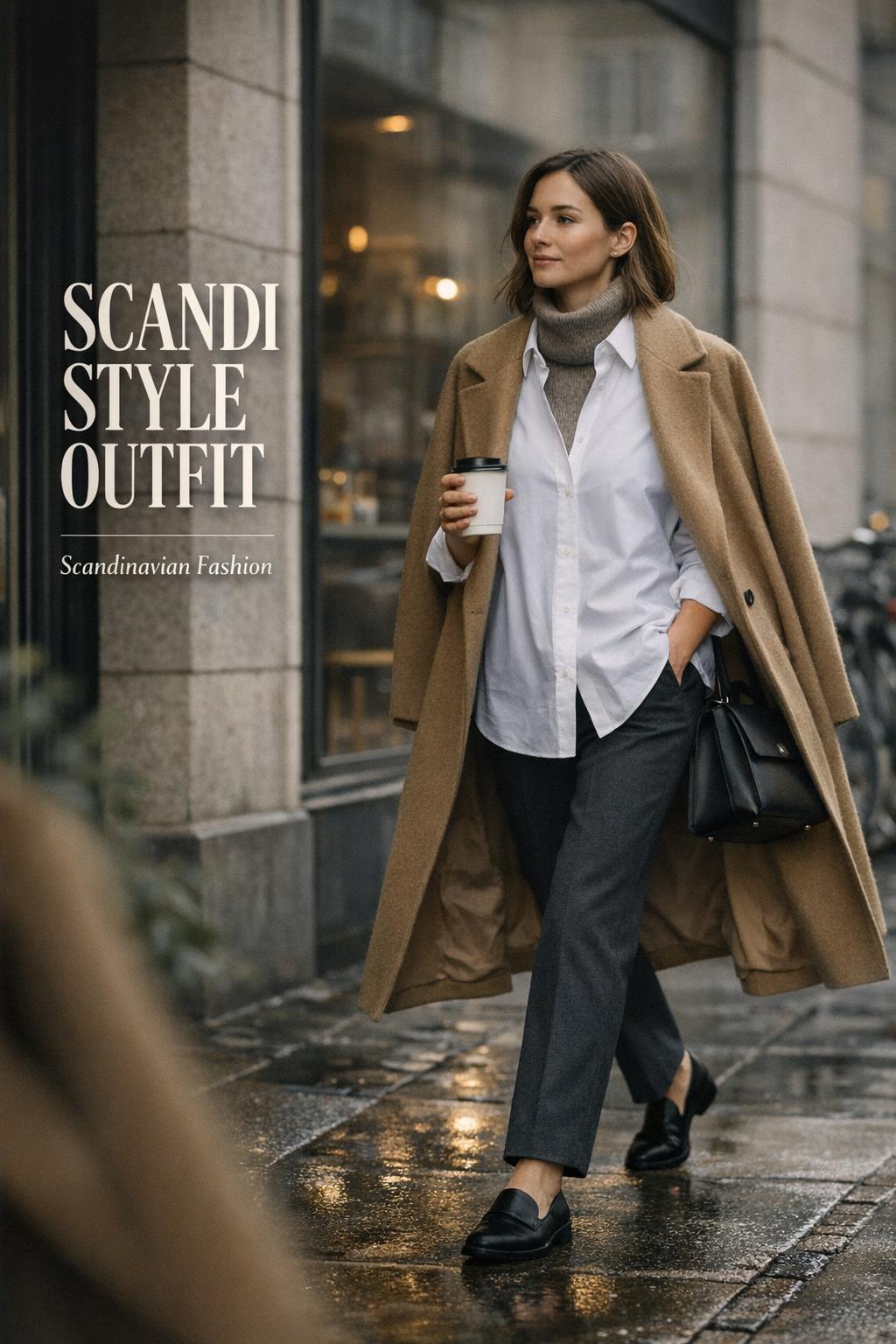
A scandi style outfit is the rare fashion formula that reads immediately—clean lines, calm color, and a silhouette that looks intentional without looking “done.” The aesthetic sits in the space where minimalism meets real life: pieces that move, layer, and repeat without feeling basic. In practice, it’s a wardrobe of denim, knitwear, oversized shirts, tailored trousers, and midi skirts—styled with tonal logic rather than loud statements.
The mood is functional elegance. Think neutral palettes (cream, beige, taupe, black) arranged as tonal layering, with soft tailoring that borrows structure from menswear but keeps the ease of jersey basics. It’s the kind of Scandinavian outfit that looks as appropriate in a bright office as it does in a coffee run, a museum afternoon, or a travel day where comfort has to pass as polish.
Its popularity is simple to explain: scandi style is modular. You can build it from accessible high-street sources—COS, Arket, H&M, Zara, Massimo Dutti, Weekday, Mango, Monki, and & Other Stories—then refine it through proportion and palette. That’s why the look keeps resurfacing in looks street style and why runway-to-street cues from Copenhagen fashion week (CPHFW) continue to matter: the aesthetic translates because it’s built on repeatable outfit composition, not one-off trends.
What “scandi style” actually means in outfit terms
Scandi style is often described as Nordic minimalism, but the useful definition is more specific: it’s the discipline of reducing visual noise while keeping outfits interesting through silhouette balance, texture contrast, and tonal color harmony. Instead of relying on bold prints or heavy embellishment, a scandi style outfit uses proportion—an oversized shirt against straight tailored trousers, a knit dress anchored by structured footwear, or denim balanced by a fine knit sweater.
Found the dress? Keep the rest in one place.
Zarellea brings guest details, vendors, timelines, and every next step together — so your wedding plan feels as good as your look.
There’s also a “borrowed-from-the-boys” tailoring thread running through the aesthetic. It shows up as relaxed blazers, crisp shirts worn loose, and trousers that skim rather than cling. The result looks modern, slightly directional, and calm—an effect that reads especially well in street style settings associated with Copenhagen, where the styling language is both minimal and sharp.
If you’re searching for skandinavian fashion or Scandinavian fashion inspiration, this is the core: the outfit should feel edited. Not sparse—edited. Each element has a job, and the palette keeps everything coherent.
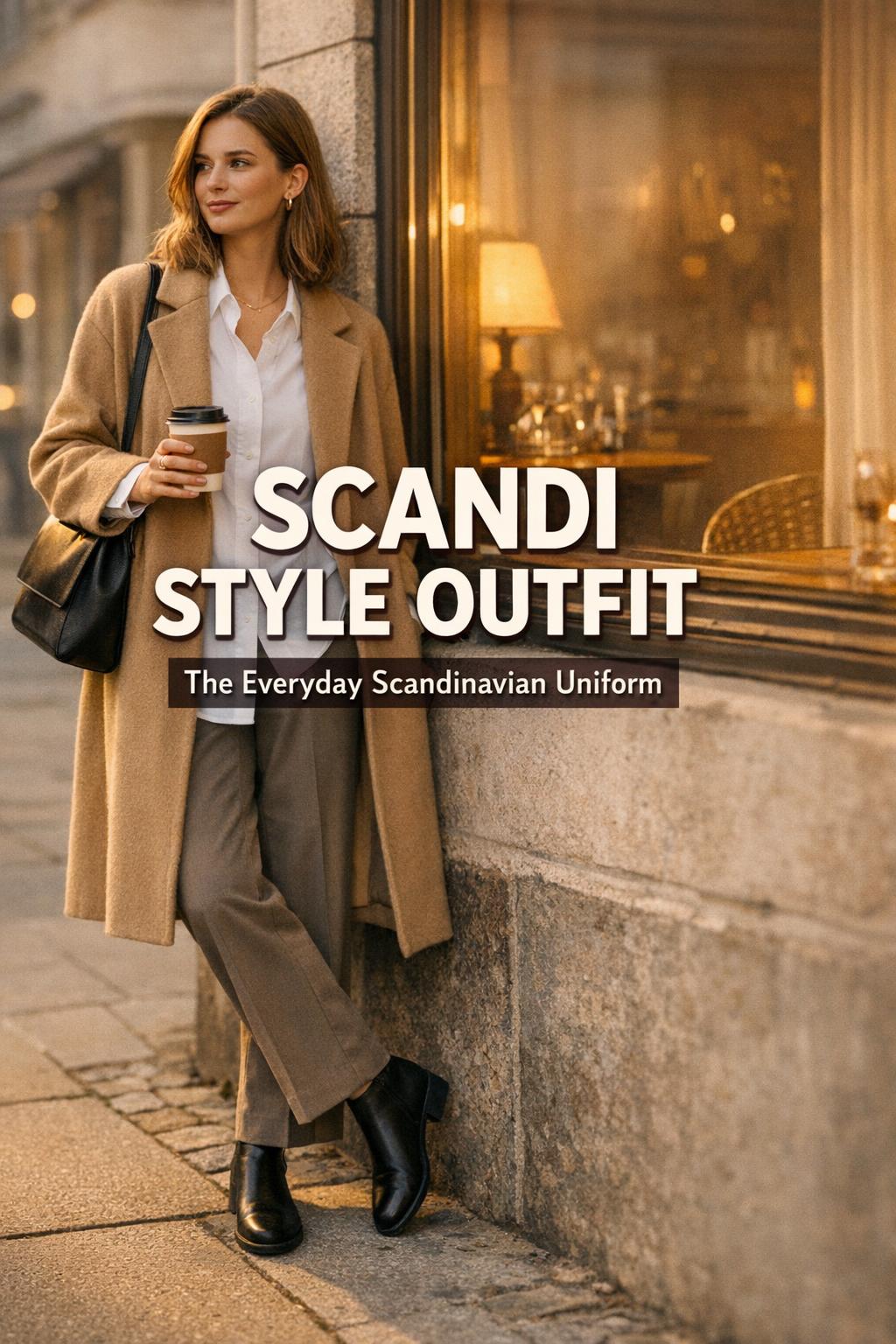
Key pieces that make the aesthetic repeatable (the scandi capsule logic)
The quickest way to build a scandi style outfit is to think in “anchors” and “softeners.” Anchors are structured pieces like tailored trousers, denim, a trench or wool coat, and a minimal bag. Softeners are knitwear, jersey basics, and fluid midi skirts that keep the look wearable. Most top scandi wardrobes rotate the same archetypes because they’re season-flexible and easy to shop from brands like COS and Arket, with approachable alternatives at H&M, Zara, Mango, Weekday, Monki, and & Other Stories.
- Denim staples (jeans or a denim maxi skirt) as the everyday backbone
- Knitwear (fine knit sweater, knit dress) for texture and warmth without bulk
- Oversized shirts for crispness and proportion play
- Tailored trousers for “borrowed-from-the-boys” polish
- Midi skirts to soften tailoring and elongate the silhouette
- Layering basics (tees, camis, turtlenecks) to make tonal layering practical
- Footwear that reads minimal (ankle boots or loafers) and supports long wear
- A structured minimal bag to keep the look sharp even when the outfit is relaxed
This capsule approach matters because it creates outfit range. You’re not collecting random “Scandi pieces”; you’re building a closed system where each garment pairs with the rest in the same neutral palette, so outfit creation becomes fast and consistent.
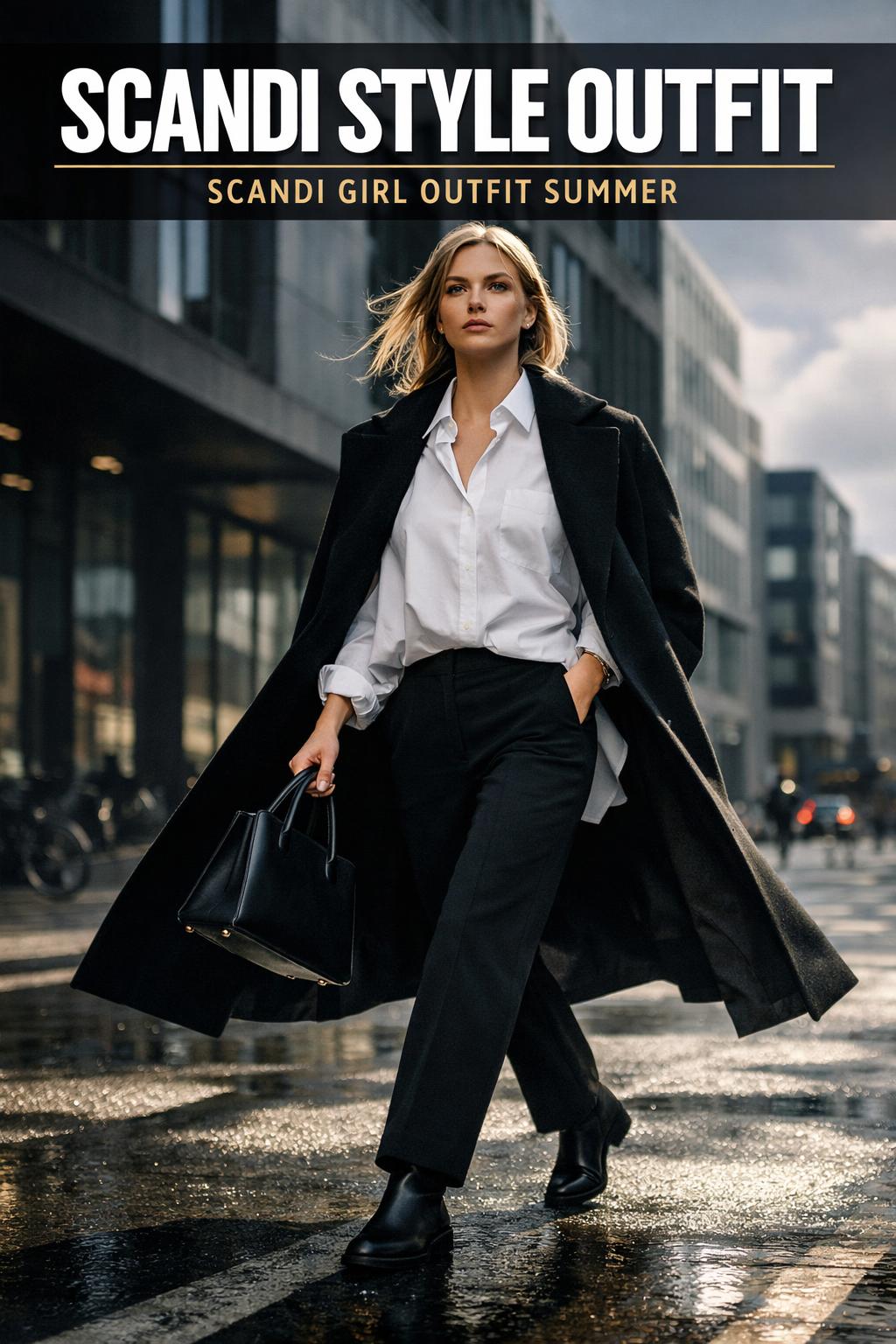
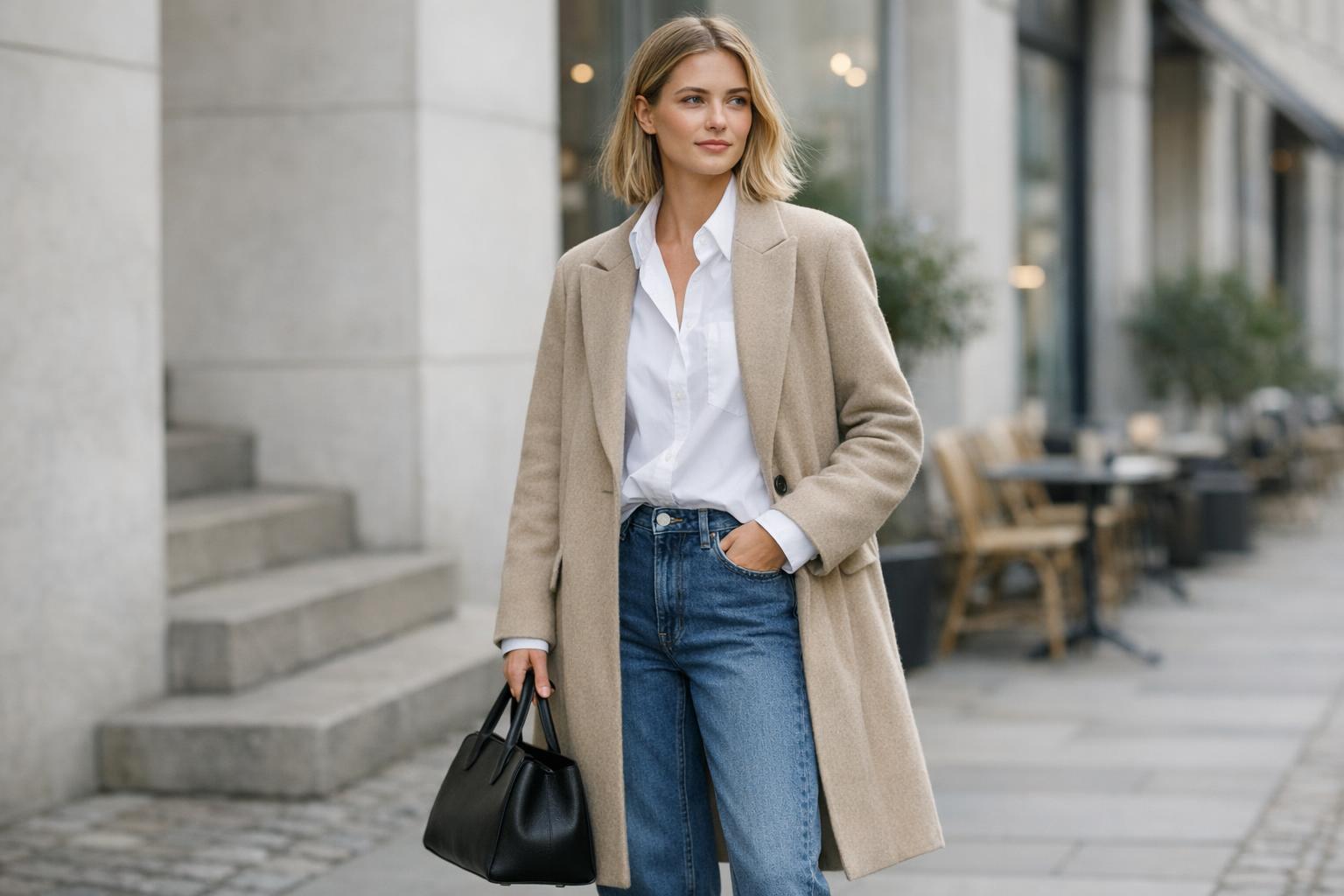
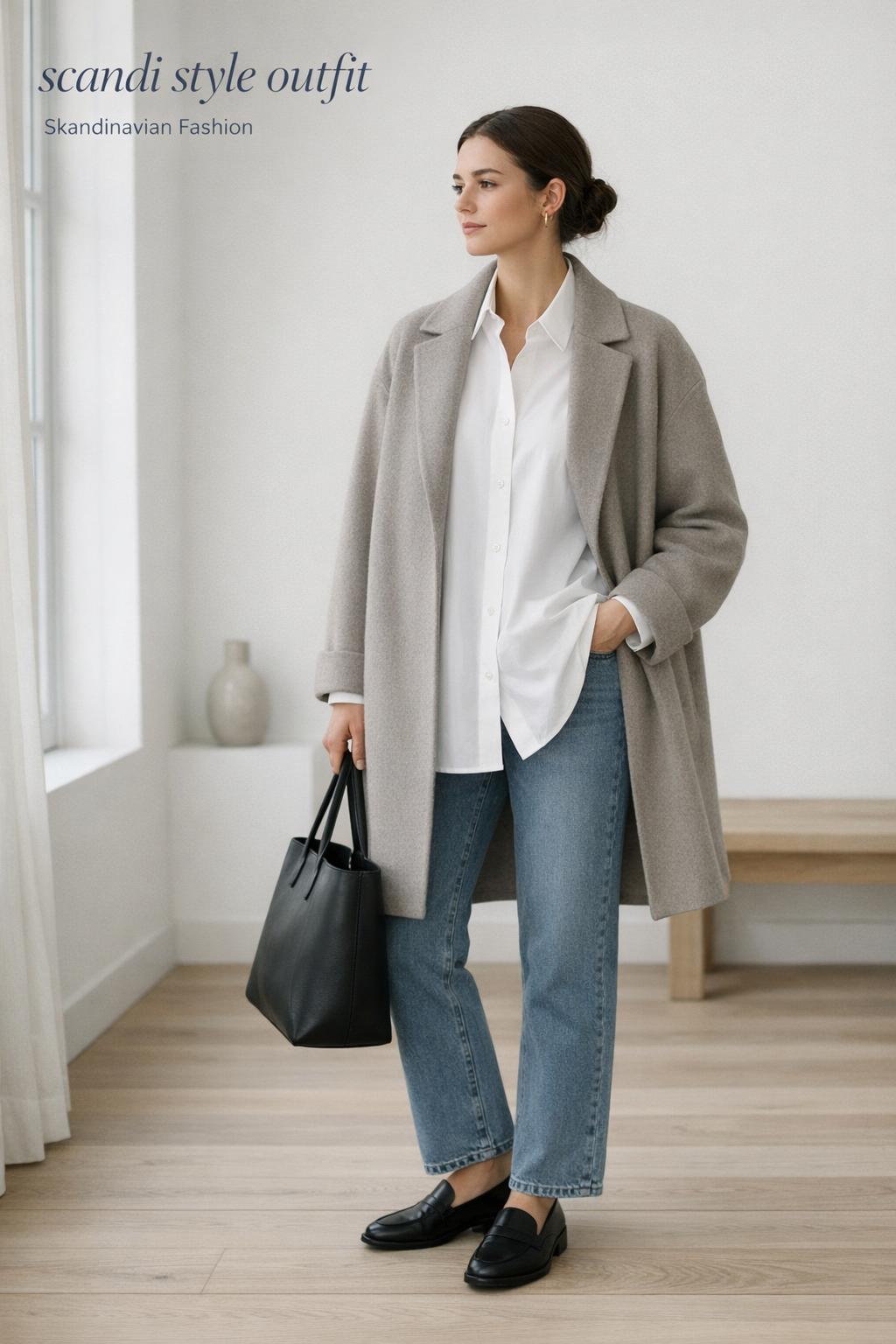
Look: neutral street style uniform (denim + oversized shirt + soft tailoring)
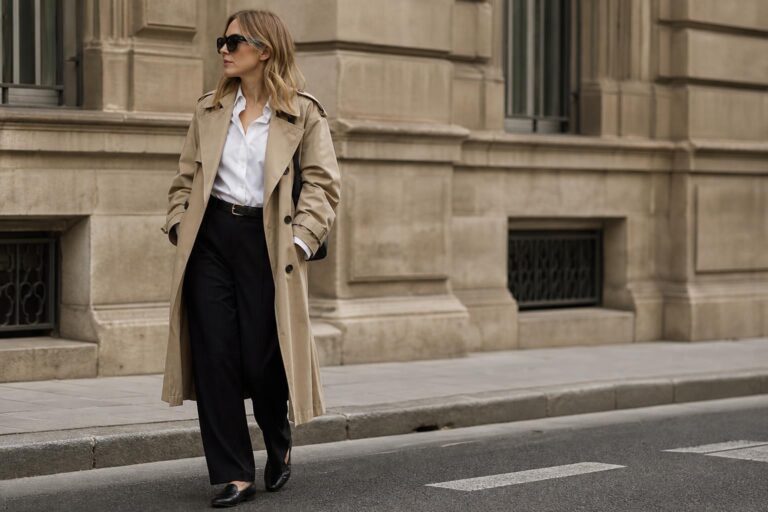
This is the most recognizable look in looks street style: relaxed but clean, with a silhouette that feels airy on top and grounded through the leg. The visual identity comes from proportion—an oversized shirt creates volume, while denim or tailored trousers keep the outfit streamlined. It’s understated, but it photographs well because the shapes are deliberate.
Start with light-wash or mid-wash denim as the casual base, or swap in tailored trousers for a more office-leaning Scandinavian outfit. Add an oversized shirt in white, cream, or pale blue to keep the palette bright without turning “preppy.” Underneath, a jersey basic (a tee or fitted top) makes the layers functional. Finish with loafers for a clean line or ankle boots when you need weight and traction. Brands that consistently serve this aesthetic language include COS and Arket, with comparable silhouettes often found at Zara, H&M, Weekday, Mango, Monki, and & Other Stories.
- Key garments: oversized shirt, denim jeans or tailored trousers, jersey basic
- Footwear: loafers or ankle boots
- Accessories: minimal bag (structured), belt for subtle definition
Why it works: the oversized shirt delivers the “Scandi” volume, while denim or tailored trousers act as the visual anchor. The neutral palette prevents the outfit from feeling busy, and the footwear choice lets you shift the same formula from weekend to work without changing the mood.
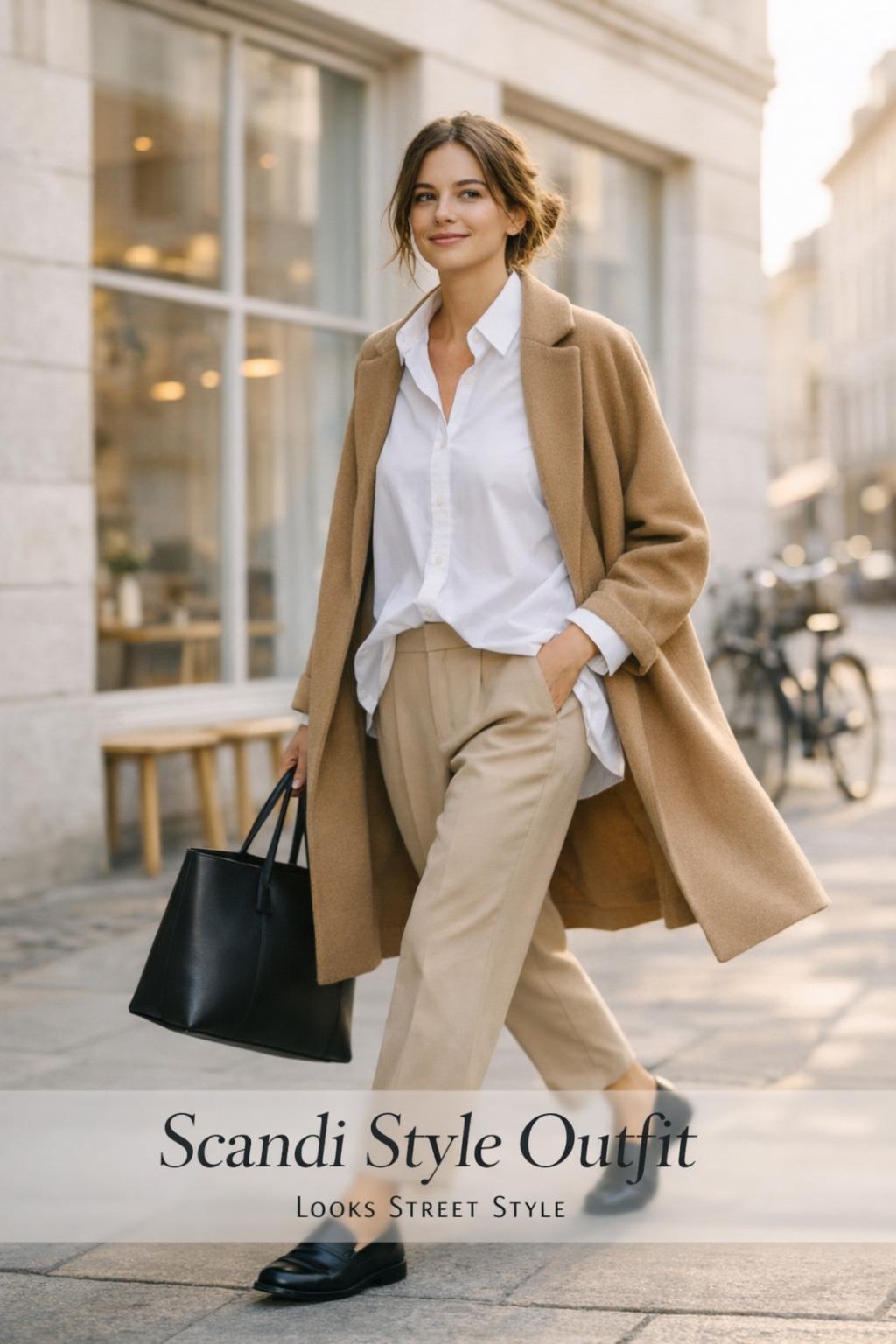
Style tip: the tonal palette rule that keeps neutrals looking expensive
Neutral palettes only look flat when the tones are too close and the textures are too similar. The scandi styling trick is to keep colors within the same family—ivory to beige to taupe, or charcoal to black—then create contrast through material. Pair denim with knitwear; pair a crisp oversized shirt with smooth tailored trousers; pair a midi skirt with a fine knit sweater. This is functional elegance in practice: minimal color, maximum texture logic.
Look: cool-girl denim with a fine knit sweater (minimal chic, not basic)
Denim is a core Scandi staple because it reads casual yet structured, which is exactly what Nordic minimalism needs to avoid feeling fragile or overly precious. This look leans into “cool-girl denim” energy—clean, unfussy, and quietly styled—without drifting into sloppy proportions.
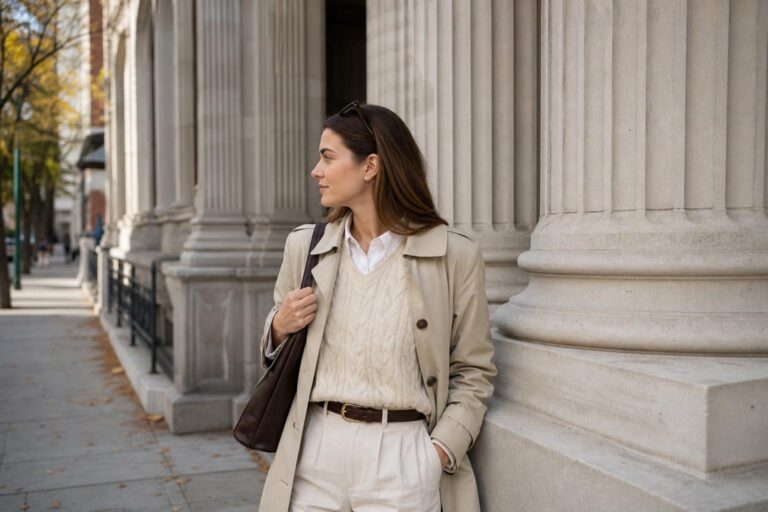
Choose straight or relaxed jeans and pair them with a fine knit sweater in merino or cashmere tones like cream, oatmeal, or black. The fine knit matters: it keeps the outfit sleek and allows layering under outerwear without bulk. A minimal bag adds structure, and ankle boots introduce a sharper line than sneakers while staying practical for long days. This combination is easy to source across COS, Arket, and & Other Stories, with accessible alternatives at Zara, Mango, H&M, and Weekday. If you want a slightly more “editorial” shopping direction, you’ll also see similar clean silhouettes referenced alongside brands like Massimo Dutti and Reformation in more polished outfit edits.
Why it works: denim brings a grounded texture, while the fine knit sweater smooths the overall surface. The result feels modern because the outfit relies on proportion and fabric quality cues rather than loud styling.
Look: knit dress minimalism (one-piece ease with Scandinavian restraint)
A knit dress is the scandi shortcut to looking assembled in minutes. The silhouette is long and calm—often midi—creating a column effect that’s inherently minimalist. It’s also one of the most practical pieces for travel days, office schedules, or winter layering because it holds warmth without demanding complicated styling.
Stay within a neutral palette: black for the cleanest line, taupe for softness, or ivory for a brighter Nordic mood. The texture of knitwear does the work that prints would normally do, so accessories should stay minimal: a structured bag, a belt if you want light definition, and ankle boots to keep the outfit grounded. If you’re building a repeatable scandi capsule, the knit dress earns its place because it transitions cleanly across seasons—worn alone in mild weather, layered under a trench or wool coat as temperatures drop.
- Key garments: long-sleeve knit dress (midi), optional belt, outerwear layer
- Footwear: ankle boots for weight and balance
- Accessories: minimal bag, subtle jewelry approach (keep it restrained)
Why it works: the knit dress creates a single uninterrupted line, which is the most reliable way to achieve Nordic minimalism. The boots and bag introduce structure so the look reads intentional rather than lounge-like.
Look: midi skirt polish (soft movement, structured intent)
Where denim reads utilitarian, the midi skirt brings a controlled softness. It’s a key scandi style outfit component because it introduces movement without adding visual clutter. The best versions sit in the neutral palette and rely on clean lines—minimal seams, minimal fuss—so the skirt behaves like a styling tool rather than a statement.
Pair a neutral midi skirt with an oversized shirt for contrast: crisp on top, fluid below. For a colder day, swap the shirt for a fine knit sweater to keep the silhouette smooth and warm. Footwear sets the tone—loafers keep it city-polished, ankle boots make it more weather-ready. This is also a strong formula for work settings because it reads professional without formal stiffness, especially when sourced from the clean aesthetic staples associated with COS, Arket, and Massimo Dutti, or interpreted through high-street alternatives like Zara and & Other Stories.
Why it works: the midi length elongates, while the top half controls the proportion. Scandi style thrives on this balance—volume on one axis, restraint on the other.
Look: borrowed-from-the-boys tailoring (tailored trousers as the visual anchor)
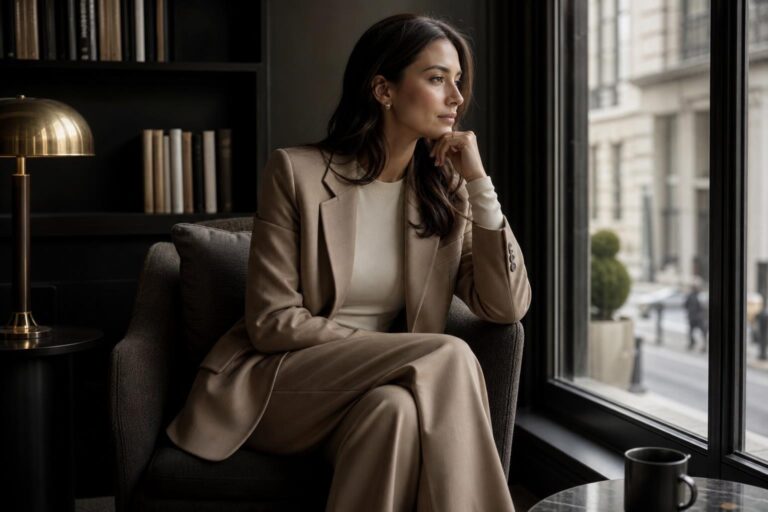
Soft tailoring is the backbone of Scandinavian fashion because it delivers credibility. Tailored trousers create a leg line that looks composed even when the rest of the outfit stays relaxed. The aesthetic result is “quiet authority”—a look that fits office environments, dinners, and any moment when you want polish without sparkle.
Build the outfit around tailored trousers in black, charcoal, or taupe. Add jersey basics on top to keep it modern and wearable: a clean tee, a fitted top, or a thin knit. Over that, an oversized shirt or a structured layer (a sharp outer layer when needed) adds shape. Finish with loafers for a minimal profile, or ankle boots for more structure. This formula aligns closely with the brand language of COS and Arket, and it’s also easy to translate through Zara, H&M, Mango, and Weekday—especially if you prioritize fit and fabric drape over trend details.
Why it works: the trousers do the “professional” work while the jersey basics keep the outfit breathable and current. The contrast is the point—structure meets ease, which is the hallmark of functional elegance.
Context edit: Copenhagen cues and why CPHFW street style still matters
Even when you’re not tracking runway calendars, Copenhagen fashion week (often referenced as CPHFW) functions as a styling lab for scandi minimalism. The most transferable takeaway is not a single trend item—it’s the habit of building outfits from clean modules and then refining them through proportion. That’s why looks street style from Copenhagen reads both directional and practical: the silhouettes are edited, and the palette stays coherent.
You’ll often see the same pillars repeated—denim, tailored trousers, oversized shirts, knitwear, and minimal bags—then adjusted by season. This is also where creator references and styling personalities become relevant: public-facing figures such as Pernille Teisbaek are often associated with the “clean but cool” Nordic approach, and the wider Scandi influencer ecosystem (including image-credited creators like @monamali_, @lindatol_, and @emilisindlev) reinforces how the aesthetic is worn in real life: simple foundations, then a precise styling decision that holds the look together.
Look: layered neutrals for winter (wool coat energy without heaviness)
Winter Scandi dressing is about insulation without bulk. The visual mood is calm and wrapped-up, with layers that feel intentional rather than piled on. A winter-ready scandi style outfit should still show shape—either through a long line (coat over knit dress) or through proportion (oversized top balanced by tailored trousers).
Start with a base that holds heat: knitwear or layering basics like a turtleneck under a fine knit sweater. Add tailored trousers for structure, or choose denim when you want a tougher, casual texture. Top everything with a wool coat or a trench-style outer layer, keeping the palette tonal—cream with taupe, or charcoal with black. Ankle boots become non-negotiable in this formula because they visually “weight” the bottom of the outfit and make the layers read grounded. This is the moment where shopping edits like “Scandi winter buys” make sense—COS, Zara, and Arket repeatedly appear as reference points for winter neutrals and clean silhouettes.
Why it works: winter layers can easily look chaotic. Tonal layering prevents color fragmentation, while tailored trousers or a column dress shape keeps the silhouette legible under outerwear.
Look: scandi girl outfit summer (light structure, breathable restraint)
A scandi girl outfit summer version of the aesthetic isn’t about abandoning structure—it’s about making structure lighter. The mood stays minimalist, but the outfit composition shifts toward breathable fabrics and fewer layers. The best summer Scandi looks read bright and clean, often built from a single crisp piece (like an oversized shirt) paired with a simple anchor (like denim or a midi skirt).
Reach for a white or cream oversized shirt and let it act as both top and light layer. Pair it with a neutral midi skirt for movement, or denim for casual definition. Keep the palette sunlit: ivory, beige, taupe, with black used sparingly as a sharp accent. The key is to avoid over-accessorizing; the outfit should feel airy. For shopping, the same brand cluster still applies—Arket and COS for clean summer staples, & Other Stories for polished basics, and Zara, H&M, Mango, Monki, and Weekday for accessible variations.
Why it works: the oversized shirt creates the Scandi silhouette language, while the lower half (midi skirt or denim) stabilizes the look. Summer heat makes heavy layering unrealistic, so the “edited” feeling comes from crisp fabric and tonal control.
How to recreate the aesthetic without overbuying (brand strategy and smart substitutions)
One reason Scandinavian fashion remains appealing in the U.S. is that you can build it at multiple price points. The styling system doesn’t require niche pieces; it requires consistent shapes and a calm palette. That’s why high-street sources matter so much in scandi outfit guides: you can find oversized shirts, denim, knitwear, midi skirts, and tailored trousers almost anywhere, then rely on fit and texture to make them look “Scandi.”
- For crisp minimal staples: COS and Arket are frequent reference points for clean lines and modern proportions.
- For trend-accessible versions of Scandi shapes: Zara and Mango often mirror the silhouette language quickly.
- For basics and layering pieces: H&M is commonly referenced for jersey basics and simple foundations.
- For denim-led casual Scandi: Weekday is frequently associated with denim as a staple direction.
- For polished feminine minimalism: & Other Stories appears often in Scandi shopping edits.
- For additional high-street range: Monki and Massimo Dutti show up as part of the broader ecosystem.
A useful trade-off to understand: budget pieces can absolutely work, but Scandi style exposes poor fit quickly because the look is simple. If trousers pull, if a shirt collapses, or if a knit pills excessively, the outfit loses the “quiet” polish that makes Nordic minimalism feel premium. When choosing where to invest, prioritize the anchor pieces you wear weekly—tailored trousers, a coat, and footwear—then fill in with accessible jersey basics and seasonal layers.
Practical dressing intelligence: where Scandi outfits succeed (and where they can fail)
Scandi style excels in real schedules because it’s built for movement: commuting, long office hours, travel days, and weekends that move from errands to dinner. The palette simplifies coordination, and the silhouettes tend to be forgiving—oversized shirts, straight denim, and midi shapes don’t require constant readjusting. It’s also camera-friendly, which is why it dominates looks street style in fashion-forward city contexts.
The limitation is that minimal outfits amplify small issues. A neutral palette can show wear faster; a knit dress can cling if the fit is off; an oversized shirt can overwhelm if the proportions aren’t balanced by a slimmer bottom. The fix isn’t adding more trend items—it’s refining the outfit’s architecture: one volume piece at a time, a clear waist strategy (either defined or intentionally not), and footwear that supports the silhouette’s “weight.”
Tips: the three-point check for a believable Scandinavian outfit
Before calling an outfit “Scandi,” run a quick three-point check that mirrors how the aesthetic is styled in practice.
- Palette control: keep the look within a neutral family (cream, beige, taupe, black) and avoid scattered contrast.
- Silhouette clarity: balance volume (oversized shirt, coat) with structure (tailored trousers, denim) so the outfit has a readable shape.
- Texture intention: combine at least two textures—denim with knitwear, crisp cotton shirt with smooth trousers, or knit dress with structured boots—so minimalism doesn’t become flat.
This is the logic behind the best scandi style outfits: the pieces are simple, but the composition is deliberate.
Fit and silhouette guide: adapting Scandi proportions to your body type
Scandi style doesn’t demand one body shape; it demands proportion awareness. Because the aesthetic uses clean lines and minimal distraction, fit decisions become the styling. The goal is not to “hide” the body—it’s to create a controlled silhouette with either a column line (knit dress, tonal layers) or a balanced contrast (oversized top with tailored bottom).
Pear, apple, and rectangle shapes: proportion strategies that stay minimalist
For pear shapes, keep attention balanced by using an oversized shirt or fine knit sweater with a clean shoulder line, then choose tailored trousers that skim rather than cling. For apple shapes, the column approach often feels strongest: a knit dress in a darker neutral or a tonal top-and-trouser set creates a long line, with a structured bag adding polish. For rectangle shapes, the scandi toolkit is especially flexible—use belts selectively (over a knit dress or with tailored trousers) or rely on the contrast between an oversized shirt and a sharper trouser to create definition without fuss.
Designers referenced in the broader Scandi ecosystem, such as Munthe and Skall Studio, are often associated with clean silhouettes and thoughtful tailoring; whether you shop those labels or not, the underlying lesson holds: clean pattern lines and good drape are what make minimalist outfits look intentional.
Where to wear it in the U.S.: occasion mapping for Scandi minimalism
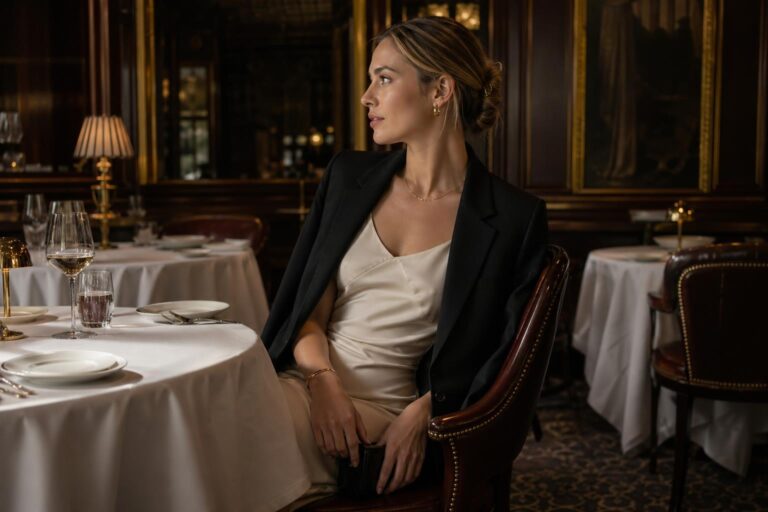
The most practical thing about a scandi style outfit is that it scales across settings without changing its identity. For the office, tailored trousers plus a fine knit sweater reads sharp but comfortable; for weekends, denim plus an oversized shirt holds the same visual language with less formality. For dinner, a knit dress with ankle boots looks composed without feeling over-styled. In travel contexts, jersey basics under a crisp layer keep the outfit breathable while the minimal bag and tonal palette maintain polish.
This is also why Scandinavian fashion translates so well outside Nordic cities: the styling logic is universal. You’re building outfits that behave in real environments—air-conditioned interiors, long walking days, shifting weather—without relying on fragile pieces.
Conclusion
Scandi style works because it’s a system: a neutral palette, repeatable garment archetypes, and proportion-driven styling that turns basics into a coherent aesthetic. Build your Scandinavian outfit around denim, knitwear, oversized shirts, tailored trousers, and midi skirts, then refine it through tonal layering and texture contrast. The result is minimal without being empty—an everyday uniform that still reads like fashion.
FAQ
What is scandi style in fashion?
Scandi style is a Nordic minimalism approach defined by clean lines, neutral palettes, functional elegance, and proportion-focused styling, often built from staples like denim, knitwear, oversized shirts, tailored trousers, and midi skirts.
What are the key pieces in a scandi style outfit?
The most repeatable core pieces are denim staples, knitwear (including a fine knit sweater or knit dress), an oversized shirt, tailored trousers, a neutral midi skirt, layering basics like tees or turtlenecks, ankle boots or loafers, and a structured minimal bag.
How do I keep a neutral palette from looking boring?
Use tonal layering (ivory to beige to taupe, or charcoal to black) and create interest through texture contrast, such as pairing denim with knitwear or balancing a crisp oversized shirt with smooth tailored trousers.
Which brands are commonly associated with Scandinavian fashion basics?
Commonly referenced sources for Scandi-style pieces include COS and Arket, along with accessible options like H&M, Zara, Mango, Weekday, Monki, & Other Stories, and Massimo Dutti, with Reformation appearing in more polished shopping edits.
How do I wear Scandi style in winter?
Focus on layered neutrals using knitwear and layering basics under a coat or trench, anchor the silhouette with tailored trousers or a knit dress column line, and finish with ankle boots to keep the outfit grounded and weather-ready.
What is a scandi girl outfit summer version of the look?
A scandi girl outfit summer keeps the minimalist identity but reduces layers, relying on crisp pieces like an oversized shirt paired with denim or a neutral midi skirt, staying within a bright neutral palette such as ivory, beige, taupe, and minimal black accents.
How does Copenhagen fashion week influence Scandi street style?
Copenhagen fashion week (CPHFW) is often referenced for runway-to-street styling cues that emphasize modular dressing—repeating clean staples like denim, tailored trousers, oversized shirts, knitwear, and minimal bags—then refining the look through proportion and tonal palette control.
Can Scandi style work for different body types?
Yes—Scandi style is adaptable because it’s built on proportion, not one silhouette; balancing an oversized top with a more streamlined bottom, using column lines like a knit dress, and choosing clean tailoring with good drape are the main tools for making the look work across shapes.