Modern Y2K Style for City Days That Never Feels Costume-y
Y2k style, real life: dressing the vibe without looking like a costume
The most common y2k style problem isn’t finding inspiration—it’s translating the aesthetic into outfits that hold up in real life. The look is visually loud by design: glossy finishes, sharp silhouette shifts, playful references, and the kind of “extra” styling that can feel out of place when you’re just trying to get dressed for a normal day.
The second problem is friction: comfort, movement, weather, and venue reality. A going-out look that works for a quick photo can fail during a long commute, a warm indoor party, or a full day of walking. That’s where y2k streetstyle often breaks down—people go all-in on the image and forget the wearability.
This guide is built to solve that. Instead of dumping a trend list, it gives a practical framework for building y2k style outfits that feel intentional, comfortable, and modern—especially if you want styles streetwear energy, real streetwear function, and clear “my outfit streetwear” formulas you can repeat. You’ll also get outfit inspo for party situations that still respects comfort and practicality.
Understanding the styling challenge: why y2k looks go wrong so easily
Y2k style is inherently detail-driven. Small changes—like a shinier fabric, a tighter silhouette, a shorter hem, or a more graphic accessory—can push the outfit into “try-hard” territory fast. Because the aesthetic relies on statement elements, the margin for imbalance is tighter than with minimalist or classic wardrobes.
Found the dress? Keep the rest in one place.
Zarellea brings guest details, vendors, timelines, and every next step together — so your wedding plan feels as good as your look.
Practical issues amplify the risk. Y2k-inspired pieces often sit at the extremes: very cropped tops, low-rise bottoms, clingy materials, or footwear that looks sharp but doesn’t support walking. Weather makes it trickier—layering can look bulky, while lighter outfits can feel exposed or uncomfortable depending on temperature swings.
The result is a familiar cycle: you like the idea of y2k streetstyle, but you end up defaulting to basics because the trend feels hard to “wear” outside of a controlled moment. The fix is not more trend pieces—it’s better outfit composition.
Key dressing principles that make y2k style wearable
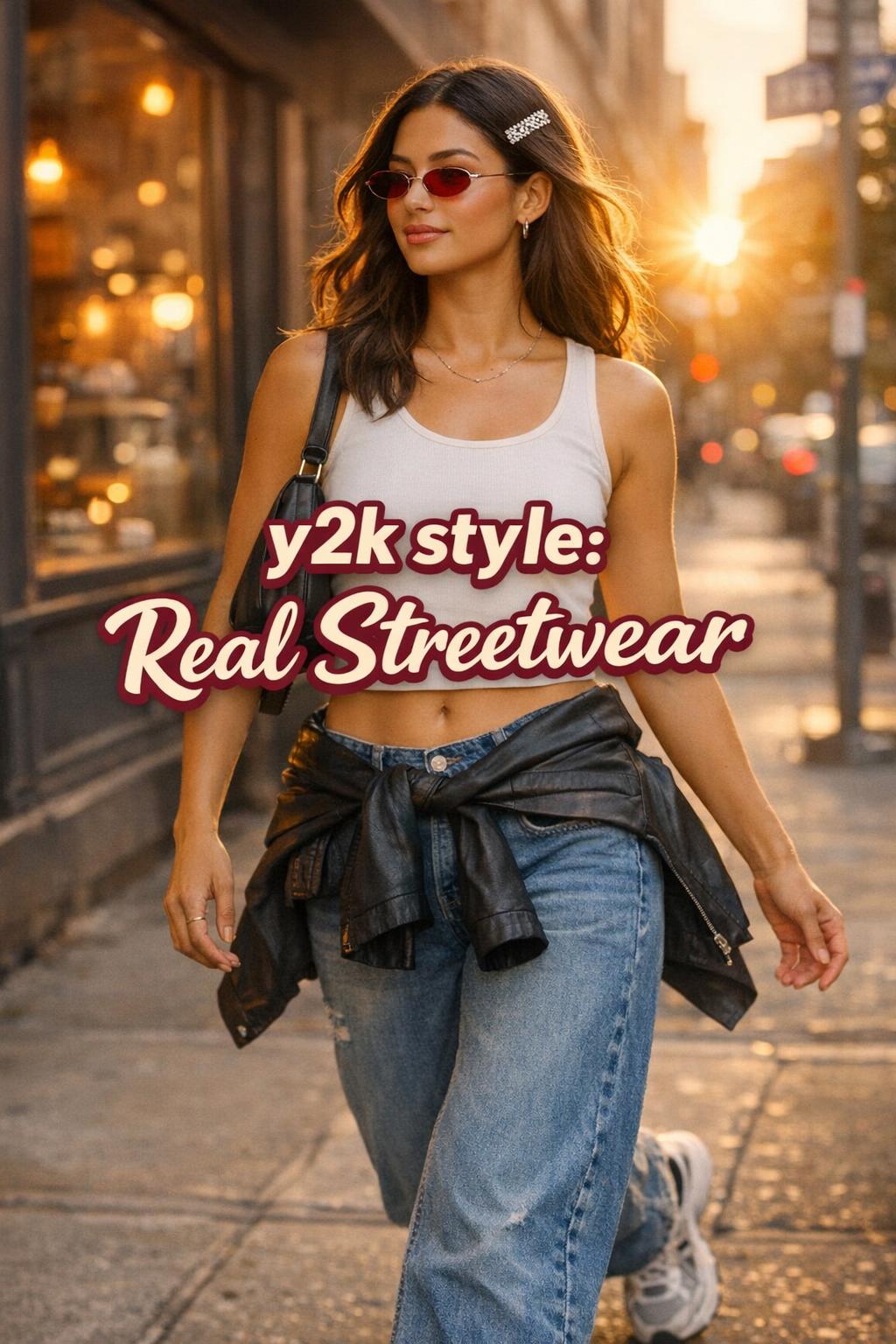
Use one “y2k anchor” and let the rest support it
The most reliable way to avoid costume territory is to choose one y2k-forward statement—your visual anchor—and build the outfit around it with simpler, stabilizing pieces. The anchor can be a silhouette choice (like a micro top), a surface choice (like a glossy texture), or a styling choice (like a deliberately playful accessory). When everything competes, the outfit becomes noisy and less wearable.
Balance proportions on purpose (not by accident)
Y2k style is built on proportion play: short-with-long, tight-with-loose, sleek-with-baggy. That’s why it can look so modern when executed cleanly. A compact top paired with a more relaxed bottom (or the reverse) creates a controlled silhouette. This also improves comfort because you’re not compressing your body everywhere at once.
Choose comfort “insurance” where it matters: shoes and layers
Real streetwear logic applies here: your outfit has to survive walking, standing, and temperature shifts. Prioritize stability at the foundation (footwear) and flexibility at the edges (layers you can remove, add, or adjust). This is especially important for outfit inspo for party scenarios, where you’re moving between outdoors and indoors or standing for hours.
Keep the palette intentional so the details don’t fight
Because y2k style can involve bold elements, the palette has to do quiet work. A restrained color story gives the “loud” pieces room to look deliberate rather than chaotic. Even in y2k streetstyle, the strongest outfits typically read as edited: a clear base plus one or two elevated accents.
Texture contrast is your shortcut to looking styled
If you want y2k energy without stacking multiple trend signals, use texture contrast. Pair a smoother surface with something more matte, structured, or tactile so the outfit has dimension. This creates fashion-intelligence polish without requiring a complicated wardrobe.
Outfit solutions: wearable y2k streetstyle formulas that work under real constraints
Each solution below is built around a practical constraint—walking, weather shifts, comfort, or event appropriateness—so you can use it as a repeatable system. Treat them as “my outfit streetwear” templates: swap colors or minor details, but keep the structure.
Outfit solution: the controlled-crop streetwear balance
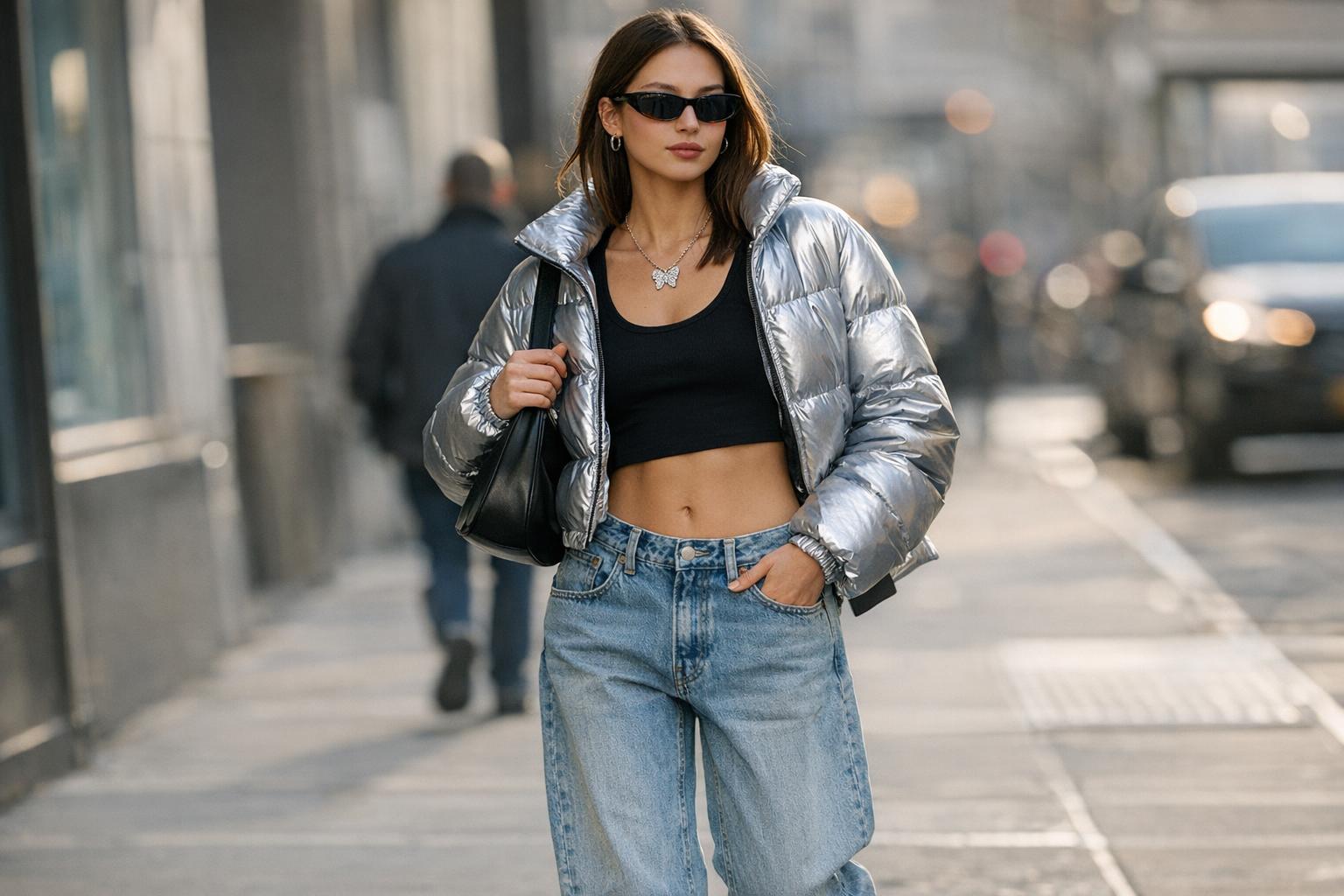
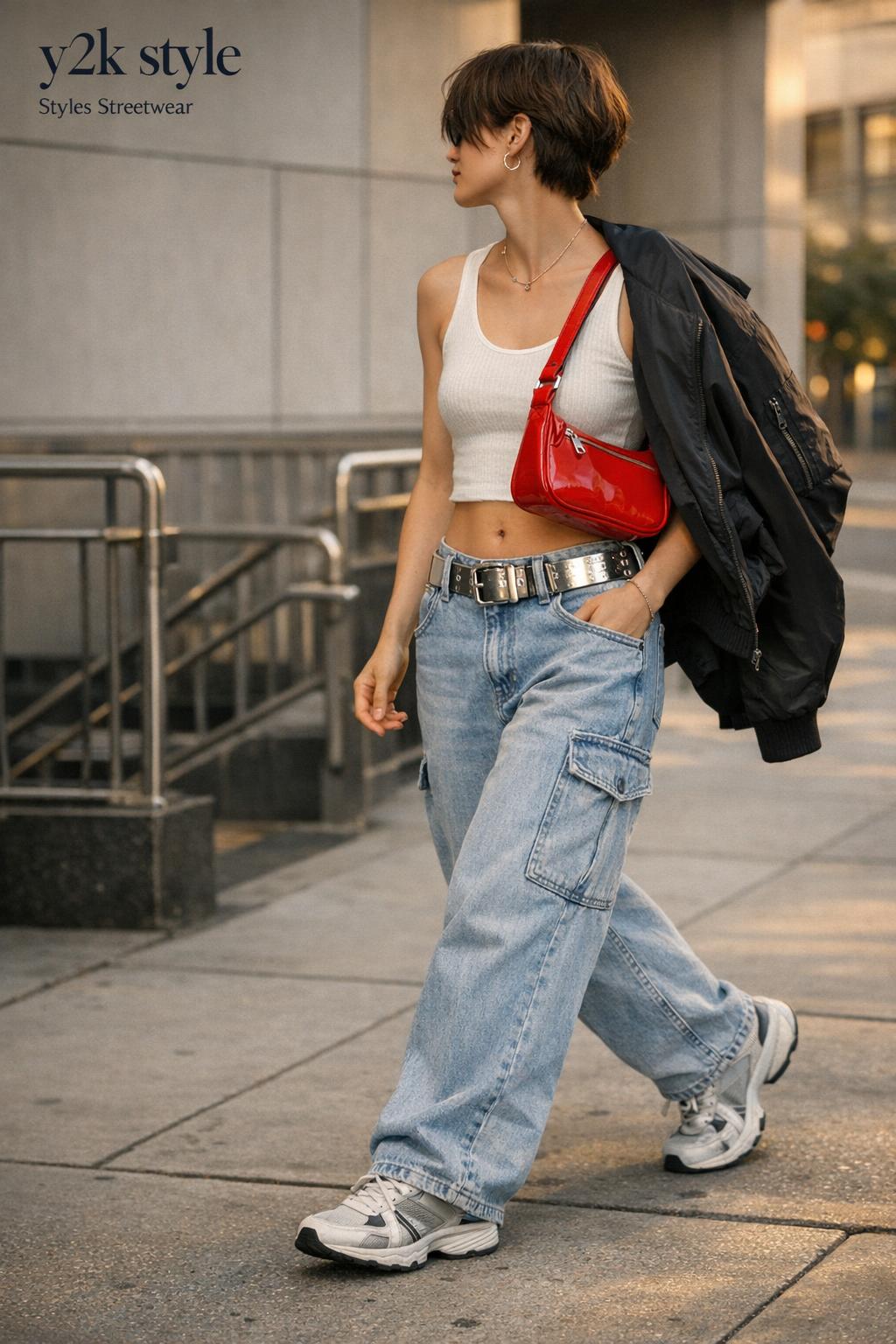
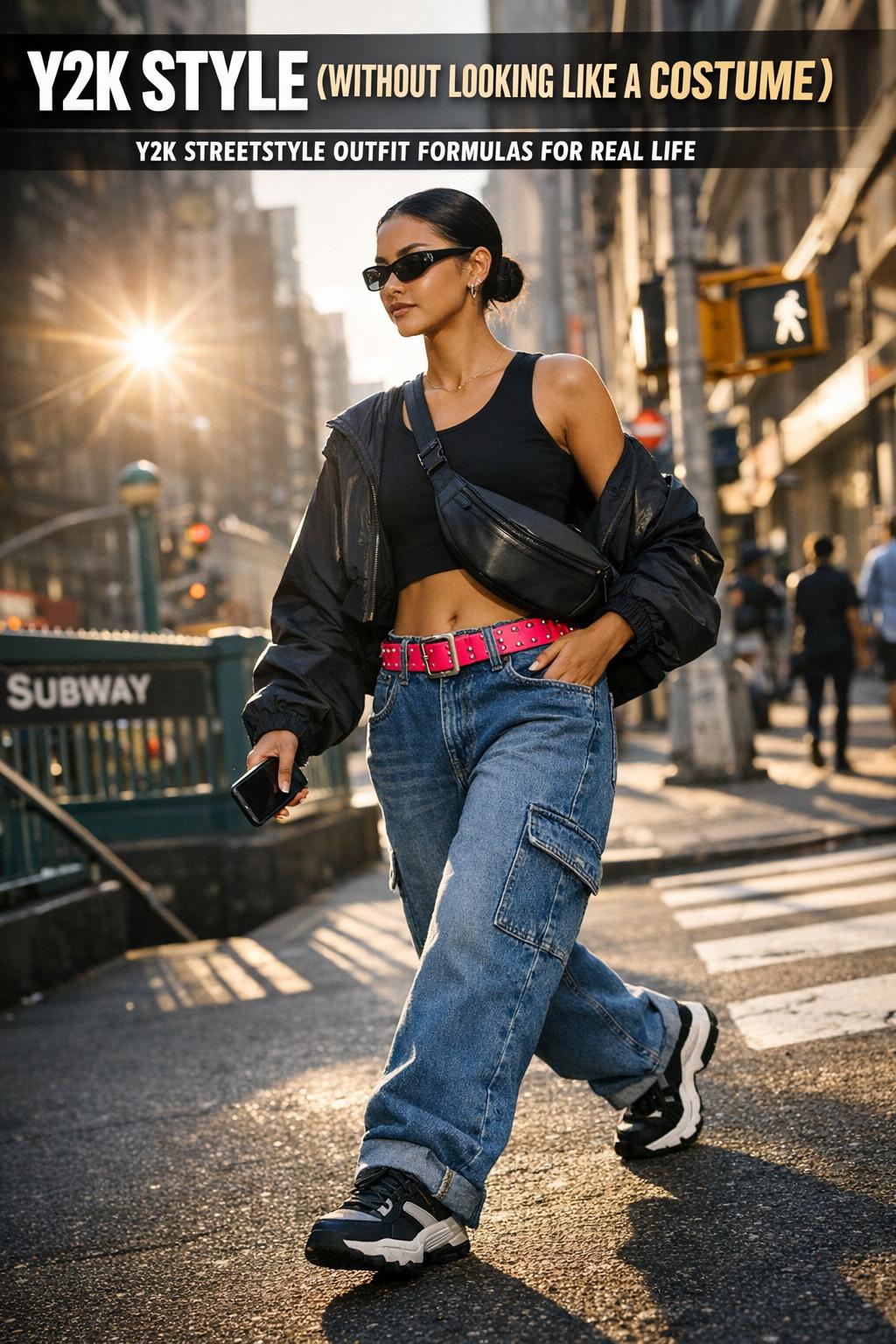
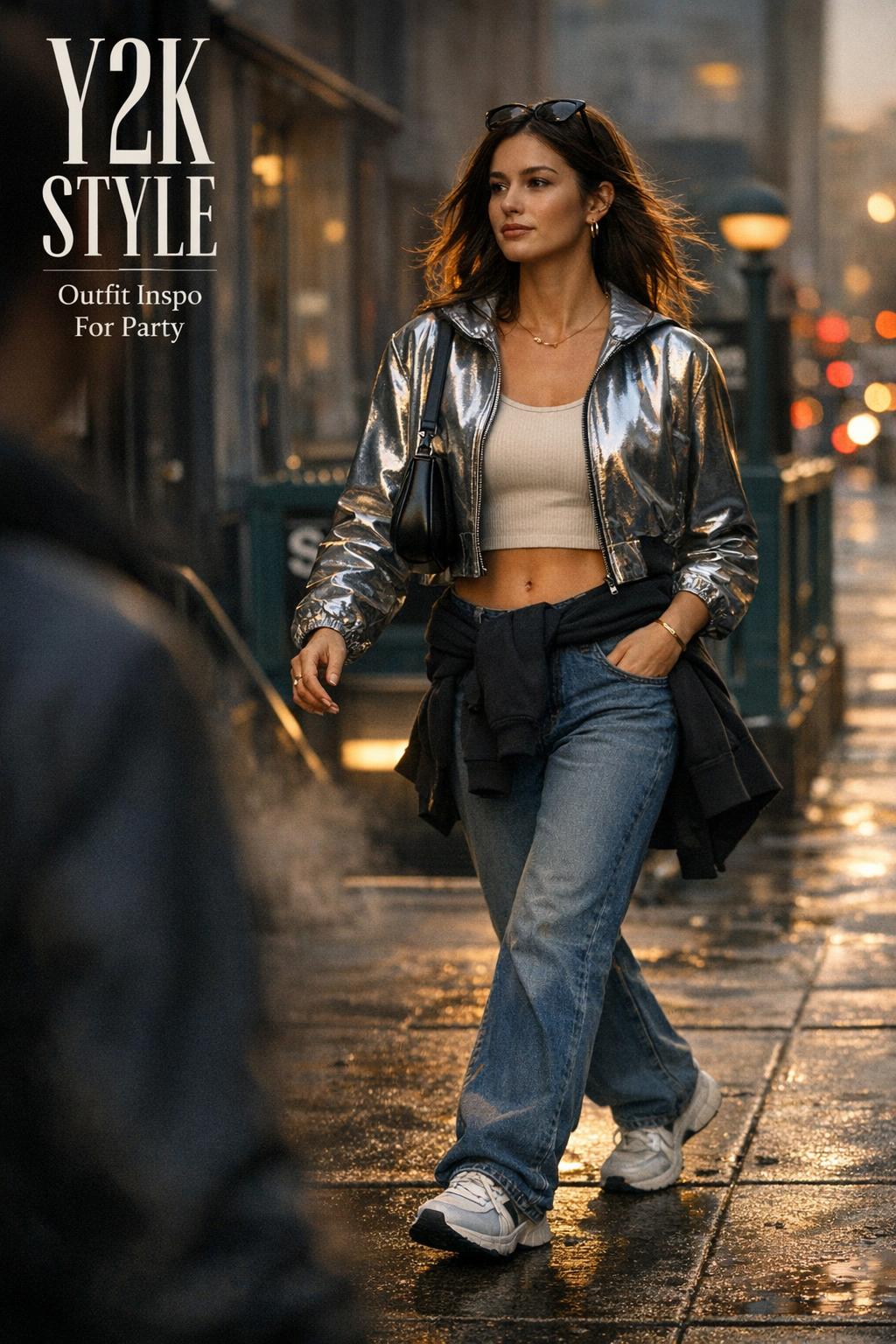
This is the most adaptable y2k style formula because it creates the silhouette signal without sacrificing comfort. Start with a cropped top as the y2k anchor, then stabilize the look with a more relaxed bottom. The outfit works because the short top sharpens the waistline visually, while the looser bottom keeps movement easy and prevents the look from becoming overly body-conscious.
- Key pieces: cropped top (anchor), relaxed pants or roomy denim, supportive everyday sneakers, light layer you can carry
- Why it works: strong proportion play; breathability and mobility are built in
- Best for: daily errands, casual meetups, “I want y2k streetstyle but I’m walking all day” days
For styles streetwear credibility, keep the accessories functional: a bag that sits close to the body and doesn’t swing, and minimal jewelry so the crop reads as the statement piece.
Outfit solution: the sleek-top, loose-bottom night-out upgrade (outfit inspo for party)
When you need outfit inspo for party settings, the goal is polish without discomfort. Use a sleek fitted top as the y2k signal, then contrast it with a looser bottom to keep the outfit breathable for warm venues. The visual logic is simple: the fitted top creates a clean line through the torso, and the relaxed bottom keeps the silhouette from feeling restrictive.
This combination also photographs well because it has a clear focal point at the upper body, while the lower half remains streamlined and not over-styled. It’s a modern read on y2k style that still feels like real streetwear once you choose practical footwear.
- Key pieces: fitted top (anchor), relaxed pants, comfortable going-out shoes you can stand in, optional light jacket for transitions
- Why it works: heat management indoors; clean silhouette balance; easy to adjust with outerwear
- Best for: bars, house parties, birthdays, casual club nights
Outfit solution: the layered streetwear shield for unpredictable weather
Weather swings can ruin y2k outfits because the aesthetic often leans minimal on fabric coverage while being maximal in styling. The fix is a layered system that still reads y2k streetstyle: a base that feels sleek and fitted, plus an outer layer that adds structure and temperature control.
The styling logic is about modularity. Your base layer carries the y2k identity. The outer layer functions as your practical shell and also keeps the look from feeling too exposed in public settings. This is especially useful for commutes, campus days, or city weekends when you move between outdoors and heated interiors.
- Key pieces: fitted base top (anchor), comfortable pants, outer layer you can remove easily, sneakers or sturdy everyday shoes
- Why it works: temperature adaptability without losing silhouette clarity
- Best for: transitional seasons, travel days, long walking schedules
To keep the outfit from becoming bulky, make sure only one layer is truly oversized. If both base and outer layer are oversized, the y2k lines disappear and the outfit reads generic rather than intentional.
Outfit solution: the minimal-y2k streetstyle uniform for beginners
If y2k style feels intimidating, start with a minimal uniform that uses one signal at a time. The point is to keep the outfit composition clean: one y2k element, one streetwear element, and one “grounding” element that makes it feel like you’re dressed for real life.
This is where “my outfit streetwear” thinking helps. Instead of asking, “How do I dress y2k?”, ask, “What is my usual outfit, and where can I insert a y2k anchor?” That approach creates consistency, which is the difference between a wearable style and a one-time costume moment.
- Key pieces: one y2k-forward top or accessory (anchor), your most reliable everyday bottom, practical shoes, a simple bag
- Why it works: low risk; easy repetition; quick to style
- Best for: first-time y2k streetstyle, casual days, low-effort but intentional looks
Outfit solution: the comfort-first silhouette for long events
Long events expose weak outfits. If you’re standing for hours, sitting, walking, and dealing with changing temperatures, y2k style needs to be engineered for comfort. The trick is to place structure where it looks best and keep comfort where you’ll feel it most.
Choose a comfortable base that doesn’t require constant adjusting, then add one statement element that communicates y2k streetstyle. This is also the most sustainable way to wear trend-driven fashion: you’re relying on a few strong pieces rather than rebuilding your wardrobe for one aesthetic.
- Key pieces: comfortable base (anchor can be a top or accessory), flexible bottom you can move in, walkable shoes, optional layer for temperature changes
- Why it works: minimizes outfit maintenance; maximizes wear time
- Best for: concerts, all-day parties, festivals with city walking
How to make y2k style read “real streetwear” instead of theme-night
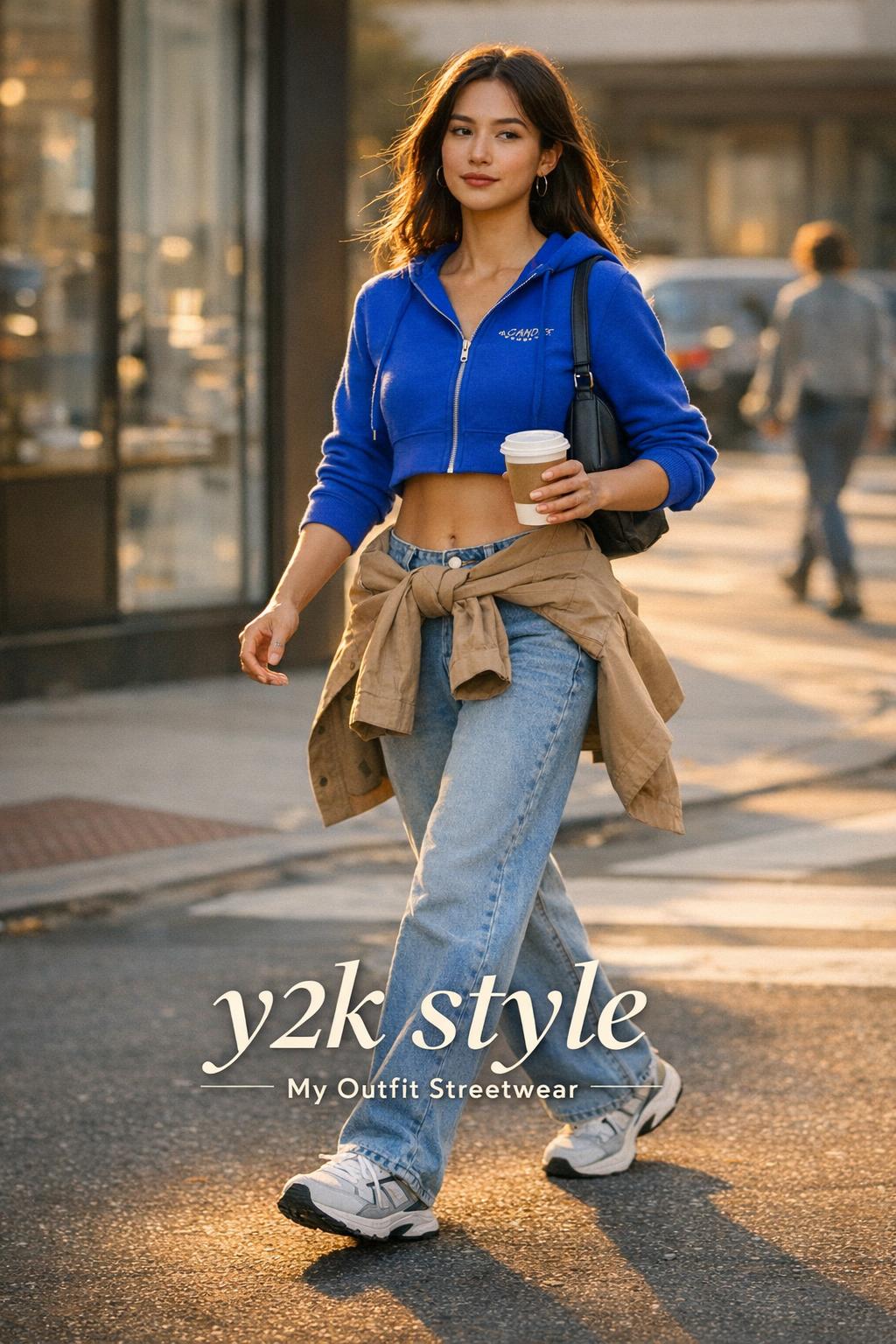
“Real streetwear” isn’t about copying a single look—it’s about outfit functionality and visual control. Y2k streetstyle becomes costume-like when every element tries to be the headline. To keep the aesthetic grounded, treat your outfit like a design project: define the statement, define the support pieces, and keep the foundation comfortable.
Style breakdown: edit the number of focal points
A strong y2k style outfit usually has one primary focal point and one secondary detail. Anything beyond that starts competing. Your focal point might be a silhouette (cropped, fitted, low-slung), while the secondary detail is a small styling cue (a shiny finish, a playful accessory, a graphic). The rest should be visually quiet.
Style breakdown: keep the outfit grounded with a “normal-life” element
This is a simple trick with a big payoff: pair the y2k anchor with something that reads everyday and practical. In styles streetwear terms, that’s what creates credibility. A practical shoe choice, a functional bag, or a comfortable bottom signals that you’re dressed for your life, not only for a photo.
Style breakdown: prioritize movement
Y2k style can involve tighter silhouettes or smaller tops, which can cause constant readjusting if the fit isn’t right. Movement is the hidden test: if you can’t sit, walk, or reach comfortably, the outfit stops feeling stylish and starts feeling fussy. The most effective y2k streetstyle outfits look effortless because they’re physically workable.
Tips that make y2k outfits feel better to wear (and easier to style)
Tips: build a two-layer plan even when the outfit looks minimal
Even if the final look is streamlined, plan for a second layer you can add or remove. The goal is not bulk—it’s control. A removable layer prevents the outfit from becoming impractical when temperatures shift, and it reduces the temptation to over-style with extra accessories.
Tips: choose footwear like a streetwear stylist, not a trend archivist
Your shoes decide whether your y2k style outfit survives the day. Treat footwear as the foundation: stable, walkable, and compatible with your schedule. For outfit inspo for party, this matters even more—standing and walking expose uncomfortable shoes quickly, and discomfort reads on the whole silhouette.
Tips: keep one “clean line” in the outfit
When you’re using y2k streetstyle details, keep at least one area visually clean—either a smooth top line, a simple pant line, or a clean outer layer. This prevents the look from turning into visual clutter and makes the statement piece feel intentional.
Tips: treat accessories as function-first
Accessories can easily push y2k style into costume territory. The smarter approach is function-first styling: carry what you need without adding extra “noise.” A practical bag and minimal add-ons keep the outfit looking modern, which is exactly what makes styles streetwear feel current instead of nostalgic in a literal way.
Common mistakes that sabotage y2k streetstyle
Stacking too many statement elements at once
This happens because y2k style inspiration is often presented as a complete, maximal look. In practice, stacking multiple focal points makes the outfit hard to wear and harder to balance. Fix it by choosing one anchor and one supporting detail, then letting the rest of the outfit stay clean.
Ignoring temperature reality
Minimal coverage plus long time outdoors equals discomfort, and discomfort leads to constant adjusting. The solution is simple: plan a removable layer and choose fabrics that don’t trap heat. Y2k streetstyle looks best when the wearer looks at ease.
Choosing shoes for aesthetics only
Footwear is where “my outfit streetwear” becomes real. If you can’t walk, you can’t live in the look. Prioritize stability and comfort, then let the y2k anchor live elsewhere in the outfit composition.
Forgetting silhouette balance
When both top and bottom are either extremely tight or extremely oversized, the outfit loses structure. Y2k style thrives on contrast—tight with loose, short with long, sleek with relaxed. Restoring that contrast usually fixes the outfit immediately.
How to adapt y2k style to different settings without losing the vibe
The easiest way to keep y2k style wearable is to adjust the intensity based on the setting. The aesthetic doesn’t have to look identical everywhere; it just needs a consistent design language. Think of y2k as a styling filter you apply, not a uniform you must follow.
For everyday errands and casual daytime
Keep the y2k signal concentrated in one area—usually the top or one accessory—then wear practical streetwear staples for the rest. This creates a clean “real streetwear” result: comfortable, functional, and still trend-aware.
For a party, birthday, or night-out (outfit inspo for party)
Turn up the polish, not the complexity. Use a sleek anchor and build the rest of the look to support movement and heat. Party environments often run warm and require standing; a breathable silhouette with stable shoes will outperform a highly styled outfit that needs constant fixes.
For long days in the city
City days demand a walkable foundation and weather adaptability. Keep the y2k element strong but singular, then lean into styles streetwear logic: comfortable base pieces, a removable layer, and accessories that don’t slow you down.
A practical way to build your y2k capsule without overbuying
Y2k style becomes expensive and messy when you buy pieces for a single look instead of building a small system. A capsule approach keeps the aesthetic consistent while staying wearable. The idea is to own a few anchors and then rotate supportive basics around them.
- Choose 1–2 y2k anchors you’ll actually wear often (a signature top or a distinctive accessory)
- Pair them with repeatable streetwear bases you already trust for comfort
- Add one layering option so the looks work across temperature changes
- Keep footwear practical to protect the entire outfit’s wearability
This approach also protects your style identity. Instead of chasing every micro-variation, you build recognizable y2k streetstyle that still feels like “my outfit streetwear,” not a random rotation of trend pieces.
Conclusion: a smarter way to wear y2k style
Wearable y2k style is less about collecting references and more about disciplined outfit composition. Choose one y2k anchor, balance proportions intentionally, and build comfort into the foundation through practical shoes and flexible layers. That’s the formula that turns y2k streetstyle into real streetwear.
When you treat y2k as a set of styling principles—visual anchors, clean palette control, texture contrast, and movement-first choices—you can adapt it to errands, city days, and outfit inspo for party moments without losing the aesthetic or your comfort.
FAQ
What is the easiest way to start wearing y2k style without looking like a costume?
Use one y2k anchor (a top, a silhouette choice, or a single accessory) and keep the rest of the outfit clean and practical; this creates a clear focal point and prevents competing statements that push the look into theme territory.
How do I make y2k streetstyle work for a full day of walking?
Prioritize a walkable shoe, choose one statement element, and build the rest with comfort-first streetwear bases plus a removable layer so your outfit stays functional as your schedule and temperature change.
What’s the most reliable silhouette rule for y2k style?
Use contrast: pair something fitted or cropped with something more relaxed, or keep one area sleek while the other is looser, which creates proportion play without making the outfit restrictive.
How can I get outfit inspo for party looks that are still comfortable?
Choose a sleek y2k anchor up top, keep the bottom breathable for warm indoor venues, and treat footwear as the foundation so you can stand and move comfortably for hours.
How do I keep styles streetwear energy while wearing y2k elements?
Ground the y2k detail with functional pieces—walkable shoes, a practical bag, and a stable base silhouette—so the outfit reads like real streetwear rather than a purely nostalgic reference.
Why do some y2k outfits look cluttered even when the pieces are trendy?
Clutter usually comes from too many focal points at once; editing down to one primary statement and one secondary detail restores hierarchy and makes the outfit look intentional.
What should I do if my y2k look feels too revealing for everyday settings?
Add a structured or removable layer that keeps the base y2k silhouette visible while giving you coverage control, which improves comfort and makes the look more versatile in public and transitional weather.
How can I build a “my outfit streetwear” y2k uniform I can repeat?
Pick one or two y2k anchors you genuinely like, pair them with your most reliable everyday bottoms and shoes, and keep one consistent layering option so you can repeat the formula with small changes instead of reinventing the look each time.