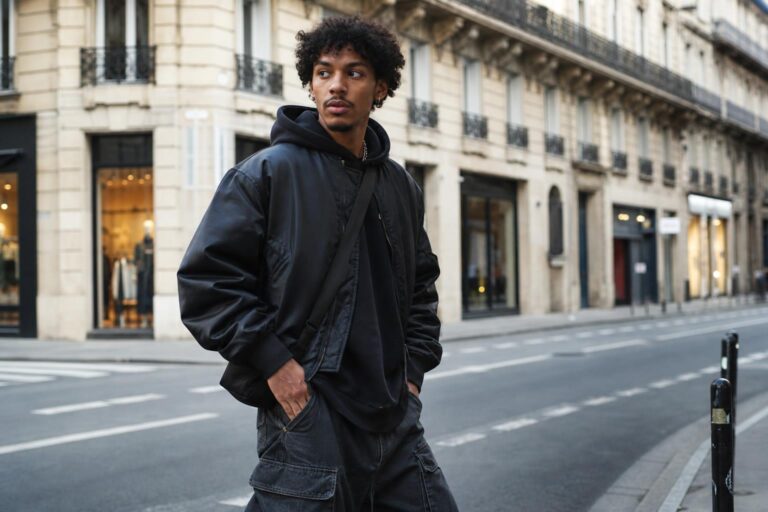
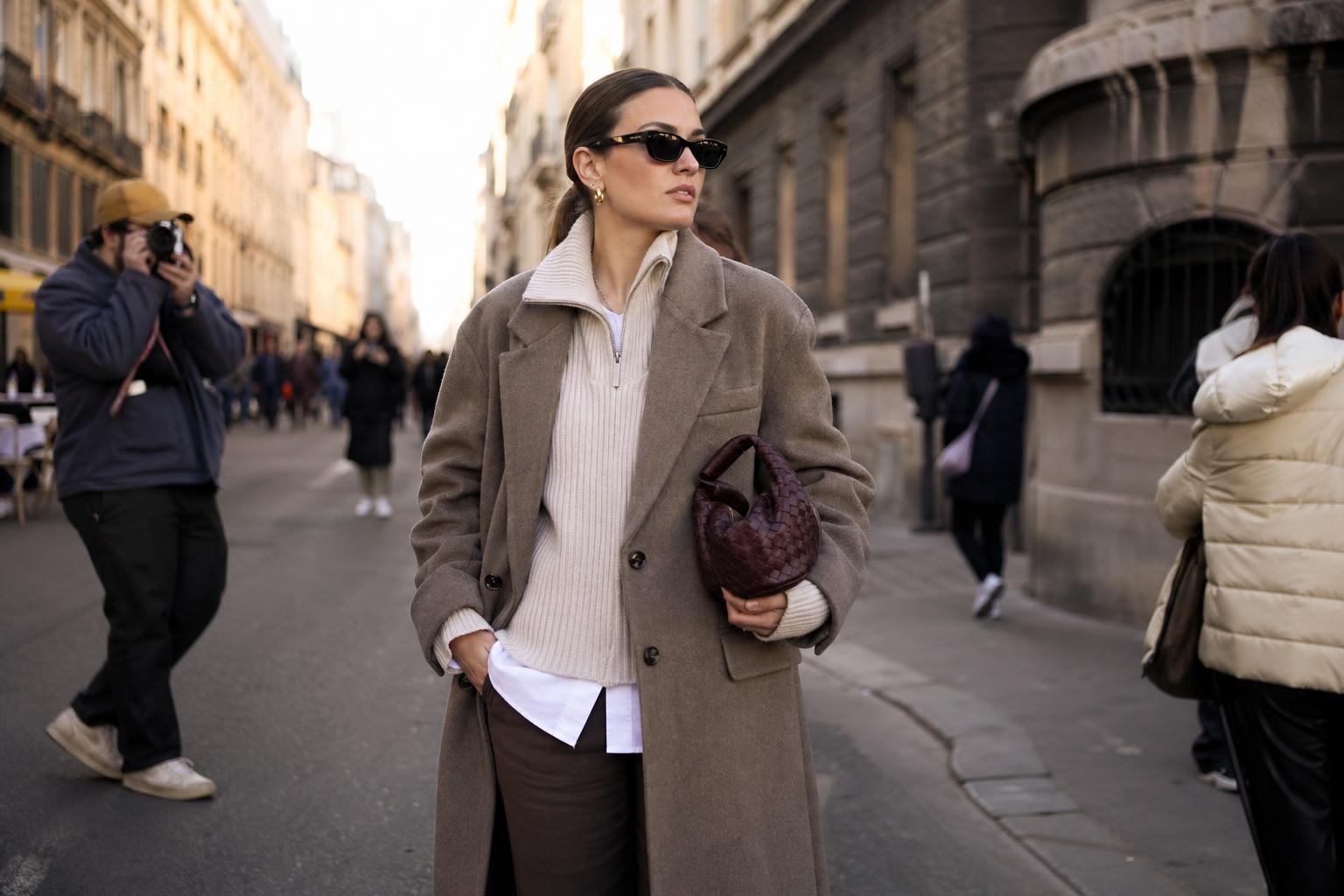
Global Street Style Inspiration for a Modern Wardrobe
Street style inspiration rarely comes from a single perfect outfit. It usually appears in motion: a sharply cut coat in New York, tonal layering in Paris, an eclectic mix in London, a polished silhouette in Milan, or a streetwear-driven composition in Tokyo. What makes these looks compelling is not only novelty, but structure. The strongest street style outfits balance proportion, color, texture, and practicality while still reflecting the energy of a city, a season, and often the influence of fashion weeks, photographers, editors, stylists, celebrities, and everyday tastemakers.
That is why street style remains one of the most useful forms of fashion inspiration. It translates trends into real environments. It shows how bags, shoes, outerwear, and accessories function outside a runway context. It also reveals how brands are interpreted differently from one location to another, whether the result is minimal, expressive, luxury-focused, or grounded in local subcultures. For readers looking for outfit ideas they can actually use, the most valuable approach is not to copy a look exactly, but to understand the styling logic behind it.
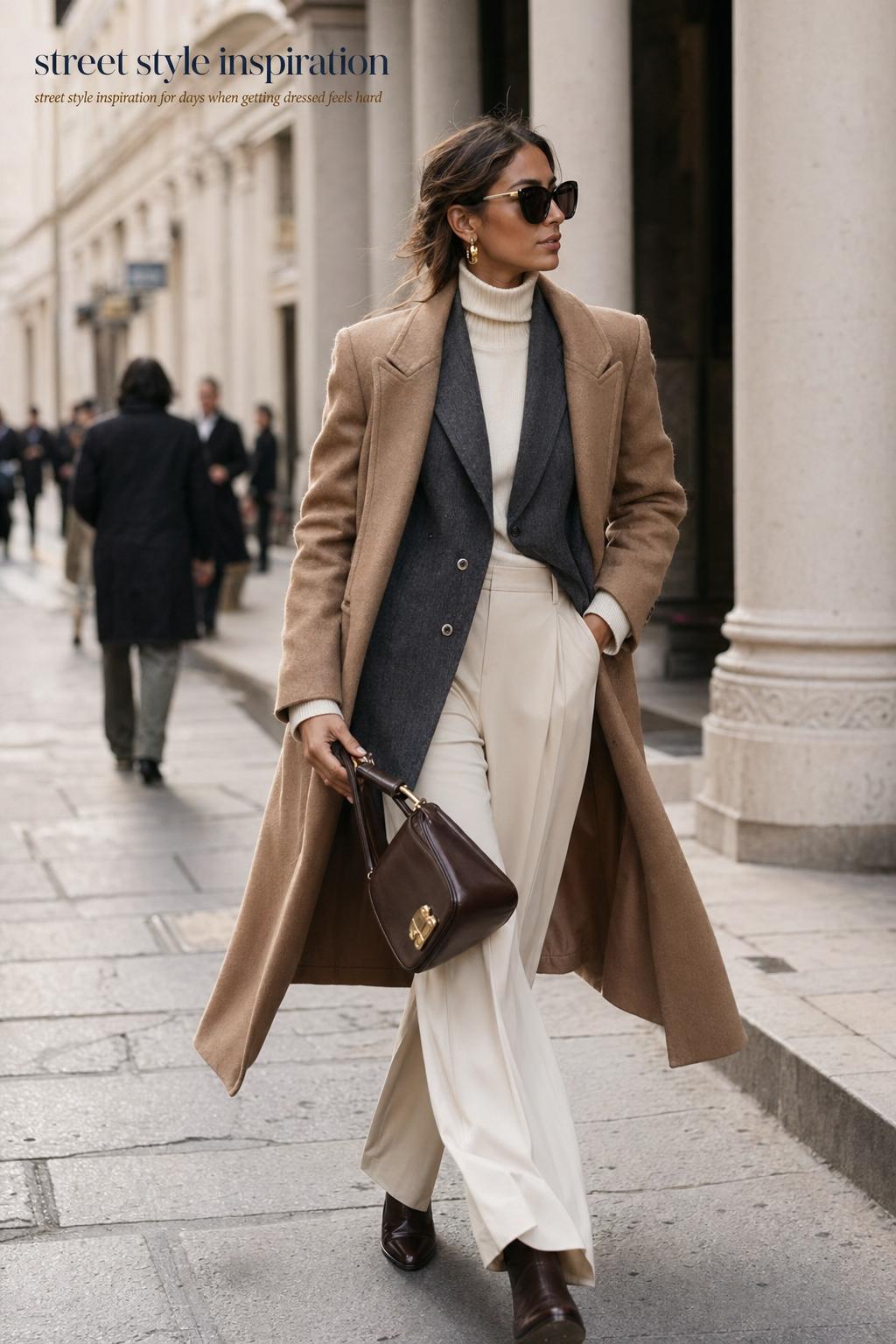
What defines street style right now
Street style today sits at the intersection of runway influence, personal wardrobe editing, and city-specific attitude. Fashion week still acts as a major visual engine, especially in New York, Paris, Milan, and London, where photographers capture editors, models, stylists, and public figures moving between shows. But the most relevant street style is not limited to event dressing. It also includes wearable fashion seen in city streets, district-level style scenes, and globally varied looks documented through galleries and photography series.
Several visual themes consistently shape current outfit composition. Color stories matter more than random statement dressing. Silhouettes are used deliberately, with oversized outerwear often balanced by cleaner lines elsewhere. Accessories act as visual anchors rather than afterthoughts. Brands appear as part of a broader styling system, not as the entire point of the look. This shift is important because readers searching for style inspiration want ideas they can adapt, not only admire.
Found the dress? Keep the rest in one place.
Zarellea brings guest details, vendors, timelines, and every next step together — so your wedding plan feels as good as your look.
Another defining feature is the mix of glamour and reality. One image may feature luxury labels and a fashion week backdrop, while another offers the same styling principle through more accessible labels and a shop-the-look lens. That range is useful. It means a look can be decoded through shape, texture contrast, and proportion play rather than price point alone.
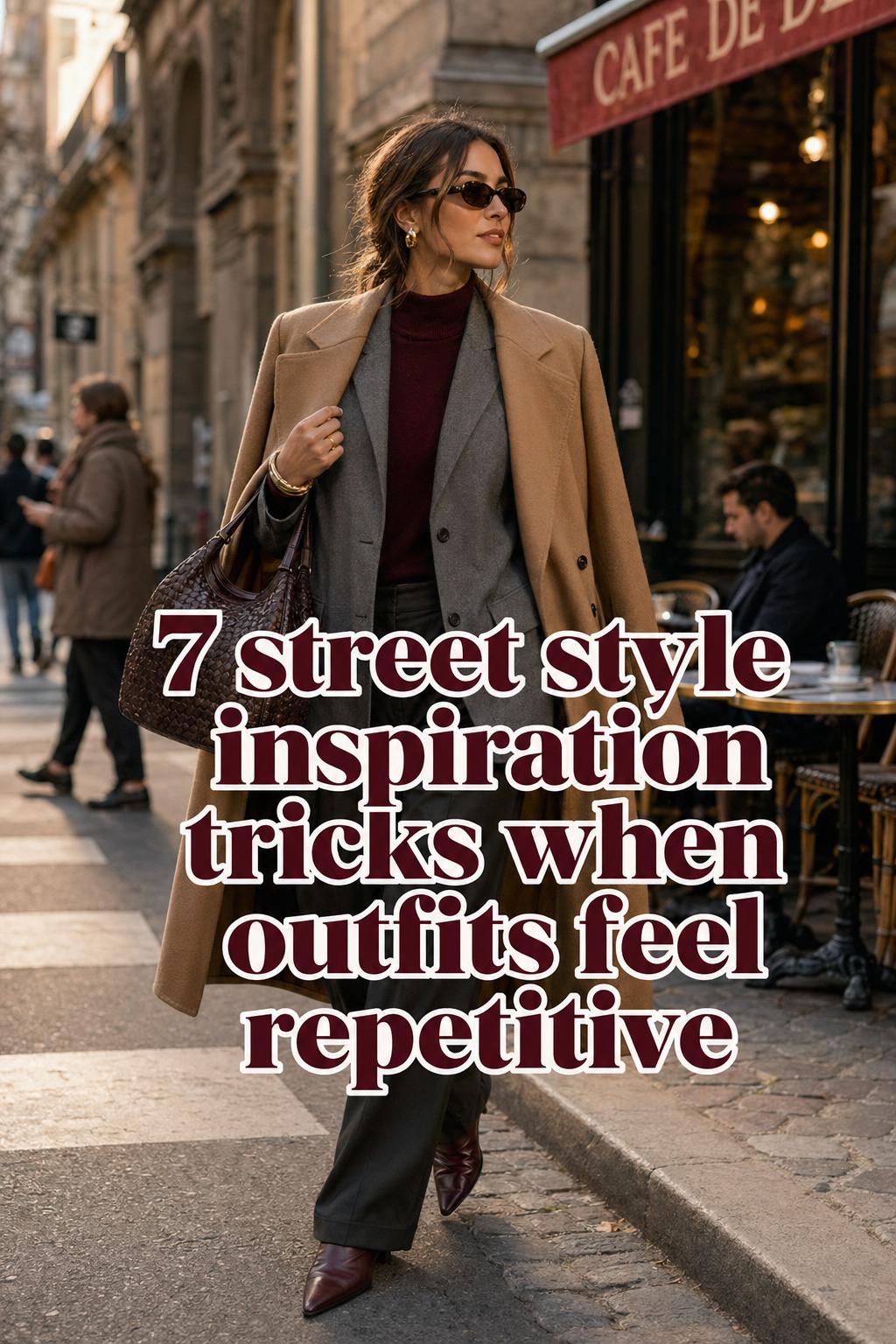
Why city context changes the meaning of a look
Street style is never completely universal. The same blazer, trousers, and handbag can read differently in SoHo than in Le Marais, and differently again in Shoreditch or Harajuku. City context changes the pace of dressing, the degree of polish, the palette preference, and the amount of subcultural influence visible in the outfit. That is why city street style remains central to fashion inspiration: place gives the look its logic.
- New York often emphasizes movement, sharp layering, and confident utility.
- Paris tends to refine silhouettes through restraint, even when a twist is added.
- London is more open to inversion, contrast, and subculture-coded styling.
- Milan often brings a polished finish and an attention to luxe visual balance.
- Tokyo frequently pushes a stronger streetwear influence and more experimental composition.
Beyond the classic fashion capitals, expanding the view matters. Shanghai, Lagos, Los Angeles, Mexico City, and Seoul are increasingly valuable references when building a broader inspiration board. They widen the conversation beyond a narrow European and American fashion circuit and reveal how local brands, neighborhoods, and emerging influencers shape distinct urban aesthetics.
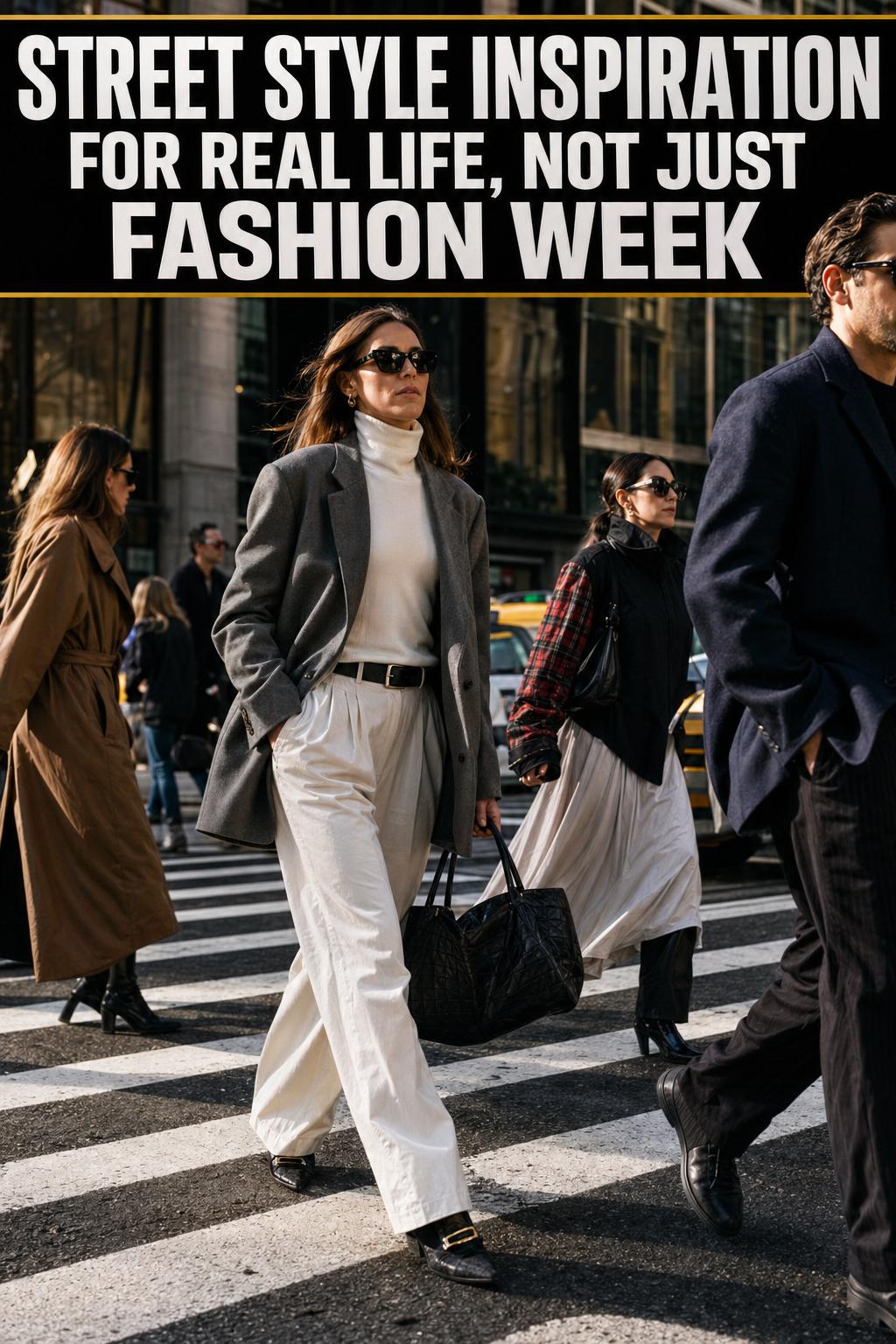
New York City: structure, speed, and visual confidence
New York street style works best when an outfit looks prepared but not overworked. The city’s visual language favors clean lines, strong outerwear, and a pace-aware wardrobe. In neighborhoods such as SoHo and Union Square, the most effective looks usually rely on one crisp focal point: an oversized coat, directional shoes, a sharp bag, or a monochrome base broken by one contrasting texture.
Why the NYC formula works
The New York silhouette often succeeds through tension. A relaxed trouser gains definition from a structured blazer. Heavy outerwear becomes lighter when paired with slimmer footwear. A practical city bag prevents the look from feeling decorative rather than functional. This is a useful lesson for everyday dressing: urban polish depends on visual control, not on adding more pieces.
Key pieces that carry the look
- Tailored outerwear that gives immediate shape
- Comfortable but directional shoes suited to long walking days
- A handbag with strong form, especially when the outfit is tonal
- Layering pieces that work indoors and outdoors without disrupting proportion
During New York fashion week, this logic becomes even clearer. Editors, models, celebrities, and stylists often wear outfits that need to photograph well from a distance while still functioning across a full day. That is why silhouette balance matters so much. If the coat is dramatic, the rest of the look is often edited down. If the accessories are bold, the base is usually cleaner.
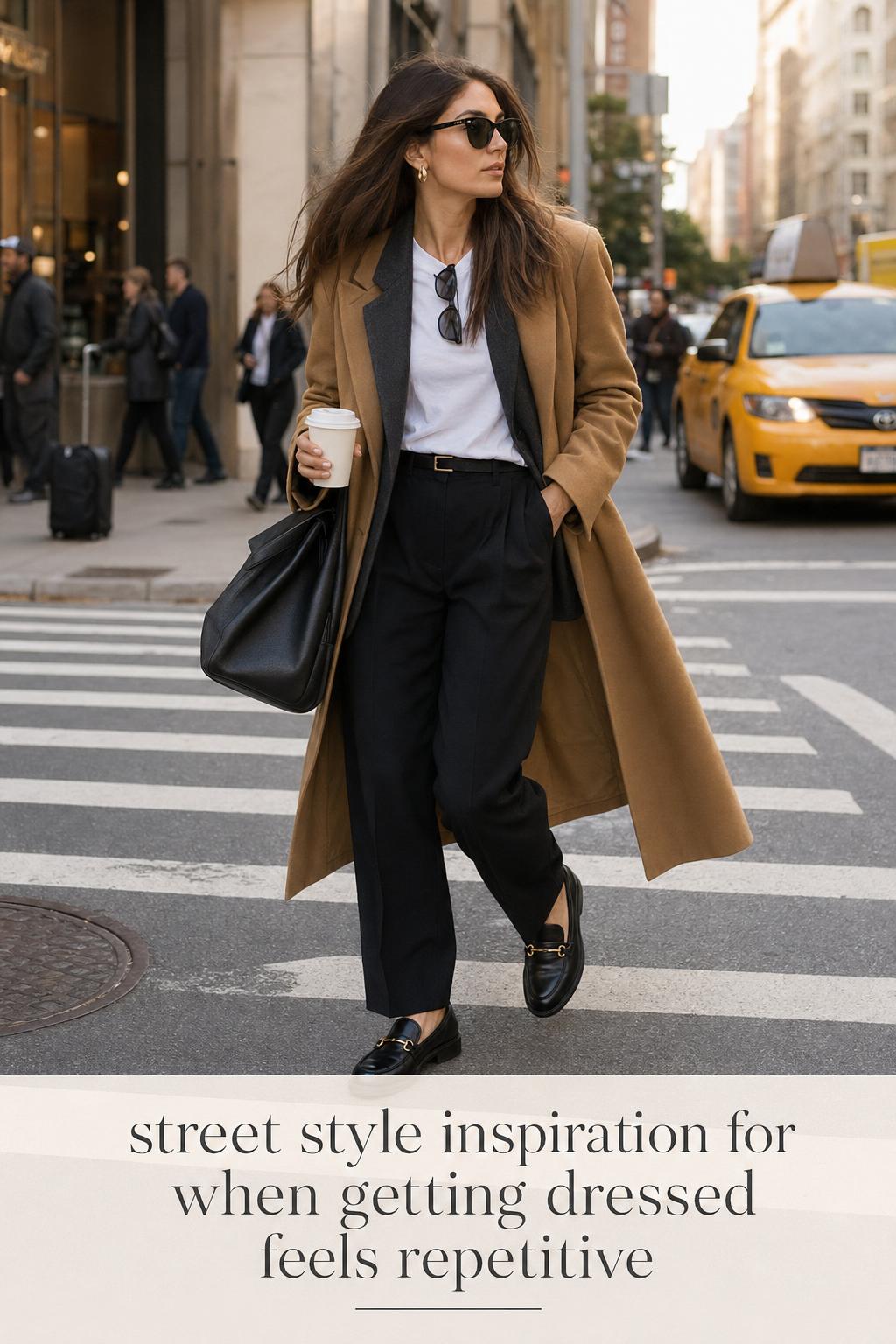
Paris: restrained chic with intentional disruption
Paris street style is often described as effortless, but that can hide the real discipline behind it. The strongest Parisian looks are highly edited. They depend on subtle color harmony, a controlled line, and one quiet disruption that keeps the outfit from becoming too polished. In districts like Le Marais, this can mean a minimalist coat paired with an unexpected shoe, or a soft knit balanced by a sharper bag.
Outfit composition in Paris street style
The Paris formula generally favors fewer, better-defined moves. Tonal dressing works well here because it emphasizes texture and cut instead of relying on obvious contrast. A neutral palette becomes more compelling when the outfit includes a mix of matte and smooth surfaces, or when a relaxed silhouette is anchored by one precise accessory. This is where many readers can improve their own styling: before adding another statement piece, refine the base.
Paris fashion week amplifies this aesthetic. Photographed attendees often reflect runway-adjacent trends, but the most memorable looks still maintain restraint. That balance between fashion authority and wearability is why Paris remains a major source of street style inspiration. It offers ideas that feel elevated without becoming costume-like.
London: eclectic dressing and subculture influence
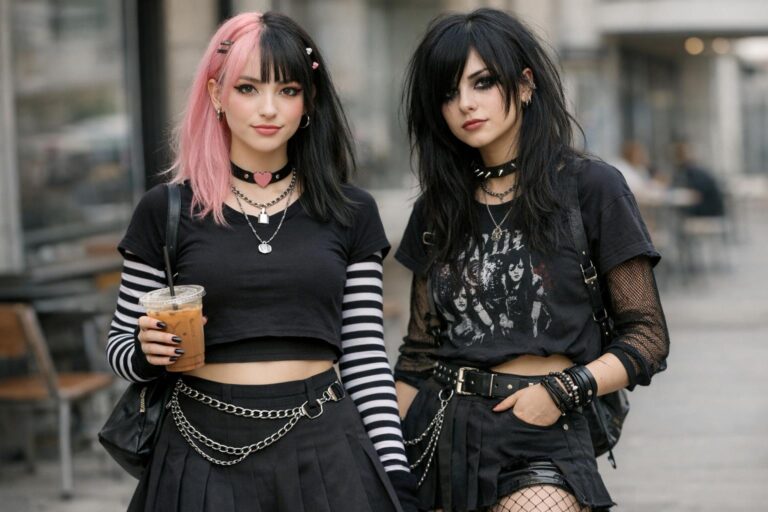
London street style is often the most conceptually interesting because it allows visible contradiction. The city has long embraced an eclectic mix of tailoring, streetwear fusion, vintage references, and subculture influence. In areas such as Shoreditch and Soho, the strongest outfits do not always aim for conventional polish. Instead, they rely on contrast, attitude, and styling intelligence.
This is also where undercovered style influences become especially important. Skate-driven details, hip-hop cues, preppy references, and boho-chic elements can all coexist within London-oriented outfit ideas. That does not mean the look should feel chaotic. It means each tension in the outfit needs a purpose. If a sharp coat is paired with casual sneakers, there should be a clear visual bridge, such as color continuity or repeated proportion.
How to adapt the London approach
- Pair one classic item with one subculture-coded piece rather than mixing everything at once.
- Use accessories to connect contrasting references.
- Keep one dominant silhouette so the outfit still reads as intentional.
- Let color stories guide the mix when the shapes are varied.
For readers who feel their wardrobe is too safe, London-inspired dressing is often the best entry point into experimentation. The key is to build around one strong visual anchor rather than treating every garment as a statement.
Milan, Tokyo, Los Angeles, Shanghai, and Lagos: different expressions of impact
Street style inspiration becomes richer when multiple cities are read side by side. Milan often communicates polish through controlled luxury cues and elegant finish. Tokyo tends to foreground experimentation, layering, and a stronger streetwear lens. Los Angeles shifts the conversation toward ease and wearable adaptation. Shanghai and Lagos widen the frame further, showing how contemporary urban style can be both fashion-aware and regionally distinct.
The value of these city roundups is not simply visual diversity. It is analytical diversity. They teach different methods of making an outfit memorable. Milan may rely on refined balance. Tokyo may lean on expressive proportion. Lagos can sharpen the relationship between color and confidence. Shanghai can combine trend awareness with modern city practicality. For someone building a wardrobe, this means there is no single correct version of street style. There are multiple valid systems.
Editorial takeaway from global city style
When looking at global street style galleries, focus on repeatable principles rather than surface imitation. Ask which city’s styling logic aligns with your routine, climate, and comfort level. A highly layered look may be inspiring visually but impractical for your day. A cleaner city formula may be easier to adapt while still feeling current.
The anatomy of a strong street style outfit
The most effective street style looks usually share a disciplined internal structure. Even expressive outfits tend to have one dominant silhouette, one visual anchor, and one supporting contrast. This is why some looks feel fashion-forward while others feel overbuilt. Strong outfit composition is not about having more trend pieces. It is about placing each piece in a clear hierarchy.
Silhouette balance
Silhouette balance is often the first reason a look works. If the upper half is oversized, the lower half usually needs either equal volume managed carefully or a cleaner shape to stabilize the look. If the outfit is fitted throughout, the risk is visual flatness, which is why outerwear, shoes, or bags become important for adding dimension. Street style photography highlights this immediately because imbalance is more visible in motion and from multiple angles.
Color stories and tonal layering
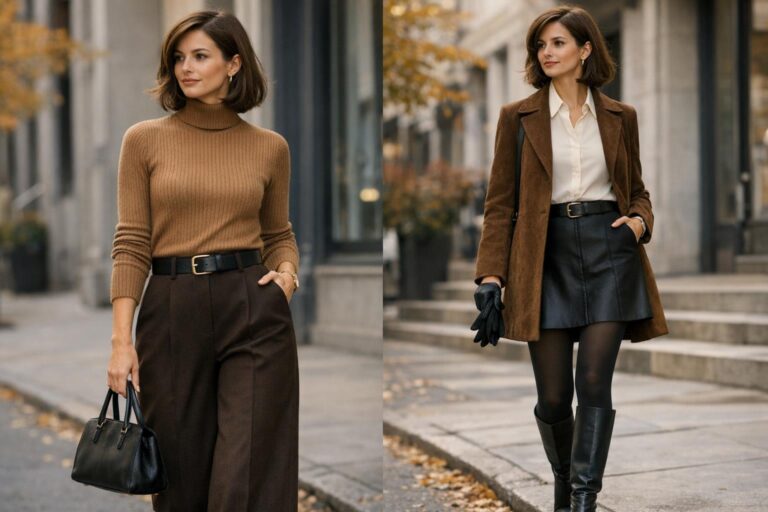
Color harmony is another common marker of a polished outfit. Neutrals, pastels, and bolder palettes all work, but they need internal logic. Tonal layering is especially effective because it creates sophistication without relying on a loud statement piece. A look built from related shades appears more deliberate, and it allows accessories to stand out with less effort.
Texture contrast
Texture is what prevents a simple outfit from feeling flat. A structured blazer against a softer knit, smooth leather accessories with matte tailoring, or crisp outerwear over casual separates can all create tension that feels modern. This is often what makes a street style look photograph well even when the palette is quiet.
How to recreate street style looks without losing practicality
The most useful street style inspiration is adaptable. A look seen during fashion week may be visually striking, but a successful recreation depends on context. The question is not whether you can match every item. The question is whether you can preserve the styling principle. That principle may be a color story, a proportion choice, or the use of one statement accessory against a minimal base.
Start with the item hierarchy
Before shopping, identify which element actually defines the outfit. In some looks, it is the outerwear. In others, it is the shoe line, the bag shape, or the silhouette created by trousers and jacket together. Once the hierarchy is clear, the rest of the outfit can be sourced more flexibly across luxury and accessible labels.
Build from wardrobe staples
- Outerwear creates immediate visual authority and is often worth prioritizing.
- Shoes determine whether the look reads polished, casual, or streetwear-driven.
- Bags and accessories can shift the mood of familiar basics.
- Tops and bottoms should support the overall silhouette rather than compete with it.
This is also where budget versus luxury decisions become easier. If the look depends mainly on cut and balance, an accessible version can work well. If the outfit relies heavily on material finish or a sharply defined bag shape, that piece may need more careful selection. Not every item needs equal investment.
Tips for translating inspiration into a real wardrobe
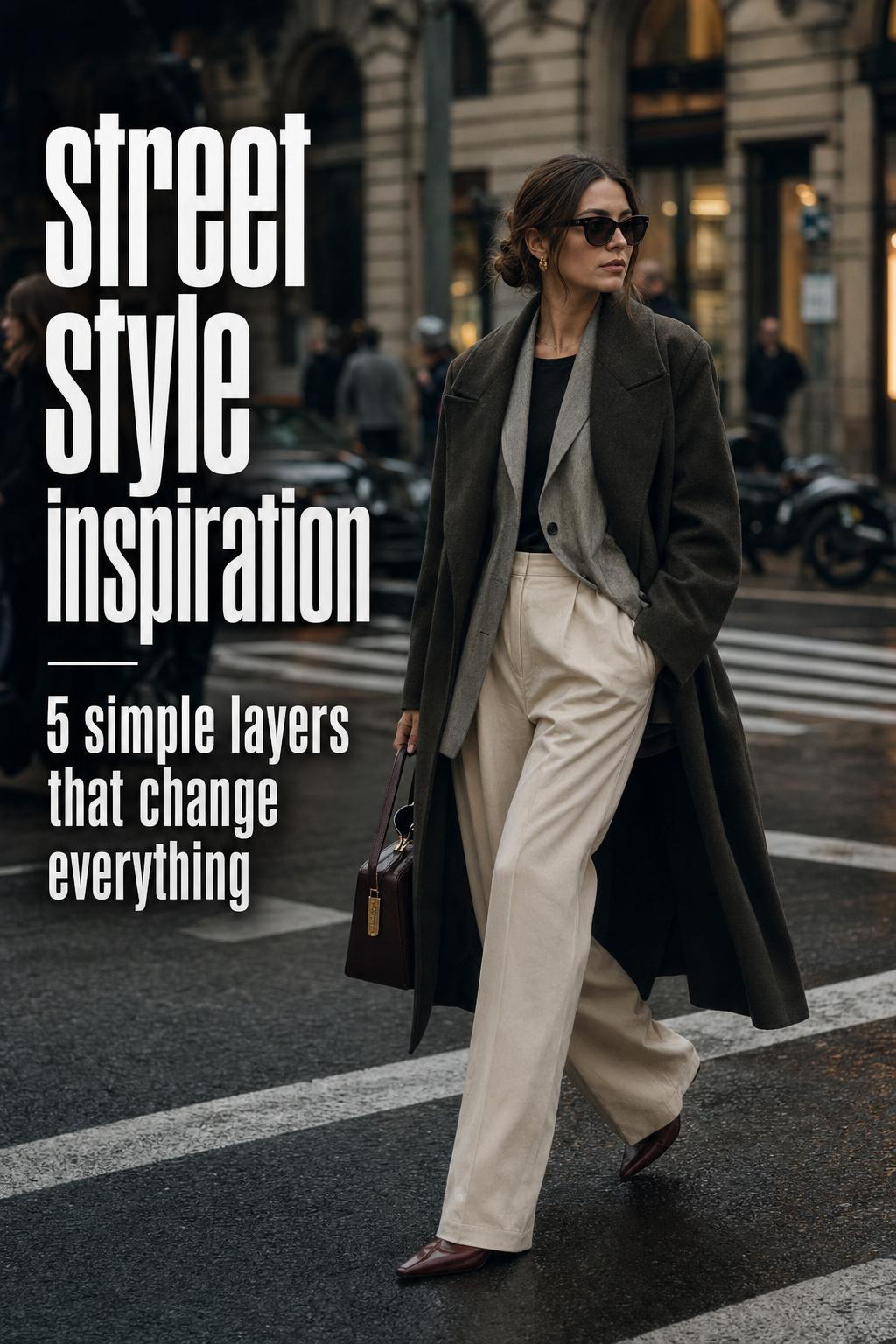
Use street style photos as diagnostic tools. Notice whether you are drawn to color palettes, oversized silhouettes, sleek tailoring, or accessory-heavy dressing. Save looks by structure rather than only by mood. If several favorite outfits share the same coat shape or shoe proportion, that pattern reveals what will actually be wearable for you.
Another practical tip is to test the outfit in the conditions where you will wear it. A composition that looks refined in a still image may lose impact if the layers shift awkwardly, the shoes are not walkable, or the bag interrupts the line of the coat. Real street style succeeds because it survives movement, weather, and long days.
Item-focused inspiration: the pieces that shape the entire look
Many top street style galleries mention complete outfits, but item clusters often carry more styling power than any single garment category. Shoes, handbags, outerwear, sunglasses, hats, and jewelry can all act as the visual anchor that defines an otherwise straightforward look. This is especially useful for readers who want fresh outfit ideas without rebuilding their wardrobe from scratch.
Outerwear as the dominant layer
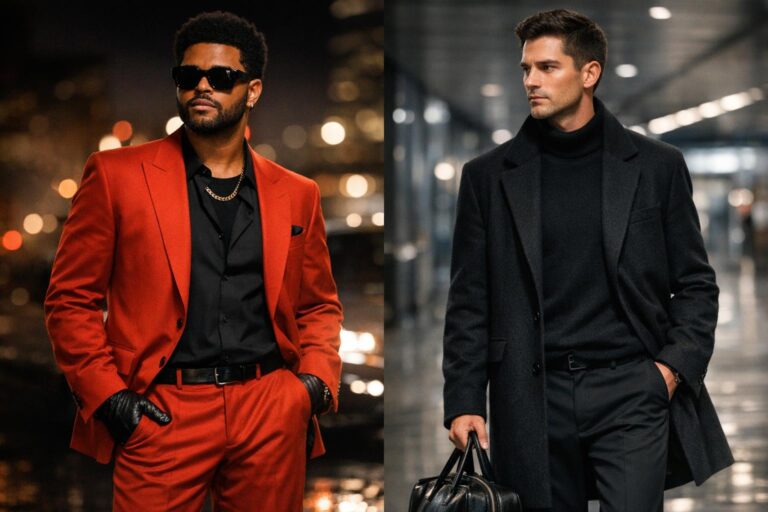
Outerwear is often the first thing captured in street style photography, which makes it one of the most influential pieces in a look. It determines shape, creates movement, and often signals whether the outfit leans polished, minimal, or fashion-week dramatic. Because of that, outerwear should not fight the proportions underneath it. A structured coat needs enough support from the trousers or shoes to avoid looking top-heavy.
Shoes and bags as visual anchors
Shoes and handbags frequently stabilize a look. In a tonal outfit, they provide definition. In a more expressive outfit, they create order. This is why many photographed looks from Vogue, Harper’s Bazaar, Elle, Glamour, and Marie Claire place such emphasis on accessories in captions and galleries. They help readers understand how the outfit is held together.
Accessory-specific styling insight
Accessories work best when they are treated as part of the silhouette rather than decorative add-ons. Sunglasses can sharpen a minimalist look. A hat can intensify city personality. Jewelry can pull focus upward when the clothing base is intentionally restrained. The strongest result comes from choosing one accessory category to lead and letting the others support.
Street style icons, influencers, photographers, and editors
Street style is shaped not only by the people wearing the outfits, but also by the ecosystem around them. Icons, influencers, celebrities, editors, stylists, and fashion week attendees all contribute to what becomes visible and desirable. Photographers and galleries then frame those looks, turning them into reference points that travel across platforms and shopping behavior.
This matters because inspiration is partly editorial. A look may feel compelling because the outfit is excellent, but also because the setting, timing, and image composition clarify its strengths. Street style photographers often capture the relationship between a person, a city, and a trend in one frame. That is why fashion capitals dominate coverage: they offer repeated contact between influential wearers, brand visibility, and event-driven style moments.
How to use icon-driven inspiration wisely
Street style icons are most useful when studied for signature patterns rather than exact duplication. One person may rely on strong outerwear, another on color stories, another on accessories. Emerging mavens and established public figures both offer cues, but the transferable value lies in what they repeat. Signature dressing is often more educational than novelty dressing.
Streetwear influence, runway crossover, and the seasonal shift
Street style often reflects the conversation between runway and real life. Fashion week coverage makes this relationship visible, but the best outfits are not direct runway copies. They adapt trend signals into wearable combinations. This is where streetwear influence has been especially important. It has changed the rhythm of dressing by introducing ease, attitude, and hybrid silhouettes into more traditional fashion contexts.
Seasonality also matters. A silhouette that feels compelling in one season may become heavy or visually incorrect in another. Color stories shift, layering changes, and accessories take on different roles. Seasonal roundups remain useful because they show how the same city or wardrobe staples evolve over time. For anyone collecting fashion inspiration, this is more practical than looking only at isolated standout outfits.
Era cues and nostalgia-driven styling
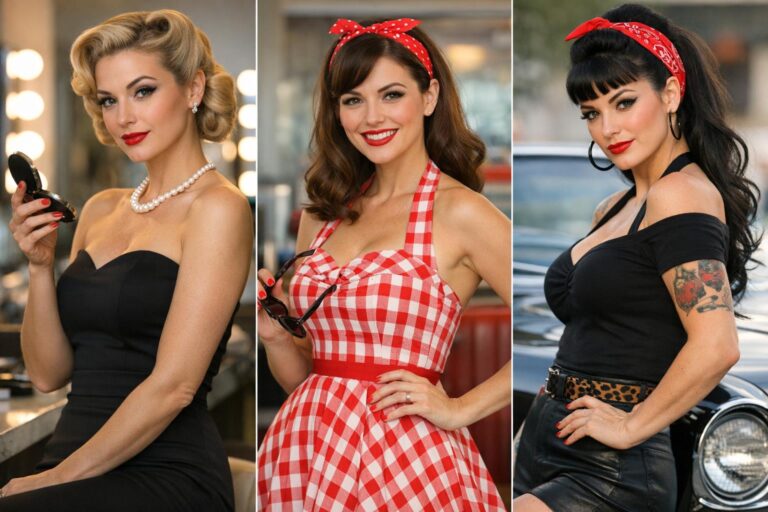
Another meaningful layer is the return of explicit era references, especially nostalgia-driven looks. A 90s revival or 2000s-coded outfit works best when the reference is edited rather than literal. Street style tends to modernize these eras through cleaner accessories, updated proportion, or a more controlled palette. That is the difference between costume and contemporary interpretation.
Where inspiration meets shopping
Many readers move from inspiration to purchase quickly, which is why shop-the-look formats perform so well. They bridge editorial content and commerce by showing how an outfit can be rebuilt through specific products, brands, and price tiers. This can be useful, but it works best when the shopping logic is clear. Buying individual pieces without understanding the silhouette usually leads to disappointment.
A more effective approach is to shop by role. Instead of searching for the exact coat seen in a gallery, look for the coat that performs the same function in the outfit. Does it add structure, soften the palette, create drama, or lengthen the line? The same principle applies to shoes, bags, and accessories. This method creates stronger results whether you are comparing accessible labels with luxury brands or working entirely within one price range.
Budget versus luxury: the real trade-off
Luxury labels often bring stronger finishing, sharper line, and a distinctive bag or shoe profile. Accessible options can still produce an excellent outfit if the silhouette and color harmony are right. The trade-off is usually precision rather than possibility. If one expensive item creates the entire mood of the look, it may deserve priority. If the effect comes from layering and proportion, a less costly version can still feel sophisticated.
Street style beyond the traditional fashion circuit
Classic fashion capitals remain important, but they are not the whole story. Regional diversity adds freshness and credibility to modern street style inspiration. City roundups outside the standard circuit reveal different uses of color, different relationships to trend adoption, and different balances between local identity and global fashion language. That breadth makes a wardrobe more personal and less dependent on a single editorial formula.
It also opens the door to newer areas of interest that deserve more attention, including sustainability-oriented styling, local designers, upcycled fashion choices, and more inclusive ways of thinking about style. In practical terms, this can mean choosing pieces with longer wardrobe life, mixing existing items more intelligently, and looking for inspiration that values real wearability rather than pure spectacle.
Tip: use local variation to sharpen your own aesthetic
If your saved images come only from one city or one event cycle, your wardrobe direction may become narrow. A broader inspiration mix often reveals more useful patterns. You may prefer Parisian tonal restraint for workwear, Tokyo layering for weekend styling, and New York outerwear logic for everyday dressing. That blend is often more realistic than committing to one city persona.
Digital tools, visual search, and AI-shaped inspiration
Street style is now discovered through more than magazine galleries alone. Visual search, shoppable images, AI-assisted outfit recommendations, AR try-ons, and digital lookbooks all influence how people find and interpret fashion inspiration. This has changed not just shopping behavior, but also the structure of inspiration itself. Readers increasingly move from image to item to outfit recreation in one continuous flow.
This convenience has advantages. It makes it easier to identify a bag shape, compare a shoe silhouette, or find affordable street style alternatives. But it also has a limitation: it can reduce style to product matching. The better use of digital tools is analytical. Use them to locate categories, compare price bands, and test outfit direction, then return to the larger question of composition. Technology helps most when it supports judgment rather than replacing it.
Common mistakes that weaken a street style look
Not every eye-catching outfit translates well in real life. Some common mistakes appear repeatedly when readers try to recreate street style too literally. The issue is usually not boldness. It is misreading what made the look successful in the first place.
- Overloading the outfit with too many trend signals at once
- Ignoring comfort and movement, especially with shoes and outerwear
- Copying product choices without matching the original silhouette balance
- Adding statement accessories with no visual hierarchy
- Using a palette that clashes with the intended mood of the look
A useful correction is to remove one competing element and strengthen the anchor piece. If the coat is already dramatic, the shoes do not need to compete. If the jewelry is the focal point, the bag can be quieter. Street style often looks spontaneous, but the strongest versions are highly edited.
A practical framework for building a versatile street style wardrobe
A versatile wardrobe for street style inspiration should support multiple visual directions without becoming fragmented. That means selecting pieces that can move between minimal, polished, expressive, and streetwear-influenced combinations. The goal is not to own every trend. It is to build a set of components that can respond to different city references and seasonal shifts.
Start with foundational items that control line and proportion. Then add accent pieces that shift mood. A strong coat can make basics feel directional. The right shoes can turn classic tailoring into a city look. A well-chosen bag or pair of sunglasses can introduce brand energy without overwhelming the outfit. This kind of wardrobe is not visually dull. It is structurally intelligent.
What stylists typically prioritize
Stylists and editors tend to focus on the relationship between base pieces and finishing pieces. The base establishes silhouette and comfort. The finishing pieces create distinction. When readers struggle with street style, the gap is often not taste but sequencing. They choose statement elements before confirming the line of the outfit. Reverse that order and the results improve quickly.
Reading a street style image like an editor
One of the best ways to find stronger outfit ideas is to study images with editorial discipline. Instead of asking whether a look is nice, break it into components. What is the visual anchor? Which item shapes the silhouette? Where does the eye go first? Is the palette cohesive or intentionally disrupted? Are the accessories supporting the look or trying to dominate it?
This method is especially useful when looking through street style galleries from Vogue, Harper’s Bazaar, Elle, GQ, Fashionista, Glamour, Who What Wear, Marie Claire, Essence, and Vogue’s UK coverage. These platforms often present city roundups, trend galleries, style notes, and shoppable edits that can be read not only as inspiration, but as practical lessons in outfit construction.
Over time, this sharper way of looking helps you identify your own preferences with more precision. You stop saving random images and start recognizing repeat patterns: maybe you prefer strong outerwear over bold color, or refined accessories over heavy layering, or London eclecticism over Paris restraint. That clarity is what transforms general fashion inspiration into a usable personal system.
FAQ
What counts as street style inspiration?
Street style inspiration includes outfits seen in real city settings, fashion week coverage, street style photography galleries, and wearable looks shaped by editors, stylists, influencers, celebrities, and everyday fashion-forward dressers. Its value comes from showing how trends, brands, accessories, and silhouettes function outside a runway environment.
How do I recreate street style looks without buying the exact same pieces?
Focus on the styling principle rather than exact product matching. Identify whether the look depends on outerwear shape, tonal layering, shoe proportion, color harmony, or one standout accessory. Once you understand that structure, you can recreate the effect with accessible or existing wardrobe pieces.
Which cities are the best reference points for street style?
New York, Paris, London, and Milan remain major references because of their strong fashion week ecosystems and constant editorial coverage. Tokyo, Los Angeles, Shanghai, Lagos, Seoul, and Mexico City are also useful because they expand the visual range of street style and offer different balances of polish, experimentation, and local identity.
How do I build a versatile street style wardrobe?
Build around pieces that control silhouette first, especially outerwear, shoes, and bags. Then add supporting tops, bottoms, and accessories that can shift the mood of the outfit. A versatile wardrobe works because the pieces interact well across multiple looks, not because each item is individually dramatic.
Where can I find authentic, non-influencer street style ideas?
City roundups, photographer-led galleries, and street-view-based features can offer a broader mix of real-life dressing. These formats are useful because they capture global variation, local style habits, and everyday outfit composition rather than relying only on highly curated influencer content.
What are the most important pieces in a street style outfit?
Outerwear, shoes, handbags, and accessories often carry the most visual weight because they define line, mood, and polish. Tops and bottoms matter, but many successful street style looks are remembered because one or two key pieces anchor the entire composition.
How much does fashion week influence street style?
Fashion week has a major impact because it brings together editors, models, stylists, celebrities, brands, and photographers in cities like New York, Paris, London, and Milan. It accelerates trend visibility, but the most useful street style ideas are usually the ones that translate those event-driven looks into practical wardrobe formulas.
Can street style be sustainable and practical?
Yes, especially when inspiration is used to improve styling rather than drive constant buying. Focusing on wardrobe longevity, upcycled or existing pieces, flexible accessories, and repeatable outfit formulas can make street style both more sustainable and more realistic for daily wear.