What to Wear: Casual Old Money Outfits for women
There is a reason casual old money outfits for women keep resurfacing whenever fashion turns away from noise and back toward restraint. The appeal is not trend-chasing. It is visual discipline: soft tailoring, quiet luxury, polished fabrics, and a wardrobe built from pieces that look better because they are simple. The mood sits somewhere between Ivy League prep, coastal leisure, and understated city elegance, with silhouettes that feel composed rather than performative.
This aesthetic belongs naturally in the in-between moments of real life: brunch, museum outings, casual town strolls, a boardwalk afternoon, a lunch near campus, or a weekend that moves from errands to dinner without a complete outfit change. It is popular because it communicates confidence without visible effort. Nothing is loud, yet everything appears considered.
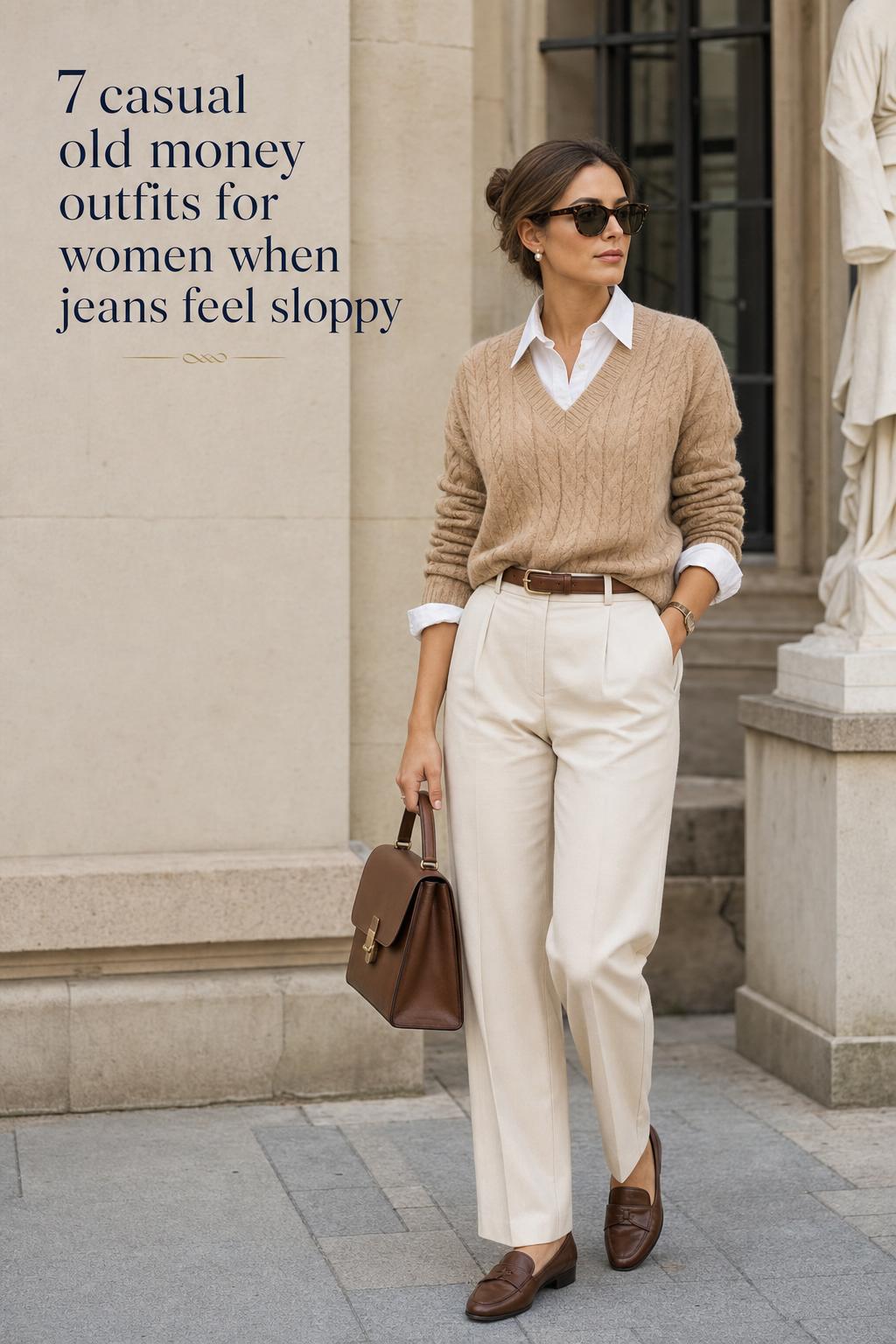
What makes the look especially enduring is its flexibility. A crisp white shirt, loafers, a navy pleated skirt, a cashmere cardigan, or tailored trousers can read preppy, coastal, equestrian, or quietly corporate depending on proportion, texture, and accessories. That range is exactly why the old money aesthetic remains one of the most wearable forms of timeless fashion.
What gives this aesthetic its signature mood
The old money aesthetic in everyday wear is defined by quality over quantity, timeless silhouettes, and a neutral palette that never feels accidental. It overlaps with quiet luxury, but the distinction is important: the visual language is not just expensive minimalism. It is rooted in long-standing dress codes associated with classic collegiate style, preppy fashion, and social settings where refinement is expected but display is discouraged.
Found the dress? Keep the rest in one place.
Zarellea brings guest details, vendors, timelines, and every next step together — so your wedding plan feels as good as your look.
That is why the most convincing versions rely on clean shirts, fine knits, trench coats, tailored blazers, midi skirts, loafers, pearls, and leather bags rather than obvious statement branding. The elegance comes from fabric and proportion. A cable-knit sweater over a collared shirt creates structure. Cream slacks with loafers feel relaxed but still precise. A tweed jacket with straight-leg jeans adds contrast without breaking the mood.
In practical terms, the look works best when every element appears intentional: pressed cotton, soft cashmere, balanced layering, and accessories that support the outfit instead of competing with it. The visual anchor is almost always one of three things: a tailored line, a heritage fabric, or a restrained color story.
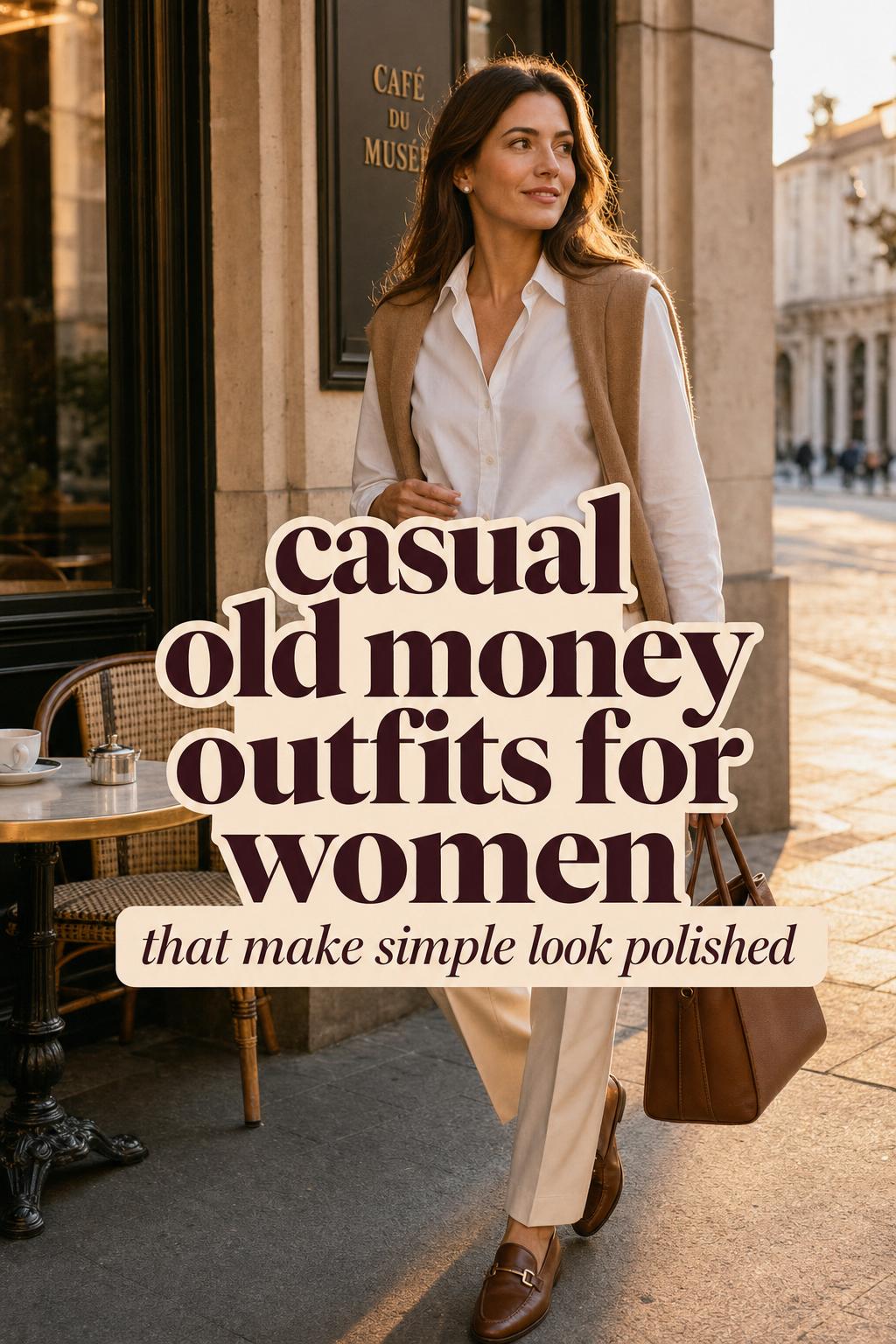
The casual old money capsule: the pieces that matter most
A strong old money wardrobe does not require a huge closet. It requires a reliable set of basics that can move across seasons and occasions while maintaining the same refined tone. The most useful pieces are the ones that can be repeated in different combinations without looking repetitive.
- crisp white shirt or collared dress shirt
- cashmere sweater, fine knit, or cashmere sweater vest
- cable-knit sweater or soft cardigan
- tailored trousers in cream, beige, navy, or black
- midi skirt, pleated midi skirt, or navy skirt
- straight-leg jeans in a clean wash
- tailored blazer or tweed jacket
- trench coat for outerwear
- loafers or ballet flats
- pearls, pearl studs, and a classic leather bag
These pieces appear again and again because they solve the same style equation: they create polish without stiffness. A denim shirt can fit into this capsule too, especially when paired with monochrome basics or softened by cream slacks. The capsule logic is simple. Each item should coordinate with at least three others and hold its shape visually even when the outfit remains casual.
If the wardrobe feels too formal, the answer is usually not to abandon the aesthetic but to relax one element. Swap a structured skirt for straight-leg jeans, or trade a blazer for a cardigan. If the outfit feels too plain, refine the texture instead of adding trend-heavy details. Cashmere, tweed, polished cotton, and good leather do more for this style than decorative extras.
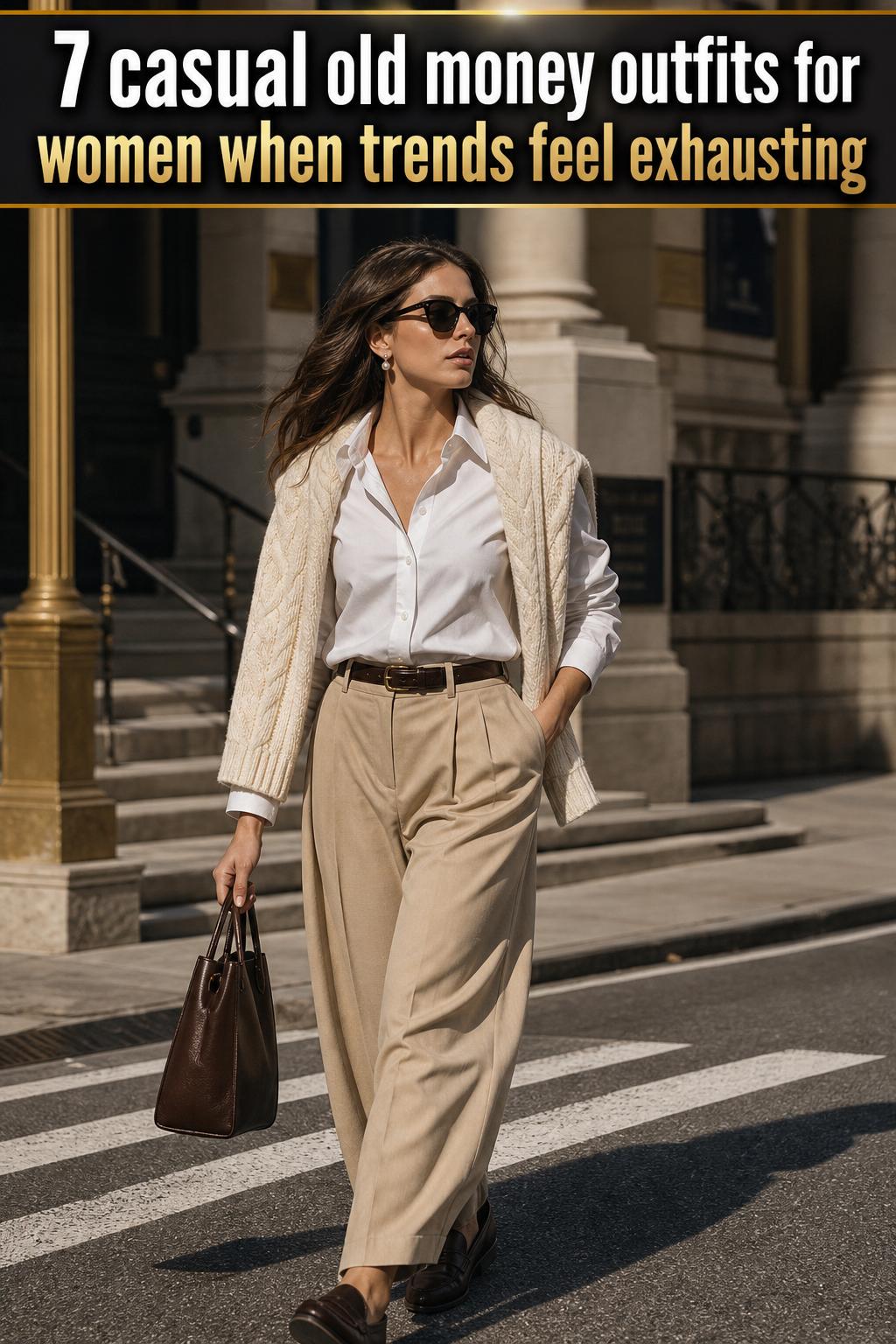
Look: crisp campus polish
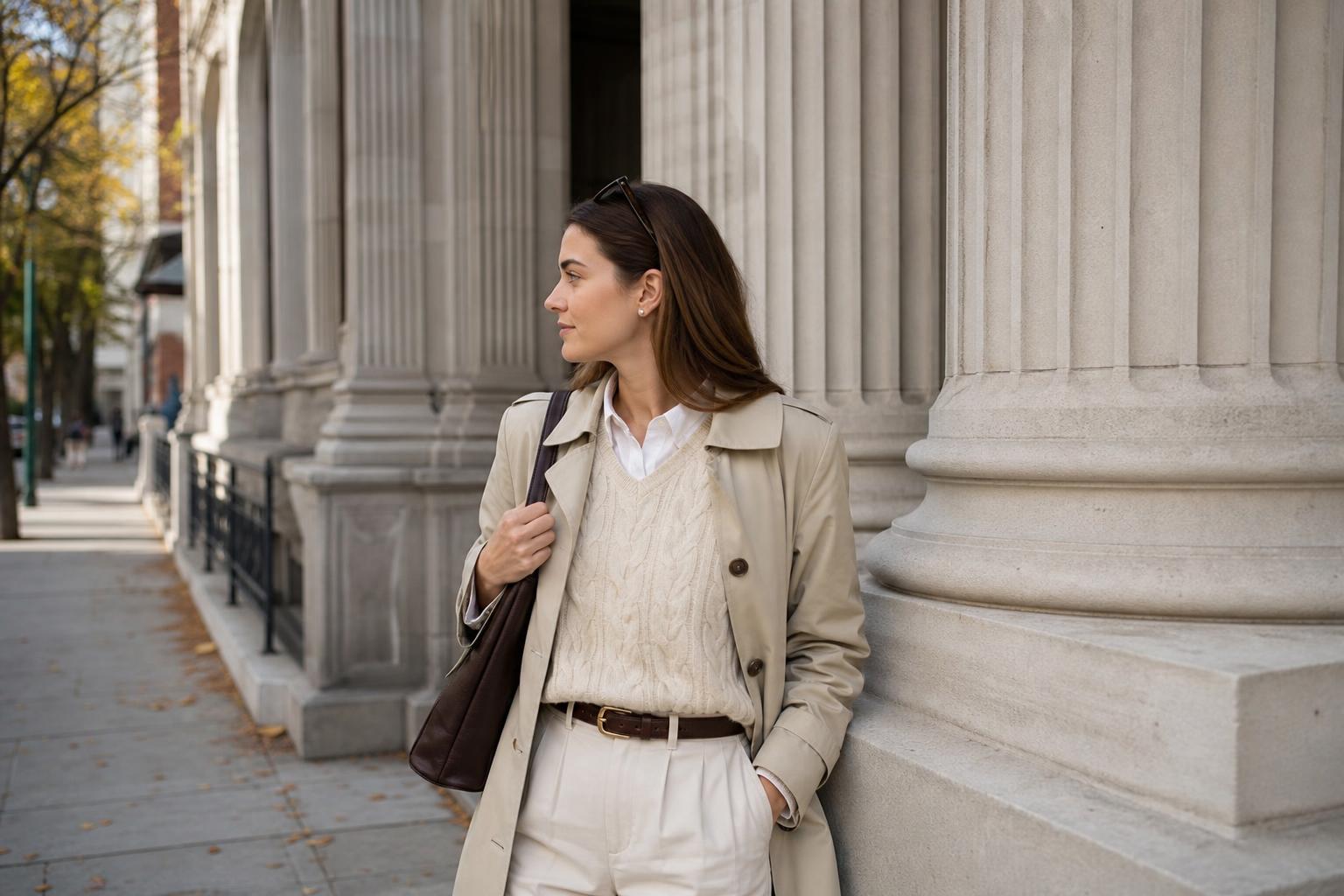
This version leans directly into the Ivy League side of the old money aesthetic. The silhouette is neat, balanced, and slightly collegiate, with enough structure to feel formal-casual rather than dressed up. It works especially well for daytime plans that benefit from polish: lunch, bookstore browsing, a museum afternoon, or a meeting in a relaxed office environment.
A crisp white shirt layered under a cable-knit sweater creates immediate visual order. Add a navy pleated skirt or a clean midi skirt, then finish with loafers. The palette stays within white, navy, cream, and soft gray, allowing the lines of the garments to carry the look. Pearl studs and a leather bag sharpen the composition without making it feel precious.
This combination works because the collared shirt acts as the architectural layer while the knit softens the mood. The loafers ground the outfit in preppy tradition, and the skirt keeps the silhouette polished but mobile. It is one of the clearest examples of how preppy and old money style overlap.
Look: cream slacks and chambray ease
For a more relaxed interpretation, the visual mood shifts toward effortless heritage dressing. The lines are still clean, but the overall effect is softer and less campus-coded. This is the kind of look that feels right for brunch, a casual town stroll, or any daytime setting where you want elegance without visible formality.
A soft chambray shirt paired with cream slacks creates a subtle texture contrast that feels expensive without trying to. Loafers keep the base grounded, while a leather bag in a classic finish adds depth. The colors stay light and understated, with blue and cream doing most of the work. If the shirt is slightly relaxed, the trousers should remain tailored to preserve silhouette balance.
The strength of this look lies in restraint. Chambray introduces casual character, but the cream slacks refine it instantly. This is a strong formula for women who want old money casual outfits that feel natural in daily wear rather than styled for a photo alone.
Look: pastel cardigan weekend refinement
Some versions of the aesthetic soften into a lighter, more romantic register without losing structure. This look captures that direction through pastel tones, classic accessories, and a gently feminine silhouette. The mood suggests a polished weekend rather than office tailoring.
A cashmere cardigan in a soft pastel or neutral tone layered over a simple top with a pleated midi skirt creates movement and polish at the same time. Pearl studs or small pearls reinforce the old money signal, while ballet flats or loafers keep the finish grounded. Cream, blush-adjacent pastels, pale blue, and muted beige work best when the styling remains clean.
This outfit succeeds because the softness is controlled. The pleats add motion, the cardigan adds texture, and the pearls provide a quiet visual cue associated with timeless elegance. It is ideal for settings where you want the look to feel graceful rather than sharp.
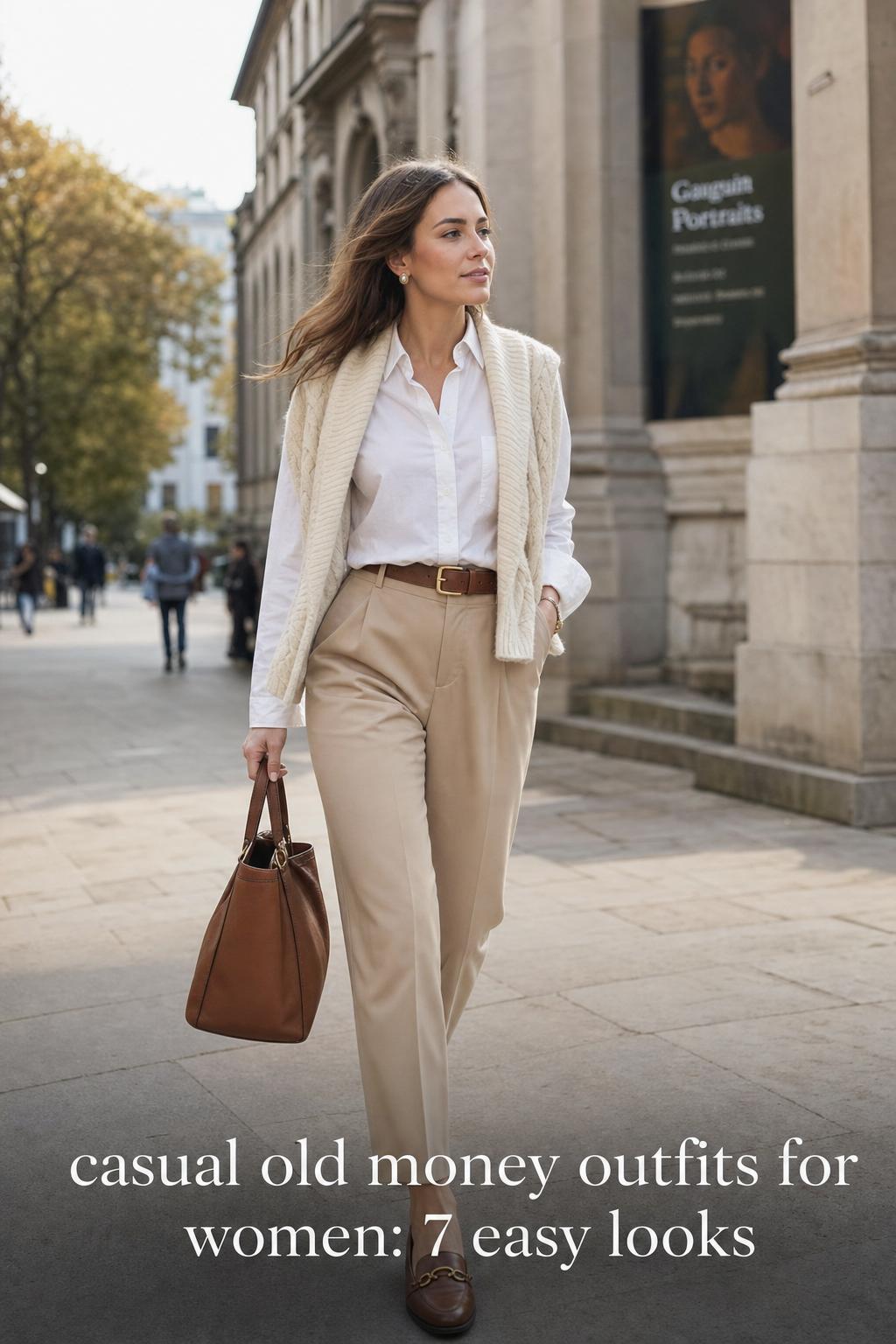
Look: monochrome tailoring with quiet CEO energy
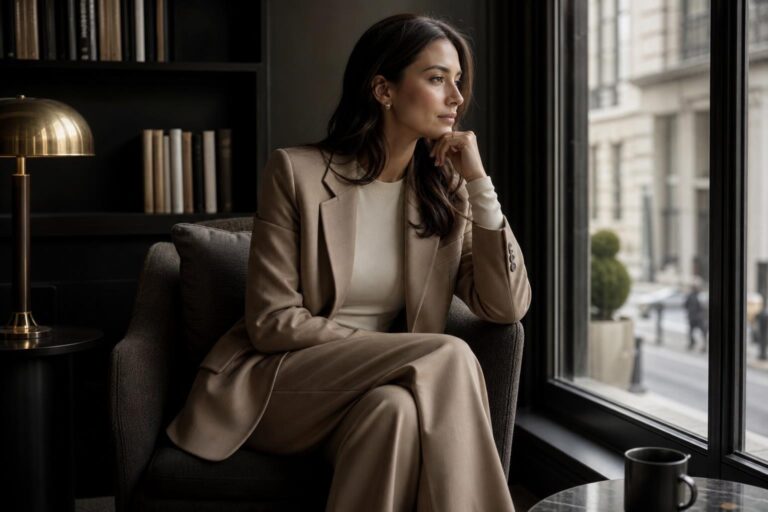
There is a more assertive side to casual old money dressing, and it appears when classic pieces are tightened into cleaner, more urban proportions. The result is a composed look with subtle authority, often described as quiet CEO energy. It remains casual only because the styling avoids excess and keeps the palette controlled.
Start with tailored trousers and a fine knit or crisp shirt in the same tonal family, then add a tailored blazer. A monochrome palette in cream, camel, navy, or charcoal streamlines the outfit composition and makes even simple garments appear elevated. Loafers are the strongest shoe choice here, though ballet flats can soften the result. A structured leather bag completes the visual line.
This formula works because monochrome dressing reduces visual interruption. The blazer acts as the structure, while the tonal layering creates continuity. For women who like old money style but want it to feel more modern than overtly preppy, this is one of the most practical directions.
Look: tweed and denim balance
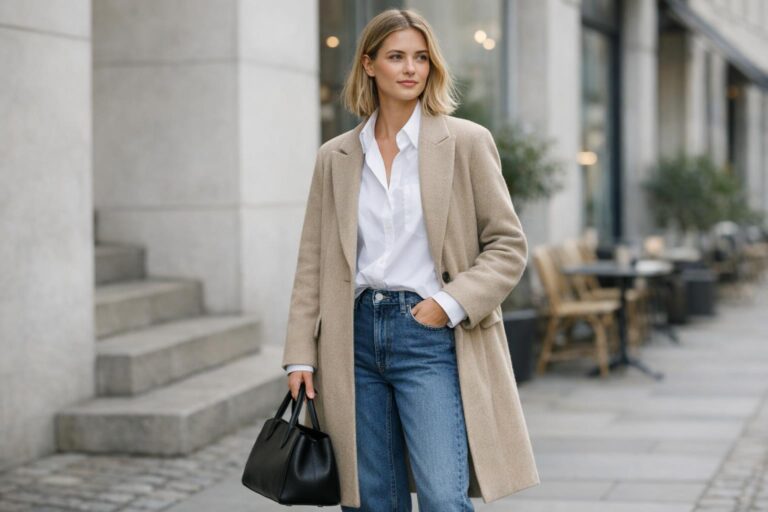
One of the most useful old money outfit ideas is also one of the easiest to wear. Pairing a refined heritage fabric with casual denim creates tension in the best way. The aesthetic remains elegant because the polished piece leads the outfit while the denim keeps it grounded in real life.
A tweed jacket over a simple knit or collared shirt, worn with straight-leg jeans, creates a silhouette that feels sharp but approachable. Add loafers or ballet flats, then finish with a vintage leather bag and pearls if you want a classic accent. Keep the denim clean and unfussy. The jacket should be the visual anchor, not one statement among many.
This combination fits the aesthetic because old money dressing often depends on balance rather than strict formality. The jeans prevent the look from reading costume-like, while the tweed and accessories preserve the timeless wardrobe logic. It is especially effective for transitional weather and mixed day plans.
Look: navy skirt and fine-knit restraint
This is one of the cleanest expressions of understated elegance. The mood is controlled, polished, and almost architectural in its simplicity. It is ideal for women who prefer the old money aesthetic when it appears lean and unfussy rather than layered and decorative.
A fine knit tucked into a navy skirt creates strong line definition without looking severe. The skirt can be pleated or smooth, but it should maintain a fluid midi length that supports movement. Loafers are the most direct finish, though a minimal ballet flat works for a softer interpretation. The palette can stay entirely within navy, ivory, and cream.
The reason this look works is proportion play. A streamlined knit on top allows the skirt to act as the main volume. Because the color palette is so disciplined, the outfit reads expensive even when the pieces themselves are simple.
Look: trench coat city classic
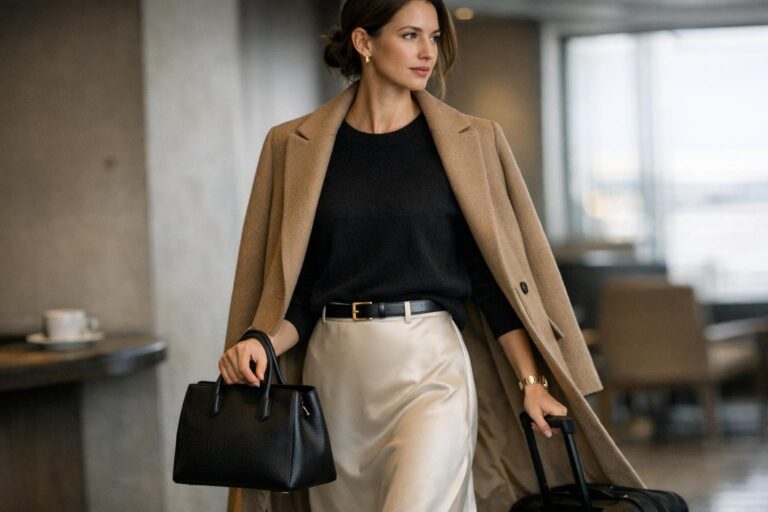
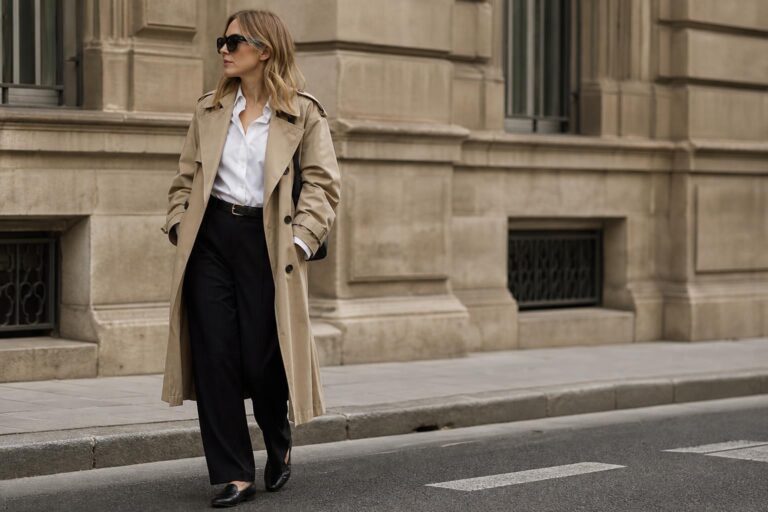
When the weather cools or the day involves movement between settings, outerwear becomes the deciding factor. A trench coat brings immediate old money credibility because it merges functionality with classic shape. The mood is urbane, slightly European, and very composed.
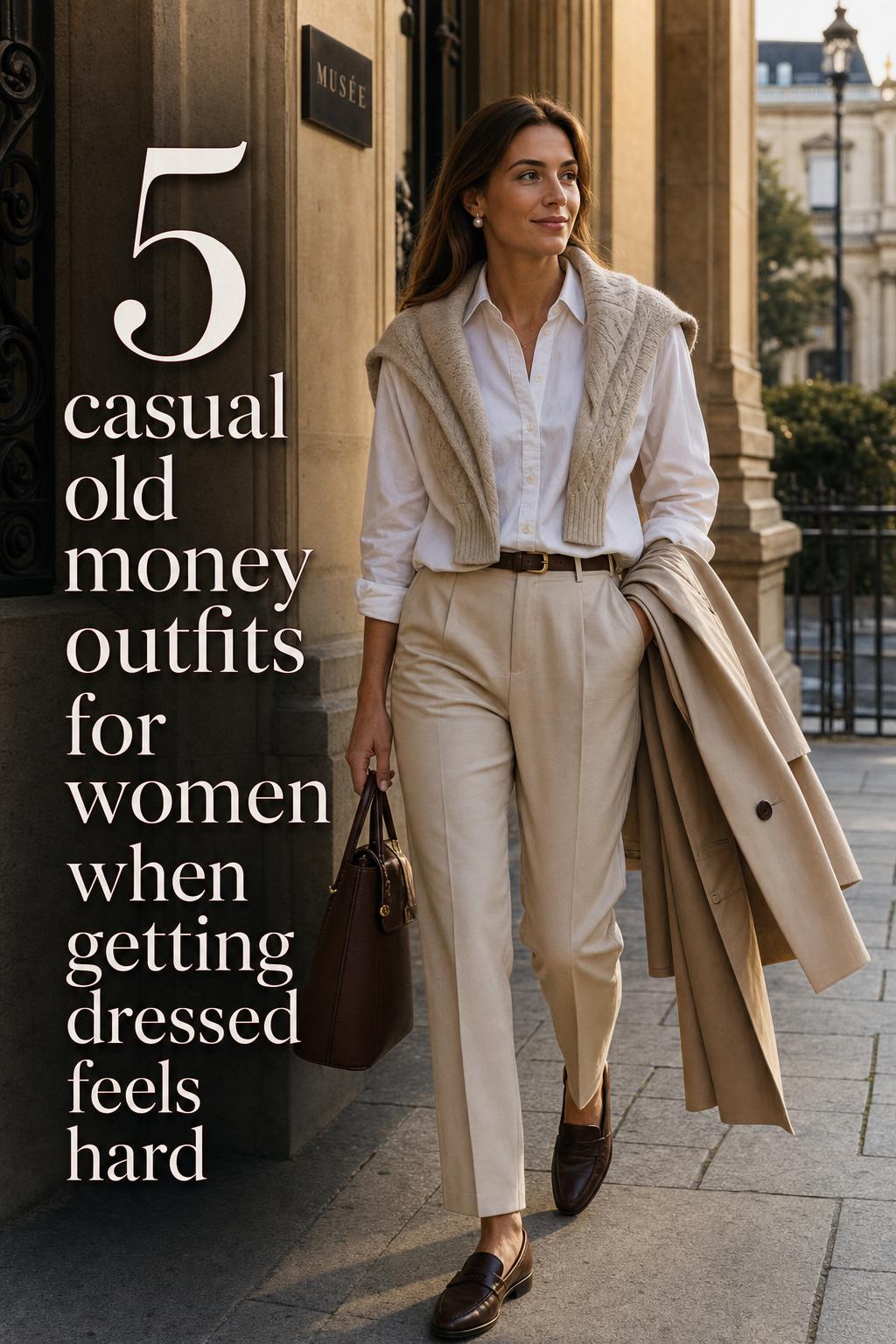
Layer a trench coat over a white shirt and tailored trousers, or over a fine knit and midi skirt. Keep the underlayers neutral so the trench remains the dominant line. A leather bag and loafers continue the polished tone, while pearl studs add just enough finish. This is one of the easiest looks to adapt from day to early evening.
The trench works as a unifying piece. Even if the base outfit is simple, the coat creates coherence and visual hierarchy. This is also where heritage associations become strongest, with Burberry often serving as the clearest shorthand for this type of outerwear.
Look: cashmere cardigan over a sheath base
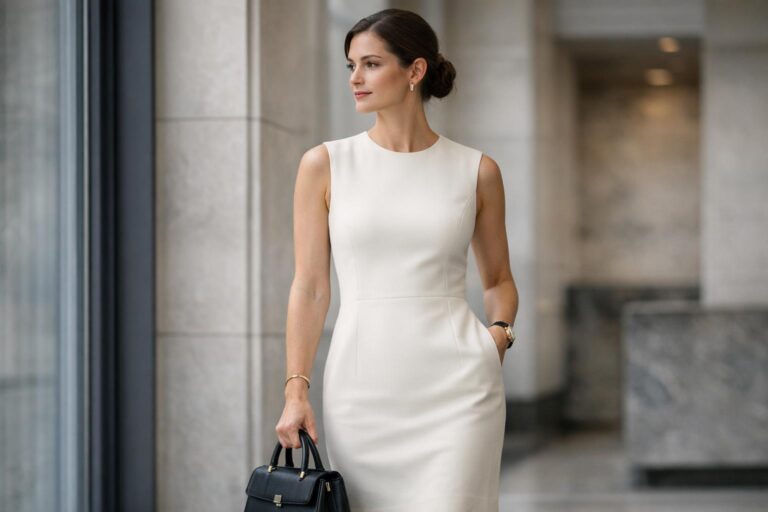
This interpretation leans more polished than relaxed, but it still sits comfortably within casual old money dressing when the styling remains spare. The silhouette is narrow, refined, and especially useful for lunches, low-key work settings, and occasions that require more structure without full formalwear.
A cashmere cardigan worn over a simple sheath-style base creates softness over clean lines. The fabric choice matters here. Cashmere has the tactile richness that gives the outfit its quiet luxury mood. Keep the palette tonal, with cream, beige, navy, or black carrying the look. Add loafers or a neat flat, then finish with pearls or a sleek leather bag.
This outfit fits the aesthetic because it avoids obvious styling tricks. The elegance comes from controlled layering, fine material, and a silhouette that skims rather than clings. It is a useful reminder that old money style often looks strongest when details are barely noticeable but fully intentional.
Look: equestrian-leaning tailored casual
The equestrian influence introduces a slightly more disciplined, heritage-driven version of the aesthetic. It is less delicate than pearl-and-cardigan dressing and more about shape, posture, and grounded accessories. The effect is poised and practical.
Build the look with a tailored blazer, slim or straight tailored trousers, a crisp shirt or fine knit, and loafers. The palette should remain within deep neutrals such as navy, camel, cream, and black. Leather accessories are especially important here because they reinforce the equestrian undertone without requiring any overt theme styling.
This direction works because it uses structure as the main style language. The blazer gives authority, while the neutral palette keeps the result understated. It is a smart option for women who want old money style to feel practical, sharp, and less overtly romantic.
Look: coastal leisure in soft neutrals
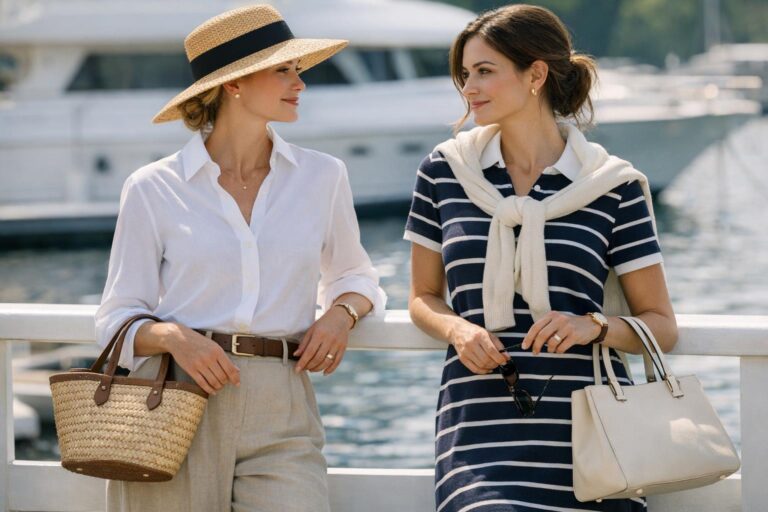
The coastal version of old money style is lighter, easier, and a little more breathable in mood. It suggests boardwalk afternoons, seaside lunches, and resort-inspired ease, but it still avoids anything flashy. The visual identity stays refined through fabric choice and palette.
Use a light knit, cardigan, or crisp shirt with cream trousers or a relaxed midi skirt. Keep the palette in ivory, soft beige, pale blue, and muted neutrals. Loafers remain relevant, though ballet flats can make the look feel even lighter. A leather bag and minimal pearls give enough finish without hardening the softness.
This interpretation fits because old money style is not one rigid uniform. Coastal leisure shows how the same principles of quality, restraint, and timeless silhouettes can feel airy rather than formal. The key is to keep the outfit edited and avoid over-accessorizing.
Look: European resort polish for warm days
The European retreat influence brings a more relaxed sophistication. The silhouette opens up slightly, but the mood remains composed. It is ideal for travel, long lunches, and warm-weather settings where heavy layering would feel out of place.
Choose lightweight, high-quality basics in a monochrome or near-monochrome palette. A crisp shirt with tailored slacks, or a fine knit with a midi skirt, keeps the old money structure intact without adding visual weight. Accessories should stay minimal: a leather bag, loafers or flats, and perhaps pearl studs. The elegance comes from what is left out.
This works because it preserves the essential codes of the aesthetic while adapting to climate and context. In warm weather, the old money look should not become heavy or over-layered. It should feel breathable, polished, and lightly disciplined.
How to recreate the look without making it feel forced
The biggest styling mistake with this aesthetic is trying to signal wealth too directly. Casual old money outfits work best when the pieces look familiar, wearable, and quietly refined. If every element appears too formal, too themed, or too obviously curated, the outfit can lose the ease that makes the style believable.
- choose one structured anchor piece, such as a blazer, trench coat, or pleated midi skirt
- balance it with one softer or more casual element, such as chambray, denim, or a cardigan
- keep branding subtle or absent so fabric and fit carry the impression
- limit jewelry to classic accents like pearls or pearl studs
- favor leather bags with timeless shapes over trend-driven novelty styles
Another practical consideration is movement. A skirt that wrinkles too easily, loafers that pinch, or a blazer that pulls at the shoulders will disrupt the composed finish. The old money effect depends partly on how naturally the clothes sit on the body during an ordinary day. Comfort is not separate from elegance here; it supports it.
Brand cues that read as quiet luxury
Branding is not the point of this aesthetic, but certain labels align naturally with the visual codes of old money dressing because they are associated with heritage, restraint, or refined basics. On the heritage side, Brooks Brothers and Ralph Lauren fit the preppy and classic collegiate language especially well. Burberry is strongly tied to the trench coat tradition, while Loro Piana represents the softer luxury side of cashmere and understated material quality.
For more accessible wardrobe building, J. Crew, COS, and Uniqlo make sense as practical anchors because they support the same clean silhouette logic through shirts, knits, tailored basics, and layering pieces. The styling principle matters more than any single label. A well-cut blazer from COS or a fine knit from Uniqlo can work in the same wardrobe as more premium pieces if the color palette and overall outfit composition remain cohesive.
The most reliable approach is to invest more in the items that shape the silhouette and are worn often: outerwear, loafers, tailored trousers, leather bags, and knitwear. Simpler layering pieces can come from more affordable sources, including thrift and vintage finds, without weakening the overall effect.
Smart shopping strategy: luxury mood, realistic budget
This style is often easier to build gradually than all at once. Because the wardrobe depends on repeatable classics, there is no need to buy everything in one season. Start with pieces that create the greatest visual shift: a white shirt, tailored trousers, a blazer, loafers, and one quality knit. From there, add a midi skirt, a trench coat, pearls, and a dependable leather bag.
Thrift and vintage are especially useful for this aesthetic because they often offer garments that already carry the right visual language: tweed jackets, classic shirts, leather bags, and occasionally heritage-style knits. The key is to inspect fabric, fit, and construction rather than shopping only by category name. A vintage bag with clean lines often supports the old money wardrobe better than a louder contemporary accessory.
Seasonal sales also matter because many of the best old money pieces are not trend-sensitive. Buying a cashmere sweater, trench coat, or tailored blazer at the end of a season can be more efficient than buying several trend-heavy items that do not integrate with the capsule. This wardrobe rewards patience.
Style tip: fit, color, and grooming do more than extra accessories
The old money look is often misread as purely product-based, but much of its impact comes from editing. A neutral palette helps because it creates color harmony and lets textures stand out. Cream, navy, beige, white, gray, camel, and soft pastel tones all fit naturally within the aesthetic. Monochrome dressing can be especially effective when you want the outfit to feel polished with minimal effort.
Fit is equally important. Tailored does not mean tight. The most convincing outfits skim the body, hold their line, and allow natural movement. A blazer should frame the shoulders cleanly. Trousers should fall smoothly. Midi skirts should move rather than cling. Fine knits and cashmere should soften the line, not create bulk. When these details are right, even a simple combination looks elevated.
Grooming also supports the aesthetic, though it should remain understated. The overall impression is one of quiet confidence, consistency, and care. That is why this style works so well for daily life: it depends less on novelty and more on repeated polish.
Location-inspired styling: where the mood shifts
One of the most useful ways to interpret old money style is through location cues. The Northeast prep version feels closest to boarding schools, Ivy League campuses, and classic collegiate style: loafers, pleated skirts, collared shirts, blazers, cable knits, and navy-heavy palettes. It is polished and slightly formal even in casual settings.
The coastal resort version feels lighter and more relaxed, with cream slacks, soft knits, cardigans, and breathable layers that suit a boardwalk, a seaside brunch, or a casual weekend in a leisure setting. The European angle introduces even more tonal simplicity and emphasizes ease, especially through clean tailoring and lighter layering.
These variations matter because they show that the old money aesthetic is not a single costume. The same woman can wear a navy skirt and cable knit one day, then cream slacks and a chambray shirt the next, and still remain fully within the same style identity. The thread connecting them is timeless wardrobe logic, not repetition.
Common mistakes that weaken the aesthetic
Because this style is subtle, small decisions have a strong effect. The most common mistake is overloading the outfit with visible “luxury” signals. Loud logos, too many accessories, and trend-heavy extras usually interfere with the calm visual rhythm that gives old money dressing its authority.
Another issue is fabric mismatch. A polished blazer paired with overly casual leggings, or pearls worn with pieces that have no tailoring or structure, can create mixed signals. The outfit does not need to be formal, but it does need internal consistency. Texture contrast is useful only when the garments still share the same level of refinement.
Finally, avoid relying on one formula for every occasion. The aesthetic stays believable when it adapts. For a museum outing, a midi skirt and loafers make sense. For a casual town stroll, cream slacks and a cardigan may feel more natural. For a cooler day in the city, a trench coat and monochrome layers offer stronger practicality. Adaptation is part of the polish.
Key pieces for different everyday settings
Not every day requires the same intensity of structure. The easiest way to keep the wardrobe functional is to think in contexts rather than fixed formulas. That approach makes the aesthetic more wearable and less rigid.
- for brunch: cardigan, pleated midi skirt, loafers, pearl studs
- for a museum day: white shirt, navy skirt, blazer, leather bag
- for a casual boardwalk or town stroll: chambray shirt, cream slacks, loafers
- for daily workwear with old money influence: tailored trousers, fine knit, blazer, minimal jewelry
- for transitional weather: trench coat, monochrome layers, loafers, structured bag
This type of planning also helps with budgeting. Instead of buying isolated pieces, you build combinations that answer real-life needs while staying inside the same aesthetic language. That is how a timeless wardrobe starts to feel easy rather than theoretical.
Why this aesthetic remains so wearable
Casual old money style continues to resonate because it solves a modern dressing problem: how to look polished, relaxed, and expensive without relying on visible excess. It allows room for preppy influences, coastal softness, equestrian structure, and quiet luxury minimalism while keeping the same core values intact. The result is a wardrobe that looks edited, stable, and versatile.
The strongest outfits in this aesthetic do not ask for attention. They hold it through line, texture, and coherence. A white shirt, a navy skirt, a cashmere sweater, loafers, pearls, a leather bag, and a good blazer can take on many different moods depending on how they are combined. That flexibility is exactly what makes the style useful for real wardrobes, not just inspiration boards.
Adapting the look to your own closet is less about copying one image and more about refining what you already wear. Start with neutral colors, sharpen the fit, invest in better texture where possible, and let one polished piece guide the rest. That is the quiet logic behind the entire aesthetic.
FAQ
What are the essentials for casual old money outfits for women?
The strongest essentials are a crisp white shirt, tailored trousers, a midi or navy skirt, a cashmere sweater or cardigan, a tailored blazer, loafers, a trench coat, pearls, and a classic leather bag. These pieces create the polished, understated foundation that defines the aesthetic.
How is old money style different from quiet luxury?
Quiet luxury focuses on understated refinement and minimal visible branding, while old money style adds clearer references to preppy fashion, Ivy League influences, classic collegiate dressing, coastal leisure, and heritage fabrics like tweed or cable knits. The two overlap, but old money style has a more specific cultural and visual framework.
Can you create this look on a budget?
Yes, because the aesthetic depends more on fit, fabric appearance, and styling discipline than on buying everything from luxury labels. Uniqlo, COS, and J. Crew can provide clean basics, while thrift and vintage shopping are especially useful for blazers, tweed jackets, leather bags, and classic shirts.
Are logos a good idea with old money outfits?
Subtle or absent logos work best. The style relies on quiet confidence, so visible branding can disrupt the refined, understated effect. Texture, tailoring, and color harmony usually communicate the aesthetic more successfully than obvious labels.
Which shoes work best for a casual old money wardrobe?
Loafers are the clearest match because they connect directly to preppy and classic old money styling. Ballet flats also work well when the outfit leans softer or more feminine. The key is to choose polished, classic shapes rather than highly trend-driven footwear.
What colors make the aesthetic look most convincing?
Neutrals are the foundation: cream, navy, white, beige, gray, camel, and black. Soft pastel tones can also work, especially in cardigans or light layers, as long as the overall palette remains controlled and elegant.
Can jeans fit into old money style?
Yes, especially straight-leg jeans in a clean, simple wash. They work best when paired with refined pieces such as a tweed jacket, crisp shirt, loafers, pearls, or a structured leather bag. The denim should support the outfit, not dominate it.
Which brands align naturally with this aesthetic?
Brooks Brothers and Ralph Lauren align closely with the preppy and classic collegiate side of the look, Burberry is strongly associated with trench coats, and Loro Piana reflects the cashmere-led quiet luxury side. More accessible options like J. Crew, COS, and Uniqlo can support the same wardrobe logic through clean, timeless basics.
What occasions suit casual old money outfits best?
They work especially well for brunch, museum visits, casual town strolls, boardwalk afternoons, lunch meetings, daily wear, and polished but not overly formal office settings. The appeal of the aesthetic is that it moves easily between these moments without requiring a dramatic outfit change.
What is the most common styling mistake with this aesthetic?
The most common mistake is overdoing the signal. Too many accessories, loud logos, or outfits that feel overly themed can make the look seem forced. The best old money outfits rely on restraint, consistent tailoring, and a calm visual balance between structure and softness.