A Timeless Wardrobe For Polished Style Every Day
A timeless wardrobe is often discussed as if it were a shopping list, but in practice it behaves more like a visual language. The difference becomes obvious the moment two people wear the same white shirt or navy blazer and somehow communicate completely different moods. One reads polished and restrained. Another feels relaxed, modern, and quietly expressive. The clothes may overlap, yet the styling philosophy does not.
That is why the idea of timeless style continues to hold attention across fashion media, personal style blogs, capsule wardrobe guides, and e-commerce edits. It sits at the intersection of practicality and identity. People are not only asking which pieces never go out of style. They are also trying to understand why certain silhouettes, fabrics, and color combinations keep looking relevant while trend-driven outfits fade quickly.
In the U.S., that question has become even more practical. A wardrobe has to work for real weather shifts, changing work environments, and the everyday need to move between casual and polished settings without constant reinvention. The most useful version of a timeless wardrobe is not rigid or overly minimal. It is edited, wearable, and built around pieces that create visual consistency across seasons.
What follows is not a strict formula. It is a fashion analysis of how timeless dressing actually functions: the visual structure behind classic pieces, the emotional tone of different wardrobe choices, the role of quality fabrics, and the reason certain combinations feel more enduring than others. The goal is not only to help you build a capsule wardrobe, but to help you recognize the styling logic that makes it feel like yours.
Found the dress? Keep the rest in one place.
Zarellea brings guest details, vendors, timelines, and every next step together — so your wedding plan feels as good as your look.
What makes a wardrobe feel timeless rather than simply basic
A timeless wardrobe is defined less by austerity and more by continuity. It is a collection of wardrobe staples and classic pieces that retain relevance because their silhouette, color, and function do not rely on a short-lived fashion moment. That does not mean every item is neutral, formal, or expensive. It means the wardrobe has internal logic. Pieces relate to one another easily, repeat well, and support rewearability.
This is where timeless dressing differs from trend collecting. Trend-focused wardrobes often prioritize novelty, visual impact, or seasonal excitement. A timeless wardrobe prioritizes durability, fit, and repeat styling. The pieces do not need to look identical from person to person, but they tend to share a stable design language: balanced proportions, dependable fabrics, and silhouettes that can move across years without looking dated.
The emotional message is different too. Trend-heavy dressing often communicates immediacy. Timeless style communicates assurance. It tends to look more settled, more intentional, and less dependent on fashion noise. That is why timeless wardrobes are often described through words like refined, classic, enduring, and evergreen.
The key visual difference
Basic dressing can look unfinished if it lacks proportion, texture, or fit. Timeless dressing avoids that flatness. A white shirt becomes more than a basic when the cotton has substance, the cut sits cleanly through the shoulder, and it layers well under a blazer or trench. Dark jeans feel classic when the wash is versatile and the shape works with both loafers and boots. The distinction is subtle, but it is exactly what makes a wardrobe look considered rather than merely simple.
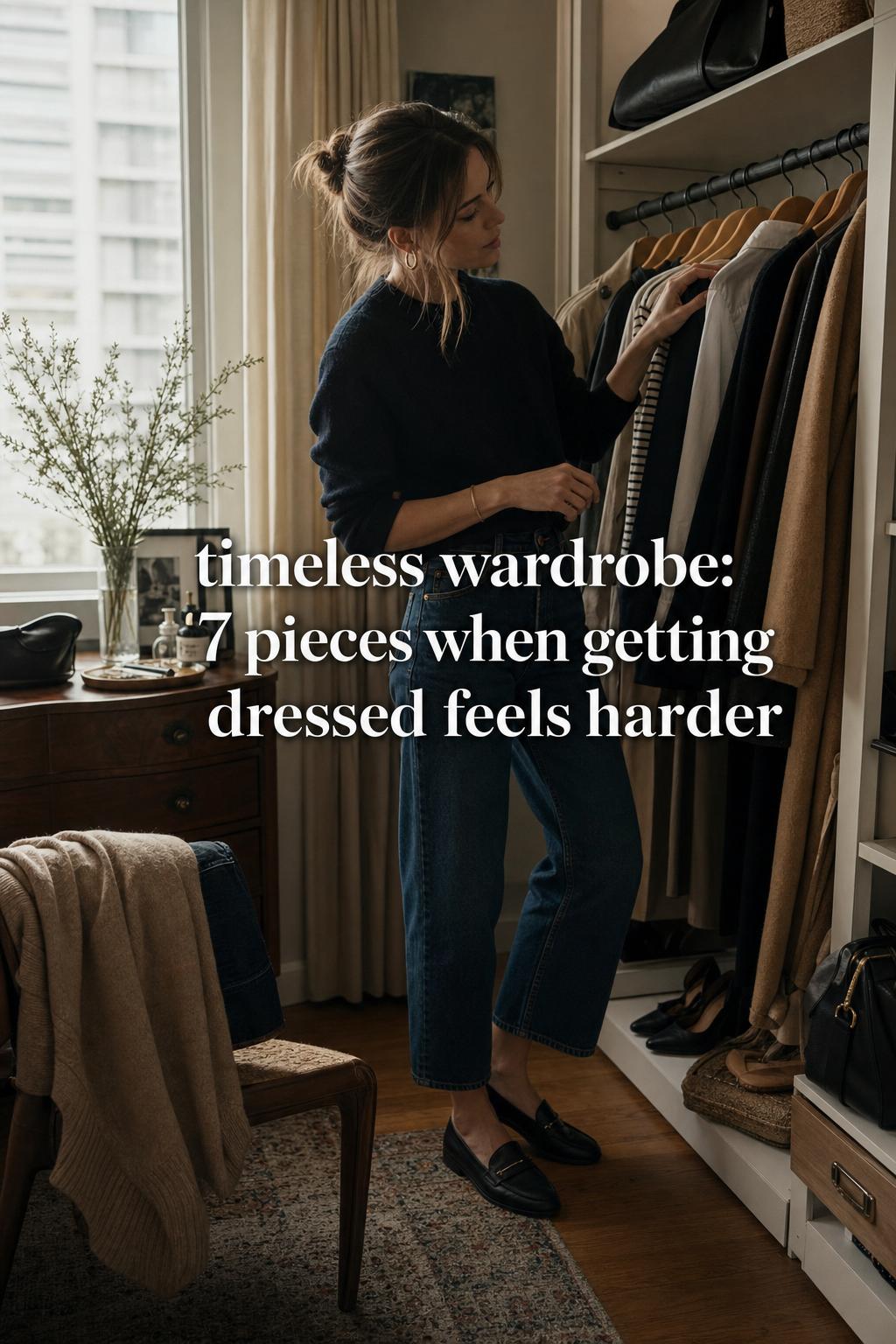
The visual worlds inside a timeless wardrobe
One reason people struggle to build a timeless wardrobe is that the phrase suggests one universal aesthetic. In reality, timeless style contains several visual identities. These identities share core values such as longevity, quality, and styling versatility, but they express them differently.
The refined structure of classic dressing
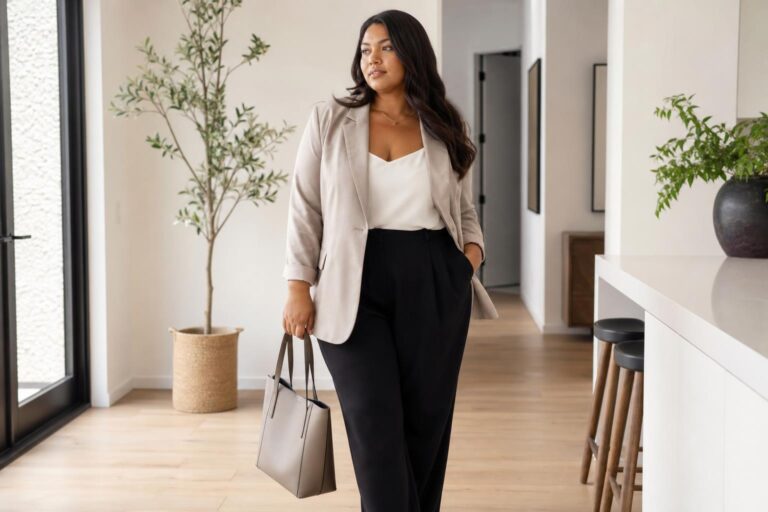
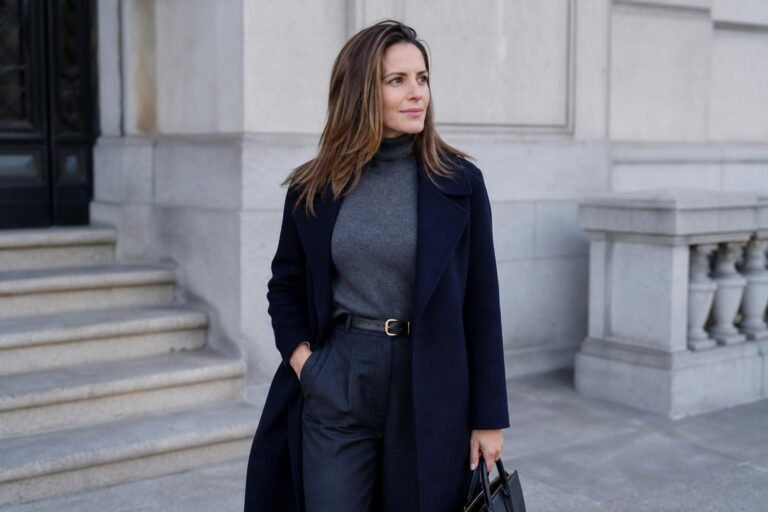
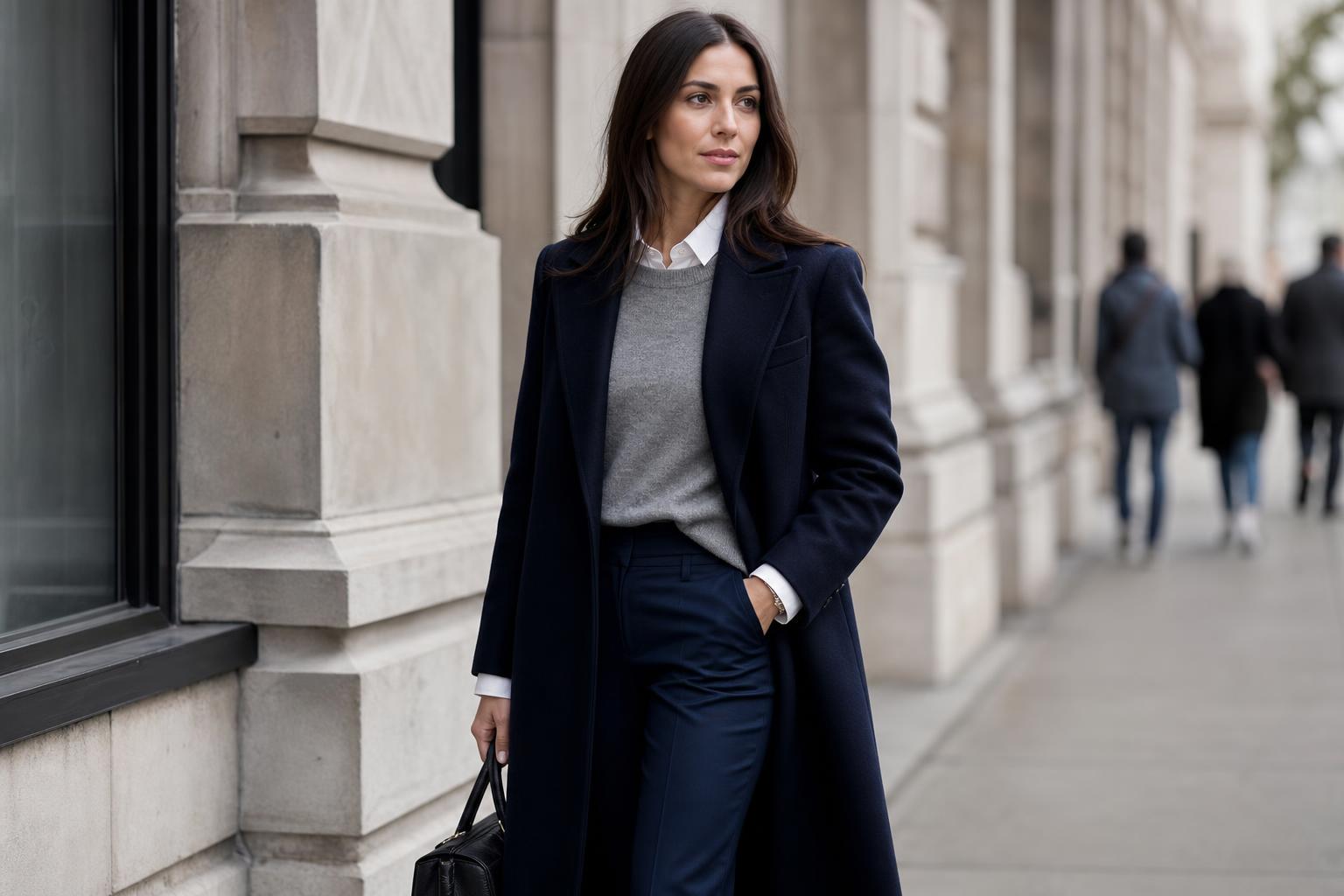
This version of timeless style is built on sharp visual anchors: a blazer, tailored trousers, a trench, a wool coat, a crisp shirt, loafers, and a polished bag. The mood is controlled and confident. Silhouettes are structured rather than slouchy, and the palette usually relies on black, navy, gray, white, and camel. It is the wardrobe language most closely associated with investment pieces because every item is expected to work hard over time.
Wearability comes from discipline in proportion. A blazer gives the eye structure. Tailored trousers create length. A trench introduces movement without sacrificing polish. This is the side of timeless style often reinforced by heritage cues and by the enduring influence of fashion houses and tailoring traditions linked to names such as Chanel, Burberry, Dior, and Savile Row. The message is not costume. It is consistency through design restraint.
The softer ease of capsule minimalism
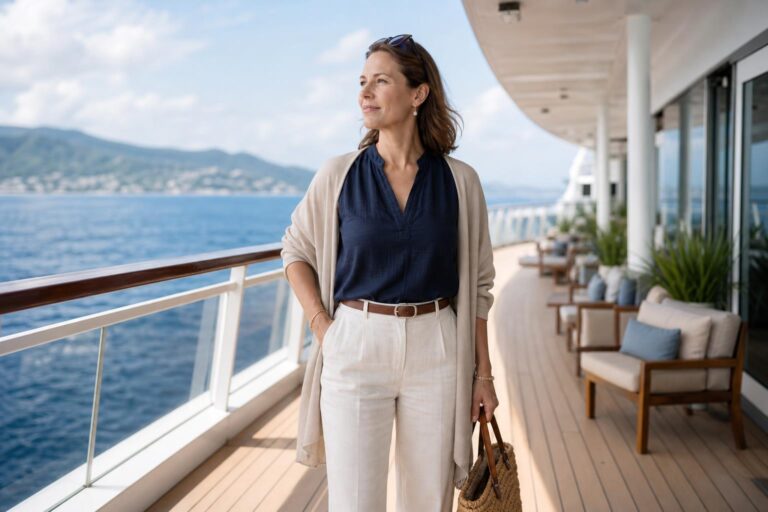
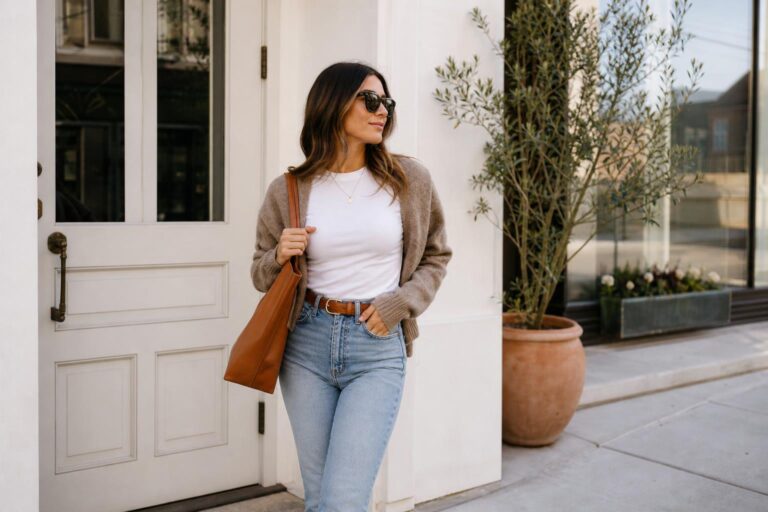
Another timeless approach feels lighter and more relaxed. The same capsule wardrobe principles apply, but the energy shifts. Shirts may be less crisp. Denim may be a stronger anchor than tailoring. Dresses, knitwear, and layered basics create a wardrobe that still looks enduring but less formal. This is where many lifestyle blogs and inspiration hubs place their focus: not on a rigid uniform, but on a fluid rotation of timeless wardrobe staples that can be worn repeatedly in real life.
Visually, this aesthetic relies on ease rather than precision. The silhouette still needs intention, but not every line has to be exact. A classic coat over denim and a knit can read just as timeless as a sharp blazer and trousers if the proportions stay coherent and the fabrics hold their shape well. This is often the most approachable interpretation for readers building a wardrobe around daily wear.
Why both feel timeless
The common thread is not formality. It is repeat value. In both visual worlds, the outfit composition remains stable because the pieces are easy to recombine. A timeless wardrobe succeeds when a coat, shirt, pair of jeans, dress, or loafer can move through multiple contexts without losing its visual integrity.
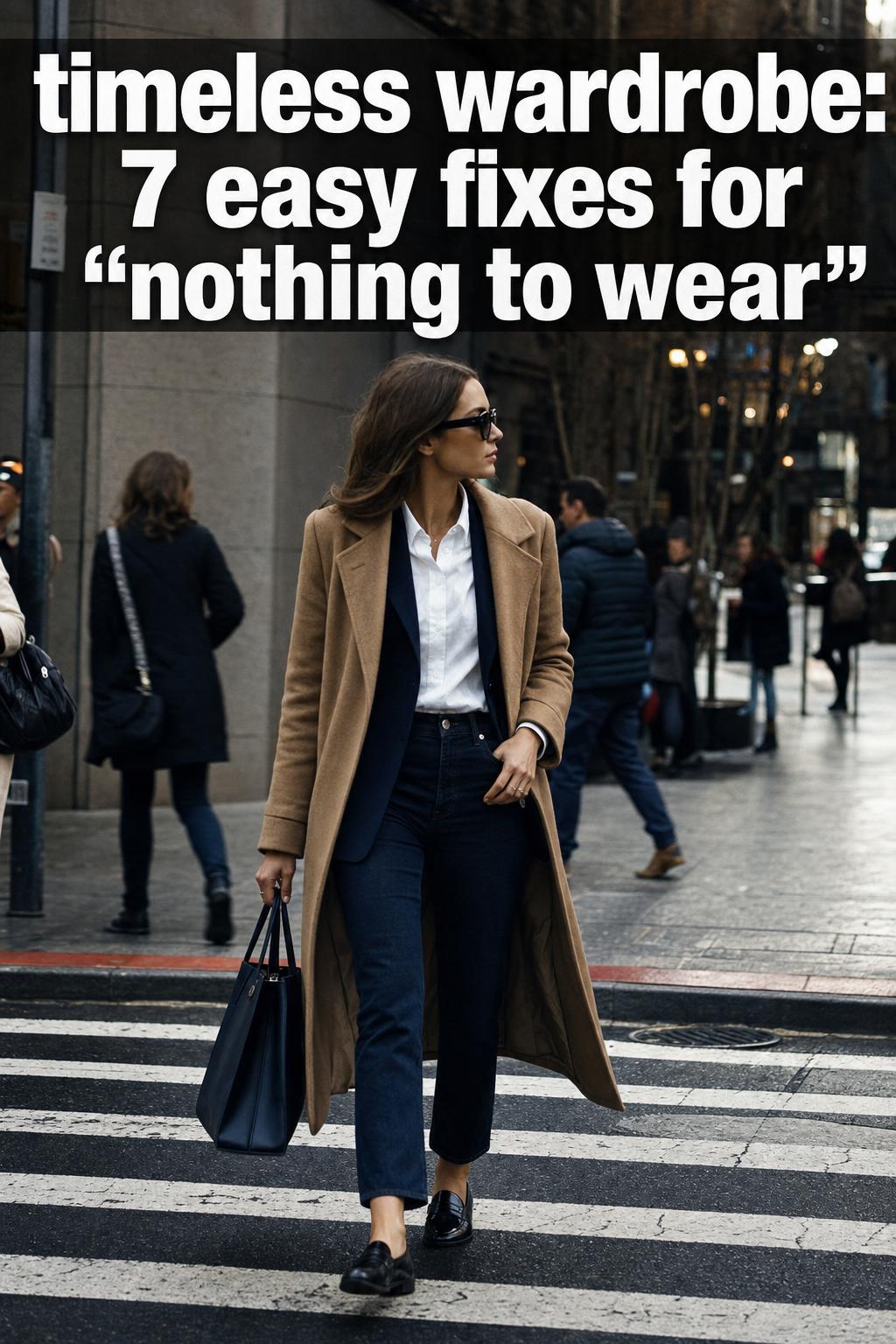
The pieces that hold everything together
Most timeless wardrobe guides return to the same categories for a reason. These pieces operate as visual anchors. They simplify styling, reduce decision fatigue, and give a capsule wardrobe structure. What matters most is not owning every possible staple, but choosing the ones that align with your climate, body proportions, and daily routine.
- classic coats, especially a trench or wool coat
- a well-cut blazer
- a white shirt or button-up
- dark jeans or dependable denim
- versatile dresses, including the often-cited little black dress
- loafers and other understated shoes
- a polished bag that works across outfits
These are the pieces that appear repeatedly because they create outfit compatibility. A navy blazer and dark denim can lean work-ready or casual depending on the shoe. A white shirt can layer under tailoring, pair with denim, or soften a structured coat. A trench adds year-round practicality while keeping the outfit readable and composed.
Why coats matter so much
Outerwear often determines whether an outfit feels trend-based or timeless. A coat is the first silhouette people register, especially in colder regions. That is why classic coats, trenches, and wool layers carry so much weight in timeless wardrobe discussions. They provide immediate shape and coherence, even when the outfit underneath is simple.
In real-world terms, this matters in climates with long transitions between seasons. In the Northeast, for example, a trench and wool coat can define much of the year’s visible wardrobe. In milder parts of California, transitional pieces may matter more than heavy winter layers, but the logic remains the same: outerwear is a major visual anchor.
The underestimated power of shirts and denim
A timeless wardrobe does not live only in elevated pieces. It depends just as much on strong basics. Cotton shirts, button-ups, and well-chosen denim often create the base that makes investment pieces feel wearable instead of precious. They keep the wardrobe grounded. They also make it easier to build outfits that can move from work to weekend without feeling overstyled.
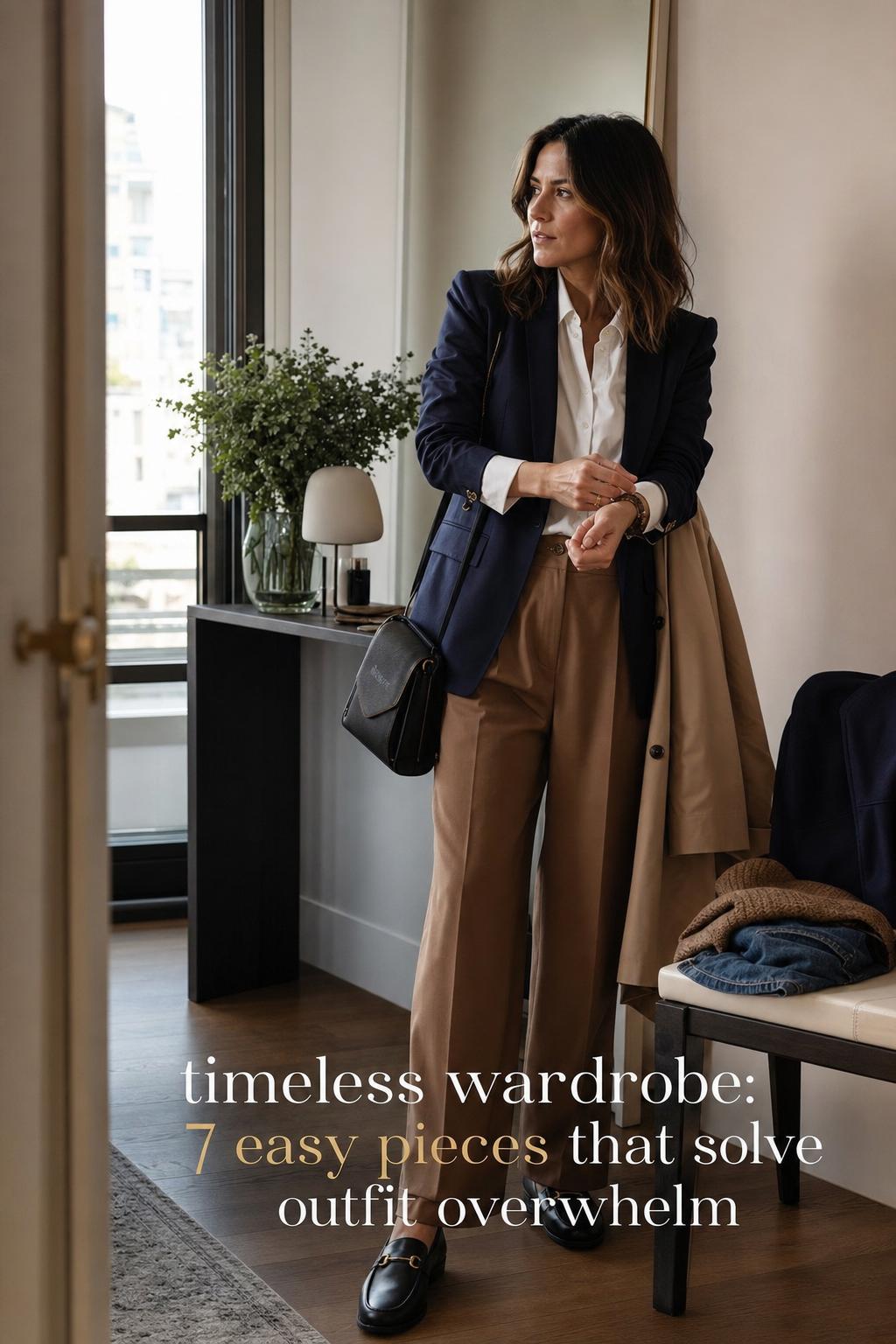
Fabric, fit, and finish: where timeless style becomes believable
The idea of timelessness falls apart quickly if the fabric, fit, and finish do not support it. This is why quality comes up so often in discussions of a timeless wardrobe. The visual identity depends on longevity, and longevity is not only about owning fewer pieces. It is about selecting materials and cuts that age well, hold shape, and survive repeat wear.
Fabric as visual intelligence
Wool, cotton, denim, and cashmere appear repeatedly in timeless wardrobe advice because they support both aesthetics and function. Wool gives coats and tailoring structure. Cotton supports shirts and everyday staples. Denim anchors casual dressing without looking disposable. Cashmere introduces softness and quiet luxury through texture rather than obvious decoration.
Fabric choice also changes the mood of the same garment. A blazer in substantial wool reads more authoritative than one in a limp blend. A white shirt in crisp cotton communicates clarity; a softer version feels more relaxed. This is not a minor detail. Fabric behavior determines how the silhouette moves, where it holds, and whether the outfit appears refined or vague.
Fit is the difference between expensive-looking and enduring
Timeless pieces are often simple in design, which means fit becomes more visible. There is nowhere for imbalance to hide. If a blazer pulls at the shoulder, if trousers break awkwardly, or if a coat overwhelms the frame, the wardrobe loses that calm authority associated with timeless style. Tailoring matters not because every garment must be rigid, but because proportion must feel intentional.
This is especially important when adapting a timeless wardrobe to different body types and lifestyles. A person who needs ease of movement may prioritize slightly relaxed trousers and softer jackets. Someone who wants clearer structure may rely more on sharp shoulders and clean vertical lines. The goal is not to copy a single silhouette. The goal is to maintain visual balance.
Tips for evaluating quality in everyday shopping
- Check whether the fabric supports the shape the garment is trying to create.
- Prioritize pieces that can be reworn in at least three different outfit combinations.
- Look at finish and construction, especially in coats, blazers, shirts, and denim.
- Consider whether simple alterations could improve the piece enough to extend its life.
- Avoid buying a staple only because it appears on every essentials list if it does not suit your climate or routine.
Color is not decoration here; it is structure
A timeless color palette is often built around black, navy, gray, white, and camel because these shades create continuity across categories. They are not the only possible colors, but they make tonal layering and repeat styling easier. When a wardrobe has color consonance, even simple combinations appear more refined because the eye reads the outfit as cohesive.
What makes these colors powerful is not neutrality alone. It is their ability to support proportion. Camel softens outerwear. Navy sharpens tailoring without the severity of black. Gray can quiet a strong silhouette. White acts as visual light, especially in shirts. When used well, the palette lets texture and silhouette carry the style message.
The emotional mood of tonal dressing
Tonal dressing often feels more timeless because it avoids abrupt visual interruption. A navy blazer with dark denim and loafers creates depth without noise. A camel trench over gray knitwear and black shoes feels balanced because the palette moves gradually. This kind of controlled harmony is one reason timeless wardrobes often photograph well and translate so effectively in editorial content.
That said, a timeless wardrobe does not require complete restraint. Accent colors can work when they remain integrated rather than dominant. The core idea is that color should support versatility, not limit it.
How timeless style handles layering differently
Layering is where a timeless wardrobe either becomes practical or remains theoretical. In image-led inspiration, capsule wardrobes can look deceptively simple because weather, movement, and daily transitions are not always visible. In real life, layering has to account for commuting, indoor temperature shifts, and regional climate differences.
The architecture of a four-season wardrobe
A year-round timeless wardrobe works by combining foundation pieces with seasonal layers. Shirts, denim, dresses, and loafers often stay in rotation. Outerwear, knitwear, and heavier fabrics shift around them. The result is not four separate wardrobes, but one flexible system.
- In winter, wool coats, blazers, and knit layers create warmth without sacrificing line.
- In transitional seasons, a trench becomes one of the most useful pieces because it adds polish while remaining lighter than a heavy coat.
- In summer, the wardrobe leans on breathable cotton, dresses, and simplified layering that still preserves structure.
- For workwear, layering becomes more tailored; for casual wear, denim and softer pieces carry more of the composition.
This is also where climate-based thinking matters for a U.S. audience. A person living through Northeast winters will need a stronger outerwear strategy than someone dressing in the Southeast. A California wardrobe may rely more on transitional pieces and tonal layering than on deep winter bulk. The timeless principle stays constant, but the item weighting changes.
Why this combination works
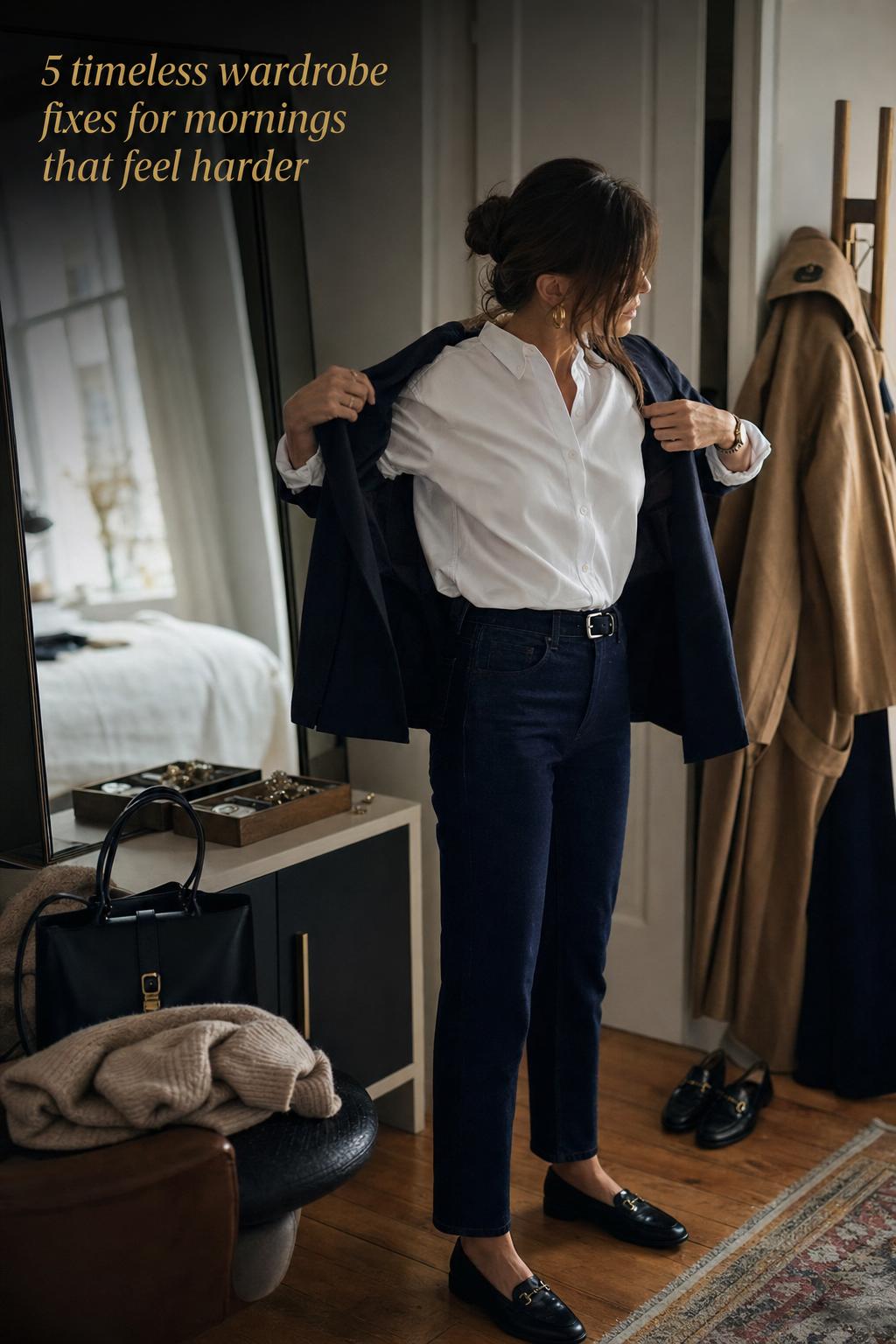
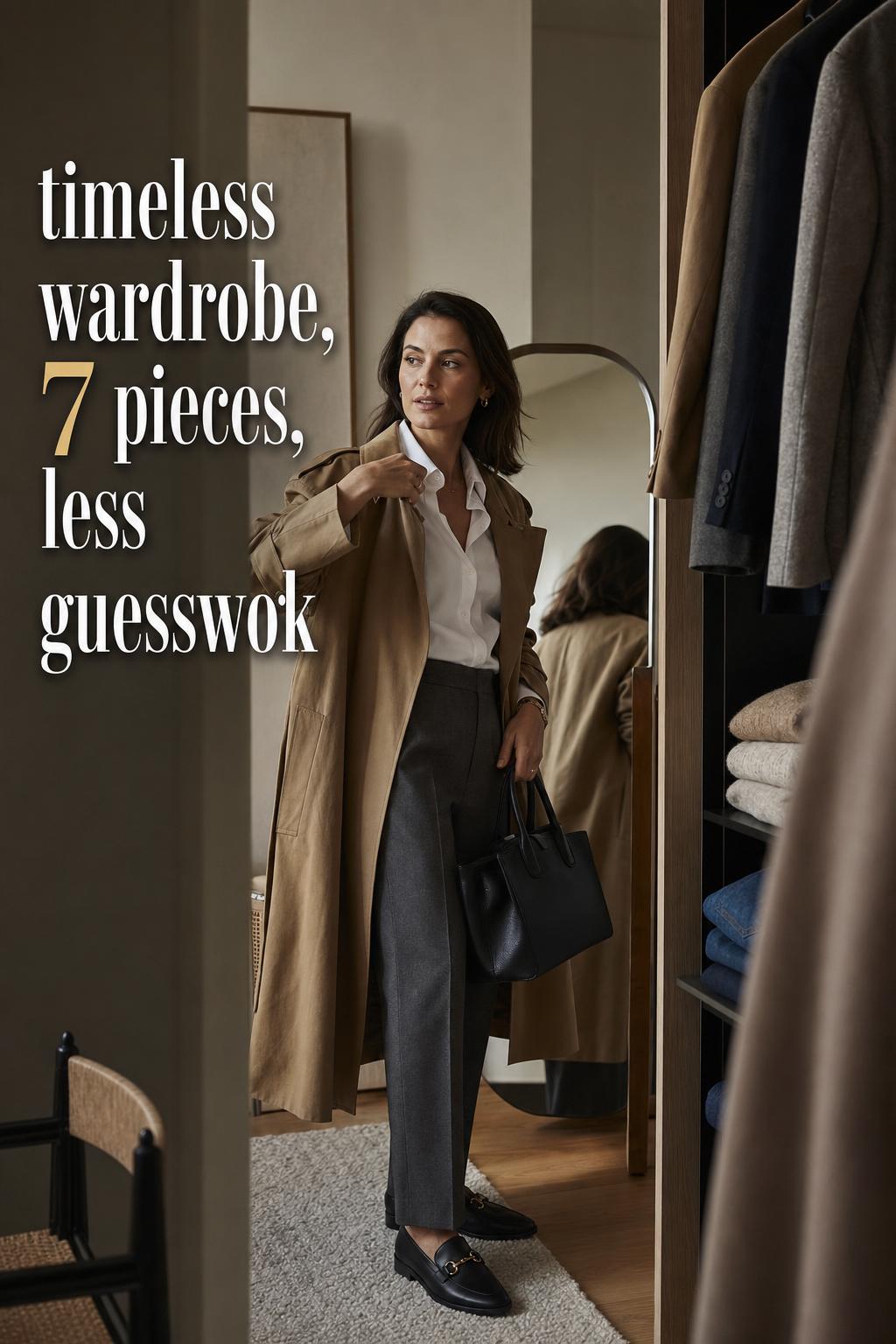
A trench over a white shirt, dark jeans, and loafers works because every layer performs a separate role. The shirt brightens the center of the outfit. The denim grounds it. The trench adds movement and finish. The loafers keep the styling polished rather than overly casual. This is the kind of outfit logic that defines a timeless wardrobe: each piece contributes function and visual clarity.
Real-life outfit interpretation: the same staple, different wardrobe identities
The easiest way to understand timeless style is to watch how one staple changes character depending on styling decisions. The white shirt, blazer, trench, and jeans are especially useful for this because they sit at the center of many capsule wardrobes.
A white shirt in a refined wardrobe
Styled with tailored trousers, a blazer, a polished bag, and loafers, the white shirt becomes an instrument of precision. The lines stay clean. The palette remains controlled. The outfit reads prepared and professional, but not stiff, provided the shirt fits cleanly through the shoulder and the blazer is balanced in length. This interpretation suits work settings, city dressing, and anyone who wants visual authority without trend dependence.
A white shirt in a softer capsule
Worn with dark jeans, a classic coat, and understated shoes, the same shirt shifts into a more relaxed register. The effect is still timeless, but the structure relaxes. Denim becomes the visual anchor rather than tailoring. This works especially well for people who want a wardrobe that can absorb daily wear more naturally while still looking composed.
The blazer as mood-shifter
A navy blazer is one of the clearest examples of how accessories and proportion alter the entire mood. With sharp trousers and a restrained palette, it carries classic tailoring energy. With denim and loafers, it becomes a bridge piece between polished and casual. This is why the blazer remains one of the strongest investment pieces in a timeless wardrobe. It adapts without losing identity.
The role of accessories in making a wardrobe look intentional
Timeless wardrobes are often described through clothing categories, but accessories quietly control the final impression. Shoes and bags can either reinforce the wardrobe’s consistency or break it. A polished bag and loafers tend to stabilize the look because they echo the logic of refinement and repeat wear. Highly trend-led accessories can still be used, but they usually shift the outfit away from timelessness and toward a more moment-specific expression.
This does not mean accessories must be plain. It means they should support the silhouette rather than compete with it. In a timeless wardrobe, accessories finish the composition. They do not rescue it.
Most versatile pieces
- loafers that work with denim, dresses, and tailoring
- a bag with enough structure to elevate casual outfits
- outerwear that frames the entire look, especially trenches and classic coats
- shoes that keep the outfit adaptable across work and off-duty settings
Care, repair, and the quiet discipline behind longevity
A timeless wardrobe cannot be separated from garment care. Many discussions focus on buying the right staples, but fewer emphasize what actually keeps those pieces in circulation. Longevity depends on maintenance, storage, and knowing when to repair rather than replace. This is one of the clearest ways timeless style moves beyond appearance into practice.
Why organization matters more than people think
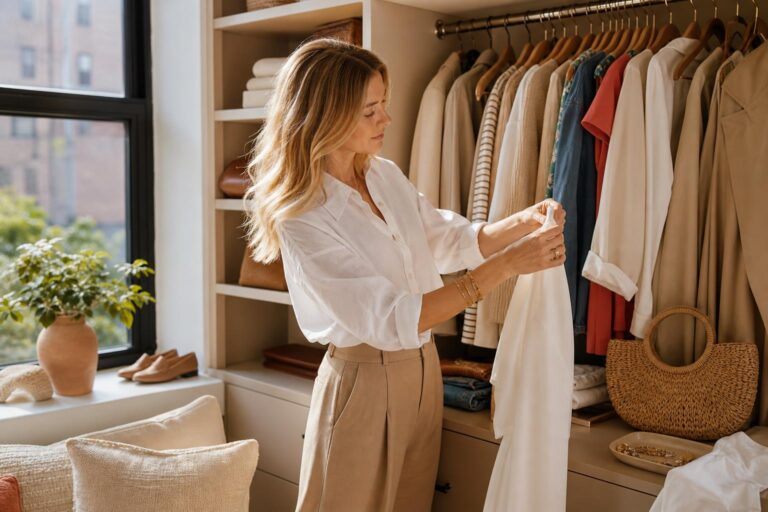
Closet organization supports better styling decisions because it keeps the wardrobe visible and usable. When coats, shirts, blazers, denim, and dresses are accessible, rewearability increases. When pieces are buried, duplication and impulse buying become more likely. A timeless wardrobe works best when it is edited enough to understand at a glance.
Storage also affects garment life. Tailoring and outerwear lose their clean line if they are handled carelessly. Shirts and dresses last longer when the wardrobe system supports rather than compresses them. In practical terms, wardrobe planning and storage are not separate from style. They are part of it.
Tips for extending the life of timeless pieces
- Build repeat wear into your wardrobe plan so each piece earns its place.
- Use tailoring and alteration services when a strong garment needs only proportion adjustment.
- Prioritize repairability, especially for coats, blazers, and quality denim.
- Organize your closet by category so layering and outfit planning become easier.
- Replace only when care and repair no longer preserve the garment’s function or shape.
The cultural anchors behind timeless style
Timeless wardrobes may feel contemporary, but many of their strongest visual codes come from long-standing style archetypes. This is one reason they continue to resonate. They are not random collections of basics. They are rooted in established ideas of elegance, tailoring, and ease.
Chanel is often associated with refined balance, where simplicity and polish coexist through fabric, line, and restraint. Burberry immediately evokes the trench as a durable outerwear icon. Dior suggests controlled femininity and shape. Savile Row represents the authority of fit and tailoring. Ivy League references contribute another layer: a more relaxed but still classic approach built around shirts, blazers, loafers, and dependable separates.
These references matter not because a timeless wardrobe must imitate luxury houses or heritage systems directly, but because they clarify the visual principles involved. Structure, proportion, permanence, and repeatability are the threads that run through them all.
Building your own timeless wardrobe without copying someone else’s
The most common mistake in wardrobe building is treating timelessness as a fixed costume. A wardrobe lasts longer when it reflects the reality of the person wearing it. That means body type, climate, profession, and comfort preferences all matter. The goal is not to accumulate approved staples. It is to create a durable wardrobe philosophy expressed through pieces you will actually repeat.
A practical framework
- Audit what you already rewear most often, especially coats, shirts, denim, dresses, and shoes.
- Identify the gap between your current wardrobe and the life you actually dress for.
- Choose a stable color palette so pieces combine naturally.
- Upgrade weak links first, usually outerwear, tailoring, and daily basics.
- Build seasonally, using layering pieces to extend wear instead of replacing your entire wardrobe each season.
This process is especially useful for readers trying to decide between a more structured wardrobe and a softer capsule approach. If your daily life involves offices, presentations, and polished public settings, a stronger blazer-and-trouser foundation may serve you better. If your routine is more flexible, a wardrobe anchored by denim, classic coats, shirts, and adaptable dresses may feel more natural while still reading timeless.
Style psychology
People often gravitate toward timeless wardrobes because they want less visual friction. A coherent wardrobe can reduce uncertainty, but it can also create a stronger sense of self-presentation. The appeal is not only minimalism. It is the feeling of knowing that your clothes align with your environment, your routine, and your personal style without requiring constant correction.
Common mistakes that make a timeless wardrobe feel flat
Timeless style can lose impact when it is interpreted too literally. The intention is not to strip a wardrobe of personality. It is to build around enduring visual logic. Several mistakes tend to weaken that effect.
- Buying every classic staple without considering lifestyle or local climate.
- Confusing neutrality with quality and ignoring fit.
- Choosing pieces that look timeless in photos but do not function in everyday wear.
- Overlooking care, repair, and storage, then wondering why garments lose polish quickly.
- Building a capsule wardrobe so narrowly that it becomes repetitive rather than versatile.
A timeless wardrobe should feel edited, not restrictive. If everything is practical but nothing feels expressive, the wardrobe may become difficult to sustain emotionally. That is why small variations in texture, silhouette, or accessory choice matter. They preserve personality while keeping the overall wardrobe stable.
Easy ways to blend timelessness with personal style
The best wardrobes rarely live at extremes. Many readers do not want a purely formal wardrobe, nor do they want a closet driven entirely by trends. The strongest result often comes from blending timeless staples with subtle personal cues. A trench and dark denim can coexist with a softer dress. A blazer can sharpen an otherwise relaxed outfit. A polished bag can make simple cotton pieces feel more resolved.
This is where visual identity becomes more interesting than rules. The timeless wardrobe gives you the architecture. Personal style decides how much softness, sharpness, or ease you place inside it. For some, that means leaning into classic coats and structured tailoring. For others, it means using capsule wardrobe principles to create a calmer version of everyday dressing built around rewearable pieces.
Tips for mixing elements naturally
- Use one structured piece, such as a blazer or trench, to anchor softer separates.
- Keep the palette cohesive when combining polished and casual items.
- Let fabric contrast do some of the work, especially with wool, cotton, denim, and cashmere.
- Choose accessories that stabilize the outfit if the silhouette is relaxed.
- Repeat successful combinations so your wardrobe develops its own internal rhythm.
Which version of timeless style is more wearable?
The answer depends on how you live. A more structured version of timeless style often appears more polished because tailoring creates instant clarity. It tends to work especially well for professional settings, city dressing, and anyone who prefers a controlled visual message. A softer capsule-based version is often easier to recreate affordably and easier to maintain day to day, particularly if your routine favors comfort, movement, and frequent outfit repetition.
Neither is inherently better. What matters is whether the wardrobe supports your real schedule. A timeless wardrobe should reduce friction, not create it. If a blazer stays unworn while denim and shirts carry your week, that tells you something. If you consistently feel underdressed without a coat, loafer, or polished bag to finish the outfit, that tells you something too.
The most successful wardrobes usually sit somewhere in between: a core of classic pieces, a thoughtful color palette, dependable fabrics, and enough flexibility to adapt to weather, work, and personality without losing coherence.
FAQ
What is a timeless wardrobe?
A timeless wardrobe is a collection of classic, rewearable pieces that stay relevant through stable silhouettes, versatile colors, quality fabrics, and dependable fit. It is less about owning fewer items for the sake of minimalism and more about building a wardrobe that works together consistently over time.
How do I build a timeless wardrobe from scratch?
Start with a wardrobe audit, then build around a few strong categories such as outerwear, shirts, denim, dresses, and shoes. Choose a cohesive palette, prioritize fit and fabric, and add pieces that can be styled in multiple ways across work, casual, and seasonal settings.
What pieces should every timeless wardrobe include?
Most timeless wardrobes benefit from a trench or classic coat, a well-cut blazer, a white shirt, dark jeans, versatile dresses, loafers, and a polished bag. The exact mix should reflect your climate, routine, and preferred level of structure.
What is the difference between a timeless wardrobe and a capsule wardrobe?
A timeless wardrobe refers to the enduring visual quality of the pieces, while a capsule wardrobe refers to a more edited, intentionally limited system of dressing. The two often overlap because timeless pieces are especially effective in capsule wardrobes, but they are not identical concepts.
Which fabrics are best for a timeless wardrobe?
Wool, cotton, denim, and cashmere are frequently favored because they support shape, repeat wear, and visual refinement. The right choice depends on the garment category, but in every case the fabric should match the silhouette and intended use.
How important is fit in timeless style?
Fit is essential because timeless pieces are usually simple enough that poor proportion becomes obvious. A coat, blazer, shirt, or trouser can only look enduring if the lines sit correctly on the body and support the outfit’s overall balance.
Can a timeless wardrobe work in every season?
Yes, but it works best as a layered system rather than four separate wardrobes. Foundation pieces such as shirts, denim, dresses, and loafers stay in rotation, while outerwear, knitwear, and heavier fabrics shift depending on weather and regional climate.
How do I keep timeless wardrobe pieces looking good longer?
Care, repair, and organization make a major difference. Store garments properly, use tailoring or alteration services when needed, prioritize repairable pieces, and keep your wardrobe edited enough that you can see and rewear your best items consistently.
Can I still have personal style if I focus on timeless pieces?
Yes. Timeless pieces create the structure, but personal style comes through in how you combine them, how much tailoring or softness you prefer, which colors you emphasize, and how you use accessories to shape the mood of the outfit.