
Mexican Cowgirl Outfits That Feel Polished
Getting mexican cowgirl outfits right is less about piling on obvious Western pieces and more about building an outfit with clear visual logic. The strongest versions combine vaquera references, practical Western staples, and modern styling restraint. That means denim with embroidery, boots with a defined silhouette, and accessories that support the look instead of turning it into costume. For a reader shopping in the U.S., the real challenge is usually not finding inspiration. It is deciding what actually works for everyday wear, festivals, rodeo settings, travel, and themed occasions without losing comfort or proportion.
The most wearable mexican cowgirl outfits sit at the intersection of heritage and function. They borrow from vaquera style, connect loosely to charro context and charrería culture, and often echo china poblana-inspired color and embroidery traditions through blouses, skirts, belts, and statement details. At the same time, today’s versions are grounded in familiar wardrobe anchors such as denim jackets, jeans, prairie dresses, fringe vests, cowboy boots, and Western hats. The key is understanding which elements matter most, which pieces are versatile, and how to adapt the outfit to body type, season, and budget.

What actually defines a mexican cowgirl outfit
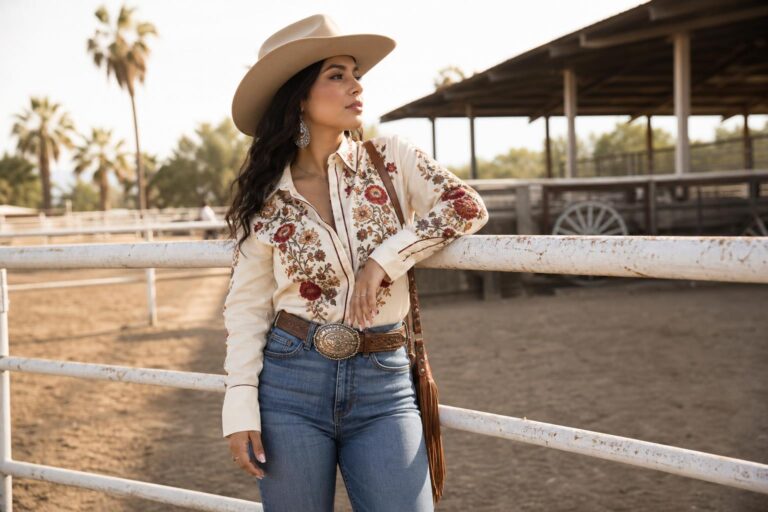
A mexican cowgirl outfit is typically built from a mix of Western structure and Mexican visual references. In practical terms, that usually means denim as the base, embroidery as the surface detail, and boots or hats as the accessory anchor. Vaquera-inspired fashion often feels more specific than generic cowgirl style because it relies on textile character, ornament, and strong finishing pieces such as a belt with conchos or a shaped hat.
The distinction matters because not every Western outfit reads as mexican cowgirl. A plain denim-and-boots combination may look cowboy chic, but it will not communicate the same identity unless it includes details such as embroidered blouses, charro-adjacent ornament, or references associated with vaquera dressing. That can be subtle. One embroidered peasant top with clean jeans and boots is often more effective than wearing five loud statement pieces at once.
Found the dress? Keep the rest in one place.
Zarellea brings guest details, vendors, timelines, and every next step together — so your wedding plan feels as good as your look.
For everyday life, think in layers of influence. The base layer is wearability: jeans, skirts, or dresses that fit well and allow movement. The second layer is motif and texture: embroidery, fringe, denim stitching, or a decorative belt. The third layer is styling direction: a hat, boots, or turquoise accent that signals Western identity without overwhelming the composition.

The smartest way to build the look: buy in this order
Readers often overbuy accessories first and end up with a closet full of pieces that only work together in one costume-like outfit. A better approach is to build from the most versatile garment categories outward. This creates outfits you can repeat in different combinations and across seasons.
- Start with denim: straight or boot-friendly jeans, an embroidered denim skirt, or a denim jacket.
- Add one statement top: an embroidered blouse, peasant top, or long-sleeve Western shirt.
- Choose boots next: they determine the outfit’s stance and affect the hemline of skirts, dresses, and jeans.
- Invest in a belt: a concho belt or structured Western belt adds definition and helps simple outfits feel intentional.
- Buy a hat last: hats are powerful visual anchors, but they are less versatile than denim or boots.
This order works because each new item expands the number of outfits you can create. A denim jacket from ASOS or a cowboy chic collection piece from Showpo can work with non-Western wardrobes too. By contrast, a highly thematic rhinestone costume set such as the Fashion Nova Western Star Denim Rhinestone Cowgirl 5 Piece Costume Set is useful for Halloween but far less adaptable for routine wear.
Core garment components that shape the silhouette
Tops that carry the heritage reference
In most mexican cowgirl outfits, the top is where the visual identity becomes clear. Embroidered blouses, peasant tops, and Western shirts do more than decorate the outfit. They establish softness, craft detail, and cultural direction. If you want the look to feel vaquera-inspired instead of generic country, this is the most important category to get right.
For a balanced silhouette, choose blouses based on volume. A fuller peasant top works best with fitted or straight denim because the narrow lower half prevents visual bulk. A more structured embroidered shirt can handle an A-line skirt or wider denim leg because the top does not add as much horizontal width. Petite readers usually benefit from embroidery placed higher on the bodice or near the shoulders, because it draws the eye upward and avoids shortening the torso.
Fabric also changes the outcome. Cotton feels grounded and practical for daytime, while rayon tends to drape more softly and can make a festival or evening look feel less stiff. If budget is a concern, start with one blouse in a versatile neutral or earthy shade rather than a highly specific event top.
Bottoms and dresses that support movement
Denim is the backbone of the category because it stabilizes more decorative elements. Jeans are the easiest entry point because they work with almost every top style mentioned across fashion roundups, marketplace listings, and Western trend collections. An embroidered denim skirt creates a stronger statement, but it is less flexible than jeans and can be harder to balance if your boots are equally ornate.
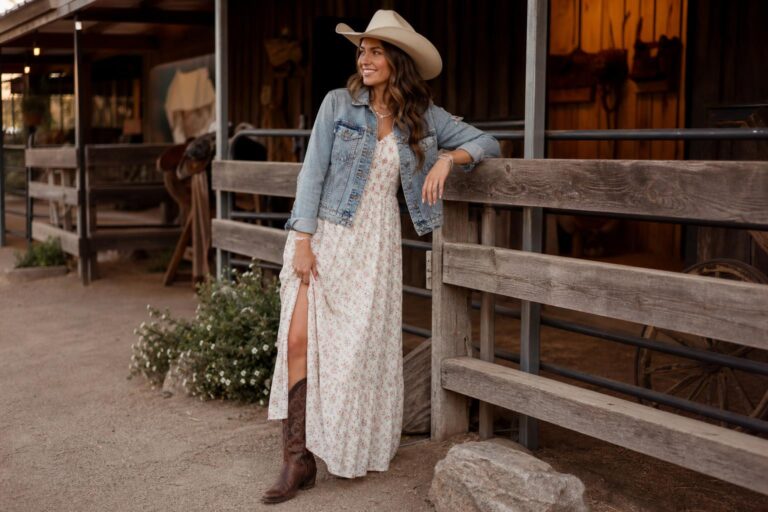
Prairie dresses and cowboy dresses are useful when you want a one-piece foundation. They reduce styling decisions and work well for outdoor events, but the hemline must cooperate with the boot shaft. The most successful combination creates a visible break between the dress and the boot, so the shape stays readable. If the dress hem falls at the widest part of the calf and meets a mid-height boot, the leg line can appear cut off, especially on petite frames.
Curvy readers often do well in A-line shapes with waist definition, especially when paired with a belt. Tall readers can carry longer skirts, larger embroidery scale, and stronger denim-on-denim combinations more easily because there is more vertical space for the details to breathe.
Outerwear that adds texture without excess
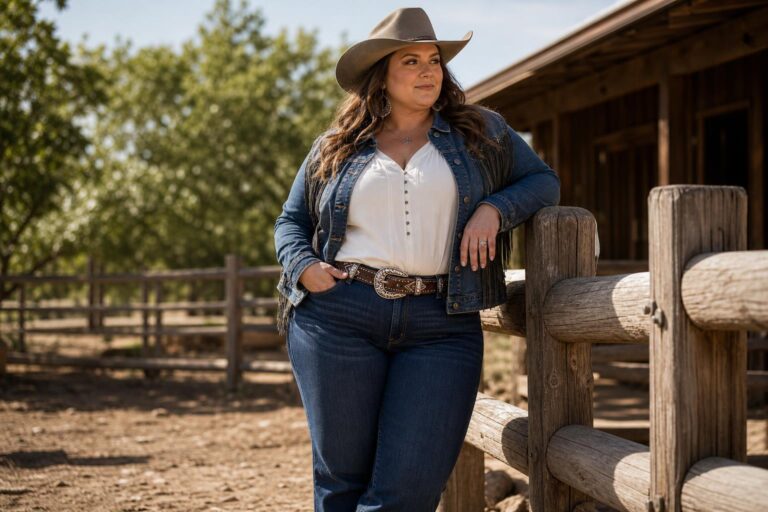
Layering is where modern western chic meets practicality. A denim jacket is the easiest piece to integrate into an existing capsule wardrobe. It works over embroidered blouses, dresses, and even simple tops when you want just a hint of cowgirl direction. A fringe vest is more overt and works best when the rest of the outfit is restrained.
Lightweight ponchos can bring in regional and textile-inspired texture, but they need proportion control. If the poncho is loose, keep the lower half narrow with slim or straight denim. If the skirt is already full, a structured jacket usually delivers a cleaner outline. This is one of the most common mistakes in visual inspiration feeds: too many soft, oversized elements in the same outfit reduce shape and make the composition feel heavy.
Footwear and accessories that finish the outfit
Cowboy boots, Western hats, and belts with conchos are the finishing system. Boots affect comfort, mobility, and outfit authenticity all at once. For practical use, a neutral boot is the best first investment because it can anchor denim, dresses, skirts, and even non-Western basics. Save highly embellished or rhinestone pairs for theme-driven dressing or special events.
A belt matters more than many shoppers expect. It defines the waist, adds metal detail, and creates a visual break that makes the outfit feel styled rather than accidental. Conchos are especially effective because they connect directly to Western accessory language while working with denim and skirts alike. Hats are powerful, but they should match the intention of the day. A hat makes sense at festivals, rodeo settings, and outdoor events. In routine urban wear, it can feel overcommitted unless the rest of the outfit is very clean.

Why denim and embroidery are the foundation of the look
The most consistent relationship across mexican cowgirl outfits is denim plus embroidery. This pairing works because each element solves a different styling problem. Denim provides structure, durability, and visual weight. Embroidery provides identity, ornament, and cultural reference. Together, they create texture contrast without requiring a complicated color story.
This is also the easiest combination to recreate on a budget. Marketplace options on Etsy often center around handmade or handcrafted tops, dresses, belts, and accessories, while larger retailers such as ASOS and Showpo make it easier to secure the foundational denim and dresses. That split is practical. Buy the base from widely available stores and reserve budget for one artisanal or embroidered focal point that gives the outfit personality.
If you want the outfit to look more expensive, keep one of these elements disciplined. If the blouse is heavily embroidered, choose clean denim without too much distressing. If the denim has rhinestones, patchwork, or decorative stitching, simplify the top. The eye needs one clear statement area and one stabilizing area.

Color palettes and texture combinations that read polished
Mexican cowgirl outfits tend to perform best in palettes that combine earthy grounding shades with brighter accent details. Earth tones work because they support denim, leather, and boots naturally. Turquoise accents add a recognizable Western note without requiring a full color overhaul. Black can sharpen the mood for evening or Halloween styling, especially when balanced with silver-toned hardware or clean boots.
Texture is often more important than color. Denim, embroidery, fringe, and leather-like accessory finishes give the outfit depth even if the palette is simple. This is why many of the strongest visual examples do not rely on complicated prints. They use tactile contrast instead: smooth denim against ornate stitching, soft blouse fabric against structured belts, or fringe against fitted jeans.
- For hot weather, use a lightweight embroidered blouse, straight jeans or a skirt, and boots in a lighter tone.
- For transitional weather, layer a denim jacket over a dress and add a belt for shape.
- For cooler conditions, rely on darker denim, long sleeves, and heavier boots rather than adding too many decorative layers.
- For evening or costume-driven settings, introduce rhinestones or black accents selectively so the outfit still has definition.
A useful rule is to mix only two strong textures at a time. For example, embroidery and fringe can work together if the denim is simple. Fringe, rhinestones, and busy embroidery together often compete and flatten the overall impression.
Where the outfit works best in real life
Festivals and outdoor events
Festival styling appears often in visual roundups because the setting supports stronger accessories, bolder embroidery, and more obvious Western cues. The practical version is not the heaviest one. A breathable embroidered top, denim bottoms, supportive boots, and one statement accessory will outperform a layered costume-style look over a long day. Outdoor events involve walking, temperature shifts, and uneven ground, so comfort should drive the boot choice.
This is also the place for hats if you genuinely wear them well. A Western hat can function as both style signal and sun coverage. The trick is to keep the rest of the outfit edited. Once the hat is on, you usually need less jewelry, fewer fringe details, and a simpler bag.
Rodeo and charrería-adjacent settings
When the outfit is intended for a rodeo atmosphere or a setting connected to charrería culture, restraint and respect matter. This is where understanding vaquera heritage and the charro connection improves styling decisions. Instead of treating the look as a costume, focus on well-fitted denim, quality boots, a defined belt, and embroidery that feels considered rather than exaggerated.
References to escaramuza, women’s equestrian teams within charrería, reinforce that this style has real cultural and performance context. In practical dressing terms, that means movement, durability, and line matter. Skirts or dresses should allow walking and sitting comfortably, and tops should stay secure without constant adjustment.
Everyday street style and casual wear
This is where most readers need the most help, because the everyday version of mexican cowgirl outfits must feel natural outside a themed event. The simplest formula is one vaquera-coded piece plus familiar basics. An embroidered blouse with straight jeans and neutral boots works because it carries the style reference without becoming overly literal. A denim jacket over a prairie dress works for casual weekends because the jacket introduces structure and keeps the dress from reading too romantic.
For travel or casual city wear, reduce the accessory count. Pick boots or a belt, not necessarily both plus a hat. The goal is to make the outfit adaptable. If you can remove one piece and still have a coherent look, it is probably styled correctly for everyday life.
Halloween and themed dressing
Halloween is one area where the look can push further into overt costume territory. Fashion Nova’s rhinestone cowgirl set is a good example of a product built specifically for that purpose. It works when the intention is theatrical, photo-driven, or event-based. It is less useful as a long-term wardrobe purchase unless you regularly attend theme events.
If you want a Halloween outfit that still has repeat value, skip the full costume set and build from real wardrobe pieces instead. Use denim, boots, and an embroidered top, then increase drama with a hat, statement belt, or rhinestone accent. That approach gives you future styling mileage after the event.
The cultural framework behind the style
Understanding the cultural framework makes the outfit easier to style with clarity. Vaquera fashion is the most direct reference point for the modern phrase “mexican cowgirl outfits,” while charro attire provides historical and visual context. Charrería connects these traditions to equestrian and rodeo culture in Mexico, and china poblana influence appears as a contextual thread in some style discussions, particularly around embroidery and dress references.
This context also helps prevent common styling mistakes. The strongest outfits do not blur every Mexican and Western reference into one vague idea. They choose a direction. You can lean denim-and-boots with embroidered accents, or dress-and-belt with vaquera cues, or event-specific costume dressing. Precision always looks more convincing than excess.
For readers interested in visual history, the charro outfit is also tied to the Golden Age of Mexican Cinema and figures such as Jorge Negrete, Pedro Infante, Emilio Fernández, Pedro Armendáriz, and Luis Aguilar. In modern fashion terms, their relevance is less about copying exact historical dress and more about recognizing how charro and related Western Mexican attire became culturally iconic. That distinction adds depth and encourages more thoughtful styling choices.
Practical outfit formulas that solve common wardrobe problems
The easiest first outfit for beginners
Start with straight or slim denim, an embroidered blouse, neutral cowboy boots, and a simple belt. This formula works because it spreads attention evenly across the outfit. The blouse delivers the vaquera signal, the denim grounds it, and the boots finish the theme. It suits casual dinners, daytime events, travel, and many outdoor settings without feeling overdone.
The dress-based version for readers who do not wear jeans often
A prairie dress or cowboy dress paired with boots and a denim jacket is often the best substitute for jeans. The dress softens the look, while the jacket adds structure and keeps the outfit visually anchored. Add a belt if the dress lacks waist definition. This version flatters curvier figures well because it can create shape without clinging.
The denim-on-denim approach for a stronger fashion statement
Denim-on-denim appears in inspiration-heavy coverage because it is visually bold and easy to recognize. To make it wearable, vary the shade or texture. A softer embroidered top under a denim jacket, or contrasting denim weights, keeps the outfit from looking flat. This approach works especially well for tall readers, who can carry more vertical repetition without appearing overwhelmed.
The budget version that still looks intentional
Use items you may already own: jeans, a plain blouse, boots, and a belt. Then add only one targeted purchase, ideally an embroidered top or artisan-style accessory from Etsy. This works because one authentic-looking focal point changes the reading of the whole outfit. Spending on a statement top usually gives better return than buying multiple cheap accessories that fight each other visually.
How to adapt the look for body type and proportion
Mexican cowgirl outfits are highly adaptable, but proportion is everything. The same pieces can look balanced or awkward depending on how volume, hemline, and boot height interact. This is where practical styling matters more than trend imitation.
- Petite: keep embroidery concentrated near the neckline or upper bodice, choose shorter jackets, and avoid skirts that end at the widest point of the calf.
- Curvy: define the waist with a belt, use A-line skirts or shaped dresses, and avoid pairing a very billowy top with a very full skirt.
- Tall: embrace longer hemlines, larger-scale embroidery, and layered denim more confidently because the silhouette has room for them.
- Straighter frames: use fringe, belts, and embroidery placement to create shape and visual movement through the torso and hips.
If you are unsure where to start, prioritize waist definition and hemline clarity. Those two adjustments solve most fit issues. A good belt and the right boot height can make a basic outfit look custom-styled.
Shopping guidance: where to spend and where to save
The best shopping strategy depends on how often you plan to wear the look. For regular use, invest in boots, denim, and one quality embroidered piece. Those are the items that affect comfort, fit, and styling flexibility the most. Save on trend-driven accessories or event-only pieces that have limited repeat value.
ASOS is useful when you want a broad Western outfits hub with dresses, denim, boots, belts, and hats in one place. Showpo’s cowboy chic assortment is useful for a more modern everyday angle, especially if you want trend-led dresses and tops. Etsy is the strongest route when you want handmade or boutique-feeling pieces with more individuality. Fashion Nova is more relevant when the goal is a costume or dramatic event piece rather than a long-term wardrobe build. Editorial roundups that reference brands such as Levi’s, Toms, and Free People are also helpful for identifying familiar product categories that translate easily into a U.S. wardrobe.
A practical split budget often works best: spend on boots and a top, save on hats and occasion accessories, and use existing denim whenever possible. That formula gives the highest number of outfit combinations for the lowest unnecessary spend.
Common mistakes that make the outfit look forced
The most common problem is over-styling. Readers often combine embroidered tops, fringe, rhinestones, a hat, a concho belt, and highly embellished boots in one outfit. The result is visual competition rather than definition. Strong outfits have a hierarchy. Decide whether the focal point is the top, the boots, or the accessories, then let the rest of the outfit support it.
Another frequent issue is ignoring practicality. A hat that never stays on, boots that cannot handle walking, or a blouse that needs constant adjustment will undermine the look quickly. Styling should improve function, not fight it. This matters especially for festivals, rodeo events, and long outdoor days.
A third issue is treating every situation the same. The outfit you would wear to a festival is not the same as the one that works for casual street style or travel. Everyday wear benefits from one or two Western indicators, not a full themed build. Costume-driven looks are valid, but they should be chosen intentionally for occasions such as Halloween rather than used as the default model for all mexican cowgirl outfits.
Tips for making the wardrobe more versatile year-round
The easiest way to get more wear from this style is to treat it as a modular capsule instead of a one-occasion wardrobe. Most of the best pieces can be restyled beyond Western dressing if you choose them carefully. A denim jacket, boots, and a quality embroidered blouse can each work independently with other casual outfits.
- Choose boots in a neutral tone first so they work with dresses, jeans, and skirts across seasons.
- Use denim jackets as the bridge piece between spring, fall, and cooler summer nights.
- Buy tops with embroidery placement that looks intentional under jackets, not only on their own.
- Rotate belts to change the strength of the Western message without replacing the whole outfit.
- Reserve the most theatrical pieces for festivals, Halloween, or theme parties.
A useful transition strategy is to lighten the palette and reduce layers in warm weather, then deepen the denim tone and add outerwear in cooler months. The visual identity remains intact because the key markers, denim, embroidery, boots, and belt, stay consistent.
Tips for care, comfort, and cultural respect
Embroidered garments need more attention than plain basics because the decorative surface is part of the garment’s value. Care guidance should always be checked at the product level, especially on product pages, but the practical takeaway is simple: treat embroidered pieces as wardrobe anchors rather than throwaway trend items. Better care extends wear and protects the detail that gives the outfit its identity.
Comfort is equally important. If a blouse is too stiff, a skirt limits stride, or boots are only tolerable for photos, the outfit will not hold up in real life. This style comes from traditions connected to real movement and equestrian culture, not just visual presentation. That is one reason a fit-focused approach usually looks better than a purely decorative one.
Cultural respect starts with acknowledging that vaquera, charro, china poblana, and charrería references are not interchangeable decoration. Use them thoughtfully, avoid reducing the style to stereotypes, and favor pieces that feel grounded in craftsmanship, embroidery, and clear garment logic rather than novelty alone. That usually leads to stronger outfits anyway.

FAQ
What makes a mexican cowgirl outfit look authentic instead of costume-like?
The difference is usually restraint and garment quality. An outfit looks more authentic when it uses real wardrobe staples such as denim, an embroidered blouse, boots, and a defined belt, then adds one or two clear vaquera-inspired details. It starts to look costume-like when too many loud elements, such as rhinestones, fringe, oversized hats, and heavy accessories, compete in the same look.
What should I buy first if I want to build this style on a budget?
Buy in this order: denim, one embroidered top, boots, then a belt. That sequence gives you the most outfit combinations and keeps spending focused on versatile pieces. A hat can wait until you know how often you will actually wear the look in real life.
Which boots work best with denim and dresses?
A neutral cowboy boot is the most flexible option because it can anchor jeans, skirts, and dresses without limiting your color choices. For dresses, the best result usually comes when the hemline does not crowd the boot shaft. For denim, choose a cut that falls cleanly over or near the boot so the leg line stays balanced.
Can I wear mexican cowgirl outfits for everyday life, not just festivals or Halloween?
Yes, and the everyday version is often the most useful. The easiest formula is one vaquera-coded piece, such as an embroidered blouse, combined with familiar basics like jeans and boots. Keep accessories edited and treat the outfit as casual Western-inspired dressing rather than a full theme look.
How do I adapt the look if I am petite, curvy, or tall?
Petite readers usually benefit from shorter jackets, higher embroidery placement, and hemlines that do not cut the calf awkwardly. Curvy readers often get the best result from waist definition, A-line shapes, and balanced volume between top and bottom. Tall readers can handle longer silhouettes, larger-scale embroidery, and stronger denim-on-denim styling more easily.
Where should I shop for this style?
Use larger retailers such as ASOS or Showpo for accessible denim, dresses, and trend-led Western basics, and look to Etsy for handmade or boutique-feeling embroidered tops, belts, and accessories. Fashion Nova is more useful for dramatic costume dressing or Halloween-specific pieces than for building a versatile everyday wardrobe.
How can I make the outfit look more expensive without spending a lot?
Keep the styling disciplined. Use one statement area, such as an embroidered blouse, and pair it with clean denim and simple boots. Add a structured belt for definition. The outfit usually looks more elevated when the decorative elements are concentrated instead of scattered across every piece.
What is the connection between vaquera, charro, and charrería style?
Vaquera is the closest style reference for modern mexican cowgirl outfits, while charro attire provides broader historical and visual context. Charrería is the equestrian and rodeo-related cultural framework that connects these traditions. Understanding that relationship helps you style the look with more accuracy and respect.