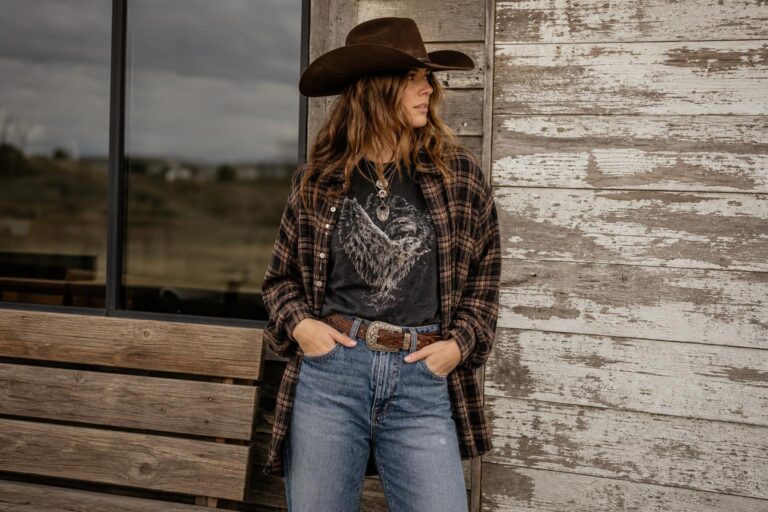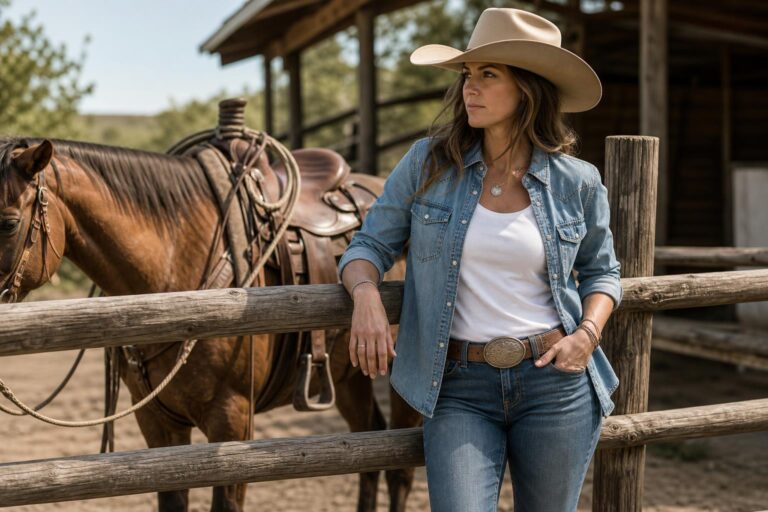
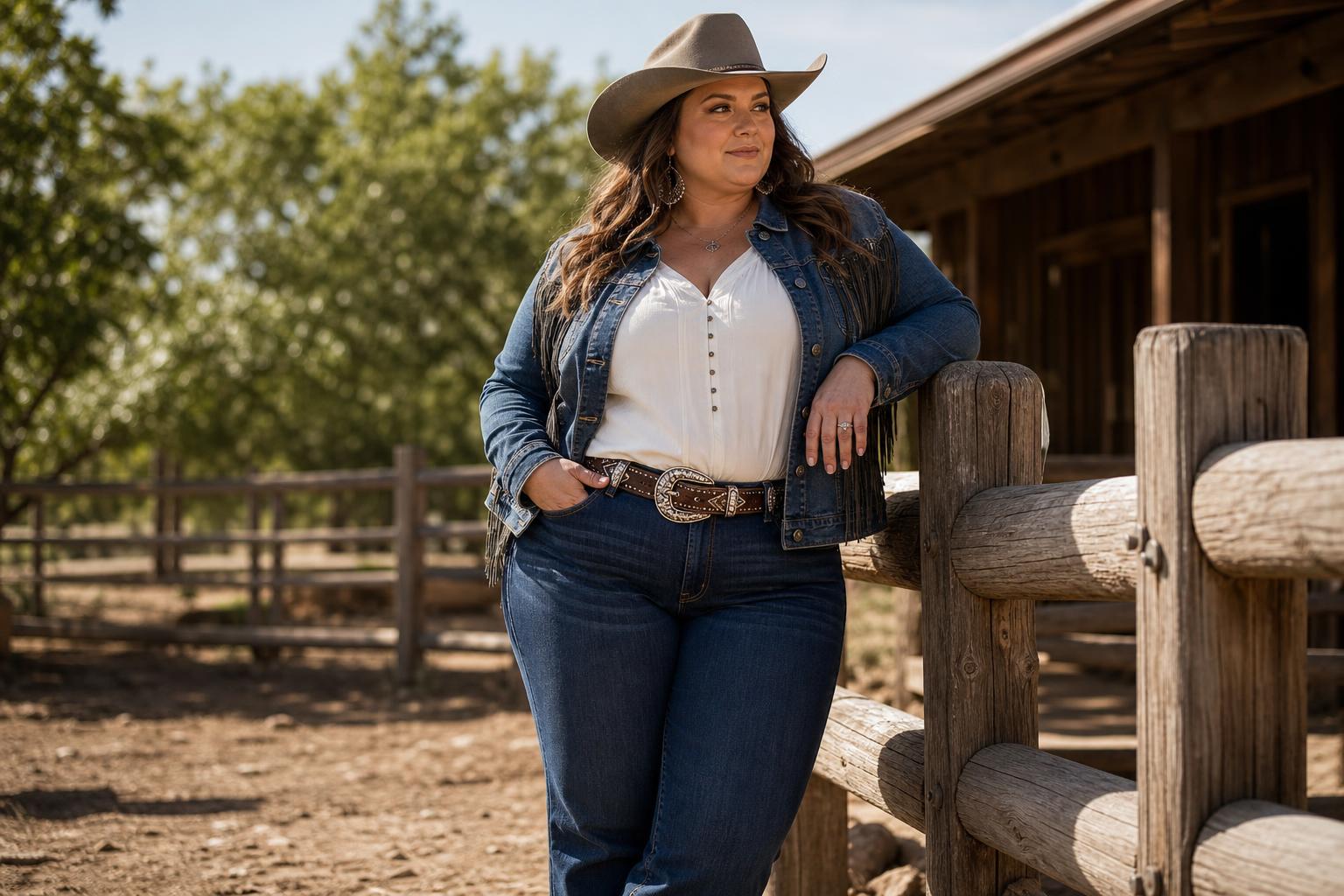
Plus Size Cowgirl Outfits That Feel Polished
A good western outfit has to do more than photograph well. It has to sit comfortably through a rodeo, move easily at a concert, hold up during a festival weekend, and still feel flattering after hours on your feet. That is why the best plus size cowgirl outfits are built around proportion, fabric behavior, and practical styling rather than costume logic. Denim, boots, belts, fringe, embroidery, and hats all matter, but the way they work together matters more.
The strongest approach starts with a few dependable foundations and then shifts the mood depending on the event. A rodeo night out needs structure and durability. A festival look benefits from breathable layers and movement. A wedding or date-night outfit works better with a cleaner silhouette and one western visual anchor instead of every detail at once. Once you understand that framework, western wear becomes easier to shop, easier to repeat, and far more wearable in everyday life.
What makes plus-size western dressing actually work
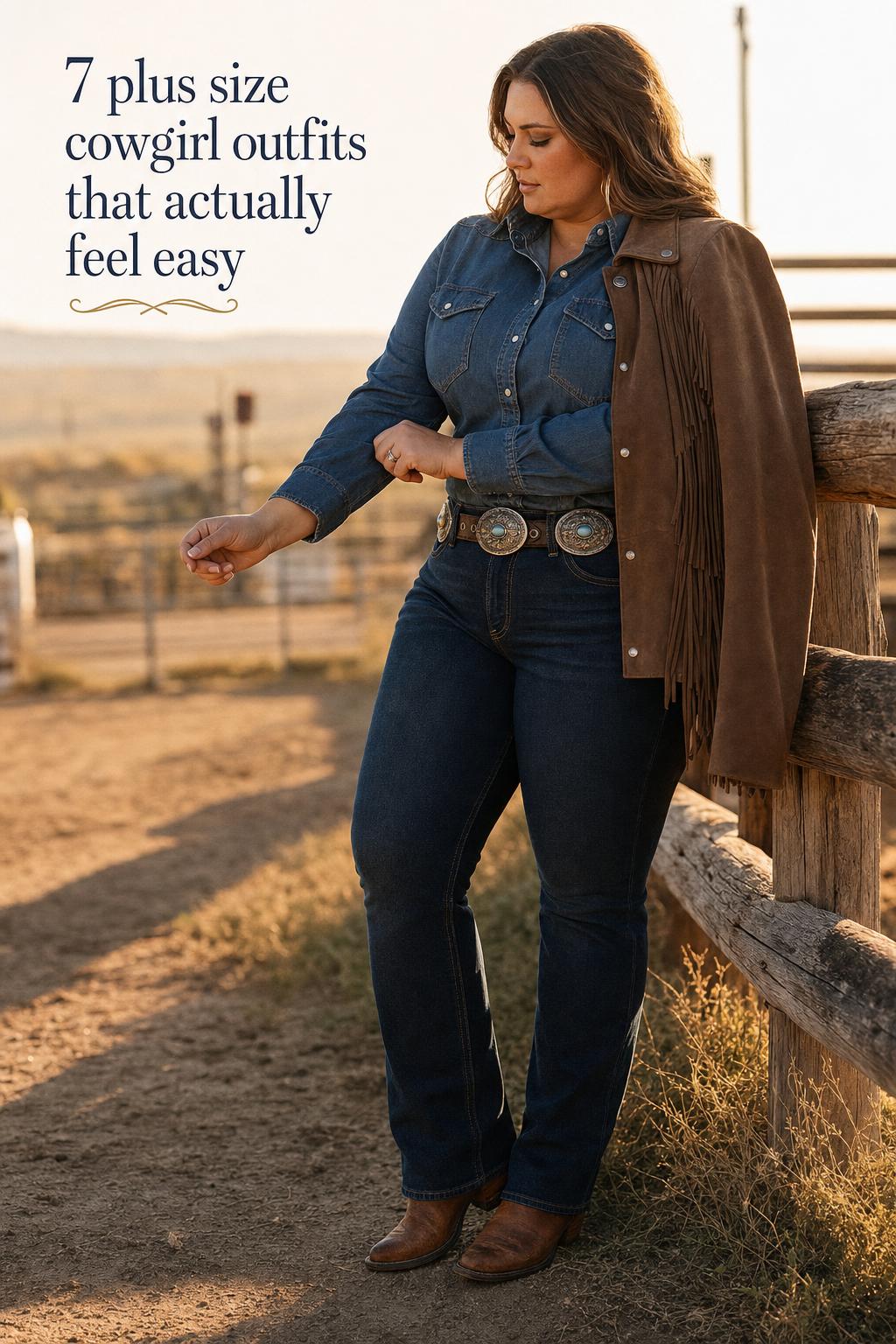
Western style can either look intentional or overloaded. The difference usually comes down to silhouette balance. In plus-size cowgirl outfits, the most reliable combinations pair one structured piece with one softer or more fluid element. Think high-rise bootcut jeans with a plaid shirt, or a flowy maxi dress with cowboy boots. That contrast creates definition without stiffness and shape without discomfort.
There is also a practical reason denim and boots appear in nearly every western wardrobe formula. Denim anchors the look visually and handles repeated wear, while boots create a clear style signal without needing much extra styling. Add a belt, a fringe jacket, a concho detail, or an embroidered top, and the outfit reads western quickly. That is useful if you want the aesthetic without buying an entirely separate wardrobe.
Found the dress? Keep the rest in one place.
Zarellea brings guest details, vendors, timelines, and every next step together — so your wedding plan feels as good as your look.
Comfort is not a side note here. Several strong outfit formulas rely on high-rise jeans, stretch-friendly fits, anti-chafe shorts under dresses, and careful attention to boot calf measurements. Those details are what make an outfit realistic for long events like festivals, outdoor weddings, concerts, and rodeos.
The wardrobe foundation worth buying first
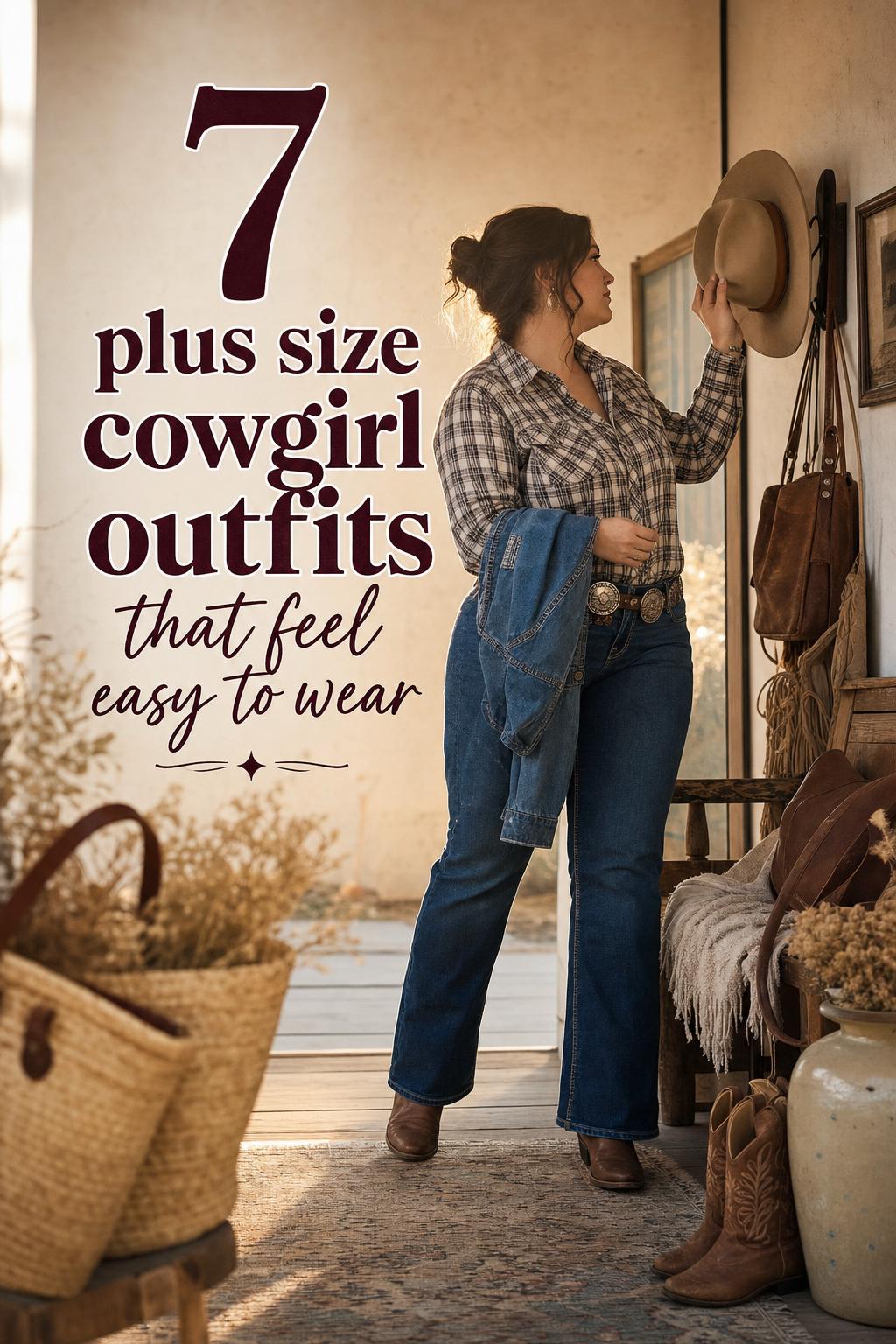
If you are starting from scratch, do not begin with novelty pieces. Build around the items that can create multiple plus-size western wear combinations with minimal effort. This approach saves money, improves versatility, and prevents the common mistake of owning statement items with nothing to ground them.
- High-rise bootcut jeans
- A structured denim or plaid western shirt
- Comfortable cowboy boots with attention to shaft and calf fit
- A versatile belt, ideally with a western buckle or concho influence
- A denim jacket or fringe jacket for layering
- One western-friendly dress, such as a prairie dress or flowy maxi dress
- A hat for optional styling rather than as a required daily piece
Among these, high-rise jeans and boots are the best first purchases because they work across the widest range of settings. You can wear them to a rodeo, line dancing, a concert, a casual date, or an everyday errand outfit with only minor changes on top. A concho belt is another high-value addition because it creates a western visual anchor even when the rest of the outfit is simple.
If shopping by brand matters to you, Ariat and Wrangler are useful reference points because they are associated with plus-size cut options in western styling conversations. Eloquii is relevant when you want western tops with details such as snap closures or embroidery. King Size, Western Soul, and Bourbon Cowgirl also sit in the plus-size western wear space, with category emphasis on jackets, denim, tops, skirts, boots, and statement pieces.
The most versatile starter combination
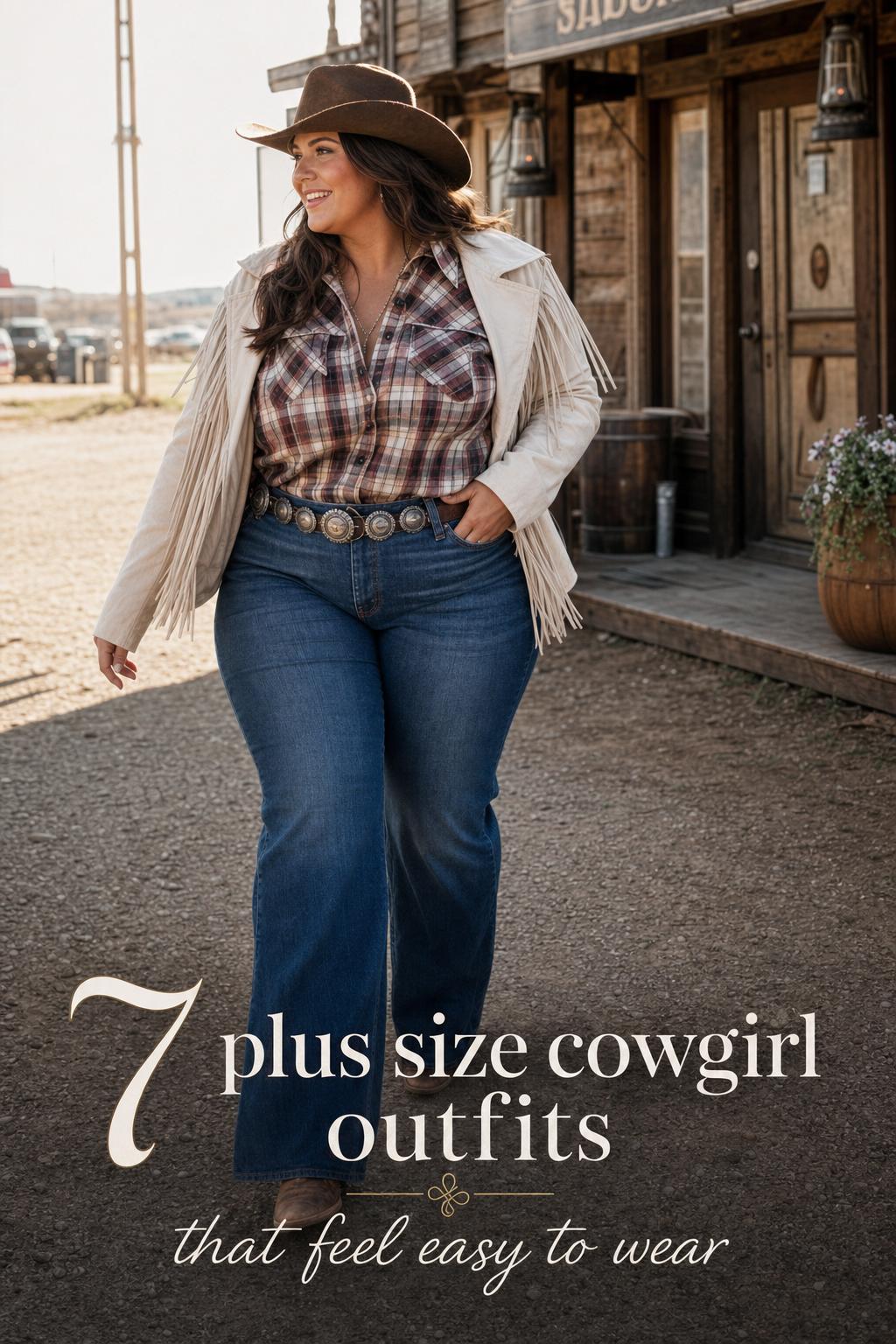
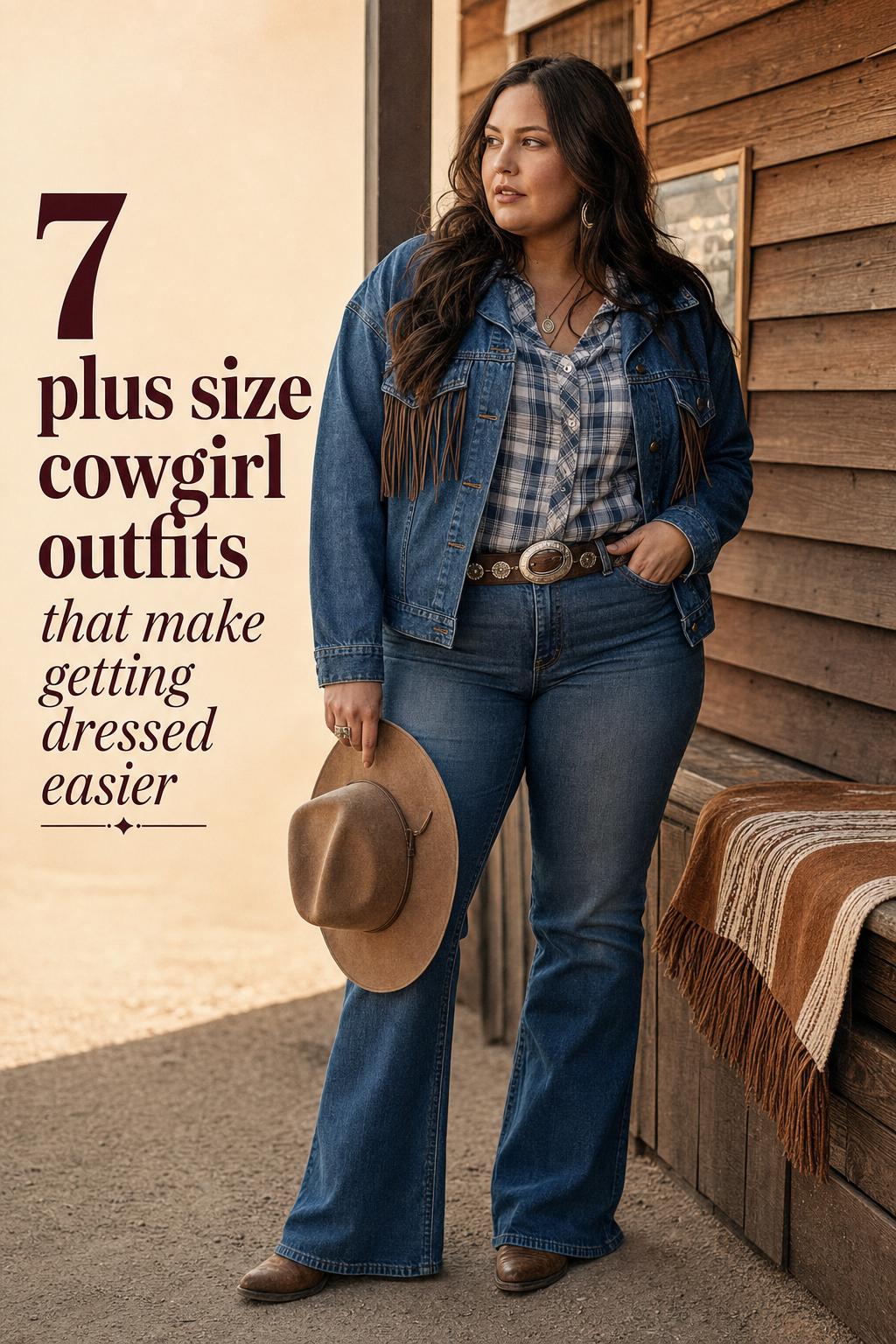
The easiest outfit to recreate is high-rise bootcut jeans, a plaid or denim western shirt, and cowboy boots. It works because the jeans create length, the shirt gives structure near the face and torso, and the boots finish the proportion line cleanly. If you only buy three items first, buy those. From there, layer a denim jacket, switch the shirt to a mesh top under a jacket, or add a belt buckle for a more event-specific version.
Rodeo outfits that hold their shape all night
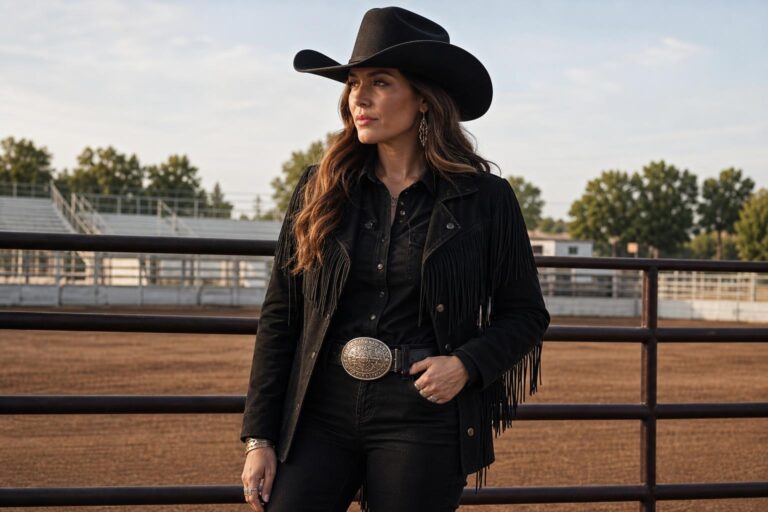
Rodeo dressing usually looks best when the outfit has a clear structure. This is the setting where dark denim, a defined waistband, boots, and a bold belt buckle make the most sense. The visual language is straightforward, and the practical needs are real: walking on uneven ground, changing temperatures, and long hours sitting or standing.
Dark denim, western shirt, and a strong belt line
Dark high-rise jeans paired with a western shirt create a clean vertical line, especially if the shirt is tucked or half-tucked. The belt acts as a visual break and helps define shape. This combination flatters a range of proportions because it supports the waist without requiring clingy fabric. A pointed-toe or slightly heeled boot extends the leg line more effectively than a bulky shaft with no shape.
For readers who prefer a smoother finish through the midsection, structured fabrics help more than overly thin stretch materials. A shirt with snap details or embroidery can provide western identity without adding too much volume. This is where Eloquii-style embellished western tops make sense if you want polish rather than rugged minimalism.
Denim skirt with a fringe jacket
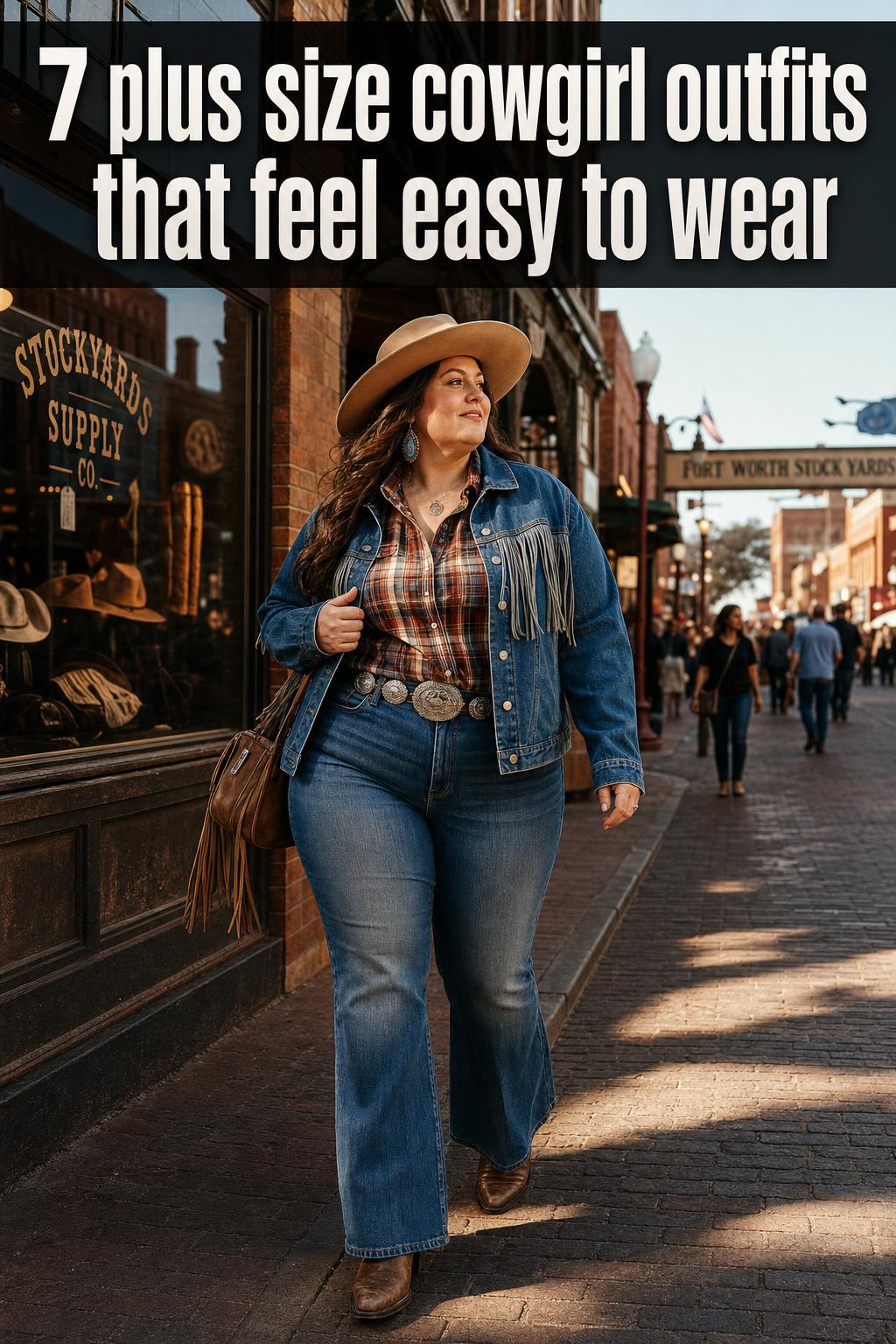
This outfit works well for rodeo-adjacent concerts or evening events when you want movement and a little more personality. The denim skirt keeps the base grounded, while the fringe jacket introduces texture contrast. The reason this combination succeeds is simple: the rigid structure below balances the motion of fringe above. If both pieces move too much, the outfit can start to feel visually busy.
Keep the top underneath simple. A fitted western top, a basic tank, or a clean denim-leaning shirt prevents the outfit composition from becoming heavy. If the boots are statement-making, skip oversized jewelry. If the jacket is simpler, bold jewelry can help complete the rodeo glam direction.
Practical rodeo tips
- Choose boots based on calf comfort first, not only appearance.
- Use a high-rise jean if you expect long periods of sitting.
- Bring a jacket layer for temperature drops after sunset.
- Avoid delicate hems if the event includes dirt, gravel, or bleachers.
- If your belt buckle is oversized, keep the shirt placket and neckline clean.
Festival weekend looks with movement and breathing room
Festival styling shifts the priorities. Movement, weather, and long wear become more important than polish. This is where boho-western fusion performs especially well. Fringe, mesh tops, lighter dresses, bandanas, and breathable layers create a softer western interpretation that is easier to wear for daytime events and sunny afternoons.
Fringe, mesh, and lightweight layers
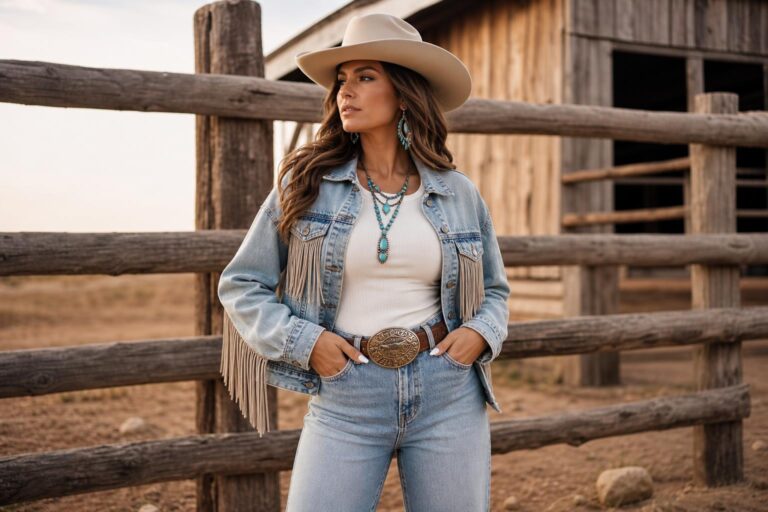
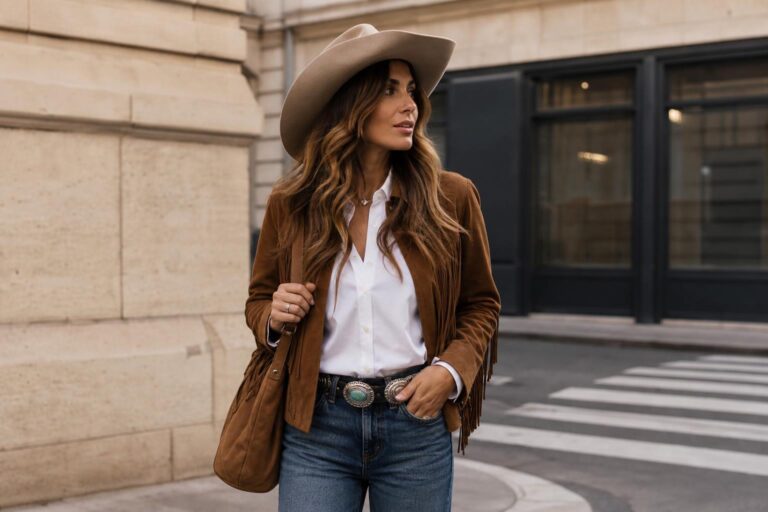
A fringe jacket over a simple top and jeans is one of the most adaptable plus size cowgirl outfits for festivals. The jacket carries the style identity, so the base layers can stay minimal and comfortable. Western Soul’s product language around fringe skirts, mesh tops, embroidery, and modern cowgirl style reflects this direction well. Mesh can be useful as a layering component because it adds texture without bulk, especially under a jacket or over a supportive camisole.
When the weather is hot, your outfit needs visual depth without literal heaviness. That is where tonal layering helps. A denim base with one accent texture, such as fringe or embroidery, creates enough contrast for the outfit to feel complete. There is no need to stack every western element at once.
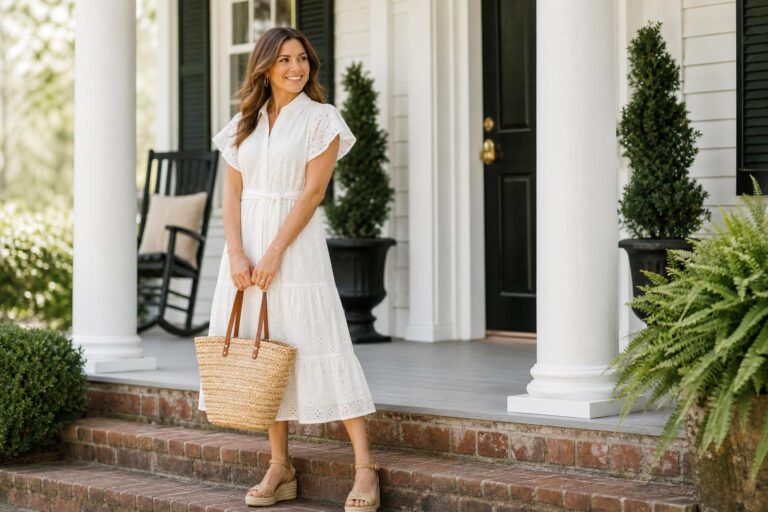
Flowy maxi dress with cowboy boots
This combination appears often for good reason. The dress provides airflow and ease, while the boots keep the outfit tied to western styling. It is especially functional for outdoor festivals, concerts, and casual summer events. For comfort, anti-chafe shorts underneath make the look significantly more wearable over a full day. That single choice can be the difference between an outfit you enjoy and one you regret by mid-afternoon.
A prairie dress or maxi dress works best when the print or detailing stays controlled. If the dress is already voluminous, choose a more streamlined boot. If the boot is ornate, keep the dress calmer. This proportion logic prevents the outfit from feeling costume-like.
Desert muse and boho fusion without losing structure
Desert muse and boho-western fusion styling often relies on drape, movement, and earthy texture cues. The challenge is maintaining shape. The easiest fix is to introduce one defining element at the waist or shoulders. A belt over a dress, a cropped jacket over a looser top, or a more fitted bodice with a fluid skirt all keep the silhouette readable. Without that structure, the outfit can lose its western edge and feel too generic.
Wedding, party, and photoshoot western outfits
Special-event western dressing benefits from editing. For weddings, parties, and photoshoots, the most effective looks usually center one statement piece and let everything else support it. This is where plus-size cowgirl outfits move away from rugged utility and toward more considered outfit composition.
Western dresses with one clear focal point
A western dress paired with boots is one of the easiest event formulas because it reduces styling friction. The dress handles most of the visual work, and the boots establish the theme. For weddings or parties, choose either embroidery, fringe, or a strong silhouette as the focal point, not all three. This creates a cleaner result in photographs and feels more elevated in person.
For outdoor weddings, a jacket can still be part of the outfit, but it should sharpen rather than compete. A denim jacket works for relaxed venues. A fringe jacket suits festival-style celebrations. If the event is dressier, keep the outer layer minimal and let the dress remain the visual anchor.
Photoshoot and brand-shoot outfit logic
Photoshoot dressing needs clarity. Denim, fringe, boots, and belts all register well on camera because they create visible texture and shape. A concho belt or bold buckle photographs especially well as a waist-defining detail. For editorial-style images, a palette built around denim blues, neutrals, and one accent texture usually reads better than too many competing embellishments.
If you are planning a western photoshoot, choose pieces that hold their form. Soft fabric without structure can collapse on camera, while a denim shirt, fitted jacket, or bootcut jean creates cleaner lines. This is particularly useful if you want the outfit to look more expensive without buying luxury pieces.
Everyday western that does not feel like a costume
One of the biggest style questions behind plus-size western wear is whether it actually works in daily life. It does, but only when the styling is selective. Everyday western looks are built from familiar clothing categories with one or two western-coded details. That is what makes them practical for errands, casual workdays, travel, lunch, or low-key social plans.
The easiest everyday formula
Start with jeans, a denim or western top, and boots. Then add either a belt or a hat, not necessarily both. This keeps the look grounded. Western tops with snap closures or embroidery are especially useful here because they signal the style immediately without requiring fringe or theatrical accessories.
If you want the outfit to feel casual rather than event-specific, choose cleaner finishes. A plain denim shirt with bootcut jeans and low-profile boots is easier to repeat than heavy distressing plus fringe plus oversized buckles. Repeatability is the mark of a strong everyday wardrobe.
How to make it office-adjacent or travel-friendly
For a more polished setting, keep the western influence concentrated in the top and belt, then choose darker denim and a neat boot silhouette. For travel, prioritize comfort: a soft western top, high-rise jeans that do not dig in while seated, and boots you already know you can walk in. A jacket adds flexibility for changing temperatures and also helps an outfit look finished after hours of wear.
Fit strategy: where flattering comes from
Flattering western dressing is not about hiding shape. It is about making the shape legible through the right cut, rise, and fabric weight. In practical terms, that means choosing garments that define key areas without squeezing every area equally.
High-rise and waistband logic
High-rise jeans show up repeatedly because they stabilize the outfit. They create a clean base for tucked shirts, cropped jackets, and belts, and they prevent the constant adjustment that can happen with lower rises during long wear. In western styling, that matters because the belt area is often part of the outfit’s focal structure.
Stretch-friendly features, including technologies such as StretchFit, can also improve wearability, especially if you need boots or denim that accommodate movement. The key is balance. Too much stretch without enough structure can flatten the silhouette rather than shape it. Look for fabric that moves but still holds a line.
Body proportion adaptations
If you are petite, keep the visual line uninterrupted. A cleaner boot shape, a higher rise, and less excess fabric through the hem help. If you are tall, longer layers and fuller skirts can feel more proportional and intentional. If you are especially curvy, waist definition becomes even more valuable. That can come from a belt, a tailored shirt shape, or a dress with a more controlled bodice.
For fuller upper bodies, shirts with structure through the shoulder area help create balance. For fuller lower bodies, bootcut jeans and skirts with movement can distribute visual weight more evenly than ultra-rigid straight lines. The point is not to follow one rule for every body. It is to understand what each garment is doing in the composition.
Fabric choices by season
- For hot weather, choose breathable layers, lighter dresses, and tops that add texture without bulk.
- For transitional weather, denim jackets and fringe jackets offer practical layering with visual impact.
- For cooler evenings, darker denim and structured shirts hold shape better under outer layers.
- For long outdoor days, avoid fabrics that cling, twist, or collapse after a few hours of movement.
Boots, belts, hats, and jewelry: the finishing pieces that change everything
Accessories are not afterthoughts in western dressing. They create identity, adjust formality, and often determine whether an outfit feels modern or overloaded. The right finishing pieces can also rescue a simple outfit, which is useful if you are trying to stay on budget.
Boot decisions that affect comfort and proportion
Boots need to work visually and physically. Shaft width and calf measurements matter, especially in plus-size shopping. A boot that is technically pretty but too narrow in the calf will limit wear and distort the line of skirts or dresses. A more accommodating fit, including options associated with StretchFit language, can make western dressing far more accessible for real life.
Heel height also changes the mood. A slightly heeled boot elongates the leg line and works well for rodeos, date nights, and photoshoots. A flatter, more practical boot is stronger for festivals and long concert days. If you only own one pair, choose comfort first and let the rest of the styling elevate the look.
Belts and buckles as visual anchors
A belt is often the smartest low-cost addition to a western wardrobe. It defines shape, breaks up denim, and adds polish. Concho belts and bold belt buckles are especially effective when the outfit itself is simple. If your jeans and shirt are basic, the belt can do the western signaling. If your top already has fringe or embroidery, choose a quieter belt so the composition stays balanced.
Hats, bandanas, and jewelry without overstyling
Wide-brim hats, bandanas, and bold jewelry all belong in the western accessory conversation, but they should be used strategically. A hat adds drama and can complete festival, rodeo glam, or desert-inspired styling, but it is not required for every look. Bandanas are useful when the rest of the outfit is simple and you want one easy accent. Bold jewelry pairs best with cleaner necklines and less embellished jackets.
The capsule wardrobe approach to modern cowgirl style
A capsule mindset is one of the most practical ways to shop western wear. Instead of buying isolated pieces for one concert or one rodeo, build a small group of items that can rotate through multiple occasions. This makes budget decisions easier and helps you avoid duplicate purchases that all serve the same purpose.
- Two pairs of jeans: one dark, one medium wash
- Two tops: one plaid or denim western shirt, one embellished or embroidered western top
- One jacket: denim or fringe depending on your lifestyle
- One dress: prairie or maxi silhouette
- One pair of reliable cowboy boots
- One belt with western character
- Optional extras: hat, bandana, statement jewelry, skirt
This small wardrobe can create rodeo outfits, concert outfits, festival looks, date-night combinations, and everyday western outfits with only minor changes in accessories and layering. That level of compatibility is what makes a wardrobe feel intentional rather than impulse-built.
Budget strategy: what to invest in and where to save
Not every western piece deserves the same budget. The smartest investment pieces are the ones that affect comfort, fit, and repeat wear. That usually means boots, jeans, and sometimes a jacket. These are the items most likely to be reworn across seasons and occasions.
You can save on trend-led tops, bandanas, and some accessories because they rotate style direction more than function. A budget-friendly plaid shirt can still work if the fit is right. The same is true of a simple belt if you do not need a collectible-style buckle. The goal is to spend where construction matters and save where visual effect matters more than engineering.
How to make affordable pieces look more considered
Fit is the fastest upgrade. Tuck the shirt properly, choose a hem that works with your boot height, and keep the outfit edited. Affordable western styling looks stronger when the silhouette is deliberate. Darker denim also tends to read cleaner and slightly more polished than overly distressed washes, especially for evening events or photos.
Common mistakes that make western outfits harder to wear
Most western outfit problems come from excess, not lack. Too many details competing at once can make even good individual pieces feel awkward together. The aim is clarity.
- Wearing fringe, embroidery, a large hat, bold boots, and a statement belt all at the same time
- Choosing boots without checking calf fit or all-day comfort
- Using flimsy fabrics that lose shape after a few hours
- Ignoring weather and event conditions, especially for outdoor festivals and rodeos
- Buying only occasion pieces with no everyday styling potential
- Forcing a western costume effect instead of adding one or two strong western anchors
A more polished result usually comes from one hero element supported by practical basics. If the boots are dramatic, let the denim be clean. If the jacket has strong fringe, keep the top simple. If the dress is already a statement, the accessories should frame it rather than fight it.
How to adapt the same outfit across seasons and situations
One of the best tests for a useful outfit is whether it can shift context without needing a full replacement. Western wear performs well here because its foundation pieces are naturally layer-friendly.
From summer festival to cool evening concert
A maxi dress with boots works during the day, then gains structure with a denim jacket after sunset. A jeans-and-top combination can move from daytime casual to night-ready simply by adding a bolder belt and jacket. This is where jackets earn their value: they change both practicality and visual finish.
From everyday errands to date night
Take your everyday jeans and western top, swap in a heeled boot, add a more defined belt, and sharpen the neckline or tuck. That slight shift changes the outfit from functional to intentional. Date-night cowgirl styling does not require a whole new formula. It requires cleaner lines and one polished focal point.
Shopping logic for plus-size western wear
Shopping western wear successfully is less about buying the most dramatic piece and more about checking how each item earns its place. Ask whether it works for more than one occasion, whether it layers easily, and whether it supports your most-worn boots or jeans. This decision-making process is what protects your budget and improves wardrobe cohesion.
If you are evaluating brands or collections, focus on the categories they do best. Some are stronger in tops with western details. Others are more useful for plus-size western wear collections overall, including jackets, denim, skirts, mesh tops, and statement pieces. Brand names such as Ariat, Wrangler, Eloquii, King Size, Western Soul, and Bourbon Cowgirl are most helpful when you connect them to the category you actually need rather than shopping broadly without a plan.
For readers who like a more regionally coded western look, references such as Fort Worth and Texas often signal a more classic or heritage-leaning direction, while modern cowgirl styling may lean more heavily on mesh, fringe, and contemporary silhouettes. Both can work. The better choice depends on whether you want rodeo structure, desert-inspired softness, or everyday western restraint.
Quick outfit formulas to recreate with what you already own
You do not need a full new wardrobe to build effective plus size cowgirl outfits. The easiest formulas often come from remixing familiar staples with one western-coded piece.
- Bootcut jeans + plaid shirt + boots + concho belt
- Denim skirt + simple top + fringe jacket + ankle or cowboy boots
- Flowy maxi dress + cowboy boots + denim jacket
- Dark jeans + embroidered western top + heeled boots
- Prairie dress + belt + boots for a wedding or outdoor party
- Everyday denim + western top + simple jewelry for casual wear
These formulas work because each one has a base, a western anchor, and a finishing layer or accessory. That composition is easier to repeat and easier to personalize than a one-time trend outfit.
FAQ
What are the best first pieces to buy for plus-size cowgirl outfits?
Start with high-rise bootcut jeans, comfortable cowboy boots, and a plaid or denim western shirt. Those three pieces create the most repeatable western outfit formula and can be adapted for rodeos, concerts, festivals, and everyday wear.
How can I make western outfits look flattering without feeling overdone?
Use one strong western focal point at a time, such as a belt buckle, fringe jacket, embroidered top, or boots, and let the rest of the outfit stay clean. The most flattering results usually come from balanced proportions, waist definition, and a mix of structure and movement.
Do cowboy boots work for wide calves?
They can, but calf fit should be checked before styling decisions. Shaft width and overall comfort matter as much as the look of the boot, and stretch-friendly features such as StretchFit-style options can make western boots more wearable for longer events.
What should I wear to a rodeo if I want comfort and shape?
Choose dark high-rise jeans, a structured western shirt, a belt, and boots you can stand in for hours. Add a jacket for evening temperature changes. This combination holds its shape well and is practical for walking, sitting, and moving through outdoor settings.
Are dresses a good option for western outfits?
Yes, especially prairie dresses and flowy maxi dresses paired with cowboy boots. They are particularly useful for festivals, weddings, parties, and warm-weather concerts because they offer ease and movement while still reading clearly as western when styled with the right footwear and accessories.
How do I build a plus-size western wardrobe on a budget?
Invest first in boots and jeans because they affect comfort and get the most repeat wear. Save on trend-led tops, bandanas, and some accessories. A small capsule with denim, one jacket, one dress, one belt, and one reliable pair of boots can create many outfit combinations.
What western outfit works best for festivals?
A fringe jacket over a simple top and jeans is one of the easiest festival formulas because the jacket carries the western identity while the base stays comfortable. A maxi dress with boots and anti-chafe shorts is another strong option for hot-weather festival days.
Which brands are relevant when shopping plus-size western wear?
Ariat and Wrangler are useful references for plus-size cut options in western styling, while Eloquii is relevant for western tops with details like embroidery and snap closures. King Size, Western Soul, and Bourbon Cowgirl also sit within the plus-size western wear space across categories such as jackets, denim, tops, skirts, and statement pieces.
How can I wear western style in everyday life without looking costume-like?
Keep the base outfit familiar and add one or two western-coded elements, such as boots with jeans and a western top, or a concho belt with dark denim. Everyday western dressing works best when it feels selective rather than theatrical.
What is the most common mistake in plus-size cowgirl styling?
The most common mistake is stacking too many western details at once. Fringe, embroidery, large hats, bold jewelry, dramatic boots, and oversized buckles can compete with each other. A more polished outfit usually comes from one hero element supported by clean, functional basics.