Spring Classy Cowgirl Outfits With a Polished Western Twist
There is a reason classy cowgirl outfits keep circulating across rodeo season, festival dressing, brunch styling, and everyday Western wardrobes. The appeal is not just the boots or the hat. It is the balance between polish and personality: denim made sharper with tailoring, prairie softness grounded by leather, and a distinctly Western visual language that feels curated rather than theatrical.
What often confuses people is that “cowgirl” can lean in several directions at once. One version is bohemian and romantic, another is rugged and ranch-rooted, and another moves toward elevated western wear with premium materials, refined silhouettes, and intentional accessories. That last lane is where the classy interpretation lives. It keeps the Western codes, but edits them with restraint.
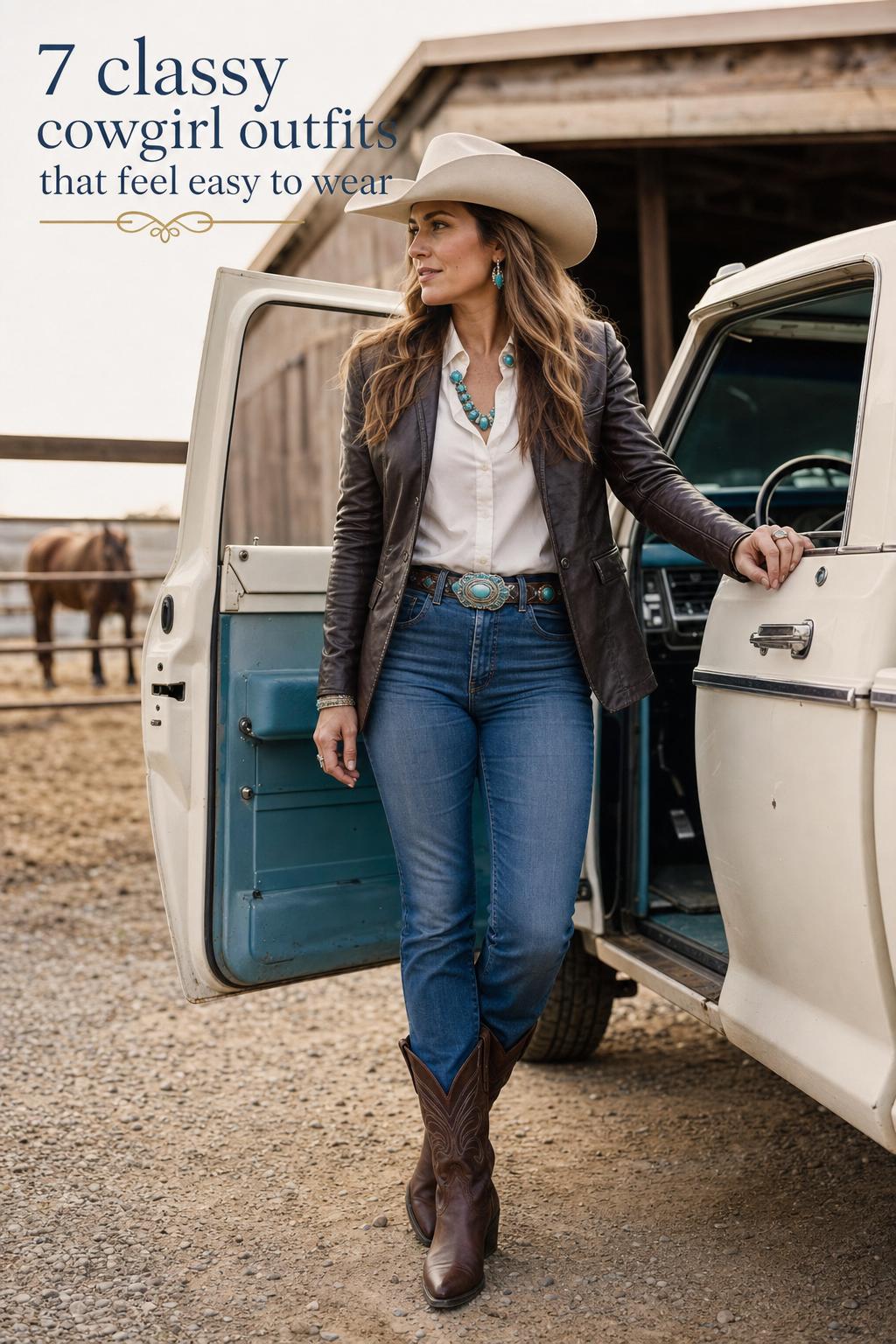
In real life, that distinction matters. A rodeo, a country concert, a casual weekend, and a ranch wedding do not ask for the same outfit composition, even if all of them fall under the broad umbrella of Western chic. The most successful looks understand proportion, occasion, and mood. They know when a concho belt should be the focal point, when turquoise jewelry should stay subtle, and when a tailored blazer says more than fringe ever could.
If you are building classy cowgirl outfits that feel wearable instead of costume-driven, the goal is not to copy one exact formula. It is to recognize the visual patterns that make Western style look refined: clean boots, structured outerwear, controlled texture contrast, and accessories that finish the outfit without overwhelming it.
Found the dress? Keep the rest in one place.
Zarellea brings guest details, vendors, timelines, and every next step together — so your wedding plan feels as good as your look.
The visual identity of a classy cowgirl look
A classy cowgirl look is defined less by quantity and more by editing. Instead of stacking every Western signal into one outfit, it selects a few and lets them breathe. Boots become the visual anchor. A hat frames the silhouette. Denim supports the look rather than dominating it. The result feels composed, not crowded.
This is why the phrase “less fringe, more finesse” captures the aesthetic so well. Fringe, embroidery, sequins, ponchos, wild rags, and turquoise all belong in the Western vocabulary, but classy dressing uses them strategically. One statement piece creates identity; too many statement pieces compete for attention and flatten the outfit into theme dressing.
Premium materials also change the mood immediately. A silk blouse paired with refined boots creates a very different impression than a basic tee with distressed denim. A lamb leather jacket from a label such as Mauritius gives structure and finish. Pendleton outerwear introduces heritage texture. A Stetson shirt sharpens the line of the outfit. These choices shift Western wear into a more elevated register.
Silhouette is equally important. Classy cowgirl outfits usually rely on one of two proportion strategies: either a structured top layer with slim or straight bottoms, or a fluid dress or skirt grounded by sturdy boots. Both approaches work because they create contrast. Western style is strongest when softness and strength are visible in the same outfit composition.
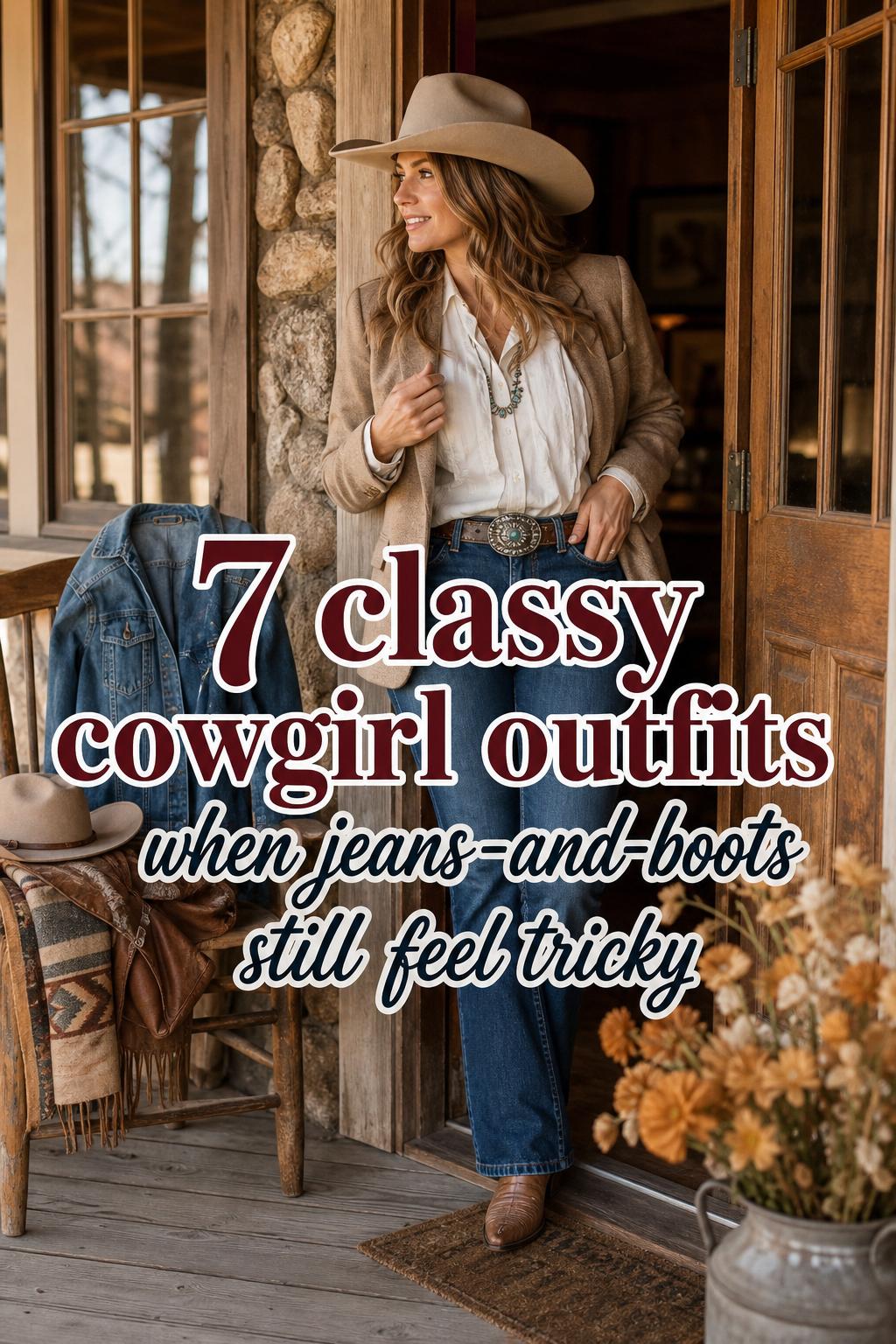
Why some Western outfits feel polished and others feel like costume
The difference is rarely about a single item. It is about visual density. A polished outfit leaves room for the eye to rest. A costume-like outfit often overloads the same message from every direction: dramatic hat, heavy fringe jacket, embellished boots, oversized belt buckle, layered jewelry, and distressed denim all competing at once.
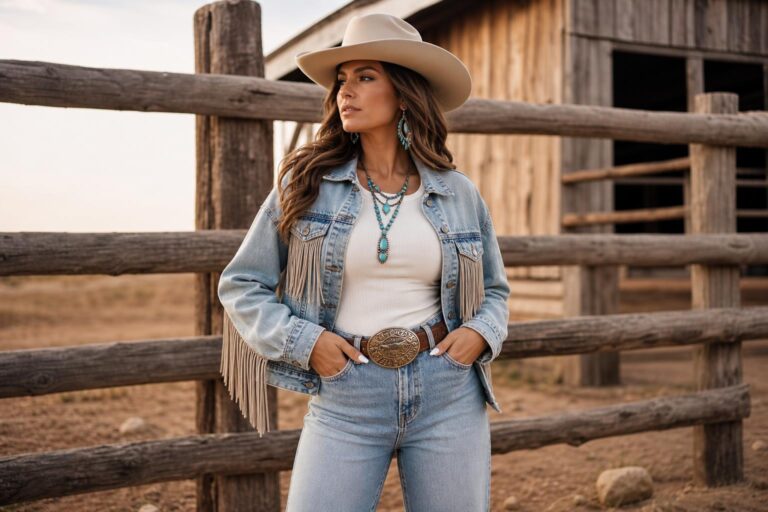
Classy cowgirl dressing usually limits the loudest Western cues to one or two zones. If the boots are heavily detailed, the clothing around them becomes cleaner. If the blazer has strong Western character, the accessories step back. If the dress is romantic and prairie-influenced, the jewelry and hat become supporting elements rather than co-stars.
This is also why tailored pieces matter so much. A blazer, a structured coat, or a crisp button-up introduces control. It tells the outfit where to stop. Even a graphic tee can feel refined if it is styled under a sharp jacket with clean jeans and a well-shaped hat. The Western identity remains, but the silhouette gains discipline.
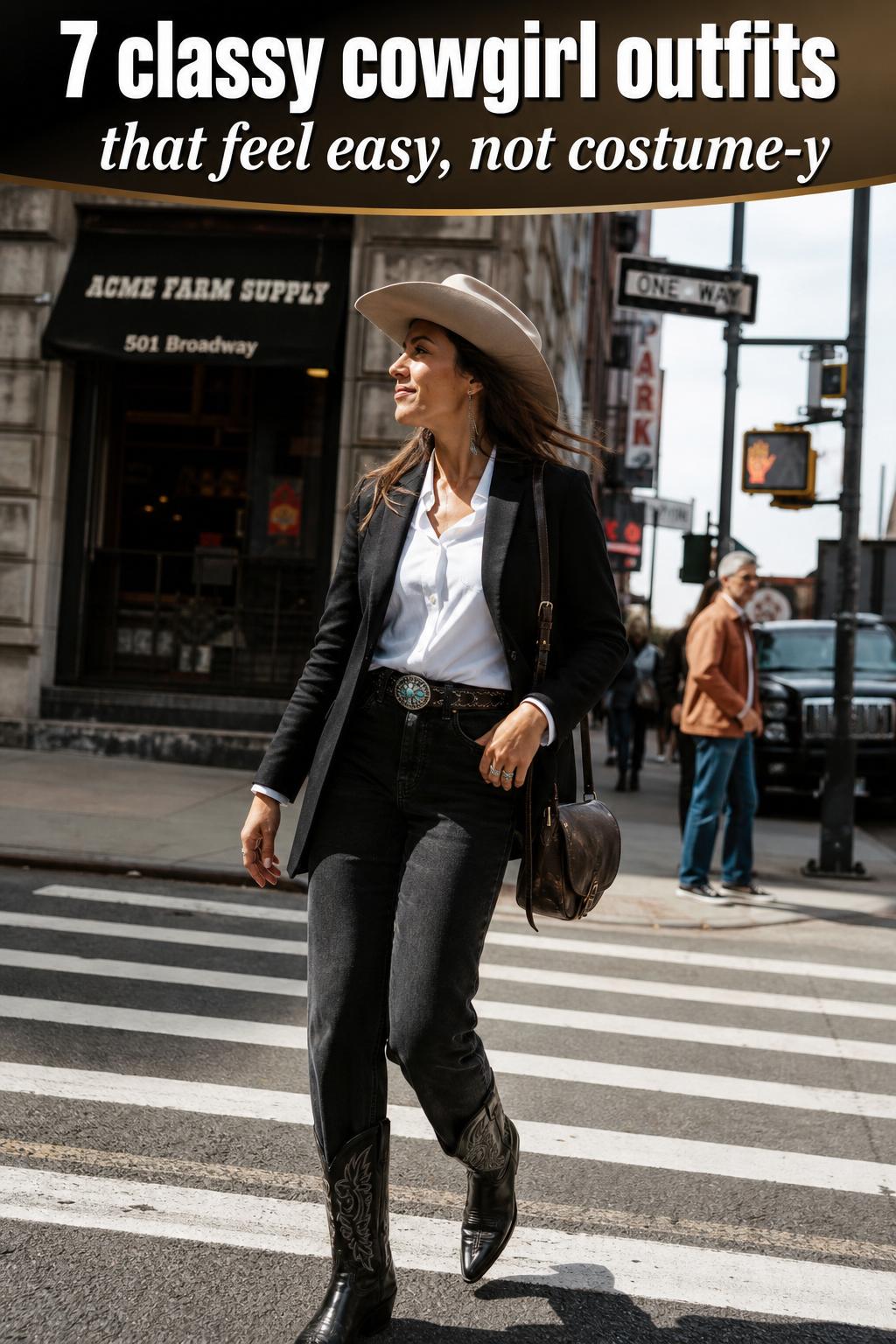
The wardrobe pillars that make classy cowgirl outfits easy to build
A strong Western wardrobe does not need endless novelty. It needs dependable anchors that can move between rodeo-ready outfits, daytime looks, and more elevated event dressing. Think of these pieces as the closet genetics behind a polished cowgirl aesthetic.
- A refined pair of cowboy boots with clean lines
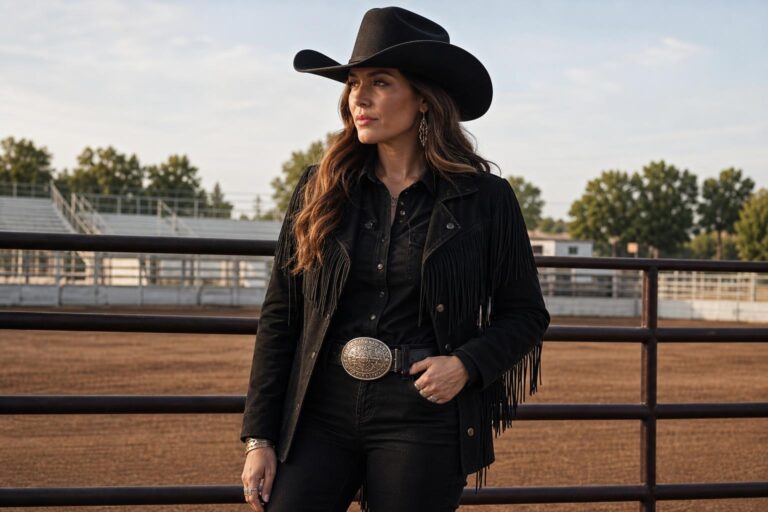
- A structured jacket or blazer
- A crisp shirt, silk blouse, or fitted tee
- Well-cut denim or an A-line skirt
- A statement hat with controlled shape
- A belt, often leather or concho, that defines the waist
- Turquoise jewelry used as an accent, not a distraction
Once these pillars are in place, the styling becomes more intuitive. A single premium boot can support multiple outfit directions. A Gigi Pip hat can shift a simple denim-and-blouse look into something editorial. Stetson shirts and boots work especially well when the goal is a grounded, classic Western line. Brands like Double D Ranch and Pendleton enter when you want stronger identity, richer materials, and more heritage-inflected texture.
Boots as the foundation, not the afterthought
Boots are the most important visual anchor in classy cowgirl outfits because they control the mood from the ground up. Clean silhouettes tend to feel more refined than overly busy ones, especially when the rest of the outfit already has Western personality. Old Gringo and Stetson sit naturally in this conversation because they connect the boot directly to the polished Western image.
Specific pieces like the Smokeshow Boot or Dolly Boot suggest the kind of statement footwear that can carry an entire outfit. The key is balance. If your boots are the star, let your denim, jacket, or dress keep a quieter line. If the boots are simpler, they become a reliable base for bolder outerwear or accessories.
Outerwear creates the elevated effect
Many people think Western style begins with hats, but in polished dressing, outerwear often determines whether the outfit reads as casual or elevated. A Mauritius leather jacket adds authority. A Pendleton coat brings heritage texture and structure. A Double D Ranch blazer or dress can introduce a more expressive Western point of view while still looking considered.
Even on a casual day, a tailored jacket over denim changes the proportion play. It narrows the message, sharpens the shoulder line, and keeps the outfit from drifting into a purely festival look. This is especially useful for readers who want classy cowgirl outfits that work beyond concerts or rodeos.
Accessories should finish the outfit, not explain it
Accessories are where Western dressing often becomes either beautiful or overloaded. Turquoise jewelry, concho belts, leather belts, wild rags, and hats all have strong visual identity. The question is not whether to wear them, but how many to wear at once.
A good rule is to let one accessory family lead. If the hat is bold, jewelry can stay minimal. If turquoise is the focal accent, keep the belt and neckline cleaner. If a wild rag is part of the look, it should feel intentional against the blouse or jacket rather than added out of habit.
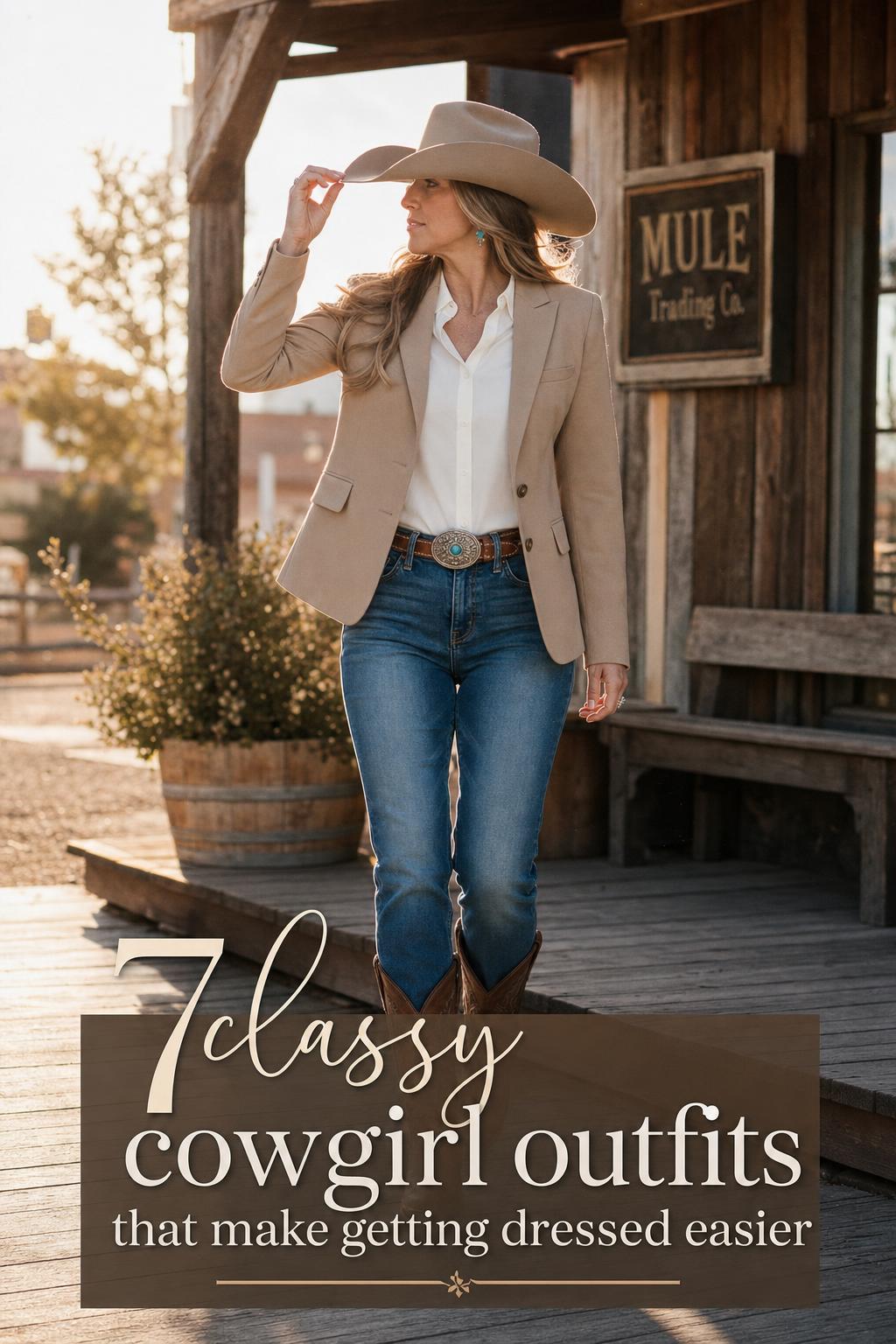
Three different cowgirl moods, and how classy styling changes each one
Not every classy cowgirl outfit communicates the same personality. Western chic moves between at least three strong visual moods, and understanding them helps you choose what fits your lifestyle rather than simply following trends.
The ranch-rooted classic
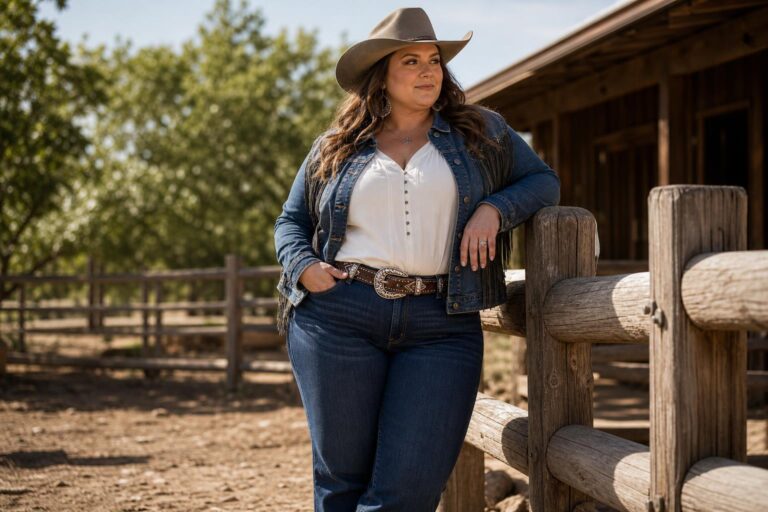
This version leans on work shirt energy, clean jeans, boots, and a practical hat. It is the most direct interpretation of traditional cowgirl style, but the classy version edits the fit. Denim is sharper, shirts are crisp, and accessories stay restrained. A Stetson button-up with well-cut jeans and boots is a strong example of this visual world.
The mood is capable and grounded. It works well for casual days, rodeos, and situations where practicality matters. This is often the easiest entry point for readers who want Western wear that does not feel overly styled.
The prairie-romantic interpretation
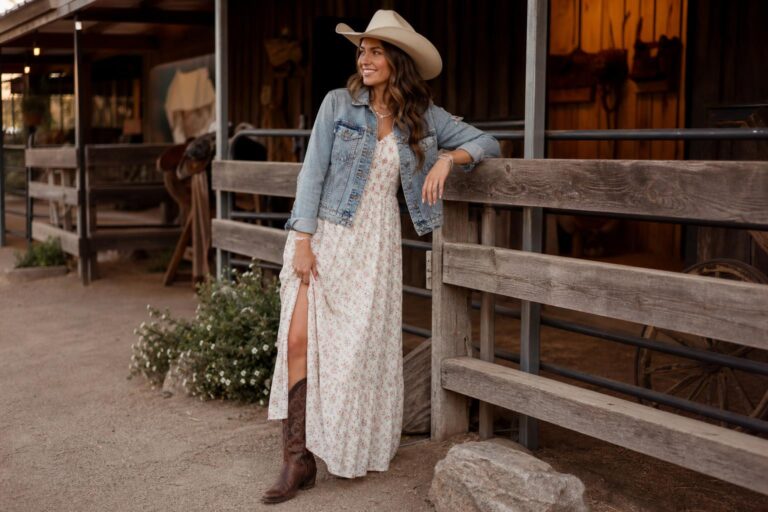
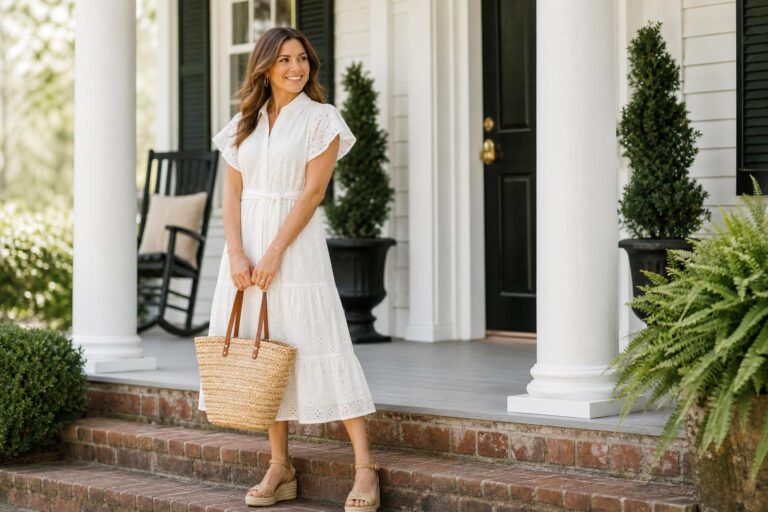
Here, the silhouette softens. Think bohemian white dresses, floral sundresses, prairie maxi skirts, eyelet blouses, or lace dresses grounded by cowboy boots. The contrast is the point: the dress introduces motion and femininity, while the boots keep the outfit from becoming overly delicate.
This mood is especially effective for brunch, daytime events, and pastoral settings. A flowy prairie dress with turquoise jewelry and a tan hat feels distinctly Western without relying on denim. The visual impression is softer, but still anchored.
The modern western-glam direction
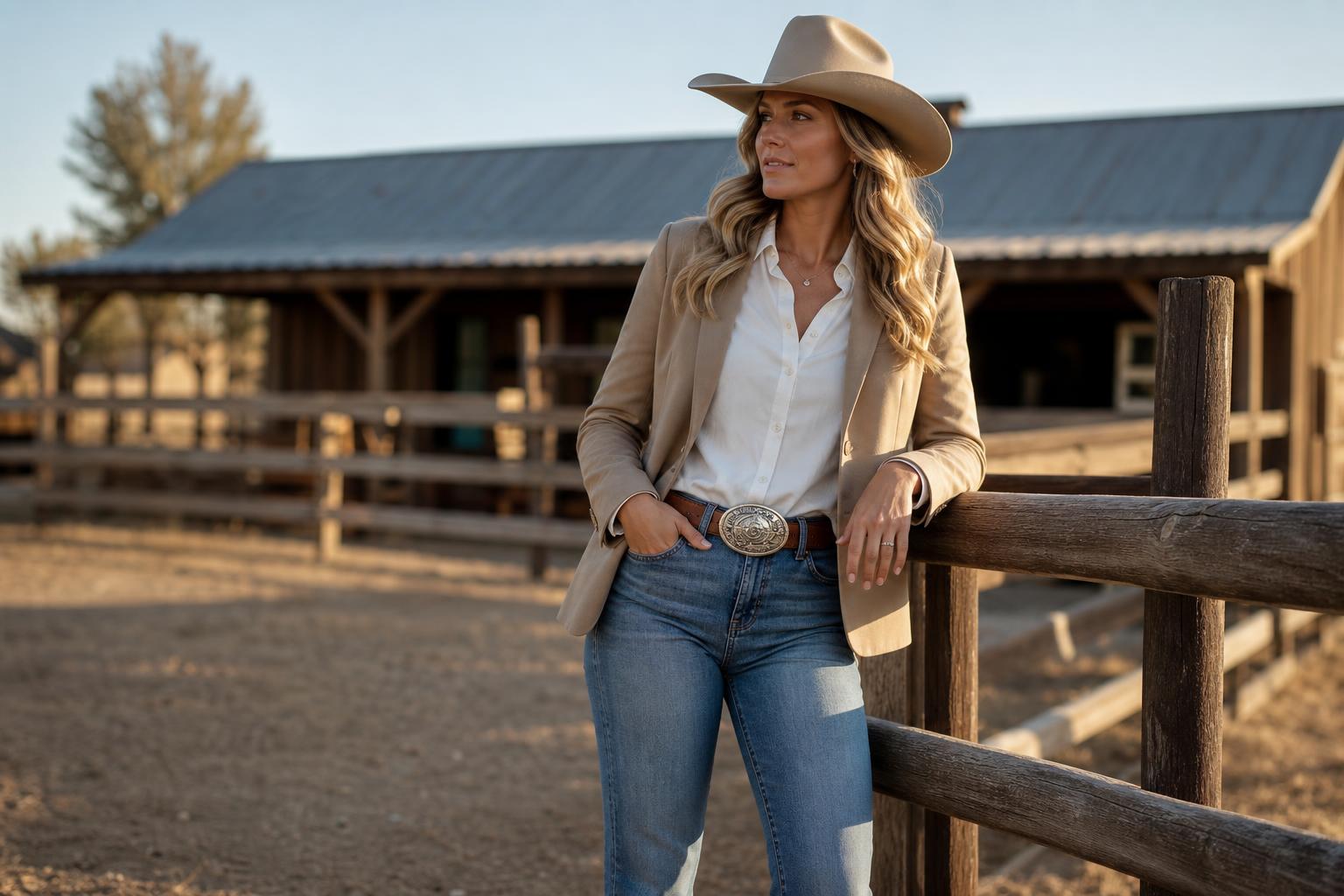
This is where blazers, leather pants, sequined skirts, and graphic tees enter the conversation. The Western codes remain through boots, belts, or hats, but the outfit composition becomes more fashion-forward. A chic blazer with skinny jeans, or a statement cowboy hat with a sequin skirt, pushes the style toward concerts, evening dressing, and standout event looks.
The risk here is excess. Western glam works best when one element carries the drama and the rest stay controlled. A hot pink blazer can work, but only if the supporting pieces keep the silhouette coherent. The same is true for sequins or a strong graphic tee. Visual editing is what keeps glam from becoming gimmick.
Outfit logic for real situations, not just mood boards
The strongest classy cowgirl outfits are built with context in mind. A look that photographs well for social discovery on Lemon8 or TikTok Shop still has to function in motion, weather, and time. Walking through a fairground, sitting through a concert, or dressing for a long brunch all ask different things from boots, layers, and fabric choices.
For rodeos: refined, durable, and visually clear
Rodeo dressing benefits from structure. Start with denim or tailored jeans, add a crisp shirt or fitted top, then layer with a jacket that has shape. Finish with boots and a standout hat. This formula works because the garments can handle movement while still reading polished. A Stetson shirt under a tailored jacket with boots and a leather belt is a dependable composition.
Turquoise jewelry fits naturally here, but use it as a highlight. One necklace or a pair of earrings is often enough. For all-day wear, this balance matters more than novelty. The outfit needs to age well over several hours, not just in the first photo.
For festivals and concerts: expressive, but edited
Festivals allow more experimentation with fringe, ponchos, sequins, or graphic tees, but classy styling still depends on restraint. A suede skirt and fringed jacket can work if the boots are clean and the accessories are controlled. A duster coat with embroidered Western boots feels strong when the base layer stays simple.
This is where modern cowgirl dressing often appears most social-media visible, yet the best versions still follow proportion logic. If a poncho adds volume, pair it with skinny jeans or another slimmer bottom. If leather pants make the outfit sharp and dramatic, a more minimal hat keeps the look grounded.
For brunch or casual weekends: softness with one Western anchor
Daytime casual dressing is often where classy cowgirl outfits look most natural. A floral sundress with a cropped denim jacket, a denim skirt with a ruffled blouse, or a cozy knit sweater with bootcut jeans all feel wearable because they use Western details without insisting on them. Boots, a hat, or a belt can carry the identity on their own.
This is also the easiest place to blend boho cowgirl and western chic. You do not need every piece to announce the same message. One reliable Western anchor, supported by modern basics, often creates the most effortless result.
For more formal Western settings: clean lines over busy detail
Formal Western dressing is often underexplained, but the logic is straightforward: choose richer materials, stronger tailoring, and fewer novelty details. A structured blazer over a sleek dress with boots creates a modern ranch gala effect. A silk blouse with an A-line skirt, concho belt, and refined hat works because each element contributes polish without over-decorating the silhouette.
This is where elevated western clothing from names such as Double D Ranch, Pendleton, Mauritius, or Stetson becomes especially useful. The goal is not to make the outfit louder. It is to make it more considered.
The role of denim, and why it behaves differently in each outfit
Denim appears across almost every version of classy cowgirl outfits, but its function changes depending on what surrounds it. In a ranch-rooted look, denim acts as the backbone. In a romantic outfit, it often appears as the stabilizer, usually through a cropped jacket. In a western-glam composition, denim can become the neutral zone that allows a stronger jacket, hat, or boot to stand out.
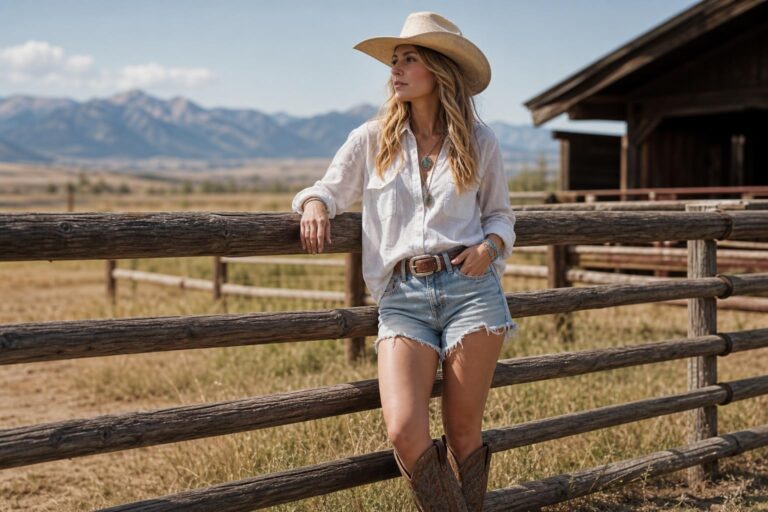
That is why denim should be chosen by silhouette, not habit. Skinny jeans support oversized outerwear and ponchos. Bootcut jeans create a more classic cowgirl line. A denim skirt shifts the energy toward feminine daytime dressing. Denim shorts can work in summer, but they need thoughtful styling to keep the look refined rather than overly casual.
Plaid and denim together remain one of the clearest Western signals, especially in the classic denim and plaid cowgirl look. The classy version depends on fit and finish. A sharp plaid shirt, clean jeans, and good boots can read timeless. Add too many distressed elements, and the outfit loses that composed quality.
Seasonal shifts: summer western feels different from layered western chic
Season changes affect classy cowgirl outfits more than many people expect because Western style relies heavily on texture. In cooler weather, that texture can build depth through leather, jackets, blazers, and coats. In summer, the same approach can look heavy unless the fabrics and proportions lighten.
Summer cowgirl styling
Summer cowgirl outfits tend to work best with white dresses, floral dresses, denim shirts, lightweight blouses, skirts, and fewer heavy layers. Boots can stay, but the outfit around them should breathe. A white bohemian dress with cowboy boots, or a linen-feeling blouse with a denim skirt, creates a lighter western line.
This is also the season when hats and belts become more useful than outerwear for creating identity. They add Western definition without overheating the outfit. If denim shorts are involved, balance them with a blouse, structured top, or more polished accessories so the outfit still feels intentional.
Cooler-weather styling
Autumn and winter naturally support more elevated western wear because jackets and coats provide structure. Pendleton fabrics, leather from Mauritius, and tailored blazers all gain relevance here. A duster coat with embroidered boots, or a blazer layered over a Stetson shirt and jeans, creates the kind of tonal layering that makes Western outfits feel rich instead of basic.
Texture contrast becomes the main tool: soft knits against leather, structured wool against denim, smooth boots against a flowy skirt. These combinations create visual depth without requiring louder styling tricks.
Regional accents that subtly change the classy cowgirl mood
Not all Western style reads the same. Regional influence matters, even when the wardrobe essentials overlap. Southwestern accents often emphasize turquoise jewelry, ponchos, and stronger pattern references. A Nashville-leaning interpretation may favor concert-ready glamour, graphic tees, blazers, or sequined elements. More traditional ranch dressing tends to remain cleaner and more utility-driven.
That is useful because it gives readers permission to define their own version of classy cowgirl dressing. A Pendleton layer with denim and boots may feel right for one wardrobe. A Gigi Pip hat with a floral dress and leather belt may suit another. The consistent thread is not geography alone. It is the commitment to a polished Western silhouette.
Even retailer identity can shape this mood. Bourbon Cowgirl, anchored in Carlisle, PA, presents the classy cowgirl formula through premium brands, elevated silhouettes, and the idea of a magazine-spread Western look. That framework reinforces an important truth: classy cowgirl style is less about region-specific costume and more about selective, high-quality composition.
Style psychology: what your cowgirl aesthetic communicates before you speak
Clothing always sends a message, and Western dressing can communicate several at once. Structured jackets, crisp shirts, and controlled accessories suggest confidence and authority. Prairie dresses, lace, and eyelet blouses soften the mood into romantic ease. Sequins, leather pants, or a hot pink blazer create a more extroverted fashion identity.
This is one reason classy cowgirl outfits resonate so widely. They let the wearer choose how much boldness to project while keeping a coherent visual foundation. Someone who wants a practical wardrobe may lean toward work shirts, denim, and boots. Someone drawn to western glam may use a statement cowboy hat and blazer. Both still operate inside the same broader style language.
The key is self-alignment. The most successful outfit is not necessarily the most decorated one. It is the one whose proportion, mood, and comfort match the setting and the personality of the wearer.
Easy outfit combinations that look intentional every time
When building classy cowgirl outfits, a few combinations return again and again because they solve multiple style problems at once. They create structure, preserve Western identity, and stay wearable in real situations.
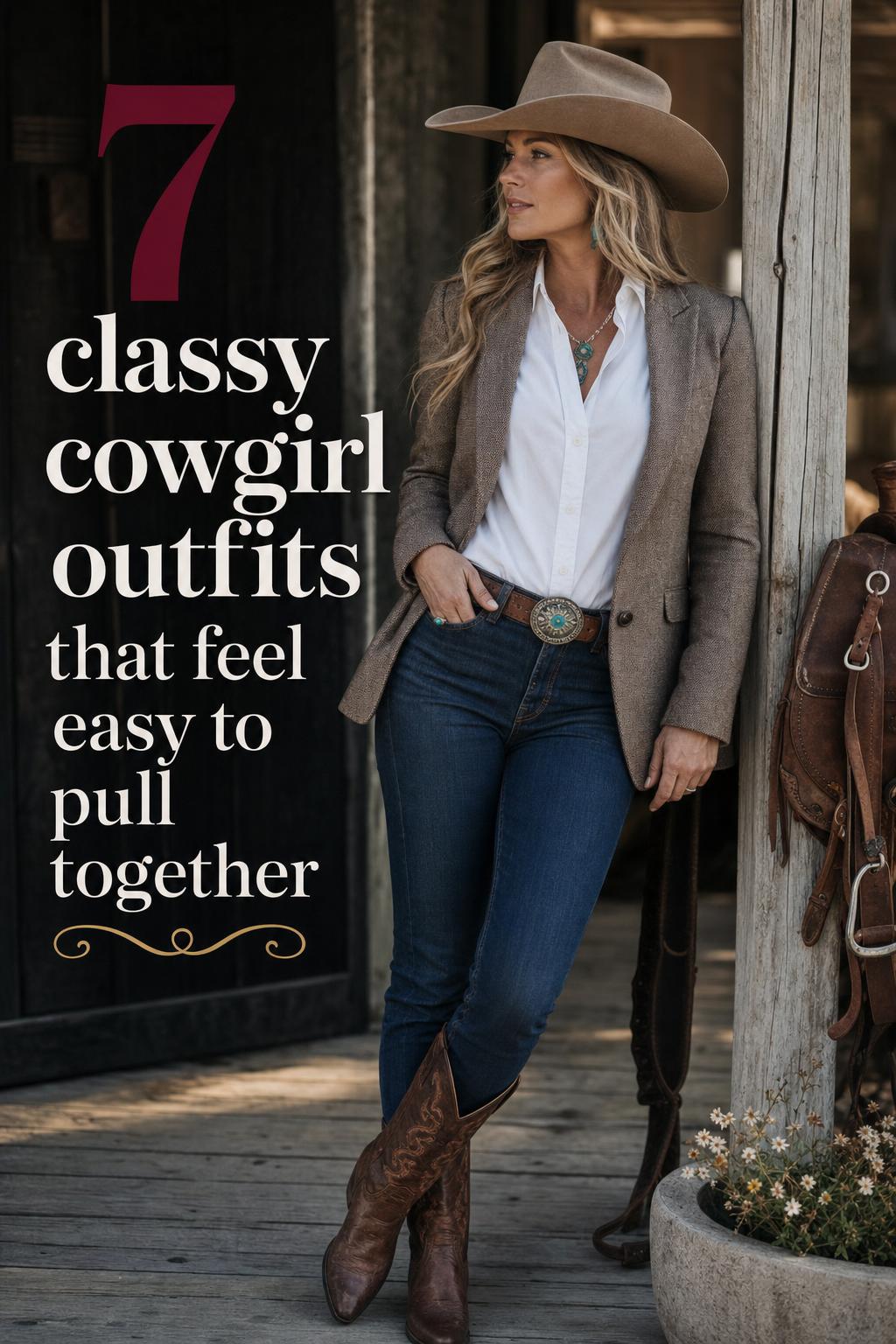
- Structured blazer + fitted top + skinny or straight jeans + boots + hat
- Prairie or lace dress + cowboy boots + turquoise jewelry + tan hat
- Crisp Western shirt + tailored denim + leather belt + boots
- Floral sundress + cropped denim jacket + boots
- Suede or denim skirt + ruffled or eyelet blouse + concho belt + boots
- Duster coat + simple base layer + embroidered Western boots
- Cozy knit sweater + bootcut jeans + clean hat
Each formula works because it includes one visual anchor, one balancing layer, and one Western signature. That structure prevents the outfit from feeling flat or overworked. It also makes getting dressed faster because the styling logic is already built in.
Tips for making western chic feel expensive, even when the outfit is simple
The expensive-looking version of Western style usually comes down to line, finish, and texture. It is less dependent on volume and more dependent on control.
- Choose boots with a defined shape and clean finish before adding heavily decorated pairs.
- Use one premium-looking texture at a time, such as leather, silk, or structured wool.
- Let denim fit properly through the waist and leg line; poor fit weakens the whole silhouette.
- Keep accessories cohesive rather than mixing every Western detail in one look.
- Favor jackets and blazers that create shoulder definition and visual structure.
- Use turquoise jewelry as punctuation, not as constant layering.
These adjustments matter because Western style already carries strong symbolism. The more precise the fit and composition, the more elevated the outfit reads. The less precise it is, the faster it slips into novelty.
Common styling mistakes that disrupt a classy cowgirl outfit
Most Western styling mistakes come from trying to prove the theme too strongly. A polished outfit trusts the viewer to understand the reference without overexplaining it.
- Wearing multiple loud statement pieces that compete instead of coordinate
- Choosing hats, belts, and boots that all demand equal attention
- Using too much fringe when the silhouette already has enough movement
- Ignoring proportion, especially pairing oversized layers with no visual structure
- Letting distressed or casual pieces overwhelm the refined intention
- Forgetting the event context and dressing every occasion like a festival
A useful checkpoint is to remove one item before leaving. If the outfit immediately looks stronger, the removed piece was probably decorative rather than necessary.
Shopping direction: where premium western style fits into the wardrobe
Some wardrobes need only a few Western pieces, while others are built around the aesthetic. That determines where it makes sense to invest. If Western dressing is occasional, focus on a strong boot, a versatile hat, and one structured jacket. If it is part of your regular style identity, labels like Double D Ranch, Pendleton, Mauritius, Stetson, H Bar C, Old Gringo, and Gigi Pip offer a broader ecosystem of pieces that support an elevated wardrobe.
Brand choice matters most when it strengthens a specific category. Stetson naturally supports shirts and boots. Gigi Pip gives the hat a more deliberate design role. Pendleton and Mauritius help with outerwear and textural polish. Double D Ranch aligns with expressive elevated western wear. H Bar C supports classic Western shirt identity. The point is not to collect names for their own sake. It is to understand which label best serves which wardrobe function.
If you are shopping socially through TikTok Shop or browsing inspiration-heavy platforms like Lemon8, use the same filter you would apply in person: does the item support a polished silhouette, or is it only visually loud in isolation? The answer usually determines whether the purchase becomes a real wardrobe piece or a one-time styling experiment.
How to blend boho cowgirl, classic Western, and elevated dressing without losing coherence
The best wardrobes rarely stay in one narrow lane. A classy cowgirl closet can hold a bohemian white dress, a Stetson work shirt, a Pendleton coat, and a blazer without feeling inconsistent. Coherence comes from repeated styling principles, not identical items.
Repeat one or two elements across looks: the same clean boots, the same hat shape, the same preference for tailored denim, or the same restrained use of turquoise jewelry. These repetitions create continuity even when the outfit mood changes from prairie-chic daytime to western glam evening.
This is also how personal style develops. You do not need to choose between boho, ranch, and polished Western dressing forever. You need to know which one feels most like home, and which others you want to borrow from occasionally.
FAQ
What defines a classy cowgirl outfit?
A classy cowgirl outfit keeps core Western elements such as boots, denim, hats, belts, or turquoise jewelry, but uses them with refined silhouettes, cleaner lines, and more purposeful styling. The overall effect feels polished rather than costume-like.
How do I make Western wear look elevated instead of overly themed?
Limit the strongest Western details to one or two areas of the outfit, then support them with structured basics like a blazer, crisp shirt, or well-cut denim. Premium materials, controlled accessories, and balanced proportions make the biggest difference.
What are the best shoes for classy cowgirl outfits?
Cowboy boots are the strongest option because they anchor the look instantly. Refined pairs with clean lines are the most versatile, while more decorative boots such as embroidered or statement styles work best when the rest of the outfit stays simple.
Can I wear classy cowgirl outfits to a rodeo and still look polished?
Yes. Rodeo dressing works especially well with tailored jeans, a crisp shirt or fitted top, a structured jacket, boots, and a hat. The key is to keep the outfit durable and practical while avoiding too many competing statement pieces.
Are dresses a good option for western chic styling?
Dresses are one of the easiest ways to create a softer version of Western style. Prairie dresses, lace dresses, floral sundresses, and bohemian white dresses all pair well with cowboy boots because they create contrast between movement and structure.
Which accessories matter most in classy cowgirl outfits?
Hats, belts, and turquoise jewelry matter most because they shape the Western identity quickly. A Gigi Pip hat, a leather or concho belt, and restrained turquoise accents can finish an outfit without overwhelming it.
What brands fit an elevated western wardrobe?
Brands that naturally support this aesthetic include Double D Ranch, Pendleton, Mauritius, Stetson, H Bar C, Old Gringo, and Gigi Pip. Each one connects to different wardrobe categories, from boots and hats to outerwear and classic Western shirts.
How should I dress for summer without losing the cowgirl feel?
Use lighter fabrics and fewer heavy layers. White dresses, floral dresses, denim shirts, skirts, and lightweight blouses work well with boots, hats, and belts. In summer, accessories often carry the Western message more effectively than outerwear.
Can I mix boho pieces with classic Western staples?
Yes, and that mix often creates the most wearable result. A boho or prairie dress can be grounded by classic boots, or a crisp Western shirt can soften when paired with a more romantic skirt. Repeating a few consistent accessories helps keep the wardrobe cohesive.
What is the easiest classy cowgirl outfit to recreate?
One of the simplest formulas is a crisp shirt, tailored jeans, cowboy boots, a leather belt, and a well-shaped hat. It works because it is practical, flattering, and clearly Western without relying on trend-heavy extras.