Comfy fall outfits That Feel Polished
By the time early autumn settles in, most wardrobes are negotiating two instincts at once: the desire to feel wrapped up and the desire to still look considered. That is why comfy fall outfits hold so much appeal. They sit at the intersection of ease, mobility, and visual polish, using texture, layering, and grounded color to create outfits that feel as good as they look.
What makes this category especially interesting is that comfort in fall style is not a single aesthetic. It can lean toward Nordic texture, West Coast athleisure, East-Coast layering, or a more refined city formula built around boots, wool, and tonal neutrals. The pieces may overlap, but the mood changes depending on silhouette balance, fabric weight, and how accessories anchor the look.
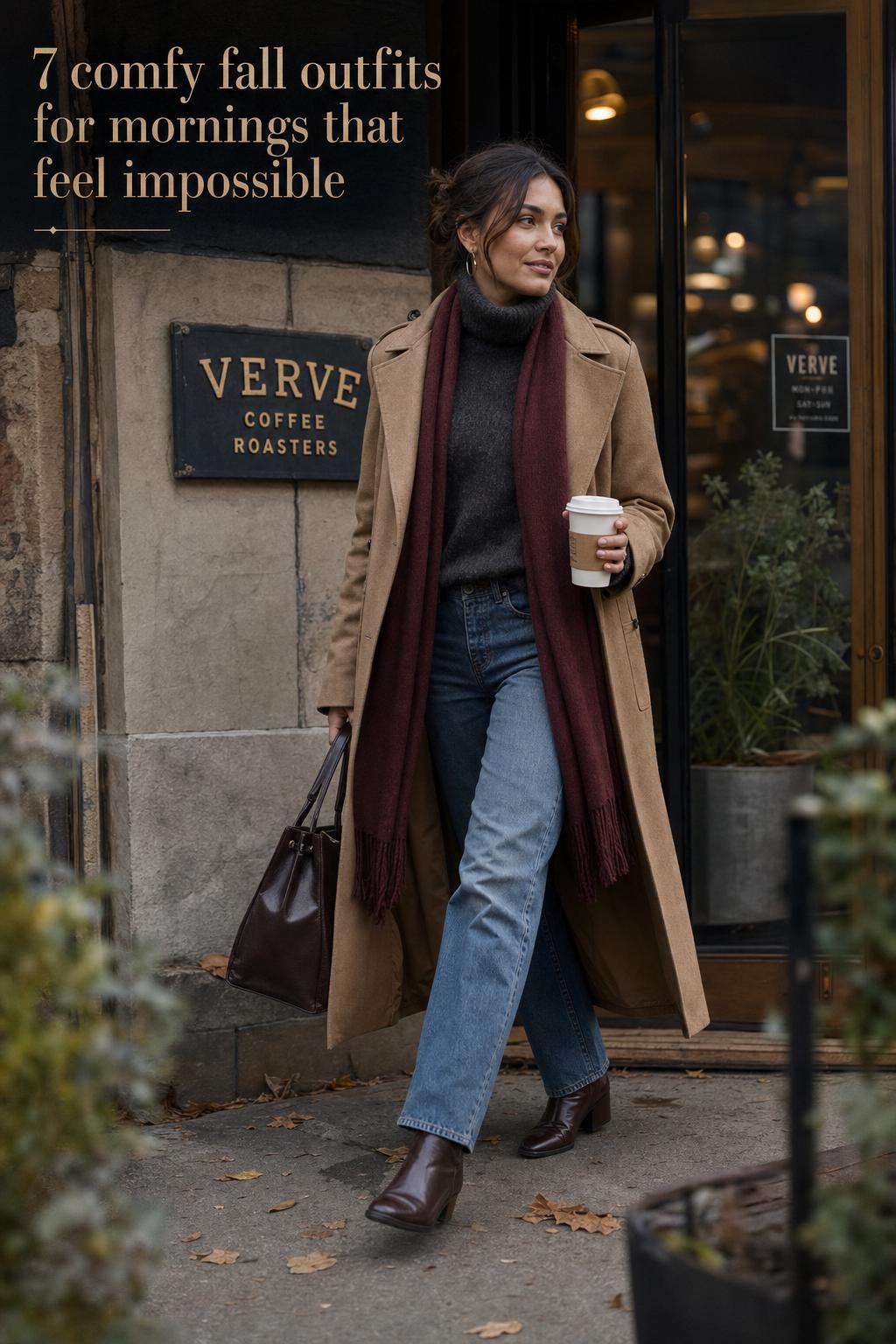
Fall also sharpens the styling conversation because the season is transitional by nature. One day calls for breathable thermals and a lightweight coat, another for fleece-lined layers and lug-sole comfort boots. The best outfits are not just cozy in theory. They function through changing temperatures, real schedules, and the subtle shift from lounging at home to stepping out for brunch, work, or date night.
The most wearable approach is not to chase isolated trends, but to understand the logic behind them. Once you recognize how knit sweaters, denim, coats, scarves, and boots work together, building comfortable autumn outfits becomes less about copying a look and more about creating a visual identity that fits your life.
Found the dress? Keep the rest in one place.
Zarellea brings guest details, vendors, timelines, and every next step together — so your wedding plan feels as good as your look.
The real structure behind comfortable fall style
Comfort-first fashion in autumn is usually built on three ideas: layered warmth, soft texture, and freedom of movement. That sounds simple, but the visual result can vary widely. A chunky cable knit with straight denim and ankle boots reads classic and grounded. A belted cardigan over leggings with slip-ons feels softer and more lounge-adjacent. A trench layered over a knit top and wide-leg pants introduces structure without sacrificing ease.
The reason these outfits work is proportion play. Fall dressing looks more intentional when one element provides volume and another provides control. If the sweater is oversized and textured, the bottom half often benefits from a cleaner line such as jeans, leggings, or wide-leg pants with a defined waist. If the outer layer is strong and architectural, the knitwear underneath can remain simple and breathable.
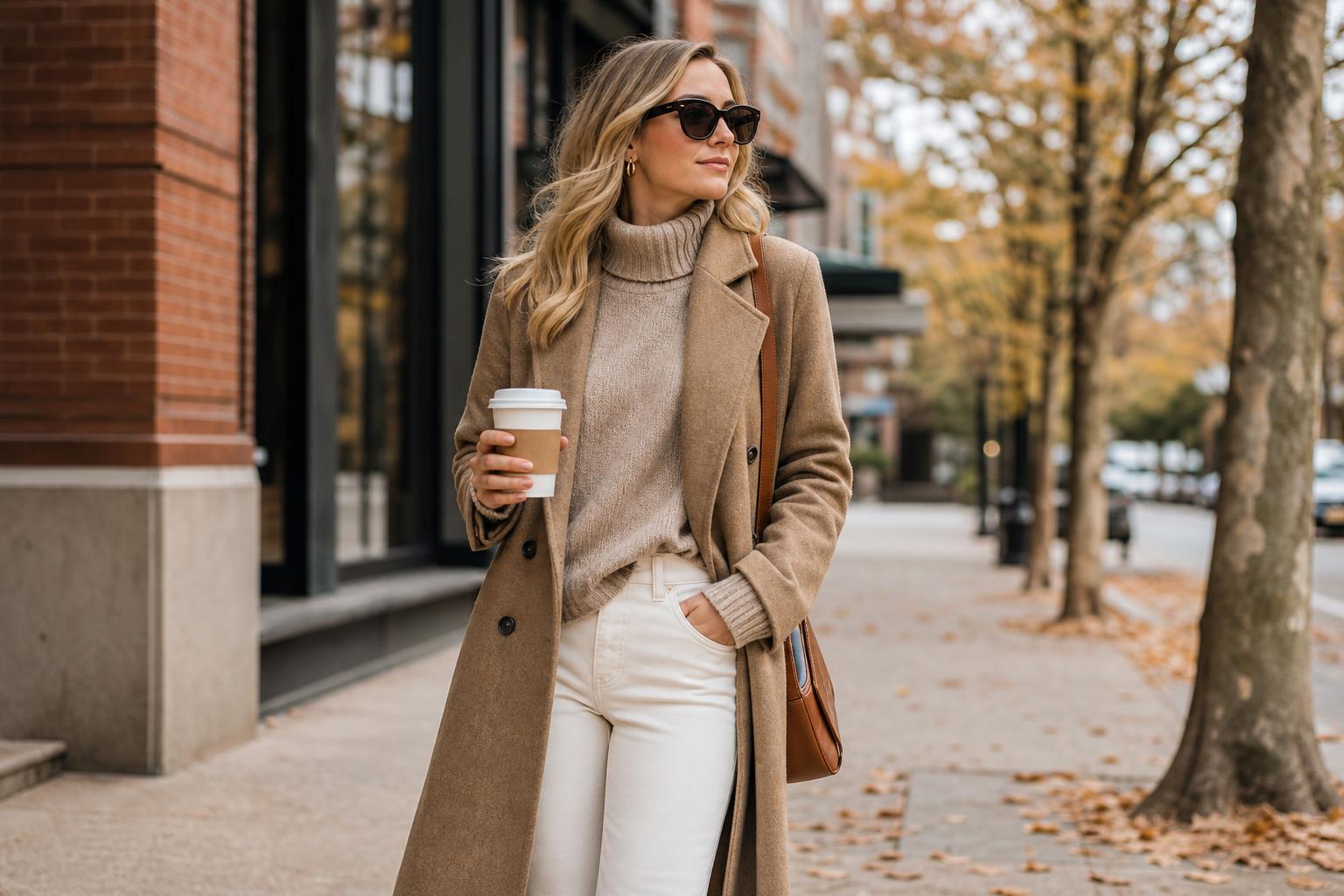
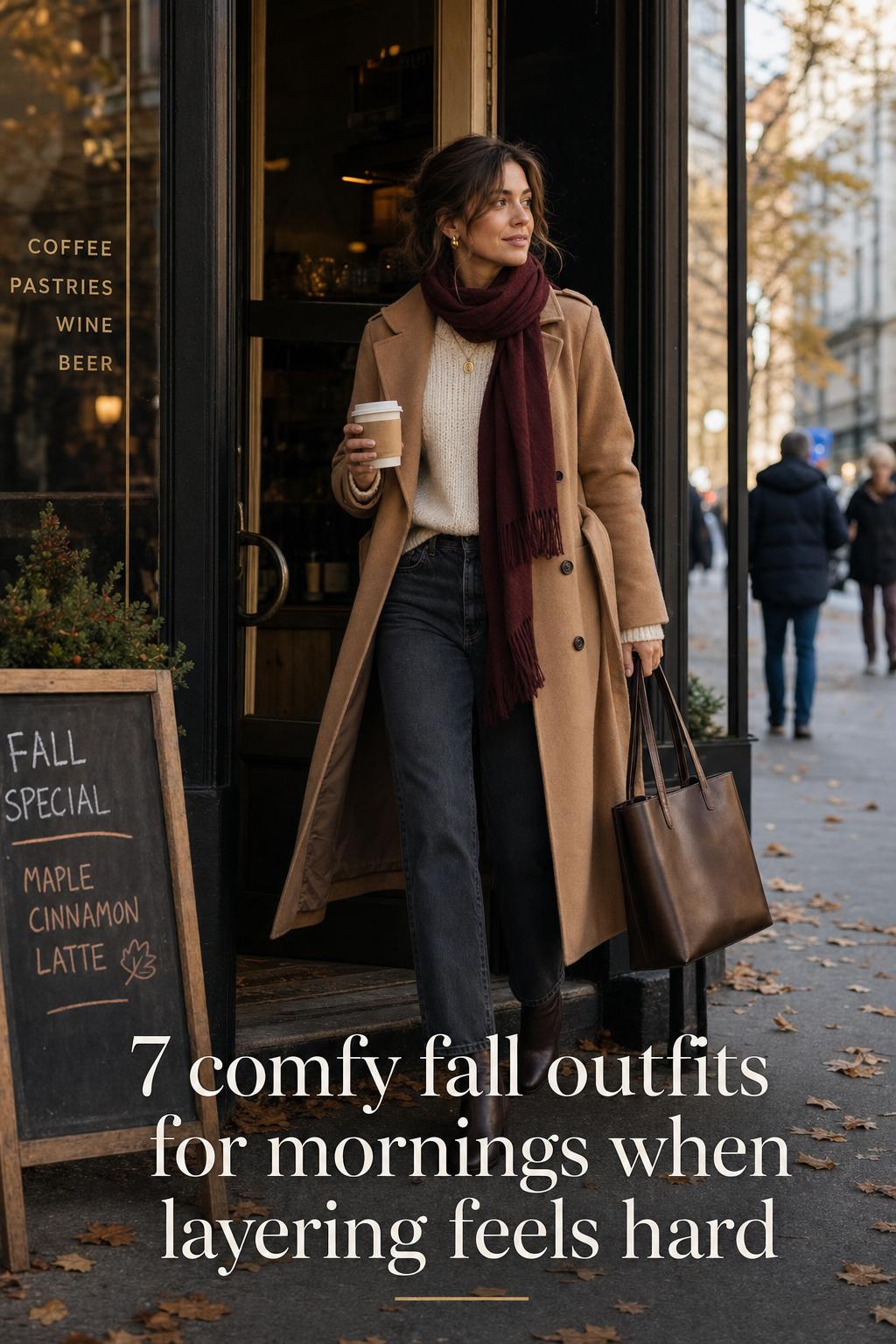
Color also changes the emotional tone. Camel, taupe, charcoal, burgundy, and olive appear repeatedly in autumn wardrobes because they create a seasonal palette without feeling loud. These shades support tonal layering, and tonal layering is one of the easiest ways to make comfortable outfits feel elevated rather than accidental.
There is also a practical reason these combinations resonate. Fall style asks clothes to perform for commuting, sitting, walking, and temperature shifts. A look may be visually appealing, but if the fabric traps heat indoors or the coat limits movement outdoors, it stops being truly wearable. That is why breathability, stretchy wovens, moisture-wicking materials, and easy-care fabrics matter as much as aesthetics.
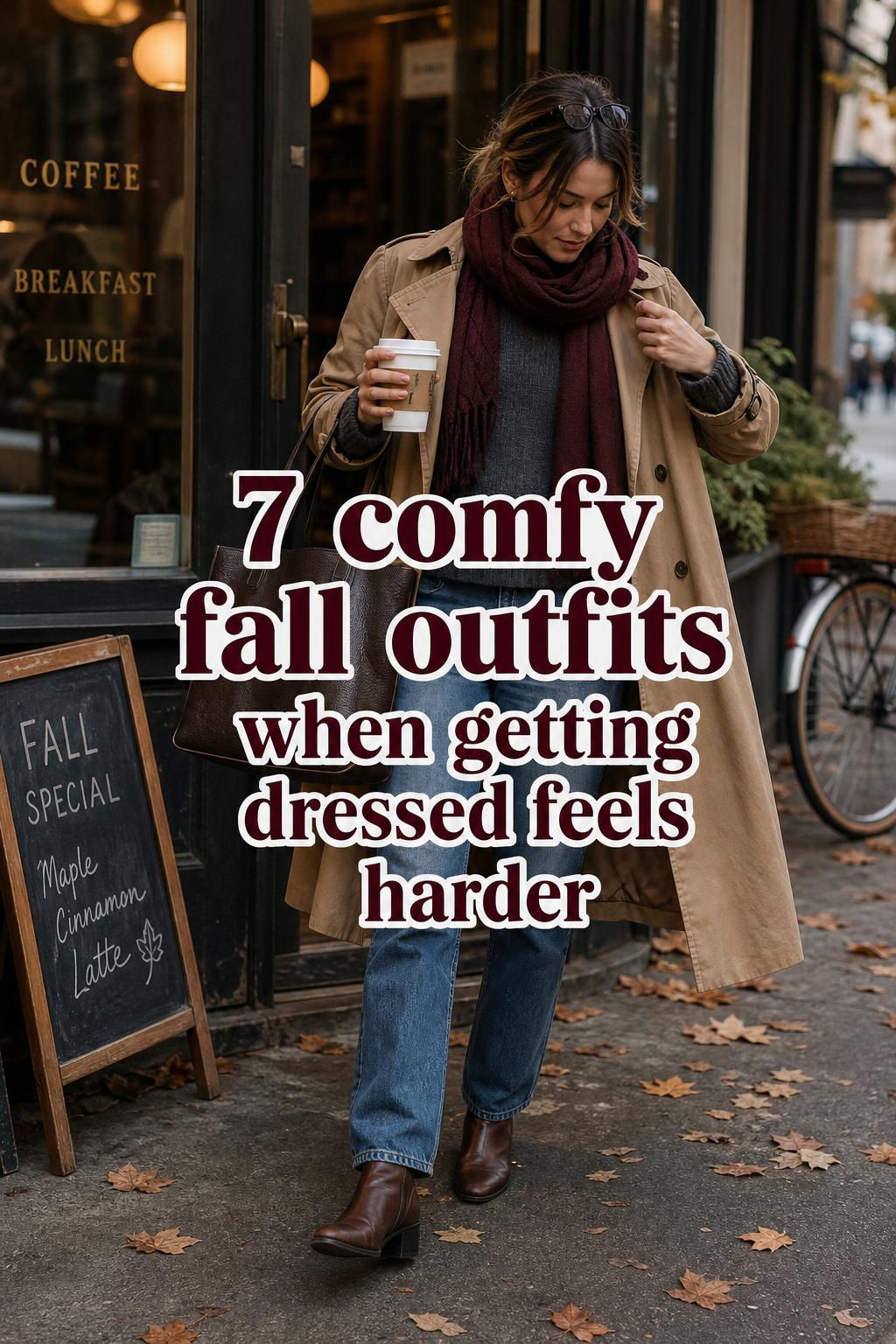
Why some comfy fall outfits feel polished while others feel casual
Two outfits can use the same ingredients and still project completely different energy. The distinction often comes from line, finish, and the role of accessories. A sweater with denim and boots is a familiar formula, but a turtleneck in charcoal with dark denim and sleek ankle boots creates a cleaner visual rhythm than a slouchy rib knit paired with faded jeans and chunky combat boots.
Polished versions tend to rely on quieter transitions between pieces. The color story is usually tighter, the textures are intentional, and the footwear acts as a visual anchor. Casual versions are often more contrast-driven, with visible softness, looser silhouettes, and accessories that support utility rather than refinement.
This is where cultural style cues enter the conversation. East-Coast layering often leans into sharper outerwear and more defined composition. West Coast athleisure tends to keep the base more relaxed, using joggers, knit tops, and lightweight coats with a freer silhouette. Cozy Nordic texture typically emphasizes tactile depth through wool, boucle, cables, and soft neutrals, giving even simple outfits a thoughtful, tactile identity.
None of these directions is inherently better. The more useful question is which one matches your routines. If your fall wardrobe needs to stretch from work-from-home hours to an afternoon coffee run, a softer formula may serve you better. If you want your comfortable autumn outfits to hold up in office settings or city errands, stronger structure becomes more valuable.
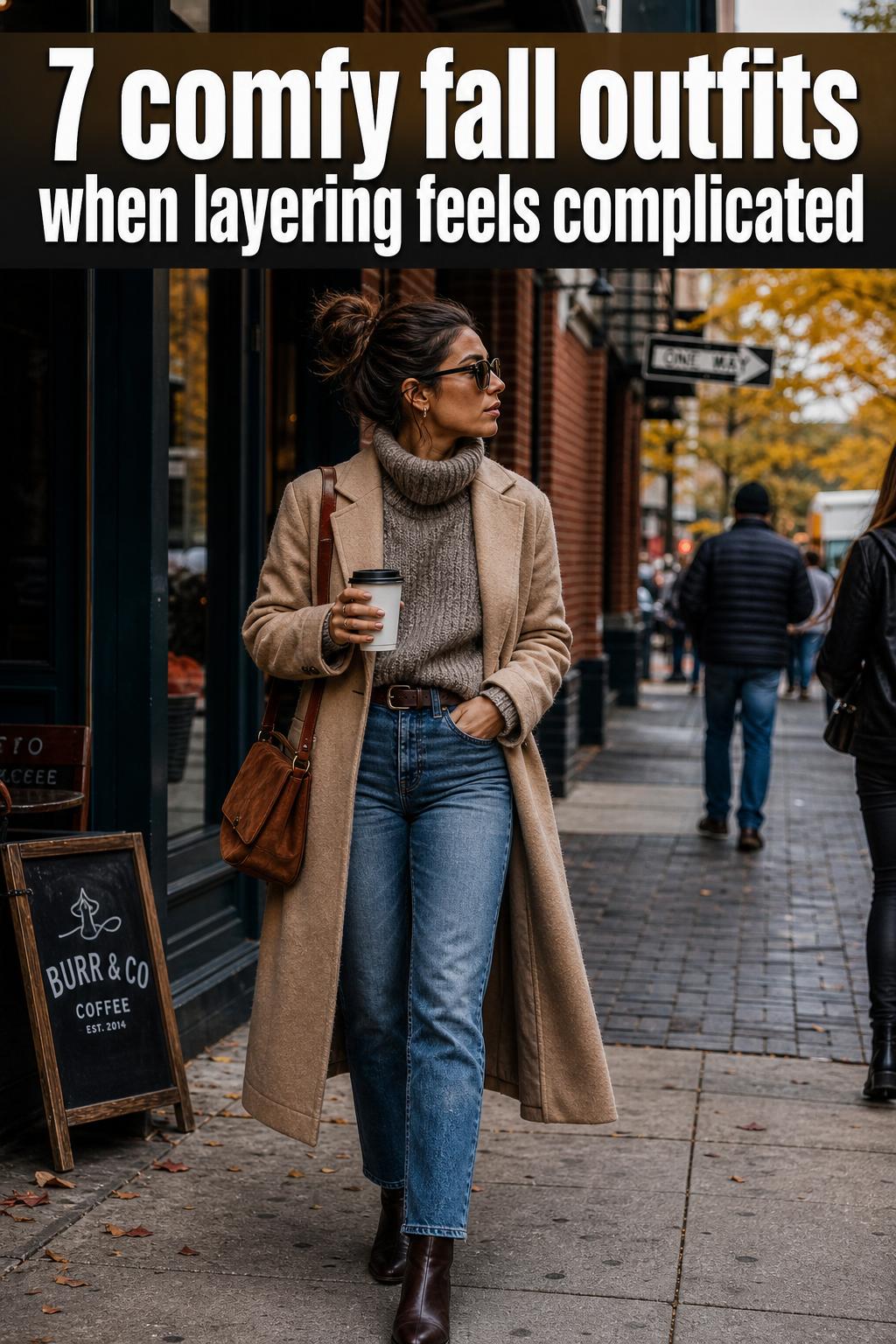
The key wardrobe pieces that create visual range
The strongest fall wardrobes are rarely the biggest. They are the ones with enough core pieces to build multiple moods. A focused set of sweaters, bottoms, outerwear, and footwear can produce a surprising range of looks once texture and layering are considered strategically.
Knit sweaters as the mood setter
Knitwear determines much of the emotional temperature of an outfit. Cable knit sweaters feel classic and enveloping. Chunky knits bring visible softness and volume. Turtlenecks create a more controlled, vertical line and often feel slightly more urban. Rib knit surfaces add subtle structure, while boucle introduces a richer, tactile finish.
Fabric matters here. Wool and cashmere bring warmth and refinement, while fleece-lined or sherpa-adjacent textures move the look toward pure coziness. Breathable knit options are especially useful in transitional weather because they retain the autumn mood without becoming too heavy indoors.
Outerwear that changes the entire identity of the outfit
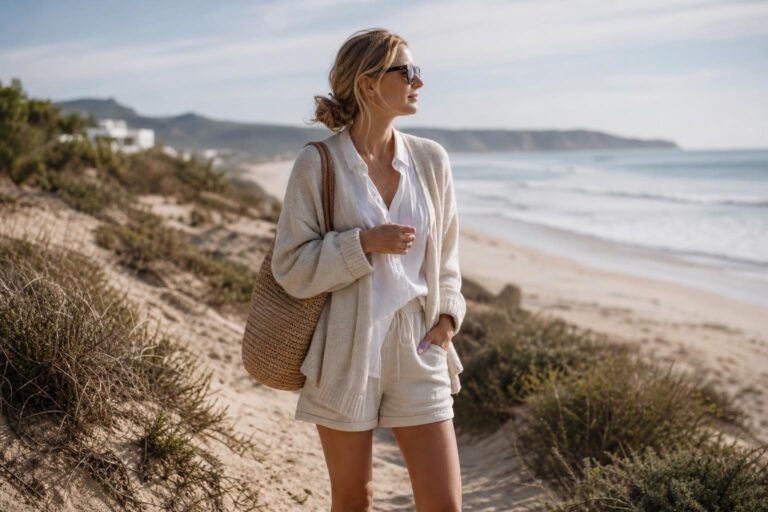
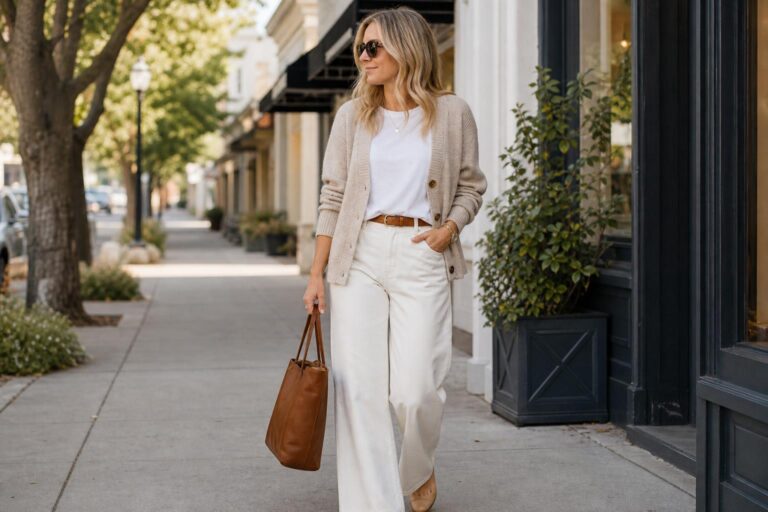
Outerwear is where a comfy fall outfit either becomes directional or stays neutral. A trench introduces length and clean lines. A cozy cardigan softens the look and keeps movement easy. A puffer shifts the aesthetic toward practical warmth and can work particularly well with leggings, joggers, or slim denim. Windproof coats and rain-ready layers add another level of function for transitional climates.
Even a simple base layer can look fully composed once the right outer layer is added. That is why fall dressing often feels more sophisticated than warm-weather styling. The coat is not just a necessity. It is part of the outfit composition.
Bottoms that control proportion
Bottoms do more than complete the look. They determine how oversized or streamlined the outfit reads. Wide-leg pants create ease while preserving elegance, especially with a more fitted knit top. Jeans remain the most versatile bridge between casual and polished. Leggings support mobility and comfort, but they usually look strongest when balanced by a longer top layer such as a cardigan, coat, or tunic-length sweater.
Joggers can also be effective in lounge-to-outfit transitions when the rest of the styling keeps the silhouette intentional. A knit top, lightweight coat, and clean slip-ons can make joggers feel purposeful rather than unfinished.
Footwear as the grounding element
Footwear often decides whether the outfit reads rugged, minimal, or elevated. Ankle boots are the most flexible option because they work with jeans, dresses, wide-leg pants, and tights. Combat boots add weight and attitude. Slip-ons and sneaker-boot hybrids keep the overall mood relaxed. Lug-sole comfort boots are especially useful when weather and comfort need equal priority.
There is also a growing need for practical comfort features. Orthotic-friendly boots, platform loafers with comfort support, and sole designs built for longer wear help ensure that an outfit remains genuinely functional throughout the day.
How each fall aesthetic handles the same basics differently
The easiest way to understand comfy fall outfits is to compare how different style mindsets approach the same wardrobe staples. A sweater, denim, and boots can belong to several visual worlds depending on styling philosophy.
The refined city interpretation
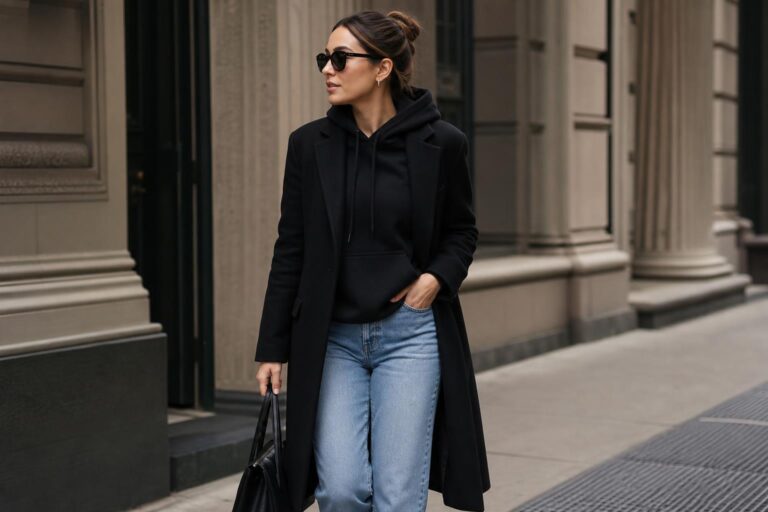
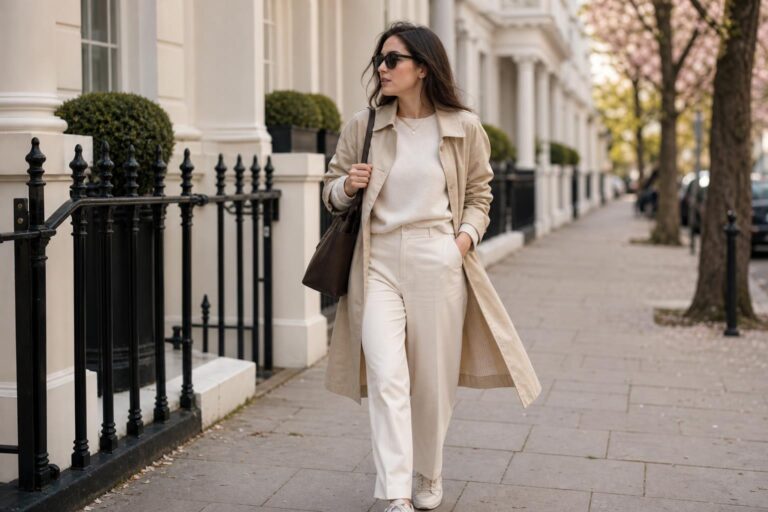
This version prioritizes line and cohesion. Think a turtleneck in taupe or charcoal, straight jeans, ankle boots, and a trench. The palette is restrained, the textures are rich but not chaotic, and the accessories are purposeful. A leather belt or structured bag can sharpen the composition without making it feel stiff. This is often the most office-friendly expression of fall comfort because it keeps warmth and polish in balance.
The soft lounge-to-street interpretation
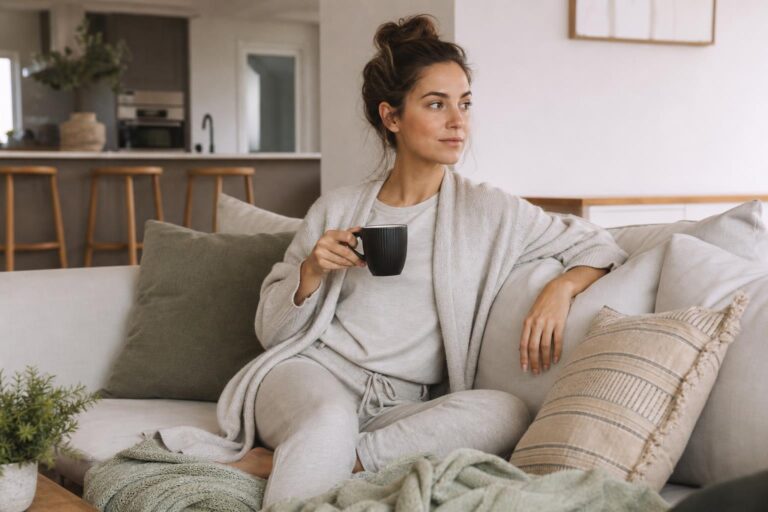
Here the same comfort principle takes on a more relaxed silhouette. A knit top with joggers, a cozy cardigan, and slip-ons creates ease first, then adds shape through layering. The colors may stay in camel, olive, or cream, but the overall impression is less tailored and more fluid. This works well for work-from-home routines, coffee runs, and low-pressure social plans where comfort is non-negotiable.
The rugged textured interpretation
This approach leans into tactile contrast. Chunky wool, fleece, sherpa, denim, and combat boots create visible dimension. Burgundy, olive, and charcoal often show up here because they deepen the outfit without making it overly formal. It is the version of comfy autumn style that suits colder weather especially well, since heavier texture naturally suggests warmth and resilience.
The visual difference between these three directions is not about trend allegiance. It is about how comfort is translated. One uses control, one uses softness, and one uses texture density.
Layering is not just practical, it is the entire styling philosophy
Many fall outfits fail not because the pieces are wrong, but because the layering logic is underdeveloped. A strong autumn outfit usually follows a base, mid-layer, outer layer framework. The base provides comfort and breathability. The mid-layer builds visual texture or insulation. The outer layer sets the final silhouette and handles weather shifts.
- Base layer: lightweight top, breathable thermal, or fitted knit
- Mid-layer: sweater, cardigan, or fleece texture
- Outer layer: trench, puffer, coat, or wind-resistant layer
This structure matters because fall temperatures change throughout the day. Breathable thermals and lighter knits prevent overheating indoors. Wool and fleece can be added when the drop in temperature is more consistent. If the day includes rain or wind, the final layer should do more than look seasonal. Water-resistant textures and windproof outerwear make the outfit function at street level, not just in mirror photos.
Texture contrast is what keeps layered outfits from appearing bulky. Knit with leather, wool with silk-like softness, or boucle against smoother denim creates visual separation. That separation is what allows an outfit to feel rich rather than heavy.
Tips for smarter layering
- Keep at least one layer visually clean when another is chunky or heavily textured.
- Use tonal color families such as camel, taupe, or olive to make multiple layers feel intentional.
- Choose outerwear based on your longest part of the day, not just your first five minutes outside.
- Prioritize fabrics with breathability when moving between indoor heat and outdoor chill.
The color story that makes comfy autumn outfits feel grounded
Autumn dressing often feels emotionally satisfying because the palette mirrors the season’s pace. Camel, taupe, charcoal, burgundy, olive, and bordeaux create warmth without visual noise. These shades support practical styling because they layer easily across sweaters, coats, scarves, boots, and bags.
Neutrals do most of the heavy lifting. They create a stable foundation, especially in capsule wardrobes. Accent colors such as burgundy or olive then add depth without disrupting the softness of the overall mood. This balance is part of why comfortable fall outfits can feel refined even when the pieces themselves are simple.
Texture amplifies color. A camel cable knit reads differently from a camel silky top. A charcoal wool coat carries more authority than a charcoal jersey layer. In fall, color and fabric are never separate decisions. They work together to shape the identity of the outfit.
Why this combination works
When a seasonal palette is anchored by tactile materials, outfits gain depth without requiring more pieces. A neutral base with one richer accent color is often more versatile than a busier color mix. It allows boots, scarves, and outerwear to enter the composition naturally and gives the wardrobe stronger mix-and-match potential.
Outfit formulas that actually hold up in real life
Good formulas reduce decision fatigue, but the strongest ones also leave room for personality. The following combinations work because they solve common fall problems: warmth without heaviness, comfort without sloppiness, and versatility across different parts of the day.
Sweater, denim, and boots
This remains the foundation formula because it is visually balanced and easy to adjust. A chunky sweater with slimmer denim creates a grounded shape, while a fitted turtleneck with relaxed jeans feels cleaner and more directional. Ankle boots elevate the outfit; combat boots toughen it; sneaker-boot hybrids make it more casual. The formula adapts easily for brunch, errands, and casual work environments.
Midi dress, boots, and a layering jacket
This is one of the best examples of softness meeting practicality. The dress provides movement, the boots add structure, and the jacket controls temperature. Add tights when needed for colder weather. The silhouette works particularly well when the dress has enough drape to contrast with a sturdier boot shape.
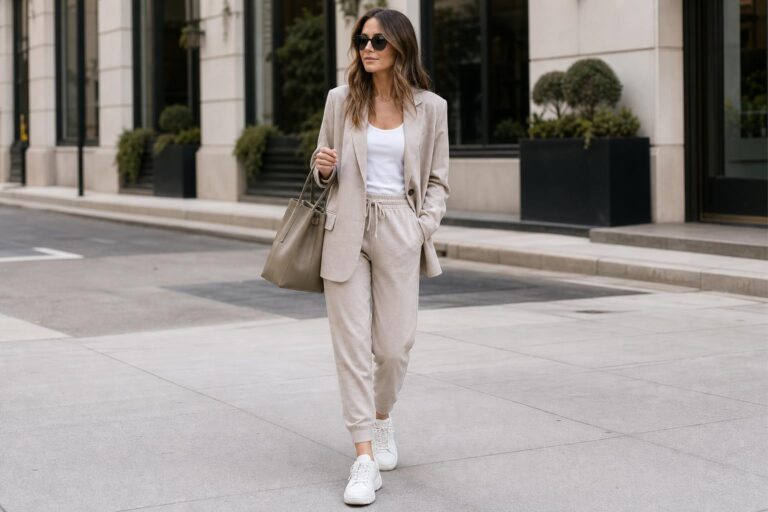
Joggers, knit top, and lightweight coat
This formula is often underestimated. It succeeds when the coat creates enough vertical structure to offset the softness of the joggers. Keep the palette tonal and the footwear clean. It is one of the easiest ways to make comfort-first dressing feel intentional rather than purely athletic.
Layered dress with tights and boots
This combination works especially well when you want comfort with more visual femininity. The tights create a practical bridge for cooler temperatures, while the boots add weight and seasonal grounding. A cardigan or coat determines whether the final look feels romantic, casual, or city-ready.
The role of accessories in making comfort look deliberate
Accessories are often treated as finishing details, but in fall they frequently act as outfit anchors. Scarves add both insulation and texture. Hats introduce personality and weather function. Belts can create definition in cardigans or wide-leg outfits. Bags help determine whether the look reads polished or off-duty.
Jewelry has a quieter but important role. Simple gold or silver pieces can lift a soft knit look without disturbing its ease. The key is restraint. When the outfit is already built on texture, accessories should clarify the mood, not compete with it.
The key visual difference
A scarf thrown on at the last minute can look incidental. A scarf chosen in harmony with the coat and knit reads intentional. The same logic applies to belts, hats, and boots. In comfortable autumn styling, the smallest pieces often reveal the most about the overall styling philosophy.
Regional fall cues change what comfort really means
One of the biggest mistakes in fall wardrobe planning is treating all U.S. autumn weather the same. Regional seasonality shapes outfit logic. In the Northeast, layering tends to start earlier and outerwear matters more. In the Midwest, temperature swings and wind can make adaptable layers essential. On the West Coast, lighter combinations often stay practical for longer, with athleisure-informed comfort playing a bigger role.
The South and other milder transitional climates often call for breathable knits, lightweight coats, and fewer heavy textures early in the season. This is where stretchy wovens and moisture-aware materials become especially useful. You still want the visual language of fall, but without overheating.
Regional style identity also influences how outfits are composed. East-Coast layering often looks more formal because it needs to handle sharper weather transitions. West Coast comfort can feel more relaxed because the climate allows a lighter relationship to outerwear. Neither approach is more authentic. They are simply different expressions of the same seasonal instinct.
Tips for climate-based outfit planning
- For colder regions, prioritize wool, fleece, windproof coats, and lug-sole comfort boots.
- For transitional climates, build around breathable thermals, lightweight coats, and medium-weight knits.
- For rainy days, choose water-resistant textures and footwear that can handle wet pavement without sacrificing comfort.
- For long walking days, make footwear technology as important as the color story.
The capsule approach: fewer pieces, more outfit intelligence
A capsule mindset works particularly well for comfy fall outfits because the season depends on repetition with variation. When the key pieces share a color family and compatible textures, getting dressed becomes faster and the wardrobe feels more coherent.
An effective autumn capsule does not need excess. It needs a strong relationship between tops, bottoms, outerwear, and footwear. The pieces should be able to move across comfort levels, from casual home-based days to more polished public settings.
- 2 to 3 knit sweaters in versatile neutrals
- 1 cardigan and 1 structured outer layer such as a trench or coat
- 2 bottoms, often jeans plus either wide-leg pants, leggings, or joggers
- 1 dress that can layer with tights and boots
- 2 footwear options, usually ankle boots plus either slip-ons or comfort-focused boots
- 2 accessories that add texture, such as a scarf and belt
This kind of wardrobe leaves room for both budget-friendly and premium shopping choices. Mainstream retailers like Nordstrom, Target, and ASOS often cover the full range from accessible staples to trend-driven seasonal pieces. The smarter decision is not always the cheapest one, though. If a coat, boot, or knit is going to anchor most of your weekly outfits, that piece usually deserves greater attention to fabric, comfort, and longevity.
Budget, premium, and the question of what is worth investing in
Not every part of a fall wardrobe needs the same level of investment. The best budget-friendly pieces are often trend-sensitive layers or simple basics that rotate heavily but are easy to replace. Mid-range and premium choices make more sense where material quality changes the wearing experience in a meaningful way.
Outerwear, boots, and higher-use knitwear are the strongest candidates for thoughtful spending because they influence warmth, comfort, and the overall visual credibility of the outfit. Cashmere, wool, and durable knit structures often feel different in use, not just in theory. The same is true for comfort-oriented footwear technologies in boots and loafers.
On the other hand, accessories such as hats, scarves, and belts can often be approached more flexibly. They are effective mood-shifters and texture tools, so they do not always need to be premium to look successful within the outfit composition.
Most versatile pieces
If you are narrowing your wardrobe intentionally, focus first on a neutral sweater, jeans that allow movement, ankle boots, and one reliable outer layer. Those four categories generate the most combinations and adapt most easily across climates, occasions, and personal aesthetics.
Fit, inclusivity, and why body proportions matter in fall styling
One reason some comfortable fall looks feel easy on one person and heavy on another comes down to proportion, not trend relevance. Oversized layers can be beautiful, but they need visual balance. Petite frames often benefit from preserving some vertical line through boot shape, coat length, or a more defined waist. Tall frames can carry longer layers more naturally, but still need enough shape to avoid drift.
Plus-size styling benefits from the same principle: not restriction, but intentional composition. Soft textures, long cardigans, wide-leg pants, and dresses with boots can all work well when the outfit has a visible point of balance. That balance may come from a belt, an outer layer with clean structure, or a tonal palette that avoids visual fragmentation.
Accessible comfort also deserves more attention. Easy-on and easy-off outfits, softer closures, and mobility-conscious layering can make a real difference. Comfort is not a narrow aesthetic category. It is a functional one, and that function should include the realities of movement, changing weather, and different physical needs.
Fabric choices that quietly improve the whole wardrobe
Fall style often focuses on what is visible, but fabric science influences wearability just as much as silhouette. Breathability, heat retention, moisture-wicking, and durability affect whether a cozy look remains practical all day. Rib knit, cable patterns, boucle, alpaca-inspired softness, fleece-lined interiors, and stretchy wovens all bring different strengths.
Sustainable and eco-friendly fabrics also matter for many wardrobes now, especially when building a smaller capsule. Recycled materials and longer-lasting fabric choices fit naturally into the logic of autumn dressing because the season rewards repetition. If a piece is going to appear several times a week, longevity becomes part of style intelligence.
Care is another overlooked factor. Easy-care garments often get worn more often because they are simpler to maintain. A beautiful sweater that requires constant caution may still have value, but it belongs in a different role than a durable knit that can support repeated everyday wear.
Styling mistakes to avoid
- Using too many heavy textures at once, which can flatten the silhouette.
- Choosing a coat only for appearance when your climate clearly demands wind or rain protection.
- Ignoring footwear comfort in outfits built for long walking or commuting days.
- Adding accessories without considering whether they sharpen or confuse the outfit mood.
- Building a capsule with disconnected colors that reduce layering flexibility.
People, brands, and the style signals they represent
In fall fashion coverage, brands and creators often serve as shorthand for different interpretations of comfort. Retailers such as Nordstrom, Target, and ASOS reflect the broad market appeal of cozy autumn style, offering everything from classic sweaters and boots to more trend-responsive pieces. They also reveal how mainstream the balance of comfort and polish has become.
Designer and influencer references typically appear less as rigid authorities and more as visual cues. A stylist or micro-influencer may spotlight a belted cardigan, scarf-led layering, or a more regionally inflected approach to dressing. The practical takeaway is that inspiration is most useful when translated through your own climate, schedule, and wardrobe proportions.
Even seasonal anchors such as sweater weather and fall fashion week shape expectations. They reinforce the cultural image of autumn as a texture-rich season where layering, boots, and knitwear feel especially expressive. But the most successful interpretation remains the one that fits ordinary life, not just the seasonal mood board.
Easy ways to blend multiple fall style identities
The most modern wardrobes rarely stay within one lane. A person may prefer East-Coast layering during the workweek, West Coast ease on weekends, and a Nordic-inspired texture story when temperatures drop. That mix is not inconsistency. It is wardrobe fluency.
Blending aesthetics works best when you keep one visual priority clear. If the silhouette is relaxed, let the palette stay controlled. If the textures are dense and cozy, simplify the accessories. If the boots are rugged and heavy, maintain some softness in the knit or dress to preserve contrast.
A practical way to transition between aesthetics is to keep your base outfit stable and switch only the outer layer and footwear. Denim and a neutral sweater can move from refined to rugged simply by changing from a trench and ankle boots to a puffer and combat boots. That is the kind of flexibility that makes a fall wardrobe feel lived-in rather than overplanned.
Which aesthetic feels more timeless
The most timeless version of comfy autumn style is usually the one anchored by classic knits, practical outerwear, balanced proportions, and a grounded palette. Trend elements can still enter, but they work best as accents. Timelessness in fall dressing is less about resisting change and more about building a wardrobe that can absorb it without losing coherence.
Final perspective on building better comfy fall outfits
The distinction between a good fall outfit and a great one is rarely a single item. It is the relationship between comfort, texture, silhouette, and climate. Once those elements align, the outfit begins to communicate something clearer: not just that it is seasonal, but that it belongs to a real lifestyle.
That is why comfy fall outfits remain so compelling. They allow softness without losing structure, practicality without losing mood, and repetition without feeling dull. Whether your instinct leans toward polished layering, relaxed athleisure, or textured cold-weather dressing, the strongest looks are the ones that feel intuitive on the body and visually resolved at a glance.
Autumn style does not need rigid rules to feel refined. It only needs clear choices. Build around pieces that breathe, layer well, and move with you, then let color, texture, and accessories shape the personality. The result is a wardrobe that feels distinctly fall, but still entirely your own.
FAQ
What are the easiest comfy fall outfits to wear every day?
The easiest everyday formulas are sweater with denim and boots, joggers with a knit top and lightweight coat, and a midi dress with boots and a layering jacket. These combinations work because they balance warmth, comfort, and visual structure without requiring complicated styling.
How can I make comfy fall outfits look more polished?
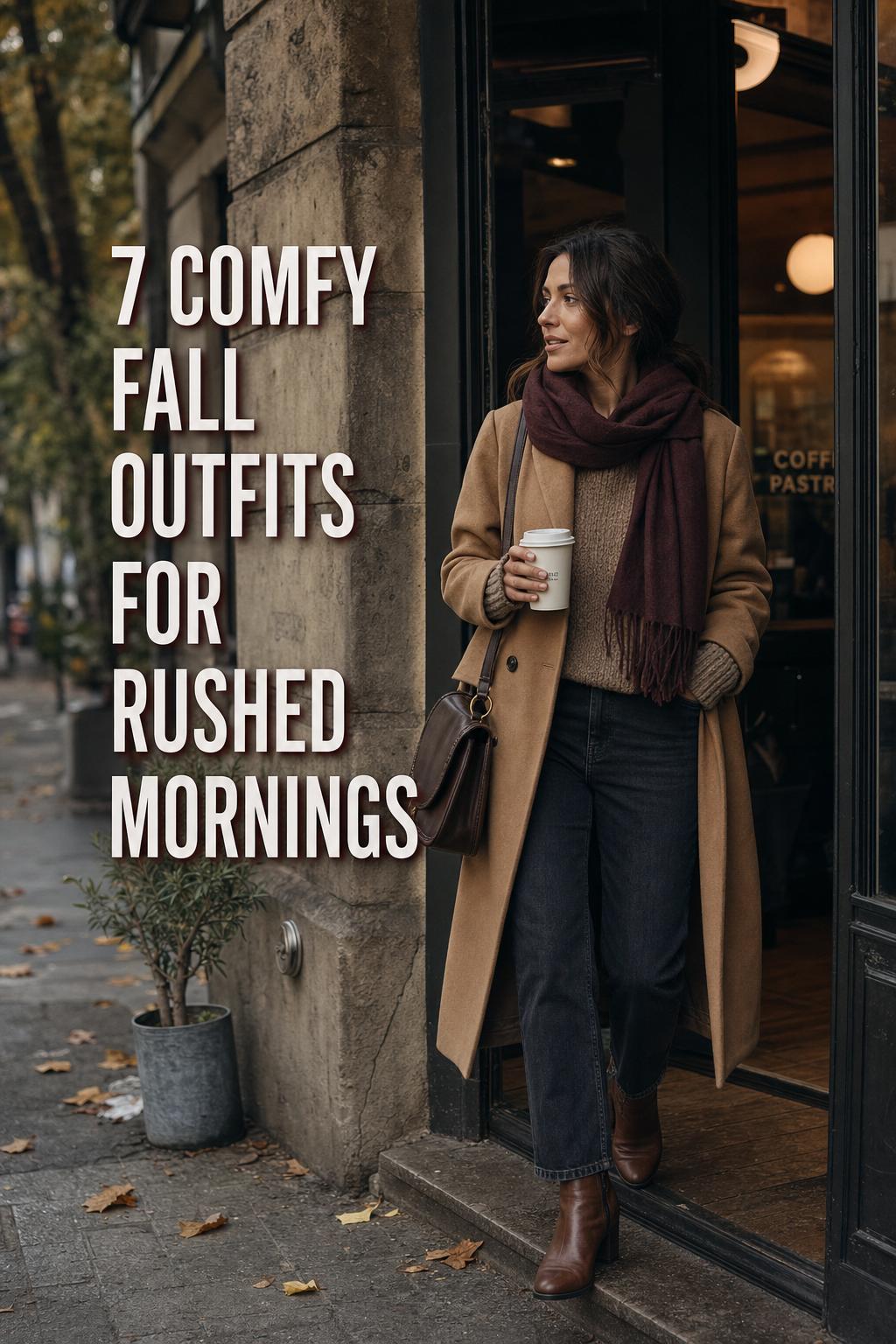
Use a tighter color story, choose at least one structured piece such as a trench or clean ankle boot, and avoid letting every layer compete for attention. Tonal neutrals like camel, taupe, and charcoal instantly make soft pieces feel more intentional.
What should I wear for a fall day at the office if I want to stay comfortable?
A refined knit such as a turtleneck or rib sweater with jeans or wide-leg pants, ankle boots, and a trench is usually the strongest approach. It keeps the outfit comfortable while maintaining enough structure for a work setting, especially when the palette stays neutral and cohesive.
Which fabrics are best for comfortable fall outfits?
Useful fall fabrics include knit, wool, fleece, boucle, cashmere, and breathable thermals, along with stretchy wovens for easier movement. The best choice depends on your climate, since colder regions often need greater insulation while transitional climates benefit from lighter, more breathable layers.
How do I dress for fall when the weather changes all day?
Follow a base, mid-layer, outer layer system. Start with a breathable base, add a knit or cardigan for warmth, and finish with an outer layer that matches the conditions, such as a trench, puffer, or windproof coat. This makes it easier to adjust without losing the overall outfit shape.
Are leggings still a good option for comfy autumn outfits?
Yes, especially when they are balanced with a longer top layer such as a cardigan, coat, or oversized sweater. Leggings work best when the outfit has enough length and structure above them to create a finished silhouette rather than a purely lounge-focused look.
How can I build a small fall capsule wardrobe around comfort?
Start with two or three knit sweaters, one cardigan, one strong outer layer, two bottoms, one dress, two pairs of practical shoes, and a couple of textured accessories. Keep the palette cohesive so the pieces can mix easily across work, casual outings, and home-based days.
What footwear works best with cozy fall outfits?
Ankle boots are the most versatile, but combat boots, slip-ons, sneaker-boot hybrids, and lug-sole comfort boots all have a place depending on the outfit mood and weather. The best pair is the one that supports both the silhouette and the amount of walking or standing your day requires.
How do I make fall outfits work for rain and wind without losing style?
Choose outerwear with wind-resistant or water-ready function, rely on textured layers that still look good under a practical coat, and use footwear built for wet conditions. When the color palette stays grounded and the layers are coordinated, weather-focused pieces do not disrupt the style of the outfit.
Can I blend relaxed and polished fall aesthetics in one wardrobe?
Yes, and that often creates the most wearable wardrobe. Keep the same base pieces, such as a neutral sweater and denim, then shift the mood through outerwear, accessories, and footwear. A trench and ankle boots create one direction, while a cardigan and more casual shoes create another.