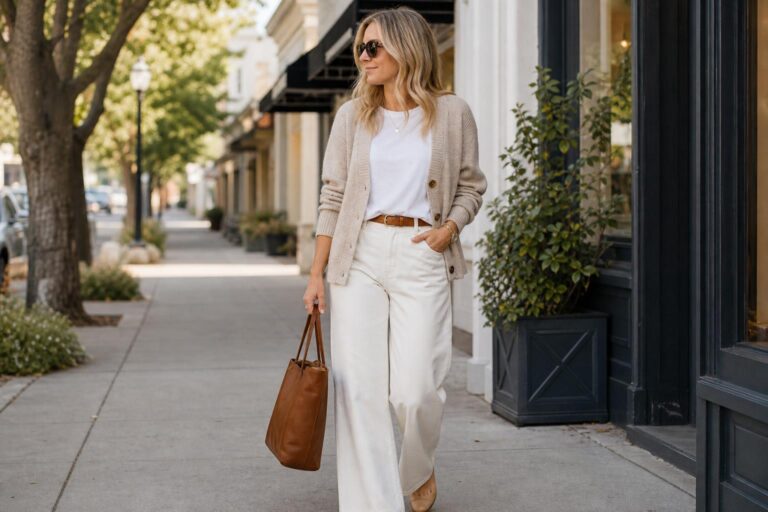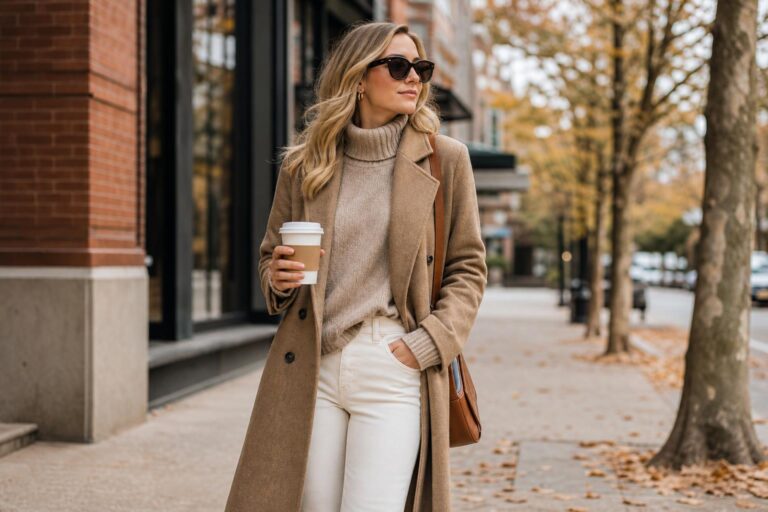
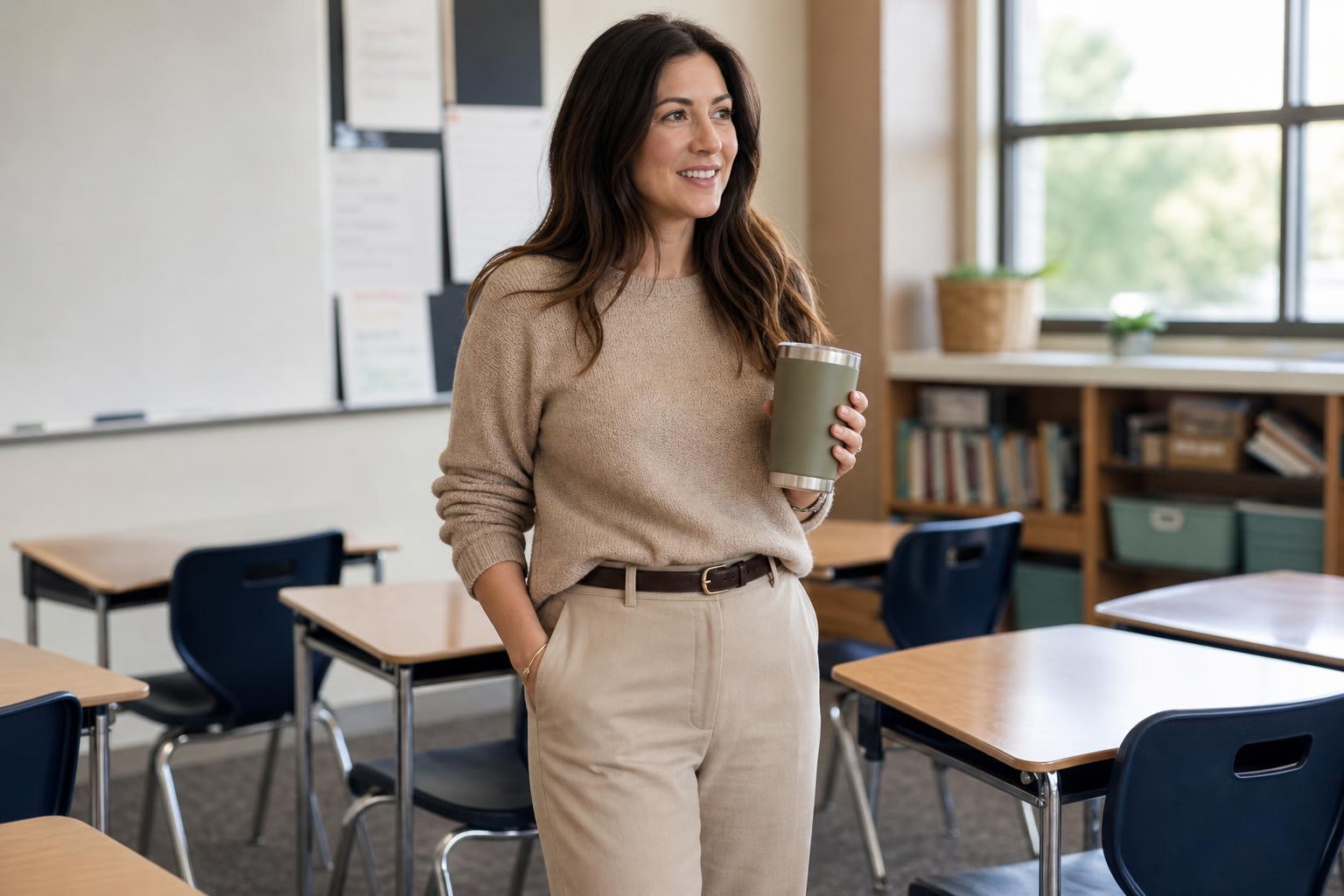
Comfy Teacher Outfits That Feel Polished
Getting dressed for school sounds simple until the realities of a teaching day enter the picture. You need to move, bend, stand, walk, supervise, present, and still look polished by the final bell. That is why comfy teacher outfits matter so much: the challenge is not just looking professional, but finding outfit formulas that stay comfortable, classroom-ready, and visually pulled together for hours.
The frustration usually comes from competing priorities. Soft pieces can read too casual. Structured pieces can feel restrictive. Layers help with changing classroom temperatures, but too many can create bulk and visual heaviness. Shoes need to support long days, yet they still have to work with dresses, trousers, and skirts in a way that feels intentional rather than purely practical.
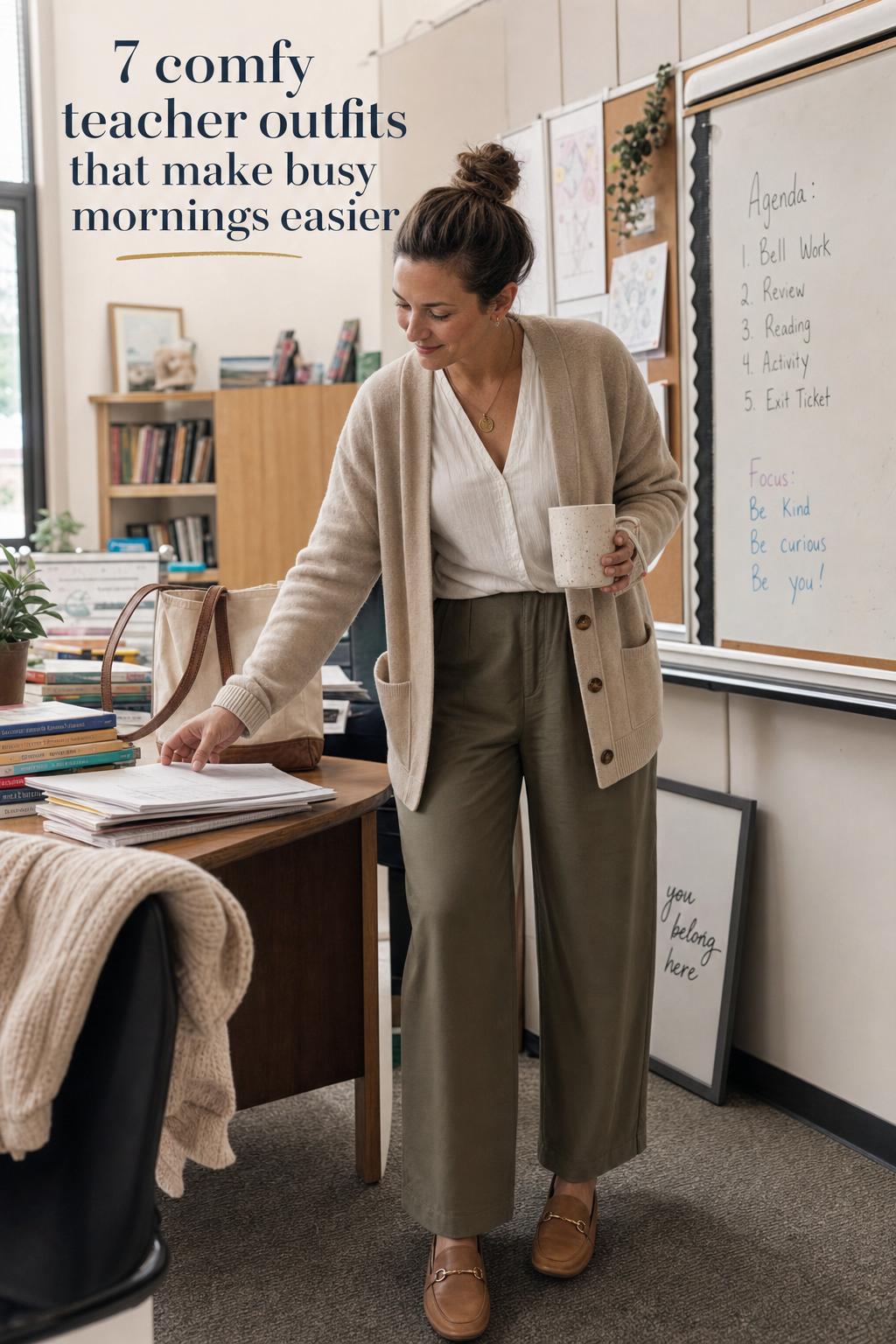
A smart teacher wardrobe solves those tensions through proportion, fabric choice, and repeatable outfit composition. The best looks are rarely complicated. They rely on a few dependable pillars—tops, bottoms, layers, and shoes—then use texture, tonal balance, and classroom-appropriate styling to make everything feel polished. Once that logic is clear, getting dressed becomes much easier.
Why teacher outfits are uniquely hard to get right
Teacher fashion sits in a very specific space between workwear and real-life utility. In many U.S. school settings, there is an expectation of professionalism, but the day itself is physically active in a way that many office jobs are not. A fitted blazer may look sharp in the morning, yet if the fabric has no stretch, it can feel uncomfortable by midday. A loose dress may feel easy, but without the right layer or shoe, it can lose the classroom-ready structure that helps an outfit feel intentional.
Found the dress? Keep the rest in one place.
Zarellea brings guest details, vendors, timelines, and every next step together — so your wedding plan feels as good as your look.
Climate complicates this even more. Classrooms can swing between over-air-conditioned and unexpectedly warm. Hallway duty, recess supervision, carline, and commuting add another layer of temperature unpredictability. That is why layering shows up so often in strong teacher outfit ideas: cardigans, jackets, blazers, and vests are not just style pieces, they are practical temperature tools.
Then there is movement. Teachers need clothing that performs during long wear. That usually means breathable fabrics, some degree of stretch, and silhouettes that allow motion without constant adjusting. Wide-leg pants, knit dresses, midi skirts, jersey tops, ponte-knit trousers, and wrinkle-resistant layers work well because they support both appearance and movement.
Dress codes are another major factor. Some schools welcome casual Friday dressing or allow polished denim-washed looks; others lean more formal. That means the best professional yet comfortable teacher wardrobe is not built around one exact style. It is built around adaptable formulas that can shift slightly depending on policy, climate, and grade-level context.
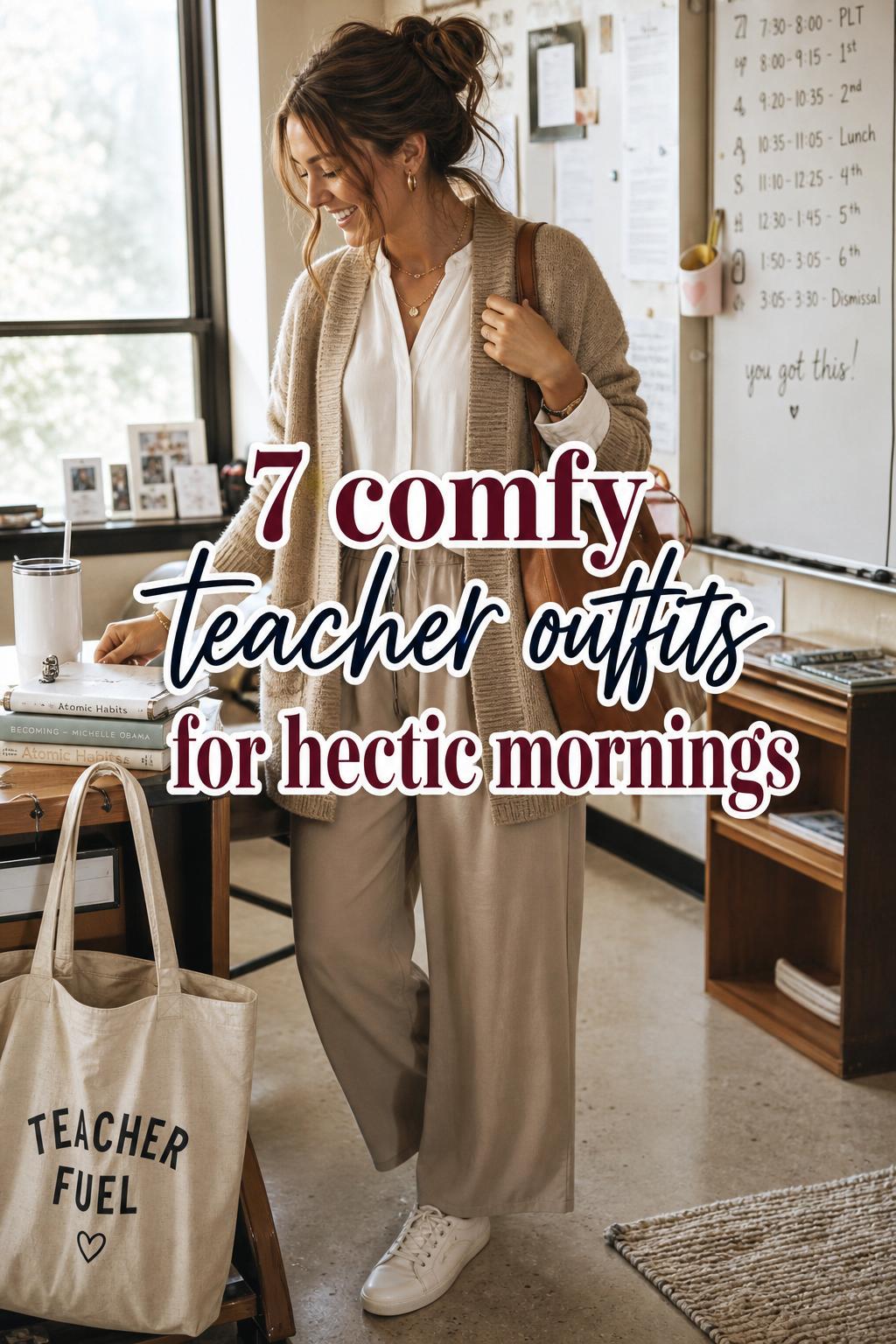
The four pillars behind truly wearable comfy teacher outfits
The top as the visual anchor
Tops do more than complete the outfit. They set the tone. A tucked blouse sharpens wide-leg pants. A knit sweater softens a midi skirt. A simple button-down shirt creates polish even when the rest of the look is relaxed. In a teacher wardrobe, tops work best when they balance ease and structure: soft enough for comfort, clean enough to hold shape through the day.
The bottom determines mobility
Trousers, chinos, skirts, and dresses all create different movement patterns. Wide-leg pants offer ease and airflow, but they need a more defined top to avoid looking oversized. Trousers feel polished and dependable, especially when paired with sneakers or loafers for comfort. Midi skirts create movement and softness, while knit dresses offer a one-step outfit solution that reduces morning decision fatigue.
The layer controls polish and temperature
Cardigans, jackets, blazers, and vests are what make many classroom outfits feel complete. A cardigan is often the easiest teacher layer because it adds softness without over-formality. A blazer sharpens the silhouette and helps with meetings or parent-teacher conferences. A vest can create clean vertical lines without the restriction of sleeves. Good layering is less about adding pieces and more about choosing the one that gives shape without unnecessary bulk.
Shoes determine whether the outfit survives the day
Footwear changes the practicality of the entire outfit. Sneakers are one of the strongest options in the current teacher outfit space because they support long days and pair well with dresses, trousers, and casual-chic combinations. Flats and loafers can work beautifully too, especially with trousers or skirts, but they need enough support for extended wear. Ankle boots add seasonal structure, particularly with midi skirts and sweaters.
The core principle is simple: if the shoe cannot carry the outfit through standing, walking, and back-to-back tasks, the rest of the look does not matter. Comfort is not a side note. It is part of the outfit composition.
Fabric logic that makes an outfit feel better, not just look better
One reason some outfits fail by lunchtime is fabric behavior. Clothing can look polished on a hanger and still perform poorly in a classroom. Teachers benefit most from breathable, stretch-friendly, and wrinkle-resistant materials because the day demands repeated movement and long wear.
- Cotton offers breathability and everyday ease.
- Jersey feels soft and moves easily, especially in dresses and tops.
- Ponte and ponte-knit fabrics add structure while keeping some flexibility.
- Knit textures create comfort and softness without sacrificing polish.
- Wrinkle-resistant fabrics help maintain a clean appearance through a long day.
- Moisture-wicking and performance-oriented materials are useful for warmer classrooms or active schedules.
Texture also matters visually. A smooth trouser paired with a knit sweater creates depth. A soft cardigan over a crisp blouse keeps the outfit from feeling flat. That small texture contrast is often what makes practical workwear feel more refined.
Common comfort mistake
Many people try to create polish through stiffness. In reality, an outfit often looks better when the structure comes from silhouette rather than rigid fabric. A well-cut wide-leg pant in a flexible fabric will usually outperform a stiff trouser that wrinkles or restricts movement.
Relaxed layers that still feel polished
One of the most reliable formulas for comfy teacher outfits is a knit dress with a cardigan and supportive sneakers or flats. This combination works because the dress creates one clean uninterrupted line, while the cardigan adds coverage and softness without breaking the silhouette too harshly.
The visual mood is approachable, calm, and classroom-ready. Knit dresses are especially useful because they reduce outfit planning to a single base piece. Instead of coordinating separates from scratch, you are simply deciding how much structure to add. A longer cardigan keeps the line fluid, while a shorter cardigan makes the waist area feel more defined.
Why this outfit works
The softness of knit texture signals comfort, while the layered top piece keeps the look from feeling unfinished. Sneakers make the outfit practical for long days, and flats shift the tone slightly more formal. The formula also adapts well to different dress codes because the layer can be changed depending on how polished the school environment feels.
Easy ways to recreate the look
- Use a neutral knit dress as the base for maximum repeat wear.
- Add a cardigan in a similar tonal family for a calm, cohesive palette.
- Choose sneakers when you need all-day walking support.
- Switch to flats for days that require a slightly more traditional workwear finish.
This is also a strong formula for teachers who want fewer decisions in the morning. It is simple, but it does not read simplistic.
Soft tailoring for days that need more structure
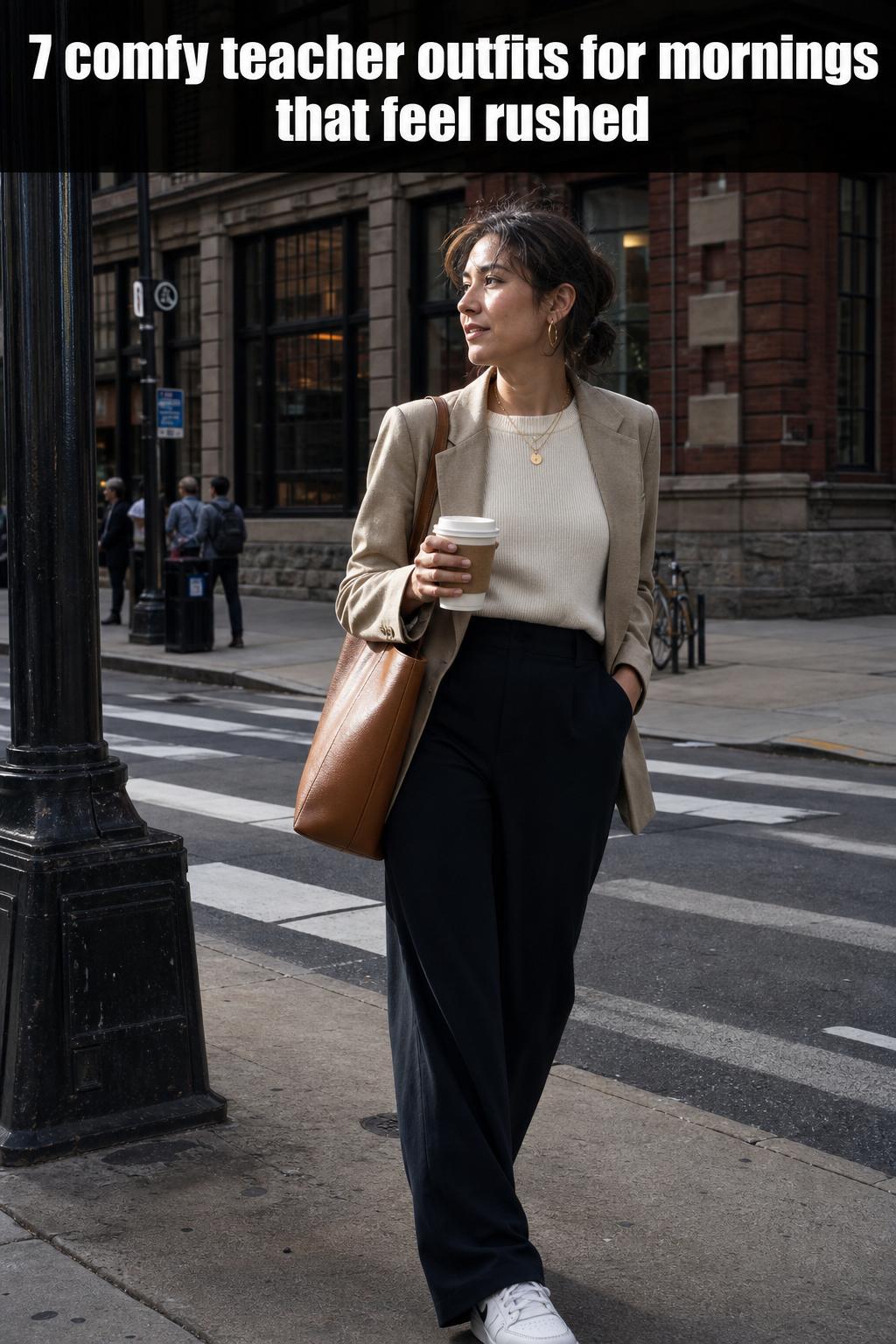
Wide-leg pants, a tucked top, and a blazer create one of the cleanest polished teacher outfit formulas. The reason it works is proportion. Wide-leg pants bring ease and movement, while the tucked top prevents the lower half from feeling visually heavy. The blazer introduces structure through the shoulders and front line, which keeps the outfit work-appropriate.
This is an especially useful look for meetings, classroom observations, presentations, or parent-teacher conferences. It feels more elevated than a cardigan-based outfit, but if the trousers have stretch and the blazer is cut with some ease, it can still be comfortable enough for a full day.
Fabric insight
This outfit performs best when the pants are made from a flexible fabric rather than a stiff formal weave. Ponte-knit and wrinkle-resistant trousers are particularly effective because they preserve the line of the outfit without sacrificing comfort. A soft blouse or knit top under the blazer helps avoid the boxed-in feeling that can happen with too many rigid layers.
Best shoe pairing
Sneakers create a modern classroom-ready finish and reduce formality. Loafers or flats create a more traditional professional look. Both work, but the choice should reflect the day’s schedule as much as the aesthetic.
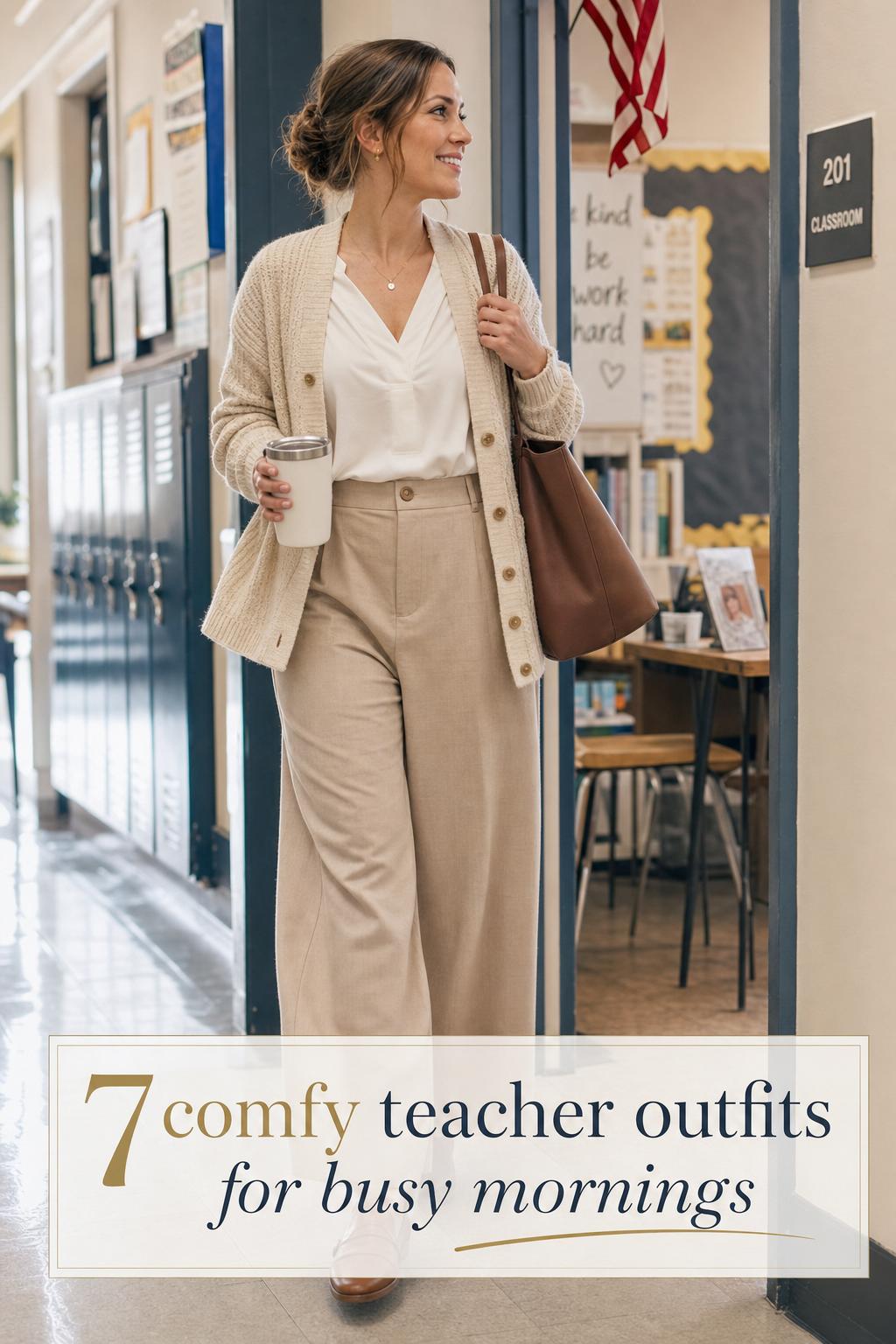
Movement-friendly outfits for long classroom days
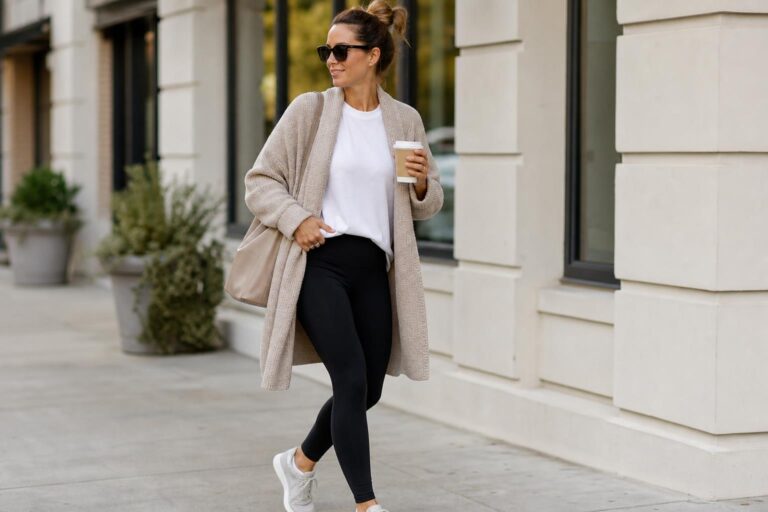
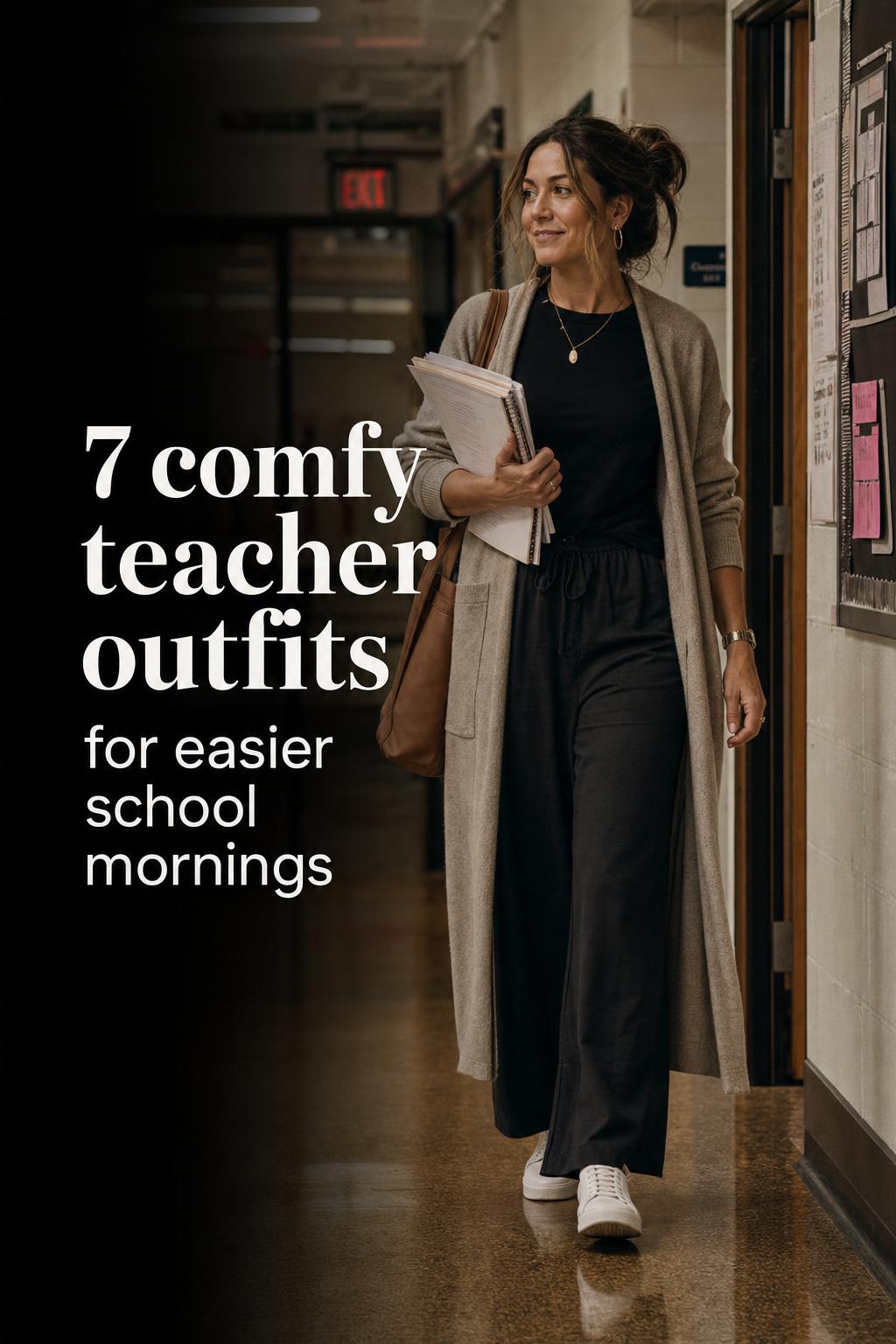
Some days demand more physical range than others. For those schedules, a pants-and-top combination with a cardigan or lightweight jacket tends to be more functional than highly structured tailoring. Think trousers or chinos with a soft blouse, knit top, or button-down shirt, then finish with sneakers.
This formula appears so often because it is adaptable. You can adjust color, shoe style, and layer weight without changing the underlying logic. The pants support movement, the top can be as polished or as relaxed as needed, and the layer helps with classroom temperature shifts.
Quick styling adjustment
If the outfit feels too basic, use the layer as the visual anchor. A cardigan in a richer tone or a jacket with cleaner lines gives the entire look more presence without requiring additional accessories. This is a better solution than adding multiple small details that can feel busy during a workday.
Neutral colors are especially effective here. They make mixing easier and allow a teacher wardrobe to function more like a capsule, where multiple tops and bottoms can rotate without creating friction.
Midi skirt outfits that balance softness with authority
A midi skirt with a knit sweater and ankle boots offers a different kind of comfort: less utilitarian than trousers, but still highly wearable. The strength of this outfit is silhouette balance. The skirt adds movement and ease, the knit sweater adds softness, and the boots ground the look so it does not feel too delicate for a school setting.
This combination is especially strong in cooler weather because it layers naturally without becoming bulky. The key is to keep the sweater shape controlled. If both the sweater and the skirt are too voluminous, the outfit can lose definition. A slight tuck or a shorter knit helps the proportions feel intentional.
How to make the outfit feel more elevated
Use tonal layering. A skirt, sweater, and boot within a related color palette creates quiet polish even when the fabrics are soft. Add a simple jacket or blazer if the dress code calls for more structure. This works well because the clean color story does much of the visual work.
The one-piece solution: jumpsuits and easy dresses
One-piece dressing is often overlooked in teacher wardrobes, yet it solves one of the biggest practical issues: decision fatigue. A jumpsuit with comfortable shoes, or a simple dress with a vest or cardigan, creates immediate cohesion. These pieces work best when the cut is relaxed enough for movement and the fabric has enough body to avoid clinging or creasing too easily.
A dress with a layered vest creates an especially smart composition. The dress provides ease; the vest adds vertical structure and a little polish without the arm restriction of a jacket. For teachers who dislike bulky sleeves or work in classrooms with unpredictable temperatures, this can be one of the most wearable combinations.
Most versatile piece
The knit dress remains one of the strongest building blocks in this category because it can lean casual chic, polished, or slightly dressier depending on the layer and shoe. A blazer changes the tone completely. So do sneakers versus ankle boots.
Classroom casual without looking underdressed
Casual teacher outfits are often where balance becomes most difficult. If your school allows more relaxed dressing, especially on Fridays or in less formal environments, the goal is not to dress down completely. It is to keep one element polished enough to anchor the look.
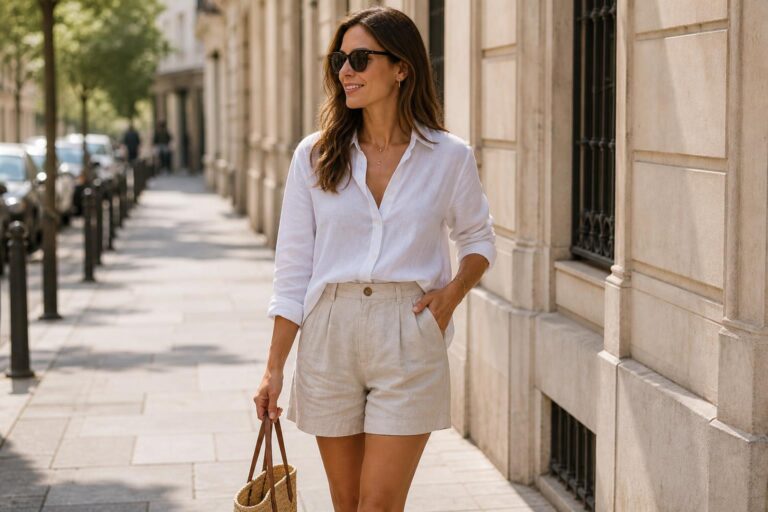
Denim-washed looks, where allowed, work best with polished tops rather than equally casual pieces. For example, a more relaxed bottom paired with a blouse, button-down shirt, or clean knit top keeps the outfit from drifting into off-duty territory. The same rule applies to athleisure-inspired weekdays: if the shoes are very casual, the upper half should have some structure.
Why some casual outfits fail
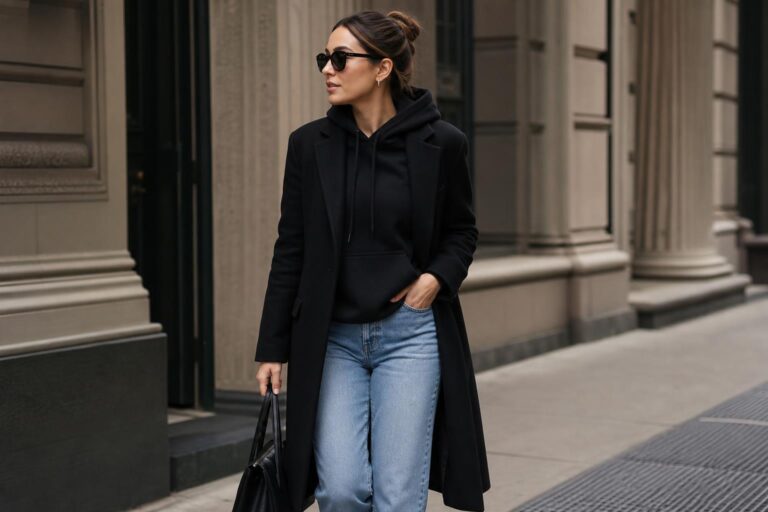
The common mistake is stacking softness with softness: unstructured pants, an oversized top, and casual shoes all at once. That combination may be comfortable, but it often lacks visual direction. A better approach is contrast. If the pants are relaxed, choose a more refined top. If the shoes are sneakers, use a jacket, cardigan, or blazer to frame the outfit.
- Relaxed bottom + polished top
- Simple dress + structured layer
- Sneakers + sharper silhouette
- Neutral palette + one textural contrast
Seasonal capsules make daily dressing easier
Many strong teacher wardrobes are not built around endless variety. They are built around a seasonal capsule of interchangeable pieces. This matters because school schedules repeat, weather patterns shift, and practical dressing becomes easier when the closet contains pieces that already work together.
Fall and winter: warmth without bulk
Cooler seasons are where layering strategy matters most. Cardigans, blazers, knit sweaters, jackets, and ankle boots all become key. The challenge is avoiding visual heaviness. A puffer vest or thicker layer can be useful, but it works best over slimmer bases so the outfit retains shape. Wool blends, fleece-adjacent warmth, and knit textures support comfort, while tonal palettes keep multiple layers from looking crowded.
Spring: light structure and easy transitions
Spring teacher dressing works best with lighter jackets, cardigans, dresses, and pants in breathable fabrics. This is a strong season for midi skirts, wide-leg pants, and softer blouses because the weather allows more flexibility. A teacher can use layers for morning chill, then remove them by midday without the outfit feeling incomplete.
Summer and warm climates: breathable but still polished
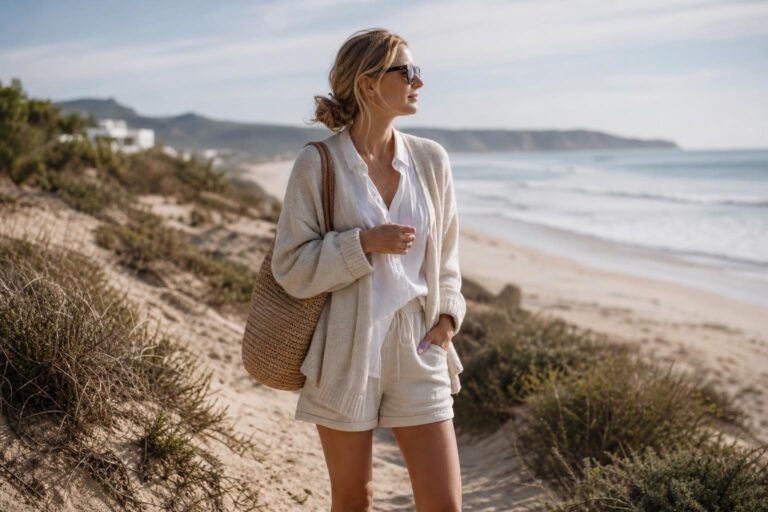
In warmer classrooms or U.S. regions with prolonged heat, breathable cotton, jersey, and lighter dresses become more useful. The styling focus should shift toward airflow and simplicity. A knit dress with supportive shoes, or wide-leg pants with a breathable top, keeps the outfit comfortable without looking too casual. This is where moisture-wicking and performance-oriented fabrics become particularly practical.
Transitional weather tip
Build around a base outfit that still works without the outer layer. That way, if the classroom gets warm, removing the cardigan or jacket does not leave you feeling unfinished. This is one of the most useful wardrobe habits for teachers.
Outfits that match different school-day moments
Not every teaching day has the same rhythm, so the wardrobe should not be built as if it does. Some outfit formulas are better for grading-heavy days, some for parent-teacher conferences, and some for substitute teaching or campus movement.
For parent-teacher conferences
Choose soft tailoring: trousers or wide-leg pants, a tucked blouse, and a blazer. This communicates professionalism while staying wearable across a long schedule. Neutral colors help the look feel calm and authoritative.
For highly active teaching days
Use movement-first pieces such as stretchy trousers, a knit top, a cardigan, and sneakers. The layer can come off easily, and the outfit still reads polished because the base pieces are clean and cohesive.
For a casual Friday
If your dress code allows a dressy-casual Friday, combine a more relaxed piece with a polished one. A casual bottom with a button-down shirt, or sneakers with a structured dress, keeps the balance right. The goal is ease, not underdressing.
For substitute teaching or flexible schedules
An easy dress, cardigan, and comfortable shoes works especially well here. It is adaptable, low-effort, and visually complete without requiring extensive coordination in the morning.
Budget, midrange, and premium wardrobe paths
A practical teacher wardrobe does not require buying everything at once. What matters more is building in tiers. The most efficient approach is to secure a few dependable basics first, then refine the wardrobe over time.
- Budget path: focus on repeatable staples such as trousers, simple tops, cardigans, and sneakers in versatile neutrals.
- Midrange path: upgrade the fabric quality in core items, especially pants, knit dresses, and layering pieces.
- Premium path: invest selectively in pieces that carry the wardrobe, such as a blazer, durable trousers, or high-performing shoes.
This tiered approach works because not every item needs the same level of investment. Shoes and frequently worn bottoms often justify more attention because they absorb the most wear. Trend-sensitive accessories do not need the same priority. The same logic also helps prevent overbuying.
Budget-friendly alternative
Instead of chasing entirely new outfits, rebuild combinations from what you already own. A blouse can replace a T-shirt in the same pant-and-sneaker formula. A cardigan can make an older dress feel classroom-ready again. Most strong teacher wardrobes rely more on smart repetition than constant novelty.
Dress codes, professionalism, and the reality of personal style
School dress codes shape what counts as classroom-ready, but they do not have to erase individuality. The most useful mindset is to think in ranges rather than rigid categories. A dress may be school-appropriate with a cardigan but too casual on its own. Sneakers may work perfectly when the rest of the outfit is structured. A jumpsuit may feel modern and polished in one school environment and too informal in another.
That is why outfit formulas matter more than single pieces. They help you adapt quickly. If a school leans formal, use blazers, trousers, and flats more often. If the environment is more casual, rely on knit dresses, cardigans, polished tops, and sneakers. The professional signal comes from the total outfit composition, not from one isolated garment.
Tip: use neutrals to navigate policy variation
Simple color palettes make outfits feel more intentional, which is helpful in school environments with mixed style expectations. Neutral trousers, cardigans, jackets, and shoes can support a wider range of tops and dresses while maintaining a composed appearance.
Size-inclusive, adaptive, and comfort-first thinking
Comfort is not one-size-fits-all. Inclusive sizing and adaptive considerations are important in any realistic guide to teacher dressing because the school day places repeated demands on the body. Clothing that allows movement, avoids pinching, accommodates sensory needs, or simplifies wear can make a major difference in day-long comfort.
From a styling perspective, this does not change the core formulas. A top, bottom, layer, and supportive shoe still create the strongest wardrobe framework. What changes is the fit priority. Stretch, softness, easy closures, flexible waistlines, and breathable fabrics become even more important. The goal is to preserve polish without forcing discomfort in the name of professionalism.
Brand and wardrobe direction without overcomplication
Many teacher outfit sources mention brands only lightly, and that reflects a useful truth: the exact label matters less than the functional characteristics of the piece. Durable workwear, comfortable basics, and sustainable fashion options all make sense in this space as long as they support long wear, easy layering, and classroom appropriateness.
If you do explore brand roundups, focus on categories rather than hype. Look for pieces that are durable, versatile, and suitable for repeated teaching schedules. Sustainable and ethical fashion can be especially relevant here because teachers often benefit from clothing that can rotate frequently without losing shape or comfort. The smartest wardrobe is not the one with the most pieces. It is the one with the fewest weak links.
Common styling traps that make teacher outfits less comfortable
Many wardrobe problems come from small composition mistakes rather than from a lack of clothing. Once those patterns are visible, getting dressed becomes more consistent.
- Over-layering until the outfit feels bulky and overheated.
- Using stiff fabrics to create polish instead of relying on better silhouette balance.
- Choosing shoes that look good in the mirror but fail during a full day of standing.
- Pairing oversized pieces together without any visual anchor.
- Building a wardrobe from isolated statement pieces instead of interchangeable staples.
The better alternative is almost always simpler: one comfortable base, one balancing layer, one practical shoe, and a controlled palette. Teacher style works best when it feels intentional but not overworked.
A practical weekly formula you can actually repeat
If your mornings feel rushed, stop trying to invent a new outfit every day. Use a small rotation of formulas and vary the details. That approach aligns far better with how a professional teacher wardrobe actually functions.
- Day one: knit dress, cardigan, sneakers.
- Day two: trousers, blouse, jacket, flats.
- Day three: wide-leg pants, tucked knit top, blazer, sneakers.
- Day four: midi skirt, sweater, ankle boots.
- Day five: casual Friday formula with a polished top and more relaxed bottom, if allowed.
These combinations are easy to repeat because they rely on strong proportions rather than novelty. Once you understand which silhouettes and fabrics serve you best, the wardrobe starts working as a system instead of a daily puzzle.
Final wardrobe perspective
The strongest comfy teacher outfits are not built around trends or endless shopping. They come from knowing which silhouettes let you move, which fabrics hold up through long days, which layers adapt to classroom temperatures, and which shoes support your schedule without compromising the outfit. That is the real styling logic behind a wardrobe that feels both polished and livable.
Start with repeatable formulas, refine them around your dress code, and let comfort be part of the visual strategy rather than an afterthought. When the pieces work together, getting dressed feels easier, the outfit looks more intentional, and the school day becomes one thing less to fight with.
FAQ
Can teachers wear sneakers to school?
Yes, sneakers are one of the most practical shoe options for teachers, especially for long days of standing and walking. They work best when paired with polished pieces such as knit dresses, trousers, blazers, or structured cardigans so the overall outfit still reads classroom-ready.
What fabrics are best for all-day comfort in teacher outfits?
Breathable and flexible fabrics tend to perform best, including cotton, jersey, ponte, ponte-knit, and soft knit textures. Wrinkle-resistant and moisture-wicking materials are also especially useful because they help clothing stay comfortable and presentable through a full teaching day.
How can I make casual teacher outfits look more professional?
The easiest way is to keep one element structured. If the shoes are casual, use a blazer, jacket, or polished top. If the pants are relaxed, pair them with a blouse, button-down shirt, or defined layer. Casual outfits look better when there is clear contrast between ease and structure.
What is the easiest teacher outfit formula for busy mornings?
A knit dress with a cardigan and supportive shoes is one of the simplest and most effective options. It reduces decision-making, layers easily for changing classroom temperatures, and can be dressed up or down depending on whether you choose sneakers, flats, or ankle boots.
Are wide-leg pants good for teachers?
Yes, wide-leg pants are a strong option because they offer movement and comfort while still looking polished. They work best with a tucked top, blouse, or more fitted knit to keep the proportions balanced and prevent the outfit from feeling too loose overall.
How do I dress comfortably for parent-teacher conferences?
Choose soft tailoring that looks professional but still moves well, such as trousers or wide-leg pants with a blouse and blazer. This combination feels more elevated than a casual classroom outfit, yet it can remain comfortable if the fabrics have flexibility and the shoes are supportive.
Can I build a teacher wardrobe on a budget?
Yes, and the most effective way is to start with versatile staples rather than chasing many separate outfits. Neutral trousers, simple tops, cardigans, a reliable dress, and practical shoes create multiple classroom-ready combinations without requiring a large wardrobe.
How should I handle unpredictable classroom temperatures?
Build around a base outfit that still works on its own, then add a removable layer such as a cardigan, jacket, blazer, or vest. This approach lets you adjust during the day without the outfit losing structure or looking incomplete after the layer comes off.