
Concert Outfits That Solve Every Style Problem
Concert outfits have a difficult job. They need to look like you made an effort, but they also have to survive a security line, a long walk from the parking lot, hours of standing, sudden temperature changes, and a crowd that may be dancing much closer than expected. The best look is not necessarily the most dramatic one. It is the outfit you stop thinking about once the opening song starts.
That is why the most useful way to plan what to wear is to solve the friction first. Think about the venue, the amount of movement, the weather, the bag policy, and the shoes you can genuinely wear for several hours. Then add one memorable style detail, such as a metallic bag, a great jacket, a printed skirt, or a favorite concert tee. The result feels personal without becoming a costume.
Why Concert Outfits Go Wrong Before the Music Starts
Most outfit mistakes happen because the look is planned for a mirror photo instead of the entire concert experience. A delicate shoe may look perfect with a mini dress, but it can become miserable after two hours on concrete. A heavy jacket may feel sensible at the door, then turn into something you have to carry once the room fills up. A large shoulder bag may fit everything, but it can bump into strangers and make dancing awkward.

Found the dress? Keep the rest in one place.
Zarellea brings guest details, vendors, timelines, and every next step together — so your wedding plan feels as good as your look.
Start by separating the event into four moments: getting there, waiting to enter, watching the show, and getting home. Your outfit should work across all four. For an indoor arena, that may mean a breathable base under a lightweight jacket. For an outdoor amphitheater, it may mean comfortable denim, a warm layer, and shoes that can handle grass. For a seated concert, you have more freedom with a skirt, dress, or a small heel, but you still need to consider the walk to and from the venue.
Movement is the second reality check. You may plan to sit, but the people in front of you could stand for the whole show. You may expect a calm singer-songwriter set, but still spend an hour in line or move between a merch table, restrooms, and your seat. Clothing that stays in place, allows a full stride, and does not need constant adjusting will always feel more stylish because you can enjoy yourself in it.
- Venue: Is it a club, arena, theater, amphitheater, festival field, or outdoor street event?
- Movement: Will you stand, dance, walk on uneven ground, or sit for most of the show?
- Temperature: Will the space heat up, stay air-conditioned, or cool down after sunset?
- Rules: Does the venue restrict bag size, large accessories, outside layers, or open-toe shoes?
- Personal style: What one detail will make the outfit feel like yours?

The Five Decisions That Solve Most Concert Outfit Problems
The easiest way to build concert outfits is to make five decisions in order. This keeps you from buying a new look before you know what the night requires.
1. Choose the movement level first
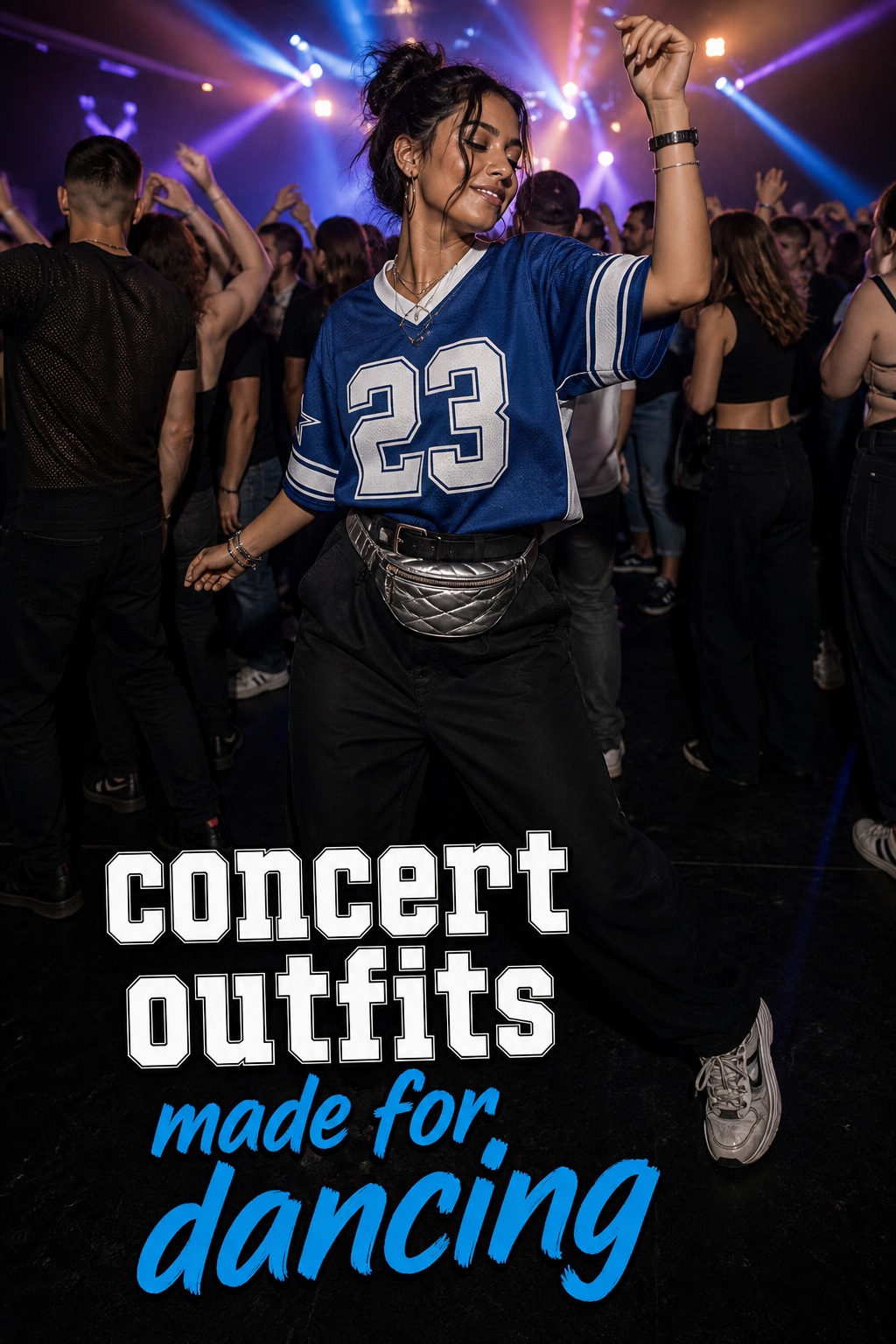
If you will be standing and dancing, begin with a base that lets you bend, reach, and take a long step. Relaxed straight-leg jeans, wide-leg trousers with a secure waistband, pull-on pants, denim shorts, or a knit skirt with shorts underneath can all work. A fitted top does not have to be tight, and a loose top does not have to be oversized. The goal is a balanced silhouette that stays comfortable when you lift your arms.
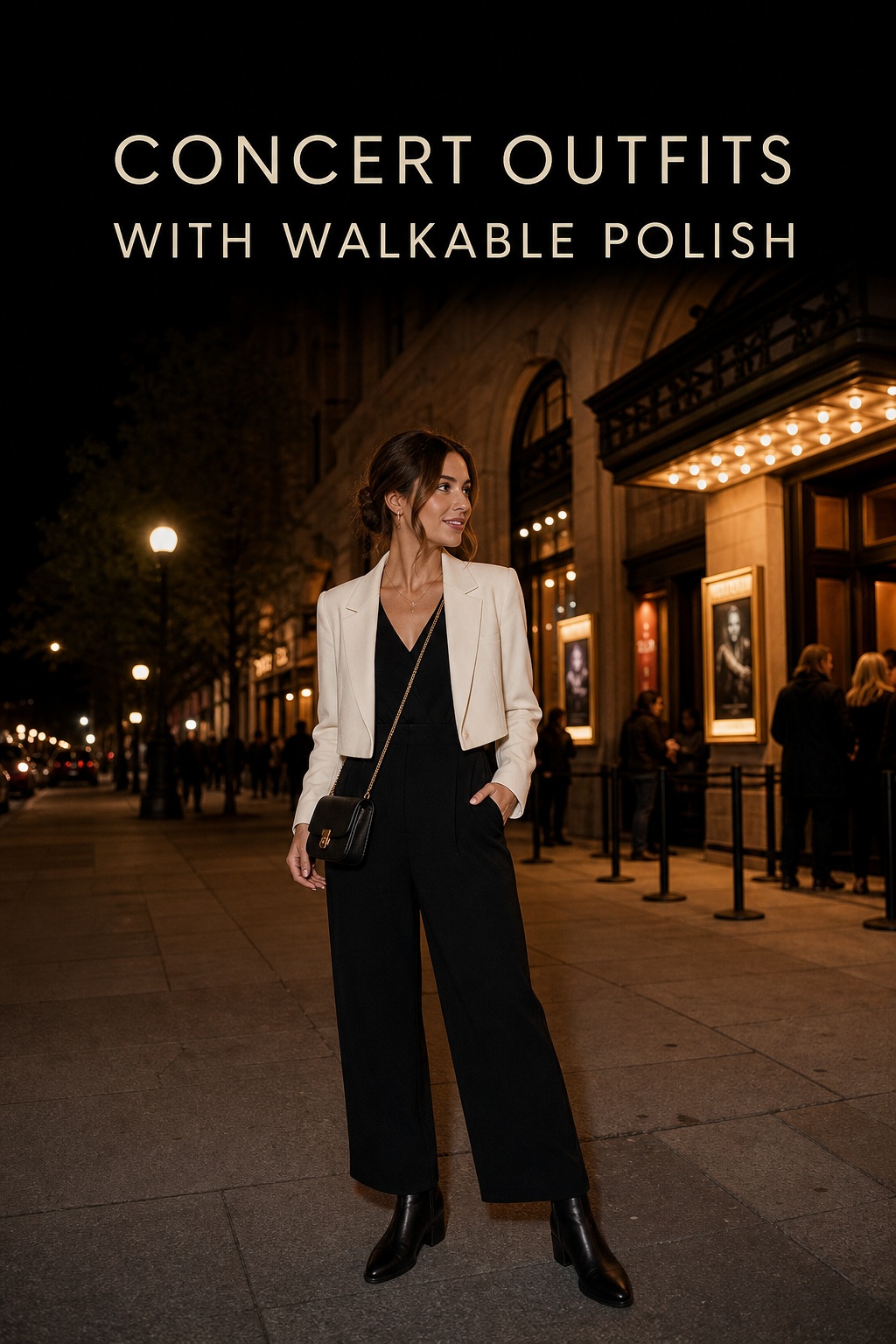
For a seated concert, you can choose something more polished, such as a slip skirt with a knit top, a tailored jumpsuit, or a simple dress with a cropped jacket. Even then, perform a sitting test before you leave. Check that the hem does not ride too high, the neckline stays secure, and the fabric does not crease or pull in an uncomfortable way.
2. Pick shoes you have already trusted
Concert shoes should be broken in, supportive, and appropriate for the ground. Clean sneakers are a reliable choice for arenas, clubs, and city venues. Ankle boots work well when you want more edge or protection, especially with denim, a dress, or a skirt. A low block heel or platform can work for a seated show or a short evening, but only if you have worn it long enough to know that it will not become a distraction.
Do not debut brand-new shoes at a concert. A shoe that feels fine for ten minutes at home may create pressure after an hour. Walk around the block, stand in them, use stairs, and test the socks or tights you plan to wear. If you are attending an outdoor show, think beyond comfort. Grass, gravel, mud, and uneven pavement all favor a stable sole and a shoe you do not mind getting dusty.
3. Build around one statement piece
A concert is a good place to be expressive, but several loud pieces can make an outfit feel difficult to wear. Choose one focal point and let the rest support it. A silver skirt can work with a plain black tank and boots. A vivid jersey can work with relaxed denim and simple sneakers. A fringe jacket can become the point of interest over a neutral dress or a simple tee and trousers.
This approach is especially useful if you want to reference the artist without recreating a stage costume. Use color, texture, or a small accessory as the signal. A red scarf, western belt, graphic tee, metallic bag, or pair of statement earrings can connect the outfit to the concert atmosphere while keeping it wearable after the show.
4. Keep your hands free
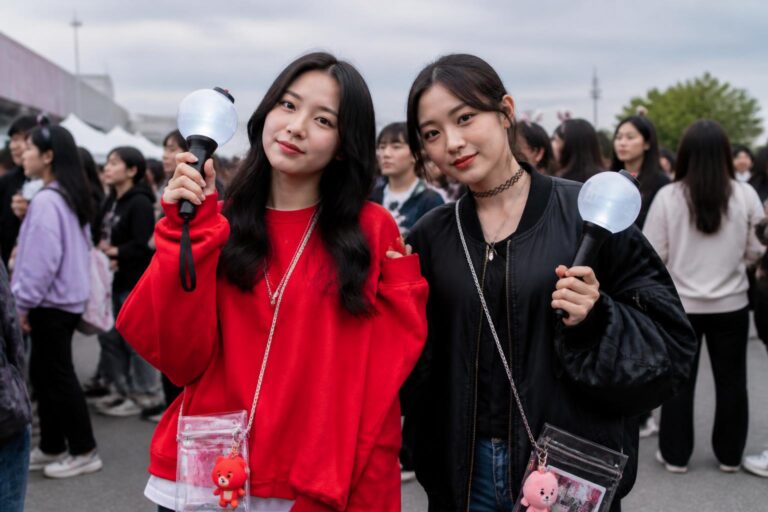
The best concert bag is small, secure, and easy to forget about. A compact crossbody, belt bag, or venue-approved clear bag usually works better than a large shoulder bag. Bring only the essentials: phone, ID, payment card, keys, and any required medication. Check the venue website before you leave because dimensions and clear-bag rules vary widely.
Match the bag to the outfit instead of treating it as an afterthought. A black crossbody makes a colorful look feel grounded. A metallic mini bag lifts a simple denim outfit. A small woven bag can suit an outdoor summer show, while a structured neutral bag feels right for a seated theater concert. Whatever you choose, make sure it closes securely and sits close to your body.
5. Plan for the temperature after sunset
Layering is one of the easiest ways to make concert outfits more useful. Choose a layer that can be worn, tied at the waist, or folded into a small bag. A denim jacket, cropped leather jacket, lightweight overshirt, cardigan, or thin windbreaker can all add warmth without overwhelming the base outfit. If you are attending a winter show, a thin thermal layer under your top is often more practical than one extremely heavy piece.
For warm indoor concerts, prioritize breathable fabrics and avoid a complicated layer you cannot remove. Cotton, linen blends, lightweight jersey, and airy woven fabrics can feel better than thick synthetics in a crowded room. For outdoor events, check the forecast for the end of the night, not only the temperature when doors open. The outfit that feels perfect at four in the afternoon may need another layer by the encore.
Concert Outfit Formulas by Situation
Once the practical decisions are made, outfit formulas make getting dressed faster. These combinations are starting points rather than rules. Swap colors, textures, and accessories to suit the artist, your closet, and your comfort level.
Arena pop show: polished base plus a reflective detail
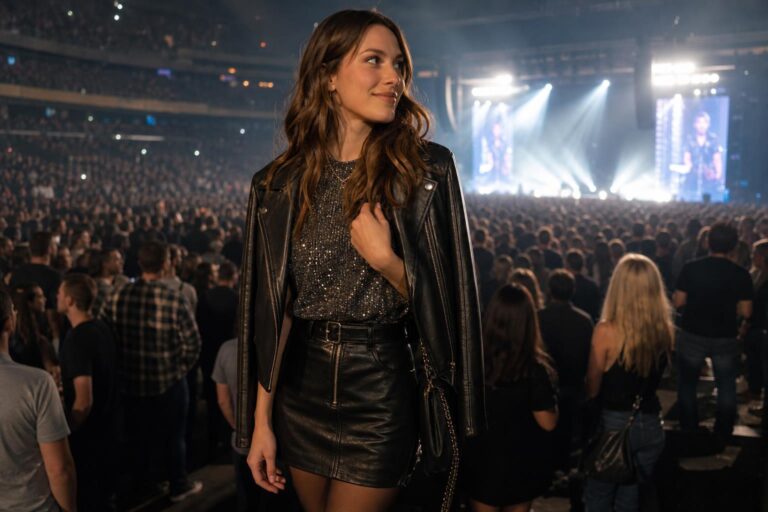
Try a fitted tank or clean graphic tee with straight-leg jeans, comfortable sneakers, and a cropped jacket. Add one reflective element, such as a silver bag, metallic earrings, glossy belt, or sparkly socks. This formula photographs well under bright venue lighting while remaining easy to move in. If the show has assigned seats, you can trade the jeans for a satin midi skirt and keep the same supportive shoes.
Standing-room club: secure layers and sturdy shoes
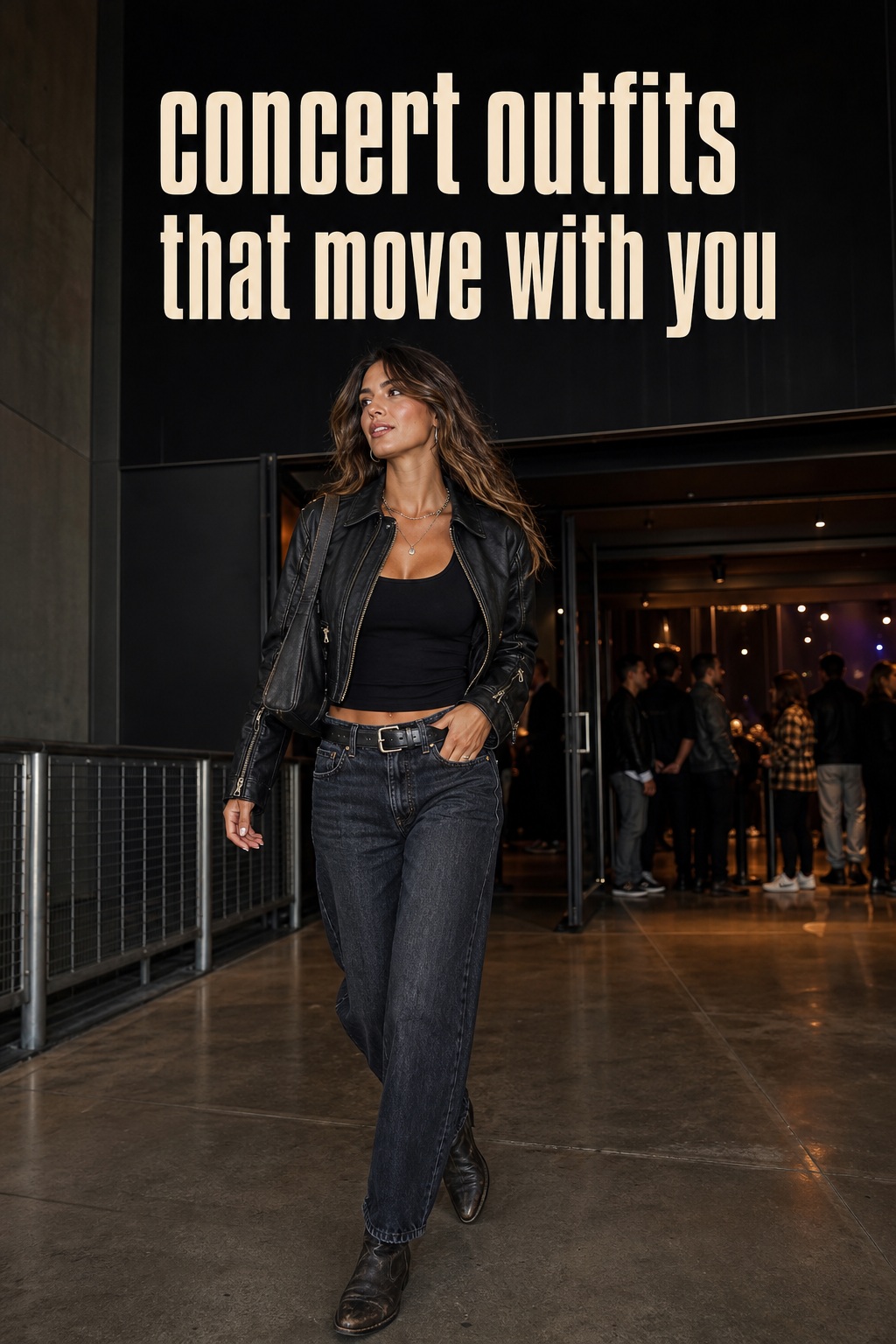
A fitted tee, breathable tank, or compact knit top with relaxed trousers or dark denim is a dependable choice. Add a lightweight leather jacket or overshirt that can be tied around your waist. Finish with broken-in ankle boots or sneakers and a small belt bag. Avoid long loose sleeves, dangling jewelry, or a bag that swings when you move. The look can still feel elevated through texture, such as washed denim, polished leather, or a satin top.
Outdoor amphitheater: breathable base and evening layer
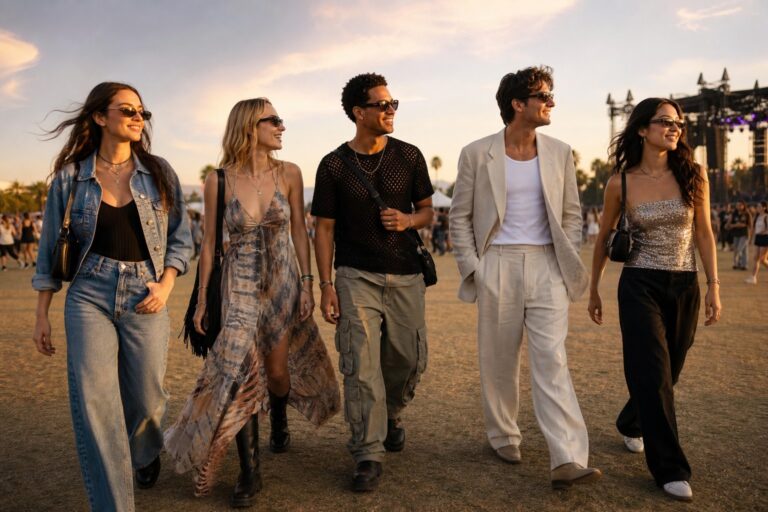
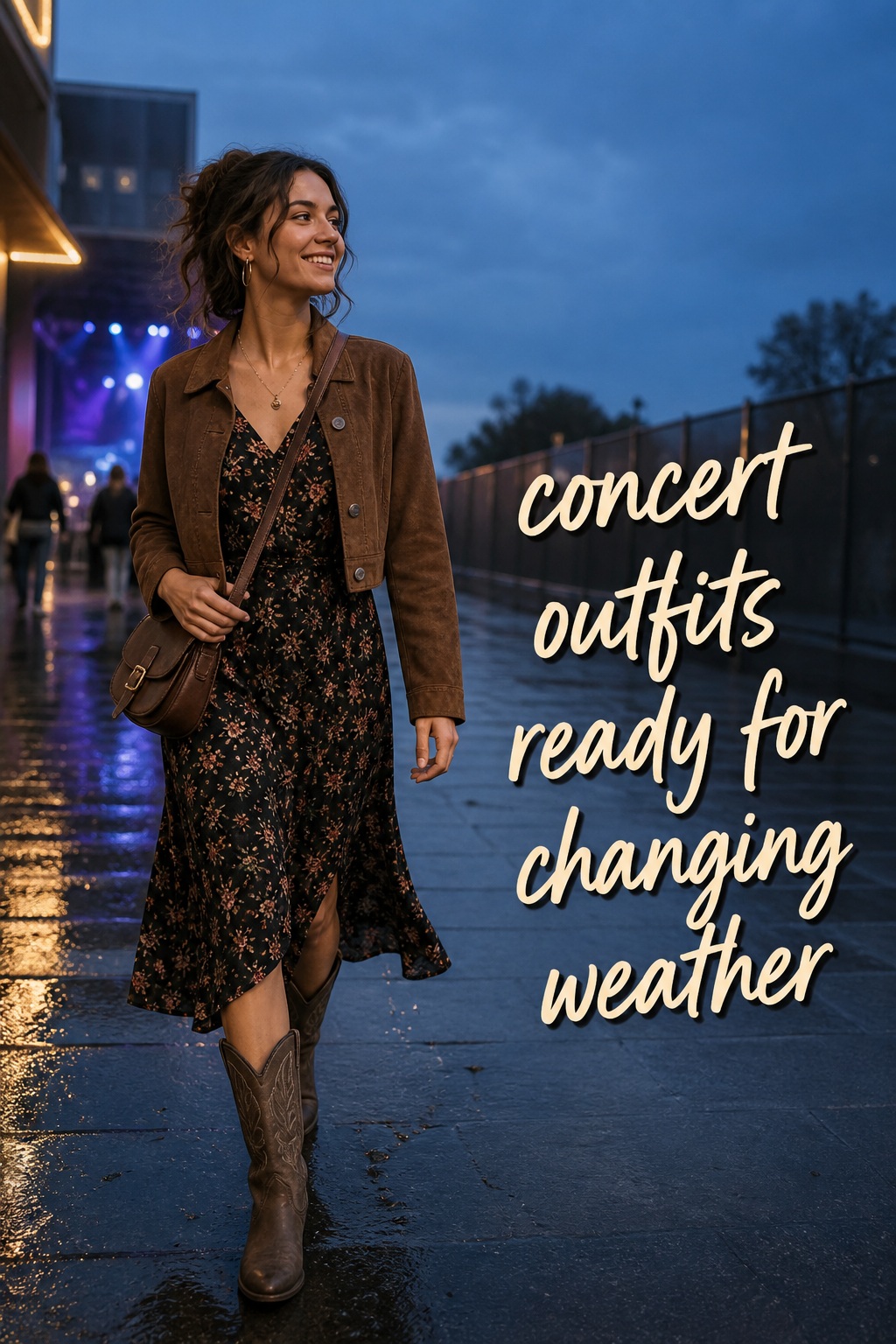
For a warm-weather show, combine a tank, relaxed button-up, and wide-leg jeans or utility trousers. Add sunglasses and a small crossbody for the arrival period, then keep a light jacket nearby for the evening. If you prefer a dress, choose a midi length with shorts or a slip underneath and pair it with flat boots or supportive sandals that stay secure. A hat can be useful, but choose a style that will not block the view behind you.
Festival or muddy ground: clothes that can handle the setting
Start with pieces you will not be upset to spot with dust or a drink splash. Denim shorts, lightweight cargo pants, a tucked-in tee, and a cropped jacket create a practical base. For wet ground, choose boots with traction and a jacket that can handle a brief shower. A crossbody worn close to the body is safer than a delicate shoulder bag. Add personality through a scarf, colorful socks, a belt, or a playful hair accessory rather than fragile pieces that can snag.
Seated dressier concert: one elegant piece with walkable shoes
A simple dress, tailored jumpsuit, or slip skirt with a fine-knit top can feel special without being formal. Add a blazer, cropped jacket, or long cardigan depending on the venue. If you want a heel, choose a low block heel or a stable platform and wear it in advance. A small structured bag and simple jewelry keep the outfit refined. The key is to avoid confusing seated with motionless. You may still walk several blocks, wait outside, and stand during the final songs.
Quick Fixes for Heat, Cold, Crowds, and Dress Codes
Some concert problems only appear once you are already on the way. A few small adjustments can make the difference between enjoying the whole set and spending the night tugging at your clothes.
If the venue will be hot
Use a breathable base, tie your hair back if you like, and avoid heavy layers that cannot be removed. A loose button-up over a tank gives you coverage for the line and can be tied around your waist later. Choose moisture-friendly fabrics and a neckline that stays comfortable when you move. If you wear a skirt or dress, test it with the exact shorts or tights you plan to use.
If the weather will turn cold
Layer close to the body first, then add a jacket that works with the outfit. Thermal tights, a thin long-sleeve top, or a fine knit can provide warmth without making the look bulky. If you will check a coat, make sure your bag and pockets hold the essentials while you are inside. For outdoor shows, prioritize warm socks and stable shoes because cold feet can ruin an otherwise comfortable outfit.
If you expect a dense crowd
Choose pieces that stay close to the body and do not have fragile details. Secure straps, covered shoes, and pockets with zippers are helpful. Skip long scarves, oversized sleeves, or jewelry that can catch on another person. A top with enough coverage to protect your shoulders can be more comfortable than a delicate camisole if you expect pushing, dancing, or accidental contact.
If the dress code feels unclear
Look at the venue, the artist’s recent tour photos, and the event page for clues, but do not treat them as strict instructions. A clean base outfit with one expressive detail is usually adaptable. For a jazz club or theater, try a dress, trousers, or a polished skirt with a jacket. For a rock or alternative show, dark denim, a band tee, and boots are easy to personalize. For a pop show, color, shine, or a playful silhouette can make the outfit feel connected to the event.
When in doubt, prioritize respect for the setting and your own boundaries. You do not need to wear something revealing, expensive, or highly trend-driven to look concert-ready. The most convincing outfit is one that lets you participate fully and still feels natural when you see the photos later.
The Final Concert Outfit Test
Before leaving, do a five-minute rehearsal. Walk quickly in your shoes, sit down, raise both arms, bend to pick something up, and take a few dance steps. Check whether your waistband shifts, your top needs adjusting, your bag stays secure, and your jacket can be carried without becoming annoying. This is more useful than simply looking in a full-length mirror.
- Walk test: Can you reach the venue and move through a long line without pain?
- Dance test: Can you raise your arms and move freely without pulling or exposing more than you want?
- Seat test: Does the outfit remain comfortable if you sit for an hour?
- Layer test: Can you remove or carry the outer layer easily?
- Bag test: Can you reach your phone and ID without opening multiple compartments?
- Style test: Is there one detail that makes the outfit feel distinctly yours?
Great concert outfits do not require a completely new wardrobe. They usually come from a familiar base, one deliberate focal point, and practical choices that respect the event. Once you know which shoes, bags, and layers work for you, you can reuse those building blocks for different artists and venues. Change the color, texture, or statement piece, then let the music provide the drama.
FAQ
What should I wear to a concert?
Wear a comfortable base that matches the venue and crowd, such as jeans or relaxed trousers with a fitted tee, a dress with a light jacket, or a skirt with a secure top. Finish with broken-in shoes and a small hands-free bag. Add one personal statement detail so the outfit feels intentional.
What shoes are best for a standing concert?
Broken-in sneakers, supportive flat boots, and stable ankle boots are usually the best choices for a standing concert. Choose a sole that suits the ground and wear the shoes before the event. Avoid testing brand-new shoes or unstable heels for a night that involves several hours of standing and walking.
What should I wear to an outdoor concert?
Choose breathable clothing, a removable layer, and shoes that can handle grass, gravel, or dust. Jeans, lightweight trousers, shorts, a midi dress, or a matching set can all work. Check the forecast for the end of the night and bring a secure crossbody or venue-approved clear bag.
Can I wear a dress to a concert?
Yes. Choose a dress that lets you walk, sit, and dance without constant adjusting. A midi dress with boots works well for outdoor shows, while a simple knit or slip dress can suit a seated indoor concert. Add shorts or a slip underneath when that gives you more confidence and movement.
What bag should I bring to a concert?
Bring the smallest secure bag that meets the venue rules. A compact crossbody, belt bag, or approved clear bag keeps your hands free and your essentials close. Carry your phone, ID, payment card, keys, and medication if needed. Always check the official bag policy before you leave.
How can I look stylish without being uncomfortable?
Start with comfortable pieces and make one of them visually interesting. Try a bold jacket over a simple base, a metallic accessory with denim, a printed skirt with a plain top, or a concert tee with polished shoes. When the silhouette is easy to move in, use color, texture, jewelry, or a bag to create the style impact.
What should I wear to a concert in cold weather?
Use thin warm layers rather than one bulky piece. A thermal top, knit layer, jacket, warm socks, and stable boots can keep you comfortable while remaining easy to remove or carry. For outdoor concerts, plan for the temperature after sunset and protect your feet first because cold ground can make a long show feel much colder.