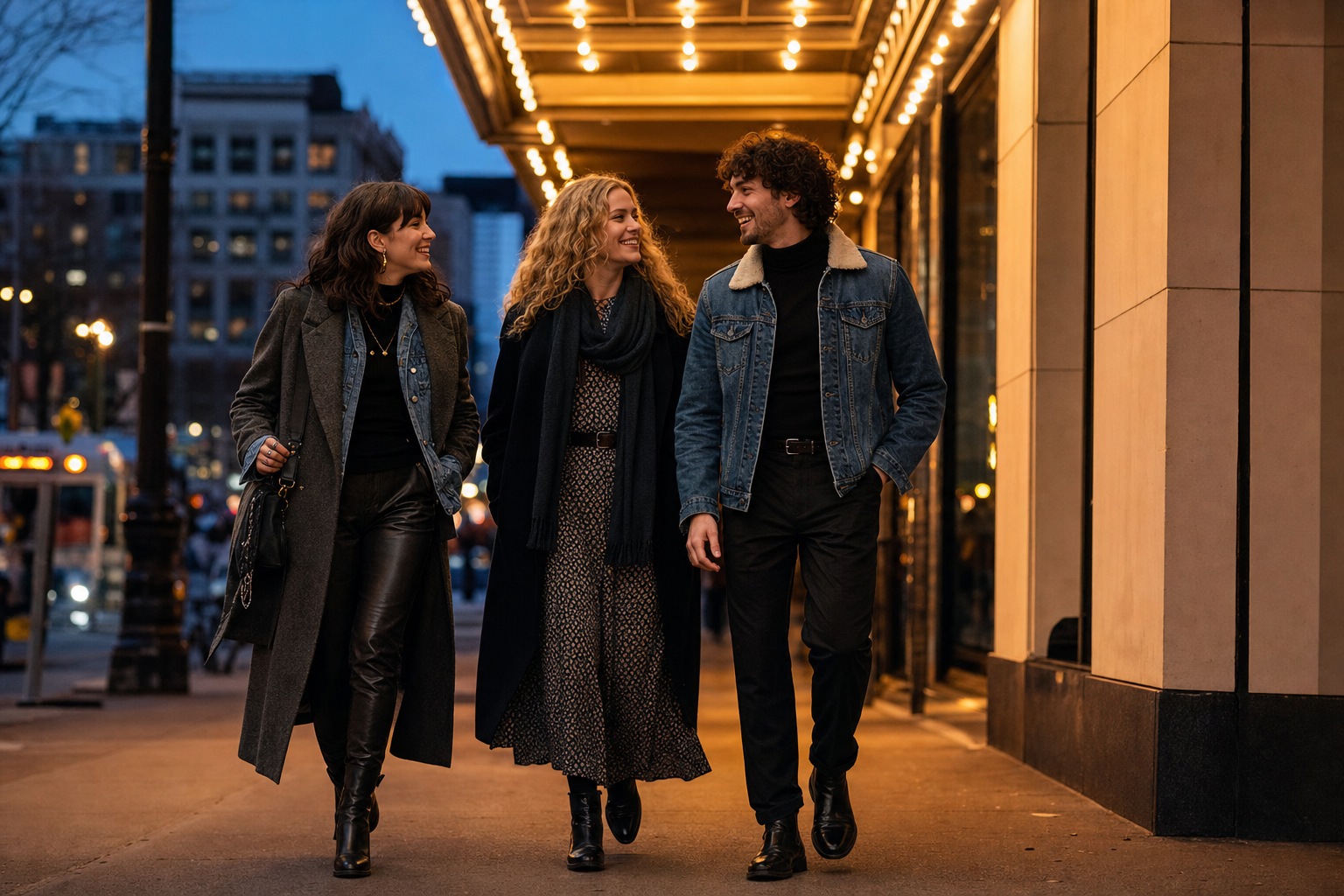
Winter Concert Outfit Ideas That Actually Work
The best winter concert outfit begins with a small contradiction: you want to feel warm enough on the walk in, but not trapped in a coat once the room fills with people and the music starts. That is why a good concert look is less about buying a special outfit and more about building a flexible one. Think of your outer layer as the journey, and the pieces underneath as the part of the story everyone will actually see.
Picture the scene: streetlights on wet pavement, a line moving slowly toward the doors, friends checking tickets with cold hands, and a room that will be hot within fifteen minutes. Your winter concert outfit has to move through all of it. It should let you dance, stand, use the restroom without a wardrobe puzzle, and go from a chilly rideshare to a crowded floor without losing its point of view.
Start With the Temperature Story, Not the Trend
Before choosing a top or a pair of boots, map the temperature changes in your night. An arena with a coat check asks for a different plan than an outdoor set, a long line outside, or a small club where you will be shoulder to shoulder. The most useful question is not “What is cute?” It is “What can I comfortably keep on after the coat comes off?” Once you answer that, the rest of the look becomes much easier.
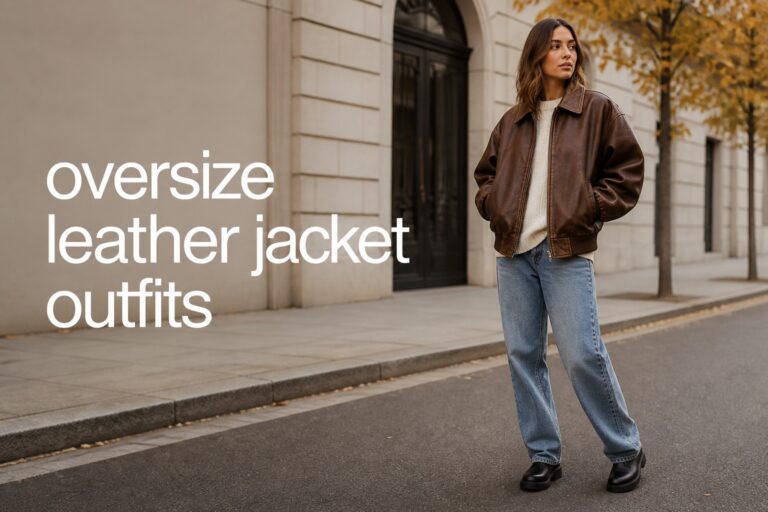
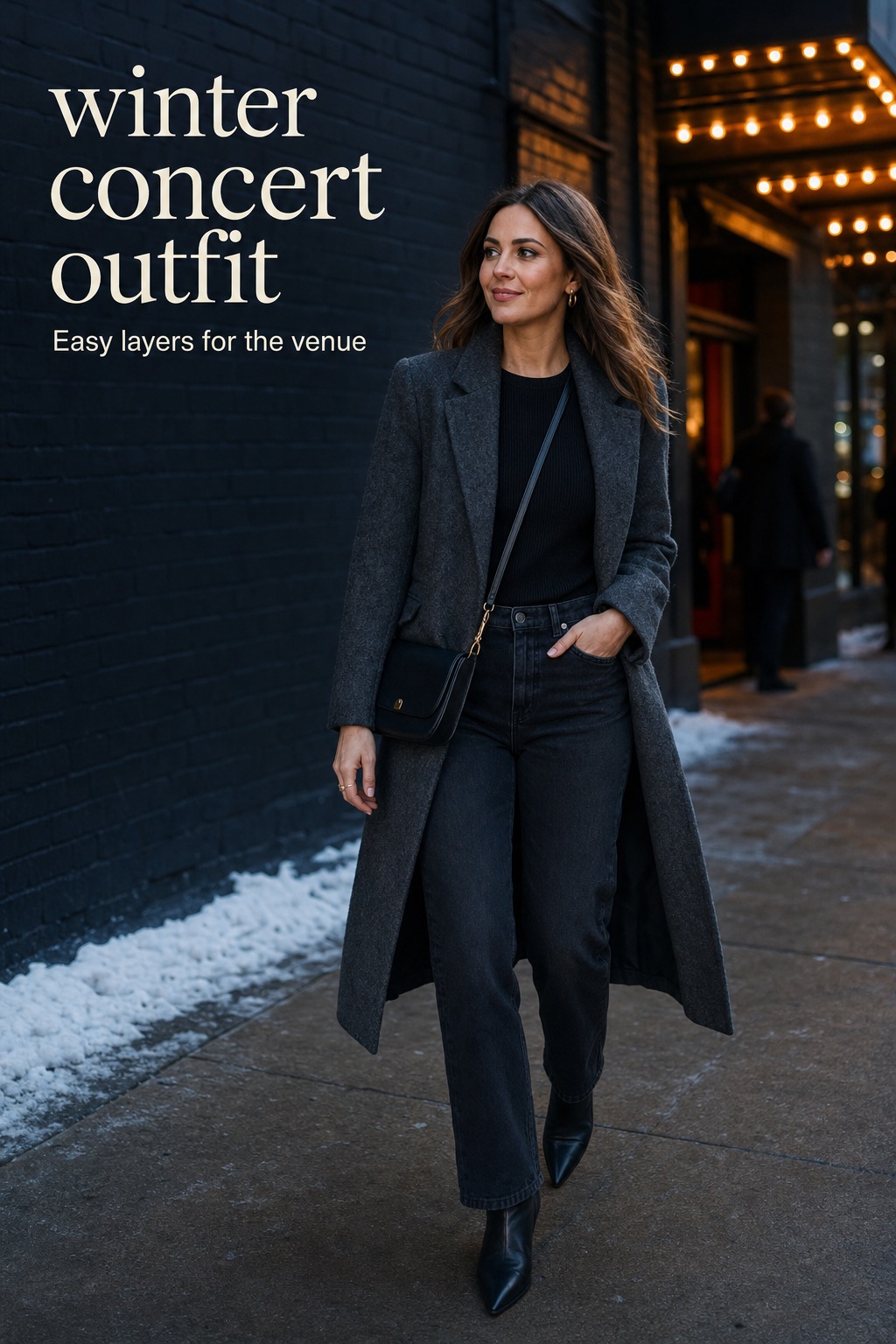
For an indoor show, make the visible outfit a complete look on its own: a fitted knit with straight jeans, a sheer layer over a simple tank, or a soft dress with opaque tights. Add warmth with a coat that can be checked, carried, or left in the car. A wool coat, faux-fur jacket, leather jacket, or roomy puffer can all work, but each should be chosen for the commute rather than forced to do the work of the outfit underneath.
Found the dress? Keep the rest in one place.
Zarellea brings guest details, vendors, timelines, and every next step together — so your wedding plan feels as good as your look.
For an outdoor concert, reverse the order. Begin with a base that retains warmth without looking like camping gear: a thin merino long-sleeve, heat-tech tee, bodysuit, or close-fitting turtleneck. Then add a shirt, knit, jacket, and weather-appropriate coat depending on the forecast. The closer a layer sits to your skin, the less bulky it should be. This keeps your silhouette intentional and gives you an option to peel back one layer if the crowd or your dancing raises the temperature.
Fabric matters more than a dramatic neckline in winter. Denim, leather, wool blends, ribbed knits, velvet, and substantial cotton tend to look good under low venue lighting and hold their shape through a long evening. If you are wearing a skirt or dress, fleece-lined tights or a thin thermal layer can make the difference between enjoying the encore and counting minutes until it ends. No one needs to see the practical layer for it to do its job.
Keep one rule in mind: never make your cold-weather plan depend on being warm only while standing still. You may walk several blocks, wait in a line, sit near a draft, or lose access to your coat after entering. Build in a little margin. The best looks feel relaxed because the wearer is not silently freezing.
The Winter Concert Outfit Has a Point of View
A concert is one of the few nights when your everyday wardrobe can lean a touch louder. That does not mean dressing like somebody else. Choose one expressive note—metallic texture, vintage denim, a bold boot, a slip skirt, a band tee, a glossy lip—and let the rest of the outfit make it wearable. The most memorable looks usually have one clear idea instead of five competing ones.
For an indie or alternative show, try soft structure and lived-in texture. Start with faded black or blue straight-leg jeans, a fitted long-sleeve or graphic tee, and a worn-in leather or suede jacket. Add ankle boots with a low, stable heel. A thin striped knit under the tee, a small silver chain, or a deep red bag gives the formula personality without making it feel costume-like. This is especially good when you want to look considered but not overdressed for a smaller venue.
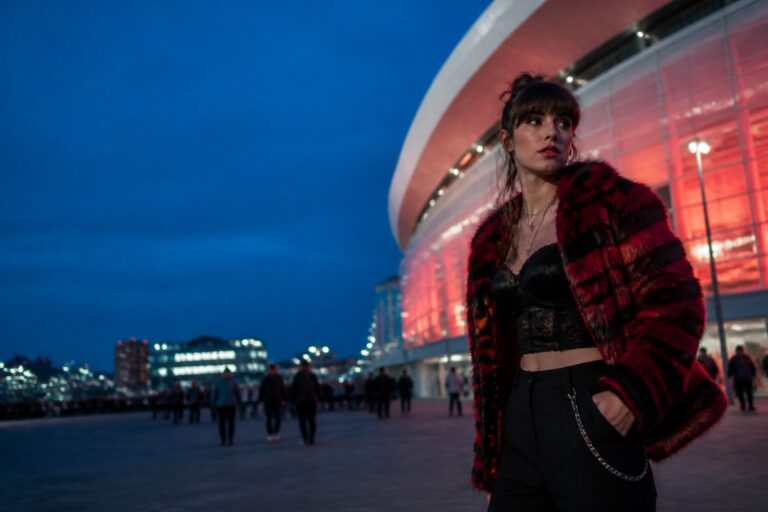
For pop, R&B, or a big arena night, let the contrast do the styling. A simple black base—wide-leg trousers and a fitted tank, dark jeans and a bodysuit, or a knit mini dress—can carry a special jacket, metallic shoe, crystal earring, or sequined bag. The trick is to keep the sparkle close to the lightest, most movable part of your outfit. A small reflective element is easier to wear than a heavy, scratchy piece you will regret after the first hour.
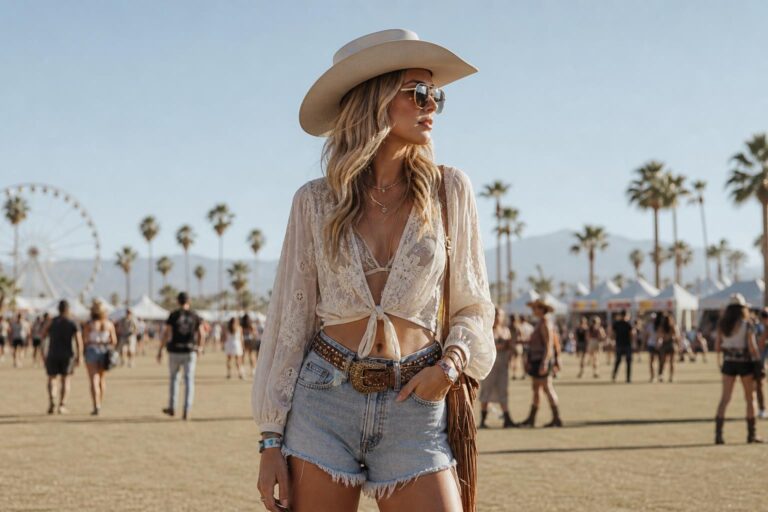
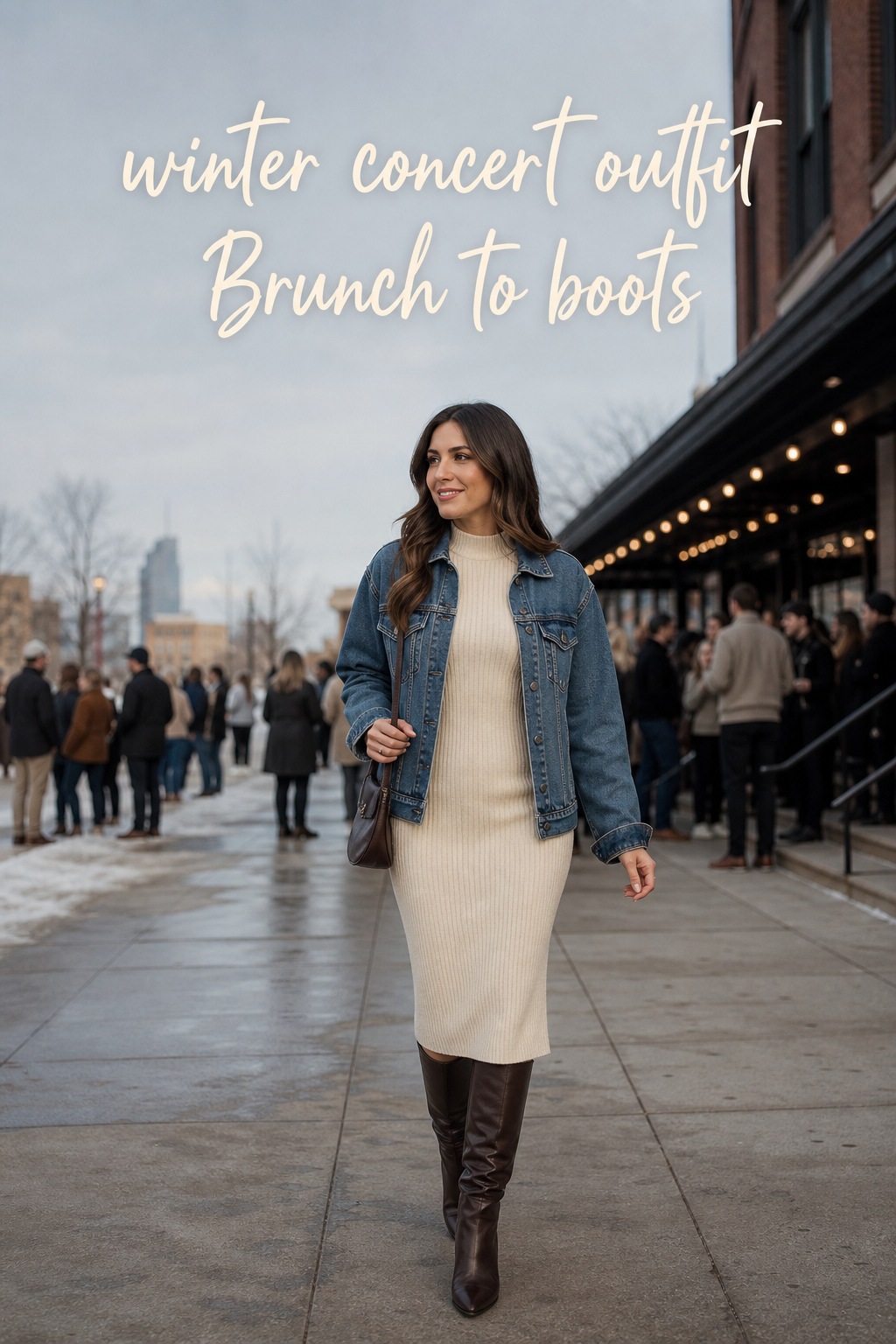
For country, folk, or Americana, take the familiar boot-and-denim language and make it more specific. Try dark straight jeans with a cream turtleneck and a patterned wool coat, or a knit midi dress with a denim jacket and tall boots. Western boots work beautifully when the rest of the outfit stays streamlined; they do not need a matching hat or fringe to signal the mood. A belt with an interesting buckle, a suede crossbody, or a plaid scarf can be enough.
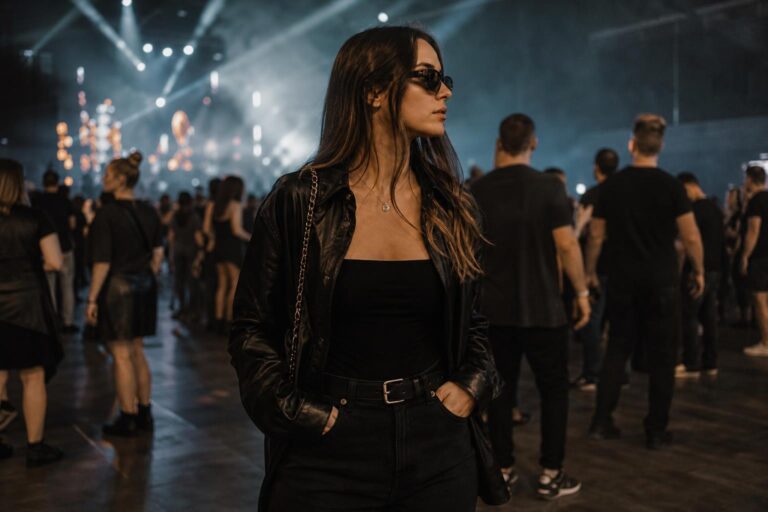
For a rock or metal show, all-black is reliable because it is visually strong and forgiving in a crowd. Vary the textures so it does not go flat: a ribbed knit, coated denim, leather jacket, and matte boot create depth. If you prefer color, use one saturated accent—a wine-red top, cobalt bag, or silver metallic boot—against the darker base. A concert look should still feel like your own wardrobe; borrowing the atmosphere is more convincing than copying a uniform.
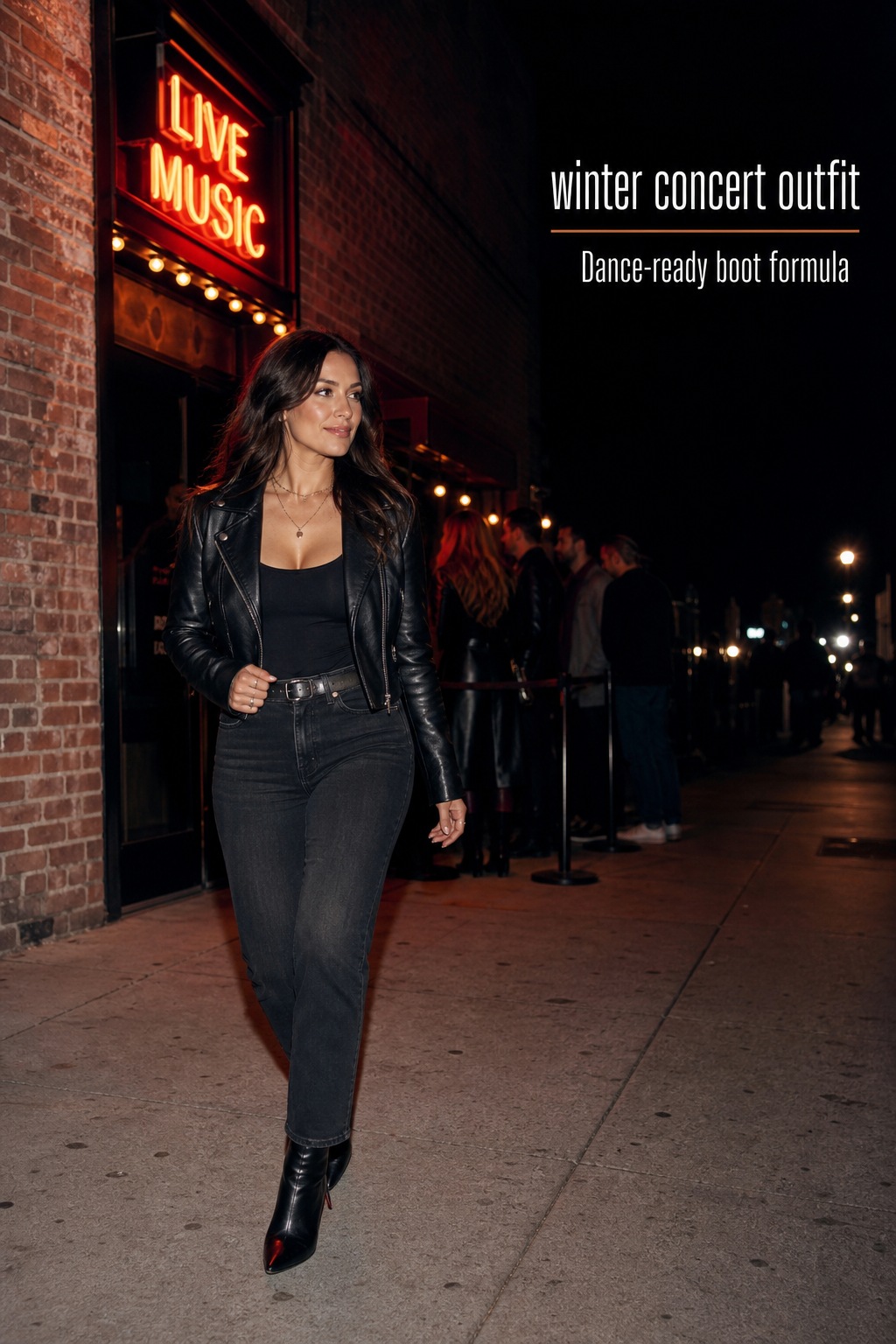
Five Outfit Stories for a Long Winter Night
The polished denim story: Build from dark straight-leg jeans, a fine-gauge black turtleneck, and pointed ankle boots. Add a camel or charcoal wool coat for the commute and medium-size gold hoops for warmth near the face. Inside, the jeans-and-knit combination feels clean, not casual; outside, the coat makes the whole look feel purposeful. This is an excellent first-concert formula because nothing needs constant adjusting.
The soft dress story: Choose a knit midi, long-sleeve mini, or slip dress layered over a fitted thermal. Add opaque tights and knee-high boots with a walkable sole. A cropped jacket gives the look shape, while a longer coat protects you outside. Keep the bag compact and hands-free. This combination is more comfortable than it appears because the pieces move with you, but test the tights and boots together before the event so you know they will not slide or pinch.
The elevated cargo story: Pair tailored cargo pants or relaxed trousers with a fitted mock-neck top, a cropped bomber, and sleek sneakers or lug-sole boots. The looser bottom half gives you room to sit, dance, and layer a thin base underneath. Make it evening-ready with one intentional accessory: a silver belt, sculptural earrings, a glossy bag, or a smoky eye. This is a smart answer for general admission, where comfort matters but you still want an outfit that reads as a choice.
The vintage-layer story: Start with a graphic tee or soft blouse, add a cardigan or plaid overshirt, then finish with relaxed jeans and boots. A leather jacket or oversized wool coat can sit on top without erasing the layers beneath. The charm is in the mix: one faded piece, one tactile knit, one sharper accessory. This works for smaller venues because it looks personal up close and never feels too precious if you are standing near the stage.
The dark-glam story: Wear coated jeans or a satin midi skirt with a simple fitted top and a leather jacket. Choose boots rather than delicate heels, then use your jewelry or makeup for the high-shine moment. A black base means a coat, scarf, and bag can be mixed in easily, and the texture contrast keeps the outfit from disappearing in dim light. This is the formula to reach for when the show feels like a night out but the forecast says otherwise.
Notice that every story has a stable base, a flexible outer layer, and one emotional detail. That is the pattern worth copying. You do not need a new wardrobe for each genre; you need a few pieces that can change character. A black boot can feel indie with denim, glam with satin, and country-adjacent with a patterned coat. A ribbed knit can be sleek with trousers or relaxed with vintage jeans. Repeating a strong base is not boring—it is how your style becomes recognizable.
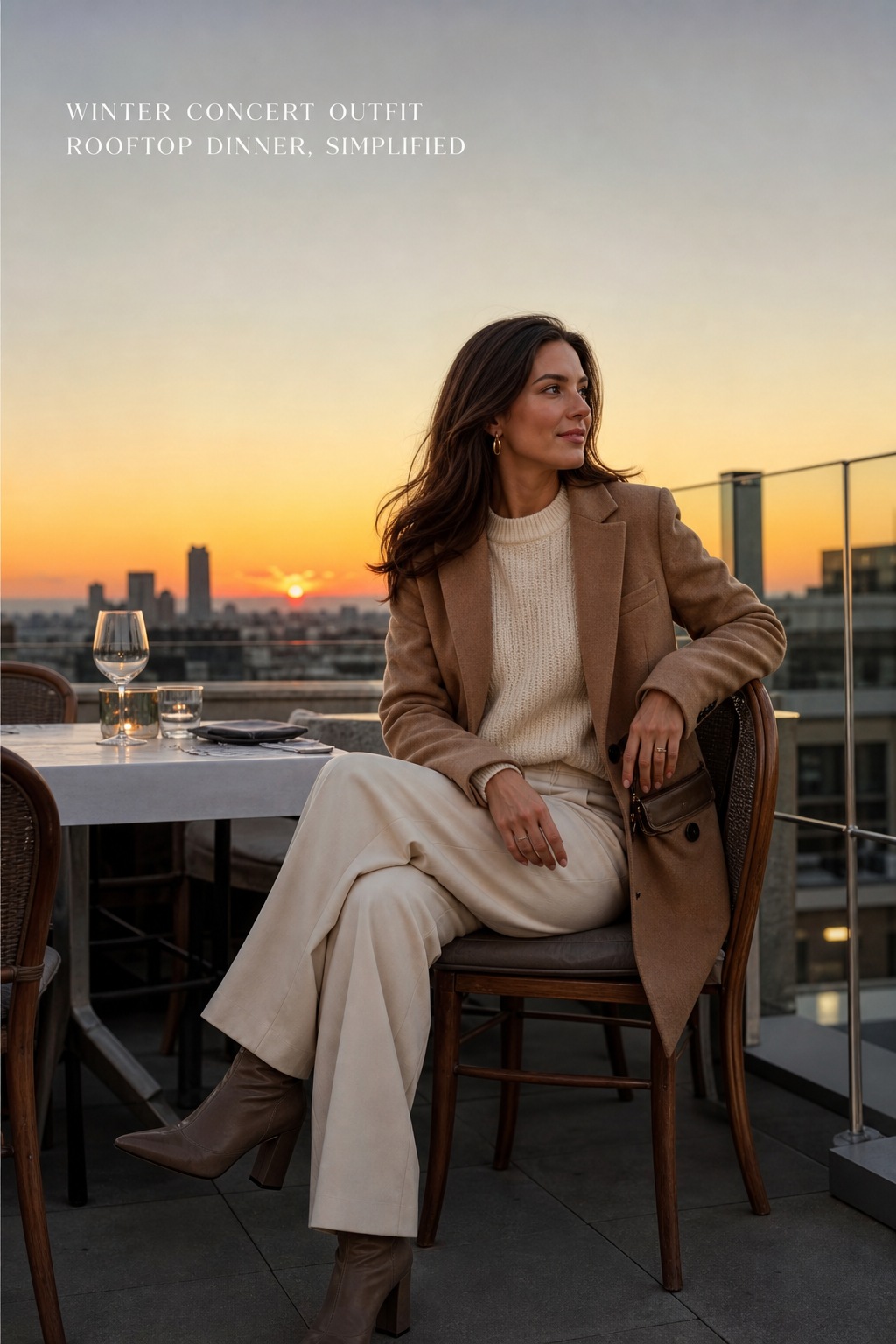
Make the Look Work in the Real World
Shoes deserve more thought than almost any other part of a winter concert outfit. If you will stand for hours, choose a boot or sneaker you have already broken in. A low block heel, platform sole, or supportive trainer is usually more useful than a thin heel, especially on wet sidewalks or a packed floor. If you want height, a platform boot gives visual impact without putting all the pressure on the ball of your foot. Bring blister patches in a small bag; it is a quiet detail that can save the night.
Your bag should be hands-free, secure, and within venue rules. A compact crossbody, belt bag worn across the chest, or approved clear bag makes it easier to hold a drink, show a ticket, and keep your coat from becoming a juggling act. Check the venue policy before you leave. A beautiful oversized tote is rarely worth the hassle if it will be turned away at the door.
Accessories are where function can look intentional. A scarf can be part of the commute layer and tucked away later. Small hoops or studs are safer than heavy earrings in a crowd. A hat is practical outdoors, but choose one you will be happy to carry if the room is warm. Keep valuables minimal, make pockets zip or close, and avoid anything that needs frequent repositioning. You should be able to raise your arms for a favorite song without wondering whether your top, skirt, or bag is still in place.
Do a five-minute rehearsal at home. Put on the exact boots, jacket, and bag. Sit down, reach up, bend to pick something up, and walk around for a few minutes. Can you use the restroom easily? Does the jacket fit over the sleeves? Will your phone fit safely? Is the hem comfortable when you move? This tiny test catches the issues that a mirror never does.
Finally, dress for the version of the night you want to have, not the image you imagine from a single photo. The concert will be loud, crowded, and alive. Your clothes should support that experience. When the practical pieces are handled, you are free to choose the jacket, boot, texture, or color that gives the look a little electricity—and then forget about the outfit until the song you came for begins.
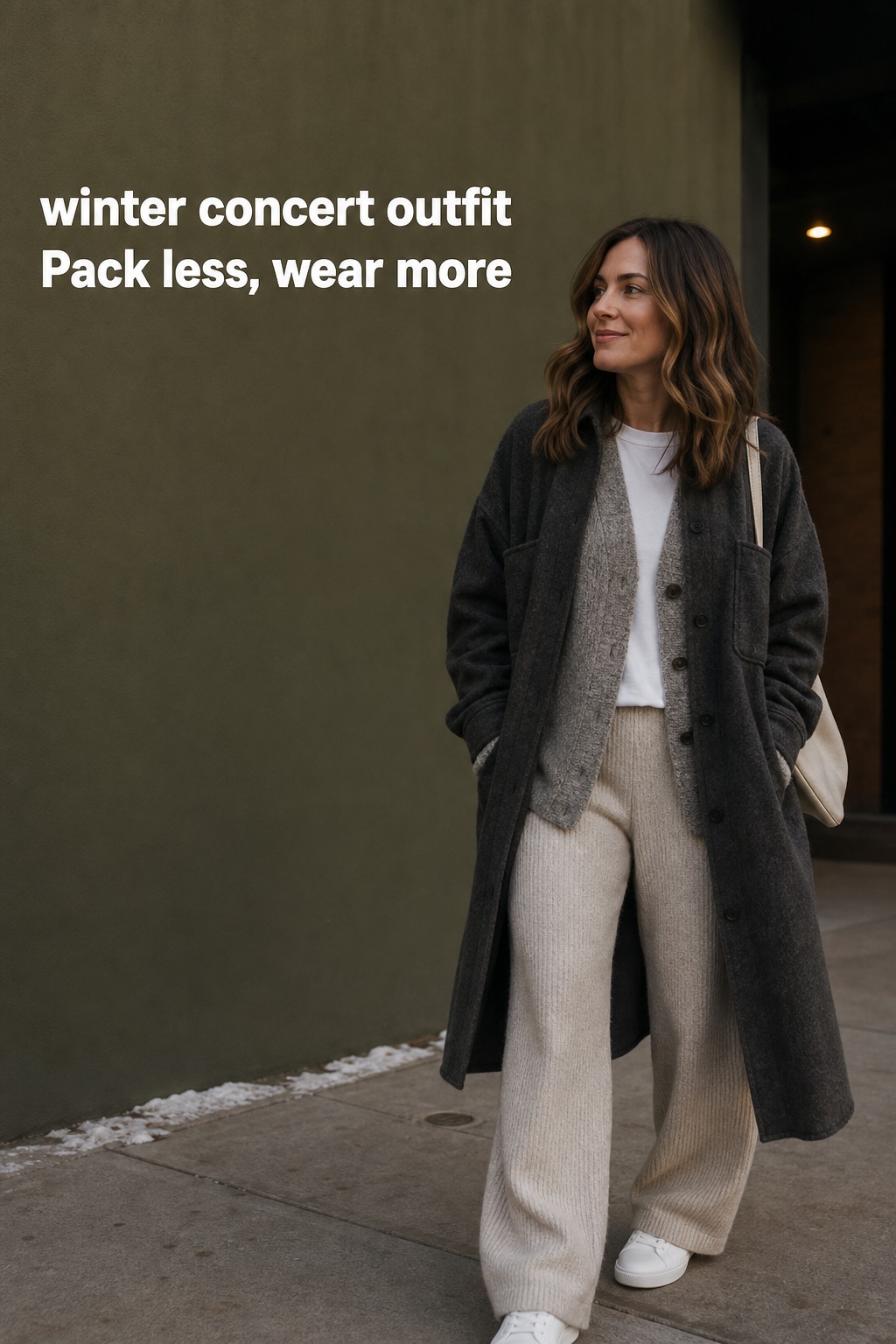
FAQ
What should I wear to an indoor concert in winter?
Wear a complete outfit that will be comfortable in a warm room, then add a removable coat for the commute. Jeans or trousers with a knit, a dress with tights, and boots are reliable starting points.
Can I wear a coat to a concert?
Yes. Check whether the venue has a coat check, and choose one you can carry or tie around your waist if necessary. Avoid relying on a bulky coat as the only interesting part of your look.
Are boots good for a winter concert outfit?
Boots are one of the best options because they add warmth and protect your feet on winter streets. Pick a broken-in pair with grip and a heel height you can stand in for hours.
How do I stay warm at an outdoor winter concert?
Use a thin thermal base layer, insulating knit, weather-appropriate coat, warm socks, and boots. Keep extremities in mind: gloves and a hat may matter more than adding another bulky top.
Can I wear a dress to a concert in winter?
Absolutely. Add opaque or fleece-lined tights, boots, and a warm outer layer. A knit or long-sleeve dress is especially easy because it looks finished without many extra pieces.
What bag is best for a concert?
A small secure crossbody, belt bag, or venue-approved clear bag is usually best. Confirm the venue’s size and bag rules before leaving home.
Should I wear sneakers or boots to a winter concert?
Both can work. Choose sneakers for a dry indoor venue when you already know they support your feet for long periods. Choose boots when the walk, line, or forecast is cold and wet. The deciding factor is not which option looks more “concert-ready,” but whether the pair is broken in, has enough grip, and still feels comfortable after several hours. A sleek leather sneaker, lug-sole ankle boot, or low block-heel boot can all look intentional with jeans, trousers, a skirt, or a dress. Avoid saving new shoes for the event; a concert is a poor place to discover rubbing, poor traction, or a heel that changes your posture.
How can I layer without looking bulky?
Keep the closest layer smooth and fitted, then add volume only once. A thin thermal under a bodysuit or fine knit gives warmth without changing the silhouette. Over it, choose either a relaxed shirt, cardigan, or jacket—not all three at full volume. Let the coat be the largest layer, then remove it when you arrive. Proportion also helps: a cropped jacket pairs well with high-rise wide-leg trousers, while a longer coat balances a short dress or straight jeans. If you can comfortably bend your arms and close the coat without the sleeves pulling, the layers are working together rather than competing.
What should I avoid wearing to a standing-room concert?
Avoid anything that requires constant attention: a strapless top you keep pulling up, a bag that slips from your shoulder, a very long hem that can be stepped on, or a coat that has no plan once you are indoors. Delicate heels, shoes with no grip, and brand-new boots are also risky if you will stand near the stage. This does not mean the look has to be plain. Instead, choose pieces that feel secure while still having personality, such as a fitted top with interesting texture, a metallic accessory, a sharp jacket, or a bold boot. The goal is to move freely and stay focused on the show.
How do I make a basic winter concert outfit feel special?
Start with a dependable base—dark jeans and a knit, black trousers and a fitted top, or a simple dress—and add one element with mood. That could be a leather jacket, a velvet bag, silver jewelry, a vivid lip color, patterned tights, or a boot with an interesting shape. Repeating one color in two places, such as burgundy boots with a burgundy bag, also makes simple pieces look deliberate. Keep the rest calm so the special detail has room to register. A basic outfit becomes memorable when it feels edited and personal, not when every item asks for attention.