City-Ready Gyaru Style: Glam Energy, Real-Life Wearability
Gyaru style, but make it wearable: solving the “too much vs. not enough” problem
Gyaru style has a reputation for being loud, high-maintenance, and hard to translate into everyday life. The real challenge isn’t whether you “can” wear it—it’s how to wear it in a way that survives your actual schedule: commuting, classes, work shifts, errands, and weather that doesn’t cooperate. Most people get stuck in the same loop: go full glam and feel out of place, or water it down so much it stops reading as gyaru at all.
This guide is built to solve that tension with practical outfit logic. Instead of treating gyaru fashion like a costume, you’ll use it as an adjustable styling system—one that can scale up or down depending on comfort, climate, and how much time you realistically have. You’ll also see how to use different gyaru styles as “modules,” so you can keep the identity of the look while controlling the volume.
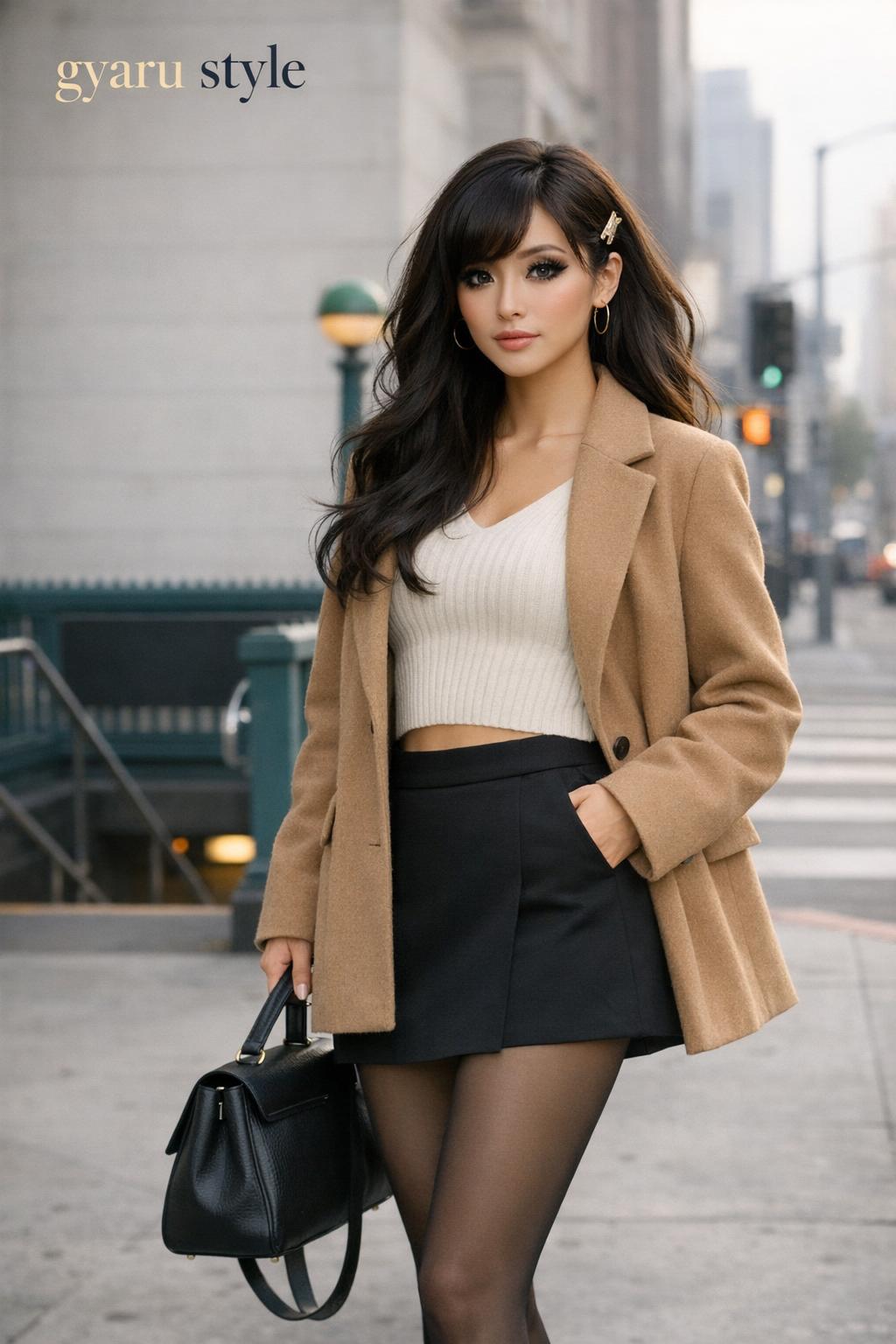
Consider this a problem-solving fashion guide for gyaru fashion, including gyaru fashion 2000s references, mode gyaru fashion direction, and gyaru 2000s fashion-inspired silhouettes—without forcing you into an all-or-nothing aesthetic.
Understanding the styling challenge: why gyaru outfits feel difficult in real life
The friction comes from competing priorities. Gyaru style traditionally leans on strong visual signals—defined hair and makeup, deliberate tanning looks, dramatic eye emphasis, short hemlines, or high-impact accessories—while real life demands movement, comfort, and adaptability. If your day involves walking, temperature swings, or long hours, a purely “statement-first” approach can collapse fast.
Found the dress? Keep the rest in one place.
Zarellea brings guest details, vendors, timelines, and every next step together — so your wedding plan feels as good as your look.
There’s also a proportion issue. Many gyaru outfits rely on a clear silhouette strategy: either legs-forward (short skirt + tall boot), waist-emphasis (belted mini + fitted top), or a glam top-heavy composition (big hair + dramatic eye + bold outerwear). When those elements aren’t balanced, the look can feel visually chaotic rather than intentional—especially in daylight or casual environments.
Finally, “different gyaru styles” can pull in different directions. The more you mix without a plan, the more you risk losing coherence. The solution is not to reduce the style—it’s to set a framework: pick a base silhouette, choose one primary statement zone, then keep everything else supportive.
Key dressing principles that keep gyaru style intentional (not costume-like)
Principle 1: choose one visual anchor and let it lead
Gyaru looks read strongest when one element is clearly in charge: hair volume, eye-focused makeup, a mini skirt, or a bold outerwear piece. When multiple anchors compete, the outfit starts to look like separate ideas stacked together. Pick one anchor and build a hierarchy—everything else becomes framing.
Principle 2: control silhouette with “structure + softness” pairing
A wearable gyaru outfit often relies on contrast: a structured piece to create polish (jacket, fitted top, sharper bag shape) paired with a softer piece to keep comfort (knit, jersey, relaxed layering). This structure-softness strategy prevents the look from feeling either too rigid or too messy.
Principle 3: treat accessories as calibration, not decoration
Accessories in gyaru fashion aren’t just “extras.” They’re your calibration tools: you can dial the look up with larger earrings, a belt, or a bold bag; or dial it down by keeping jewelry minimal while holding onto one signature item. This is how you keep the gyaru identity without overcommitting.
Principle 4: build around movement and time
If you can’t sit, walk, or carry what you need, you won’t wear the outfit again. Start with the day’s constraints—commute length, indoor/outdoor transitions, how many hours you’ll be in the look—then select the gyaru elements that survive those constraints. Wearability is what makes a style sustainable.
Building blocks: a practical gyaru capsule that adapts to real schedules
To make gyaru style functional, treat it like a capsule with “swap points.” You want a reliable base that you can repeat, then rotate statement pieces to change the mood. This approach also lets you reference gyaru fashion 2000s and gyaru 2000s fashion without recreating every detail at maximum intensity.
- A fitted top or cardigan that defines the waist/upper silhouette
- A comfortable mini or a short skirt alternative that still reads gyaru
- One high-impact outer layer (jacket or coat) that sets the tone
- Walkable footwear that still elongates the leg line
- A bag with enough structure to look intentional and hold essentials
- One signature accessory category you repeat (earrings, belt, hair detail)
The main idea: keep your base consistent and comfortable, then use “gyaru signals” strategically. When you do this well, even a simpler outfit still reads as gyaru fashion rather than generic streetwear.
Outfit solutions: realistic looks that keep the gyaru identity
The following outfit solutions are designed around common constraints—heat, cold, walking-heavy days, and the need to look put together without spending hours on styling. Each one uses the same logic: one visual anchor, controlled proportions, and adjustable intensity through accessories and finishing.
Outfit solution: breathable daytime gyaru (warm weather, lots of walking)
Use a fitted top as the anchor and keep the rest streamlined. A short skirt keeps the gyaru silhouette language intact, but the key is how you manage comfort: choose a combination that allows stride length and doesn’t require constant adjusting. Keep accessories intentional but not heavy so the look remains wearable in heat.
Why it works: the fitted top creates structure, the short hemline delivers the signature leg-forward proportion, and the overall composition stays breathable. This is how you retain gyaru style energy without making summer feel impossible.
Outfit solution: mode gyaru fashion polish (city errands to dinner)
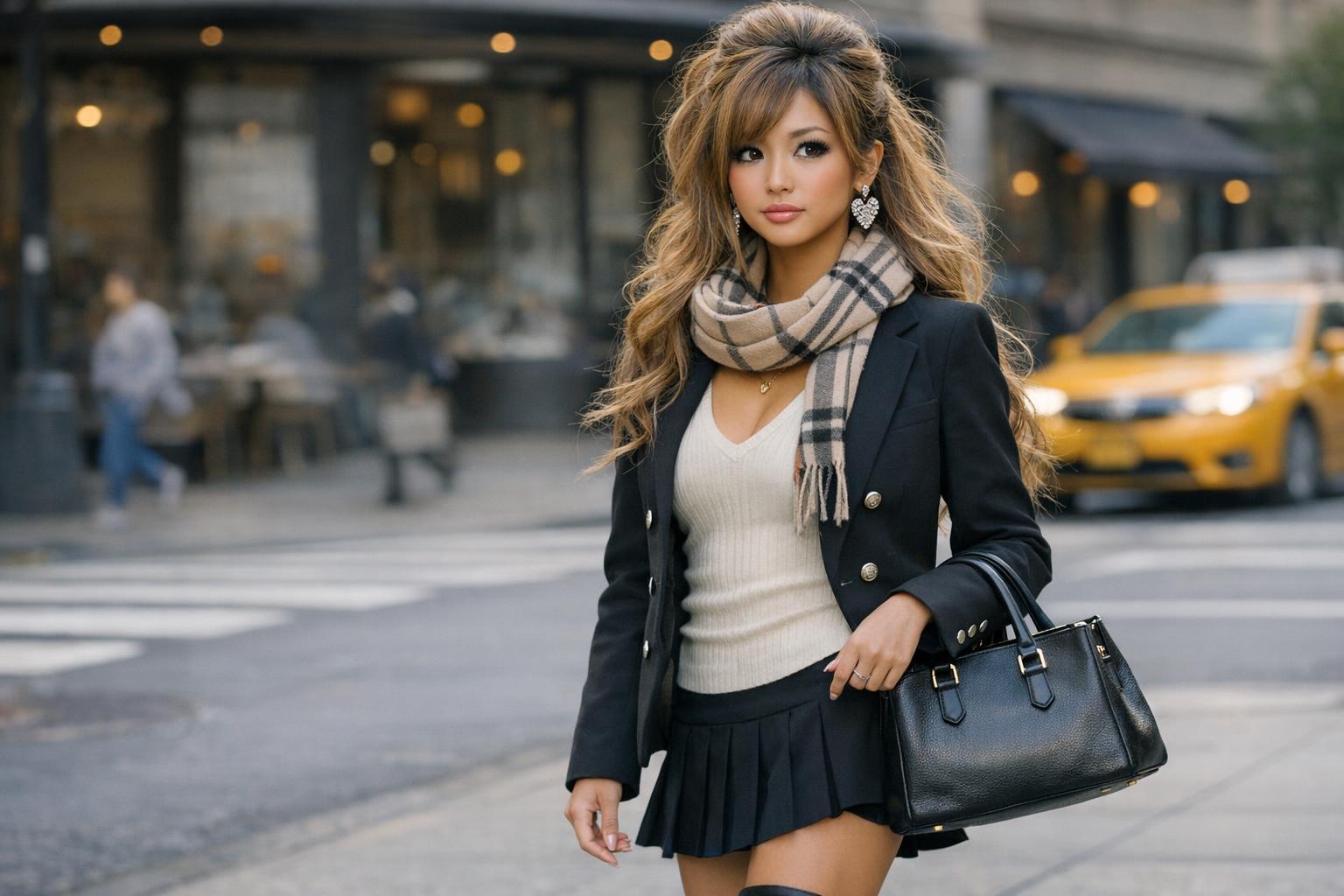
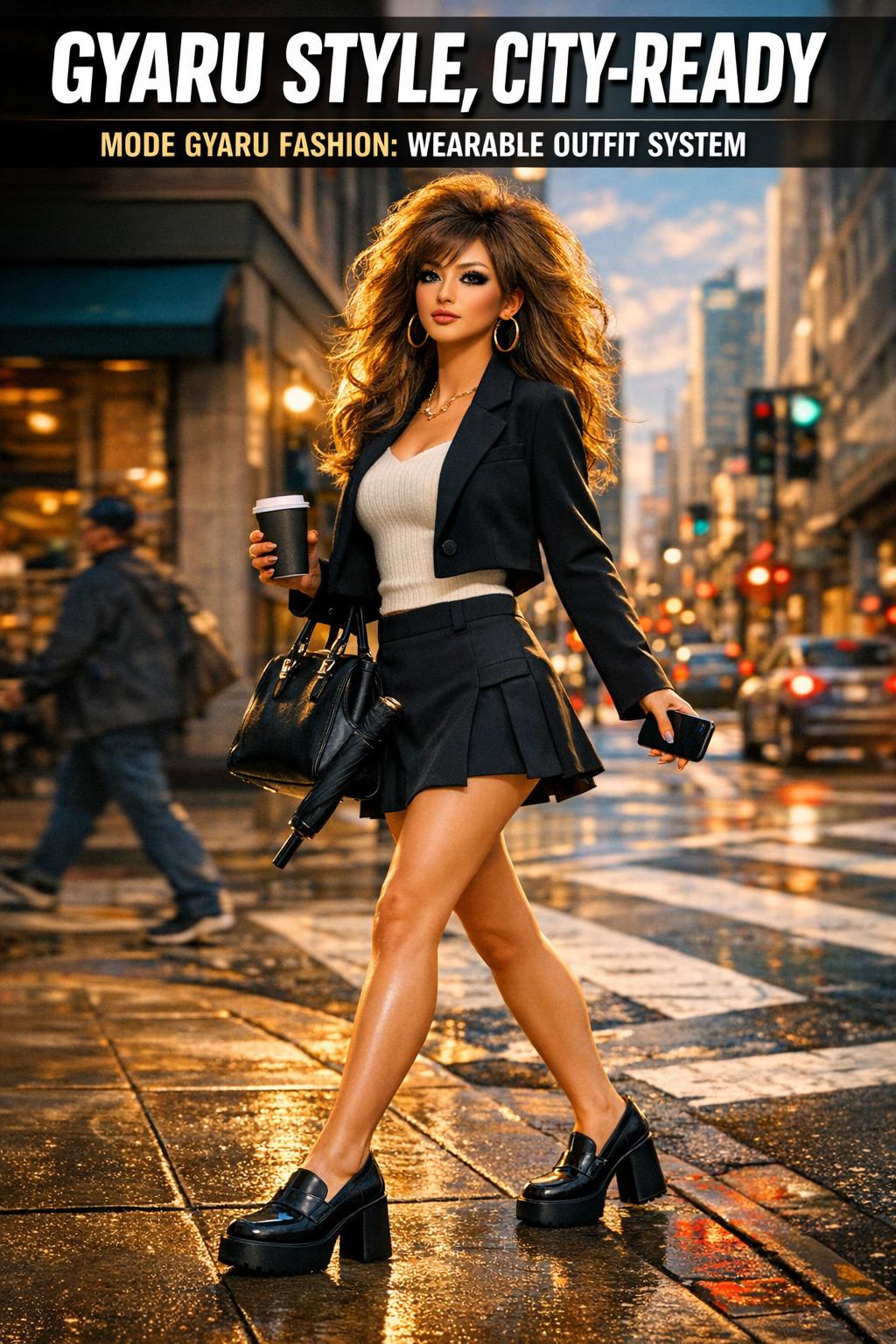
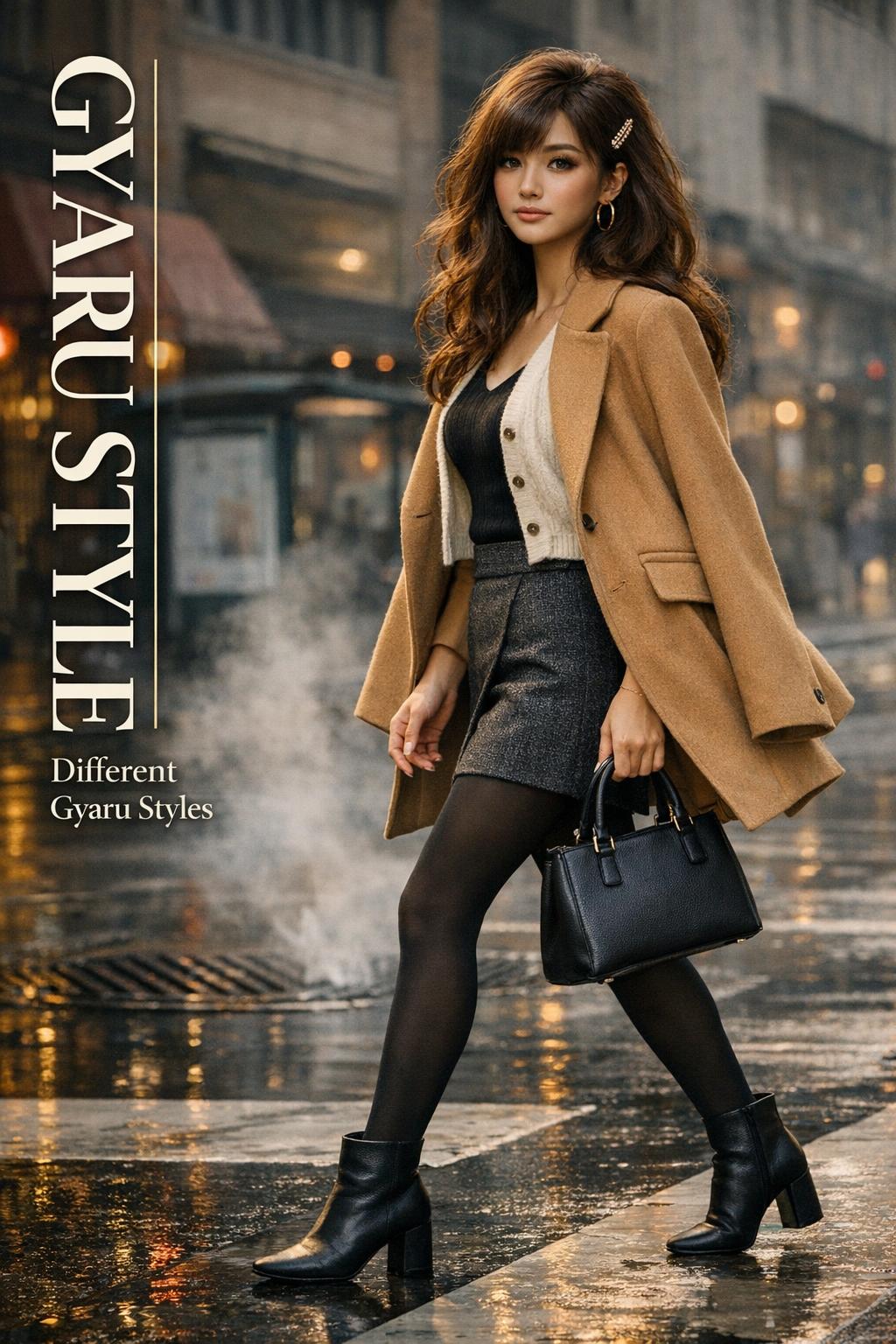
Mode gyaru fashion reads as sharper and more edited, which makes it ideal when you want gyaru identity with a cleaner finish. Build a controlled silhouette: a structured outer layer becomes the visual anchor, while the inner layers stay close to the body to avoid bulk. Keep the palette disciplined to emphasize shape and texture contrast rather than relying on multiple loud elements.
Why it works: the structured outer layer functions as a visual frame, instantly “organizing” the outfit. By reducing visual noise, you keep the look grown-up and intentional—especially useful for U.S. settings where you may want gyaru influence without maximal styling.
Outfit solution: gyaru fashion 2000s-inspired weekend look (nostalgic but current)
Gyaru fashion 2000s inspiration can be wearable if you focus on silhouette logic rather than copying every detail. Choose one unmistakable 2000s-style proportion—like a short hemline with an emphasized leg line—then keep the rest modern and practical. This preserves the gyaru 2000s fashion reference without requiring a full throwback build.
Why it works: the outfit communicates era influence through proportion play, while your fabric choices and comfort-first footwear keep it functional for a weekend that includes walking, sitting, and moving between locations.
Outfit solution: cold-weather gyaru layering (warmth without losing shape)
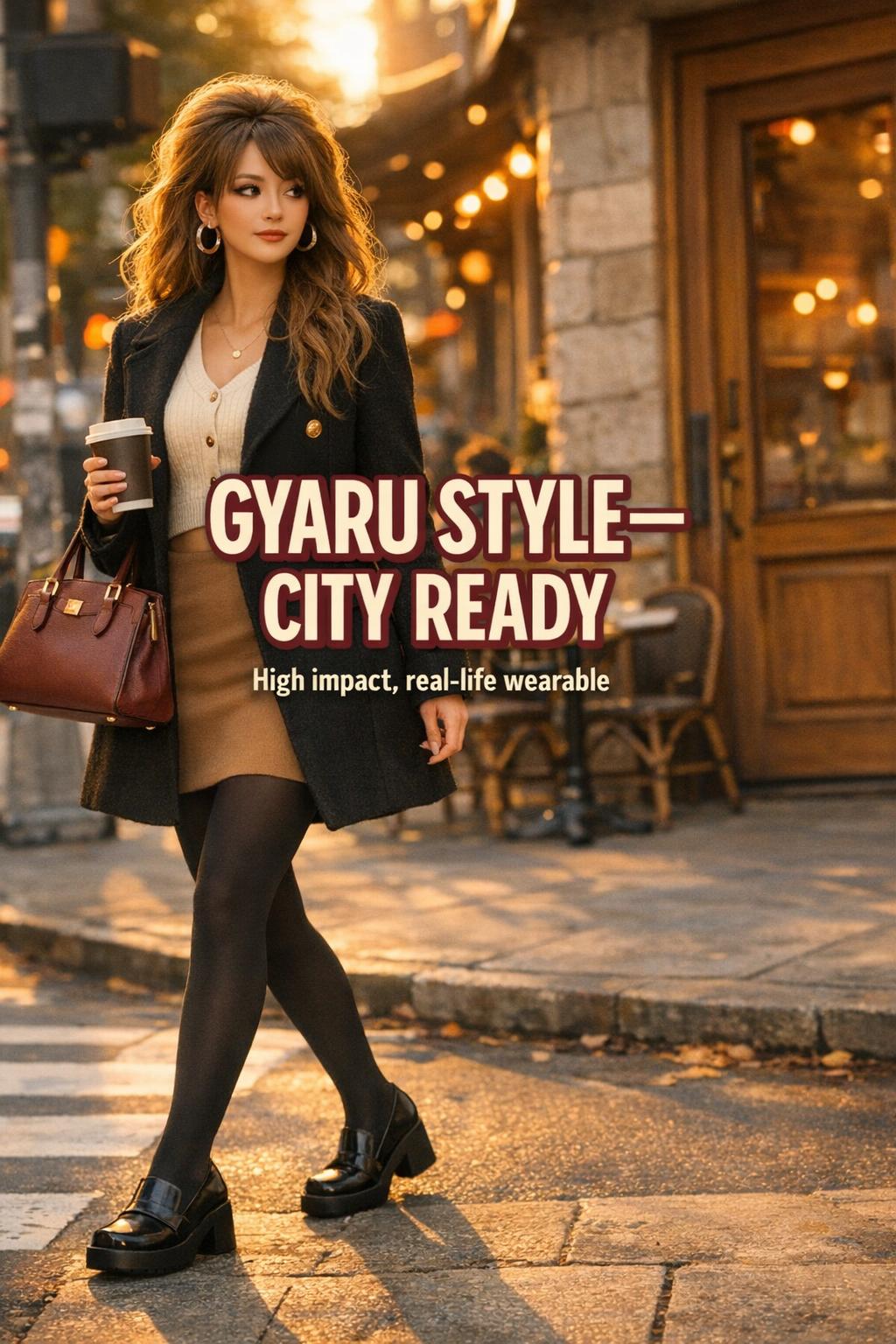
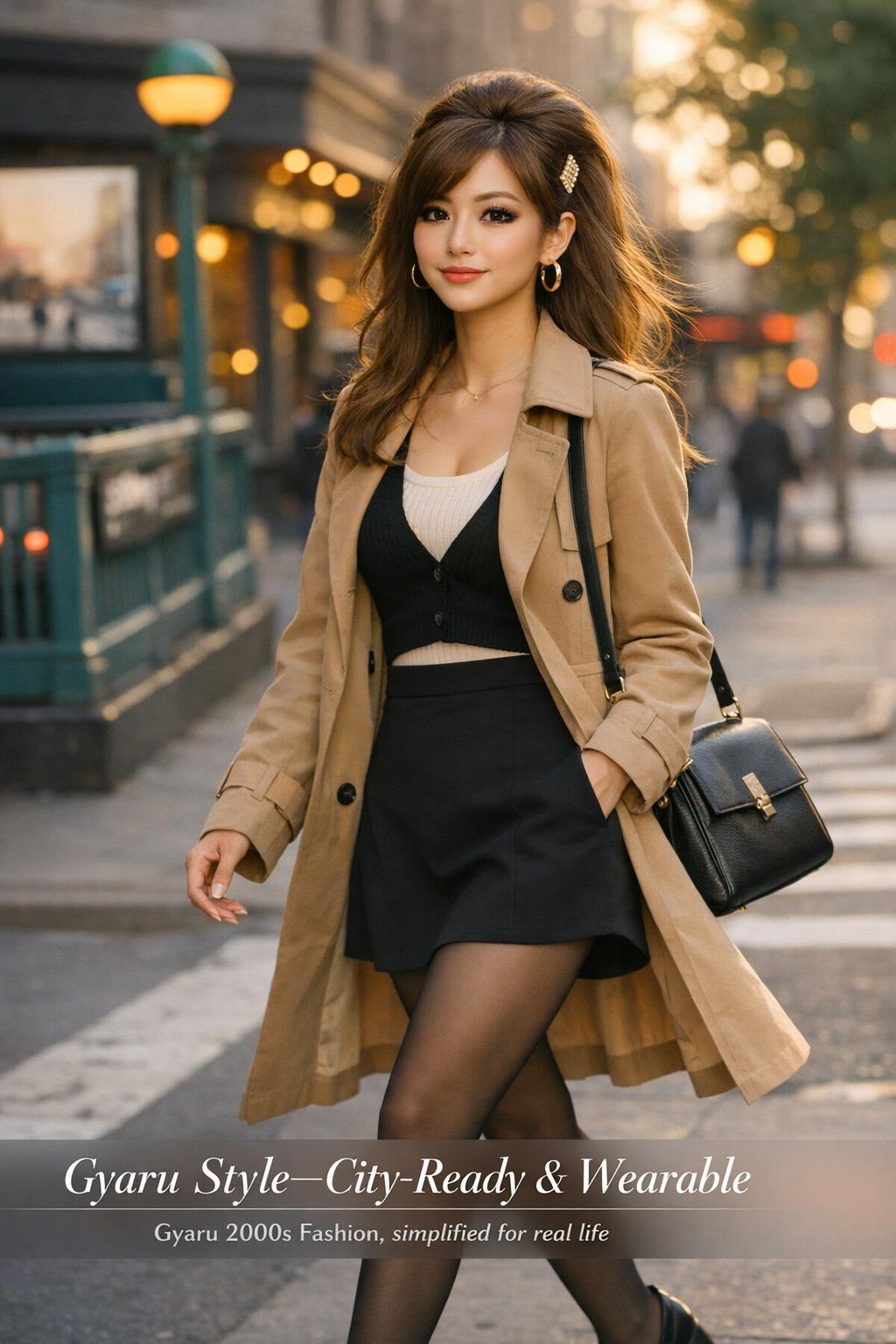
Cold weather is where many gyaru outfits fail because bulk can erase the silhouette. The fix is to layer with intention: keep the inner layer fitted, then add warmth through a structured outer layer that still holds a defined shape. Use leg coverage strategically so you don’t abandon the gyaru leg-forward concept—just adapt it for temperature.
Why it works: fitted inner layers preserve waist and torso lines, while a structured coat keeps the look crisp rather than puffy. This makes the outfit readable as gyaru style even when you’re fully winterized.
Outfit solution: low-effort gyaru for busy mornings (minimal steps, maximum signal)
When time is the constraint, the smartest strategy is to concentrate impact in two places: one wardrobe signal and one beauty signal. Choose a base outfit you can put on in minutes, then apply a single strong gyaru finishing choice that ties everything together. This approach respects how gyaru fashion is often recognized—through clear, intentional styling choices rather than complexity for its own sake.
Why it works: by limiting yourself to two high-impact signals, you avoid the half-finished look that happens when you attempt a full build without time. The result still reads as deliberate outfit composition.
How to choose between different gyaru styles when you have one specific constraint
“Different gyaru styles” aren’t just aesthetic flavors—they’re problem-solving tools. If you pick the style direction based on your constraint, your outfit becomes easier to execute and more convincing.
- If you need polish and a cleaner line: lean into mode gyaru fashion, where structure and edited palettes do the heavy lifting.
- If you want a nostalgic statement: use gyaru fashion 2000s or gyaru 2000s fashion references through silhouette and proportion rather than piling on details.
- If comfort is the top priority: keep the base relaxed and focus the gyaru identity into a single anchor element plus controlled accessories.
This decision-first method prevents overbuying and reduces styling fatigue. You’re no longer asking, “How do I wear everything at once?” You’re asking, “Which gyaru direction best solves today’s constraints?”
Styling logic that makes the look read as gyaru (even when it’s toned down)
Silhouette balance: keep one area fitted
Even on relaxed days, keep one zone fitted—either the waist/torso or the leg line. If everything is loose, the styling becomes indistinct and the gyaru signal weakens. A fitted top with a comfortable bottom, or a fitted skirt with a slightly softer top, maintains visual clarity.
Texture contrast: use one “glam” texture against one “everyday” texture
Texture is a quiet way to keep gyaru fashion present without adding more pieces. Pair something that reads “glam” in texture or finish with something more everyday. This creates an editorial contrast that feels purposeful rather than random.
Color discipline: limit the palette when the styling is high-impact
If your hair, makeup, or accessories carry strong presence, keep the color palette controlled so the outfit doesn’t fight for attention. This is especially important for mode gyaru fashion, where a refined palette allows shape, line, and finish to stand out.
Tips that improve comfort, durability, and “all-day wear” performance
Gyaru style becomes significantly easier when you treat comfort as part of the design brief. The goal isn’t to dilute the look; it’s to make it repeatable.
- Heat management: keep the base layer breathable and let your statement piece be visually strong but physically light, so you don’t overheat while still reading as styled.
- Walkability: choose footwear you can realistically wear for your day’s distance; the gyaru signal comes from silhouette and finish, not pain tolerance.
- Bag strategy: use a structured bag as a visual anchor and a practical tool—your outfit looks more intentional when you’re not juggling items.
- Chafe and shifting prevention: prioritize pieces that stay in place during movement; if you’re constantly adjusting a hemline, the outfit stops feeling effortless.
- Time-saving finishing: identify one repeatable “signature” detail (accessory category or styling step) so you can look consistent without reinventing the wheel.
Tip to remember: the most convincing gyaru fashion is consistent. A smaller set of repeatable choices will usually look stronger than a complicated look you can’t sustain.
Occasion calibration: how to wear gyaru style in typical U.S. settings
In the U.S., the same outfit can read very differently depending on context—daylight errands, casual social plans, or a night setting. The practical approach is to calibrate intensity rather than switch aesthetics entirely. Keep the base outfit stable, then adjust your anchor element based on where you’re going.
Daytime casual: keep the anchor but lower the volume
Use a single strong detail (your anchor) and keep everything else streamlined. This is where a clean silhouette and controlled palette do the work. The outfit reads as gyaru style without looking like you’re dressed for a photo shoot when you’re simply out in the city.
Night plans: concentrate glam into finish and proportion
Night settings tolerate more contrast and stronger statement elements. This is the best moment for a sharper mode gyaru fashion approach or a more direct gyaru fashion 2000s-inspired proportion. The key is still hierarchy: one statement zone, then supportive pieces that keep the composition coherent.
Work or school environments: keep gyaru identity in controlled details
When the environment is more conservative, treat gyaru fashion as detail-driven rather than volume-driven. Choose one controlled signal—silhouette, accessory, or a refined mode gyaru fashion styling choice—while keeping the rest neutral and functional. This preserves identity without clashing with the setting.
Common mistakes that make gyaru outfits feel off (and what to do instead)
Mistake: stacking too many statement elements at once
This happens when you try to “prove” the style by adding every recognizable detail. The result is visual competition. Fix it by choosing one anchor element and letting the rest of the outfit act as framing, not rivals.
Mistake: ignoring movement and temperature
If you’re overheating, freezing, or restricted, you won’t carry the look confidently. Build from climate and mobility first, then apply gyaru style signals on top. A wearable outfit always looks more convincing than an uncomfortable one.
Mistake: losing silhouette under bulky layering
In cold weather, piling on loose layers erases the leg-forward or waist-defined balance that often makes gyaru fashion readable. Choose a fitted inner layer and a structured outer layer so warmth doesn’t flatten the outfit’s architecture.
Mistake: chasing exact replication instead of recognizable logic
Trying to perfectly recreate a reference—especially a gyaru fashion 2000s moment—can push the look into costume territory if it’s disconnected from your day-to-day reality. Use the reference as a blueprint for proportion and finish, then make practical substitutions that suit your life.
A more sustainable way to wear gyaru fashion long-term
The most reliable approach is to treat gyaru style as a set of repeatable systems: anchor selection, silhouette control, and calibrated accessories. You can rotate between different gyaru styles depending on your schedule—mode gyaru fashion for polished days, gyaru 2000s fashion references for nostalgic impact—without needing a completely separate wardrobe for each mood.
When you build with logic, you stop asking whether the look is “too much.” You start asking the more useful question: “Is my outfit composition balanced for today’s environment?” That’s the mindset that makes gyaru fashion wearable, consistent, and genuinely personal.
FAQ
What is gyaru style, in practical styling terms?
In practical terms, gyaru style is an intentionally high-impact look built around clear visual signals—strong silhouette choices, deliberate finishing, and a recognizable styling hierarchy where one statement element leads and the rest supports.
How can I wear gyaru fashion without it feeling like a costume?
Keep one visual anchor (such as a strong silhouette or finishing detail) and simplify everything else, focusing on structure, comfort, and a controlled palette so the outfit reads as intentional rather than overloaded.
How do I adapt gyaru style for hot weather?
Use breathable base layers, keep the silhouette leg-forward or waist-defined without heavy layering, and concentrate your gyaru identity into one strong detail so you maintain impact without overheating.
How do I make gyaru outfits work in cold weather?
Preserve shape by wearing fitted inner layers and a structured outer layer, then add warmth in a way that doesn’t create bulk that hides the silhouette balance that makes gyaru fashion readable.
What’s the difference between mode gyaru fashion and a more nostalgic gyaru fashion 2000s direction?
Mode gyaru fashion emphasizes a sharper, more edited finish through structure and controlled composition, while gyaru fashion 2000s and gyaru 2000s fashion inspiration often reads more nostalgic through proportion play and more overt statement styling.
How do I choose between different gyaru styles for one day?
Start with your constraint—polish, comfort, weather, or time—then select the gyaru direction that naturally supports it, using one anchor element to keep the look coherent instead of mixing multiple styles without a plan.
What’s the simplest way to look gyaru on a busy morning?
Use a repeatable base outfit and apply only two high-impact signals—one wardrobe anchor and one finishing choice—so the result looks deliberate even when you have limited time.
How can I reference gyaru 2000s fashion without fully recreating it?
Pull from the era’s most recognizable element—usually a specific proportion or silhouette—then keep the rest of the outfit modern and wearable so the reference feels intentional rather than like a full replica.