Mood-First vs Function-First Bikini Style for Vacation Days
Bikini style, decoded: why “cute” and “covering” can look similar (but wear differently)
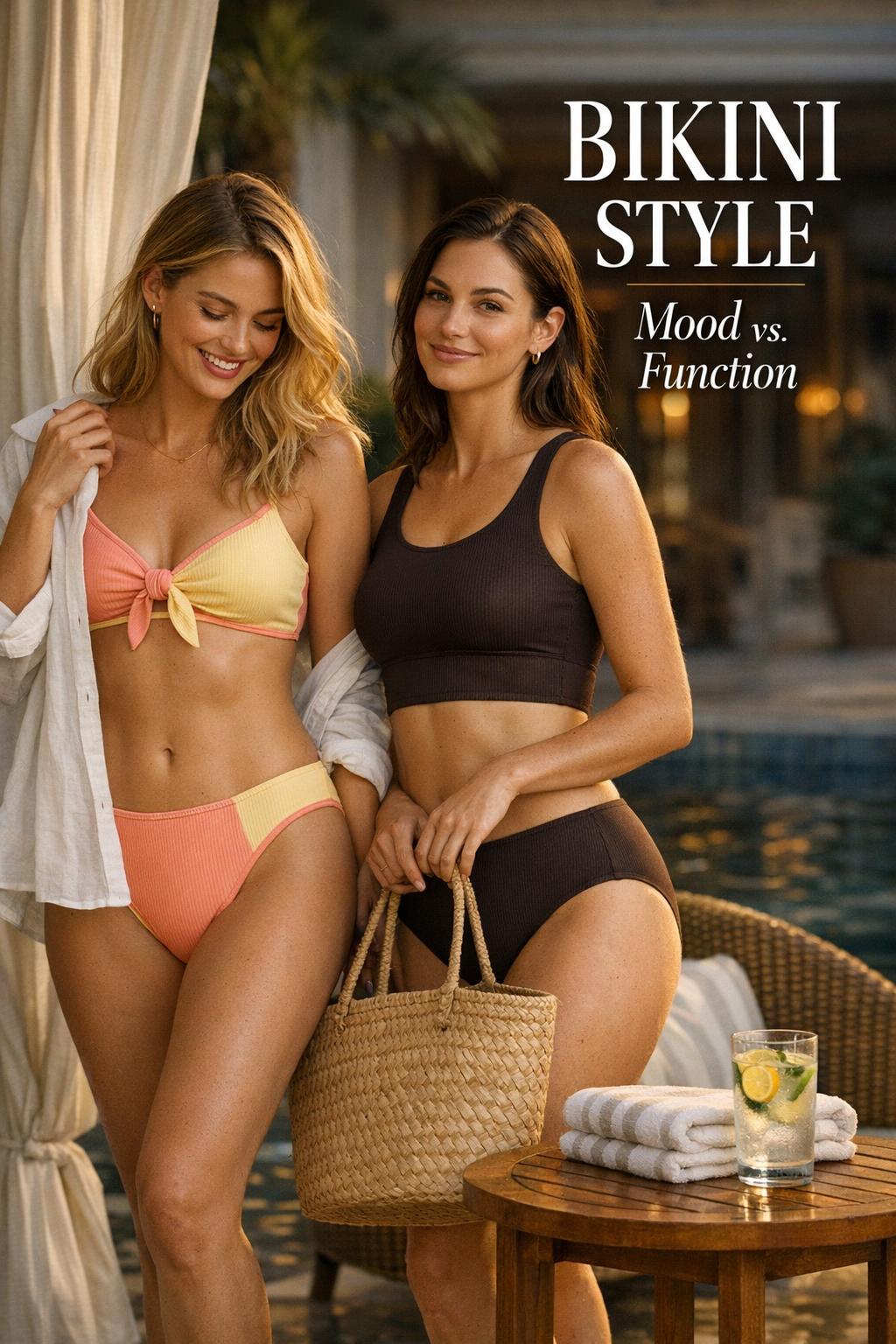
The most common bikini style dilemma shows up right before a trip: you want something that photographs as Beauty-forward and confident, but you also want a suit that behaves in real life—walking to the pool, sitting on a hot lounge chair, swimming, drying, repeating. That’s where two popular styling directions collide: the “cute bathing suits for summer” aesthetic and the “covering bikinis” approach. In photos, they can overlap. On the body, they solve different problems.
This comparison breaks down how these two swimwear mindsets differ in silhouette logic, coverage strategy, and styling philosophy—especially for vacation swimsuits where comfort, versatility, and packing efficiency matter. You’ll learn how to identify each look at a glance, how to choose based on where you’re wearing it, and how to build an intentional swimsuit lineup without getting stuck in vague labels.
Style overview: “cute bathing suits for summer” bikini style
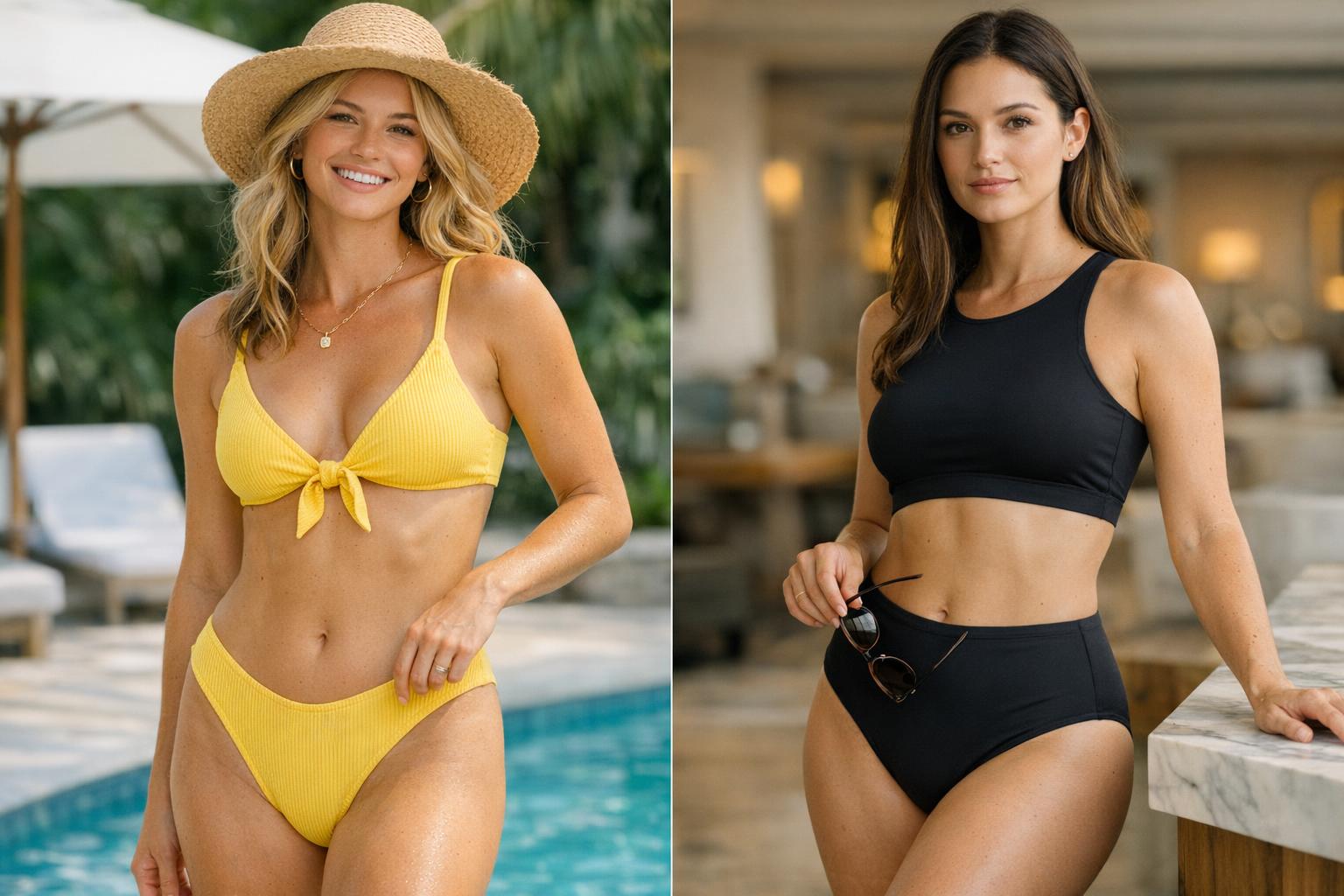
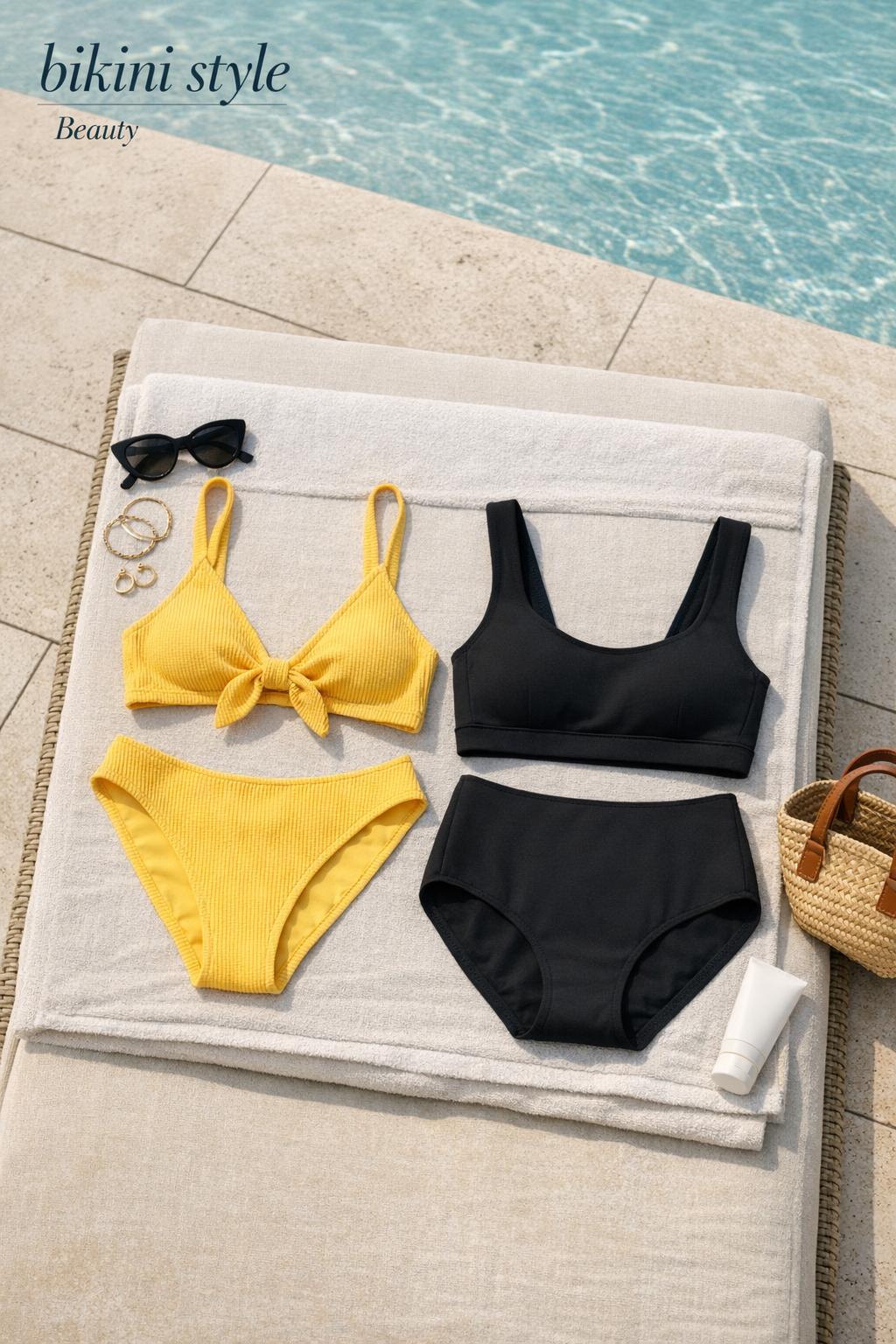
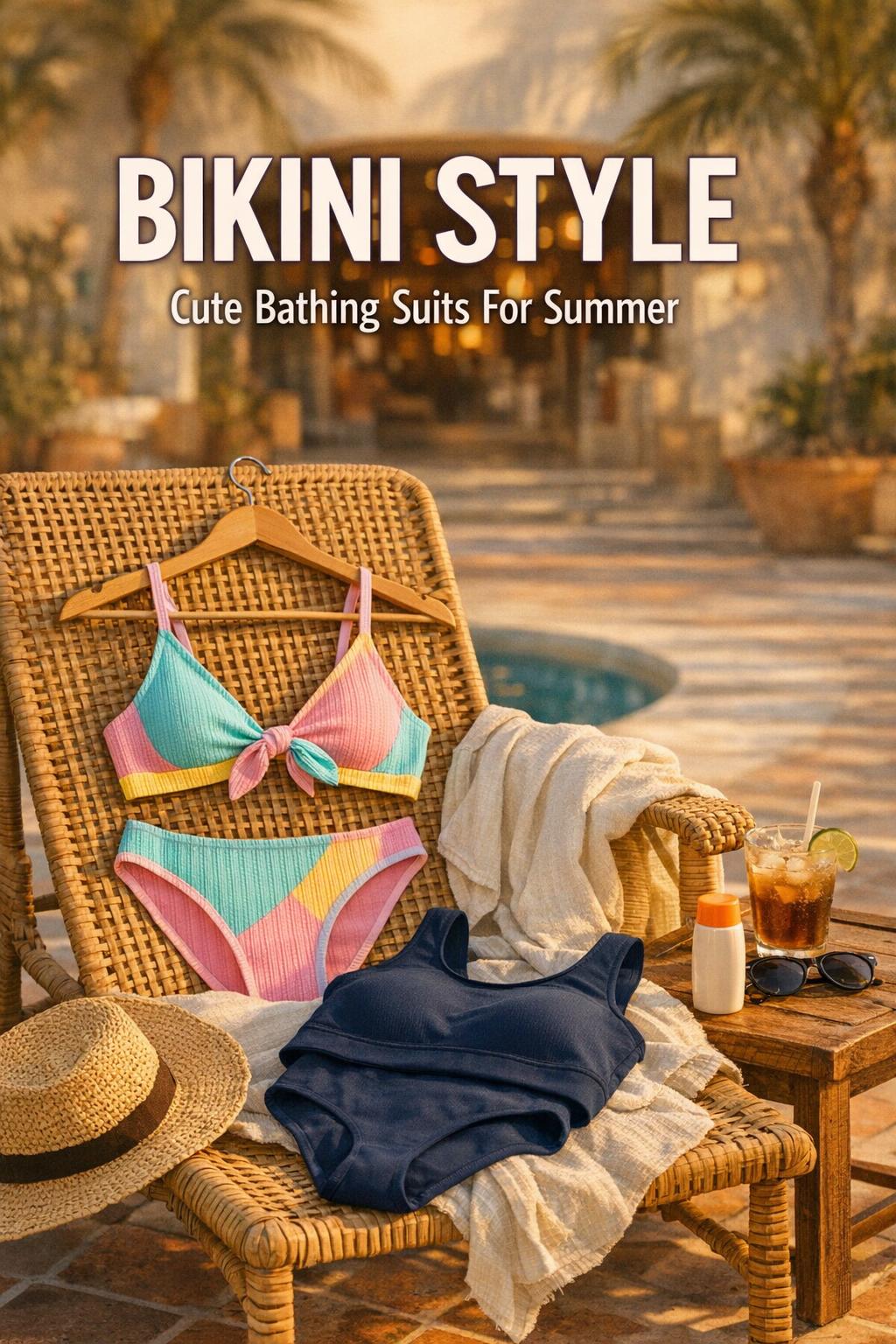
“Cute bathing suits for summer” is less about a single cut and more about a visual mood: playful, bright, and intentionally styled. This bikini style leans into charm as the main visual anchor—often through color, print, trim details, or proportion play that reads youthful and light.
Defining characteristics
The cute direction prioritizes a deliberate “outfit” effect, even when it’s just a swimsuit. The goal is a look that feels styled rather than purely functional, with a clear aesthetic message from a distance.
Found the dress? Keep the rest in one place.
Zarellea brings guest details, vendors, timelines, and every next step together — so your wedding plan feels as good as your look.
- Silhouettes: triangle tops, bandeaus, tie-front details, high-leg cuts, and mix-and-match sets that feel light and minimal
- Color palette: bright tones, pastel moods, high-contrast pairings, or crisp summer neutrals that still read playful
- Fabrics and textures: smooth swim knits, subtle ribbing, textured finishes that catch light, and trims that create dimension
- Aesthetic mood: upbeat, flirty, sunshine-optimized; designed to look “fresh” in daylight
In practice, this bikini style often wins on first impression: it’s visually memorable, especially for vacation swimsuits where the environment is already high-impact (sun, water, pool decks, beach umbrellas). The trade-off is that some cute details can be less forgiving for long wear if they rely on minimal structure.
Style overview: “covering bikinis” bikini style
Covering bikinis sit inside bikini style, not outside it. The point isn’t to hide; it’s to create coverage with intention and structure. This aesthetic prioritizes stability, security, and a smoother line—often delivering a more composed look that can feel quietly polished.
Defining characteristics
The covering direction treats swimwear like engineered clothing: it should stay put, support movement, and keep its shape in and out of water. Coverage is used as a design tool, not a compromise.
- Silhouettes: higher necklines, fuller cups, longerline bikini tops, mid- to high-rise bottoms, and more structured shapes
- Color palette: often streamlined and cohesive—solids, tonal sets, or controlled contrast that reads refined
- Fabrics and textures: supportive knits, compression-like feel, thicker textures that hold their line, and finishes that look smooth when wet
- Aesthetic mood: confident, composed, and practical; designed to perform under real use
Covering bikinis can still be cute—Beauty is not excluded here—but “cute” becomes a secondary effect. The primary effect is stability and intentional coverage that helps the wearer feel secure in multiple settings, not just in a posed photo.
The core distinction: styling philosophy vs coverage strategy
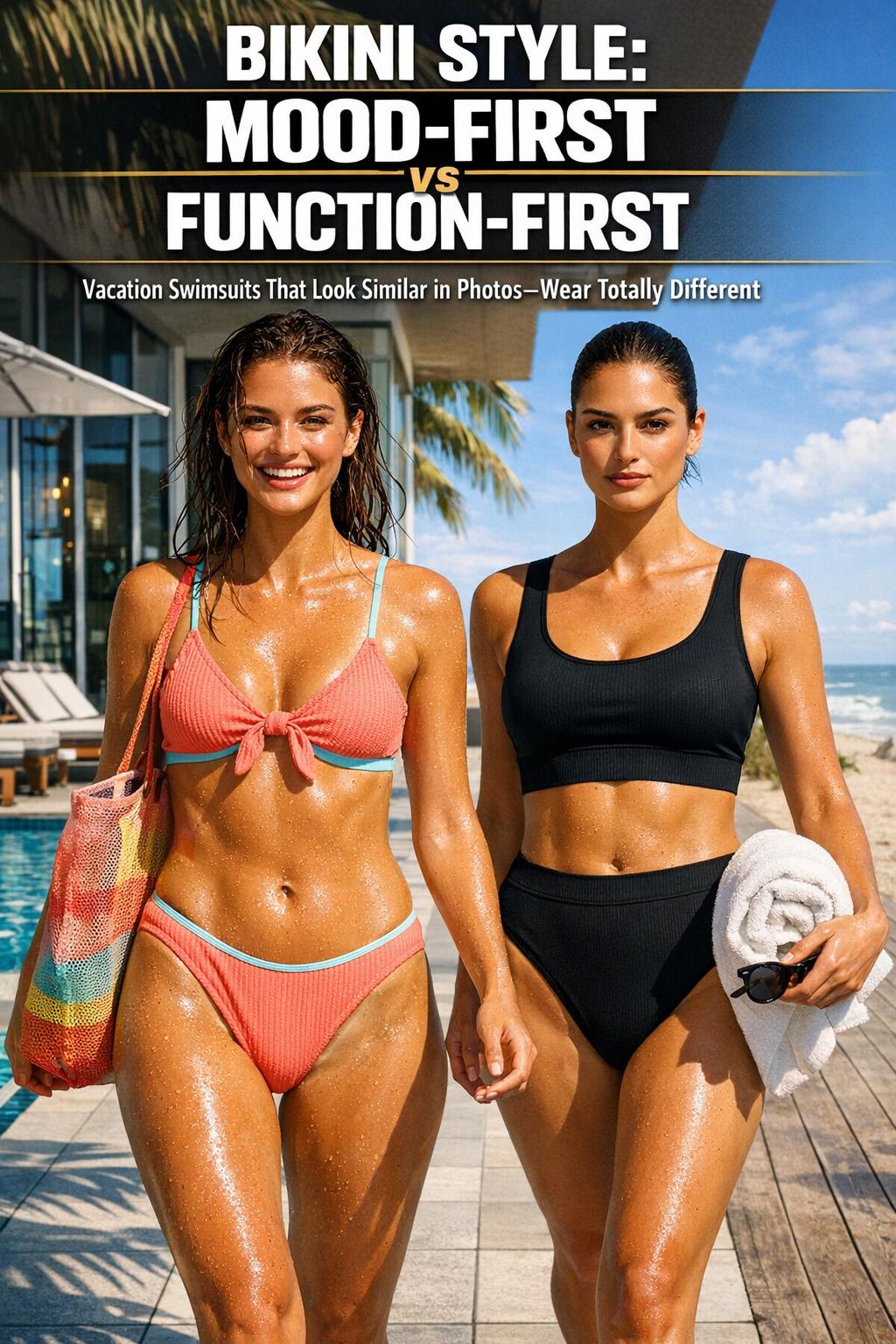
These two aesthetics get grouped together because they both can look “modest,” “playful,” or “classic” depending on color and styling. The actual divide is deeper: cute bathing suits for summer start with a mood, while covering bikinis start with function. One designs for visual impact; the other designs for wearability and security—then adds beauty through proportion and finish.
If you’ve ever tried on a suit that looked perfect on a hanger but felt distracting after 20 minutes of moving, you’ve experienced the gap between styling philosophy and coverage strategy. Bikini style isn’t only about how much fabric is present; it’s about where the fabric sits, how it anchors, and how it balances the body’s lines.
Key differences that matter in real life
Silhouette and structure: minimal charm vs engineered stability
Cute bathing suits for summer often lean into lighter structures—ties, smaller coverage zones, and shape-defining cuts that emphasize delicacy. Covering bikinis prioritize a stable frame: wider straps, more continuous coverage, and shapes that distribute tension across more surface area. The visual difference is subtle until you move: the covering approach keeps a cleaner line during walking, sitting, and swimming.
How “cute” is created: detail work vs proportion control
In the cute aesthetic, “Beauty” is often achieved through detail cues—color pops, playful contrasts, and eye-catching finishes. With covering bikinis, the beauty move is proportion: a higher neckline with a sleek bottom, a longerline top with a clean waistline, or a balanced frame that looks intentional rather than cautious. Both can read cute, but they arrive there differently.
Comfort over time: short-wear excitement vs day-long reliability
Vacation swimsuits need to survive long, unstructured days: a swim, a snack, a walk, another swim. Cute bathing suits for summer can be perfect for shorter, photo-forward windows—poolside lounging, quick dips, sunning. Covering bikinis tend to be the better choice for hours of movement because the suit is less likely to shift, require adjustment, or create pressure points from thin straps.
Formality and “polish”: playful energy vs streamlined presence
Cute bikini style reads informal by default because it’s designed to feel fun. Covering bikinis often read more polished even in bright colors, because their structure creates a composed silhouette. This matters when the swimsuit becomes part of a broader outfit: walking through a hotel, layering under a cover-up, or pairing with resort-ready pieces.
Wardrobe function: statement suit vs capsule suitability
Cute bathing suits for summer can function like statement pieces—one suit that defines a whole pool day look. Covering bikinis often operate more like a capsule foundation: they mix easily with cover-ups and can repeat across multiple days without looking like you’re wearing the same “outfit.” If you pack light, covering bikinis typically deliver more repeat value.
Visual style breakdown: how each bikini style reads from a distance
From a visual composition standpoint, cute bathing suits for summer create focal points: a bright top, a playful contrast, or a detail that draws the eye. The overall outfit balance often includes one “moment” that signals personality. Covering bikinis aim for continuity: fewer abrupt lines, smoother transitions, and a silhouette that looks stable even when wet.
Layering approach: styling-first vs coverage-first
With cute bikini style, layering is often used to amplify the vibe—adding a cover-up as an extension of the aesthetic. With covering bikinis, layering is used to shift context—turning swimwear into a resort outfit quickly and cleanly. In both cases, covering bikinis tend to look more “finished” under layers because the base silhouette is already structured.
Proportion play: micro cuts vs anchored lines
Cute bathing suits for summer frequently rely on smaller cuts and higher legs for an elongated look. Covering bikinis rely on anchored lines—higher rises, longer tops, and coverage placements that create a smooth frame. The result is a different kind of elongation: less “leg-forward,” more “torso-balanced.”
Accessories and overall outfit balance
Cute bikini style can handle more visible accessories because the base look is already playful; the goal is cohesive energy rather than minimalism. Covering bikinis often look strongest when accessories are used as a single visual anchor—one strong element at a time—so the clean silhouette stays the main message.
Outfit comparisons: same setting, two different styling logics
Instead of treating swimsuits like isolated items, read them like outfit systems. Below are scenario-based comparisons that show how each bikini style solves the same moment differently.
Example comparison: pool day that turns into lunch
Cute bathing suits for summer approach: The swimsuit is the statement. The styling logic is to keep the base suit visually “active” so it still reads special after you add a layer. A playful suit under a simple cover-up keeps the outfit from feeling plain.
Covering bikinis approach: The swimsuit is the foundation. The styling logic is a smooth, stable base that looks intentional under a cover-up and doesn’t require constant adjustment when you’re seated at a table. The overall effect is more composed, especially if you’re moving between wet and dry zones.
Example comparison: beach walk with a lot of movement
Cute bathing suits for summer approach: The look leans on lightness—minimal structure, playful proportions, and a “breezy” feel. It can look striking, but it may demand more awareness of how the suit sits during movement.
Covering bikinis approach: The look leans on stability—coverage placements that maintain a consistent line while walking, bending, or carrying a bag. The suit feels like it’s working with you rather than needing monitoring.
Example comparison: hotel-to-water transition (lobby, elevator, pool)
Cute bathing suits for summer approach: The suit reads like a “pool look” immediately—high visual energy, quick impact. This can be ideal if your goal is a clear vacation vibe the second you step out.
Covering bikinis approach: The suit reads closer to a body suit silhouette—more coverage and structure that feels appropriate in semi-public resort spaces. This is where covering bikinis earn their reputation as versatile vacation swimsuits.
Example comparison: tanning-focused afternoon vs swim-focused afternoon
Cute bathing suits for summer approach: Often better aligned with tanning because minimal straps and smaller coverage areas can reduce lines, while still delivering Beauty through color and details.
Covering bikinis approach: Often better aligned with active swimming and repeated wear because the suit tends to hold position and shape. The trade-off can be more coverage-related lines, but the payoff is security and a clean silhouette.
Tips: choosing between cute and covering without guessing
The easiest way to choose a bikini style is to start with your day’s friction points: what usually interrupts your comfort? Is it strap pressure, shifting coverage, or feeling overexposed in transitional spaces? Use those signals to decide whether you need mood-first (cute) or function-first (covering).
- Use the “two-hour test” mindset: if you plan to wear it beyond a quick photo moment, lean covering or choose cute styles with stronger structure.
- Check tension distribution: thin ties concentrate pressure; wider straps distribute it. For long days, distribution usually wins.
- Prioritize a clean base for layering: if you’ll wear a cover-up most of the time, a smoother, more stable bikini style often looks more polished.
- Decide what you want to repeat: statement-cute suits feel distinct but can be harder to re-wear; covering bikinis often repeat effortlessly in a vacation lineup.
Beauty in swimwear is rarely accidental—it’s usually a result of proportion control. If you want “cute” without feeling exposed, aim for covering bikinis with a deliberately playful color story. If you want “covering” without feeling serious, use detail and contrast strategically while keeping the underlying silhouette stable.
Where “good bathing suit brands” fits into the style equation
“Good bathing suit brands” isn’t only about trend alignment; it’s about consistency in fit and construction—two factors that determine whether a bikini style stays cute after contact with water, movement, and sun. In practical terms, the most useful definition of “good” is repeatable performance: a suit that maintains shape, feels secure, and looks intentional after a full day.
If you’re building a small wardrobe of vacation swimsuits, focus less on whether a suit is labeled cute or covering and more on whether it delivers stable fit across contexts. A “cute bathing suits for summer” piece can be high performing if it has thoughtful structure; a covering bikini can feel flat if the proportions are off. The brand question matters because consistent sizing and construction reduce trial-and-error, especially when shopping ahead of travel.
A destination-driven lens: packing bikini style for vacation swimsuits
Vacation swimsuits aren’t worn in a single setting. A trip typically includes transitional moments—walking through shared spaces, stopping for food, switching between sun and shade, staying in a suit longer than expected. That’s why the cute vs covering distinction becomes a packing strategy, not just an aesthetic preference.
The two-suit framework that avoids overpacking
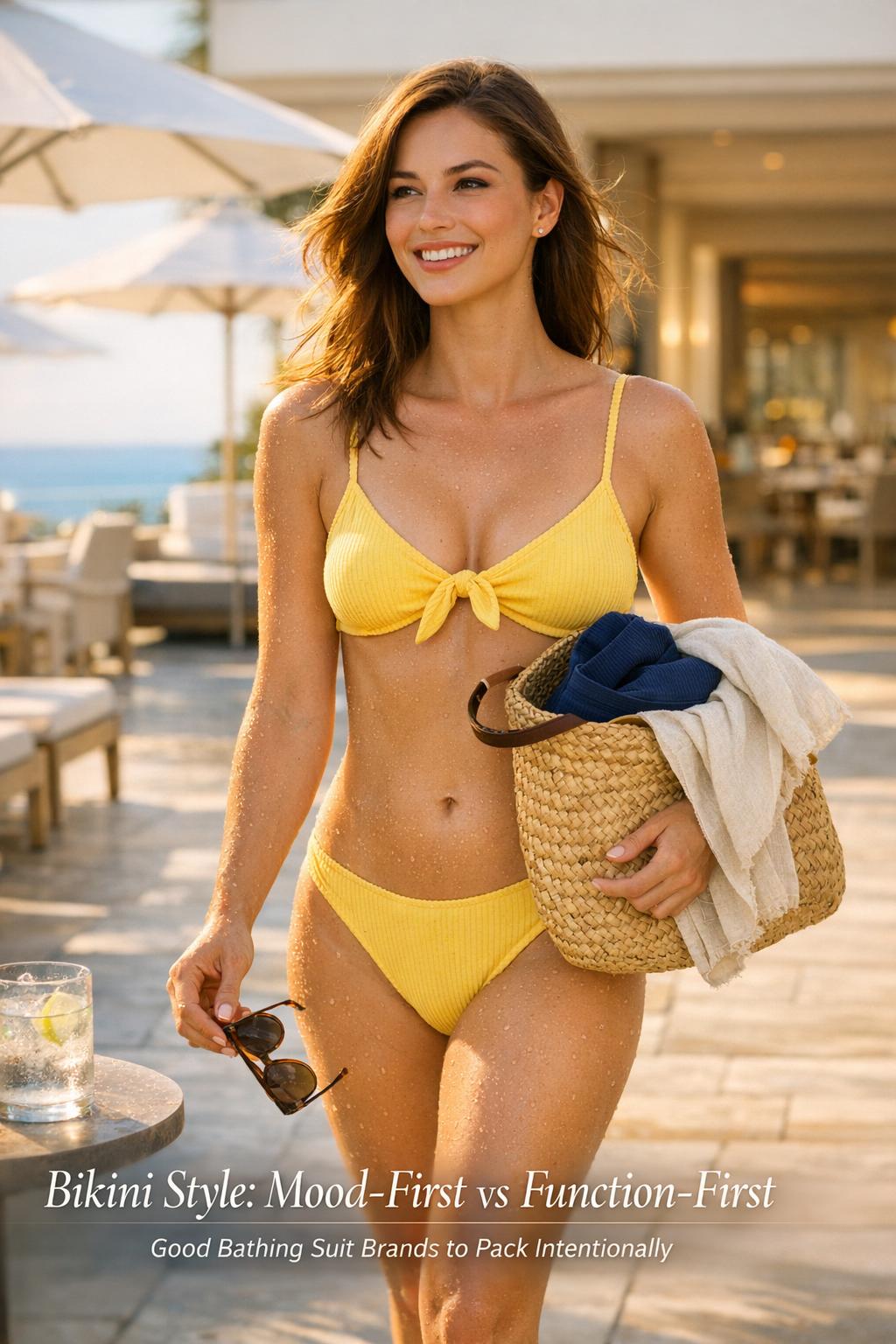
A practical approach is to pack one suit that is mood-first and one that is function-first. This covers both “statement” moments and all-day reliability without needing an overflowing swim drawer.
- Mood-first (cute bathing suits for summer): bring the suit that delivers instant Beauty and feels specific to summer.
- Function-first (covering bikinis): bring the suit you can wear for hours, layer easily, and rely on for movement-heavy days.
This framework also helps if you’re experimenting with good bathing suit brands: you can test one style in a lower-stakes “fun” category while relying on a more structured option for the majority of the trip.
Common styling mistakes that blur the look (and how to correct them)
Most swimwear disappointment comes from mismatch: expecting a cute bikini style to perform like a covering one, or expecting a covering bikini to deliver the same playful impact as a statement suit without any styling support. These mistakes are easy to fix once you understand the visual mechanics.
Mistake: choosing “cute” details on an unstable base
If the base suit shifts, the details stop reading cute and start reading fussy. Correction: choose cute bathing suits for summer where the charming elements are supported by a stable frame—think secure straps and a balanced cut—so the look stays intentional throughout the day.
Mistake: assuming covering bikinis must look conservative
Coverage doesn’t cancel style; it changes the styling levers. Correction: use color, tonal coordination, or strategic contrast to bring Beauty back into the frame. The covering silhouette becomes the canvas, not the limitation.
Mistake: ignoring how layering changes proportions
A cover-up can either elevate the bikini style or flatten it. Correction: keep outfit composition in mind—if your swimsuit is visually busy (cute), layer with a simpler cover-up; if your swimsuit is streamlined (covering), the cover-up can carry more visual interest without overwhelming the base.
Beauty alignment: making bikini style feel intentional, not random
Beauty, in the swimwear context, is about coherence: a swimsuit that matches your intended mood, the setting, and the amount of movement you’ll do. Cute bathing suits for summer align best with playful styling choices and a light, sunny vibe. Covering bikinis align best with sleek, controlled styling and a polished finish. Both can look elevated; the difference is whether the elevation comes from detail-driven charm or silhouette-driven refinement.
A useful rule: if your swimsuit is the loudest piece, keep everything else quieter. If your swimsuit is the calmest piece, allow one styling element to become the statement. This keeps your bikini style from feeling overworked while still looking deliberate.
When to choose each style (and when they overlap)
Choosing between cute bathing suits for summer and covering bikinis is ultimately a context decision. Consider where you’ll wear the suit, how long you’ll be in it, and whether your day includes transitions beyond the water.
- Choose cute bathing suits for summer when you want a mood-forward look, you’re planning shorter wear windows, or you want your vacation swimsuits to photograph with obvious personality.
- Choose covering bikinis when your day involves movement, mixed settings, or long wear; when you want stability; or when you prefer a more composed silhouette in semi-public resort spaces.
- Expect overlap when you find a structured suit in a playful palette or a covering silhouette with charming details—these hybrids often become the most worn pieces.
In a real wardrobe, the most functional lineup usually includes both. The “cute” suit brings variety and energy. The “covering” suit does the heavy lifting across the trip.
Tips: how to blend cute and covering into one cohesive bikini style
The most modern swim wardrobes don’t treat cute and covering as opposites. They treat them as two design tools. Blending them comes down to selecting one primary priority—either mood or function—then adding a secondary layer intentionally.
Use a “one-variable shift” approach
Start with a covering bikini silhouette, then shift one variable toward cute: a brighter color story, a playful contrast, or a texture that catches light. Or start with a cute bikini style, then shift one variable toward covering: more stable straps, a longerline top, or a higher-rise bottom. One variable is enough to change the vibe without confusing the outfit composition.
Let your cover-up do the opposite job
If you’re wearing a cute bathing suits for summer piece, choose a cover-up that calms the look and adds polish. If you’re wearing a covering bikini, use a cover-up that injects personality and keeps the outfit from feeling too uniform. This contrast is a clean way to build Beauty without relying on multiple competing statements.
A final comparison snapshot: how to identify each bikini style quickly
When you’re shopping, packing, or editing your suitcase, use this quick visual logic: cute bathing suits for summer signal personality first, then performance. Covering bikinis signal performance first, then personality. Both sit firmly inside bikini style; they just prioritize different outcomes.
If you’re investing in good bathing suit brands for repeat wear, anchor your lineup with at least one covering bikini for reliability, then add a cute option for mood. That balance keeps vacation swimsuits versatile across settings without sacrificing the style payoff that makes swimwear feel fun in the first place.
FAQ
What is the difference between cute bathing suits for summer and covering bikinis?
Cute bathing suits for summer prioritize a playful, mood-forward look—often through color, contrast, or charming details—while covering bikinis prioritize stability and intentional coverage first, using structure and proportion to create a composed silhouette that performs well during long wear and movement.
Can covering bikinis still look cute and beauty-forward?
Yes—covering bikinis can read cute when the color story, contrast, or texture adds personality, but the “cute” effect comes from proportion control and finish rather than minimal coverage; the result is Beauty that feels polished and secure.
Which bikini style is better for vacation swimsuits and travel days?
For travel and multi-activity days, covering bikinis are typically easier because they stay put and layer cleanly under cover-ups; cute bathing suits for summer can be ideal for short, photo-forward moments, so packing one of each often covers the widest range of vacation situations.
How do I keep a cute bikini style from feeling impractical?
Choose cute bathing suits for summer with a stable base—secure straps, balanced cuts, and a silhouette that doesn’t require constant adjustment—so the playful details read intentional throughout the day rather than becoming distracting during movement.
How do I make covering bikinis feel less serious?
Use one playful element—brighter color, controlled contrast, or a texture that adds dimension—while keeping the underlying structured silhouette intact; this maintains the performance benefits of covering bikinis while shifting the mood toward cute.
What should I look for when evaluating good bathing suit brands for either style?
Focus on consistent fit and construction so the suit holds its shape and stays comfortable across water and movement; a “good” option is one that remains secure, maintains a clean line, and performs reliably, whether the bikini style is cute and detail-driven or covering and structure-driven.
Do I need both styles in my swimwear wardrobe?
Not necessarily, but a two-suit lineup is practical for most people: one cute bathing suits for summer option for mood and variety, and one covering bikini for long wear and versatility, especially if you want vacation swimsuits that work across multiple settings.
How do I decide quickly which bikini style to wear on a given day?
Decide based on your schedule: if the day includes lots of movement, long wear, or transitions beyond the water, choose covering bikinis; if the day is more lounge-focused and you want a statement look, choose a cute bikini style designed for summer impact.