
What to Wear Now: Cowgirl Style Outfits, Not Costume Looks
There’s a specific moment when cowgirl style outfits feel deceptively hard: you want the confidence of western wear—boots, denim, a belt with presence, maybe a hat—but you also need the outfit to function in real life. Walking all day, sitting through a concert, handling temperature swings, showing up to brunch without looking like you’re in costume, or pulling together cute western outfits for school without breaking dress codes or comfort limits.
The challenge isn’t that western pieces are complicated. It’s that they’re visually loud by design. A cowboy boot is a statement. A fringe jacket moves. A concho belt and a bold buckle act like jewelry. When multiple “hero” items compete, the look can tip from western chic into theme-party territory.

This guide solves that problem with styling logic instead of hype. You’ll get a clear framework for building modern western outfits around core entities—boots, denim, belts, hats, plaid shirts, denim jackets, fringe—then adapt them into outfit archetypes for everyday, evenings, festivals, and location-driven western narratives like Jackson Hole, Austin, and Santa Fe. You’ll also find practical fit and care guidance so the outfit holds up beyond a mirror photo.
Understanding the styling challenge: why cowgirl looks go wrong in real life
The “cowgirl” aesthetic sits at the intersection of function and fashion. Many of the most recognizable pieces come from practical western wear—boots meant for long wear, denim built to handle movement, belts designed to secure and carry visual weight, hats tied to sun protection and identity. But once those items are transplanted into modern wardrobes (city streets, school hallways, festivals, restaurants), a few predictable problems appear.
Found the dress? Keep the rest in one place.
Zarellea brings guest details, vendors, timelines, and every next step together — so your wedding plan feels as good as your look.
First, weather and temperature swings. Festivals and outdoor events can start hot and end cold; city days can involve air-conditioned interiors, wind, and long walks. That makes layering—especially denim-on-denim or a longline jacket—more than a trend; it becomes a comfort strategy.
Second, comfort and mobility. Boots are iconic, but an all-day schedule exposes fit issues quickly. A belt buckle that looks great standing can dig in when sitting. Fringe can snag on bags or chair arms. These are solvable issues, but only if you treat the outfit as equipment as much as style.
Third, the “costume risk.” Western wear has strong visual anchors—cowboy boots, cowboy hat, fringe vest—so adding too many at once can flatten the look into a one-note reference. Modern cowgirl style works best when one or two western signals lead, while the rest of the outfit provides structure and restraint.

Key dressing principles that make cowgirl style outfits look modern (not costume-y)
Build the outfit around one visual anchor
A strong western outfit needs a single “lead” item: cowboy boots, a statement belt buckle, a fringe jacket, or a cowboy hat. When the anchor is chosen first, everything else becomes composition—supporting silhouettes and calm textures that let the anchor read as intentional. This is the fastest route to western chic rather than full-on rodeo fashion, especially for daily wear.
Use denim as the stabilizer (and treat it as a palette)
Denim is the most reliable bridge between western wear and modern styling because it reads as classic in almost any environment. A denim jacket, bootcut jeans, a denim skirt, or a denim dress can all carry the western vibe without requiring additional “props.” Think of denim as a palette: indigo, light wash, and black denim behave like neutrals, making it easier to add a belt, boots, or fringe without visual chaos.
Balance proportions: structured + relaxed is the signature equation
Many cowgirl staples are structured—boots, belts, buckles, hats—so the rest of the outfit should offer controlled ease. A plaid shirt with jeans works because the shirt is relaxed while the belt and boots create definition. A longline jacket over a denim dress works because the vertical line cleans up the silhouette while the boots ground the look. This proportion play is what makes “country girl fashion” translate into everyday wear.
Layering is not optional—it’s the styling engine
Layering is repeatedly central to modern western outfits because it solves multiple problems at once: warmth, texture contrast, and visual depth. Denim-on-denim can look sharp when the washes differ slightly. A vest or gilet creates a western profile without needing heavy outerwear. A fringe vest can replace a jacket in transitional weather and still signal “cowgirl style” instantly.
Accessory discipline: belts, hats, bolos, and conchos should not all speak at once
Accessories are the fastest way to push an outfit from casual to fancy country outfits women actually wear out at night. But the trick is restraint. If you choose a concho belt or a large buckle, keep jewelry minimal. If you add a bolo tie-inspired accent, keep the belt simpler. If you wear a cowboy hat, let it be the headline and keep the rest of the accessories tight and edited.
Core western wardrobe essentials (the pieces that do the heavy lifting)

Boots that define the look: roper, stockman, square toe—and what they solve
Boots are the most efficient shortcut to cowgirl style outfits because they transform even simple denim into western wear. A roper boot typically reads clean and walkable, making it easier for long days. A stockman profile can feel more traditional in silhouette. A square toe offers a bolder, more modern line in the outfit composition. The practical takeaway: pick the boot shape that matches your day. If you’ll be on your feet, prioritize comfort and stability, then use belts or a hat for extra personality.
When you’re shopping, recognizable western boot brands like Ariat, Lucchese, and Tony Lama are commonly associated with the category, and they help you stay within a clear western vocabulary. For city-friendly polish, Frye is often positioned within broader boot culture that pairs well with western-inspired outfits.
Denim essentials: jeans, denim jackets, denim skirts, denim dresses
Denim is the backbone of western outfits for women because it supports both minimal and statement styling. Bootcut jeans are a natural partner for boots because the hem line visually connects to the footwear. A denim jacket is the most flexible layering tool—equally at home over a plaid shirt, a dress, or paired with denim bottoms for denim-on-denim. Denim skirts and denim dresses shift the outfit into warmer-weather territory while keeping the western identity intact.
Mainstream denim identities like Levi’s and Wrangler sit comfortably inside modern western styling because they’re widely recognized and easy to integrate. The point isn’t brand name-dropping—it’s that familiar denim archetypes make bold western accessories feel less costume-like.
Belts, buckles, hats: the hardware that makes it feel intentional
A belt is more than a functional piece in western wear—it’s a focal point. A statement buckle creates a visual anchor at the waist, which helps denim and shirts look styled rather than basic. Concho belts add texture and shine; bolo tie-inspired accents pull attention upward and can replace heavier jewelry. Cowboy hats add instant identity and practicality (especially for sun exposure at festivals), but they also demand balance—if the hat is strong, simplify the rest.
Stetson is a recognizable hatmaker entity in this space, and referencing a known hat category can help guide your choice: a well-shaped cowboy hat reads refined, while an overly dramatic brim can overwhelm everyday outfits.
Outfit solutions that solve real scenarios (with styling logic)
Outfit solution: casual daytime cowgirl for errands, coffee, and city walking
This is the everyday formula that keeps western streetwear wearable: boots + denim + a relaxed top, with one accessory doing the talking. Start with bootcut jeans and a plaid shirt (or a simple shirt if plaid feels too literal). Add cowboy boots as the anchor. Finish with a belt—either a subtle buckle or a cleaner leather belt—so the outfit has structure without feeling like a costume.
Why it works: the plaid shirt and denim create an easy base; boots deliver the western signal; the belt defines the silhouette. This combination is also modular—swap the plaid for a denim shirt, add a denim jacket if the temperature drops, and you still maintain the cowgirl style identity.
Outfit solution: cute western outfits for school that feel current and comfortable
For school settings, the styling constraint is real: you need comfort, practicality, and a look that won’t feel overly “event” for daytime. Anchor the look with a denim skirt or jeans, then add a denim jacket or a vest/gilet for layering. Keep boots streamlined—leaning roper-style for walkability—and use a smaller belt buckle to avoid bulk when sitting through classes.
Why it works: denim-on-denim or denim plus a vest gives you that western-inspired structure without relying on fringe or a hat. It reads like modern western chic rather than a themed outfit. If you want a single western “hit,” choose either the boots or a concho belt—one is enough.
Outfit solution: smart casual western chic for brunch, casual offices, and day events
This scenario is where people often overcorrect—either they dilute the western reference until it disappears, or they stack too many western pieces and feel out of place. The fix is to use a refined statement top, like a denim frilled shirt, and keep the rest controlled: straight or bootcut jeans, a sleek belt, and boots with a moderate profile.
Why it works: the frilled detail adds a fashion-forward twist while staying within the denim core. Boots and belt reinforce the western identity, but the look reads as everyday fashion rather than rodeo gear. This is the sweet spot for women who love country girl fashion but want it to translate in mainstream settings.
Outfit solution: western glam for evenings (fancy country outfits women can actually sit, dance, and move in)
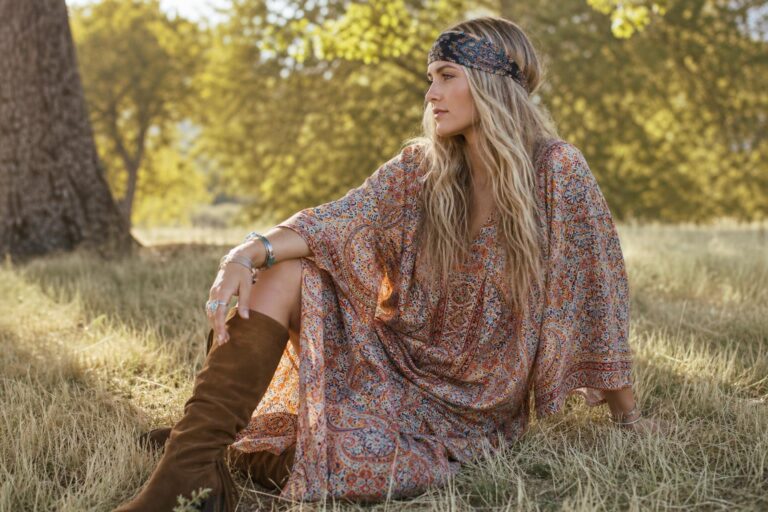
Evening cowgirl glam works when you elevate one element—texture, shine, or movement—without abandoning the western framework. Choose a fringe dress or a fringe jacket as the hero. Pair it with cowboy boots to keep the look grounded, then add a statement belt buckle if the dress silhouette needs waist definition. Keep the rest minimal: the fringe is already doing visual work.
Why it works: fringe introduces motion, which reads instantly “western” while also feeling fashion-forward. Boots prevent the outfit from feeling too delicate. A clean belt creates proportion control, especially under low light where silhouette matters more than small details. If you want to push it further, lean into metallic accents through hardware rather than adding multiple separate accessories.
Outfit solution: festival-ready western that handles heat, dust, and long hours
Festival styling has two non-negotiables: sun management and endurance. Start with a denim skirt or lightweight denim shorts (if appropriate for the event), then add a breathable top and a fringe vest for the western layer. Cowboy boots are common here because they protect feet better than many alternatives in crowded outdoor settings. A cowboy hat becomes functional—sun protection—while also completing the silhouette.
Why it works: the denim base is durable; fringe adds personality without heavy warmth; boots handle long wear; the hat isn’t just aesthetic. Keep the belt practical—secure but not heavy—because a large buckle can become uncomfortable during long hours standing and sitting on the ground.
Outfit solution: desert ranch minimalism for a clean, modern western palette
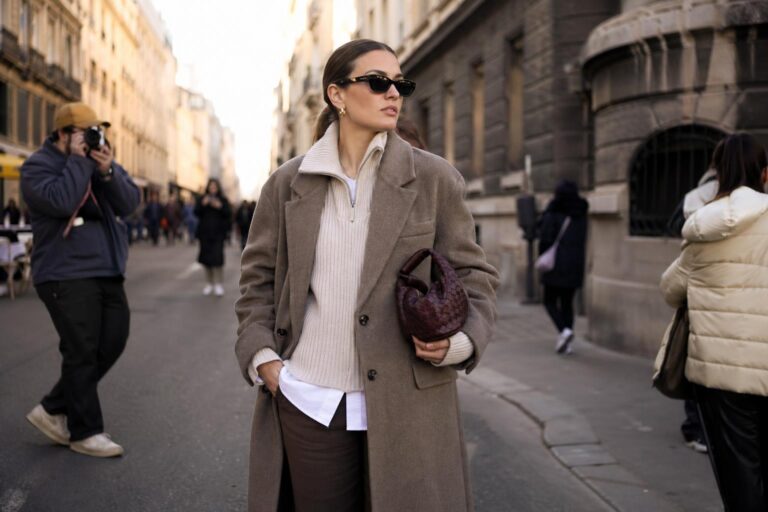
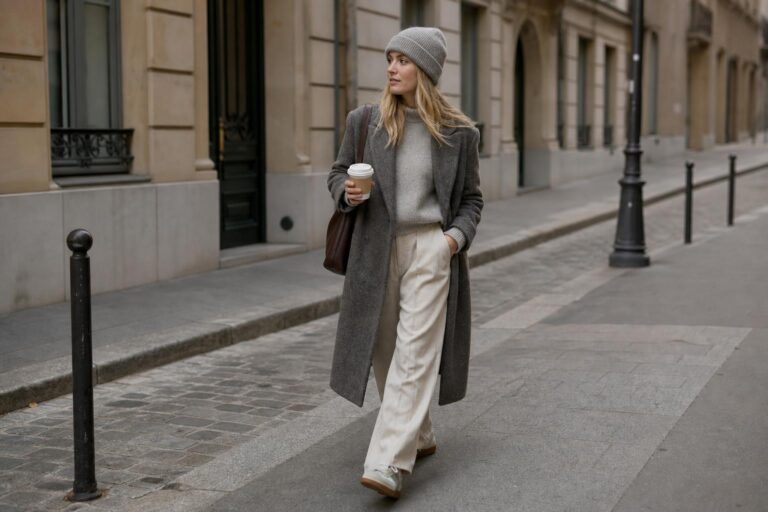
Desert ranch minimalism is the antidote to “too much.” Use a neutral palette—tan leather, denim blue, and other earth tones—and let texture do the talking. A simple denim dress or jeans with a clean top becomes the base. Add a leather jacket or a longline jacket for structure, then finish with boots and a belt that matches the leather tone.
Why it works: tonal layering keeps the outfit sleek, while the materials—denim and leather—carry western heritage without needing bold prints. This is one of the most effective ways to translate western wear into city environments without losing authenticity.
Outfit solution: country outfits girl formula for group plans and coordinated looks
When you’re coordinating with friends—concerts, festival groups, themed nights—the risk is visual clutter. The clean approach is to standardize one shared element (boots, denim jackets, or hats) and let everyone personalize the rest with small variations: different denim washes, different belt choices, plaid vs. solid shirts, or fringe as an optional accent.
Why it works: you get cohesion without forcing identical outfits. It also keeps the styling within a recognizable western wear cluster—denim, boots, belts, hats—while allowing individual comfort preferences. This approach suits “girl country outfits” and “country outfits girl” searches because it solves the social styling problem, not just the aesthetic one.
Regional style narratives: translating cowgirl style from Jackson Hole to Austin to Santa Fe

One of the quickest ways to make cowgirl style outfits feel intelligent rather than generic is to choose a location narrative and let it guide your restraint level, palette, and accessories. Western wear isn’t a single uniform; it shifts across regional contexts, and referencing those shifts helps you build outfits that feel grounded.
Jackson Hole ranch aesthetic: durable silhouettes and quiet authority
Jackson Hole styling reads as functional-first: denim and boots are core, outer layers matter, and the outfit composition prioritizes practical warmth and movement. A denim jacket or longline jacket layered over a plaid shirt, paired with jeans and boots, communicates “ranch-ready” without relying on extra embellishment. Belts and buckles tend to be supportive rather than overly flashy because the silhouette and material quality do the talking.
Austin western-chic: city energy with a clear western anchor
Austin’s western-chic interpretation is where you can afford a stronger statement piece—fringe jacket, bold belt buckle, or a standout boot—because the environment expects fashion-forward play. The key is to keep the rest streamlined: denim as the stabilizer, a clean top, and one hero accessory. This is also where “cowgirl glam” feels most natural: the styling can shift from day to evening with a single swap, like adding a more dramatic belt or leaning into fringe.
Santa Fe influence: texture, heritage cues, and thoughtful restraint
Santa Fe’s influence leans into texture and a more curated sense of heritage. Denim still anchors the wardrobe, but the styling logic emphasizes artisan-feeling details: a concho belt, a considered hat, and layered pieces like vests. This is also where it becomes important to treat heritage and cultural influence with respect—especially when referencing Indigenous textile motifs. The most modern approach is to avoid reducing those motifs to “decoration” and instead keep the outfit grounded in classic western essentials.
Heritage and modernity: how to reference western history without getting stuck in the past
Modern western fashion is a blend of lineage and reinterpretation. References to rodeo fashion and the Nudie Cohn legacy show up as an undercurrent—an understanding that western styling has long included glamour, performance, and strong silhouettes, not just utilitarian ranch gear. In practice, you don’t need to dress like a historical reenactment to honor that history. You simply need to choose pieces with clear western identity and style them with contemporary proportion control.
A practical way to do this is to keep one heritage-forward piece—like a bold belt buckle, a fringe jacket, or a cowboy hat—then build the rest with modern basics: denim, clean shirts, and controlled layering. That balance is what keeps the outfit from feeling like “rodeo costume” while still acknowledging the roots of western wear.
Shopping and wardrobe-building guidance: how to create a repeatable cowgirl capsule
The most wearable cowgirl style outfits aren’t built from dozens of novelty items. They’re built from a small set of repeatable staples with strong mix-and-match potential. The goal is to create outfit formulas you can reuse across seasons and occasions—casual, festival, evening, and everyday western chic.
- One anchor boot you can walk in (roper-style if comfort is priority) and one bolder boot if you want a statement pair.
- Two denim bases: one pair of bootcut jeans and either a denim skirt or a denim dress for warm weather rotation.
- One layering hero: denim jacket, vest/gilet, or a longline jacket depending on your climate and styling preference.
- One belt that shapes (clean leather) and one belt that speaks (concho belt or a statement buckle).
- One hat option (cowboy hat) reserved for outdoor days, festivals, and strong silhouette moments.
When you shop, recognizable category brands can help you stay anchored in authentic western product language. For boots, Ariat, Lucchese, and Tony Lama appear naturally within western contexts. For denim, Levi’s and Wrangler are clear wardrobe workhorses. For hats, Stetson is a known entity that signals a classic cowboy hat profile. The point is not to chase labels—it’s to choose items with consistent design vocabulary so your outfits look cohesive.
Mix-and-match logic: outfit formulas you can reuse
Instead of thinking in one-off outfits, use formulas that scale. A simple formula like “boots + denim + belt + one western layer” can become dozens of combinations: swap denim washes, switch between plaid and a clean top, rotate between a vest and a denim jacket, choose fringe for evenings, and add a hat for outdoor events. This approach is especially helpful if you’re building country outfits girl wardrobes on a budget, because it keeps your cost per wear practical.
Technical fit and care: the unglamorous details that make the look work
Boot fit for real schedules
If you’re planning an all-day wear situation—festivals, city walking, travel—boot comfort outranks aesthetics. A stable heel and a secure fit reduce fatigue. If the boot rubs in the store, it will punish you outdoors. Treat boots as performance footwear: they need to support standing, walking, and stairs, not just photos.
Denim sizing and movement: why “stiff” can sabotage your outfit
Denim creates structure, but overly stiff denim can restrict movement and distort proportions when you sit or bend. For daily wear, choose denim that holds shape without feeling rigid. Bootcut jeans should skim the boot rather than bunch heavily; denim skirts should allow comfortable stride length. The goal is a silhouette that stays clean while you move through your day.
Leather and fringe maintenance: keep the hero pieces looking intentional
Leather jackets, belts, and boots visually anchor western outfits, but they can look tired fast if they’re neglected. Keep leather clean and store fringe pieces so they don’t crease or tangle. Fringe reads luxurious and dynamic when it moves freely; when it’s crushed, it reads messy and undermines the outfit’s polish. This is especially important for cowgirl glam and fancy country outfits women wear at night, where details show under lighting.
Tips that instantly upgrade cowgirl style outfits (without adding more stuff)
Tip: treat your belt like styling punctuation. If your outfit is denim-heavy, a buckle or concho belt breaks up the blue field and creates intentional waist definition. If your outfit already has fringe or a dramatic hat, choose a simpler belt to keep the composition legible.
Tip: use wash contrast for denim-on-denim. Pair a lighter denim jacket with darker jeans (or the reverse) to avoid a flat “uniform” effect. This is one of the easiest ways to make western-inspired layering feel modern and city-ready.
Tip: let one print lead. Plaid shirts are a core western entity, but they become overpowering when combined with heavy fringe and oversized hardware. If you wear plaid, keep the accessories cleaner and let boots do the western signaling.
Tip: reserve the cowboy hat for functional moments. Hats look best when they make sense—outdoor events, festivals, sunny days. When worn indoors without context, they can read as costume and distract from an otherwise strong western chic outfit.
Common mistakes (and the exact fixes)
Mistake: stacking too many “headline” items
This happens when boots, hat, fringe jacket, concho belt, and bold jewelry all compete. The fix is to pick one headline and demote the rest to supporting roles. If fringe is the hero, keep the belt simple and skip the hat. If the hat is the hero, keep the jacket clean and let denim carry the base.
Mistake: ignoring comfort until the event starts
Western outfits are often worn to long-duration events—festivals, concerts, city days. A boot that “almost” fits or a buckle that pinches will ruin the look in practice. The fix is to test the outfit seated and walking before committing. Comfort is part of styling; it directly affects posture, and posture changes the silhouette.
Mistake: making the outfit too literal for the setting
For school, casual offices, or brunch, full rodeo fashion signaling can feel mismatched. The fix is to lean into western-inspired pieces—denim jacket, boots, belt—while keeping the overall palette and silhouette streamlined. This is how cute western outfits for school stay stylish without feeling like a theme.
Mistake: losing the waistline in oversized layers
Layering is essential, but bulky layers can hide structure and make the outfit feel shapeless. The fix is to add a belt over a denim dress, choose a vest/gilet that frames the torso, or use a longline jacket that creates vertical lines. Western style thrives on clear shape: boots ground, belt defines, denim stabilizes.
Putting it all together: a modern framework you can repeat
Modern cowgirl style outfits work when you treat western wear as a system: boots, denim, belts, hats, fringe, plaid, and denim jackets each have a job. Boots and belts are the visual anchors. Denim is the stabilizer. Fringe is movement and drama. Plaid signals tradition. Hats are context-driven power pieces. Once you assign roles, you can build outfits that match your day—school, city, evening, festival—without slipping into costume or sacrificing comfort.
Use the same framework for related aesthetics too: country girl fashion, girl country outfits, and country outfits girl wardrobes all benefit from the same principle—one strong western anchor, one stable base, and disciplined accessories. That’s the difference between owning western-inspired pieces and actually wearing them with confidence.

FAQ
What’s the difference between cowgirl style and western chic?
Cowgirl style outfits usually feature clearer western wear signals—cowboy boots, a cowboy hat, fringe, or a statement buckle—while western chic uses the same entities more sparingly, often anchored by denim and one western accessory so the outfit reads more city-ready and less literal.
How can I wear western pieces without looking costume-y?
Choose one hero piece (boots, hat, fringe jacket, or a concho belt) and keep the rest of the outfit restrained with denim staples and clean layers like a denim jacket or longline jacket; the outfit looks intentional when one element leads and everything else supports.
What boots are best for walking all day in a western outfit?
A more walkable profile such as a roper-style boot typically suits long schedules because it reads clean and stable, while more dramatic shapes can be saved for shorter wear windows; the best choice is the pair that stays comfortable when you test walking and sitting.
How do I style denim-on-denim for a western vibe?
Use denim as a tonal base but create separation with wash contrast—pair a lighter denim jacket with darker jeans or the reverse—then add a western anchor like cowboy boots or a belt buckle to clarify the theme without adding extra prints.
What are easy cute western outfits for school that still feel authentic?
Build the look around denim (jeans or a denim skirt) plus a denim jacket or vest/gilet, then add streamlined cowboy boots and a simple belt; this keeps the outfit comfortable and practical while still reading as western-inspired.
How do I make fancy country outfits women wear at night feel elevated?
Elevate one element—fringe dress, fringe jacket, or a statement belt buckle—then keep the rest minimal and structured with boots and clean layering so the outfit looks polished and intentional rather than overloaded with accessories.
When does a cowboy hat make sense, and when should I skip it?
A cowboy hat reads most natural in outdoor contexts like festivals and sunny daytime plans where it also provides sun protection; indoors or in settings without that context, it can overpower the outfit and push the look toward costume, so boots and belts often work better.
How should I care for western leather pieces like boots and belts?
Keep leather boots, belts, and jackets clean and stored properly so they maintain shape and polish; well-maintained leather looks intentional and elevates the entire western outfit, while neglected leather can make even strong styling feel messy.
What’s the simplest way to plan coordinated girl country outfits for a group?
Pick one shared element—cowboy boots, denim jackets, or hats—then let everyone personalize the rest with denim wash choices, plaid vs. solid tops, and optional fringe; this keeps the group cohesive without forcing identical outfits.