Modern Ankara Style for Weddings, Work, and Beyond
A striking print can carry an entire outfit, but ankara style works best when the fabric, silhouette, and occasion are aligned. That is why the most successful ankara looks do more than showcase bold African prints. They use proportion, color rhythm, and garment structure to turn patterned fabric into a polished visual statement. From shirt dresses and maxi gowns to two-piece sets and fit-and-flare shapes, ankara fashion continues to evolve through modern styling logic while staying rooted in the visual power of Ankara fabric.
Across current fashion coverage, the strongest ankara dress styles are defined by versatility. The same fabric can support a casual daytime outfit, an office-chic composition, a wedding guest look, or a formal gown with red-carpet energy. The difference lies in how the print is scaled, how the waist is shaped, and how accessories are used to create a clear visual anchor. This guide breaks down those decisions so you can understand not just what to wear, but why certain ankara styles work better than others.
Ankara as fabric and fashion language
Ankara is the central material behind the category often called ankara style, ankara dresses, or ankara fashion. In fashion terms, it functions as both textile and statement surface. The print is not secondary decoration. It defines the mood of the garment, influences the best silhouette choice, and often determines how much accessory support the outfit needs.
Many style guides place Ankara fabric within a wider African fashion context, often alongside terms such as African prints and wax print-inspired dressing. In practical styling, this matters because the print usually arrives with high visual density. A simple silhouette can therefore look complete very quickly, while an overly complicated cut may compete with the fabric rather than elevate it.
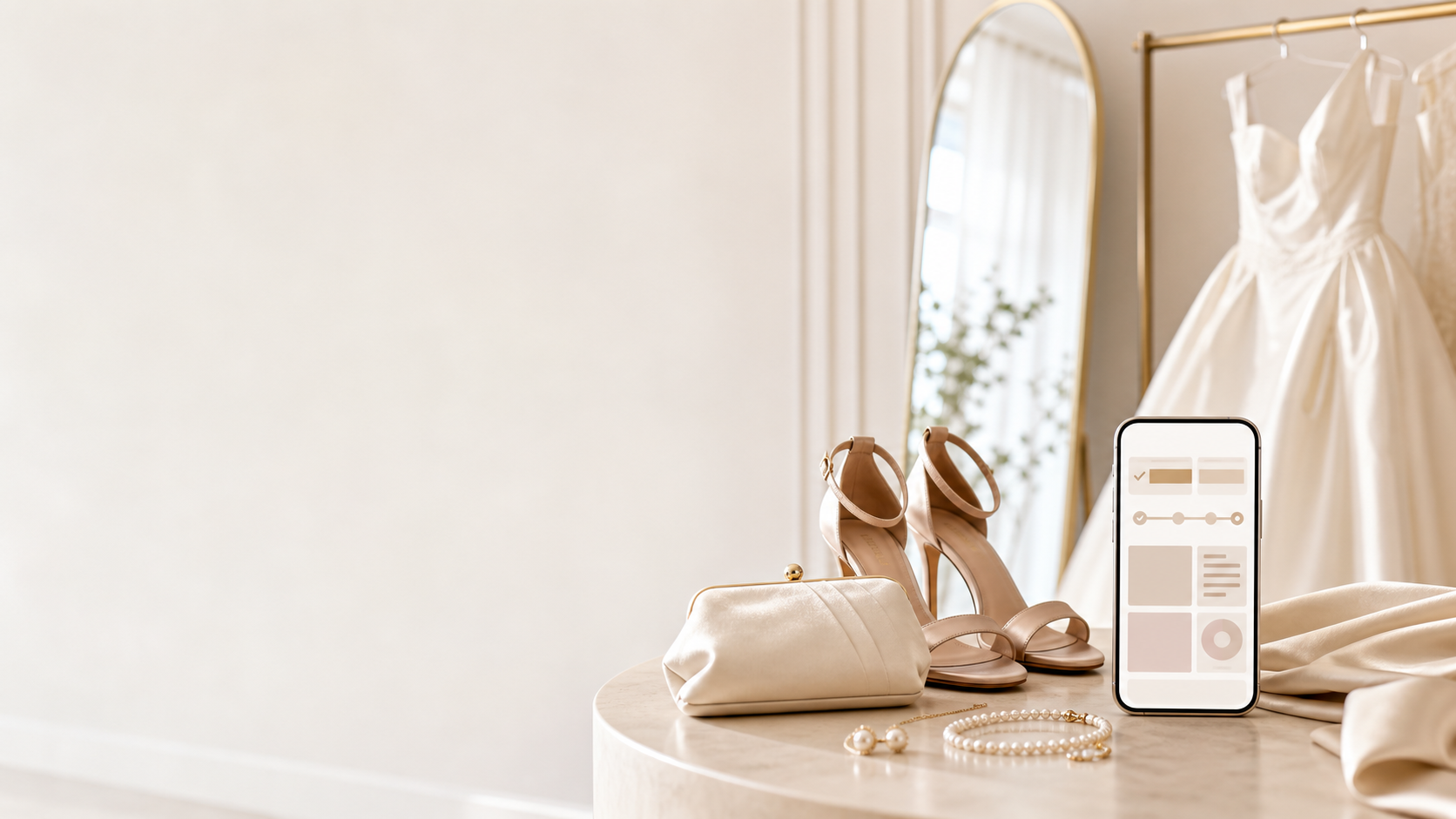
Found the dress? Keep the rest in one place.
Zarellea brings guest details, vendors, timelines, and every next step together — so your wedding plan feels as good as your look.
That is also why modern Ankara dress ideas often lean into balance. If the pattern is vibrant and high-contrast, a cleaner line such as a column dress or shirt dress can feel sharper. If the print is more rhythmic or evenly distributed, a more sculpted silhouette such as mermaid or fit-and-flare can work beautifully because the eye can still read the garment shape clearly.
Why print direction changes the whole outfit
Print placement affects proportion. Large motifs can widen the visual field, making them especially effective on maxi dresses, gowns, or coordinated ensembles where the fabric has room to breathe. Smaller or more repetitive motifs often suit shirt dresses, office-ready pieces, and two-piece sets because they create a more controlled finish. This is one of the main reasons shopping guidance around ankara fabric should always include silhouette planning rather than fabric choice alone.
The silhouette families defining modern ankara dressing
The most recurring ankara style categories are not random trend lists. They form clear silhouette families. Once you understand these families, it becomes much easier to choose a look that suits your setting, comfort needs, and styling goals.
Maxi dresses and Grecian-inspired gowns
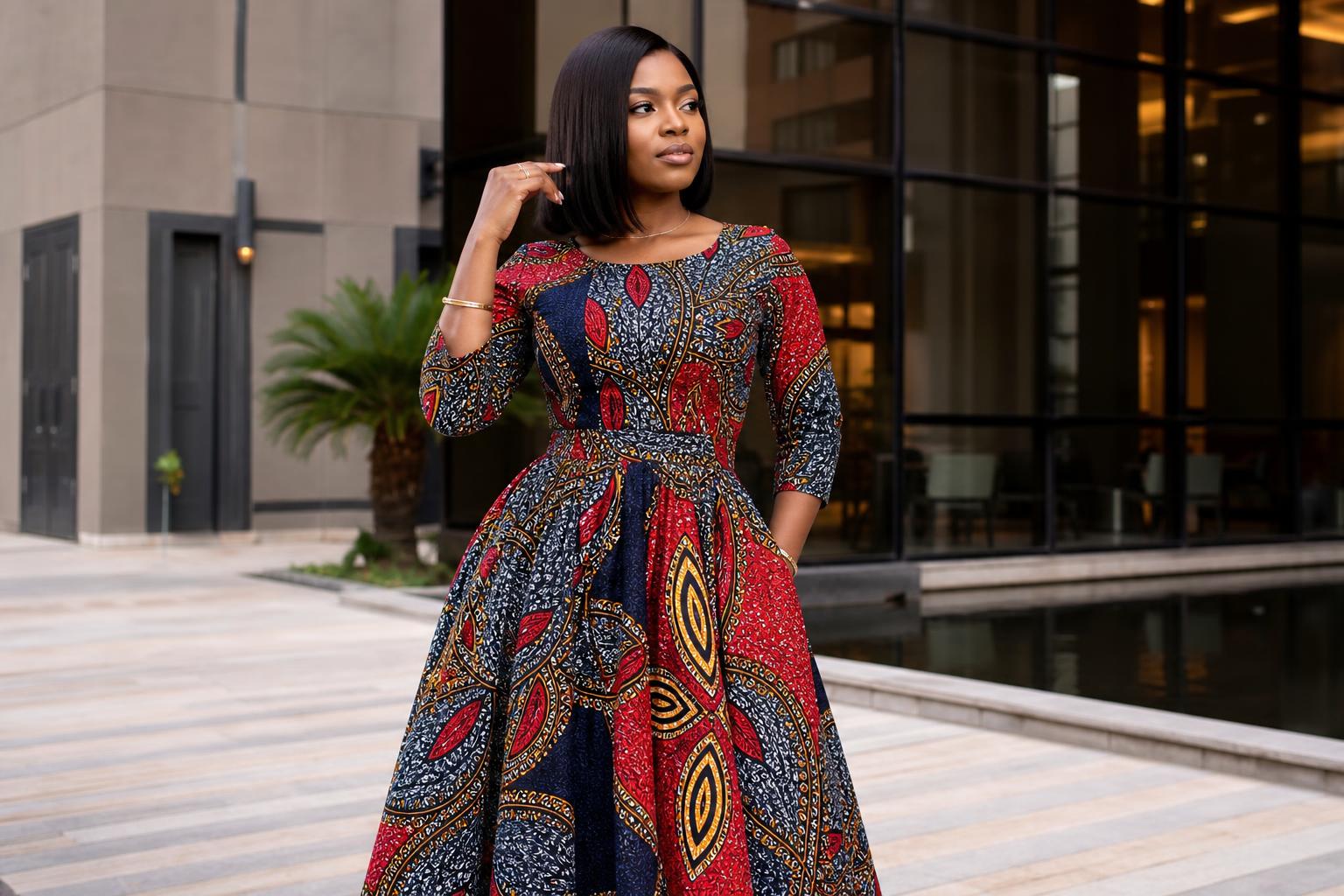
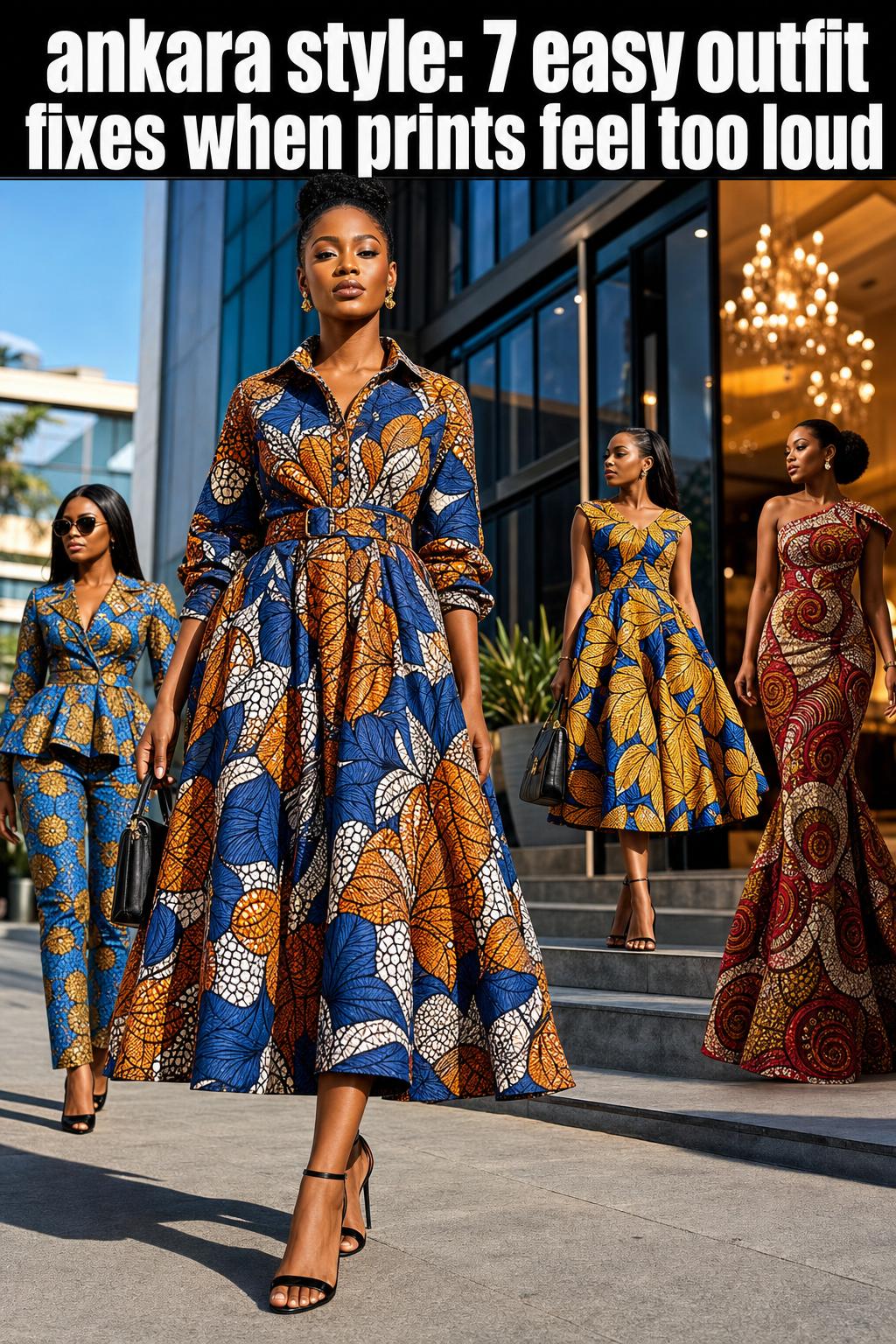
Ankara maxi dress silhouettes remain one of the strongest expressions of the fabric because they give the print uninterrupted vertical space. This creates movement, visual drama, and a strong occasion feel without requiring excessive embellishment. In formal settings, this category can lean toward gown dressing, especially when the waist is defined and the skirt line flows cleanly from the body.
What makes this shape effective is its ability to unify pattern and length. The eye travels down the garment, so the print reads as intentional rather than fragmented. This is especially useful for wedding guest dressing, traditional-modern blends, and evening events where a longer line feels appropriate. If the print is bold, keep the shoe and bag selection restrained so the dress remains the statement piece.
Shirt dresses and shirt-skirt combinations
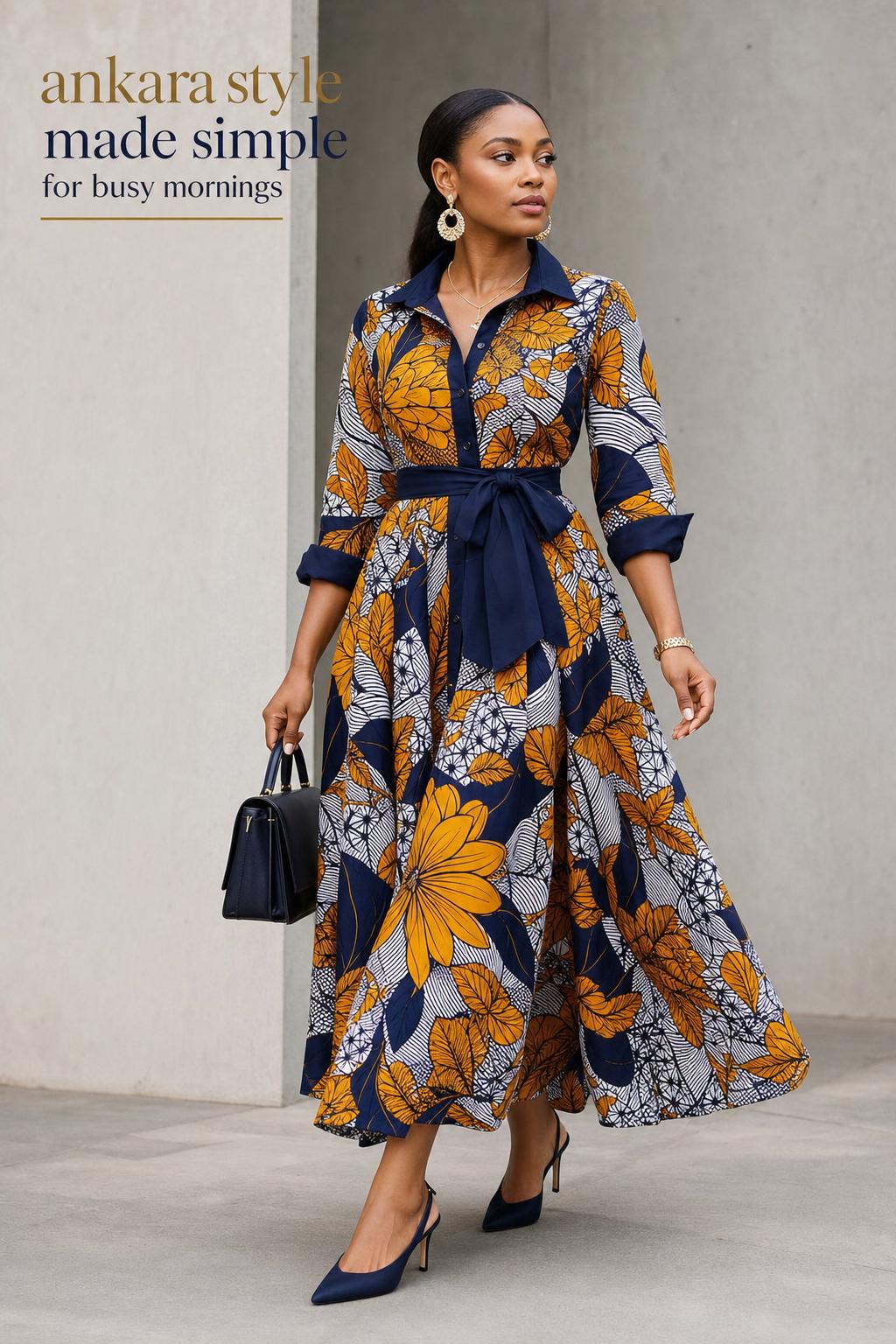
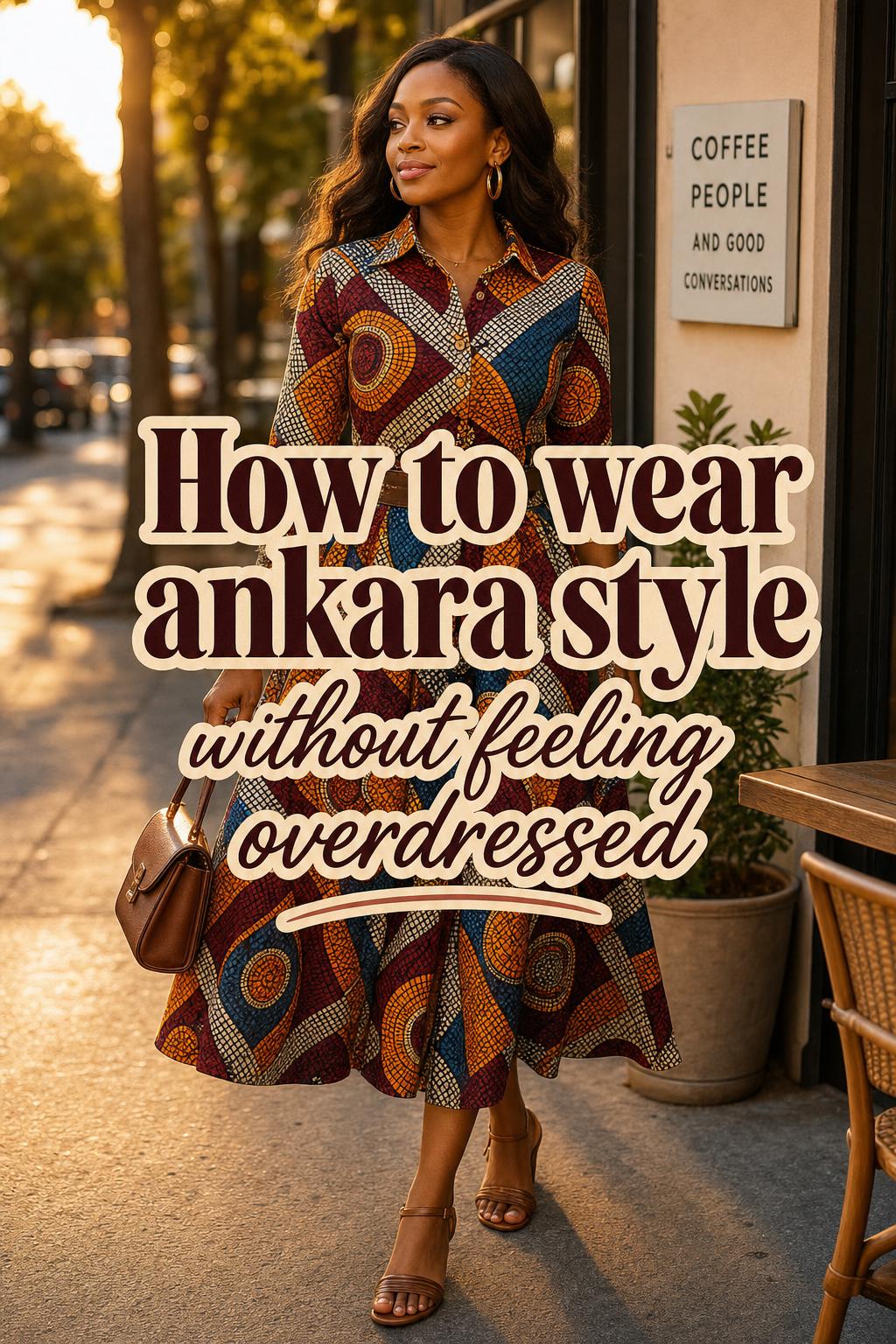
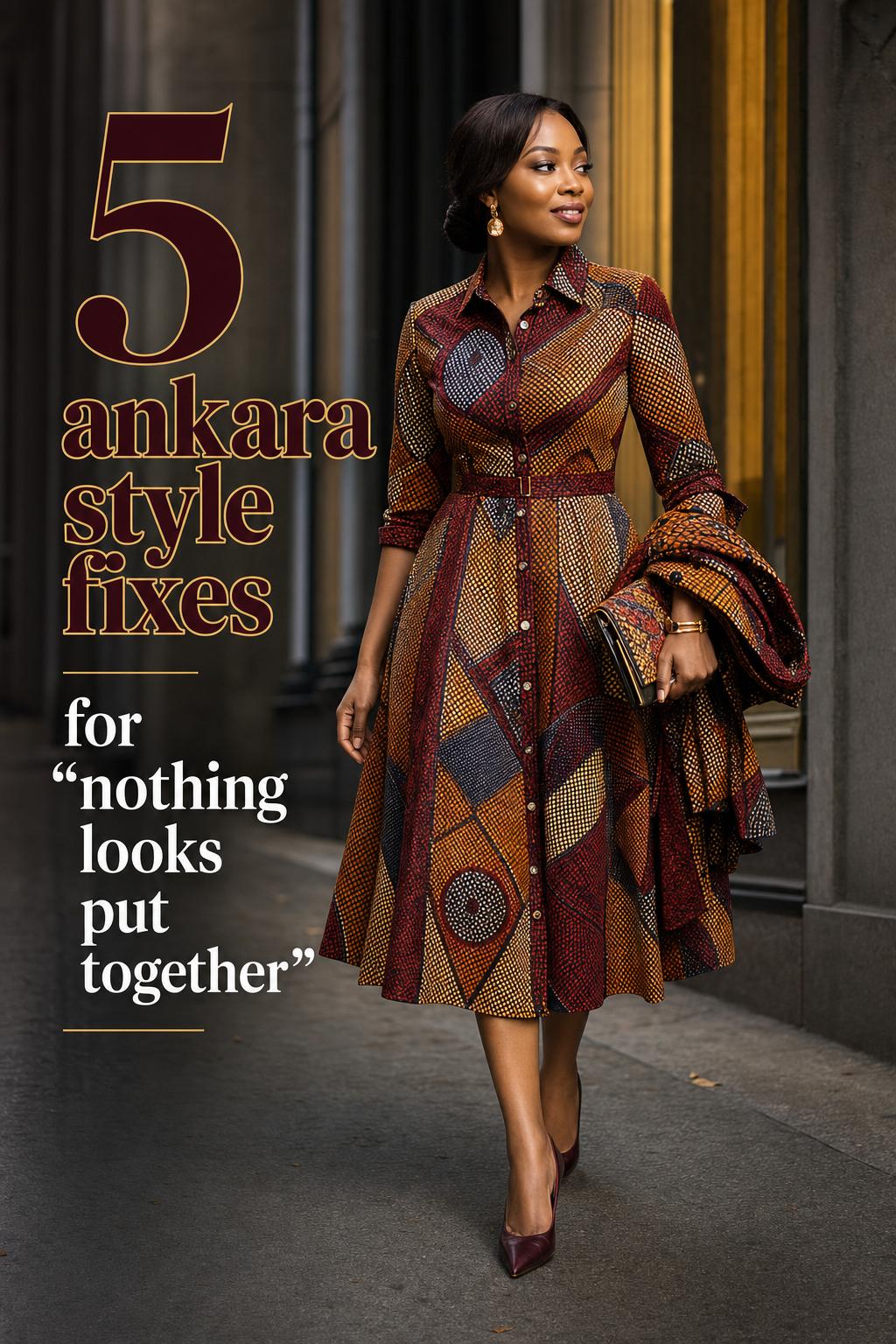
The ankara shirt dress is one of the most wearable interpretations of the fabric. It translates strong print into a familiar structure, making it ideal for daywear, casual settings, and office-chic styling. The button-front or shirt-inspired construction introduces order, which helps control the energy of vivid color and pattern.
Shirt-skirt combinations work on similar logic. The structure of the upper portion anchors the print, while the lower half creates movement. This type of outfit composition is useful for readers who want Ankara fabric to feel polished rather than overtly formal. It is also easier to adapt seasonally, since layering with a jacket or switching footwear can change the mood quickly.
Mermaid, fit-and-flare, and column silhouettes
These silhouettes are especially important for women who want shape definition. Mermaid and fit-and-flare styles emphasize the waist and create a clear body line, while column silhouettes offer a more elongated and minimal finish. Across fashion roundups, these cuts repeatedly appear because they show how Ankara fabric can support both sculpted and streamlined dressing.
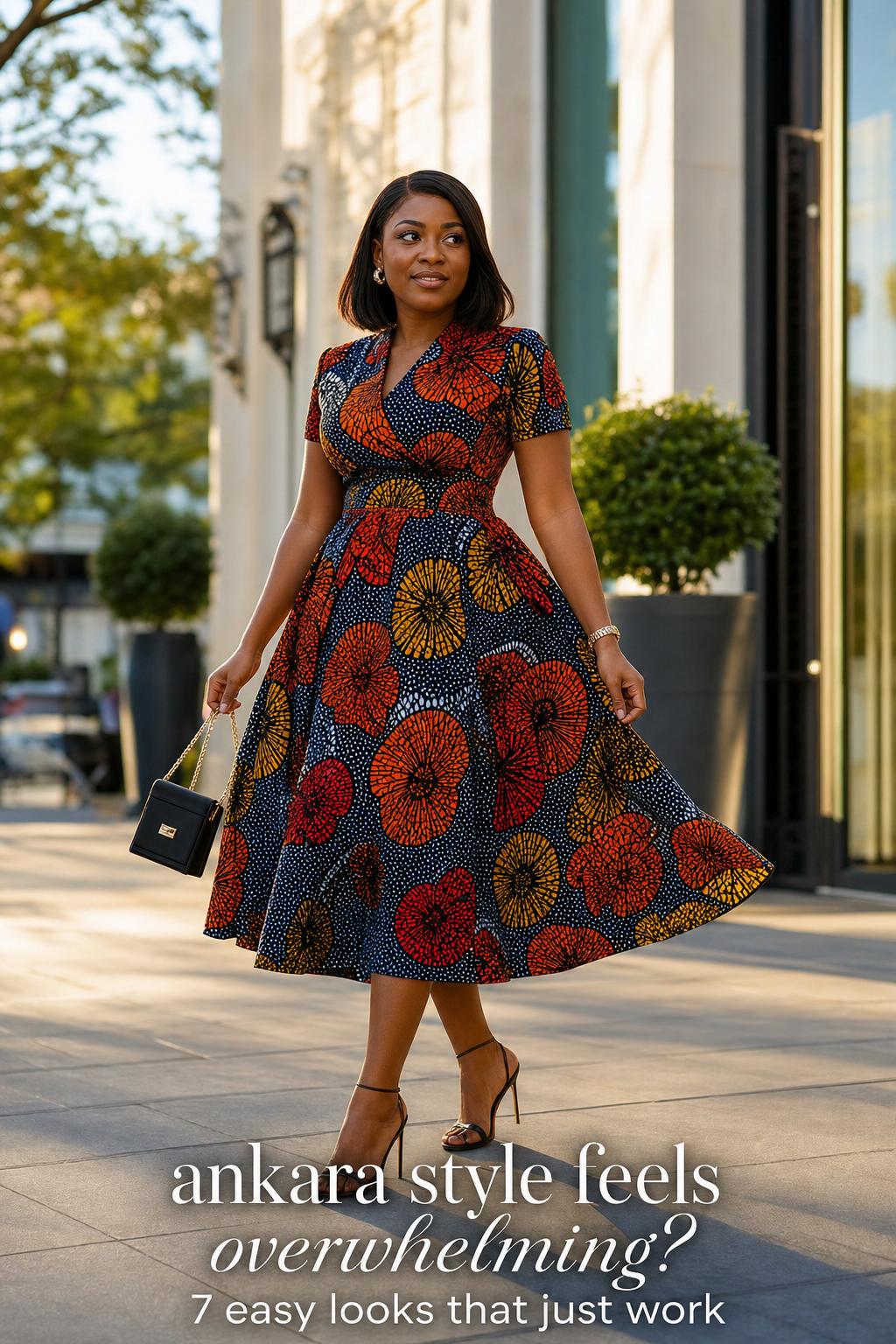
A fit-and-flare shape creates natural proportion play. The fitted upper section contains the print, and the wider lower section releases volume in a controlled way. Mermaid styles are more directional and often better suited to events than daily wear because the body-skimming construction is visually stronger and less forgiving in movement. Column dresses are the cleanest option when the print itself deserves full attention.
Two-piece sets and coordinated ensembles
Ankara two-piece set dressing has become a major category because it adds flexibility. Matching separates create the effect of a complete look while allowing more control over fit, styling variation, and occasion use. This is one of the most practical routes for anyone building a wardrobe around Ankara styles rather than buying single-event outfits.
Coordinated ensembles also help with pattern management. Breaking the print across two garments can make a vivid design feel more approachable, especially if the top or skirt has a simpler cut. This format suits both casual and formal styling, depending on the tailoring and accessories. It also transitions well between fashion seasons because each piece can be worn independently.
Corset-style and form-fitting updates
Year-forward fashion coverage highlights corset-style and form-fitting Ankara looks as key trend directions. The appeal is easy to understand. Structured bodices create a defined visual anchor at the torso, which helps organize bold prints and gives the outfit a stronger contemporary edge. This category is especially relevant for occasion dressing and 2026 trend framing.
Still, this silhouette has trade-offs. A corset-style dress often looks most effective when the rest of the outfit remains streamlined. Too many accessories can overcrowd the composition. It is also less relaxed for long wear than a shirt dress or looser maxi silhouette, so event duration and movement should factor into the decision.
How occasion changes the right ankara style
One of the biggest gaps in many style roundups is practical occasion mapping. Ankara fabric can appear in many forms, but not every cut works equally well in every context. The most polished looks are chosen with setting, duration, and movement in mind.
Casual day dressing
For daytime wear, the best ankara styles usually prioritize ease. Shirt dresses, short dresses, and softer two-piece sets perform well because they keep the print lively without making the outfit feel overdressed. Casual ankara outfits work best when the silhouette has enough simplicity to let the pattern do the work.
- Choose silhouettes with clean lines rather than excessive volume.
- Let one item lead the outfit, especially if the print is high contrast.
- Use simple accessories to avoid visual overload.
- Favor shapes that allow all-day comfort and natural movement.
Office-chic ankara styling
Office ankara is less about reducing personality and more about refining composition. Structured shirt dresses, column shapes, and controlled two-piece sets often perform best because they translate Ankara fabric into work-appropriate lines. The goal is balance: a clear silhouette, a stable waistline, and accessories that reinforce polish rather than compete for attention.
In practical terms, this means choosing prints that read clearly from a distance and silhouettes that maintain shape while seated or moving through a workday. A shirt-skirt combination can be especially effective here because it feels organized and adaptable. It also allows tonal layering with outerwear when needed.
Wedding guest and traditional-modern blends
Ankara for weddings often sits at the intersection of celebration and precision. This is where maxi dresses, fit-and-flare cuts, and waist-defined gowns shine. The print already communicates energy, so the silhouette should bring elegance and direction. Wedding guest dressing benefits from pieces that hold shape well in photos and remain comfortable over long event hours.
A traditional-modern blend usually works best when one element feels classic and another feels current. A gown-length silhouette in Ankara fabric achieves that contrast naturally. So does a modern corset-style bodice paired with a more fluid skirt. The outfit feels event-ready, but not costume-like.
Formal events and red-carpet-ready dressing
For formal events, ankara style becomes more architectural. Column gowns, mermaid cuts, and full-length silhouettes create stronger visual impact because they give the print a stage. The logic here is different from casual wear. Instead of using print as a lively accent, the entire garment becomes a statement composition.
Red-carpet-ready Ankara looks depend on clarity. A strong neckline, a disciplined waist, and a focused accessory story usually outperform overly busy styling. If the gown is form-fitting or corset-based, restraint becomes even more important. The garment should lead; everything else should support.
Color coordination and pattern pairing that make Ankara look intentional
Because Ankara fabric is visually expressive, color coordination is not a minor detail. It determines whether the outfit feels editorial or chaotic. The most effective ankara style compositions identify one dominant color family or one accent note and build around that visual anchor.
Using color as a stabilizer
If the garment includes several colors, do not try to echo all of them through accessories. Select one tone and repeat it sparingly. This method strengthens cohesion and keeps the print from feeling fragmented. Color repetition through shoes, bags, or jewelry details can sharpen an outfit quickly without adding complexity.
For coordinated sets, color consistency matters even more because the eye is processing a larger expanse of print. In that case, minimal accessories often produce the strongest result. The outfit already has enough energy. Your job is to frame it, not compete with it.
Pattern density and silhouette balance
Not every pattern scale suits every cut. Large motifs need room, which is why they tend to shine on maxis, gowns, and broad skirt shapes. Smaller or tighter repeats can support slimmer dresses, shirt dresses, and office-ready silhouettes. This relationship matters because silhouette balance relies on the print staying legible.
A common styling mistake is pairing a highly intricate print with a highly intricate silhouette. The result can look crowded. A better approach is contrast: bold print with cleaner cut, or sculpted cut with more controlled print rhythm. This keeps the outfit composition readable and sophisticated.
Accessories that support rather than compete
Accessory pairing is one of the clearest difference-makers in Ankara styling. Since the fabric already carries texture, color, and pattern, accessories should create structure and finish. Their role is to frame the look, add polish, and guide the eye.
- Jewelry works best when it reinforces the neckline or waist emphasis rather than adding unrelated drama.
- Shoes should match the outfit’s role: lighter and practical for casual looks, sharper and more refined for events.
- Bags are most effective when they provide a clean visual break from the print.
- If the dress is heavily patterned, reduce the number of competing accessory statements.
For shirt dresses and daytime two-piece sets, understated accessories preserve ease. For evening gowns and mermaid silhouettes, accessories can be more deliberate, but they still need discipline. The strongest accessory strategy is usually selective repetition: echo a color, emphasize a waistline, or mirror a shape. That is far more elegant than trying to match every element literally.
Where trend framing matters: 2025 and 2026 directions
Recent coverage of ankara dress styles 2026 and year-forward fashion trends points in a clear direction. The category is moving beyond generic print dresses toward more defined silhouette statements. Corset-style cuts, form-fitting lines, coordinated sets, and cleaner structural choices are recurring themes. This does not mean classic maxi and fit-and-flare options are disappearing. It means they are being styled with more intention.
The key shift is precision. Modern ankara dress ideas are less about wearing a vibrant fabric in any shape and more about choosing the right shape for the print and the occasion. A 2025 or 2026 framing often emphasizes freshness, but the deeper pattern is refinement: more waist definition, stronger line control, and smarter accessory restraint.
How to interpret trends without overcommitting
Trend-led ankara fashion is most useful when filtered through real wearability. A corset-style piece may feel current, but a shirt dress or two-piece set may serve your wardrobe more often. A mermaid gown may be visually memorable, but a fit-and-flare maxi may deliver better movement over a long event. The right choice depends on how often you expect to wear the piece and in which settings.
Practical style breakdowns for real wardrobe decisions
Ankara style becomes easier to navigate when you think in use cases rather than trend names. The same fabric category can support very different style outcomes depending on what your day or event requires.
The polished day event look
A midi or maxi shirt dress in Ankara fabric works well for daytime social settings because it balances visibility and ease. The structure prevents the print from feeling overwhelming, while the pattern keeps the look from appearing plain. This is a strong choice for someone who wants to look dressed up without moving into full formalwear.
The high-impact wedding guest option
A waist-defined fit-and-flare gown or ankara maxi dress is often the smartest answer for wedding guest dressing. It gives enough presence for celebration but remains elegant if the accessories stay controlled. This kind of silhouette also photographs well because the waist and skirt line are easy to read.
The wardrobe-builder set
An ankara two-piece set is the most strategic purchase for someone who values versatility. Worn together, it creates a complete coordinated ensemble. Worn separately, it increases wardrobe range. The styling logic is efficient: strong impact when matched, more flexibility when split into individual outfits.
The evening statement silhouette
A column or mermaid dress is best for occasions where visual drama matters more than all-day ease. These silhouettes maximize line and shape, which gives Ankara fabric a more formal expression. They are especially effective when the print has clear directional flow and the styling remains minimal around it.
Care, maintenance, and why longevity affects style value
Care is often treated as an afterthought in fashion coverage, but it directly affects whether Ankara garments continue to look sharp. Patterned fabric loses impact if the garment looks tired, poorly stored, or flattened by improper maintenance. Since Ankara fabric is prized for its visual surface, preserving color clarity and structure matters.
Washing, ironing, and storage basics
Washing, ironing, and storage are consistently relevant because they protect both print quality and garment shape. A shirt dress needs crispness to maintain its structure. A gown needs a clean drape. A coordinated set relies on both pieces retaining similar finish and color appearance. Good care supports all of those outcomes.
- Store garments in a way that preserves their shape and keeps prints looking fresh.
- Pay attention to ironing, especially for structured silhouettes such as shirt dresses and sets.
- Treat care as part of styling value, not only garment maintenance.
- Review upkeep needs before buying highly structured or occasion-specific pieces.
This is also where shopping decisions become more realistic. A dramatic form-fitting gown may look exceptional, but if it requires more careful upkeep than your lifestyle allows, a simpler maxi or shirt dress may offer better long-term value. Practicality does not reduce style. It often improves it.
Buying ankara dresses with more precision
Shopping for ankara dresses online or in boutiques is easiest when you start with silhouette and occasion rather than print alone. Many shoppers are drawn to color first, but the more useful sequence is shape, use case, and then pattern. That order reduces mistakes and leads to garments you will actually wear.
What to assess before you buy
- Identify whether the piece is for casual wear, office use, weddings, or formal events.
- Check whether the silhouette supports movement, sitting, and long wear if needed.
- Consider whether the print scale suits the cut of the garment.
- Think about whether you can style it with accessories you already own.
- Decide whether you want a single statement piece or a more flexible coordinated set.
Custom options can also make sense, especially for silhouettes where waist definition or exact length matter. This is particularly relevant for mermaid, fit-and-flare, and gown styles, where proportion has a major effect on the final result. A beautiful print cannot fully compensate for an awkward fit.
An editorial view on common Ankara styling mistakes
The strongest Ankara outfits tend to look easy, but they are usually built on a few disciplined decisions. When a look fails, it is often because too many elements are trying to lead at once.
Overcomplicating the silhouette
Intricate fabric and intricate construction do not always improve each other. If the print is already dense, choose a cleaner silhouette. This allows the fabric to remain the focus and keeps the outfit legible from a distance.
Ignoring the occasion
A dramatic Ankara gown can feel out of place in a relaxed daytime setting, just as a casual shirt dress may underdeliver for a formal event. Occasion mismatch is one of the quickest ways to make a strong garment feel wrong. Context matters as much as design.
Using accessories without a strategy
Because Ankara fabric is already visually rich, accessories need a reason to be there. If they do not support color harmony, neckline framing, or silhouette emphasis, they can clutter the look. Selective styling almost always appears more elevated than maximal layering.
Tips for making Ankara style feel modern rather than costume-like
Modern ankara fashion is defined by editing. The fabric remains expressive, but the final outfit feels current when the composition is intentional. The easiest way to modernize Ankara is not to suppress its character. It is to sharpen the surrounding choices.
Start with silhouette clarity. If you want a directional look, choose a corset-style, a clean column, or a disciplined two-piece set. If you want versatility, rely on shirt dresses and fit-and-flare shapes that can move across multiple occasions. Then reduce competing elements. Strong print already creates impact, so the styling should provide focus.
Another useful principle is visual spacing. Let areas of the outfit breathe. This can mean a cleaner neckline, simpler shoes, or a bag that functions as a neutral frame. The result is still unmistakably Ankara, but the finish feels refined and contemporary rather than overloaded.
FAQ
What is ankara style?
Ankara style refers to fashion built around Ankara fabric and related African print dressing, especially in silhouettes such as maxi dresses, shirt dresses, two-piece sets, fit-and-flare designs, and gowns. It is defined by the relationship between bold pattern, garment shape, and styling choices.
Which ankara dress styles are most versatile?
Shirt dresses, fit-and-flare dresses, and ankara two-piece sets are typically the most versatile because they move easily between casual wear, office-chic outfits, and social events. They also tend to be easier to accessorize and restyle than highly formal gowns.
How do I choose the right ankara style for a wedding?
For weddings, look for waist-defined silhouettes such as maxi gowns, fit-and-flare dresses, or refined coordinated ensembles. The best choice balances celebration and comfort, photographs well, and allows enough movement for a long event. Keep accessories focused so the print and silhouette remain the main statement.
Can ankara style work for office wear?
Yes, office ankara works especially well in structured shirt dresses, controlled column silhouettes, and polished two-piece sets. The key is choosing a cut that feels organized and using accessories that support a clean, professional finish rather than adding extra visual intensity.
What accessories go best with Ankara fabric?
The most effective accessories are those that frame the print rather than compete with it. Jewelry should support the neckline or waist emphasis, shoes should match the formality of the outfit, and bags should provide a clean visual break. Selective coordination is usually more successful than trying to match every color in the print.
Are ankara two-piece sets better than dresses?
Neither is universally better. Two-piece sets offer more styling flexibility because the pieces can be worn together or separately, while dresses often provide a more immediate and cohesive statement. The better choice depends on whether you want wardrobe versatility or a single high-impact look.
How do I make bold Ankara prints look balanced?
Balance comes from pairing strong prints with clear silhouettes and restrained accessories. If the pattern is large or highly contrasting, a simpler cut often works best. If the silhouette is more sculpted, a more controlled print rhythm can help the outfit stay visually readable.
What are the biggest ankara trends for 2026?
Current trend framing points toward corset-style dresses, form-fitting silhouettes, coordinated ensembles, and more precise waist definition. The broader direction is not just novelty but refinement, with stronger line control and more intentional styling across both casual and formal Ankara looks.
How should I care for ankara dresses?
Care matters because it preserves both the print and the structure of the garment. Washing, ironing, and storage should support the silhouette you bought, whether that is a crisp shirt dress, a flowing maxi, or a matched set. Good upkeep helps Ankara pieces maintain their visual impact over time.