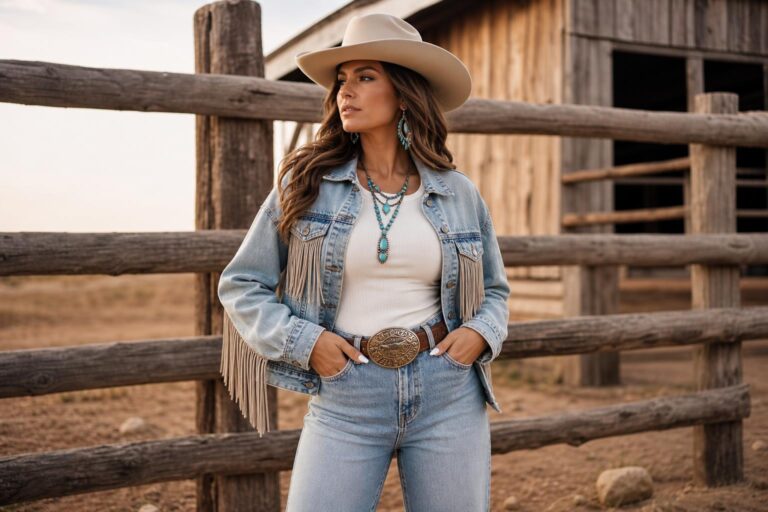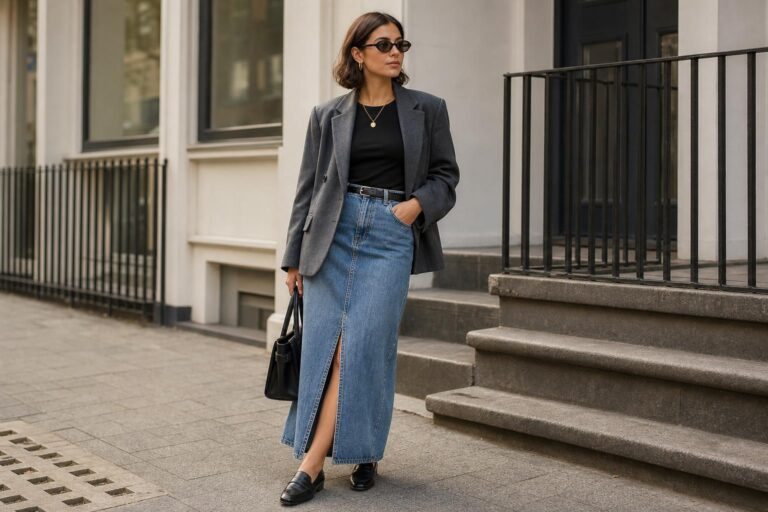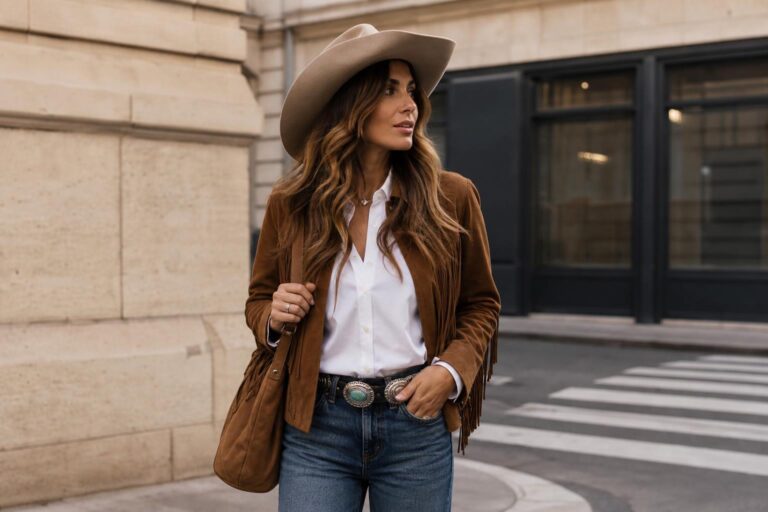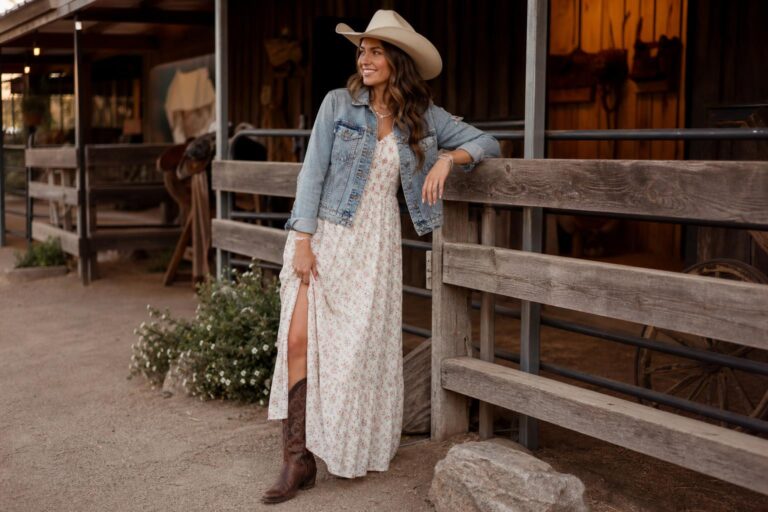
Modern Rustic Fashion for Everyday Style and Cool Mornings
Rustic fashion starts with a real wardrobe dilemma
Rustic fashion sounds simple until you actually try to dress for it. The phrase suggests ease, texture, natural colors, and a grounded kind of style, yet real outfits can quickly drift in the wrong direction. They become either too costume-like, too heavy, too casual, or too polished to still feel rustic.
That tension is what makes this aesthetic tricky in everyday life. Most people are not dressing for a styled photo set. They are getting ready for work, weekend errands, a casual gathering, travel, or a dinner where they want to feel relaxed but still visually put together. The challenge is building outfits that feel natural and wearable without losing shape, function, or personality.
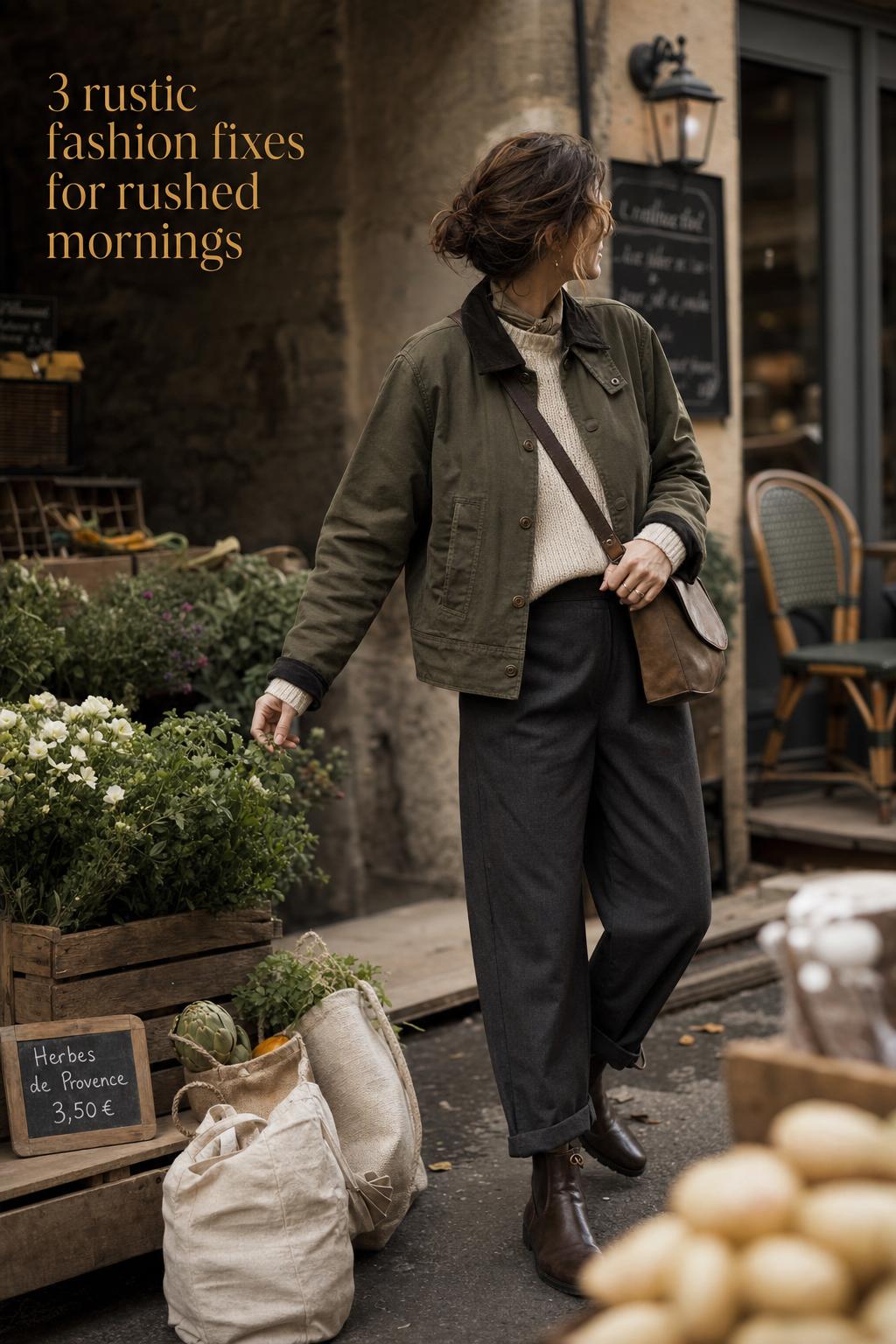
A good rustic wardrobe is not about copying a single formula. It is about understanding how texture, proportion, utility, and softness work together. Once that logic is clear, the style becomes much easier to adapt to your own routine, body type, climate, and comfort needs.
Why rustic style often feels harder to wear than it looks
The biggest issue with rustic dressing is that it relies on nuance. Rustic style usually looks best when it appears effortless, but that effect comes from deliberate outfit composition. Natural-looking combinations still need visual anchors, proportion control, and practical structure. Otherwise the outfit can read unfinished instead of intentional.
Found the dress? Keep the rest in one place.
Zarellea brings guest details, vendors, timelines, and every next step together — so your wedding plan feels as good as your look.
Texture is often where people go wrong first. Rustic fashion depends heavily on tactile materials and visual depth, but stacking too many rough, bulky, or visually heavy pieces at once can create stiffness. A textured jacket, heavy boots, oversized knit, and relaxed denim may all fit the theme individually, yet together they can overwhelm the body and make movement less comfortable.
Color creates a second challenge. Rustic style usually leans on grounded tones and muted palettes, which can feel cohesive and calming. But if every piece is similar in depth, the outfit loses dimension. Without contrast between light and dark, soft and structured, or matte and slightly refined surfaces, the whole look can flatten.
Then there is the reality of daily wear. Rustic clothing often suggests layers, sturdy shoes, and substantial fabrics, which may not work in warmer weather, on long walking days, or in settings where a cleaner silhouette is expected. That is why wearable rustic fashion is less about specific garments and more about smart translation. The aesthetic has to be adjusted to context.
The real styling problem behind the aesthetic
Most rustic outfit frustration comes from trying to balance opposites: softness with utility, looseness with shape, comfort with intention, and natural texture with enough polish to feel complete. Once you recognize that balance as the goal, outfit choices become easier to edit.
The core styling logic that makes rustic fashion work
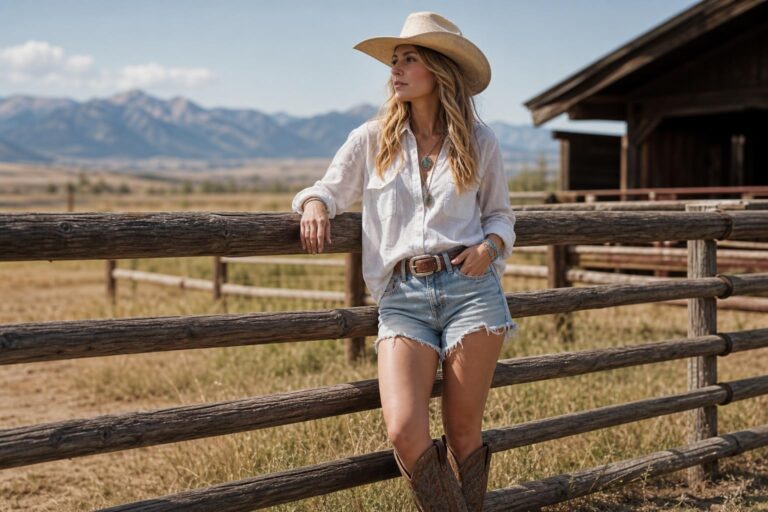
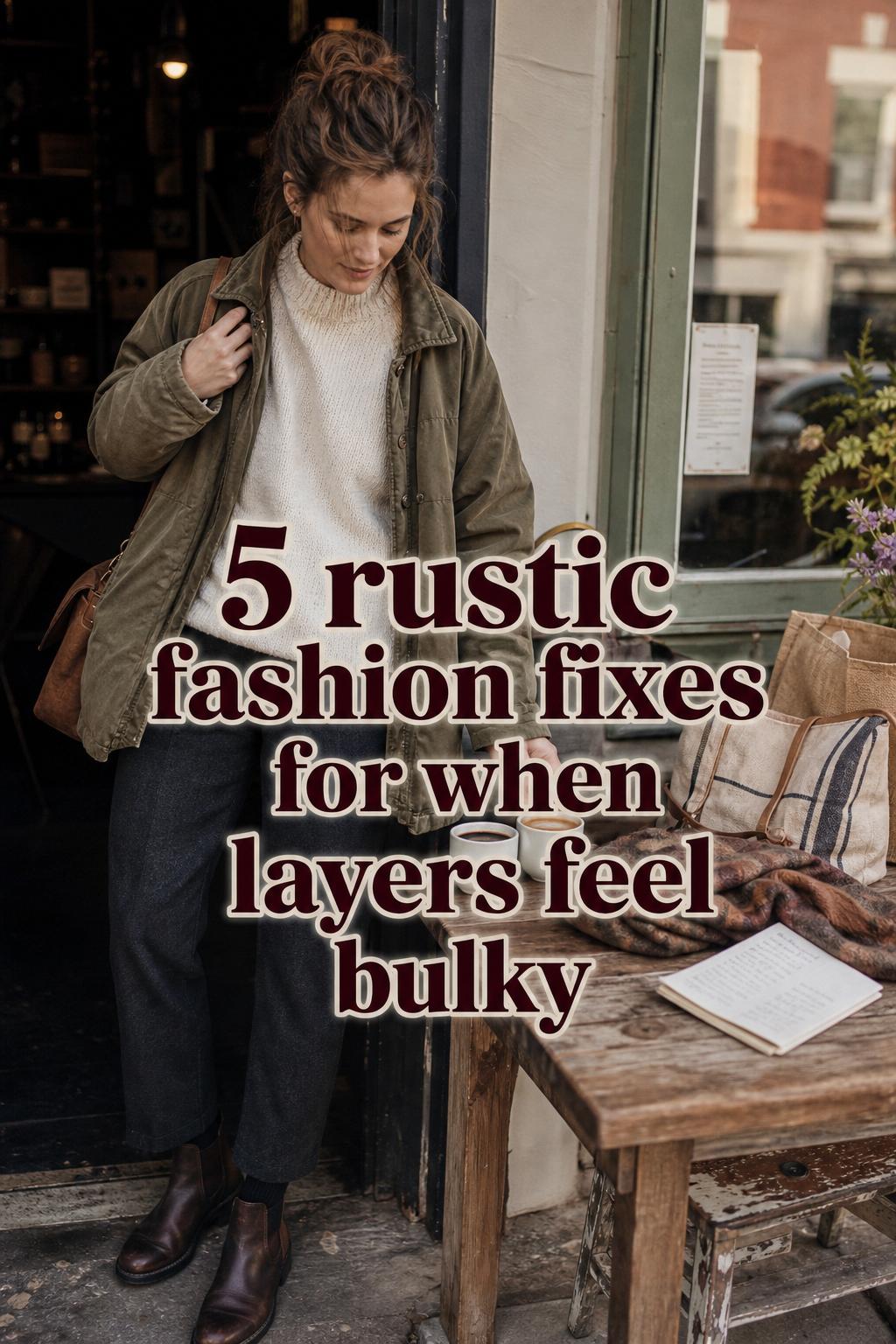
Rustic fashion is most successful when the outfit has one grounded focal point and one element that refines it. That could mean sturdy pants with a softer top, a textured outer layer over a cleaner base, or a relaxed silhouette anchored by more structured footwear. The point is not to make everything rustic at once. The point is to let the aesthetic come through in a controlled way.
Silhouette balance matters especially here. Because rustic clothing often includes looser cuts or tactile fabrics, the body can disappear if volume is not distributed carefully. If the top half is oversized, the lower half usually needs some containment, whether through a straighter leg, a defined waist, or a boot that grounds the line. If the bottom half is wide or heavy, the upper half benefits from cleaner framing around the shoulders or neckline.
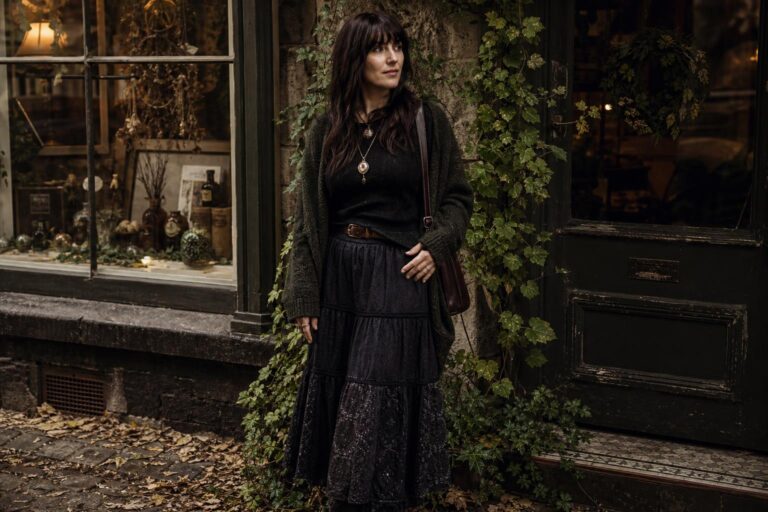
Texture contrast also carries much of the visual interest. Rustic style becomes more modern when rougher or more organic-looking materials are paired with something smoother. That tension keeps the outfit from feeling one-note. It also helps the look move between settings, which is essential for real-life wear.
Three principles worth keeping in mind
- Use texture selectively so the outfit feels dimensional rather than bulky.
- Create a visible shape somewhere in the outfit, even if the overall mood is relaxed.
- Let practicality guide the final choices, especially shoes, layers, and bag size.
Natural textures without visual heaviness
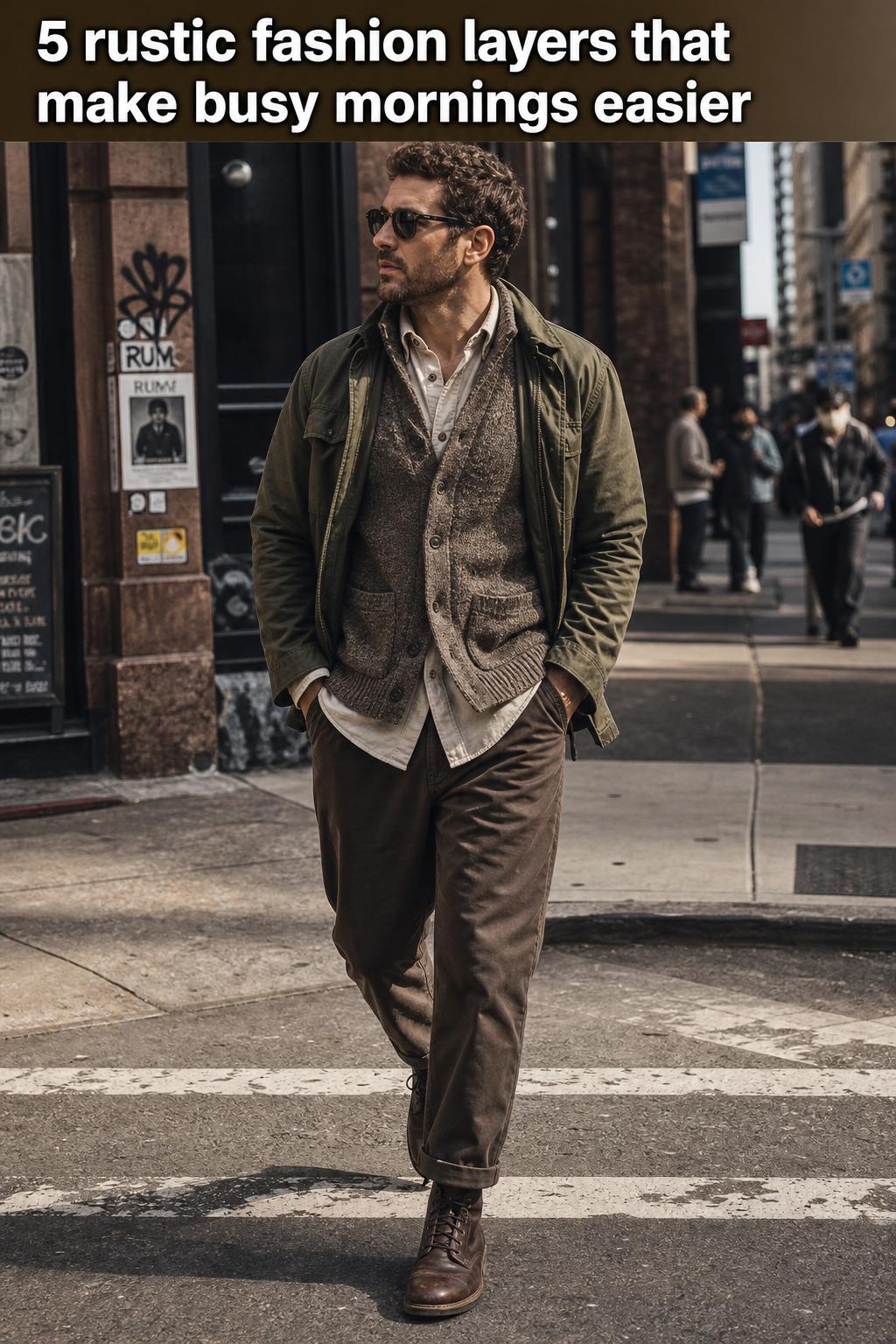
One of the easiest ways to build a strong rustic outfit is to focus on texture first and then reduce excess elsewhere. A soft, tactile knit or a weathered-feeling outer layer can carry the mood of the outfit on its own. Once that piece is in place, the rest of the look should support it rather than compete with it.
For example, if your top layer has visible texture, keep the base silhouette cleaner. A more streamlined bottom prevents the outfit from looking overloaded. This is especially helpful for petites, anyone who feels swallowed by oversized clothing, or anyone trying to dress in a way that still feels neat for public-facing work or everyday errands.
Why this outfit strategy works
The eye needs a place to rest. Rustic fashion already brings visual information through texture and earthy depth, so a calmer supporting layer improves balance. This creates the lived-in quality people want from rustic style without introducing unnecessary bulk or clutter.
Relaxed layers that still feel polished
A strong everyday rustic outfit often starts with relaxed layers, but the key is editing the volume. Think of the look as soft structure rather than loose clothing piled together. The goal is comfort with a visible line of intention.
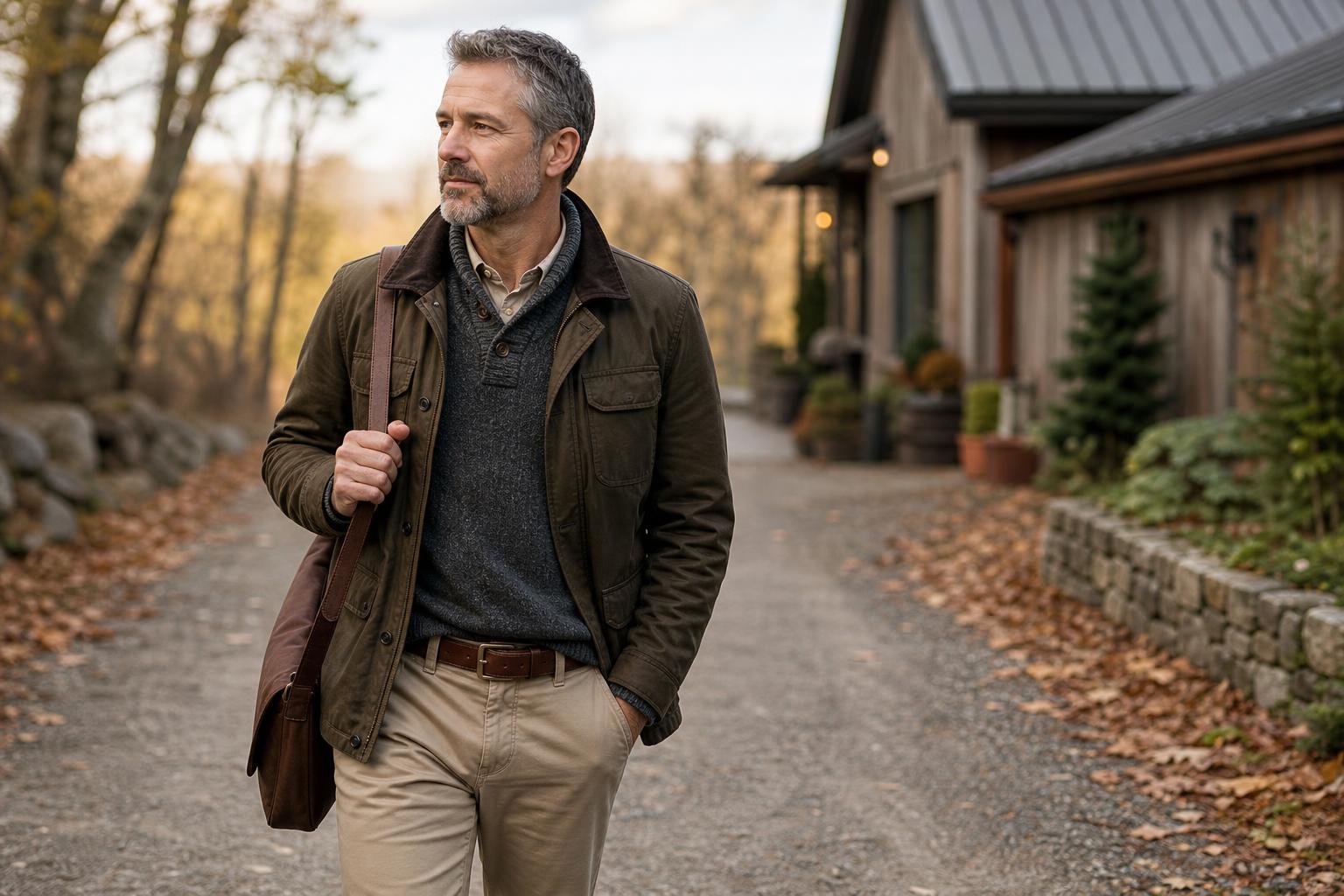
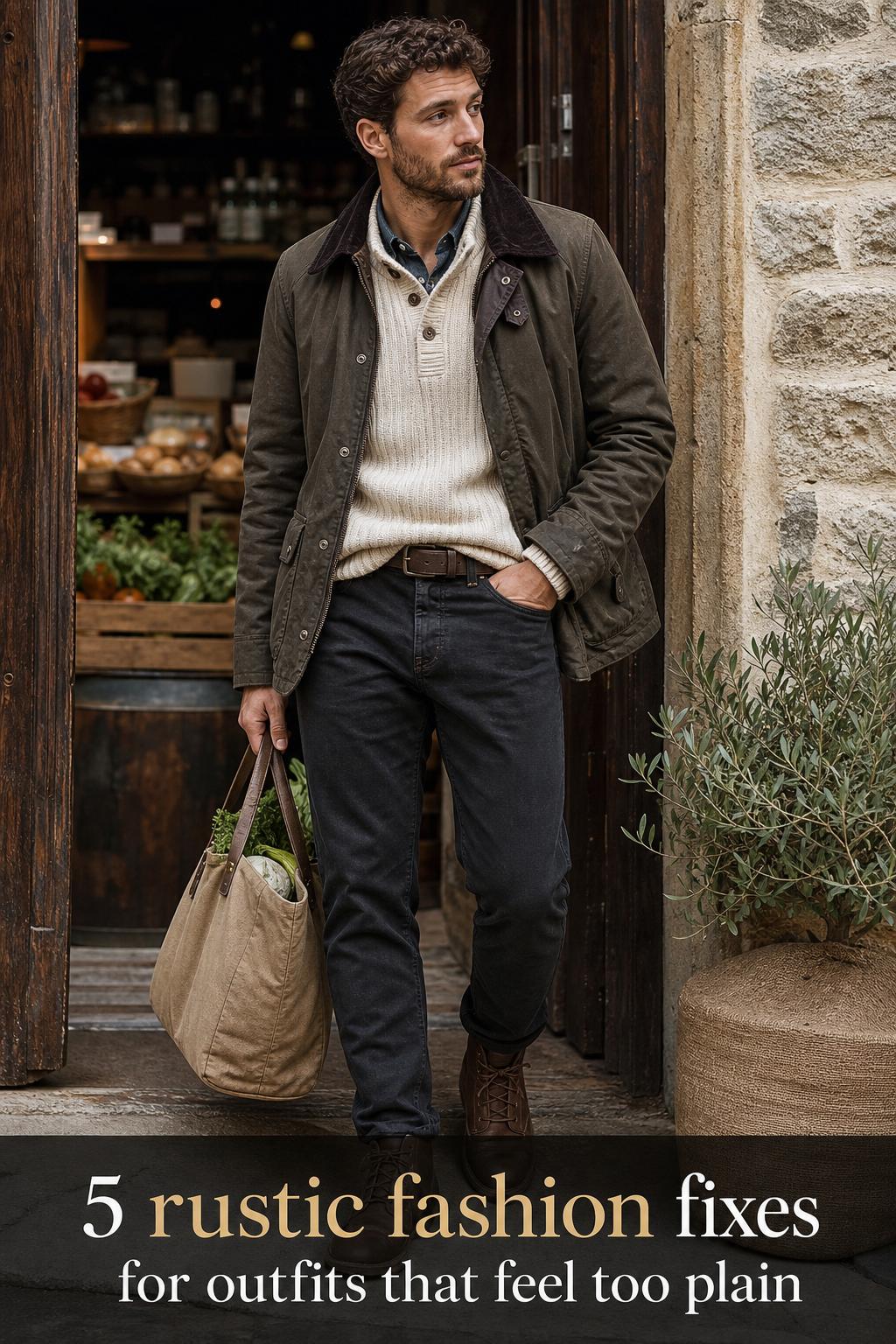
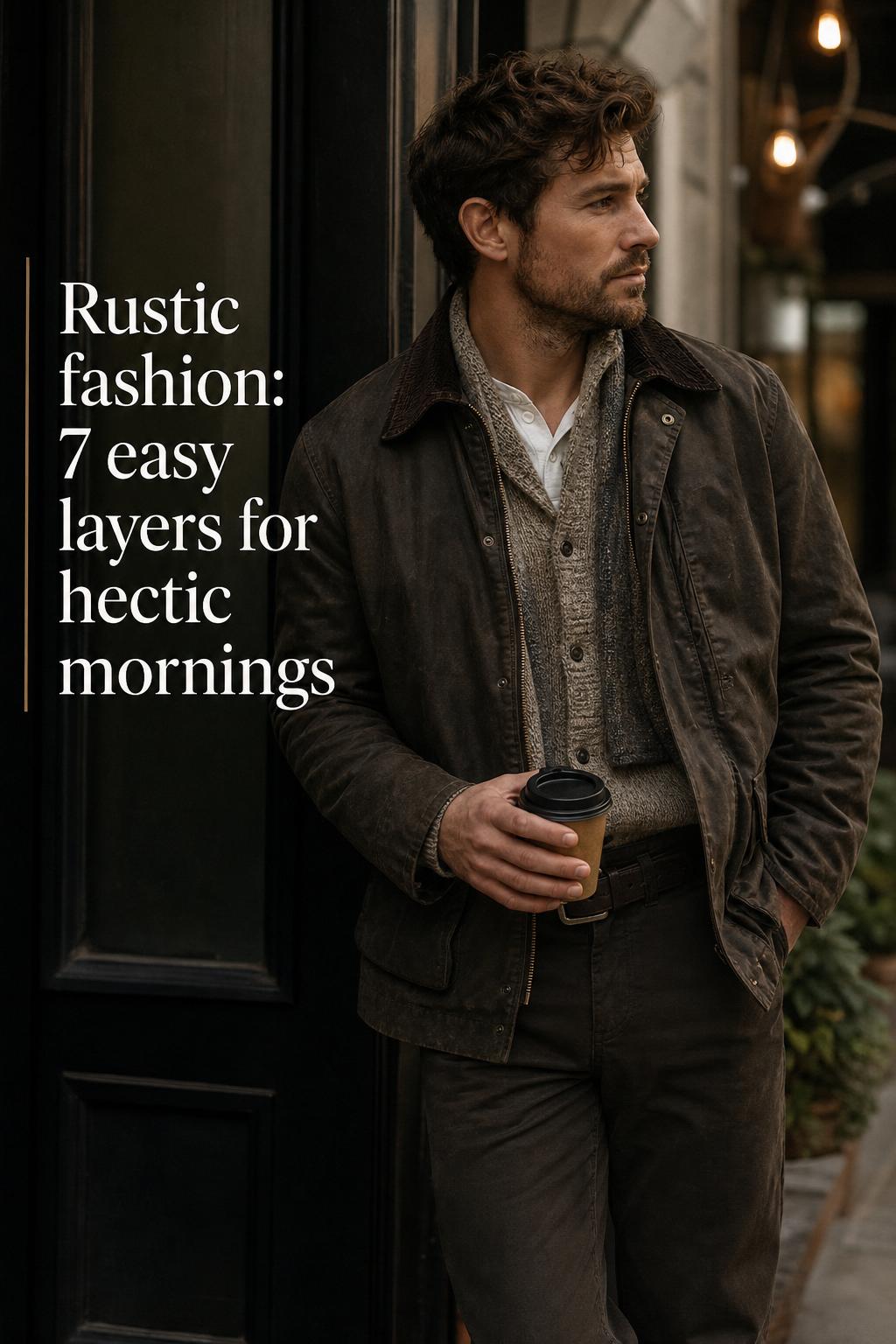
One effective composition uses a lightweight base layer, a textural mid-layer, and an outer piece with shape. In rustic fashion, this combination solves two common problems at once. It allows warmth and flexibility while keeping the outfit from collapsing into a shapeless mass. The structured outer layer acts as a visual frame, while the softer middle layer brings the rustic mood.
This approach works particularly well in daily routines where temperatures shift throughout the day. Instead of committing to one heavy rustic piece, you create a removable system. That makes the outfit adaptable, which is one of the most useful ways to make an aesthetic truly wearable.
Quick styling adjustment
If the layers start to feel bulky, reduce thickness before reducing shape. A lighter middle layer usually preserves the look better than removing the structured outer layer. Shape is what keeps rustic clothing from appearing accidental.
Soft dressing for weekends, markets, and casual social settings
Rustic fashion often shines most in off-duty settings, but that does not mean every weekend outfit should default to oversized basics. The difference between relaxed and forgettable usually comes down to proportion play and one strong tactile element.
For a softer weekend look, build around pieces that feel easy but not limp. A fluid top or relaxed knit can create the right mood, but it should be balanced by a bottom that gives the outfit direction. A straighter line through the leg or a more grounded shoe helps maintain presence. This matters because many rustic-inspired weekend outfits fail when everything feels equally soft. The body loses definition, and the clothing begins to wear the person.
The best version of this kind of outfit feels calm, tactile, and approachable. It should allow bending, walking, sitting, and temperature shifts without needing constant adjustment. That practical ease is part of the appeal of rustic dressing when it is done well.
Most versatile piece
A single textural layer often does more for a rustic outfit than several themed pieces. When one garment carries the character, the rest of the wardrobe can stay simpler and more repeatable.
Elevated casual combinations that do not lose the rustic mood
One of the most common concerns with rustic fashion is whether it can feel appropriate outside purely casual environments. It can, but only when the outfit includes a refining element that sharpens the composition. Rustic style does not need to be rugged to be authentic. In fact, a slightly elevated interpretation is often the most practical version for real life.
The easiest way to do this is to combine natural-looking textures with cleaner lines. When the silhouette is more controlled, the rustic elements feel considered instead of themed. This is especially useful for lunch meetings, casual offices, daytime events, or dinners where jeans-and-a-sweater may feel too flat but fully polished tailoring would feel disconnected.
What makes these outfits work is restraint. You do not need every rustic signal at once. Keep the palette grounded, let one texture lead, and choose shoes that support the visual weight of the outfit. That final step matters more than many people realize. Shoes determine whether the look feels rooted and coherent or oddly disconnected.
Best shoe pairing
Rustic outfits usually need footwear with presence. A shoe that is too delicate can make the lower half feel visually unfinished, while an overly heavy shoe can pull the whole outfit downward. The best option is one that gives stability without overpowering the clothing line.
Transitional weather is where rustic style becomes most useful
Few aesthetics handle in-between weather better than rustic fashion, but only if the layering is strategic. Transitional dressing needs pieces that can adapt to shifting temperatures without making the outfit look overworked. Rustic style naturally lends itself to this because texture and layering are already part of its visual language.
The mistake is assuming that more layers automatically create a better result. In reality, transitional rustic outfits work best when each layer has a clear role. One regulates temperature, one contributes texture, and one shapes the silhouette. If all three layers are bulky or visually dominant, comfort drops quickly and the outfit loses coherence.
Transitional weather tip
Choose outer layers that can stay on indoors without making the outfit feel too dressed. That keeps the look visually stable throughout the day and avoids the problem of a great rustic outfit collapsing once the top layer comes off.
This logic also helps with commute dressing. If you need an outfit that works on a cool morning, a warmer afternoon, and an evening plan, focus on breathable layering rather than weight. A rustic look should feel adaptable, not restrictive.
How to keep rustic fashion flattering on different body types
Because rustic style often favors texture, ease, and substantial pieces, body balance deserves extra attention. This does not mean following rigid rules. It means noticing where volume sits and how the eye moves through the outfit.
If you are petite or prefer not to feel overwhelmed by clothing, keep your rustic references concentrated rather than spread everywhere. One textural layer, one grounded shoe, and a cleaner line elsewhere usually looks stronger than several oversized pieces at once. If you are tall or enjoy elongated silhouettes, you can often carry more visual depth across the outfit, but structure still matters. Even generous layers look better when there is a visible line at the shoulder, waist, or hem.
For curvier body types, rustic dressing tends to look best when softness is balanced with shape. Clothing that skims rather than hangs can preserve comfort while still giving definition. For straighter frames, texture becomes a useful tool for creating dimension, but it works best when the outfit still includes a grounding line through the bottom half.
Easy ways to recreate the look
- Start with one piece that clearly signals rustic texture or tone.
- Add one grounding item that creates a stable silhouette.
- Remove any extra piece that adds theme but not function.
Color balance matters more than trend details
Rustic fashion often depends on a subdued palette, but subdued does not have to mean dull. The most effective outfits usually include tonal layering with enough variation to create depth. This is where many rustic looks become more editorial and less generic. The palette should feel related, not identical.
When all tones sit in the same mid-range, the outfit can appear flat even if the textures are beautiful. Introduce contrast through value rather than brightness. A lighter element near the face can bring lift, while a deeper base anchors the look. That simple shift improves definition without breaking the grounded feel of the style.
This color logic is also useful if you are trying to shop your own wardrobe. You do not need a full set of new pieces to dress in a more rustic way. Often the better move is regrouping what you already own by tone and texture, then editing for silhouette balance.
Tip
If a rustic outfit feels drab, the problem is often not the color family itself but the lack of contrast within it. Shift one piece lighter or darker before adding another accessory.
Comfort is part of the style, not an afterthought
Rustic fashion loses its appeal the moment it becomes physically inconvenient. A look built around ease, natural texture, and grounded dressing should support movement, long wear, and daily routines. That means evaluating an outfit not only by appearance but by how it performs when you sit, walk, layer, carry a bag, and move through changing temperatures.
Practicality is especially important with shoes and outerwear. A rustic outfit can look visually strong in the mirror and still fail the day if the footwear is too rigid, the layers are too warm indoors, or the bag fights the silhouette. Function does not dilute the aesthetic. In this category, it strengthens it.
Common comfort mistake
Many people overbuild rustic outfits because they associate the style with substance. The result is often too much weight, too many layers, and clothing that feels tiring after a few hours. A better approach is to choose fewer pieces with stronger texture contrast.
When rustic style starts to feel like a costume
The line between expressive and overdone is especially thin in rustic fashion because the aesthetic has such clear visual signals. If every item announces the same theme, the outfit can lose sophistication. This usually happens when texture, color, and silhouette all lean heavily in the same direction without interruption.
A costume effect often appears through over-layering, overly literal accessories, or too many distressed, rugged, or intentionally weathered elements in one look. Rustic style is stronger when some pieces feel clean and current. That contrast keeps the outfit in the present rather than turning it into a character study.
What works better instead
Use one or two rustic signals as the visual anchor, then let the rest of the outfit stay quiet. A calm base gives the textured or grounded element room to read clearly, which makes the entire combination feel more intentional.
Making rustic fashion work for a modern wardrobe
The most wearable rustic wardrobe is not built around special-occasion pieces. It is built around repeatable combinations. The reason some rustic looks feel so appealing is that they suggest ease, but ease only becomes useful when the pieces actually integrate with your everyday clothing.
Instead of thinking in terms of a full style transformation, think in terms of visual language. Rustic fashion relies on texture, softness, grounded color, practical layers, and an unfussy silhouette. Those qualities can be introduced gradually. One textural outer layer, one relaxed but shaped bottom, and one shoe with enough visual weight can shift a wardrobe noticeably without making it feel disconnected from real life.
This is also the smartest budget approach. Repeating a few strong styling principles across existing pieces creates more cohesion than buying several new items that only work in highly specific combinations. Rustic style becomes modern when it is edited, practical, and integrated rather than performed.
Budget-friendly alternative
Before buying anything new, identify which current pieces already offer one of the core rustic elements: texture, grounded color, soft structure, or practical weight. Then build combinations around those strengths rather than chasing a completely new wardrobe formula.
A simple editing method for stronger rustic outfits
If you like the idea of rustic fashion but your outfits keep missing the mark, use a quick editing test before leaving the house. This approach is less about adding more and more about making the outfit read clearly.
- Identify the visual anchor: what piece is carrying the rustic mood?
- Check the silhouette: where is the shape or line of definition?
- Assess the texture mix: is there contrast, or does everything feel equally heavy?
- Look at the shoes: do they support the outfit’s weight and purpose?
- Remove one unnecessary element if the look feels overloaded.
This method works because rustic style is less about abundance and more about composition. Once the visual anchor and functional logic are clear, the outfit usually feels more polished immediately.
Conclusion
Rustic fashion works best when it is approached as a styling balance rather than a fixed formula. Texture needs shape, softness needs grounding, and comfort needs enough structure to feel intentional. When those elements are aligned, the aesthetic becomes not only attractive but highly practical.
The most successful rustic outfits are the ones you can actually live in. Build around pieces that move well, layer intelligently, and create visual depth without excess. With that approach, rustic style becomes easier to wear, easier to repeat, and much more personal.
FAQ
What is rustic fashion?
Rustic fashion is a style approach built around grounded colors, visible texture, practical layers, and relaxed but intentional silhouettes. It usually feels natural, tactile, and unfussy rather than sleek or highly formal.
How do I wear rustic fashion without looking too casual?
The easiest fix is to pair rustic textures with cleaner lines and more controlled proportions. A refining element, especially through silhouette or footwear, helps the outfit feel complete rather than overly relaxed.
What colors work best for rustic style?
Rustic style tends to work best with grounded, muted, and natural-looking tones, but the key is contrast within that palette. A mix of lighter and deeper shades creates depth and prevents the outfit from feeling flat.
Can rustic fashion work in warm weather?
Yes, but it needs a lighter translation. Focus on the visual language of rustic style through texture, softness, and grounded color rather than relying on heavy layers or substantial fabrics.
How can I make rustic outfits more flattering?
Pay attention to where volume sits in the outfit. If one area is loose or textural, create shape somewhere else through a cleaner line, visible structure, or a more grounded shoe to keep the proportions balanced.
What is the most common mistake in rustic fashion?
The most common mistake is adding too many rustic elements at once. When texture, weight, color, and layering all push in the same direction, the outfit can feel bulky or costume-like instead of modern and wearable.
Can I create a rustic wardrobe without buying all new clothes?
Yes. Start by identifying pieces you already own that have texture, grounded color, or soft structure. Then combine them with better proportion balance and practical footwear to create a more cohesive rustic look.
Are rustic outfits good for transitional weather?
They can be excellent for transitional weather because the style naturally supports layering. The key is making sure each layer has a purpose so the outfit stays adaptable rather than heavy.
How do I keep rustic fashion from looking outdated?
Keep the outfit edited and current by mixing tactile or grounded pieces with cleaner elements. Rustic fashion feels more modern when the overall composition is restrained, functional, and visually balanced.