How to Style Plus Size Clothes Without Losing Your Style
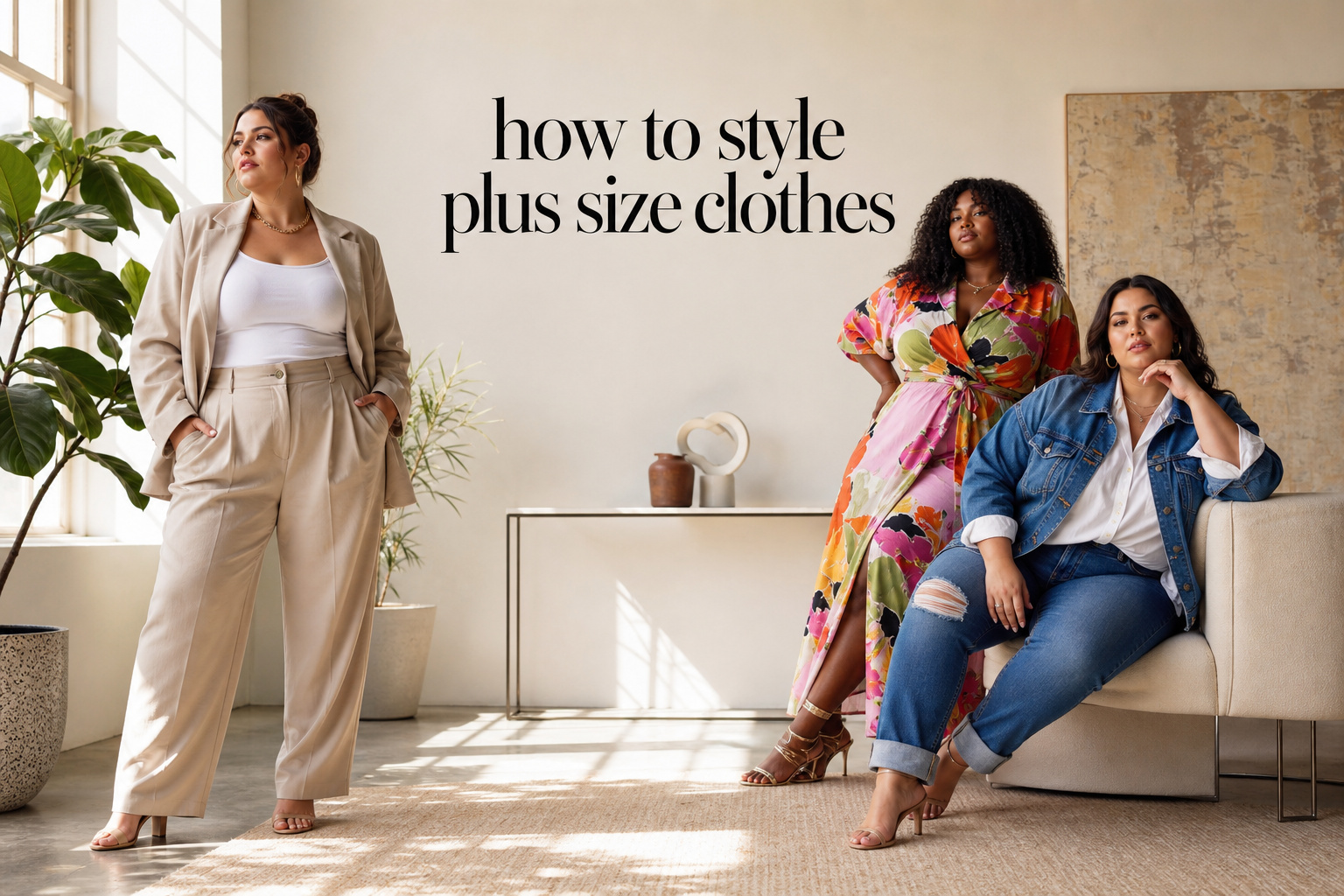
Learning how to style plus size clothes should make getting dressed feel more open, not more restrictive. Yet much of the advice still begins with a list of things you supposedly need to hide, avoid, or balance. That approach can turn a wardrobe into a test. A better approach is to treat an outfit as a visual system: every piece has a job, and you decide which lines, colors, textures, and proportions support the way you want to move through the day.
The most useful shift is from dressing for a body category to dressing for an intention. You might want a soft outfit for errands, a sharper look for work, a statement silhouette for dinner, or layers for a long day in changing weather. Your size matters because fit and garment construction matter, but it does not dictate your personality, your color palette, or the level of drama you can wear. This guide explains what is changing in plus-size styling and how to turn the strongest ideas into outfits you will actually repeat.
What Is Changing in Plus-Size Styling Now?
The current conversation around plus-size fashion is moving away from a single definition of flattering. That does not mean fit is unimportant. It means fit is being discussed as comfort, support, proportion, and self-expression instead of as a way to make a body appear smaller. A well-cut garment can create a clean line, but a dramatic print, oversized jacket, bare shoulder, fitted dress, or bright color can also be the right choice when it matches your mood.
There is more interest in clothes that look intentional without being precious. Soft tailoring, relaxed trousers, long skirts, column dresses, structured denim, and useful layers all work because they can be styled in several directions. The same wide-leg pants can feel polished with a tucked knit, relaxed with a graphic tee, or evening-ready with a satin top. Versatility is not about owning fewer clothes at any cost. It is about understanding what changes the message of an outfit.
Found the dress? Keep the rest in one place.
Zarellea brings guest details, vendors, timelines, and every next step together — so your wedding plan feels as good as your look.
Another important change is the growing focus on movement. A look is not successful if you spend the day pulling down a hem, adjusting a neckline, or avoiding sitting. Test clothes while standing, walking, sitting, reaching, and carrying what you normally carry. If a waistband rolls or a sleeve restricts your arms, the problem is the garment or the construction, not your body. Clothing should work with your life.
- Choose the visual message first: polished, relaxed, romantic, bold, practical, or playful.
- Use fit to support movement and create a clean foundation.
- Use proportion to guide the eye, not to enforce a rule about what you may wear.
- Let color and texture communicate personality.
- Repeat strong outfit formulas instead of waiting for a completely new look every morning.
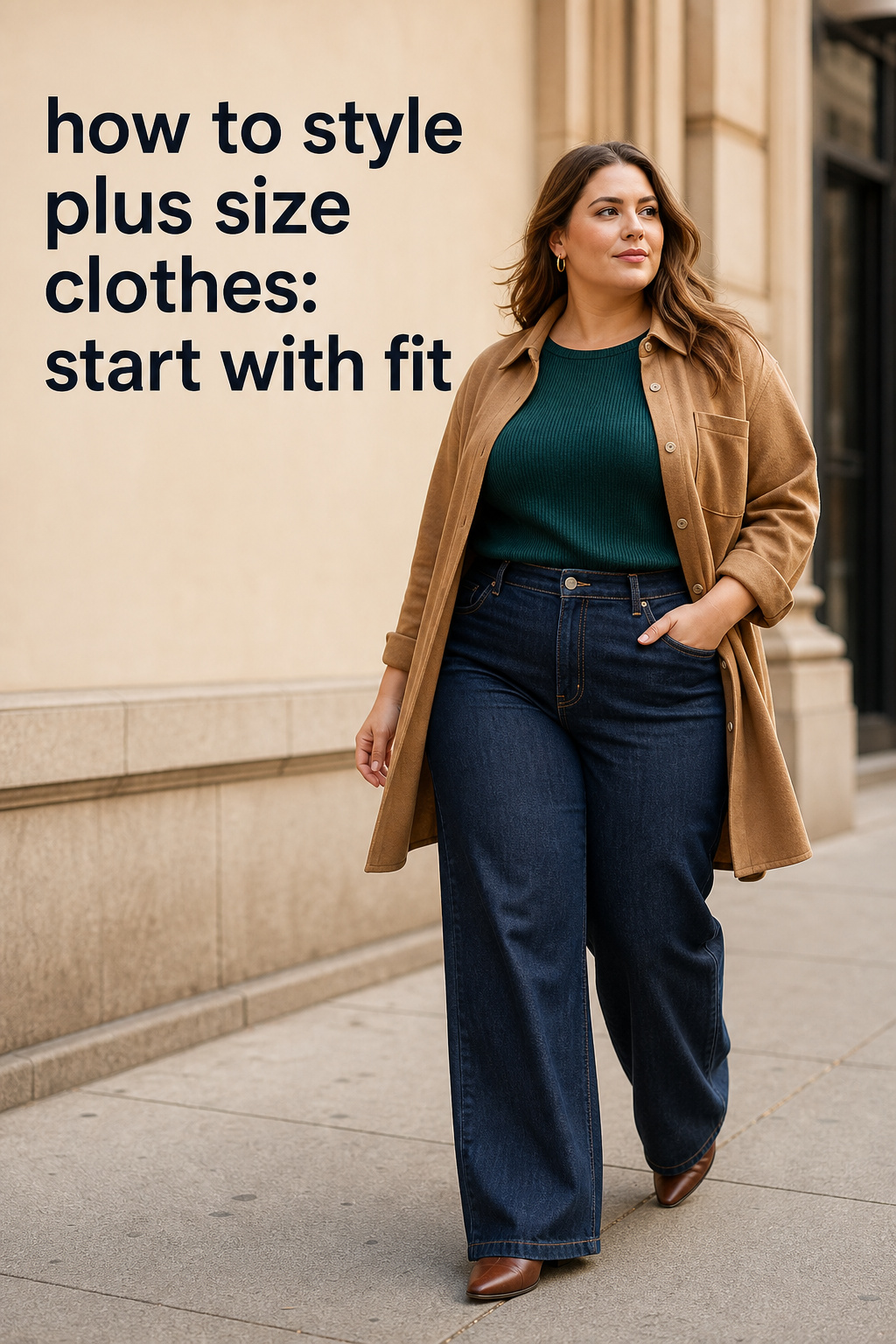
Start With Fit, Proportion, and Movement
Fit is the foundation of how to style plus size clothes, but fit does not mean tightness. A fitted garment follows your shape without pulling across the bust, stomach, hips, or arms. A relaxed garment gives you room while still having a visible intention through a shoulder seam, hemline, cuff, collar, drape, or defined color contrast. The difference between relaxed and shapeless is usually construction.
Check the garment from every angle
When you try on a top, look at the side and back as well as the front. Buttons should lie flat, shoulder seams should sit near your natural shoulder, and a hem should land where you intended. If you prefer a loose shirt, try one with a crisp collar or curved hem so the volume looks deliberate. If you prefer a fitted top, choose fabric with enough recovery that it stays comfortable through a meal and a full day.
For pants, pay attention to the rise, waistband, and fabric at the seat. A high rise can feel secure for one person and restrictive for another. A mid rise can create an easier line under a tucked shirt. Neither is automatically better. Walk, sit, and bend. The right pair is the one that stays where you need it to stay and gives you the shape you want without constant correction.
Think in visual proportions, not body rules
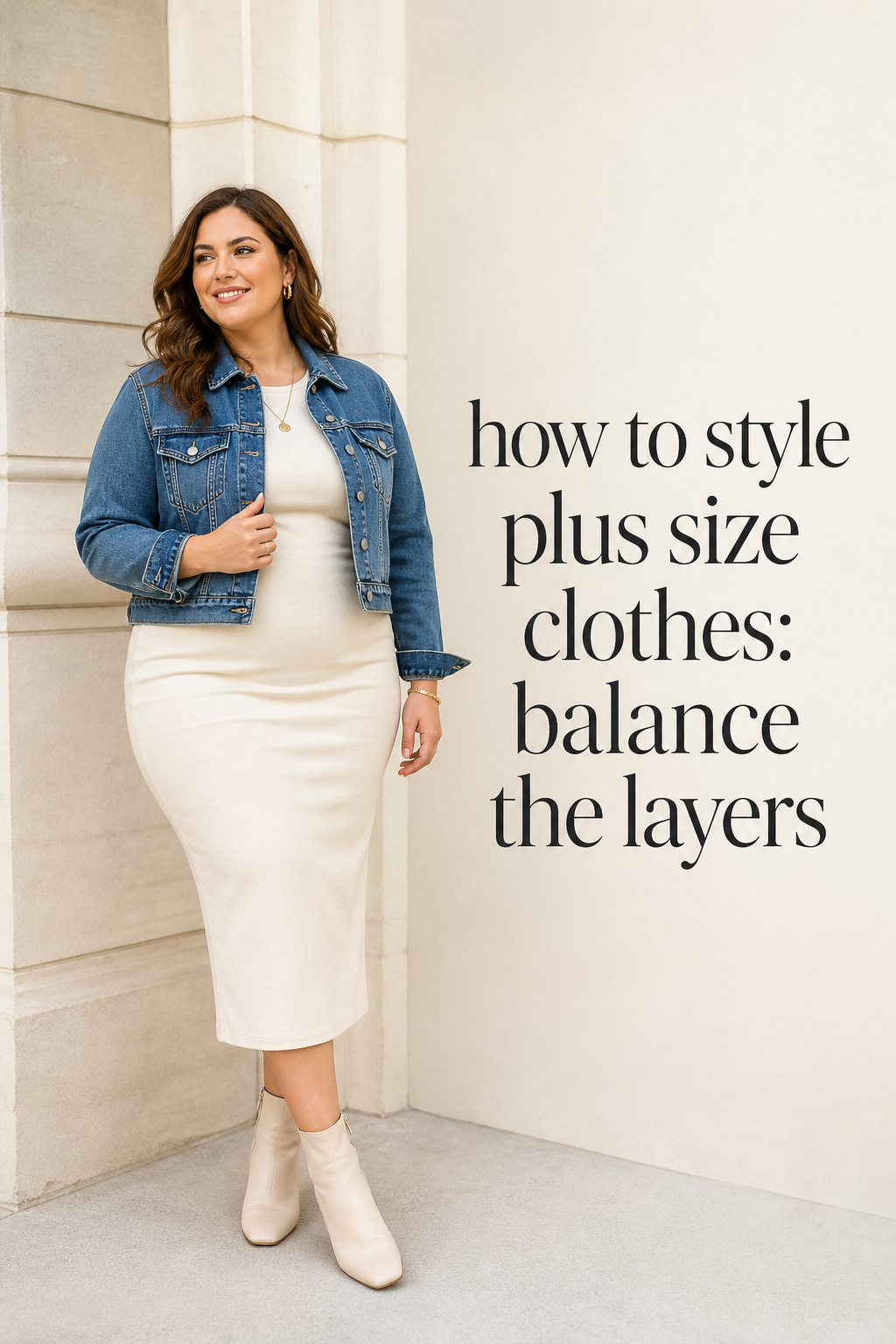
Proportion means comparing the amount of visual space occupied by different parts of an outfit. A cropped jacket over a long dress creates one relationship. A long cardigan over a column of top and pants creates another. A tucked top and wide-leg trouser creates a third. You can use these relationships to create balance, emphasis, or drama, but you do not need to choose the version that makes you look smaller.
A useful starting point is to pair one relaxed piece with one piece that has a clearer line. Try a fluid blouse with straight jeans, a roomy blazer with a fitted knit dress, or a wide skirt with a shorter structured jacket. You can also use similar volume from top to bottom when that is the mood you want. A full outfit can be relaxed and still look elegant if the colors, fabrics, and finishing details are connected.
Use a simple movement test
Before keeping a piece, try the movements your day requires. Raise both arms, sit in a chair, walk quickly, reach forward, and put on a coat over it. For dresses and skirts, check whether you can climb stairs and get in and out of a car. For shoes, stand for ten minutes and walk on the surfaces you expect. Comfort does not cancel style. It lets the style remain visible because you are not distracted by the clothing.
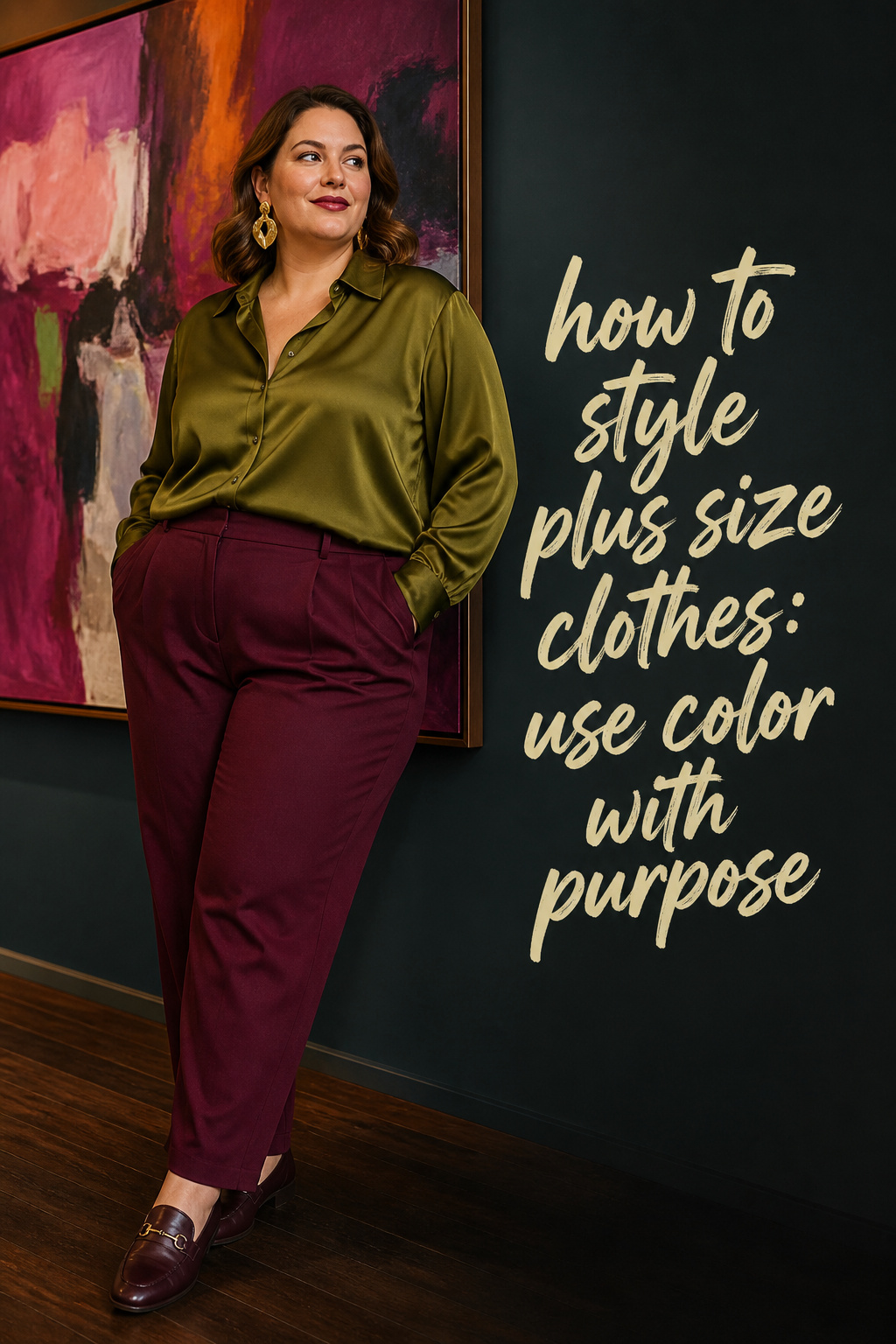
Use Color, Texture, and a Third Piece to Create Intention
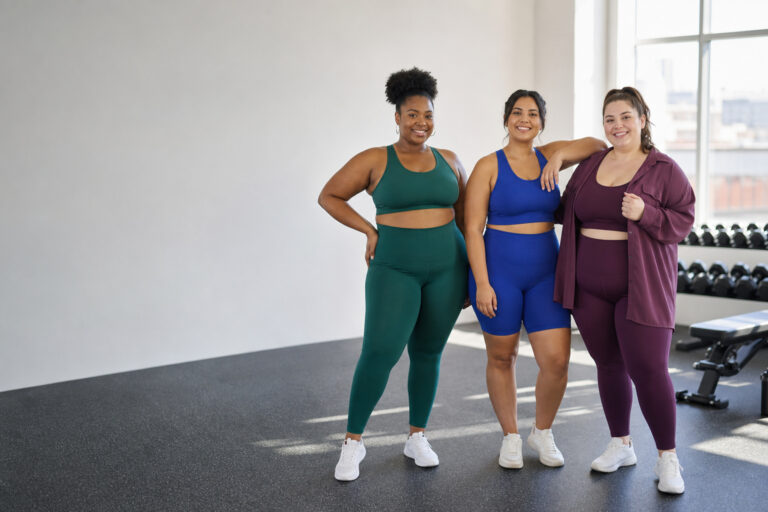
Once the base fit works, color is one of the fastest ways to make an outfit feel considered. You can use a monochromatic palette for a calm, continuous impression, but you can also combine colors with equal confidence. A deep green top with dark denim, a cobalt cardigan with a red skirt, or a cream knit with chocolate trousers can be just as cohesive as black from head to toe. Cohesion comes from relationships between colors, not from avoiding contrast.
Build a color story
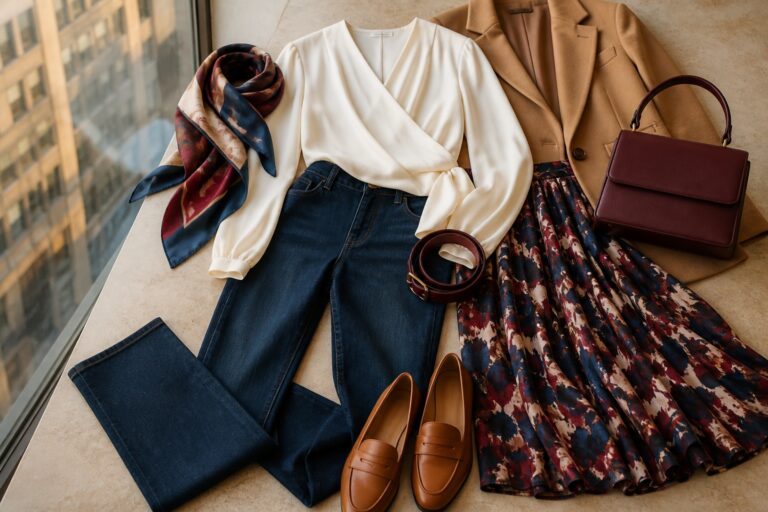
Start with one anchor color and add one supporting neutral. The anchor might be navy, burgundy, olive, rust, pink, or bright blue. The neutral might be denim, cream, charcoal, brown, or black. Then add a small accent through shoes, earrings, a bag, or a print. This keeps the outfit easy to read while still giving it personality. If you love prints, let the print provide the color story and keep the surrounding pieces simple.
Do not treat dark colors as the only route to polish. A light outfit can look refined when the fabric has structure and the pieces are coordinated. A white shirt with ecru pants and tan shoes can look modern. A pastel dress with a strong black shoe can look graphic. The question is not whether a color is traditionally slimming. Ask whether it supports the mood and occasion you are dressing for.
Let texture add depth
Texture keeps a simple outfit from looking flat. Pair smooth denim with a fuzzy cardigan, crisp cotton with satin, a matte knit with leather, or a soft jersey dress with a structured jacket. If you prefer a quiet palette, texture can provide the interest that a bright color would otherwise provide. If you prefer bold color, controlled textures can prevent the look from becoming visually busy.
Use the third piece strategically
A third piece is any layer that changes the outfit beyond a top and bottom. It can be a blazer, vest, denim jacket, cardigan, overshirt, scarf, or lightweight coat. Its job is not to hide the body. Its job is to add a line, color block, warmth, or point of view. Wear it open to create movement, button it to make the layer the main top, or tie it at the waist when you want a more defined shape.
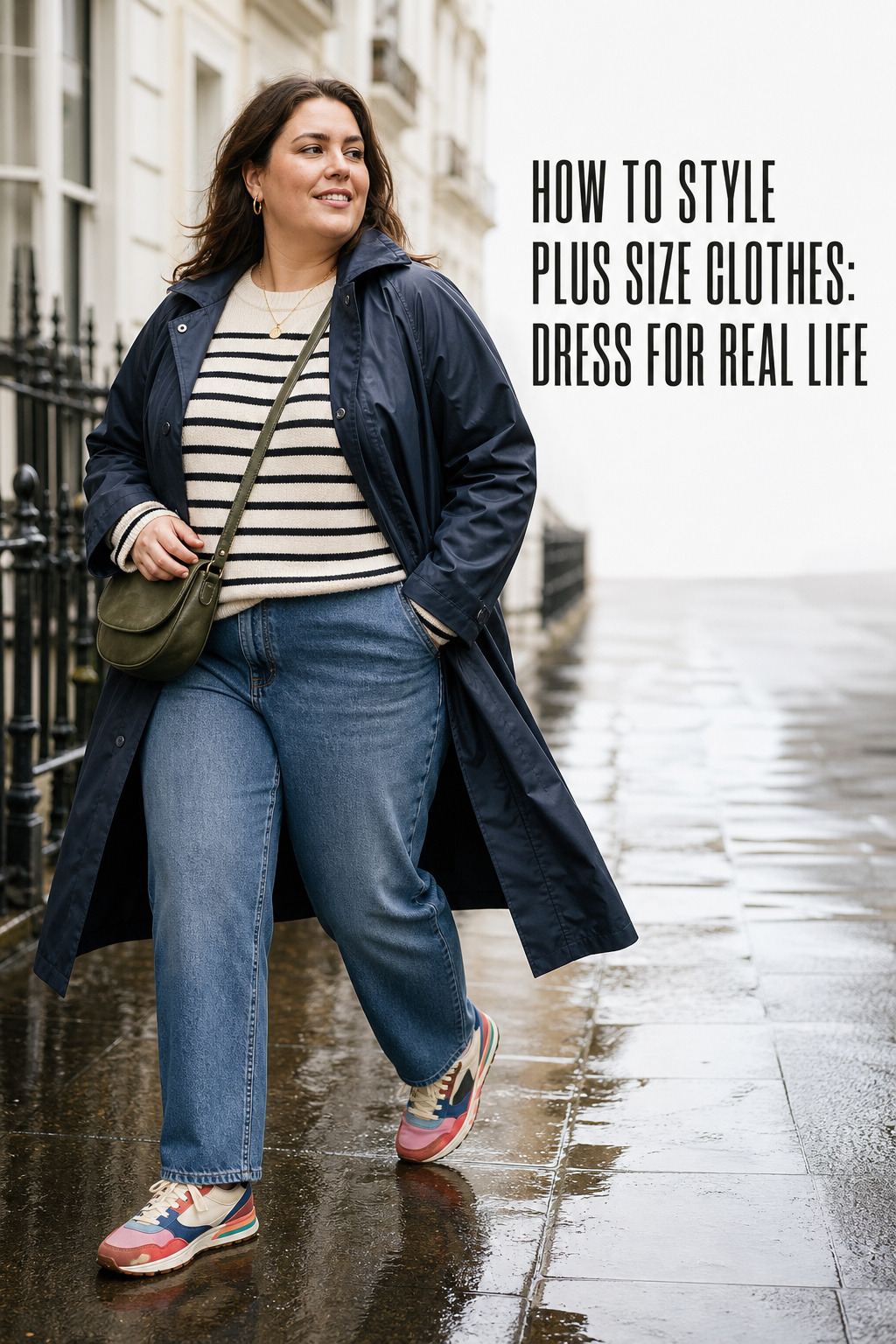
For a relaxed outfit, try a longline overshirt over a tank and straight jeans. For work, try a softly tailored blazer over a knit top and pull-on trousers. For a dress, add a cropped jacket, long cardigan, or belt depending on the message. The layer should fit over the base outfit without pulling at the arms. If you need more room, look for a shoulder with a dropped seam or fabric with some give rather than simply sizing up the entire garment.
Turn the Ideas Into Outfits for Real Life
Styling advice becomes useful when it survives a real calendar. Instead of collecting isolated clothing tips, create formulas for the situations that happen most often. A formula is not a uniform. It is a reliable starting point that you can change through color, accessories, shoes, and texture.
For casual days
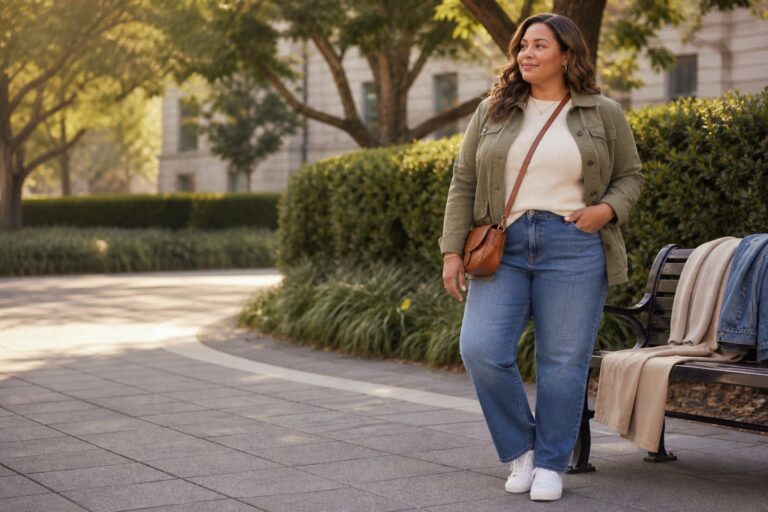
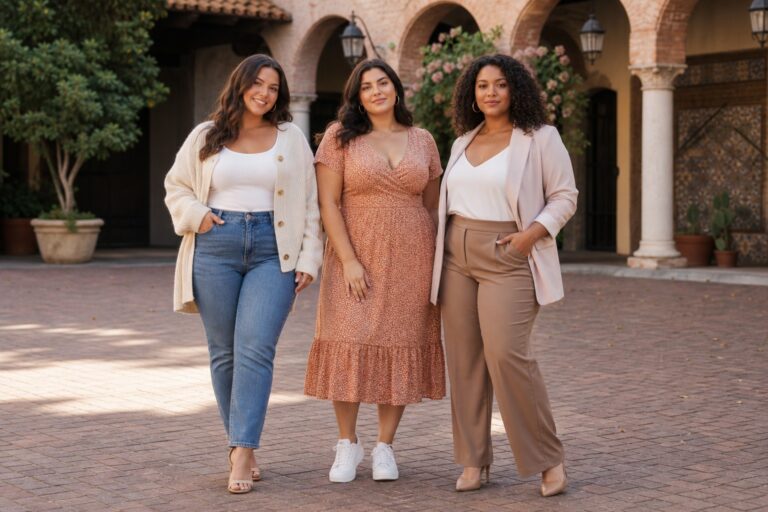
Try straight-leg or wide-leg jeans with a tucked or half-tucked tee and an open overshirt. Add a sneaker, comfortable loafer, or simple boot depending on weather. If you prefer dresses, wear a knit or jersey midi with a denim jacket and a shoe you can walk in. The small styling decision that makes these outfits look intentional is repeating one color in two places, such as a brown belt with brown shoes or a blue jacket with a blue bag.
For work and polished daytime
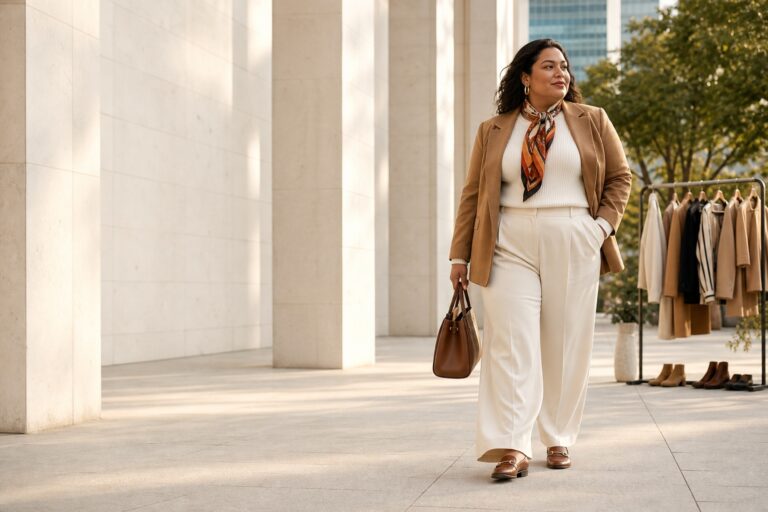
Start with a trouser, skirt, or dress that allows comfortable sitting. Add a top with a neckline you do not need to adjust and a layer with enough arm mobility. A tonal outfit in navy, charcoal, cream, or chocolate looks professional without depending on a stiff suit. To make it personal, add a print, sculptural earring, colorful shoe, or interesting texture. In a less formal workplace, dark straight jeans with a blazer and refined knit can do the same job.
For dinners and events
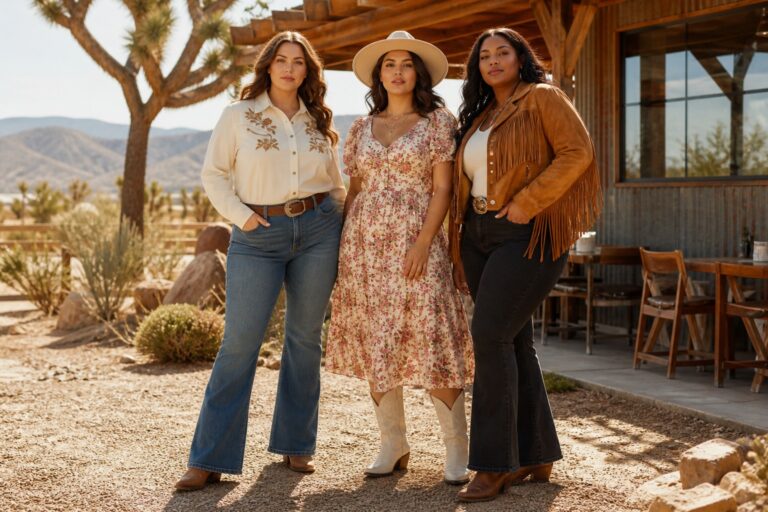
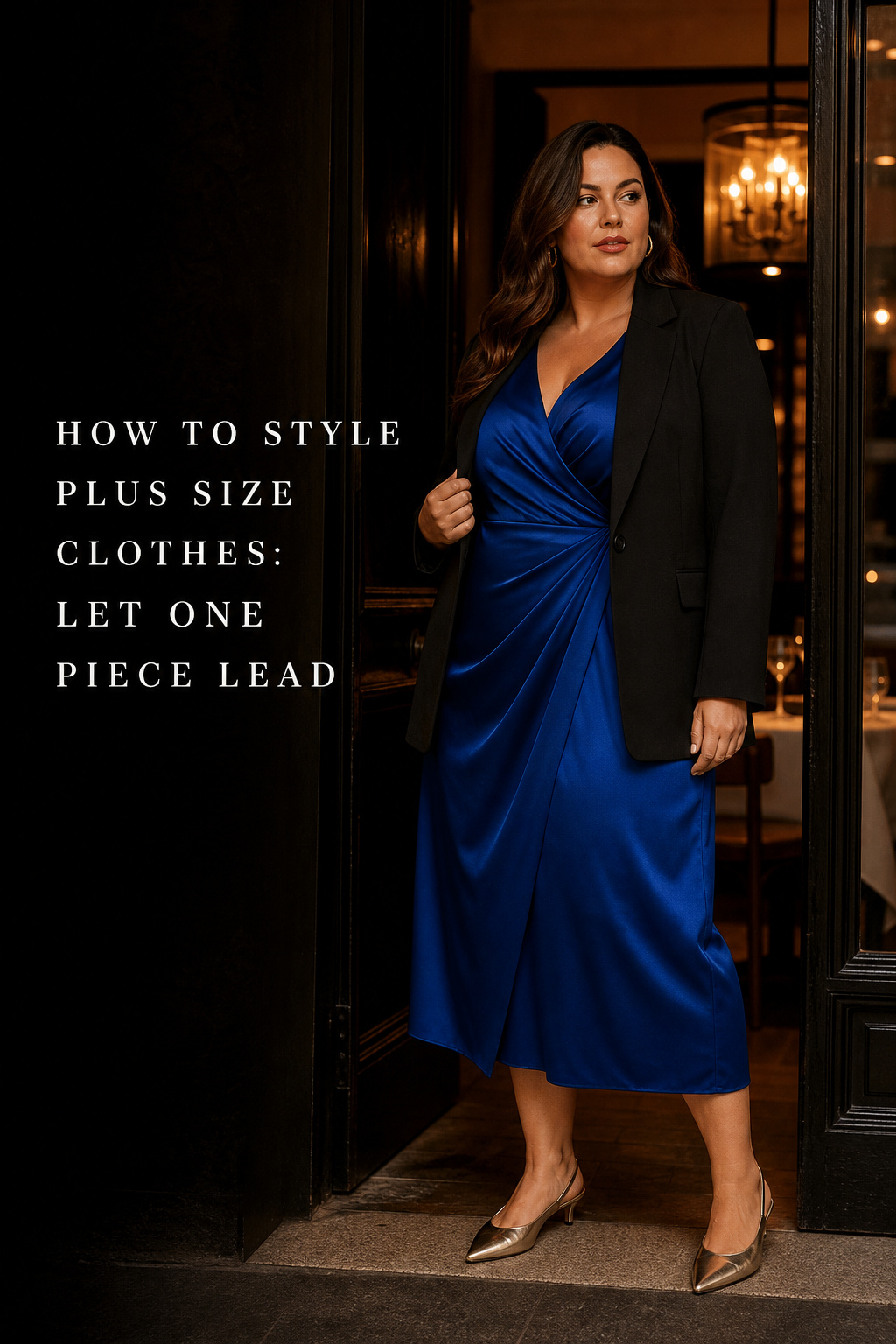
Choose the statement first. It might be a bright dress, dramatic sleeve, metallic skirt, strong suit, or unusual shoe. Then keep the supporting pieces calm enough for that statement to register. A column dress can become more casual with a denim jacket or more formal with a blazer and jewelry. Wide-leg trousers can feel evening-ready with a silky top and a pointed or low-profile shoe. You do not need to wait for a special body shape to wear something memorable.
For changing weather
Layer thin pieces rather than relying on one bulky layer. A tank under a shirt under a jacket gives more control than a thick sweater alone. Choose fabrics that slide over one another and check that the final layer is comfortable across the shoulders. In cool weather, use socks, boots, tights, and scarves to add warmth without changing the entire outfit. In warm weather, prioritize airflow, breathable fabric, and one easy layer for cold interiors.
- Casual formula: relaxed denim, a defined top, a third piece, and walking shoes.
- Work formula: comfortable tailored base, refined top, flexible layer, and one personal accent.
- Event formula: one statement garment, simple supporting pieces, and practical shoes.
- Weather formula: breathable base, removable middle layer, and a coat or jacket that fits over everything.
Common Styling Mistakes and Better Fixes
Many styling problems are not really about taste. They are mismatches between the garment, context, and the way you want to feel. The fix is usually specific rather than dramatic.
Buying for a future body
Clothes that are too small now will not help you build a wardrobe. Buy for the body and life you have today. If a piece is close but not quite right, consider tailoring, a different cut, or a different fabric. If you want to change your size in the future, that is separate from the question of whether you deserve clothes that fit comfortably today.
Using oversized pieces without structure
Oversized can be stylish, but it needs an anchor. Look for a strong collar, clear shoulder, clean hem, visible wrist, or contrast between the layer and the base outfit. You can also use a partial tuck or rolled sleeve. These small details show that the volume is a choice.
Following proportion rules too literally
Rules about thirds, waist definition, or vertical lines can be useful experiments, but they are not requirements. Try them, notice what you like, and keep the part that serves you. If you love a long tunic over a long skirt, the outfit can work through color contrast, fabric contrast, or a strong shoe. Personal style grows when advice becomes a tool rather than a restriction.
Ignoring finishing details
A simple outfit can look unfinished when the shoes, bag, jewelry, or hair do not relate to its mood. You do not need many accessories. You need one or two that clarify the outfit. A belt can connect shoes and bag. A necklace can echo a neckline. A cuffed sleeve can make a jacket feel less formal. Before changing the whole outfit, try changing one finishing detail.
The best way to learn how to style plus size clothes is to observe your own wardrobe. Photograph outfits you enjoy, note which pieces stay comfortable, and write down what makes a look feel like you. Over time, you will see patterns. Perhaps you like a defined waist but hate tucked shirts, love wide-leg pants when the top is shorter, or prefer bold color close to your face. Those observations are more useful than a universal rule.
FAQ
What is the first thing to consider when styling plus size clothes?
Start with comfort and fit, then decide the visual message you want. A garment that restricts movement or pulls in the wrong places will make every styling choice harder. Once the base fits, use proportion, color, texture, and accessories to create the mood.
Should plus size clothes be loose or fitted?
Both can work. Fitted clothes should follow your shape without pulling, while loose clothes should have intentional structure or a clear relationship to the rest of the outfit. Combining one relaxed piece with one cleaner line is an easy starting point, but a fully relaxed outfit can also look polished when colors and fabrics connect.
How can I make a basic plus size outfit look more intentional?
Add one third piece or finishing detail. An open overshirt, blazer, scarf, belt, strong shoe, or colorful bag can give a simple top-and-bottom outfit a clear point of view. Repeating one color in two accessories also creates cohesion quickly.
Are monochromatic outfits the most flattering option?
Monochromatic outfits can create a calm, continuous line, but they are not the only polished option. Contrasting colors can be equally effective when proportions and fabrics work together. Wear monochrome when you like the mood, not because you believe you must avoid color contrast.
How should I style oversized clothes?
Give the volume an anchor through a defined neckline, visible wrist, clean hem, partial tuck, structured shoe, or contrast with a closer-fitting base. You can also repeat the oversized shape intentionally from top to bottom. The key is to make the volume look chosen rather than accidental.
How do I choose a third piece for a plus size outfit?
Choose it based on the job it needs to do. A blazer adds polish, a denim jacket adds ease, a cardigan adds softness, and a vest adds a vertical or layered effect without much sleeve bulk. Make sure the shoulders and armholes allow the layers underneath to move comfortably.
How can I dress stylishly while prioritizing comfort?
Use comfortable foundations and put the style emphasis into color, texture, layers, jewelry, shoes, or a statement garment. Test clothes through the movements of your day, and favor fabrics with appropriate drape and recovery. Comfort is not a compromise when it helps you wear the outfit with confidence.