Plus Size Wardrobe Essentials: 12 Must-Haves
You know the scene: the closet is full, the bed is covered with options, and somehow there is still nothing that feels right for the day ahead. A pair of jeans is comfortable but too casual for the meeting. A dress looks beautiful on the hanger but needs a layer you do not own. The blazer fits in the shoulders but pulls when you reach for your coffee. This is not a personal failure. It is usually a wardrobe design problem.
The most useful plus size wardrobe essentials are not a strict uniform or a list of pieces every woman must own. They are dependable roles in your closet: a base that feels good against your skin, a bottom that works with several tops, a layer that changes the mood of an outfit, and shoes that let you move through your real day. When those roles are covered, getting dressed becomes more creative because you are no longer solving the same practical problem every morning.
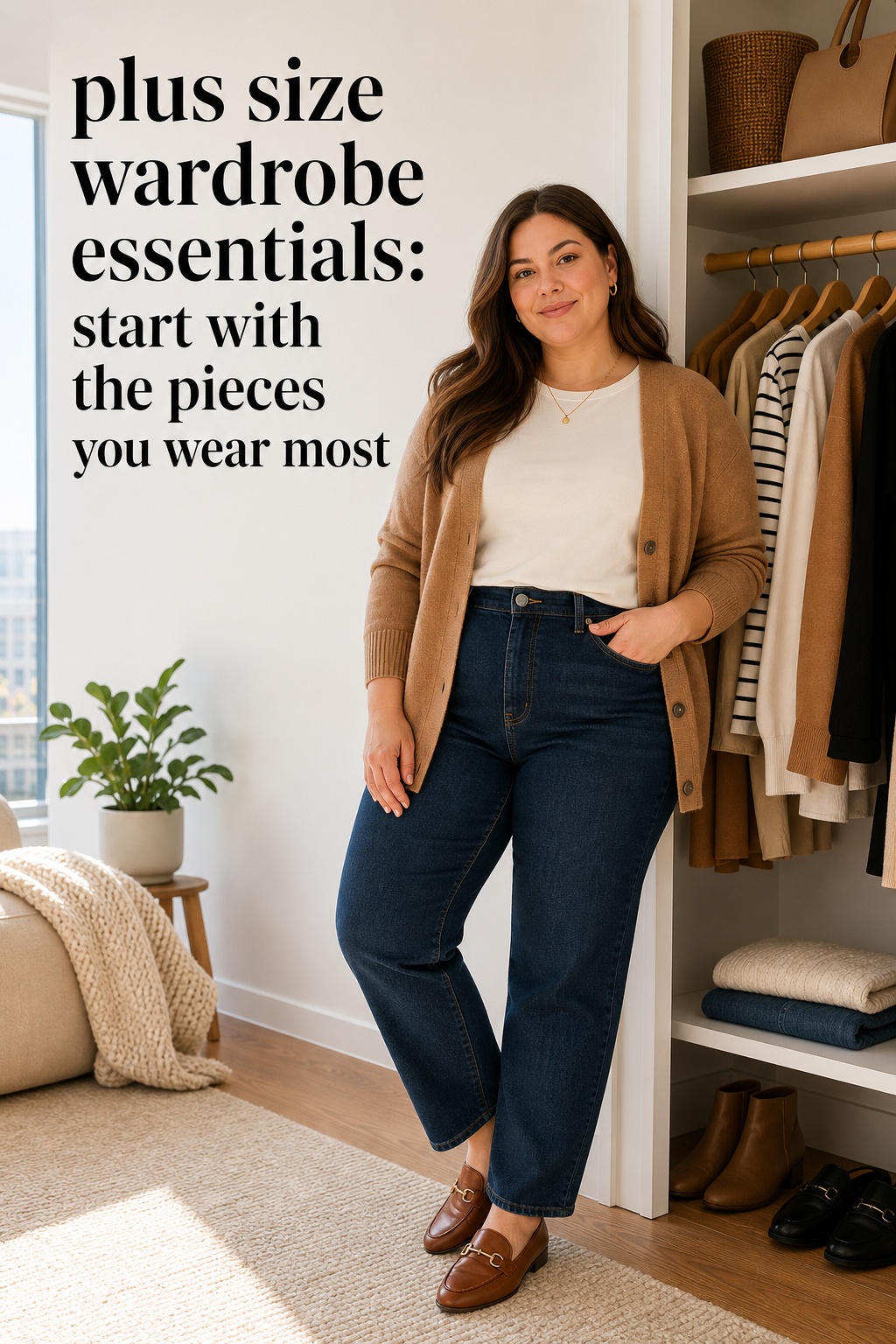
Below, you will find twelve pieces worth considering, along with the fit details and styling jobs that make each one useful. Think of this as a thoughtful starting point for a plus-size capsule wardrobe, not a shopping assignment. You may already own half of it. Your task is to notice what is missing, what needs tailoring, and what deserves a better version.
What Makes an Essential Worth Owning in a Plus Size Wardrobe?
A wardrobe essential earns its place by doing more than looking good in one photograph. It should work with at least three other pieces, feel comfortable for the amount of time you will wear it, and suit the places you actually go. A beautiful silk blouse that wrinkles instantly and requires a special bra may be less useful than a polished knit top you can wear to work, dinner, and a weekend appointment.
Found the dress? Keep the rest in one place.
Zarellea brings guest details, vendors, timelines, and every next step together — so your wedding plan feels as good as your look.
Start with your calendar rather than an imaginary lifestyle. If most of your week includes school drop-off, remote work, errands, and casual lunches, your essentials need softness, movement, pockets, and easy layers. If you commute to an office, you may prioritize trousers, a jacket, and a washable blouse. If you travel often, your best pieces will resist creasing and coordinate across a narrow color palette. The right list is personal because usefulness is personal.
Use fit language instead of body-fixing rules
Plus-size styling advice is often presented as a set of rules about hiding, minimizing, or balancing the body. A better approach is to describe the fit you want. You might prefer a straight shoulder seam, a skim rather than a cling, a higher rise, a longer sleeve, or a neckline that gives you breathing room. These are design choices, not corrections.
When trying something on, sit down, walk, lift your arms, and look at the side view. Check whether the fabric returns to shape, whether the waistband stays put, and whether the garment still feels like you after five minutes. A piece that only works while standing perfectly still is not an essential, no matter how flattering it looks in the fitting-room mirror.
The Foundation: Base Layers, Tees, and an Easy Shirt
The first group of plus size wardrobe essentials supports everything else. These are the pieces that sit closest to the body and make layering possible. They do not have to be boring. In fact, a strong base layer can be the most expressive part of a look when you choose a color, texture, or neckline you genuinely enjoy.
1. A supportive, comfortable bra and smoothing layer
Begin with the foundation you will wear most often. That may be a supportive everyday bra, a longline style, a wireless option, or a smoothing camisole. The goal is not to change your shape. It is to give your clothes a stable base and prevent you from adjusting them all day. Look for straps that stay in place, a band that does not roll, and fabric that feels breathable enough for your climate.
Keep at least one foundation option for fitted tops and another for relaxed or low-back pieces if those are part of your wardrobe. A perfectly good top can become an unworn top when the required undergarment is uncomfortable. Treat foundation pieces as wardrobe infrastructure, and replace them when the elastic has lost its support.
2. Two or three elevated T-shirts
A great T-shirt is a workhorse, but great does not have to mean plain white. Choose one light neutral, one dark neutral, and one color or graphic that feels like your personality. Pay attention to sleeve width, shoulder placement, fabric weight, and length. A slightly heavier cotton or cotton-modal blend often drapes more smoothly than a very thin jersey.
Try a relaxed tee with tailored trousers and a blazer, a fitted tee under a denim jacket, or a colorful tee tucked into a midi skirt. If you like a front tuck, make sure the shirt is long enough to stay comfortable when you sit. If you prefer a clean untucked line, look for a curved hem or a length that ends at a point you like on your hip.
3. A button-front shirt that works open or closed
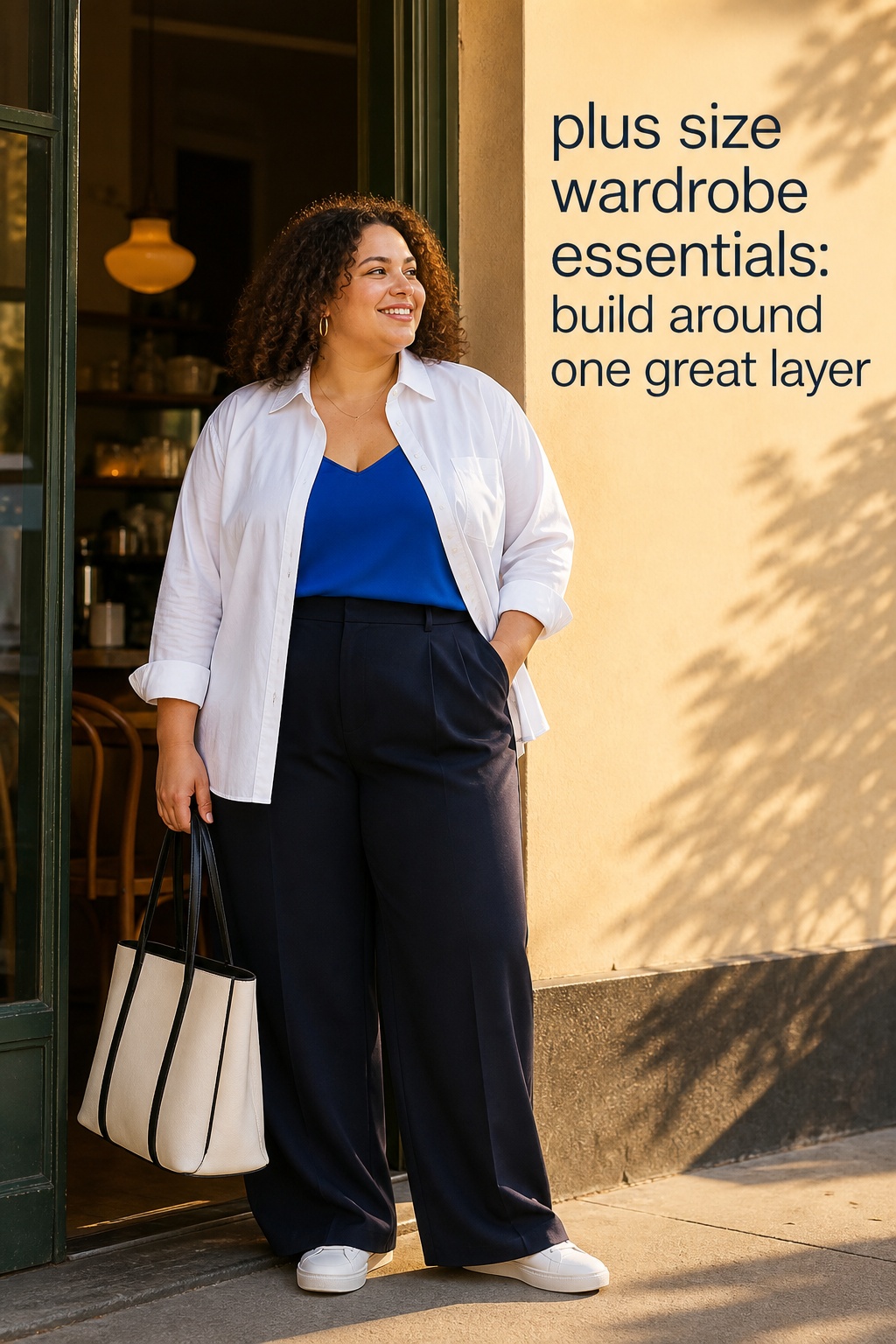
A button-front shirt gives you several outfits in one. Wear it closed with trousers, open over a tank, tied over a dress, or layered under a sweater so only the collar and cuffs show. Poplin, cotton gauze, linen blends, and fluid rayon all create different effects. Choose based on how much ironing and structure your routine can support.
Check the button spacing across the bust and make sure the side seams hang vertically rather than pulling toward the front. A shirt with a little extra room through the bust can still look polished when the shoulders fit correctly. If the perfect version gaps at one point, a small hidden snap or a tailor can solve the issue without changing the whole garment.
- Choose one shirt in a reliable neutral or stripe.
- Choose a second option in a color, print, or textured fabric if you enjoy variety.
- Check sleeve tabs or roll-up details if you want a warmer-weather version.
The Outfit Makers: Denim, Trousers, a Skirt, and a One-Piece
Once your base is covered, add pieces that create the shape and purpose of an outfit. Bottoms should not be judged only by the size on the label. Rise, stretch recovery, waistband construction, pocket placement, and fabric weight all affect whether you will reach for them. A good essential lets you focus on the rest of the look instead of monitoring the garment.
4. A pair of jeans in your favorite rise and leg shape
You may love straight-leg, wide-leg, bootcut, skinny, or cropped jeans. The essential is not a particular silhouette. It is one pair of denim that feels current to you and works with your footwear. Look for a waistband that stays level when you sit, enough room through the seat, and stretch that recovers rather than becoming loose after an hour.
A dark wash can move into polished settings, while a medium wash feels relaxed and versatile. If you are between lengths, choose the hem that works with the shoes you wear most. The perfect jeans are the ones you can style with a tee, a shirt, a sweater, and a jacket without needing a new outfit idea every time.
5. Fluid trousers that can look relaxed or refined
Fluid trousers are a quiet upgrade because they give you the ease of casual pants with the visual polish of tailoring. Try a straight, wide, or gently tapered leg in a fabric with movement. A flat front can look streamlined, while an elastic-back waistband can add comfort without changing the front appearance. Pockets should lie flat and the fabric should not become transparent when stretched.
Wear them with a fitted tee and sneakers for a simple weekday outfit, then switch to a silky top and pointed flats for dinner. Navy, chocolate, olive, charcoal, and black are useful, but do not dismiss a soft print or rich color if it works with the tops you already own.
6. A skirt with movement and a comfortable waistband
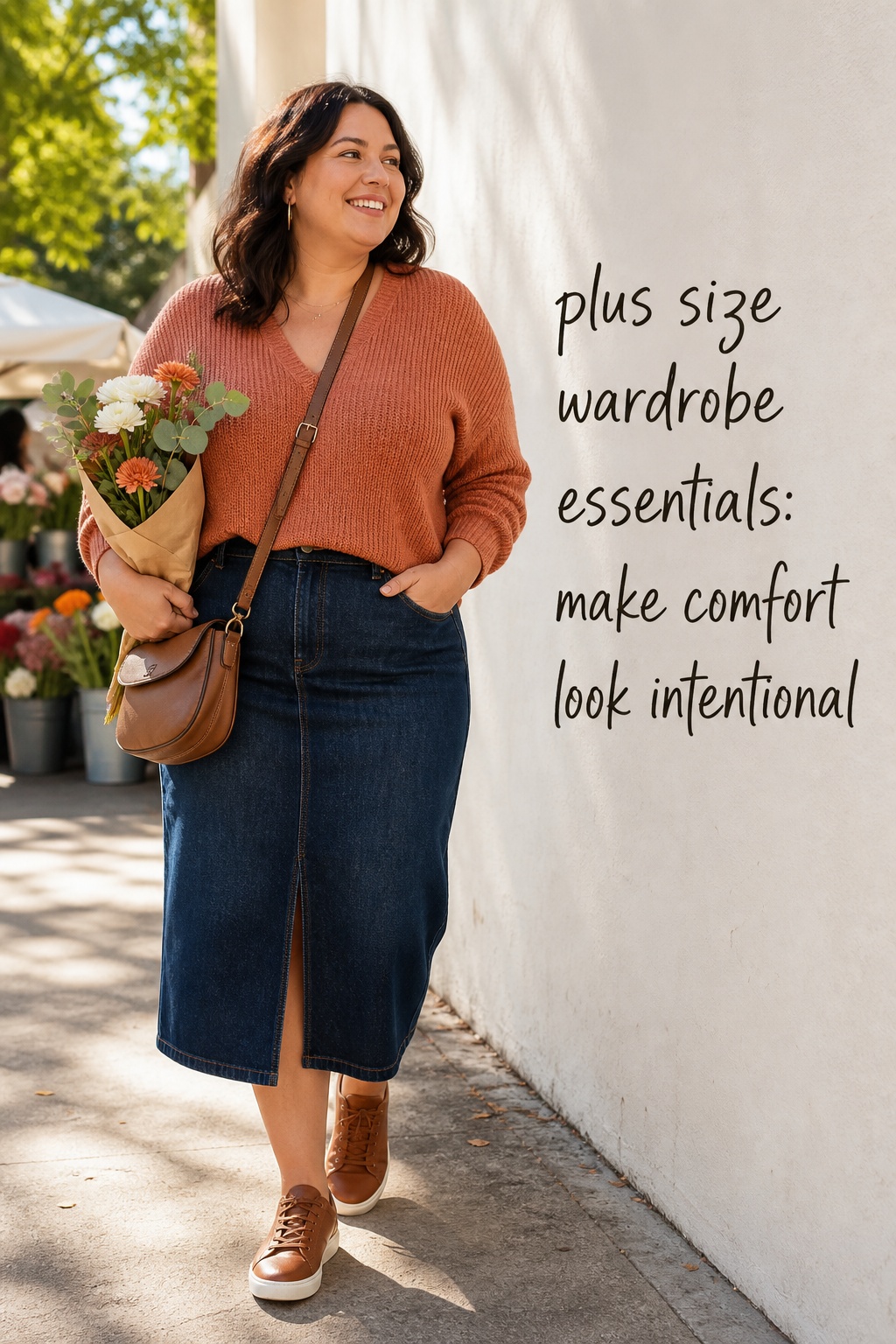
A skirt expands your wardrobe without requiring a completely different styling vocabulary. A denim midi, knit column skirt, pleated midi, or A-line shape can be the right choice. Think about where you want the waistband to sit and whether you prefer a fitted, fluid, or swishy hem. The important detail is that the skirt moves with you and does not need constant smoothing.
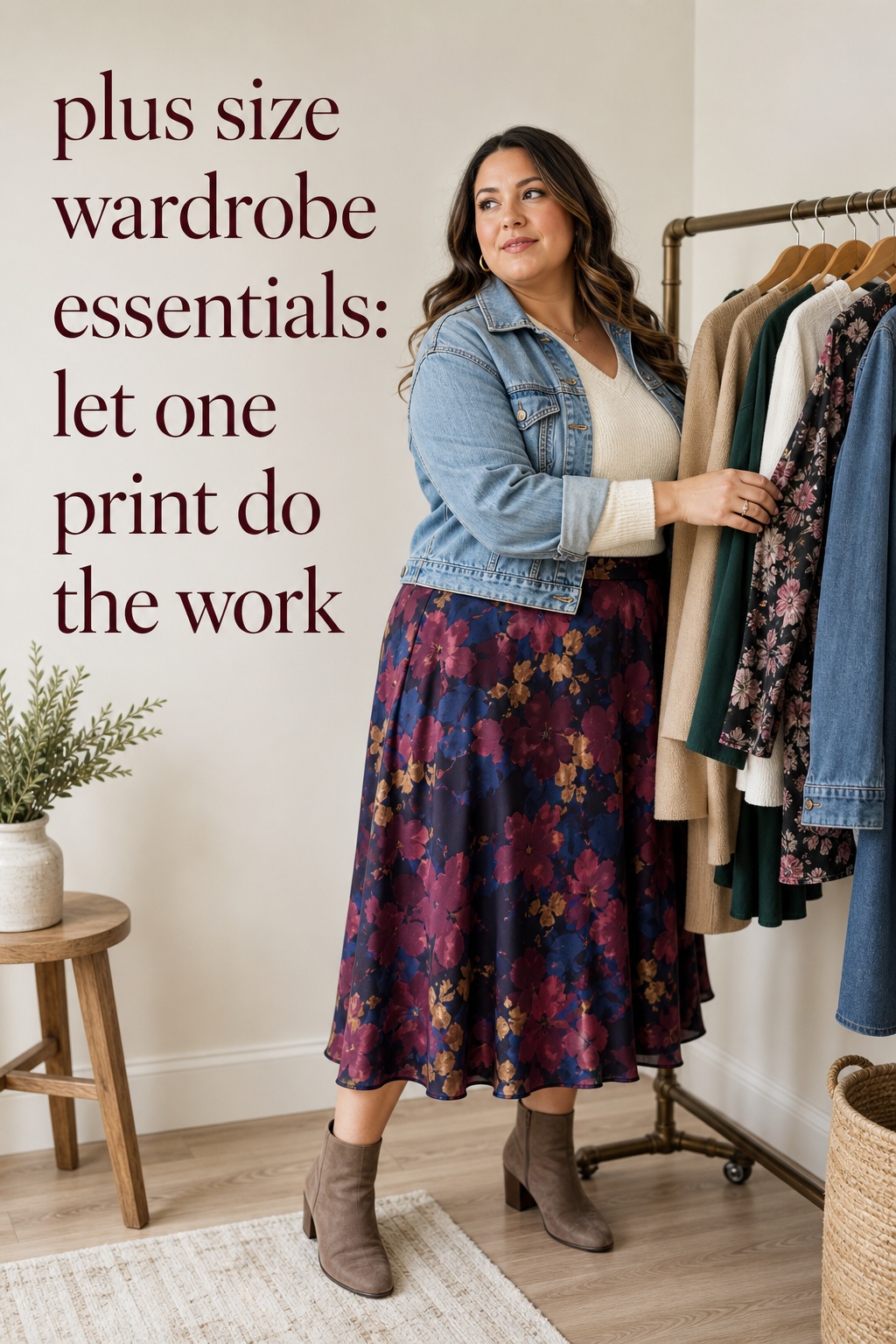
Pair a midi skirt with a tucked tee and sneakers, a sweater and ankle boots, or a button-front shirt with a belt. If you like prints, a patterned skirt can become the color bridge between neutral tops and accessories. If you prefer a minimalist closet, choose a solid skirt in a fabric with texture so the outfit still has depth.
7. A dress you can layer for more than one occasion
The most useful dress is not necessarily a little black dress. It may be a wrap shape, a shirt dress, a knit midi, a slip dress, or a simple column with a defined shoulder. Choose one that feels comfortable at the bust, allows you to sit easily, and can change mood with layers and shoes.
Wear it alone with sandals, over a tee with sneakers, under a cardigan for the office, or with a denim jacket for travel. A dress with a forgiving waist or adjustable tie can serve you through small changes in comfort and season. If you dislike complicated undergarments, take that into account before buying. The best one-piece is the one you can put on quickly and trust.
The Polish and Comfort Layer: Jackets, Shoes, and Accessories
The final group changes how your foundation and outfit makers feel. A jacket can turn jeans into a look. Shoes can decide whether a dress feels practical or formal. Accessories help you repeat the same clothes without repeating the same outfit. For plus size wardrobe essentials, these pieces should be chosen with the same care as clothing: test movement, consider proportion, and prioritize the items that match your everyday life.
8. A blazer with room to move
A blazer is useful when it creates a clean line without making you feel trapped. Try a single-breasted style, an open-front jacket, or a softly structured knit blazer. Check the shoulder seam, upper-arm comfort, and the way the lapels sit when you move. You do not have to button it, but you should be able to if the design is meant to close.
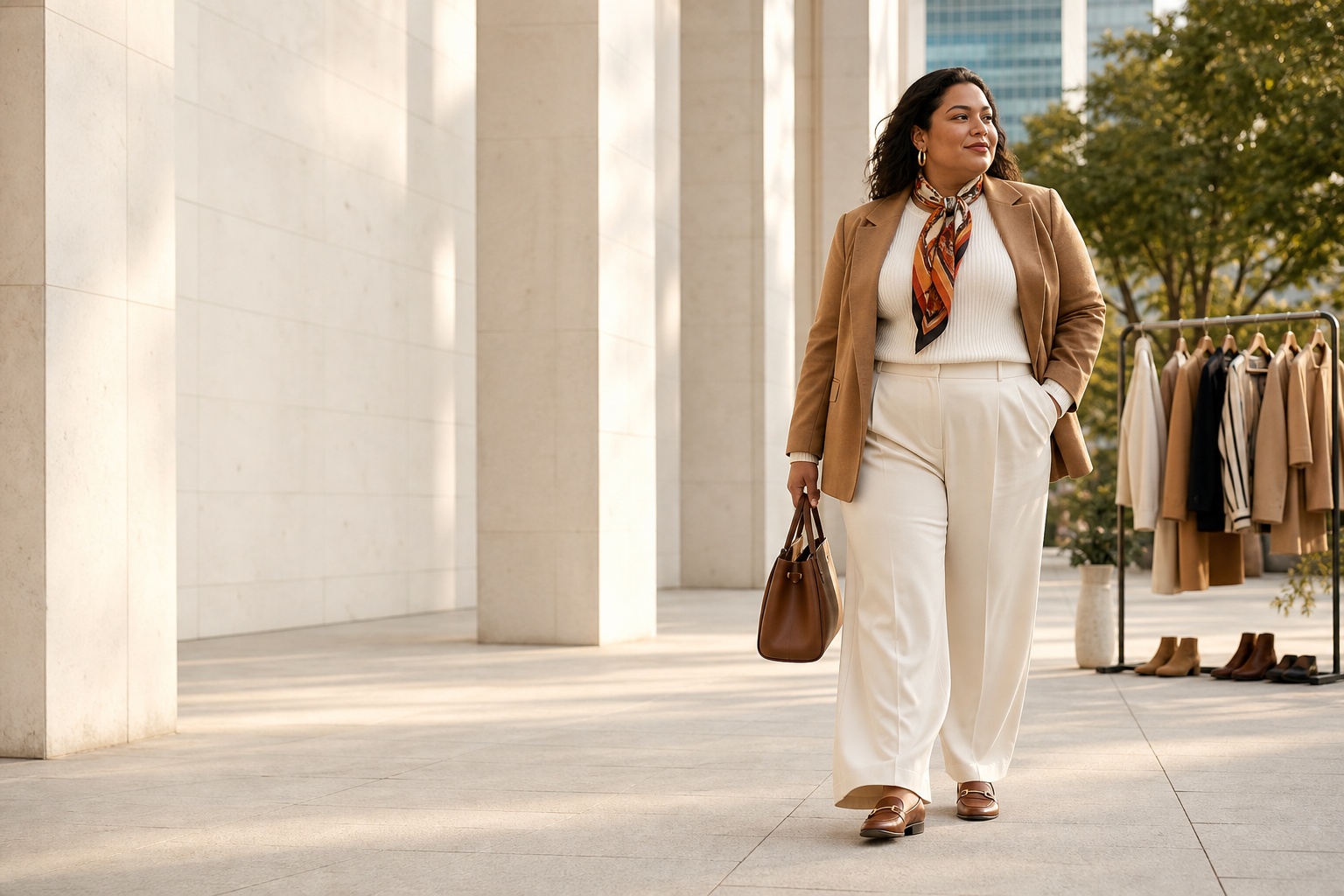
Use a blazer to sharpen a tee and jeans, frame a dress, or give fluid trousers a more intentional finish. A neutral blazer is versatile, while a jewel tone, plaid, or textured fabric can become the signature piece that makes simple outfits feel considered.
9. A cardigan or soft overshirt for temperature changes
Soft layers solve the practical gap between seasons, air-conditioned rooms, and evenings outside. Choose a cardigan that does not cling at the back or sleeves, or try a chore jacket, denim overshirt, or lightweight utility layer. The right length depends on your outfits. A cropped layer can work beautifully with high-rise bottoms, while a longer layer may suit dresses and leggings.
Keep one easy layer near the door or in your work bag if you often get cold unexpectedly. When an essential is visible and easy to grab, it earns more wears. Consider a color that connects several parts of your closet, such as olive, camel, denim blue, burgundy, or soft gray.
10. Comfortable shoes for your actual walking day
Every wardrobe needs at least one pair of shoes that makes movement easy. That could be clean sneakers, supportive loafers, flat sandals, ankle boots, or a low block heel. Do not save comfort for weekends. If you cannot walk, stand, or drive in a pair, it will not function as an essential no matter how well it photographs.
Choose the color according to your wardrobe rather than a universal rule. Black can ground bright clothing, tan can soften warm neutrals, metallics can act like a neutral with dresses, and white sneakers can keep tailoring relaxed. Have your foot measured if sizing varies, and leave room for the socks or hosiery you actually wear.
11. A belt that fits and a bag that works
A belt is more than a waist-defining accessory. It can finish a cardigan, organize a loose dress, or add contrast to a tonal outfit. Look for a size range that gives you comfortable holes rather than forcing you to use the final one. A wider belt can feel more substantial over outer layers, while a slim belt can disappear into belt loops.
Your everyday bag should carry what you need without becoming a shoulder or hand burden. A crossbody, structured tote, soft shoulder bag, or backpack may all be correct. Test it with your coat and check whether the strap stays comfortable. If you travel or commute, pockets and a secure closure may matter more than a trend.
12. One layer of weather-ready outerwear
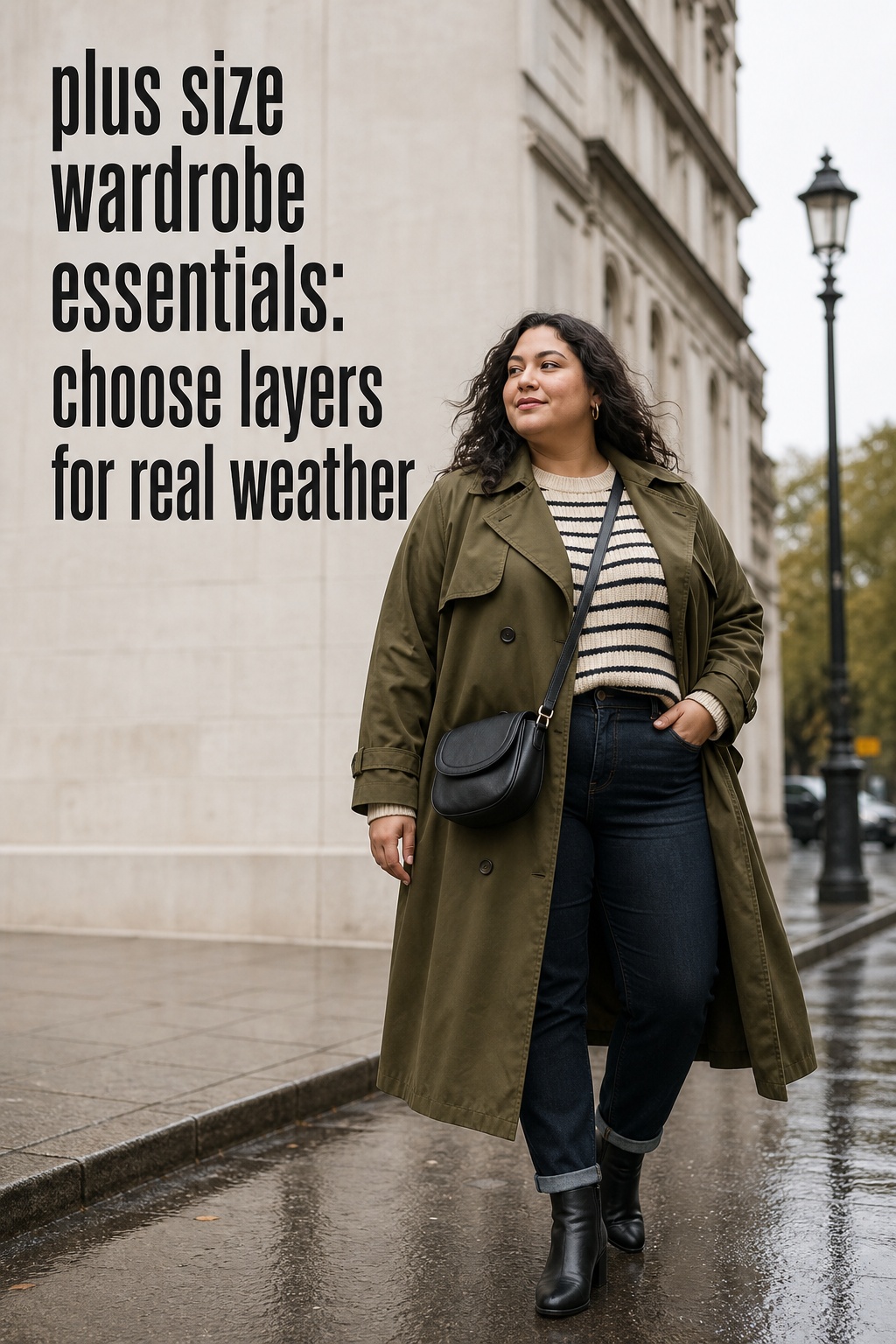
Outerwear is often the first and last thing people see, so it deserves a place on the essentials list. Pick the weather solution you need most: a trench for rain, a wool coat for cold, a denim jacket for transitional days, a puffer for true winter, or a lightweight parka for errands. Check that the armholes allow you to wear a sweater underneath and that the closure does not pull when you sit.
If you want one coat to work with nearly everything, choose a length and color that connect to your shoes and bottoms. If you already own a practical neutral, your second layer can be more expressive. A bold coat, faux-fur texture, or colorful rain jacket can make a simple outfit feel finished before you add jewelry.
How to Build Your Essentials Without Overbuying
The smartest way to build a wardrobe is to create evidence before you create a shopping cart. Photograph five outfits you already wear and write down what each one is missing. You may discover that you do not need more tops. You may need one layer, a different shoe, or trousers that do not require constant adjusting.
Next, choose a small color plan. Two dependable neutrals, one lighter tone, and two accent colors are enough to make mixing easier without making the closet feel dull. Your colors can include prints and denim. The point is to make the next purchase answer a real coordination question: Will this work with at least three things I own?
- Shop for the gap that creates the most outfit problems, not the item that is most exciting online.
- Read garment measurements and fabric composition, then compare them with a piece you already love.
- Order from retailers with clear return policies when sizing or grading is unfamiliar.
- Try on new pieces with your actual bra, shoes, and layers.
- Remove the tags only after you have worn the item at home and checked it in natural light.
- Allow personality into the essentials list through color, jewelry, print, or an interesting texture.
Remember that inclusive sizing is not the same as consistent sizing. A 2X can fit differently across brands and categories, and even the same brand may change measurements between denim and knitwear. Keep a simple note of the measurements and cuts that work for you. That record will make online shopping less emotional and more useful.
Most of all, do not confuse a small wardrobe with a joyless wardrobe. Essentials create the reliable structure, but your style comes from the choices layered on top. A bright shoe, a dramatic earring, a printed skirt, or a vintage jacket can be just as essential when it helps you feel present and like yourself.
FAQ
How many plus size wardrobe essentials do I actually need?
There is no required number. Start with the smallest group that supports your real week: a few base tops, two bottoms, one layer, one dress or one-piece, comfortable shoes, and weather-ready outerwear. Add variety only after you know which roles are missing.
What is the best first purchase for a plus-size capsule wardrobe?
Choose the item that solves your most frequent outfit problem. If you have tops but no polished bottoms, start with trousers. If every outfit feels unfinished, try a jacket or cardigan. The best first purchase is the one that creates several combinations with clothes you already own.
Should plus size wardrobe essentials be mostly black and neutral?
No. Neutrals can make mixing simple, but navy, denim, olive, burgundy, cream, cobalt, and chocolate are also versatile. Include colors and prints that make you want to get dressed. A wardrobe is more useful when it reflects your taste instead of following a narrow definition of basics.
How can I tell if a garment fits correctly?
Look for comfortable movement, a waistband that stays in place, side seams that hang straight, and fabric that does not strain at the bust, hips, or upper arms. Sit, walk, lift your arms, and check the garment from the side. Fit should support the way you live.
Are wide-leg pants a good plus-size wardrobe essential?
They can be excellent if you like the silhouette and choose the right rise, length, and fabric. Try them with the shoes you will wear most often. A fluid wide leg can balance a fitted tee or create an elegant line with a tucked shirt, while a structured fabric can feel more polished.
What should I look for when buying plus-size jeans?
Check the rise, stretch recovery, waistband, seat, thigh, and inseam. Sit down and walk in them before deciding. The best pair feels secure without digging in, keeps its shape after wear, and works with at least three tops and two pairs of shoes.
How do I make wardrobe essentials feel less boring?
Change one element at a time. Add a colorful shoe, a textured cardigan, a printed skirt, a statement belt, or bold earrings to a simple base. You can also change the proportions by layering a shirt open, tucking a tee, or wearing a blazer over a dress.
How often should I replace my wardrobe essentials?
Replace them when they no longer support your routine, fit comfortably, or recover their shape. Bras, tees, and shoes may need more frequent attention than coats or occasion pieces. Inspect seams, elastic, pilling, fading, and sole wear before buying a replacement.