Baddie Winter Outfits: Read the Look, Make It Yours
A saved outfit can look effortless because you see the finished picture, not the choices that shaped it. One coat, one fitted line, a particular shine, and a bag in exactly the right place may be doing more than a dozen separate styling tricks. If you try to copy every visible item, the result can feel like a costume or simply fail to work with what you own. A more useful approach is to read the image first, then decide which visual idea you want to bring into your own winter wardrobe.
Baddie winter outfits can be sleek, plush, sporty, dark, colorful, or quietly dramatic. The shared feeling is intention: the shape and finish look chosen, rather than accidental. This guide treats the aesthetic as a visual language. You will learn to identify its strongest cue, choose a direction that suits your mood, and edit the finished outfit so one detail leads the eye. The examples are styling ideas, not rules about body shape, age, budget, or how much skin to show.
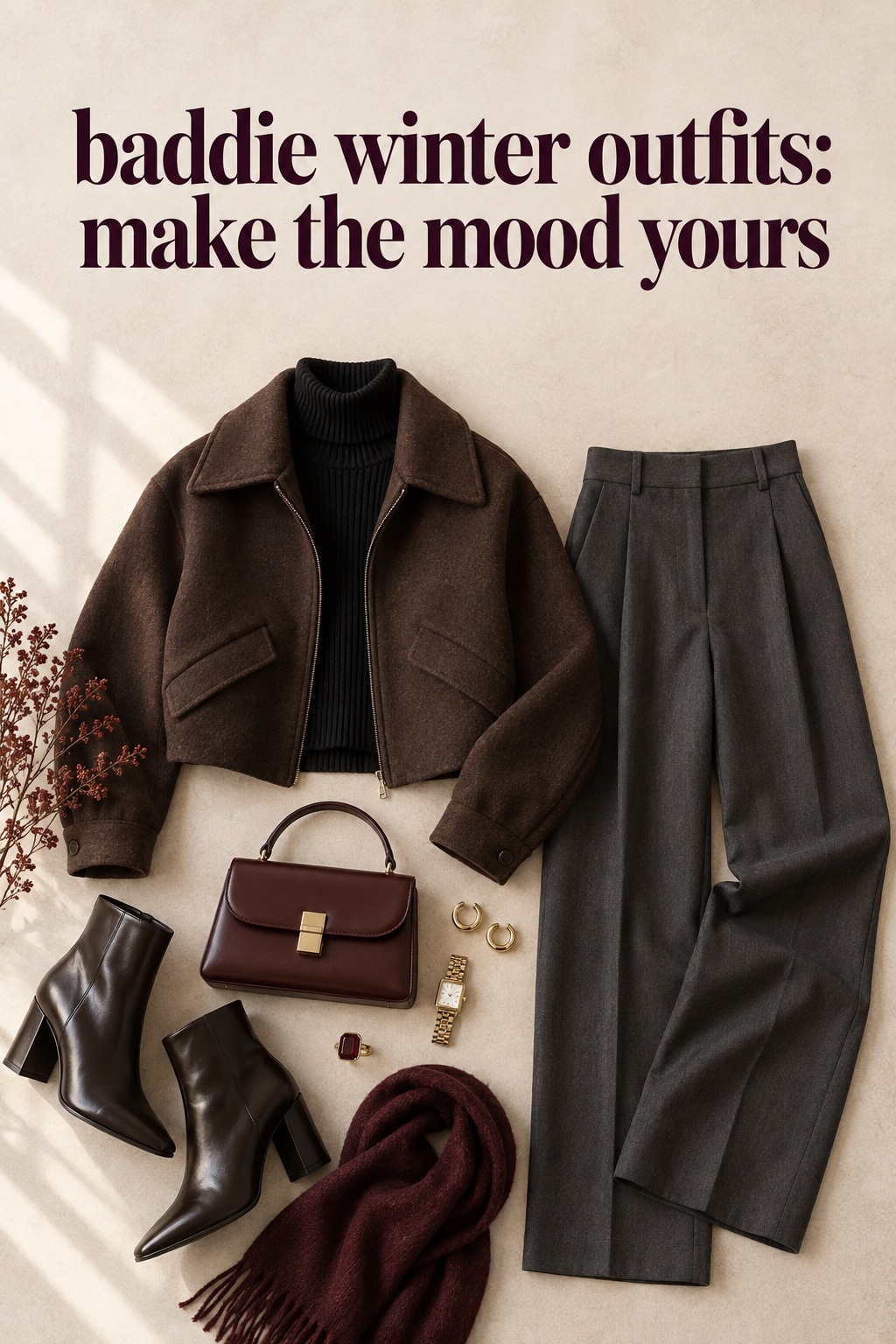
Read the visual code before copying a look
Before naming a garment, describe the image in plain visual terms. Is the outline long and narrow, cropped and compact, wide and fluid, or sharp at the shoulder? Does the surface look matte, glossy, fuzzy, ribbed, or smooth? Where does your eye land first: on the coat, the shoes, a flash of color, a belt, or a strong line at the waist? These questions turn a vague reaction such as “I want this vibe” into a few decisions you can actually make.
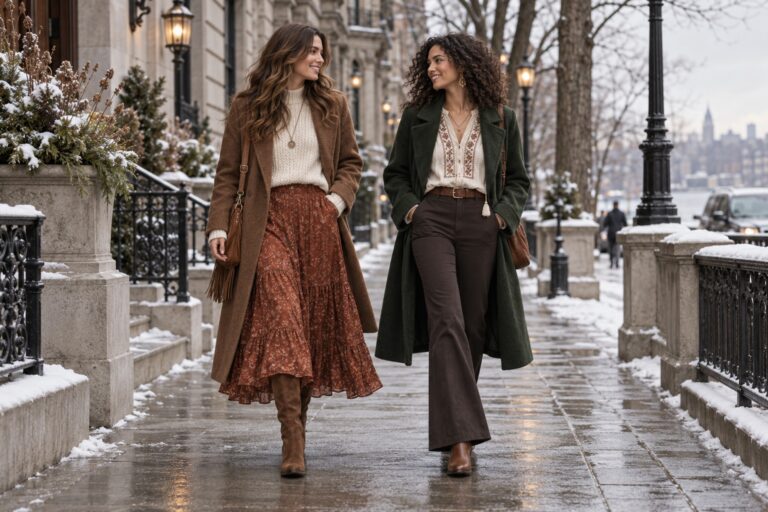
Begin with silhouette. Imagine the figure as a simple outline with the details removed. A long coat over a narrow base creates one vertical shape. A short jacket with a fuller lower half divides the body into clearer sections. A broad shoulder can make an otherwise simple look feel assertive. None of these outlines is inherently better. The useful choice depends on the mood you want and what feels comfortable when you move, sit, and wear your own outer layer.
Found the dress? Keep the rest in one place.
Zarellea brings guest details, vendors, timelines, and every next step together — so your wedding plan feels as good as your look.
Separate the outline from the individual pieces
Try describing an inspiration picture without using clothing nouns. You might write “long, dark column with a bright point at the shoulder,” “compact shape with a wide hem,” or “soft frame around a crisp center.” Now look at your closet for pieces that could create a similar outline. A long cardigan, an open blazer, a straight skirt, or relaxed trousers might all serve the first description in different ways. You are borrowing the composition, not claiming that every garment must match the reference.
This small shift also helps when the original image depends on a precise fit or a dramatic crop you do not want. Keep the visual relationship and change the item. A close-fitting base could become a neat knit that skims rather than clings. A short jacket could be replaced with a longer layer that still has a defined shoulder. The aesthetic survives because the relationship between the pieces remains clear, even when the pieces themselves differ.
Find the surface and focal point
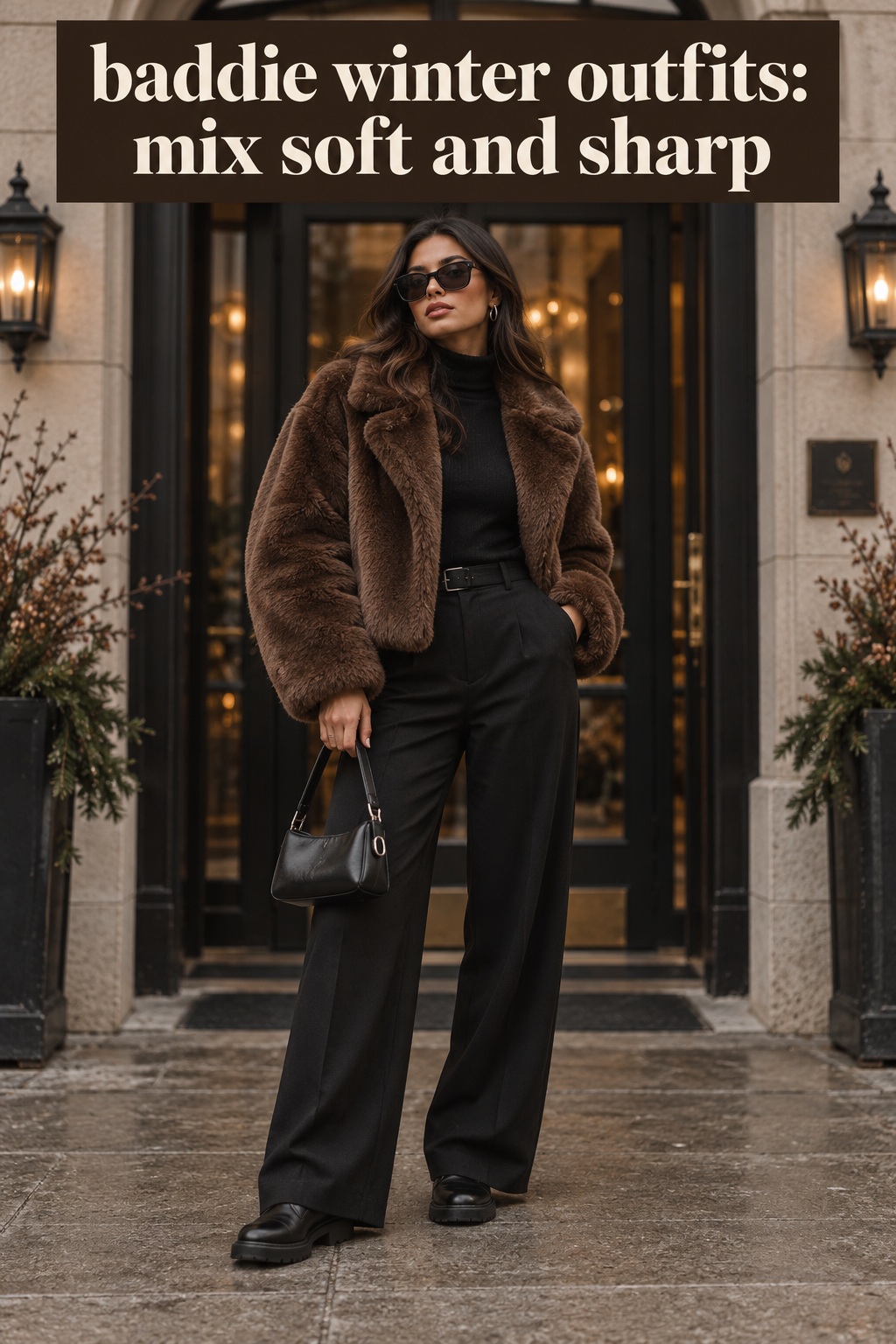
Next, notice the finish. A smooth coat against a ribbed knit creates quiet contrast. A plush jacket over a sleek base gives softness a sharper edge. A reflective bag or polished boot can provide a glint without making the whole outfit shiny. Name the dominant surface, then name the object that attracts your eye. Sometimes they are the same; sometimes the focal point is a small accessory set against a calm outfit.
Choose one visual cue to keep. If the picture feels memorable because of its long dark line, prioritize that line. If the contrast between a fuzzy jacket and a simple base is the reason you saved it, keep the contrast. If a silver buckle catches your eye, let that be the punctuation. Trying to preserve the outline, every color, all the accessories, the makeup, and the exact shoe at once adds unnecessary pressure. A translation becomes personal when you know which single idea matters most.
It can help to make a four-word note: outline, surface, focal point, mood. For example: “long, smooth, gold hardware, composed.” Another might be “compact, plush, boot, playful.” Your words do not need to sound like fashion terminology. They only need to tell you what to look for when you assemble your own clothes.
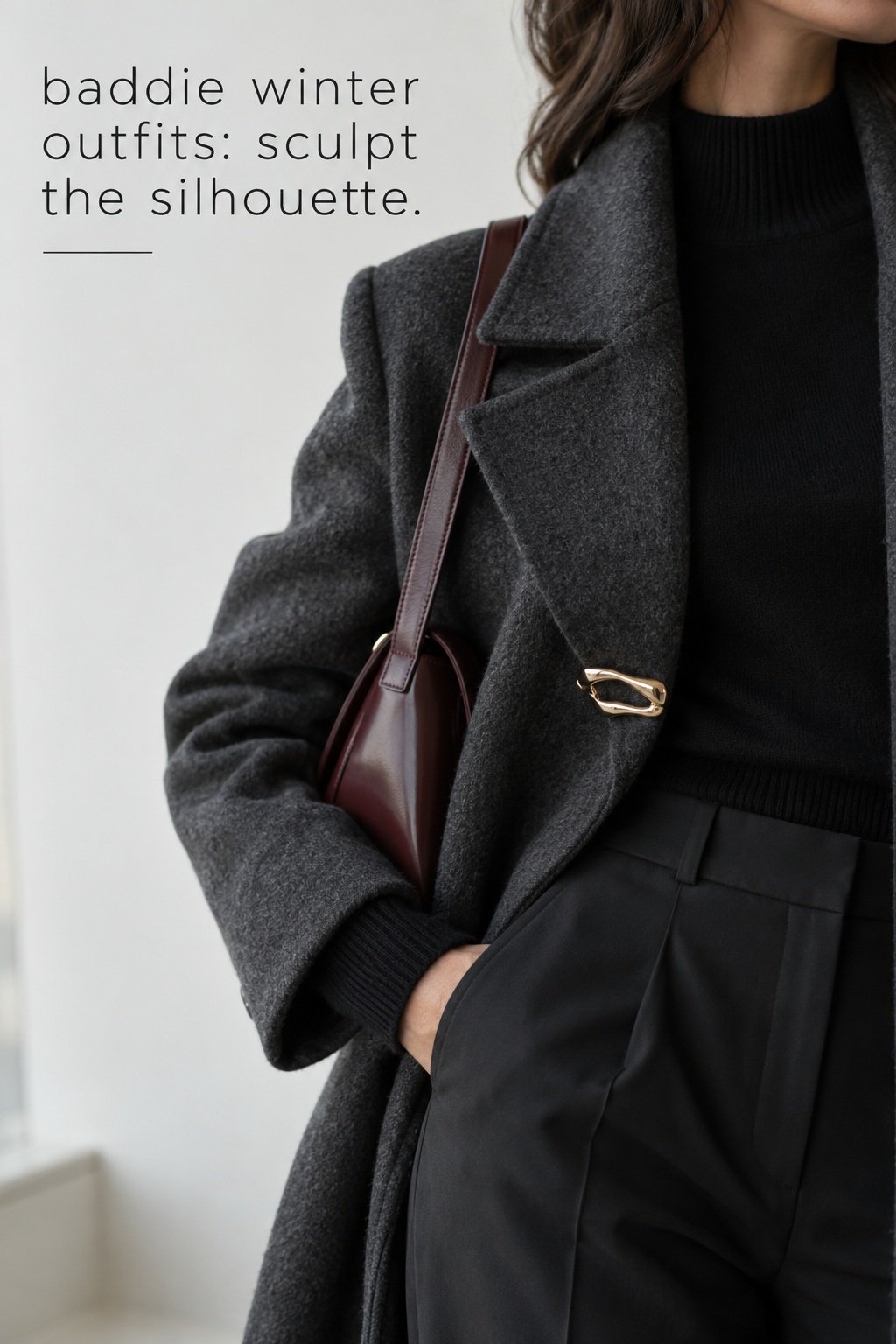
Choose the winter baddie direction that matches your mood
The word “baddie” is broad enough to hold very different personal styles. A useful winter look starts by choosing the energy you want, rather than adding every familiar signal at once. The following directions describe visual choices, not fixed identities. You can move between them, combine one detail from each, or ignore all of them when another idea feels more like you.
Sculpted minimal: let the outline do the talking
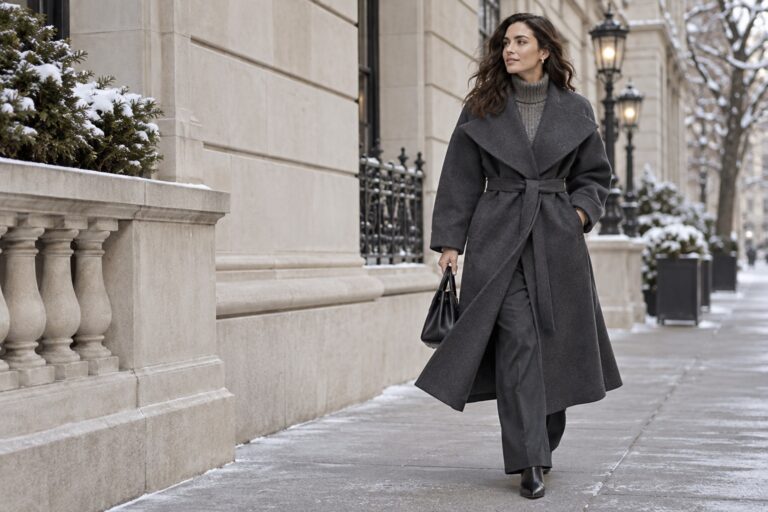
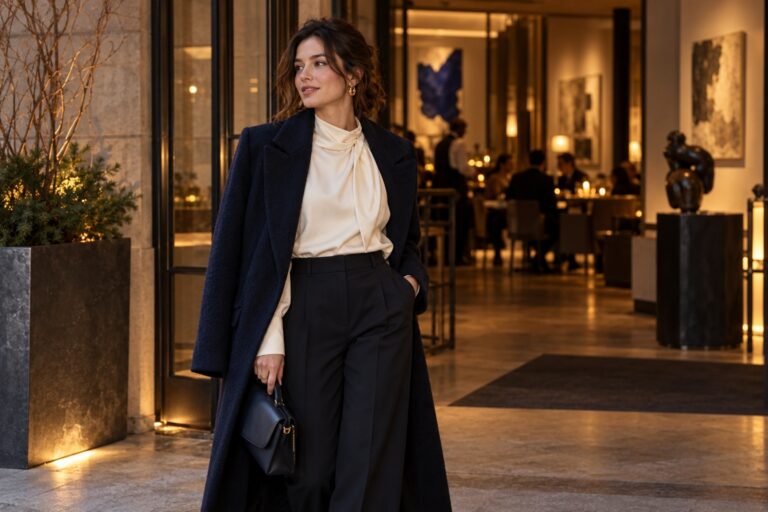
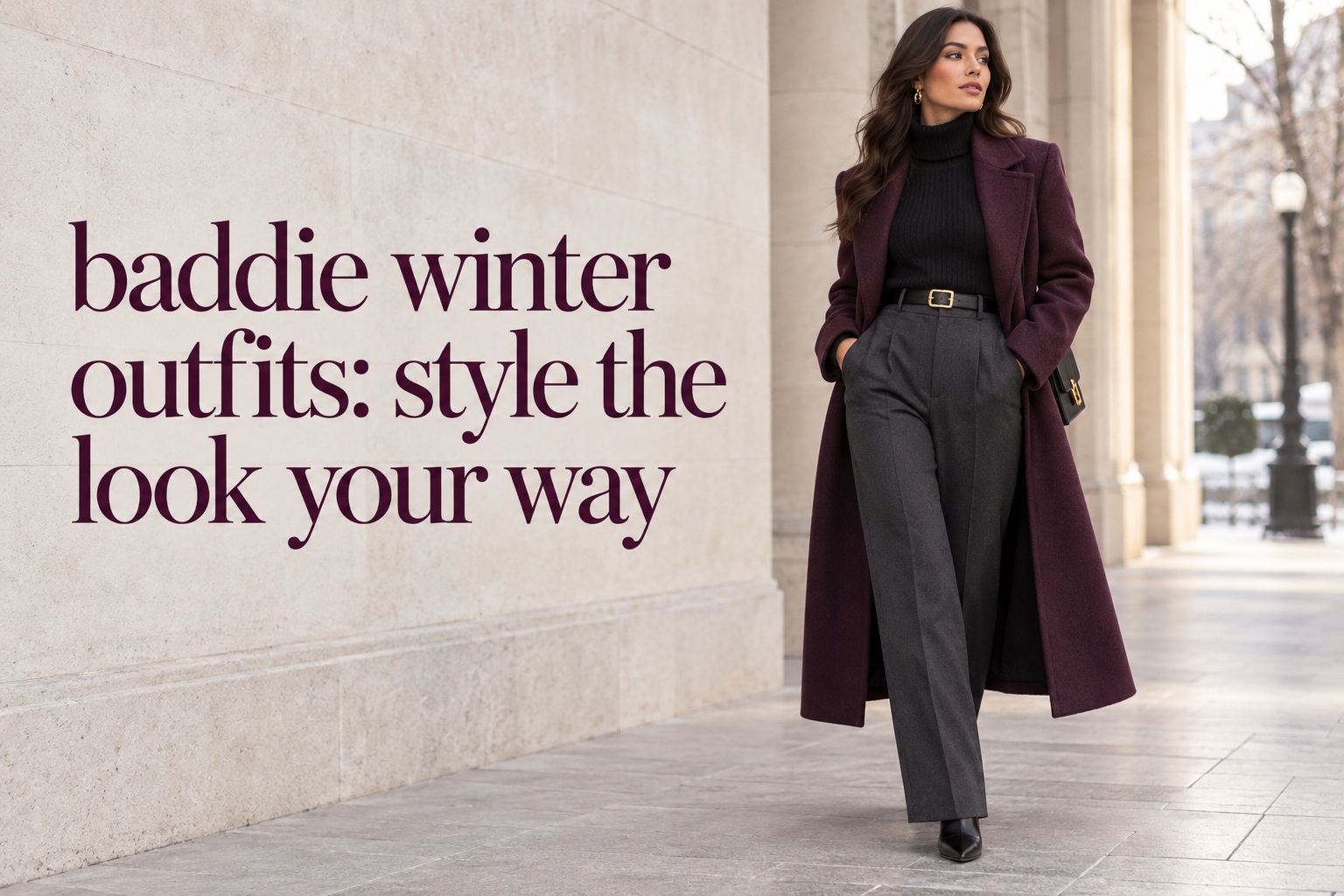
A sculpted minimal look depends on deliberate shape and restraint. A dark straight trouser, a close but comfortable knit, and a coat with a clean shoulder can create a strong line without a large number of accessories. Keep the palette close in value, then choose one finishing detail: a narrow belt, a structured bag, a polished earring, or a distinctive shoe. The feeling comes from how carefully the pieces relate, not from how many of them are visibly dramatic.
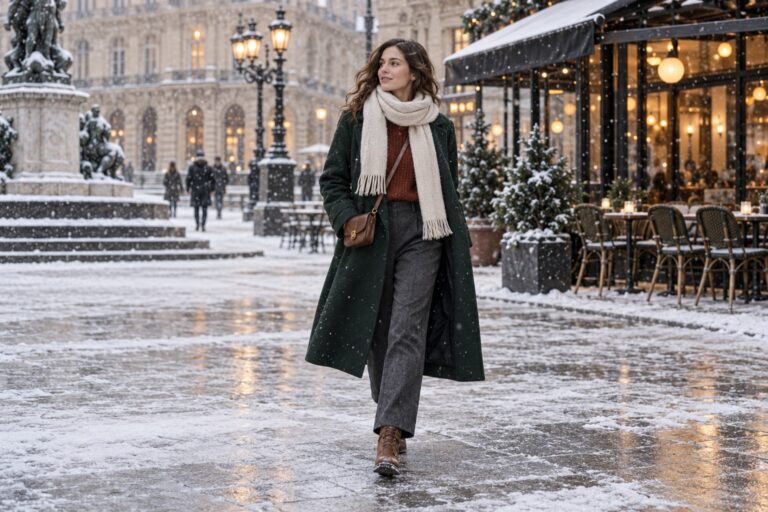
To keep this direction from feeling severe, vary the surfaces. Put a soft knit beside a smoother trouser or let a brushed scarf interrupt an otherwise crisp line. If you prefer more coverage, the same idea works with a longer base and a coat worn open. The vertical shape remains the lead even though the proportions change. Choose a finish that feels natural to wear for the length of your day.
Plush glamour: give softness a clear frame
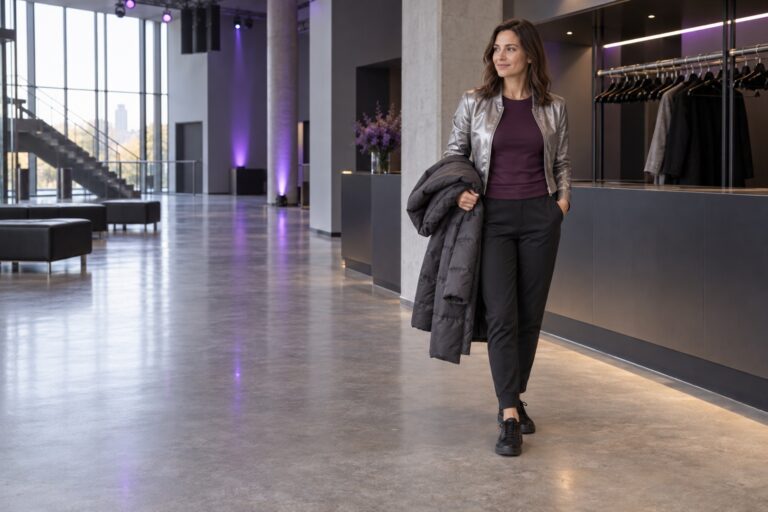
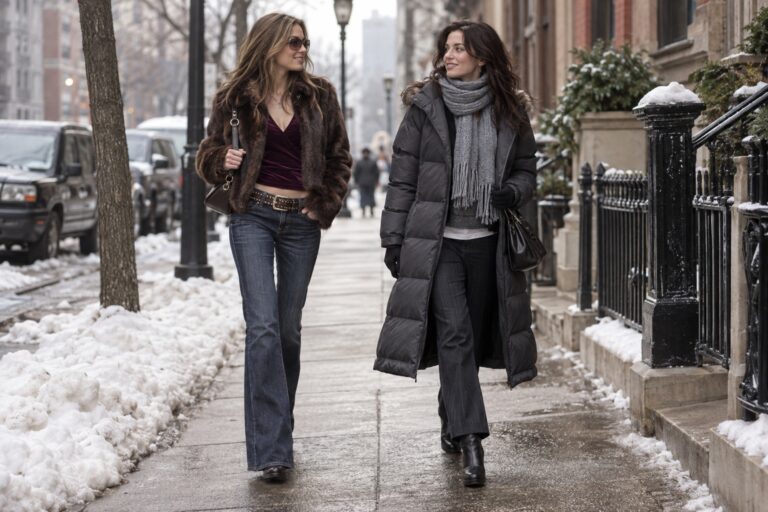
Plush glamour is about tactile contrast and a sense of occasion. A fuzzy, quilted, or brushed outer layer can supply the softness; underneath, a simpler piece gives the eye somewhere to rest. That base might be a dark dress, a smooth top with trousers, or a knit set in one color family. A small shine detail, such as metal hardware or a glossy bag, can make the look feel finished without adding another competing texture.
Think about how much volume the outer piece already contributes. If it is the largest and softest item, keep the rest of the silhouette legible through a clear hem, a visible waistline, or a straightforward shoe. You do not need to make every layer fitted. The goal is simply for each shape to have a visible beginning and end, rather than allowing all of the soft volume to merge into one indistinct mass.
Sporty polish: make movement part of the mood
Sporty polish can pair a relaxed piece with one precise detail. A smooth track pant might sit beside a neat knit and a structured coat. A clean sneaker can make a sharper outfit feel less formal. A simple beanie, zip detail, or compact crossbody bag can carry the athletic note without turning the whole look into gymwear. Consider the line from shoulder to shoe and let one item appear intentionally relaxed.
This direction works well when comfort is part of the visual idea, not a private compromise hidden beneath a dressier outfit. A roomier trouser or soft set can still look considered when its shape is clear and the colors relate. Try one repeated color in two places, such as a dark shoe and a dark bag, then keep the remaining details quiet. The repetition gives the look structure without making it overly coordinated.
Dark texture or a color-led statement
For a moodier version, use texture and hardware to add depth to a dark palette. A matte base can sit under a textured coat, while a buckle or metal earring brings one small reflection. Keep the surfaces distinct enough to read separately. If everything is equally shiny, fuzzy, or detailed, the focal point can disappear. One rougher element against a smooth one often gives the look more character than stacking several dramatic finishes together.
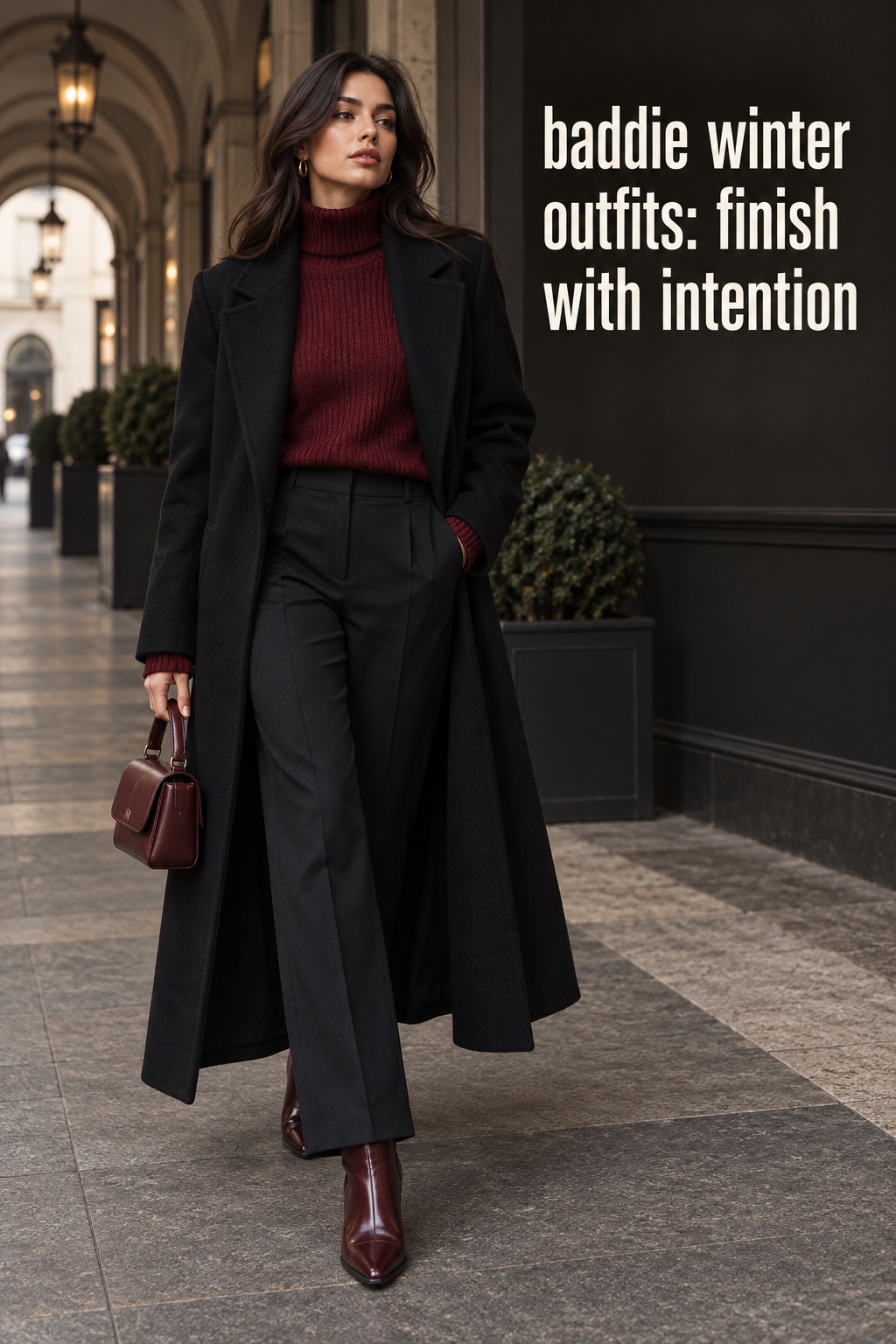
A color-led outfit uses a different kind of focus. Choose the shade that sets the mood, then let nearby neutrals support it. A bright knit can lead while the coat and trousers stay calm. Or a colorful scarf can be the only saturated detail over a dark foundation. Repeat the color once if the outfit needs connection, but avoid matching every accessory automatically. The point is a deliberate flash, not a uniform.
These directions can overlap. A dark look may have a sporty zip; a plush coat may sit over a sculpted base; a color-led outfit may use polished hardware. If the combination makes sense to you, it does not need a precise label. Choose the strongest cue first, then let any second cue play a supporting role.
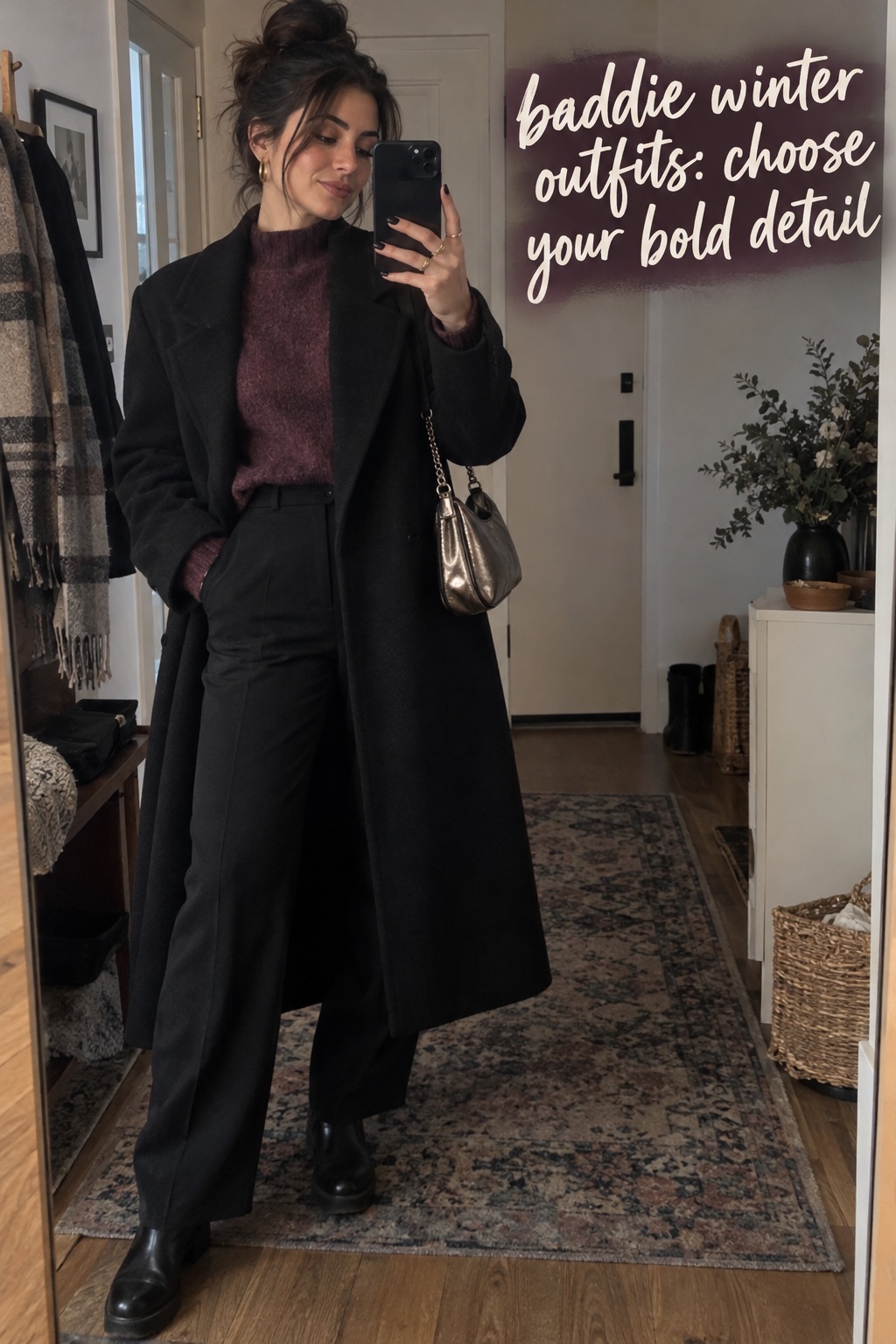
Make a statement layer work with the outfit underneath
Outerwear often dominates a winter picture, yet the clothes beneath it are what give the look its point of view once the coat opens. Treat both states as part of one composition. Ask how the coat looks closed, what it reveals when open, and how the base outfit looks when the coat comes off. You do not need a separate outfit for each state; you need a clear relationship between the visible shapes.
Let length and opening reveal a chosen line
A long coat can create a continuous frame, reveal a narrow column, or add movement around a simpler base. Wear it open when you want the center of the outfit to remain part of the picture. Wear it closed when its own shape is the focal point. A belt can clarify where the coat sits, but it is optional. The useful question is whether the line you want is still visible when you move, rather than whether a certain styling method is considered correct.
A shorter jacket changes the composition by creating a clear meeting point with the lower half. That can make a longer trouser or skirt feel intentional, particularly when the top and bottom meet cleanly. If the jacket and bottom both have strong volume, check whether the proportions feel chosen from the front and side. A small adjustment to the hem, opening, or shoe can clarify the outfit more effectively than adding another accessory.
Choose a base that holds the same point of view
When the outer layer is bold, the base can be quieter without becoming an afterthought. A clean trouser and knit can support a textured coat. A simple dress can give a structured jacket a clear center. A tonal base can let a bright layer remain the one color event. On the other hand, a simple coat can frame a more expressive base with a strong neckline, an unusual trouser shape, or a visible accessory. Decide where the outfit’s energy should sit before you dress from head to toe.
Try the outfit with the coat on and off, then take a few steps rather than standing still. Notice whether the coat pulls at the shoulders, catches on another layer, or hides the detail you intended to show. These are observations about this particular combination, not rules about any garment category. A small change in the base layer, coat opening, or sleeve can make the full silhouette feel more settled.
Keep the visual idea when the exact coat is unavailable
If your reference uses a dramatic leather-look trench or plush jacket you do not own, identify the job it performs. Does it add length, create shine, soften a sharp base, or introduce volume? Look for another layer that performs one of those jobs. A longer wool-blend coat might preserve the length. A smooth blazer might supply a sharper frame. A textured cardigan might echo the softness. The substitution is successful when the visual role remains, even though the garment is different.
That approach also prevents an outfit from depending on a single trend-specific item. You can keep the composition and change the materials, colors, or labels around it. Start from the role you need, compare a few options already in your wardrobe, and choose the one that works with the base. The aim is not to acquire the reference. It is to understand what made it appealing to you.
Edit with texture, finish, and one leading detail
Once the outline is in place, the last styling decisions are about hierarchy. Texture, finish, color, jewelry and accessories can all add personality, but they do not all need to lead. Choose one main detail, then decide which other elements support it. This is a more flexible way to create a finished look than adding a fixed number of accessories or following a single formula.
Give contrasting surfaces room to register
Think of texture as spacing for the eye. A ribbed knit, a smooth skirt and a soft coat each create a different visual note. If all three have strong surface detail, simplify one area. If the outfit feels flat, change one finish instead of adding another color. Pairing matte with gloss, soft with structured, or fine ribbing with a smoother surface can create enough contrast for the outfit to feel intentional.
Be guided by what the fabric looks like in the actual room, not only in a bright photograph. A reflective surface may seem subtle in one light and become the focal point in another. A soft texture may read as a large block of color from a distance. Look at the outfit in the mirror, then step back a few paces. The overall read matters more than whether each item looks interesting close up.
Use color repetition as a quiet connector
If a look feels like separate pieces rather than one outfit, repeat a color in a small, deliberate way. A dark belt and shoe, a scarf that picks up a tone in the bag, or a knit close to the coat color can link the composition. You do not need exact matches. Related shades or a small repeated accent often feel more relaxed than a perfect set. If the outfit already has a strong color story, leave it alone.
Color can also set the emotional temperature of the outfit. A nearly tonal palette feels composed; a sharp contrast feels more graphic; a single vivid note can feel playful or confident depending on its scale. You can test the effect by swapping only one item. If the color change shifts the whole mood, that item is doing meaningful work. Keep the rest calm enough for that work to be seen.
Run a one-detail review before you leave
Pause for a quick edit. What should someone notice first? Is that detail visible under the coat? Do the other statement pieces support it or compete with it? Does the outfit still feel like your chosen direction when you sit, reach, and walk? Remove or change one item if it creates a second focal point without adding anything you want. Keep it if it makes the look feel personal.
Then consider comfort in the context of the actual plans. Check that the outfit can move as you need it to and that the layers you chose make sense for your day. Styling advice cannot predict every room, route, or personal preference. You know where you are going and how you want to feel there. A baddie look can be bold and still be easy to wear because the visual choices and practical choices were made together.
The strongest winter baddie outfits do not need a checklist of supposedly essential pieces. They need a point of view that stays clear from the outer layer to the shoes. Read the outline, notice the finish, choose one detail to lead, and adapt that idea to the clothes you actually enjoy wearing. The result can reference an inspiration image while still looking like it belongs to you.
FAQ
What makes an outfit a baddie winter outfit?
It is a winter look with a deliberate visual point of view, often created through a clear silhouette, a considered finish, or one standout detail. It can be sleek, soft, sporty, dark or colorful. There is no required body type, amount of skin, or exact garment list.
How can I copy a winter outfit idea without buying the same pieces?
Identify the outline, surface, focal point and mood of the reference. Then use clothes you own to recreate the most important visual relationship. A different coat or top can work when it creates the same length, contrast, softness or structure that made the original appealing.
Do baddie winter outfits have to be tight or revealing?
No. The look can come from a long clean line, a sharp coat, texture, color, or a polished accessory. Choose proportions and coverage that you enjoy wearing. The style is a set of visual choices, not a requirement to dress in one specific way.
How do I style a statement coat with a baddie outfit?
Decide whether the coat or the base outfit should lead. If the coat is the focal point, let the base support its shape and finish. If the base has the statement, choose an outer layer that frames it and consider how much will remain visible when the coat is open.
What colors work for baddie winter outfits?
Any palette can work when it supports the mood you want. A tonal range can emphasize silhouette; a vivid accent can lead the look; related colors can connect separate pieces. Start with one color decision and add another only when it helps the composition.
How can I keep a winter look expressive without too many accessories?
Let shape or texture carry some of the expression. A defined shoulder, a plush surface, a distinctive shoe, or a contrasting finish can make a clear statement on its own. Choose one accessory that supports it, then check whether more details add something or simply compete for attention.
Can baddie winter outfits be comfortable for everyday wear?
Yes. Build the look around pieces that feel comfortable for your plans and use styling choices to create the mood. A relaxed trouser, familiar knit, or easy shoe can sit within a considered outfit when the proportions, color and focal point feel intentional.