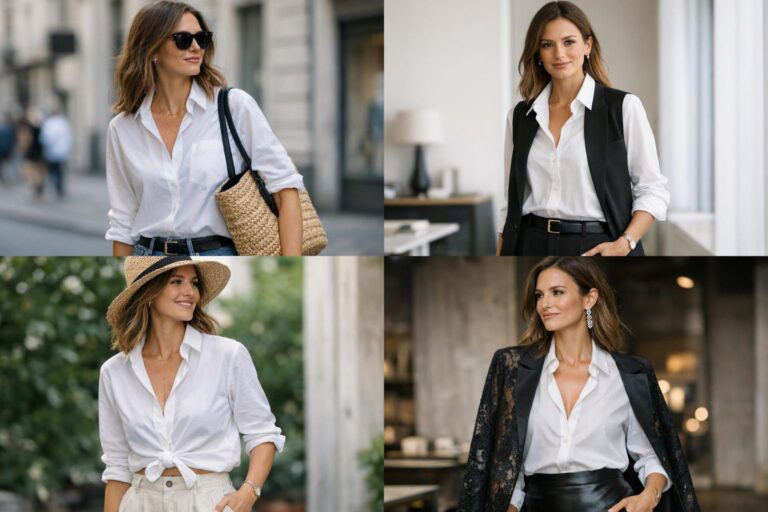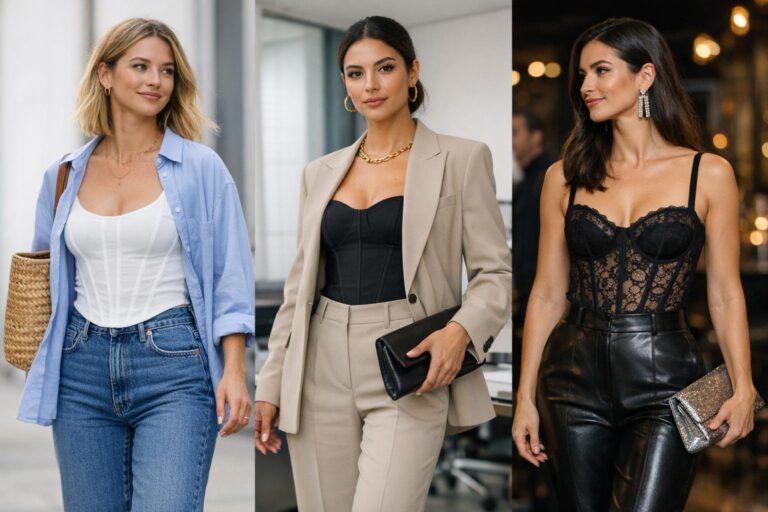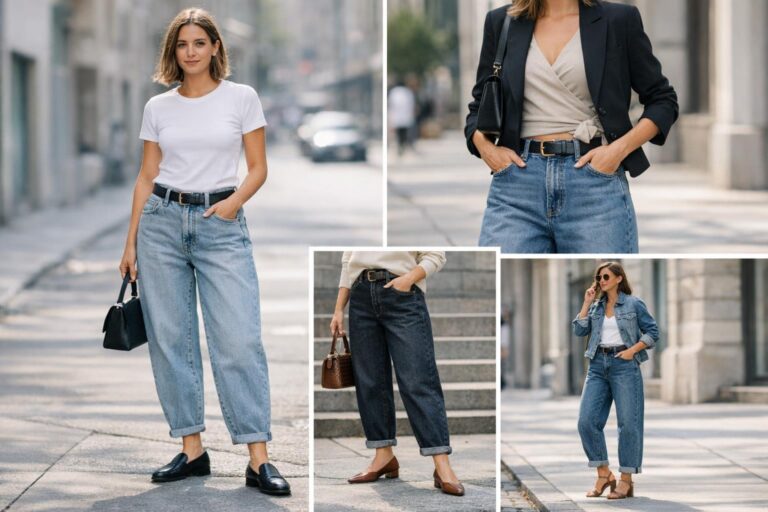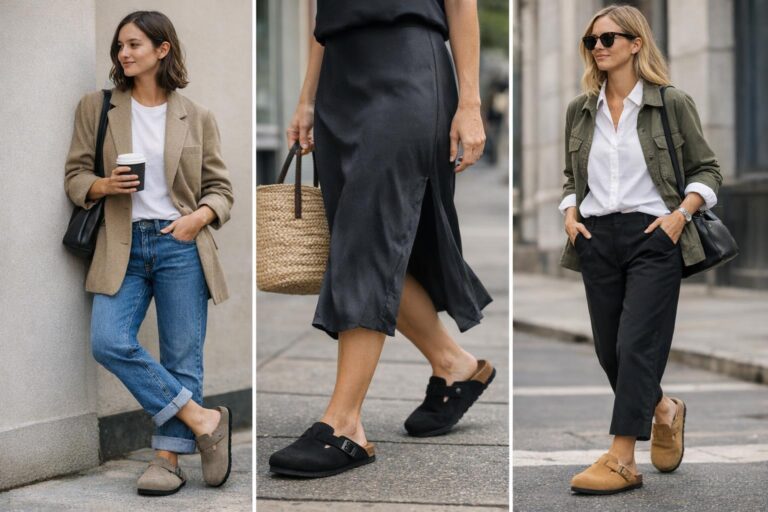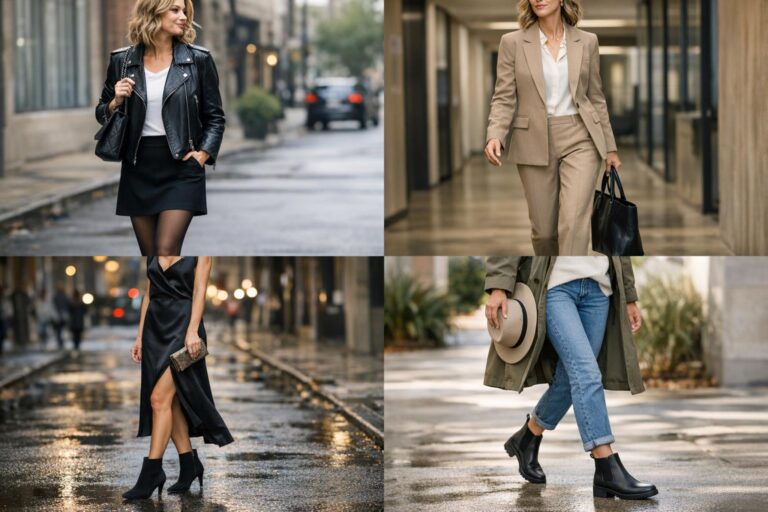
Modern Fashion Styling Tips for a Polished Everyday Wardrobe
A great outfit rarely comes down to buying more. It usually comes down to better composition. The strongest fashion styling tips work at the level of proportion, texture, color balance, and intention: a neutral base that lets a statement piece lead, a layered look that creates depth without bulk, or a simple basic sharpened by one precise accessory. Across current style coverage, the most consistent message is clear: modern dressing is less about complexity and more about knowing how wardrobe pieces relate to each other in real life.
That is why the most useful approach to fashion styling tips starts with foundations. Capsule wardrobe thinking, layering techniques, minimalist discipline, quiet luxury cues, and seasonal outfit ideas all connect back to a few core principles. A white tee, denim, a coat, a blazer, a cardigan, a scarf, and well-chosen accessories can produce far more visual range than an overloaded closet. The key is understanding which item acts as the visual anchor, which pieces support it, and how fit and fabric shape the final effect.
The styling logic behind a polished outfit
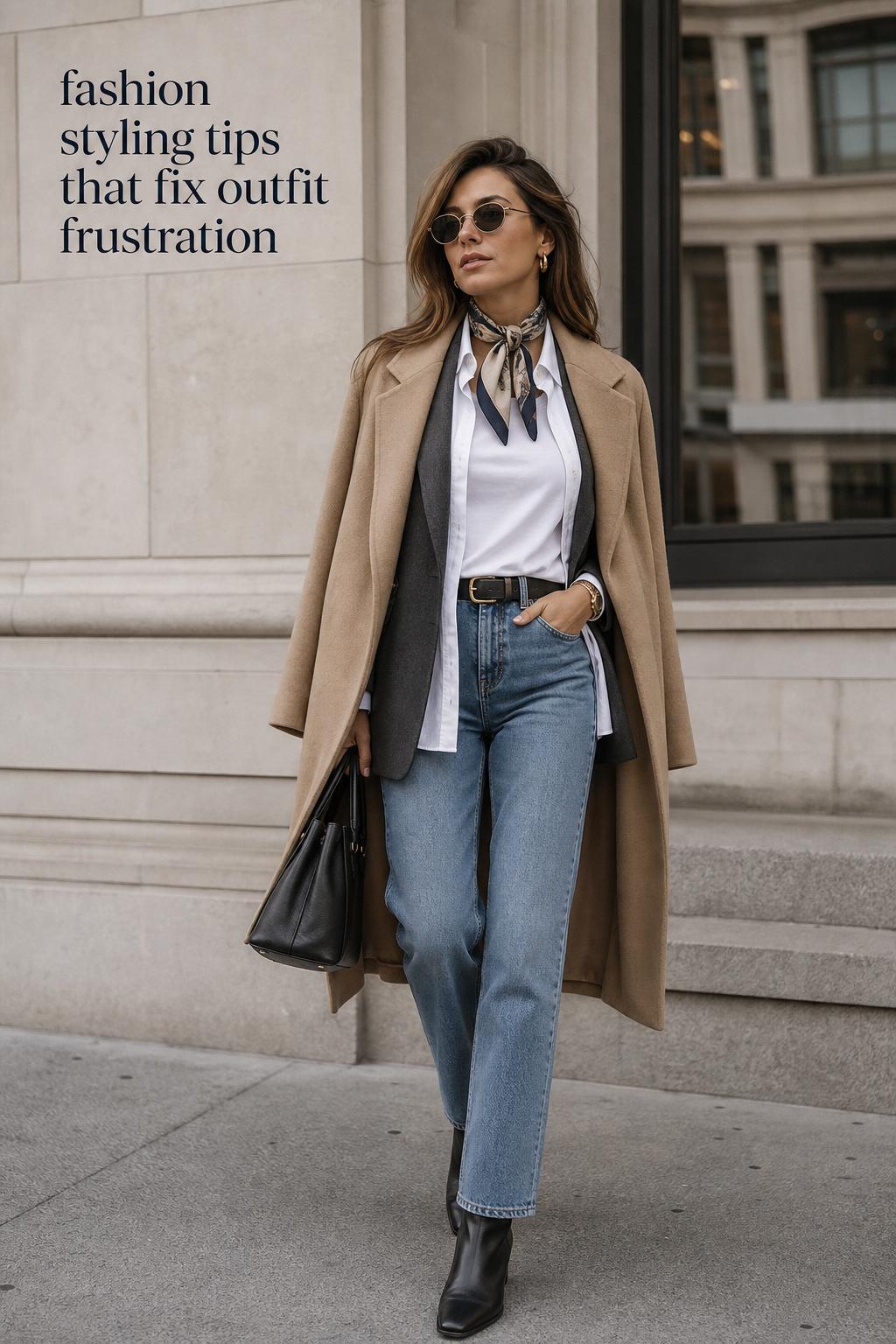
Every polished look has an internal structure. Even when an outfit feels effortless, it is usually built on deliberate balance. The silhouette must feel stable, the palette must feel intentional, and the details must support the overall direction rather than compete with it. This is why so many outfit formulas rely on neutrals, layering, and one standout element instead of several competing focal points.
Silhouette balance matters first. If one piece is oversized, another part of the outfit usually needs clarity or shape. A roomy coat over straight denim feels composed because the lower half retains clean lines. A soft cardigan works better when paired with a sharper trouser or a more defined shoe. This kind of proportion play keeps an outfit from looking accidental.
Found the dress? Keep the rest in one place.
Zarellea brings guest details, vendors, timelines, and every next step together — so your wedding plan feels as good as your look.
Color harmony comes next. Many of the most wearable styling tricks center on grounding a look with neutrals, then adding one statement color, one texture shift, or one distinctive accessory. This is the logic behind both minimalist fashion tips and the broader quiet luxury frame. The result is not plain. It is edited.
Finally, details create the styling moment. A scarf changes the neckline and introduces movement. A belt adds structure. A top button fastened on a cardigan or shirt can alter the line of the torso and make basics feel directional rather than routine. Small adjustments often have more effect than trend-heavy replacements.
What to evaluate before you leave the house
- Is there one clear visual anchor, such as a coat, blazer, statement piece, or bold accessory?
- Do the proportions feel intentional rather than uniformly loose or uniformly tight?
- Does the palette have a base, usually neutrals, with a clear accent or tonal direction?
- Are the textures doing enough work to create depth if the colors are simple?
- Does the outfit make sense for the season, movement, and length of wear?
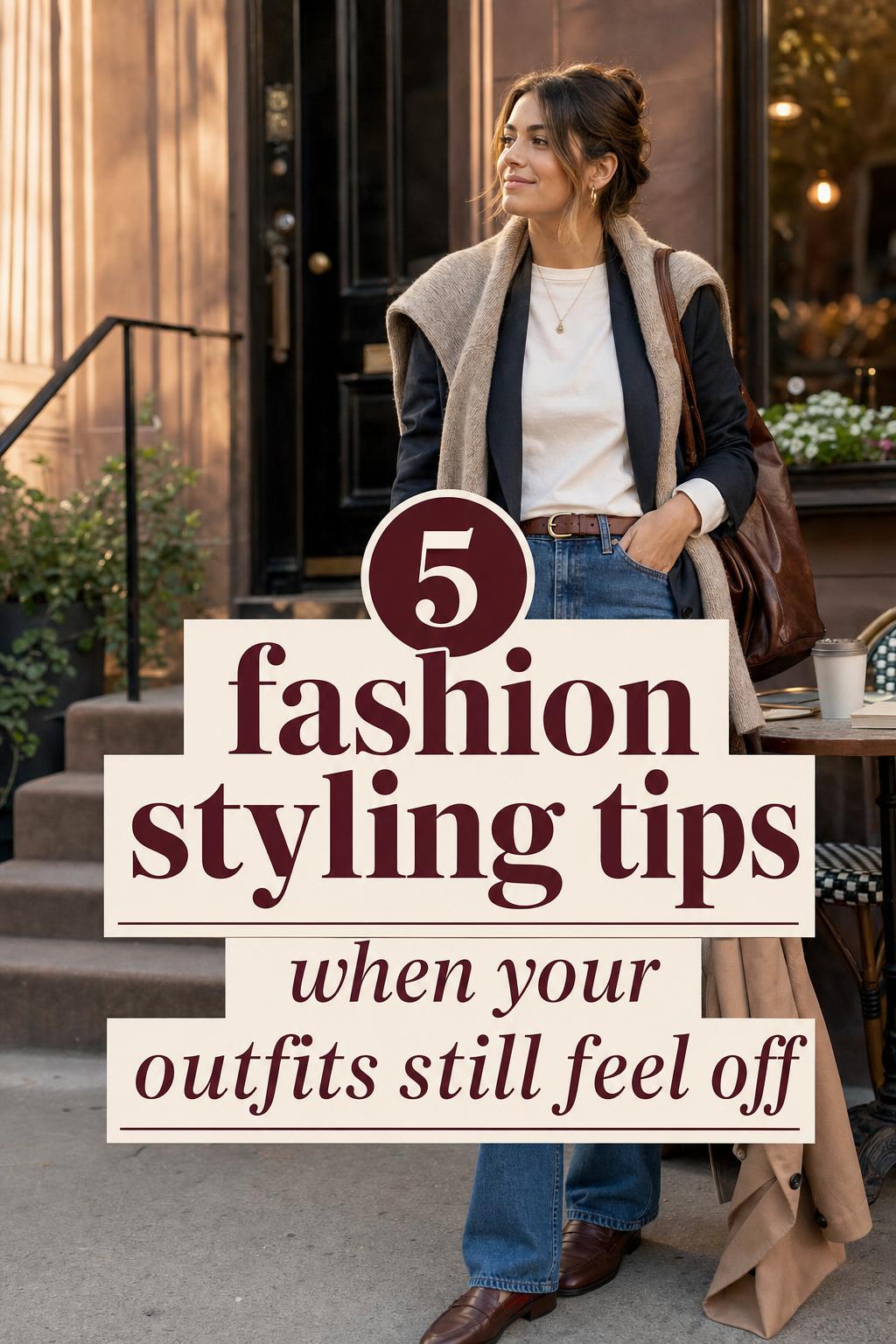
Capsule wardrobe thinking makes styling easier
A capsule wardrobe is less a restriction than a styling system. Its purpose is to reduce decision fatigue by focusing on investment pieces and wardrobe staples that can be recombined across seasons and occasions. This approach appears repeatedly in current editorial guidance because it supports both practicality and strong outfit composition. When core pieces are versatile, styling becomes faster and more precise.
The best capsule wardrobes are built around repeat-wear items: coats, jeans, crisp shirts, tees, cardigans, blazers, and adaptable accessories. These pieces do not need to be visually loud. Their value comes from how reliably they work with each other. A coat that pairs equally well with denim and tailored separates earns its place. A white tee that layers under a blazer, cardigan, or outerwear becomes foundational.
Color palette is central here. A coherent wardrobe does not require strict uniformity, but it does require compatibility. Neutrals act as connective tissue between more expressive items. This is where capsule logic overlaps with minimalist fashion tips and quiet luxury styling. The polish comes from consistency, not excess.
Personal style still matters. A capsule wardrobe should not flatten individuality. Instead, it should make room for selected statement pieces, textures, and accessories that reflect your taste. One person may rely on scarves and long coats as signature elements. Another may prefer denim, a tailored blazer, and understated jewelry. The principle stays the same: build around reliable anchors, then add distinction strategically.
Investment pieces that pull the most weight
- A well-cut coat that works over both basics and more elevated outfits
- Denim with a dependable fit and clean line
- A blazer that sharpens tees, knitwear, and simple separates
- Crisp shirts for structure and easy layering
- Cardigans that add softness and transitional versatility
- Accessories such as scarves, belts, and jewelry that can change the mood of basics
Woman & Home has emphasized capsule wardrobes through investment pieces, color palette, and personal style, and that emphasis holds up because it reflects how people actually get dressed. A wardrobe built this way creates more outfit ideas with less effort. It also makes seasonal transitions easier because the base remains stable while fabrics, colors, and accessories shift.
Why capsule dressing works in daily life
In practical terms, capsule dressing improves consistency. On a busy weekday, it is easier to create a polished combination from a white tee, blazer, denim, and scarf than from several trend-led items with no clear relationship. For travel, changing weather, or a full day that moves from work to dinner, capsule pieces also handle layering better. They provide reliable structure so you can adjust the outfit without losing cohesion.
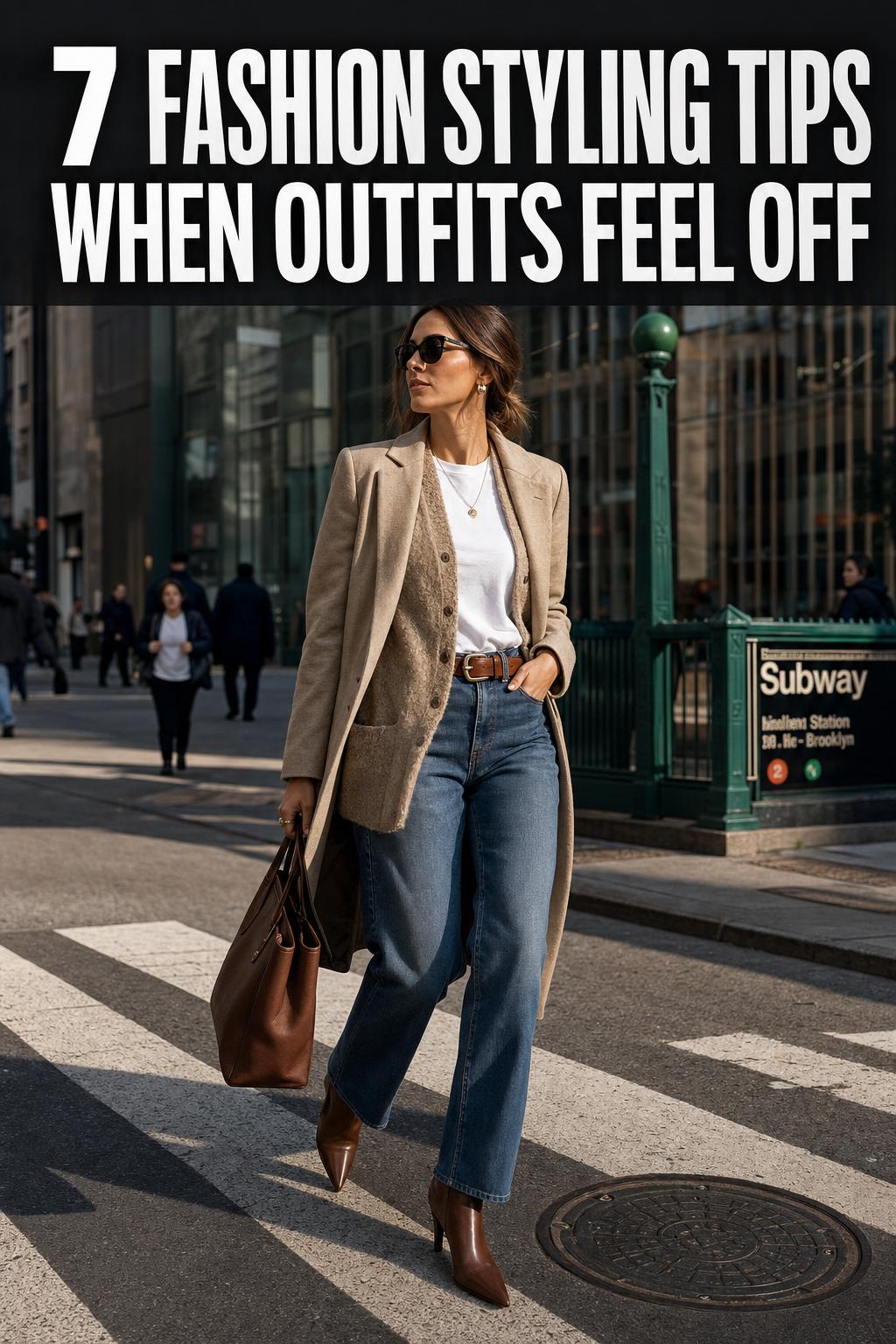
Layering is where basic pieces become style
Layering is one of the most repeated themes in modern styling advice for good reason. It adds visual interest, solves seasonal dressing challenges, and gives familiar wardrobe basics new range. But strong layering is not only about adding more garments. It is about sequencing weight, texture, and line so the outfit gains dimension without becoming heavy.
Start with the thinnest or cleanest layer closest to the body. A tee or crisp shirt usually works as the foundation. From there, add a cardigan, sweater, blazer, or coat depending on the season. The outer layer should either create structure or provide a clear mood shift. A blazer adds polish. A coat adds authority. A cardigan softens the look and can make sharper pieces feel more approachable.
Texture contrast is what keeps layered outfits from feeling flat. Silk against wool, leather with knitwear, satin under a structured jacket, or cashmere paired with denim all create subtle tension. This is also why rich-looking summer and quiet luxury coverage so often focuses on textures. Even when the palette is restrained, material contrast gives the outfit depth.
Silhouette remains the controlling factor. If the top half includes several layers, the lower half often benefits from cleaner lines. If outerwear is oversized, the underlayers should not all be bulky. The outfit needs one controlling shape. Without that, layering can quickly read as clutter rather than intent.
Layering combinations that consistently work
- Tee + blazer + coat for a clean, urban structure
- Crisp shirt + cardigan + denim for polished ease
- Light knit + scarf + outerwear for transitional weather
- Neutral base + statement coat + understated accessory for a directional finish
- Simple separates + leather or silk detail for textural contrast
Who What Wear’s seasonal styling coverage regularly returns to layering, top-button styling, and practical real-life application because these changes are visible and achievable. They do not require an entirely new wardrobe. They require attention to line and finish. That is what makes layering one of the highest-value styling tools available.
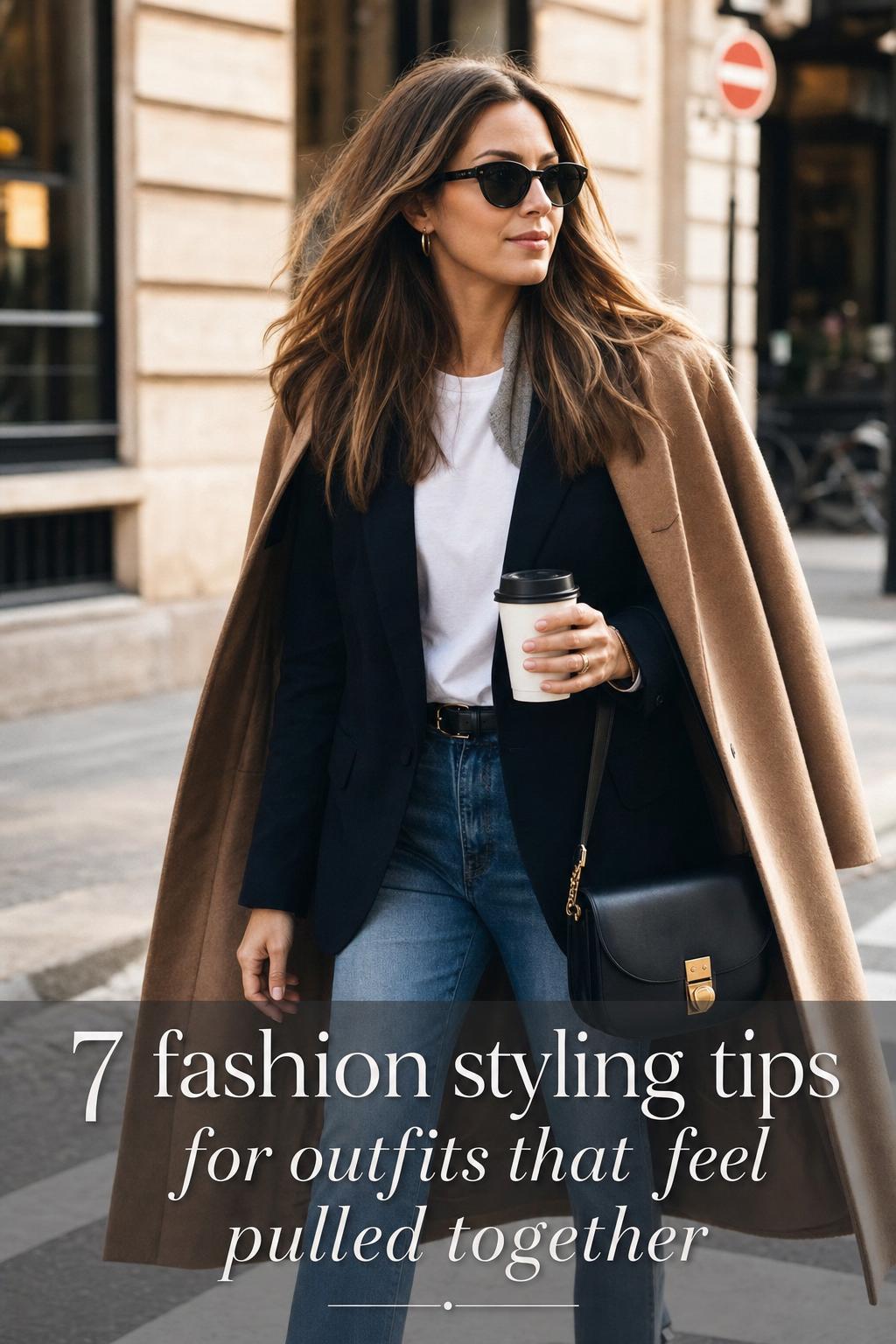
The one statement piece formula
One of the clearest outfit strategies in current fashion coverage is the statement-piece formula: one standout item, one grounding neutral, and one intentional styling moment. It is effective because it simplifies decision-making while still producing a look that feels considered. Rather than forcing every piece to speak at once, it assigns each item a role.
The statement piece can be a coat, a bold accessory, a distinctive sweater, or a striking silhouette. The grounding neutral does the stabilizing work, often through denim, a simple trouser, a white tee, or another understated basic. The styling moment is the element that makes the outfit feel styled instead of assembled: a scarf tied with precision, a deliberate layer reveal, a strong neckline, or a proportion shift.
This formula is especially useful for people who want outfit ideas that look elevated but remain realistic. It also helps prevent overstyling. When the statement is clear, the rest of the look can stay calm. That makes the entire outfit read more expensive, more modern, and more wearable.
Style breakdown: how the formula functions
- Statement piece: creates the visual anchor and focal point
- Neutral support: keeps the palette grounded and the silhouette readable
- Styling moment: adds personality through detail, not excess
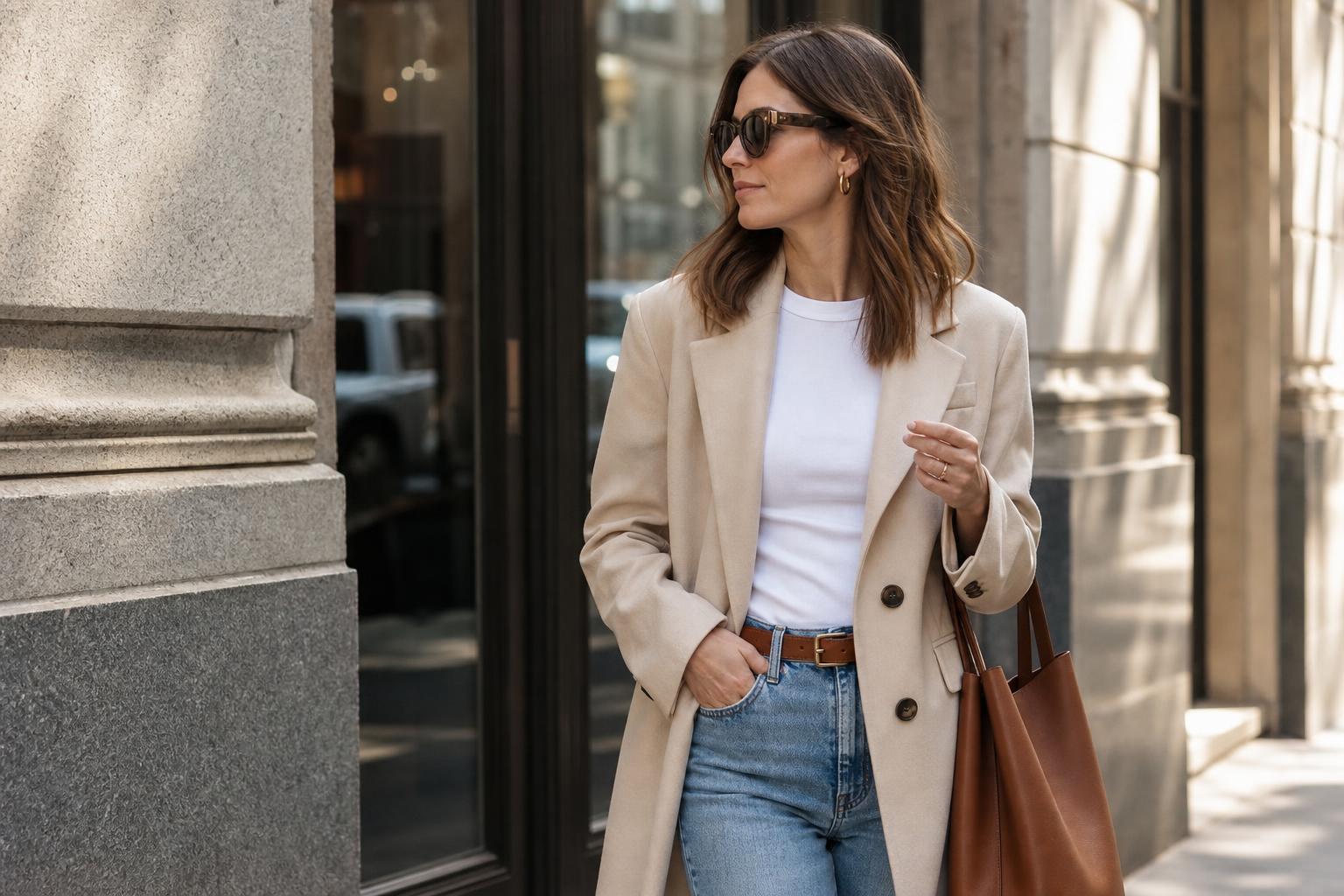
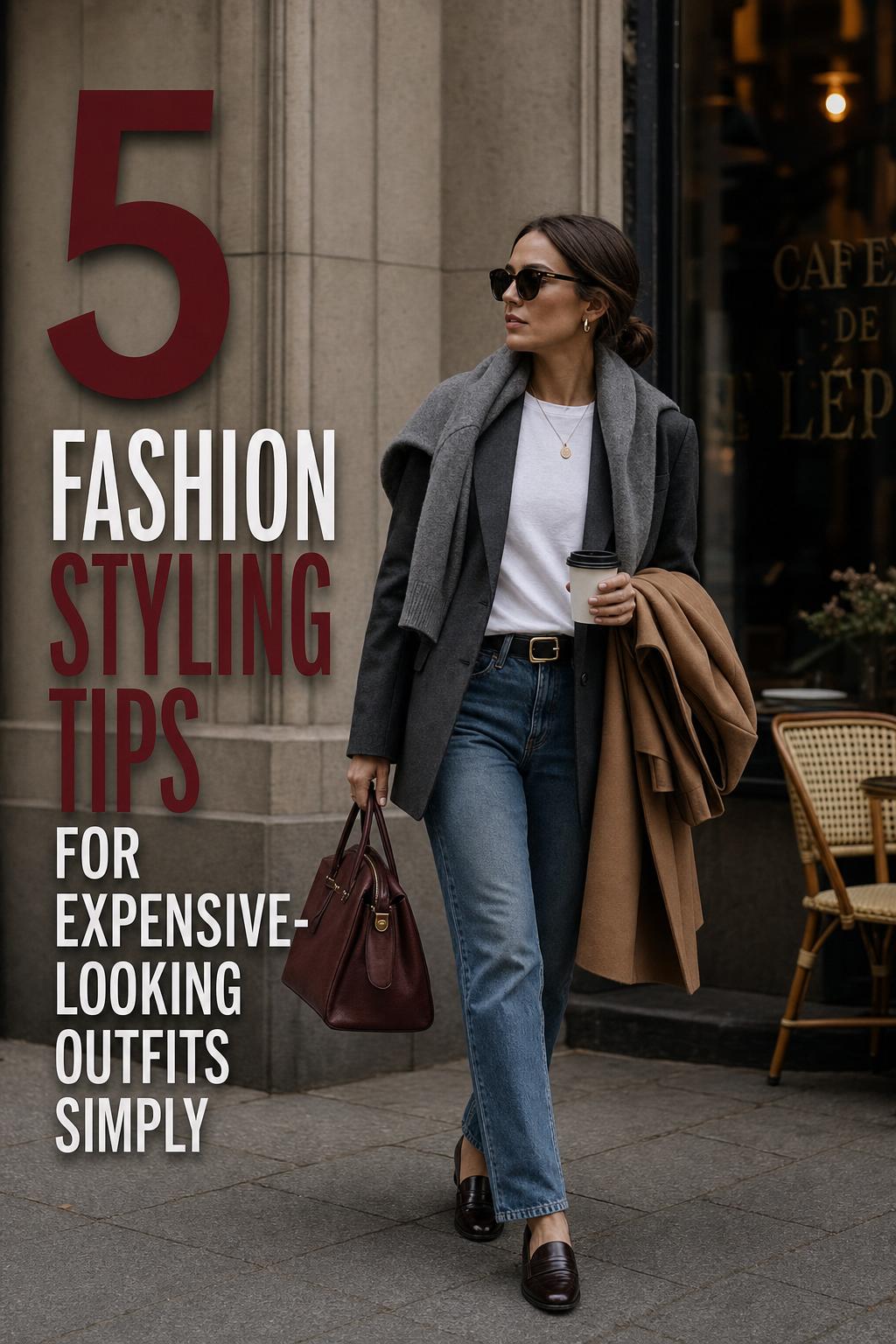
For example, a statement coat over denim and a tee works because the outerwear carries the look while the basics create stability. Add a scarf, intentional layering, or a polished shoe, and the outfit becomes complete. The same logic applies to a blazer, a cardigan with a refined texture, or a standout accessory. The formula is flexible because the structure is more important than the exact item.
When this approach is especially useful
This formula performs well in transitional seasons, travel dressing, and city styling because it adapts easily. In New York, a strong coat can carry the outfit. In Los Angeles, a lighter statement layer or accessory may make more sense. In Chicago, layering and outerwear do more functional work, so the statement often comes through shape or fabric weight. The principle remains stable across locations: one focal point, one base, one finish.
Texture does the work when the palette stays quiet
Quiet luxury and minimalist dressing are often misunderstood as simply wearing neutrals. In reality, their strength depends on texture, silhouette clarity, and polished detail. A beige outfit can look flat or refined depending on the fabric behavior, the line of the garments, and the restraint of the styling. That is why rich-looking summer style guidance often centers on long lines, tactile fabrics, and clean shapes rather than loud branding or heavy ornament.
Cashmere, satin, silk, wool, leather, and soft knits all change how a simple look reads. A cardigan becomes more elevated when its texture contrasts with crisp denim. A blazer feels sharper when worn over a smoother base layer. Accessories matter here too. A belt can interrupt a monochrome look in a useful way, while a scarf can add movement and softness to more structured pieces.
There is also a practical advantage to texture-led styling. It works especially well for people who prefer wardrobe basics or a reduced color palette. Instead of depending on trend-driven pieces, they can create variation through fabric contrast and silhouette shifts. This keeps the wardrobe flexible while preserving a polished impression.
Tips for making simple outfits look more refined
- Combine one soft texture with one structured texture
- Use long lines to create visual continuity
- Keep accessories deliberate and controlled rather than excessive
- Let neutrals dominate when the fabric mix is doing the visual work
- Choose one polished detail, such as a belt, scarf, or neckline choice, to finish the look
Woman & Home’s coverage of Trinny Woodall’s budget-friendly quiet luxury advice reflects the same idea: expensive-looking style is often less about cost and more about surface, fit, and restraint. That does not mean every quiet look works on everyone. If the palette is too muted for your preferences, use a statement accessory or more defined silhouette to keep the outfit from feeling anonymous.
Seasonal styling shifts that actually change an outfit
Seasonal dressing is not only about weather. It also changes the visual logic of an outfit. Spring styling tends to favor lighter layering, fresh pairings, and more visible accessories. Summer puts more pressure on silhouette and texture because there are fewer layers to create depth. Fall relies heavily on outerwear, knits, and proportion shifts. Winter makes fabric weight and practical layering central to the composition.
Spring: basics with a styling twist
Spring is where basics often perform best. A tee, coat, denim, and scarf can feel newly relevant when the proportions are lightened and accessories become more visible. This is also a strong season for mixing familiar staples with one elevated detail. Who What Wear’s spring basics coverage reflects this approach: wardrobe foundations stay central, but styling shifts and accessories create the sense of change.
Layering in spring should feel breathable rather than heavy. The goal is flexibility. Outerwear may still be essential, but it should allow the underlayers to contribute visually. A coat left open over a simple base creates line and movement without hiding the outfit.
Summer: silhouette and surface become the focus
Summer styling has fewer layers to rely on, so every visible choice matters more. Clean silhouettes, polished textures, and longer lines often create the most refined effect. This is where rich-looking summer advice becomes useful. If the garment count is low, the finish of each piece has to do more work. A cardigan, smooth fabric, or understated accessory can create a luxe impression without overcomplicating the outfit.
The limitation of summer dressing is that poor fit becomes much more obvious. Without coats or knit layers to create structure, the silhouette needs clarity from the start. Basics still work, but they need stronger composition.
Fall: the season of proportion play
Fall is where styling tricks become most visible. Cardigans, coats, layering pieces, and top-button details can all shift the mood of an outfit quickly. The season encourages experimentation because there are more opportunities to combine textures and control shape. Vogue and Who What Wear both lean into fall styling because outerwear and layering make transformation easy.
A practical fall outfit often works best when one layer provides structure and another adds softness. For example, outerwear can bring authority while knitwear softens the composition. This keeps the outfit grounded and wearable rather than theatrical.
Winter: layering with purpose
In winter, styling has to account for function more explicitly. Warmth changes volume, and volume affects silhouette. The strongest winter looks use that reality strategically. Instead of fighting heavier fabrics, they create a clear shape through coat length, controlled layering, and considered accessories. Scarves become especially valuable because they add both practicality and a visible styling finish.
Minimalist style, runway influence, and real-life wear
Minimalist fashion tips remain influential because they translate well from editorial imagery to everyday dressing. A white tee, blazer, jeans, and clean footwear continue to work because the composition is stable. The outfit has a base, a structure, and enough room for adaptation. It can move toward quiet luxury, city polish, or a more relaxed capsule wardrobe look depending on the accessories and outerwear.
Runway styling, by contrast, often introduces ideas through stronger silhouettes, textures, and layered contrasts. Vogue’s runway-to-real-life approach is useful when treated selectively. The goal is not to copy a full runway look but to extract one usable styling adjustment: a proportion shift, a fabric contrast, or a more deliberate accessory decision. In practice, this keeps the result wearable.
The best real-life styling sits between these two poles. Minimalism provides discipline. Runway influence provides freshness. Together, they help prevent a wardrobe from becoming either too severe or too trend-dependent.
How to translate editorial ideas without losing practicality
- Take one styling cue from the runway rather than the full look
- Use basics as the foundation before adding a directional piece
- Keep proportion readable when experimenting with oversized shapes
- Let accessories signal personality instead of overcrowding the outfit
- Adjust fabric weight and layering to match the season and your daily movement
City-style signals across the U.S.
A U.S.-focused style perspective benefits from location awareness because styling choices shift with pace, climate, and local visual culture. New York, Los Angeles, and Chicago each suggest a different relationship to layering, outerwear, and polish. These are not rigid rules, but they offer useful context for building outfits that feel grounded in real life rather than detached from it.
New York: structure and visual efficiency
New York dressing often favors sharper structure and efficient layering. Blazers, coats, denim, and practical accessories make sense because they support movement and long wear. In this context, the one-statement-piece formula is especially effective. A coat or blazer can define the outfit immediately, while the rest remains streamlined.
Los Angeles: ease with intention
Los Angeles styling often allows lighter layers and more visible texture play. Cardigans, softer separates, and understated luxury cues fit naturally here because the climate supports them. The challenge is avoiding under-styling. Without heavier outerwear to add structure, the outfit needs polish through silhouette clarity, fabric choice, or a considered accessory.
Chicago: function and layering discipline
Chicago makes layering practical rather than optional. Outerwear, scarves, and knitwear carry more weight in the outfit composition, so line and proportion matter even more. A good coat becomes a true investment piece in this setting. Styling succeeds when warmth and silhouette work together instead of competing.
This city-based lens also explains why American brands, retailers, and local fashion ecosystems matter to outfit planning. A useful wardrobe is shaped not just by taste but by context. Good fashion styling tips account for that reality.
Small styling adjustments with immediate impact
Not every wardrobe improvement requires a major overhaul. Some of the strongest styling results come from micro-adjustments that change line, emphasis, or finish. These are the details that turn rewearing into a creative act instead of a repetitive one. OSN Style’s collection-style guidance taps into this idea well: everyday pieces gain new energy through small, actionable changes.
Quick styling tweaks worth trying today
- Add a belt to create shape and interrupt excess volume
- Use a scarf to add movement and frame the face
- Fasten a top button on a cardigan or shirt to change the neckline
- Pair a soft knit with a more structured outer layer
- Let one accessory act as the finishing detail instead of stacking many
- Rewear basics by changing the outerwear rather than the base
- Use denim as the stabilizing neutral when a top layer is more directional
- Choose one texture contrast, such as leather with knitwear or silk with wool
- Keep the base simple when experimenting with a statement piece
- Check the full silhouette in motion, not just standing still
The last point matters more than it seems. An outfit can look balanced in a mirror but fail in movement if layers bunch, proportions collapse, or accessories feel intrusive. Practical wearability is part of good styling, especially for long days, commuting, events, or variable weather.
Common styling mistakes that weaken good clothes
Even strong wardrobe pieces can underperform when the styling logic is off. The most common problem is not lack of trend awareness. It is lack of visual hierarchy. When every piece tries to dominate, the outfit loses clarity. When every piece is equally quiet, the look can lose definition.
Another frequent issue is ignoring seasonal practicality. A beautiful layered look that feels too heavy for spring or too insubstantial for fall will not wear well, no matter how polished it appears. Seasonality shapes fabric choice, accessory use, and layering depth. Great style respects climate as much as aesthetics.
Fit is the third major point. Minimalist and quiet-luxury outfits depend heavily on silhouette precision. If the line is off, the outfit can feel unfinished. This does not mean everything must be tailored or close-fitting. It means the overall shape has to read clearly.
Avoid these common errors
- Using too many focal points in one outfit
- Relying on color without texture or silhouette support
- Adding layers without controlling volume
- Ignoring the role of accessories as finishing tools
- Forcing runway ideas without adapting them for real-life wear
A future-facing view: wardrobe tools, digital closets, and smarter styling
One of the clearest opportunities in modern style guidance is connecting classic wardrobe principles with tech-assisted organization. Digital closets, wardrobe software, and AI styling tools fit naturally with capsule wardrobe thinking because they help clarify what you own, what you actually wear, and which combinations repeat successfully. The styling logic remains the same; the management becomes easier.
This kind of wardrobe analytics is especially useful for people trying to refine investment pieces, streamline seasonal dressing, or rewear basics more effectively. It can also support better outfit planning across city lifestyles, whether that means outerwear-heavy dressing in Chicago, polished layering in New York, or lighter texture-led combinations in Los Angeles.
Technology should not replace personal taste. It works best as a support system for visual clarity and better decisions. Used well, it reinforces the same principles that define strong style: outfit composition, versatility, and thoughtful repetition.
FAQ
What are the most important fashion styling tips for beginners?
Start with three fundamentals: build outfits around a neutral base, use one clear visual anchor such as a coat or blazer, and pay attention to proportion. A small capsule wardrobe of basics like tees, denim, shirts, cardigans, and outerwear is often more useful than a closet full of disconnected pieces.
How do I make basic clothes look more stylish?
Basics look better when they are styled with intention. Add depth through layering, create contrast through texture, and use one accessory as a finishing element. A white tee and jeans become much stronger when paired with a blazer, scarf, or statement coat that gives the outfit structure.
What is the easiest outfit formula to follow?
A reliable formula is one statement piece, one grounding neutral, and one styling moment. For example, a standout coat can act as the focal point, denim can stabilize the look, and a scarf or deliberate neckline choice can provide the finishing detail.
How can I layer clothes without looking bulky?
Start with a thinner base layer, then add one or two pieces that vary in structure and texture rather than bulk. Keep one part of the silhouette controlled, especially if outerwear is oversized. Good layering depends on shape and fabric balance, not just the number of garments.
What makes an outfit look expensive without spending more?
Texture, fit, and restraint usually make the biggest difference. Quiet luxury styling relies on clean silhouettes, refined surfaces such as wool, silk, satin, leather, or cashmere, and careful use of accessories. A simple palette works best when the fabrics and proportions feel intentional.
How do I build a capsule wardrobe that still feels personal?
Choose dependable wardrobe staples first, then add a small number of signature elements that reflect your taste. That could mean scarves, strong outerwear, statement accessories, or a preferred silhouette. A capsule wardrobe should create consistency, not erase individuality.
How should styling change by season?
Spring usually benefits from lighter layering and accessory emphasis, summer depends more on silhouette and fabric finish, fall offers the most room for texture and proportion shifts, and winter requires practical layering with a clear outerwear shape. The strongest seasonal styling adjusts both function and visual balance.
Are minimalist fashion tips still relevant in 2026?
Yes, because minimalist dressing is built on enduring principles: clarity, balance, and versatility. It remains effective when updated through texture, a strong accessory, or one runway-inspired styling adjustment rather than through constant replacement of basics.
Can AI styling tools actually help with wardrobe planning?
They can be useful for organizing a digital closet, tracking repeat-wear pieces, and identifying outfit combinations more efficiently. Their best use is practical support for capsule wardrobe planning and seasonal outfit rotation, not replacing personal judgment or style preference.