Modern style mistakes for a Calm, Polished Wardrobe
The polished aesthetic starts where style mistakes end
A strong wardrobe rarely depends on owning more. It depends on visual clarity. The difference between an outfit that feels intentional and one that feels slightly off often comes down to small style mistakes: imbalance in proportion, mixed messages in texture, color combinations without a clear anchor, or pieces that compete instead of support each other.
The appeal of an aesthetic outfit lies in cohesion. It creates a mood before it makes a statement. That is why this approach works everywhere from casual city errands to creative offices, weekend coffee runs, and low-key evening plans. The visual identity is less about trends and more about composition: silhouette balance, tonal layering, and a controlled relationship between key garments, footwear, and accessories.
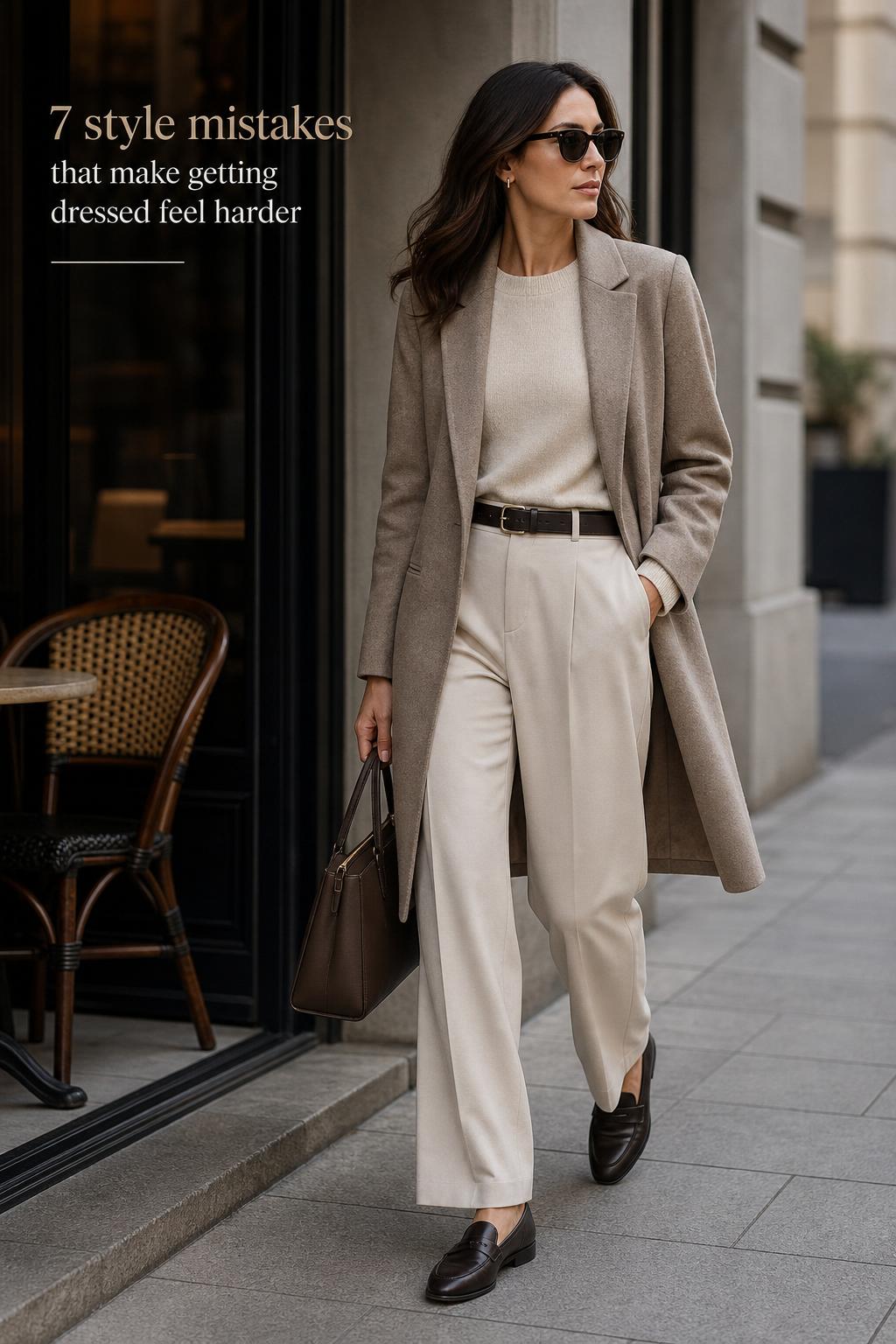
What makes this styling perspective so enduring is its practicality. It helps readers avoid common style mistakes without draining personality from the look. Instead of chasing random pieces, the focus shifts to shape, texture, and context. The result is a wardrobe that looks more refined, photographs better, and feels easier to wear in real life.
Why style mistakes happen even in good wardrobes
Most style mistakes are not dramatic. They are subtle breaks in visual logic. A great coat with the wrong hem length underneath can shorten the frame. A beautiful accessory in the wrong finish can interrupt an otherwise soft palette. A fashionable piece can still fail if it does not connect to the rest of the outfit composition.
Found the dress? Keep the rest in one place.
Zarellea brings guest details, vendors, timelines, and every next step together — so your wedding plan feels as good as your look.
This is why a cohesive aesthetic matters. It gives every outfit a visual direction. Instead of asking whether each item is stylish on its own, the better question is whether each item supports the same mood. Once that shift happens, dressing becomes more precise and far less random.
Key pieces for this aesthetic mindset
- A clear color anchor, such as black, cream, gray, navy, or a consistent earth tone
- One structured element to stabilize the silhouette
- One soft or fluid element to prevent the outfit from feeling rigid
- Footwear that matches the formality level of the clothing
- Accessories that reinforce, rather than distract from, the overall mood
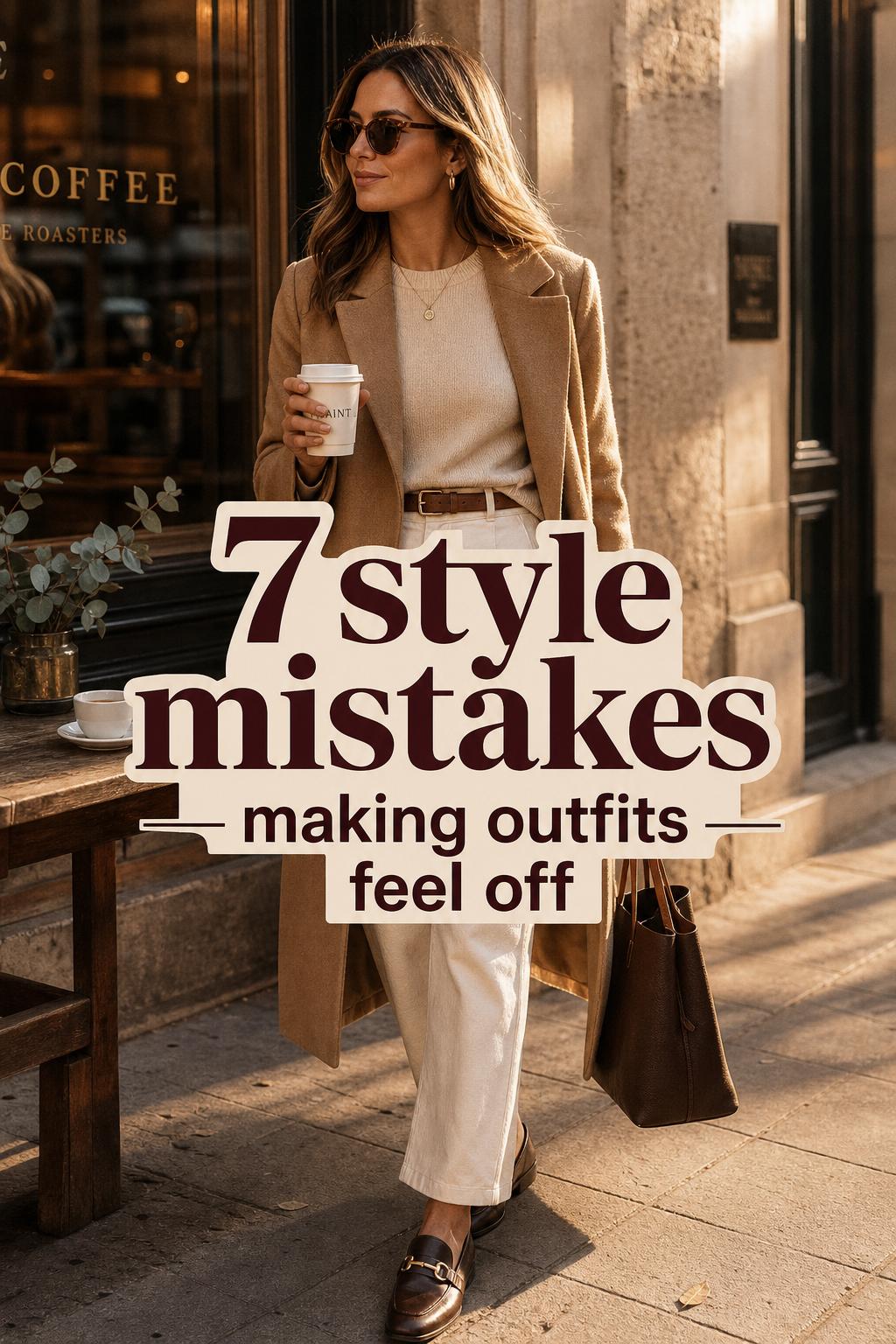
Look: Relaxed minimal layers
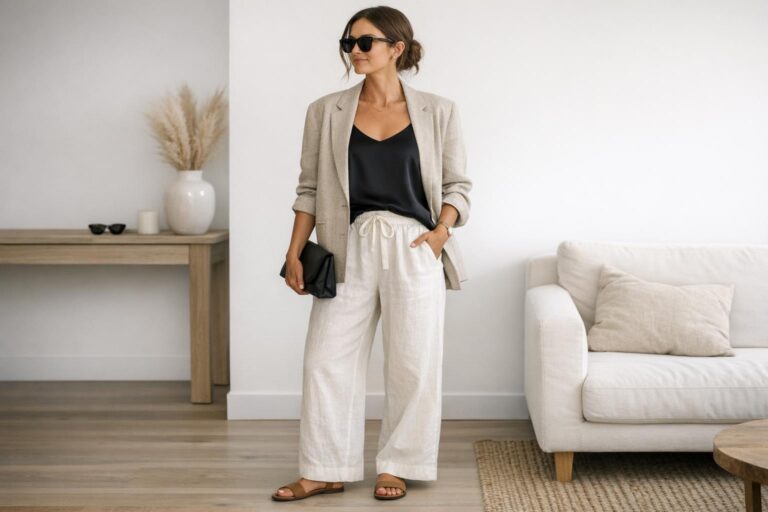
This version of the aesthetic is quiet, streamlined, and modern. The silhouette relies on clean lines and moderate ease rather than oversized volume. It feels composed without looking strict, which makes it especially effective for everyday wear where comfort matters but visual polish still counts.
The foundation works best with tonal layering: a fine knit, a tailored outer layer, and straight or softly wide trousers in related shades. Fabrics should create subtle texture contrast, such as brushed wool against cotton or smooth knit against structured suiting. The palette stays controlled, leaning into neutrals that give the outfit a calm visual rhythm.
- Key garments: lightweight knit, tailored coat or blazer, straight-leg trousers
- Footwear: sleek loafers, ankle boots, or minimalist sneakers
- Accessories: a structured bag, slim belt, understated jewelry
This look avoids one of the most common style mistakes: combining too many statement details at once. Because the interest comes from proportion play and texture contrast, every piece has room to breathe. The result is restrained but never flat.
Why this outfit works
The tailored layer acts as the visual anchor, while softer underlayers keep the outfit from becoming severe. That balance is essential. Without structure, minimal dressing can look unfinished. Without softness, it can feel overly formal. The tension between the two creates the polished, wearable aesthetic people often try to achieve.
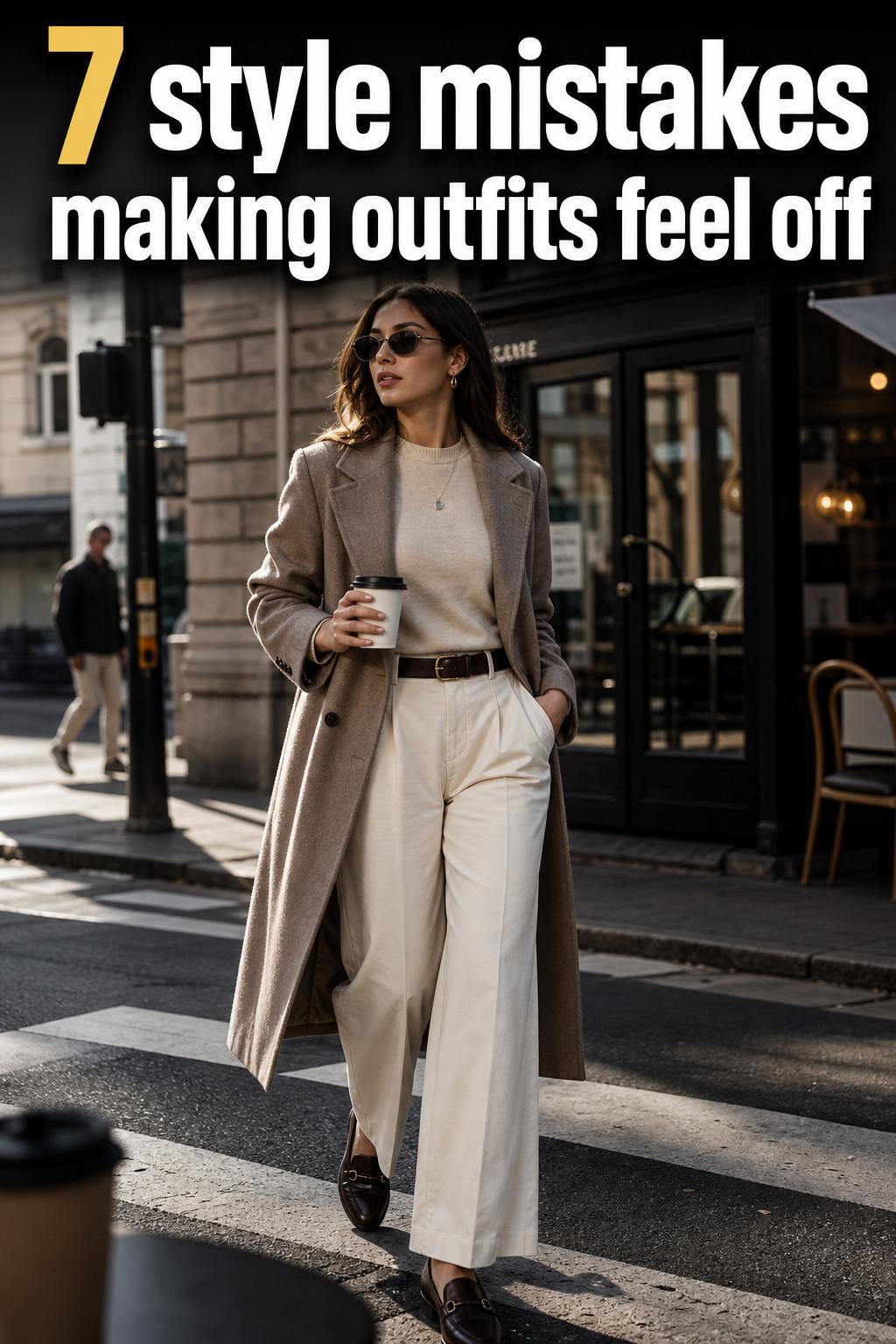
Look: Neutral street style with a sharp edge
A street-oriented interpretation introduces more attitude without losing composure. The silhouette becomes slightly looser, with stronger volume through trousers, outerwear, or layering. The mood is urban and self-assured, but the palette remains disciplined so the outfit still reads as intentional rather than chaotic.
Think of relaxed pants, a fitted base layer, and a substantial jacket that defines the upper body. A monochrome or near-monochrome direction keeps the look sharp. This is where many style mistakes become visible: if volume appears on every level, the outfit loses shape. If every item feels equally heavy, the composition becomes visually dense.
The stronger approach is to let one area hold the visual weight. A roomy jacket over a cleaner base works. Wide trousers with a compact knit work. Chunkier shoes can also ground the look, but only if the rest of the outfit leaves enough space around them.
Style tip: control volume with one fitted element
Street style looks strongest when there is at least one point of definition. That fitted point can be the waist, the ankle, the shoulder line, or the neckline. Without it, the outfit risks looking accidental. This is one of the easiest fixes for style mistakes that make clothing appear bulky rather than directional.
Look: Soft weekend aesthetic
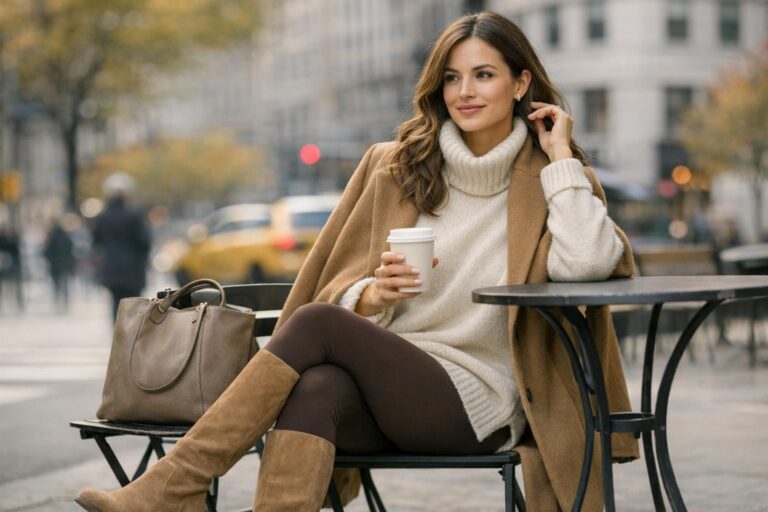
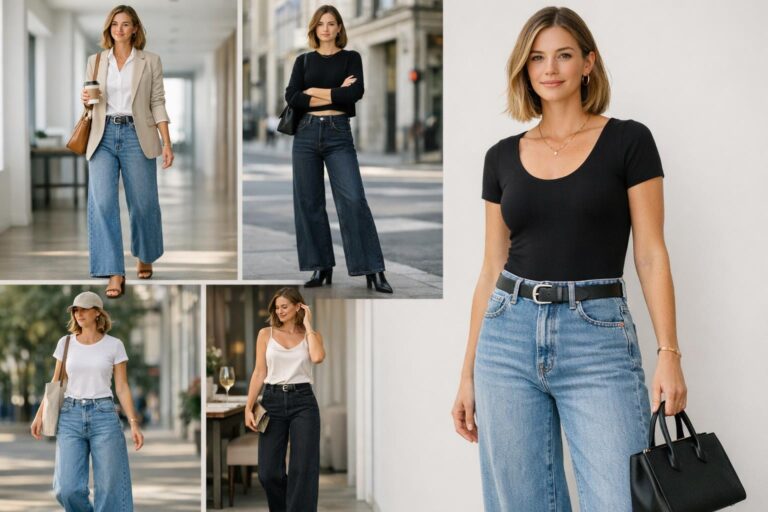
This interpretation leans into ease, softness, and a lighter emotional tone. The silhouette is gentle rather than sharp, with pieces that skim the body instead of holding a rigid shape. It is the kind of outfit language that feels natural in cafés, bookstores, brunch settings, and casual daytime plans.
Textile choice carries most of the mood here. Soft knits, washed cotton, relaxed denim, and fluid layers build a quiet visual texture. The palette can stay creamy, muted, or delicately tonal. Even when the pieces are simple, the overall effect feels elevated because each fabric supports the same relaxed atmosphere.
This look fits the aesthetic because it avoids a common mistake: dressing casually without intention. Casual styling becomes stronger when softness is edited. Instead of piling on random comfort pieces, select garments that share a common finish and color story. That creates an outfit that feels easy yet still considered.
How to recreate the look
- Start with one soft base, such as a knit top or relaxed cotton layer
- Add a second piece with gentle drape instead of hard structure
- Keep colors within the same tonal family
- Choose accessories with minimal shine and low visual noise
- Finish with footwear that supports comfort without overpowering the palette
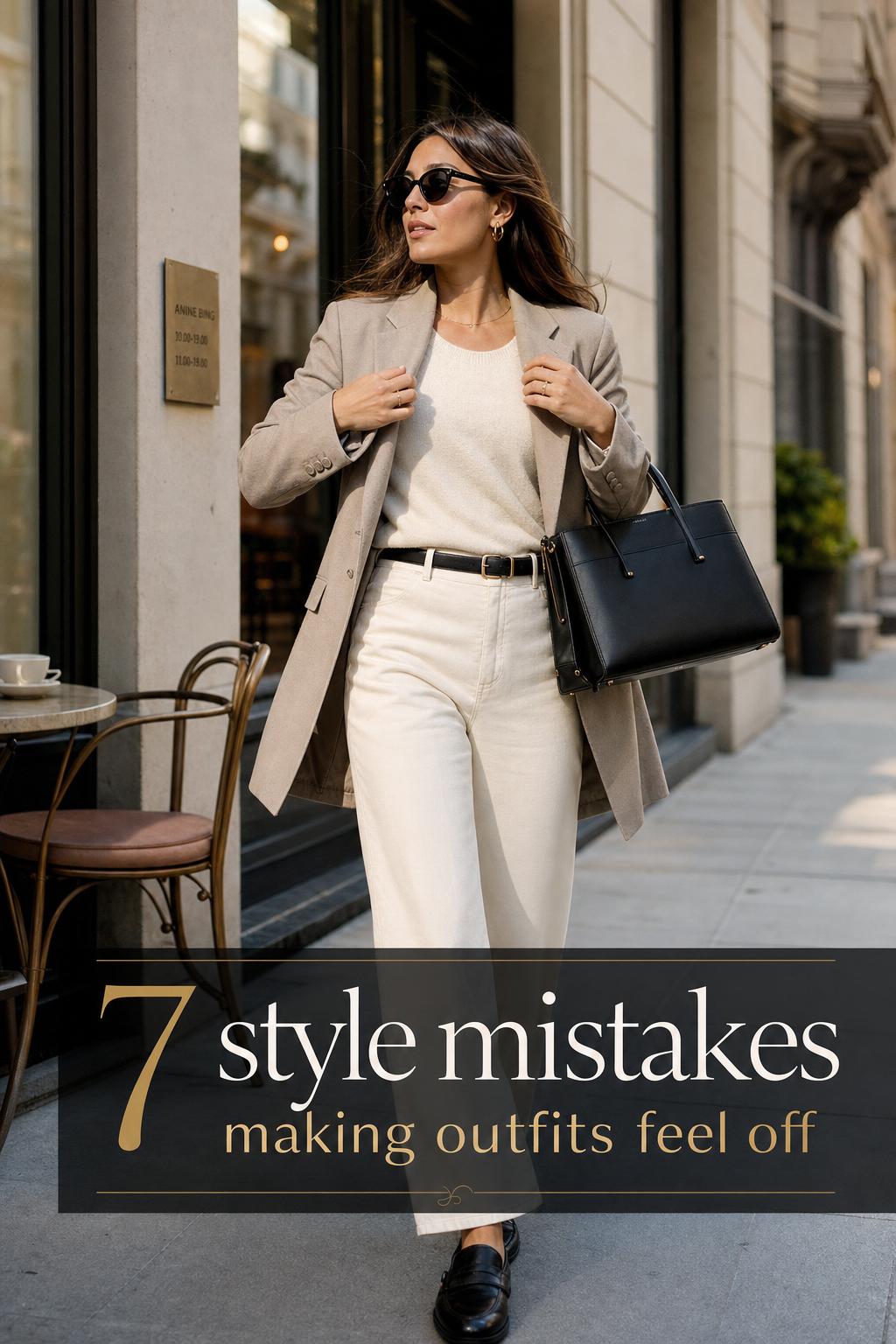
The styling errors that interrupt a cohesive outfit
Not all style mistakes carry the same weight. Some only reduce polish slightly, while others change the entire mood of the outfit. Understanding the difference helps readers make smarter decisions with the pieces they already own.
Too many focal points
An outfit needs hierarchy. If the coat is dramatic, the shoes are bold, the jewelry is oversized, and the bag introduces a separate story, the eye has nowhere to rest. Aesthetic dressing works best when one statement piece leads and everything else supports it.
Ignoring proportion play
Many style mistakes come from shape rather than color. Pairing an elongated top with a long outer layer and wide trousers can flatten the body line. In contrast, mixing a cropped or waist-defining element with longer pieces often creates better silhouette balance.
Mismatched formality
An outfit can fail when the pieces speak different dress codes. Refined trousers with overly casual shoes, or a polished blazer with accessories that feel disconnected, can weaken the mood. Contrast can work, but it has to look deliberate. If the formality gap is too wide, the result looks unresolved.
Texture without strategy
Texture contrast is useful, but too many unrelated fabric finishes can create visual friction. Smooth, fuzzy, glossy, distressed, and stiff materials all in one look often become distracting. A better method is to combine two or three textures that clearly support the same season and tone.
Look: Monochrome polish for everyday city wear
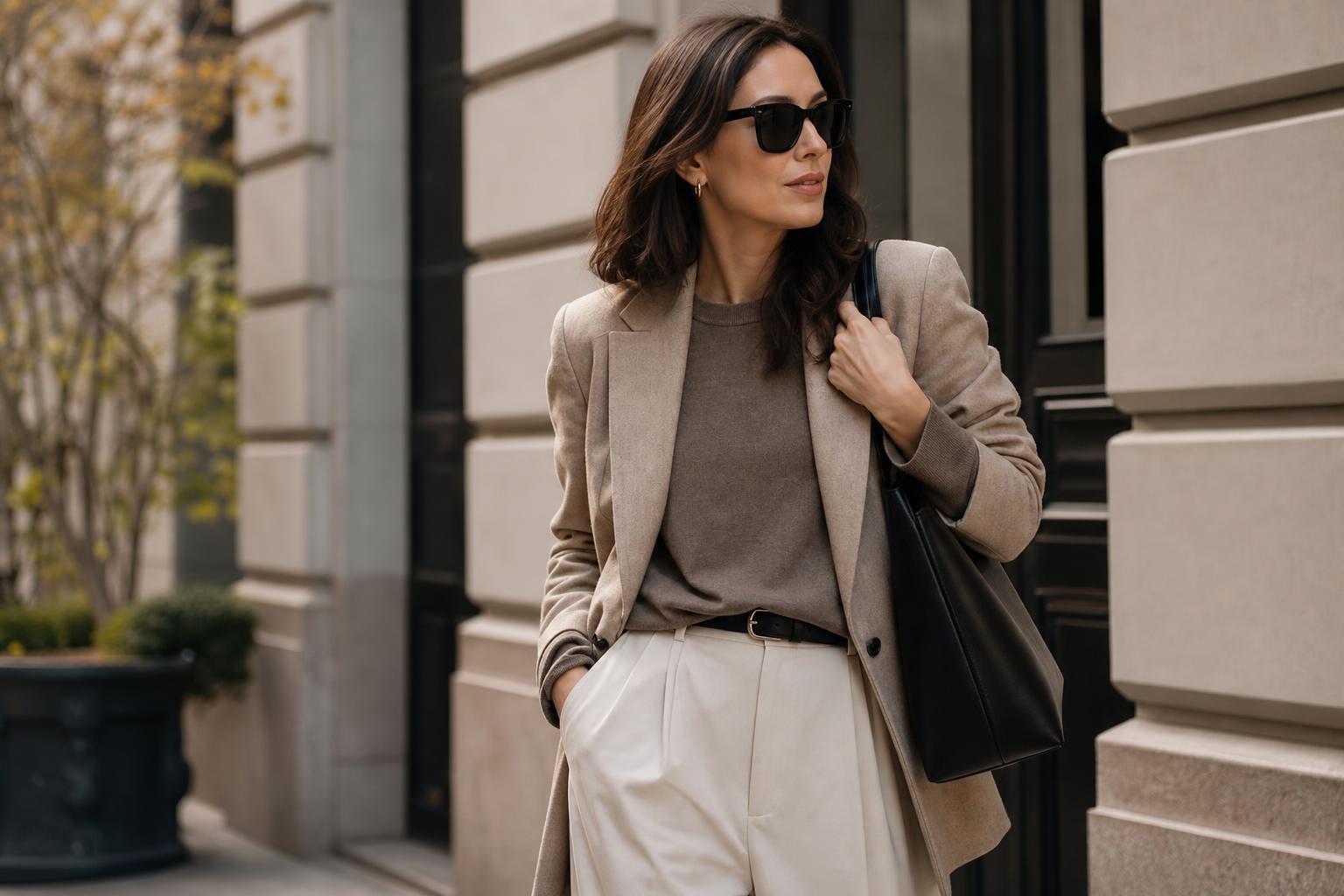
A monochrome outfit offers one of the clearest solutions to recurring style mistakes. It simplifies decisions while sharpening the overall impression. The mood is modern, urban, and quietly elevated, especially when the silhouette includes both structure and fluidity.
The strongest monochrome looks rely on tonal variation rather than flat sameness. A charcoal knit with deeper trousers and a slightly lighter coat creates depth without disrupting harmony. The same principle works in cream, taupe, olive, or navy. The difference in fabric finish becomes important here because it replaces the need for louder detail.
This outfit fits the aesthetic because it controls visual noise. It also makes accessories easier to edit. When the clothing palette is disciplined, the bag, belt, and shoes can either blend for continuity or introduce one measured point of contrast.
When to wear it
This is one of the most adaptable directions for commuting, daytime meetings, museum visits, travel days, and city weekends. It photographs well and transitions easily because the lack of competing color makes the outfit feel more sophisticated across settings.
Look: Layered contrast with a refined visual anchor
For readers who prefer more depth, layered contrast offers a richer interpretation of the same aesthetic. The mood is thoughtful rather than loud. The silhouette can include multiple visible layers, but each one needs a clear purpose in the composition.
A refined visual anchor is essential here. That anchor might be a sharply cut coat, a pair of tailored pants, or a strong boot. Once one piece establishes order, softer layers can create movement around it. This prevents a layered outfit from drifting into one of the most frequent style mistakes: visual clutter disguised as complexity.
- Use one dominant neutral as the base
- Add one supporting texture with visible depth, such as ribbing or brushed fabric
- Keep hemlines intentional rather than random
- Limit bold accessories when the layers already provide enough interest
What makes this approach effective is sequencing. The eye should move through the outfit naturally, from outerwear to inner layers to footwear, without interruption. If every layer competes for equal attention, the styling loses precision.
A note on where style mistakes show up most
Context changes everything. An outfit that reads beautifully in one setting can feel off in another. This is not because the pieces are wrong, but because the styling logic no longer matches the environment. Casual daytime dressing allows for softer structure and more ease. A creative office often benefits from cleaner lines and sharper finish. Evening styling can carry more contrast, but still needs a disciplined silhouette.
This is why the same aesthetic should have multiple interpretations. A wardrobe feels stronger when it can shift mood without losing identity. Instead of treating style as separate categories, think of it as one visual language adjusted for place, weather, movement, and time of day.
Look: Clean office-casual restraint
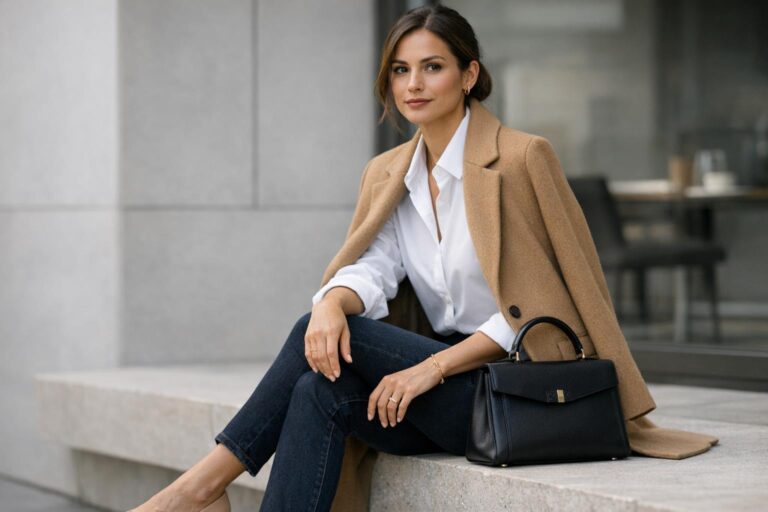
This version of the aesthetic is slightly more structured, with a polished but approachable mood. It works particularly well in workplaces that do not require formal suiting but still reward visual discipline. The silhouette should read clear and efficient, not overly styled.
A crisp layer over a soft base creates the right tension. Trousers with clean lines or a refined knit paired with a tailored jacket often create enough structure. The palette benefits from neutrals or muted tones that project calm competence. Accessories should remain edited, because excess detail can weaken the authority of the look.
This outfit avoids several common style mistakes at once: it respects context, keeps the formality level consistent, and uses restraint as a styling tool. The result is polished without looking rigid, which is often the most effective office-casual balance.
Tips for making office-casual feel modern
Use shape rather than decoration to create interest. A better trouser line, a more precise shoulder, or a stronger shoe profile often does more for an outfit than added embellishment. Modern polish usually comes from editing, not piling on detail.
Look: Evening minimalism with subtle drama
Evening styling within this aesthetic does not require sparkle or excess. The mood becomes more concentrated, with cleaner contrast and a stronger sense of intention. The silhouette can be closer to the body, longer through the line, or sharper in shape, but it should still feel controlled.
Dark tones, smoother finishes, and a more deliberate accessory choice usually carry the look. A sleek shoe, a refined bag, or a metal accent can provide just enough lift. The styling logic remains the same: one point of focus, one visual anchor, and supporting pieces that do not interrupt the flow.
This look fits the aesthetic because it proves that avoiding style mistakes does not mean dressing blandly. Drama can be understated. In fact, a quiet outfit often feels stronger at night when the silhouette and finish are precise.
How to edit your wardrobe through the lens of style mistakes
A wardrobe audit becomes more useful when it is based on styling performance rather than quantity. Instead of asking whether a piece is attractive on its own, ask how consistently it works inside complete outfits. Pieces that repeatedly create friction are often the source of style mistakes, even when they seem appealing on the hanger.
Ask these questions piece by piece
- Does this item support the color direction of the rest of the wardrobe?
- Does it help create silhouette balance, or does it complicate proportion?
- Is its formality level easy to integrate with everyday pieces?
- Does the fabric finish work with the season and mood of your core outfits?
- Can it act as a statement piece, or does it demand too much support to be practical?
This process usually reveals that a smaller group of better-aligned pieces creates more successful outfits than a larger collection of disconnected items. That is one of the clearest solutions to repetitive style mistakes.
Look: Transitional weather layering without visual heaviness
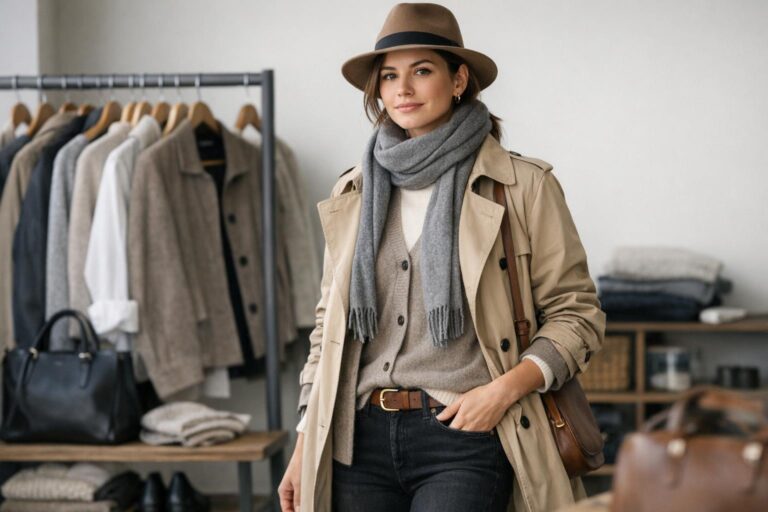
Between seasons, style mistakes tend to multiply. Layers become necessary, but outfits can quickly look bulky, uneven, or overworked. A strong transitional look solves this by distributing weight carefully. The mood stays adaptable, practical, and clean.
Use lighter base layers and let the outer piece carry most of the structure. Trousers or denim with a defined line keep the lower half stable, while footwear should be substantial enough to ground the outfit without overwhelming it. Color harmony matters even more in this setting because mixed-season pieces can easily clash.
This interpretation works because it respects real-life conditions. Movement, changing temperatures, and long wear all influence outfit composition. The most polished transitional outfits are not the most complicated ones. They are the ones where every layer earns its place.
Practical styling insight
If an outfit feels heavy before you leave the house, it will likely feel visually heavier by the end of the day. Reduce one layer or swap one dense fabric for a lighter texture. Editing improves both comfort and appearance.
The role of accessories in preventing style mistakes
Accessories often determine whether an outfit feels complete or confused. They are not secondary details. They direct finish, set formality, and connect the pieces into one visual message. Because of that, they are also where many style mistakes become most visible.
A refined outfit can lose direction with an accessory that introduces the wrong tone, scale, or level of shine. A soft daytime look may not need sharp metallic impact. A tailored monochrome outfit may not benefit from a playful bag shape if the rest of the styling is severe. The most effective accessory choices reinforce what the clothing already suggests.
That does not mean accessories should disappear. It means they should serve the composition. Good styling often depends on knowing when to let them blend and when to let one piece quietly lead.
Building personality without creating clutter
One reason people make style mistakes is the fear of looking plain. In response, they add more: another layer, another color, another accessory, another statement. But personality in dressing is not measured by quantity. It is measured by consistency and point of view.
Within an aesthetic wardrobe, personality can come from repeated choices: a preference for soft monochrome, a sharper streetwear silhouette, a disciplined neutral palette, or a recurring texture contrast. These details create identity more effectively than random novelty. The look feels personal because the decisions connect.
Style tip: repeat one signature element
A signature does not need to be dramatic. It can be a consistent color family, a favorite outerwear shape, or a reliable balance between relaxed and structured pieces. Repetition creates recognition, and recognition creates style coherence.
Conclusion
The most effective response to style mistakes is not stricter dressing. It is smarter composition. Aesthetic outfits work because they align silhouette, color, texture, and context into one readable mood. Once that logic becomes familiar, getting dressed feels less scattered and far more intentional. The strongest wardrobe is the one that allows personal expression while keeping every outfit visually clear, balanced, and easy to adapt.
FAQ
What are the most common style mistakes in everyday outfits?
The most common style mistakes usually involve too many focal points, poor proportion balance, mismatched formality, and accessories that interrupt the outfit rather than complete it. Most of these issues come from lack of visual hierarchy rather than lack of stylish pieces.
How can I make an outfit look more cohesive?
Start with a clear visual anchor such as a structured coat, tailored trousers, or a consistent color direction. Then build around it with supporting textures, controlled accessories, and at least one area of silhouette definition so the outfit feels intentional from head to toe.
Why do some outfits look expensive even when they are simple?
Simple outfits often look more refined because they rely on balance, tonal harmony, and clean finish instead of excess detail. When shape, fabric, and accessories work together, the result reads polished and elevated without needing complicated styling.
How do I avoid looking overdressed or underdressed?
The key is matching the formality level of your pieces to the setting while keeping the outfit internally consistent. A polished casual look works best when the shoes, outerwear, and accessories all support the same mood instead of pulling in different directions.
Can neutral outfits still feel interesting?
Yes. Neutral outfits become interesting through tonal layering, texture contrast, and proportion play. When color is restrained, details like fabric finish, silhouette shape, and accessory scale become more visible and often more sophisticated.
What is the easiest way to fix style mistakes quickly?
The fastest fix is to remove one competing element. That might mean changing the shoes, simplifying the accessories, or reducing one layer. Editing usually improves an outfit faster than adding more to it.
How important are accessories in a cohesive aesthetic?
Accessories are highly important because they determine finish and formality. Even a strong outfit can lose direction if the bag, jewelry, or shoes feel disconnected from the clothing. The best accessories reinforce the outfit’s existing mood.
How can I build a wardrobe with fewer style mistakes?
Focus on pieces that share a compatible color story, similar mood, and flexible formality level. A smaller wardrobe with aligned silhouettes and textures creates more successful combinations than a larger collection of disconnected statement items.