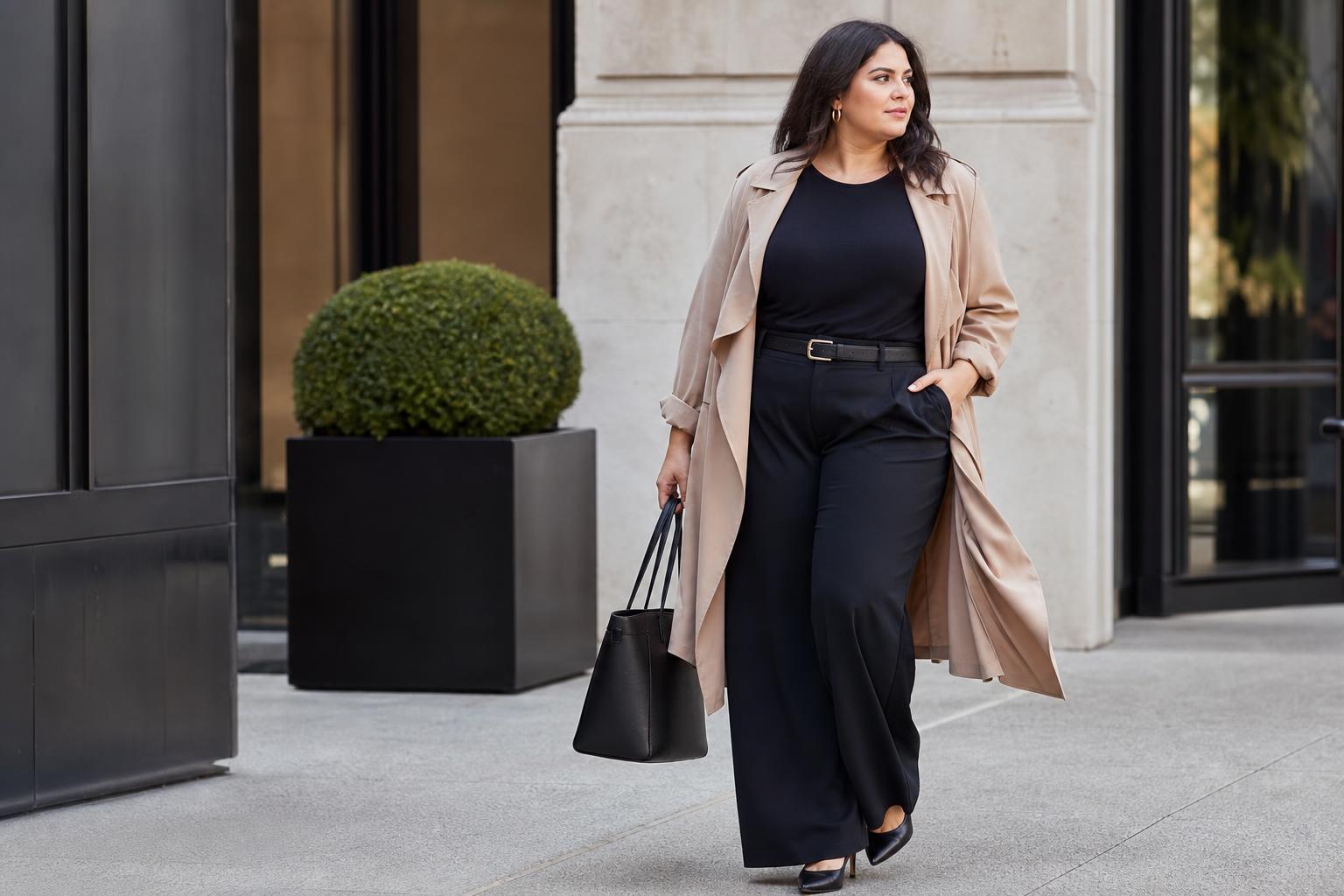
Modern Plus Size Style for Work, Weekends, and Beyond
plus size style starts with solving the real dressing problem
Getting dressed should feel practical, expressive, and clear. In reality, plus size style often becomes frustrating because the challenge is rarely just about fashion. It is about finding clothing that balances comfort, movement, proportion, weather, and personal taste without making the outfit feel overworked or limiting.
That tension is what makes styling decisions harder than they appear. A look can seem polished on a hanger yet fail once long hours, changing temperatures, or day-to-night transitions come into play. Pieces may pull in the wrong area, lose shape during wear, or create visual imbalance that distracts from the overall outfit composition.
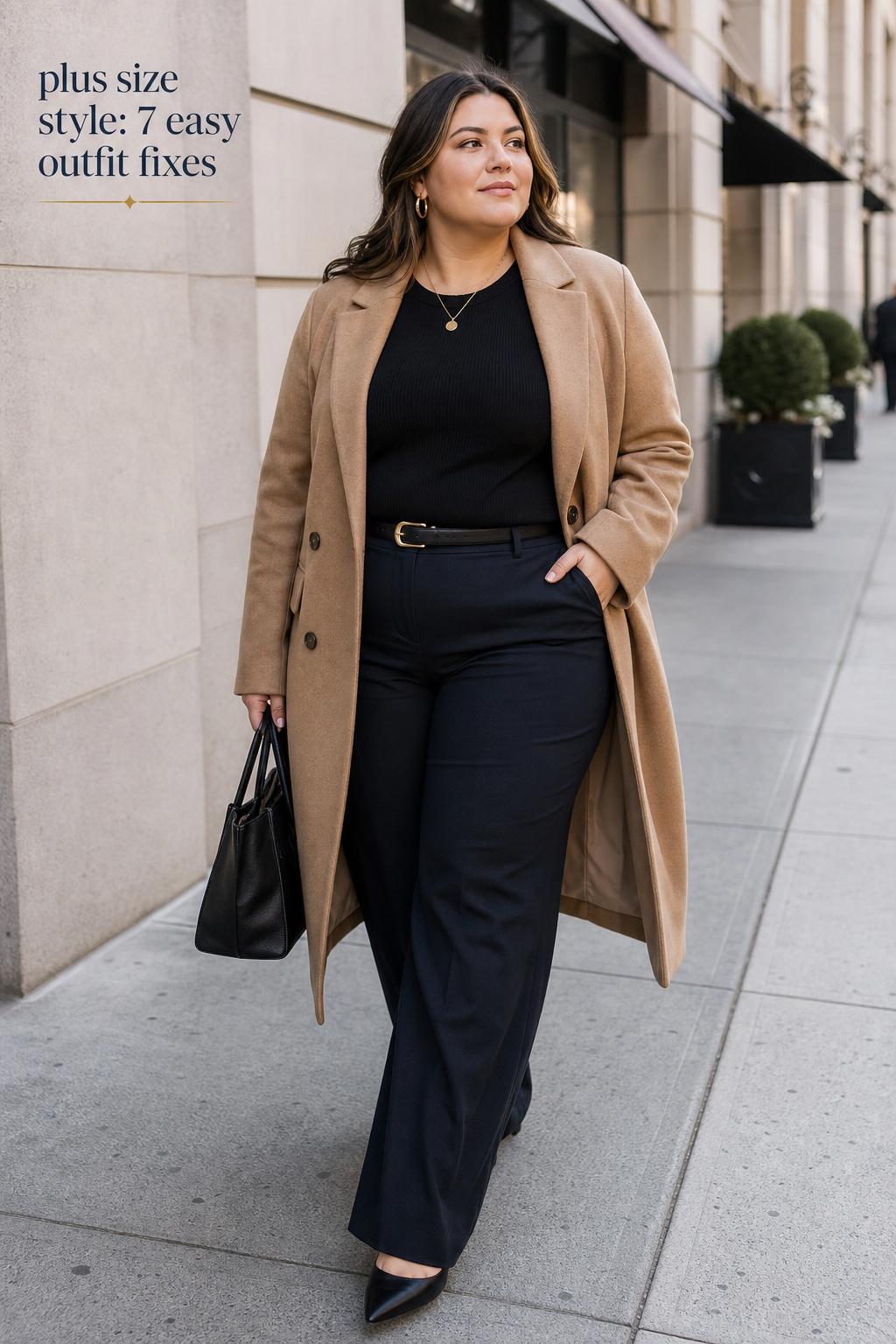
This guide approaches plus size style as a problem-solving exercise. Instead of offering vague inspiration, it breaks down the logic behind outfit building, silhouette balance, layering, fabric behavior, and practical wardrobe choices so getting dressed becomes easier, more consistent, and more stylish in real life.
why this styling challenge happens in the first place
The difficulty usually begins with competing priorities. Most people want an outfit to look intentional, but they also need it to function across a full day. That means sitting, walking, commuting, working, and adjusting to temperature shifts without constantly fixing hemlines, tugging at waistbands, or feeling restricted through the torso, hips, arms, or legs.
Found the dress? Keep the rest in one place.
Zarellea brings guest details, vendors, timelines, and every next step together — so your wedding plan feels as good as your look.
Weather adds another layer of complexity. Warm conditions can make heavy or clingy fabrics uncomfortable, while colder months often encourage bulky layering that hides shape rather than refining it. Transitional seasons are especially tricky because outerwear, knits, and lighter separates all need to work together without creating excess volume.
Practicality matters just as much as appearance. A great outfit on paper can fail if the shoes are difficult to walk in, the fabric wrinkles too fast, or the proportions feel off once a jacket is added. The most effective plus size style choices solve these issues before they happen by treating each outfit as a system rather than a collection of random pieces.
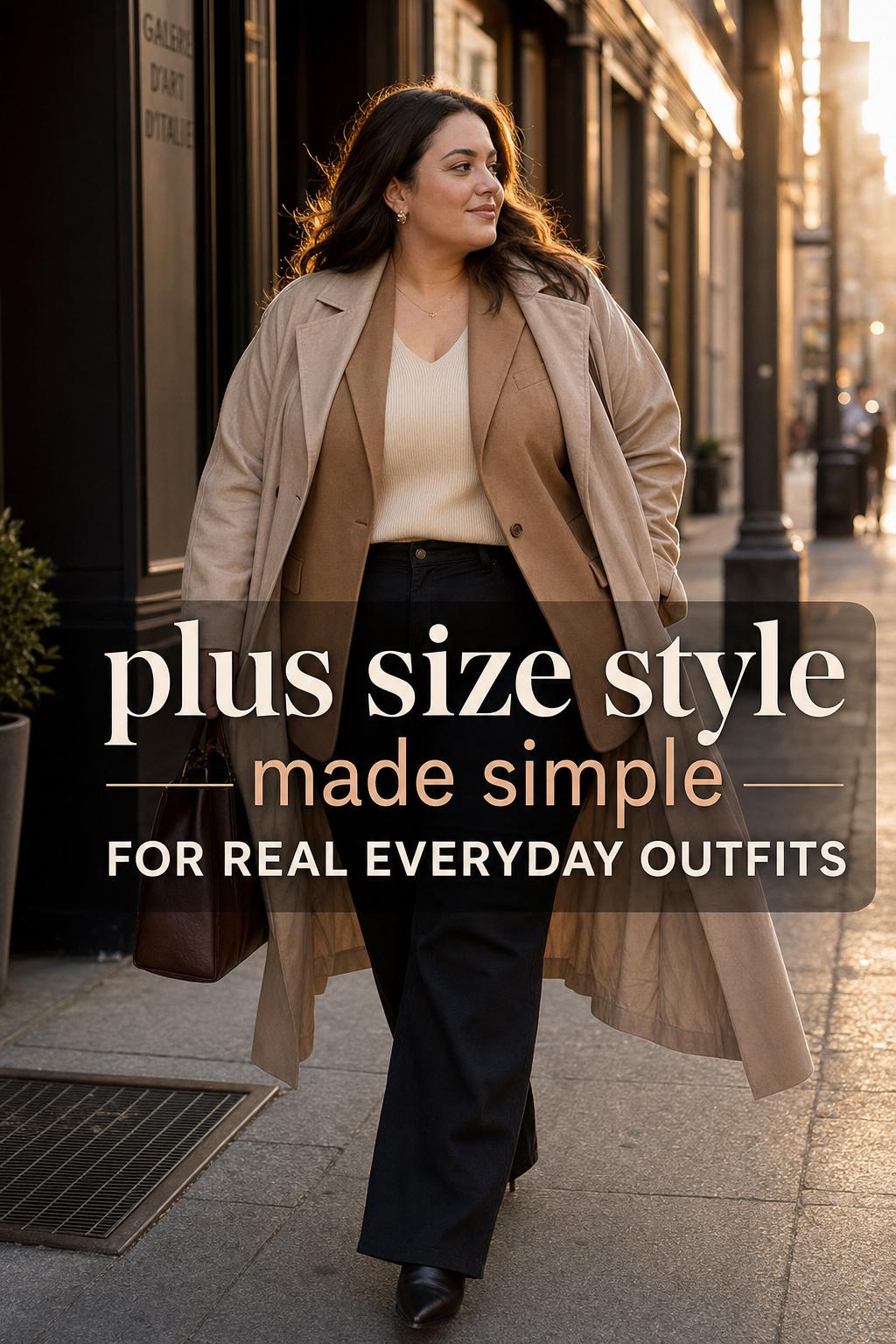
the dressing principles that make plus size style feel easier
silhouette balance matters more than trend chasing
One of the strongest style tools is proportion play. This does not mean trying to disguise the body. It means building visual harmony so the eye reads the outfit as cohesive. A wider-leg trouser often benefits from a cleaner top line. A voluminous blouse usually works best when anchored by a more streamlined lower half. Structure and softness can coexist, but they need a visual anchor.
fabric behavior changes the entire outcome
Fabric is not a background detail. It determines how a garment falls, moves, stretches, and holds shape over time. Stiff materials can create unwanted bulk in some outfit combinations, while overly thin fabrics may cling where more drape is needed. Pieces with enough weight to skim the body rather than collapse onto it usually create a cleaner line.
layering should refine, not complicate
Layering works best when each piece has a clear function. A blazer can sharpen the outline of a simple base layer. A long cardigan can create vertical movement. A lightweight shirt worn open can soften a fitted dress without overwhelming it. The mistake is stacking layers without considering where they add volume and where they create definition.
comfort is a style decision, not a compromise
In strong plus size style, comfort is built into the outfit composition from the beginning. Waistbands, sleeve fit, strap support, inseam length, and shoe stability all shape how confident an outfit feels. If a look demands constant adjustment, it will never read as effortless no matter how visually appealing it is.
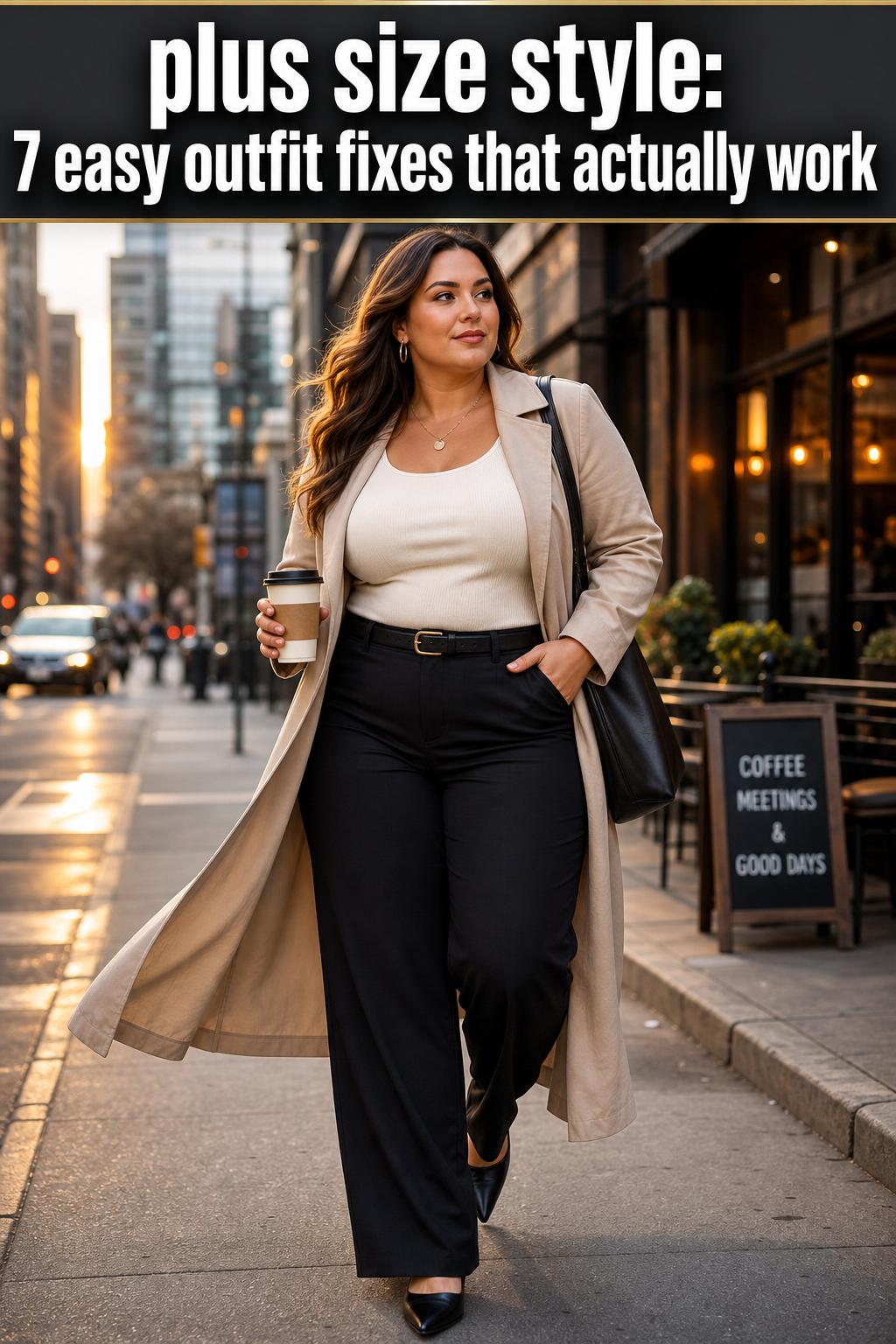
the foundation wardrobe that solves more outfits than it creates
A functional wardrobe does not need endless variety. It needs reliable categories that work together. The best base for plus size style usually includes a few structured pieces, a few fluid pieces, and several adaptable layers that can bridge casual and polished settings.
- A well-cut blazer that adds definition without stiffness
- Straight-leg or wide-leg trousers with clean drape
- A versatile dress that can be worn alone or layered
- A knit top or fine gauge sweater that layers smoothly
- Denim with dependable stretch and recovery
- A longer outer layer that creates vertical line
- Shoes that support all-day wear
These categories matter because they reduce friction. Instead of rebuilding an outfit from scratch every time, you are working from proven shapes that already support balance, movement, and versatility. This is where plus size style becomes more strategic and less stressful.
reading proportion correctly before you leave the house
A useful way to assess an outfit is to look for visual distribution. Ask where the outfit is fitted, where it relaxes, and what element acts as the focal point. If every piece is oversized, the composition may lose shape. If every piece is body-skimming, the outfit can feel visually flat. Contrast is what creates intention.
Color also affects proportion. Tonal dressing can lengthen the line of the body because the eye is not interrupted by stark breaks. That does not mean every outfit must be monochrome. It means placing contrast thoughtfully. A darker trouser with a similarly toned shoe often looks more continuous than a dramatic shift at the ankle.
This analytical approach is especially helpful when styling for different settings. A work outfit needs polish without restriction. A weekend outfit needs flexibility without looking unfinished. An evening look needs impact without sacrificing ease of movement. The same principles apply in each case; only the intensity changes.
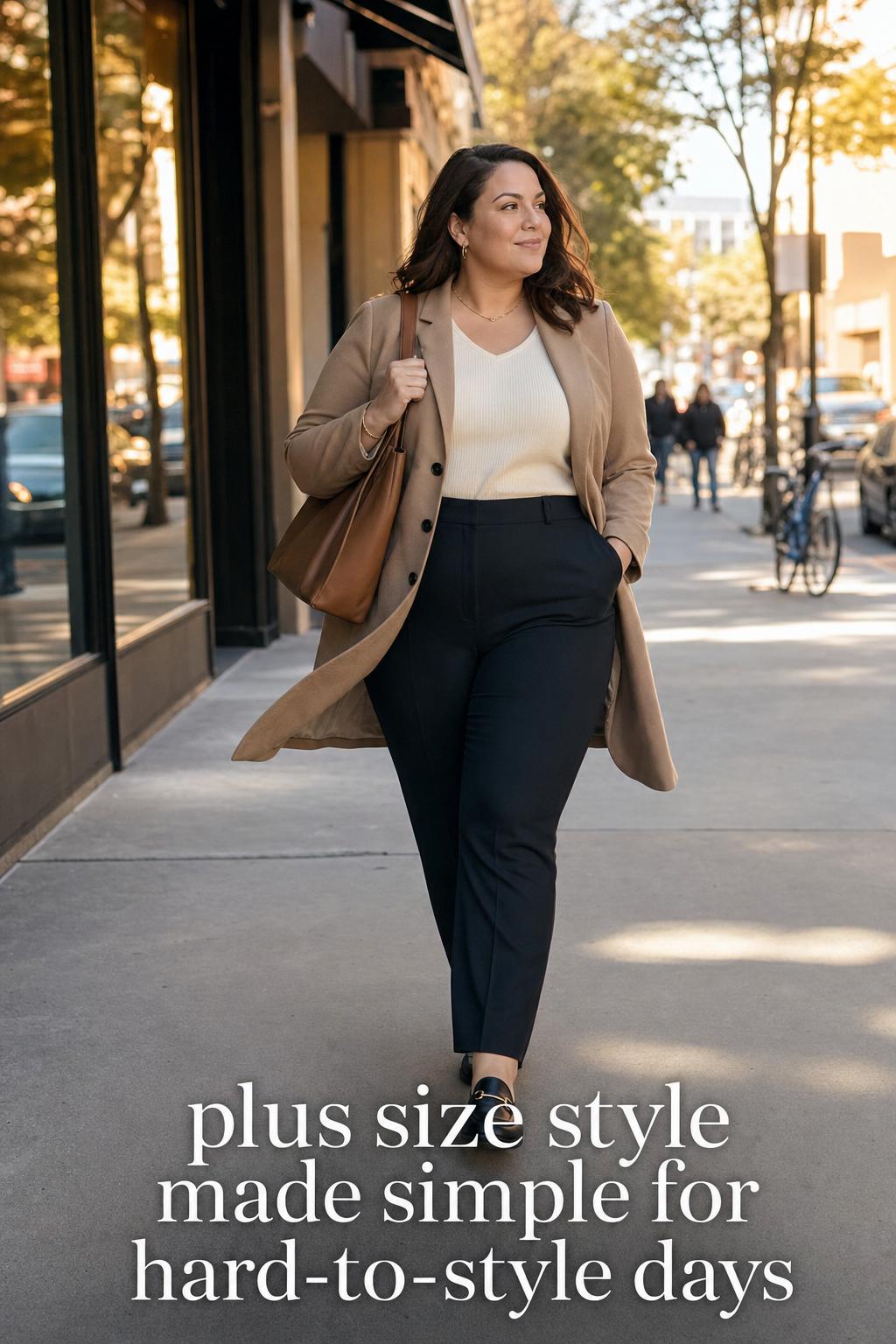
outfit solution: the polished everyday uniform
A polished everyday uniform solves one of the most common style problems: looking composed in ordinary settings without feeling overdressed. Start with straight-leg trousers or clean dark denim, add a soft knit or smooth top, and finish with a structured blazer. This combination works because the blazer provides architectural shape while the base layers maintain comfort.
The silhouette balance here is straightforward. The trousers create a long, uninterrupted line through the leg, while the blazer defines the upper body. If the top is tucked or half-tucked, the waist area feels more intentional without becoming rigid. Footwear should be stable and simple, acting as a quiet extension of the trouser line rather than a competing statement.
This outfit is effective for office days, meetings, lunch appointments, or any situation where plus size style needs to communicate ease and credibility at the same time. It also adapts well to shifting temperatures because the blazer can come off without collapsing the whole look.
why this outfit works
The structured outer layer acts as the visual anchor. The softer underlayer prevents the outfit from feeling too sharp. That texture contrast creates polish without stiffness, which is often the sweet spot for everyday dressing.
outfit solution: the comfortable city look that still feels intentional
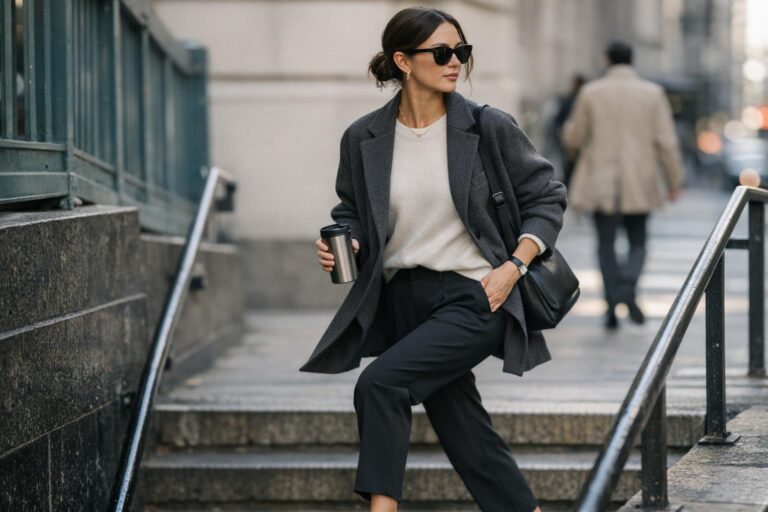
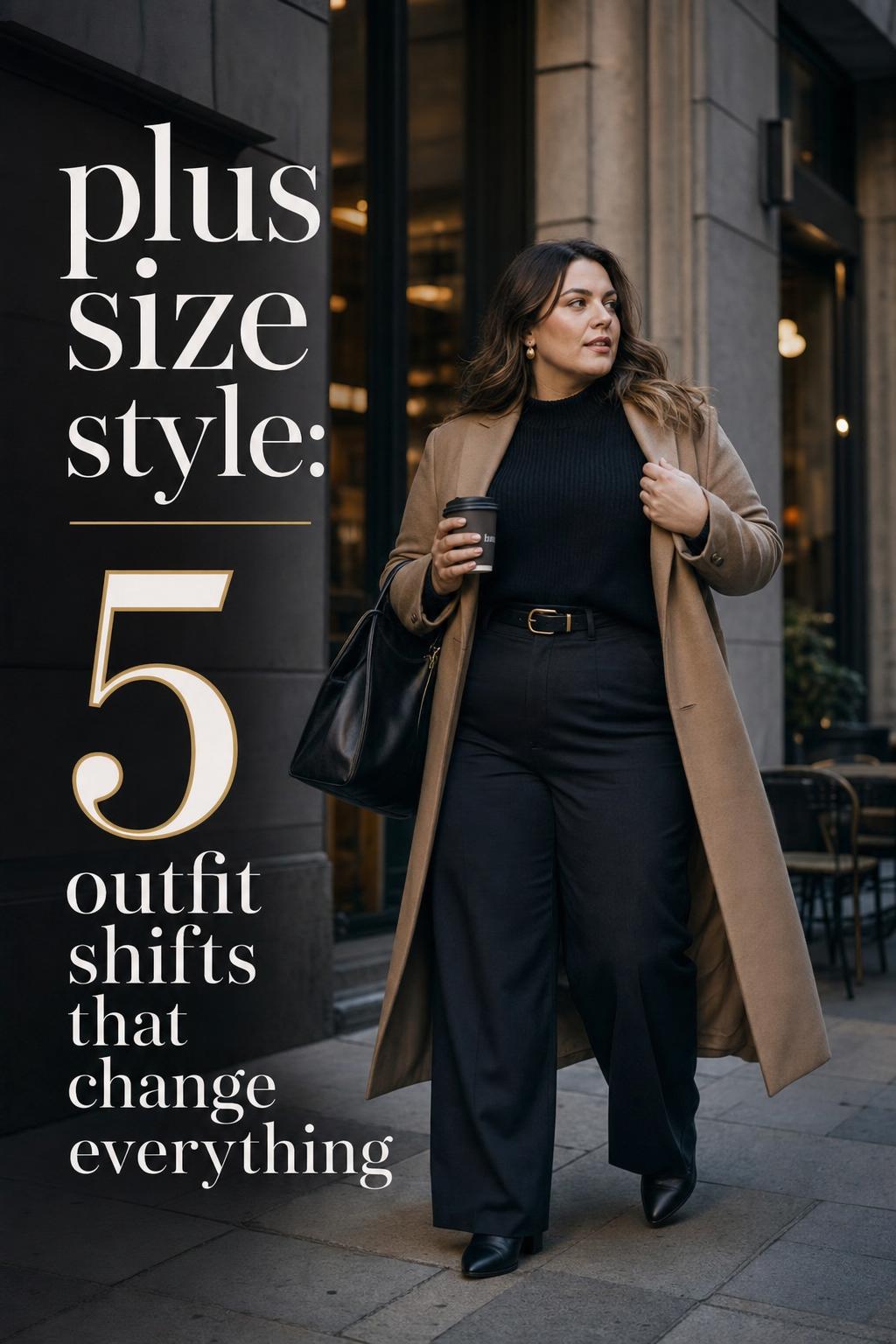
City dressing often demands more from clothing than people expect. You may be walking, commuting, sitting for long periods, and moving between indoor and outdoor temperatures. A successful solution starts with relaxed trousers or high-quality denim, a breathable top, and a longer lightweight layer such as an open shirt, duster, or soft jacket.
The key here is vertical movement. The longer top layer elongates the outfit composition and keeps the silhouette from feeling abrupt. If the base pieces are tonal, the effect is even cleaner. Choose footwear built for distance rather than appearance alone. A supportive flat or low block heel generally preserves the integrity of the look better than shoes that become uncomfortable after an hour.
This is one of the most reliable plus size style formulas because it prioritizes motion. Nothing in the outfit should pull, twist, or demand adjustment. The result feels modern, practical, and city-ready without sacrificing shape.
style breakdown
- Base layer: smooth top with clean neckline
- Bottom: trousers or denim with comfortable rise
- Third piece: long overshirt, duster, or light jacket
- Shoes: stable, walkable, and visually streamlined
outfit solution: a dress-based formula that removes decision fatigue
Some of the most effective plus size style choices come from simplifying the outfit equation entirely. A dress-based look removes the challenge of matching separates and lets fabric, cut, and layering do the work. A midi dress with enough structure to skim rather than cling is one of the most adaptable options.
For a more polished effect, add a blazer or cropped jacket that aligns with the dress silhouette rather than fighting it. For a softer casual version, layer with a long cardigan or open shirt. Footwear can shift the mood quickly: sleek shoes make the look more elevated, while simple flats or boots make it more grounded and practical.
The reason this formula works is clarity. A dress creates an immediate column of color or print, which can be easier to style than multiple broken-up pieces. The layer you add on top becomes the controlling element of the outfit, allowing easy adjustment for occasion and weather.
outfit solution: smart casual without the usual imbalance
Smart casual often fails because it mixes relaxed and polished elements without enough discipline. In plus size style, the solution is to choose one tailored piece, one relaxed piece, and one clean finishing element. For example, pair fluid trousers with a crisp shirt and a refined shoe, or combine dark denim with a polished knit and structured jacket.
What matters is not formality but proportion control. If the shirt has volume, keep the lower half cleaner. If the trousers are wide, maintain shape at the shoulder or neckline. Accessories should support the outfit rather than overload it. A belt, bag, or simple jewelry piece is enough to complete the visual composition.
This balance makes smart casual more useful in real life. It works for dinners, creative offices, informal events, and social plans where you want refinement without rigidity. The outfit reads considered because every piece plays a distinct role.
outfit solution: cooler weather layering without bulk
Cold-weather dressing often creates the most frustration in plus size style because warmth can easily turn into excess volume. The fix is not fewer layers but better layer sequencing. Begin with a smooth base close to the body, then add a knit or shirt with moderate ease, followed by an outer layer with enough structure to hold the silhouette.
A long coat or clean jacket usually works better than piling on thick, shapeless pieces. The outermost layer should organize the outfit visually. If every layer is bulky, the composition feels heavy and undefined. If the underlayers are smoother and the top layer is sharper, the result is warmer and more polished.
Texture contrast is especially important here. A knit under a tailored coat creates depth without chaos. Tonal layering also helps cooler weather outfits feel intentional because it reduces visual interruption while still allowing dimension through fabric variation.
a useful cold-weather adjustment
If an outfit looks heavier once outerwear is added, check the sleeve bulk, hem lengths, and shoulder width first. These are the areas most likely to disturb silhouette balance and make the whole look feel larger than necessary.
outfit solution: warm-weather plus size style that keeps its shape
Warm weather introduces a different challenge. Breathability becomes essential, but lighter clothing can sometimes lose structure and make the outfit feel unfinished. The answer is choosing fabrics and cuts that allow airflow while preserving line. A relaxed dress, wide-leg trouser with a breathable top, or an easy skirt with a defined waistband can all work well.
The goal is to avoid garments that either cling excessively or collapse completely. A light fabric with some body usually performs best because it moves without sticking. Necklines and sleeve lengths also affect comfort more than many people realize. A balanced neckline can open the upper body visually, while sleeve choices can improve ease of movement in heat.
In warm conditions, plus size style benefits from restraint. One strong shape, one breathable fabric story, and one practical shoe are often enough. Over-accessorizing can make the outfit feel heavier than the climate allows.
a style logic approach to denim, tailoring, and dresses
Three wardrobe categories tend to carry the most pressure: denim, tailoring, and dresses. Each requires a slightly different strategy. Denim needs reliable recovery so the shape holds throughout the day. Tailoring needs enough internal structure to define the outfit without becoming rigid. Dresses need drape and proportion control so they feel easy rather than passive.
Approaching these pieces analytically helps. With denim, focus on rise, leg shape, and flexibility during movement. With blazers and jackets, pay attention to shoulder line, closure placement, and whether the garment improves the silhouette when open as well as closed. With dresses, check how the fabric behaves while sitting and walking, not just when standing still.
This is where plus size style becomes less about rules and more about observation. The right choice is usually the one that keeps its visual shape under real-life conditions.
practical styling adjustments that make outfits work harder
- Use tonal layering to create a longer visual line without relying on a single color from head to toe.
- Let one piece act as the statement element and keep the rest of the outfit supportive.
- Choose shoes that extend the mood of the look instead of interrupting it with an unrelated style direction.
- Pay attention to hemlines when adding jackets, cardigans, or coats so the layers feel deliberate.
- Keep accessories purposeful; a bag, belt, or earrings can finish the look without overcrowding it.
These small decisions often have more impact than buying more clothes. In plus size style, refinement usually comes from editing, not excess. The strongest outfits are clear in intention and easy to wear from morning through evening.
what often goes wrong with plus size style
A common mistake is confusing coverage with polish. More fabric does not automatically create a better silhouette. In many cases, oversized pieces without structure remove definition and make the outfit harder to read. Strategic ease works. Uncontrolled volume usually does not.
Another issue is relying on a single styling formula regardless of setting. A look that works for lounging may not translate to work or evening plans without stronger shape, better footwear, or a more intentional layer. Flexibility comes from understanding why an outfit works, not just repeating it.
There is also the tendency to ignore fabric quality in favor of cut alone. Even a good silhouette can underperform if the material wrinkles quickly, stretches out, or clings in the wrong way. Fabric, fit, and proportion need to work together.
do this instead
Build each outfit around one clear goal: ease, polish, versatility, or impact. Once that goal is defined, choose pieces that support it through line, texture, and function. This makes style decisions faster and far more consistent.
tips for making plus size style feel more personal
Personal style should not disappear under practicality. The best approach is to establish a recognizable framework and then vary the details. That framework could be built around clean tailoring, soft monochrome dressing, relaxed city basics, or dress-centered outfits. Once the structure is clear, individual preferences become easier to express.
Tips that consistently improve results include paying attention to necklines, repeating a color family across the outfit, and using one piece as the focal point rather than asking every item to compete. A wardrobe feels more personal when there is visible consistency in shape, palette, and finishing choices.
Another useful shift is photographing successful outfits. Not for trends, but for analysis. Seeing what works repeatedly can reveal your strongest lengths, layers, and silhouette combinations. Over time, that creates a more efficient and more confident version of plus size style.
adapting the same style principles for different real-life situations
The most useful wardrobes are adaptable. A blazer worn over trousers for work can be thrown over a dress for dinner. A city-ready long layer can function as travel wear when paired with softer basics. Dark denim can lean casual with flats or more refined with a sharper top and structured bag. The pieces do not need to change completely; the styling emphasis does.
This is especially important when time is limited. Many style frustrations come from thinking every occasion requires a new formula. In reality, plus size style becomes stronger when the same core principles apply across multiple settings: balance the silhouette, respect comfort, control fabric behavior, and keep the outfit visually coherent.
That consistency creates trust in your own wardrobe. You begin to know which combinations can carry a long day, handle weather shifts, or transition from casual to polished with only minor adjustments.
the long-term mindset that improves plus size style
The most effective style development is not about chasing constant novelty. It is about improving decision quality. That means understanding which cuts support movement, which layers refine the line, which fabrics stay polished, and which outfit formulas solve repeat problems in your life.
plus size style is at its best when it feels intentional rather than defensive. Clothes should support the body, the schedule, the climate, and the occasion. Once those variables are handled thoughtfully, style becomes clearer, easier, and far more expressive.
Approach each outfit as a composition with purpose. Use silhouette balance as the framework, comfort as the standard, and practicality as the filter. That is how everyday dressing starts to look more polished and feel more natural.
FAQ
how do i make plus size style look polished without feeling overdressed?
Use one tailored piece to anchor the look, such as a blazer or well-cut trousers, and keep the rest of the outfit clean and functional. This creates visual structure without making the outfit feel formal.
what is the easiest outfit formula for everyday plus size style?
A reliable formula is a comfortable bottom, a smooth or softly structured top, and a third piece like a blazer, open shirt, or lightweight jacket. That combination gives shape, layering flexibility, and a more finished overall composition.
how can i layer without adding too much bulk?
Start with smoother base layers and place structure on the outside. When the outer layer defines the silhouette and the inner layers remain relatively streamlined, the outfit keeps warmth without losing shape.
are dresses a good option for plus size style?
Dresses are often one of the easiest options because they simplify outfit building and create a more continuous visual line. The strongest choices have enough drape to move well and enough structure to avoid clinging or collapsing.
what should i focus on first: fit, fabric, or trend?
Fit and fabric should come before trend. A garment can only look current and intentional if it moves well, holds shape, and supports comfort over time.
how do i make wide-leg trousers work in plus size style?
Balance them with a cleaner top line and a defined shoulder, neckline, or waist area. The wide shape works best when another part of the outfit provides structure and keeps the overall silhouette controlled.
what is the biggest mistake people make with plus size style?
One of the biggest mistakes is assuming more volume creates a better result. Without structure or proportion control, oversized clothing can make the outfit feel less intentional rather than more flattering or comfortable.
how can i make my wardrobe more versatile?
Build around adaptable categories instead of isolated statement pieces. Reliable trousers, denim, dresses, blazers, and longer layers can be restyled across work, casual settings, and evening plans with only small changes in shoes or accessories.
does tonal dressing help in plus size style?
Yes, tonal dressing often creates a smoother visual line and makes layering look more intentional. It is especially useful when you want the outfit to feel refined, modern, and easy to style across different settings.