
Spring Layering Outfits Aesthetic With a Polished Edge
Cold mornings, overheated trains, late-afternoon wind, dinner plans that start casual and end polished—this is where the layering outfits aesthetic earns its place. It is less about adding random pieces and more about building a look with intention: a base layer that sits close to the body, a mid layer that adds dimension, and an outer layer that shapes the final silhouette. The result feels thoughtful, textural, and visually complete.
Part of the appeal is emotional. Layering creates depth, and depth reads as confidence. A white shirt peeking beneath a knit, a trench coat over tailored separates, a scarf that breaks up a neutral palette—these details make an outfit feel lived-in rather than flat. In editorial settings, this reads elevated. In real life, it means your wardrobe works harder across spring, fall, winter, and even cooler summer moments.

That balance between aspiration and practicality is why layered looks continue to resonate. They adapt to commuting, office dressing, weekend coffee runs, travel days, and transitional weather without losing visual impact. Whether your style leans minimal, streetwear-influenced, feminine, or tailored, layering offers a framework that can be repeated, adjusted, and personalized without requiring an entirely new wardrobe.
What defines the layering aesthetic
At its core, the layering aesthetic depends on visible structure. You are not simply wearing a shirt, sweater, and coat because the temperature demands it. You are composing an outfit where each layer contributes something specific: color contrast, texture, length, drape, volume, or line. The most successful layered outfits feel deliberate because every garment has a role.
Found the dress? Keep the rest in one place.
Zarellea brings guest details, vendors, timelines, and every next step together — so your wedding plan feels as good as your look.
Three ideas shape the look most consistently: proportion, texture, and visible layering. Proportion determines how fitted and oversized pieces interact. Texture gives the outfit dimension through knit, wool, silk, denim, leather, or cotton. Visible layering ensures one piece is allowed to peek out from under another, creating depth rather than bulk. This is why a tee under a sweatshirt can feel ordinary, while a shirt hem showing under a sweater with a blazer on top feels styled.
Many of the strongest examples of layered dressing also work through restraint. A neutral palette, monochrome dressing, or tonal layering often makes multiple pieces feel cohesive. On the other hand, color blocking and streetwear layering use contrast more boldly, relying on visual weight and line placement to keep the look balanced. Both approaches belong to the same aesthetic; they simply express different moods.

The base-mid-outer system that makes layered outfits work
A repeatable layering system matters because it removes guesswork. Instead of treating layered dressing as purely intuitive, it helps to build around three categories: base, mid, and outer. This framework works for everyday dressing, elevated transitional outfits, and more directional combinations like slip dress over denim or dress over pants.
Base layer: the quiet foundation
The base layer should sit cleanly under everything else. T-shirts, long-sleeve tops, shirts, turtlenecks, and thermals all belong here. Cotton is useful because it is easy to wear and easy to pair. Silk can create a smoother, lighter foundation. A good base layer anchors the color story and determines how comfortable the rest of the outfit feels once coats and knits are added.
In practical terms, the best base layers are often the least dramatic. A white shirt under a knit, a fitted turtleneck beneath a blazer, or a simple tee under a waistcoat gives you room to build. If your wardrobe already contains quality basics, you are much closer to mastering layering than most people assume.
Mid layer: where depth begins
The mid layer is what gives the outfit personality. Knitwear, cardigans, sweater vests, sweatshirts, and lightweight pullovers all create depth without immediately dominating the silhouette. This layer changes the visual rhythm of the look because it introduces thickness, texture, and often a new hemline.
A dense knit naturally carries more visual weight than a soft cotton shirt, so it pulls focus to the torso. That can be useful if you want the upper half of the outfit to feel cozy, sculpted, or intentionally oversized. If you prefer a cleaner line, choose a finer knit or a more compact cardigan so the outer layer still closes neatly on top.
Outer layer: the piece that defines the silhouette
Blazers, trench coats, jackets, leather outerwear, and winter coats give layered outfits their final shape. This is the layer most people notice first, which makes it the signature finish of the entire composition. A trench coat immediately signals transitional polish. A blazer sharpens soft layers underneath. A leather jacket adds structure and edge, especially when placed over dresses or fluid fabrics.
The outer layer also determines whether the look feels streamlined or bulky. If your base and mid layers already have volume, the coat should offer enough room to sit properly without pulling. If the underlayers are fine and fitted, a more oversized coat can create proportion play without overwhelming the body.
Texture, fabric, and visual weight
Layering often succeeds or fails at the fabric level. The aesthetic is strongest when there is contrast between surfaces: soft knit against crisp cotton, wool against denim, satin under a blazer, or sheer texture balanced by something heavier. Texture is what stops tonal outfits from looking flat and what keeps monochrome layering interesting.
Visual weight is just as important. Heavier fabrics like wool, thick knitwear, and structured outerwear naturally occupy more space in an outfit. Lighter fabrics such as silk, breathable cotton, or a slip dress should usually sit closer to the body or underneath bulkier pieces. This hierarchy helps maintain movement and keeps the silhouette from becoming shapeless.
Denim plays a particularly useful role because it can anchor softer or more fluid pieces. A slip dress over jeans works precisely because the denim stabilizes the drape of the dress. Similarly, a white shirt under a sweater creates crispness against softness. These combinations are effective not because they are trendy on their own, but because they create tension between structure and drape.
Tips for pairing fabrics without creating bulk
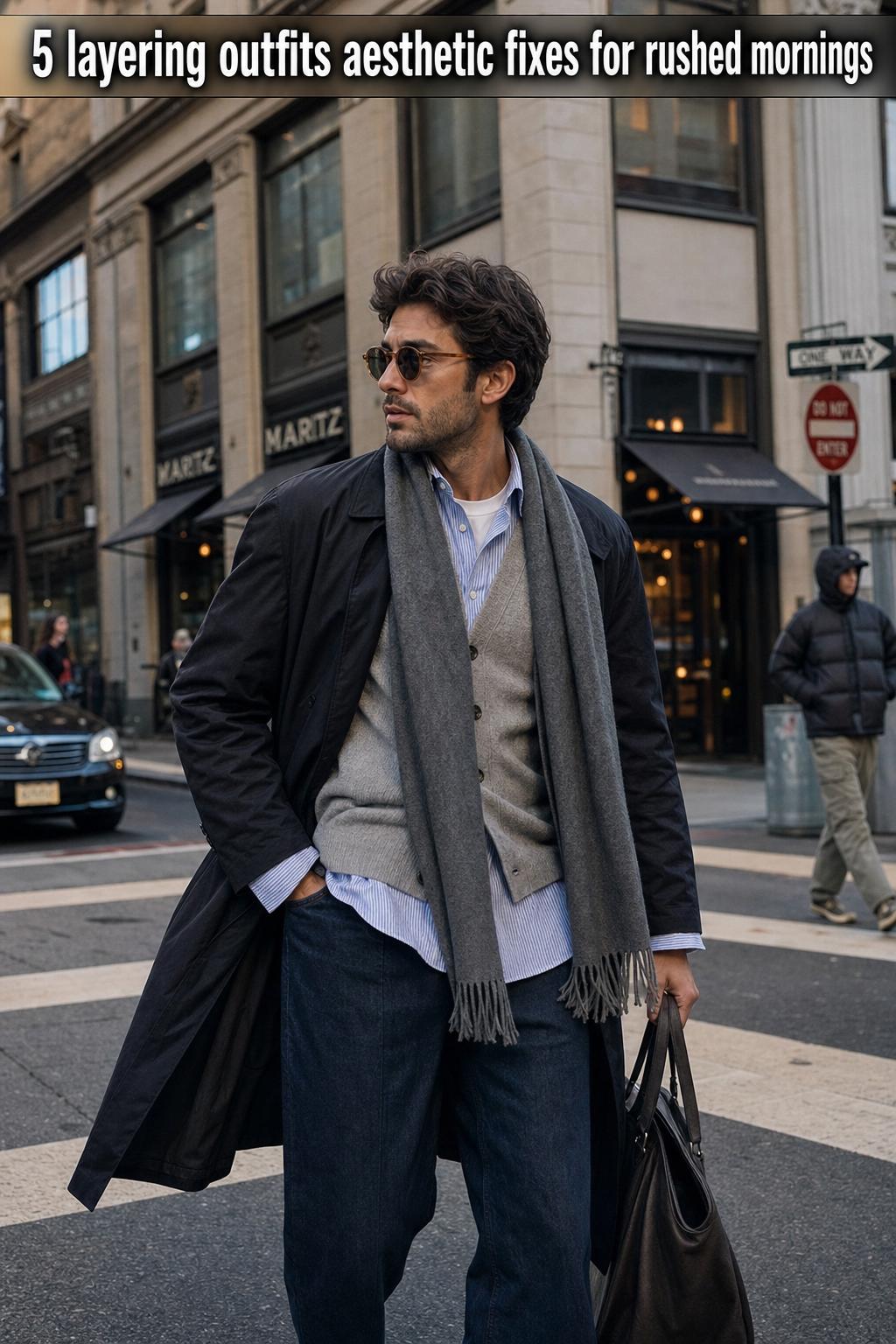
- Start thin and build outward: fitted shirt or tee first, knit second, coat last.
- Use only one truly heavy piece at a time, such as a thick wool sweater or a substantial coat.
- Let one texture dominate and keep the others supportive, especially in monochrome outfits.
- Mix crisp and soft fabrics so the outfit holds shape while still feeling relaxed.
- When layering dresses, choose smoother underlayers so the top piece can drape properly.
Tonal dressing, monochrome layers, and color-blocked contrast
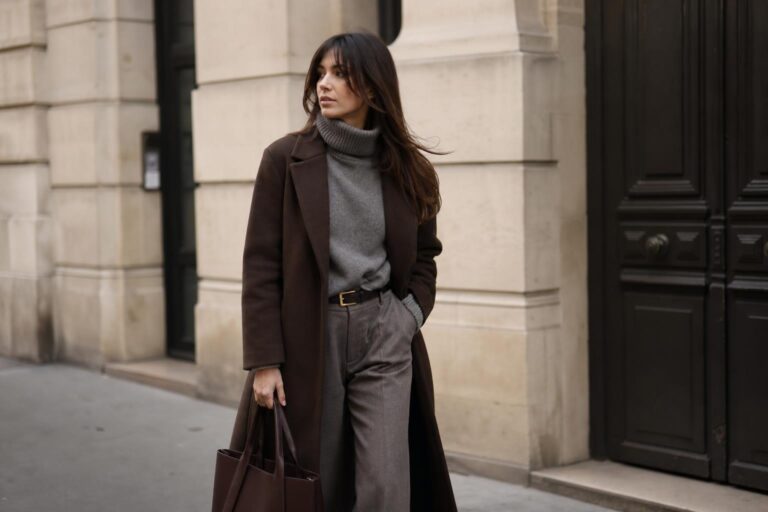
Color determines whether layered outfits read calm, dramatic, or experimental. Monochrome layering works because it lets proportion and texture do the heavy lifting. A tonal range of cream, gray, camel, black, or similar neutrals creates a polished effect even when multiple garments are involved. This is why brands and editorials often rely on neutral base pieces for elevated transitional outfits.
Color blocking shifts the focus. Instead of relying on subtle surface differences, it turns the layers themselves into visual anchors. This approach works especially well in streetwear-inspired looks, where hoodies, tees, jackets, and pants can each hold their own block of color. The key is to make sure one tone leads while the others support, otherwise the outfit can lose cohesion.
A monochrome outfit also tends to be easier to recreate from existing wardrobe pieces. If your closet already contains black trousers, a charcoal knit, and a black coat, you can create a layered aesthetic without buying statement garments. The visual interest comes from hem lengths, material differences, and proportion rather than loud color.
Wearable interpretations of the layered look
Relaxed layers with a soft minimal edge
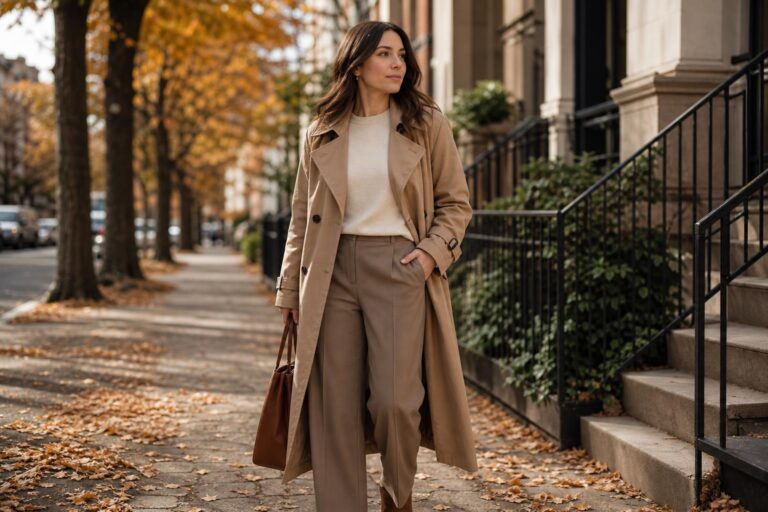
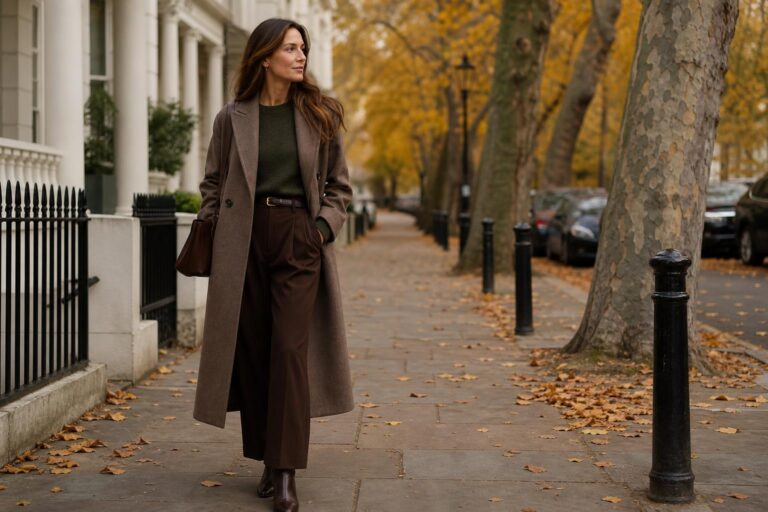
This version of the aesthetic is built on restraint. Think a clean tee or thin turtleneck, a relaxed knit, and a trench coat or softly structured blazer. The palette stays neutral, and the silhouette depends on slight volume rather than obvious statement pieces. It feels modern because the outfit composition is quiet but dimensional.
Why it works: the base layer stays close to the body, the knit adds softness, and the outer layer creates line. If you are dressing for office days, casual meetings, or a city commute, this formula has range. It also flatters many body types because the vertical lines of the outerwear help lengthen the frame while the knit softens the look without swallowing it.
Easy way to recreate it: start with a white shirt or slim long-sleeve top, add a lightweight sweater, then finish with a trench coat. If the outfit feels too plain, use a scarf or jewelry for polish rather than adding more garments.
Tailored separates with visible layering lines
Layered tailoring looks especially strong when the hems and collars are allowed to show. A button-down under knitwear, paired with tailored trousers and a blazer, creates exactly the kind of visible layering that makes an outfit read styled rather than simply practical. The shirt collar and hem act as design details, not afterthoughts.
This composition is effective for transitional weather because each piece can be removed without breaking the look. Indoors, the shirt and sweater remain polished. Outdoors, the blazer completes the structure. If you prefer a sharper finish, keep the color palette tonal. If you want more contrast, let the shirt be the brightest element and keep the outer layers muted.
Styling mistake to avoid: choosing a shirt that is too long or too stiff for the sweater on top. Visible layering should feel intentional, not awkward. The hem needs enough length to peek out, but not so much that it interrupts the line of the trousers.
Slip dress layering with knit and denim contrast
One of the most visually compelling formulas in the layering space is the slip dress paired with a knit or worn over denim. The softness of the dress creates movement, while the knit or jeans bring enough structure to keep the outfit grounded. This is where layering shifts from functional to distinctly aesthetic.
There are two strong directions here. The first is a slip dress under or over a knit, which softens the line and adds warmth for cooler months. The second is a slip dress over jeans, which introduces an unexpected lower layer and gives the look a more directional edge. Both rely on fabric contrast rather than volume.
For everyday wear, keep accessories minimal and let the dress act as the focal point. For a dressier result, add a blazer or leather jacket so the fluidity of the slip is balanced by a more sculpted outer layer.
Elevated streetwear with hoodies, jackets, and strong proportion play
Streetwear layering is less about polish and more about line, visual weight, and controlled excess. A tee under a hoodie, finished with a jacket or coat, creates an immediately recognizable layered outline. Here, proportion does the heavy lifting: a slightly longer tee under a cropped hoodie, or a roomy jacket over compact inner layers, adds definition without needing ornate details.
Color blocking tends to be more effective in this version than in classic tailored layering. A neutral jacket over darker sweats, or a hoodie that contrasts with the outerwear, gives the look energy. Footwear and accessories matter because they complete the visual anchor at the bottom of the outfit. If the top half feels heavy, streamlined pants or cleaner shoes can restore balance.
This approach is especially practical on travel days or long city walks because it allows easy adjustment throughout the day. Remove the jacket, and the hoodie-based outfit still holds together. Add a scarf, and the outfit gains another visible layer without becoming overworked.
Feminine contrast grounded by structured basics
Layering becomes most interesting when soft and hard elements meet. A corset dress with a leather jacket, a delicate dress under a blazer, or a tunic paired with a waistcoat can all create that balance. The appeal comes from contrast: fluidity is held in place by structure, and romantic elements feel less precious when grounded by tailored or tougher layers.
This version works well for dinners, creative work settings, and occasions where you want your outfit to feel expressive without becoming costume-like. The trick is not to overcomplicate the supporting pieces. If the dress has shape, texture, or drape, the outer layer should clarify the silhouette rather than compete with it.
Most versatile item: a blazer. It can sharpen a slip dress, tame a more decorative top, and create a cleaner shoulder line. If you only invest in one outer layer for dressier layered outfits, make it a blazer that fits comfortably over knits and shirts.
Seasonal strategies that keep the aesthetic practical
Transitional layering for spring and fall
Spring and fall are the natural home of layered dressing. The weather changes across the day, and the outfit needs to respond without losing shape. Light knits, shirts, trench coats, blazers, and scarves are the most useful tools here because they can be added or removed while preserving the overall composition.
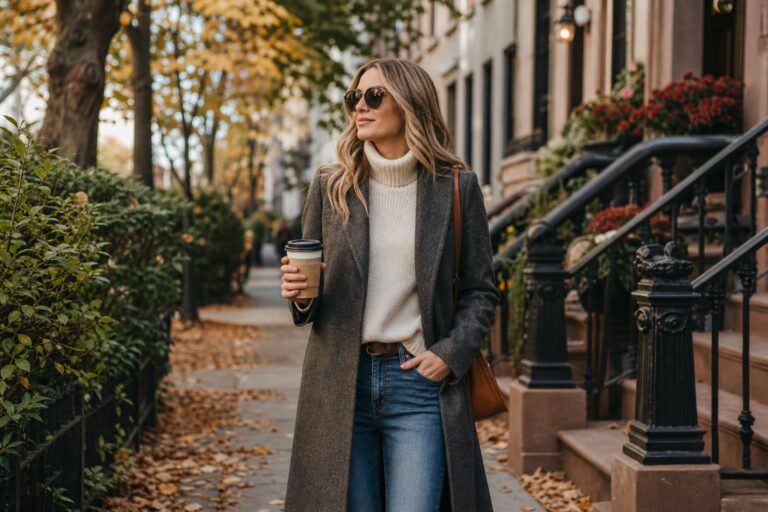
A strong transitional formula is shirt, knit, trench, then accessory polish through a scarf, bag, or jewelry. Another is a dress with a blazer and lighter outerwear. These combinations feel elevated because they are built around neutral base pieces, then refined through proportion and finishing details.

Winter layering without losing shape
Winter layering can easily become bulky if every piece is thick. The smarter approach is to use a thermal or fine base layer, then one substantial mid layer such as a wool sweater, and one effective outer layer like a coat or puffer. Scarves become especially useful because they add warmth and visual texture without disrupting the rest of the silhouette.
If your coat already carries strong structure, keep the inner layers relatively clean. If the outerwear is softer or oversized, a more fitted base helps preserve shape underneath. The goal is not maximum volume; it is thermal practicality with a readable line.
Summer layering with breathable fabrics
Layering in summer requires more restraint, but it still belongs in the aesthetic. The solution is breathable cotton, linen, lighter shirts, and open outer pieces rather than dense knits or heavy coats. A simple shirt over a base top, or a dress combined with a light blazer in air-conditioned spaces, gives the same visual depth in a warmer-weather language.
Summer layered outfits work best when the fabrics carry the look instead of the volume. Lightweight materials, visible hems, and subtle tonal differences create interest without trapping heat. If the climate is especially warm, focus on two layers rather than forcing a full three-piece formula.
Proportion rules that make layered outfits flattering
Layering does not flatter because there are more clothes involved. It flatters because the outfit creates a controlled shape. Proportion is what allows oversized pieces to look intentional and fitted pieces to look modern rather than flat. This is particularly important if you want the aesthetic to feel wearable for different lifestyles and body types.
- If the top half is oversized, give the lower half some structure so the silhouette stays defined.
- If you are layering under a blazer or coat, make sure at least one inner piece sits close to the body.
- Use visible hems strategically to create line and movement.
- Let outerwear define the shoulder line if the inner layers are soft or fluid.
- Belts can restore shape when multiple layers start to blur the waist.
For readers who prefer more ease through the torso, vertical layering is particularly helpful. An open blazer, long cardigan, or trench coat creates length and keeps the eye moving. For those who want more shape, a belt over a blazer or coat can sharpen the composition without removing the depth that makes the aesthetic appealing.
Accessories as finishing layers, not afterthoughts
Accessories matter in layered outfits because they complete transitions between garments. A scarf can soften the break between a sweater and coat. Jewelry can prevent a neutral layered look from feeling too utilitarian. A belt can interrupt volume in the right place. Even bags and shoes influence how heavy or refined the overall composition reads.
Scarves are especially effective because they contribute both function and texture. In winter, they are practical insulation. In transitional weather, they can become the visual bridge that ties base, mid, and outer layers together. If your outfit is monochrome, a scarf in a related tone deepens the palette. If the outfit is more minimal, the scarf can be the single textural accent.
Accessories also help adapt layered outfits from day to night. A sweater, shirt, and trousers combination can feel daytime-simple, but with polished jewelry, a structured bag, and a blazer, it turns sharper immediately. This is one reason layered dressing works so well for real schedules rather than only for editorial photos.
Building a layering capsule without overbuying
The most effective layered wardrobe is modular. Instead of collecting highly specific outfits, build a small group of pieces that combine easily across seasons. This makes the aesthetic sustainable in practice because you are relying on repeatable formulas rather than one-time styling moments.
Core pieces that do most of the work
- T-shirts and long-sleeve base layers
- White or neutral button-down shirts
- Light and medium-weight knitwear
- Tailored blazers
- Trench coats or versatile jackets
- Jeans, tailored pants, skirts, or simple dresses that layer well
Supporting pieces that change the mood
Sweater vests, scarves, waistcoats, belts, and jewelry help shift the same core wardrobe into different directions. A waistcoat can sharpen a shirt and trousers. A scarf can make an otherwise simple knit-and-coat combination feel intentional. These are not the first items to buy, but they are often what make repeated formulas look fresh.
Statement layers that create distinction
Statement coats, leather jackets, textured knits, satin dresses, or stronger color-blocked pieces belong in the final category. They are most useful once the basics are already in place. A bold outer layer is only as versatile as the quieter layers under it. That is why investing in the system before the statement piece usually leads to better outfit mileage.
Brand and style cues shaping the current layered mood
The current layered mood sits between editorial polish and commercial wearability. Fashion editorial spaces like Who What Wear emphasize transitional layering formulas, neutral base pieces, and elevated accessories. Retail-driven inspiration from Primark highlights practical fabric combinations, scarves, and ways to avoid bulk. Ana Alcazar leans into visible layering, waistcoats, dresses, and monochrome styling, while All Things Rainbow and Girly Wardrobe push the more aesthetic and streetwear-influenced side of the look.
That range matters because it shows how flexible the aesthetic really is. One reader may want blazer-and-trench sophistication. Another may prefer hoodie-based streetwear layers. A third may be drawn to tunics, dresses, and more fluid silhouettes. The underlying principles remain stable: create depth, control proportion, and let textures do visible work.
Seasonal runway references and spring 2026 cues have also reinforced the continued value of layering, especially around transitional dressing. The reason this translates so well into daily life is simple: layered outfits are trend-aware, but their logic is timeless. Shirts, knits, coats, dresses, denim, and scarves keep returning because they solve both style and practicality at once.
Common mistakes that weaken the layered effect
The most frequent mistake is adding layers without hierarchy. If every piece is thick, oversized, or visually loud, the outfit loses shape. Another common issue is ignoring hemlines. Layering becomes much more effective when a collar, cuff, or shirt hem is visible in a controlled way. Without that, multiple garments can still read as one heavy block.
Color can also work against the look. Too many unrelated tones make the outfit feel accidental rather than composed. On the other hand, wearing one flat color in identical textures can drain the depth from a monochrome outfit. The strongest result usually comes from either a controlled tonal palette or clearly intentional contrast.
Another issue is forcing trends that do not suit your routine. A dramatic dress-over-pants formula may look excellent in photos, but if you need to move easily all day, a shirt-knit-blazer structure may be the smarter choice. The best layered outfits aesthetic is not the most complicated one. It is the version that still feels balanced after hours of real wear.
Practical tips for wearing layered outfits in everyday life
- Dress for the warmest indoor environment first, then add removable layers for outdoors.
- Choose one “hero” layer per outfit, such as the coat, blazer, or knit, and let the other pieces support it.
- Photograph a few successful combinations so you can repeat them on rushed mornings.
- Use neutral basics as your base system, then rotate in stronger textures or statement layers.
- If you are experimenting with a new formula, keep the footwear simple so the silhouette remains readable.
For travel, layered dressing is especially useful. Airport and hotel environments often shift between cold and warm, and a modular outfit helps. A tee, knit, jacket, and scarf gives you flexibility without sacrificing style. For long days, comfort should lead the decisions around fabric weight and outerwear structure. An outfit can be visually strong and still practical enough for movement, temperature changes, and repeated wear.
The most wearable approach is usually the one built from familiar pieces you already trust. Instead of chasing every new styling combination at once, refine a few reliable formulas: shirt with knit and coat, dress with blazer, tee with hoodie and jacket, or slip dress with denim. Once the framework feels intuitive, personal style naturally starts to show through.

FAQ
What is the layering outfits aesthetic?
The layering outfits aesthetic is a styling approach built around combining base, mid, and outer layers in a visually intentional way. It focuses on depth, texture, visible hems or collars, and balanced proportion so an outfit feels composed rather than simply warm.
How do I layer clothes without looking bulky?
Start with a thin base layer, add only one substantial mid layer, and use an outer layer that fits comfortably over both. Mixing lighter fabrics under heavier ones, keeping at least one piece close to the body, and avoiding too many thick garments at once usually prevents bulk.
What are the best fabrics for layered outfits?
Useful layering fabrics include cotton for base layers, knit and wool for warmth and texture, denim for structure, and silk or satin for smooth contrast. The most effective combinations usually balance soft and crisp textures rather than relying on similar materials throughout.
How can I make layered outfits feel more elevated?
Use a controlled palette, pay attention to visible layering lines, and choose one structured outer piece such as a blazer or trench coat. Accessories like scarves, belts, and jewelry also help refine the outfit without adding unnecessary volume.
Are layered outfits only for fall and winter?
No. Fall and winter make layering more obvious, but spring and summer versions work well with breathable cotton, linen, lighter shirts, and soft outer layers. In warmer months, the effect comes more from fabric contrast and subtle depth than from heavy layering density.
What is a simple layering formula I can wear every day?
A reliable everyday formula is a base tee or shirt, a knit or cardigan, and a blazer or coat. This structure works because each layer has a clear purpose: comfort, depth, and silhouette definition.
How do I style a slip dress with layers?
A slip dress can be layered with a knit for softness, a blazer for structure, or denim underneath for a more directional contrast. The key is to let the dress keep its drape while using the other layers to ground the silhouette.
What accessories work best with layered looks?
Scarves, belts, jewelry, bags, and carefully chosen footwear all work well because they help connect the layers and control visual weight. Scarves are especially useful since they add both texture and function without disrupting the outfit’s structure.
Can streetwear and tailored pieces both fit the layering aesthetic?
Yes. Streetwear layering often uses hoodies, tees, jackets, and stronger color blocking, while tailored layering relies more on shirts, knitwear, blazers, and neutral palettes. Both belong to the same aesthetic because both use depth, proportion, and visible layering to create impact.
What keeps layered dressing compelling is its range. It can feel quiet and minimal, sharply tailored, softly feminine, or slightly streetwear-driven, yet the logic remains the same: build depth, control the silhouette, and let each piece contribute to the final mood. That is why the aesthetic continues to feel current without becoming restrictive.
The most memorable layered outfits are rarely the most complicated. They are the ones where texture, line, and proportion work together so naturally that the outfit looks finished from every angle. Start with the pieces you already wear well, refine the way they sit together, and the aesthetic becomes less about imitation and more about personal style with real structure.