Modern Chinese Style Dress for Polished Evening Style
The phrase chinese style dress carries strong visual expectations, but it also creates immediate uncertainty. Shoppers, stylists, and occasion dressers often use it to describe very different garments, from a slim, high-collar silhouette to a modern dress with only subtle Eastern-inspired lines. That gap between image and definition matters. A dress can feel refined, theatrical, practical, costume-like, minimalist, formal, or romantic depending on cut, fabric, proportion, and styling context. A smart approach starts by treating the category as a style direction rather than a single fixed item.
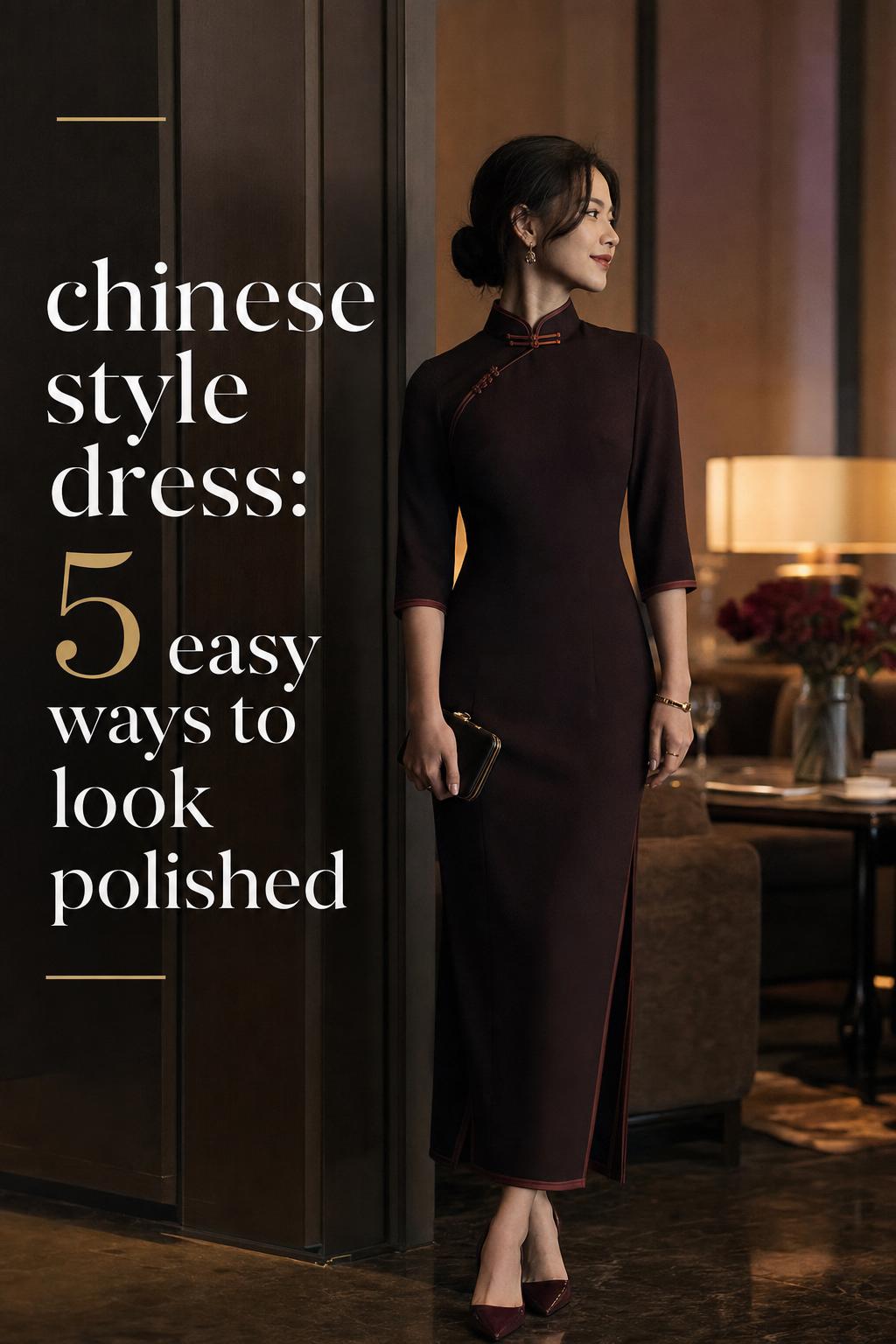
In practical wardrobe terms, the appeal lies in precision. A chinese style dress often works through controlled structure: a clean neckline, a composed front line, an elegant fit through the torso, and details that act as visual anchors instead of excess decoration. The result can be highly polished, but only when the outfit composition is handled carefully. Fabric weight, hem length, sleeve shape, footwear, and accessories all change the final message.
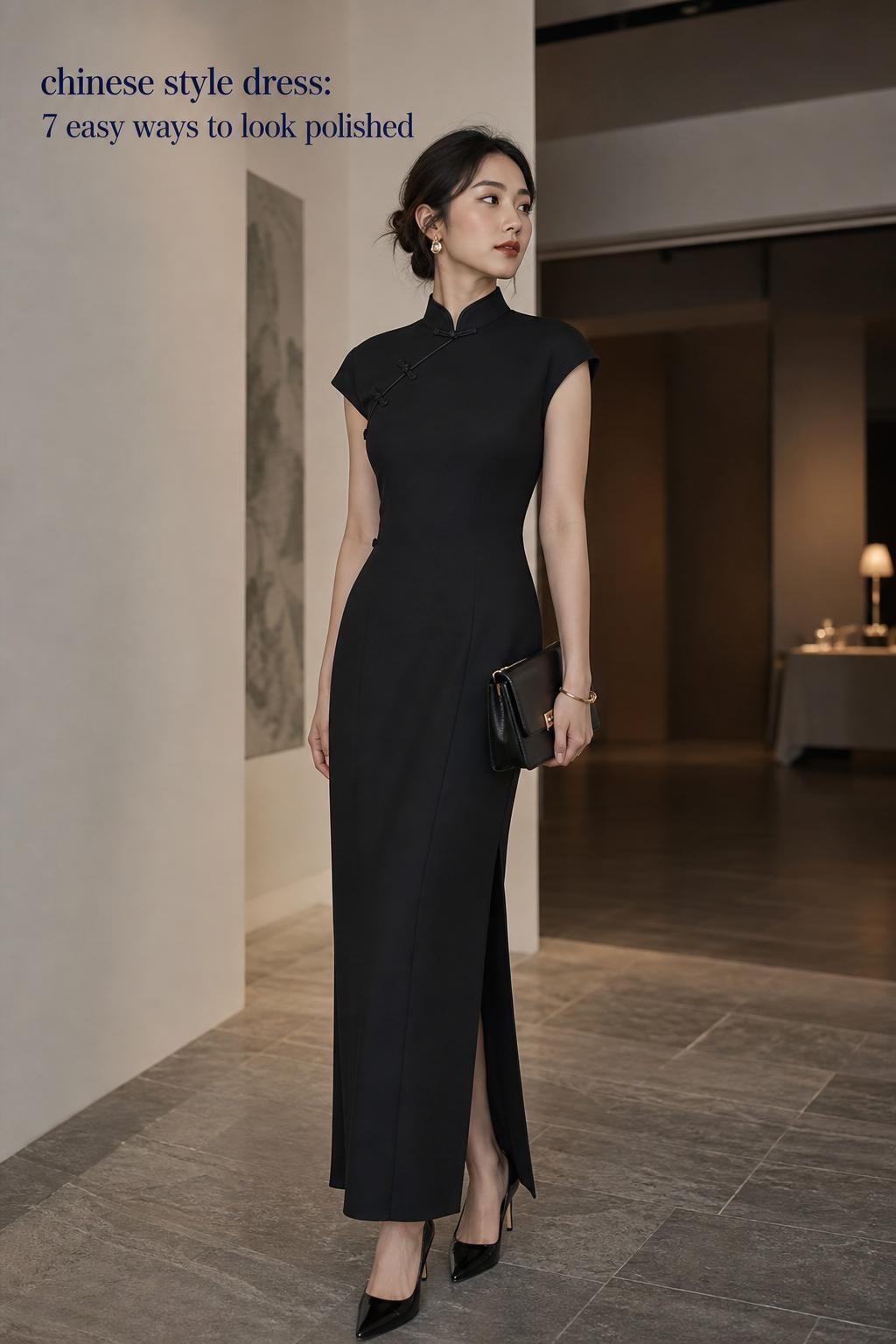
For readers building a look from inspiration rather than from a strict dress code, the real question is not simply which dress to buy. It is how to choose a version that fits the occasion, body proportions, climate, and styling intention. That is where a more analytical fashion lens becomes useful.
What defines the look
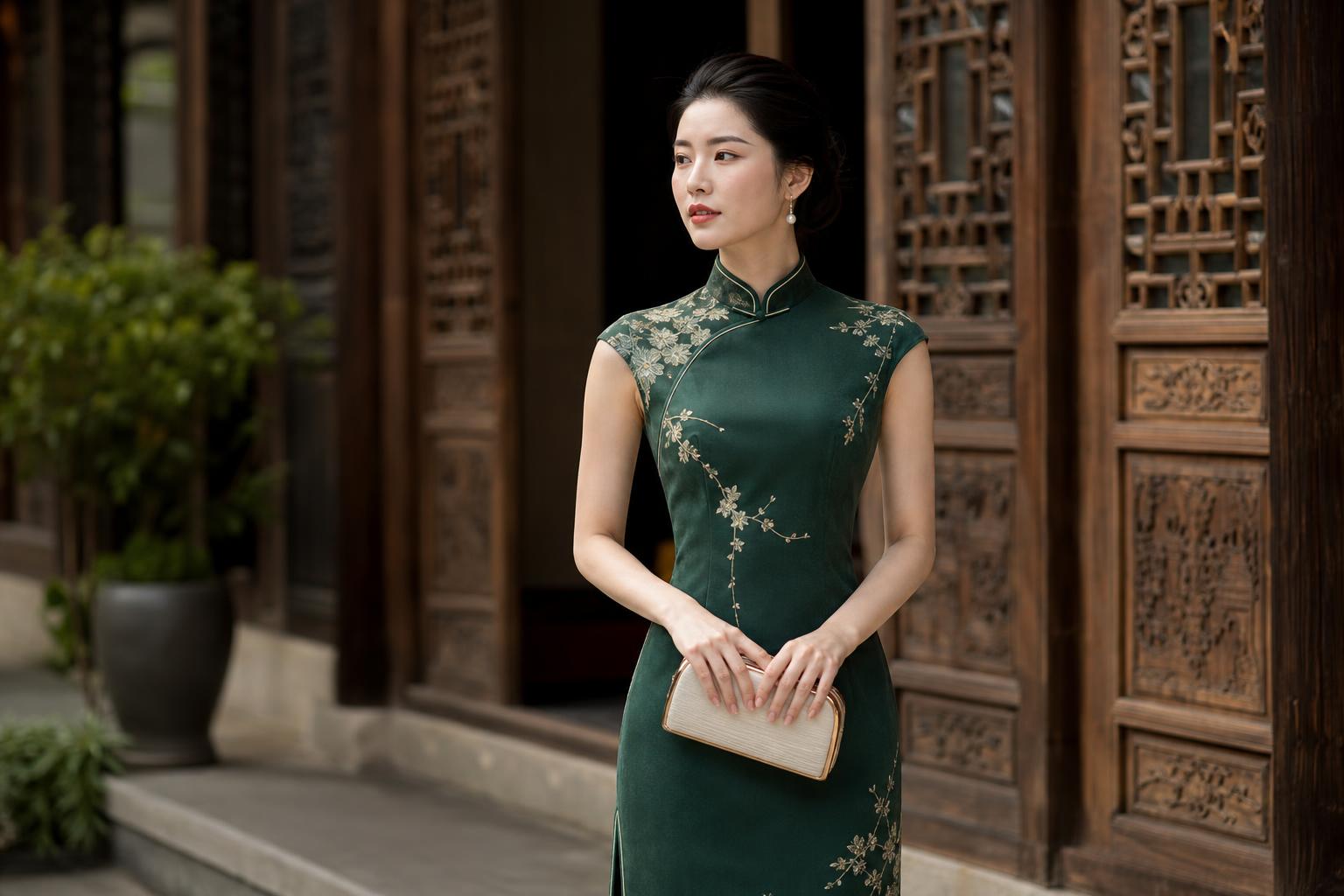
A chinese style dress is usually identified through design language rather than through one universal formula. The most recognizable versions rely on a streamlined silhouette, a neat neckline treatment, and a sense of visual discipline. Instead of relying on volume, ruffles, or heavy layering, the dress tends to communicate through line, contour, and detail placement. This is why even a simple version can read as striking.
Found the dress? Keep the rest in one place.
Zarellea brings guest details, vendors, timelines, and every next step together — so your wedding plan feels as good as your look.
The silhouette often becomes the main statement piece. A close yet not restrictive fit creates shape without visual clutter. When this is paired with a stable fabric, the dress keeps its architecture. When the fabric is softer, the same style direction can become more fluid and romantic. That difference is important because many disappointing purchases happen when the expected structure is not supported by the material.
Detailing also needs balance. A high neckline or distinctive closure line can act as a visual anchor, but if every element competes at once, the dress can shift from elegant to overworked. The strongest versions usually let one or two elements carry the identity while the rest of the design remains clean.
Why this style remains visually effective
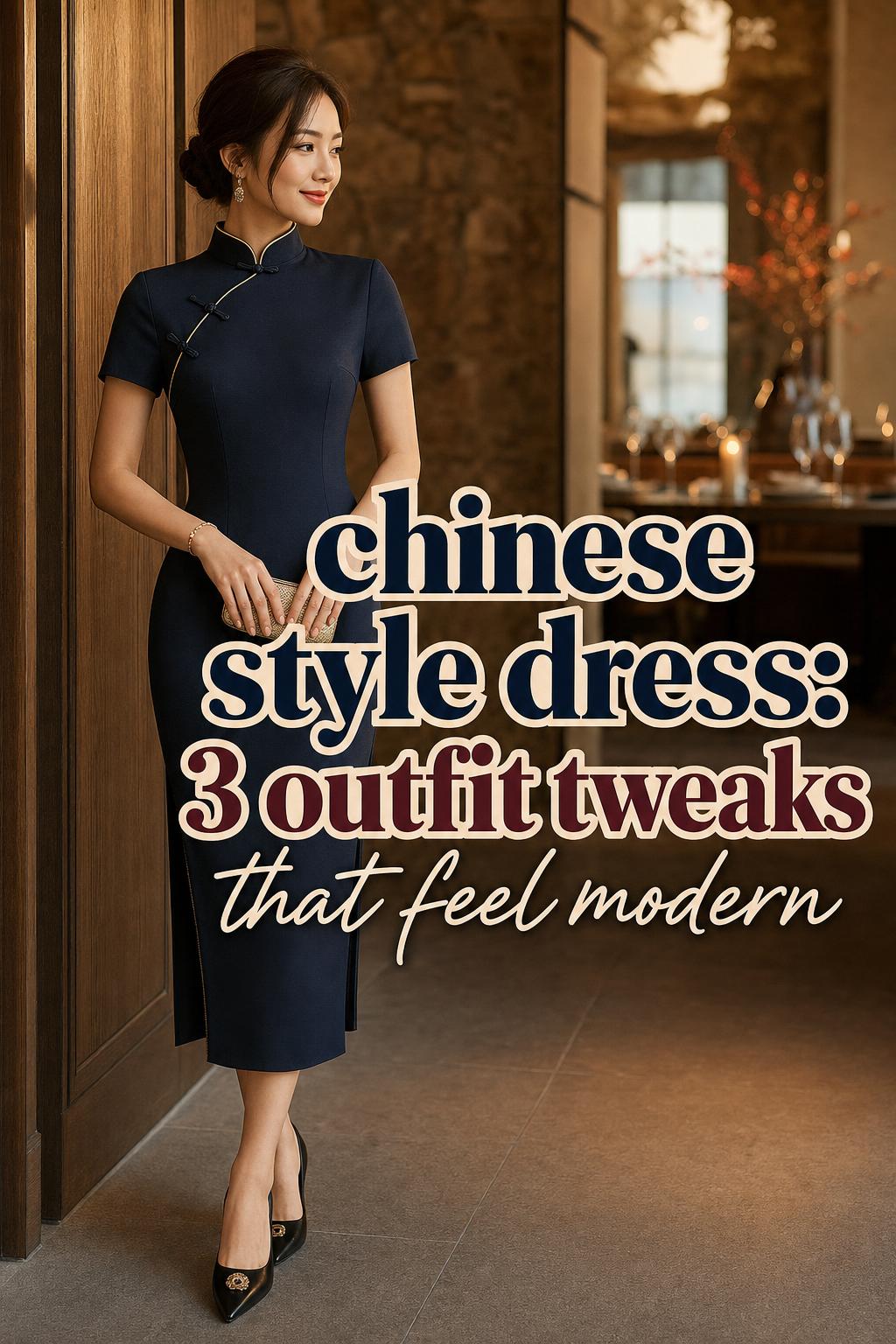
The look works because it creates immediate order. Vertical lines elongate the frame. Controlled fit defines the body without relying on exposed skin. A narrow palette or tonal finish often allows texture and shape to stand out more clearly. In editorial terms, this is a dress category built on proportion play rather than on excess volume.
That makes it especially strong for occasions where elegance needs to feel intentional. It can hold presence in photographs, maintain polish at a dinner or event, and still feel modern when styled with restraint. The same precision, however, means poor fit becomes more visible. Unlike loose silhouettes, this style rarely hides imbalance at the shoulder, bust, waist, or hip.
Silhouette logic: the part that changes everything
With a chinese style dress, silhouette balance matters more than trend pressure. The right cut should guide the eye cleanly from shoulder to hem. If the torso area is too tight, the dress loses sophistication and begins to pull across the body. If it is too loose, the elegance of the line disappears. The goal is contour with ease.
Length affects the visual message just as much. A shorter hem can feel youthful and fashion-forward, but it reduces some of the composed vertical elegance associated with the style. A longer hem generally reinforces refinement, especially when paired with a sleek shoe and minimal accessories. Neither is automatically better. The stronger option is the one that supports the occasion and the wearer’s proportions.
Fitted versus relaxed interpretations
A fitted version sharpens the style identity. It emphasizes line, creates a more formal effect, and usually photographs with more definition. This can be ideal for evening settings or events where the dress itself is meant to carry the outfit. The trade-off is comfort and movement. Any dress with strong shape needs enough allowance for sitting, walking, and turning comfortably over several hours.
A slightly relaxed interpretation broadens wearability. It softens the formality, makes daytime styling easier, and often feels more current for readers who prefer understated dressing. The challenge here is avoiding a shape that looks flat. A looser cut still needs a clear line through the shoulder, neckline, or side seam so the outfit does not lose definition.
Tips for getting the fit right
- Check shoulder alignment first, because the upper frame sets the tone for the whole dress.
- Prioritize ease of movement through the hip and stride area, especially for event wear.
- Choose a hem that supports your shoe plan, since the final proportion depends on both pieces together.
- Watch for fabric pulling at the front closure or side seams, which immediately weakens the clean line.
Fabric texture and finish shape the entire impression
Fabric is often the deciding factor between a dress that looks elevated and one that feels costume-adjacent. In a style category driven by line and detail, textile quality becomes highly visible. Smooth fabrics emphasize crispness and formality. Slightly textured fabrics can add depth and help the garment feel grounded for daywear. High shine creates drama, but it also makes every seam, fold, and fit issue more noticeable.
This is where practical decision-making matters. A fabric that looks beautiful in a still image may not perform well across a full evening. It may crease too easily, cling under indoor lighting, or feel restrictive when seated. A more stable material often delivers a cleaner silhouette for longer wear, which is especially important in fitted cuts.
Texture contrast also affects styling. A polished dress pairs best with accessories that do not compete. If the fabric already carries sheen or surface detail, matte shoes and a restrained bag usually create better outfit composition. If the dress is visually quiet, a stronger accessory can act as the visual anchor without disrupting the balance.
Color direction: when to go bold and when restraint works better
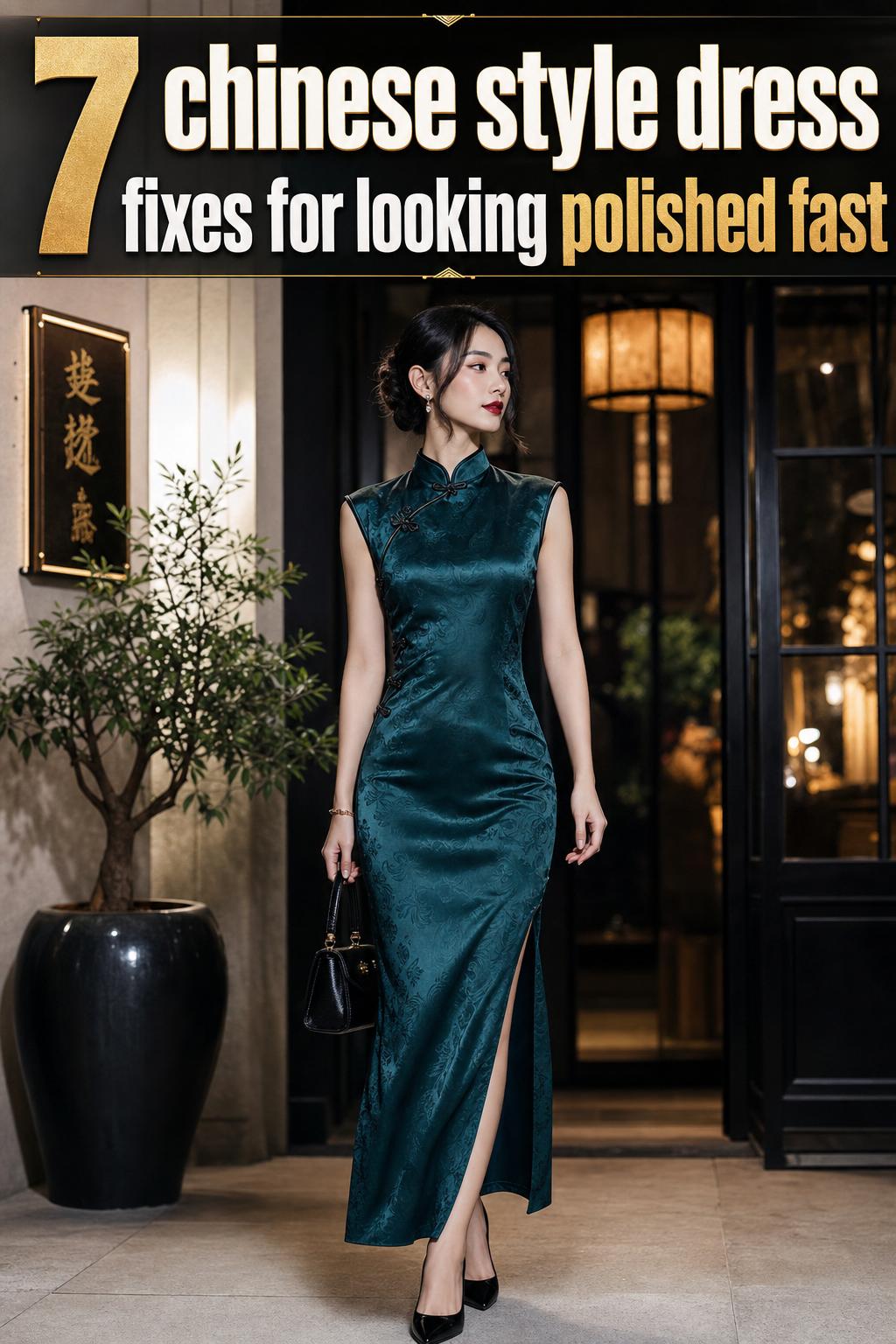
Color changes the cultural and fashion reading of a chinese style dress immediately. Rich tones can amplify formality and occasion presence. Soft neutrals can make the silhouette feel modern, minimal, and easier to integrate into an everyday wardrobe. Dark shades often sharpen the line and make the structure feel more architectural.
The right choice depends on what you want the dress to communicate. If the design already includes distinctive style markers, a restrained palette can keep the overall result polished. If the cut is simple, color can carry more of the statement. This is a classic example of styling logic: one element leads, the others support.
Understanding visual weight
Deep or saturated color gives the dress more visual weight, which can feel luxurious and strong. Lighter shades soften the effect and often highlight seam lines and surface texture more clearly. That can be beautiful, but it also means construction quality becomes easier to judge. If the garment is not well finished, pale colors tend to reveal it quickly.
For readers curating a wardrobe rather than buying a one-time piece, color versatility matters. A more neutral version usually gives more styling range across shoes, outerwear, and accessories. A bolder color may be more memorable for events but can feel less flexible afterward. Neither choice is wrong; the better decision depends on whether the dress is meant to function as a repeat-wear piece or a single standout.
Where this dress works best in real life
This style category is strongest when the setting values polish, clarity, and intention. Formal dinners, celebrations, evening gatherings, and dressier social occasions are natural matches because the silhouette reads as composed and complete with minimal additional styling. The dress does a great deal of work on its own.
That said, not every chinese style dress belongs in the same context. A highly fitted, glossy version may feel perfect at an evening event but too precise for daytime wear. A softer, less structured version can translate more easily into lunch, gallery, or semi-formal use. The key is reading the tension between fabric, fit, and finish.
Event dressing without overstyling
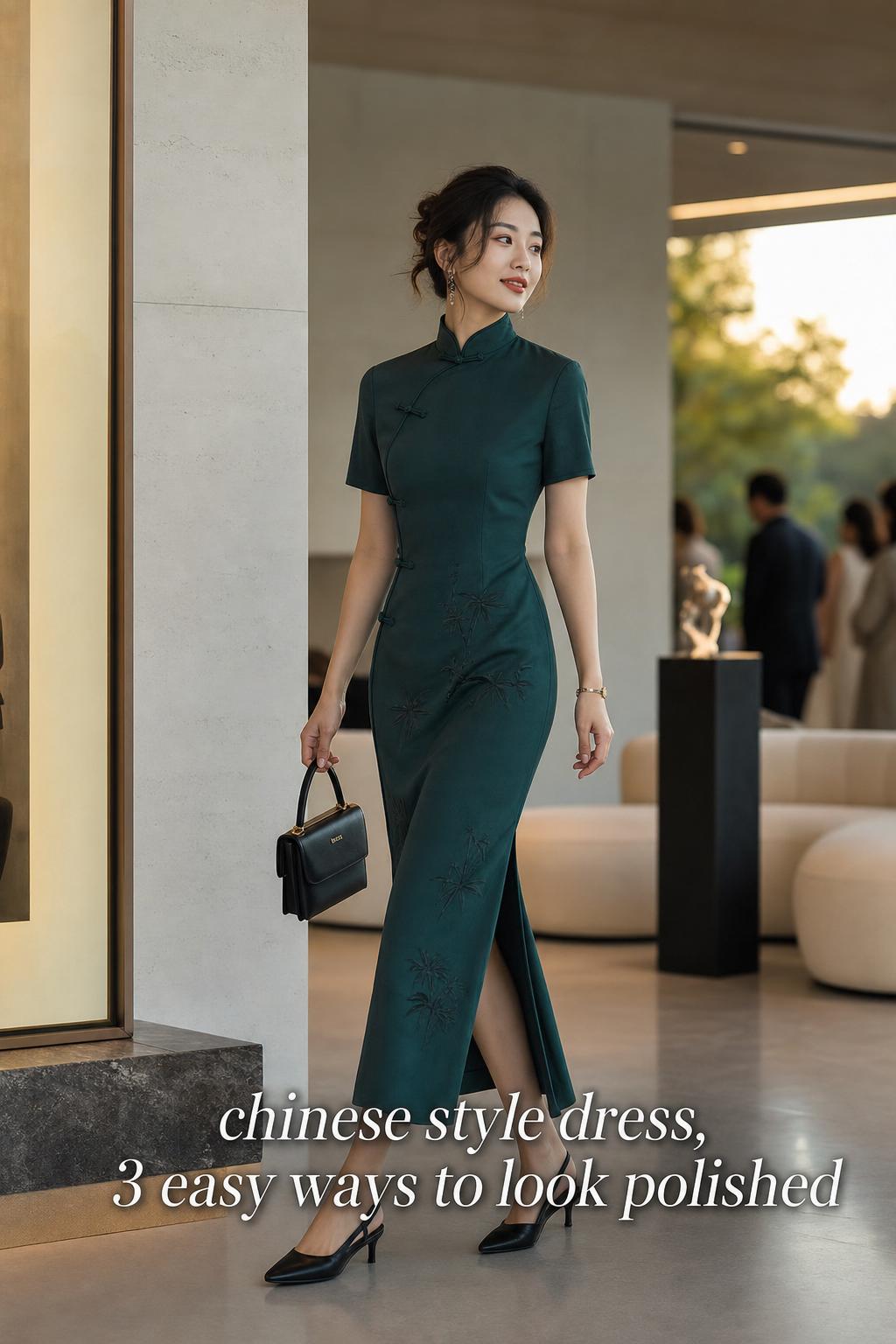
One of the most common styling errors is adding too many statement elements around a dress that is already visually complete. This silhouette usually performs best with editing. Clean shoes, disciplined jewelry, and a bag with a simple shape maintain the line. Heavy layering, oversized outerwear, or accessories with unrelated motifs can fragment the look.
For long events, comfort needs to be considered early. A beautiful dress that limits walking, sitting, or arm movement loses impact over time because posture changes. The most successful event dressing combines line with endurance. That is not a minor detail; it is central to how polished the outfit will appear after several hours.
Modern styling: how to avoid a costume effect
The difference between modern and costume-like styling usually comes down to restraint. A chinese style dress already has a distinct identity, so the surrounding elements should support rather than dramatize it. Minimal footwear, clean hair, and thoughtful proportion create relevance. Overly themed accessories can shift the look away from fashion and into imitation.
A current approach often relies on contrast in attitude rather than contrast in chaos. A structured dress paired with understated shoes and a contemporary bag feels intentional because the outfit leaves space around the main garment. This kind of visual editing is what keeps the look sharp.
Practical styling adjustments that make a major difference
- Keep jewelry selective so the neckline remains visually clean.
- Choose shoes that extend the line of the leg instead of abruptly cutting it.
- Use outerwear with a controlled shape rather than excessive bulk.
- Let one focal point dominate, whether that is color, fit, or detail placement.
These choices may seem minor, but they determine whether the dress reads as integrated into a modern wardrobe or isolated as a special item with limited versatility.
Day versus evening: the same style can shift dramatically
Styling a chinese style dress for daytime requires more reduction. Lower shine, softer structure, and practical footwear tend to make the look feel grounded. The visual goal is clarity without stiffness. In this setting, the dress should function as part of a complete outfit rather than as a ceremonial centerpiece.
Evening dressing allows more definition. A richer fabric finish, more sculpted fit, or stronger color can all work well after dark because the environment supports a higher level of polish. The line becomes more dramatic under evening lighting, which is why precision tailoring matters even more in formal contexts.
How to transition the mood
A single dress can sometimes move between settings if the surrounding choices are adjusted intelligently. For day, simplify everything around it. For evening, refine and sharpen. This kind of transition works best when the dress itself is not overly ornate. Once a garment is highly embellished or strongly formal, its range narrows.
Readers often underestimate the role of grooming and finish. Clean hair direction, controlled makeup, and shoe choice can shift the entire dress from daytime sophistication to evening presence without changing the garment itself. In editorial terms, these are not extras; they complete the silhouette story.
Seasonal context and comfort considerations
Season matters because this style depends on line, and line is easily disrupted by weather-driven layering. In warm conditions, the dress can remain visually pure, which allows the neckline, fit, and length to read clearly. In cooler weather, outerwear introduces bulk and can interfere with the silhouette if chosen carelessly.
This does not mean the style is limited to one season. It means the support pieces must be chosen with more precision in colder months. A coat that echoes the dress’s clean vertical shape usually works better than one that overwhelms it. Similarly, tights, boots, or heavy textures can alter the visual message, so they need to be integrated deliberately rather than added as afterthoughts.
Tips for seasonal adaptation
In warmer weather, prioritize breathable comfort and movement, since fitted dresses become noticeably less wearable if the fabric traps heat. In cooler weather, build around sleek layering pieces that preserve the dress’s front line. The core principle stays the same: every added element should protect the original silhouette, not compete with it.
Common buying mistakes that weaken the look
Most disappointment with a chinese style dress comes from a mismatch between image and real-life wear. The dress may appear elegant in product imagery but fail in person because the fabric is too thin, the fit too rigid, or the details too exaggerated. This is a style category with little room for weak execution. Small flaws become highly visible.
Another frequent issue is choosing a version that is too literal for the intended setting. A garment can be visually impressive but difficult to wear outside a narrow context. If versatility matters, look for a design that keeps the core style language while reducing anything overly theatrical. That approach usually results in more repeat wear and stronger styling flexibility.
Red flags worth noticing
- Fabric that looks shiny but feels flimsy, because it rarely supports a clean silhouette.
- Overloaded detailing that competes with the neckline and line of the dress.
- Very tight fit through the stride area, which affects both elegance and movement.
- Poor seam placement, especially on a dress built around streamlined structure.
These are not small technical concerns. In a dress style defined by refinement, construction and fit are the entire message.
Building the outfit around the dress
Because the dress often acts as the focal garment, the rest of the outfit should be assembled with visual hierarchy in mind. Shoes should either extend the leg line or create a clean interruption that feels deliberate. Bags should support the scale of the dress rather than dominate it. Jewelry should reinforce the neckline instead of crowding it.
This kind of outfit composition is especially useful for Pinterest-driven styling, where inspiration images can encourage over-layering. In reality, the most successful looks are usually the most edited. The dress already provides enough definition. The styling task is to preserve that clarity.
Accessory logic that keeps the look polished
If the dress has a high neckline or distinctive front detail, avoid necklaces that interrupt the design line. Earrings or a cuff often create cleaner balance. If the dress is minimal, one sculptural accessory can add focus. The key is maintaining visual rhythm, so the eye moves through the outfit without getting stuck on competing elements.
Footwear should also reflect the dress’s level of precision. Refined shapes usually work better than bulky or heavily embellished shoes. The reason is simple: the dress relies on elegant line, and heavy footwear can disrupt that proportion play immediately.
A smarter way to choose between statement and versatility
Every shopper eventually faces the same decision: buy the dramatic version or the adaptable one. With a chinese style dress, this choice should be guided by actual wear patterns. If the dress is intended for a specific event and strong visual impact matters most, a more distinctive version can be appropriate. If the goal is repeat styling, a quieter design usually delivers more value.
The statement version often depends on stronger color, more formal fabric, and sharper fit. It has immediate presence but less flexibility. The versatile version usually simplifies the finish and softens the overall effect, making the dress easier to pair with existing wardrobe pieces. It may look less dramatic in isolation, but it often performs better over time.
This is where realistic wardrobe analysis matters more than impulse. A memorable dress is only useful if it can be worn with confidence, comfort, and contextual appropriateness.
Editorial tips for making the dress feel intentional
The strongest styling outcomes come from discipline. Start with the silhouette, then edit everything else around it. Keep color harmony clear. Let texture contrast be controlled rather than random. Use accessories to support scale and line. These principles sound simple, but they are exactly what separate a refined result from a confused one.
Another useful principle is to think in terms of visual anchors. Every outfit needs one element that leads. In this category, the dress itself is usually that anchor. Once you accept that, the styling process becomes easier. You do not need several competing statement pieces. You need enough support to make the dress read cleanly and confidently.
Finally, always test the dress in motion before committing to it for an important occasion. Walk, sit, turn, and lift your arms. The line should remain elegant without constant adjustment. Real-world wear is part of style intelligence. A dress that only works when standing still is not a successful wardrobe piece, no matter how strong the initial image may be.
FAQ
What is usually meant by a chinese style dress?
It generally refers to a dress shaped by a recognizable design language rather than a single exact formula, often emphasizing a streamlined silhouette, a clean neckline treatment, and composed detailing that creates an elegant, structured appearance.
How should a chinese style dress fit?
The best fit creates contour without strain, with clean shoulder placement, comfortable movement through the torso and hips, and a smooth vertical line that remains polished when walking or sitting.
Can a chinese style dress work for daytime wear?
Yes, but daytime styling usually works best with a less formal fabric finish, slightly softer structure, and restrained accessories so the look feels grounded rather than overly ceremonial.
What makes this style look modern instead of costume-like?
A modern result usually comes from restraint: edited accessories, clean footwear, balanced proportion, and avoiding too many themed elements that compete with the dress’s own design identity.
Which fabrics tend to work best?
Fabrics that hold a clean line and support the dress’s structure usually perform best, while overly flimsy or excessively shiny materials can make fit issues and construction flaws more obvious.
Is a fitted version always the most flattering?
No, because the most effective choice depends on body proportions, comfort, and occasion; a slightly relaxed cut can look more refined than a too-tight fit that disrupts the intended silhouette.
How do you accessorize a high-neck chinese style dress?
It is usually best to keep the neckline clear and use selective accessories such as earrings, a cuff, or a simple bag so the front line of the dress remains visually intact.
What are the most common mistakes when buying one?
The biggest mistakes are choosing weak fabric, accepting poor fit, and selecting a design with too much competing detail, all of which undermine the clean, elegant structure that gives the style its appeal.
Can this type of dress be worn in cooler weather?
Yes, but the outerwear and additional layers need to be chosen carefully so they preserve the dress’s vertical shape and do not add bulk that interrupts the silhouette.
How do you decide between a statement version and a versatile one?
The decision should come down to actual use: a dramatic version suits a specific high-impact occasion, while a quieter design usually offers more repeat wear and easier integration into a broader wardrobe.